
Tso Moriri Lake is famous for its remote blue-water landscape, high altitude, Korzok village, Ramsar wetland status, migratory birds, cold-desert mountains, and quieter travel experience compared to Pangong Lake. It is ideal for travelers who want silence, photography, wildlife, and a more offbeat Ladakh itinerary. Incredible India describes it as a revered high-altitude lake in Ladakh and notes its Ramsar wetland status.
Where Is Tso Moriri Lake Situated?
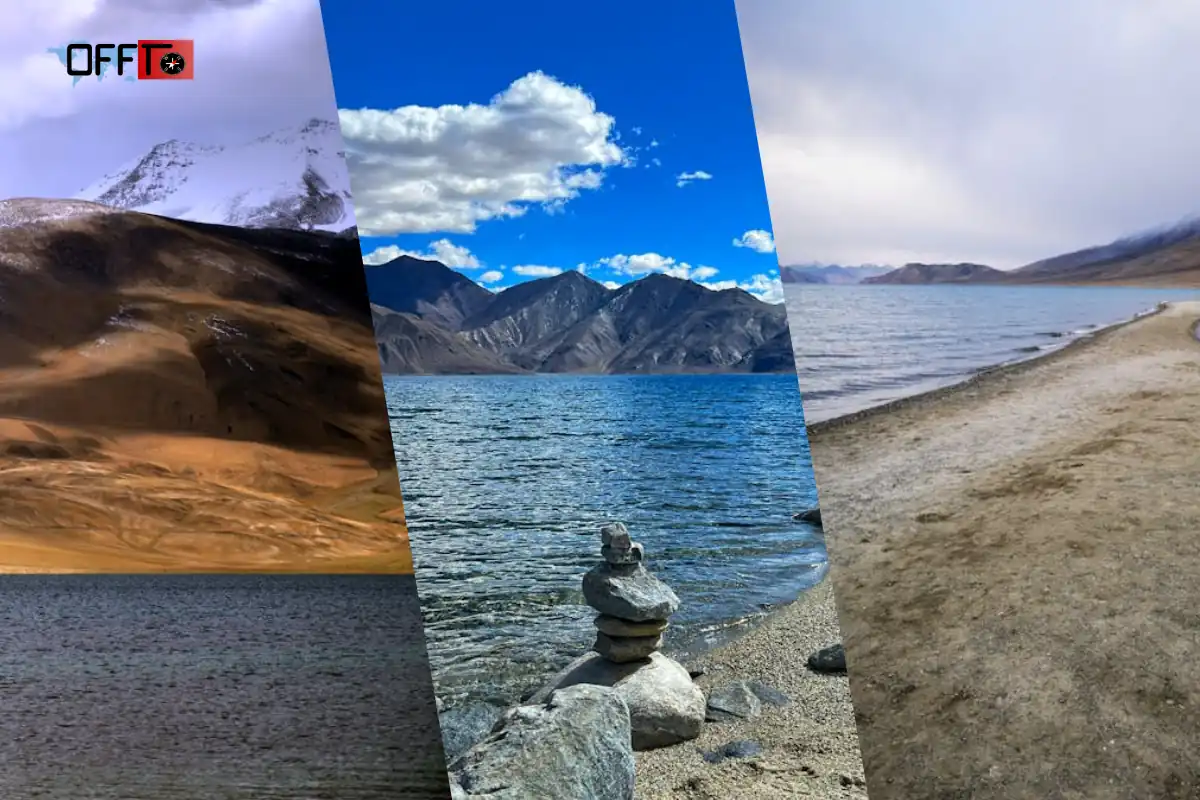
Tso Moriri Location in Ladakh
Tso Moriri Lake is a remote high-altitude lake located in the Changthang region of eastern Ladakh. Nestled in the Rupshu Valley, it lies about 240 km southeast of Leh, making it significantly quieter and less visited than Pangong Lake. The lake’s turquoise waters are framed by barren mountains, snow-capped peaks, and vast high-altitude plains, offering travelers a serene and offbeat experience.
Tso Moriri and Changthang Plateau
The lake sits on the Changthang Plateau, one of the world’s highest inhabited plateaus. This region is known for cold desert landscapes, nomadic Changpa settlements, and wildlife-rich wetlands, including migratory bird habitats. The plateau’s remote terrain gives Tso Moriri its signature tranquil and pristine character, far from crowded tourist hubs.
Korzok Village and the Lake Shore
Korzok Village, located on the western shore of Tso Moriri, serves as the primary base for travelers. The village is home to the Changpa nomads, small guesthouses, homestays, and seasonal camps. Staying here offers direct access to the lake, stunning sunrise and sunset views, and cultural immersion, while respecting local customs and limited infrastructure.
Distance from Leh to Tso Moriri
The route from Leh to Tso Moriri typically spans around 240 km, taking approximately 6–7 hours by car or SUV. The drive passes through Upshi, Chumathang, Mahe, Sumdo, and finally Korzok. Altitude gain and rugged terrain mean travel requires careful planning, acclimatization, and reliable vehicles.
Why Tso Moriri Is More Remote Than Pangong
Unlike Pangong Lake, which lies on a more accessible route from Leh and sees frequent tourists, Tso Moriri’s remote location requires longer travel through high-altitude terrain with fewer facilities along the way. This isolation makes it ideal for offbeat travelers, photographers, and birdwatchers seeking solitude and pristine landscapes.
Is Tso Moriri Close to the LAC?
Yes, Tso Moriri is relatively close to the Line of Actual Control (LAC) with China, located in the easternmost part of Ladakh. Travelers should be aware of permit requirements and avoid straying beyond designated tourist zones. Responsible travel and adherence to local regulations are essential.
Tso Moriri Altitude: Height in Feet and Meters
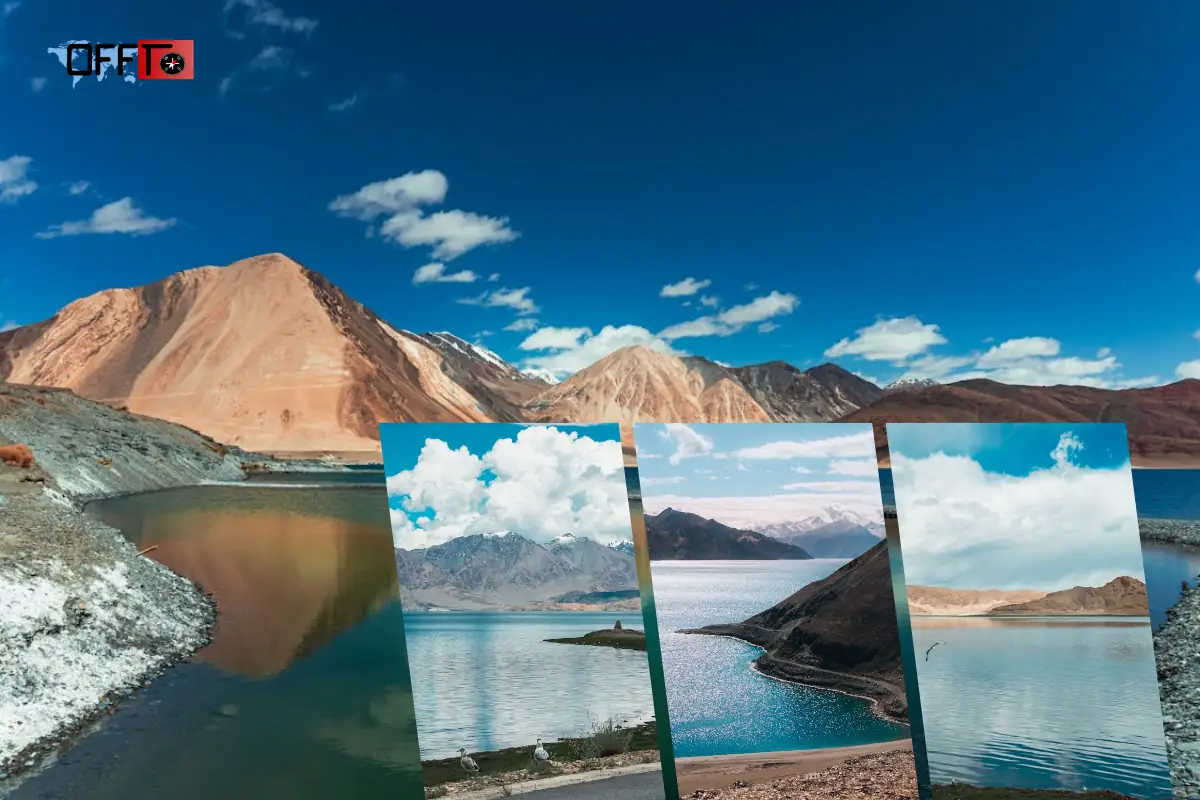
Tso Moriri Altitude in Meters
Tso Moriri Lake is situated at an altitude of approximately 4,522–4,595 meters above sea level. This extreme elevation contributes to clear blue waters, crisp mountain air, and dramatic high-altitude scenery, but also presents challenges for those unaccustomed to such heights.
Tso Moriri Height in Feet
In feet, the lake stands around 14,836–15,075 feet. At this height, travelers experience reduced oxygen levels, lower atmospheric pressure, and cooler temperatures even during summer, which can affect physical performance and endurance.
Why the Altitude Matters for Travelers
High altitude impacts acclimatization, breathing, energy levels, and susceptibility to altitude sickness. Visitors should avoid strenuous activity immediately upon arrival, drink plenty of water, and plan gradual ascents to allow the body to adapt. Nights are especially cold, even in summer, requiring warm clothing and layered outfits.
Tso Moriri Altitude vs Leh and Pangong
Compared to Leh (3,500 m) and Pangong Lake (4,250 m), Tso Moriri sits higher and is more remote. Travelers coming directly from Leh may experience mild to moderate altitude effects, including headaches, nausea, and shortness of breath. Proper acclimatization in Leh or along the route is highly recommended.
Altitude Sickness Risk at Tso Moriri
Altitude sickness is a genuine risk due to the lake’s elevation. Symptoms can include headache, dizziness, nausea, and fatigue. In severe cases, high-altitude pulmonary or cerebral edema can occur, though rare. Travelers should ascend gradually, avoid alcohol, and carry medications like acetazolamide if prescribed.
Who Should Be Extra Careful?
Children, elderly travelers, pregnant women, and those with cardiac or respiratory conditions should take extra precautions. Spending a night or two in Leh before heading to Tso Moriri, traveling with a reliable driver, and monitoring health throughout the journey is critical for safety.
Tso Moriri Weather: Season-Wise Travel Conditions
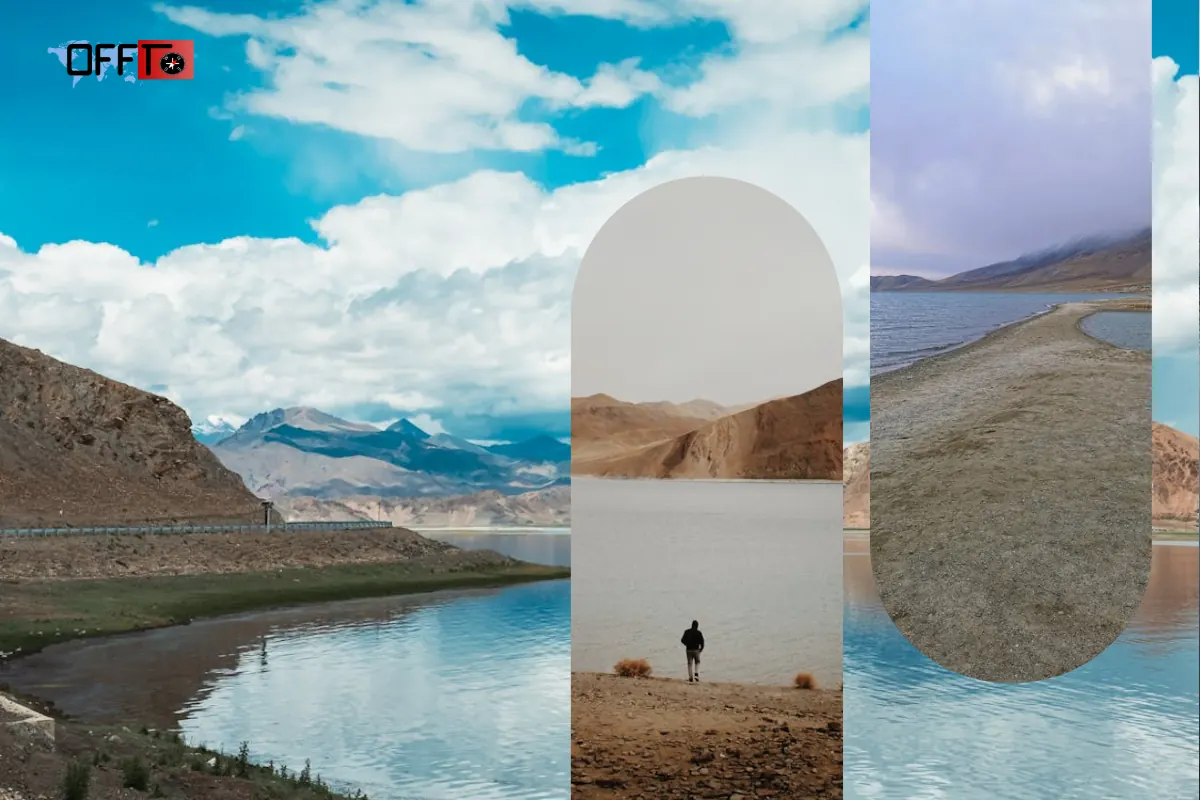
Tso Moriri Weather in Summer
Summer at Tso Moriri spans June to September. Daytime temperatures are pleasant, ranging from 10°C to 20°C, while nights can drop close to 0°C or below. The weather is generally dry with clear skies, making it ideal for boating, photography, and high-altitude trekking. Travelers should still carry warm layers for evenings and early mornings.
Tso Moriri Weather in Monsoon Season
The monsoon season in Ladakh is short and usually affects only July–August lightly. Tso Moriri sees minimal rainfall, but travelers may experience strong winds and occasional road closures due to landslides in lower passes. Summer monsoon visitors should monitor road conditions carefully.
Tso Moriri Weather in Autumn
Autumn (September–October) offers crisp skies, clear air, and fewer crowds. Daytime temperatures are cooler, and nights are significantly cold, often dropping below -5°C. This period is ideal for photography, birdwatching, and stargazing, but early planning for warm clothing and daylight navigation is essential.
Tso Moriri Weather in Winter
Winter (November–March) brings extreme cold, heavy frost, and frozen lake surfaces. Access is extremely limited due to snow-blocked roads, and most accommodations are closed. Casual travelers are advised not to attempt winter visits, while only experienced high-altitude adventurers should consider it with proper gear.
Day vs Night Temperature Reality
Even in summer, daytime warmth can be deceptive. While the sun feels strong, nights are cold, and wind chill can intensify. Travelers should layer clothing to adapt from bright daytime heat to freezing nighttime temperatures, especially during lakeside photography sessions.
What Clothes to Pack Based on Weather
Recommended packing includes:
- Layered clothing: T-shirts, fleece jackets, insulated jackets.
- Windproof outer layers for gusty conditions.
- Warm hats, gloves, and scarves for early morning and evening.
- Sunglasses and sunscreen due to intense high-altitude UV radiation.
- Comfortable walking shoes suitable for uneven lake and plateau terrain.
Weather Reality: Wind, Cold, Sunburn and Sudden Drops
Travelers should expect strong winds, sudden temperature drops, and intense sun exposure. Even short hikes or lakeside walks require protective clothing and hydration. Always carry water, layered clothing, and sun protection for a safe and enjoyable visit.
Tso Moriri Viewpoints: Best Places to See the Lake
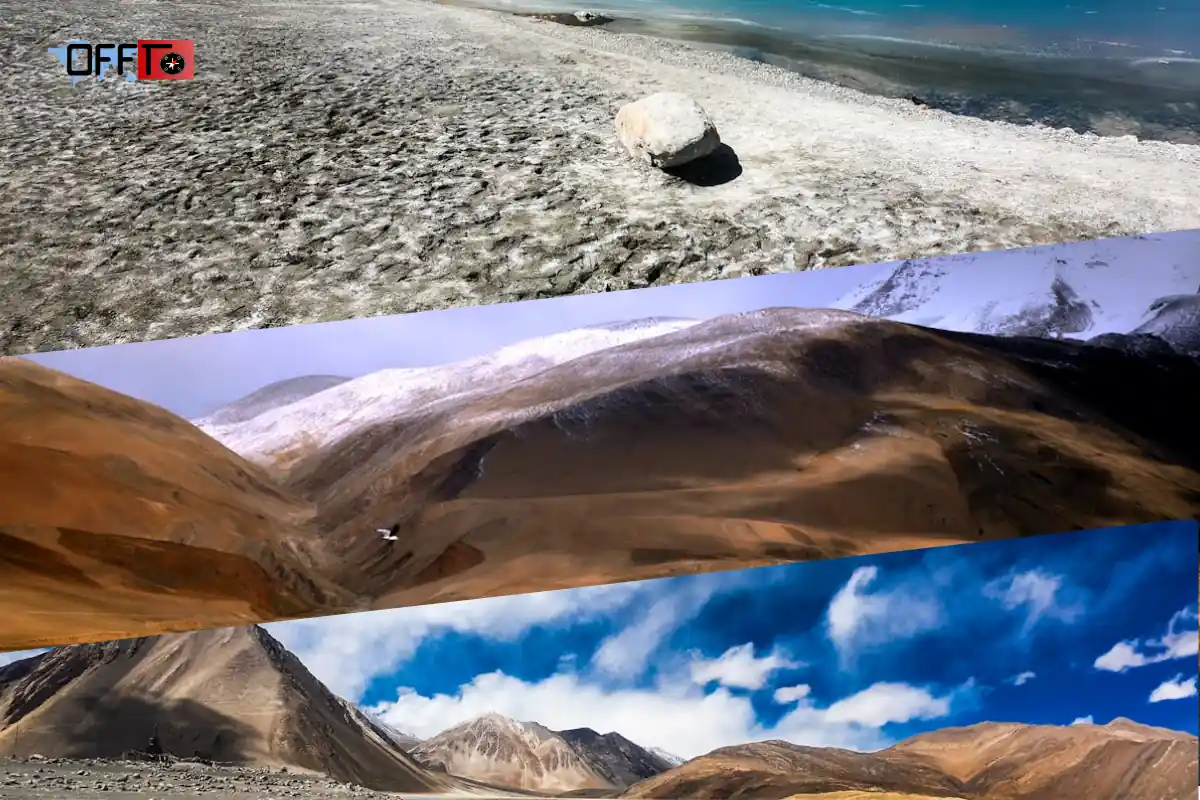
Korzok Village Viewpoint
The village of Korzok itself offers easy-access viewpoints over Tso Moriri. From here, visitors can see blue waters framed by high-altitude desert hills, with a backdrop of local settlements. This spot is ideal for sunrise photography and casual lakeside walks.
Korzok Monastery View
Perched slightly above the village, Korzok Monastery offers elevated lake perspectives. Early morning or late afternoon light enhances the turquoise water against rugged mountain slopes. The monastery adds a cultural and spiritual element to the visual experience.
Lakeside Viewpoints Near Korzok
Several small lakeside vantage points along the shore provide close-up views of the water, birds, and surrounding mountains. Ideal for photographers and wildlife enthusiasts, these spots are less crowded and perfect for peaceful contemplation.
Roadside Viewpoints Before Reaching Tso Morir
The approach road from Chumathang and Mahe offers dramatic panoramic views before reaching the lake. These viewpoints are excellent for wide-angle photography and give travelers a first glimpse of the vast Changthang Plateau and turquoise waters.
Sunrise Viewpoints
Sunrise casts golden light over the lake and barren mountains, creating reflections and soft contrasts. Best spots include western lakeshore near Korzok and slightly elevated hill areas for unobstructed views.
Sunset Viewpoints
Sunset transforms Tso Moriri with warm hues on the lake surface. Prominent viewpoints include Korzok lakeshore and boat-accessible locations. Arrive at least 30 minutes early during peak season for optimal photography and tranquility.
Photography Angles for Tso Moriri Lake
Recommended angles for capturing the lake’s beauty:
- Low-angle shots near the water for reflections.
- Wide-angle compositions capturing mountains, plains, and lake.
- Silhouette shots using prayer flags or village elements in the foreground.
- Birdwatching angles to frame migratory species against open water.
Tso Moriri Distance: How Far Is It From Leh and Other Ladakh Points?
Leh to Tso Moriri Distance
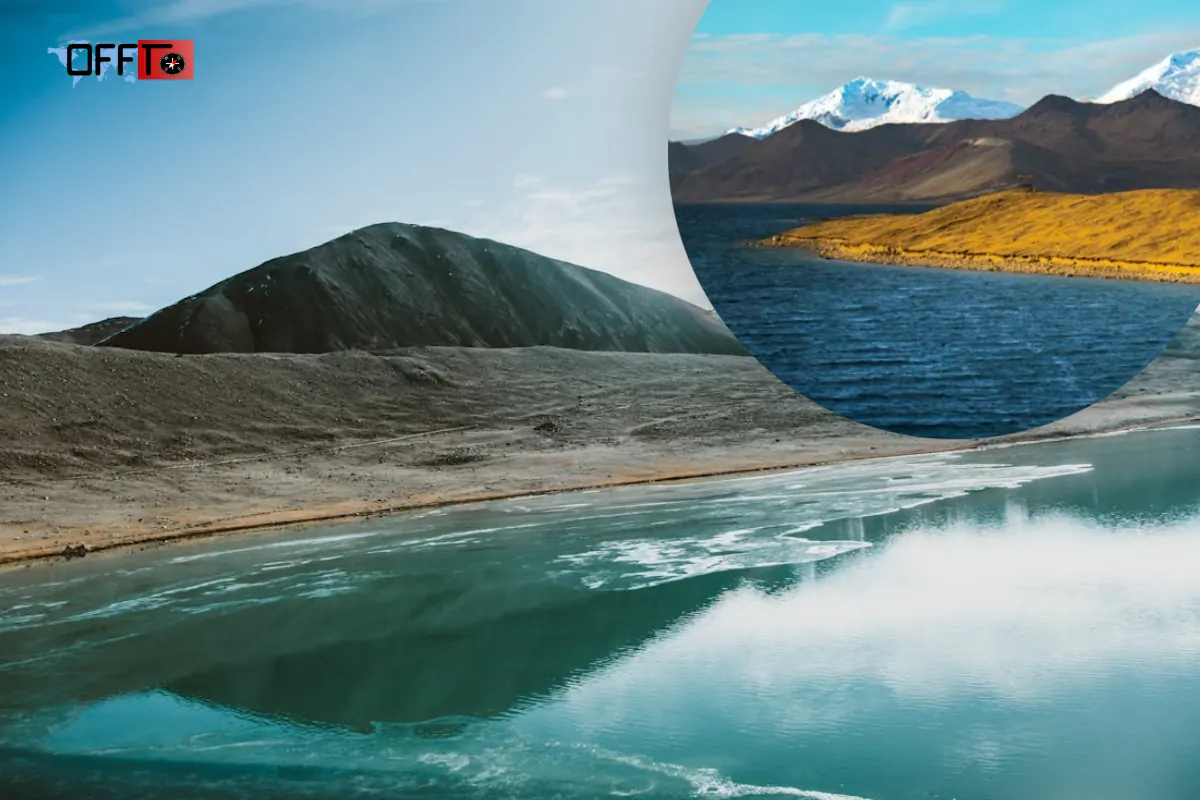
Tso Moriri Lake is approximately 240 km southeast of Leh, typically a 6–7 hour drive depending on breaks and road conditions. The route passes through Karu, Upshi, Chumathang, Mahe, Sumdo, and finally Korzok. Travelers should plan for long high-altitude drives and start early in the day to avoid fatigue and altitude-related issues.
Tso Moriri Distance from Pangong Lake
The distance between Tso Moriri and Pangong Lake is around 225 km, requiring 6–8 hours by road. The route is remote, with limited services, so planning fuel, snacks, and vehicle readiness is essential for a smooth journey.
Tso Moriri Distance from Tso Kar
Tso Kar, the saltwater lake in eastern Ladakh, is about 70 km from Tso Moriri, a popular add-on for photographers and birdwatchers. The road is mostly unpaved, and travelers should use high-clearance vehicles and plan extra time for photography stops.
Tso Moriri Distance from Hanle
Hanle, home to the observatory, is roughly 160 km east of Tso Moriri, accessible via the Changthang plateau. Due to high altitude and remote terrain, this route is usually attempted only by travelers with permit clearance and acclimatization.
Tso Moriri Distance from Manali-Leh Route
If traveling from the Manali-Leh highway, Tso Moriri adds 300+ km from Leh or Leh-Manali points, depending on the route chosen. Travelers often plan multi-day circuits to avoid rushing and to allow acclimatization before reaching high-altitude Tso Moriri.
Why Travel Time Matters More Than Distance
In Ladakh, distance alone is misleading due to rough terrain, high-altitude roads, and limited amenities. A 200 km journey can take 6–8 hours. Travel time should guide itinerary planning, including overnight stops, acclimatization days, and photography breaks.
Fuel, Road and Break Planning
- Ensure full fuel tanks at Leh or major villages before long stretches.
- Plan for food and rest breaks in Chumathang, Mahe, or Sumdo.
- Check road conditions before traveling, particularly in monsoon or shoulder seasons.
- Avoid driving at night; visibility and road hazards are critical at high altitude.
Ideal Tso Moriri Itinerary: 1 Night, 2 Nights and Ladakh Circuit Plan
Is One Night Enough for Tso Moriri?
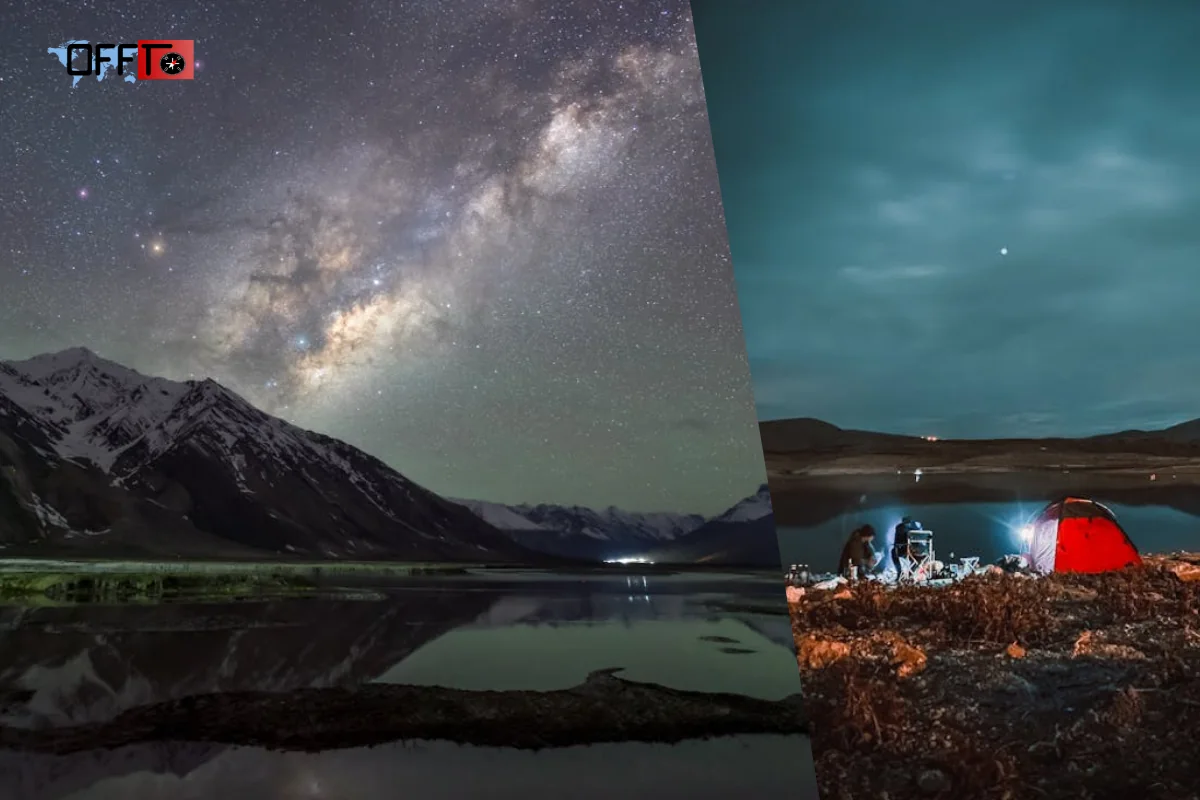
One night allows travelers to experience the lake’s sunset and sunrise, enjoy a short walk along the shore, and capture photographs. However, it limits acclimatization and wildlife observation. Ideal for experienced high-altitude travelers or those with limited time.
1-Night Tso Moriri Itinerary from Leh
- Morning: Depart Leh early via Karu-Upshi-Chumathang.
- Afternoon: Check into Korzok guesthouse or camp.
- Evening: Enjoy sunset at the lakeshore, explore Korzok village, and capture reflections on the lake.
- Night: Stargazing near the lake edge.
2-Night Tso Moriri Itinerary
- Day 1: Travel from Leh, settle into accommodation, and explore the lakeshore.
- Day 2: Full day for sunrise, birdwatching, photography, and short treks along the lake or nearby plateau. Evening sunset and Korzok Monastery visit.
- Day 3: Return to Leh via same route, allowing for acclimatization and rest stops.
Tso Moriri With Tso Kar
For wildlife enthusiasts and photographers, combine Tso Moriri with Tso Kar, about 70 km away. Ideal as a day trip or overnight excursion, this route offers migratory birdwatching, salt flats, and remote landscapes.
Tso Moriri With Hanle
A more advanced itinerary includes Hanle, home to the observatory. This adds cultural and scientific exploration but requires additional days and careful permit and acclimatization planning.
Tso Moriri With Pangong Lake
For a comprehensive Ladakh lake circuit, include Pangong Lake. Start with Pangong for iconic heritage views, then head to Tso Moriri for remote serenity, wildlife, and birdwatching. This 3–4 day itinerary is suited for well-acclimatized travelers.
Best Itinerary for Photographers
Photographers should plan around sunrise and sunset, with one full day dedicated to island and lakeshore exploration, capturing reflections, wildlife, and the Changthang Plateau. Wide-angle and low-angle shots work best for the expansive lake landscape.
Best Itinerary for First-Time Ladakh Travelers
First-time visitors benefit from a 2-night itinerary with acclimatization, combining Leh, Tso Moriri, and nearby attractions like Chumathang or Tso Kar. Include slow-paced drives, early arrivals at viewpoints, and evening lakeshore walks to balance sightseeing with health and energy levels.
Tso Moriri vs Pangong Lake: Which One Should You Choose?
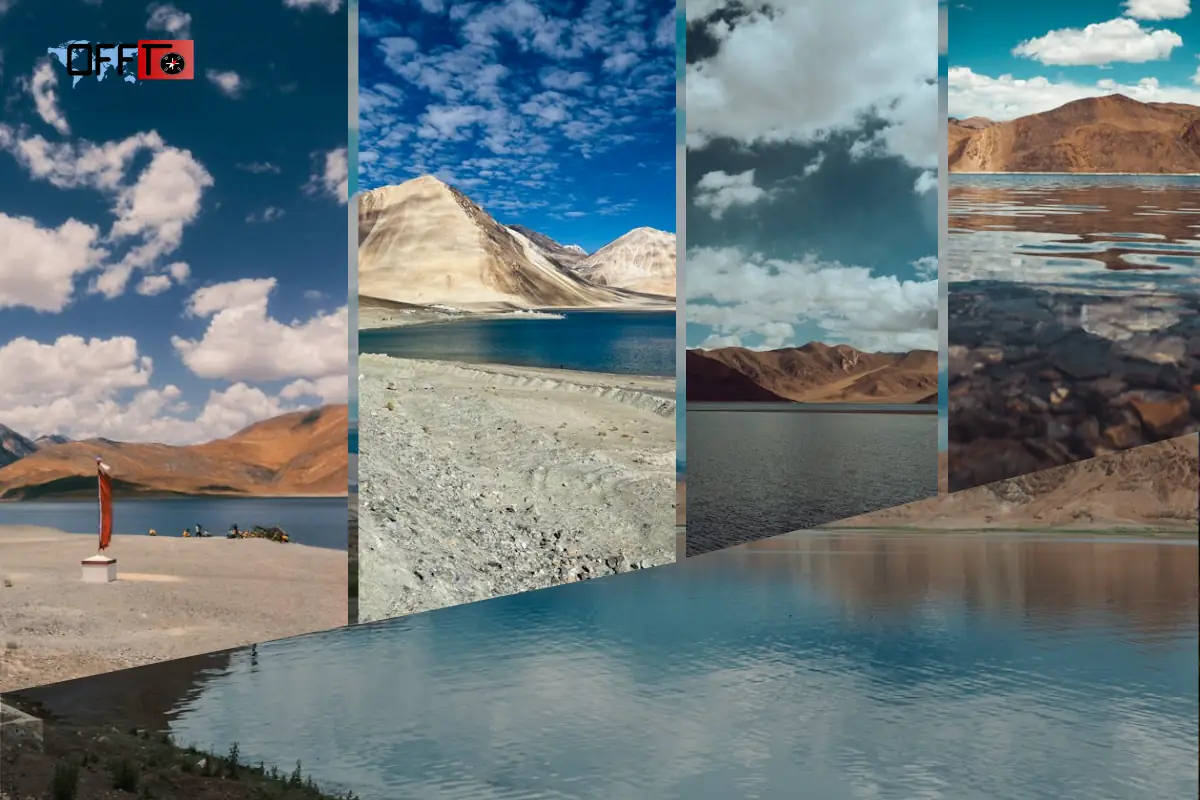
When planning a Ladakh lake itinerary, travelers often wonder whether Tso Moriri or Pangong Lake is the better choice. Both lakes are stunning, but they differ in accessibility, experience, crowd size, and infrastructure. Understanding these differences will help you plan your trip effectively.
Tso Moriri vs Pangong for Views
Tso Moriri Lake is a remote, high-altitude lake surrounded by barren mountains, snow-capped peaks, and the vast Changthang plateau. Its turquoise waters are relatively untouched, giving travelers a sense of isolation and pristine beauty. In contrast, Pangong Lake offers dramatic panoramas, especially near the northern end where mountains meet the water. Pangong is better for classic Ladakh photography, while Tso Moriri is ideal for serene, offbeat compositions with minimal human presence.
Tso Moriri vs Pangong for Crowds
Pangong has become a popular tourist hotspot and can be heavily visited, particularly during peak season. Tso Moriri, located farther from Leh and major highways, sees significantly fewer tourists, making it ideal for travelers seeking peace, solitude, and a quiet, immersive experience. Families, couples, and photographers often prefer Tso Moriri for uninterrupted lakeside moments.
Tso Moriri vs Pangong for Accessibilit
Pangong Lake is more accessible, with well-maintained roads and shorter travel time from Leh (around 5–6 hours). Tso Moriri requires longer drives on rugged, high-altitude roads, often taking 6–7 hours from Leh, with stops for acclimatization and vehicle checks. Travelers should factor in road conditions, altitude, and weather before choosing Tso Moriri.
Tso Moriri vs Pangong for Stay Options
Accommodation at Pangong is more varied, including camps, mid-range hotels, and luxury tents. Tso Moriri has basic guesthouses, seasonal camps, and homestays around Korzok Village. While Pangong suits travelers seeking comfort and luxury, Tso Moriri is for those embracing offbeat, authentic high-altitude experiences.
Which Lake Is Better for First-Time Travelers?
For travelers new to Ladakh, a combined approach is ideal. Start with Pangong Lake to experience the iconic high-altitude water body with easy access, then move to Tso Moriri for a remote, offbeat experience. This ensures a balanced Ladakh lake itinerary, with both scenic variety and altitude adventure.
Which Lake Is Better for Photographers?
Photographers looking for isolated, dramatic landscapes and wildlife opportunities will prefer Tso Moriri. Pangong is perfect for classic wide-angle lake shots, heritage reflections, and dramatic sunsets, but crowds may interfere with photography. Visiting both lakes provides a diverse portfolio of Ladakh lake landscapes.
Best Way to Cover Both Lakes
A suggested 3–4 day lake circuit:
- Day 1: Leh → Pangong Lake (overnight camp)
- Day 2: Pangong → Tso Moriri via Chumathang and Mahe (overnight Korzok)
- Day 3: Explore Tso Moriri and optional add-ons: Tso Kar or Hanle
- Day 4: Return to Leh with stops for photos and acclimatization
Travel Tips
- Start early to avoid fatigue.
- Use high-clearance SUVs for rough roads.
- Acclimatize in Leh for 1–2 nights before visiting Tso Moriri.
- Plan fuel, food, and water breaks carefully along remote routes.
Tso Moriri Travel Reality: Expectation vs Reality
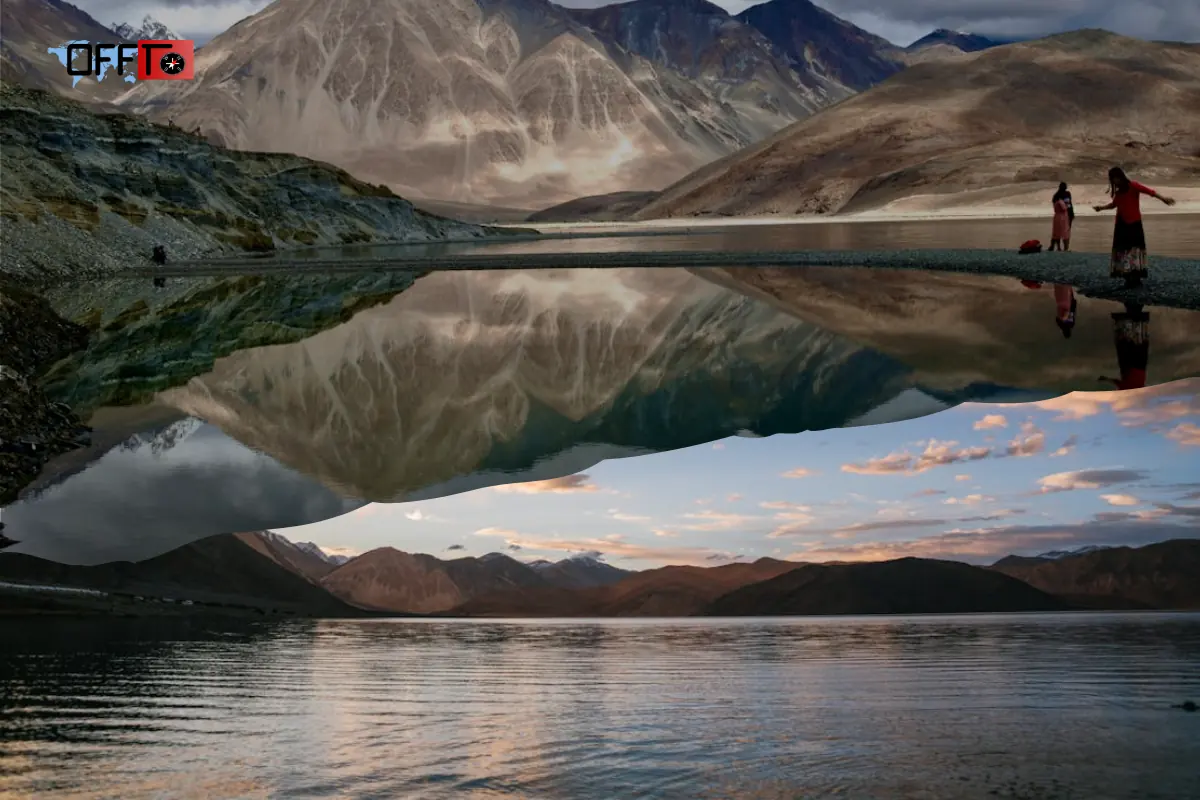
Traveling to Tso Moriri Lake is often surrounded by myths, assumptions, and idealized pictures on social media. Understanding what to realistically expect ensures travelers plan properly, stay safe, and fully enjoy this remote high-altitude paradise. Below, we dive deep into common expectations versus reality.
Expectation: It Is Just Another Blue Lake
Many travelers assume Tso Moriri is like any other high-altitude lake—a scenic stop for photos or a brief visit. The expectation is of a quick sightseeing opportunity, minimal planning, and easy access from Leh.
Reality: It Feels Remote, Silent, and Fragile
In reality, Tso Moriri is one of the most isolated lakes in India, with a vast high-altitude plateau, sparse settlements, and minimal tourist infrastructure. Its tranquility is striking: you’ll often see long stretches of undisturbed lake water, with only nomadic herders or wildlife breaking the silence. The lake supports rare migratory birds, including black-necked cranes and Brahmini ducks, and the surrounding wetlands are fragile ecosystems. Travelers must approach the lake with care: avoid leaving trash, follow marked paths, and respect the Changpa nomads’ cultural spaces. Unlike Pangong Lake, where tourist traffic can disrupt the environment, Tso Moriri demands a more mindful and slower travel approach.
Expectation: You Can Visit Without Planning
Some assume they can make a spontaneous trip, drive from Leh, and experience the lake without preparation.
Reality: Permit, Altitude, and Road Conditions Matte
Tso Moriri requires an Inner Line Permit (ILP) for visitors, and roads are remote, rugged, and high-altitude. Driving without preparation can be risky due to:
- Altitude challenges: Sudden headache, dizziness, or fatigue due to oxygen scarcity.
- Rough terrain: Unpaved stretches and narrow passes require high-clearance 4×4 vehicles.
- Limited services: Fuel, medical facilities, and eateries are scarce; planning stops in Chumathang, Sumdo, or Mahe is essential.
Visitors should acclimatize in Leh for at least 1–2 nights, check weather forecasts, carry first-aid, water, snacks, and extra warm layers, and avoid traveling after sunset.
Expectation: Stays Are Comfortable Like Leh
Some expect Korzok to offer the same comfort and facilities as Leh, with hot water, spacious rooms, and electricity.
Reality: Stays Are Basic Near Korzok
Accommodation near Tso Moriri is simple and rustic, including:
- Small guesthouses with shared bathrooms and limited hot water.
- Seasonal camps with tents, basic bedding, and minimal heating.
- Homestays with locals, offering cultural immersion but few modern amenities.
Travelers must adjust expectations, bring warm sleeping bags, extra blankets, and snacks, and embrace the rustic experience. Despite limited facilities, proximity to the lake, sunrise/sunset views, and immersive local culture make this worthwhile.
Expectation: Weather Is Pleasant in Summer
Visitors often assume that summer (June–September) means warm and comfortable weather, ideal for camping and outdoor activities.
Reality: Nights Can Be Very Cold Even in Season
Even during summer:
- Daytime: Temperatures can feel mild (10–20°C), but wind chill can make it feel colder.
- Nighttime: Can drop below 0°C, especially on the plateau or near the lake.
- Sun exposure: High-altitude UV radiation can cause sunburn within minutes.
Travelers should pack layered clothing, windproof jackets, thermal wear, hats, gloves, and sunglasses. Early morning or late evening hikes require preparation, and even short lakeside walks need careful planning.
Is Tso Moriri Safe for Travelers?
Altitude Safety
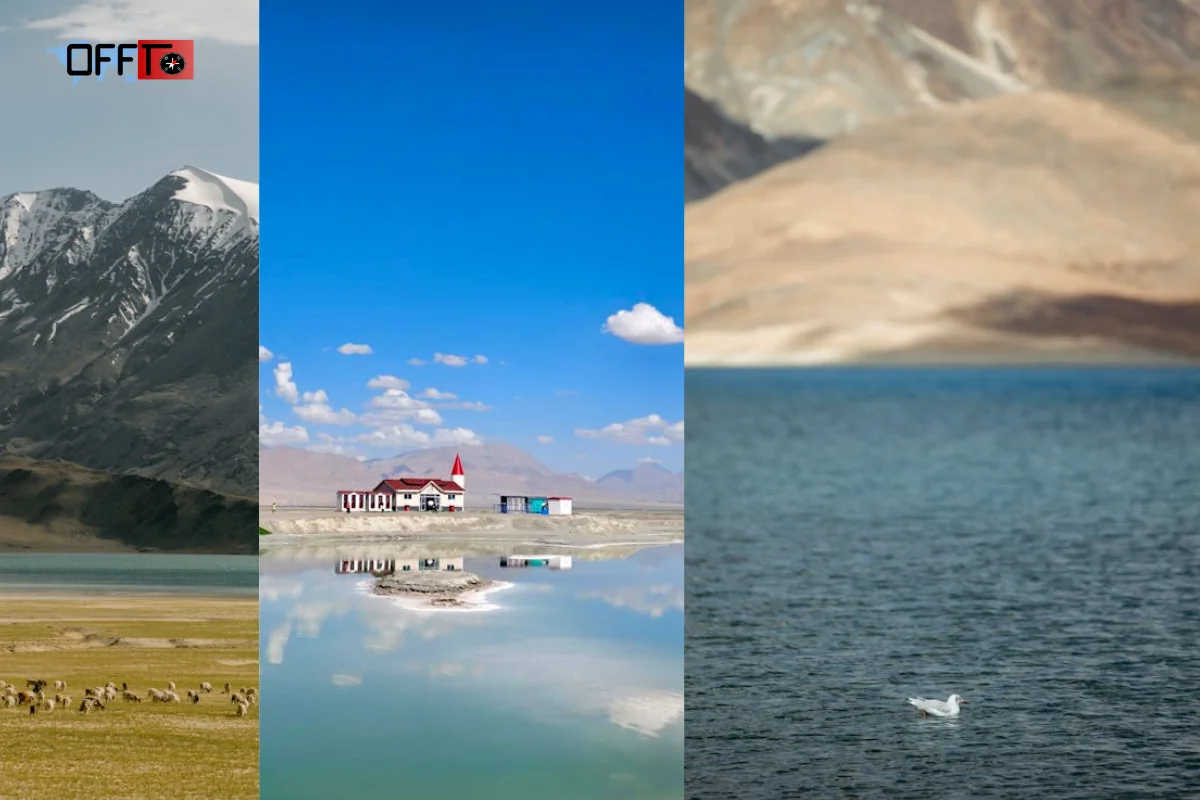
Tso Moriri sits at over 4,500 meters (14,800 ft), making altitude acclimatization critical. Travelers should:
- Spend 1–2 nights in Leh before heading to Tso Moriri.
- Ascend gradually, avoiding rapid climbs.
- Stay hydrated and avoid alcohol for the first day at high altitude.
- Recognize mild symptoms of Acute Mountain Sickness (AMS) like headache, nausea, dizziness, and shortness of breath. Severe AMS is rare but requires immediate descent.
Proper altitude preparation ensures a safe and enjoyable visit, reducing the risk of illness and enhancing energy for photography and exploration.
Road Safety
The road to Tso Moriri is remote, narrow, and occasionally unpaved, with steep drops and occasional landslides. Safety tips:
- Use high-clearance SUVs or 4×4 vehicles.
- Drive during daylight only; visibility is poor at night.
- Avoid speeding, especially near sharp turns and high-altitude passes.
- Carry spare tires, tool kits, and emergency supplies.
Road awareness is crucial for travelers unfamiliar with high-altitude desert driving conditions.
Weather Safety
Weather in Tso Moriri is unpredictable: sudden rain, wind, and temperature drops are common. Tips include:
- Layer clothing for day-to-night temperature changes.
- Carry windproof jackets, hats, gloves, and thermal layers.
- Use sunscreen and sunglasses; UV radiation is intense at high altitude.
- Check forecasts before departure; storms can cause temporary road closures.
Safety for Families
Families traveling with children should:
- Keep kids supervised near water or cliff edges.
- Ensure life jackets during boating or lakeside exploration.
- Plan itineraries with frequent rest stops to prevent fatigue.
- Avoid late evening travel, especially with children, due to limited lighting and infrastructure.
Safety for Senior Citizens
Older travelers should:
- Acclimatize before the journey.
- Prefer motorboats over paddle boats.
- Avoid strenuous trekking near the lake.
- Carry medications and warm clothing for sudden weather changes
Safety for Solo Travelers
Solo visitors must:
- Travel with a reliable driver or guide.
- Inform someone of arrival times.
- Stick to well-trodden paths and designated campsites.
- Carry emergency contacts, offline maps, and extra provisions.
Wildlife and Wetland Safety
Tso Moriri and its surrounding wetlands host migratory birds, small mammals, and fragile ecosystems. Safety tips include:
- Maintain a safe distance from wildlife; avoid feeding animals.
- Do not step into wetlands or disturb nesting areas.
- Respect Changpa grazing lands and cultural spaces.
Medical and Emergency Planning
Medical facilities near Tso Moriri are limited. Travelers should:
- Carry a first-aid kit, altitude medications, and basic supplies.
- Know the nearest emergency hospital locations, typically in Leh.
- Travel with extra fuel, food, and water, as resupply points are scarce.
- Have offline navigation and emergency contacts preloaded.
Common Mistakes to Avoid Before Visiting Tso Moriri
Visiting Without Acclimatization
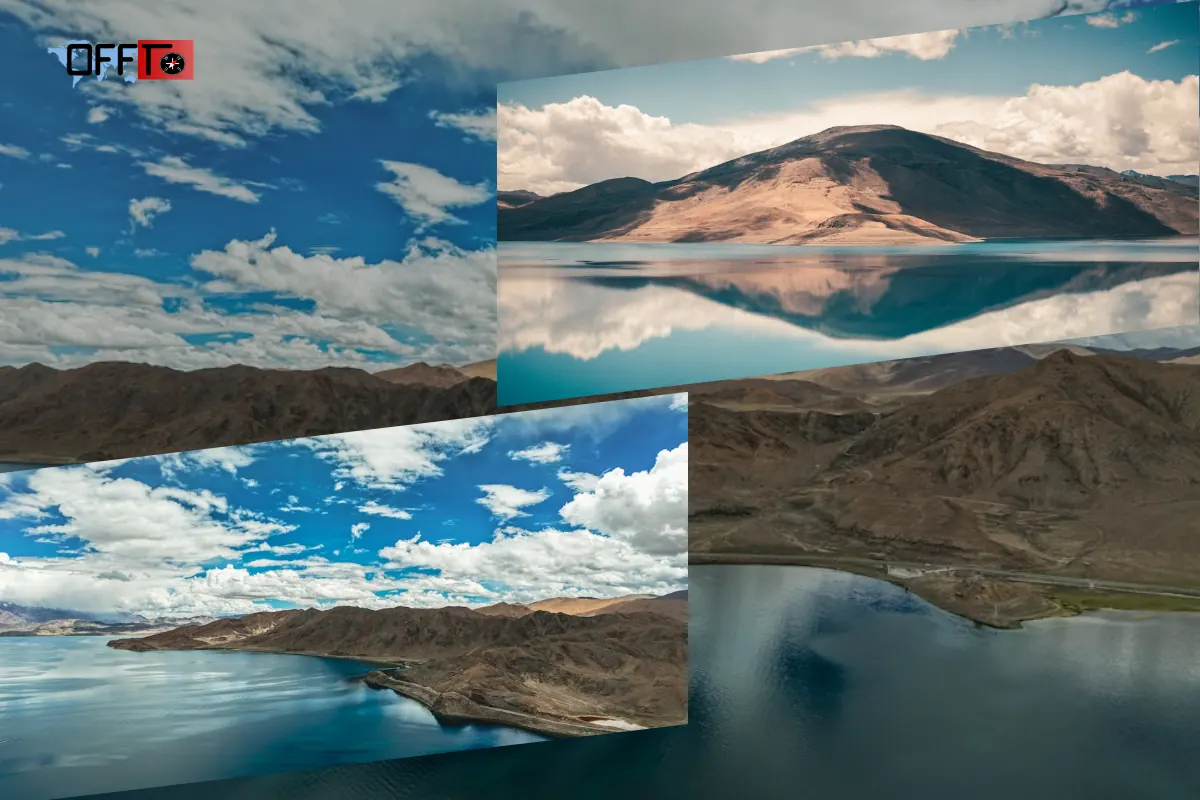
Many travelers underestimate the impact of altitude and attempt direct travel from Leh. This can lead to headaches, nausea, or fatigue, reducing enjoyment and safety. Always spend 1–2 nights acclimatizing in Leh or along the route.
Underestimating Tso Moriri Altitude
Visitors often forget the extreme elevation (4,522 m). Even mild physical activity can cause breathlessness. Plan easy lakeside walks first and avoid strenuous treks immediately.
Not Checking Permits
The Inner Line Permit (ILP) is mandatory. Failure to secure permits in advance can halt travel plans at checkpoints, wasting valuable time and creating stress.
Assuming Luxury Stays Are Available
Some expect hotels like Leh’s city infrastructure. Korzok and Tso Moriri accommodations are basic, with limited hot water, electricity, and heating. Travelers must pack sleeping bags, warm clothes, and essentials.
Carrying Too Little Warm Clothing
Even in summer, nights are freezing. Many travelers face cold discomfort due to inadequate layers, thin jackets, or lack of thermal wear. Proper packing ensures comfort during sunrise, sunset, or camping experiences.
Planning a Same-Day Rush from Leh
Attempting Leh → Tso Moriri → Return in a day is unrealistic. Distances, high altitude, and road conditions require overnight stays for safety and a relaxed experience.
Driving Too Close to the Wetland
Driving on the wetlands’ fragile edges can damage ecosystems and risk getting stuck. Stick to designated roads and paths, and respect wildlife zones.
Ignoring Fuel, Cash, and Network Limitations
Remote routes have limited fuel stations, ATMs, and mobile coverage. Travelers should carry extra fuel, cash, and offline maps. Planning breaks and supplies ensures safety and smooth travel.
Comparing It Directly With Pangong
Some visitors expect Tso Moriri to match Pangong Lake in accessibility or infrastructure. Tso Moriri is remoter, quieter, and less developed, offering a more authentic, offbeat experience. Understanding this prevents unrealistic expectations and disappointment.
FAQs
Where is Tso Moriri Lake situated?
Tso Moriri Lake is situated in Ladakh’s Changthang region, southeast of Leh, near Korzok village. District Leh describes it as a lake in the Changthang plateau and lists the common Leh–Karu–Upshi–Chumathang–Mahe–Sumdo–Korzok route at about 240 km. It is one of Ladakh’s more remote high-altitude lake destinations.
Is Tso Moriri Lake freshwater or saltwater?
Tso Moriri is best described as a slightly brackish lake rather than a purely freshwater lake. Some travel sources describe it as freshwater because it is fed by snowmelt and springs, but hydrological descriptions note that it is endorheic, meaning it has no outlet, and its water is slightly brackish.
What is the altitude of Tso Moriri Lake?
Tso Moriri Lake is commonly listed at around 4,522–4,595 meters above sea level, which is roughly 14,836–15,075 feet. Incredible India describes it as being above 4,500 meters. Because of this altitude, travelers should acclimatize in Leh before visiting and avoid planning Tso Moriri immediately after arrival.
What is Tso Moriri famous for?
Tso Moriri is famous for its remote blue lake views, high altitude, Korzok village, Ramsar wetland status, migratory birds, cold-desert scenery and peaceful atmosphere. It is less crowded than Pangong Lake and is ideal for travelers who want offbeat Ladakh, photography, birdwatching, stargazing and a quieter Himalayan experience.
What is the best time to visit Tso Moriri?
The best time to visit Tso Moriri is usually from June to September, when road access is better and the weather is comparatively manageable. May and October may work with updated road checks, but winter is harsh and not suitable for most casual tourists. Summer is also better for birdwatching around the wetland.
Do we need a permit for Tso Moriri?
Yes, an Inner Line Permit is mandatory for visiting Tso Moriri. Incredible India states that the permit is required because of the lake’s proximity to the Line of Actual Control. Travelers should arrange permits in Leh, carry valid ID proof and keep multiple copies before starting the journey.
How far is Tso Moriri from Leh?
Tso Moriri is about 240 km from Leh by the common route via Karu, Upshi, Chumathang, Mahe, Sumdo and Korzok. District Leh mentions that this route can take around 6–7 hours depending on breaks. Travelers should start early and plan fuel, food, permits and acclimatization carefully.
Are stays available near Tso Moriri?
Yes, stays are available near Tso Moriri mainly around Korzok village, including basic guesthouses, homestays and seasonal camps away from the lake edge. Facilities are usually simple, so travelers should confirm heating, food, hot water, power backup and booking status before arrival. Lake-edge camping is restricted because Tso Moriri is a protected wetland.
Can families visit Tso Moriri Lake?
Families can visit Tso Moriri if they are well acclimatized and comfortable with long high-altitude road travel. It is not ideal for very young children, senior citizens with health issues, or travelers sensitive to altitude. Families should stay in Leh first, carry medicines, avoid rushing and choose reliable transport and basic but confirmed stays.
What are the best viewpoints at Tso Moriri?
The best Tso Moriri viewpoints are around Korzok village, Korzok Monastery, lakeside stretches near the settlement and the road approaches before the lake opens into view. Early morning and late afternoon offer the best light for photography, with blue water, barren mountains, prayer flags and changing sky colors.
Is Tso Moriri better than Pangong Lake?
Tso Moriri is better than Pangong for travelers who want silence, fewer crowds, birdwatching, remote landscapes and a more offbeat Ladakh experience. Pangong is better for first-time visitors who want the iconic lake experience with relatively more tourist infrastructure. Well-acclimatized road-trippers can include both in a longer Ladakh itinerary.
How many days are enough for Tso Moriri?
One night is enough for a basic Tso Moriri visit, but two nights are better for sunrise, photography, birdwatching, rest and altitude comfort. A rushed same-day trip from Leh is not recommended for most travelers because the drive is long, the altitude is high, and the experience is best enjoyed slowly.
Read more >>>
Best Snowfall Places in India – Top Snow Destinations to Visit
Hanle Travel Guide – Observatory, Altitude, Stay & Itinerary
Final Verdict: Is Tso Moriri Lake Worth Visiting?
Visiting Tso Moriri Lake is not just a stopover—it’s a high-altitude experience that blends nature, culture, and adventure. Understanding what to expect, who will enjoy it most, and how to plan ensures a safe, memorable, and fulfilling journey. Here’s a detailed verdict for travelers considering Tso Moriri.
Visit Tso Moriri If You Want
- Peace, solitude, and offbeat scenery: The lake is perfect for travelers seeking a quiet, less-crowded alternative to Pangong Lake.
- High-altitude photography: Sunrise, sunset, reflections on turquoise water, and the Changthang plateau provide stunning, unique compositions.
- Wildlife and birdwatching experiences: Tso Moriri wetlands host rare migratory birds, black-necked cranes, and local fauna, ideal for nature enthusiasts.
- Cultural immersion: Staying in Korzok Village offers a glimpse into the life of the Changpa nomads, including yak herding, traditional crafts, and local cuisine.
- Adventure with planning: High-altitude drives, remote landscapes, and hiking opportunities make it a rewarding journey for well-prepared travelers.
In short, Tso Moriri is worth visiting for travelers who value tranquility, nature, and authentic high-altitude experiences.
Avoid Tso Moriri If You Expect
- Luxury hotels or modern amenities like Leh. Accommodation near Tso Moriri is basic guesthouses, homestays, or seasonal camps.
- Easy, unplanned trips; the lake requires careful preparation, permits, and acclimatization.
- A fully crowded or lively tourist experience; the lake’s charm comes from its remote and serene environment.
- Mild weather year-round; even summer nights can drop below freezing, with strong winds and high UV exposure.
- Access to amenities such as ATMs, shops, or medical facilities close to the lake—resources are limited and remote.
Tso Moriri is not ideal for travelers seeking convenience or luxury without preparation.
Best Travel Style for Tso Moriri
The lake is best experienced with a slow, deliberate travel style:
- Plan multi-day trips: Include 1–2 nights in Korzok for sunrise, sunset, birdwatching, and lake exploration.
- Pack smart: Layered clothing, sun protection, sturdy footwear, and first-aid supplies are essential.
- Use guided or self-drive vehicles with reliable support: Ensure fuel, food, and emergency preparedness.
- Combine with nearby attractions: Optional visits to Tso Kar, Hanle, or Pangong Lake for photographers and adventure travelers.
This approach allows maximum enjoyment without rushing, and respects the lake’s fragile ecosystem.
Offto Recommendation for First-Time Visitors
For first-time travelers, Offto recommends:
- Acclimatize in Leh for 1–2 nights.
- Plan a 2-night stay at Tso Moriri via Korzok Village for sunrise, sunset, and full lakeside exploration.
- Include essential experiences: boating, lakeside photography, Korzok monastery visit, and Changpa cultural interactions.
- Combine Tso Moriri with Tso Kar or Pangong Lake for a full Ladakh high-altitude lake circuit.
- Book stays and guided activities in advance using Offto to secure accommodations, vehicle support, and guided tours.
Following these tips ensures a safe, immersive, and unforgettable visit, making Tso Moriri Lake a highlight of any Ladakh itinerary.
Plan Your Tso Moriri Adventure with Offto Travellers
Tso Moriri Lake is a bucket-list destination for high-altitude travelers, offering turquoise waters, serene landscapes, and unique cultural experiences. To make the most of your trip, Offto Travellers helps travelers plan every detail, from stays to activities, ensuring a safe, memorable, and hassle-free journey.
- Book your lakeside stay: Choose from guesthouses, homestays, and seasonal camps in Korzok with advance booking to secure the best sunrise and sunset views.
- Reserve guided activities: Enjoy boat rides, sunrise photography tours, and wildlife excursions at Tso Moriri, Tso Kar, and nearby high-altitude plains.
- Travel with confidence: Offto provides insights for acclimatization, road conditions, and high-altitude safety, helping you plan an efficient and enjoyable itinerary.
- Tailor your adventure: From first-time Ladakh visitors to experienced photographers, Offto lets travelers pick the right plan for their style, duration, and interest.
Don’t risk missing the best experiences—secure your stays, plan your itinerary, and ensure a seamless trip to one of Ladakh’s most remote and beautiful lakes.
Sign up
Leave a Reply