
Gurudongmar Lake is famous for its high altitude, sacred importance, blue alpine water, snow-covered Himalayan setting, freezing temperatures, and dramatic North Sikkim road journey from Lachen. It is considered sacred by Buddhists, Sikhs and Hindus, and is one of the most extreme and visually powerful lake experiences in Sikkim.
Where Is Gurudongmar Lake Located in Sikkim?
Gurudongmar Lake Location in North Sikkim
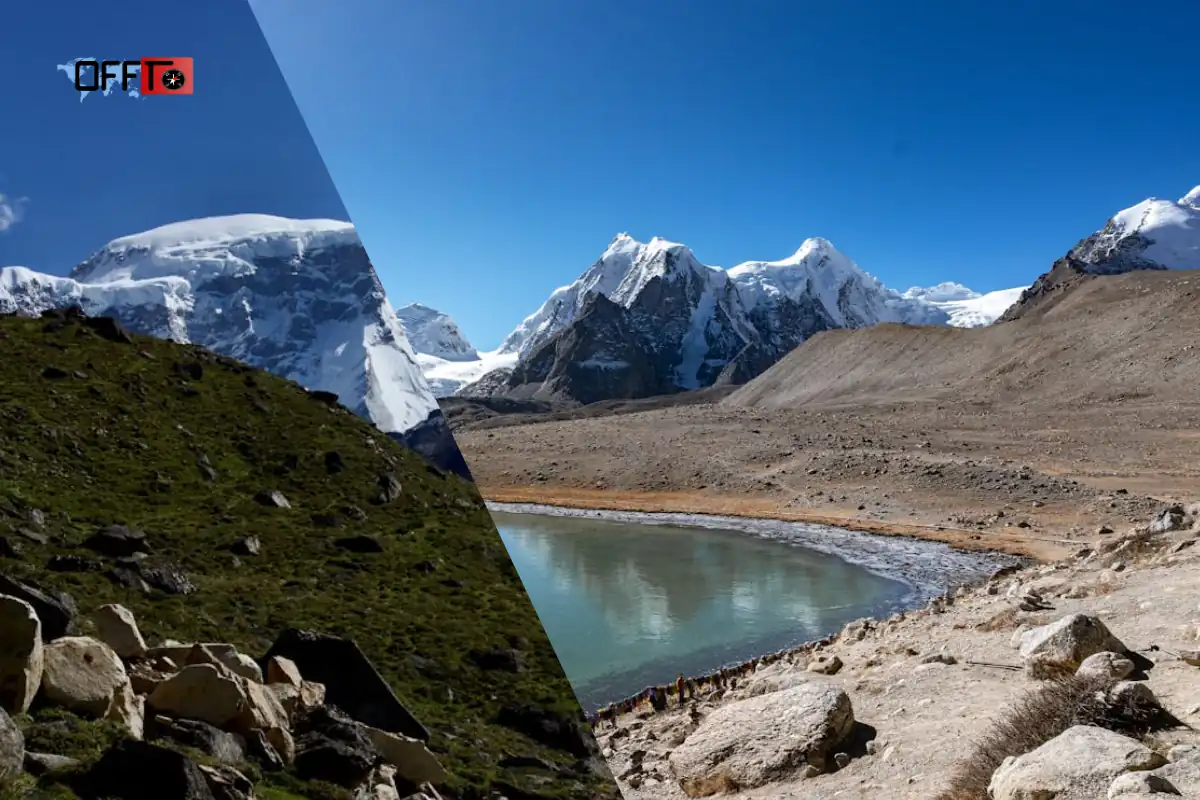
Gurudongmar Lake is one of the highest lakes in India, located in North Sikkim, near the border with Tibet (China). Nestled at the foot of snow-capped mountains, this lake is famed for its pristine turquoise waters and breathtaking high-altitude scenery. Its location in a restricted border area makes it a unique and remote destination for travelers seeking offbeat experiences in the Himalayas.
Gurudongmar Lake and Lachen Connection
Most visits to Gurudongmar Lake are planned via Lachen, a charming village that serves as the base for travelers. Lachen provides accommodation, local guides, and acclimatization opportunities before heading to the lake. The road from Lachen to Gurudongmar passes through scenic high-altitude passes, glaciers, and mountain streams, offering an unforgettable Himalayan drive.
Distance from Gangtok to Gurudongmar Lake
The total distance from Gangtok, the capital of Sikkim, to Gurudongmar Lake is approximately 178 km, typically covered over 6–7 hours including acclimatization and stops. The journey involves mountain roads, winding passes, and mandatory permits for travel in this sensitive border area. Most itineraries include overnight stays in Lachen to break up the journey.
Distance from Lachen to Gurudongmar Lake
From Lachen, Gurudongmar Lake is around 55 km, a 2–3 hour drive depending on road conditions. Early morning departures are recommended for optimal weather and lighting for photography. Stops along the way often provide views of glaciers, snow-clad peaks, and traditional Sikkimese villages.
Why Gurudongmar Is a Border-Area Destination
Being located near the India-Tibet border, Gurudongmar is in a restricted area, requiring an Inner Line Permit for Indian citizens and additional permissions for foreigners. Its remote location ensures a serene, offbeat experience, making it a special destination for adventure travelers and high-altitude enthusiasts.
Why Most Trips Start from Gangtok and Stop at Lachen
Gangtok serves as the primary access hub due to its airports, transport services, and hotels. Lachen is the gateway village, offering acclimatization, guesthouses, and local guides. This route ensures gradual altitude gain, reducing the risk of altitude sickness and making the journey to Gurudongmar safer and more enjoyable.
Gurudongmar Lake Height and Altitude: How High Is It?
Gurudongmar Lake Height in Feet
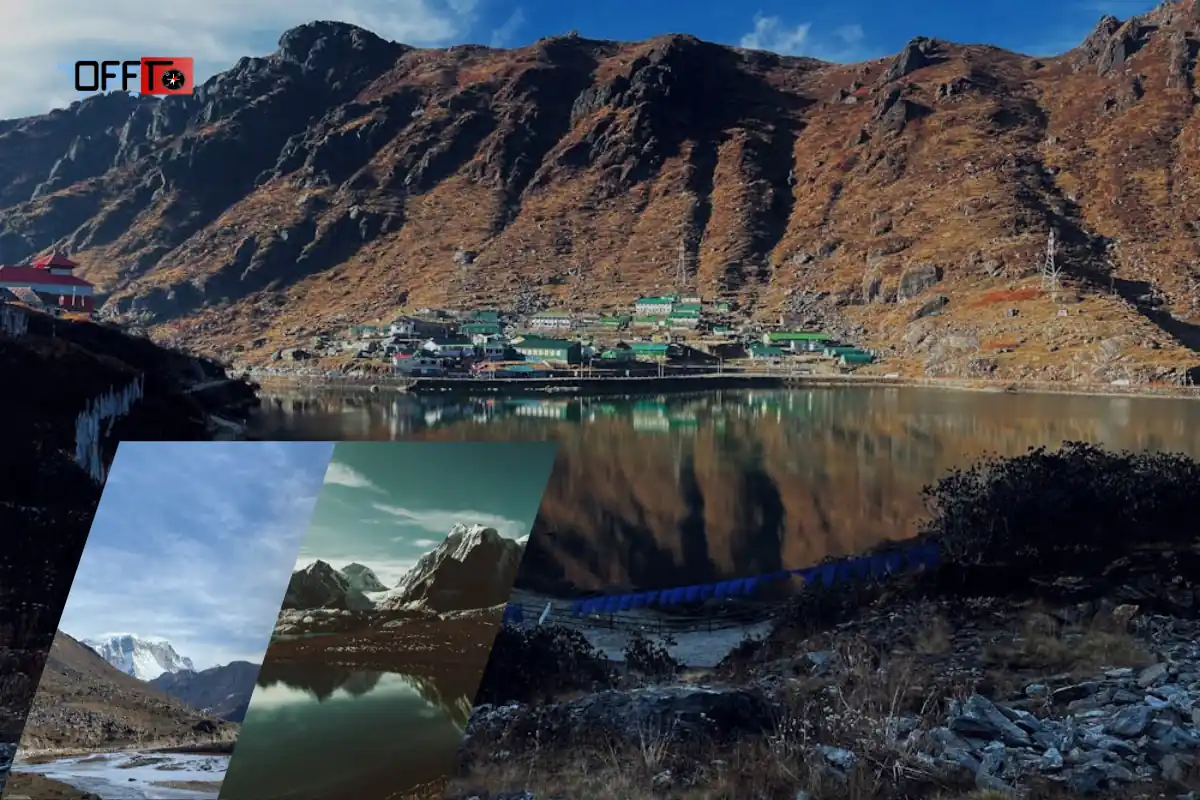
Gurudongmar Lake sits at approximately 17,800 feet (5,430 meters) above sea level, making it one of the highest lakes in the world accessible to tourists. Its high elevation contributes to clear, turquoise waters and a snow-covered backdrop, which are major attractions for photographers and travelers alike.
Gurudongmar Lake Altitude in Meters
In meters, the lake’s altitude ranges around 5,430 m, though sources may vary slightly due to seasonal snow cover and measurement techniques. At this altitude, oxygen levels are significantly lower than at sea level, giving the lake a majestic but challenging environment for visitors.
Why Different Sources Mention Slightly Different Heights
Variations in reported heights occur because snow, ice, and glacial melt can change water levels seasonally. GPS measurements and topographic surveys may also differ slightly. Regardless of minor discrepancies, Gurudongmar remains extremely high, demanding careful planning and acclimatization.
Gurudongmar Altitude vs Lachen and Gangtok
- Gangtok: ~1,650 m
- Lachen: ~2,750 m
- Gurudongmar Lake: ~5,430 m
This means travelers gain almost 3,000 meters from Gangtok, highlighting the need for staged acclimatization, typically stopping in Lachen to avoid sudden altitude-related issues.
Altitude Sickness Risk at Gurudongmar
Altitude sickness is a serious concern due to the lake’s high elevation. Symptoms can include headache, nausea, dizziness, fatigue, and shortness of breath. Severe cases, though rare, may lead to high-altitude pulmonary or cerebral edema, which require immediate descent and medical attention.
Who Should Be Extra Careful?
- Children and elderly travelers
- People with cardiac, respiratory, or chronic health conditions
- First-time high-altitude travelers
These travelers should:
- Spend at least 1–2 nights in Lachen to acclimatize.
- Ascend slowly and avoid strenuous activity initially.
- Stay hydrated, avoid alcohol, and carry medications like acetazolamide if recommended by a doctor.
Gurudongmar Lake Temperature: How Cold Does It Get?
Gurudongmar Lake Temperature in Summer
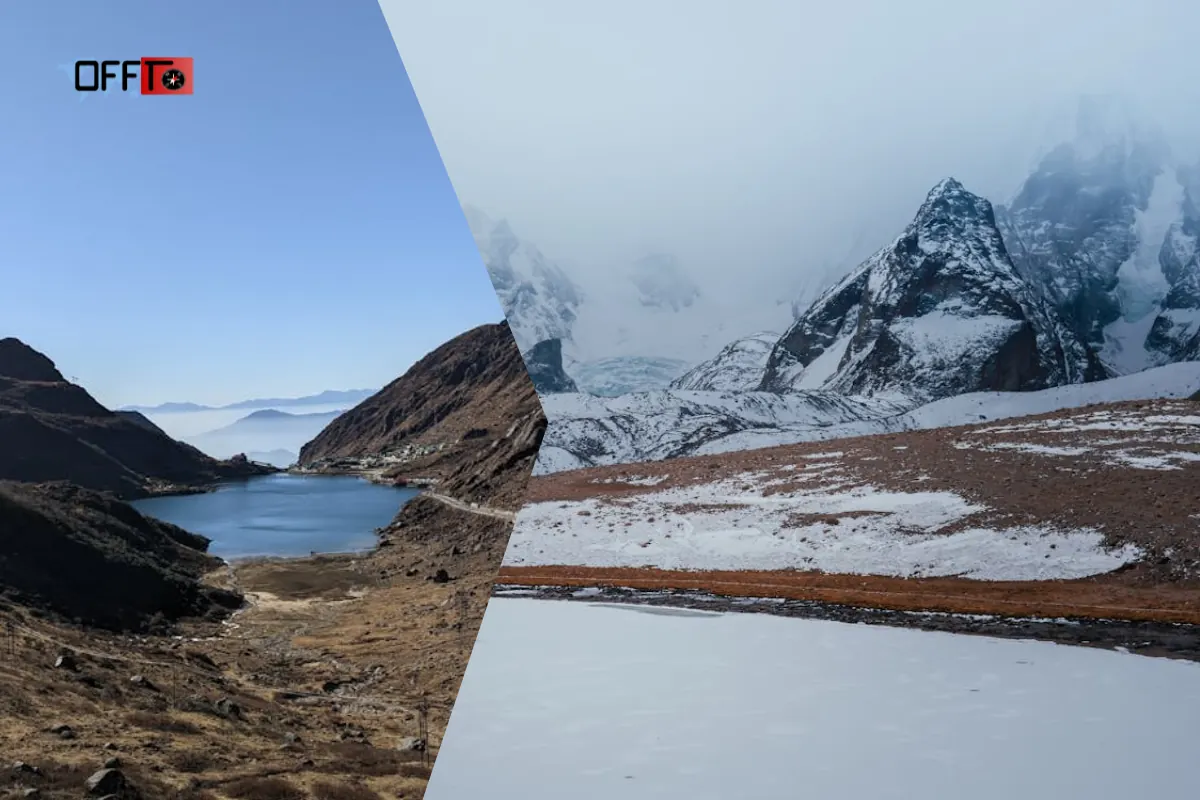
Even during summer months (April–June), Gurudongmar Lake remains cold due to its high altitude. Daytime temperatures can reach 10–15°C (50–59°F), but mornings and evenings often feel close to freezing. Strong winds and exposure to the open lake make it feel colder than the thermometer reading. Summer offers the clearest skies and relatively stable weather, making it the most accessible period for travelers.
Gurudongmar Lake Temperature in Winter
Winter (December–February) brings extreme cold, with temperatures dropping below -10°C (14°F). Snow and ice cover much of the lake and surrounding terrain, and roads can be blocked or risky. Only highly prepared travelers with proper winter gear and acclimatization should attempt a winter visit. This period is not recommended for casual tourists.
Day vs Night Temperature Reality
The temperature difference between day and night is pronounced. Daytime sun may provide a short respite, but nights are bitterly cold due to thin air and high-altitude exposure. Travelers should expect 15–20°C drops between day and night, emphasizing the need for layered clothing and limited night excursions.
Wind Chill at Gurudongmar Lake
Wind amplifies the cold at the lake. Even in summer, gusts can make temperatures feel several degrees colder. Windproof jackets, gloves, and hats are essential, particularly for those lingering near the lake’s edge for photography or sightseeing.
What to Wear for Gurudongmar Lake
- Base Layer: Thermal tops and leggings
- Mid Layer: Fleece or wool sweater
- Outer Layer: Insulated and windproof jacket
- Accessories: Gloves, scarf, woolen hat, sunglasses
- Footwear: Sturdy trekking shoes or insulated boots
Always carry extra layers as conditions change quickly with wind, clouds, or elevation.
Why the Lake Feels Colder Than Lachen
Gurudongmar Lake sits at ~5,430 m (17,800 ft), significantly higher than Lachen (~2,750 m / 9,000 ft). The combination of thinner air, exposed terrain, and lack of vegetation makes the environment feel harsher, even in summer. Travelers should plan short visits and stay hydrated to better tolerate the cold.
Best Time to Visit Gurudongmar Lake
Best Overall Months for Gurudongmar Lake
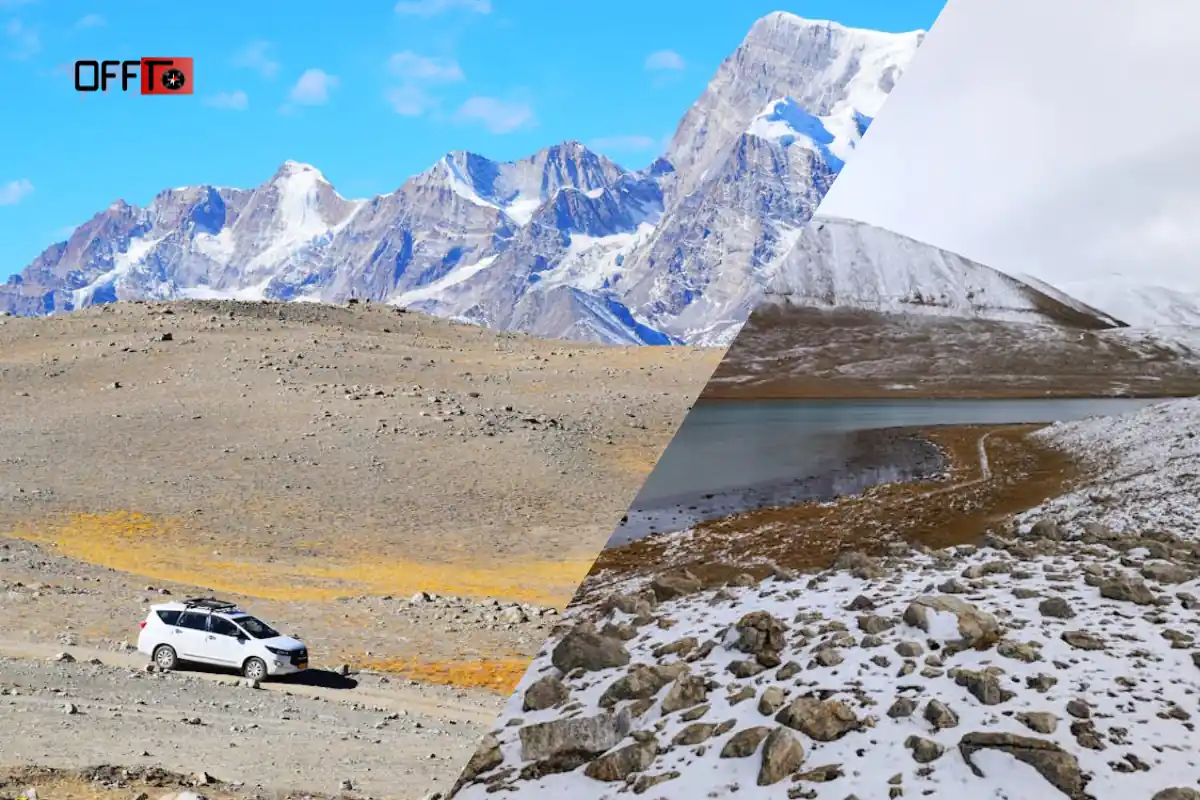
The optimal periods are April to June and September to November, when roads are generally open, visibility is good, and weather conditions are manageable. Peak winter (December–February) and monsoon (July–August) are less favorable due to extreme cold or landslide risks.
Gurudongmar Lake in April, May and June
These months offer clear skies, stable weather, and moderate cold. Snow patches may still remain, adding to scenic beauty. This is the best window for first-time visitors, photographers, and travelers aiming for a smooth road journey.
Gurudongmar Lake in July, August and Monsoon Reality
Monsoon months bring rain, cloud cover, and possible landslides, making roads unpredictable. Visibility can be poor, and high-altitude trails may be slippery. Travel during this time is generally not recommended unless road conditions are confirmed safe.
Gurudongmar Lake in September, October and November
Autumn offers crisp air, scenic views, and reliable road conditions. The lake’s surroundings are snow-free, making it easier for trekking and photography. This period is ideal for travelers who missed spring or prefer a quieter, post-monsoon experience.
Gurudongmar Lake in December, January and February
Winter is extremely cold with frozen landscapes and heavy snow. Road access is limited, and only experienced high-altitude travelers with proper gear should attempt visits. This period is best for adventure enthusiasts seeking dramatic, frozen lake photography rather than casual sightseeing.
Best Time for Snow Views
For snow-covered lake vistas, late winter to early spring (March–April) provides remaining snow while roads start reopening. Travelers can capture the lake surrounded by pristine snow without facing extreme cold of peak winter.
Best Time for Road Access
April–June and September–November provide the safest road access. Early morning drives are recommended for clear weather and reduced risk of landslides. Always verify road and permit status with local authorities or tour operators before departure.
Best Time for Families and First-Time Sikkim Travelers
Families and first-time travelers should plan for April–June or September–October, when temperatures are cold but manageable, roads are accessible, and acclimatization in Lachen is straightforward. Avoid peak winter or monsoon periods to ensure safety and comfort.
Is Gurudongmar Lake Road Open Now?
Why Road Status Changes Frequently
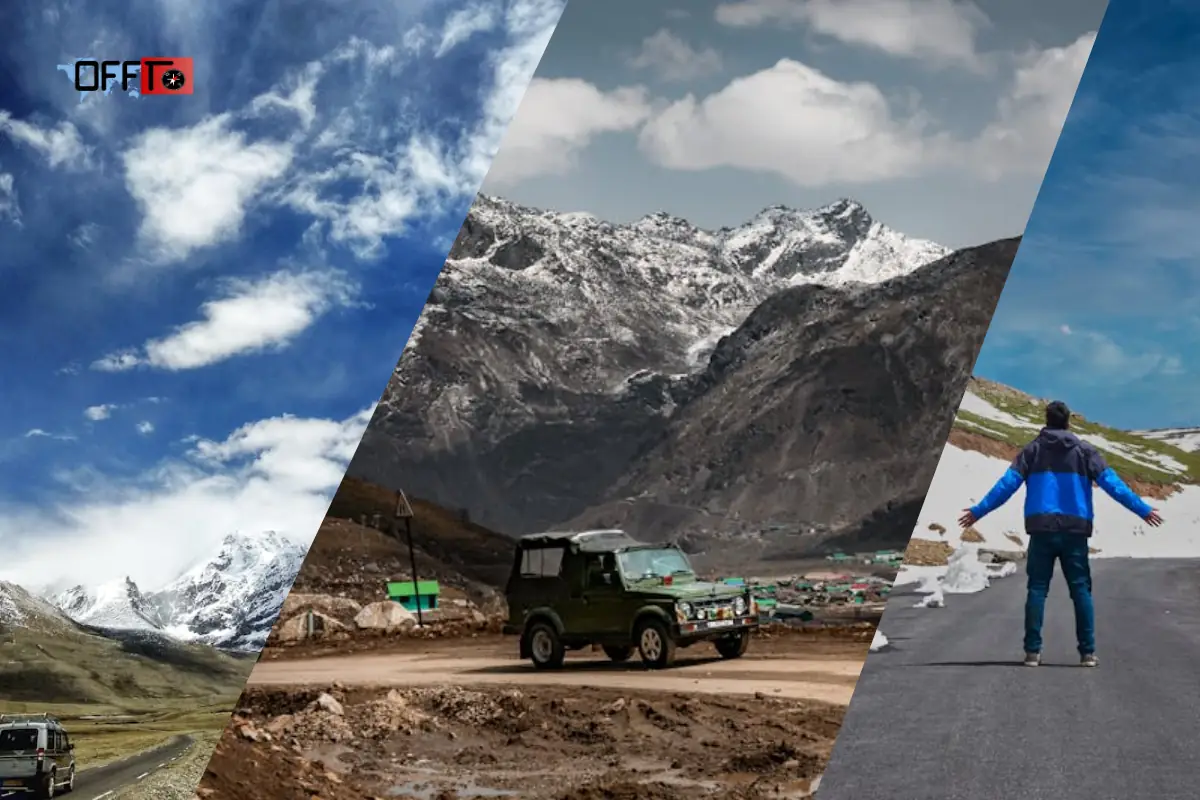
Road conditions to Gurudongmar Lake fluctuate due to snow, landslides, and weather changes. Being a high-altitude, border-area route, even minor snowfall or rockfalls can close sections for safety. Travelers should expect unpredictable conditions, especially in winter or monsoon months.
Lachen Route and Landslide Risk
The road from Lachen to Gurudongmar Lake is particularly vulnerable to landslides, rockfalls, and snow accumulation. Drivers must navigate narrow mountain paths with occasional steep drops, making caution essential. Travel insurance and guided drives are recommended for added safety.
Winter Snow and Road Closure Reality
During December to February, heavy snow can block the route completely. Even if permits are granted, vehicles may be unable to proceed, and delays of several hours—or even days—can occur. Only experienced drivers or operators with high-altitude vehicles should attempt winter trips.
Where to Check Current Road Status
Reliable sources for road updates include:
- Sikkim Tourism permit office
- Local hotels or homestays in Lachen
- Mangan district/local operators
Online forums or social media updates from travelers can provide real-time insights, but official confirmation is recommended before departure.
Why Permits Do Not Guarantee Final Access
Permits allow travel into the restricted border zone, but road closures, landslides, or weather can prevent actual access. Travelers must treat the permit as a necessary but not sufficient condition for reaching Gurudongmar Lake.
What to Do If Gurudongmar Road Is Closed
- Wait in Lachen until conditions improve
- Check alternate nearby attractions like Thangu Valley or Chopta Valley
- Maintain flexible itineraries and buffer days
- Avoid forcing travel in risky conditions; safety should always take priority
April–June and September–November provide the safest road access. Early morning drives are recommended for clear weather and reduced risk of landslides. Always verify road and permit status with local authorities or tour operators before departure.
Gurudongmar Lake Viewpoints: Best Places to See the Lake
Main Gurudongmar Lake Viewpoint
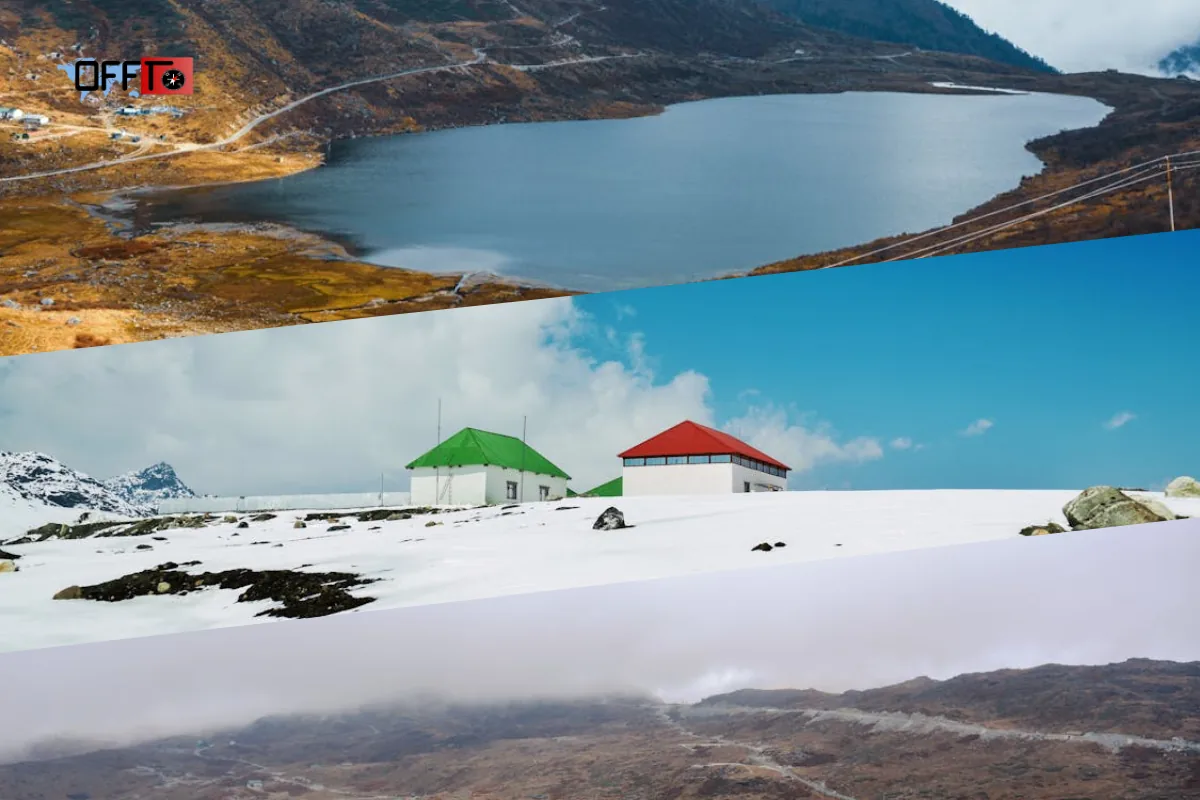
The designated main viewpoint near the lake provides panoramic views of the turquoise water and snow-capped mountains. This area is relatively safe for short stops and photography, giving the best overall perspective of the lake and surroundings.
Roadside Views Before the Lake
Along the Lachen–Gurudongmar route, several roadside stops offer scenic glimpses of glaciers, streams, and alpine villages. These vantage points provide pre-lake photography opportunities without reaching the high-altitude viewpoint yet.
Snow Mountain Views Around the Lake
Snow-covered peaks surrounding the lake create dramatic landscapes. For the most striking mountain vistas, head slightly uphill from the main viewpoint to capture reflections in calm lake waters early in the morning.
Best Photography Angles
- Wide-angle of lake and mountains for scale
- Close-up of prayer flags and rocky lake edge for texture
- Panoramic sweep from elevated ridge for depth
- Avoid overcrowded angles and direct sunlight mid-day, which can reduce color contrast in alpine waters.
Best Time of Day for Views
Early morning offers calm winds, clear skies, and soft lighting that enhances the lake’s turquoise tones. Late afternoon can also provide warm light, but changing weather may limit visibility.
Can You Go Down to the Lake Edge?
Visitors can reach the lake edge in designated areas but should avoid long descents. The thin air and uneven terrain increase risk of dizziness or fatigue, especially above 5,000 meters.
Viewpoint Safety and Oxygen Reality
At high altitude, oxygen is lower, making extended exposure risky. Travelers should:
- Move slowly, breathe deeply, and take breaks
- Avoid running or strenuous activity
- Keep visits short if feeling breathless
- Safety is prioritized over prolonged photography or exploration.
Places to Visit Near Gurudongmar Lake
Lachen
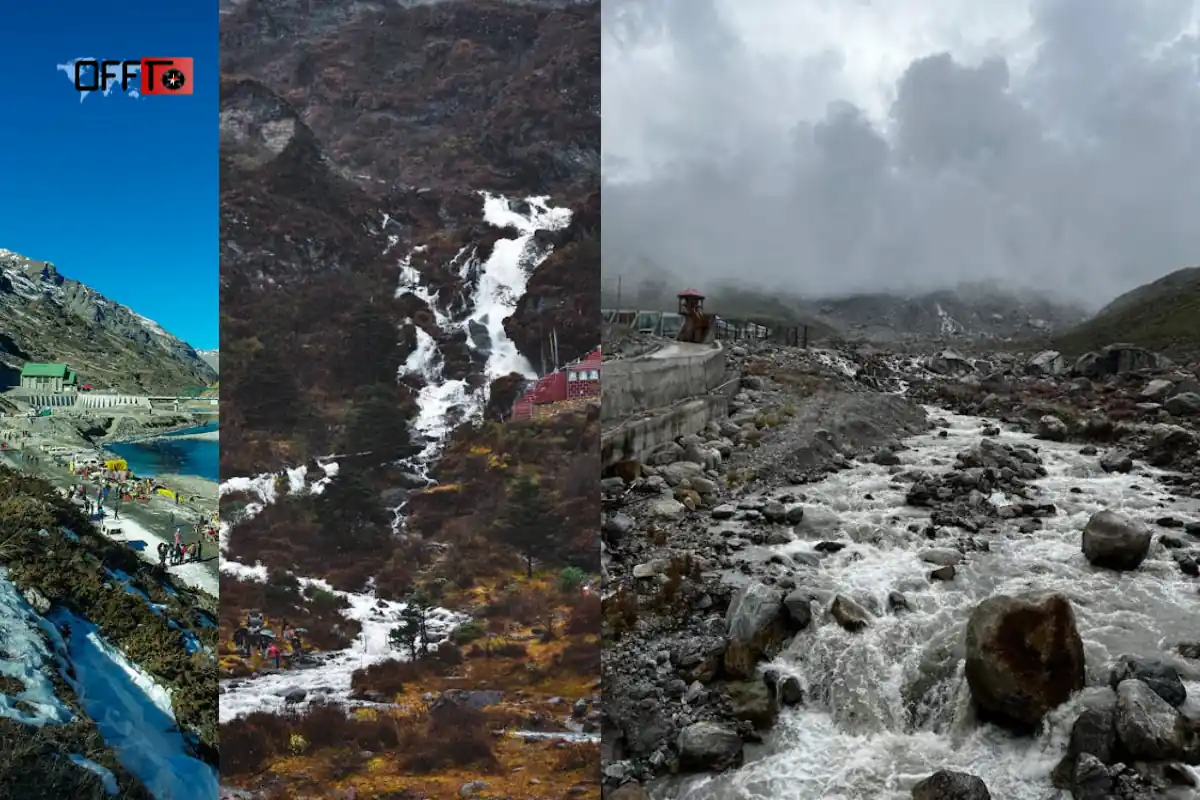
Lachen is the gateway village to Gurudongmar Lake. It offers guesthouses, homestays, and acclimatization stops before ascending to the lake. The village itself has traditional Sikkimese architecture and scenic alpine surroundings.
Thangu Valley
Located en route to Gurudongmar, Thangu Valley provides stunning alpine landscapes, grazing yaks, and streams. It’s ideal for quick photo stops and short walks to enjoy the serene Himalayan environment.
Chopta Valley
Chopta Valley is another high-altitude meadow with vast open terrain, wildflowers in summer, and snow patches in winter. It offers a peaceful break before reaching Gurudongmar.
Kalapatthar North Sikkim
Kalapatthar is a lesser-known high-altitude viewpoint near Gurudongmar. It provides panoramic views of the lake and surrounding peaks, making it perfect for photographers seeking unique angles.
Lachung Add-On
Lachung is slightly farther north and can be included for travelers doing a multi-day North Sikkim circuit. It serves as a base for visiting Yumthang Valley and Zero Point, adding more variety to the itinerary.
Yumthang Valley
Known as the “Valley of Flowers,” Yumthang is famous for rhododendron blooms in spring. It complements Gurudongmar visits for travelers seeking both high-altitude lakes and colorful alpine meadows.
Zero Point
Zero Point is a snow-bound high-altitude destination accessible from Lachung. It’s ideal for travelers wanting a snow experience and panoramic Himalayan vistas, though it requires additional permits and road planning.
Ideal Gurudongmar Lake Itinerary: 2 Days, 3 Days and North Sikkim Plan
Can You Visit Gurudongmar Lake in 2 Days?
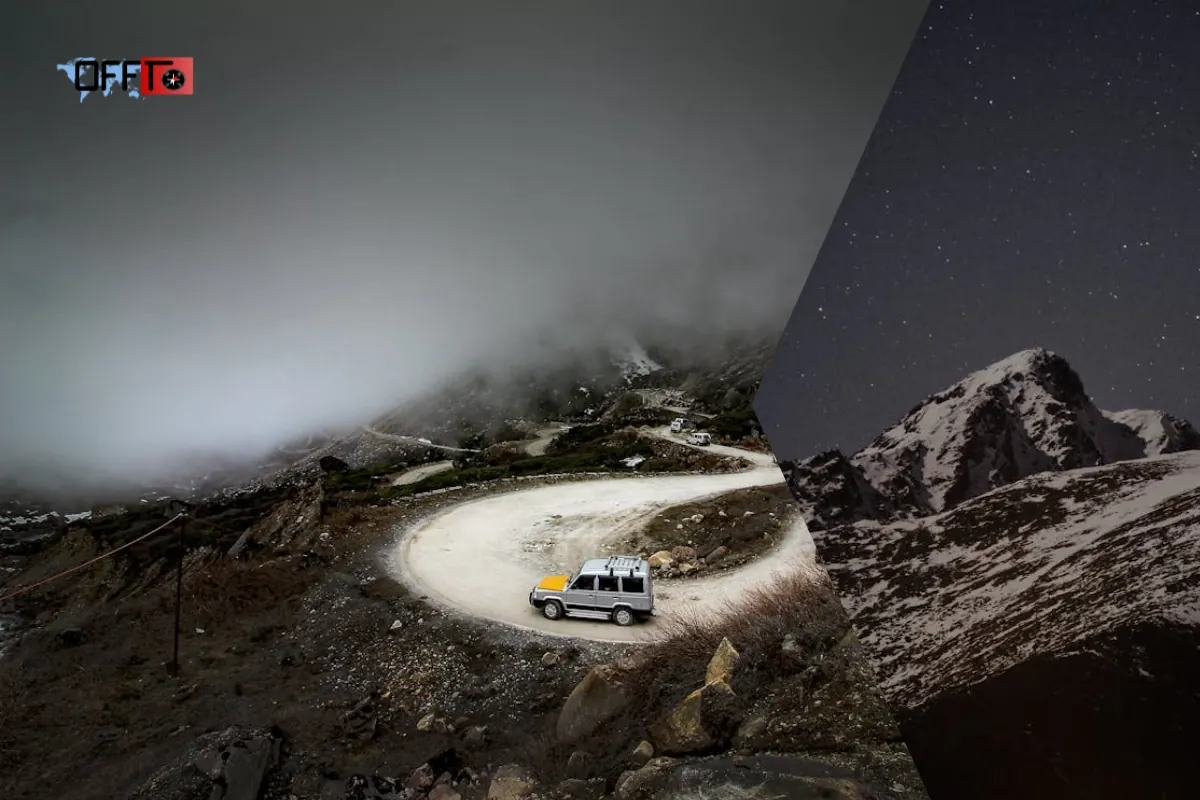
Yes, a 2-day trip is feasible:
- Day 1: Travel from Gangtok to Lachen, overnight stay.
- Day 2: Early morning visit to Gurudongmar Lake, return to Lachen.
2-Day Gangtok–Lachen–Gurudongmar Plan
- Day 1: Depart Gangtok early, drive to Lachen (6–7 hours), acclimatize and rest.
- Day 2: Drive from Lachen to Gurudongmar (~55 km, 2–3 hours), visit main viewpoints, return to Lachen.
3-Day Gurudongmar and Lachen Plan
A 3-day plan offers more comfort and safety:
- Day 1: Gangtok → Lachen
- Day 2: Lachen → Gurudongmar Lake → Lachen
- Day 3: Lachen → Gangtok
This itinerary allows buffer for road delays, altitude acclimatization, and photography stops.
Gurudongmar With Lachung and Yumthang Valley
For travelers with 4–5 days:
- Add Lachung → Yumthang Valley → Zero Point after Gurudongmar.
- Combine high-altitude lakes with alpine meadows and snow-covered passes for a complete North Sikkim experience.
Best Itinerary for Families
Families should prioritize gradual altitude gain and buffer days:
- Overnight stay in Lachen before visiting Gurudongmar.
- Limit time at the lake to reduce altitude sickness risk.
- Include nearby valleys for gentle walks rather than high-altitude trekking.
Best Itinerary for Photographers
- Start early morning at Gurudongmar for soft light and calm waters.
- Include roadside stops in Thangu and Chopta for alpine landscapes.
- Late afternoon shots can capture snow shadows and dramatic mountain contrasts.
Best Itinerary for First-Time Sikkim Travelers
- Stick to Gangtok → Lachen → Gurudongmar → return.
- Avoid additional high-altitude stops like Zero Point until acclimatized.
- Keep buffer days to account for road conditions or altitude-related fatigue
Why You Should Keep a Buffer Day
North Sikkim roads are unpredictable. Weather, landslides, and altitude can delay travel. A buffer day ensures:
- Time for unforeseen road closures
- Safe acclimatization
- Flexible photography and sightseeing
Where to Stay for Gurudongmar Lake Trip
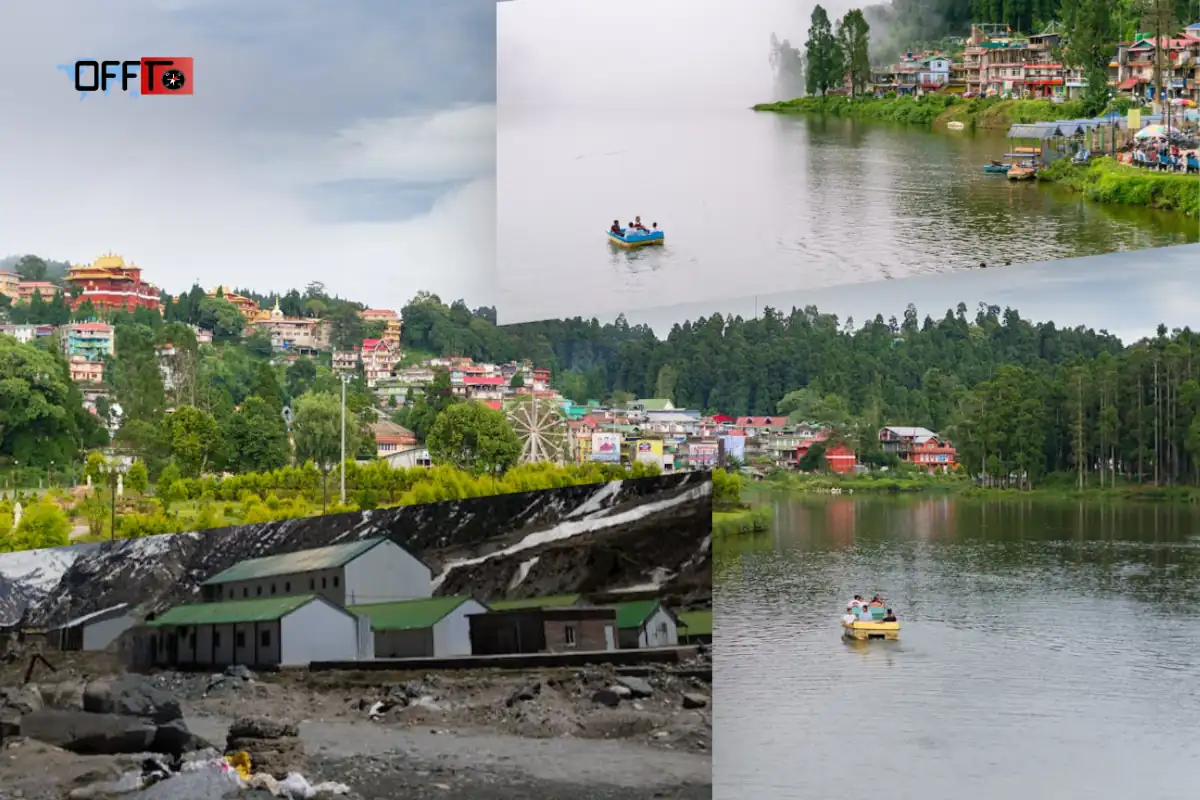
Why Most Travelers Stay in Lachen
Lachen is the primary base for visiting Gurudongmar Lake because the lake is too high and remote for overnight stays. Staying in Lachen allows travelers to acclimatize, access guides, and begin the early morning journey to the lake safely.
Stay Options in Lachen
Lachen offers basic hotels, homestays, and guesthouses. Most accommodations provide essential amenities such as a bed, blankets, and meals. Luxury options are limited, so travelers should adjust expectations for comfort versus proximity.
Homestays, Lodges and Basic Hotels
- Homestays: Authentic local experience, family-run, home-cooked meals
- Lodges: Simple rooms, often with shared bathrooms
- Hotels: Basic facilities, some with limited hot water
Heating, Hot Water and Food Reality
Many lodges and homestays provide minimal heating, often via wood stoves or electric heaters. Hot water may be available only at specific times. Travelers should prepare for simple, local meals rather than restaurant-style service.
Can You Stay Near Gurudongmar Lake?
Overnight stays near the lake are not possible for casual travelers due to altitude (~5,430 m), border restrictions, and harsh weather. All visits are day trips from Lachen, emphasizing early departures and buffer time for safety.
What to Check Before Booking
Before booking in Lachen:
- Heating and blankets availability
- Hot water schedule
- Meal timing and type
- Parking and early-morning departure support
- Permit confirmation for Gurudongmar Lake visit
Best Stay Strategy for Families and Senior Citizens
- Limit overnight stays at high altitude to Lachen only
- Allow one full day for acclimatization
- Choose homestays or lodges with heating and private bathrooms
- Ensure early-morning transport is available for lake visit
FAQs
What is Gurudongmar Lake famous for?
Gurudongmar Lake is famous for its extreme high altitude, sacred importance, blue alpine water, snow-covered Himalayan setting, freezing temperature and dramatic road journey from Lachen. It is considered sacred by Buddhists, Sikhs and Hindus, and Sikkim Tourism describes it as one of the highest lakes in India.
What is the height of Gurudongmar Lake?
Gurudongmar Lake is usually described as being around 17,000–17,800 feet above sea level. Sikkim Tourism pages mention multiple official figures, including 16,929 ft and 5,183 m, while also describing the lake as one of India’s highest lakes. Travelers should focus on the practical point: it is extremely high altitude.
What is Gurudongmar Lake height in feet?
Gurudongmar Lake height in feet is commonly searched as 17,800 ft, though Sikkim Tourism also lists 16,929 ft in one lake-detail entry and 17,000 ft in another attraction description. Because published figures vary slightly, the safest wording is that Gurudongmar Lake sits at roughly 17,000–17,800 feet.
What is the coldest month in Gurudongmar?
January is usually among the coldest months around Gurudongmar Lake, with extreme winter conditions, snow, ice and difficult road access. December and February can also be severely cold. Since weather changes quickly in North Sikkim, travelers should check local updates before planning any winter visit.
What is the best time to visit Gurudongmar Lake?
The best time to visit Gurudongmar Lake is usually April to June and September to November, when weather, visibility and access are generally better than peak monsoon or deep winter. Winter can offer snow and frozen views, but road closures are more likely. Always verify road status and permits before finalizing travel.
How to reach Gurudongmar Lake?
To reach Gurudongmar Lake, travelers usually go from Gangtok to Lachen, stay overnight, and start early the next morning for Gurudongmar via Thangu. Sikkim Tourism says the lake is reached from Lachen via Thangu, with the Thangu–Gurudongmar road passing through rugged high-altitude terrain.
Is Gurudongmar Lake road open now?
Gurudongmar Lake road status changes quickly because of snow, landslides and border-area restrictions. The Lachen route reportedly reopened in March 2026 after a long closure, but later reports also mentioned landslide disruption on the Lachen axis. Check with Sikkim permit authorities, Mangan district/local operators and your hotel before leaving.
Can we see Kanchenjunga from Gurudongmar Lake?
Gurudongmar Lake is not usually promoted as a classic Kanchenjunga viewpoint. The lake is surrounded by dramatic snow-covered Himalayan peaks, and Sikkim Tourism places it on the north side of the Khangchengyao Range. Visit Gurudongmar for high-altitude lake scenery rather than expecting guaranteed Kanchenjunga views.
Is Gurudongmar Lake safe for tourists?
Gurudongmar Lake can be safe for well-prepared tourists, but it is not a casual destination. The altitude is extremely high, oxygen is low, and the weather can be harsh. Travelers should start early from Lachen, avoid staying too long at the lake, carry warm clothing, check road status and avoid rushing if they feel breathless or dizzy.
Do we need a permit for Gurudongmar Lake?
Yes, travelers need a permit for Gurudongmar Lake because it is located in a sensitive North Sikkim border region. Permits are usually arranged through registered tour operators or local agencies in Sikkim. Travelers should carry valid ID proof, passport-size photos if required, and multiple copies of permit documents.
How many days are enough for Gurudongmar Lake?
At least two days from Gangtok are needed for a basic Gurudongmar Lake trip: one day to reach Lachen, and the next morning to visit the lake and return. A 3-day plan is safer and more comfortable because North Sikkim roads, weather, permits and altitude can cause delays.
Can children and senior citizens visit Gurudongmar Lake?
Children and senior citizens can visit Gurudongmar Lake only with careful health planning because the altitude is extremely high and oxygen is low. Anyone with breathing, heart or serious health concerns should consult a doctor first. Families should avoid rushing, keep visits short and carry warm clothes, medicines and water.
Read more >>>
Best Places to Visit in Sikkim for Nature, Adventure & Culture
Zuluk Sikkim Travel Guide – Best Time, Temperature & View Points
Final Verdict: Is Gurudongmar Lake Worth Visiting?
Visit Gurudongmar Lake If You Want
- One of Sikkim’s most dramatic high-altitude landscapes
- Sacred lake views with snow-capped Himalayan peaks
- A raw, adventurous North Sikkim road experience
- Unique photography and nature exploration opportunities
Avoid Gurudongmar Lake If You Expect
- Luxury accommodation or resorts nearby
- Easy, low-altitude sightseeing without acclimatization
- Long, leisurely stays at the lake without physical exertion
Best Travel Style for Gurudongmar
Gurudongmar suits adventure-minded, high-altitude-prepared travelers who value dramatic scenery over comfort. Solo travelers, photographers, and small groups benefit most from staged itineraries and early departures.
Offto Recommendation for First-Time Travelers
- Plan 2–3 days from Gangtok, staying overnight in Lachen
- Begin early for the lake to avoid altitude fatigue
- Carry layered clothing, snacks, and necessary permits
- Include a buffer day to account for road conditions, weather, and acclimatization
Following these guidelines ensures a safe, memorable, and rewarding Gurudongmar Lake experience.
Plan Your Gurudongmar Lake with Offto Travellers
Planning to visit the magical Gurudongmar Lake? Let Offto Travellers help you turn this high-altitude dream into a smooth and memorable Himalayan experience. From finding the best stays in Lachen to building the perfect North Sikkim itinerary, Offto helps travelers explore remote destinations with comfort, safety, and local insights.
Book your stays, discover hidden viewpoints, plan scenic routes, and travel confidently through North Sikkim’s breathtaking landscapes. Whether you want snow-covered views, peaceful lake moments, photography spots, or a complete Gangtok–Lachen–Gurudongmar trip, Offto Travellers makes your journey easier and more enjoyable.
Sign up
Leave a Reply