
Zuluk is famous for its Old Silk Route history, dramatic zig-zag roads, Thambi View Point, Kanchenjunga views, snowfall in winter, peaceful homestays, and offbeat Himalayan atmosphere. It is ideal for travelers who prefer quiet mountain villages over commercial hill stations.
Where Is Zuluk Located in Sikkim?
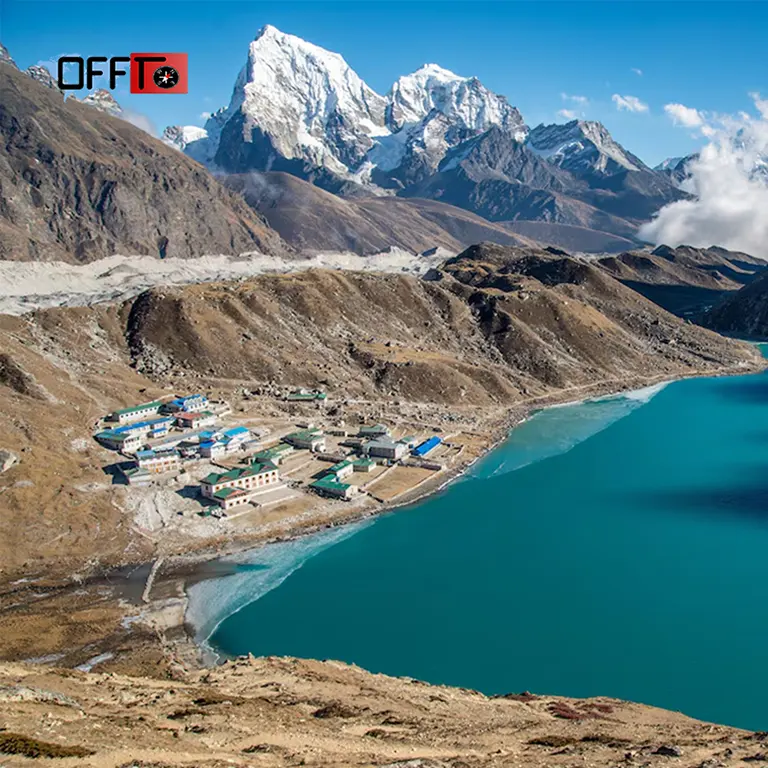
Zuluk Location on the Old Silk Route
Zuluk, also written as Dzuluk, Jhuluk or Jaluk, is a small Himalayan hamlet in eastern Sikkim, best known for its position on the historic Old Silk Route. For travelers searching for Zuluk Sikkim, the easiest way to understand its location is this: Zuluk sits on the mountain route that once connected Kalimpong with Tibet through Pedong, Aritar, Zuluk and Jelep La. Sikkim Tourism describes Zuluk as a former transit point on the historic Silk Route from Tibet to India, which gives the village much of its travel identity today.
This is also why Zuluk feels different from a regular hill station. It is not built around malls, cafés or sightseeing loops. Its appeal comes from the road journey, the zig-zag bends, the military-border landscape, quiet homestays, and the feeling of entering a less-commercial Himalayan route.
Zuluk District and Nearby Regions
Many travelers still refer to Zuluk as being in East Sikkim, because that is how the destination is commonly searched and described in older travel references. Administratively, the wider region now falls within the Pakyong district area, which includes Rongli Subdivision. Pakyong district was created in December 2021 and includes Pakyong, Rangpo and Rongli subdivisions
For practical trip planning, think of Zuluk as part of the Rongli–Padamchen–Zuluk–Nathang Valley Old Silk Route belt. Rongli is especially important because it is commonly used for permit formalities before travelers continue toward Zuluk and the higher Silk Route stretch.
Distance from Gangtok, Rongli, Aritar, and Nathang Valley
Distances around Zuluk can feel misleading because the roads are steep, narrow and weather-sensitive. A route that looks short on the map may take much longer than expected, especially during fog, snow, rain or permit delays.
Route | Approximate Distance | Planning Note |
Gangtok to Zuluk | Around 90–95 km by one common route | Usually takes 4.5–5 hours or more depending on route, permits and weather. |
Rongli to Zuluk | Around 31–34 km | Shorter in distance, but it includes mountain climbs and check-post movement. |
Aritar to Zuluk | Around 42 km | Often used in Old Silk Route itineraries from Aritar toward Zuluk. |
Zuluk to Nathang Valley | Around 25 km | Takes longer than the distance suggests because the route climbs toward higher altitude terrain. |
Zuluk to Thambi View Point | Around 14 km | One of the most important viewpoints near Zuluk. |
The best way to plan a Zuluk itinerary is not by distance alone. Plan by road condition, altitude gain, permit timing, sunrise timing and how comfortable your group is with winding Himalayan roads.
Why Zuluk Is Different from Gangtok and North Sikkim
Zuluk is quieter, smaller and more route-based than Gangtok. Gangtok works well for travelers who want easier hotels, restaurants, shopping, cable cars, monasteries and a city base. Zuluk is better for travelers who want an offbeat mountain stay, Old Silk Route landscapes, sunrise views, zig-zag roads and a slower Himalayan experience.
It is also different from North Sikkim. North Sikkim is usually associated with places like Lachen, Lachung, Yumthang Valley and Gurudongmar Lake, where the journey is longer and the landscape becomes more remote over multiple days. Zuluk, on the other hand, is compact but intense: the roads, altitude, border-region feel and changing weather make even a short trip feel adventurous.
Choose Zuluk Sikkim if you want a less-crowded, road-trip-style mountain experience. Choose Gangtok if you want comfort and convenience. Choose North Sikkim if you want a longer high-altitude journey and have more days in hand.
Zuluk Altitude: How High Is Zuluk?
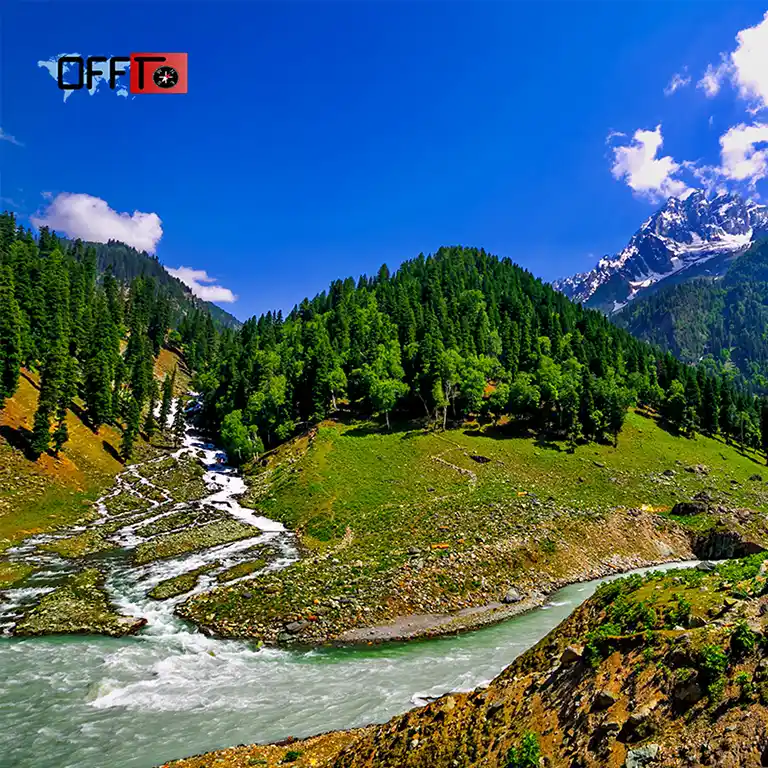
Zuluk Altitude in Feet and Meters
The Zuluk altitude is usually given as around 10,000 feet, or roughly 3,000 meters, above sea level. Sikkim Tourism describes Zuluk as being located at around 10,000 feet on the rugged lower Himalayan terrain, while another Government of India location listing gives the height as about 9,400 feet, or 2,900 meters.
For travelers, this small variation does not change the main planning point: Zuluk is a high-altitude Himalayan village. It is high enough to feel cold, high enough for weather to shift quickly, and high enough for some people to feel tired, light-headed or breathless if the journey is rushed.
Does Zuluk Altitude Affect Travelers?
Yes, Zuluk altitude can affect travelers, especially those coming directly from lower-altitude places such as Siliguri, NJP, Bagdogra or the plains. Not everyone will feel altitude discomfort, but the combination of height, cold air, winding roads and long travel hours can make the body feel more tired than expected.
Common issues include mild breathlessness, headache, disturbed sleep, nausea, motion sickness, appetite loss and fatigue. These are more likely if travelers rush from Gangtok or NJP to Zuluk and continue immediately toward Nathang Valley, Kupup or higher viewpoints without enough rest.
The smarter approach is to keep the first day slow. Check into a Zuluk homestay, drink enough water, avoid heavy alcohol, eat simple food and sleep early if you plan a sunrise visit to Thambi View Point the next morning.
Zuluk vs Nathang Valley vs Thambi View Point Altitude
Place | Approximate Altitude | Traveler Impact |
Zuluk | Around 10,000 ft / 3,000 m | Cold weather, possible fatigue, good place to slow down before higher sightseeing. |
Thambi View Point | Around 11,200 ft | Higher than Zuluk and exposed, so mornings can feel colder and windier. |
Nathang Valley | Around 13,500 ft | Much higher and colder; travelers should avoid rushing here without considering altitude comfort. |
This altitude difference matters. A traveler may feel completely fine in Zuluk but uncomfortable at Nathang Valley or Kupup because the body is climbing into thinner, colder air within a short time.
Tips for First-Time High-Altitude Travelers
If this is your first high-altitude trip in Sikkim, do not plan Zuluk like a regular weekend hill-station break. Keep your schedule flexible, especially if you are traveling with children, senior citizens or anyone with breathing concerns.
Carry warm layers even outside peak winter, because Zuluk temperature can feel much colder at night. Keep basic medicines for headache, nausea and motion sickness, but avoid self-medicating for altitude symptoms without medical advice. Drink water regularly, eat light meals during the road journey, and avoid overpacking the first day with too many viewpoints.
Most importantly, listen to the body. If someone feels unusually breathless, dizzy or weak, it is better to pause, rest or descend rather than push toward higher points. Zuluk is best enjoyed slowly: as a quiet Old Silk Route village, not as a checklist to finish in a hurry.
Best Time to Visit Zuluk: Month-Wise Travel Guide
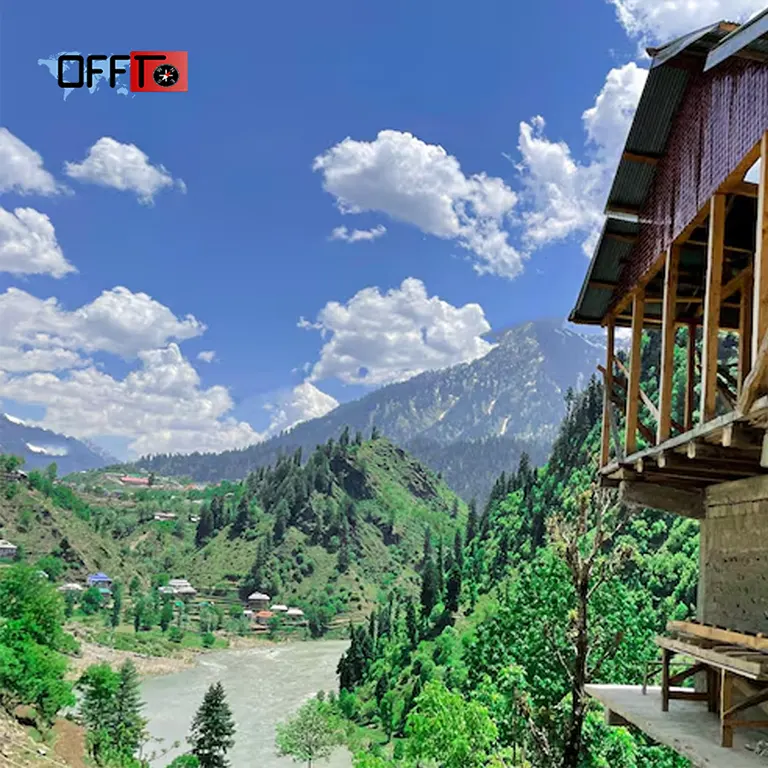
Best Overall Months to Visit Zuluk
The best time to visit Zuluk is usually March to May and September to November, depending on what kind of trip you want. Spring is better for rhododendrons, softer weather and a greener Old Silk Route landscape, while autumn is better for clearer skies, sharper mountain views and photography. The official Sikkim Tourism page notes March to May as cold, June to September as monsoon, and October to February as winter with cold and snow.
For most first-time travelers, April, May, October and November are the safest planning months. These months usually offer a better balance of road access, sightseeing comfort, Zuluk temperature, and visibility. If your main goal is Zuluk snowfall, winter is more suitable, but the trip becomes less predictable.
Zuluk in March, April and May
March, April and May are good months for travelers who want a cold but manageable mountain trip. Zuluk remains chilly because of its altitude, but the weather is usually more travel-friendly than peak winter. Sikkim Tourism also notes that the surrounding hills are covered with blooming rhododendrons during summer months, which adds colour to the rugged Old Silk Route scenery.
March can still feel wintry, especially in the mornings and evenings. April and May are more comfortable for families, couples and first-time visitors. This is also a good time for travelers who want to enjoy the zig-zag roads, Thambi View Point and nearby Silk Route landscapes without the heavier uncertainty of snow-blocked roads.
Zuluk in June, July, August and Monsoon Reality
June to September is the monsoon season in Zuluk and the wider Sikkim region. This is not the easiest time for a first-time Zuluk trip because mountain roads can become slippery, fog can reduce visibility, and heavy showers may affect sightseeing. Sikkim Tourism mentions that the rainy season in Zuluk can be prolonged, with heavy to very heavy showers being common.
That does not mean Zuluk has no charm during monsoon. The hills look lush, the clouds sit low, and the route feels atmospheric. But this season is better for flexible travelers, not those who want guaranteed viewpoints, sunrise shots or a tight itinerary. If you are planning Zuluk in monsoon, keep buffer time, avoid late-evening road travel, and check local road conditions before starting.
Zuluk in September, October and November
September, October and November are among the best months to visit Zuluk for clear views and photography. September can still carry some post-monsoon mood, but by October and November, the skies are often clearer and the mountains look sharper. This is the season when travelers usually have a better chance of seeing Kanchenjunga from viewpoints near Zuluk, especially early in the morning.
October and November are also good for couples, photographers and slow travelers who want crisp weather without the full difficulty of winter. Nights can be cold, so warm clothing is still necessary. However, compared to peak winter, road movement is usually easier and the overall trip feels more balanced.
Zuluk in December, January and February
December, January and February are the coldest months in Zuluk. This is the season for travelers who want a raw Himalayan winter experience, possible snow-covered roads, quiet homestays and a more adventurous Old Silk Route journey. Sikkim Tourism notes that winter in Zuluk may see snowfall, and the area can receive significant snow.
The tradeoff is important. Winter can be beautiful, but it can also affect road access, comfort and sightseeing plans. Families with young children, senior citizens and travelers uncomfortable with extreme cold should plan carefully. Choose a reliable local driver, confirm homestay heating arrangements, and avoid building the itinerary around too many fixed viewpoints.
Best Time for Snowfall in Zuluk
The best time for Zuluk snowfall is generally winter, especially December to February, though snow can vary from year to year. Sikkim Tourism classifies October to February as winter, cold and snow for Zuluk.
If snowfall is your main reason to visit, keep expectations flexible. Snow is never guaranteed on a specific date, and heavy snow can sometimes make roads difficult. The better approach is to plan a winter trip for the overall cold-weather experience, with snowfall as a bonus rather than the only goal.
Best Time for Clear Kanchenjunga Views
For clear Kanchenjunga views near Zuluk, October and November are usually stronger than monsoon and peak winter. Early mornings are generally better than afternoons because clouds often build up later in the day. Thambi View Point, located around 14 km from Zuluk, is one of the most popular places for panoramic Kanchenjunga views.
Best Time for Families, Couples and Photographers
Families should prefer April, May, October or November for a safer balance of weather, road access and comfort. Couples who enjoy quiet mountain stays can choose either spring or autumn, while photographers should look closely at October and November for cleaner skies. Snow lovers can consider winter, but only with flexible plans and proper cold-weather preparation.
Zuluk Temperature: Weather, Seasons and What to Expect
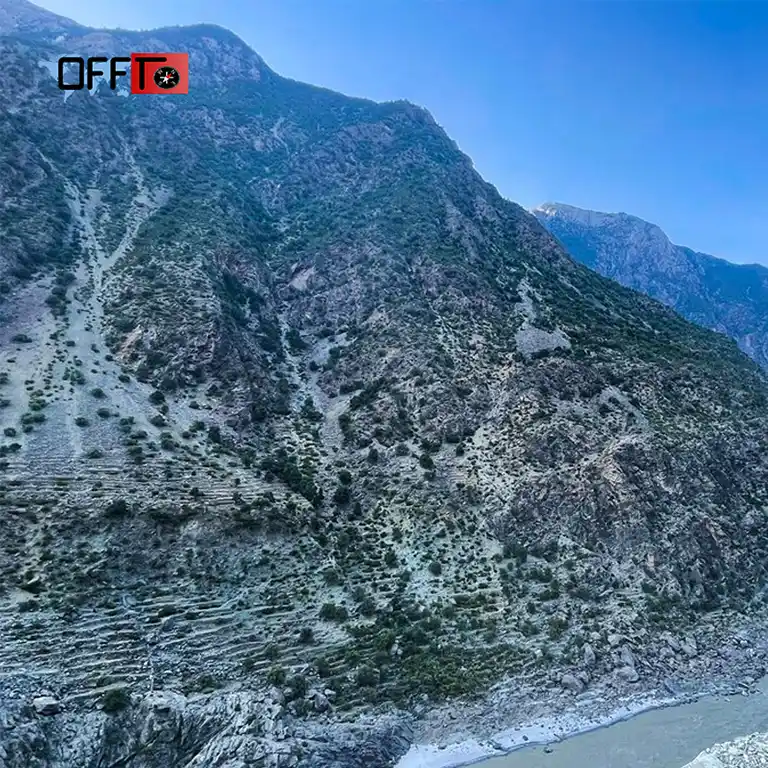
Zuluk Temperature in Summer
The Zuluk temperature in summer is cool compared to the plains. Sikkim Tourism notes that summer temperature in Zuluk can be near 20°C, with a noticeable difference between day and night temperature.
During the day, sightseeing can feel comfortable if the sun is out. But mornings, evenings and shaded areas can still feel cold because Zuluk sits at around 10,000 feet. A light jacket may work during the day, but you should still carry warmer layers for night.
Zuluk Temperature in Monsoon
During monsoon, Zuluk feels cool, damp and misty. The actual temperature may not always feel extreme, but rain, fog and wind can make the weather uncomfortable. Clothes may take longer to dry, visibility can drop suddenly, and viewpoints may remain covered by clouds.
This is why monsoon travel to Zuluk is less about sightseeing certainty and more about mood. If you enjoy misty mountain roads and slow homestay stays, it can still feel beautiful. If you want clear views, sunrise photography and smooth road conditions, this is not the most dependable season.
Zuluk Temperature in Winter
Winter in Zuluk is cold, and temperatures can feel much lower because of altitude, wind and snow. Even if the day feels manageable, nights can become harsh. Sikkim Tourism advises travelers visiting between December and February to carry heavy woollen garments because Zuluk is very cold and often experiences heavy snowfall during this period.
Winter travelers should not treat Zuluk like a casual hill-station trip. Warm jackets, thermals, gloves, woollen socks, caps and proper shoes become essential, especially if the itinerary includes Thambi View Point, Nathang Valley or Kupup.
Day vs Night Temperature Difference
One of the most important things to understand about Zuluk weather is the day-night difference. A sunny afternoon may feel pleasant, but the temperature can drop quickly after sunset. This difference is especially noticeable in spring, autumn and winter.
For travelers staying in a Zuluk homestay, this means evenings are usually indoor time. Carry enough layers, ask your homestay about blankets and hot water, and do not assume that daytime comfort means nighttime comfort.
What Clothes to Pack Based on Zuluk Weather
For spring and autumn, carry layered clothing: a warm jacket, sweatshirt or fleece, full-length trousers, socks and a cap. For winter, add thermals, gloves, muffler, heavy jacket and shoes with good grip. For monsoon, carry a rain jacket, quick-dry clothing, waterproof footwear and extra socks.
Even in warmer months, avoid packing only light clothes. Zuluk temperature can change quickly, and nearby viewpoints are colder than the village. A layered packing style works better than one bulky outfit because it lets you adjust as the day changes.
Weather Reality: Clear Views Are Not Guaranteed
Zuluk is famous for mountain views, but clear views are not guaranteed. Fog, clouds, rain, snow and sudden weather changes can affect visibility at any time, especially around the Old Silk Route. This is why a good Zuluk itinerary should include breathing room.
Instead of depending on one sunrise or one viewpoint, give yourself enough time to enjoy the village, the road journey, the homestay experience and the changing Himalayan mood. Zuluk is not just about perfect visibility; it is also about the slow, cold, dramatic feeling of the Silk Route.
Does Zuluk Have Snowfall?
When Does It Snow in Zuluk?
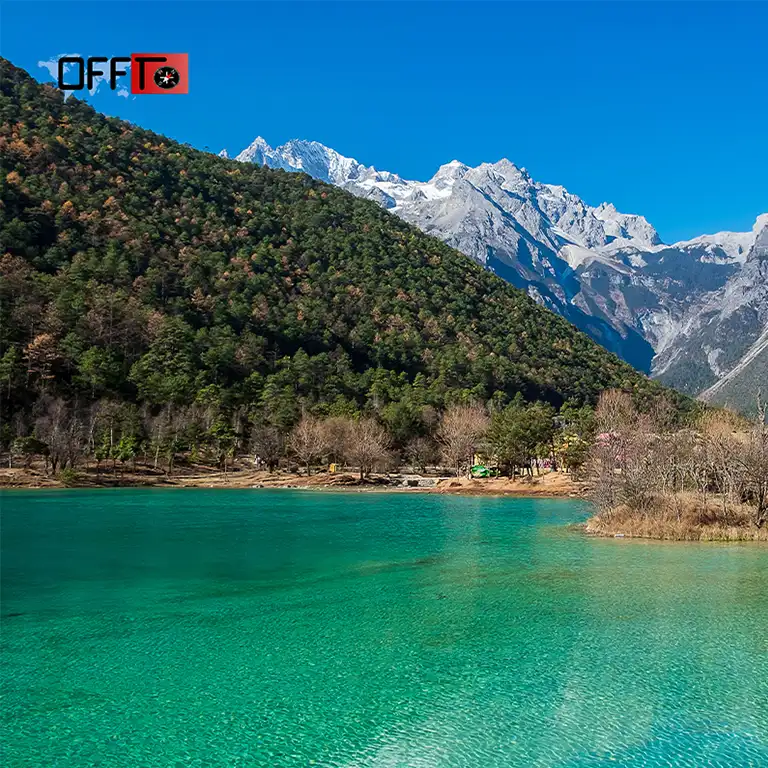
Yes, Zuluk does have snowfall, especially during the winter season. The most likely months for Zuluk snowfall are usually December, January and February, although snow can vary every year depending on weather conditions. Sikkim Tourism describes October to February as the winter period for Zuluk and notes that the region can experience cold weather and snow during this season.
For travelers, this means winter is the best time to visit Zuluk if snow is a major part of the plan. However, snowfall should be treated as a possibility, not a guaranteed event. A winter trip to Zuluk is still worthwhile for the cold mountain atmosphere, quiet roads and dramatic Old Silk Route scenery, even if fresh snow does not fall during your exact travel dates.
Is Zuluk Accessible During Snowfall?
Zuluk is often accessible in winter, but snowfall can affect road movement. Light snow may make the route more scenic, while heavy snow can delay travel, restrict permits or make higher sections difficult to access. This is especially relevant if your Zuluk itinerary includes Thambi View Point, Nathang Valley, Kupup Lake or Baba Mandir.
Travelers should avoid planning winter trips with tight return deadlines. A flexible itinerary, an experienced local driver and updated road information are more important in winter than in spring or autumn. If you are traveling with children, senior citizens or anyone uncomfortable with cold weather, confirm road and homestay conditions before starting.
Zuluk Snowfall vs Nathang Valley Snowfall
Zuluk gets snow, but Nathang Valley often feels more wintry because it is located at a higher altitude than Zuluk. In practical terms, this means Nathang Valley may feel colder and may have stronger chances of snow accumulation during peak winter. Some Old Silk Route travel references also note that higher areas such as Zuluk and Nathang Valley commonly experience snowfall in December and January, while heavy snow can sometimes block routes.
If you want a snow-focused trip, do not look only at Zuluk village. Ask your driver or homestay about the current condition toward Nathang Valley, Kupup and nearby higher stretches. Sometimes Zuluk may have limited snow while the upper route looks much more dramatic.
Should You Visit Zuluk in Peak Winter?
Visit Zuluk in peak winter if you enjoy cold weather, quiet homestays, snow-covered roads and less predictable mountain travel. Avoid peak winter if you want easy sightseeing, warmer comfort, luxury stays or guaranteed road access to every viewpoint.
Winter is best for travelers who are flexible. The reward can be beautiful: white roadside slopes, misty bends, silent mornings and a raw Himalayan mood. The tradeoff is also real: freezing nights, limited facilities, possible road disruptions and lower comfort compared to spring or autumn.
Snow Travel Safety Tips
For a winter Zuluk trip, carry thermals, gloves, woollen socks, a warm cap, a windproof jacket and shoes with good grip. Start early for sightseeing because mountain weather can change quickly after noon. Keep snacks, water, motion sickness medicine and basic personal medicines in your day bag.
Avoid self-driving unless you are experienced with Himalayan winter roads. Zuluk’s famous bends are beautiful, but in snow or frost they demand careful driving. A local driver who understands road conditions, permit checks and weather changes is often the safer choice.
Top Zuluk View Points You Should Not Miss
Thambi View Point
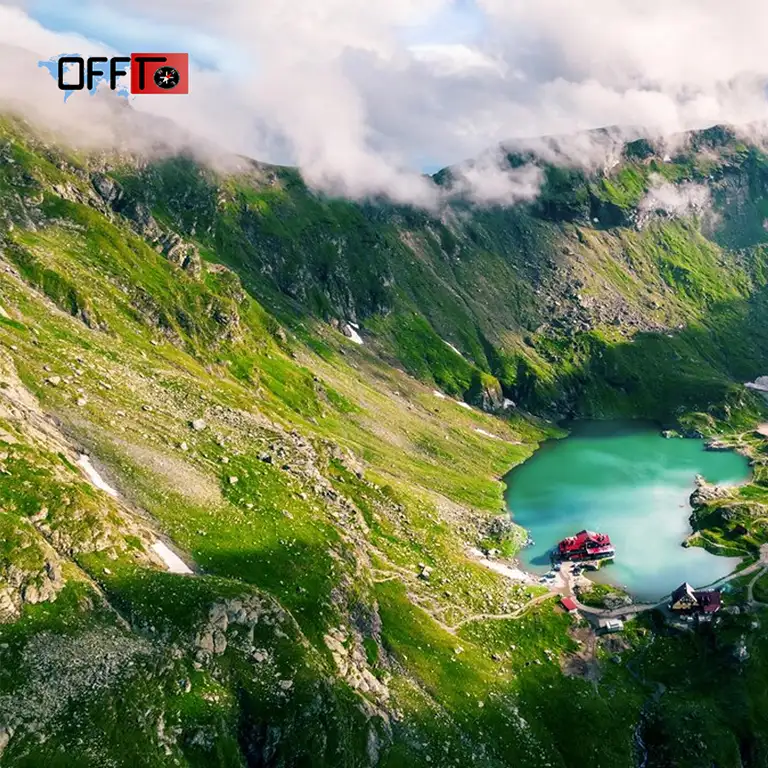
Thambi View Point is the most famous Zuluk view point and one of the biggest reasons travelers add Zuluk to their Sikkim itinerary. Located around 14 km from Zuluk, it offers panoramic views of the Mt. Khangchendzonga range, according to Sikkim Tourism.
The best time to visit Thambi View Point is early morning, especially if you want sunrise and clearer mountain visibility. It is also one of the strongest places near Zuluk for photographers because the landscape opens wide, with layered hills, mountain light and the Old Silk Route bends below.
Zuluk Zig-Zag Road View Point
The Zuluk zig-zag road is one of the most photographed sights on the Old Silk Route. From higher bends, the road looks like a series of sharp loops carved into the mountain. This is the classic visual that many travelers associate with Zuluk Sikkim.
The best experience is not just stopping for a photo, but watching how the road reveals itself as you climb. The bends can feel thrilling, but they can also cause motion sickness. If someone in your group is sensitive to winding roads, keep this part slow and avoid heavy meals before the drive.
Lungthung View Point
Lungthung is a quieter viewpoint area above Zuluk and is often included in Old Silk Route drives. It gives a broader sense of the mountain terrain and is useful for travelers who want a less crowded stop after Thambi View Point.
The mood here is more open and windswept. On a clear day, the views can feel expansive, but in misty weather the place becomes more atmospheric than panoramic. Carry a jacket even if Zuluk village feels manageable, because the air gets colder as you climb.
Nathang Valley View
Nathang Valley, also called Gnathang Valley, is one of the most striking landscapes near Zuluk. It sits higher than Zuluk and feels more open, colder and more remote. In winter, it can look especially dramatic when the valley and surrounding slopes receive snow.
This is not a place to rush into without considering altitude and weather. If you are already feeling tired or breathless in Zuluk, speak to your driver before continuing higher. The view is beautiful, but comfort and safety should decide the pace.
Kupup Lake and Elephant Lake View
Kupup Lake, often called Elephant Lake because of its shape, is another important stop on the higher Old Silk Route stretch. It is usually combined with Nathang Valley, Tukla Valley and Baba Mandir in longer Zuluk itineraries.
The landscape around Kupup feels different from Zuluk village. It is colder, more exposed and more high-altitude in character. Views here depend heavily on weather. On a clear day, the route feels cinematic; on a foggy day, visibility can drop quickly.
Best Sunrise and Sunset Spots Near Zuluk
For sunrise, Thambi View Point is usually the strongest choice because of its open mountain-facing view and reputation for Kanchenjunga visibility. Early morning is better than afternoon because clouds often build later in the day.
For sunset, the experience is more weather-dependent. Some travelers prefer upper bends around Lungthung and the Old Silk Route road sections where the light falls across the hills. However, sunset drives should be planned carefully because mountain roads become more difficult after dark.
Which View Point Is Best for Kanchenjunga?
For most travelers, Thambi View Point is the best viewpoint near Zuluk for Kanchenjunga views. It is close enough to Zuluk for an early morning drive and is officially known for panoramic views of the Khangchendzonga range.
That said, Kanchenjunga views are never guaranteed. Fog, clouds and winter weather can block visibility even during the best season. Keep at least one flexible morning in your Zuluk itinerary if mountain views are important to you.
How to Reach Zuluk: Routes, Roads and Travel Options
How to Reach Zuluk from Gangtok
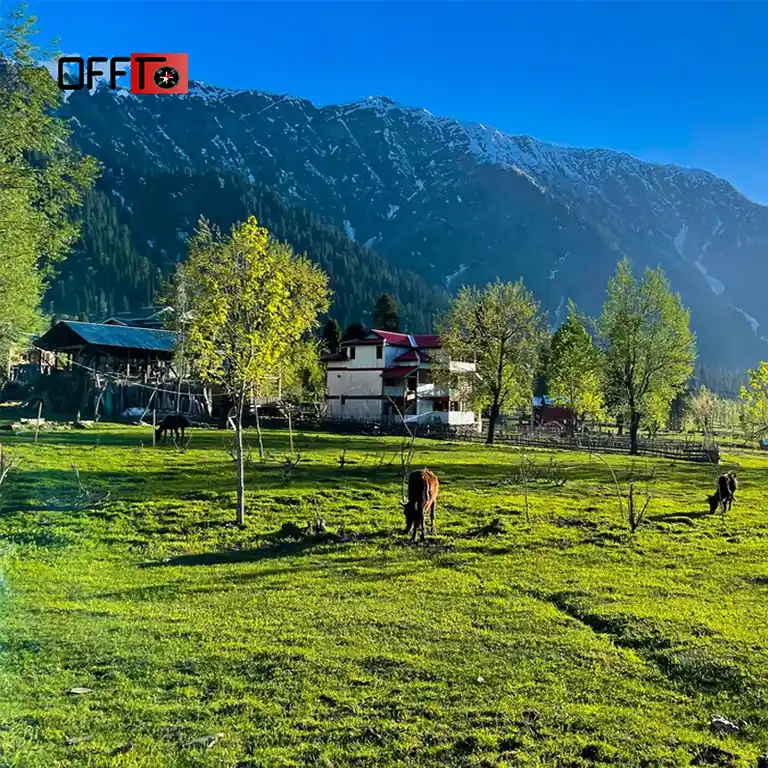
The most common way to reach Zuluk from Gangtok is by road through the Old Silk Route side, usually with a local vehicle and permit support arranged in advance. Zuluk lies in a protected border-area belt, so the journey is not only about booking a car; travelers also need to factor in permit checks, weather, road condition and daylight travel. The Government of Sikkim notes that protected areas in this belt begin from Lingtam in Pakyong district for the Zuluk–Kupup route.
For most travelers, Gangtok works well as a starting point if they want to combine Zuluk with Tsomgo Lake, Baba Mandir, Nathula-side sightseeing or a wider Sikkim itinerary. However, the drive can feel tiring because of altitude gain and winding roads, so it is better not to plan too many activities immediately after reaching Zuluk.
How to Reach Zuluk from NJP Railway Station
For travelers coming by train, NJP Railway Station is one of the most used entry points for a Zuluk trip. From NJP, the route usually goes toward the Sikkim side through the lower foothill region and then onward toward Rongli, where permit formalities are commonly handled before continuing to Zuluk. An official Sikkim Tourism Zuluk package also describes arrival at NJP or Bagdogra followed by transfer to Zuluk, with a stop at Rongli Police Station for permit processing en route.
If you are arriving at NJP after a long train journey, avoid planning a packed sightseeing day. A practical plan is to keep the first day focused on transfer, permit work, check-in and rest.
How to Reach Zuluk from Bagdogra Airport
Bagdogra Airport is the nearest major airport option for most travelers planning Zuluk Sikkim from outside the region. From Bagdogra, travelers usually continue by road through the foothills toward Rongli or nearby route points before climbing toward Zuluk. Sikkim Tourism route packages commonly group NJP Station and Bagdogra Airport as arrival points for Zuluk-bound transfers.
Flight travelers should keep enough buffer between landing time and the mountain drive. Delayed flights, permit processing and road conditions can all affect the day’s schedule. An early arrival is better than an afternoon arrival if you want a smoother transfer.
Zuluk from Rongli and Aritar
Rongli is one of the most important practical points on the Zuluk route because it is commonly associated with permit processing for the Old Silk Route. Sikkim Tourism’s route material also mentions a Rongli stop for permit formalities before continuing toward Zuluk.
Aritar is another useful route point, especially for travelers doing a slower Old Silk Route itinerary. Some travelers prefer staying around Aritar or Padamchen before moving higher toward Zuluk, which can make the journey feel less rushed and more comfortable for families or first-time mountain travelers.
Road Conditions on the Old Silk Route
The Old Silk Route is scenic but not effortless. The road toward Zuluk includes steep climbs, narrow bends, fog-prone sections and high-altitude stretches. Weather can change quickly, especially in monsoon and winter. Sikkim Tourism advises travelers to carry warm clothing, emergency medicines, cash, food and water, while also noting that Zuluk has limited mobile coverage, no ATM and limited modern facilities.
This is why Zuluk should not be planned like a simple hill-station drive. Start early, avoid night travel, keep snacks and water in the vehicle, and do not depend fully on card payments or mobile data.
Can You Visit Zuluk by Bike or Self-Drive Car?
Bike travel to Zuluk is possible for eligible travelers, but it requires proper documentation and permit approval. The official Sikkim Tourism PAP page lists separate documents for two-wheeler or motorbike permits, including bike registration certificate, driving licence, pollution certificate, insurance certificate, passport-size photos and identity proof of rider and co-rider.
Self-driving should be considered only if you are confident on steep Himalayan roads and understand permit requirements. Even then, winter snow, fog and road restrictions can make local guidance valuable.
Why Local Drivers Are Recommended
A local driver is strongly recommended for Zuluk because the trip involves more than navigation. Local drivers usually understand permit checkpoints, road conditions, safe photo stops, weather changes and which stretches should be avoided after dark.
This becomes especially important if your Zuluk itinerary includes Thambi View Point, Nathang Valley, Kupup Lake or Baba Mandir. In this region, the safest route is often not the shortest route on the map; it is the route that works with the day’s weather, road status and permit clearance.
Ideal Zuluk Itinerary: 1 Night, 2 Nights and Silk Route Plan
Is 1 Night Enough for Zuluk?
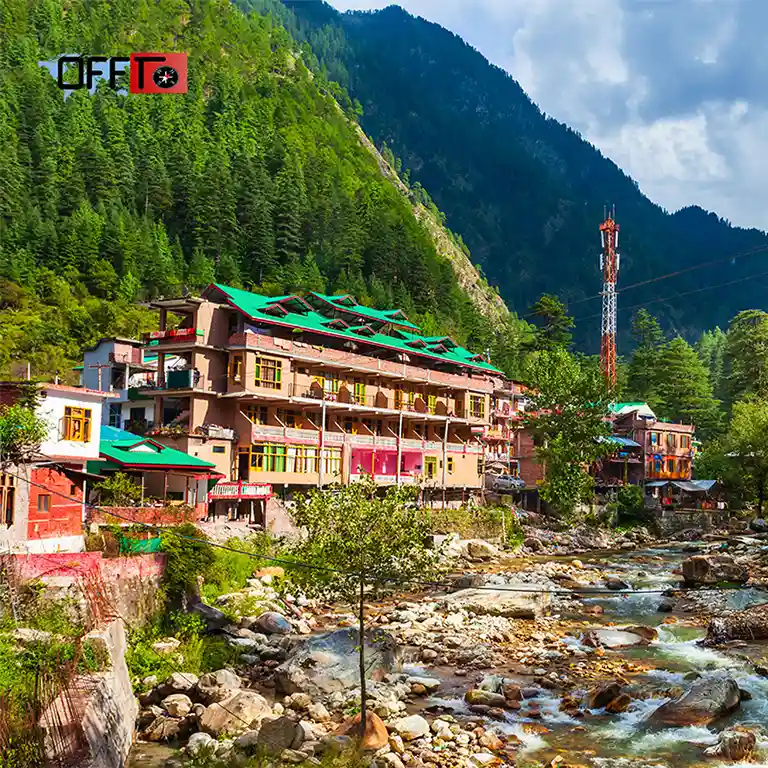
One night in Zuluk is enough only if you are short on time and want a quick Old Silk Route experience. A typical 1-night plan lets you reach Zuluk, stay in a local homestay, see the zig-zag road, and attempt an early morning visit to Thambi View Point before moving onward. However, it gives very little buffer for fog, permit delays, road fatigue or altitude adjustment.
For most travelers, 2 nights are better for Zuluk. The extra night gives you a more realistic chance of sunrise views, slower sightseeing, and a calmer experience of the village instead of turning the trip into a long mountain transfer.
2-Day Zuluk Itinerary
A practical 2-day Zuluk itinerary should stay simple. On Day 1, travel from Gangtok, NJP, Bagdogra or Aritar toward Zuluk, complete permit formalities where required, check into a Zuluk homestay, and keep the evening slow. Avoid overloading the first day because the drive involves bends, altitude gain and changing road conditions.
On Day 2, start early for Thambi View Point, enjoy the Zuluk zig-zag road views, and continue toward Lungthung or nearby viewpoints if the weather is clear. If you need to return the same day, keep the route light. If you are moving onward, make sure the next stretch does not become too rushed.
3-Day Zuluk and Old Silk Route Itinerary
A 3-day Zuluk and Old Silk Route itinerary works better for first-time travelers. One common route is to begin from NJP, Bagdogra or Siliguri, stay the first night around Aritar, Sillery Gaon or Padamchen, stay the second night in Zuluk, and then continue through higher Old Silk Route points before returning or moving toward Gangtok. Official Sikkim Tourism itinerary examples also include routes such as NJP/Bagdogra/Siliguri to Sillery Gaon, then Sillery Gaon to Zuluk, and then Zuluk toward Old Baba Mandir, Elephant Lake and Tsomgo/Gangtok.
This plan feels more balanced because it does not force travelers to climb too quickly or cover every viewpoint in one day. It also gives better flexibility for weather.
Zuluk with Nathang Valley, Kupup Lake and Baba Mandir
If you want the full high-altitude Old Silk Route feel, combine Zuluk with Nathang Valley, Kupup Lake and Baba Mandir. This route is scenic, but it should be planned with altitude and road conditions in mind. Nathang Valley and Kupup feel colder and more exposed than Zuluk, so the trip is better with an early start and an experienced local driver.
Do not treat this as a casual sightseeing loop. In winter or fog, the route can become slower and less predictable. If anyone in your group feels breathless, dizzy or very tired, it is better to pause than push higher.
Zuluk with Aritar and Reshikhola
For a softer itinerary, combine Zuluk with Aritar and Reshikhola. Aritar works well as a lower-altitude stop before climbing toward Zuluk, while Reshikhola adds a calmer riverside ending to the trip. This version is good for travelers who do not want the entire journey to feel cold, high and road-heavy.
Families and mixed-age groups may prefer this route because it breaks the trip into more comfortable stages. It also gives the itinerary a better mix of lake, village, mountain-road and riverside experiences.
Best Itinerary for Families
Families should choose a slower 3-day or 4-day Zuluk plan instead of a tight 1-night trip. Stay one night at a lower or mid-altitude point, then one night in Zuluk, and keep the higher viewpoints optional. This makes the journey easier for children, senior citizens and anyone prone to motion sickness.
Best Itinerary for Couples
Couples can choose a 2-night Zuluk stay if they want quiet evenings, sunrise views and slow mountain time. Aritar–Zuluk–Gangtok or Padamchen–Zuluk–Nathang works well, depending on comfort with altitude and cold weather.
Best Itinerary for Photographers
Photographers should plan at least 2 nights around Zuluk or the Old Silk Route. One morning is not enough if clouds block Thambi View Point. Keep sunrise, zig-zag road viewpoints, Lungthung and Nathang Valley flexible rather than fixed to one tight schedule.
Nearby Places to Visit Around Zuluk
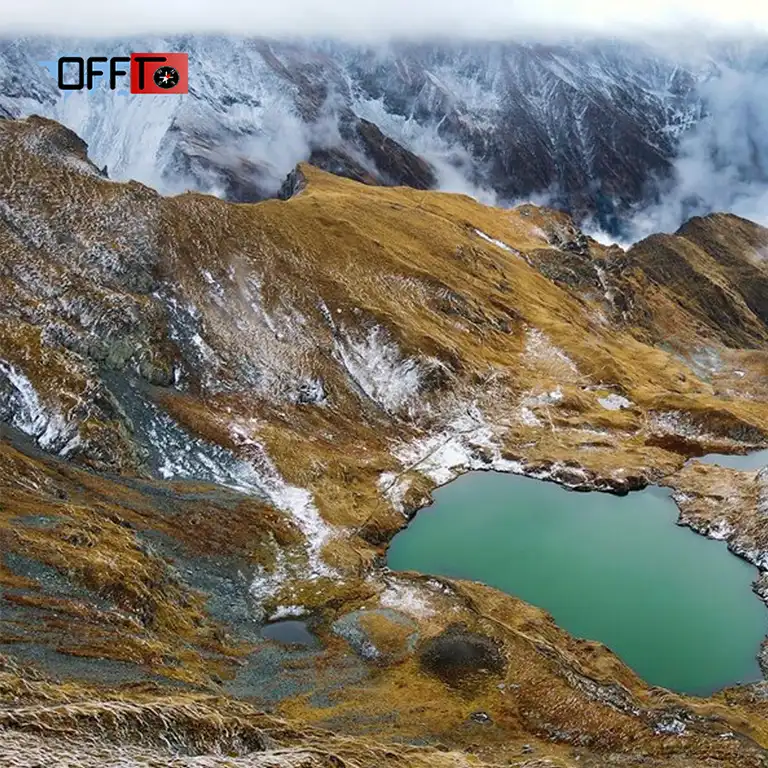
Thambi View Point
Thambi View Point is one of the most important places to visit near Zuluk and usually the first major viewpoint travelers plan for. Located around 14 km from Zuluk, it is known for panoramic views of the Mt. Khangchendzonga range, making it one of the best sunrise spots on the Old Silk Route.
Go early, carry warm layers, and keep expectations flexible. On a clear morning, the view can be spectacular; on a cloudy morning, the place still gives a strong sense of Zuluk’s high-altitude landscape.
Lungthung
Lungthung sits higher on the Old Silk Route and is often covered as part of the route from Nathang Valley toward Zuluk, Thambi View Point and Aritar-side stops. Official Sikkim Tourism package itineraries commonly include Lungthung with Thambi View Point and Zuluk road sections.
This is a good stop for travelers who enjoy open mountain views, quiet roads and less commercial viewpoints. The weather can feel colder here than in Zuluk village, so do not step out without a jacket.
Nathang Valley
Nathang Valley, also written as Gnathang Valley, is one of the strongest add-ons to a Zuluk itinerary. It feels wider, colder and more remote than Zuluk, with a high-altitude valley landscape that looks especially dramatic in winter.
It is best suited for travelers who are comfortable with altitude and cold weather. Families with senior citizens or anyone with breathing concerns should avoid rushing from Zuluk to Nathang without checking comfort and road conditions.
Kupup Lake
Kupup Lake, often called Elephant Lake because of its shape, is usually combined with Nathang Valley, Baba Mandir and other higher Old Silk Route attractions. Sikkim Tourism itinerary examples include Kupup Lake, Old Baba Mandir and nearby high-altitude route points in Old Silk Route plans.
The area around Kupup feels more exposed than Zuluk. Visibility can change quickly, so it is better to visit early in the day with a local driver who knows the route.
Baba Harbhajan Singh Mandir
Baba Harbhajan Singh Mandir is a respected pilgrimage and sightseeing stop often included in Old Silk Route and East Sikkim itineraries. Official Sikkim Tourism route packages mention Old Baba Mandir along with Kupup Lake, Nathang Valley and Zuluk-side sightseeing.
For many travelers, this stop adds a cultural and emotional layer to the trip. It is not just a viewpoint; it is a place connected with local belief, memory and the army-region identity of this route.
Tukla Valley
Tukla Valley is another high-altitude stop that appears in Old Silk Route sightseeing routes. Sikkim Tourism itinerary material includes Tukla along with Nathang Valley, Baba Mandir, Kupup Lake and other East Sikkim route points.
The landscape here feels open and stark compared to Zuluk village. It is better for travelers who enjoy raw Himalayan terrain rather than busy tourist spots.
Aritar
Aritar works well as a softer stop before or after Zuluk. It is often used in Silk Route itineraries because it helps break the journey and adds a more relaxed lake-and-village feel to the route. Sikkim Tourism-listed Silk Route plans include Aritar as part of longer Zuluk circuits.
If you are traveling with family or want to reduce altitude fatigue, staying around Aritar before climbing toward Zuluk can make the trip feel easier.
Reshikhola
Reshikhola is a peaceful riverside add-on that pairs well with Zuluk for travelers who want a softer ending after high-altitude roads. Some Sikkim Tourism-listed Silk Route packages mention descending from Nathang Valley toward Reshikhola or Rolep, describing them as riverside villages with a calmer landscape.
This is a good option if you want the trip to include both mountain-road adventure and slow riverside downtime.
Gangtok Add-On Plan
Gangtok is a practical add-on before or after Zuluk, especially for travelers who want better hotels, restaurants, shopping, monasteries and easier city-based sightseeing. Some Old Silk Route itineraries connect Gangtok with Nathang Valley, Baba Mandir, Kupup Lake, Zuluk and Aritar-side routes.
A good plan is to keep Gangtok either at the beginning for acclimatization and permits, or at the end for a more comfortable finish after the remote Zuluk stretch.
FAQs
What is Zuluk famous for?
Zuluk is famous for its historic Old Silk Route connection, dramatic zig-zag road, peaceful mountain homestays, Thambi View Point, and views of the Kanchenjunga range. It is also known for winter snowfall and its quiet, offbeat atmosphere. Unlike commercial hill stations, Zuluk offers a raw Himalayan road-trip experience with simple stays and high-altitude landscapes.
Which month is best to visit Zuluk?
The best months to visit Zuluk are usually March to May and September to November. Spring brings cold but pleasant weather and rhododendron blooms, while autumn often offers clearer skies and better mountain views. Winter is good for snow lovers, but road conditions can be difficult. Monsoon months are less predictable because of rain, fog, and possible road issues.
Does Zuluk have snowfall?
Yes, Zuluk can receive snowfall during winter, especially from December to February, depending on the weather pattern. Nearby higher regions such as Nathang Valley and Kupup often experience stronger winter conditions. Snow makes the landscape beautiful, but it can also affect road access, permits, and travel timing. Always check local updates before planning a winter Zuluk trip.
What is the altitude of Zuluk?
Zuluk is located at roughly 10,000 feet above sea level, with official tourism references placing it around 10,100 feet. Because of this altitude, the weather remains cold for much of the year, especially at night. Travelers should carry warm layers, avoid rushing the itinerary, and stay hydrated to reduce altitude-related discomfort.
Is Zuluk safe for tourists?
Zuluk is generally safe for tourists when visited with proper planning, local drivers, valid permits, and suitable weather conditions. The main concerns are altitude, cold weather, sharp road bends, fog, and winter snow. Families and couples can visit comfortably, but travelers should avoid overpacked itineraries and check road conditions before heading toward higher points.
Do I need a permit to visit Zuluk?
Yes, Indian tourists need a Protected Area Permit to visit Zuluk. Official Sikkim Tourism permit information lists required documents for Zuluk and states that foreign nationals are not allowed for this route. Travelers should confirm the latest permit process before visiting because rules, accepted documents, and route access can change based on local conditions.
Are there good homestays in Zuluk?
Zuluk mainly offers local homestays rather than luxury hotels. A good Zuluk homestay usually provides basic rooms, home-cooked meals, blankets, and local travel support. Before booking, confirm hot water, food availability, parking, room heating or extra blankets, permit assistance, and road accessibility. Homestays are best for travelers who prefer local warmth over resort-style comfort.
How many days are enough for Zuluk?
Two nights are ideal for Zuluk if you want a relaxed experience with sunrise views, nearby viewpoints, and weather buffer time. A one-night trip is possible but often feels rushed, especially because mountain weather can block views. A 3-day Zuluk and Silk Route itinerary works better for travelers who want Nathang Valley, Kupup Lake, and Baba Mandir.
What are the best things to do in Zuluk?
The best things to do in Zuluk include driving through the zig-zag road, watching sunrise from Thambi View Point, staying in a local homestay, photographing mountain bends, exploring the Old Silk Route, and visiting nearby places like Lungthung, Nathang Valley, Kupup Lake, and Baba Mandir. The experience is more about landscapes, roads, weather, and silence than typical sightseeing.
Is Zuluk better than Gangtok?
Zuluk and Gangtok offer very different experiences. Gangtok is better for cafes, markets, hotels, monasteries, and easier sightseeing. Zuluk is better for offbeat road trips, mountain views, homestays, snowfall, and the Old Silk Route experience. Choose Gangtok for comfort and convenience, but choose Zuluk if you want a quieter, more remote Himalayan journey.
Can senior citizens visit Zuluk?
Senior citizens can visit Zuluk if they are comfortable with high altitude, cold weather, and winding mountain roads. The trip should be slow, with a reliable vehicle, warm clothing, medicines, and minimal night travel. Those with breathing issues, heart conditions, or severe motion sickness should consult a doctor before planning the route, especially in winter.
Is Zuluk good for a honeymoon trip?
Zuluk can be a beautiful honeymoon destination for couples who enjoy quiet mountains, scenic drives, snow, homestays, and offbeat travel. It is not ideal for couples expecting luxury resorts, nightlife, shopping, or spa-style comfort. For a romantic but realistic plan, combine Zuluk with Gangtok, Aritar, or a comfortable stay before and after the Silk Route section.
Read more >>>
Best Places to Visit in Sikkim for Nature, Adventure & Culture
Best Snowfall Places in India – Top Snow Destinations to Visit
Final Verdict: Is Zuluk Worth Visiting?
Visit Zuluk If You Want
Zuluk is worth visiting if you want an offbeat Sikkim trip built around mountain roads, quiet homestays, Old Silk Route history, Kanchenjunga views, sunrise viewpoints and high-altitude scenery. It is ideal for travelers who enjoy slow road journeys more than crowded tourist markets.
Choose Zuluk if you are comfortable with basic stays, cold weather, early mornings and some uncertainty. The destination rewards travelers who enjoy atmosphere, silence and landscapes rather than fixed sightseeing guarantees.
Avoid Zuluk If You Want
Avoid Zuluk if you want luxury hotels, nightlife, café hopping, easy public transport or a relaxed trip with no road fatigue. Zuluk is also not the best choice if you are uncomfortable with altitude, motion sickness, cold weather or limited facilities.
It may not suit travelers who want every plan to run exactly on schedule. Weather, permits, snow and road conditions can affect the experience.
Best Travel Style for Zuluk
The best travel style for Zuluk is slow, flexible and road-trip focused. A 2-night or 3-day plan works better than a rushed 1-night visit because it gives you time for Thambi View Point, zig-zag road views, homestay evenings and possible weather changes.
Photographers, couples, offbeat travelers and small groups usually enjoy Zuluk the most. Families can also visit comfortably if they choose the right season, reliable driver and well-reviewed homestay.
Offto Recommendation for First-Time Travelers
For first-time travelers, Offto recommends planning Zuluk as part of a balanced Old Silk Route itinerary rather than treating it as a one-stop destination. Combine Zuluk with Aritar, Nathang Valley, Kupup Lake or Gangtok depending on your comfort with altitude, cold and road travel.
A good Zuluk trip is not about covering the maximum number of places. It is about choosing the right season, the right route, the right homestay and enough breathing room to enjoy the mountains properly.
Plan Your Zuluk Sikkim Trip with Offto Travellers
"Embark on an unforgettable journey to Zuluk, Sikkim, where winding zig-zag roads, panoramic Kanchenjunga views, and serene Thambi View Point await. Whether you’re chasing winter snowfall, springtime rhododendrons, or a peaceful Himalayan retreat, Offto Travellers makes it effortless. Explore authentic local homestays, plan your personalized itinerary, and secure your stay with just a few taps. Don’t miss the chance to experience this offbeat mountain gem—download Offto Travellers now, discover hidden routes, and book your homestay for a truly memorable Silk Route adventure!"
Sign up
Leave a Reply