
Hanle is a remote village in Ladakh, located near the Indo-China border at an altitude of 14,764 feet. Known for its Indian Astronomical Observatory, Hanle offers exceptional stargazing opportunities and untouched landscapes. It’s a must-visit for adventurers, astrophotographers, and those seeking solitude in one of the most isolated regions of India.
Where is Hanle?

Hanle is a small yet remote village located in the Ladakh region of northern India, situated near the Indo-China border. Perched at an elevation of approximately 14,764 feet (4,500 meters), it lies within the Leh District, specifically in the Hanle Valley, making it one of the most isolated settlements in India.
Distance from Leh
Hanle is about 255 km from Leh, the capital of Ladakh. The journey from Leh to Hanle typically takes around 7–8 hours by road, depending on road conditions. The route passes through Nyoma, where travelers can stop for a break before continuing further into Hanle Valley. The road to Hanle is rugged and remote, making it ideal for adventurous travelers who wish to experience the raw beauty of Ladakh.
Why Hanle is One of the Most Remote Villages in India
Hanle is considered one of India’s most remote habitations due to its geographical location. It is tucked away in a secluded corner of Ladakh, far from major tourist hubs like Leh, Nubra Valley, and Pangong Lake. The absence of modern infrastructure, limited road access, and extreme weather conditions during the winter months contribute to its isolation. Yet, this very remoteness is what makes it a special destination for those seeking peace, solitude, and unmatched natural beauty.
The village has only minimal amenities, with a few local homes, a small monastery, and the famed Indian Astronomical Observatory. Hanle is surrounded by breathtaking landscapes, including rugged mountains, deserted valleys, and crystal-clear skies, making it a perfect getaway for adventure seekers, photographers, and those who want to connect with the untouched wilderness of Ladakh.
What is Hanle Famous For?
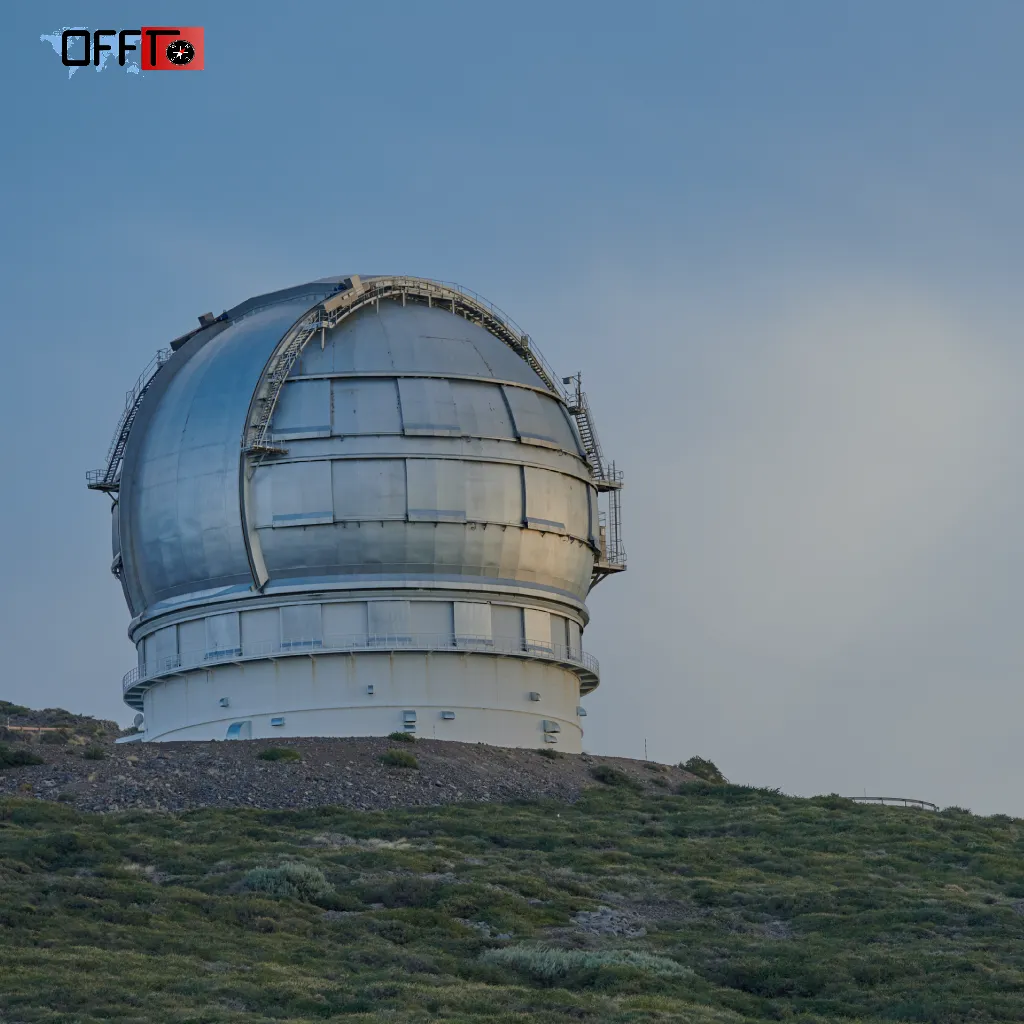
Hanle is most famous for its Indian Astronomical Observatory, which is one of the highest in the world. Located at a staggering altitude of 4,500 meters (14,764 feet), this observatory offers unparalleled views of the night sky and is a major reason for the village’s growing reputation among stargazers and astronomy enthusiasts.
Home to the Indian Astronomical Observatory
Hanle’s Indian Astronomical Observatory is one of the highest observatories in the world, offering some of the clearest and most uninterrupted views of the stars. The observatory is equipped with cutting-edge telescopes and is a hub for astrophysical research. The clear skies and lack of light pollution make Hanle a stargazing paradise.
Why is it special?
Hanle’s location at such a high altitude, far away from the artificial light of cities, ensures that it enjoys dark skies year-round, offering ideal conditions for astrophotography. The Indian Astronomical Observatory has gained recognition for contributing to astronomical research, allowing scientists to observe distant celestial bodies and monitor space weather.
Dark Sky Reserve + Stargazing Paradise
Hanle’s designation as a Dark Sky Reserve makes it an exclusive destination for stargazing in India. With no light pollution, Hanle offers a stellar experience for visitors, whether you are an amateur astronomer or someone who simply enjoys observing the celestial beauty.
The allure of Hanle’s night sky
- Milky Way views: The Milky Way is clearly visible during certain months, creating a magical view for visitors.
- Meteor showers: Hanle is an excellent location to witness meteor showers that occur in various seasons, particularly during the Perseid meteor shower in August.
Untouched Hanle Valley Landscapes
Beyond its fame for the observatory, Hanle is also known for its untouched landscapes and raw natural beauty. The Hanle Valley is a region where the barren hills, rugged terrain, and vast desert plains offer an incredible sight. The remote village provides a peaceful atmosphere where visitors can experience the true essence of Ladakh.
Expectation vs Reality: Extreme Remoteness vs Surreal Beauty
Travelers often arrive in Hanle with expectations of extreme remoteness, and they are not disappointed. However, the beauty of Hanle surpasses expectations. While the journey to this far-off village can be challenging due to the isolated location, the stunning views, star-filled skies, and serene environment make every effort worthwhile. Hanle offers visitors a raw, surreal beauty that is rarely seen in other, more crowded destinations of Ladakh.
Hanle is an incredible place for those seeking to experience untouched landscapes, astrophotography, and spiritual solitude. Whether you’re there for the observatory, stargazing, or simply to escape into the wilderness, Hanle offers a rare opportunity to connect with nature and the stars in a truly unique way.
With the Indian Astronomical Observatory as its crown jewel and the surrounding landscapes offering exceptional beauty, Hanle has become a must-visit for travelers seeking something beyond the typical Ladakh experience. It is a place where extreme remoteness meets surreal beauty, creating an unforgettable experience for those who venture into this stunning part of the world.
Hanle Valley & Places to Visit (Top Attractions)
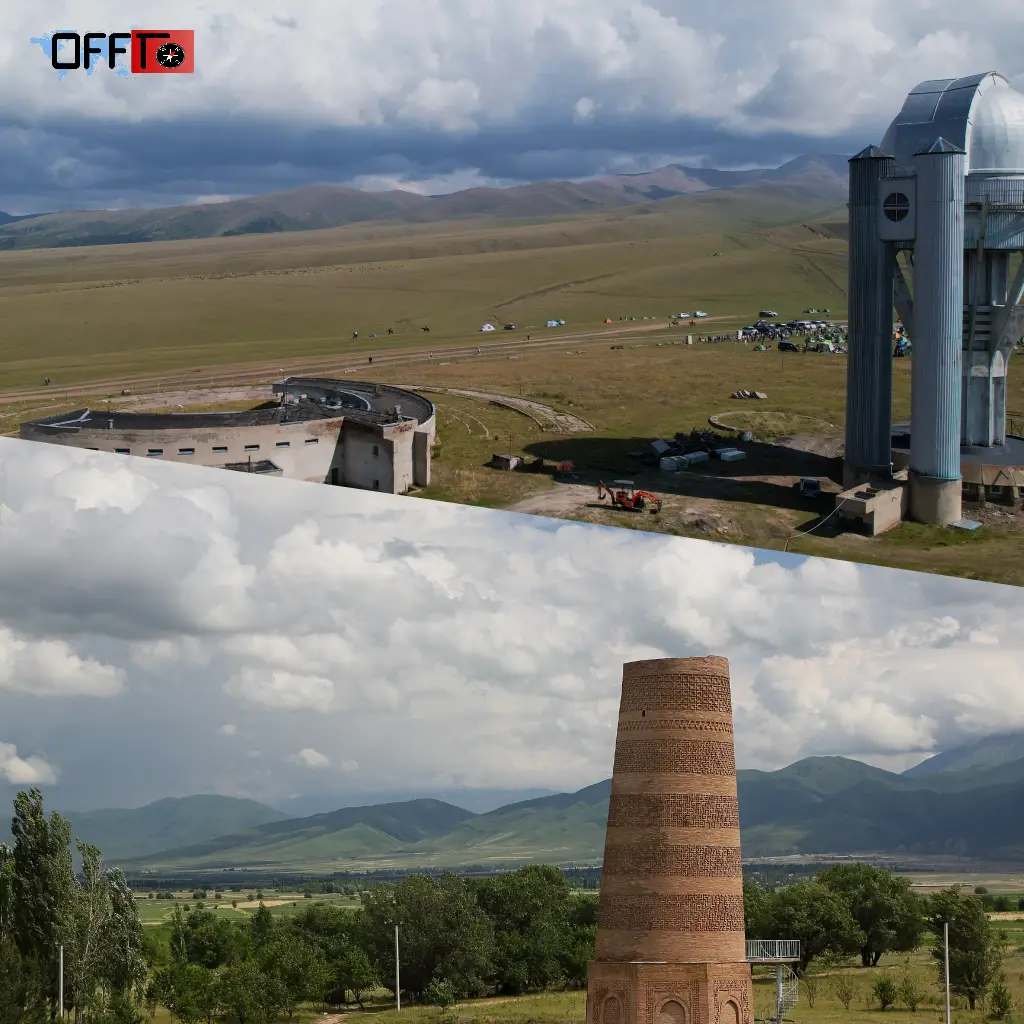
Hanle offers more than just a chance to visit one of the highest astronomical observatories in the world. The Hanle Valley is home to a variety of cultural, spiritual, and adventurous experiences that truly showcase the raw beauty of Ladakh. Here’s a guide to the top attractions in and around Hanle that will make your visit unforgettable:
Indian Astronomical Observatory
- High-Altitude Observatory
The Indian Astronomical Observatory in Hanle is one of the highest observatories globally and an unmissable attraction. Perched at a staggering height of 4,500 meters (14,764 feet), this observatory plays a significant role in India’s astronomy research and is recognized internationally for its contributions to astrophysics.
- Restricted Entry & Viewing Points
Entry to the observatory is restricted, primarily to researchers and scientists, though tourists can still visit and witness the night sky in the vicinity. There are specific viewing points around the observatory that offer a breathtaking view of the clear skies and allow for stellar astrophotography. The absence of light pollution in this area makes it one of the best places in the world for stargazing and astrophotography.
- What makes it special
The observatory not only provides a chance to glimpse the night sky but also makes Hanle a prime location for amateur astronomers. The uninterrupted views of constellations, planets, and the Milky Way are a unique experience, attracting stargazing enthusiasts and professional astronomers alike.
Hanle Monastery
- Spiritual & Cultural Experience
The Hanle Monastery is an important Buddhist monastery that serves as both a spiritual center and a cultural hub for the locals. The monastery is perched on a hill, providing stunning panoramic views of Hanle Valley and the surrounding rugged landscape.
- Panoramic Valley Views
From the monastery, you can see the vast Hanle Valley, with its dry mountains and crystal-clear skies stretching out before you. This peaceful and spiritual location offers a tranquil setting where you can reflect, meditate, or simply enjoy the beauty of nature.
- What makes it special
The Hanle Monastery is often quiet and less crowded than other monasteries in Ladakh, giving visitors a chance to connect deeply with the local culture and Buddhist traditions. Visiting the monastery is as much a spiritual experience as it is a chance to enjoy breathtaking scenery.
Hanle Village & Valley
- Raw Ladakh Lifestyle
The Hanle Village is one of the most remote villages in Ladakh, offering an authentic and unspoiled view of traditional Ladakhi life. The villagers live a simple, sustainable lifestyle, farming and herding livestock in one of the most isolated regions in India.
- Scenic Exploration
While the village itself is small, its untouched charm is its biggest draw. You can wander around, visit local homes, interact with villagers, and explore the stunning surrounding landscapes. The Hanle Valley offers raw natural beauty, with its vast stretches of rugged terrain, dry mountains, and clear blue skies.
- What makes it special
The village’s remote location and sparse population make it one of the quietest places in Ladakh, offering a genuine glimpse into traditional Ladakhi life without the interference of commercial tourism. It’s a perfect spot for those looking to disconnect and experience the authenticity of rural Ladakh.
Umling La (Nearby Extreme Drive)
- One of the Highest Motorable Roads in the World
For thrill-seekers, Umling La is one of the most exciting attractions near Hanle. It is considered one of the highest motorable roads in the world, sitting at a breathtaking altitude of 5,883 meters (19,300 feet).
- Adventure Experience
Reaching Umling La is not an easy task. The road is remote, with limited accessibility and requires a 4×4 vehicle to traverse. The experience of driving through high-altitude terrains, often facing extreme weather conditions, is a true test of endurance for adventurers and road trip enthusiasts.
- What makes it special
The road to Umling La offers jaw-dropping views of the rugged Himalayan landscape, including snow-capped peaks and wide, barren valleys. The journey is as much about the adventure as it is about witnessing stunning landscapes that few have had the chance to see. Umling La is a must for those who want to push the limits of high-altitude travel.
Things to Do in Hanle (Based on Travel Style)
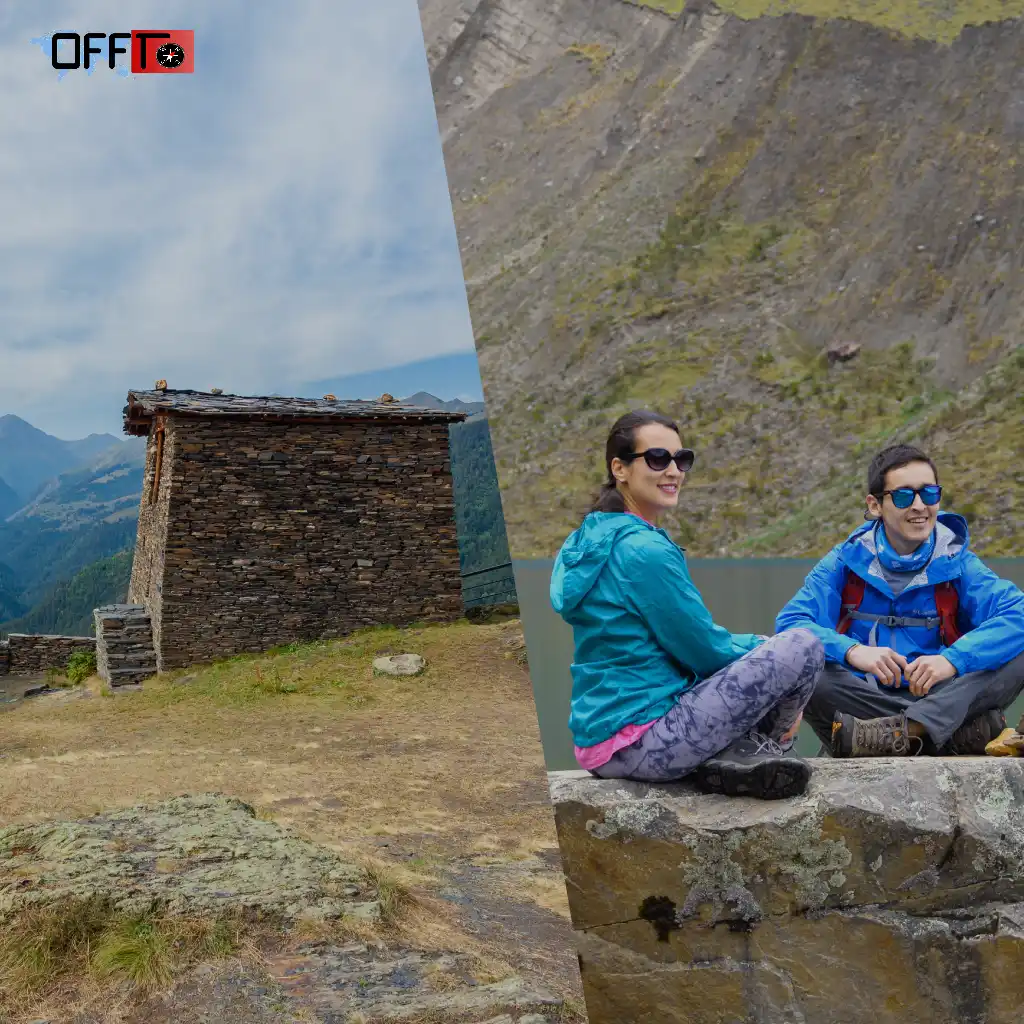
Hanle offers a variety of experiences tailored to different travel styles, from stargazing to cultural exploration. Here’s a breakdown of things to do based on your preferences:
Stargazing & Astrophotography
Hanle’s location as a Dark Sky Reserve makes it the perfect destination for stargazing. Amateur astronomers and photographers will find this an ideal location to capture the Milky Way, meteors, and star clusters. The Indian Astronomical Observatory adds a layer of scientific importance to the already surreal beauty of Hanle’s night skies.
Explore Local Village Life
For those interested in cultural immersion, visiting Hanle Village is a must. You can learn about traditional Ladakhi culture, witness local farming practices, and interact with the villagers, who live a simple yet fulfilling life in this remote region.
Monastery Visits
Hanle is home to Hanle Monastery, which offers a spiritual retreat for those seeking peace and reflection. Explore its ancient artifacts, meditate in its quiet spaces, and soak in the majestic views of the valley.
High-Altitude Road Trips
For adventure seekers, taking a road trip to Umling La is an experience like no other. It’s one of the highest motorable roads in the world and offers thrilling views of the Himalayan mountains and rugged landscapes. The adrenaline rush combined with the breathtaking scenery makes this a once-in-a-lifetime experience.
Hanle offers visitors an extraordinary mix of adventure, spirituality, and nature. Whether you are interested in astrophotography, immersing yourself in Ladakhi culture, or taking on the challenge of one of the highest motorable roads, Hanle provides experiences that are truly unique. Don’t forget to explore the Indian Astronomical Observatory, Hanle Monastery, and the remote village life—it’s a destination like no other in India.
Hanle Altitude & Travel Reality (Critical Section)
Hanle is a remote village located at a staggering altitude of approximately 14,764 feet (4,500 meters) in the heart of Ladakh. While its breathtaking landscapes and clear skies make it a dream destination for many, the high altitude presents certain challenges and risks that require careful consideration. Here’s everything you need to know about the altitude of Hanle and how to prepare for your visit.
Altitude: ~14,764 ft (Approx)
At an elevation of 14,764 feet, Hanle sits well above the tree line and in one of the highest inhabited areas of the world. Its altitude makes it an incredibly unique place to visit, but it also means that you will be exposed to much lower oxygen levels than what you are accustomed to at sea level.
Acclimatization: It is a critical factor when traveling to Hanle. It’s essential that visitors take the time to adjust to the high altitude before heading into the valley. If you’re coming from Leh, a well-established base for acclimatization, you should still spend at least one day in Leh before heading to Hanle. This gives your body the time it needs to adapt to the lower oxygen levels and reduces the risk of Acute Mountain Sickness (AMS).
- Oxygen Levels & AMS Risk: The high altitude significantly reduces the amount of oxygen in the air, making it difficult for the body to function normally. This can lead to AMS (Acute Mountain Sickness), which occurs when your body cannot acclimatize to the lower oxygen levels quickly enough. Symptoms of AMS include:
- Headache
- Nausea
- Dizziness
- Fatigue
- If you experience any of these symptoms, it’s important to descend to a lower altitude immediately and seek medical attention if necessary.
Why Acclimatization is Important
Because Hanle sits at such a high elevation, it’s crucial to understand the effects of altitude sickness and the importance of proper acclimatization. If you don’t give your body enough time to adjust, you might experience the uncomfortable and dangerous effects of AMS, which can spoil your trip and potentially put your health at risk.
- Tip for Acclimatization: Before heading to Hanle, spend time in Leh for at least 2 days. During this time, hydrate well, avoid alcohol, and limit physical exertion. Additionally, take short, slow walks to help your body adjust.
- For AMS Prevention: Gradually ascend to higher altitudes rather than climbing too quickly. It’s advisable to take breaks, rest, and hydrate frequently throughout your journey. Eating light meals, avoiding heavy food, and getting adequate rest at night will further help your body handle the altitude.
Hanle Temperature & Weather Explained
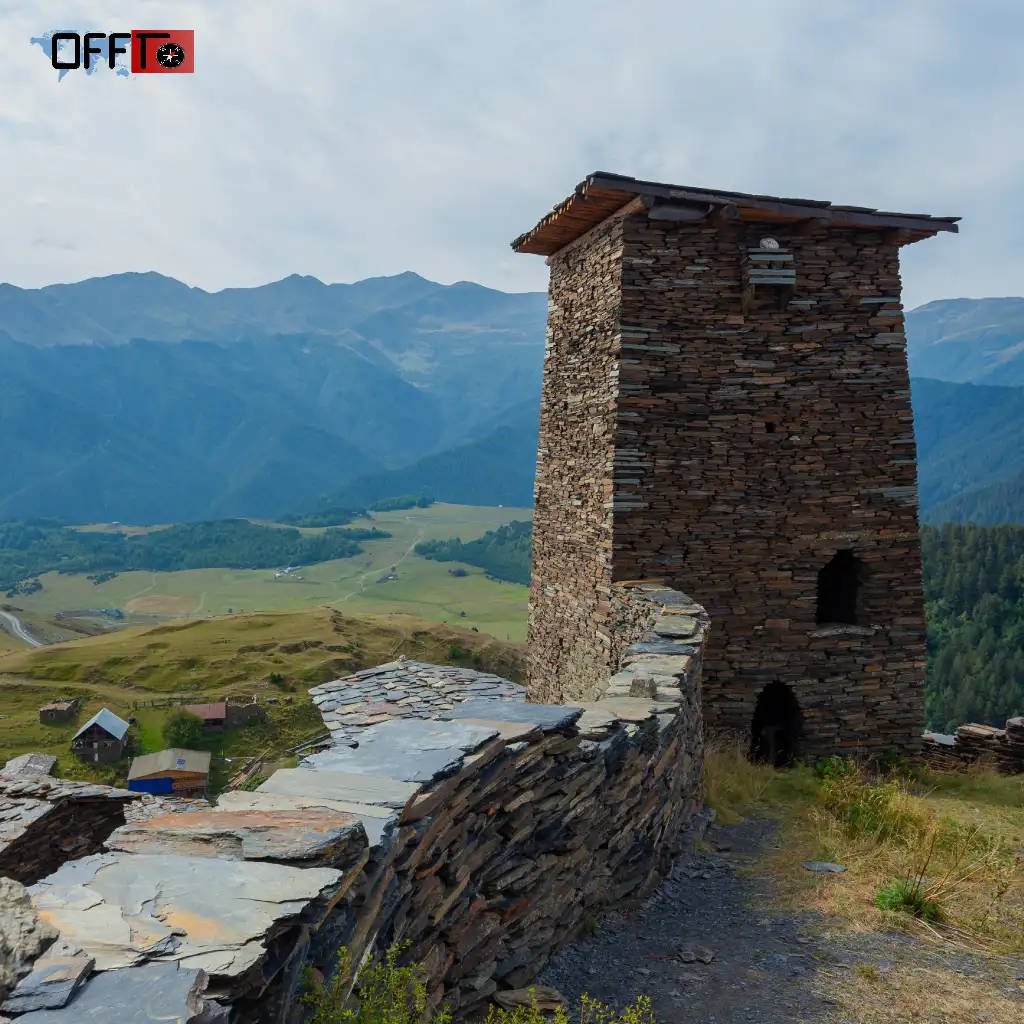
Due to its high-altitude location, Hanle experiences extreme weather conditions. From freezing winters to relatively short travel windows during the summer, understanding the temperature and weather patterns is essential for planning your trip. Here’s a detailed breakdown of what you can expect during your visit to Hanle:
Month-Wise Temperature Breakdown
- Winter (November to February)
Temperatures during the winter months can plummet to sub-zero levels, often dipping below -20°C during the night. While daytime temperatures remain relatively colder, ranging from -5°C to 5°C, nights can get bitterly cold, especially in the Hanle Valley. Heavy snowfall is common during the peak winter months, making the region difficult to access due to road closures and extreme weather conditions.
- Pro Tip: Traveling to Hanle during winter is not advisable for tourists unless you are fully prepared for harsh conditions and are equipped with specialized winter gear and supplies.
- Spring (March to May)
As winter recedes, spring brings moderately cold temperatures to Hanle. Daytime temperatures range between 5°C to 10°C, while nights remain chilly, with temperatures between -5°C to 0°C. The region begins to thaw out, and the snow starts to melt, revealing beautiful landscapes.
- Best For: Spring offers a short window to explore Hanle with less extreme weather conditions. The higher-altitude roads may start to open up, but some areas may still experience occasional snowstorms.
- Summer (June to August)
Summer is the most pleasant time to visit Hanle, with daytime temperatures ranging between 10°C to 20°C. While it still remains cold at night, with temperatures between -5°C to 0°C, it is the best time to explore the Indian Astronomical Observatory and enjoy the stargazing opportunities in clear skies.
- What to Expect: Summer allows easier access to Hanle as the snow melts and the roads become navigable. Lush landscapes and the remoteness of the valley create the perfect backdrop for photography and nature exploration.
- Monsoon (September to October)
The monsoon season sees sporadic rainfall in the region, though it is not as heavy as in other parts of India. Rains can be unpredictable, and roads may become slippery. Daytime temperatures range from 5°C to 10°C, while the nights are still cold (around 0°C to -5°C).
- Best For: Monsoon isn’t the ideal time for road trips, but it offers a green, lush landscape, with some unique photography opportunities. However, accessibility can be challenging, and certain parts may be affected by heavy rain.
Extreme Winters vs Short Travel Window
Hanle is best visited during the summer months (from May to September), which provides a relatively short travel window to explore the region. While the winter months offer an intense snow-capped landscape, extreme cold temperatures make it inaccessible for most tourists. Spring and autumn offer a window of opportunity, but the summer season is generally the most popular time for safe and accessible travel to Hanle.
Night Temperature Insights
Night temperatures in Hanle can be extremely cold, especially in the winter months and during early mornings in the summer. Expect freezing conditions at night, so it’s crucial to pack appropriate clothing—thermal layers, winter jackets, gloves, and insulated footwear. During the summer, pack light but warm clothes to handle the chilly evenings and early mornings.
Hanle’s altitude and temperature extremes make it a destination for the adventurous and those who are properly prepared. Acclimatization to the altitude is essential to avoid AMS symptoms, and understanding the temperature variations across seasons will help you plan your visit. If you’re looking for an unforgettable experience in the remote regions of Ladakh, knowing what to expect in terms of weather and altitude is crucial to fully enjoy the surreal landscapes and the astronomical wonders Hanle offers.
Best Time to Visit Hanle (With Tradeoffs)
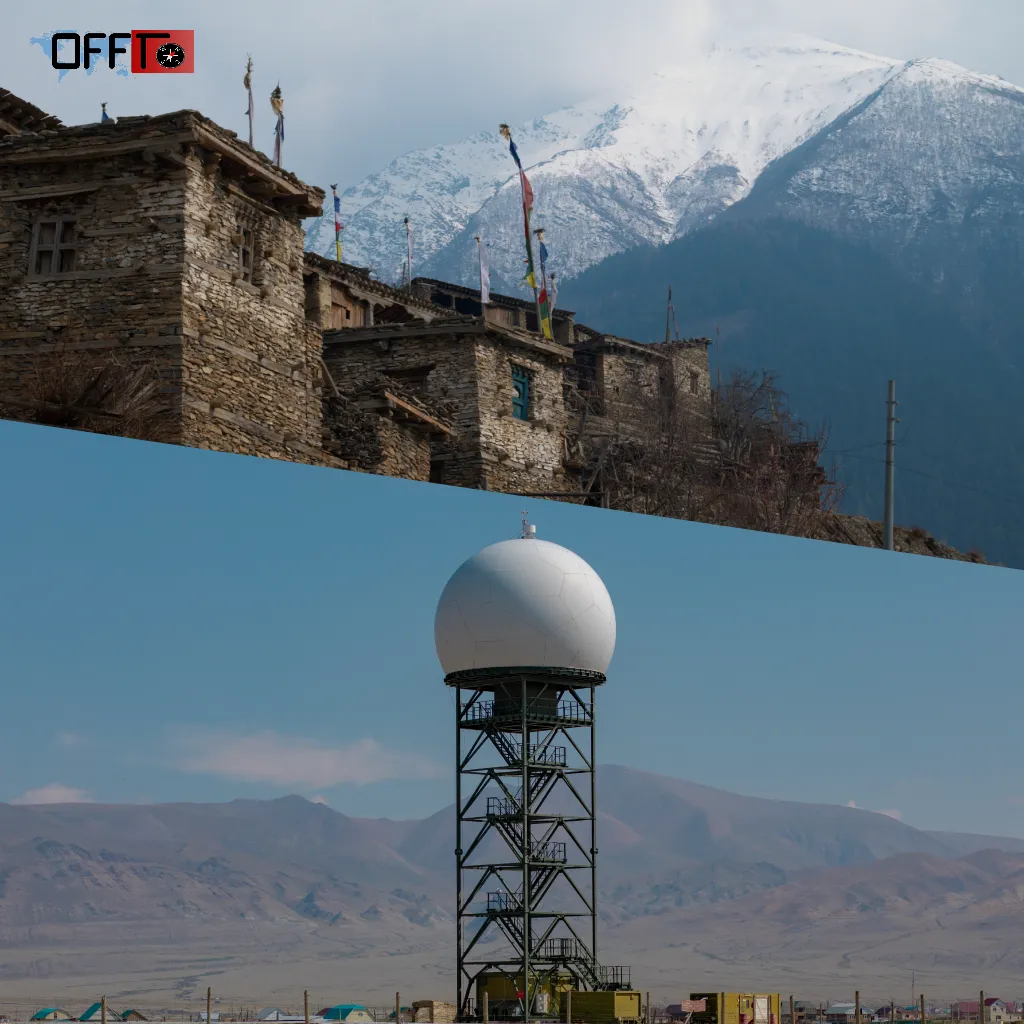
When planning a trip to Hanle, the best time to visit largely depends on what you’re looking to experience. The region’s altitude, weather conditions, and accessibility fluctuate significantly across seasons, so here’s a breakdown of the seasons to help you decide the ideal time for your Hanle adventure.
May–September (Accessible Period)
Why Visit During These Months
- Weather Conditions: From May to September, Hanle is most accessible for tourists. During this time, daytime temperatures are more moderate, ranging from 10°C to 20°C, with night temperatures dipping to -5°C to 0°C. This is the best time for comfortable exploration, stargazing, and enjoying the outdoor beauty of Hanle.
- Road Accessibility: The roads leading to Hanle, including the route from Leh to Nyoma, are open during these months, with snow on the roads mostly cleared out. The Indian Astronomical Observatory and Hanle Monastery are accessible, allowing you to explore stargazing spots without significant weather disruptions.
- Stargazing Paradise: Summer offers uninterrupted stargazing opportunities, making it an excellent period for astrophotography. Hanle’s clear skies and dark skies during this time provide ideal conditions for star-gazing and observatory visits.
Tradeoff
- Crowds: This is also the peak tourist season, which means Hanle, while remote, may have more visitors compared to the off-season. Accommodations and homestays could be in higher demand, so book in advance.
Winter (Extreme, Mostly Inaccessible)
Why Avoid Winter (November–February)
- Harsh Conditions: Winter brings extreme cold, with nighttime temperatures plummeting to -20°C or lower, making it extremely difficult for tourists. Snowfall makes roads impassable, especially from October to March, and many parts of Hanle become inaccessible.
- Accommodation: Most of the local homestays and guesthouses close down during the winter months due to the severe weather. The Indian Astronomical Observatory remains closed or has limited access, as the harsh conditions make it difficult for scientists to work and visitors to access the site.
- Extreme Cold & AMS Risk: Altitude sickness (AMS) risks are also heightened due to the extreme altitude combined with cold temperatures and limited oxygen levels.
What to Expect in Winter
- Challenging travel conditions, lack of infrastructure, and safety risks make it an ill-advised time for travel unless you’re well-prepared for extreme cold and isolation.
Tradeoff
- While winter offers beautiful snowy landscapes, the extreme conditions and inaccessibility make it better suited for adventurous travelers who are prepared for the harshest elements and can handle high-altitude survival conditions.
Decision Insight: Best for Stargazing vs Accessibility vs Safety
- Best for Stargazing: The May–September window is by far the best for stargazing. Hanle’s dark skies are at their most accessible, offering uninterrupted views of the Milky Way and the clear night skies perfect for astrophotography.
- Best for Accessibility: If your primary goal is to experience Hanle’s landscapes and culture, summer months (May–September) provide the best accessibility. The weather is ideal for outdoor activities, and roads are clear, making your trip comfortable and safe.
- Best for Safety: Summer (May–September) is also the safest time to visit Hanle, as winter brings extreme risks of AMS and road closures. Monsoon (June–September) is another time to avoid, as roads can become slippery and weather unpredictable.
How to Reach Hanle (Travel Guide)
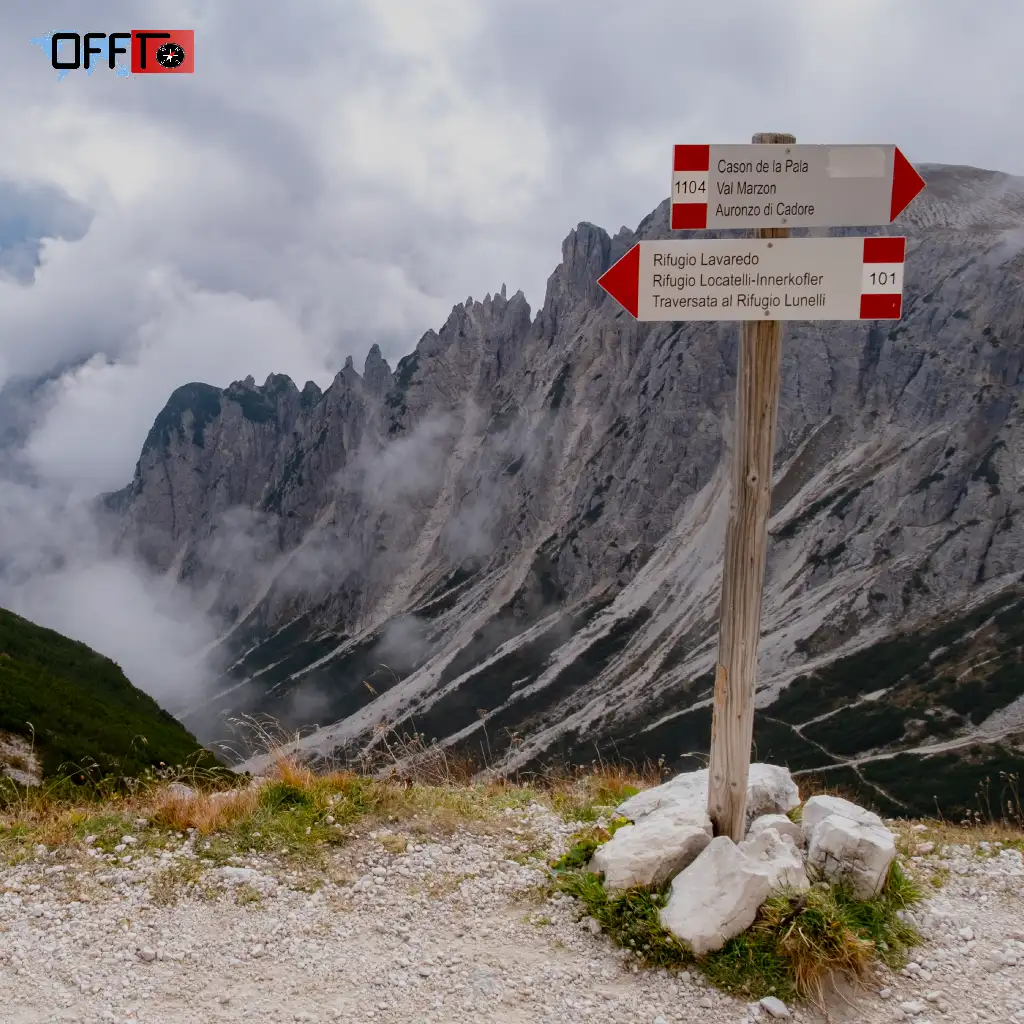
Hanle is a remote and secluded village in Ladakh, and getting there requires a combination of careful planning and a bit of adventure. There are no direct flights or major highways leading to Hanle, but several routes are accessible from Leh, which is the closest major town.
Route: Leh → Nyoma → Hanle
The most common and easiest way to reach Hanle is to drive from Leh via Nyoma. The route involves traveling on a rough, high-altitude road that passes through some of Ladakh’s breathtaking landscapes, including isolated valleys and stark mountain terrain.
- Best For: Spring offers a short window to explore Hanle with less extreme weather conditions. The higher-altitude roads may start to open up, but some areas may still experience occasional snowstorms.
- Distance: Hanle is approximately 255 km from Leh, and it usually takes around 7–8 hours by car, depending on the road conditions and weather. The road passes through Nyoma, where you can stop for a break or overnight stay before heading into Hanle.
- Road Conditions: The roads from Leh to Hanle are rough and often unpredictable, especially during the monsoon or winter months when landslides or snowfall can block the route. Therefore, plan your trip carefully, checking weather reports and road conditions before departure.
Inner Line Permit Requirement
To visit Hanle, travelers need to obtain an Inner Line Permit (ILP) due to its proximity to the Indo-China border. The permit can be obtained from the Leh District Magistrate’s Office or through registered travel agents in Leh. The process is fairly simple, but it’s important to apply well in advance, especially during the peak season (May–September), when demand for permits is higher.
- Important: Carry multiple copies of your Inner Line Permit, as they are required at various checkpoints along the route.
Fuel and Connectivity Limitations
- Fuel: Fuel stations are few and far between on the way to Hanle, so fuel up in Leh or Nyoma before heading toward Hanle. It’s important to carry extra fuel in case of emergency, especially if you’re traveling during the off-season when services may be limited.
- Connectivity: Hanle is one of the most remote areas in Ladakh, and network connectivity is very limited. Expect no mobile signals for most of your journey, including in Hanle itself. Plan accordingly by informing family or friends about your travel plans in advance and carry offline maps for navigation.
Which City is Closest to Hanle?
The closest major city to Hanle is Leh, which serves as the gateway to Ladakh and provides the main entry point to the region. Leh is well-connected by air (flights from Delhi, Srinagar, and other major cities) and road (via Manali-Leh Highway or Srinagar-Leh Highway). From Leh, it’s an adventurous drive through Nyoma and Chumathang to reach Hanle.
Getting to Hanle requires patience and preparation—but the journey is part of its allure. Whether you’re traveling by road from Leh or seeking the thrill of an extreme high-altitude adventure, Hanle’s remoteness offers a unique reward. With Inner Line Permits, limited fuel stations, and no connectivity, Hanle demands a bit more planning and a sense of adventure, but the beauty and stargazing opportunities are worth every effort.
Where to Stay in Hanle (Homestay Guide)
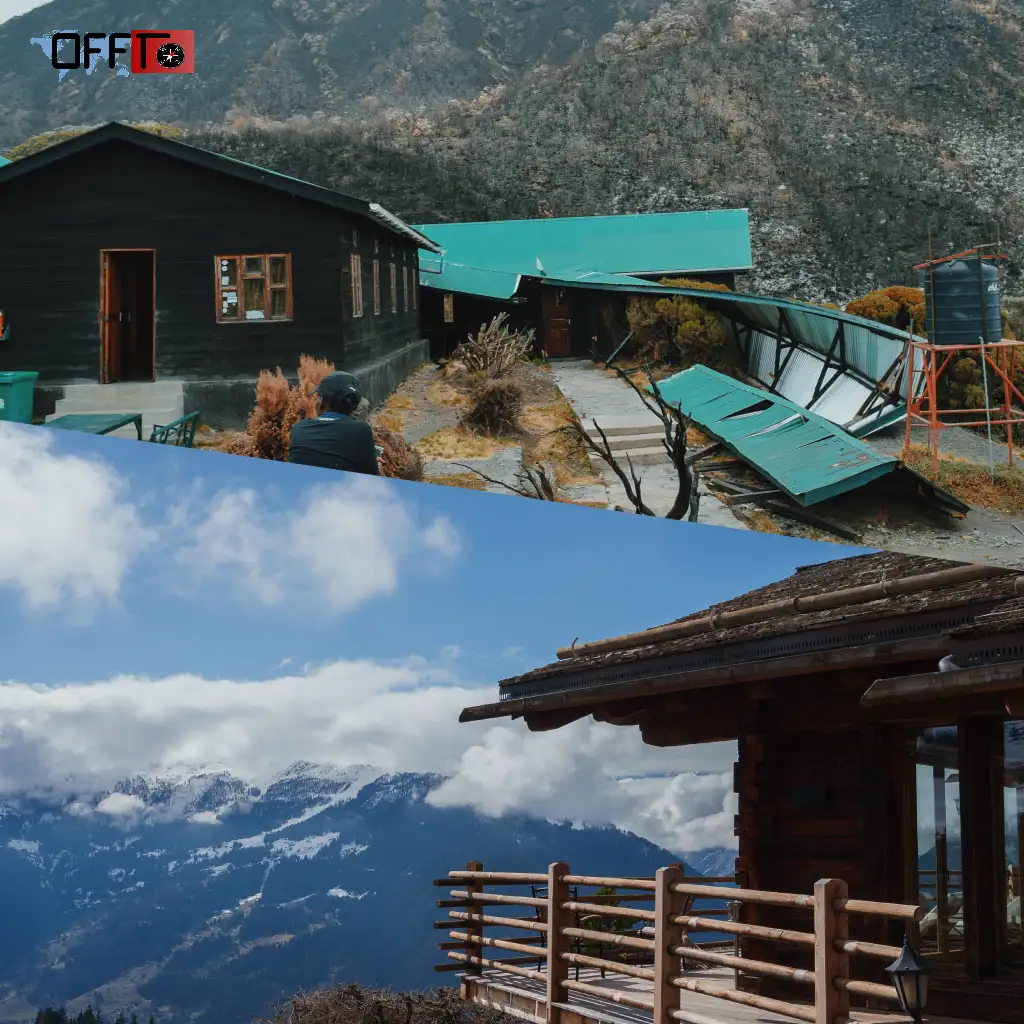
Due to its remote location, Hanle offers limited accommodation options, with local homestays being the primary form of lodging. Staying in a homestay not only provides an authentic experience but also helps you connect with the local culture and lifestyle of this secluded Ladakhi village. Here’s everything you need to know about staying in Hanle:
Local Homestays (Primary Option)
- Why Choose Local Homestays?
Hanle’s homestays offer travelers a unique opportunity to experience the true essence of Ladakhi life. These family-run accommodations are simple yet warm, allowing you to stay in close proximity to nature while also supporting the local community. Since Hanle is relatively remote, homestays provide the most convenient and authentic way to enjoy your stay.- Cultural Immersion: Staying in a homestay gives you a chance to interact with locals, learn about their customs, and experience traditional Ladakhi hospitality. You might even get the chance to join the family for meals and try local Ladakhi dishes, such as thukpa, momos, and tsampa (roasted barley flour).
- Unique Experience: Many homestays are located close to nature, offering incredible views of the Hanle Valley and its rugged terrain. You can wake up to mountain views, enjoy uninterrupted stargazing in the evening, and experience life in one of the most remote corners of Ladakh.
What to Expect (Basic Facilities)
- Simple, Cozy Rooms: The rooms in Hanle homestays are often basic, with minimalistic decor. Expect simple beds, wooden furniture, and basic amenities such as electricity (though it may be limited), heaters, and blankets for the cold nights. Some homestays may also provide shared bathrooms, so don’t expect luxury accommodations.
- Meals: The food served at homestays is generally local and home-cooked. You can expect Ladakhi staples, such as dal, roti, rice, and vegetable curries. If you’re lucky, the host might offer you traditional Ladakhi tea and yak milk products.
- Electricity & Heating: While electricity is available in most homestays, it is often limited due to Hanle’s remote location. Be prepared for power cuts. To combat the cold, heating facilities (like wood stoves or electric heaters) may be available, but the winters can still be very harsh. Pack warm clothing for the chilly evenings.
Booking Tips
- Plan Ahead: Since Hanle is a remote village, accommodations, especially homestays, can be limited. It’s important to book in advance, particularly during the summer months (May–September), which are the peak tourist season.
- Confirm Facilities: Before booking, make sure to confirm the facilities with the host, including water availability, heating, and electricity. Inquire about meal options, as homestays often offer traditional Ladakhi food prepared by the family.
- Contact Local Agents: While some homestays may have an online presence, it’s often easier to contact local travel agents in Leh who specialize in remote Ladakh regions. They can help you secure homestay bookings and assist with logistics.
- Check Reviews: If possible, look for reviews from past travelers on platforms like Tripadvisor or Google Reviews to get a sense of what to expect from the homestay in terms of hospitality, cleanliness, and food quality.
What Makes Hanle Homestays Special?
Hanle’s homestays offer more than just a place to sleep—they give you a chance to experience the true spirit of Ladakh. Staying with a local family not only supports the community but also provides insight into their way of life. The hospitality of the Ladakhi people, coupled with the stunning views and peaceful environment, makes it an unforgettable experience.
How to Plan a Hanle Trip (Step-by-Step)
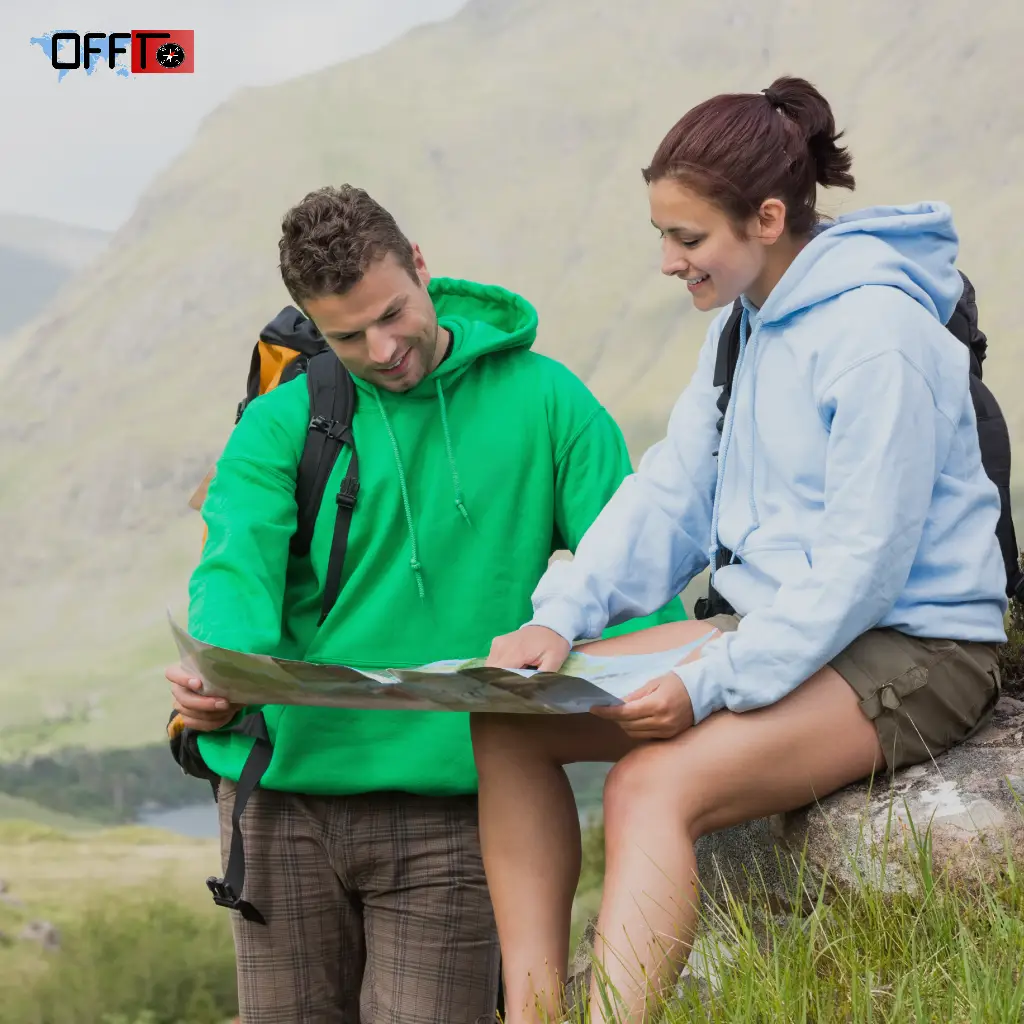
A trip to Hanle requires a bit of preparation due to its remote location, high altitude, and limited accessibility. Here’s a step-by-step guide on how to plan your visit to this isolated gem of Ladakh.
Ideal Duration: 1–2 Days (Within a Ladakh Trip)
Hanle is best visited as part of a larger Ladakh itinerary, as it takes approximately 7-8 hours by road from Leh. Here’s a basic breakdown of the duration you’ll need for a Hanle-centric visit:
- 1–2 Days in Hanle: Spend 1 day traveling from Leh to Hanle, where you’ll visit the Indian Astronomical Observatory, Hanle Monastery, and enjoy the stunning landscapes. You can also spend time in the village to explore local culture and stargaze. If you’re on a shorter trip, 1 day is sufficient, but for a more immersive experience, 2 days will allow you to relax and fully soak in the surroundings.
- Ladakh Trip Extension: Combine your trip to Hanle with other Ladakh destinations like Pangong Lake, Nubra Valley, and Tso Moriri. You’ll need to plan an extra few days in Leh for acclimatization and exploring other attractions in Ladakh.
Budget Considerations
Hanle is not a budget destination, mainly due to its remote nature and limited infrastructure. Here’s an approximate breakdown of costs:
- Accommodation (Homestays): Staying at a local homestay in Hanle will cost between ₹1000 to ₹3000 per night depending on the season and amenities offered. Prices may be higher during the peak season.
- Transportation: Renting a vehicle from Leh will cost around ₹3000 to ₹5000 per day. Keep in mind that the journey to Hanle involves rough, high-altitude roads, so a 4×4 vehicle is recommended. Private taxis and shared cabs are also available for group travel.
- Food & Miscellaneous: Meals at homestays usually cost around ₹200–₹500 per meal, depending on the dish. You’ll also need to budget for travel permits, which cost around ₹500–₹1000.
Travel Flow: Leh → Acclimatize → Hanle → Return
- Step 1: Start your journey from Leh. Spend at least 1–2 days in Leh to acclimatize to the altitude before heading to Hanle.
- Step 2: Once acclimatized, drive to Hanle via the Leh–Nyoma road. This journey can take about 7–8 hours.
- Step 3: Explore Hanle’s major attractions, such as the Indian Astronomical Observatory, Hanle Monastery, and Hanle Village. Spend the night in a local homestay.
- Step 4: On your return, either retrace your steps to Leh or continue exploring other Ladakh destinations, such as Pangong Lake or Nubra Valley.
Travel Preparation Tips
- Permits: Don’t forget to obtain your Inner Line Permit (ILP) for Hanle. You can get it at the District Magistrate’s Office in Leh or through authorized travel agents.
- Health: Acclimatization is crucial. Spend at least 2 days in Leh to avoid AMS (Altitude Sickness).
- Packing: Bring warm clothing, especially if traveling during summer evenings. Make sure you pack sunscreen, a first-aid kit, medications for AMS, and enough cash since there are no ATMs in Hanle.
Planning a trip to Hanle requires preparation, but it’s well worth the effort. From the Indian Astronomical Observatory to the remote village life and stunning panoramic views, Hanle offers a unique Ladakh experience. Make sure to acclimatize properly, plan for limited accommodations, and follow the best travel flow to ensure a smooth and unforgettable journey.
Hanle Itinerary (1–2 Day Practical Plan)
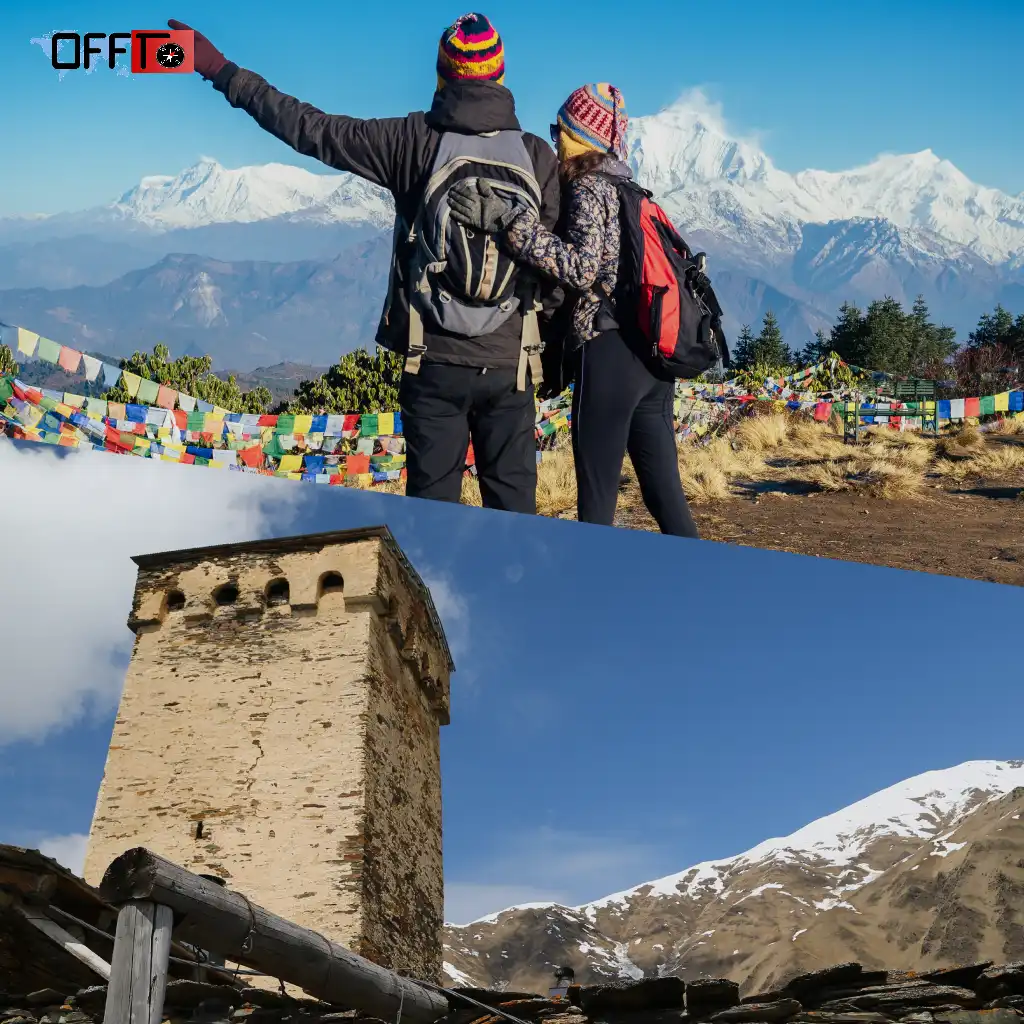
Hanle is a remote gem in Ladakh that offers a serene and tranquil experience for adventurous travelers. Due to its isolated location, a 2-day itinerary is perfect for those who want to explore its natural beauty, local culture, and the Indian Astronomical Observatory. Here’s a practical itinerary to make the most of your time in Hanle.
Day 1: Leh → Hanle → Village Exploration → Sunset
- Morning: Leh to Hanle
Start your journey from Leh early in the morning to make the most of your day. The drive from Leh to Hanle will take approximately 7–8 hours, so ensure you’re well-rested and packed with essentials. The route, though rough and remote, offers incredible views of the Himalayan mountains and vast valleys.
- Tip: Fuel up in Leh as there are no fuel stations on the way to Hanle.
- Afternoon: Arrival & Village Exploration
Upon arrival in Hanle, check into your local homestay. These family-run accommodations will give you a true taste of Ladakhi culture and the opportunity to interact with the locals. After a short rest, explore Hanle Village and Hanle Valley.
- Wander through the village’s narrow lanes, interact with locals, and experience the raw Ladakh lifestyle. Hanle’s simplicity and authenticity are its charm. You can also visit local landmarks or take a short walk around the valley to enjoy the rugged landscape.
- Evening: Sunset at Hanle
As the day ends, head to one of the viewpoints in Hanle Valley to watch the sunset. The golden hour here is magical, with the sun casting warm hues over the mountain peaks and barren hills. It’s a perfect opportunity to take photos and enjoy the tranquility that the valley offers.
- Tip: Bring a camera, as Hanle’s landscapes are ideal for photography, especially during sunset when the colors of the sky and mountains are breathtaking.
- Night: After sunset, return to your homestay for a traditional Ladakhi dinner. Rest up, as Day 2 is going to be equally exciting.
Day 2: Stargazing → Monastery Visit → Return
- Early Morning: Stargazing
Start your day early to take full advantage of Hanle’s clear skies. Hanle is one of the best places in the world for stargazing, and the Indian Astronomical Observatory is a perfect spot to experience astrophotography. The absence of light pollution allows for an uninterrupted view of the Milky Way and other celestial bodies.
- Tip: If you’re into astrophotography, this is a golden opportunity. Be sure to bring a tripod and wide-angle lens to capture the stunning night sky.
- Late Morning: Visit Hanle Monastery
After stargazing, head to the Hanle Monastery, a Buddhist center with stunning views of the valley. The monastery is a peaceful place to reflect, meditate, and explore ancient Buddhist artifacts.
- Tip: The panoramic views from the monastery are perfect for photography. Be sure to take some time to appreciate the spiritual ambiance of the place, as it’s often less crowded compared to other monasteries in Ladakh.
- Afternoon: Return to Leh
After visiting the monastery, pack your bags and begin your journey back to Leh. The drive back will take 7–8 hours, so ensure you take breaks and enjoy the scenic route. You can stop at Nyoma or Chumathang to stretch your legs or grab a bite.
- Evening: Arrive back in Leh by the evening, marking the end of your Hanle adventure.
Travel Tips for Hanle
Hanle is a remote destination with limited infrastructure, and it’s essential to be well-prepared for the challenging environment and high-altitude conditions. Here are some critical travel tips to make your Hanle trip smooth and enjoyable:
Acclimatize in Leh First
Since Hanle sits at a high altitude (around 14,764 feet), it’s essential to acclimatize properly before you head there. Spend at least 1–2 days in Leh to allow your body to adjust to the lower oxygen levels and reduce the risk of Altitude Sickness (AMS).
- Tip: If you’re coming from lower altitudes, take it slow to avoid AMS.
Carry Cash (No ATMs)
There are no ATMs in Hanle, so ensure you carry enough cash for your entire stay, including for food, transportation, and other expenses. It’s advisable to withdraw cash in Leh before heading to Hanle.
- Tip: Keep small denominations handy for local transactions.
No Network / Limited Connectivity
Hanle is one of the most remote places in Ladakh, and there’s very limited mobile network connectivity. Be prepared to be offline for most of your time in Hanle.
- Tip: Inform your friends or family about your travel plans before you leave Leh, and carry a satellite phone if needed for emergency contact.
Medical Preparedness
The high altitude and remote location mean that there are few medical facilities in Hanle. It’s advisable to carry a first-aid kit with essential items such as painkillers, altitude sickness medication, and any personal prescriptions.
- Tip: If you have a medical condition, consult your doctor before traveling to Hanle and carry enough medication.
Pack Warm Clothing
Even in summer, Hanle can be extremely cold, especially during the night. Pack warm clothes, including thermal wear, a good-quality jacket, gloves, and woolen socks. Nights can get sub-zero, so make sure you are prepared for the cold.
Hanle offers an exceptional opportunity to experience the raw beauty of Ladakh, with its astrophotography opportunities, spiritual sites, and unique local culture. A 2-day trip gives you a perfect introduction to this remote paradise, with time to explore its natural landscapes and cultural gems. Ensure you follow the travel tips, acclimatize properly, and plan your trip well to enjoy Hanle’s serenity safely and comfortably.
FAQs
Where is Hanle located?
Hanle is located in Ladakh, near the Indo-China border, approximately 255 km from Leh. It lies at an elevation of 14,764 feet (4,500 meters) in the Hanle Valley, making it one of the most remote villages in India.
What is Hanle famous for?
Hanle is famous for being home to the Indian Astronomical Observatory, one of the highest in the world. It’s also a stargazing paradise and known for its pristine landscapes and spiritual experiences in the Hanle Monastery.
What is the altitude of Hanle?
Hanle sits at an altitude of approximately 14,764 feet (4,500 meters). Due to its high altitude, visitors should acclimatize properly to avoid Altitude Sickness (AMS).
What is Hanle temperature at night?
At night, Hanle experiences extremely cold temperatures, often dropping to -10°C to -20°C during winter. Even in summer, night temperatures can fall to 0°C or below, so it’s essential to pack warm clothing.
Which city is closest to Hanle?
The closest major city to Hanle is Leh, which is approximately 255 km away. Leh serves as the main gateway to Ladakh and offers easier access to Hanle via road.
Is Hanle worth visiting?
Yes, Hanle is worth visiting for its stargazing opportunities, unique landscapes, and cultural experiences. It is perfect for adventure seekers, photographers, and those seeking solitude in the high-altitude region of Ladakh.
Can tourists visit Hanle Observatory?
Yes, tourists can visit the Indian Astronomical Observatory from the outside for stargazing. However, entry to the observatory itself is restricted and mostly limited to scientific research and special visits.
How many days are enough for Hanle?
1–2 days are sufficient to explore Hanle. The ideal duration includes visiting the Indian Astronomical Observatory, Hanle Monastery, and experiencing the local culture. You can also enjoy stargazing and village exploration.
Are homestays available in Hanle?
Yes, homestays are the primary accommodation option in Hanle. These family-run guesthouses offer basic facilities and an authentic experience of local Ladakhi life. Make sure to book in advance due to limited options.
What is the best time to visit Hanle?
The best time to visit Hanle is from May to September when the weather is pleasant for exploration and stargazing. Winter is harsh, with extreme cold, while the monsoon season may affect road conditions.
Read more >>>
Best Time to Visit Meghalaya – Season, Weather & Travel Guide
Kashmir Great Lakes Trek – Ultimate Guide to Best Time, Cost & Tips
Final Take: Is Hanle Worth Visiting?
Hanle is a dream destination for those seeking adventure, solitude, and an immersive experience in one of the most remote areas of Ladakh. This high-altitude village offers unmatched stargazing, breathtaking landscapes, and an opportunity to explore untouched Ladakhi culture.
Who will love it?
- Stargazers will be mesmerized by the clear, dark skies and the Indian Astronomical Observatory. It’s one of the world’s best locations for astrophotography.
- Offbeat travelers who seek to explore destinations far from the usual tourist paths will find Hanle’s remote charm a rare gem.
- Photographers will enjoy the breathtaking landscapes, from the rugged mountains to the starry skies, making it an ideal location for landscape and night photography.
Who may skip?
- Luxury travelers seeking high-end amenities and modern infrastructure may find Hanle a challenge, as it offers basic accommodations and limited luxury options.
- Low-altitude travelers, or those who struggle with high-altitude conditions, may find Hanle’s altitude (14,764 feet) overwhelming without proper acclimatization.
Plan Your Hanle Trip with Offto Travellers
Are you ready to experience the remote beauty of Hanle, one of Ladakh’s most stunning and isolated gems? If you're seeking a unique adventure that combines stargazing, spiritual exploration, and the purest form of natural beauty, Hanle awaits you.
Offto Travellers is here to guide you through every step of your Hanle journey. From carefully selected budget-friendly stays that offer an authentic Ladakhi experience to safe, comfortable routes through the rugged landscapes of Ladakh, we help you plan your trip to Hanle with expert insights. Enjoy a once-in-a-lifetime adventure with our customized itineraries, tailored to fit your travel style, whether you're into stargazing, cultural immersion, or high-altitude road trips.
We ensure that you travel safely and comfortably, no matter how remote your destination might be. For first-time visitors or seasoned adventurers, we offer detailed guidance on everything from the best time to visit Hanle to obtaining Inner Line Permits for your travel.
Don’t miss out on this incredible opportunity to explore Hanle—a place that very few get to witness. Book your trip with Offto Travellers and embark on a high-altitude escape that you’ll cherish for a lifetime.
Experience the mystique of Hanle—your adventure starts here.
Sign up
Leave a Reply