
Rajmachi Fort is a popular Maharashtra trek near Lonavala and Karjat, known for Shrivardhan and Manaranjan forts, camping, monsoon views, fireflies, and Sahyadri history. It is beginner-friendly but needs stamina and planning.
Rajmachi Fort Overview: Why This Trek Is Popular in Maharashtra
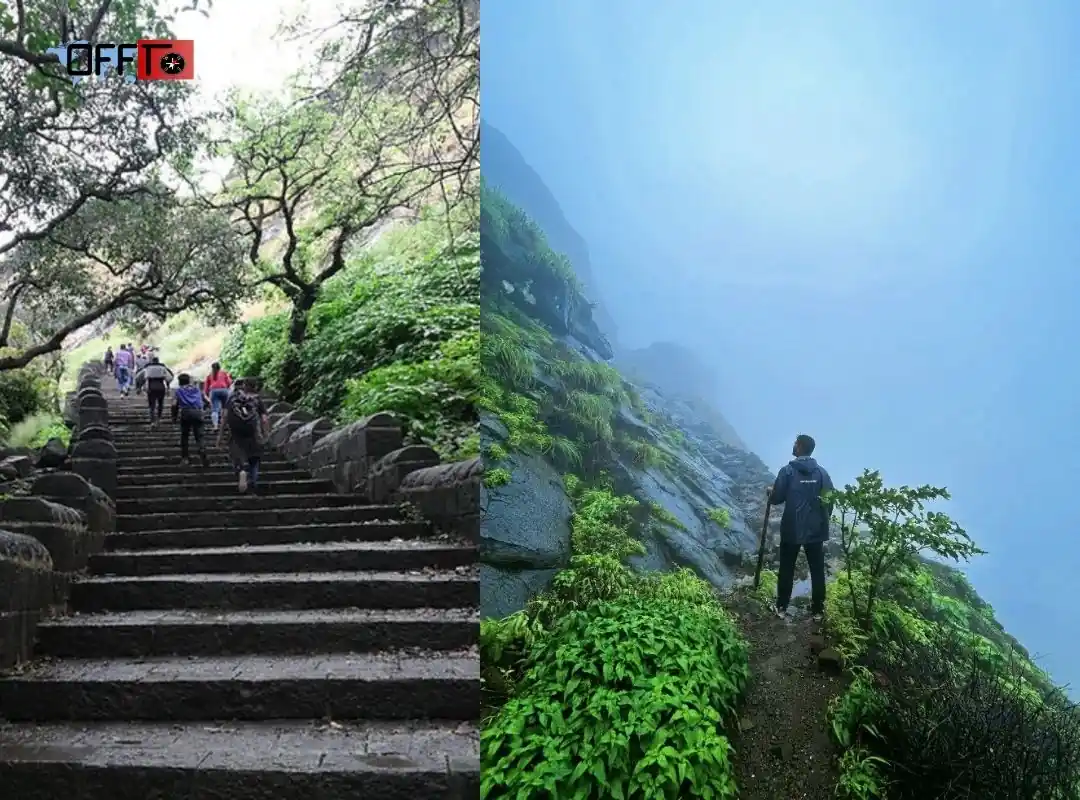
Rajmachi Fort is one of the most popular treks in Maharashtra because it combines Sahyadri views, fort history, village camping, monsoon scenery, and beginner-friendly access from both Lonavala and Karjat. It is not just a single fort viewpoint; Rajmachi is known for its twin fort structure, Shrivardhan and Manaranjan, rising above Udhewadi village in the Western Ghats. Trekking sources describe Rajmachi as sitting between the two popular hill-station access points of Lonavala and Karjat, with both routes leading toward the same base village.
Location Near Lonavala and Karjat
Rajmachi Fort is located in the Sahyadri range near Lonavala and Karjat, making it a practical weekend trek from Mumbai and Pune. Most travelers either approach from the Lonavala side, which is longer but more gradual, or from the Karjat/Kondiwade side, which is usually steeper and more trek-like.
This dual-route access is one reason Rajmachi trek Maharashtra remains popular. Beginners, camping groups, monsoon trekkers, and regular hikers can all choose a route that matches their time, fitness, and comfort level.
Twin Forts: Shrivardhan and Manaranjan
Rajmachi Fort is made up of two main fortified peaks: Shrivardhan Fort and Manaranjan Fort. Shrivardhan is generally listed at about 2,710 feet, while Manaranjan is listed at about 2,510 feet.
For travelers, this twin-fort layout makes Rajmachi more rewarding than a simple one-point trek. You can reach Udhewadi village, explore the plateau, and then climb toward either fort depending on your time, energy, and weather.
Trekking, Camping, Viewpoints and History
Rajmachi is popular because it gives several experiences in one trip. You get a long countryside trail, fort walls, valley viewpoints, camping near Udhewadi, monsoon greenery, fireflies in season, and a historic Sahyadri setting.
The fort has also been associated with the old Bor Ghat trade route between Khopoli and Khandala, which adds historical value beyond the trek itself. This makes Rajmachi useful for trekkers who want both scenery and story.
Why Rajmachi Suits Weekend Travelers
Rajmachi suits weekend travelers because it can be done as a long one-day trek or a slower two-day trip with camping. The Lonavala route works well for people who prefer a gradual trail and village-stay experience, while the Karjat route suits trekkers looking for a steeper climb.
The main planning insight is simple: Rajmachi is beginner-friendly, but not effortless. It is best for travelers who enjoy walking, basic village facilities, changing weather, and a slightly rugged Sahyadri experience.
Rajmachi Fort Trek Distance, Height & Difficulty
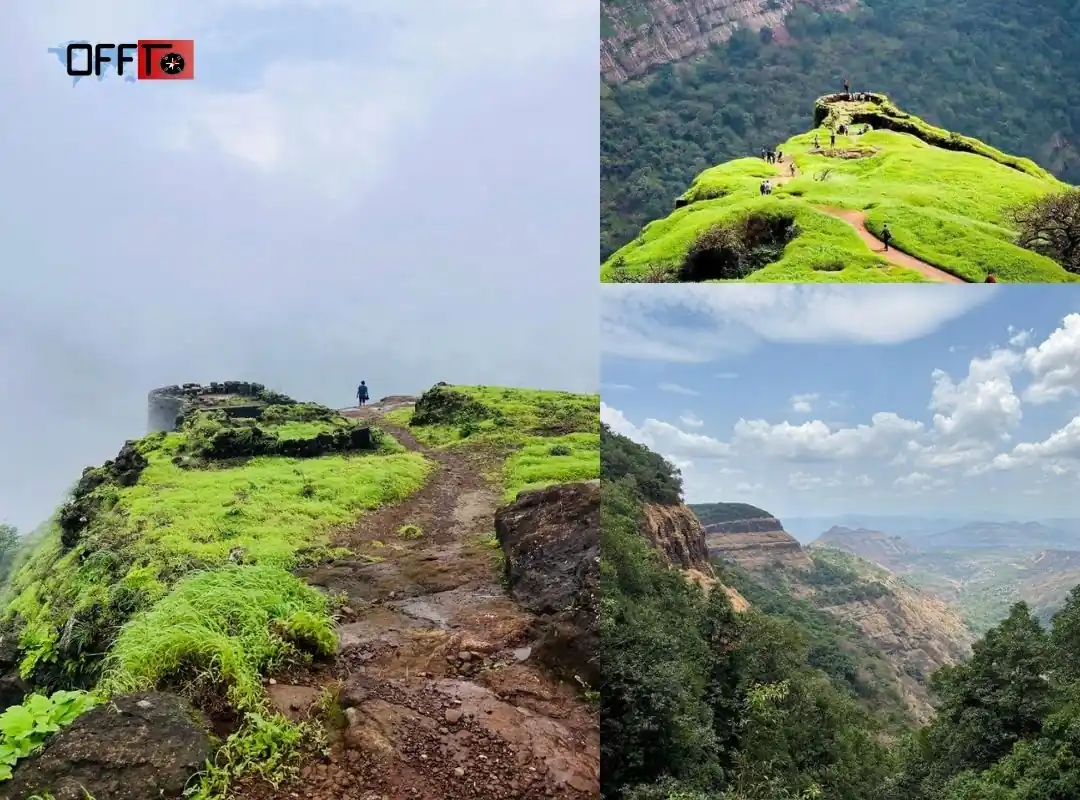
The Rajmachi Fort trek distance depends on the route you choose. The Lonavala side is commonly mentioned as around 16 km, while the Karjat/Kondiwade side is shorter in map distance but usually steeper and more physically demanding. Trek operators and trekking guides commonly describe Rajmachi as easy to moderate from Lonavala and moderate to difficult from the Karjat side, depending on season and trail condition.
Rajmachi Fort Trek Distance from Lonavala
From Lonavala, the Rajmachi Fort trek is usually around 16 km one way toward Udhewadi village, depending on the exact starting point and whether you begin near Lonavala station, Tungarli, or a jeep-accessible road stretch.
This route is long but relatively gradual. That makes it suitable for beginners who have decent stamina, especially in winter or dry weather. In monsoon, mud, slush, and water crossings can make the same distance feel much more tiring.
Karjat/Kondiwade Route Distance
The Karjat side usually begins around Kondiwade or Kondhane village and is often considered steeper than the Lonavala route. Some trekking sources mention the Karjat-side route as around 10–13 km, depending on the starting point and whether fort exploration is included.
This route feels more like a proper climb. It is rewarding, especially for trekkers who like forest trails and a stronger ascent, but it may not be the best first choice for casual beginners during heavy rain.
Udhewadi to Fort Climb
Udhewadi is the base village below the twin forts. From here, trekkers can climb toward Shrivardhan and Manaranjan forts. This final section is much shorter than the approach trail, but it still needs care because the path can be rocky, uneven, and slippery in monsoon.
If you are doing a two-day Rajmachi camping plan, Udhewadi becomes the natural pause point before exploring the forts either in the evening or early the next morning.
Height and Elevation
Rajmachi’s two main fort peaks are commonly listed at different elevations: Shrivardhan around 2,710 feet and Manaranjan around 2,510 feet.
The height is not extreme compared with some Himalayan treks, but in the Sahyadris, elevation combines with humidity, monsoon mud, rocky paths, and long walking distance. That is what makes Rajmachi more tiring than it may look on paper.
Beginner-Friendly vs Endurance-Based Reality
Rajmachi is beginner-friendly only if you understand the endurance requirement. The trail does not usually need technical climbing, but the Lonavala route is long, and the Karjat side can feel steep. Monsoon adds another layer of difficulty through slippery mud, low visibility, and wet rocks.
For first-timers, the best version is a two-day plan with camping or a guided group trek. Fit beginners can do it in one day, but they should start early, carry enough water, wear proper shoes, and avoid underestimating the return walk.
Best Routes to Reach Rajmachi Fort
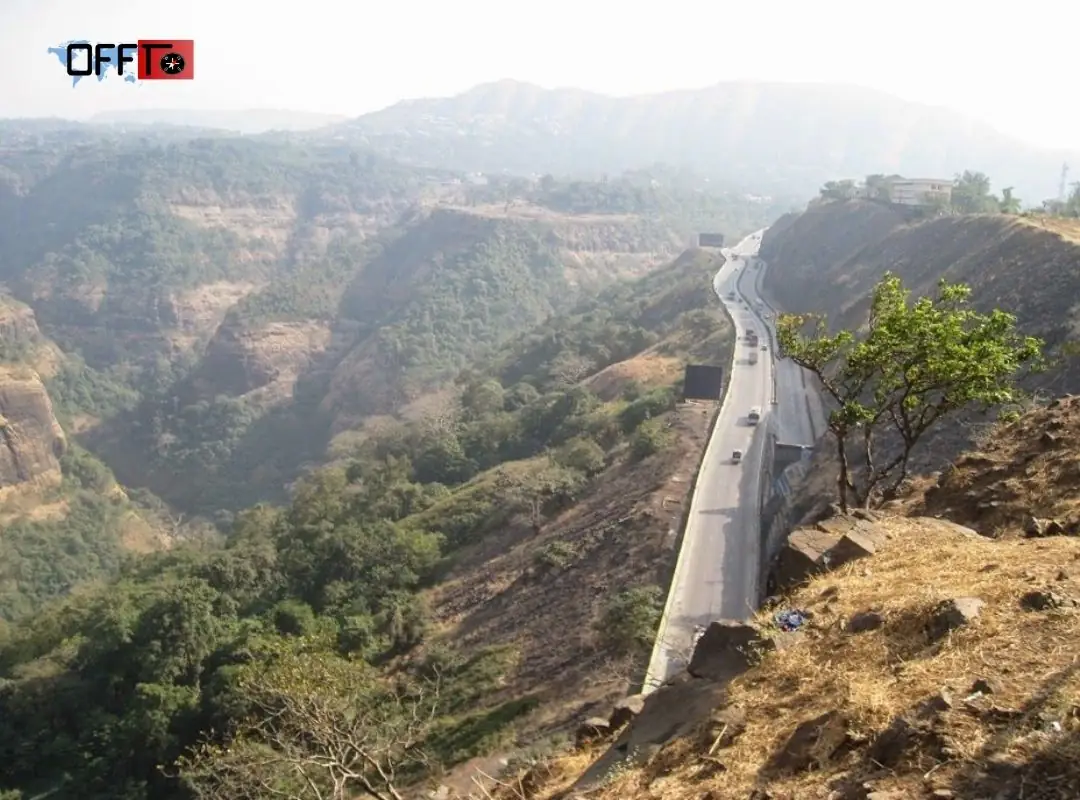
There are two main routes to reach Rajmachi Fort: the Lonavala route and the Karjat/Kondiwade route. Both lead toward Udhewadi village, the base settlement below Shrivardhan and Manaranjan forts, but they feel very different on the ground. The Lonavala side is longer and more gradual, while the Karjat side is usually steeper and more trek-focused. Trekking guides commonly list the Lonavala route through Tungarli Dam to Udhewadi as around 24.2 km both ways, while other trek operators describe the Lonavala approach as around 16 km depending on the chosen start point and route variation.
Lonavala to Rajmachi Fort Route
The Lonavala to Rajmachi Fort route is the most popular option for weekend travelers from Mumbai and Pune. It usually begins around Lonavala or Tungarli Dam and continues through a long, mostly gradual trail toward Udhewadi village. This route is preferred by many beginners because the ascent is not as sharp as the Karjat side, but the walking distance can still feel tiring.
This route is especially enjoyable in monsoon and winter. In monsoon, the trail becomes green, misty, and dramatic, but also muddy and slow. In winter, the route is drier, clearer, and more comfortable for first-time trekkers. If you are doing Rajmachi as a one-day trek, start early because the return walk can feel long after exploring the fort.
Karjat / Kondiwade to Rajmachi Route
The Karjat or Kondiwade route is better for trekkers who want a more direct and challenging climb. This side is often described as steeper and more rugged than the Lonavala approach, with forest patches, village sections, and stronger elevation gain. Some trail references list the Kondhane Caves to Rajmachi Fort trail as around 12.6 km and rate it as hard, while other travel sources describe the Karjat-side route as longer or more demanding depending on the exact route used.
This route is rewarding, but it may not be the best choice for casual beginners during heavy rain. The climb can become slippery in monsoon, and descent requires extra care. Choose this route if your group has reasonable fitness, good shoes, and enough daylight.
Udhewadi Village to Shrivardhan & Manaranjan Forts
Udhewadi village is the main base for exploring the twin forts of Rajmachi: Shrivardhan and Manaranjan. After reaching Udhewadi, trekkers can climb toward the fort sections depending on time, weather, and energy. Trekking references commonly identify Rajmachi with these two fortified hills, Shrivardhan and Manaranjan, making the village a natural pause point before the final exploration.
The Udhewadi-to-fort climb is shorter than the approach trail, but it should not be dismissed. The path can be rocky and slippery, especially in monsoon. If you are camping overnight, it is often better to rest at Udhewadi first and explore the forts with fresh energy.
Which Route Is Better for Beginners?
For most beginners, the Lonavala route is the better choice because it is more gradual and easier to pace. The challenge is distance, not technical difficulty. If you can walk for several hours and start early, this route is manageable with basic preparation.
The Karjat/Kondiwade route is better for trekkers who want a steeper, more adventurous climb. It is more suitable for fit beginners with a guide, regular trekkers, or groups comfortable with rugged Sahyadri trails. The best beginner plan is not necessarily the shortest route; it is the route that gives you enough time, safety, and stamina to enjoy Rajmachi instead of rushing through it.
Rajmachi Fort Trek Itinerary: One-Day vs Two-Day Plan
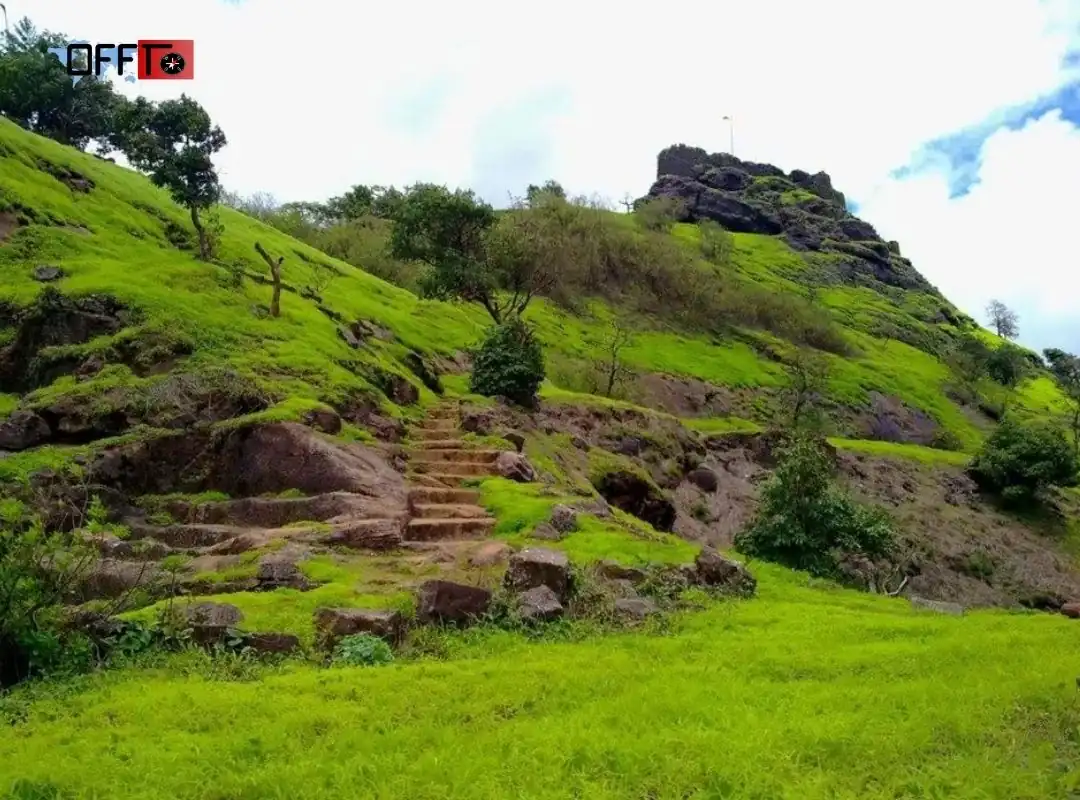
A good Rajmachi Fort trek itinerary depends on your route, fitness, season, and whether you want camping. A one-day plan works for fit trekkers who start early, while a two-day plan is better for travelers who want camping, fireflies in season, sunset views, and a slower village experience near Udhewadi. Several trek operators include overnight stays at Udhewadi as part of Rajmachi camping itineraries, which is why the fort is popular for weekend groups.
One-Day Rajmachi Trek Plan
A one-day Rajmachi trek is possible, but it needs an early start and a realistic route choice. If you are going from Lonavala, begin early from Lonavala or Tungarli Dam, walk toward Udhewadi, take short breaks, explore one or both fort sections depending on time, and return before it gets dark. The Lonavala route can take a long time because the total walking distance is significant, with one detailed route guide listing Tungarli Dam to Udhewadi and back at 24.2 km.
From the Karjat/Kondiwade side, the trek may feel shorter in distance but more physically demanding because of the climb. A one-day trek is best for hikers with good stamina, not for travelers looking for a relaxed picnic-style outing.
Two-Day Rajmachi Trek with Camping
A two-day Rajmachi trek is the better option if you want to enjoy the place rather than just complete the route. On Day 1, reach Lonavala or Karjat, trek toward Udhewadi, settle into a homestay or campsite, and spend the evening around the village or nearby viewpoints. On Day 2, wake up early, explore Shrivardhan and Manaranjan forts, have breakfast, and descend or return by your chosen route.
This plan suits beginners, campers, photographers, and groups visiting during monsoon, winter, or fireflies season. It reduces the pressure of completing everything in one long day and gives you time to enjoy Rajmachi’s village setting, fort walls, and Sahyadri views.
How Much Time Should You Spend at Rajmachi Point?
Spend at least one to two hours around Rajmachi’s main viewpoint areas if the weather is clear. This gives you enough time for photos, rest, snacks, and taking in the valley views without rushing. If you are climbing both Shrivardhan and Manaranjan, keep extra time because each fort section has its own view, trail feel, and photo opportunities.
During monsoon, visibility can change quickly, so waiting a little may reward you with better views. But do not delay too long if you still need to descend or return to Lonavala. Rajmachi is best enjoyed with a steady plan: reach early, pause properly, and leave enough daylight for the trail back.
Best Time to Visit Rajmachi Fort
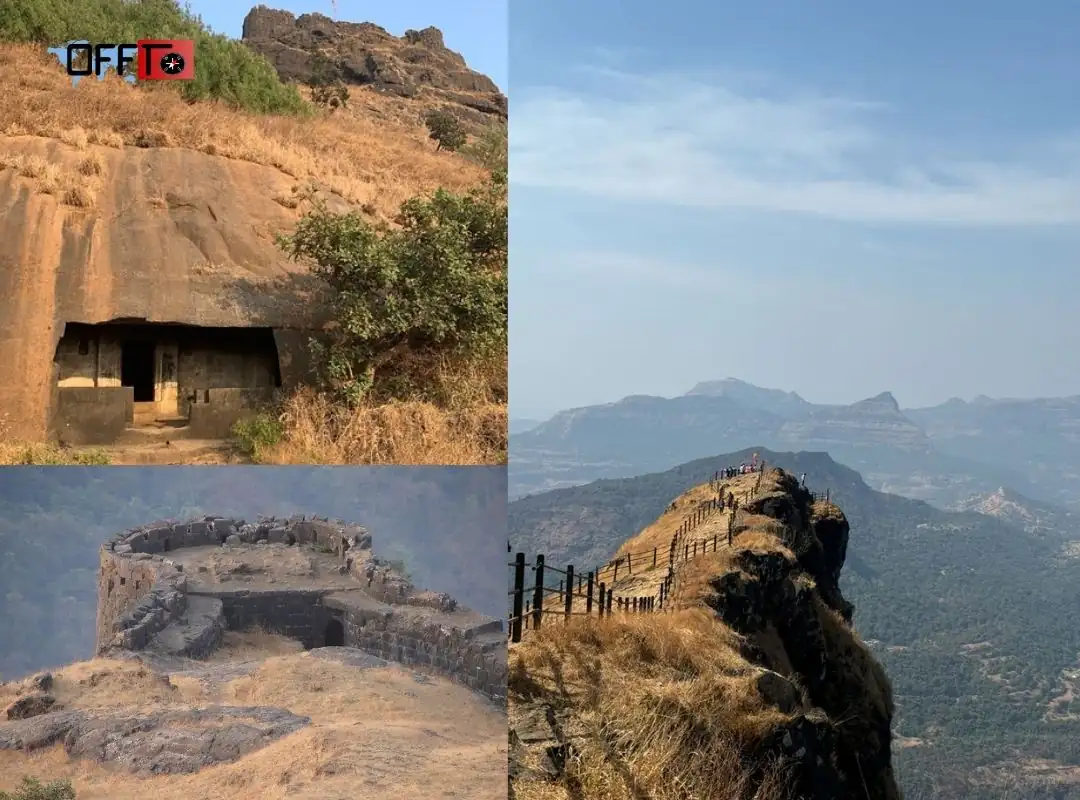
The best time to visit Rajmachi Fort depends on the kind of trek you want. Monsoon is the most dramatic season, with green Sahyadri slopes, waterfalls, mist, and muddy trails. Winter is better for clearer views, easier walking, camping, and first-time trekkers. Pre-monsoon, especially May and early June, is popular for fireflies near Rajmachi. Several trekking operators mention May and June as the main fireflies window before the monsoon begins.
Rajmachi Fort in Monsoon
Rajmachi Fort in monsoon is the most scenic but also the most demanding version of the trek. The trail turns lush green, waterfalls appear around the valleys, and mist moves across Shrivardhan and Manaranjan forts. This is why many trekkers consider Rajmachi one of the classic monsoon treks in Maharashtra.
The tradeoff is trail difficulty. The Lonavala route becomes muddy and long, while the Karjat/Kondiwade side can feel slippery and steep. If you are a beginner, go with a group or guide, wear proper trekking shoes, and avoid starting late. Monsoon Rajmachi is beautiful, but it is not a casual picnic walk.
Rajmachi Fort in Winter
Rajmachi Fort in winter is the best option for travelers who want clearer weather, easier walking conditions, and a more comfortable camping experience. The trail is usually drier than monsoon, visibility is better, and the fort views are easier to enjoy without heavy rain or slippery mud.
Winter is especially good for beginners, families with older children, photographers, and campers. The landscape may not be as green as peak monsoon, but the trek feels more manageable. If your priority is completing the route safely and enjoying both forts, winter is often the smarter season.
Summer & Fireflies Season Near Rajmachi
Summer is not the best time for a daytime Rajmachi trek because the heat can make long walking sections tiring. However, the pre-monsoon period is famous for fireflies near Rajmachi. Trekking operators commonly promote Rajmachi fireflies experiences in May and June, just before the full monsoon arrives.
If you are going for fireflies, avoid loud noise, bright torches, flash photography, and disturbing the forest areas. Fireflies are best experienced quietly. This version of Rajmachi is less about fort exploration and more about a night-nature experience near the village and forest patches.
Month-Wise Travel Reality
Month | Rajmachi Experience | Best For | Planning Note |
June–September | Lush monsoon, waterfalls, mist, slippery trail | Monsoon trekkers | Go prepared for mud and rain |
October–February | Clearer views, better camping weather | Beginners, campers, photographers | Best all-round season |
March–April | Hotter, drier trail | Experienced hikers only | Start early and carry more water |
May–Early June | Fireflies season before monsoon | Night treks, camping groups | Avoid bright lights and noise |
Things To Do in Rajmachi
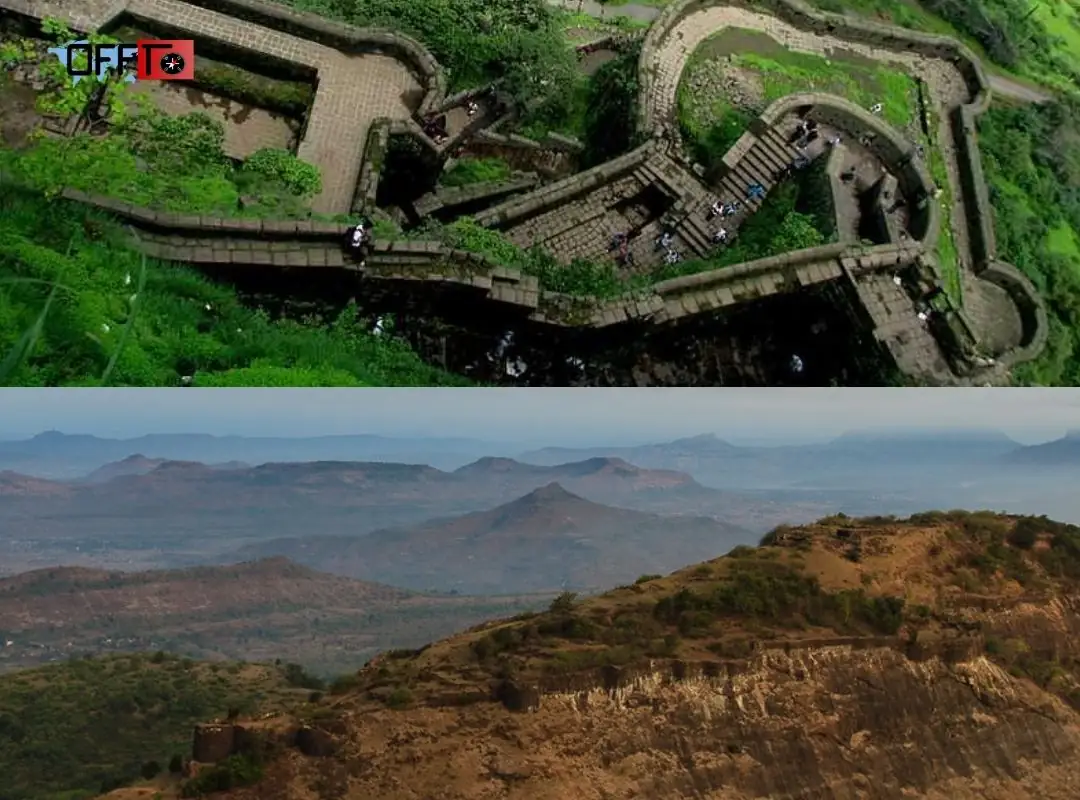
The best things to do in Rajmachi go beyond simply reaching the fort. Rajmachi is a full Sahyadri weekend experience: you can trek to Shrivardhan Fort, explore Manaranjan Fort, visit Kal Bhairava Temple, camp near Udhewadi, photograph misty valleys, watch fireflies in season, and explore nearby caves if your route allows. Travel listings also mention Kal Bhairava Temple and ancient Buddhist caves as notable attractions around the Rajmachi plateau.
Trek to Shrivardhan Fort
Shrivardhan Fort is usually the more popular of Rajmachi’s two fortified peaks because of its height, views, and classic fort-trail feel. From Udhewadi, the climb is shorter than the long approach from Lonavala or Karjat, but the final section still needs attention, especially in monsoon.
Go early if you want cleaner views and fewer people. In cloudy weather, wait a little before leaving the viewpoint; Sahyadri mist often opens suddenly and gives a better valley frame.
Explore Manaranjan Fort
Manaranjan Fort is the second major fort section at Rajmachi and is worth exploring if you have enough time and energy. It gives a slightly different angle of the plateau and surrounding hills, making the twin-fort structure more meaningful than visiting only one side.
If you are doing Rajmachi as a one-day trek, choose based on timing. If you are camping overnight near Udhewadi, explore both forts at a slower pace the next morning.
Visit Kal Bhairava Temple
Kal Bhairava Temple is one of the important local stops around Rajmachi. It adds a cultural layer to the trek and is often included in Rajmachi itineraries along with the twin forts and nearby caves.
Visit respectfully, avoid loud behaviour, and do not treat temple areas as picnic spots. For many trekkers, this short pause helps balance the trek’s adventure side with Rajmachi’s village and heritage character.
Camping Near Udhewadi
Camping near Udhewadi is one of the biggest reasons Rajmachi is popular among weekend travelers from Mumbai and Pune. Udhewadi is the base village below the two forts, and multiple trek operators run overnight Rajmachi camping experiences around this village.
Camping works best if you want sunset, sunrise, fireflies in season, and a relaxed two-day plan. It is less ideal if you expect resort-style comfort. Think simple tents, local food, basic facilities, and a strong outdoor mood.
Photography
Rajmachi is excellent for photography because the landscape changes dramatically by season. Monsoon gives green slopes, waterfalls, clouds, and misty fort walls. Winter gives clearer ridge lines, golden light, and better visibility. Fireflies season gives a completely different low-light nature experience.
The best photo frames include fort walls, trekkers on the ridge, valley drops, Udhewadi village, rain clouds, and trail details. Avoid risky edge shots; the fort already gives enough depth and drama from safer spots.
Fireflies Experience
The fireflies experience near Rajmachi usually happens in the pre-monsoon period, especially May and June, before heavy monsoon rain settles in. Trek operators often run dedicated Rajmachi fireflies trips during this window, while also noting that sightings depend on weather conditions.
The best way to enjoy fireflies is quietly. Avoid flash photography, loud music, bright torches, and crowding the forest edges. Fireflies are a delicate nature experience, not a light show arranged on demand.
Bird Watching
Rajmachi’s forest patches, village edges, and monsoon greenery can make the area interesting for casual bird watching. This is not the main reason most people come, but it adds value for slow travelers who enjoy quieter morning walks.
Carry binoculars if you already use them, keep noise low, and avoid walking off trail. Early morning near Udhewadi or the forest-side route usually gives a better chance of noticing birds than the crowded midday fort sections.
Explore Nearby Caves
Nearby caves, including Kondana or Kondhane Caves on the Karjat side, are often combined with Rajmachi by trekkers using the Kondiwade/Karjat route. Some travel sources describe Kondhane Caves as a scenic trail with streams and waterfalls during the right season.
Add caves only if your route and timing allow. Trying to combine both forts, camping, fireflies, and caves in a rushed one-day plan can make the trip tiring. For caves, a two-day itinerary or Karjat-side route works better.
Rajmachi Camping Guide
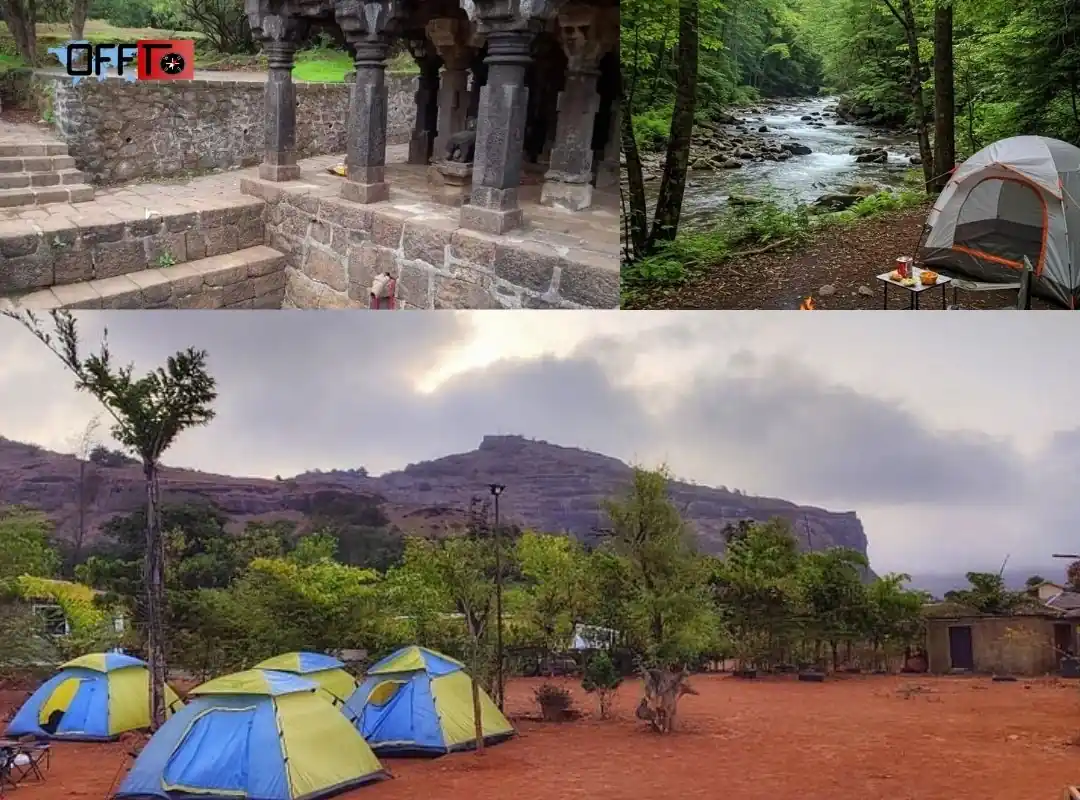
Rajmachi camping is one of the most searched experiences around the fort, especially for weekend travelers from Mumbai and Pune. The usual camping base is around Udhewadi village, below Shrivardhan and Manaranjan forts. Several trek operators offer one-night, two-day camping plans, often with tents, food, basic facilities, and guided fort exploration.
Is Camping Allowed at Rajmachi?
Camping is commonly offered around Rajmachi through local villagers and trek operators, especially near Udhewadi. However, travelers should not assume they can pitch tents anywhere they like. It is better to book through a local homestay, campsite, or trusted trek group that understands current village rules, weather conditions, and safe camping zones.
Some operators mention overnight camping at Udhewadi during winter and summer months, while monsoon arrangements can vary depending on rain, trail conditions, and local setup.
Best Camping Area Near Udhewadi
The best camping area is usually around Udhewadi village because it gives access to food, basic support, the twin forts, and the main trekking routes. Udhewadi is also the natural midpoint between the Lonavala and Karjat approaches, making it convenient for both one-way and return-route plans.
Choose a campsite based on safety, toilet access, food arrangement, group size, and weather protection. A scenic but poorly managed campsite can become uncomfortable very quickly during rain or cold wind.
What to Carry for Rajmachi Camping
For Rajmachi camping, carry a light jacket, rain protection, torch or headlamp, power bank, water bottle, personal medicines, dry snacks, extra socks, and a small towel. In monsoon, waterproof bags and shoes with grip are essential. In winter, carry a warmer layer because nights can feel cooler on the plateau.
If you are camping through an operator, check what they provide before packing. Tents, mats, meals, and bedding may be included in some packages, but not all setups are the same.
Camping Safety Tips
For safe Rajmachi camping, stay with your group, avoid wandering away after dark, and keep your torch handy. Do not drink alcohol on the trail or near camping areas, avoid loud music, and do not leave plastic waste behind. Some trek operators explicitly prohibit smoking and alcohol during Rajmachi camping because of safety and environmental concerns.
During fireflies season, keep lights low and avoid disturbing forest patches. During monsoon, stay away from slippery edges, overflowing streams, and unstable slopes. Rajmachi camping is most enjoyable when it stays simple: good timing, safe campsite, clean behaviour, and respect for the village and landscape.
Rajmachi Fort History: Shrivardhan, Manaranjan & Maratha Legacy
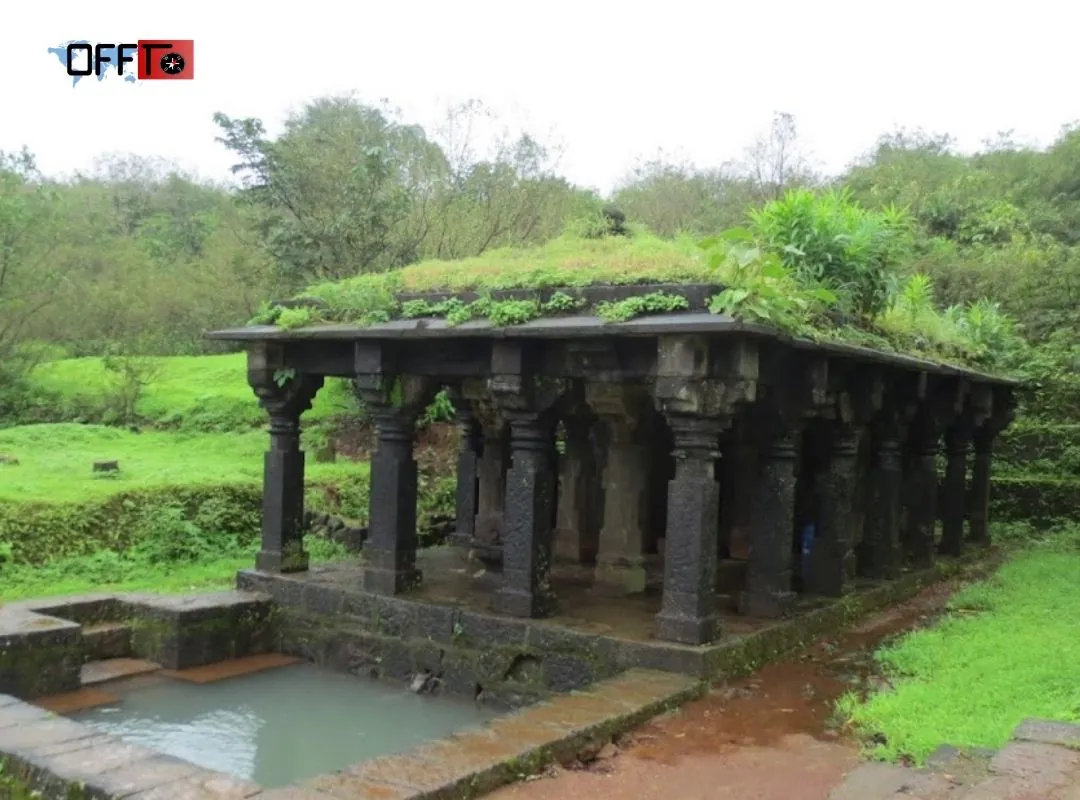
Rajmachi Fort history is one of the reasons this trek feels more meaningful than a simple Sahyadri walk. The fort complex includes the two fortified peaks of Shrivardhan and Manaranjan, with Udhewadi village sitting on the plateau below. Trekking and travel sources consistently describe Rajmachi as a twin-fort structure in the Sahyadri range, positioned between the Lonavala and Karjat sides. (indiahikes.com)
Strategic Sahyadri Location
Rajmachi’s location gave it strategic value. The fort sits in the Western Ghats, overlooking important hill routes between the Deccan plateau and the Konkan side. From the top, the twin forts offer wide views of valleys, passes, and surrounding ridges.
This is why Rajmachi was not only a local hill fort. Its position helped monitor movement through the Sahyadris, making it useful for defence, watchkeeping, and control of nearby travel corridors.
Bor Ghat Trade Route Relevance
Rajmachi is often connected with the old Bor Ghat route, the important pass linking the Mumbai–Pune side through the Sahyadris. Trek operators describe Rajmachi Fort as strategically overlooking the Bor Ghat pass, which was historically significant as a trade and movement route. (treksandtrails.org)
For trekkers today, this adds context to the landscape. The valleys and ridges you see from the fort were once part of a much larger movement network, not just scenic viewpoints.
Shivaji Maharaj Connection
Rajmachi Fort is strongly associated with Maratha history. Travel sources note that Chhatrapati Shivaji Maharaj captured Rajmachi Fort in 1657, along with surrounding forts, from the Adilshahi ruler of Bijapur. (tourmyindia.com)
This connection gives Rajmachi a deeper identity for history lovers. It was part of the broader Maratha strategy of controlling forts, passes, and hill routes across the Sahyadri landscape.
British Period
Rajmachi later came under British control in 1818, after the decline of Maratha power in the region. MakeMyTrip’s attraction overview also notes that the fort was captured by Shivaji Maharaj in 1657 and later taken over by the British in 1818. (makemytrip.com)
Today, the fort survives mostly as ruins, walls, gateways, water tanks, and hilltop remains. That makes responsible travel important. Rajmachi is not just a trekking spot; it is part of Maharashtra’s fort heritage and should be explored with care.
What to Pack for Rajmachi Fort Trek
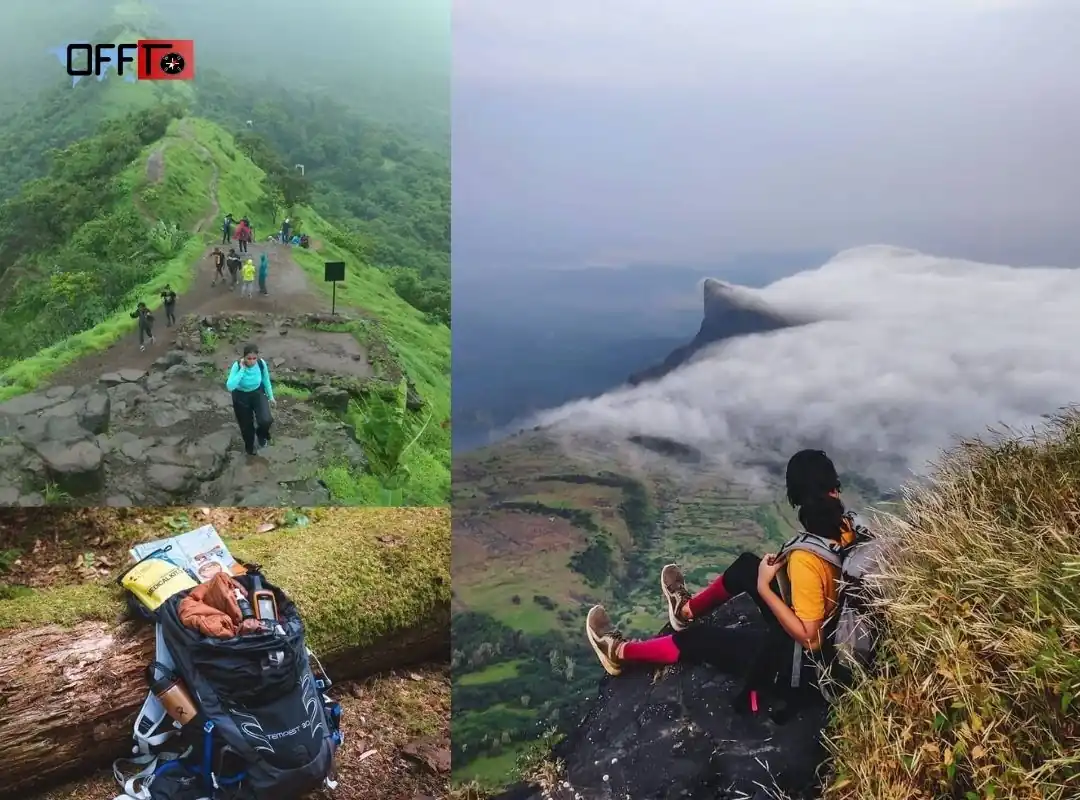
Packing correctly can make the Rajmachi Fort trek much easier, especially in monsoon or if you are camping near Udhewadi. The trek is beginner-friendly in parts, but the long trail, mud, rain, night walking, and limited village facilities mean you should not pack casually. Keep your bag light, weather-ready, and practical.
Shoes
Wear trekking shoes or sports shoes with strong grip. Avoid flat sandals, fashion sneakers, or slippery soles, especially during monsoon. The Lonavala route can become muddy, while the Karjat/Kondiwade route has steeper sections where grip matters.
Good footwear is the single most important packing decision for Rajmachi.
Rain Protection
Carry a poncho, rain jacket, or waterproof layer during monsoon and post-monsoon months. Also carry a rain cover for your backpack. Even if it is not raining when you start, Sahyadri weather can change quickly.
Use waterproof pouches for your phone, wallet, power bank, and ID proof.
Water
Carry enough water for the trail, especially if you are doing a one-day trek. Two litres per person is a sensible starting point, but you may need more in summer or if you sweat heavily.
Do not depend entirely on finding water on the route. Refill only from reliable sources, and ask locals or guides before using natural water points.
Snacks
Carry light, high-energy snacks such as dry fruits, energy bars, chikki, fruit, or simple homemade food. Avoid heavy meals during the climb because they can make you sluggish.
Snacks are especially useful on the return stretch, when tiredness usually hits harder than expected.
Torch or Headlamp
A torch or headlamp is essential if you are doing a night trek, camping, fireflies trip, or late return. Phone flashlights are not enough for long trail sections because they drain battery quickly and are harder to use hands-free.
A headlamp is better because it keeps your hands free on uneven paths.
Power Bank
Carry a charged power bank, especially if you are using your phone for maps, photos, calls, or emergency contact. Network may be patchy, and battery drains faster when phones keep searching for signal.
Keep the power bank in a waterproof pouch during monsoon.
Winter Layer
If you are visiting Rajmachi Fort in winter or camping overnight, carry a light jacket or warm layer. The plateau can feel cooler after sunset and early in the morning, especially with wind.
You do not need heavy winter gear, but a basic layer makes camping and sunrise much more comfortable.
First Aid
Carry a small first-aid kit with bandages, antiseptic, pain relief spray, personal medicines, ORS, and blister protection. If you have asthma, allergies, knee pain, or any medical condition, carry your required medication and inform your group leader.
A small kit is enough; the goal is to handle minor cuts, cramps, blisters, and fatigue before they become bigger problems.
Rajmachi Trek Safety, Mistakes & Travel Reality
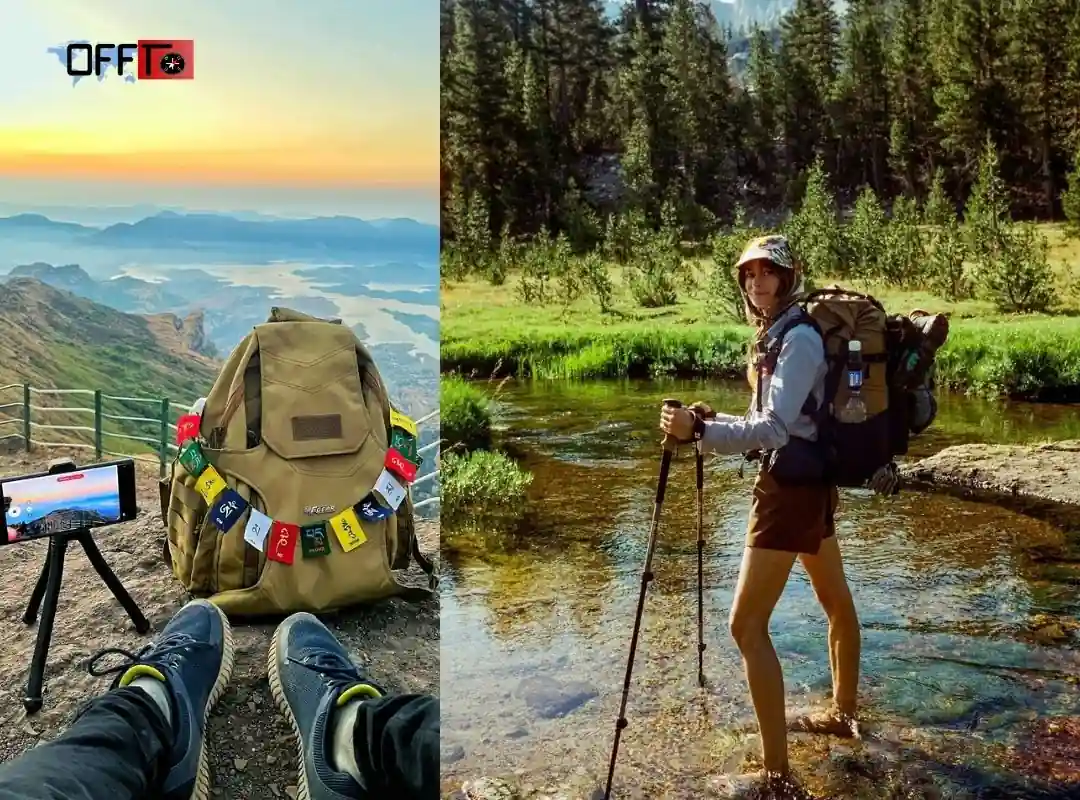
The Rajmachi trek Maharashtra experience is popular because it feels accessible, scenic, and beginner-friendly. But that does not mean it should be treated casually. The trail can become long, muddy, dark, slippery, or tiring depending on the route and season. Most problems happen when trekkers underestimate distance, start late, wear poor footwear, or assume monsoon trails are easy because they look beautiful.
Common Beginner Mistakes
The most common beginner mistake is assuming Rajmachi is an easy short walk. The Lonavala route is gradual but long, while the Karjat/Kondiwade side is steeper and more physically demanding. Beginners often carry too little water, wear casual shoes, skip rain protection, or underestimate the return journey.
Another mistake is trying to cover both forts, viewpoints, caves, camping, and return travel in one rushed day. Rajmachi is better when planned with enough daylight, breaks, and route clarity.
Monsoon Trail Risks
Monsoon is the most scenic season for Rajmachi Fort, but it also brings the highest trail risk. Mud, slippery rocks, flowing streams, low visibility, leeches, and sudden rain can slow the trek. The same trail that feels easy in winter can become tiring in heavy rain.
Wear shoes with grip, keep electronics waterproof, avoid walking too close to edges, and do not cross fast-flowing water without local guidance. If you are new to trekking, go with an experienced group during monsoon.
Night Trek Precautions
Rajmachi night treks are popular, especially during camping and fireflies season, but they require extra preparation. Carry a proper torch or headlamp, walk with your group, avoid shortcuts, and do not wander away for photos or fireflies.
Phone flashlights are not enough for long trail sections. Also avoid loud music, alcohol, and bright lights in forest patches. Night trekking should feel calm and controlled, not chaotic.
Expectation vs Reality
- Expectation: Rajmachi is an easy beginner trek.
- Reality: It is beginner-friendly only if you are ready for long walking, uneven trails, and changing weather.
- Expectation: Monsoon means only waterfalls and greenery.
- Reality: Monsoon also means mud, slush, low visibility, and slower movement.
- Expectation: Camping is like a resort stay.
- Reality: Rajmachi camping is usually simple, village-based, and weather-dependent.
- Expectation: Every viewpoint will be clear.
- Reality: Mist can hide the valley completely, especially in monsoon.
The best way to enjoy Rajmachi is to treat it as a real trek, not just a casual picnic near Lonavala.
Places to Visit Near Rajmachi Fort
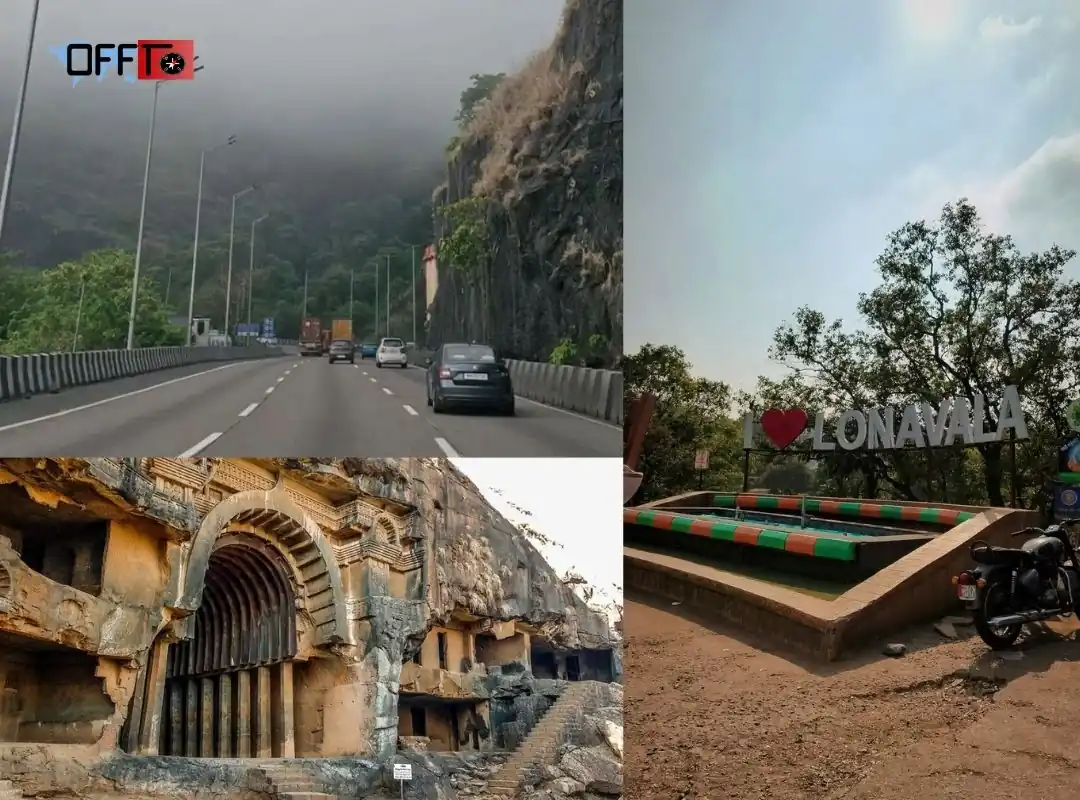
The best places to visit near Rajmachi Fort include Lonavala, Karjat, Kondana Caves, Tungarli Lake, Khandala, Lohagad Fort, and Visapur Fort. These places help you turn Rajmachi into a broader weekend plan, especially if you are coming from Mumbai or Pune. Choose nearby places based on your route: Lonavala-side attractions pair better with the Lonavala route, while Kondana Caves and Karjat work better with the Karjat-side route.
Lonavala
Lonavala is the most popular base for Rajmachi Fort. It gives easy access to the Lonavala–Tungarli–Udhewadi route and has hotels, restaurants, transport, and railway connectivity.
Stay in Lonavala if you want a more comfortable weekend base before or after the trek. It is also the better option for beginners who want a gradual approach to Rajmachi.
Karjat
Karjat is useful for trekkers choosing the Kondiwade or Kondhane route. This side feels more rugged and is often preferred by groups looking for a steeper, more trek-focused experience.
Karjat also works well for travelers coming from Mumbai by train. If your plan includes Kondana Caves or a tougher climb, Karjat is the more logical side.
Kondana Caves
Kondana Caves, also known as Kondhane Caves, are one of the best nearby additions to a Karjat-side Rajmachi trek. The caves add a historical and scenic layer to the route, especially in monsoon when the area becomes greener and more atmospheric.
Add Kondana Caves only if your route and timing allow. They fit better into a two-day or Karjat-side itinerary than a rushed one-day Lonavala plan.
Tungarli Lake
Tungarli Lake is a useful Lonavala-side landmark often connected with the Rajmachi route. Many trekkers pass through or near Tungarli while heading toward Udhewadi.
It can work as a short stop before or after the trek, especially if you are staying in Lonavala. Do not spend too much time here if you still have the full Rajmachi trail ahead.
Khandala
Khandala is another easy add-on for travelers staying around Lonavala. It is better for viewpoints, relaxed drives, and short sightseeing rather than serious trekking.
If you are doing a light weekend trip, Khandala can be paired with Rajmachi Point, Duke’s Nose viewpoints, or Lonavala stays. For hardcore trekkers, it may be a secondary stop.
Lohagad Fort
Lohagad Fort is one of the most popular forts near Lonavala and can be combined with Rajmachi only if you have extra time. It is more accessible than Rajmachi and works well for beginners.
Do not try to do Lohagad and Rajmachi fully in the same day unless you are very fit and starting early. They are better enjoyed as separate trekking experiences.
Visapur Fort
Visapur Fort is close to Lohagad and is known for its monsoon trail, fort walls, and plateau views. It is a strong add-on for travelers planning a longer Lonavala trekking weekend.
Like Lohagad, Visapur deserves its own time. If Rajmachi is your main trek, keep Visapur for another day or another trip rather than squeezing it into an already long route.
Rajmachi Fort Budget Guide
A Rajmachi Fort trip can be done on a tight budget or as a more comfortable weekend trek, depending on your transport, route, camping choice, and whether you join a guided group. The cheapest version is usually a self-planned trek using public transport, while the easier version includes a group trek, meals, camping, local transport, and trek leader support.
Transport Cost
Transport is usually the biggest variable in a Rajmachi budget. If you are coming by train from Mumbai or Pune, Lonavala and Karjat are the most common access points. From Lonavala, you may either walk the long route toward Udhewadi or use a jeep/taxi for part of the rough approach road if available.
Some travel guides mention that private jeep or taxi transfers from the Lonavala side can cost around ₹1,000–₹1,500 for a small group, depending on route condition and negotiation, but this should be treated as a flexible estimate rather than a fixed fare. (unpaqd.com)
Food
Food costs are usually manageable if you plan simply. Udhewadi village has basic local food options through homestays, campsites, or trek groups, but you should not expect a wide restaurant scene. Carry snacks, water, and quick energy food for the trail.
If you are joining a group trek, check whether breakfast, dinner, tea, and packed meals are included. Some packages include meals, while self-planned trips require you to arrange food separately.
Camping or Homestay
Rajmachi camping and village homestays near Udhewadi are popular for two-day trips. Costs vary depending on season, crowd, tent quality, meal inclusion, bedding, washroom access, and whether a trek operator is managing the stay.
Group camping packages for Rajmachi are often listed around ₹1,399–₹1,599 per person by trek operators, though inclusions differ by company, season, and travel arrangement. (trekhievers.com, treksandtrails.org)
Guide or Group Trek
A guide or group trek costs more than going independently, but it can be worth it for beginners, monsoon trekkers, night trekkers, and campers. A guided trek usually helps with route clarity, food planning, campsite coordination, safety, timing, and group management.
If you are experienced and going in winter, a self-planned trek can be cheaper. If you are going in monsoon, doing a night trek, or planning fireflies camping, a reputed group is usually the safer and easier choice.
Budget vs Premium Experience
A budget Rajmachi trip usually means public transport, self-carried snacks, simple food at Udhewadi, and minimal paid support. This can work well for experienced trekkers who know the route and are comfortable with basic facilities.
A more comfortable trip includes private transport, jeep transfer where available, organised camping or homestay, meals, guide support, and a slower two-day itinerary. It costs more, but it reduces uncertainty—especially during monsoon, weekends, and night treks.
For most first-time visitors, the best value is not the cheapest plan. It is the plan that gives you safe transport, enough food, clear route support, and enough time to enjoy Rajmachi Fort without rushing.
FAQs
Is the Rajmachi trek easy or difficult?
Rajmachi trek is easy to moderate from the Lonavala side and more challenging from the Karjat/Kondiwade side. The Lonavala route is longer but gradual, while the Karjat route is steeper and more physically demanding. Beginners can do Rajmachi with basic fitness, proper shoes, enough water, and an early start. Monsoon makes the trek harder because of mud, slippery rocks, and low visibility.
What is the Rajmachi Fort trek distance?
The Rajmachi Fort trek distance depends on the route. The Lonavala route is commonly considered around 16 km one way toward Udhewadi, depending on the starting point. The Karjat/Kondiwade route is shorter in distance but steeper and more tiring. From Udhewadi village, the final climb to Shrivardhan and Manaranjan forts is shorter but can still feel demanding in monsoon.
What is the height of Rajmachi Fort Trek?
Rajmachi Fort has two main fortified peaks: Shrivardhan and Manaranjan. Shrivardhan Fort is commonly listed at around 2,710 feet, while Manaranjan Fort is around 2,510 feet. The height is not extreme, but the trek can still feel tiring because of the long approach, humid weather, rocky patches, and slippery monsoon trail conditions.
How long does it take to complete Rajmachi Fort trek?
Rajmachi Fort trek can take anywhere from 5 to 8 hours or more, depending on the route, season, group pace, and how much time you spend at Udhewadi and the twin forts. A one-day trek from Lonavala can feel long because of the distance. A two-day plan with camping is more relaxed and better for beginners.
What is the best time to visit Rajmachi Fort?
The best time to visit Rajmachi Fort depends on your travel style. Monsoon is best for greenery, waterfalls, mist, and dramatic Sahyadri views. Winter is better for clearer visibility, easier walking, camping, and beginners. May to early June is popular for fireflies near Rajmachi. Avoid peak summer afternoons because the long trail can feel hot and tiring.
Is Rajmachi Fort good for beginners?
Yes, Rajmachi Fort is good for beginners if they choose the right route and season. The Lonavala route is more beginner-friendly because it is gradual, though long. Winter is easier than monsoon for first-time trekkers. Beginners should avoid starting late, wear proper trekking shoes, carry enough water, and consider a guided group if trekking during rain or at night.
Can we do Rajmachi Fort trek in one day?
Yes, Rajmachi Fort trek can be done in one day, but it requires an early start and good stamina. The Lonavala route is long, while the Karjat route is steeper. If you want to explore both Shrivardhan and Manaranjan forts without rushing, a two-day trek with camping near Udhewadi is a better choice.
Is Rajmachi camping worth it?
Rajmachi camping is worth it if you enjoy simple outdoor stays, village food, sunset views, sunrise walks, and a slower trekking experience. Camping near Udhewadi makes the trip more relaxed than completing everything in one day. It is especially popular in winter, monsoon, and fireflies season. Expect basic facilities, not luxury-resort comfort.
How long should I spend at Rajmachi Point?
You should spend around one to two hours at Rajmachi viewpoint areas if the weather is clear. This gives enough time for photos, snacks, rest, and valley views from Shrivardhan or Manaranjan. During monsoon, mist may hide the view, so waiting briefly can help. Avoid staying too long if you still need to descend before dark.
What time is best to hike to Rajmachi Fort?
The best time to start the Rajmachi Fort trek is early morning, especially for a one-day plan. Starting early gives you cooler weather, better daylight, and enough time for breaks, fort exploration, and the return journey. For night treks or fireflies season, go only with a trusted group, proper lights, and route support.
What activities can you do at Rajmachi Point?
At Rajmachi Point and the fort area, you can enjoy valley views, photography, sunrise or sunset watching, fort exploration, camping near Udhewadi, and seasonal fireflies experiences. Trekkers can also visit Shrivardhan Fort, Manaranjan Fort, Kal Bhairava Temple, and nearby caves if the route allows. The best activity depends on season, weather, and available daylight.
Which route is better for Rajmachi Fort: Lonavala or Karjat?
The Lonavala route is better for beginners because it is longer but more gradual. The Karjat or Kondiwade route is better for trekkers who want a steeper, more adventurous climb. In monsoon, both routes need caution, but the Karjat side can feel more demanding. Choose Lonavala for endurance and comfort; choose Karjat for challenge.
Read more >>>
Lonavala Lake Guide – Best Time, Scenic Views & Waterfall Experience
Best Time to Visit Mahabaleshwar – Seasonal Guide for Travellers
Final Travel Verdict: Who Should Visit Rajmachi Fort?
Rajmachi Fort is worth visiting if you want a classic Sahyadri trek with forts, village camping, monsoon views, history, and a manageable weekend-trip structure from Mumbai or Pune. It is beginner-friendly in the right season, but it still needs stamina, planning, and respect for trail conditions.
Best for Beginners
Rajmachi Fort is good for beginners who are ready for a long walk rather than a short climb. The Lonavala route is more gradual and easier to pace, especially in winter or dry weather. First-time trekkers should start early, carry enough water, wear proper shoes, and avoid treating the trek like a casual picnic.
If you are new to trekking, a guided group or two-day plan is usually better than a rushed one-day attempt.
Best for Campers
Rajmachi is one of the better camping treks in Maharashtra because Udhewadi village makes the experience more accessible. Campers can enjoy sunset, simple village food, night skies, fireflies in season, and early morning fort exploration.
It is best for travelers who are comfortable with basic facilities. If you expect resort-style comfort, Rajmachi camping may feel too simple.
Best for Monsoon Travelers
Monsoon travelers will enjoy Rajmachi for its green valleys, waterfalls, mist, muddy trails, and dramatic Sahyadri atmosphere. This is the most scenic version of the fort, but also the most slippery and crowded on popular weekends.
Choose monsoon if you enjoy rugged trekking and do not mind rain, mud, and low visibility. Go prepared with good shoes, rain protection, and enough trail time.
Best for History Lovers
History lovers should visit Rajmachi for its twin forts, Shrivardhan and Manaranjan, and its connection with Maratha-era hill-fort strategy. The fort’s location near old Sahyadri trade routes adds more meaning to the views and ruins.
Rajmachi is not a museum-style heritage site with polished interpretation boards everywhere. Its history is best experienced through the fort walls, plateau, temple, village setting, and landscape.
Who Should Avoid It
Rajmachi may not suit travelers who dislike long walks, muddy trails, basic facilities, early starts, or changing weather. It may also be uncomfortable for very young children, elderly travelers with mobility issues, or anyone expecting luxury camping and easy vehicle access to every point.
Avoid Rajmachi during heavy rain if you are unprepared or trekking without route knowledge. The best experience goes to travelers who respect the trail, start with realistic expectations, and give the fort enough time.
Plan Your Rajmachi Fort Trek with Offto Travellers
Rajmachi Fort is the kind of trek that becomes far better when you plan it well. The route you choose, the season you visit, your stay near Udhewadi or Lonavala, and whether you go for camping, fireflies, monsoon views, or a simple one-day trek can completely change the experience.
With Offto Travellers, you can explore more Maharashtra trek guides, compare weekend getaways near Mumbai and Pune, save itinerary ideas, and plan your Rajmachi Fort trip with better clarity. Whether you are choosing between the Lonavala and Karjat routes, planning a two-day camping trek, or looking for nearby places like Lohagad, Visapur, Khandala, or Karjat, Offto helps you move from inspiration to a practical travel plan.
You can also Book stays near Lonavala, Karjat, Udhewadi-side access points, or nearby weekend bases so your trek feels smoother from the start. Choose a stay that matches your travel style—budget, comfortable, camping-friendly, or weekend-friendly—and build your Rajmachi itinerary around the right route, season, and pace.
Explore Rajmachi Fort with Offto Travellers and Book stays that keep you close to the trail, the hills, and the best Sahyadri weekend experiences.
Sign up
Leave a Reply