
Kalsubai Trek is Maharashtra’s highest summit trek, starting from Bari village and known for ladders, sunrise views, camping, and Sahyadri panoramas. It is beginner-friendly with preparation, but the climb, weather, and descent need stamina and caution.
Kalsubai Trek Overview: Why Maharashtra’s Highest Peak Is So Popular
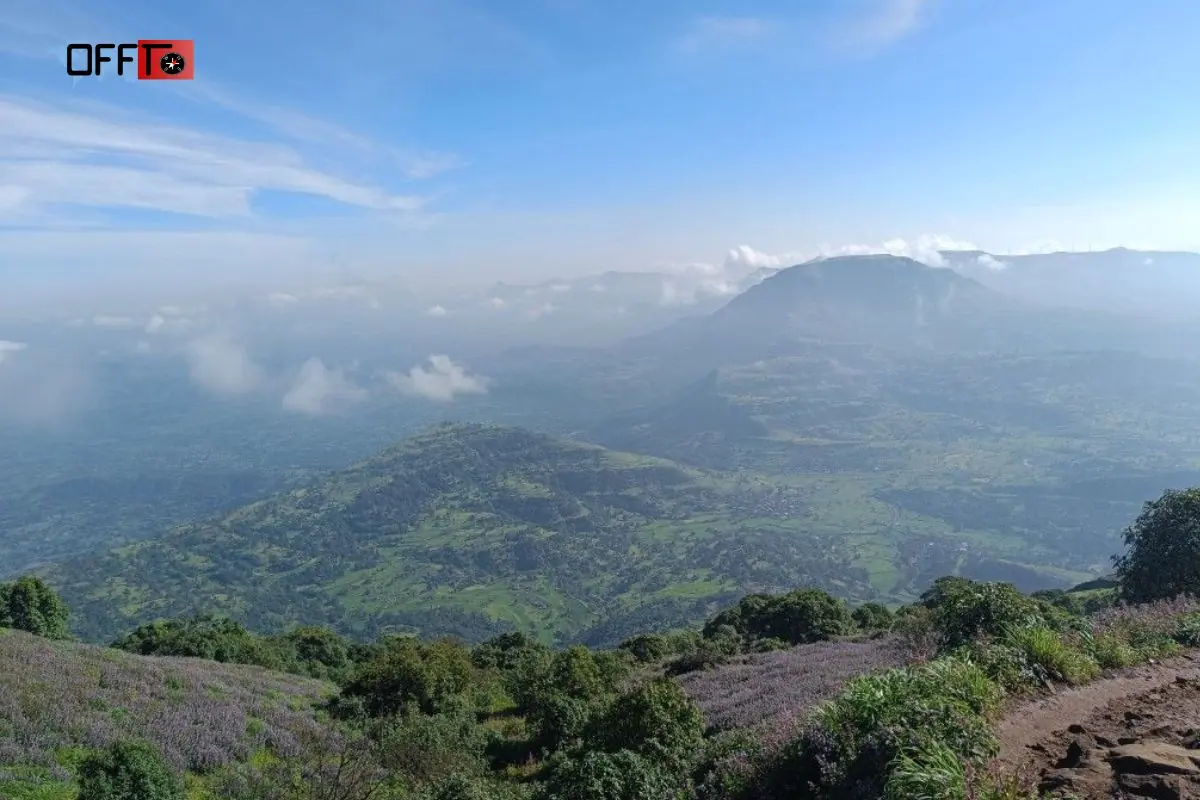
Kalsubai Trek is popular because it gives trekkers the chance to climb the highest peak in Maharashtra without needing advanced mountaineering skills. The route starts from Bari village and leads to a summit known for ladders, steep sections, the Kalsubai temple, sunrise views, and wide Sahyadri panoramas. Maharashtra Tourism identifies Bari as the base village for the trek and notes that Kalsubai is accessible from Mumbai and Pune by road.
Where Kalsubai Is Located
Kalsubai is located in Maharashtra’s Ahmednagar district, near the Bhandardara region and close to the Nashik–Igatpuri side of the Sahyadris. For most trekkers, the practical base point is Bari village, which is where the main Kalsubai trek route begins. Maharashtra Tourism also places the peak about 152 km from Mumbai and around 180 km from Pune, making it a strong weekend trek option.
This location is one of the main reasons Kalsubai attracts trekkers from Mumbai, Pune, Nashik, and nearby cities. It feels remote enough for a mountain experience, but accessible enough for a one-day or overnight trek plan.
Why It’s Called the Everest of Maharashtra
Kalsubai is often called the Everest of Maharashtra because it is the state’s highest peak. Trekking sources commonly list its height at 1,646 metres, or around 5,400 feet, which gives it a summit identity that many first-time trekkers find exciting.
The name does not mean the trek is technically like Everest. It simply reflects Kalsubai’s status as Maharashtra’s highest point. For beginners, this distinction matters: the trek is achievable, but the height, ladders, and climb still need preparation.
Peak Altitude Significance
The altitude is what makes Kalsubai feel different from many other Sahyadri treks. At around 1,646 metres, the summit gives a strong sense of height, especially when clouds, mist, and sunrise light open up around the surrounding ranges.
Elevation also affects trek planning. The climb can feel tiring even when the distance looks manageable, because the route gains height steadily from Bari village. Trekkers should plan for effort, not just kilometres.
Weekend Trek Popularity from Mumbai, Pune and Nashik
Kalsubai is popular as a weekend trek because it is reachable from major cities and works well for both day treks and night treks. From Mumbai, the road distance is commonly listed around 152–160 km depending on route and starting point, while Maharashtra Tourism places it around 180 km from Pune.
Nashik-side travelers also find Kalsubai practical because the base region sits closer to Igatpuri, Bhandardara, and the northern Sahyadri belt. This makes the trek useful for short adventure trips without needing a long holiday.
Why First-Time Trekkers Search for Kalsubai
First-time trekkers search for Kalsubai because it feels like a clear milestone: Maharashtra’s highest peak, a famous summit temple, sunrise views, and a route that is difficult enough to feel rewarding but not impossible with preparation.
The main planning reality is simple: Kalsubai is beginner-friendly only for people who are ready for a proper climb. The ladders, steep patches, crowding, heat, monsoon mud, and fatigue can surprise casual walkers. Go prepared, start early, and treat it as a real trek rather than a quick viewpoint visit.
Kalsubai Height, Elevation & Trek Distance Explained
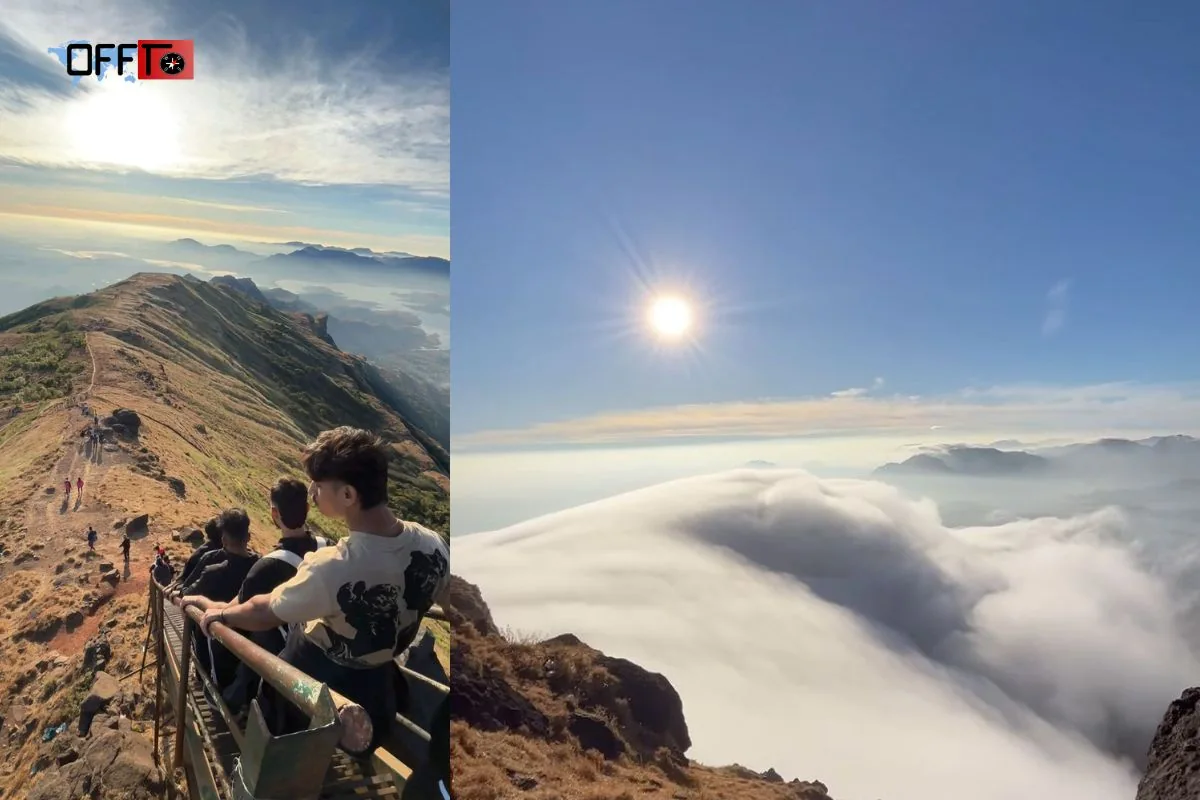
The most commonly cited Kalsubai height is 1,646 metres, or about 5,400 feet, making it the highest peak in Maharashtra. The standard Kalsubai trek distance from Bari village is usually listed at around 6.6 km one way, making the round-trip distance roughly 13 km, depending on the exact trail movement and summit access.
Kalsubai Height in Feet and Metres
Kalsubai Peak stands at around 1,646 metres / 5,400 feet. This height is the reason the trek carries such a strong reputation among Maharashtra trekkers.
For travelers comparing treks, Kalsubai’s height gives it more summit appeal than many short fort walks. You are not just visiting a hilltop; you are climbing the highest natural point in the state.
Why Elevation Matters for Trek Planning
Elevation matters because it changes how the trek feels. A 6–7 km climb on flat ground is very different from a 6–7 km uphill trail with ladders, steep sections, open exposure, and changing weather.
This is where many beginners misjudge Kalsubai. The route does not require technical climbing, but the steady ascent can test stamina. In monsoon, slippery steps and wet ladders add another layer of effort.
Total Trek Distance from Bari Village
The main trek begins from Bari village, the most commonly used base point for Kalsubai. Trek operators and local trek guides commonly list the Bari-to-summit distance at about 6.6 km one way.
The trail includes farmland stretches, village-side paths, rocky sections, iron ladders, rest points, and the final summit approach. The distance may sound short, but the climb is continuous enough to feel tiring.
Round-Trip Distance
The round-trip Kalsubai trek distance is usually around 13 km, including the climb from Bari to the summit and the return descent. Some route summaries describe it as a 13.2 km out-and-back trek from Bari, with significant elevation gain.
The descent should not be underestimated. Tired legs, crowded ladders, slippery rocks, and monsoon mud can make the return slower than expected.
Climb Time Estimate
For most trekkers, Kalsubai takes around 3–4 hours to climb and additional time to descend, depending on fitness, crowd levels, weather, and breaks. Some trek sources estimate the full trek time at around 8 hours total, while others mention 2.5–4 hours for the climb from Bari village.
A safe plan is to keep the full day open for the trek. Start early, pace yourself on the ladder sections, spend limited but meaningful time at the summit, and descend before fatigue or weather makes the trail harder.
Kalsubai Trek Difficulty Level: Is It Actually Hard?
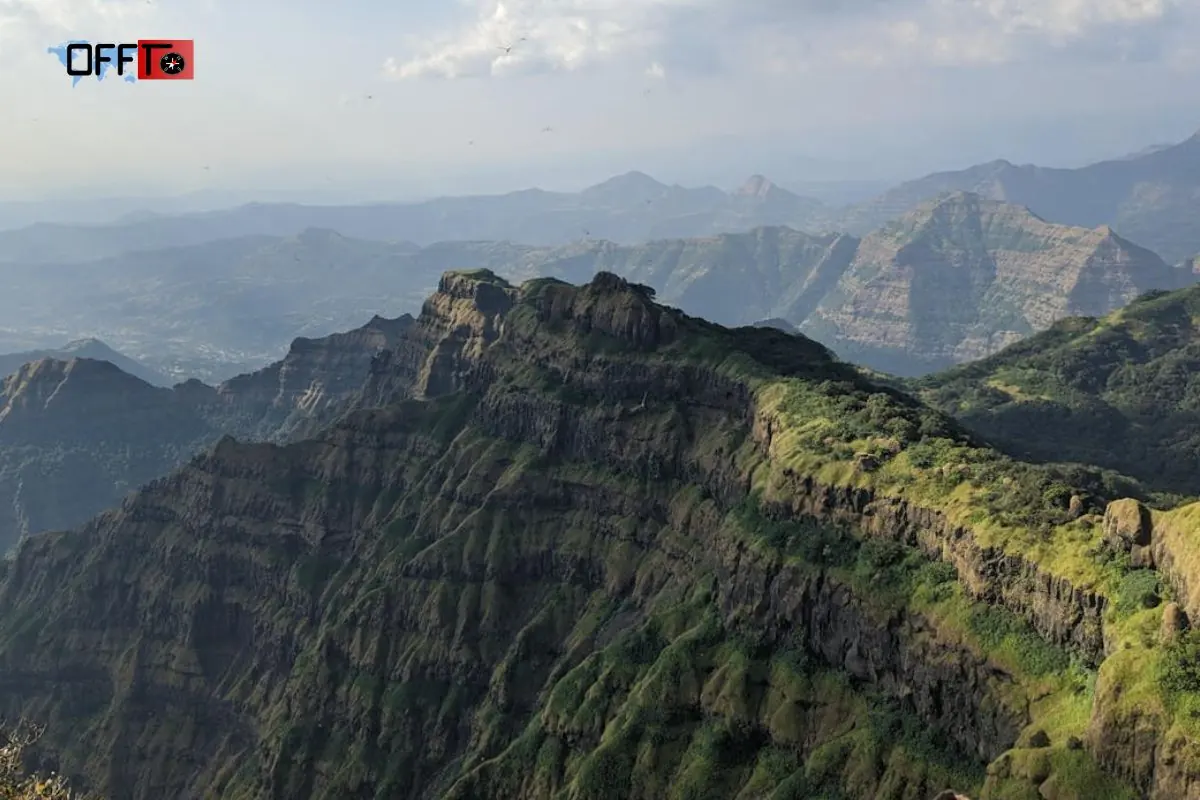
Kalsubai trek difficulty is usually described as moderate. Fit beginners can complete it, but the climb is not a casual hill walk. The trail from Bari village includes continuous uphill walking, rocky sections, iron ladders, exposed patches, and a long descent that can feel harder after summit fatigue. Several trek guides describe Kalsubai as beginner-accessible but physically demanding because of the ladder sections and sustained climb.
Difficulty Breakdown
Kalsubai is best understood as a moderate endurance trek. It does not require technical climbing skills, but it needs stamina, balance, and patience. The route is marked and popular, yet the uphill effort is steady enough to tire people who rarely walk or exercise.
For first-time trekkers, the hardest part is not one single section. It is the combined effect of distance, elevation gain, ladders, crowding, and weather.
Fitness Requirement
You do not need to be an athlete for Kalsubai, but you should be comfortable walking uphill for a few hours. Basic fitness, regular walking, stair climbing, or light cardio before the trek can make the experience much easier.
If you have knee pain, breathing issues, vertigo, or low stamina, take this trek seriously. The summit is rewarding, but the descent still needs energy and focus.
Ladder Climbs Reality
The iron ladders are the most talked-about part of the Kalsubai trek. They are installed at steep rocky patches to make the climb accessible, but they can still feel intimidating for beginners, especially during monsoon or crowded weekends. One trek guide notes that the trail has multiple ladder sections placed over difficult rock surfaces.
The ladder sections are manageable if you move slowly, hold the railings, and avoid rushing. The real challenge comes when two-way traffic builds up, especially during peak season.
Steep Sections
Apart from ladders, the trek has steep stretches, rocky paths, and uneven steps. These sections can slow down beginners and make the final push feel more intense than expected.
The climb becomes easier when you pace yourself. Avoid sprinting in the first hour just because the trail feels manageable. Save energy for the upper sections and descent.
Monsoon Challenge
Monsoon makes Kalsubai greener and more beautiful, but also more difficult. Wet rocks, muddy patches, slippery steps, fog, crowding, and ladder congestion can all affect the trek. A recent monsoon-season safety report from the Kalsubai-Harishchandragad sanctuary area also noted restrictions at several hazardous sites because of slippery roads and rain-related accident risks.
If you are trekking in monsoon, wear proper shoes, carry rain protection, avoid risky photos, and follow local instructions. Beginners should prefer a guided group during heavy rain.
Trek Duration Fatigue Factor
Kalsubai can take around 3–4 hours to climb and several more hours to descend, depending on pace, breaks, crowd, and weather. Some operators estimate the total trek time at about 8 hours, including climb, summit time, and descent.
This duration is where fatigue becomes real. Many trekkers feel fine going up but struggle while coming down. Plan food, water, breaks, and timing for the full trek, not just the summit.
Best Routes to Reach Kalsubai Trek Base
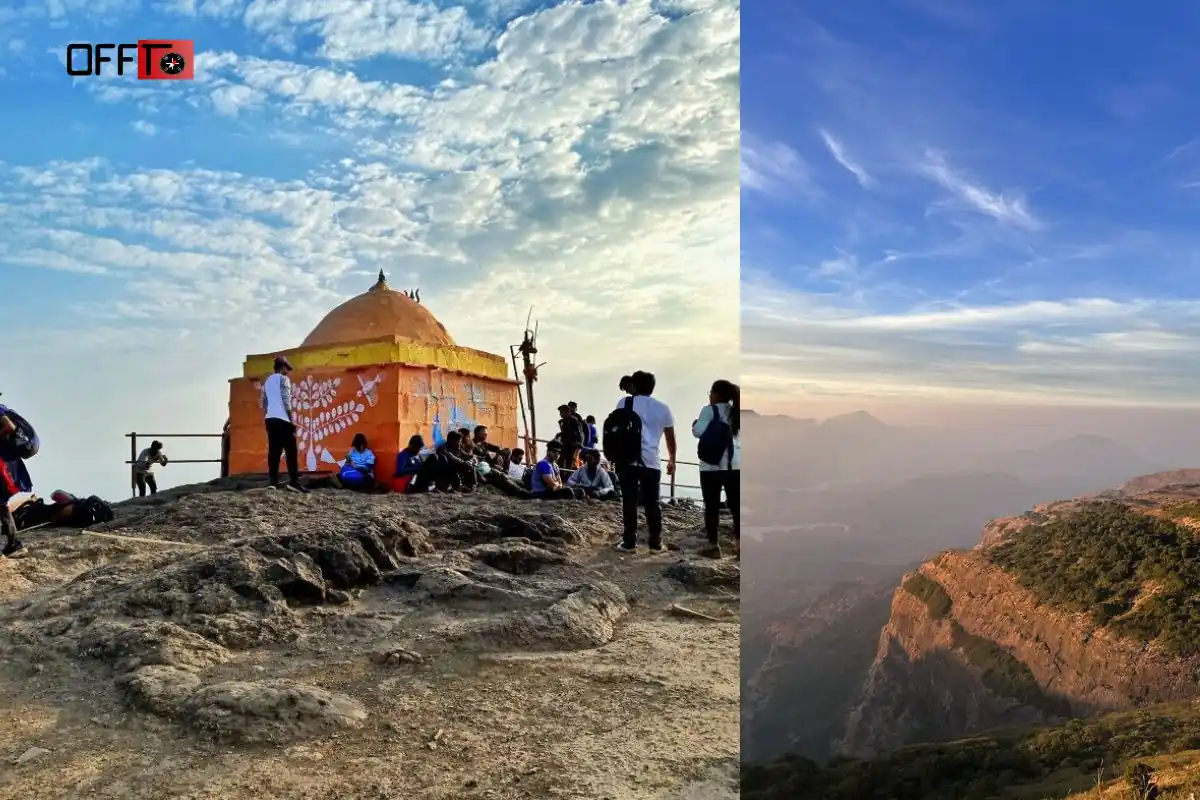
The main Kalsubai trek base is Bari village, near the Igatpuri–Bhandardara region of Maharashtra. Most travelers reach Bari from Mumbai, Pune, or Nashik by self-drive, private vehicle, group trek bus, train-plus-jeep combination, or state transport options. Maharashtra Tourism identifies Bari as the starting point of the trek and notes that the peak is reachable by road from Mumbai and Pune.
Mumbai to Kalsubai
From Mumbai, Kalsubai is commonly approached via Kasara or Igatpuri, then onward to Bari village. Maharashtra Tourism places Kalsubai around 152 km from Mumbai, while trekking sources often mention approximately 150–155 km depending on the route and starting point.
Budget travelers often take a train to Kasara and then use local jeep or bus options toward Bari. For night treks and sunrise treks, many people prefer organized group transport because it reduces coordination stress.
Pune to Kalsubai
From Pune, Kalsubai is usually a longer road journey than from Mumbai. Maharashtra Tourism places it around 180 km from Pune, and trek operators often estimate the drive at roughly five hours depending on traffic and route conditions.
For Pune travelers, self-drive or a guided group trek is usually more convenient than public transport. If you are planning a sunrise trek, overnight travel is more practical than leaving early morning.
Nashik to Kalsubai
Nashik is one of the more practical access cities for Kalsubai because the trek base is closer to the Igatpuri–Bhandardara side. Many travelers from Nashik combine Kalsubai with Bhandardara, Arthur Lake, Randha Falls, or nearby Sahyadri routes.
The exact travel time depends on your starting point in Nashik, road conditions, and whether you are driving directly to Bari village. For a smoother trek day, start early and avoid reaching the base after the sun is already high.
Reaching Bari Village Base Point
Bari village is the standard base point for the Kalsubai trek. The route from Bari is the most common and beginner-friendly trail because it has established paths, ladders, rest points, and local support. Trek information pages commonly describe Bari as the base village and starting point for the summit climb.
Before starting, use the village as your final checkpoint for breakfast, water, washrooms, guide coordination, and parking if you are driving. Once you begin climbing, facilities become limited.
Public Transport vs Self Drive
Public transport is cheaper but needs more coordination. The common budget route is train to Kasara, then local jeep or bus toward Bari village. Traveler reports mention state transport buses and shared jeeps from Kasara toward Bari, but timings and availability can vary, so verify locally before depending on them.
Self-drive is easier for groups, families, and trekkers carrying camping gear, but parking, night driving, and monsoon road conditions need attention. For first-timers, a reliable group trek is often the simplest balance between cost, safety, and convenience.
Kalsubai Trek Route Guide: What the Climb Actually Looks Like
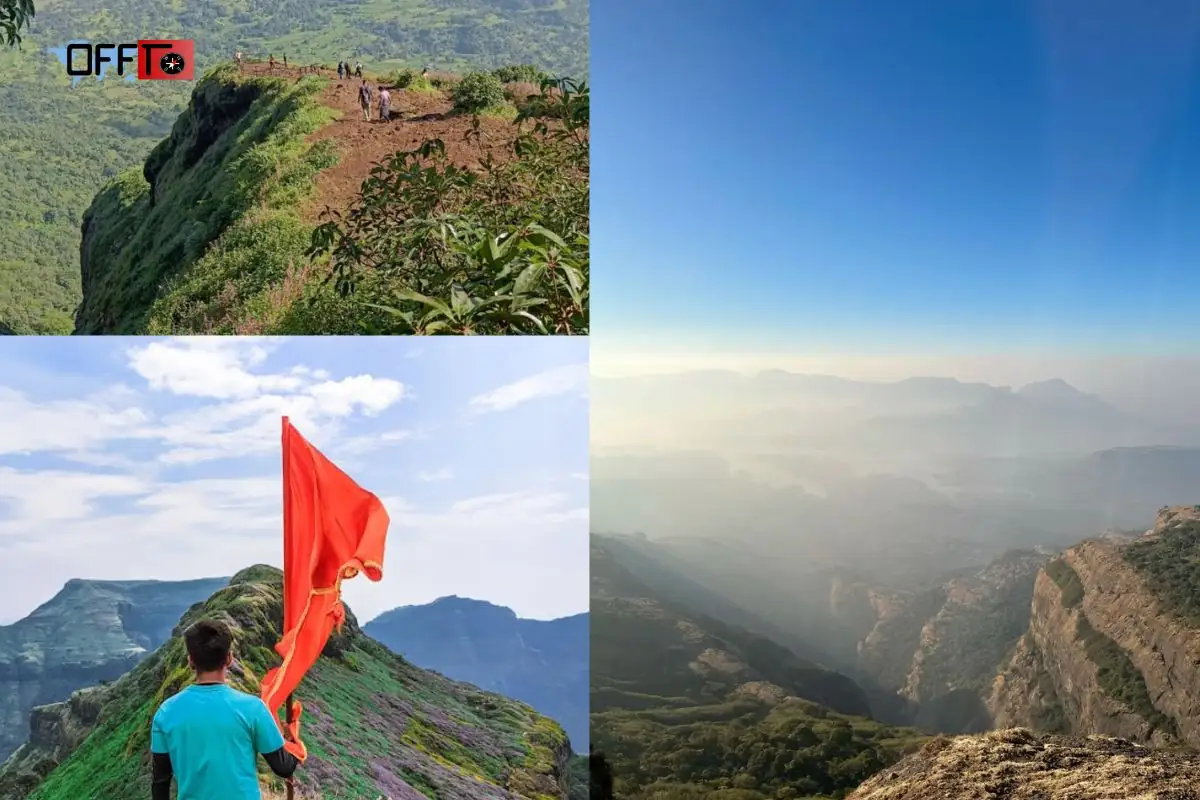
The Kalsubai trek route starts from Bari village and gradually moves through village paths, fields, forest patches, rocky climbs, iron ladders, and a final summit stretch leading to the Kalsubai temple. The route is popular because it is well-established, but that does not make it effortless. A detailed route guide divides the trail into Bari village to the ladder section, followed by the ladder section to the summit.
Bari Village Starting Point
Bari village is the main base point for the Kalsubai trek. This is where most trekkers begin after breakfast, parking, guide coordination, or group reporting. The first few minutes usually feel simple because you pass through village lanes before the trail slowly starts gaining height.
This is the best place to check essentials before climbing: water, snacks, rainwear, torch, phone battery, and footwear. Once you move higher, facilities reduce quickly, so do not start the trek casually.
Initial Forest/Farmland Stretch
The early part of the trek passes through fields, village-side paths, and green stretches, especially during and after the monsoon. One trekking guide describes the Kalsubai trail as starting from Bari and passing through forests, fields, and grasslands before opening into broader mountain views.
This section is not too technical, but it sets the pace for the climb. Beginners often start too fast here because the route feels manageable. A steadier pace is better because the tougher ladder and summit sections come later.
Ladder Sections
The ladder sections are the most recognizable part of the Kalsubai trek. Iron ladders have been placed at steeper rocky patches to make the climb safer and more accessible. Local trek information describes the trek as easy to moderate, with iron ladders and steps placed at steep patches.
The ladders are manageable, but they can feel intimidating if you are afraid of heights or trekking during heavy rain. Move slowly, use both hands where needed, and avoid overtaking on narrow ladder sections. During crowded weekends, these points can create bottlenecks.
Final Summit Push
The final summit push is where fatigue becomes noticeable. By this point, you have already climbed through the lower trail and ladder sections, so the last stretch can feel mentally and physically demanding. The trail becomes more exposed, and wind, fog, crowding, or bright sun can affect your pace.
This is the section where patience matters. Do not rush just because the summit looks close. Take short breaks, hydrate, and keep enough energy for the descent.
Summit Temple Experience
At the top, trekkers reach the Kalsubai temple, which is one of the emotional highlights of the climb. Many trekkers pause here for darshan, photos, rest, and views of the surrounding Sahyadri ranges. Kalsubai night-trek listings often highlight the summit sunrise, Kalsubai temple, and aerial Sahyadri views as key experiences.
The summit can get crowded, especially during weekends, monsoon, and sunrise treks. Be respectful near the temple, avoid blocking narrow areas, and do not spend too long at the top if weather or crowding makes descent slower.
Kalsubai Night Trek: Is It Worth Doing?
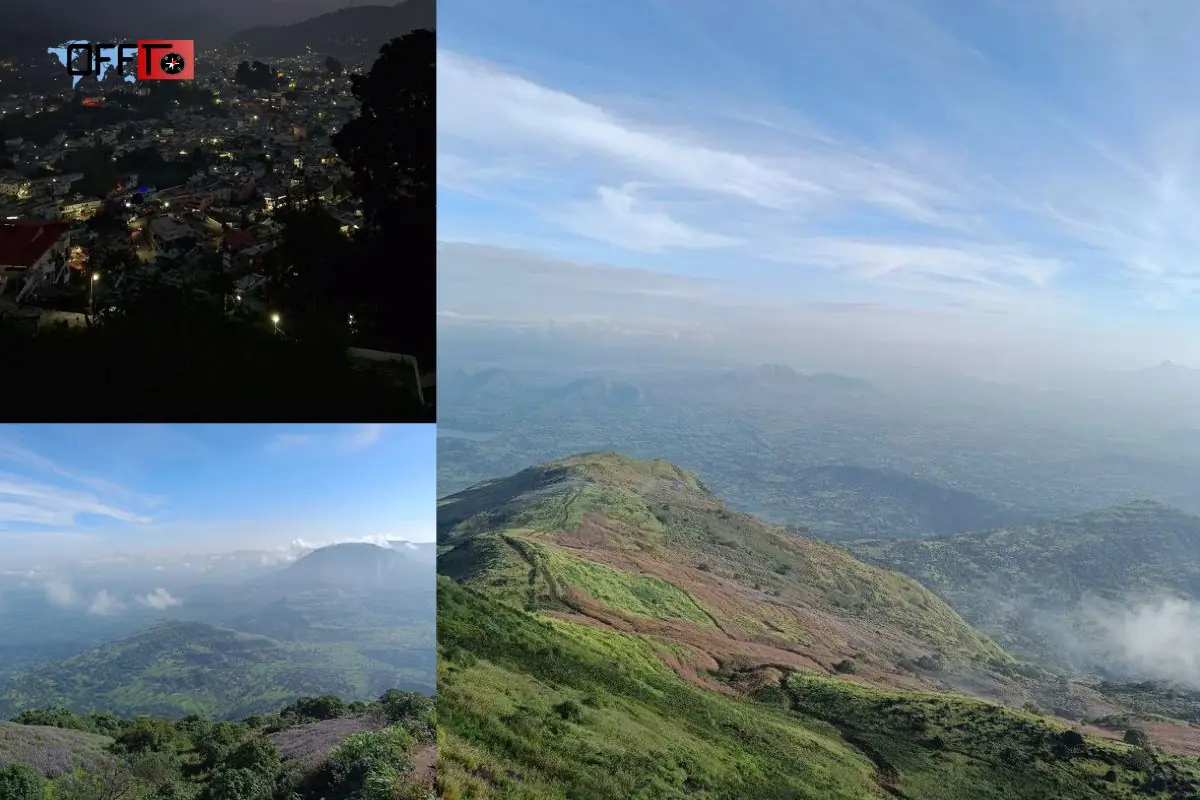
A Kalsubai night trek is worth doing if you want the sunrise summit experience and are comfortable trekking in the dark with a guide, headlamp, and proper preparation. It is one of the most popular ways to experience Kalsubai because trekkers climb overnight and aim to reach the top before sunrise. However, night trekking is not ideal for unprepared beginners, solo travelers, or anyone uncomfortable with ladders and low visibility.
Why Night Treks Are Popular
Night treks are popular because they avoid daytime heat and create a stronger summit moment. The idea is simple: start from Bari village late at night or before dawn, climb under headlamps, and reach the peak in time for sunrise.
For weekend trekkers from Mumbai and Pune, this format also saves daytime travel time. Many organized treks use overnight transport, early climbing, sunrise at the top, and descent after breakfast.
Sunrise Summit Experience
The sunrise from Kalsubai summit is the main reason people choose the night trek. On clear mornings, the view can include layered Sahyadri ranges, mist, clouds, and the Bhandardara side in the distance. Some trek operators describe November to January as a good period for cloud formations from Kalsubai Peak, though this is weather-dependent and never guaranteed.
The best mindset is to go for the full experience, not only one perfect photo. Fog, crowding, or clouds can change the view.
Temperature Reality
Temperatures can feel much cooler at night and near the summit, especially in winter or windy weather. Even if the base feels comfortable, the top can feel cold after a sweaty climb.
Carry a light jacket or wind layer, especially for sunrise waiting time. Many trekkers feel warm while climbing but cold once they stop moving at the summit.
Group Trek vs Solo Night Trek
A group night trek is much safer and easier than a solo night trek, especially for beginners. The route has ladders, uneven patches, and dark sections where local guidance matters. A recent travel guide notes that the Kalsubai night trek is safer with a guide and proper gear, and advises new trekkers to avoid solo night attempts.
Solo night trekking is not recommended unless you know the route well, have strong trekking experience, and carry proper lighting and emergency backup.
Visibility Challenges
Visibility is the biggest challenge during a Kalsubai night trek. You may not see loose stones, wet steps, ladder congestion, or sudden trail turns clearly. In monsoon, fog and rain can make this harder.
Carry a headlamp instead of relying only on a phone torch. Walk with the group, keep both hands free near ladders, and avoid rushing in the dark. A night trek is worth it only when safety comes before speed.
Kalsubai Top View: What You Actually See From the Summit
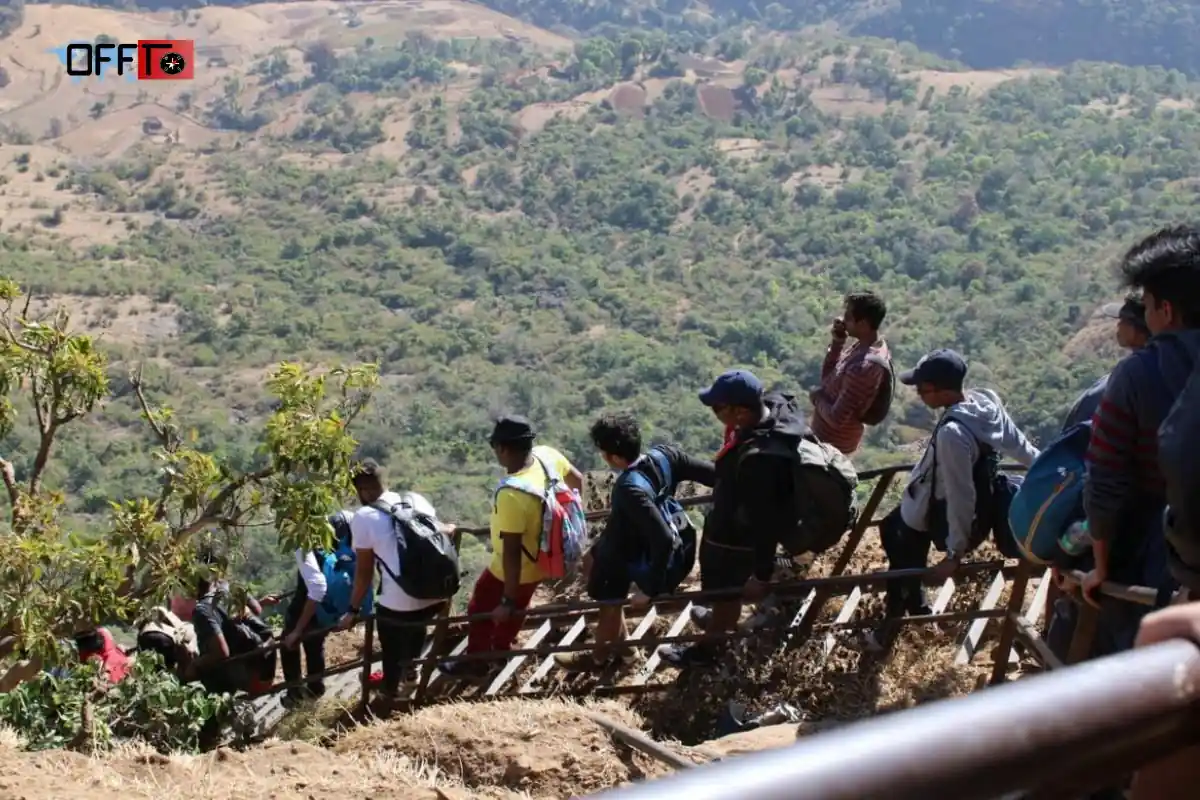
The Kalsubai top view is one of the biggest rewards of the trek. From the summit, trekkers get wide views of the Sahyadri range, Bhandardara backwaters, nearby forts, valley layers, and sunrise skies when the weather is clear. Kalsubai stands at around 1,646 m / 5,400 ft, making it Maharashtra’s highest peak and one of the most dramatic summit viewpoints in the state.
Sunrise Experience
Sunrise is the most popular summit experience at Kalsubai. Trekkers who do the night trek usually aim to reach the top before dawn, wait near the temple area, and watch the light spread across the Sahyadri ranges. On clear mornings, this can be the most memorable part of the trek.
However, sunrise is weather-dependent. Fog, wind, clouds, or summit crowding can change the experience. Go for the full mountain atmosphere, not only one perfect sunrise photo.
Panoramic Sahyadri Views
On a clear day, the summit offers panoramic views of the Sahyadri mountains and the Bhandardara backwaters. Trek operators and travel guides commonly mention views of Alang, Madan, Kulang, Ratangad, and the surrounding ranges from Kalsubai’s top.
This is why Kalsubai feels different from shorter hill treks. The climb gives you a true summit feeling, with open skies, layered ridges, and a strong sense of height.
Cloud Inversions in Monsoon and Winter
Cloud inversions and cloud carpets are possible around Kalsubai, especially during winter mornings and certain post-monsoon conditions. Some trek operators highlight November to February as a good period for cloud formations around the peak, while monsoon gives a greener, mistier version of the landscape.
The important reality is that cloud inversions are never guaranteed. They depend on weather, humidity, wind, and timing. If you get one, it feels special; if not, the summit can still offer strong Sahyadri views.
Photo Spots
The best photo spots are usually near the summit railing, temple area, ridge approach, and open sections where you can frame the surrounding mountains. Sunrise gives golden light, while monsoon adds mist and drama.
Avoid risky poses near edges or crowded ladder points. The summit can get busy, and safe photos are always better than dramatic but dangerous ones. Wide shots with trekkers, temple, railing, clouds, and ridges usually work better than close-up selfies alone.
Crowd Reality
Kalsubai is very popular, so the summit can get crowded on weekends, holidays, monsoon days, and sunrise treks. Ladder sections may also become bottlenecks during peak hours.
If you want a calmer experience, choose a weekday, start early, or visit in winter outside peak holiday dates. The view is still beautiful with crowds, but the experience feels better when you allow extra time for waiting, photos, and descent.
Best Time to Visit Kalsubai
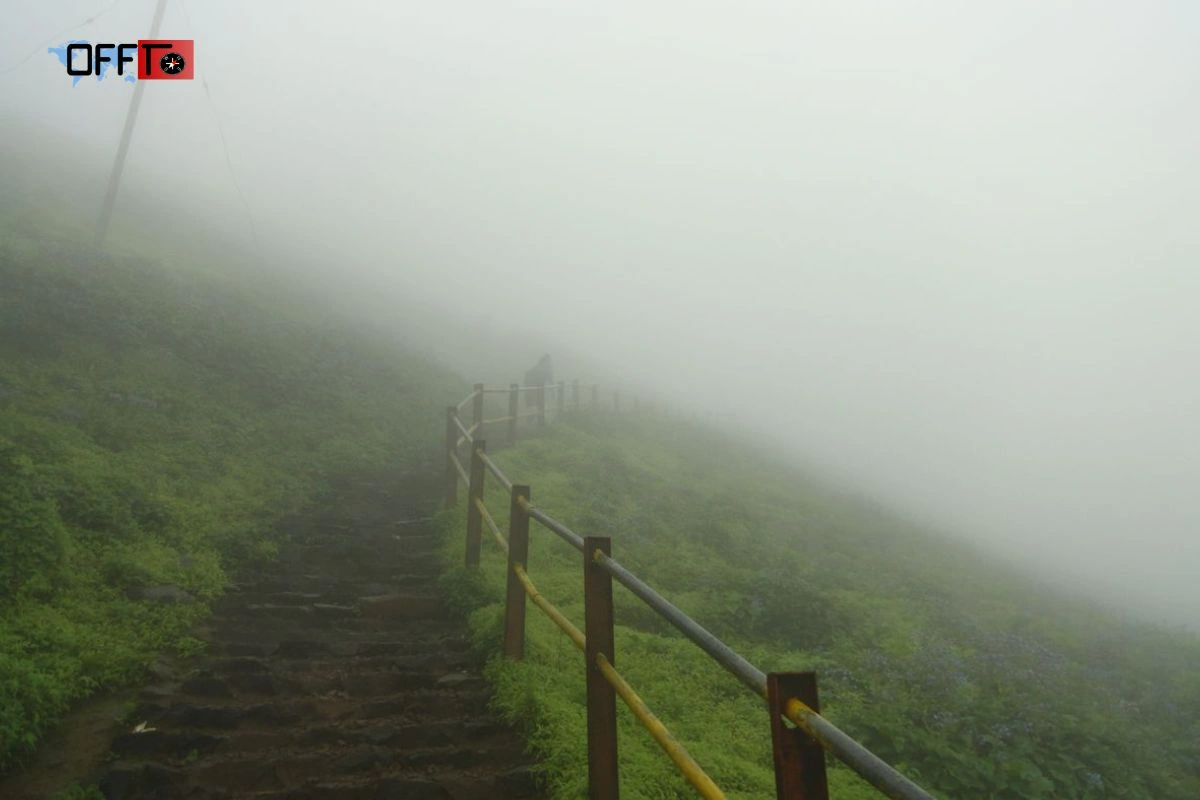
The best time to visit Kalsubai depends on the experience you want. Monsoon is best for greenery, waterfalls, mist, and a dramatic Sahyadri atmosphere. Winter is better for clearer views, sunrise treks, and safer walking conditions. Summer is possible, but the exposed climb can feel hot and tiring.
Monsoon Trek Experience
Monsoon is the most scenic season for Kalsubai. The trail becomes green, clouds move across the ridges, waterfalls appear, and the whole climb feels more atmospheric. This is why many trekkers consider Kalsubai a classic Maharashtra monsoon trek.
The tradeoff is safety. Wet rocks, slippery ladders, fog, mud, and crowding can make the trek harder. Recent reporting also shows that forest authorities may impose restrictions in the Kalsubai-Harishchandragad sanctuary region during heavy monsoon conditions for visitor safety.
Winter Trek Experience
Winter is often the best overall season for first-time trekkers. The weather is cooler, trails are drier, visibility is usually better, and the sunrise trek feels more comfortable than in peak monsoon. Several trekking sources recommend the October-to-February or November-to-April window for clearer views and safer night or sunrise trekking.
Carry a light jacket because the summit can feel cold before sunrise, especially after the climb when your body cools down.
Summer Reality
Summer is the least comfortable season for Kalsubai unless you start very early or do a carefully planned night trek. The trail is exposed in parts, and heat can make the climb tiring, especially for beginners.
If you trek in summer, carry extra water, use sun protection, avoid late starts, and keep your pace steady. The views may be clearer than monsoon, but the physical effort can feel much higher under strong sun.
Sunrise Season
The best sunrise season is usually winter and post-monsoon, when the weather is cooler and visibility is more reliable. Night hikes are often recommended between November and April for sunrise views, though local guide support is strongly advised for night trekking.
For sunrise, plan the previous night carefully: transport, guide, torch, warm layer, food, and descent timing. Reaching the summit is only half the trek; you still need energy to climb down safely.
Month-Wise Breakdown
Season / Month | Trek Experience | Best For | Planning Note |
June–September | Lush monsoon, mist, waterfalls, slippery trail | Monsoon trekkers, photographers | Use proper shoes and check local safety updates |
October–November | Post-monsoon greenery with better visibility | First-timers, sunrise trekkers | Good balance of scenery and comfort |
December–February | Cooler weather, clearer views, strong sunrise potential | Beginners, night trekkers, groups | Carry a warm layer |
March–May | Hotter, drier, more exposed climb | Experienced or early-start trekkers | Avoid late starts and carry extra water |
For most travelers, the safest recommendation is simple: choose October to February for comfort and views, choose monsoon for drama and greenery, and avoid summer unless you are prepared for heat and an early start.
Kalsubai Camping Guide
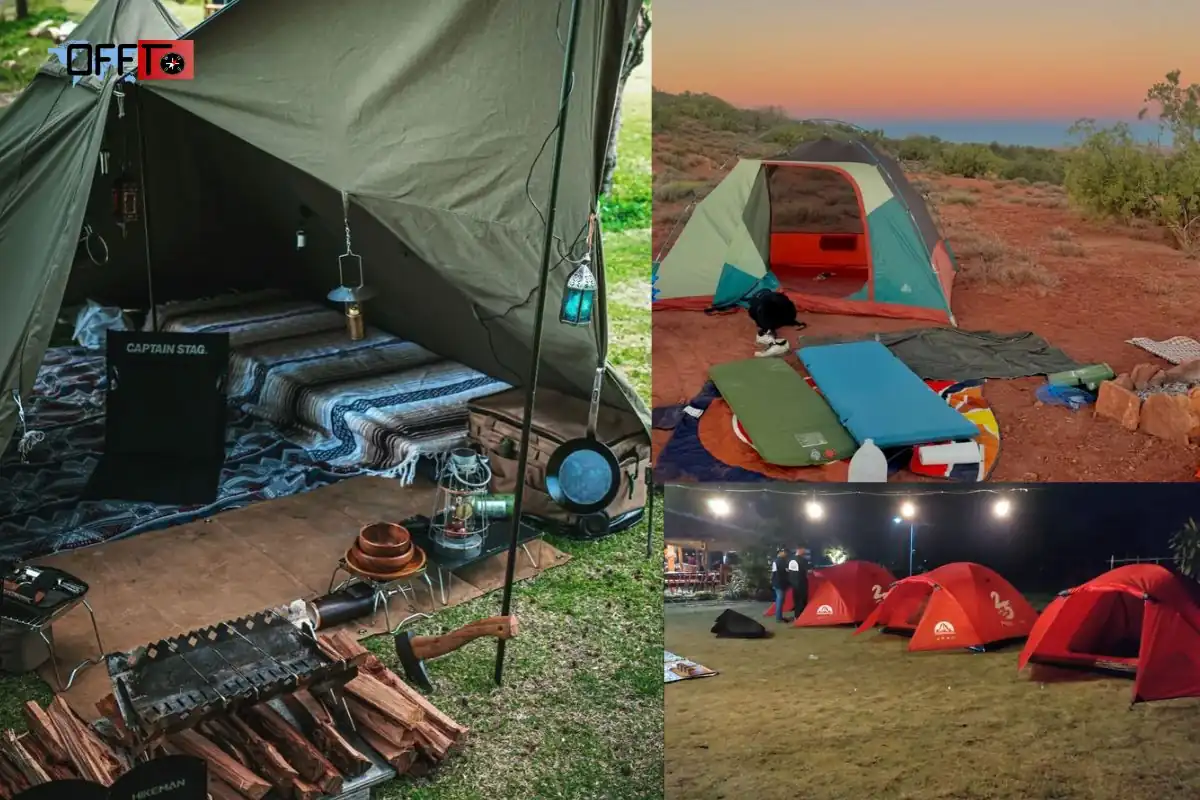
Kalsubai camping is popular with trekkers who want to turn the climb into a slower weekend experience instead of a rushed summit-and-return plan. Most camping arrangements are planned around Bari village or nearby base-side areas rather than directly on the exposed summit. Bari is the main starting point for the Kalsubai trek, and local camping operators commonly position it as the base for overnight stays and early summit attempts.
Is Camping Allowed Near Kalsubai?
Camping is commonly offered near Kalsubai through local operators and trek groups, especially around Bari village and base-side campsites. However, travelers should not assume they can pitch tents anywhere on the mountain. The safer approach is to book through a local campsite, homestay, or organized trek provider that understands current village rules, weather conditions, and safe camping zones.
This matters because Kalsubai is a high-footfall trek. Random camping, loud music, littering, or unsafe tent placement can disturb locals, other trekkers, and the mountain environment. Choose managed camping over improvised camping, especially if it is your first visit.
Camping at Bari Village
Bari village is the most practical area for Kalsubai camping because it is the standard trek base. Staying here makes it easier to start early for sunrise, arrange meals, park vehicles, coordinate with guides, and return safely after the descent. Maharashtra Tourism also identifies Bari as the starting point of the trek and says it is accessible by private vehicles and state transport buses.
Camping at Bari is best for beginners, groups, and travelers who want a simpler overnight plan. It gives you the mountain atmosphere without needing to manage a difficult high-altitude campsite independently.
Group Camping Options
Group camping is one of the easiest ways to experience Kalsubai if you are coming from Mumbai, Pune, Nashik, or nearby cities. Many organized treks include transport, tents, meals, basic guidance, and an early-morning climb. This works well for first-time trekkers because logistics are handled in one package.
Before booking, check exactly what is included: transport, dinner, breakfast, tent sharing, sleeping mat, washroom access, trek guide, and summit timing. A cheaper package may not always mean better value if safety, food, or basic comfort is weak.
Camping Essentials
For Kalsubai camping, carry a warm layer, torch or headlamp, power bank, water bottle, personal medicines, basic toiletries, extra socks, and a small towel. If you are camping before a sunrise trek, keep your trekking clothes, shoes, water, and snacks ready the night before so the early start does not feel chaotic.
Avoid overpacking. You need enough comfort for the night and enough mobility for the climb. Keep valuables minimal and store electronics in a waterproof pouch during monsoon or misty weather.
Weather Risks
Weather is the biggest camping risk near Kalsubai. Monsoon can bring rain, slippery ground, fog, and sudden changes in visibility. Winter nights can feel cold, especially before a sunrise climb. During heavy rain, authorities may also impose restrictions in the broader Kalsubai-Harishchandragad sanctuary region for visitor safety, as seen in recent monsoon-related controls at hazardous nearby spots.
Before camping, check weather updates, confirm campsite safety, and avoid pitching tents close to water flow, unstable slopes, or exposed windy patches. A good Kalsubai camping experience depends less on luxury and more on safe location, reliable food, warm clothing, and an early, well-managed trek start.
What to Pack for Kalsubai Trek
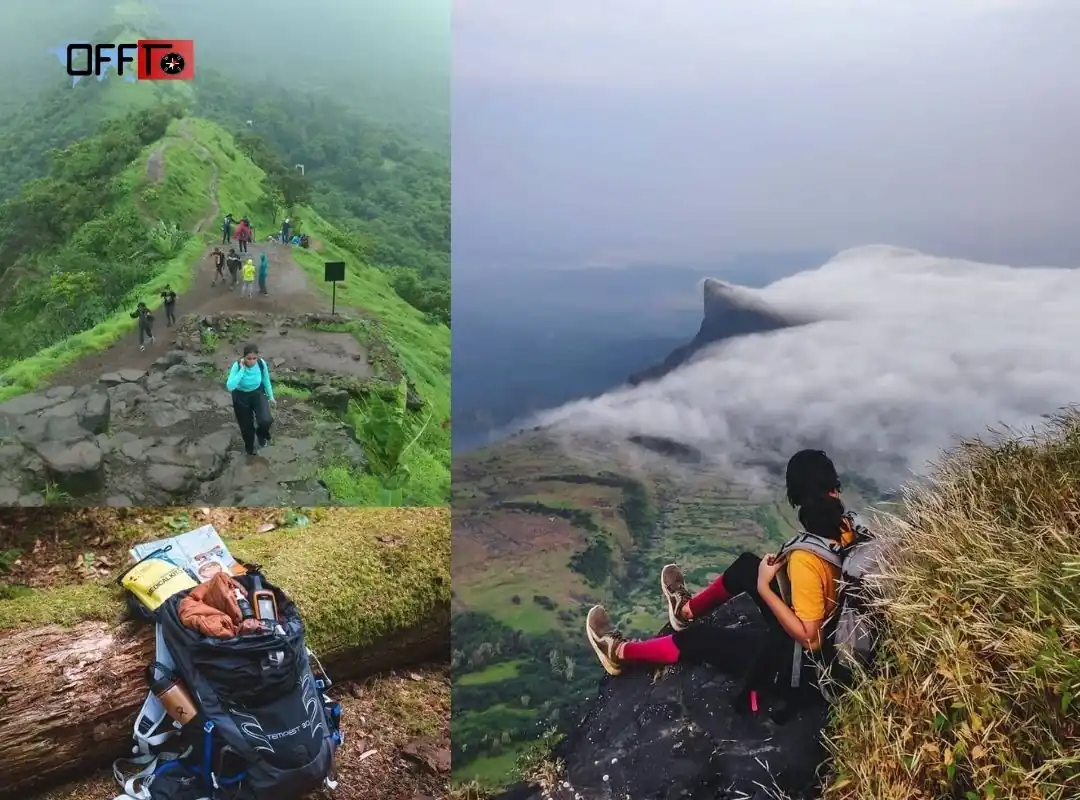
Packing well can make the Kalsubai trek much safer and more enjoyable. The climb from Bari village is popular and well-used, but it still includes uphill sections, ladders, rocky stretches, changing weather, and a long descent. Keep your bag light, practical, and weather-ready.
Trek Shoes
Wear trekking shoes or sports shoes with strong grip. This is the most important item for Kalsubai, especially during monsoon when rocks, steps, and ladder approaches can become slippery.
Avoid sandals, flat casual shoes, and fashion sneakers. Poor footwear can make both the climb and descent uncomfortable, and the descent is often where tired trekkers slip.
Water
Carry enough water for the climb and descent. Two litres per person is a sensible starting point for most trekkers, but you may need more in summer or if you sweat heavily.
Do not depend entirely on buying water after starting the climb. Bari village is the best place to sort your water before the trek begins.
Energy Snacks
Carry light snacks such as dry fruits, chikki, energy bars, bananas, dates, or simple homemade food. The goal is to maintain energy without carrying a heavy meal.
Snacks are especially useful after the summit, when the descent begins and fatigue starts building. Avoid oily or heavy food before climbing.
Torch or Headlamp
A torch or headlamp is essential for a night trek, sunrise trek, or early start. A headlamp is better than a phone flashlight because it keeps your hands free on ladders and rocky sections.
Carry extra batteries if needed. Do not rely only on your phone torch, especially if you also need your phone for navigation, calls, or photos.
Rain Gear
Carry a poncho, rain jacket, or waterproof layer during monsoon and post-monsoon months. Also protect your backpack with a rain cover.
Keep your phone, wallet, ID, power bank, and dry clothes in a waterproof pouch. Even light rain can become uncomfortable if your essentials get wet.
Warm Layer
Carry a light jacket or windcheater if you are doing a night trek, winter trek, or sunrise climb. The summit can feel cold when you stop moving, especially after sweating during the climb.
You do not need heavy winter gear for most seasons, but one warm layer can make sunrise waiting time far more comfortable.
Gloves
Gloves are useful for winter mornings, night treks, and ladder sections. They help with grip and protect your hands from cold railings, rough rocks, or wet surfaces.
Choose lightweight gloves with decent grip rather than bulky ones that make climbing awkward.
First Aid
Carry a small first-aid kit with bandages, antiseptic, pain relief spray, ORS, blister patches, and personal medicines. If you have asthma, knee pain, allergies, or any medical condition, carry your required medication and inform your trek leader.
A basic kit is enough for small cuts, cramps, blisters, and dehydration symptoms. It is not a replacement for proper caution.
Power Bank
Carry a fully charged power bank, especially for night treks and camping trips. Phone batteries drain faster when used for photos, maps, calls, and low-network searching.
Keep the power bank dry and avoid using your phone constantly on the trail. Save battery for important calls, route coordination, and emergency use.
Kalsubai Trek Safety Guide
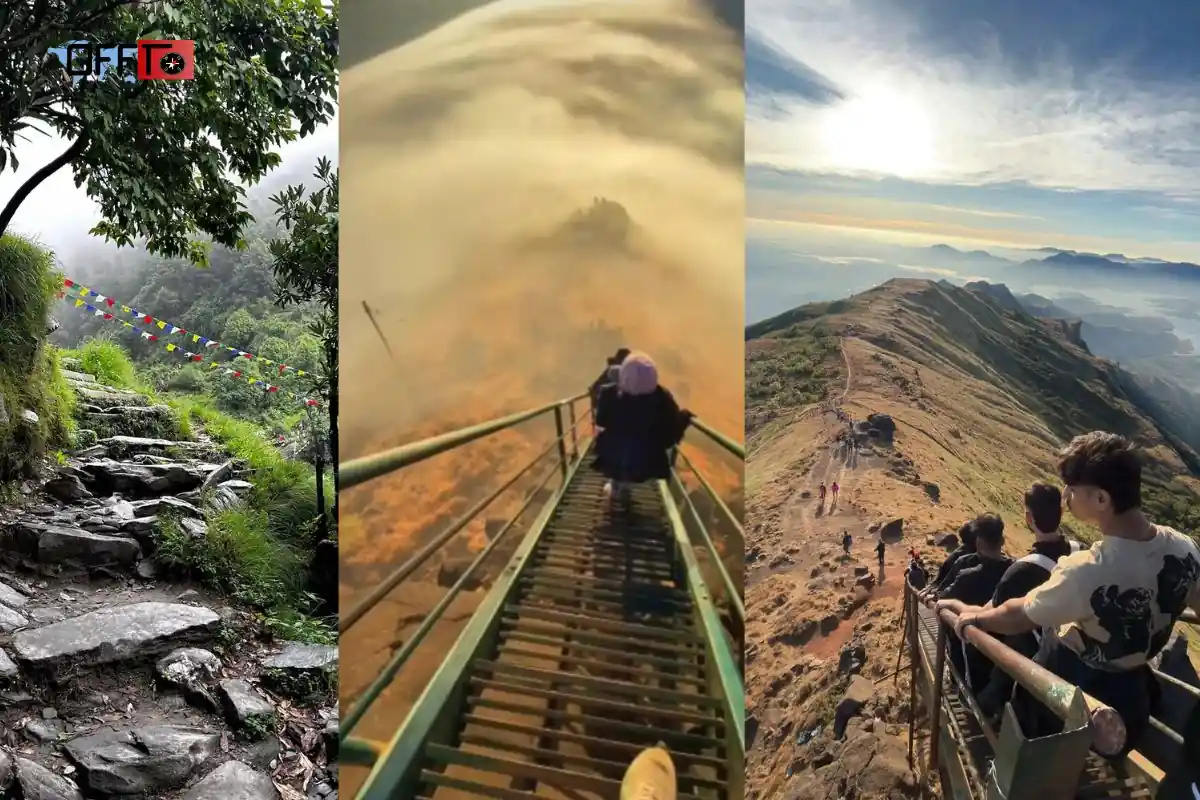
Kalsubai is a popular and well-used trek, but it still needs proper safety awareness. The route has steep sections, iron ladders, rocky steps, changing weather, and crowd pressure during weekends. A safe Kalsubai trek is not about speed; it is about pacing, preparation, and knowing when to slow down.
Ladder Safety
The ladder sections are one of the most important safety points on the Kalsubai trek. They make the steep rocky patches easier to climb, but they can become crowded, slippery, and intimidating, especially in monsoon or during night treks.
Use both hands while climbing, avoid overtaking, and keep enough space between trekkers. Do not stop midway on ladders for photos. If you are afraid of heights, take your time and let faster trekkers pass before you begin.
Monsoon Slipping Risk
Monsoon makes Kalsubai beautiful, but it also increases slipping risk. Wet rocks, muddy steps, fog, flowing water, and slippery ladder approaches can slow the entire trek. Beginners should not underestimate this just because the route is popular.
Wear shoes with strong grip, keep your hands free on difficult sections, and avoid shortcuts through wet grass or loose soil. If the rain is heavy or visibility drops, follow your trek leader’s decision instead of pushing ahead for the summit.
Night Trek Precautions
A Kalsubai night trek is exciting, but it should be done with preparation. Carry a proper headlamp or torch, keep a warm layer, walk with your group, and avoid separating from the main trail. Phone flashlights are not reliable enough for the full climb.
Night treks are not ideal for solo beginners. Low visibility makes ladders, uneven stones, and trail turns harder to judge. Go with an experienced group if this is your first Kalsubai trek.
Group Trekking Safety
Group trekking is safer when everyone follows basic discipline. Stay within the group, inform the trek leader if you feel tired, and do not rush ahead without route knowledge. Faster trekkers should not pressure slower members, especially near ladders and steep sections.
For large weekend groups, crowd management matters. Wait patiently at bottlenecks, avoid pushing on narrow trail sections, and keep children or first-time trekkers close to experienced members.
Mobile Network Reality
Mobile network can be patchy on the trail, especially after leaving Bari village and moving higher. Do not depend fully on live maps, online payments, or last-minute calls once the trek begins.
Before starting, share your plan with someone, save important numbers, charge your phone, and keep a power bank. If you are with a group, note the leader’s instructions and meeting points in case the group spreads out.
Emergency Prep
Basic emergency preparation can prevent small problems from becoming serious. Carry personal medicines, ORS, a small first-aid kit, water, snacks, and rain protection. If you have asthma, knee pain, vertigo, diabetes, or breathing issues, inform your trek leader before starting.
Turn back if you feel severe dizziness, breathlessness, chest discomfort, or unusual weakness. Reaching the summit is not more important than getting down safely.
Common Beginner Mistakes on Kalsubai Trek
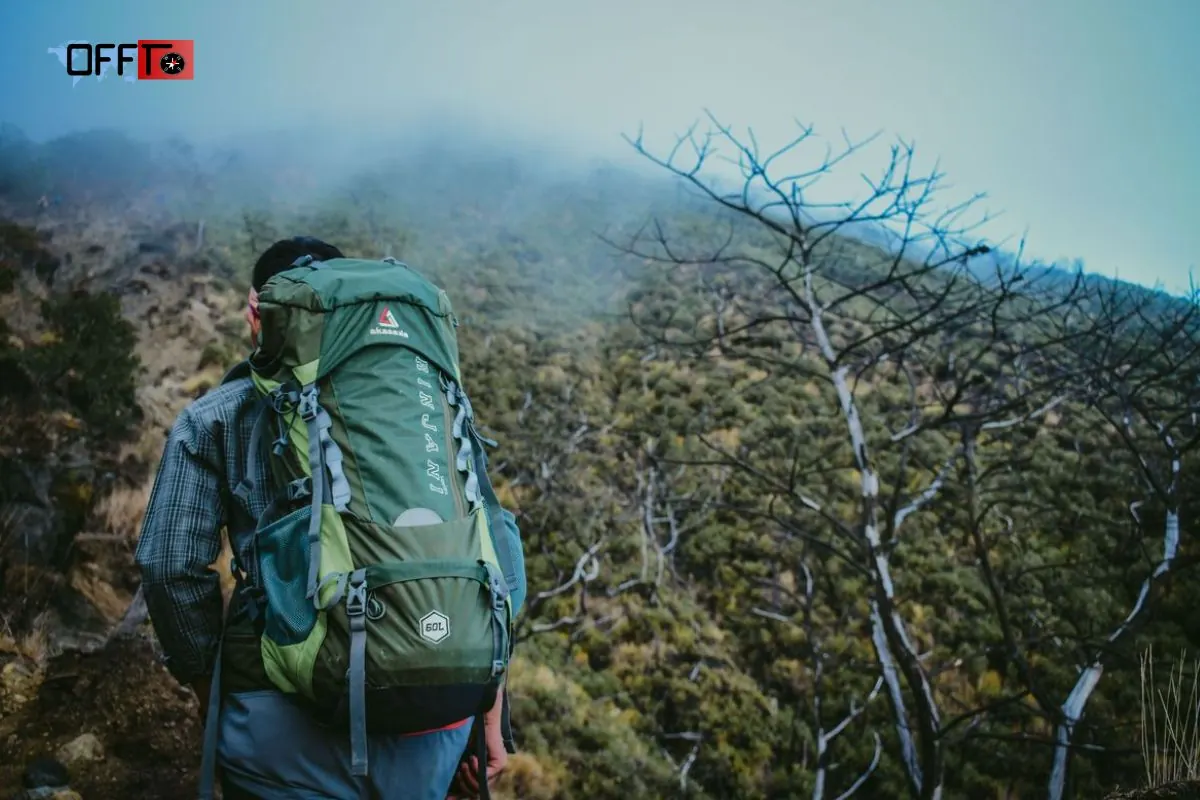
Most beginner problems on Kalsubai happen before the trek even begins. Poor footwear, late starts, weak hydration, overconfidence in monsoon, and unprepared night trekking can turn a manageable climb into a tiring or unsafe experience. Kalsubai is beginner-friendly only when beginners prepare properly.
Wrong Footwear
Wearing the wrong footwear is the biggest beginner mistake. Slippers, casual sneakers, and smooth-soled shoes can make the trail risky, especially on wet rocks and ladder approaches.
Choose trekking shoes or sports shoes with strong grip. If you are going in monsoon, footwear matters even more. A good pair of shoes can make the climb easier and the descent much safer.
Underestimating Difficulty
Many first-time trekkers assume Kalsubai is easy because it is popular. In reality, the trek has steady elevation gain, ladders, rocky sections, and a long descent. The distance may look manageable, but the climb can still test stamina.
Train lightly before the trek with walking, stairs, or basic cardio. If you rarely walk, do not treat Kalsubai as a casual weekend stroll.
Poor Hydration
Poor hydration can cause fatigue, cramps, headache, and slower movement. Beginners often carry too little water because they assume they can buy supplies throughout the trail.
Carry enough water from Bari village and sip regularly instead of waiting until you feel thirsty. During summer or humid weather, carry extra water and ORS. Hydration is especially important before the descent.
Starting Too Late
Starting too late can make the trek harder and riskier. The climb becomes hotter during the day, crowds build up near ladders, and descent may get delayed. Late starts are especially problematic in monsoon when fog and rain can reduce visibility.
For day treks, start early from Bari. For night or sunrise treks, follow the group schedule closely and do not delay departure.
Night Trek Without Prep
Night trekking without preparation is a common mistake. Some beginners join night treks for sunrise photos but forget that they will be climbing in darkness, cold wind, and low visibility.
Carry a headlamp, warm layer, snacks, and enough water. Avoid solo night attempts if you are new to trekking. The sunrise is worth it only when the climb and descent are managed safely.
Monsoon Overconfidence
Monsoon overconfidence can be dangerous on Kalsubai. The trail looks stunning in rain, but wet ladders, slippery stones, mud, and crowding can make the trek more difficult than expected.
Do not run on wet sections, step off the trail for photos, or ignore local warnings. In monsoon, slow trekking is smart trekking. The best experience comes from respecting the weather, not fighting it.
Places to Visit Near Kalsubai
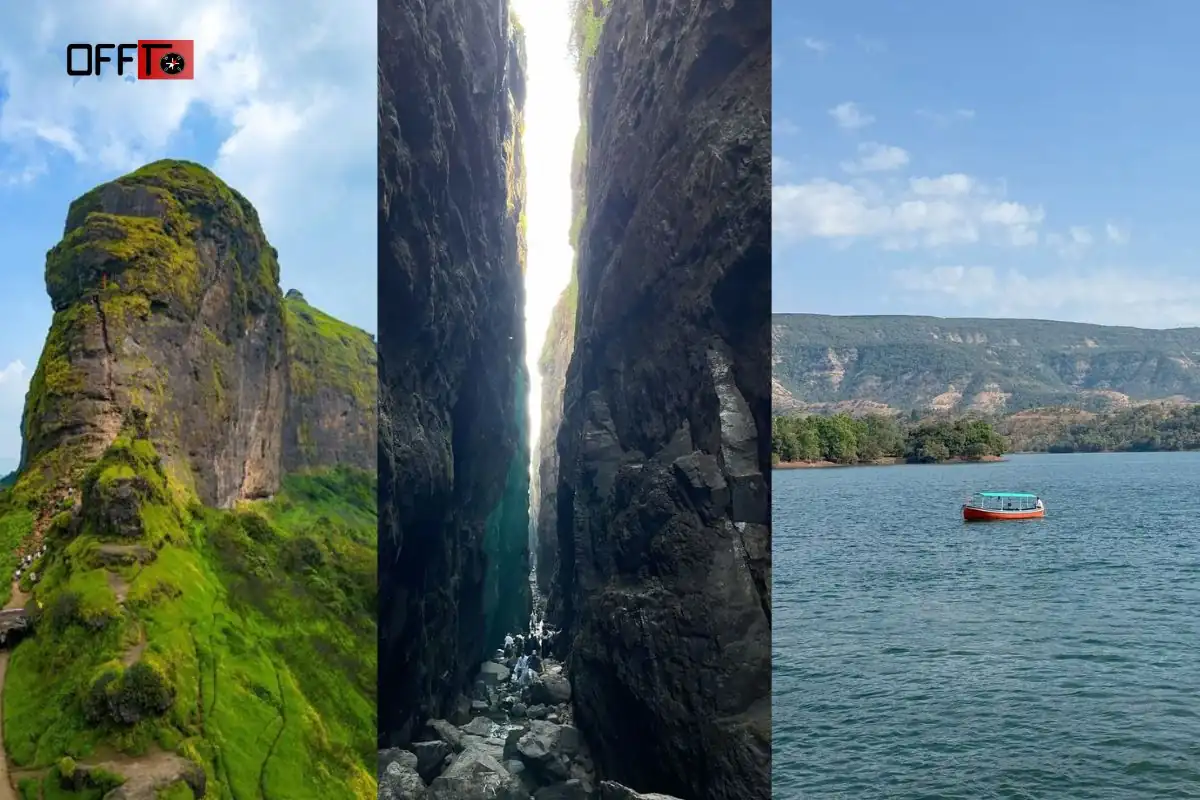
The best places to visit near Kalsubai are mostly around the Bhandardara and Kalsubai-Harishchandragad region. If you have extra time after the trek, you can add Bhandardara, Arthur Lake, Randha Falls, Ratangad Fort, Harishchandragad, or Sandhan Valley depending on your route, season, energy, and local access conditions. Maharashtra Tourism describes the Bhandardara region as a mix of natural beauty, Arthur Lake, waterfalls, and the Kalsubai trek, making it a natural base for a longer weekend plan.
Bhandardara
Bhandardara is the most practical add-on near Kalsubai. It works well as a base for travelers who want to combine the trek with lakeside stays, waterfalls, scenic drives, and a slower weekend in the Sahyadris. It is especially useful if you do not want to return immediately after the climb.
For a relaxed plan, do Kalsubai first, rest after the descent, and keep Bhandardara for the evening or next morning. This avoids turning the day into a tiring checklist.
Arthur Lake
Arthur Lake is one of the most calming places near Kalsubai and Bhandardara. It is better for slow travel than adventure, especially after a physically demanding trek. The lake setting works well for families, couples, and travelers who want a peaceful pause after summit fatigue.
If your Kalsubai trek starts or ends near Bhandardara, Arthur Lake is easy to include without overloading the itinerary.
Randha Falls
Randha Falls is a popular waterfall attraction in the Bhandardara region and is often listed among the key places to visit around Bhandardara along with Arthur Lake, Wilson Dam, Kalsubai Peak, and Ratangad Fort.
Visit Randha Falls only if weather and local access are suitable. During heavy monsoon periods, waterfall zones can become risky because of slippery rocks, strong water flow, and crowding. Keep this as a scenic add-on, not a forced stop.
Ratangad Fort
Ratangad Fort is a strong option for trekkers who want another Sahyadri fort experience near Bhandardara. Maharashtra Tourism lists Ratangad as a trekking destination near the Bhandardara region and notes that it lies in the Kalsubai-Harishchandragad Wildlife Sanctuary.
Do not combine Ratangad with Kalsubai on the same day unless you are very experienced and have a clear plan. It is better treated as a separate trek or part of a longer Bhandardara trekking weekend.
Harishchandragad
Harishchandragad is one of Maharashtra’s most famous trekking forts and is best planned as a separate trip. It is more demanding than a casual add-on and deserves its own route, timing, and preparation. Travel listings describe Harishchandragad as a popular trekking destination with historic temples and fort views.
If Kalsubai is your first major trek, do not rush into Harishchandragad the same weekend. Build experience first, then plan it properly.
Who Should Avoid Kalsubai Trek?
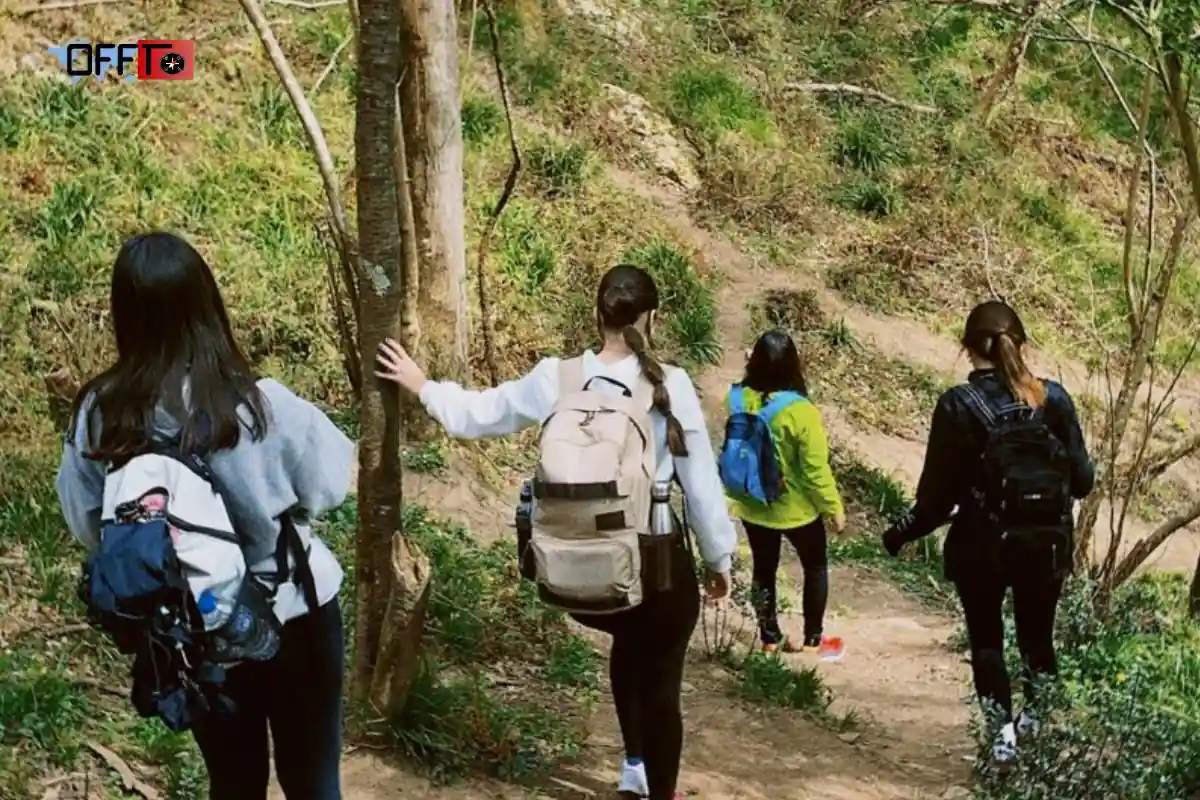
Kalsubai Trek is rewarding, but it is not suitable for everyone. People with a strong fear of heights, serious knee problems, very low stamina, poor balance, or discomfort on ladders should think carefully before attempting it. The trail has steep sections, ladders, and safety railings, and local trek information recommends trekking with a guide, especially during foggy or crowded conditions.
Travellers with Fear of Heights
If you are uncomfortable with heights, Kalsubai can feel stressful because of the ladder sections and exposed upper trail. The ladders make the climb easier, but they can still feel intimidating when there is crowding, wind, rain, or two-way movement.
This does not mean every person with mild fear should avoid it. But if ladders or exposed climbs make you freeze, choose an easier Sahyadri trek first.
People with Knee Issues
Kalsubai is harder on the knees during descent than many beginners expect. The climb gets attention, but the downhill return involves steps, rocks, ladders, and repeated impact on tired legs.
If you have knee pain, weak joints, or past injuries, use trekking poles, go slowly, and consult a doctor if needed. Avoid the trek in monsoon if slippery terrain increases your risk.
Very Young Kids and Elderly Travelers
Kalsubai may not be ideal for very young children or elderly travelers with mobility, balance, or stamina limitations. The route is popular, but it still involves a long climb, ladders, uneven ground, and changing weather.
Older children with trekking interest and active fitness may enjoy it with guidance. For families, the safest version is a day trek in good weather with an experienced group.
Absolute Beginners with No Fitness Base
Absolute beginners can do Kalsubai only if they are reasonably active and prepared. If someone does not walk regularly, cannot climb stairs comfortably, or has never done a long outdoor activity, Kalsubai may feel overwhelming.
A better approach is to start with easier treks, build stamina, and then attempt Kalsubai. The summit is more enjoyable when you are not struggling from the first hour.
Monsoon First-Timers
Monsoon first-timers should be careful with Kalsubai. The route becomes beautiful, but rain also brings slippery rocks, muddy patches, fog, crowding, and ladder congestion. Recent reporting on the Kalsubai-Harishchandragad sanctuary region noted monsoon safety restrictions at hazardous nearby spots due to slippery conditions and accident risk.
If Kalsubai is your first monsoon trek, go with a reputed group, wear proper shoes, avoid risky photos, and be ready to turn back if weather or local instructions make the trek unsafe.
Kalsubai Trek Budget Guide
A Kalsubai trek can be planned as a low-budget public-transport trip, a self-drive weekend, a guided group trek, or a camping-based experience near Bari village. Your total cost depends mainly on transport, food, guide support, camping, season, and whether you are starting from Mumbai, Pune, Nashik, or directly from the base village. Kalsubai is located near Bari village and is commonly approached from Mumbai, Pune, Nashik, Kasara, and Igatpuri-side routes.
Self-Drive Cost
Self-drive is usually the most flexible option for groups, especially if you are travelling from Mumbai, Pune, Nashik, Igatpuri, or Bhandardara. The main costs are fuel, tolls, parking if applicable, food, and any local guide or campsite expense. Maharashtra Tourism places Kalsubai around 152 km from Mumbai and 180 km from Pune, so fuel cost will vary based on vehicle type and starting point.
Self-drive works best if you are comfortable with early starts, night driving, rural roads, and post-trek fatigue. For night treks, make sure the driver is well-rested before the return journey.
Public Transport Budget
Public transport is the most budget-friendly way to reach Kalsubai, but it needs more coordination. A common route from Mumbai is to take a train to Kasara, then continue by shared jeep, local taxi, or bus toward Bari village. Traveler reports mention Kasara-to-Bari bus and shared-jeep options, but timings and prices can change, so verify locally before depending on them. (tripadvisor.in)
This option is good for experienced budget travelers and small groups. It may feel inconvenient if you are carrying camping gear, travelling with family, or planning a night trek.
Guided Trek Cost
Guided trek costs vary by operator, pickup city, transport type, meals, and inclusions. Recent operator listings show base-village-only Kalsubai trek options from around ₹499–₹699, Kasara pickup options around ₹999–₹1,099, and Mumbai bus-based packages around ₹1,399 or more. Treat these as market examples, not fixed prices. (bhatakna.com, trekhievers.com, treksandtrails.org)
A guided trek is often worth it for beginners, night trekkers, monsoon trekkers, and solo travelers who want route support, group safety, transport coordination, and basic meal planning.
Camping Budget
Kalsubai camping costs depend on whether you book a simple village-side stay, tent camping near Bari, or a group trek with transport and meals included. Many group camping or night-trek packages bundle the trek, transport, meals, tents, and guide support, while local camping may be cheaper but less standardized.
Before booking, check what is included: tent sharing, bedding, dinner, breakfast, washroom access, guide, parking, and transport. A low price may not be good value if the campsite is poorly managed or food and safety support are weak.
Food Estimates
Food costs can stay low if you carry snacks and eat simple meals near Bari village. For a self-planned trek, budget separately for breakfast, packed snacks, tea, and a post-trek meal. If you join a guided trek, check whether breakfast, lunch, or dinner is included.
Carry energy snacks, water, and ORS even if meals are part of your package. Food delays are common on busy weekends, and you should not start or descend the trek with low energy.
Budget vs Premium Trip
A budget Kalsubai trip usually means public transport to Kasara, shared local transport to Bari, self-carried snacks, and a no-frills climb. This works for experienced trekkers who are comfortable managing route timing and local transport.
A more comfortable trip includes private transport or group pickup, guide support, meals, camping, and better timing for sunrise or night trekking. For most first-time trekkers, the best value is not the cheapest option; it is the one that gives you safe transport, route clarity, food, and enough support to complete the trek comfortably.
FAQs
Where is Kalsubai located?
Kalsubai is located in Maharashtra, near Bari village in the Bhandardara–Igatpuri region of the Sahyadri range. Bari village is the main base point for the Kalsubai trek and is where most trekkers start the climb. The peak is accessible from Mumbai, Pune, Nashik, Kasara, and Igatpuri by road and public transport combinations.
Where is Kalsubai Peak?
Kalsubai Peak is in the Western Ghats of Maharashtra, near Bari village and close to the Kalsubai-Harishchandragad Wildlife Sanctuary region. For travelers, the easiest way to locate it is through Bari village, which serves as the standard trek base. The mountain is also connected with the Bhandardara area and overlooks the surrounding Sahyadri landscape.
How high is Kalsubai Peak?
Kalsubai Peak is about 1,646 metres, or around 5,400 feet, making it the highest peak in Maharashtra. This is why it is often called the “Everest of Maharashtra.” The height gives the trek its summit appeal, but the climb is still achievable for prepared beginners because the main Bari route has established paths and ladder sections.
What is the Kalsubai trek distance?
The Kalsubai trek distance from Bari village is commonly listed at about 6.6 km one way, making the round trip around 13 km depending on exact route movement and summit access. The distance may sound manageable, but the steady elevation gain, ladders, rocky patches, and descent make it feel more demanding than a flat walk.
Is Kalsubai trek difficult?
Kalsubai trek is usually considered moderate. It is doable for fit beginners, but it is not an effortless walk. The climb includes uphill stretches, ladders, rocky sections, and a long descent. Monsoon can make the trek harder because of mud, wet ladders, fog, and crowding. Basic fitness, good shoes, hydration, and steady pacing are important.
Is Kalsubai safe at night?
Kalsubai can be done as a night trek, but it is safest with a guide or organized group. Night trekking gives a strong sunrise experience, but low visibility makes ladders, uneven paths, and trail turns harder to judge. Carry a headlamp, warm layer, water, snacks, and avoid solo night attempts if you are a beginner.
Can beginners do the Kalsubai trek?
Yes, beginners can do the Kalsubai trek if they are reasonably active and prepared. The trail is popular and has ladders at difficult patches, but the climb still needs stamina. Beginners should avoid poor footwear, late starts, and monsoon overconfidence. A guided group is a good idea for first-timers, especially for night treks or rainy-season climbs.
What is the best time to visit Kalsubai?
The best time to visit Kalsubai is generally October to February for cooler weather, better visibility, and safer trekking conditions. Monsoon is popular for greenery, clouds, and waterfalls, but it also brings slippery trails and fog. Summer is possible with an early start, but the exposed climb can feel hot and tiring.
How long does the Kalsubai trek take?
The Kalsubai trek usually takes around 3–4 hours to climb and additional time to descend. Many trek operators estimate the full trek at roughly 7–8 hours, depending on fitness, crowding, weather, breaks, and summit time. Night treks may follow a different schedule because groups aim to reach the summit before sunrise.
Is camping allowed near Kalsubai?
Camping is commonly arranged near Kalsubai, especially around Bari village and nearby base-side campsites, usually through local operators or trekking groups. Travelers should not assume they can pitch tents anywhere on the mountain. Managed camping is safer because it helps with meals, washrooms, trek timing, guide coordination, and weather-related planning.
What should I carry for Kalsubai trek?
Carry trekking shoes with grip, water, energy snacks, torch or headlamp, rain gear, warm layer, gloves, first aid, and a power bank. For monsoon, add waterproof pouches and a bag rain cover. For night or sunrise treks, a headlamp and warm layer are especially important because ladders and summit waiting time can become uncomfortable.
Is Kalsubai better in monsoon or winter?
Kalsubai is better in monsoon if you want greenery, mist, waterfalls, and a dramatic Sahyadri mood. It is better in winter if you want clearer views, safer trails, sunrise trekking, and easier walking conditions. Beginners usually find winter more comfortable, while monsoon suits trekkers who are prepared for slippery paths, fog, rain, and crowds.
Read more >>>
Best Time to Visit Mahabaleshwar – Seasonal Guide for Travellers
Best Hill Station in India – Highest & Most Beautiful Places
Final Verdict: Is Kalsubai Trek Worth Doing?
Yes, Kalsubai Trek is worth doing if you want a memorable Maharashtra summit experience with height, views, ladders, sunrise, and a real sense of achievement. It is popular for a reason: it gives weekend trekkers a chance to climb the highest peak in Maharashtra without needing technical mountaineering skills.
It is best for summit chasers, weekend trekkers, sunrise seekers, adventure travelers, and group night trekkers who are ready for a proper climb. It may not suit people who dislike ladders, have knee issues, fear heights, or expect an easy hill walk.
The best way to enjoy Kalsubai is to choose the right season, start prepared, respect the trail, and avoid treating the trek casually just because it is popular. For most first-time trekkers, a guided winter or post-monsoon trek offers the best balance of safety, views, and achievement.
Plan Your Kalsubai Trek with Offto Travellers
Kalsubai is not just another weekend trek. It is Maharashtra’s highest peak, a sunrise favourite, a night-trek classic, and a climb that feels truly rewarding when planned well. But the best experience depends on choosing the right season, route, stay, transport, group, and trek timing.
With Offto Travellers, you can explore more Sahyadri trek guides, compare weekend getaways from Mumbai, Pune, and Nashik, and plan your Kalsubai trip with better clarity. Whether you are preparing for a sunrise climb, a monsoon trek, a winter summit, or a camping weekend near Bari village, Offto helps you turn inspiration into a practical travel plan.
You can also Book stays near Bari village, Bhandardara, Igatpuri, or nearby trek-friendly bases so your Kalsubai experience starts smoothly. Choose a stay that matches your travel style—budget, comfortable, camping-friendly, group-friendly, or scenic—and plan your trek around the right start time, weather, and recovery space after the climb.
Explore Kalsubai with Offto Travellers and Book stays that keep you close to the trail, the summit experience, and the best Sahyadri weekend escapes.
Sign up
Leave a Reply