
Harishchandragad is a must-do trek in Maharashtra, offering breathtaking views, historical fort ruins, and a thrilling adventure. From the iconic Kokan Kada cliff to the serene sunrise at Taramati Peak, this trek is perfect for adventure seekers, photographers, and campers. Plan your journey with Offto Travellers, explore the best routes, and book your stay for an unforgettable experience!
Where is Harishchandragad?
Harishchandragad is a prominent hill fort located in the Sahyadri mountain range in the state of Maharashtra, India. Situated in the Ahmednagar district, it’s positioned near the popular Nashik–Pune region. This trek is a haven for adventure seekers, offering both challenging ascents and mesmerizing views from the summit.
The fort stands at an altitude of approximately 4,670 feet, providing panoramic views of the surrounding valleys and peaks. Harishchandragad is most easily accessed from three base villages: Pachnai, Khireshwar, and Belpada. These villages serve as the starting points for the trek, each offering a different route, varying in difficulty and duration.
- Distance from Mumbai: ~200 km (5–6 hours by road)
- Distance from Pune: ~160 km (4–5 hours by road)
- Distance from Nashik: ~85 km (2–3 hours by road)
For those traveling by public transport, the nearest major town is Igatpuri, from where local buses or private vehicles can be hired to reach the base villages. Whether you’re coming from Mumbai, Pune, or Nashik, Harishchandragad is a feasible weekend getaway for trekkers and nature enthusiasts looking to explore Maharashtra’s rugged beauty.
Why is Harishchandragad Famous? (What Makes It Special?)
Harishchandragad is one of Maharashtra’s most beloved trekking destinations, primarily due to its combination of natural beauty, historical significance, and unique landscapes. Here’s why it’s so special:
Kokan Kada Cliff (Iconic Concave Cliff View)
One of the primary draws of the Harishchandragad trek is the spectacular Kokan Kada, a giant, concave cliff that offers one of the most breathtaking views in the Sahyadri range. Standing at the edge of Kokan Kada, trekkers are treated to a dramatic, almost surreal view of the surrounding valleys, especially during sunset when the sky lights up in hues of orange and pink. The sheer drop of over 1,000 feet below adds to the sense of awe and wonder, making it an ideal spot for photographers and nature lovers alike.
Ancient Harishchandragad Fort & Temples
Dating back to ancient times, the Harishchandragad Fort is a key historical site with roots that stretch back to the Rashtrakuta dynasty. The fort features a series of temples, including the Harishchandreshwar Temple, dedicated to Lord Shiva, which sits majestically atop the fort. The temple is not only a spiritual hub but also a testament to the fort’s rich cultural heritage. The fort’s architecture, though in ruins, offers an intriguing glimpse into India’s medieval past.
Camping, Stargazing & Sunrise Views
Beyond the trek, Harishchandragad is an exceptional destination for those interested in camping and stargazing. Its remote location, far from city lights, provides crystal-clear skies that are perfect for stargazing, especially during the clear winter nights. The summit of Harishchandragad is one of the best places in Maharashtra for catching a magnificent sunrise, with the sun casting its first rays across the vast expanse of the Sahyadri mountains.
Expectation vs. Reality: A Long Trek with a Rewarding Summit
While the trek to Harishchandragad can be demanding, especially for those taking the more challenging routes like Nalichi Vaat, the summit rewards all efforts with stunning views, peaceful surroundings, and a sense of achievement. The trek may take anywhere from a single day to an overnight journey, but no matter how long it takes, reaching the top offers a gratifying experience that far outweighs the physical exertion.
Harishchandragad Trek Overview (Before You Go)
Harishchandragad is a trek that offers something for everyone, from first-time trekkers to experienced adventurers. The difficulty level of the trek largely depends on the route you choose, which allows trekkers to tailor the experience to their fitness level and preference.
Trek Type: Easy to Difficult (Depends on the Route)
The Harishchandragad trek can be classified as ranging from easy to difficult, based on the route selected:
- Pachnai Route (Easiest): This is the most popular and straightforward route, making it the ideal option for first-time trekkers or those looking for a shorter, less challenging experience. The trail is well-marked and takes around 4-5 hours to ascend to the top, making it a feasible option for a day trip.
- Khireshwar Route (Moderate): A step up in difficulty, this route is slightly longer and more strenuous. It is popular among those who want a slightly more challenging experience while still being manageable for most trekkers. This route takes around 5-6 hours to ascend.
- Nalichi Vaat Route (Difficult): For seasoned trekkers, the Nalichi Vaat route is the most demanding. The route is technical and requires careful navigation, especially around steep, rocky sections. This route is often chosen for its adventure factor but should only be attempted by those who are well-prepared. The duration for this route varies, but it generally takes 7-8 hours to ascend, making it a more strenuous trek overall.
Duration: 1 Day vs Overnight Trek
The Harishchandragad trek can be completed either as a 1-day trek or an overnight trek, depending on your preference and the route you take.
- 1-Day Trek: If you’re short on time and prefer a quicker trek, the Pachnai route is your best bet. You can start early in the morning, reach the summit by noon, enjoy the views, and descend by late afternoon. This option is best for those who want a day trip.
- Overnight Trek: For those who want a more leisurely experience, especially if you’re interested in stargazing or catching the sunrise from Kokan Kada, an overnight trek is highly recommended. Most trekkers prefer camping near the summit to enjoy the magical sunrise and clear skies. The trek duration would typically span two days, with an overnight camp near the fort.
Who Should Attempt Harishchandragad?
Harishchandragad is suitable for a wide range of trekkers, though the difficulty of the trek depends on individual fitness and experience levels.
- Beginner Trekkers: Those who are new to trekking but are in decent physical shape can comfortably do the Pachnai route. It’s an easy route that provides an opportunity to experience the thrill of a hill fort trek without being too overwhelming.
- Intermediate Trekkers: If you’re a moderate trekker looking for a challenge, the Khireshwar route is a perfect choice. It will test your endurance but still provides a manageable path to the summit.
- Experienced Trekkers & Adventurers: For seasoned trekkers or those looking for a more technical challenge, the Nalichi Vaat route is the way to go. It requires experience and should only be attempted by those who are comfortable with rugged terrain and tricky ascents.
Harishchandragad Trek Difficulty & Safety (Most Important Section)
Understanding the difficulty level and potential risks of the Harishchandragad trek is essential for ensuring a safe and enjoyable experience. Below is a detailed breakdown of the trek’s difficulty and important safety considerations.
Route-Wise Difficulty
- Pachnai Route (Easy): This route is the easiest and most popular. It’s relatively straightforward, with a well-defined trail. There are some steep sections, but it’s manageable for beginners. The duration is typically 4–5 hours, making it a quick and relatively comfortable trek.
- Khireshwar Route (Moderate): The Khireshwar route is the most popular and is considered moderately difficult. It involves more ascents and a few tricky spots. It typically takes about 5–6 hours to reach the summit, so trekkers should have basic fitness and stamina to manage the increased difficulty.
- Nalichi Vaat Route (Difficult): This route is the toughest and requires more technical skills. Steep, rocky paths and sharp ascents make this route suitable only for experienced trekkers. The difficulty level increases significantly, making it a test of both endurance and technique. It takes about 7–8 hours, so proper preparation and awareness are essential.
Risk Factors: Long Distance, Cliffs, Night Trekking
While Harishchandragad is a beautiful trek, there are several risks that trekkers should be aware of:
- Long Distance: Depending on the route, the distance you need to cover can be demanding. Some trekkers underestimate the time and energy required, especially if they choose a more challenging route.
- Cliffs: The trek involves areas with steep drops, particularly near Kokan Kada and the fort. Trekkers need to be cautious around cliff edges, especially when it’s windy or if visibility is poor.
- Night Trekking: If you’re opting for the overnight trek, be prepared for the challenges of trekking in the dark. While the route is generally well-marked, night trekking can be disorienting, and it’s easy to lose the trail, particularly in foggy conditions.
Safety tips (water, navigation, group trekking)
- Water: The trek can be physically demanding, and staying hydrated is crucial. There are limited water sources on the trail, so it’s advisable to carry enough water for the entire journey.
- Navigation: The trails, while well-traveled, can still be confusing in certain areas. Carry a map, GPS, or better yet, trek with a guide if you’re unfamiliar with the terrain.
- Group Trekking: It’s always safer to trek with a group. Harishchandragad, especially on more difficult routes, can be isolating, so having a group ensures that help is available in case of emergencies.
- Proper Gear: Comfortable trekking shoes, a headlamp (if trekking overnight), and sufficient food are essential. Don’t forget to carry a first-aid kit and other basic safety gear.
Direct Answers
- Is Harishchandragad a difficult trek?
The difficulty of the Harishchandragad trek depends on the route. The Pachnai route is easy, suitable for beginners, while the Nalichi Vaat route is challenging and requires experience in trekking.
- Is it safe for beginners?
Yes, Harishchandragad is safe for beginners, especially if you opt for the Pachnai route, which is easier and well-marked. However, it’s important to be physically prepared and take necessary safety precautions like carrying enough water and using proper trekking gear.
Harishchandragad Height, Distance & Trek Time
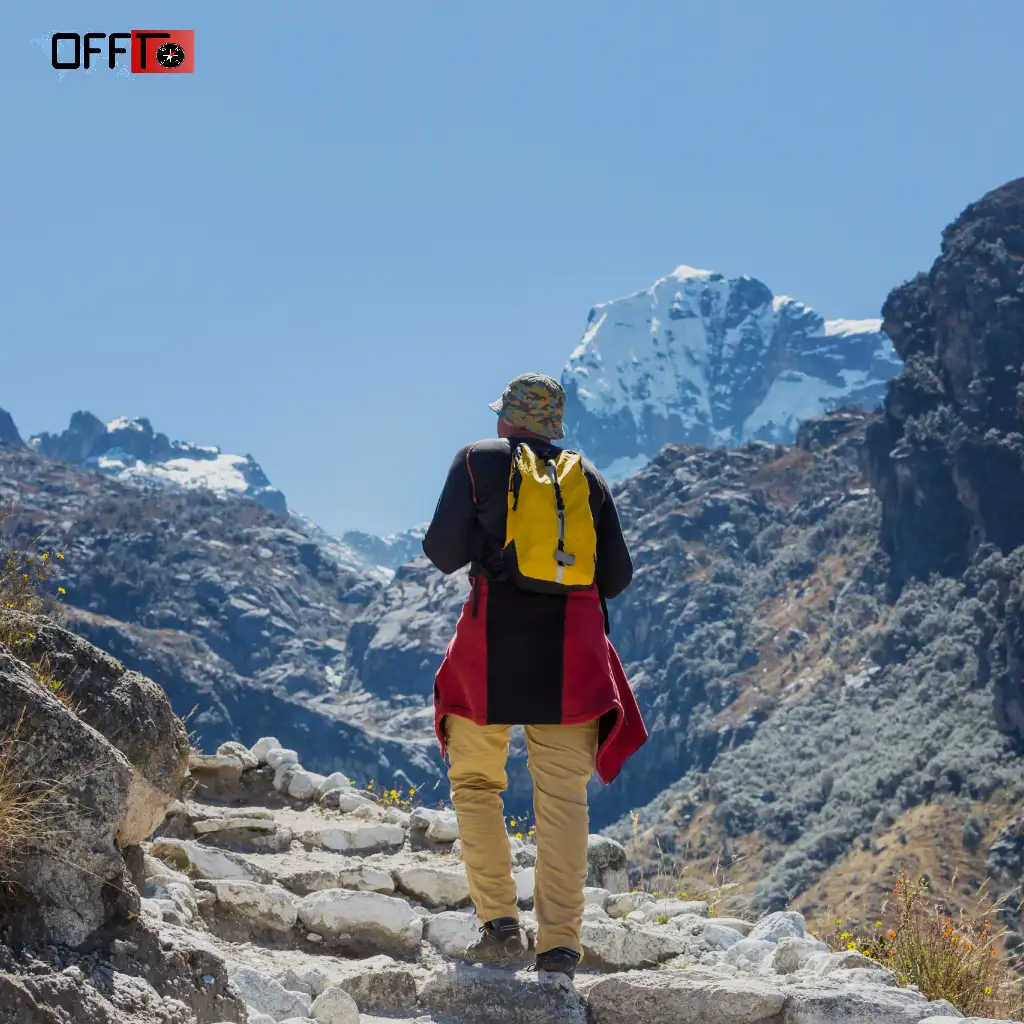
Height: ~4,670 ft
Harishchandragad stands at an impressive height of approximately 4,670 feet above sea level, offering trekkers breathtaking panoramic views from the summit. This elevation places it among the higher peaks in the Sahyadri range, giving trekkers the perfect combination of a challenging ascent and rewarding vistas once at the top. Whether you’re trekking for the views or the adventure, the summit of Harishchandragad offers a sense of accomplishment that’s worth the effort.
Trek Distance by Route
The trek distance can vary significantly based on the route you choose. Here’s a breakdown of the trek distance for each of the primary routes:
- Pachnai Route (Easiest & Shortest)
The distance from Pachnai village to the summit of Harishchandragad is around 6 kilometers. It’s the most accessible route, ideal for those who want to enjoy a relatively shorter but still rewarding trek.
- Khireshwar Route (Most Popular)
From Khireshwar village to the top, the distance is approximately 7 kilometers. This route is the most commonly used and offers a moderate challenge, especially for trekkers looking for a more extended trek than the Pachnai route but not as technical as the Nalichi Vaat route.
- Nalichi Vaat Route (Technical & Toughest)
The Nalichi Vaat route is the longest and most difficult, covering 9–10 kilometers to the summit. The steep and technical terrain, combined with the longer distance, makes this route suitable for more experienced trekkers seeking a real challenge.
Time Required (Ascent + Descent)
The time required for the Harishchandragad trek depends on the route, the pace of the trekker, and the weather conditions. Here’s a general estimate of the time required for both ascent and descent:
- Pachnai Route:
- Ascent Approximately 4–5 hours
- Descent: Approximately 3–4 hours
This route is perfect for trekkers who want to complete the trek in a single day.
- Khireshwar Route
- Ascent: Approximately 5–6 hours
- Descent: Approximately 4–5 hours
This is a slightly longer and more strenuous trek, ideal for those looking for a bit of challenge without it being overly taxing.
- Nalichi Vaat Route
- Ascent: Approximately 7–8 hours
- Descent: Approximately 5–6 hours
For experienced trekkers, this route can be very rewarding, but it demands careful planning and stamina to complete the trek in one day.
Harishchandragad Trek Routes (Which One to Choose?)

Pachnai Route (Easiest & Shortest)
The Pachnai route is the shortest and easiest route to reach the summit of Harishchandragad. It’s ideal for beginners or those who want to complete the trek in a single day with less physical strain. The path is relatively straightforward, with well-defined trails, and it takes approximately 4–5 hours to reach the top. If you’re looking for a more relaxed experience and want to explore Harishchandragad without the technical challenges, the Pachnai route is your best choice.
Best For
- Beginners
- Trekkers with limited time
- Those looking for a less strenuous trek
Khireshwar Route (Most Popular)
The Khireshwar route is the most popular and widely used route. It is considered to be moderately challenging, offering a balance between adventure and ease. With a distance of 7 kilometers from the base to the summit, this route provides a good workout and offers beautiful views along the way. It’s perfect for intermediate trekkers or those who want a more fulfilling trekking experience than the Pachnai route without venturing into highly technical terrain.
Best For
- Intermediate trekkers
- Those looking for a more rewarding challenge
- Trekkers who enjoy a slightly longer, but manageable, hike
Nalichi Vaat Route (Technical & Toughest)
The Nalichi Vaat route is the most challenging and technical route to Harishchandragad. It’s a 9–10 kilometer trek that involves rocky, steep, and often treacherous paths. The route is best suited for seasoned trekkers who are comfortable navigating difficult terrain. If you’re seeking an adrenaline-filled challenge with an increased level of difficulty, this route will give you the adventure you crave. The reward, however, is worth every step, with stunning views and a sense of accomplishment when you reach the top.
Best For
- Experienced trekkers
- Adventure seekers
- Those looking for a challenging, technical trek
Which Route Should You Choose?
- If you’re a beginner or prefer a less physically demanding experience, the Pachnai route is the way to go.
- For intermediate trekkers, looking for a moderate challenge and a more immersive experience, the Khireshwar route will provide the perfect balance.
- If you’re an experienced trekker in search of a physically demanding adventure with technical challenges, the Nalichi Vaat route is ideal.
No matter the route you choose, each one leads to the iconic summit of Harishchandragad, offering incredible views and an unforgettable trekking experience. The route you select will depend on your fitness level, the kind of challenge you’re seeking, and the amount of time you have.
What to See on Harishchandragad Fort (Top Highlights)
The trek to Harishchandragad is not only about reaching the summit, but also about soaking in the rich history, serene landscapes, and breathtaking views along the way. Here are the top highlights that make Harishchandragad Fort an unforgettable experience:
Kokan Kada (Sunset + Cloud Inversion)
One of the most iconic features of Harishchandragad is the Kokan Kada cliff, a massive concave wall that offers a dramatic view of the surrounding landscape. This spot is famous for its stunning sunset views, where the sky is painted in warm hues of orange and pink as the sun dips behind the hills. However, the true magic of Kokan Kada occurs in the early mornings or after heavy rains when a cloud inversion takes place. This rare phenomenon creates a sea of clouds in the valley below, with the peaks of the mountains poking through the mist, giving you the feeling of standing above a vast ocean of clouds.
Best Time to Visit
- Sunset: For a spectacular view of the sunset, plan to reach Kokan Kada by late afternoon.
- Cloud Inversion: Monsoon or post-monsoon months offer the best chance to witness the cloud inversion.
Harishchandreshwar Temple
At the summit of Harishchandragad, you’ll find the ancient Harishchandreshwar Temple, dedicated to Lord Shiva. This temple, dating back centuries, is not only a spiritual site but also a reminder of the fort’s rich history. The temple’s architecture, though worn with age, remains an important cultural landmark. The surroundings of the temple offer a tranquil atmosphere, perfect for reflection and moments of peace after a long trek.
Notable Features
- The temple features intricate carvings and sculptures that reflect the architectural style of the region.
- A peaceful place to rest and enjoy the historical aura of the fort.
Taramati Peak (Highest Point)
For those seeking the highest vantage point, Taramati Peak is the place to be. Standing as the highest point of Harishchandragad, it provides sweeping views of the entire Sahyadri mountain range. The peak is named after the legend of Taramati, a woman warrior, whose courage is celebrated in the region. Reaching the peak requires a short but steep climb, and from here, you can view the entire landscape of the western ghats, rolling hills, deep valleys, and distant waterfalls.
Why Visit
- It’s the highest point on the fort, making it the best spot for panoramic photography.
- Offers breathtaking views that make the climb worthwhile.
Kedareshwar Cave
The Kedareshwar Cave, located near the Harishchandreshwar Temple, is another fascinating site on the fort. The cave is home to a massive Shiva Lingam, a symbolic representation of Lord Shiva, set in a natural cave formation. This cave, surrounded by rocks and trees, exudes a peaceful and almost mystical atmosphere. For trekkers, visiting this site offers a sense of spiritual serenity amidst the rugged terrain.
Why Visit
- The large Shiva Lingam inside the cave is one of the fort’s most revered and sacred spots.
- The cave itself is an excellent example of nature’s power to shape the landscape into sacred spaces.
Harishchandragad Weather & Temperature Explained
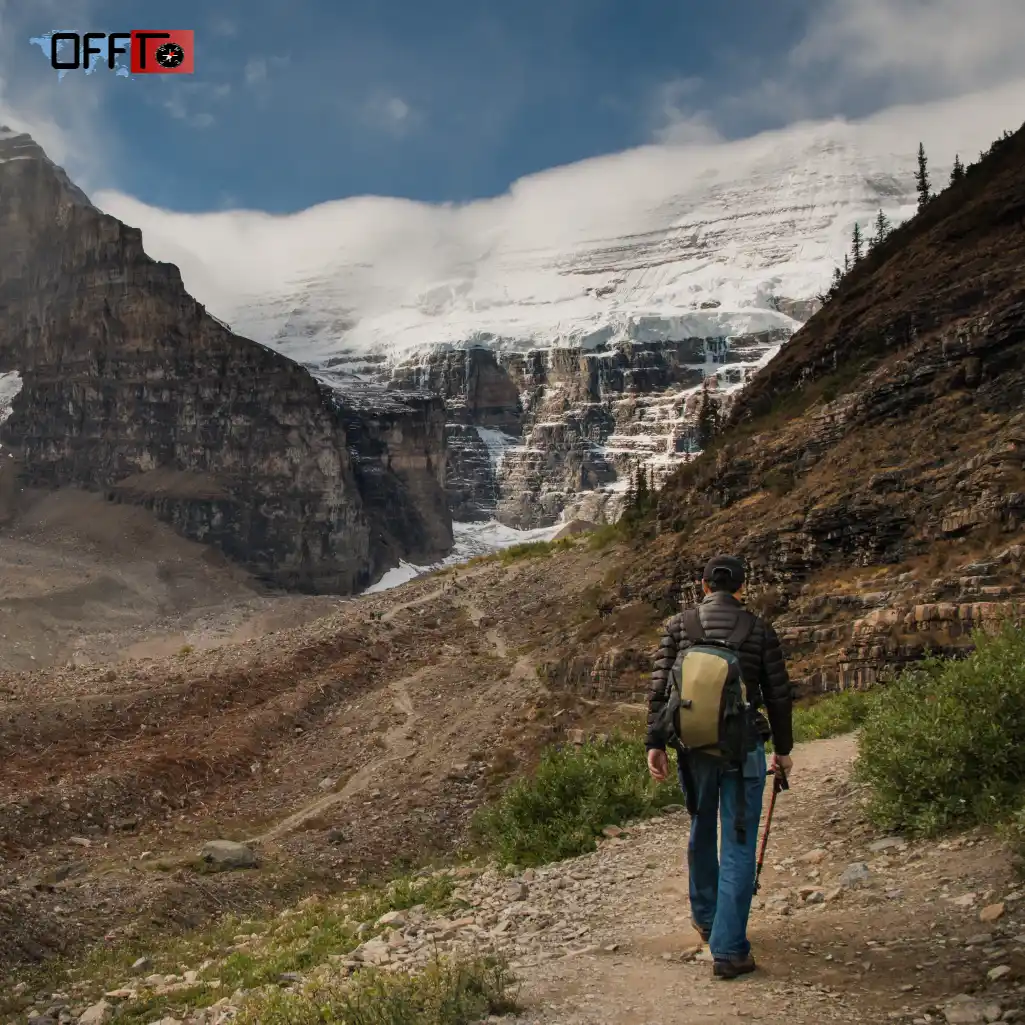
Understanding the weather and temperature of Harishchandragad is crucial for a safe and enjoyable trek. The climate at the summit can vary greatly depending on the time of year, so it’s important to plan accordingly. Here’s a breakdown of what you can expect throughout the year:
Month-Wise Weather Breakdown
- Monsoon (June to September): The monsoon season brings heavy rainfall to Harishchandragad, transforming the surrounding landscape into a lush, green paradise. While the scenery is beautiful, trekking during the monsoon comes with its own set of challenges. The trails can become slippery, and the routes may be covered in thick mist. The trek during this time is recommended only for experienced trekkers who are comfortable with wet and muddy conditions.
- Temperature Range: 18°C to 25°C
- Winter (October to February)
Winter is arguably the best time to visit Harishchandragad. The weather is cool and pleasant, making the trek enjoyable without the intense heat or rain. This is also the best time for camping, stargazing, and sunrise photography. Nights can get chilly, so packing warm clothing is essential. - Temperature Range: 10°C to 20°C
- Summer (March to May)
The summer months can get quite hot, with temperatures reaching as high as 35°C during the day. While the skies are clearer, the harsh sun can make the trek difficult. The heat can also make it challenging for trekkers, especially on the ascent. If you plan to visit during this time, be sure to carry plenty of water and wear protective gear such as hats and sunscreen. - Temperature Range: 20°C to 35°C
Night Temperatures (Important for Camping)
If you’re planning to camp near the summit or stay overnight, it’s essential to be prepared for the drop in temperature at night. The higher you go, the colder it gets. During the winter months, night temperatures can dip to as low as 5°C, and in monsoon, they hover around 10°C. Even in summer, the temperature can fall to around 15°C at night. Be sure to carry adequate camping gear, including a sleeping bag, a warm jacket, and a waterproof tent for those chilly nights.
Visibility Conditions
- Monsoon: Visibility can be significantly reduced due to thick fog and rain. While the mist can create a mystical atmosphere, it can also make navigation more difficult.
- Winter: This is the best time for visibility, as clear skies and crisp air provide a panoramic view of the surrounding landscapes.
- Summer: The skies are often clear, but the heat can create a hazy effect, especially in the afternoons.
Harishchandragad’s unique weather conditions make it a dynamic trekking destination throughout the year, with each season offering a different experience. Whether you’re hiking through the lush green landscape of the monsoon, enjoying the cool winter nights, or tackling the summer heat, the weather and temperature will play a significant role in shaping your adventure. Understanding the climate is key to ensuring a safe and enjoyable trek, especially if you plan to camp or trek during specific months.
Best Time to Visit Harishchandragad (With Tradeoffs)
Harishchandragad is a year-round trekking destination, but the experience varies dramatically depending on the time of year you visit. Here’s a breakdown of the best times to visit Harishchandragad, along with the trade-offs to help you choose the right time for your trek:
Monsoon (June to September) – Lush + Risky
The monsoon season brings lush greenery to Harishchandragad, transforming the landscape into a vibrant paradise of rolling hills, blooming flowers, and cool temperatures. However, the rains also come with their share of challenges.
- Pros
- The landscape is at its most vibrant, with lush greenery and beautiful waterfalls along the way.
- The cool weather makes trekking more comfortable compared to the scorching heat of summer.
- The sight of cloud inversions and mist-covered valleys from the summit of Harishchandragad is a rare and magical experience, particularly at Kokan Kada.
- Cons
- Heavy rainfall can make the trails slippery and dangerous, increasing the risk of accidents.
- Some sections of the trek may become more challenging due to wet, muddy conditions.
- Visibility can be poor, and certain scenic spots may be obscured by fog.
- Landslides and trail blockages are possible in the monsoon season.
Best For
- Waterfalls and lush landscapes.
- Experienced trekkers who are comfortable with muddy, slippery paths and misty conditions.
- Nature enthusiasts who want to experience Harishchandragad in its most vibrant form.
Decision Insight
If you’re after a picturesque trek with the most dramatic landscapes, monsoon is the best time, but it requires extra caution and preparation for the wet conditions.
Winter (October to February) – Best for Camping & Views
Winter is undoubtedly the best time to visit Harishchandragad for a comfortable and fulfilling trekking experience. The weather is cool, the skies are clear, and the visibility is at its best.
- Pros
- Clear skies and crisp weather make trekking easier and more enjoyable, with better visibility of the panoramic views from the summit.
- Ideal camping conditions at the summit, with chilly nights perfect for stargazing and enjoying the natural beauty.
- This is the best time for photography, with the mountains bathed in soft sunlight during the day and stunning sunrise and sunset views.
- Cons
- Night temperatures can dip significantly (5–10°C), so it’s important to be well-prepared with warm clothing and camping gear.
- It’s the peak trekking season, which means the trails and campsites can get crowded.
Best For
- Camping, stargazing, and photography.
- Trekkers who want clear visibility and pleasant temperatures.
- Those looking for the best overall trekking and camping conditions.
Decision Insight
Winter is the best all-around time to visit Harishchandragad if you’re looking for clear skies, comfortable weather, and excellent conditions for camping. It’s the perfect choice for trekkers of all levels.
Summer (March to May) – Clear Skies but Harsh
While summer offers clear skies and good visibility, the heat can be intense, making the trek more physically demanding.
- Pros
- Clear skies and excellent visibility, making it perfect for panoramic photography and enjoying the surrounding views.
- The trek can be completed in one day with longer daylight hours.
- Cons
- High temperatures during the day can make the trek tiring and more difficult, especially on the ascent.
- The heat can cause dehydration, so trekkers must carry plenty of water.
- While it’s generally less crowded than winter, the harsh weather can deter some trekkers, making the trek less enjoyable.
Best For
- Those seeking clear skies and views with fewer crowds.
- Experienced trekkers who can handle the heat and are prepared with sufficient water and sun protection.
Decision Insight
Summer is ideal for trekkers who can endure the heat and want to enjoy clear skies, but it’s not the best time for camping or a relaxed, enjoyable trek.
Which Is the Best Time to Visit Harishchandragad?
- For Waterfalls and Lush Greenery: The monsoon season is your best bet, but it comes with risks due to the wet and slippery conditions.
- For Camping, Views, and Trekking Comfort: Winter is the best time for a full Harishchandragad experience with clear skies, pleasant temperatures, and ideal conditions for camping and stargazing.
- For Clear Skies and Photography: Summer offers the clearest skies, but the heat can be harsh, so it’s better suited for experienced trekkers who can handle the conditions.
Things to Do in Harishchandragad (Beyond Trekking)
While the trek itself is the main highlight of Harishchandragad, there’s so much more to experience once you reach the summit and explore the surroundings. Here are some of the top activities that make this destination even more rewarding:
Camping at Kokan Kada
If you’re looking for an unforgettable experience, camping near Kokan Kada is a must. The cliffside offers some of the best views in the region, especially at sunset when the sky transforms into a canvas of oranges and purples. Camping here allows trekkers to immerse themselves fully in the beauty of the mountains, with the sounds of nature all around. The night sky at Harishchandragad is perfect for stargazing, and you can enjoy the peace and quiet far from the noise of city life.
Why Do It
- Experience the beauty of the Sahyadri mountain range up close.
- Enjoy a peaceful night under the stars, with no distractions.
Stargazing
The remote location of Harishchandragad, away from city lights, makes it a fantastic destination for stargazing. The clear skies in winter offer the best conditions to see countless constellations, planets, and sometimes even meteor showers. Set up camp at Kokan Kada or near the summit for an unforgettable stargazing experience. Winter is the best season for stargazing, as the sky is clear and the temperatures are cool enough to keep you comfortable throughout the night.
Why Do It
- Enjoy a pristine view of the night sky, with minimal light pollution.
- Perfect for astrophotography or simply soaking in the vastness of the cosmos.
Cave Exploration
Harishchandragad is home to several caves, including the Kedareshwar Cave, which features a large Shiva Lingam. These caves are a mix of natural formations and historical significance. Exploring the caves adds an extra layer of adventure to your trek. While the trek itself is challenging, the caves offer a more peaceful and introspective experience, perfect for those looking to enjoy the spiritual and historical aspects of the fort.
Why Do It
- Visit ancient sites that hold both spiritual and historical significance.
- Explore the Kedareshwar Cave, home to a revered Shiva Lingam.
Sunrise & Sunset Photography
For photographers, Harishchandragad offers some of the best opportunities for capturing sunrise and sunset. The view from Kokan Kada and Taramati Peak is particularly stunning, with the changing light creating dramatic shadows and highlights across the valleys and hills. Whether you’re a professional photographer or an enthusiast, the lighting during the golden hours—especially at sunrise—creates magical moments that are not to be missed.
Why Do It
- Capture the dramatic lighting and sweeping views of the Sahyadri mountains.
- Perfect for nature photographers or anyone who loves to capture breathtaking landscapes.
Whether you’re into stargazing, cave exploration, or simply soaking in the view at sunrise and sunset, Harishchandragad offers much more than just a trek. It’s a destination that rewards explorers with moments of peace, beauty, and adventure beyond the hike itself.
Places to Visit Near Harishchandragad
While Harishchandragad itself is a treasure trove of natural beauty, there are several other amazing places nearby that are worth exploring. These nearby attractions offer additional scenic views and enriching experiences, making them perfect for extending your trip or adding variety to your adventure.
Malshej Ghat
Located about 30 km from Harishchandragad, Malshej Ghat is a popular hill station nestled in the Sahyadri mountain range. Famous for its lush green landscapes, mist-covered valleys, and stunning waterfalls, it’s a perfect spot for nature lovers. The drive through Malshej Ghat is incredibly scenic, with dramatic cliffs and views that stretch for miles. It’s a great place for a relaxing break after your trek, or for those who want to enjoy the quiet beauty of the mountains. During the monsoon, the waterfalls around Malshej Ghat are especially vibrant and make for a stunning sight.
What to Do
- Enjoy the view of the waterfalls during monsoon season.
- Take short treks to the viewpoints and explore the pristine nature trails.
Pimpalgaon Joga Dam
Pimpalgaon Joga Dam, located around 35 km from Harishchandragad, is an excellent destination for those interested in scenic landscapes and birdwatching. This reservoir on the Pushpavati River is known for its tranquil surroundings and provides a peaceful retreat. The dam’s surroundings are picturesque, especially during the monsoon when the water level rises, adding to the beauty of the area. It’s an ideal spot for a serene afternoon picnic or to simply unwind in nature.
What to Do
- Visit the dam and enjoy the panoramic views of the reservoir and surrounding hills.
- Birdwatching and photography are popular activities, especially in the winter when migratory birds visit the area.
Ajoba Hill Fort
If you’re up for more trekking and exploration, Ajoba Hill Fort is another historical fort located about 50 km from Harishchandragad. It’s less crowded compared to other forts in the region, making it a peaceful spot for those seeking solitude. Ajoba Hill Fort has historical significance and offers trekkers a chance to explore the fortifications, caves, and panoramic views of the surrounding landscapes. The trek to the fort is a bit challenging and requires good stamina, but the views from the top make it well worth the effort.
What to Do
- Hike to the fort and explore the ruins, caves, and temples.
- Enjoy the tranquility and panoramic views from the summit.
How to Plan Harishchandragad Trek (Step-by-Step)
Planning a trek to Harishchandragad requires some basic preparation, from deciding on the ideal trek duration to understanding the budget and travel logistics. Here’s a step-by-step guide to ensure you have a smooth and enjoyable experience:
Ideal Duration: 1–2 Days
The Harishchandragad trek can be completed in either 1 day or 2 days, depending on your time, fitness level, and the route you choose:
- 1-Day Trek
If you’re opting for the Pachnai or Khireshwar route, it’s possible to complete the trek in a single day. You’ll need to start early, trek up to the summit, explore the fort and surroundings, and then descend by late afternoon or evening.
- 2-Day Trek (Overnight Camping)
For a more relaxed and immersive experience, you can choose to camp at the summit or near Kokan Kada. This allows you to experience the sunrise and enjoy a more leisurely pace without rushing. The overnight trek is perfect for stargazing and photography, especially in winter.
Budget Breakdown (₹500–₹2000)
The Harishchandragad trek is relatively budget-friendly, with expenses mainly related to travel, food, and camping gear. Here’s a general breakdown of the costs you can expect:
- Travel Costs: If traveling by bus or train, expect to spend around ₹300–₹600 one-way, depending on your starting point (Mumbai, Pune, or Nashik). Private taxis or shared jeeps from nearby towns to the base villages may cost ₹500–₹1500 for a round trip.
- Trekking & Camping Gear: If you don’t have your own trekking gear, you may need to rent it for the trip. Basic rental equipment (sleeping bags, tents, etc.) can cost anywhere between ₹300–₹1000.
- Food and Water: On average, food and water for the trek can cost ₹200–₹500 per person per day. If you’re camping, additional costs for meals may apply. Local eateries near the base village provide meals for trekkers.
- Entry Fees (if applicable): Some areas around Harishchandragad may charge minimal entry fees for visitors, generally around ₹50–₹100 per person.
Total Budget
- For a 1-day trek, your total budget would likely range from ₹500 to ₹1500, depending on travel and food costs.
- For a 2-day trek, with camping, expect the budget to range from ₹1000 to ₹2000 or more, based on your choices for transportation, food, and gear.
Travel Flow: Travel → Trek → Camp → Descend
Here’s a step-by-step breakdown of how your Harishchandragad trip should flow:
1. Travel to Base Village: Start your journey by traveling to one of the base villages: Pachnai, Khireshwar, or Belpada. Depending on your starting point (Mumbai, Pune, or Nashik), choose the most convenient transport (bus, train, or taxi).
2. Begin Trek to Summit: Once at the base village, start your trek towards the summit, either via the Pachnai route, Khireshwar route, or Nalichi Vaat, depending on your fitness and experience level.
3. Camping at the Summit (Optional): If you’re doing a 2-day trek, you’ll set up camp near the summit, often at Kokan Kada, where you can rest, stargaze, and enjoy the serenity. If you’re just doing a 1-day trek, you’ll return to the base village after exploring the fort.
4. Descent: The next day (or after a full day’s exploration), you’ll descend to the base village, which takes approximately 3–6 hours depending on the route and your pace.
5. Return Travel: After completing your trek, you can head back to your starting point (Mumbai, Pune, or Nashik) by the same mode of transport used initially.
By following this step-by-step plan, you’ll ensure that your Harishchandragad trek is both enjoyable and well-organized. Whether you’re looking for a challenging adventure or a relaxed overnight camping experience, this guide will help you make the most of your journey.
Harishchandragad Itinerary (1–2 Day Plan)
Planning a trek to Harishchandragad? Here’s a detailed itinerary for both a 1-day trek and a 2-day overnight trek, ensuring you make the most of your time while trekking through the stunning Sahyadri range.
Day 1: Reach Base → Start Trek → Reach Top → Explore → Camp
- Early Morning: Travel to Base Village
- Begin your journey early in the morning to ensure you have enough time to complete the trek. The base villages of Pachnai, Khireshwar, and Belpada are easily accessible by road from Mumbai, Pune, and Nashik. Plan your transportation to reach the base village by 7:00–8:00 AM.
- If you’re traveling from Mumbai, expect around 5–6 hours of travel time; from Pune, around 4–5 hours, and from Nashik, about 2–3 hours.
- Mid-Morning: Start the Trek
- Upon reaching the base village, begin your trek. If you’re taking the Pachnai route (recommended for a 1-day trek), it should take about 4–5 hours to reach the summit. For Khireshwar, expect a 5–6-hour ascent, and for the Nalichi Vaat route, it will be a more challenging 7–8 hours.
- The trek starts off relatively easy, but as you approach the summit, the incline becomes steeper, so pace yourself accordingly.
- Late Afternoon: Reach the Summit and Explore
- After reaching the top, spend time exploring the Harishchandreshwar Temple, Kokan Kada for panoramic views, and other significant spots like Taramati Peak and Kedareshwar Cave.
- If you’re on the 2-day trek, you can enjoy the sunset and the breathtaking views from Kokan Kada, which is perfect for photography.
- For a 1-day trek, explore the summit, rest, and prepare to descend.
- Evening: Set Up Camp (For 2-Day Trek)
- For those opting for an overnight stay, set up camp near Kokan Kada or close to the summit. The cool evening temperatures and the clear skies make this an excellent time for stargazing.
- Night: Stargazing and Rest
- After dinner, relax around the campfire and enjoy the night sky. Harishchandragad, being far from the city lights, offers some of the best stargazing opportunities. Ensure that you have a warm sleeping bag and clothes, as temperatures can drop significantly at night, especially in winter.
Day 2: Sunrise at Kokan Kada → Explore → Descend
- Early Morning: Sunrise at Kokan Kada
- Wake up early to catch the magnificent sunrise at Kokan Kada. The first rays of sunlight over the Sahyadri mountains are truly magical and provide some of the best photo opportunities of your trek.
- Sunrise time is typically between 6:00–7:00 AM, depending on the season, so plan to wake up about an hour before to get the perfect spot.
- Morning: Explore More & Have Breakfast
- After sunrise, enjoy a hearty breakfast, soak in the morning views, and explore the remaining parts of the fort, such as the Harishchandreshwar Temple or Taramati Peak, if you haven’t already.
- You can also visit other nearby points like Kedareshwar Cave or take a moment to relax and enjoy the tranquility of the fort.
- Late Morning to Early Afternoon: Descend
- Start your descent by mid-morning, ensuring you leave enough time to return to the base village by early afternoon.
- Depending on the route, descending will take approximately 3–6 hours, with the Pachnai route being the fastest. Make sure to stay hydrated, as there are limited water sources on the way down.
- Afternoon: Return to Base and Travel Back Once you reach the base village, you can have a quick meal before heading back to your starting point. Whether you’re returning to Mumbai, Pune, or Nashik, make sure you leave the base by early afternoon to avoid traveling in the dark.
Travel Tips for Harishchandragad
To ensure a smooth and enjoyable trek to Harishchandragad, keep these important travel tips in mind:
Carry Enough Water (No Easy Supply)
One of the most crucial things to remember for the trek is to carry enough water. There are very few water sources along the way, and they can be unreliable, especially during dry seasons.
It’s essential to carry at least 2–3 liters of water per person for the trek. Consider carrying water purification tablets or a filter bottle if you’re trekking during the monsoon or need to refill along the way.
Night Trekking Precautions
- If you’re planning an overnight trek, be aware of the challenges of night trekking. The terrain can be tricky to navigate in the dark, especially near steep cliffs.
- Always carry a headlamp or torch with extra batteries, and ensure your entire group has enough light to stay safe.
- Trekking at night can be disorienting, so stay together and follow the main trail to avoid getting lost.
Avoid Solo Trekking (Especially New Routes)
- Solo trekking is not recommended, especially on new or unfamiliar routes like the more technical Nalichi Vaat. Always trek with a group or at least one other person.
- Trekking alone in remote areas can increase the risk of accidents, especially if you’re unfamiliar with the terrain. Plus, if you encounter difficulties, having someone with you ensures quicker assistance.
Proper Shoes + Torch Mandatory
- Good trekking shoes are essential for the Harishchandragad trek, as the terrain is rocky and uneven. Comfortable, well-broken-in shoes with ankle support will help you navigate the rugged paths more effectively.
- A torch or headlamp is a must if you plan to trek in the early morning, late afternoon, or overnight. Make sure you have spare batteries on hand, as you’ll need constant light on darker stretches of the trek.
By following these tips, you can ensure a smooth and enjoyable trek to Harishchandragad, whether you’re visiting for a one-day adventure or opting for a more immersive two-day experience. With proper preparation and caution, you’ll be able to fully enjoy the beauty and serenity of this magnificent fort and its surrounding landscapes.
FAQs
Where is Harishchandragad located?
Harishchandragad is located in Maharashtra, near the Ahmednagar district, nestled in the Sahyadri mountains. It lies close to Nashik, Pune, and Mumbai, making it an accessible trek for adventure seekers from major cities in Maharashtra.
Is Harishchandragad a difficult trek?
The difficulty of Harishchandragad depends on the route. The Pachnai route is easy, while the Khireshwar and Nalichi Vaat routes are more challenging. With its steep paths and rocky terrain, Harishchandragad is suitable for trekkers of varying experience levels, from beginners to experts.
What is the height of Harishchandragad?
Harishchandragad stands at an impressive height of 4,670 feet above sea level. This altitude offers stunning views of the surrounding valleys and hills, making it a popular destination for trekkers looking for both a challenge and scenic beauty.
Which is the best route for Harishchandragad trek?
The best route depends on your experience level. Pachnai is the easiest and shortest route, ideal for beginners. Khireshwar is the most popular and moderately challenging, while Nalichi Vaat is the toughest, recommended for seasoned trekkers seeking a technical challenge.
What is the trek time for Harishchandragad?
Trek times vary by route. The Pachnai route takes about 4–5 hours to ascend. The Khireshwar route typically takes 5–6 hours, while the more challenging Nalichi Vaat route may take 7–8 hours to reach the summit, depending on fitness level and conditions.
What is the best time to visit Harishchandragad?
The best time to visit Harishchandragad is winter (October to February), when the weather is cool, and visibility is clear. Monsoon offers lush landscapes but presents risks due to slippery paths, while summer can be hot and challenging due to harsh temperatures.
Can beginners do Harishchandragad trek?
Yes, beginners can attempt the Pachnai route, which is the easiest and shortest. This route offers a moderate challenge, ideal for newcomers to trekking. However, ensure you’re physically prepared and carry sufficient water, as there are few water sources along the trail.
Is camping allowed on Harishchandragad?
Yes, camping is allowed on Harishchandragad. Many trekkers camp near Kokan Kada to enjoy stunning sunset views and a peaceful night under the stars. It’s a great way to extend your trek and experience the fort’s beauty in the quiet of the night.
What is Harishchandragad famous for?
Harishchandragad is famous for its iconic Kokan Kada cliff, offering dramatic views, the ancient Harishchandreshwar Temple, and the Taramati Peak. The fort is known for its challenging treks, scenic landscapes, historical significance, and serene camping spots, attracting nature and adventure lovers.
What is the temperature at Harishchandragad at night?
At night, temperatures at Harishchandragad can drop significantly, especially during winter, reaching as low as 5°C. During the monsoon, it stays cool at 10°C, while in summer, it hovers around 15°C. It’s essential to pack warm clothing for camping and overnight stays.
Read more >>>
Best Time to Visit Mahabaleshwar – Seasonal Guide for Travellers
Nag Tibba Trek – A Complete Guide to the Best Trek in Uttarakhand
Final Take: Is Harishchandragad Trek Worth It?
Who Will Love It:
Harishchandragad is perfect for trekkers, campers, photographers, and adventure seekers. The trek offers challenging routes, stunning views, and rewarding camping experiences, making it a favorite for those who love a mix of history, nature, and physical adventure. Whether you’re keen on stargazing, capturing scenic landscapes, or exploring ancient forts, Harishchandragad delivers it all.
Who May Skip It
Beginners without proper guidance might find the trek challenging, especially on the steeper and more technical routes like Nalichi Vaat. Luxury travelers may also skip Harishchandragad, as the trek involves rough terrains, minimal comfort, and camping. It’s best suited for those who seek a rugged, immersive experience rather than luxury.
Plan Your Harishchandragad Trek Adventure with Offto Travellers
Are you ready to embark on an unforgettable adventure to Harishchandragad? Offto Travellers is your one-stop platform for all things trekking and travel, designed to help you plan every step of your journey—from choosing the perfect route to booking your stay. Whether you’re an experienced trekker looking to conquer the technical Nalichi Vaat route, or a first-timer ready to explore the more accessible Pachnai route, we’ve got you covered with detailed itineraries, expert advice, and essential tips.
Offto Travellers offers you more than just trekking information; we connect you with the best stays around Harishchandragad, ensuring you have a comfortable and hassle-free experience. Book cozy homestays, lodges, or even campsites at the base village or near the summit. We make it easy to choose the right accommodation, whether you're looking to relax after a long trek or wake up to the serene beauty of the Sahyadri mountains.
Planning your trek with Offto Travellers means you get personalized recommendations tailored to your preferences. From insightful travel tips, route suggestions, and seasonal advice to the best places to explore near Harishchandragad, we ensure that every detail of your trip is taken care of. And with our secure booking options, you can rest assured that your accommodation and trek logistics are handled smoothly.
So, why wait? Start planning your Harishchandragad trek today with Offto Travellers and turn your dream adventure into a reality. Explore treks, book stays, and find local experiences—all in one place. Make your journey through the Sahyadri mountains an unforgettable one, and let Offto Travellers be your trusted travel companion. Get ready for a journey that will challenge you, inspire you, and leave you with memories for a lifetime!
Sign up
Leave a Reply