
Harihar Fort, located near Nashik, Maharashtra, is a thrilling trekking destination known for its steep, 80-degree vertical rock-cut steps. Standing at 3,676 feet, the fort offers panoramic views of the Sahyadri mountain range. It’s ideal for adventure seekers and experienced trekkers, but not recommended for beginners or those with a fear of heights.
Where is Harihar Fort?
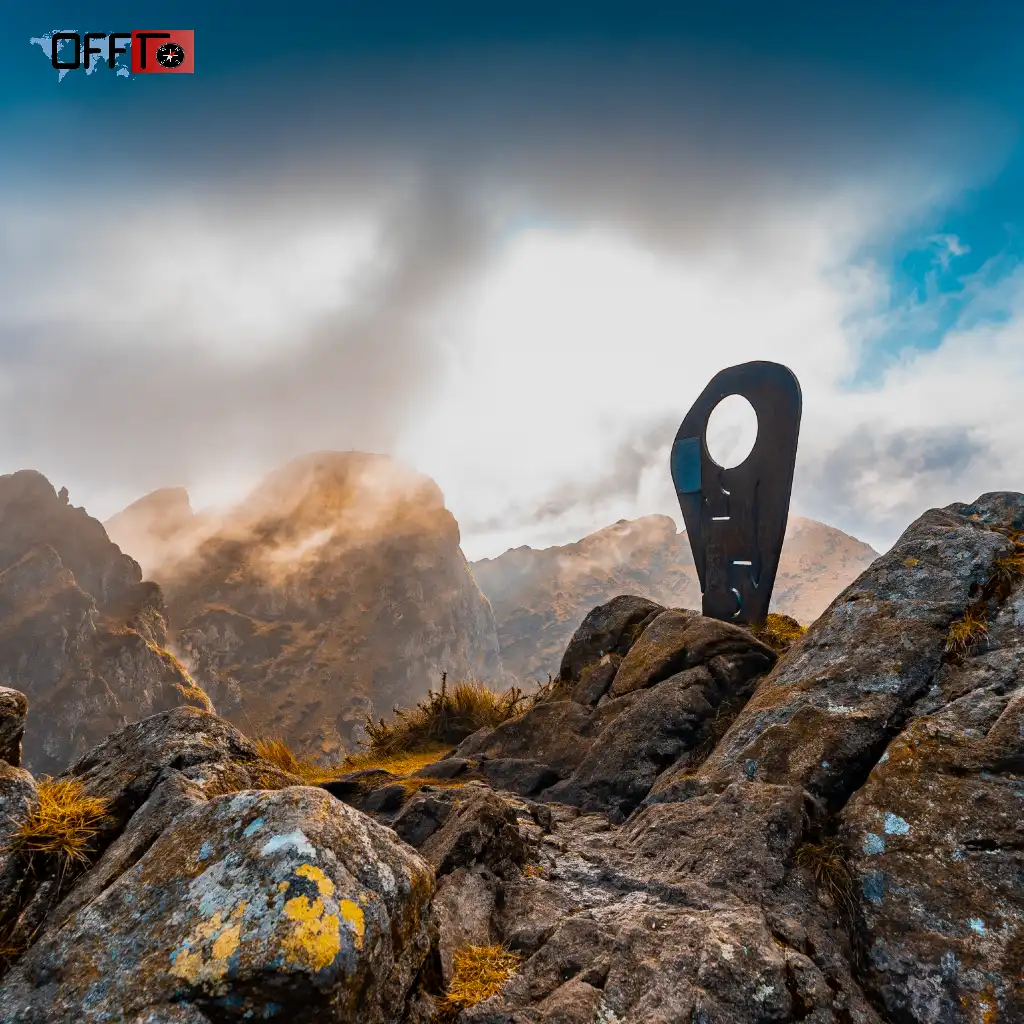
Harihar Fort is located in the Sahyadri mountain range, near Nashik, Maharashtra. It is a famous trekking spot, easily accessible from nearby cities.
Distance from Major Cities
- Mumbai to Harihar Fort: Approximately 165 km
- Pune to Harihar Fort: Approximately 220 km
- Nashik to Harihar Fort: Approximately 40 km
Base Villages & Routes
The trek to Harihar Fort begins from either Nirgudpada or Harshewadi. Both villages offer unique routes to the summit, with Nirgudpada being the more popular choice due to its shorter trek distance.
Why is Harihar Fort So Famous? (What Makes It Unique?)
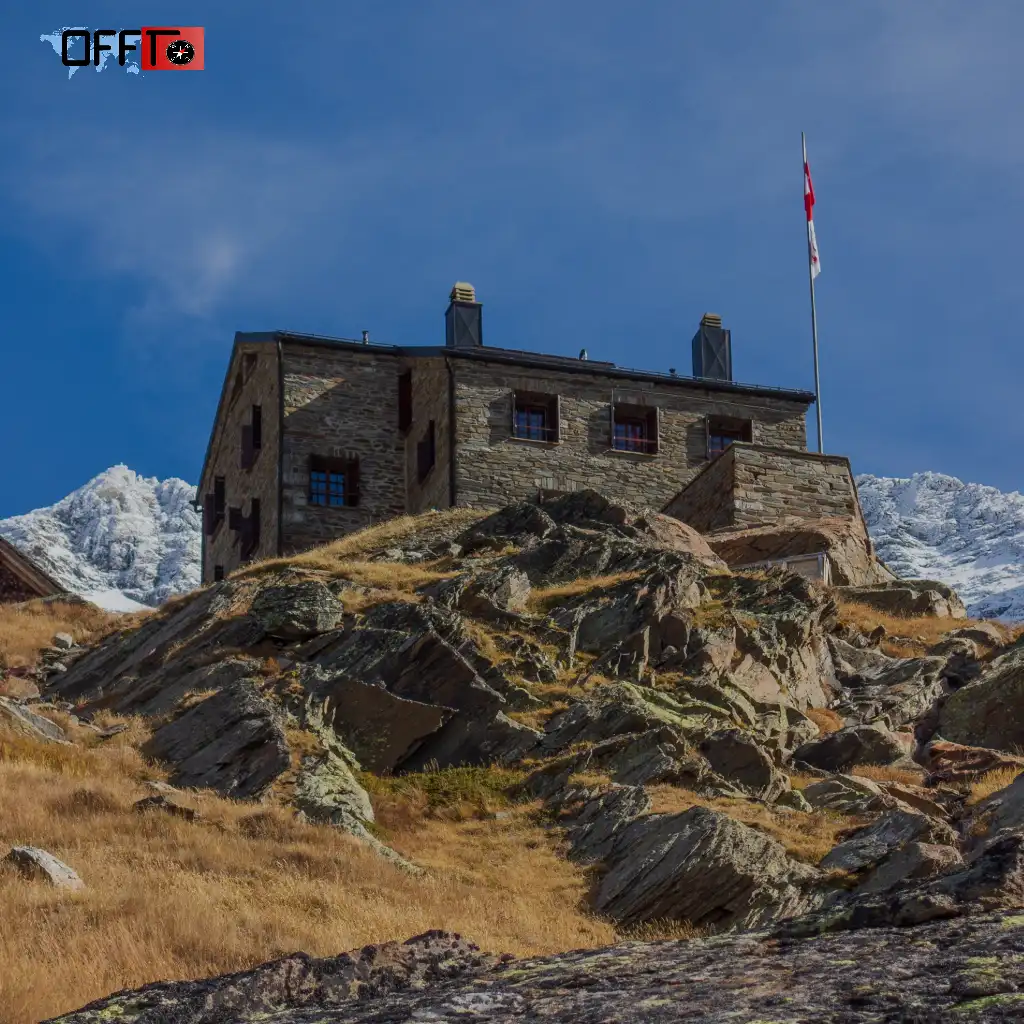
Harihar Fort is famous for its challenging trek and iconic features, making it one of the most sought-after destinations for adventure lovers.
80-Degree Vertical Rock-Cut Steps
The fort is known for its extremely steep rock-cut steps, which are almost 80 degrees vertical, making it a challenging climb and a major draw for adrenaline junkies. The steps lead to the summit, where trekkers are rewarded with a panoramic view of the surrounding Sahyadri range.
Viral Trekking Spot & Adrenaline Experience
Due to its unique structure and thrilling climb, Harihar Fort has gained significant attention as a viral trekking spot. The climb provides a high-adrenaline experience that attracts trekkers and adventure enthusiasts from across Maharashtra.
Unique Fort Structure & Narrow Pathways
The fort features a distinctive architecture with narrow, treacherous pathways that add to its allure. Its strategic location and the remaining fortifications make it an excellent place for history buffs and trekkers alike.
Expectation vs. Reality (Thrill vs. Risk)
While the thrill of the vertical climb is exhilarating, the steep, narrow paths can be risky for beginners or those who are not prepared for such intense trekking. The experience can be rewarding but requires careful planning and proper gear to manage the physical demands and safety risks.
Harihar Fort Trek (Complete Overview)
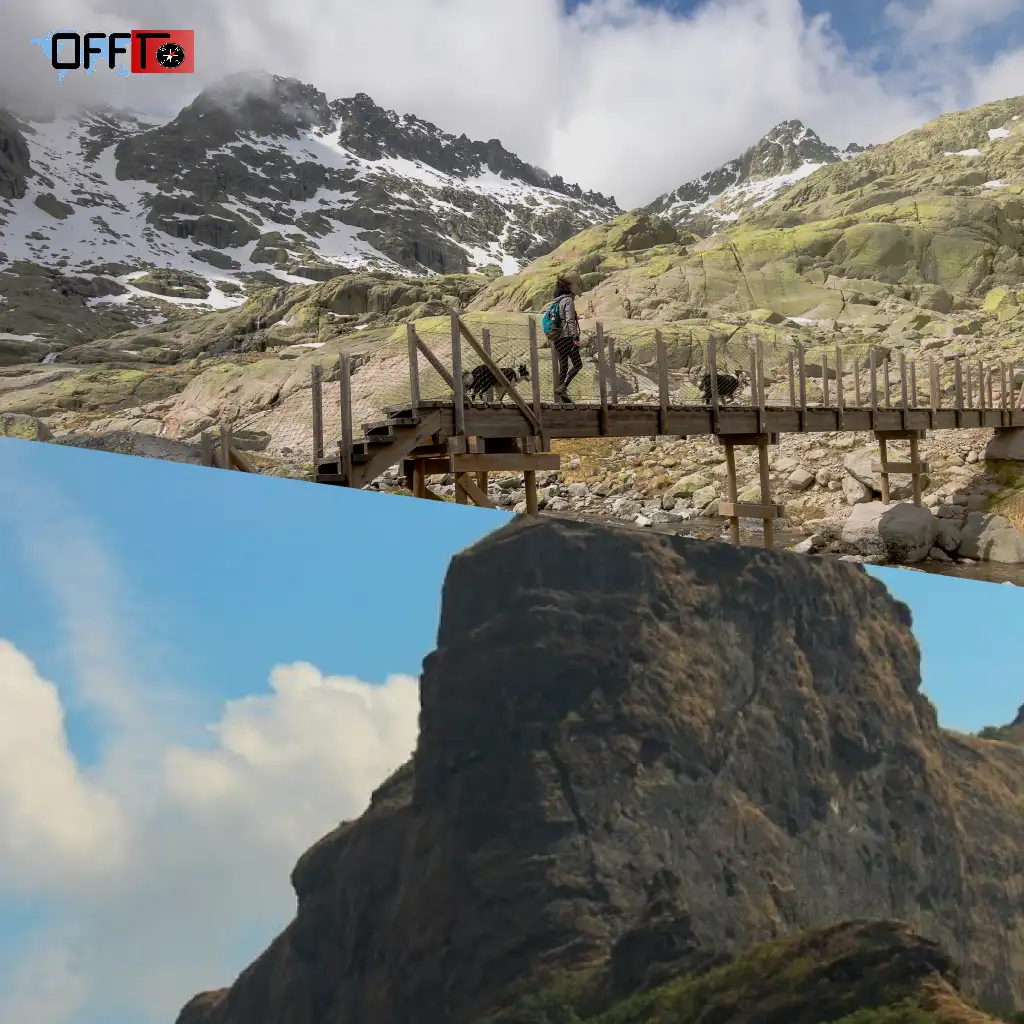
The Harihar Fort Trek is a thrilling and rewarding experience, offering a combination of short duration and intense challenge. Here’s a complete overview to help you prepare for the trek.
Trek Type: Short but Intense
The Harihar Fort trek is relatively short in distance but extremely intense due to its steep, rock-cut steps. This trek is ideal for those looking for a quick yet thrilling challenge, as the climb tests both physical endurance and mental toughness.
Total Duration (Ascent + Descent)
- Ascent: The trek typically takes 2–3 hours to reach the summit, depending on your pace and the trail conditions.
- Descent: The descent usually takes about 1.5–2 hours. The narrow pathways and steep steps can slow your pace, so it’s essential to stay cautious while descending.
Who Should Attempt This Trek?
This trek is best suited for intermediate trekkers who are accustomed to steep climbs and rocky paths. Due to the intense nature of the trek, it is not recommended for beginners or those with a fear of heights. It’s perfect for adventure seekers, experienced trekkers, and those who enjoy adrenaline-pumping challenges.
Harihar Fort Trek Difficulty & Safety
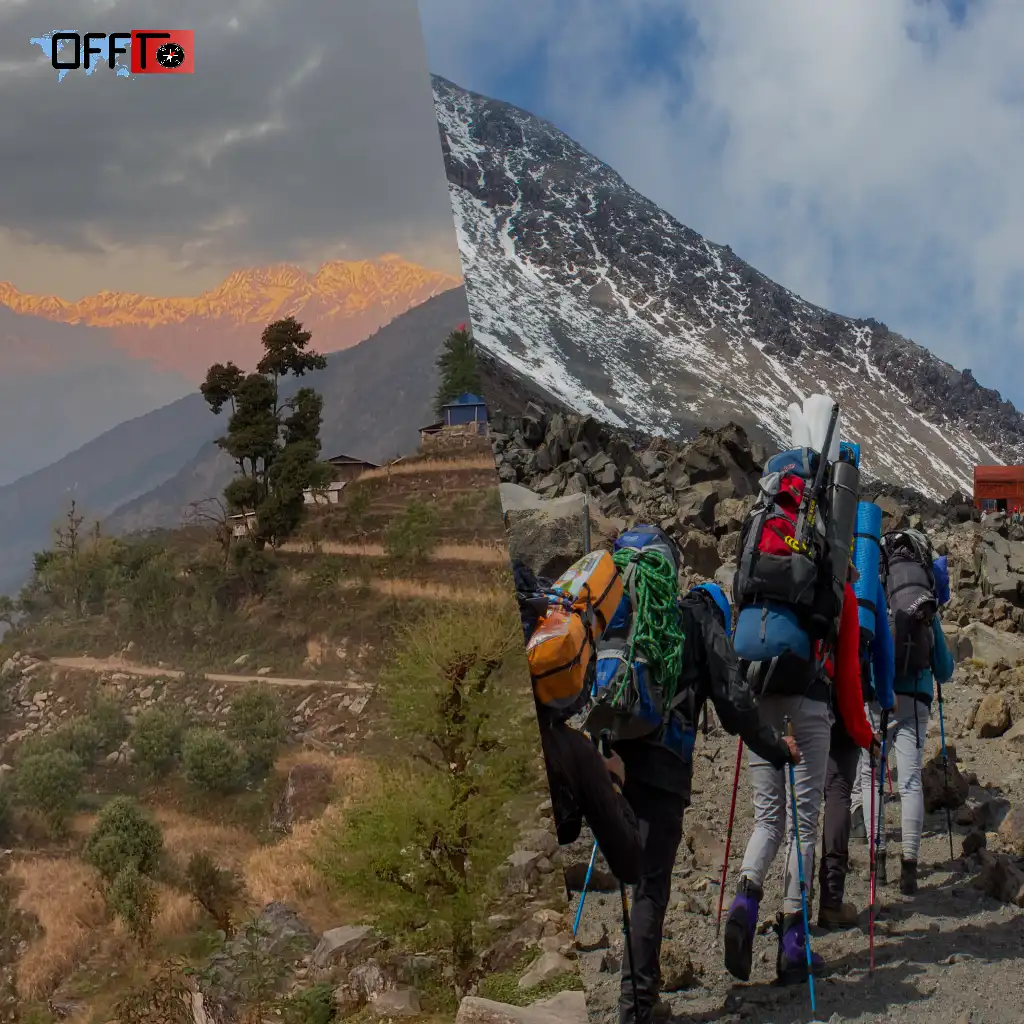
The difficulty level and safety concerns are crucial aspects to consider before undertaking the Harihar Fort trek. Here’s a breakdown to ensure you’re well-prepared:
Difficulty Level: Moderate to Difficult
The Harihar Fort trek is classified as moderate to difficult, primarily due to the steep ascent and rock-cut steps that lead to the fort. While the trek is short in duration, its intensity and terrain make it a challenging experience. It’s recommended for those who have prior trekking experience, especially on rocky and steep trails.
Risk Factors: Steep Steps, Narrow Edges
The trek features extremely steep rock-cut steps, often with narrow edges, which can be hazardous, especially when wet or slippery during the monsoon. The narrow pathways and cliffs can also pose a risk for trekkers who are not comfortable with heights.
Safety Tips (Crowd, Weather, Footwear)
- Crowd: Harihar Fort is a popular spot, especially during weekends and holidays. To avoid heavy crowds, try to start the trek early in the morning. This will give you a more peaceful experience and reduce the risk of crowd congestion on the narrow pathways.
- Weather: Be mindful of the weather conditions. The monsoon season (June–September) can make the steps slippery and the climb more dangerous. It’s best to trek during the winter months (October–February), when the weather is more favorable.
- Footwear: Ensure you wear sturdy, non-slip trekking shoes. Proper footwear is crucial to prevent slipping on the rocky paths, especially on the steep rock-cut steps.
Direct Answers
- Is it safe to climb Harihar Fort?
Yes, it is safe to climb Harihar Fort if you are prepared, have the proper footwear, and are physically fit for the challenging terrain. Always trek with caution, especially during wet conditions, and follow safety tips.
- Are beginners allowed?
While beginners can attempt the trek, it is not recommended due to the intensity of the climb and the steepness of the steps. It’s better suited for intermediate trekkers or those with some experience in rocky and steep terrain.
Harihar Fort Height, Distance & Trek Time
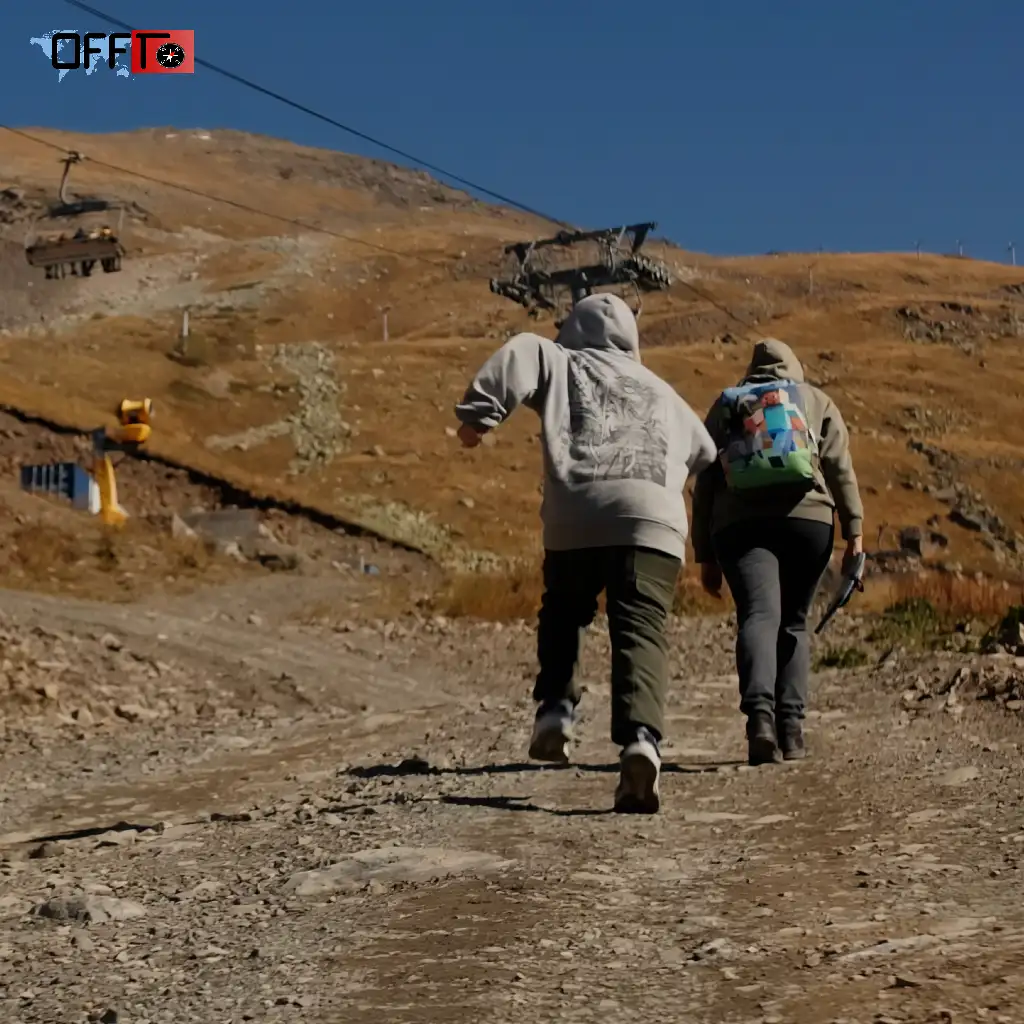
Understanding the height, distance, and time required for the Harihar Fort trek is essential for planning your trek. Here’s a detailed breakdown:
Height: ~3,676 ft
The Harihar Fort stands at an impressive height of approximately 3,676 feet above sea level. This altitude offers breathtaking panoramic views of the surrounding Sahyadri ranges and Nashik. The climb is relatively short but intense, making it a challenging trek for those looking to experience a vertical ascent.
Trek Distance from Base
The total distance of the trek from the base village (either Nirgudpada or Harshewadi) to the summit is around 4–5 kilometers one way, depending on the route you take. The trek primarily involves rocky paths and steep ascents, with the majority of the distance covered by the famous 80-degree rock-cut steps.
Time Required (Up + Down)
- Ascent: The upward trek to the summit generally takes 2–3 hours, depending on your pace and physical fitness. The terrain is steep and requires careful climbing.
- Descent: The descent takes approximately 1.5–2 hours. It’s often slower due to the steepness of the steps and the narrow pathways.
- Total Time: On average, the total trek time (up and down) can range from 3.5 to 5 hours, depending on the weather, crowd, and your pace.
Harihar Fort Trek Route (Step-by-Step Guide)
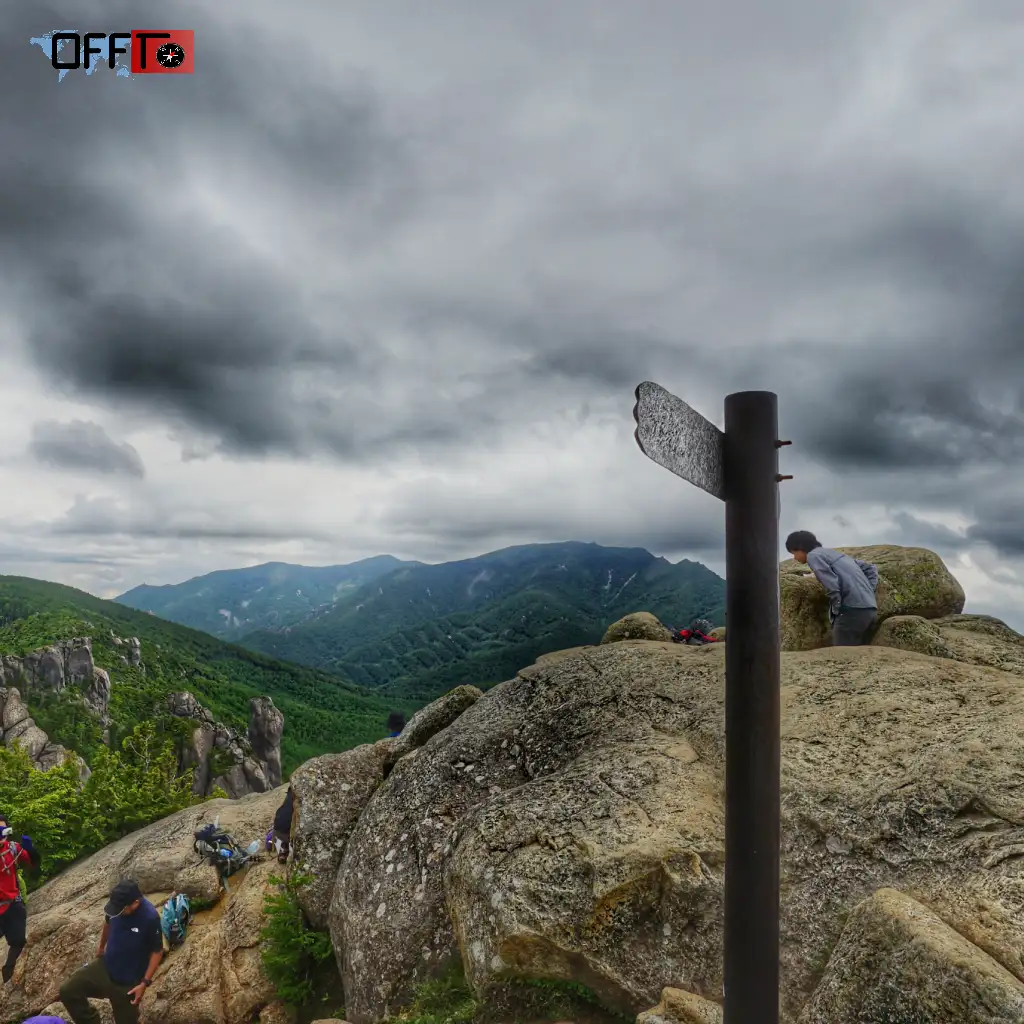
The Harihar Fort trek is known for its steep climb and rock-cut steps, but the route offers some unique experiences for trekkers. Here’s a step-by-step guide to help you navigate the journey.
Base Village Routes Comparison
There are two primary base villages for starting the trek:
- Nirgudpada Route: This is the more popular route and provides a shorter distance to the summit. The trail is relatively well-marked and leads directly to the rock-cut steps of Harihar Fort.
- Harshewadi Route: This route is slightly longer and less crowded, providing a more peaceful trek. The ascent involves a combination of forest trails and some steep rock-climbing, but the final rock-cut steps are still the same.
Both routes offer beautiful views along the way and allow trekkers to experience different aspects of the fort’s structure.
Forest Trail → Rock-Cut Steps → Summit
- Forest Trail: The trek begins with a forest trail that’s relatively easy to follow. Here, you’ll find the first checkpoint, a clearing that provides views of the fort in the distance.
- Rock-Cut Steps: As you approach the steep rock-cut steps, the difficulty increases significantly. The 80-degree vertical climb requires physical effort and careful foot placement. These steps lead to the summit and are the main highlight of the trek.
- Summit: At the top, you’ll be greeted by panoramic views of the Sahyadri ranges and nearby hills, including Brahmagiri and Anjaneri Hills. Explore the fortifications and enjoy the stunning scenery.
Key Checkpoints
- Forest Entry Point: The starting point of the trek, marked by a signpost.
- Rock-Cut Steps: The iconic part of the trek, where you’ll need to focus on your footing and pace.
- Summit: The final point where you can enjoy the views and explore the fort.
Harihar Fort Top View (What You’ll See at the Summit)
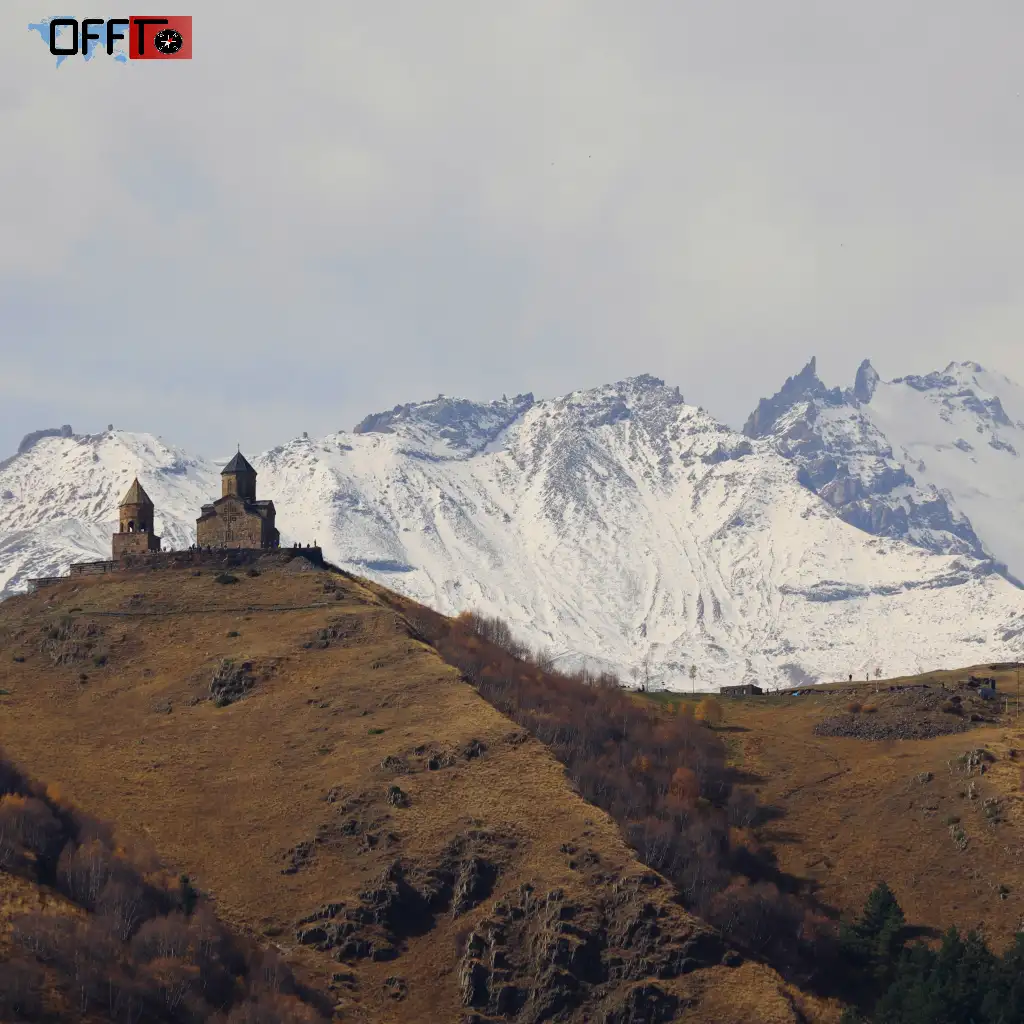
Reaching the summit of Harihar Fort rewards trekkers with some of the most breathtaking views in Maharashtra. The summit offers a panoramic view of the surrounding Sahyadri mountain range and distant peaks, making it a highlight of the trek. Here’s what you can expect when you reach the top:
Panoramic Sahyadri Views
From the top of Harihar Fort, you’ll be treated to an awe-inspiring view of the Sahyadri ranges. The rugged landscape stretches out as far as the eye can see, with hills, valleys, and dense forests that form part of the Western Ghats. The scenic beauty at the summit is a reward for trekkers who’ve made the challenging climb.
Brahmagiri & Anjaneri Ranges
The Brahmagiri and Anjaneri ranges are visible from the summit, adding to the magnificent views. These ranges are popular trekking destinations themselves, and from Harihar Fort, you’ll get a bird’s eye view of their rugged terrains and valleys. It’s a fantastic spot for photography and taking in the untouched beauty of the Western Ghats.
Sunset/Sunrise Experience
For those looking to experience something truly magical, sunset and sunrise from the summit of Harihar Fort are unforgettable.
- Sunset: The fort offers a stunning view of the sun setting behind the surrounding peaks, casting long shadows and a golden hue over the landscape.
- Sunrise: Waking up early to watch the sun rise over the distant peaks of the Sahyadri range is a serene experience that captures the essence of the fort’s beauty.
Harihar Fort History
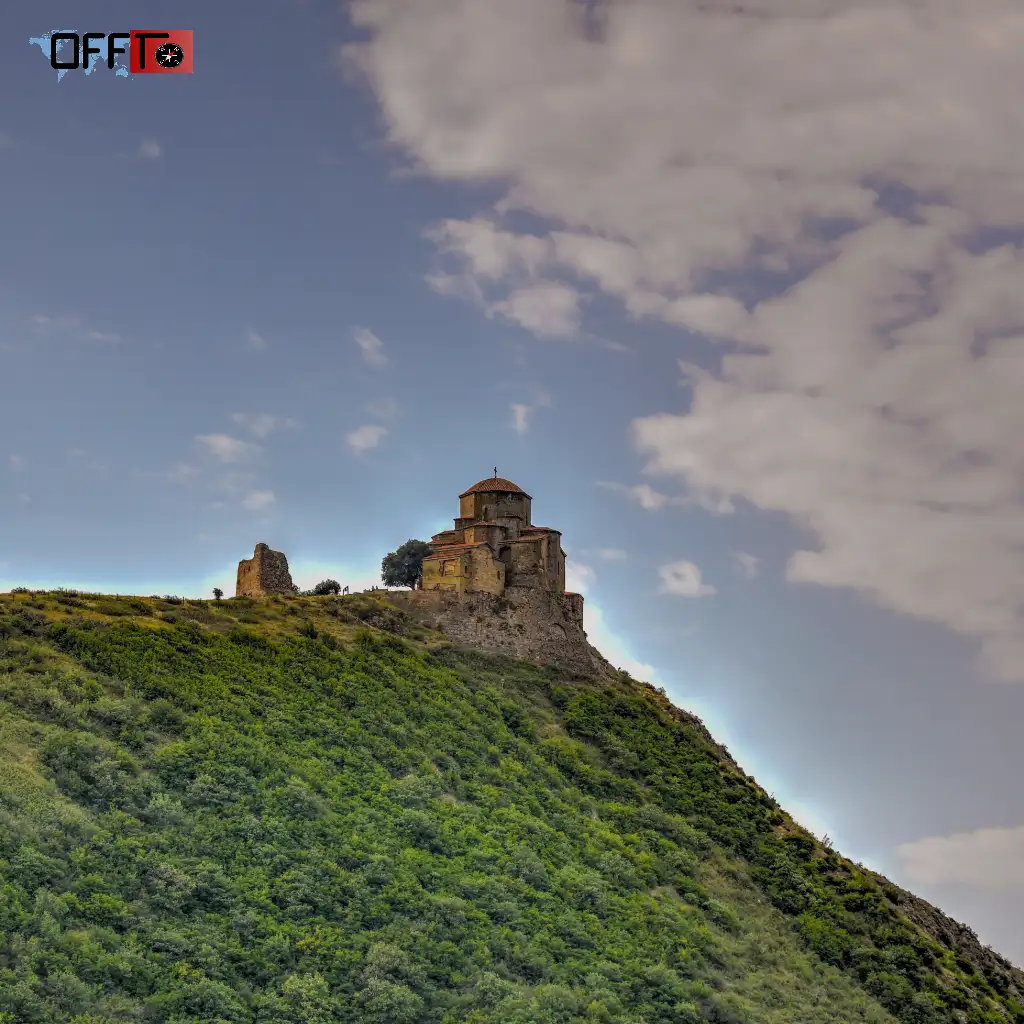
Harihar Fort is not just a trekking destination; it also has a rich historical background. Here’s a quick look at the fort’s history and why it’s so significant:
Built During the Yadava / Maratha Period
Harihar Fort was originally constructed during the Yadava dynasty and later reinforced by the Marathas. It played a significant role in the strategic defense system of the region. The fort was used to monitor and control the surrounding areas, offering a perfect vantage point for military purposes.
Strategic Military Importance
Due to its location atop a high mountain, Harihar Fort provided a strategic advantage in the region. It was used to guard the trade routes and protect important areas from enemy invasions. The fort’s vertical steps and narrow pathways were specifically designed to deter invaders, making it a formidable military base in its time.
Why the Structure is Unique
What makes Harihar Fort unique is its rock-cut structure. Unlike other forts with traditional walls and gates, Harihar is primarily carved out of the mountain itself, with steps and fortifications chiseled into the rock. The 80-degree vertical steps that lead to the summit are a remarkable feature of the fort’s design. This distinct construction technique sets Harihar apart from many other forts in the region, adding to its charm and appeal for trekkers and history enthusiasts alike.
Best Time to Visit Harihar Fort (With Real Tradeoffs)
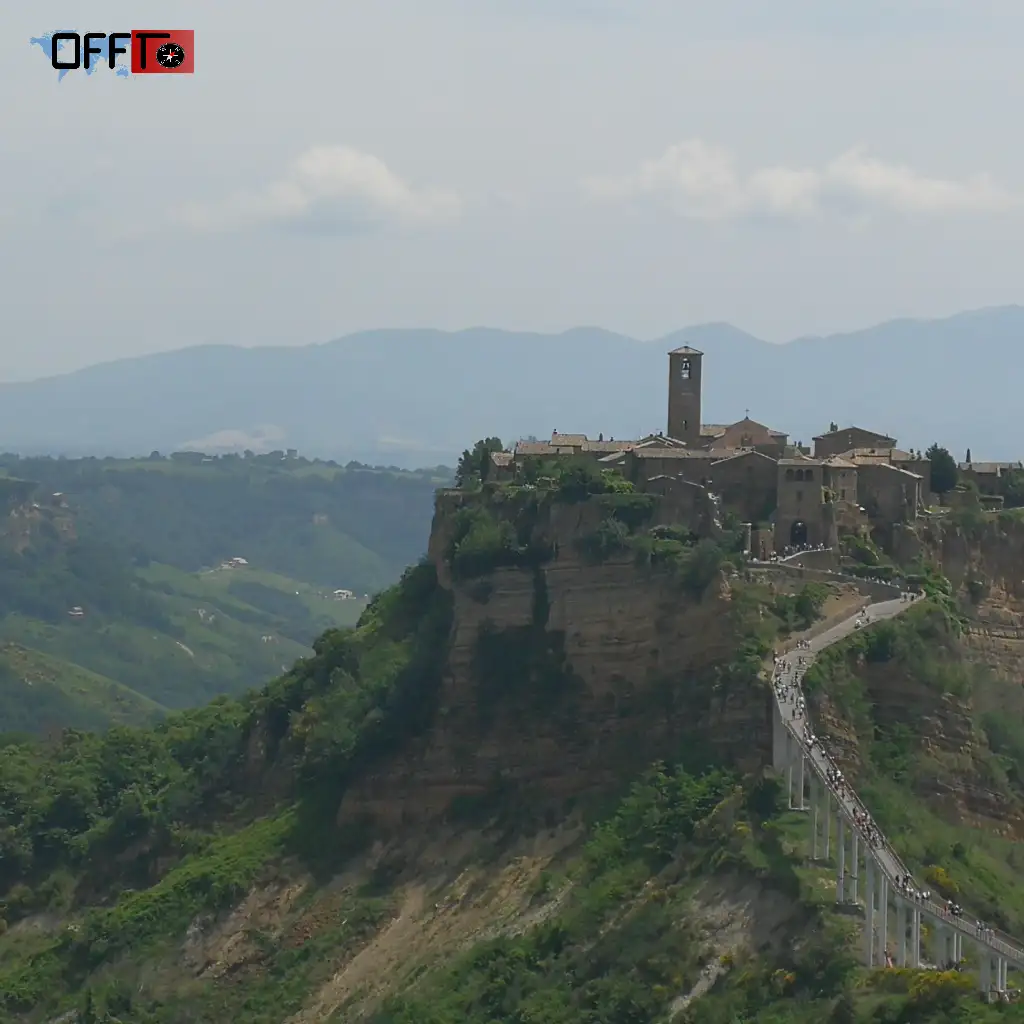
The best time to visit Harihar Fort depends on your priorities — whether it’s safety, scenic beauty, or avoiding crowds. Here’s a breakdown of the three main seasons to help you decide when to plan your trek:
Monsoon (Lush but Slippery )
- Pros
- The monsoon season (June–September) brings lush greenery and misty views, making the trek visually stunning. The surrounding forests and valleys are full of life, and the fort steps look even more dramatic with the mist and rain.
- The panoramic views from the top, with the Sahyadri mountains shrouded in mist, are perfect for nature lovers and photographers.
- Cons
- Risk of slippery paths: The rock-cut steps become extremely slippery during the monsoon, increasing the difficulty and safety risks of the trek.
- Some paths might be dangerous, especially near the edges, making it unsuitable for beginners.
- Crowd: Monsoon is less crowded than winter, but be aware that heavy rains can disrupt trekking plans.
- Cons
- Risk of slippery paths: The rock-cut steps become extremely slippery during the monsoon, increasing the difficulty and safety risks of the trek.
- Some paths might be dangerous, especially near the edges, making it unsuitable for beginners.
- Crowd: Monsoon is less crowded than winter, but be aware that heavy rains can disrupt trekking plans.
Winter (Best & Safest)
- Pros
- Winter (October–February) is the best time to visit Harihar Fort. The weather is cool and comfortable for trekking, with temperatures ranging from 10°C to 25°C, making it ideal for outdoor activities.
- The trek is safer as the steps and trails are dry, reducing the risk of slips and falls.
- This is the peak season, so it’s a great time to experience the fort at its best, with clear views and more trekkers on the trail.
- The view from the top during winter is crystal clear, making it perfect for photography.
- Cons
- Crowds: Winter is the most popular season for trekking, so expect more trekkers on the trail, especially during weekends and holidays.
Summer (Clear Views but Hot)
- Pros
- The summer months (March–May) offer clear views from the summit, with minimal cloud cover. The panoramic views of the surrounding valleys and mountains are unobstructed.
- Less crowded: Summer sees fewer trekkers compared to winter, so it’s a great option for those seeking a quieter experience.
- Cons
- Heat: Temperatures can soar to 35°C or higher, making the trek uncomfortable during the afternoon, especially in the exposed areas.
- The trek can be physically draining due to the high temperatures, making it less enjoyable compared to the cooler winter months.
- Dry terrain: While the trails are safe, the lack of greenery and the hot sun can make the trek less scenic and harder to endure.
Decision Insight: Best for Safety vs Greenery vs Crowd
- For Safety: Winter is the best time for a safe and comfortable trek due to cooler temperatures and dry, stable conditions.
- For Greenery: If you love lush landscapes and don’t mind the risks of slippery paths, monsoon offers the most vibrant scenery.
- For Avoiding Crowds: Summer is the least crowded time, but you’ll have to deal with the heat and dry conditions.
Things to Do at Harihar Fort (Beyond the Trek)
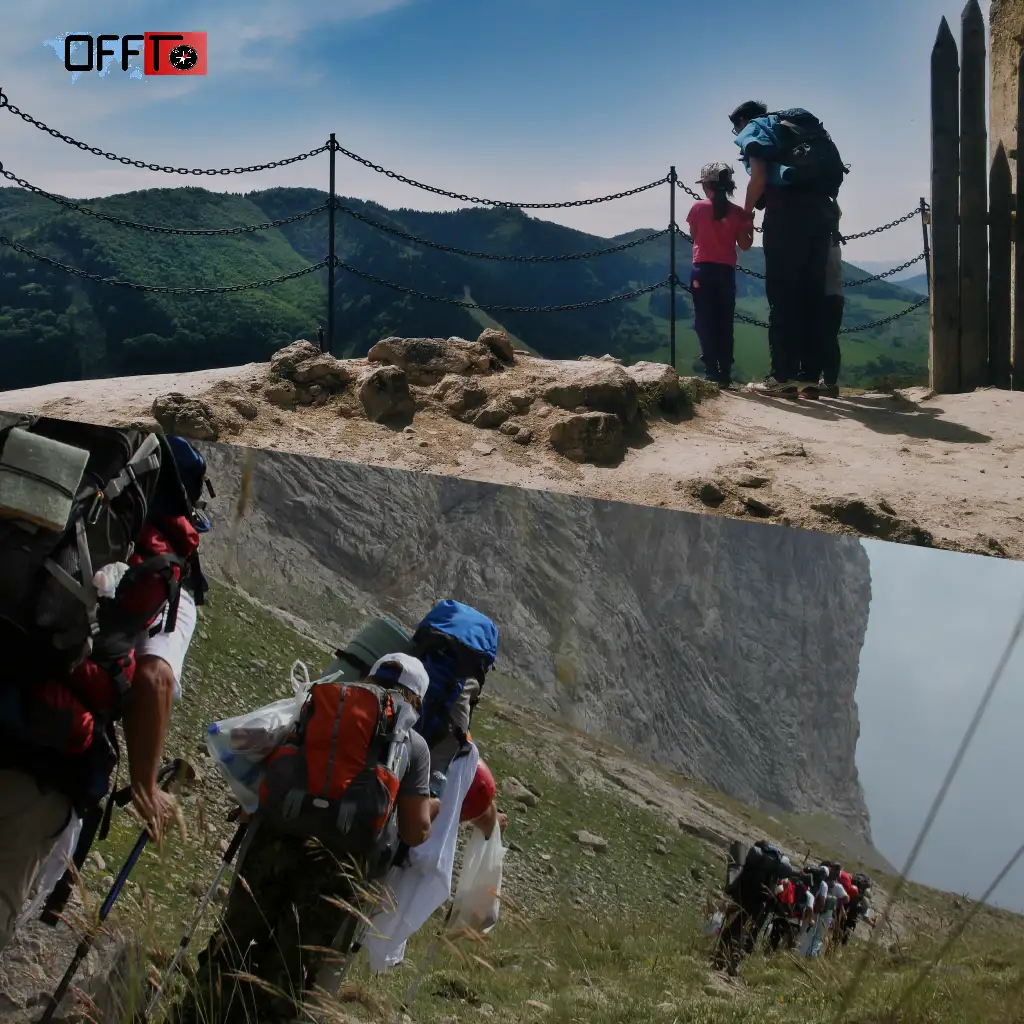
While the trek to Harihar Fort is the main draw, there are plenty of additional activities to make your visit even more enjoyable. Here’s what you can do beyond just hiking the fort:
Photography (Steps + Views)
The rock-cut steps, narrow pathways, and panoramic views from the summit are a photographer’s dream. The dramatic climb up the vertical steps and the stunning sahyadri views at the top provide countless opportunities for memorable photos. Don’t forget to capture the sunrise or sunset, as the lighting is perfect during these times.
Explore Fort Top Structures
Once you reach the summit, take the time to explore the fort’s remaining structures. These include bastions, water cisterns, and ruins of the fortifications. The fort’s historical and strategic design makes it a fascinating place for history enthusiasts to explore, and the structures provide some shelter for trekkers to relax.
Combine with Nearby Treks
If you’re an avid trekker, Harihar Fort is part of a network of nearby treks:
- Brahmagiri Trek: A short distance from Harihar Fort, this trek takes you through dense forests and offers views of Trimbakeshwar and Anjaneri Hills.
- Anjaneri Hills: Known for its beautiful trails and historic significance, it’s a great option for those looking to extend their trekking adventure.
- Combine Harihar Fort with other nearby treks to make a more extended trek or explore other forts in the region, such as Ratangad or Kalsubai Peak.
Places to Visit Near Harihar Fort
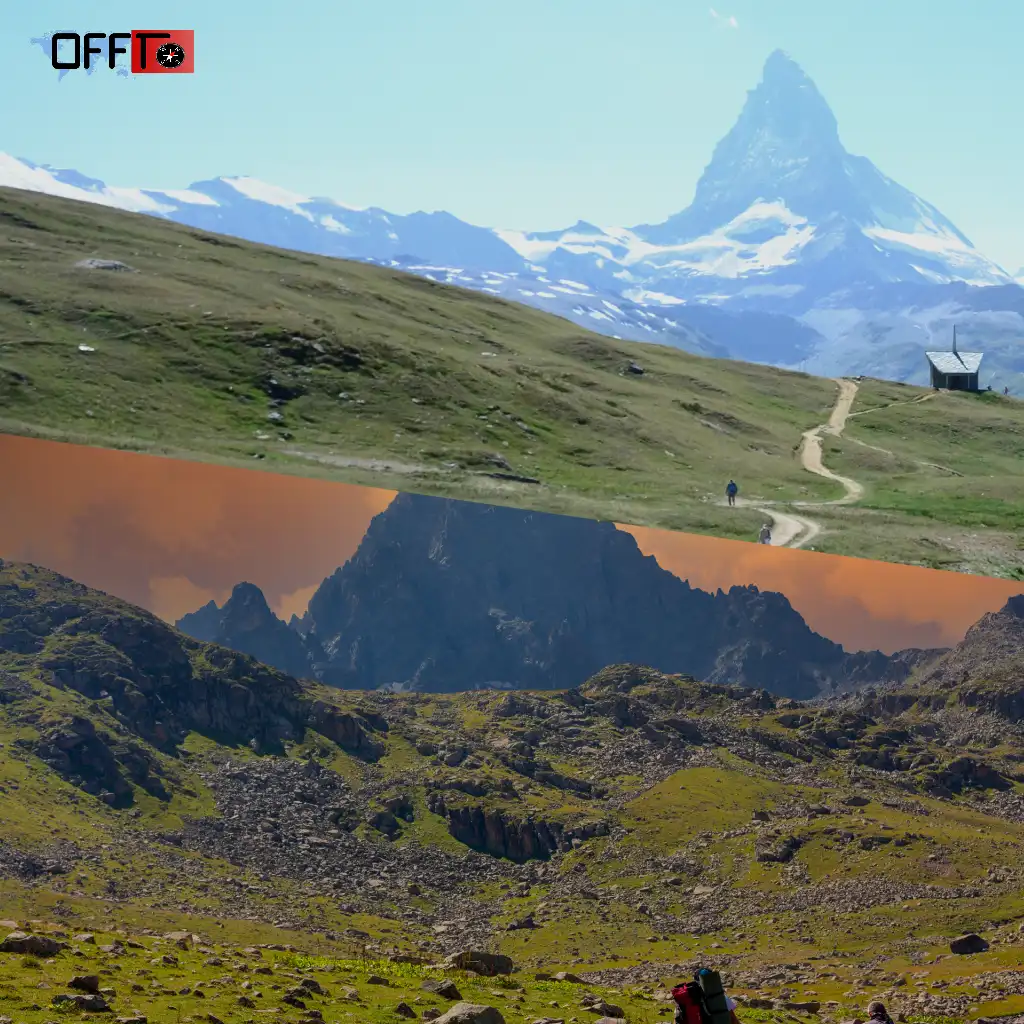
While Harihar Fort itself is a thrilling destination, there are several nearby attractions that make it an even better experience for those looking to extend their trip. Here are the top places to visit near Harihar Fort:
Trimbakeshwar
Located around 20 km from Harihar Fort, Trimbakeshwar is a famous temple town known for the Trimbakeshwar Temple, dedicated to Lord Shiva. It is one of the 12 Jyotirlingas in India and is nestled at the base of the Brahmagiri Hill. The holy river Godavari originates here, making it a significant religious site. After your trek to Harihar Fort, you can visit Trimbakeshwar to experience its spiritual atmosphere and the lush surroundings.
Anjaneri Hills
Anjaneri Hills, about 15 km from Harihar Fort, is an excellent destination for trekkers and nature lovers. It is believed to be the birthplace of Lord Hanuman, making it a significant historical and mythological site. The trek to Anjaneri offers stunning views of the surrounding valleys and the Sahyadri mountain range. The fortifications and ruins on top add a historical element to the hike.
Brahmagiri Trek
For those seeking more adventure, the Brahmagiri Trek is a must-do and is just a short distance from Trimbakeshwar. The trek takes you to Brahmagiri Hill, which is one of the highest peaks in the area. It offers panoramic views of the Nashik region and a serene experience for nature lovers. The trek is moderate in difficulty and can be completed in a day, making it an ideal addition to your trip if you’re up for more exploration.
How to Plan Harihar Fort Trek (Step-by-Step)

Planning your Harihar Fort trek efficiently will ensure you have a smooth and enjoyable experience. Here’s a step-by-step guide to help you organize your trek:
Ideal Duration: 1 Day Trek
The Harihar Fort trek is ideal for a 1-day trip. It’s a short yet intense trek that can easily be completed in one day, from early morning departure to evening return. This makes it a perfect weekend getaway for trekkers from Mumbai, Pune, or Nashik.
Budget Breakdown (₹500–₹1500)
Here’s a rough breakdown of what you can expect to spend on your trek:
- Travel Costs
- If you are traveling from Mumbai or Pune, expect to spend around ₹500–₹800 on transportation (by bus or private car).
- Local transport to the base village (Nirgudpada or Harshewadi) will cost around ₹100–₹300 depending on your mode of transport.
- Trek Expenses
- Entry fees and permits (if applicable) might cost ₹50–₹100.
- Food: Meals or snacks during the trek may cost around ₹200–₹400, depending on whether you bring your own food or purchase it from local shops or the base village.
- Camping (optional)
- If you decide to camp overnight near the fort, expect an additional ₹500–₹1000 for the camping setup and meals.
- Total Estimated Budget: ₹500–₹1500 (depending on transportation, food, and optional camping)
Travel Flow: Travel → Trek → Return
1. Travel:
- Start early in the morning from Mumbai, Pune, or Nashik. For a smooth trip, consider taking a private car, bus, or shared vehicle to reach the base village (Nirgudpada or Harshewadi).
- Estimated Travel Time: From Mumbai (~3.5–4 hours), Pune (~4 hours), and Nashik (~1.5 hours).
2. Trek:
- Once you reach the base village, begin the Harihar Fort trek. The ascent should take about 2–3 hours, depending on your fitness level and pace.
- After reaching the summit and enjoying the views, spend some time exploring the fort structures before starting your descent.
- Descent Time: About 1.5–2 hours.
3. Return:
- After completing the trek, you can either head back to the base village or opt for a nearby trek or site to explore.
- Estimated Return Time: Most trekkers finish the trek by late afternoon, allowing you to head back to your starting point by evening.
Harihar Fort Itinerary (1 Day Plan)
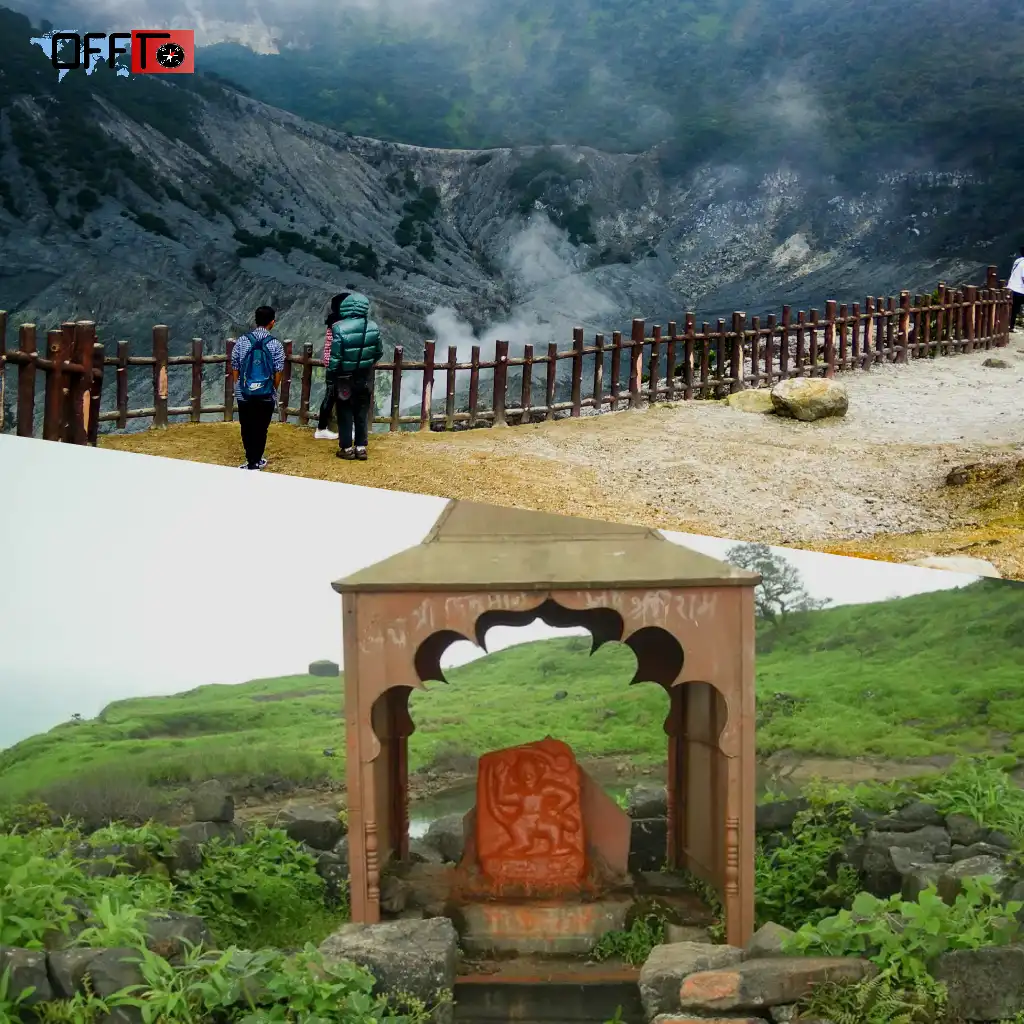
Planning a 1-day trek to Harihar Fort requires careful timing and preparation to make the most of the experience. Here’s a step-by-step itinerary to guide your trek:
Early Morning
- Reach Base: Start your journey early in the morning, ideally around 5:00 AM to ensure you reach the base village (Nirgudpada or Harshewadi) by 7:00 AM.
- Travel Tip: You can opt for a private car or shared vehicle to minimize travel time. If you’re coming from Mumbai or Pune, aim for an early start to avoid the rush and reach the base village by dawn.
- Start the Trek: After reaching the base village, begin the trek around 7:30 AM. The trek starts with an easy forest trail and gradually leads to the famous rock-cut steps. The earlier you start, the cooler and more comfortable the ascent will be.
Mid-Day
- Reach the Top: Expect to reach the summit of Harihar Fort by 10:00–10:30 AM. The climb typically takes 2–3 hours, but it depends on your pace and fitness level.
- Explore & Relax: Spend some time exploring the fort ruins at the top, including the fortifications, water cisterns, and summit structures. Don’t forget to capture the panoramic views of the surrounding Sahyadri mountain range, Brahmagiri, and Anjaneri ranges. Enjoy the sunrise or clear views, depending on the season.
- Rest: Take a break, hydrate, and prepare for the descent. Enjoy a light snack before heading back down.
Evening
- Descend: Start the descent by around 12:30 PM. The rock-cut steps on the way down can be tricky, so take your time and ensure safety while navigating the narrow pathways. The descent usually takes 1.5–2 hours.
- Return to Nashik / Mumbai: After completing the trek, head back to the base village. You can either grab lunch at a local dhaba or return directly to Nashik or Mumbai. If you’re traveling from Nashik, expect to arrive by 4:00 PM. From Mumbai or Pune, you should return by 7:00–8:00 PM.
Travel Tips for Harihar Fort
To ensure a smooth and safe trek to Harihar Fort, here are some important travel tips that will help you prepare:
Avoid Peak Crowds (Weekends)
- Weekends and long weekends are the most crowded times for trekking to Harihar Fort, making the experience less peaceful. If you can, try to plan your trek on a weekday to avoid the large crowds. This will ensure a more serene and uninterrupted experience on the fort’s rocky paths.
Start Early Morning
- The best time to start your trek is early in the morning to avoid the heat and the crowds. This allows you to complete the ascent before the sun is at its peak, making the climb more comfortable. An early start also means you can enjoy the cool morning breeze and clear views before the trail gets crowded.
Proper Trekking Shoes Mandatory
- Since the trek involves steep rock-cut steps, it is essential to wear sturdy, non-slip trekking shoes. Good footwear will help prevent accidents on the slippery rocks and provide better grip during both ascent and descent. Make sure your shoes have strong ankle support and are weather-appropriate (especially if trekking in wet or monsoon conditions).
Avoid During Heavy Rain
- Monsoon season (June–September) can make the rock-cut steps slippery, increasing the risk of slips and falls. It is highly recommended not to trek during heavy rain, as the trail can become unsafe and challenging. Stick to the winter months (October–February) for the safest and most comfortable trekking conditions.
FAQs
Where is Harihar Fort located?
Harihar Fort is located near Nashik, Maharashtra, in the Sahyadri mountain range. It is about 40 km from Nashik, 165 km from Mumbai, and 220 km from Pune, making it easily accessible for trekkers from these major cities.
Why is Harihar Fort so famous?
Harihar Fort is famous for its 80-degree vertical rock-cut steps, offering a thrilling trekking experience. The fort’s unique architecture, steep paths, and panoramic views of the Sahyadri mountains make it a popular spot for adventure seekers and trekking enthusiasts.
What is the height of Harihar Fort?
Harihar Fort stands at an impressive height of 3,676 feet above sea level. This height offers trekkers stunning views of the surrounding valleys, mountains, and nearby fortifications, making the climb both challenging and rewarding.
How difficult is the Harihar Fort trek?
The Harihar Fort trek is classified as moderate to difficult due to the steep rock-cut steps and narrow paths. While it’s a short trek, the vertical climb requires physical strength and mental focus. It’s recommended for intermediate trekkers with prior experience.
Is it safe to climb Harihar Fort?
Yes, Harihar Fort is safe to climb if you are properly prepared. However, the steep and narrow steps can be risky, especially during the monsoon season. Ensure you wear non-slip shoes, take safety precautions, and avoid trekking in heavy rain for the safest experience.
What is the trek time for Harihar Fort?
The trek to Harihar Fort typically takes 2–3 hours for the ascent and 1.5–2 hours for the descent, depending on your pace. Overall, expect to spend around 4–5 hours for the entire trek, including breaks and exploration at the summit.
What is the best time to visit Harihar Fort?
The best time to visit Harihar Fort is during the winter months (October–February), when the weather is cool and dry, making the trek safer and more comfortable. Monsoon should be avoided due to slippery conditions, and summer can be too hot for trekking.
What is the history of Harihar Fort?
Harihar Fort was built during the Yadava dynasty and later fortified by the Marathas. It played a crucial role in defending the region and served as a strategic military outpost. Its unique rock-cut design makes it an interesting historical landmark.
What can you see from Harihar Fort top view?
From the summit of Harihar Fort, trekkers can enjoy panoramic views of the Sahyadri mountain ranges, the Brahmagiri and Anjaneri ranges, and the surrounding valleys. The view is especially beautiful during sunrise or sunset, offering a breathtaking experience.
Are girls allowed in Harihar Fort?
Yes, girls are allowed to trek Harihar Fort. The trek is open to all trekkers, regardless of gender. However, it’s recommended for anyone, including women, to be cautious and well-prepared for the steep and challenging parts of the trek.
Read more >>>
Kareri Lake Trek – Complete Guide to Scenic Himalayan Adventure
Skandagiri Trek Guide – Sunrise, Distance & Complete Travel Plan
Final Take: Is Harihar Fort Trek Worth It?
The Harihar Fort trek is a must-do for anyone looking for a thrilling and challenging adventure.
Who Will Love It
- Adventure seekers will love the adrenaline-pumping vertical climb.
- Trekkers who enjoy steep rock-cut steps and want a short yet intense challenge will find this trek incredibly rewarding.
- Thrill lovers will appreciate the high-altitude views and the feeling of accomplishment once they reach the summit.
Who May Skip
- Beginners or those who are not comfortable with steep, rock-cut steps may find the trek overwhelming.
- People with a fear of heights should reconsider, as the narrow paths and vertical steps require a steady head and courage.
Overall, the Harihar Fort trek is perfect for those who enjoy adventure and a rewarding challenge, but may not be suitable for everyone.
Sample Call to Action Heading
Are you ready for a thrilling trek to Harihar Fort? For Offto Travellers, this is the ultimate adventure—a challenge that will test your limits and reward you with breathtaking views of the Sahyadri mountains. Whether you’re looking for an adrenaline-pumping climb up rock-cut steps, a chance to experience the stunning sunrise from the summit, or simply want to explore one of Maharashtra's most iconic forts, Harihar Fort offers it all.
For those looking to make the most of their adventure, Offto has curated a selection of trekking stays, including lakeside camps and comfortable homestays near the fort, offering the perfect blend of nature and comfort. Book your stay with Offto and enjoy a seamless trekking experience, knowing that everything—from your accommodations to activities—is taken care of.
With Offto, planning your Harihar Fort trek is not just about the trek itself; it’s about the whole experience—from finding the best stays to personalized travel itineraries and insider tips for your journey. So, whether you’re a seasoned trekker or someone seeking your next adventure, Offto makes it easy for you to explore more, book your stay, and dive into the unforgettable adventure that awaits at Harihar Fort.
Start planning your Harihar Fort trek today with Offto, and embark on a journey that promises not just thrills, but memories you’ll cherish for a lifetime.
Sign up
Leave a Reply