
Aadrai Jungle Trek is a monsoon forest trail near Malshej Ghat, known for dense jungle paths, muddy terrain, stream crossings, and Kalu Waterfall views.
Aadrai Jungle Trek Overview: Maharashtra’s Hidden Monsoon Forest Trail
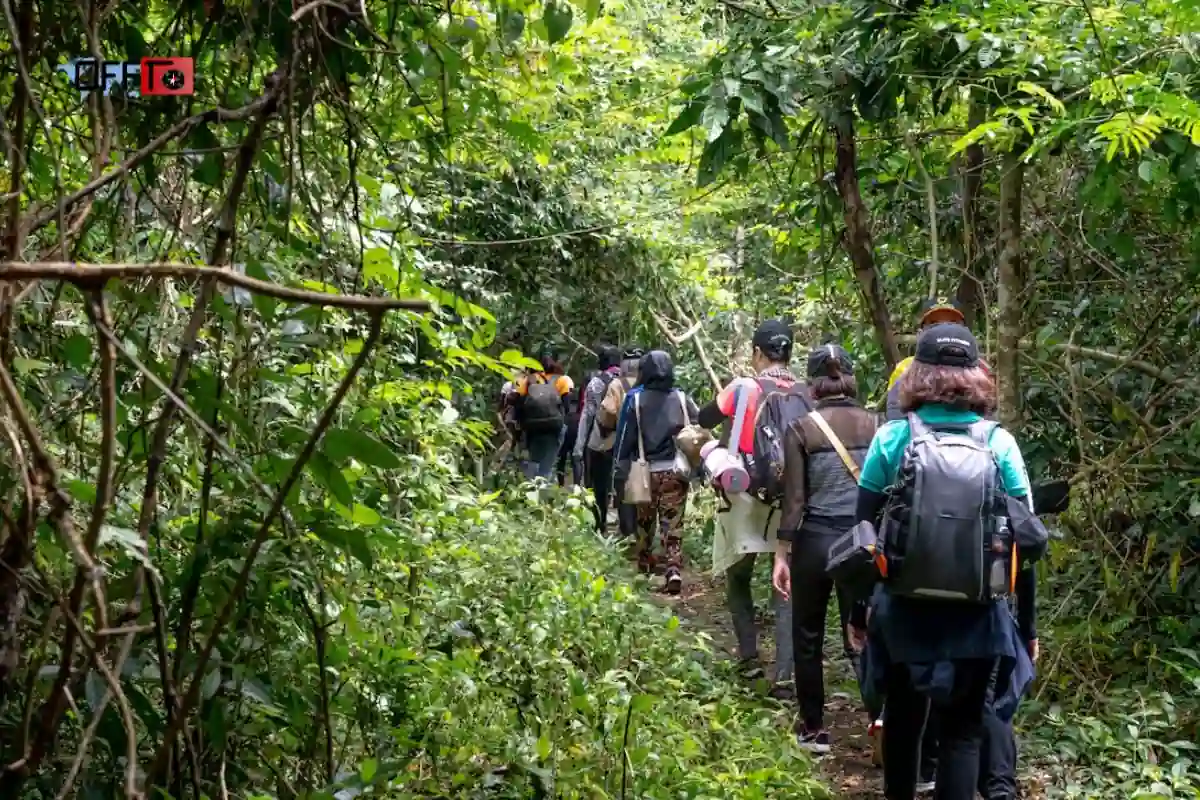
The Aadrai Jungle Trek is one of Maharashtra’s most immersive monsoon treks, known for its dense forest route, muddy jungle paths, flowing streams, waterfall viewpoints, and raw Sahyadri atmosphere. Unlike regular fort treks where the goal is usually a summit, bastion, or historic gate, Aadrai is more about the journey through the forest. The trail is commonly placed near the Malshej Ghat region and Khireshwar side, with many trek operators describing it as a jungle trail connected with Kalu Waterfall viewpoints and monsoon scenery. Mischief Treks
What Makes Aadrai Different from Regular Fort Treks
Most Maharashtra treks are built around forts, steps, ridges, or summit views. Aadrai feels different because the main attraction is the aadrai jungle itself.
What makes the experience stand out:
- It is a forest-first trek: The route passes through thick greenery, wet soil, tree cover, roots, rocks, and narrow jungle sections instead of open fort walls.
- The goal is not only a summit: Trekkers come for the forest atmosphere, Kalu Waterfall views, mist, streams, and the feeling of being inside a hidden monsoon trail.
- The route can feel raw and confusing: Unlike marked fort treks, the Aadrai jungle trail may not always feel obvious, especially in heavy rain or fog.
- The scenery is seasonal: The best version appears during monsoon, when the forest turns lush, streams flow, and waterfalls become active.
- It rewards slow trekking: Aadrai is not about rushing to the end point. It is about enjoying wet leaves, forest sounds, mist, muddy patches, and sudden waterfall views.
This is why the aadrai trek attracts travelers who want something more immersive than a basic viewpoint or fort climb.
Dense Jungle Trail Experience
The dense jungle trail is the biggest highlight of Aadrai. Trekkers usually walk through narrow green passages, shaded forest sections, wet rocks, roots, and muddy stretches. During monsoon, the trail feels alive with mist, dripping leaves, flowing water, and earthy forest smells.
Several trek listings describe Aadrai as a dense forest or jungle trek in the Malshej Ghat region, with moderate difficulty and a strong monsoon character. Treks and Trails
The jungle experience is engaging because:
- The trail feels hidden and less commercial than many popular treks.
- The canopy and fog create a mysterious forest mood.
- The terrain keeps changing between mud, roots, streams, and rocky patches.
- The forest makes the trek feel cooler and more atmospheric in monsoon.
- The route feels adventurous without needing a major technical climb
For first-timers, this also means one thing clearly: do not treat Aadrai like a casual forest walk. The trail may be beautiful, but it needs attention, balance, and group discipline.
Waterfalls and Valley Views
Aadrai Jungle Trek is closely associated with waterfall viewpoints, especially the Kalu Waterfall side. Many operators promote the trek for its forest route, Kalu Waterfall views, and monsoon waterfall atmosphere. Some listings describe it as a moderate waterfall and forest trail around 8 km, while others mention longer or shorter route variations depending on the exact path. Mischief Treks
The waterfall and valley experience can include:
- Distant Kalu Waterfall views from safe viewpoints
- Small seasonal streams along the trail
- Mist-covered valley openings
- Green cliffs around the Malshej Ghat belt
- Monsoon-heavy scenery that changes with rainfall and visibility
Waterfall views are one of the main reasons Aadrai is popular, but they are not guaranteed in the same way every day. Visibility, rainfall, fog, and the chosen trail route can affect what you see.
Why It Is Popular During Monsoon
Aadrai Jungle Trek is most popular during monsoon because that is when the forest becomes thick, green, and dramatic. The trail feels completely different during the rainy season: wet leaves, flowing streams, mud, mist, and waterfall views create the classic Sahyadri monsoon trekking mood.
Monsoon popularity comes from:
- Peak greenery across the Aadrai jungle
- Active waterfall flow and seasonal streams
- Cooler trekking conditions compared with summer
- Mist and fog that make the forest feel cinematic
- Strong weekend appeal from Mumbai and Pune
- A guided group-trek atmosphere that feels adventurous but manageable
The tradeoff is that monsoon also brings slippery sections, leeches, muddy shoes, unclear navigation, and slower movement. This is why Aadrai is exciting in monsoon but should be planned properly.
Why It Is Best Done with a Guide
Aadrai is best done with a guide because the trail passes through dense forest sections where navigation can become confusing, especially during rain. Unlike a popular fort trek with obvious stone steps or clear ridgelines, Aadrai can feel similar in many sections, and wrong turns can waste time or create risk.
For most travelers, especially beginners, Aadrai is best experienced as a guided monsoon jungle trek rather than a solo experiment.
Aadrai Jungle Trek Location: Where Is Aadrai Jungle Trek?
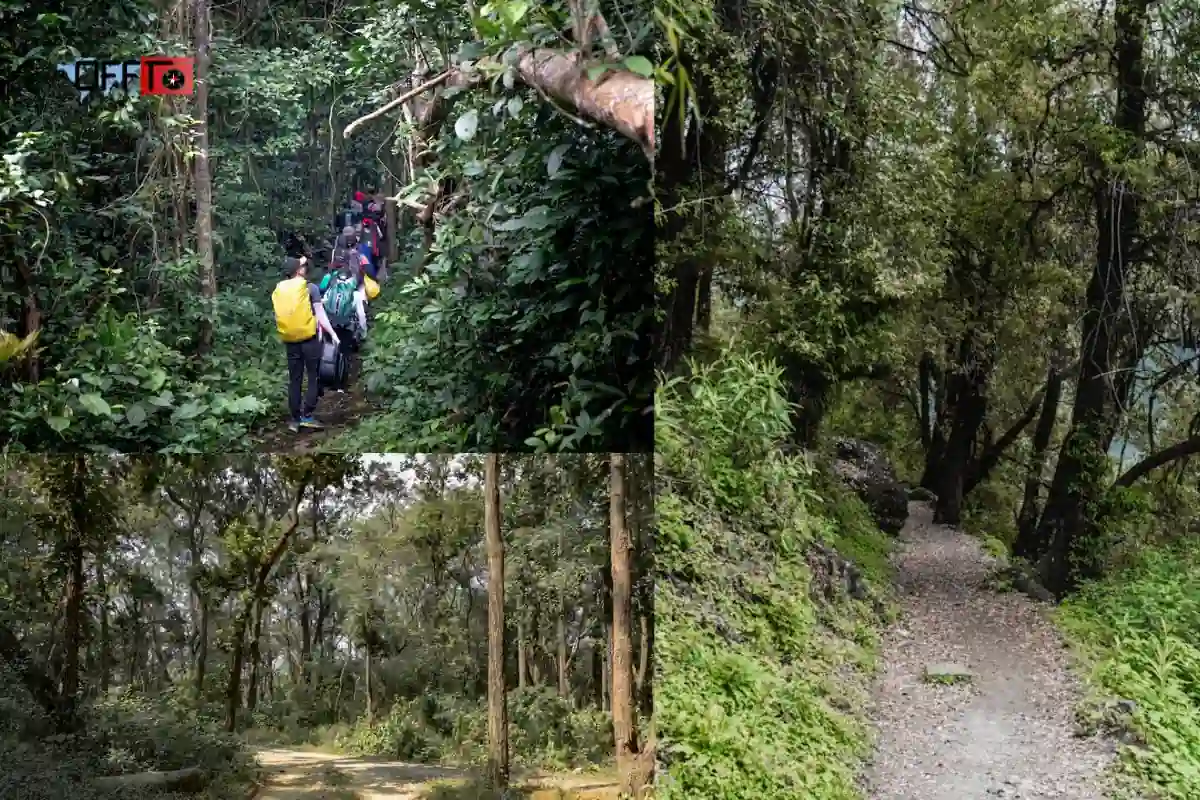
The Aadrai Jungle Trek location is generally described as being near Khireshwar village in the Malshej Ghat–Junnar region of Maharashtra. Trek operators place the trail around the Malshej Ghat belt, with access from the Mumbai and Pune side through road routes toward Khireshwar or nearby trailhead areas. Some sources describe the location as part of Junnar in Pune district, while others reference the broader Malshej Ghat region, so travelers should use Khireshwar/trailhead details when planning. Maharashtra Gadkille
Aadrai Jungle Trek Location
Aadrai is not a city-based trek or a simple roadside tourist point. It is a forest trail located in the Sahyadri region, usually approached through the Malshej Ghat side. The trail is popular with trekking groups from Mumbai and Pune because it can be done as a one-day monsoon trek with early travel and guided support.
For search intent, the simplest answer is:
Aadrai Jungle Trek is located near Khireshwar village, around the Malshej Ghat–Junnar region of Maharashtra, and is known for its dense jungle trail and Kalu Waterfall viewpoint experience.
Malshej Ghat Region
Aadrai is often connected with Malshej Ghat because the region gives the trek its monsoon character. Malshej is known for green cliffs, waterfall routes, mist, and Sahyadri landscapes, and Aadrai fits into that same forest-heavy environment.
This matters because:
- Monsoon weather affects the trail strongly.
- Road conditions can change during heavy rain.
- Fog can affect visibility on both the road and trail.
- Weekend trek groups often combine Aadrai with Malshej-side travel.
- Nearby attractions like Kalu Waterfall, Harishchandragad, and Pimpalgaon Joga Dam belong to the same broader travel circuit.
If you are planning Aadrai, think of it as a Malshej-region jungle trek, not an isolated tourist spot.
Near Khireshwar Village / Junnar Side
Most trek listings place the Aadrai trail near Khireshwar village. The village is also known as an important base-side area for nearby Sahyadri routes, including Harishchandragad-related trails. Treks and Trails notes that the Aadrai forest trek starts from Khireshwar village near Pimpal Joga Dam. Treks and Trails Aadrai Trek
Khireshwar matters for planning because:
- It acts as a practical trailhead reference.
- Local guides and trek groups usually coordinate from this side.
- It helps travelers map road access better.
- It connects Aadrai with the broader Harishchandragad–Malshej route belt.
- It is easier to explain to drivers or local contacts than just saying “Aadrai jungle.”
Access from Mumbai and Pune
Aadrai is commonly done as a one-day monsoon trek from Mumbai and Pune. Distance estimates vary by operator and pickup point. Some Mumbai-based trek listings place Aadrai around 164 km from Mumbai, while other travel guides mention different estimates depending on the chosen route and base reference. Mischief Treks
For Pune travelers, the route is usually shorter than Mumbai for many starting points, but the actual travel time depends on road conditions, monsoon traffic, pickup points, and the final approach to the trailhead.
A practical access view:
- From Mumbai: Best done with a group trek or early private vehicle plan.
- From Pune: Suitable for a one-day monsoon trek with an early start.
- From Nashik: Possible as a regional Sahyadri outing, but route planning is still needed.
- By public transport: More complicated because final-mile access to the trailhead can be uncertain.
- By group trek: Usually easiest because transport, guide, route, and timing are handled together.
District and Location Clarity for Search Intent
Many users ask, “In which district is Aadrai Jungle Trek?” The answer can be slightly confusing because the trek is usually described through the Malshej Ghat, Junnar, and Khireshwar references. Multiple trek operators place Aadrai near Khireshwar village in the Junnar side of Maharashtra, while some broader travel writeups connect it with Ahmednagar/Malshej references depending on route and regional framing. Trek Maharashtra
For practical travel planning, use this location clarity:
- Primary region: Malshej Ghat belt
- Common trailhead reference: Khireshwar village
- Common local planning side: Junnar region
- Nearby circuit: Kalu Waterfall, Harishchandragad, Pimpalgaon Joga Dam
- Best planning keyword: Aadrai Jungle Trek near Khireshwar / Malshej Ghat
Aadrai Jungle Trek Distance, Duration & Trail Type
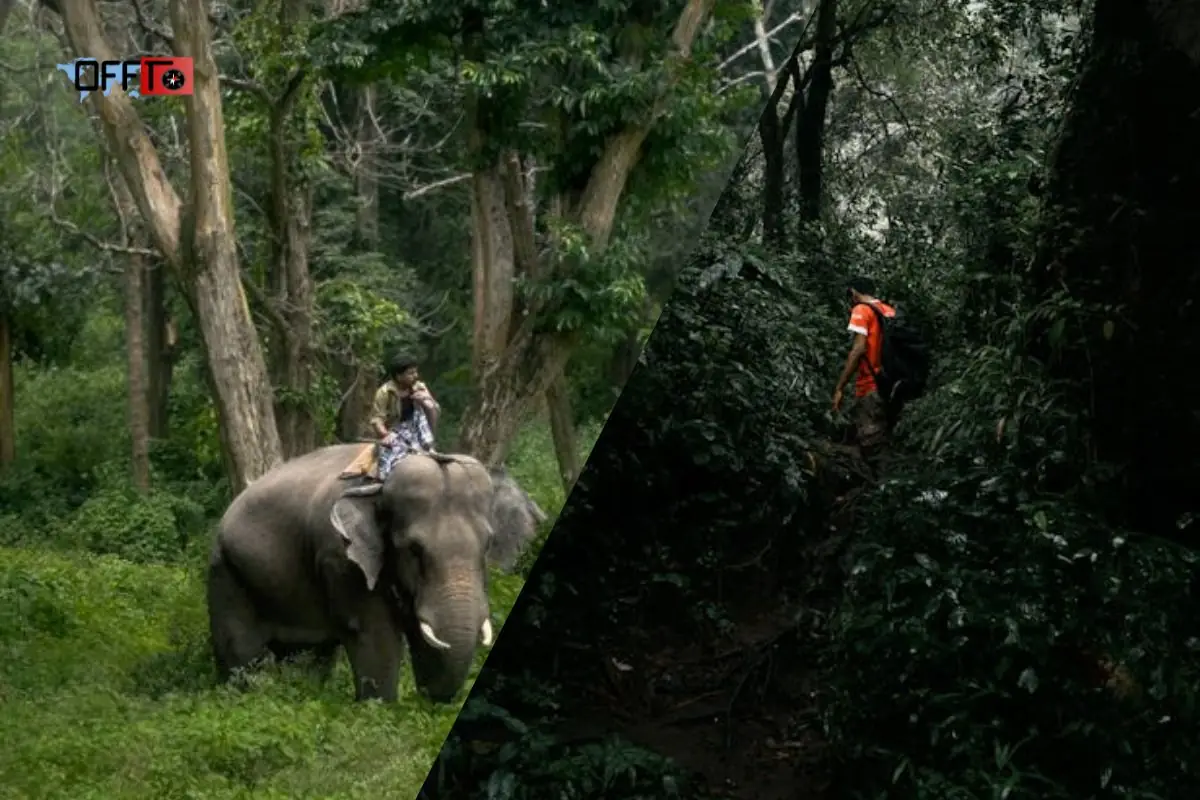
The Aadrai Jungle Trek distance can vary slightly depending on the exact trail route, turnaround point, waterfall viewpoint access, and group operator plan. Many trek sources describe the Aadrai route as roughly 7 km one way, while some guided itineraries mention around 8–9 km as a complete round-trip experience. For travelers, the important thing is not only distance, but the terrain: Aadrai is a muddy, forest-heavy, monsoon jungle trail where 8 km can feel more tiring than a normal dry-road walk.
Aadrai Jungle Trek Distance
Aadrai is not a trek where distance alone tells the full story. The trail passes through dense forest, wet soil, roots, rocks, stream patches, and slippery sections during monsoon. Because of this, even a moderate distance can feel adventurous.
A practical way to understand the distance:
- Short guided route: May feel like a moderate forest walk with waterfall viewpoint stops.
- Longer route version: Can feel more tiring because of mud, pauses, group movement, and return trail effort.
- Waterfall viewpoint route: Distance and time may increase depending on how far the group goes for Kalu Waterfall views.
- Monsoon route: Same distance feels harder due to rain, leeches, slush, and slow footing.
- Beginner experience: First-timers may feel the distance more because jungle terrain needs more focus than a normal trek path.
So, while the trek may not look very long on paper, the forest terrain makes it feel immersive and physically engaging.
One-Way vs Round-Trip Distance Clarity
The confusion around Aadrai distance usually happens because some people mention one-way distance, while others describe the full round-trip trail. Some guided groups may take a shorter route and return from a viewpoint, while others may follow a longer forest loop depending on weather and group capability.
For planning, keep this simple:
- Ask your trek operator whether the distance mentioned is one way or total.
- Confirm whether the route includes Kalu Waterfall viewpoint.
- Check whether the trail is an out-and-back route or loop-style route.
- Ask if the plan changes during heavy rain.
- Do not assume all Aadrai trek itineraries follow the exact same trail.
This is important because the trek experience can change significantly based on the route used.
Trek Duration
The Aadrai trek usually takes around 4–6 hours on trail, depending on pace, weather, group size, mud conditions, and time spent at break points or waterfall viewpoints. In monsoon, the same route can take longer because trekkers move slowly through slippery and muddy patches.
Typical time factors include:
- Group size: Larger groups move slower inside narrow forest sections.
- Rain intensity: Heavy rain slows down stream crossings and muddy patches.
- Fitness level: Beginners may need more breaks.
- Photography stops: The forest and waterfall viewpoints naturally slow the pace.
- Guide decisions: Guides may alter the route if conditions are unsafe.
- Lunch/snack breaks: Most one-day treks include at least one longer forest break.
For a one-day trek, keep the entire day free. Aadrai is not a quick two-hour nature walk.
Jungle Trail Terrain
The Aadrai jungle trail is the main reason this trek is popular. It feels raw, green, shaded, and deeply monsoon-driven. You are not climbing open fort steps or walking across a dry plateau; you are moving through forest.
Expect terrain like:
- Muddy sections where shoes can sink slightly
- Wet roots that need careful footing
- Mossy stones and slippery rocks
- Narrow forest paths with dense vegetation
- Stream crossings during active monsoon
- Occasional open patches with valley or waterfall views
- Darker forest sections where visibility may feel lower
- Leeches in wet season, especially in thick vegetation and damp patches
This trail type is exactly what makes Aadrai exciting, but also why preparation matters. Good shoes, a guide, and patience are essential.
Break Points and Waterfall Viewpoints
Aadrai is not only about walking continuously. The best guided treks include break points where trekkers can pause, hydrate, snack, take photos, and enjoy the forest mood.
Common break experiences may include:
- A forest rest point for snacks
- Small stream-side pauses
- Kalu Waterfall viewpoint sections
- Valley openings when fog clears
- Group photo stops at safe locations
- Short halts before muddy or tricky patches
- Lunch break depending on trek plan
The Kalu Waterfall viewpoint is a major highlight, but visibility depends on weather. Fog, rain, and cloud movement can change the view quickly. Go for the full jungle experience, not only one perfect waterfall photo.
Aadrai Jungle Trek Difficulty Level: Easy or Difficult?
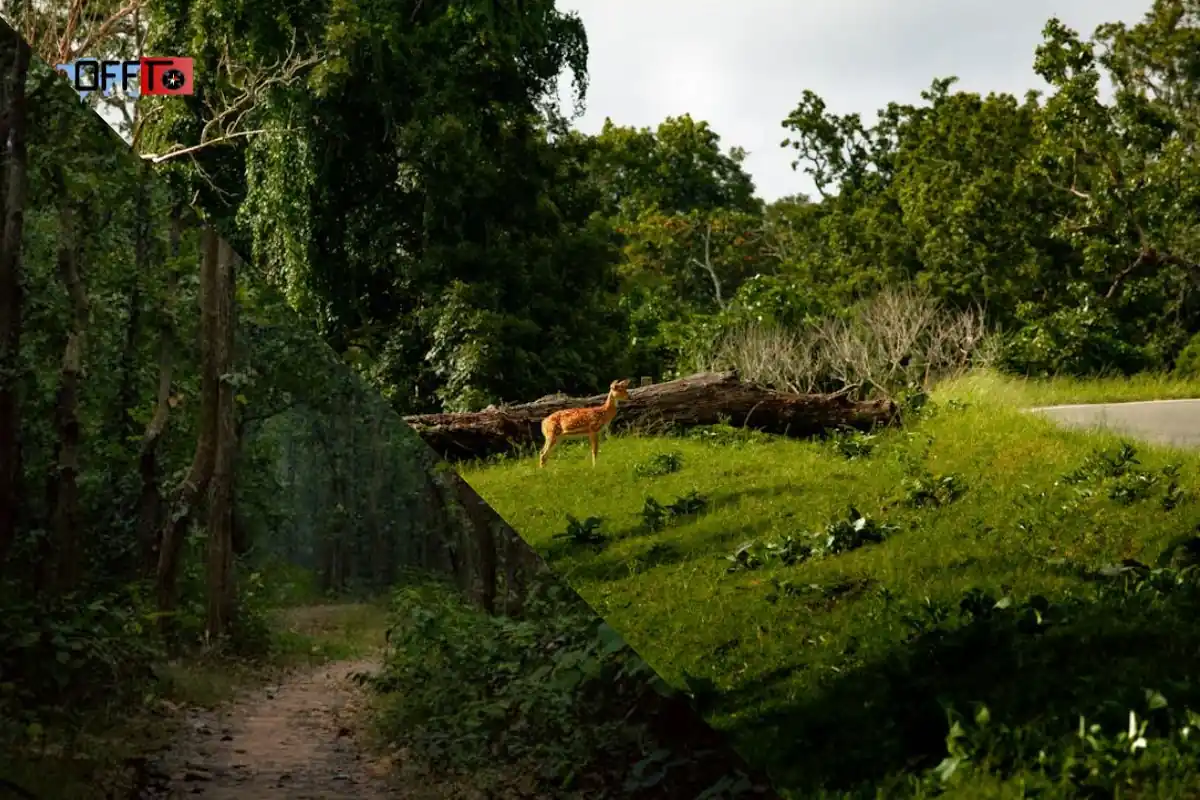
The Aadrai Jungle Trek difficulty level is generally considered easy to moderate or moderate, depending on weather, trail condition, and your fitness. It is not technically difficult like a rock-climbing trek, but it is not a casual picnic trail either. The real challenge comes from slippery monsoon paths, dense forest navigation, mud, stream crossings, and endurance.
Actual Difficulty Level
Aadrai feels manageable for active beginners, but it can feel challenging for casual travelers who are not used to walking on muddy or uneven terrain. The trek does not involve major altitude gain like some Sahyadri forts, but the forest trail demands balance and alertness.
The difficulty comes from:
- Slippery footing during rain
- Muddy forest sections
- Unclear trail markings in dense jungle
- Slow group movement
- Leeches in monsoon
- Wet rocks and roots
- Long walking duration
- Tiredness during the return trail
So, if you ask, “Is the Aadrai Jungle Trek easy or difficult?” the honest answer is: it is beginner-friendly with guidance, but not effortless.
Fitness Requirement
You do not need athlete-level fitness for the aadrai trek, but you should be comfortable walking for several hours. Basic stamina matters more than speed.
You are likely ready for Aadrai if you can:
- Walk continuously for 4–5 hours with breaks
- Handle muddy shoes and wet clothes
- Balance on uneven rocks and roots
- Carry a small backpack
- Stay calm in rain and forest conditions
- Follow a guide’s instructions
- Avoid rushing through slippery patches
If you rarely walk or get tired quickly on stairs or uneven ground, prepare with a few practice walks before attempting Aadrai in peak monsoon.
Slippery Monsoon Trail
Monsoon is the best season for Aadrai, but it also makes the trail more difficult. Wet soil, flowing water, mossy rocks, and slippery roots can slow every step. Even experienced trekkers need to move carefully.
During monsoon, remember:
- Do not run on the trail.
- Avoid jumping between rocks.
- Use trekking shoes with strong grip.
- Keep hands free in tricky sections.
- Walk in a line with the group.
- Let the guide lead through confusing patches.
- Carry an extra pair of socks.
- Expect mud; do not fight it.
The forest is beautiful in rain, but overconfidence is the biggest risk.
Navigation Challenge Inside Dense Forest
Navigation is one of the main reasons guide support matters. Inside the aadrai jungle, many sections can look similar, especially during fog or heavy rain. The trail may not always have clear markings, and wrong turns can waste time or create safety concerns.
This is why solo trekking is not recommended for first-timers. A guide helps with:
- Route direction
- Safe trail choices
- Stream crossing judgment
- Group pacing
- Waterfall viewpoint access
- Return trail clarity
- Avoiding risky shortcuts
Aadrai is best enjoyed when you are free to experience the forest instead of worrying about whether you are on the right path.
Beginner Suitability
Beginners can do Aadrai Jungle Trek if they are active, prepared, and part of a guided group. It is a good monsoon trek for first-timers who want something more exciting than a simple hill walk, but it may be too much for people expecting a clean, dry, easy path.
Aadrai is suitable for beginners who:
- Are comfortable getting muddy
- Can walk for several hours
- Are okay with rain and forest conditions
- Listen to guide instructions
- Wear proper trekking shoes
- Carry rain protection and water
- Stay with the group
It is not ideal for people who dislike wet trails, leeches, slippery paths, or slow jungle movement.
Why Guide Support Matters
Guide support is not just a convenience on Aadrai; it is part of safe trek planning. The dense forest, monsoon weather, and route variations make guided trekking the smarter choice.
A guide makes the trek better because:
- You avoid navigation stress.
- The group stays together.
- Risky patches are handled carefully.
- Waterfall viewpoints are approached safely.
- Heavy-rain decisions are made more responsibly.
- Beginners feel more confident.
- Return timing stays under control
For most travelers, Aadrai Jungle Trek is best done as a guided monsoon group trek. That way, you can enjoy the forest, mud, waterfalls, and wild trail feeling without turning the experience into a route-finding problem.
Aadrai Jungle Trail: What the Route Actually Looks Like
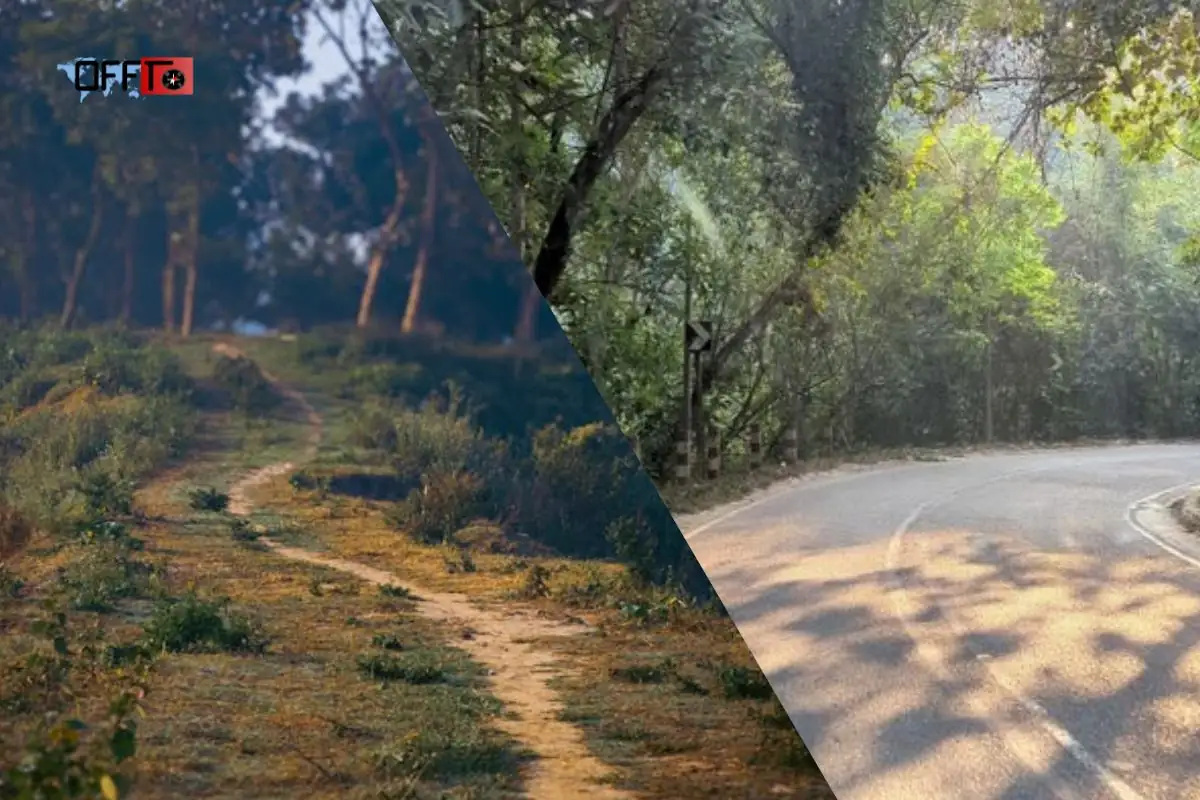
The Aadrai jungle trail is not a casual forest walk. It is a monsoon-heavy route where trekkers move through dense greenery, wet soil, muddy patches, stream crossings, slippery rocks, and forest sections that can feel confusing without a guide. The trek usually starts around the Khireshwar side, and route details vary by operator, with some listing the trail near Khireshwar as around 7 km one way and others describing shorter or longer round-trip versions depending on the exact plan.
Starting Point Near Khireshwar Side
Most Aadrai Jungle Trek plans begin near the Khireshwar side in the Malshej Ghat region. The starting point often feels quiet and rural before the trail slowly enters denser greenery. This is where the group usually gathers, meets the guide, checks footwear, adjusts rain covers, and gets basic trail instructions.
Before entering the forest, trekkers should ideally confirm:
- Whether the route includes the Kalu Waterfall viewpoint
- Whether the trek is a loop or return trail
- Expected walking time and lunch break point
- Current trail condition after rain
- Whether stream crossings are active
- Emergency contact and group instructions
- What to do if visibility drops or someone slows down
This first briefing matters because once the group enters the jungle, network and visibility may become unreliable.
Dense Forest Walk
The dense forest section is the soul of the Aadrai Trek. You walk under thick green cover, surrounded by wet leaves, roots, mossy rocks, and a constant monsoon atmosphere. Unlike open Sahyadri treks where the view stays wide, Aadrai often feels enclosed and immersive.
What makes this section special:
- The forest canopy keeps the trail cool and shaded.
- The path feels raw, natural, and less commercial.
- Mist and rain make the jungle feel cinematic.
- The sound of insects, birds, flowing water, and footsteps creates a strong wilderness mood.
- The trail keeps changing between narrow paths, muddy patches, and small clearings.
This is also where many beginners realize that “easy to moderate” does not mean effortless. The forest looks beautiful, but every step needs attention.
Stream Crossings and Muddy Patches
During monsoon, stream crossings and muddy sections are part of the experience. Some patches may require careful footing, while others may slow the group down. Trek listings commonly describe Aadrai as suitable for monsoon, but they also note that the trail can become slippery and requires basic fitness and care.
Expect the trail to include:
- Wet roots that can cause slips
- Soft mud that sticks to shoes
- Small flowing streams after rain
- Moss-covered rocks
- Narrow sections where only one person can pass at a time
- Leeches in damp forest patches during peak monsoon
- Slower movement during heavy rainfall
This is why proper trekking shoes are non-negotiable. Slippers, fashion sneakers, and smooth-soled shoes can ruin the experience and increase risk.
Kalu Waterfall Viewpoint Section
The Kalu Waterfall viewpoint is one of the biggest highlights of Aadrai Jungle Trek. Trekkers usually look forward to this section because it gives a break from the enclosed forest and opens into a dramatic waterfall or valley-view experience, depending on weather and visibility. Some operators specifically promote Aadrai as a jungle trek with Kalu Waterfall top-view access.
What to remember here:
- The view depends heavily on fog, rainfall, and cloud movement.
- The safest viewpoint may not be the closest viewpoint.
- Do not walk toward cliff edges for photos.
- Listen to your guide before stepping into open viewpoints.
- Waterfall flow is strongest in monsoon but visibility may be unpredictable.
- A cloudy day can hide the view completely for a while and reveal it suddenly later.
Go for the full jungle experience, not only one guaranteed waterfall photo.
Return Trail Reality
The return trail can feel more tiring than expected. Many trekkers enjoy the first half with excitement, photos, and forest energy, but the return requires patience. Wet shoes, muddy clothes, leeches, fatigue, and repeated slippery sections can make the walk back feel slower.
The real return-trail experience often includes:
- Tired legs after hours of walking
- More slips if trekkers rush downhill or through mud
- Less excitement and more focus needed
- Group gaps if people walk at different speeds
- Confusion if someone separates from the guide
- Slower movement during rain or fog
- Higher chance of careless mistakes near the end
This is why Aadrai is better done with a disciplined group. Stay together, follow the guide, and do not assume the return will be easier just because you know the route.
Best Time to Visit Aadrai Jungle Trek
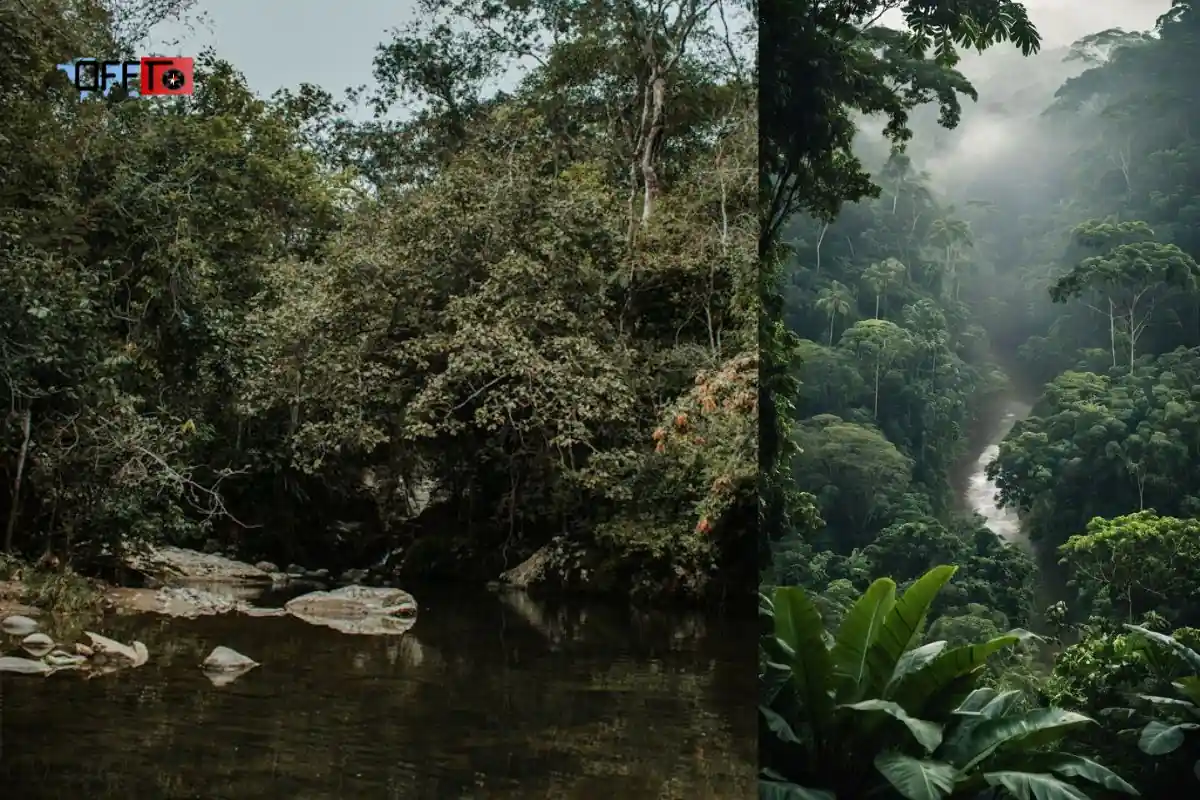
The best time to visit Aadrai Jungle Trek is during the monsoon and early post-monsoon period, especially from June to November, depending on what kind of experience you want. Monsoon is best for peak greenery, flowing streams, mud, mist, and waterfall views. Post-monsoon is better if you want a slightly cleaner trail with good greenery and reduced rain intensity.
Aadrai Jungle Trek in Monsoon
Monsoon is the most popular season for Aadrai. From June to September, the forest becomes lush, streams become active, and the trail feels wild and alive. This is the version that attracts most Mumbai and Pune trekkers.
Monsoon is best for:
- Dense green jungle atmosphere
- Flowing streams and wet forest sections
- Kalu Waterfall viewpoint experience
- Misty Sahyadri scenery
- Dramatic rain-soaked photos
- True “hidden jungle trek” feeling
But monsoon also brings the toughest trail conditions:
- Muddy paths
- Leeches
- Slippery stones
- Wet roots
- Low visibility
- Slower walking pace
- Higher navigation risk inside dense forest
Monsoon Aadrai is beautiful, but it should never be treated casually. Go with a guide, wear proper shoes, and avoid the trek during extreme rainfall.
Post-Monsoon Aadrai Trek
Post-monsoon, especially October and November, is a good choice for trekkers who want greenery without peak rain chaos. The forest may still look fresh, streams may continue in some sections, and the route can feel more manageable than during heavy monsoon.
Post-monsoon works well if you want:
- Better trail stability
- Fewer leech issues compared with peak rains
- More comfortable walking
- Clearer views from open sections
- A good balance between greenery and safety
- A better first-time jungle trek experience
The waterfall flow may reduce compared with peak monsoon, but the trek often becomes more comfortable for beginners.
Summer Reality
Summer is not the best time for Aadrai Jungle Trek. The route loses much of its monsoon magic, the forest can feel drier, and the waterfall experience may not be as rewarding. Aadrai’s real identity is tied to rain, mist, mud, and forest freshness.
Summer may disappoint you if you expect:
- Full waterfall flow
- Lush green jungle
- Cool trekking weather
- Streams along the route
- Classic monsoon atmosphere
If summer is your only option, start early, carry more water, and treat it as a forest walk rather than the full Aadrai monsoon experience.
Best Time of Day to Start
The best time of day to start Aadrai Jungle Trek is early morning. Most guided groups begin early because the trek needs enough daylight, especially inside dense forest sections where navigation and visibility matter.
Starting early helps because:
- The weather feels cooler.
- The group has more daylight for the return.
- Forest sections feel calmer and fresher.
- Waterfall viewpoints can be enjoyed without rushing.
- There is more buffer if rain slows the group.
- Beginners get enough time for breaks.
- The return trail is safer before evening light drops.
Starting late is risky because jungle routes can become confusing, rain can slow movement, and the return can feel stressful if daylight fades.
Month-Wise Travel Feel
Months | Aadrai Trek Experience | Best For | Reality Check |
June–September | Peak monsoon, dense greenery, mud, streams, waterfall views | Monsoon lovers, guided groups, adventure trekkers | Slippery trail, leeches, fog, navigation risk |
October–November | Post-monsoon greenery, better visibility, more stable trail | Beginners, photographers, safer group treks | Waterfall flow may reduce |
December–February | Cooler weather but less jungle drama | Casual walkers, dry-weather trekkers | Not the classic Aadrai experience |
March–May | Hotter, drier, reduced waterfall appeal | Only if you want a simple walk | Not ideal for the main Aadrai vibe |
For most travelers, the best answer is simple: choose monsoon for the full wild jungle experience, and choose post-monsoon for a safer, cleaner, beginner-friendlier version.
History & Local Context of Aadrai Jungle Trek
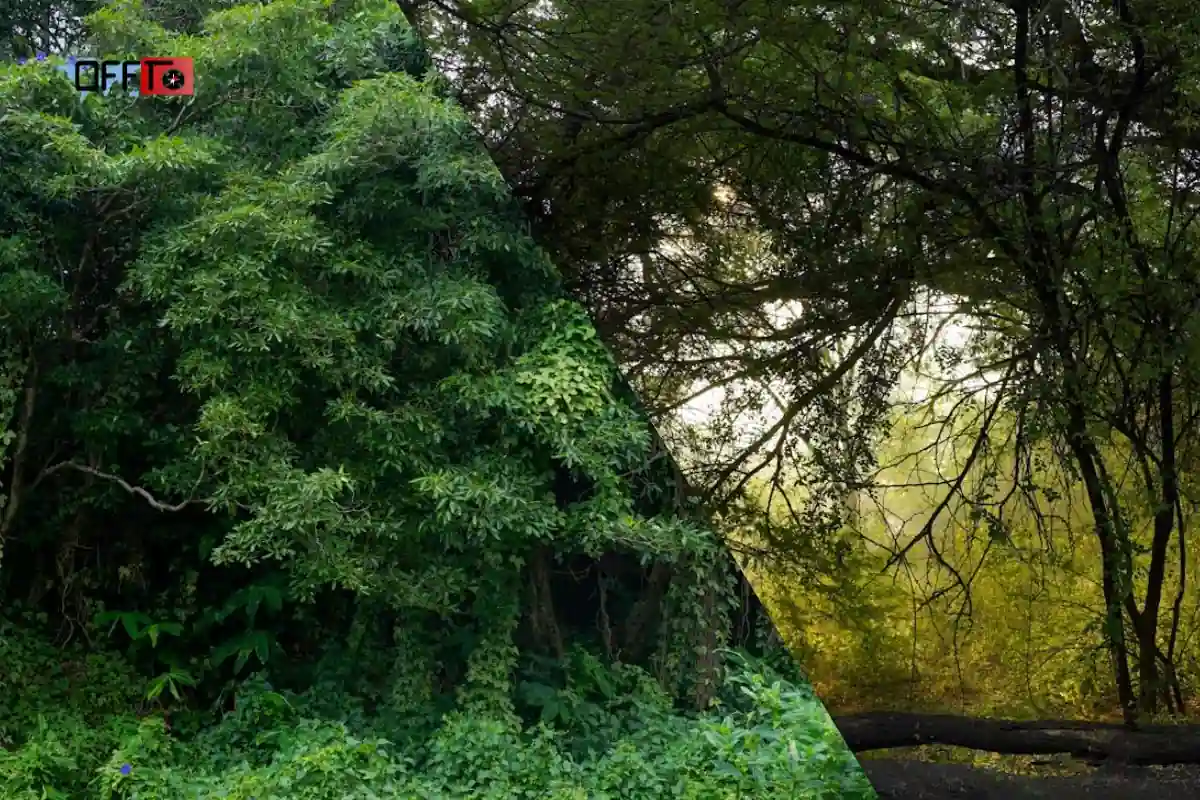
The Aadrai Jungle Trek does not have the same kind of fort-history narrative that you find in treks like Harishchandragad, Rajmachi, Salher, or Lohagad. Its “history” is more local, natural, and route-based. Aadrai is best understood as an old forest trail in the Malshej Ghat–Khireshwar region that became popular recently because monsoon trekking groups started highlighting its dense jungle route, Kalu Waterfall views, and hidden-trail atmosphere.
What “History” Means for Aadrai
When people ask, “What is the history of Aadrai Jungle Trek?”, the answer should be framed carefully. Aadrai is not mainly known for forts, battles, rulers, caves, or monuments. Its story comes from the forest route itself.
The local context is more about:
- Old village-side movement through forest areas
- Natural trails used around the Khireshwar and Malshej belt
- Seasonal water routes and monsoon forest paths
- Connection with nearby trekking regions like Harishchandragad
- Recent popularity through guided monsoon trek groups
- Kalu Waterfall viewpoints becoming a major trek attraction
So, Aadrai’s value is not in grand stone ruins. Its identity comes from wild greenery, forest silence, rain-soaked trails, and the feeling of walking through a hidden Sahyadri route.
Less of a Fort-History Trek, More of an Old Forest Route
Aadrai is different from a fort trek because there is no major summit fortification or military structure waiting at the end. The trail is more about the journey than a final monument.
This is important for expectation-setting:
- Do not expect fort gates, walls, or bastions.
- Do not expect a clearly built stair route.
- Do not expect a dry, open plateau walk.
- Expect dense forest, wet paths, roots, mud, streams, and changing visibility.
- Expect a natural trail that feels more raw than polished.
- Expect guide-led navigation rather than obvious wayfinding.
This is why Aadrai appeals to trekkers who want forest immersion rather than fort exploration.
Local Village Route Significance
The trail’s local importance comes from its connection with nearby villages and forest-side movement. Treks usually begin from the Khireshwar side or nearby trailhead areas, making local guide knowledge extremely useful.
Local route knowledge matters because:
- The trail may change slightly depending on weather.
- Some paths become slippery or unclear in heavy rain.
- Water crossings can behave differently each week.
- Safe waterfall viewpoint access depends on conditions.
- Forest navigation is easier for locals who know the terrain.
- Return routes can feel confusing for first-time trekkers.
This is why Aadrai is better done with people who know the area well.
Connection with Malshej Ghat, Khireshwar and Harishchandragad Region
Aadrai belongs to the larger Malshej Ghat trekking circuit. This region is already popular for monsoon drives, waterfalls, Harishchandragad routes, Kalu Waterfall, Khireshwar village, Pimpalgaon Joga Dam, and nearby Sahyadri trails.
That connection helped Aadrai become popular. Trekkers who had already explored forts and waterfalls around Malshej started looking for a more forest-heavy route, and Aadrai offered exactly that: a dense jungle trail with monsoon drama.
Why Aadrai Became Popular Recently
Aadrai became popular mainly because trekking groups and monsoon travelers started sharing its forest visuals, waterfall viewpoints, and “hidden jungle” feel online.
Its rise makes sense because modern trekkers are looking for:
- Offbeat monsoon trails near Mumbai and Pune
- Dense forest routes instead of crowded forts
- Waterfall viewpoints without a commercial tourist feel
- Guided group treks with adventure but manageable difficulty
- Photogenic jungle paths, mist, mud, and rain-soaked landscapes
Aadrai’s popularity is recent, but the trail feels old, local, and rooted in the natural rhythm of the Malshej forest region.
How to Reach Aadrai Jungle Trek
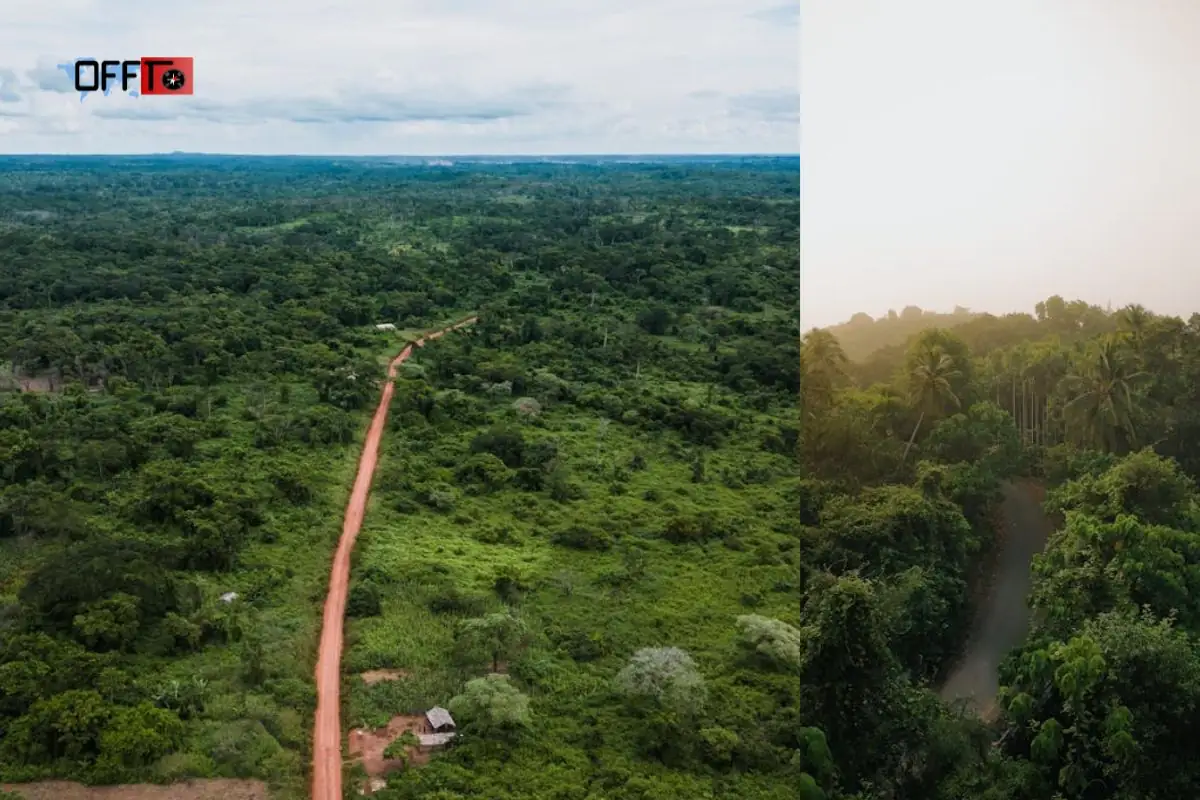
To reach Aadrai Jungle Trek, most travelers first plan for the Malshej Ghat–Khireshwar side of Maharashtra. The trailhead is usually accessed by road, and guided treks commonly arrange transport from Mumbai, Pune, or nearby pickup points. Public transport can be possible in parts, but final access to the trailhead is easier with a private vehicle or organized trek group.
Mumbai to Aadrai Jungle Trek
From Mumbai, Aadrai is usually planned as a one-day monsoon group trek with an early pickup. Since the route goes toward the Malshej Ghat belt, travel time can feel long, especially during rain, traffic, and ghat-road conditions.
Mumbai travelers should plan for:
- Very early departure, often before sunrise
- Group trek transport for easier logistics
- Rain delays during peak monsoon
- A full-day outing rather than a short half-day trip
- Extra buffer time for the return journey
- Avoiding self-drive fatigue after a muddy trek
For first-timers from Mumbai, a guided trek is usually the simplest and safest option.
Pune to Aadrai Jungle Trek
From Pune, Aadrai is also a strong one-day monsoon trek option. The journey is usually more manageable than from Mumbai for many starting points, but road conditions and final trailhead access still matter.
Pune travelers should keep in mind:
- Start early to reach the trailhead on time.
- Avoid depending on last-minute public transport.
- Carry rain gear from the beginning of the journey.
- Confirm whether the trek starts near Khireshwar or another nearby point.
- Check if the itinerary includes Kalu Waterfall viewpoint.
- Keep the evening return flexible in case rain slows the group.
Aadrai works well from Pune if the day is planned around early travel and guided trail movement.
Nashik to Aadrai Jungle Trek
From Nashik, Aadrai can be planned as part of the broader Malshej–Junnar trekking circuit. It may not be as common as Mumbai or Pune group departures, but it is still possible with private transport or a custom trekking plan.
For Nashik travelers, the main things to confirm are:
- Exact road route to the trailhead
- Whether local guide support is available
- Current monsoon road conditions
- Start time and return time
- Whether nearby places like Malshej Ghat or Pimpalgaon Joga Dam are being added
If coming from Nashik, avoid reaching late because jungle trekking after a delayed start can become stressful.
Reaching Khireshwar / Trailhead Area
Khireshwar is the most useful trailhead reference for Aadrai Jungle Trek. Many trek plans begin near this side or use it as a navigation point for the forest route.
Before reaching the trailhead, confirm:
- Exact reporting point
- Parking availability if self-driving
- Guide contact number
- Network availability
- Whether breakfast or lunch is included
- Trail condition after recent rain
- Expected return timing
Do not rely only on a map pin. For Aadrai, guide coordination matters more than just reaching a location on Google Maps.
Public Transport vs Private Vehicle
Public transport can work up to major towns or road points, but final access to the Aadrai trailhead can be uncertain. This is why private vehicles and organized group transport are more practical.
Choose a guided group or private vehicle if
- You are visiting for the first time.
- You are trekking during monsoon.
- You want Kalu Waterfall viewpoint access.
- You do not know the forest route.
- You want safer timing and return logistics.
- You are travelling from Mumbai or Pune.
Choose public transport only if
- You have enough buffer time.
- You already know the route.
- You have arranged final local transport.
- You are joining a guide at the trailhead.
- You are comfortable with delays and route changes.
For most travelers, Aadrai is not a trek to “figure out on the spot.” Plan the route, start early, go with a guide, and keep the day flexible for monsoon conditions.
Aadrai Jungle Trek Itinerary: One-Day Monsoon Plan
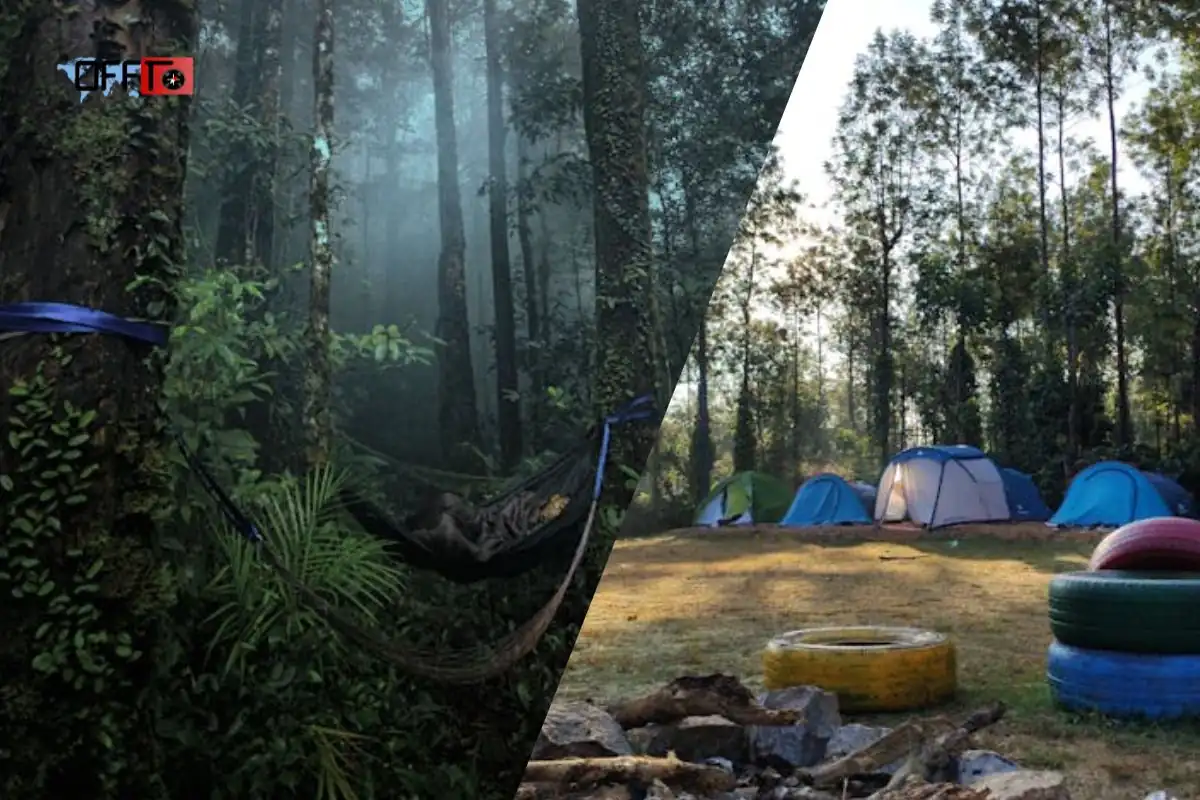
A one-day Aadrai Jungle Trek itinerary works best when you start early, trek with a guide, keep the route flexible, and return before daylight drops. Aadrai is not a trek where you should arrive late and “figure it out.” The forest trail, muddy patches, stream crossings, and Kalu Waterfall viewpoint section all need time, especially during monsoon.
Early Morning Arrival
Aim to reach the trailhead near the Khireshwar side early in the morning. This gives your group enough daylight for the full jungle trail, waterfall viewpoint break, lunch stop, and return walk.
Early arrival helps because:
- The forest feels fresh, cool, and less crowded.
- The group gets more daylight for navigation.
- Rain delays can be managed without panic.
- Beginners get enough time for breaks.
- The return trail feels safer before evening light fades.
- Guides can adjust the route if weather changes.
For Mumbai and Pune travelers, this usually means leaving very early or joining an organized group trek with planned transport.
Start Time
The ideal start time for Aadrai is early morning, usually after breakfast and guide briefing. Before starting, confirm the route, expected duration, return time, and whether the trek includes the Kalu Waterfall viewpoint.
Before entering the forest, check:
- Shoes are tied properly.
- Raincoat or poncho is easy to access.
- Phone and wallet are inside a dry bag.
- Water bottle is filled.
- Snacks are packed in an accessible pocket.
- Everyone knows the guide’s instruction.
- No one starts alone or walks ahead without the group.
Aadrai becomes more enjoyable when the group starts organized instead of rushing into the jungle.
Jungle Trail Walk
The jungle trail walk is the main experience. Expect dense greenery, narrow paths, wet leaves, muddy ground, stream patches, roots, and slippery rocks. This is where Aadrai feels different from regular fort treks.
During the forest walk:
- Walk in a line and keep visual contact with the group.
- Step carefully on roots and stones.
- Avoid touching unknown plants unnecessarily.
- Do not run through muddy sections.
- Keep your hands free in tricky patches.
- Listen to the guide at turns and crossings.
- Accept that your shoes will get muddy
The best way to enjoy the Aadrai jungle trail is to slow down and absorb the forest mood instead of treating it like a race.
Waterfall Viewpoint Break
The Kalu Waterfall viewpoint section is one of the biggest highlights of the trek. On a good monsoon day, this break can give you dramatic valley views, mist, waterfall flow, and a strong Sahyadri feeling.
At the viewpoint:
- Stay only where the guide says it is safe.
- Avoid cliff-edge photos.
- Do not step onto wet rocks for a better angle.
- Wait patiently if fog blocks the view.
- Keep your group away from unsafe edges.
- Protect phones and cameras from rain spray.
- Enjoy the view without rushing the stop.
Waterfall visibility depends on rain, fog, and cloud movement. Even if the view is partly hidden, the forest journey itself remains the real reward.
What to Pack for Aadrai Jungle Trek
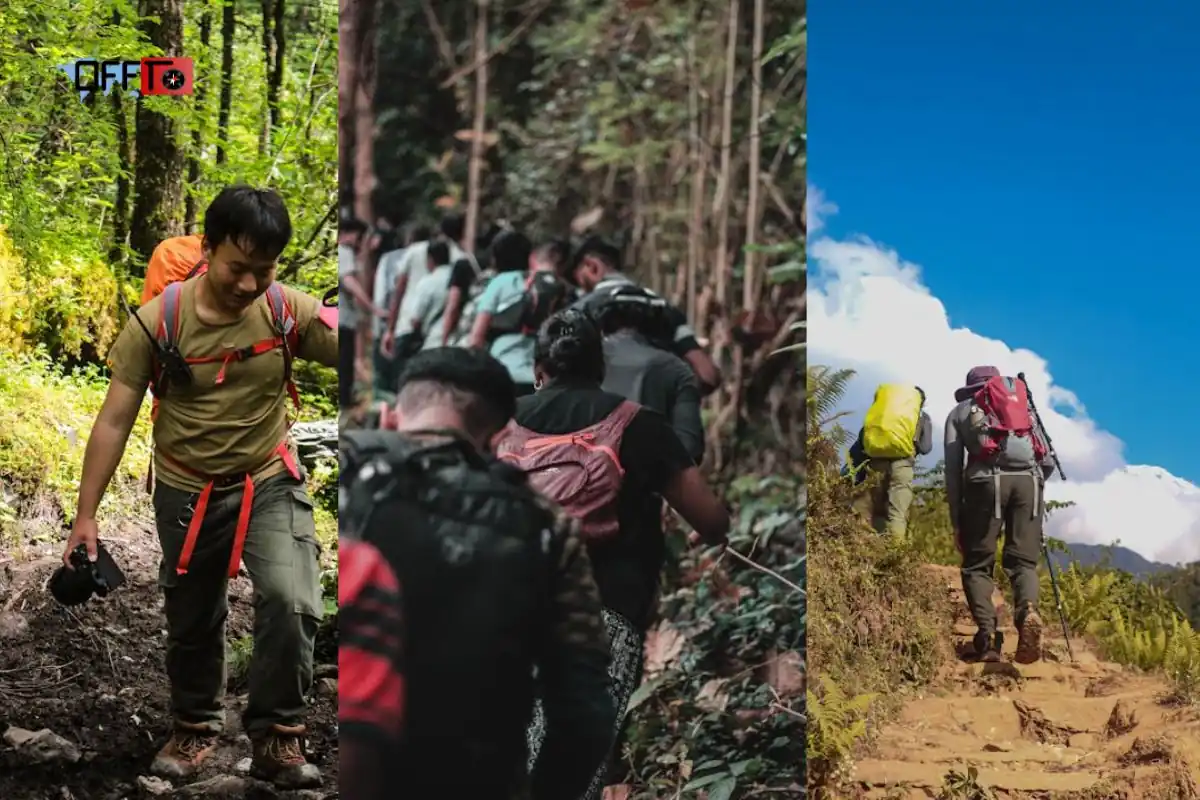
Packing correctly can make the Aadrai Jungle Trek much safer and more enjoyable. Since the trail is wet, muddy, forested, and monsoon-heavy, your packing should focus on grip, rain protection, hydration, leech awareness, and keeping essentials dry.
Trek Shoes with Grip
Good trekking shoes are the most important item for Aadrai. The trail can include mud, wet roots, mossy rocks, and stream crossings.
Choose shoes that have:
- Strong grip
- Good sole support
- Comfortable fit
- Quick-dry or water-resistant material
- Enough ankle stability for uneven ground
Avoid sandals, slippers, flat sneakers, or old shoes with worn-out soles.
Raincoat or Poncho
Carry a proper raincoat or poncho because Aadrai is best experienced in monsoon, and rain can start anytime.
A poncho works well because:
- It covers your backpack too.
- It is easy to wear quickly.
- It allows better movement than an umbrella.
- It keeps your hands free on slippery sections.
Avoid carrying an umbrella on the trail. It becomes inconvenient inside dense forest and muddy patches.
Torch or Headlamp
A torch or headlamp is useful even for a day trek. If the return gets delayed due to rain, slow group movement, or route changes, extra light becomes important.
A headlamp is better because it keeps your hands free.
Power Bank
Carry a fully charged power bank because phone battery may drain quickly due to photos, low network search, GPS, and rain-related delays.
Keep it inside a dry pouch. A wet power bank is not only useless but also risky.
For Aadrai Jungle Trek, pack light but smart. The goal is not to carry everything; the goal is to carry exactly what helps you stay dry, steady, hydrated, and safe on a wet jungle trail.
Aadrai Jungle Trek Safety Guide
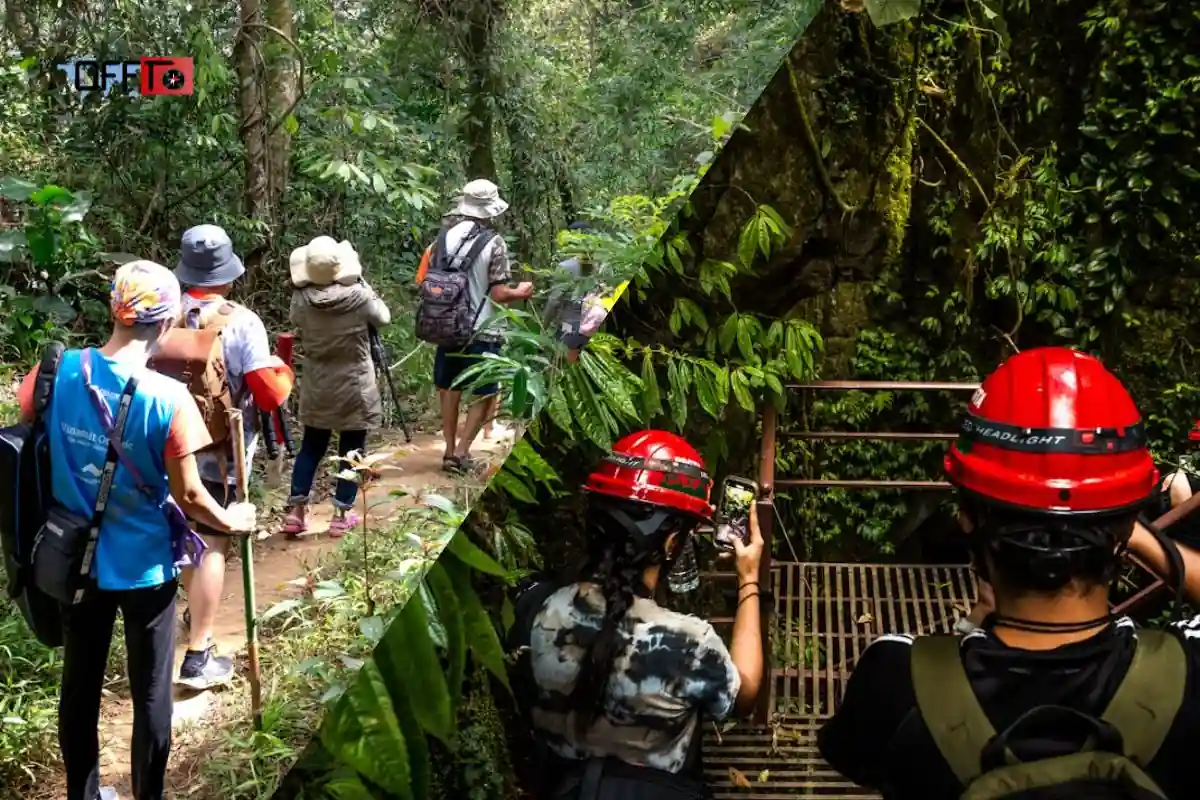
Aadrai Jungle Trek is beautiful, but it should be treated as a real monsoon forest trek, not a casual picnic trail. The route can include dense jungle, mud, wet roots, stream crossings, slippery stones, low visibility, leeches, and confusing trail sections. The safest way to enjoy the trek is to go with a guide, stay with the group, and avoid risky behavior for photos or shortcuts.
Go with a Guide or Group
Aadrai is strongly recommended with a guide or organized trekking group. The forest route can feel confusing, especially during rain or fog, and many sections may look similar to first-time visitors.
A guide helps with:
- Choosing the correct jungle route
- Keeping the group together
- Identifying slippery or unsafe patches
- Managing stream crossings
- Reaching safe Kalu Waterfall viewpoint areas
- Adjusting the route during heavy rain
- Avoiding wrong turns inside dense forest
- Handling delays before daylight reduces
For most beginners, a guided Aadrai trek is not just convenient; it is the smarter and safer option.
Avoid Solo Trekking
Solo trekking is not advisable on Aadrai Jungle Trek, especially in monsoon. The trail is forested, wet, and navigation-heavy. If you lose the route, get injured, or face sudden heavy rain, getting help may not be immediate.
Avoid solo trekking because:
- Mobile network may be unreliable.
- Trail markers may not be obvious.
- Forest paths can look similar.
- Slips and minor injuries are harder to manage alone.
- Stream crossings may be unsafe without support.
- Rain can change trail conditions quickly.
- Returning before dark becomes harder if delayed.
Even experienced trekkers should consider going with locals or a small group that knows the route.
Don’t Separate from the Group
Inside the Aadrai jungle trail, staying with the group is very important. A small gap can become confusing when visibility drops or the path splits.
Good group discipline means:
- Do not walk ahead of the guide.
- Do not stop too long for photos without informing someone.
- Keep the person behind you in sight.
- Wait at turns until the next person arrives.
- Do not take shortcut-looking side trails.
- Inform the guide if you need a break.
- Keep slower trekkers supported, not isolated.
Aadrai is most enjoyable when the whole group moves as one unit.
Avoid Cliff-Edge Photos
Kalu Waterfall viewpoints and valley openings can look dramatic, but cliff-edge photos are not worth the risk. Fog, wet grass, loose soil, and slippery stones can make edges dangerous.
For safe photography:
- Stay only where the guide allows.
- Avoid leaning beyond natural edges.
- Do not stand on wet rocks for “better angles.”
- Keep children away from open edges.
- Avoid group jumping shots near viewpoints.
- Use wide-angle shots from safe distance.
- Do not let social media pressure decide your movement.
Aadrai offers enough beauty from safe spots.
Check Weather Before Travel
Weather affects Aadrai more than many regular treks. Heavy rain can make streams stronger, mud deeper, and visibility lower.
Before leaving, check:
- Rain forecast for Malshej/Junnar region
- Local trek operator updates
- Road condition toward the trailhead
- Group start time and backup plan
- Whether Kalu Waterfall viewpoint is safe that day
- Whether the route may be shortened due to rain
If weather looks extreme, postponing is better than forcing the trek.
Avoid Heavy-Rain Days
Aadrai is a monsoon trek, but that does not mean every rainy day is suitable. Heavy-rain days can make the forest unsafe, especially for beginners.
Avoid trekking when:
- Rainfall is continuous and intense.
- Visibility is very poor.
- Streams are flowing strongly.
- The group is starting late.
- Local guides advise against the full route.
- You do not have proper shoes or rain gear.
- You are travelling with very young children or unfit beginners.
The best Aadrai experience comes from respecting the weather, not challenging it.
Places to Visit Near Aadrai Jungle Trek
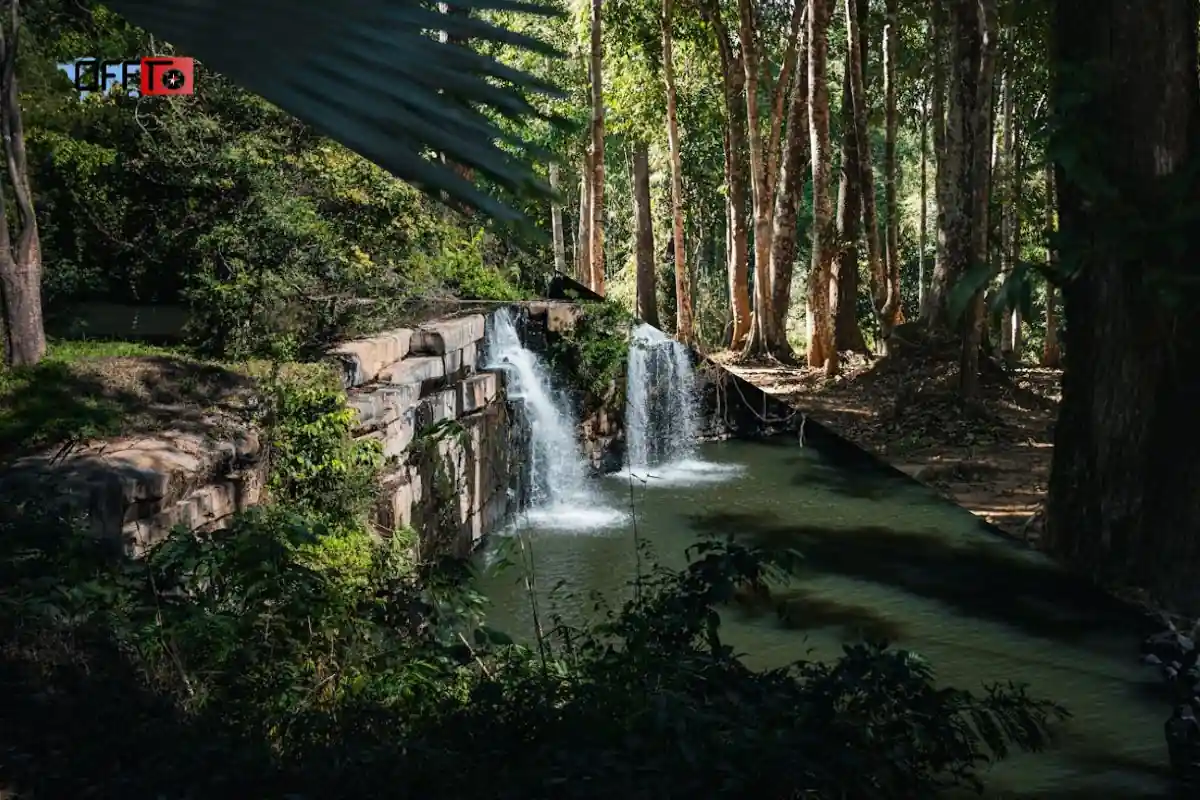
The best places to visit near Aadrai Jungle Trek include Malshej Ghat, Kalu Waterfall viewpoint, Harishchandragad, Khireshwar, Pimpalgaon Joga Dam, Ajoba Hill, Naneghat, and Jivdhan Fort. These places belong to the broader Malshej–Junnar–Harishchandragad travel circuit, making Aadrai a strong part of a monsoon weekend plan.
Malshej Ghat
Malshej Ghat is the most natural add-on near Aadrai. It is known for mist, waterfalls, green cliffs, viewpoints, and scenic monsoon drives.
Add Malshej if you want:
- A relaxed road-trip experience after the trek
- Waterfall and valley views
- Tea and snack breaks
- Photography in foggy weather
- A broader monsoon getaway feel
If you are tired after Aadrai, keep Malshej as a drive-through or viewpoint stop instead of overloading the day.
Kalu Waterfall Viewpoint
Kalu Waterfall viewpoint is closely connected with the Aadrai jungle trail experience. Many trekkers choose Aadrai specifically for the forest route and waterfall-view section.
Keep in mind:
- The view depends on fog and rainfall.
- Flow is strongest during monsoon.
- Viewpoint access should be guide-led.
- Edges can be risky in wet weather.
- Safe distance is better than risky close-up photos.
This is one of the most rewarding parts of the trek when visibility is good.
Khireshwar
Khireshwar is an important base-side village for nearby treks and is commonly used as a reference point for Aadrai. It is useful for route planning, local guidance, and understanding the region’s trekking network.
Khireshwar matters because:
- It helps locate the Aadrai trailhead area.
- It connects to Harishchandragad routes.
- Local guides may operate around this belt.
- It is easier to explain to drivers than just saying “Aadrai jungle.”
- It gives context to the Malshej–Junnar trekking circuit.
Pimpalgaon Joga Dam
Pimpalgaon Joga Dam is a calmer nearby place to visit if you want open views after a dense forest trek. It gives a contrast to Aadrai’s enclosed jungle atmosphere.
It is good for:
- Slow travel
- Landscape photography
- Bird watching in the right season
- Relaxed post-trek stops
- Families or groups wanting a less tiring add-on
If your trek day is already long, keep this as an optional stop.
Ajoba Hill
Ajoba Hill is another adventure destination in the region, better suited for trekkers who want a separate hiking plan. It is not a casual sightseeing stop and should be approached with proper route knowledge.
Add Ajoba only if:
- You have an extra day.
- Your group is fit.
- Weather is suitable.
- You have guide support if needed.
- You are planning a trekking-focused weekend.
For most Aadrai visitors, Ajoba is better saved for another trip.
Naneghat
Naneghat is a historic mountain pass and a popular trek in the Junnar region. It works well for travelers interested in history, ancient trade routes, caves, and Sahyadri views.
Naneghat is a good future add-on if you enjoy:
- Heritage trails
- Monsoon trekking
- Cave exploration
- Mountain-pass history
- Trekking near Mumbai and Pune
Monsoon popularity comes from:
Do not combine it with Aadrai unless you have a well-planned multi-day itinerary.
Jivdhan Fort
Jivdhan Fort is a more challenging trek near the Naneghat region and is better for experienced trekkers. It offers fort history, rugged terrain, and strong Sahyadri adventure value.
Choose Jivdhan only if:
- You are comfortable with tougher treks.
- You have proper shoes and fitness.
- You are not already exhausted from Aadrai.
- Weather is safe.
- You have enough daylight and route clarity.
For beginners, Aadrai is a better introduction to the region before attempting tougher forts like Jivdhan.
Aadrai Jungle Trek Expectation vs Reality
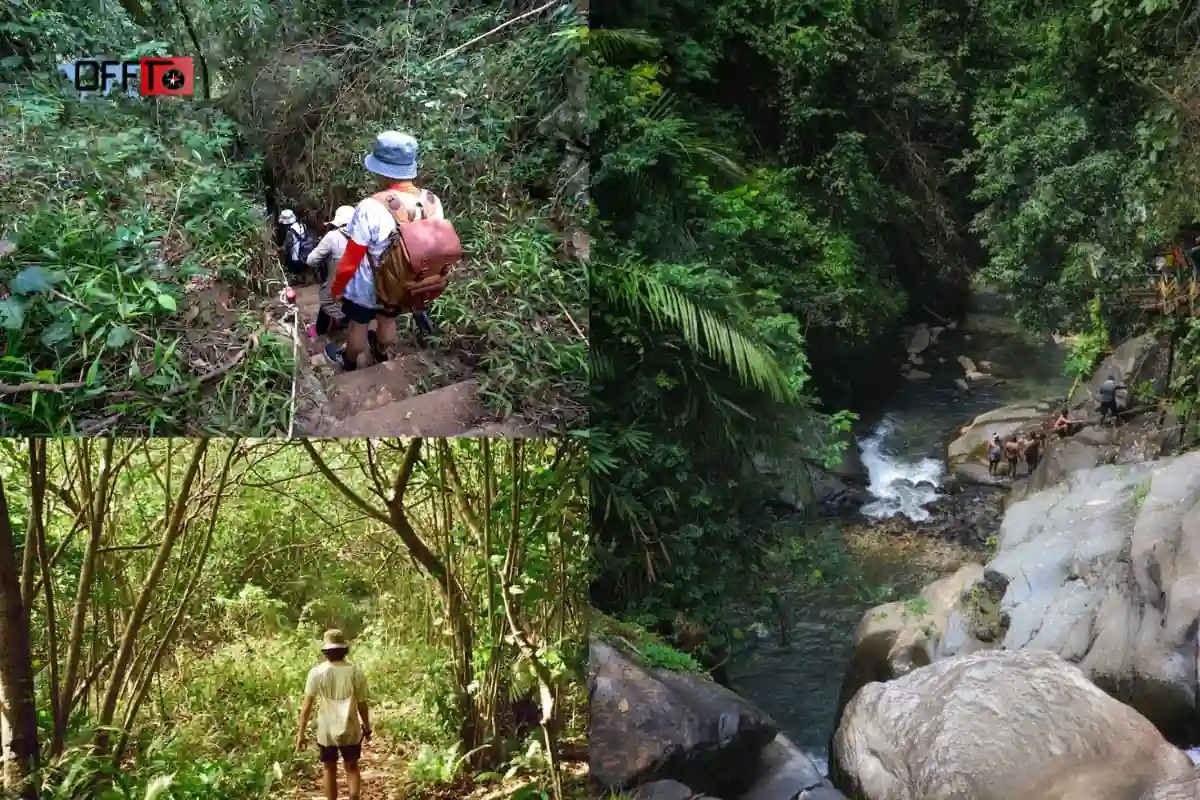
Aadrai Jungle Trek looks like a dreamy monsoon forest trail online, but the real experience is wetter, muddier, slower, and more physically engaging than many first-time trekkers expect. It is beautiful because it feels raw and natural, but that also means the route needs preparation, patience, and guide support.
Dreamy Forest Trail vs Muddy, Tiring Reality
Expectation: Aadrai is a peaceful green forest walk where you simply enjoy mist, trees, and waterfall views.
Reality: The forest is beautiful, but the trail can be muddy, slippery, narrow, and tiring in monsoon. You may need to cross wet patches, step over roots, walk through slush, and keep your balance on uneven ground.
What this really means:
- Your shoes will get muddy, and that is part of the experience.
- The trail may feel slow even if the distance is not very long.
- Wet rocks and roots need careful footing.
- The jungle can feel humid and tiring after a few hours.
- The return walk can feel harder once the excitement reduces.
- This trek rewards people who enjoy raw nature, not polished paths.
Aadrai is magical, but it is not a clean garden trail.
Waterfall Views Depend on Season and Visibility
Expectation: Kalu Waterfall views are guaranteed throughout the trek.
Reality: Waterfall views depend on rainfall, fog, cloud movement, trail route, and the exact viewpoint your group reaches. During peak monsoon, the waterfall flow may be strong, but fog can hide the view. In post-monsoon, visibility may improve, but flow can reduce.
Keep this in mind:
- Monsoon gives better waterfall flow.
- Heavy fog may block the view temporarily.
- Cloud movement can reveal and hide the valley quickly.
- Guides decide safe viewpoint access based on conditions.
- A cloudy day can still offer a great jungle experience.
- Do not judge the trek only by whether you got one perfect waterfall photo.
Aadrai is more about the full forest journey than a single viewpoint.
Navigation Is Not Obvious
Expectation: Since Aadrai is popular now, the trail must be easy to follow.
Reality: The aadrai jungle trail can feel confusing, especially during heavy rain. Dense vegetation, similar-looking paths, fog, and stream crossings can make navigation tricky for first-timers.
This is why route clarity matters:
- Many forest sections look similar.
- Trail markings may not always be obvious.
- Rain can make side paths and main paths harder to distinguish.
- Mobile network may not be reliable.
- Wrong turns can waste time and energy.
- Returning through the forest can feel different from entering it
For this reason, Aadrai should not be treated like a solo exploration trail unless you know the route well.
Beginners Can Do It, but Casual Tourists May Struggle
Expectation: Easy-to-moderate means anyone can do it comfortably.
Reality: Beginners can complete Aadrai Jungle Trek if they are active, prepared, and guided. But casual tourists who expect a dry, flat, clean walking path may struggle with mud, leeches, wet shoes, rain, and slow forest movement.
Aadrai is better suited for people who:
- Are comfortable walking for several hours
- Do not mind getting wet and muddy
- Can follow group discipline
- Wear proper trekking shoes
- Are okay with leeches during monsoon
- Can handle slippery patches patiently
- Understand that forest trekking is slower than road walking
It may not suit people who dislike rain, mud, insects, or uneven trails.
Guided Group Experience Is Usually Better
Expectation: Aadrai can be done independently like any simple weekend trek.
Reality: A guided group experience is usually better because Aadrai is a forest route, not a clearly marked tourist path. A guide helps with navigation, timing, safety, waterfall viewpoint access, and group movement.
A guided trek improves the experience because:
- You do not waste energy finding the route.
- The group reaches safe viewpoints instead of risky edges.
- Stream crossings and muddy patches are handled better.
- Beginners feel more confident.
- The return timing stays controlled.
- The guide can change the plan if heavy rain affects the trail.
- You can focus on enjoying the forest instead of worrying about directions
The best way to enjoy Aadrai is to come with realistic expectations: expect mud, rain, forest silence, slippery patches, waterfall surprises, and a proper guided jungle adventure.
FAQs
Where is Aadrai Jungle Trek located?
Aadrai Jungle Trek is located near the Malshej Ghat–Khireshwar side of Maharashtra. Most trek operators describe the trail as starting near Khireshwar village, around the Junnar region, with access from Mumbai and Pune. It is known for dense jungle paths, monsoon greenery, stream crossings, muddy trails, and Kalu Waterfall viewpoint sections.
In which district is Aadrai Jungle Trek?
Aadrai Jungle Trek is usually associated with the Junnar side near Khireshwar village, which falls in Pune district, while the broader travel circuit is often described through the Malshej Ghat region. Because regional references can vary in trek listings, travelers should use Khireshwar, Malshej Ghat, and Junnar-side trailhead details for accurate route planning.
What is the Aadrai Jungle Trek distance?
The Aadrai Jungle Trek distance varies by route and operator. Some trek sources mention around 7 km one way, while others describe the complete guided route as roughly 8–9 km round trip. The distance feels more demanding in monsoon because the trail includes mud, wet rocks, roots, stream crossings, and dense forest movement.
Is the Aadrai Jungle Trek easy or difficult?
Aadrai Jungle Trek is usually considered easy to moderate or moderate, depending on weather and trail conditions. It does not involve major technical climbing, but muddy paths, slippery rocks, stream crossings, leeches, and dense forest navigation can make it challenging. Active beginners can do it with a guide, but casual tourists may find it tiring.
What is the difficulty level of Aadrai Jungle Trek?
The difficulty level of Aadrai Jungle Trek is generally easy-to-moderate in normal conditions and moderate during peak monsoon. The main challenges are not altitude or steep climbs, but slippery forest terrain, mud, wet roots, stream crossings, low visibility, and route confusion. Good shoes, basic fitness, rain gear, and guide support make the trek much safer.
What is Aadrai Jungle Trek famous for?
Aadrai Jungle Trek is famous for its dense monsoon jungle trail, wild forest atmosphere, muddy paths, seasonal streams, Kalu Waterfall viewpoint, and immersive Sahyadri scenery. Unlike regular fort treks, Aadrai is more about walking through thick greenery than reaching a summit. It is especially popular among Mumbai and Pune trekkers during monsoon.
What is the history of Aadrai Jungle Trek?
Aadrai Jungle Trek does not have a fort-style history with battles, gates, or ruins. Its history is more local and route-based, connected to old forest paths around the Malshej Ghat–Khireshwar region. It became popular recently through monsoon trekking groups who highlighted its dense jungle trail, waterfall viewpoints, and hidden forest experience.
What is the best time to visit Aadrai Jungle Trek?
The best time to visit Aadrai Jungle Trek is during monsoon and early post-monsoon, especially from June to November. Monsoon gives the best greenery, streams, mud, mist, and waterfall views. Post-monsoon is better for clearer visibility and slightly safer trail conditions. Summer is less ideal because the route loses much of its jungle charm.
Is Aadrai Jungle Trek safe in monsoon?
Aadrai Jungle Trek can be safe in monsoon if done with a guide, proper shoes, rain gear, and group discipline. However, heavy rain can make the trail slippery, muddy, confusing, and risky near streams or viewpoints. Avoid solo trekking, cliff-edge photos, late starts, and heavy-rain days. Always follow guide instructions.
Do I need a guide for Aadrai Jungle Trek?
Yes, a guide is strongly recommended for Aadrai Jungle Trek, especially during monsoon. The dense forest route can be confusing, and many sections look similar in rain or fog. A guide helps with navigation, stream crossings, slippery patches, safe waterfall viewpoints, group timing, and return route clarity. Beginners should not attempt it alone.
What is the Kalu Waterfall trek distance?
Kalu Waterfall trek distance depends on the route and starting point. If viewed as part of Aadrai Jungle Trek, the distance may be included within the guided forest trail. Some routes go only to viewpoint sections, while others may follow different waterfall approaches. Confirm with your trek operator whether your Aadrai plan includes Kalu Waterfall viewpoint access.
Can beginners do Aadrai Jungle Trek?
Yes, beginners can do Aadrai Jungle Trek if they are active, prepared, and join a guided group. It is not a technical trek, but it is muddy, slippery, and navigation-heavy in monsoon. Beginners should wear proper trekking shoes, carry rain protection, stay with the group, avoid rushing, and be comfortable with wet forest conditions.
Read more >>>
Bhandardara Waterfall Travel Guide – Falls, Camping & Things to Do
Malshej Ghat Travel Guide – Weather, Viewpoints, Distance & Things To Do
Final Verdict: Who Should Do Aadrai Jungle Trek?
Aadrai Jungle Trek is worth doing if you want a real monsoon forest adventure near the Malshej Ghat region. It is best for travelers who enjoy dense jungle trails, rain, mud, streams, waterfall viewpoints, and guided group trekking. It is not the right trek for people expecting a clean, dry, clearly marked walking path.
Best for Monsoon Lovers
Aadrai is one of the better treks for people who genuinely enjoy monsoon conditions. The rain, mud, greenery, leeches, wet shoes, mist, and forest sounds are part of the experience. If you love the raw feel of Sahyadri in the rains, Aadrai will feel memorable.
Best for Jungle-Trail Trekkers
This trek is ideal for travelers who want forest immersion instead of fort walls or open ridges. The dense canopy, narrow paths, wet roots, and shaded trail make Aadrai feel different from many regular Maharashtra treks.
Best for Waterfall-View Seekers
Aadrai is a strong choice if you want waterfall and valley-view moments, especially around the Kalu Waterfall viewpoint section. Just remember that views depend on rainfall, fog, visibility, and guide-led access.
Best for Guided Group Treks
Aadrai is best experienced with a guide or organized trek group. The trail can be confusing, slippery, and slow in monsoon, so guided support improves safety and overall enjoyment.
Not Ideal for Dry-Trail Expectations
Aadrai is not ideal for people expecting a dry, easy, clean, or clearly marked walking path. It may also disappoint casual tourists who dislike rain, mud, insects, slow forest movement, or group discipline. Come prepared for a wild jungle trail, not a simple nature walk.
Plan Your Aadrai Jungle Trek with Offto Travellers
Aadrai Jungle Trek is not just another weekend trek. It is a raw monsoon forest experience where dense jungle paths, muddy trails, stream crossings, Kalu Waterfall views, rain mist, and guide-led navigation all come together. The best version of this trek happens when you plan it properly—right season, right shoes, right start time, right group, and the right stay or travel base.
With Offto Travellers, you can explore more Maharashtra monsoon treks, compare jungle trails near Mumbai and Pune, and plan your Aadrai Jungle Trek with better confidence. Whether you are looking for a guided group trek, a waterfall-view experience, a one-day monsoon adventure, or nearby places like Malshej Ghat, Harishchandragad, Naneghat, and Pimpalgaon Joga Dam, Offto helps you move from inspiration to a practical travel plan.
You can also Book stays near Malshej Ghat, Junnar, Khireshwar-side access points, or nearby route-friendly locations so your trek day feels smoother and less rushed. Choose a stay that matches your travel style—budget, group-friendly, nature-focused, monsoon-friendly, or weekend-comfort—and start the trail early with better energy and safer timing.
Explore Aadrai Jungle Trek with Offto Travellers and Book stays that keep you close to the forest trail, waterfall viewpoints, and the best monsoon trekking experiences in Maharashtra.
Sign up
Leave a Reply