
Malshej Ghat is a scenic Maharashtra road-trip destination known for monsoon waterfalls, misty valleys, viewpoints, and lush Sahyadri landscapes. It is best for nature lovers, couples, families, photographers, and weekend travelers from Mumbai and Pune.
Malshej Ghat Overview: Why This Maharashtra Ghat Is So Popular
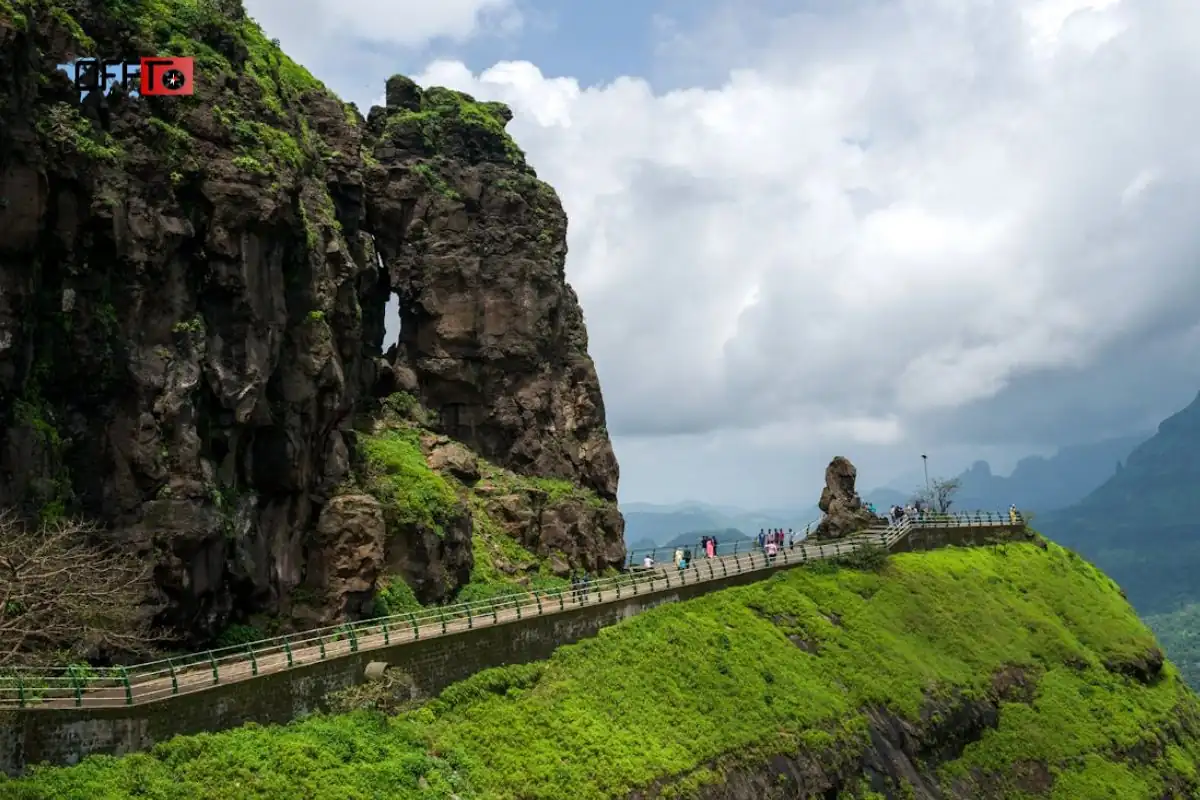
Malshej Ghat is one of the most loved monsoon getaways in Maharashtra because it brings together everything travelers want from a scenic Western Ghats road trip: misty mountain roads, seasonal waterfalls, green valleys, cliff views, bird watching, nearby forts, and a refreshing escape from city noise. It is especially popular with travelers from Mumbai and Pune because it works well as both a one-day drive and a relaxed weekend plan.
Location in Maharashtra
Malshej Ghat is a mountain pass in Maharashtra’s Western Ghats, commonly accessed through the Kalyan–Ahmednagar road belt. Travel sources place it in the rugged Sahyadri hills, with convenient access from Mumbai, Pune, Thane, Kalyan, and Ahmednagar.
This location makes Malshej Ghat Maharashtra especially attractive for road-trip travelers. It is far enough to feel like a proper nature break, but close enough for a weekend escape.
Monsoon Appeal
Monsoon is when Malshej Ghat becomes most famous. Maharashtra Tourism notes that the region is known for countless seasonal waterfalls that come alive from June to September, with many waterfalls visible along the highway itself.
This is the version most people imagine: wet roads, foggy cliffs, water falling from rock faces, and green slopes everywhere. But monsoon also brings poor visibility, traffic, and safety concerns, so the beauty is best enjoyed with patience and careful driving.
Scenic Road-Trip Experience
Malshej Ghat is more of a scenic road-trip destination than a checklist-style hill station. The drive itself is a major part of the experience. Travelers often stop for valley views, roadside waterfalls, tea, snacks, and photos when visibility is good.
This is why Malshej Ghat works so well for couples, families, photographers, bikers, and slow travelers. You do not need to “do” too many activities here; the road, weather, and views are the main attraction.
Waterfalls, Valley Views, Mist, Flamingos and Forts Nearby
Malshej Ghat is known for waterfalls, lush valleys, mist, bird watching, and nearby attractions like Pimpalgaon Joga Dam, Ajoba Hill Fort, Harishchandragad, and other Sahyadri routes. Maharashtra Tourism also highlights the region’s biodiversity and notes that flamingos migrate here during the monsoon season, especially around Pimpalgaon Joga Dam.
For travelers, this means Malshej can be either a simple waterfall drive or a broader nature-and-heritage weekend.
Weekend Getaway Value from Mumbai and Pune
Malshej Ghat is valuable as a weekend getaway because it does not require a long vacation. Maharashtra Tourism places it at about 130 km from Mumbai and 120 km from Pune, while other travel guides list similar road-trip distances with route variation.
A one-day trip is enough for waterfalls, viewpoints, and a drive. A two-day trip is better if you want a slower stay, nearby forts, bird watching, and relaxed photography.
Where Is Malshej Ghat Located?
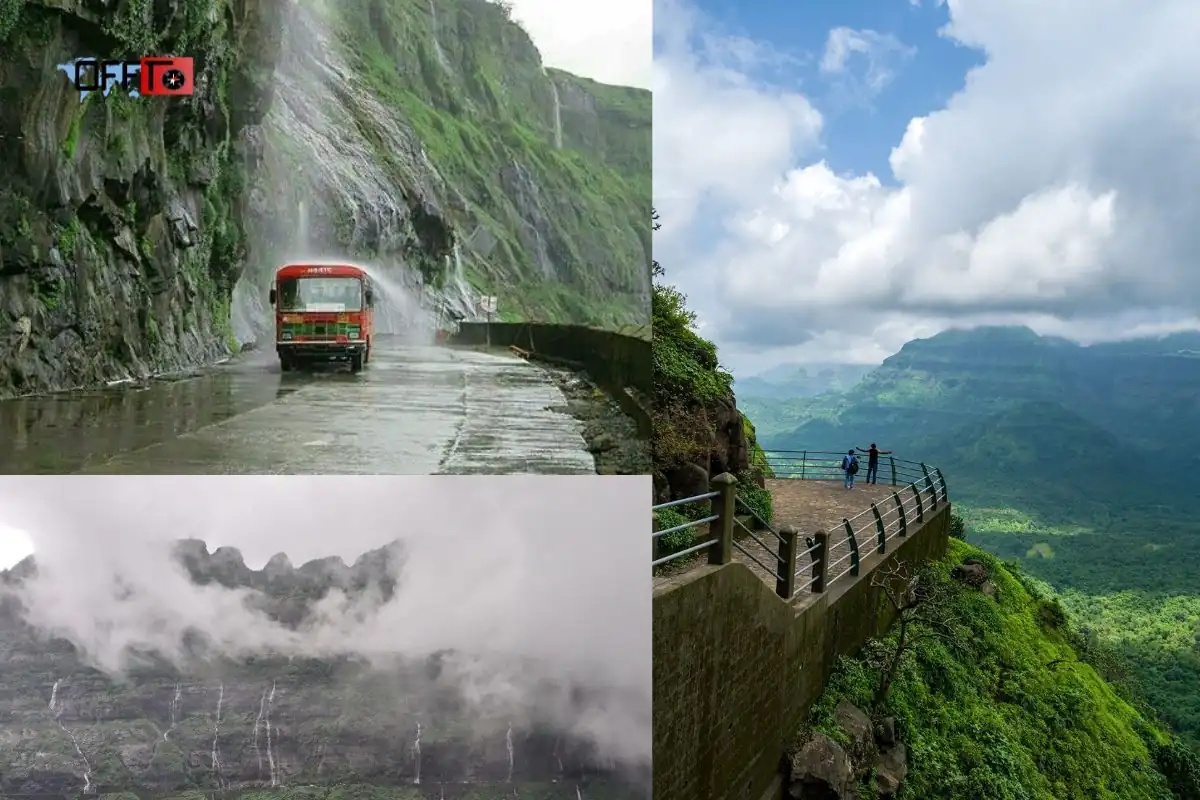
Malshej Ghat is located in Maharashtra’s Western Ghats, on the Kalyan–Ahmednagar route, in the Sahyadri hill range. If you are searching where is Malshej Ghat, the simplest answer is: it lies between the Mumbai–Thane/Kalyan side and the Ahmednagar–Pune side, making it a popular monsoon road-trip route in western Maharashtra.
Exact Regional Location
Malshej Ghat is a mountain pass located on the Kalyan–Ahmednagar Road in Maharashtra. Travel listings place it at around 87 km from Kalyan, 108 km from Thane, 117 km from Pune, 124 km from Ahmednagar, and around 141 km from Mumbai, though exact distances vary by starting point and route.
For visitors, the practical route marker is the ghat road itself. Most people experience Malshej through the drive, viewpoints, waterfalls, and nearby stops rather than a single town centre.
District and Route Context
Malshej Ghat sits in the Sahyadri belt and is strongly connected to the Kalyan–Ahmednagar highway route. This route context matters because your experience depends heavily on road conditions, season, and weather.
During monsoon, fog and waterfall traffic can slow the journey. In winter, road trips are usually easier, with clearer views and more comfortable sightseeing.
Proximity to Mumbai, Pune, Thane, Kalyan and Ahmednagar
Malshej Ghat is popular because it is accessible from several major cities. It works especially well for travelers from Mumbai, Pune, Thane, Kalyan, Nashik-side regions, and Ahmednagar.
From Mumbai or Thane, it feels like a classic monsoon drive. From Pune or Ahmednagar, it works as a shorter nature break. From Kalyan, the access is even more direct, which is why many weekend travelers use it as the gateway side.
Why It Is Popular for Road Trips
Malshej Ghat is popular for road trips because the journey is the destination. You get curving roads, fog, green cliffs, roadside waterfalls, valley points, and local food stops in one route. Maharashtra Tourism also describes it as easily accessible by road and notes that frequent state transport and private buses operate on the route.
The best way to enjoy it is to start early, drive slowly, stop only at safe viewpoints, and avoid rushing. Malshej Ghat rewards travelers who come for the mood of the mountains, not just one photo spot.
Malshej Ghat Distance & Directions
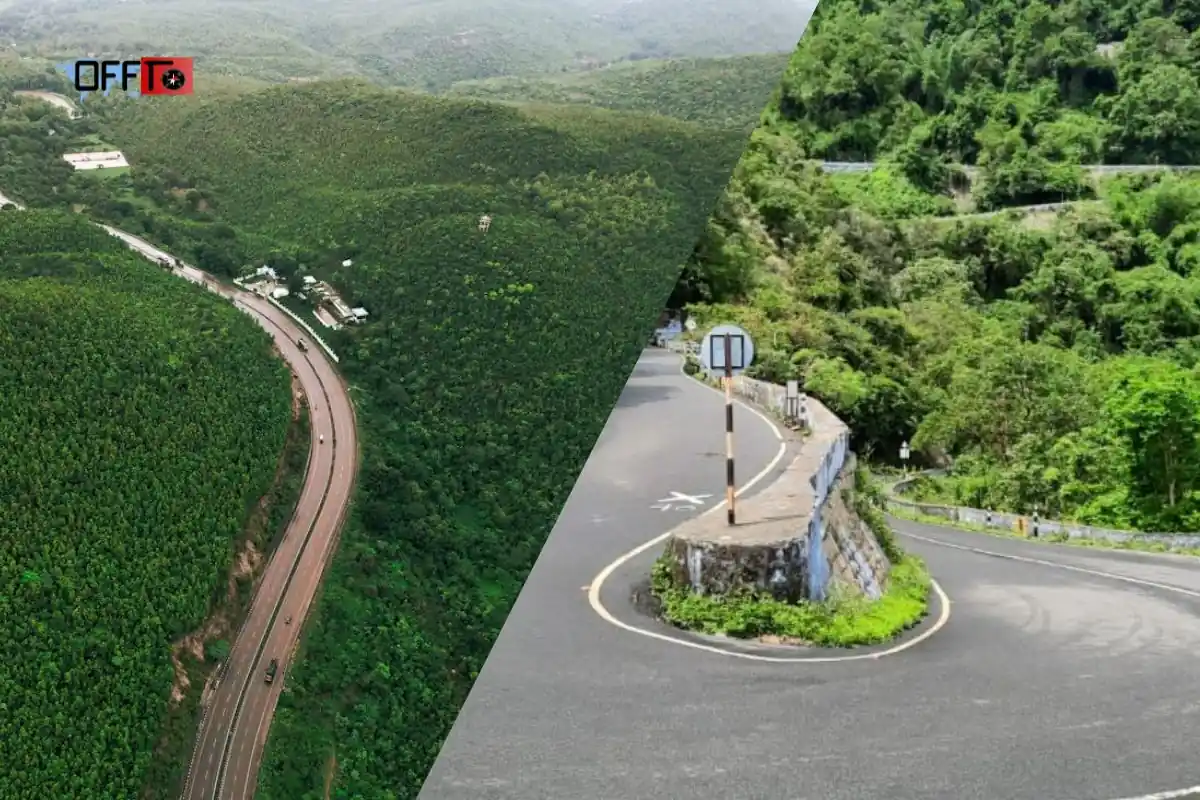
Malshej Ghat distance depends on your starting city, but it is generally a comfortable road-trip destination from Mumbai, Pune, Thane, Kalyan, Nashik, and Ahmednagar. The ghat is best experienced by road because the drive itself is a major part of the attraction—curving mountain roads, valley views, mist, and seasonal waterfalls all define the journey.
Mumbai to Malshej Ghat Distance
Mumbai to Malshej Ghat is commonly listed around 130–140 km, depending on your exact starting point and route. Maharashtra Tourism places Malshej Ghat at about 130 km from Mumbai, while route-based listings may show slightly higher distances based on road approach.
For Mumbai travelers, it works well as an early-start one-day drive or a relaxed overnight trip. During monsoon weekends, start early because traffic, fog, waterfall stops, and slow ghat driving can stretch the journey.
Pune to Malshej Ghat Distance
Pune to Malshej Ghat is usually around 120–160 km, depending on the selected route and city-side starting point. Maharashtra Tourism mentions Malshej Ghat at about 120 km from Pune, while other travel references note that route variations can make the distance longer.
From Pune, Malshej is best planned as a full-day road trip or a slow weekend plan if you want to include nearby places like Shivneri Fort, Junnar, Lenyadri, or Pimpalgaon Joga Dam.
Thane/Kalyan to Malshej Ghat Distance
Thane and Kalyan are among the most convenient starting points for Malshej Ghat. Travel listings place Malshej Ghat around 87 km from Kalyan and around 108 km from Thane, making it especially popular for short monsoon drives from the Mumbai Metropolitan Region.
This route is practical for travelers who want to avoid a very long journey but still experience waterfalls, fog, and valley views.
Nashik to Malshej Ghat Distance
Nashik to Malshej Ghat is a longer but manageable road-trip option, depending on the route used. It is better suited for travelers planning a weekend circuit rather than a quick short drive.
If you are coming from Nashik, check the route carefully before leaving because road quality, ghat traffic, and weather can affect travel time. A slower plan with a stay near Malshej, Junnar, or nearby areas can feel more comfortable than a rushed return.
Best Road Route to Malshej Ghat
The best road route depends on where you start. Mumbai, Thane, and Kalyan travelers commonly approach via the Kalyan–Murbad side toward the ghat. Pune travelers usually approach from the Pune–Narayangaon–Junnar side or other route variations depending on traffic and road conditions.
For first-time visitors, the safest route choice is the one with better daylight, clearer navigation, and fewer late-night ghat sections. During monsoon, avoid blindly following shortcuts through narrow or unfamiliar roads. Recent travel safety guidance for monsoon road trips highlights fog, slippery roads, waterlogging, landslides, and the importance of avoiding risky night driving.
Public Transport vs Self-Drive
Self-drive is the most flexible way to visit Malshej Ghat because you can stop at viewpoints, waterfalls, food stalls, and nearby attractions at your own pace. It is ideal for families, couples, bikers, photographers, and friend groups.
Public transport is possible, as Maharashtra Tourism notes that state transport and private buses operate on the route, but it may not give the same freedom for viewpoint stops and waterfall breaks. For most travelers, self-drive or a hired cab is the better experience.
Malshej Ghat Weather: What to Expect by Season
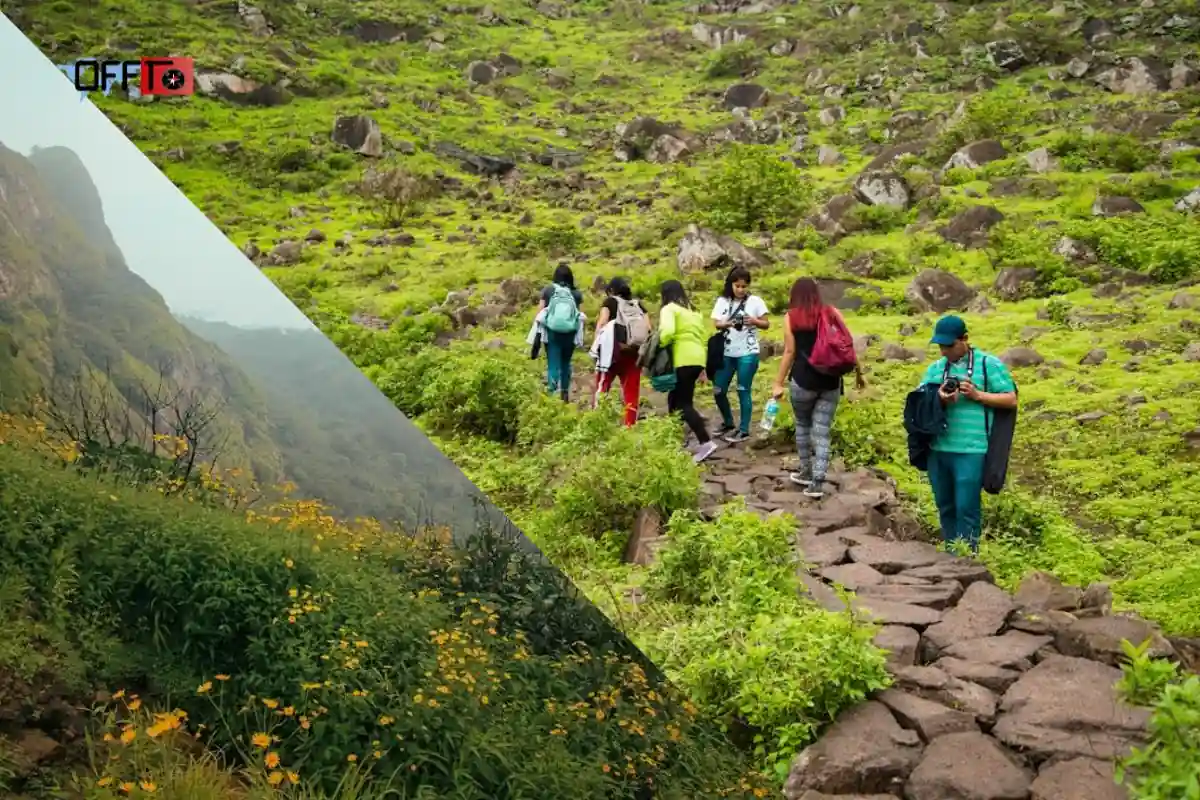
Malshej Ghat weather changes the entire travel experience. Monsoon brings waterfalls, fog, heavy rain, and lush greenery. Winter brings clearer views and comfortable sightseeing. Summer is quieter but warmer, with fewer waterfalls and less dramatic scenery. Maharashtra Tourism describes Malshej Ghat as visitable throughout the year, with monsoon and winter offering very different travel moods.
Monsoon Weather
Monsoon is the most famous season in Malshej Ghat. From June to September, the hills turn green, waterfalls flow strongly, and mist covers the valleys. This is the most photogenic version of the ghat, and it is the reason many travelers plan a monsoon road trip here.
The reality is that monsoon weather can also mean heavy rain, poor visibility, slippery roads, and crowded weekends. Drive slowly, avoid risky waterfall edges, and do not stop on blind curves.
Winter Weather
Winter, roughly from October to February, is better for travelers who want clearer views, easier driving, and more comfortable sightseeing. Maharashtra Tourism describes winter as cool and pleasant, making it suitable for trekking, sightseeing, and outdoor activities.
This is a good season for families, photographers, couples, and travelers who want Malshej Ghat without heavy rain or extreme fog.
Summer Reality
Summer is the least dramatic season for Malshej Ghat. The weather can feel warmer during the day, waterfalls may reduce, and the landscape is usually less lush than monsoon. A resort guide notes that summer can be less crowded but hotter during midday, with early mornings and late afternoons being better for sightseeing.
Visit in summer only if you want a quieter drive and are not expecting full waterfall flow.
Fog, Rain and Visibility
Fog is part of Malshej Ghat’s charm, but it can also affect safety. During monsoon, visibility can drop quickly on ghat roads and viewpoints may disappear behind mist. Rain can also make road shoulders, rocks, and waterfall areas slippery.
The best approach is to keep your itinerary flexible. If visibility is poor, slow down, avoid overtaking on curves, and wait for safer viewing conditions instead of forcing photo stops.
Safety During Heavy Rainfall
During heavy rainfall, Malshej Ghat needs extra caution. Avoid parking near unstable slopes, walking under strong waterfall flow, standing near cliff edges, or driving late at night in dense fog. Monsoon travel safety guidance highlights landslide risk, slippery roads, and reduced visibility as key concerns on scenic ghat drives.
If weather alerts are active or local authorities restrict access to certain spots, change the plan. The ghat will still be there for a safer day.
Month-Wise Travel Feel
Months | Travel Feel | Best For | Planning Note |
June–September | Waterfalls, mist, greenery, heavy rain chances | Monsoon drives, photography | Drive carefully and expect crowds |
October–February | Clearer views, pleasant weather | Families, couples, sightseeing | Best for comfortable travel |
March–May | Warmer, drier, fewer waterfalls | Quiet road trips | Start early and avoid midday heat |
For most travelers, monsoon is best for waterfalls and drama, while winter is best for comfort, visibility, and safer road-trip planning.
Best Time to Visit Malshej Ghat
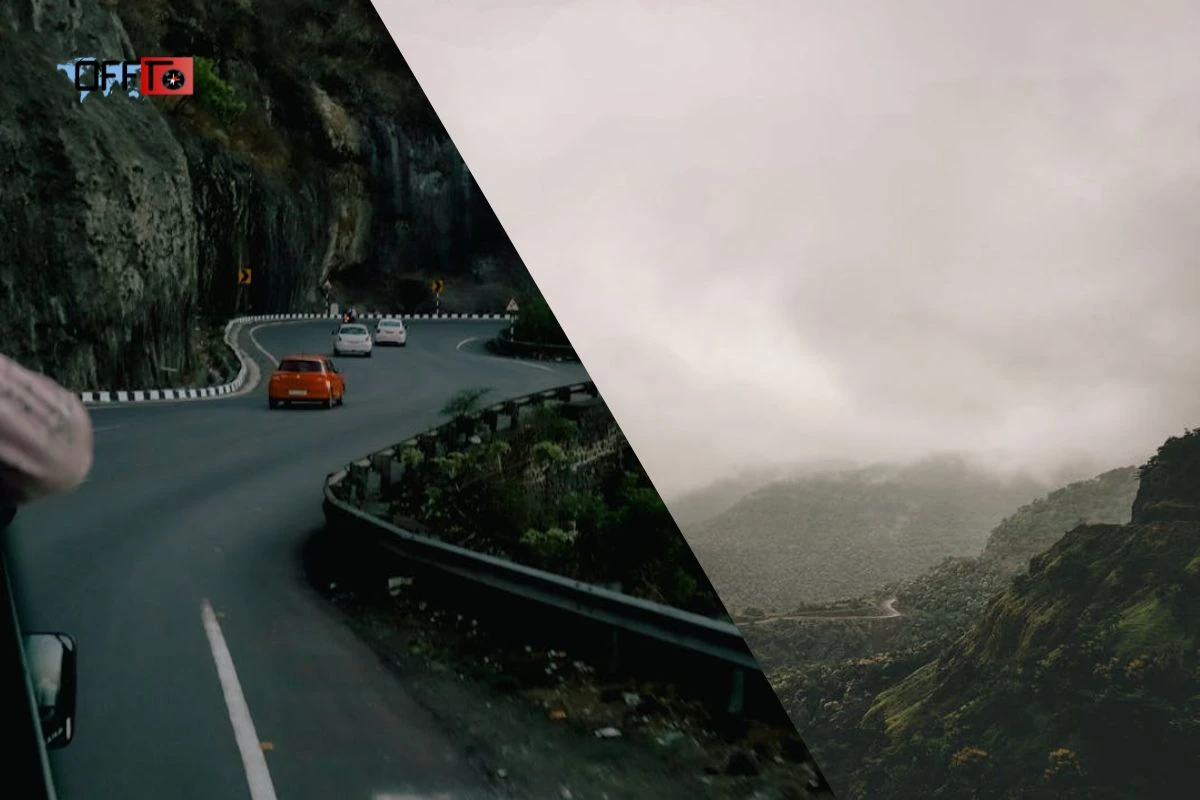
The best time to visit Malshej Ghat depends on what you want from the trip. If you want waterfalls, mist, green valleys, and a dramatic road-trip mood, monsoon is the best season. If you want clearer viewpoints, easier driving, and comfortable sightseeing, winter is the better choice. Summer is quieter but less scenic because waterfall flow reduces and the landscape feels drier.
Malshej Ghat in Monsoon
Malshej Ghat in monsoon is the most famous version of the destination. From June to September, the cliffs turn green, fog moves across the road, and waterfalls appear along the ghat section. This is when most travelers from Mumbai, Pune, Thane, and Kalyan plan a quick road trip.
The experience is beautiful, but it needs caution. Heavy rain can reduce visibility, roads can become slippery, and popular waterfall points may get crowded on weekends. Start early, drive slowly, and avoid stopping at risky bends or unstable edges.
Malshej Ghat in Winter
Winter is ideal if you want a calmer and safer trip. From October to February, the weather is usually cooler, the views are clearer, and the road-trip experience feels more relaxed. This season works well for families, couples, photographers, and travelers who want to enjoy Malshej Ghat without heavy rain or dense fog.
Waterfalls may not be as powerful as monsoon, but viewpoints, bird watching, nearby forts, and slow travel feel much easier in winter.
Malshej Ghat in Summer
Summer is the least popular season for Malshej Ghat. The hills are drier, waterfalls are limited, and afternoons can feel warm. Still, summer can work for travelers who want fewer crowds and a simple drive through the ghat.
If you visit in summer, start early in the morning and avoid expecting the full monsoon look. It is better for a quiet road trip than a waterfall-focused plan.
Best Month for Waterfalls
The best months for Malshej Ghat waterfalls are usually July, August, and early September, when monsoon rainfall is active and the seasonal waterfall flow is stronger. This is also when the scenery looks most dramatic, with clouds, mist, and rain-soaked cliffs.
However, the same months can bring traffic, slippery patches, poor visibility, and safety restrictions near waterfall zones. For the best balance, choose a weekday or start early on weekends.
Best Time for Clear Viewpoints
The best time for clear viewpoints is usually winter, especially from November to February. During this period, the weather is more stable, visibility is better, and valley views are easier to enjoy.
In monsoon, viewpoints can be magical one moment and completely covered by fog the next. If clear views are your priority, winter is more reliable. If mood and mist matter more, monsoon is unbeatable.
Malshej Ghat Waterfalls: What Makes Them Famous?
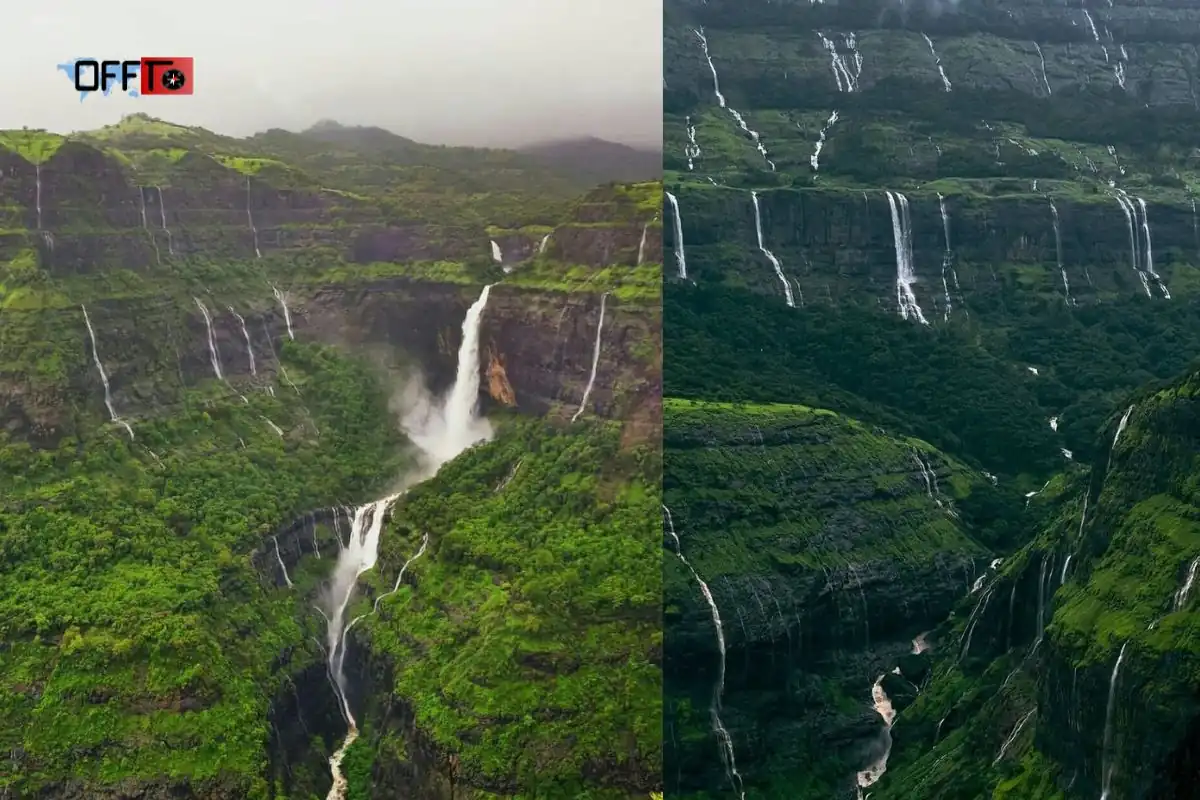
Malshej Ghat waterfalls are famous because many of them appear directly along the road during monsoon, turning the drive into a moving waterfall experience. Instead of visiting just one waterfall point, travelers often see water flowing from cliffs, roadside rock faces, and green slopes throughout the ghat section. This is one of the biggest reasons Malshej Ghat becomes a monsoon favorite.
Roadside Waterfalls
The roadside waterfalls are the main highlight of Malshej Ghat in the rainy season. You may see small streams, tall cliff waterfalls, and misty water curtains flowing beside or across parts of the route.
This makes the drive feel cinematic, but it also means you need to stop responsibly. Do not park on narrow roads, blind curves, or areas where traffic movement is affected.
Seasonal Waterfall Flow
Most waterfalls in Malshej Ghat are seasonal. They look strongest during peak monsoon and reduce after the rains slow down. This is why travelers visiting in winter or summer should not expect the same waterfall intensity seen in monsoon photos.
The best approach is to match expectations with season. Visit in monsoon for waterfall drama, winter for views, and summer only for a quieter drive.
Best Waterfall Viewing Period
The best waterfall viewing period is during active monsoon, especially July and August. Early September can also be good if rainfall continues. During this period, the entire ghat feels alive with flowing water, fog, and greenery.
For safer viewing, choose daylight hours. Avoid visiting during extreme rainfall, late-night drives, or when visibility is very poor.
Photography Tips
For waterfall photography, use wide shots that show the road, cliffs, mist, and valley together. Malshej Ghat looks best when the scale of the landscape is visible. A simple frame with a waterfall, wet road, and green mountain wall can be more powerful than a close-up selfie.
Keep your phone or camera protected from rain spray. Avoid standing on slippery rocks or leaning over barriers for photos.
Safety Around Slippery Spots
Waterfall areas can be slippery, crowded, and unpredictable during monsoon. Rocks may look stable but can be mossy, loose, or wet. Avoid climbing under waterfalls, standing too close to falling water, or stepping beyond safe viewing areas.
Families with children should be extra careful near roadside water flow and moving traffic. The safest waterfall experience is from a secure distance.
Crowd Reality During Monsoon Weekends
Malshej Ghat can get crowded during monsoon weekends, especially at popular waterfall and viewpoint stretches. Traffic slows down because many travelers stop for photos, snacks, and waterfall views.
If you want a smoother experience, visit on a weekday or start very early. Malshej Ghat waterfalls are beautiful, but they are best enjoyed slowly, safely, and without rushing for risky photo spots.
Best Malshej Ghat Viewpoints
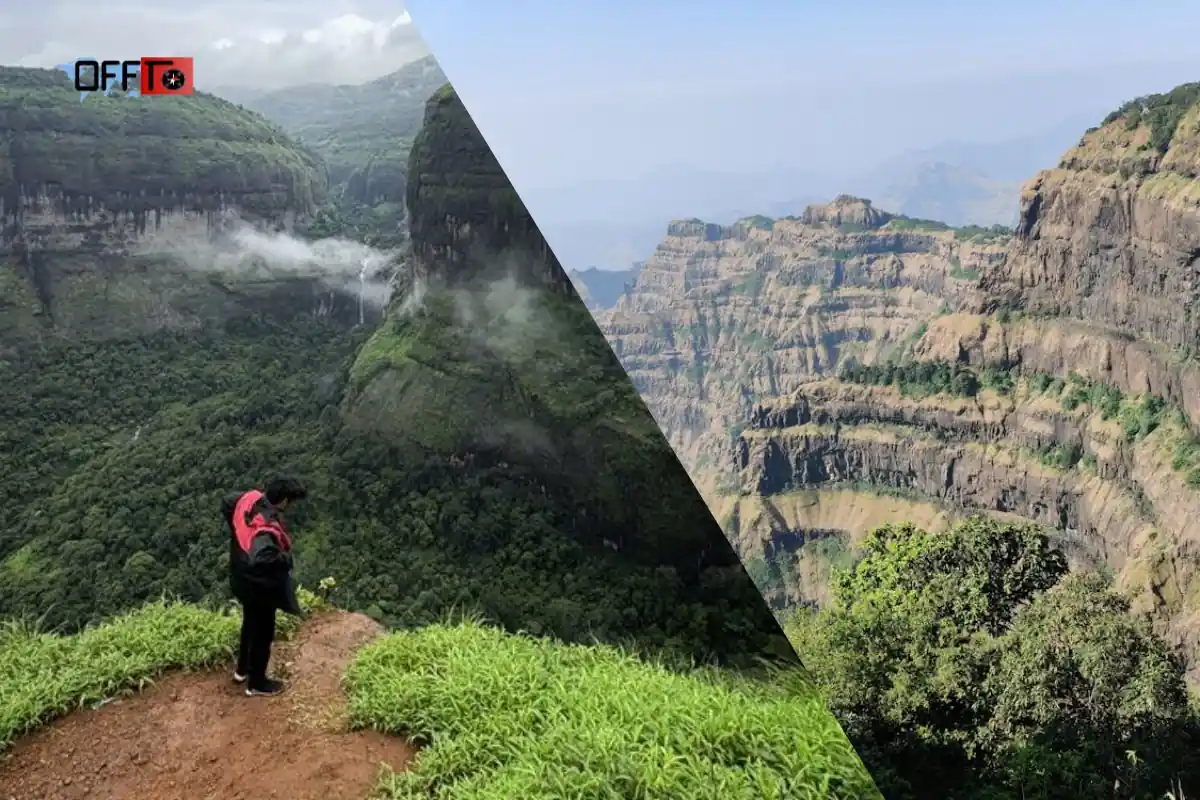
The best Malshej Ghat viewpoints are the roadside valley points, cliff-facing stops, and open sections where you can see the Sahyadri slopes, waterfalls, fog, and deep green valleys during monsoon. Unlike a destination with one fixed viewpoint, Malshej Ghat is more about the overall road-view experience. The views keep changing as you move through the ghat.
Valley Viewpoints
Valley viewpoints are the biggest reason travelers stop along Malshej Ghat. During monsoon, the valley often appears layered with fog, waterfalls, and green cliffs. In winter, the same viewpoints feel clearer and better for long-distance views.
The best valley views usually come when the fog opens for a few minutes. If the view is covered, wait briefly instead of rushing away. Malshej often rewards patient travelers.
Roadside Cliff Views
Roadside cliff views are dramatic, but they need caution. Many travelers stop wherever the landscape looks beautiful, but not every roadside section is safe for parking or photography.
Choose wider, safer stopping areas and avoid standing near cliff edges, wet rocks, or road bends. The best viewpoint experience is one where you can enjoy the valley without blocking traffic or taking risks.
Sunset and Sunrise Possibilities
Sunrise and sunset can be beautiful in Malshej Ghat, especially in winter or post-monsoon when visibility is better. Monsoon sunrise and sunset are less predictable because fog and rain can cover the view quickly.
If you are staying overnight nearby, early morning can feel peaceful and fresh. For one-day visitors, late afternoon viewpoints can be rewarding, but avoid driving back too late during heavy rain or fog.
Fog-View Reality
Fog is part of the Malshej Ghat charm, but it can also hide everything. Many first-time visitors expect open valley views throughout the trip, but in monsoon, the best view may appear only for a few minutes between moving clouds.
Do not treat fog as a disappointment. Misty roads, hidden cliffs, and sudden view openings are part of the Malshej experience. Just keep safety first when visibility drops.
Best Photo Angles
The best photo angles in Malshej Ghat include curving ghat roads, waterfalls beside cliffs, wide valley frames, mist rolling over slopes, and travelers standing safely at open viewpoints. Wide-angle shots usually work better than close-up selfies because they capture the scale of the Sahyadris.
Avoid risky poses on barriers, cliff edges, slippery stones, or active road sections. Malshej already looks cinematic from safe spots.
How Long to Spend at Viewpoints
Spend around 15–30 minutes at each good viewpoint if the weather is clear. If you are on a one-day trip, choose fewer stops and enjoy them properly instead of stopping every few minutes.
For photographers, monsoon views can change quickly, so give yourself time. For families, keep viewpoint stops short, safe, and close to parked vehicles.
Things To Do in Malshej Ghat
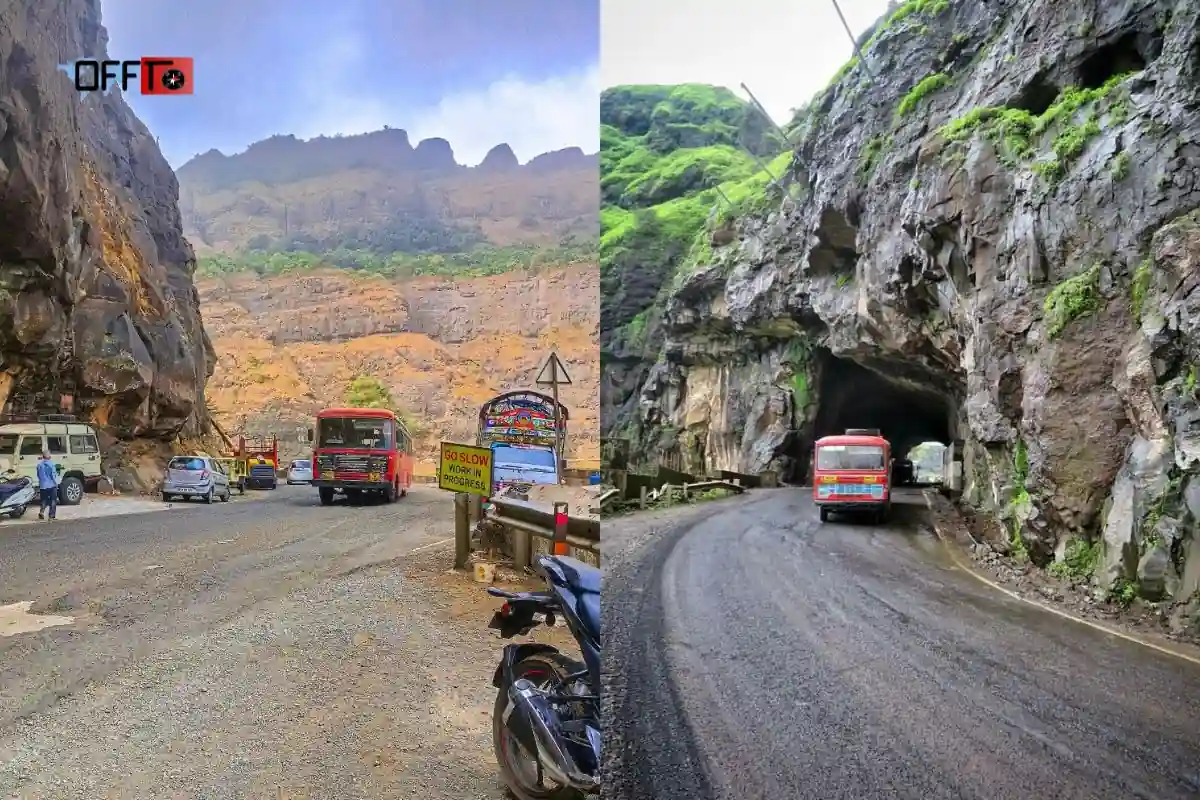
The best things to do in Malshej Ghat include scenic drives, waterfall viewing, viewpoint stops, bird watching, photography, visiting Pimpalgaon Joga Dam, exploring nearby forts, trying local food stops, and enjoying slow nature travel. Malshej is not about packed sightseeing; it is about the mood of the mountains.
Scenic Monsoon Drive
A scenic monsoon drive is the classic Malshej Ghat experience. The road turns green, waterfalls flow from the cliffs, and fog moves across the ghat. For many travelers, the drive itself is the highlight.
Start early, keep your speed controlled, and avoid unnecessary overtaking on wet roads. The goal is not to rush through Malshej, but to enjoy the changing views.
Waterfall Viewing
Waterfall viewing is one of the top things to do in Malshej Ghat during monsoon. Many waterfalls are seasonal and appear along the roadside after strong rain.
Enjoy them from safe spots. Avoid climbing wet rocks, standing directly under heavy flow, or parking in unsafe areas. The waterfalls are best enjoyed with caution, not overconfidence.
Viewpoint Stops
Viewpoint stops are ideal for couples, families, photographers, and road-trip travelers. You can pause for valley views, photos, tea, and short breaks.
In foggy weather, do not force every stop. Choose safe, visible areas and move slowly. Sometimes the best viewpoint is the one where the mist clears for just a moment.
Bird Watching
Malshej Ghat is also known for bird watching, especially around the dam and wetland areas. Flamingos are often associated with the region during the right season, and nature lovers may enjoy slower observation around Pimpalgaon Joga Dam and nearby water bodies.
Carry binoculars if bird watching is a priority. Keep noise low and avoid disturbing birds for photos.
Photography
Photography in Malshej Ghat is excellent during monsoon and winter. Monsoon gives waterfalls, fog, wet roads, and greenery. Winter gives clearer skies, softer light, and better valley visibility.
Use simple frames: road curves, cliffs, mist, waterfalls, tea stalls, and wide landscapes. Protect your phone or camera from rain spray.
Visit Pimpalgaon Joga Dam
Pimpalgaon Joga Dam is one of the best nearby places to include in a Malshej Ghat trip. It gives a calmer contrast to the ghat road, with water views, open landscapes, and birding potential.
It works well for a slower itinerary, especially if you are not trying to rush back the same day.
Explore Nearby Forts
Malshej Ghat is close to several trekking and heritage destinations, including Harishchandragad, Ajoba Hill Fort, and Shivneri Fort in the broader region. These are better suited for travelers who want more than a scenic drive.
Do not add a fort trek casually after a long monsoon drive. Plan forts separately with enough daylight, fitness, and weather awareness.
Try Local Food Stops
Local food stops make the road trip more enjoyable. Hot tea, bhaji, vada pav, corn, and simple Maharashtrian snacks feel especially good in rainy weather.
Choose cleaner, busy stalls and avoid stopping at places where parking is unsafe. A good food break should add comfort, not create road risk.
Slow Travel Nature Experience
Malshej Ghat is best enjoyed slowly. Instead of rushing between waterfalls, viewpoints, dams, and forts, choose a few experiences and give them time.
The real charm is in the rain, mist, road curves, valley silence, tea breaks, and sudden waterfall views. That is what makes Malshej Ghat more than just another weekend spot.
One-Day Malshej Ghat Itinerary
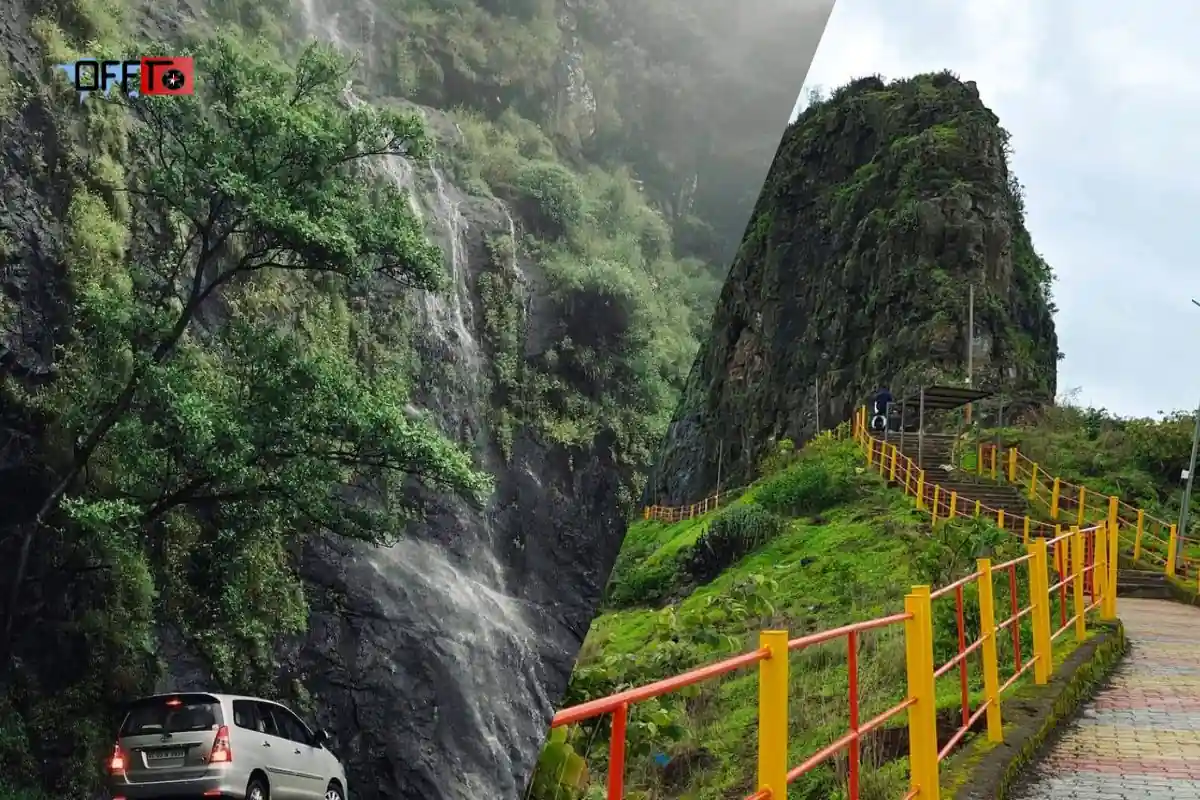
A one-day Malshej Ghat itinerary works well if you start early, keep the plan simple, and focus on the drive, waterfalls, viewpoints, food breaks, and one nearby add-on. The goal should not be to cover every place around the ghat. Malshej is best enjoyed slowly, especially during monsoon when fog, rain, traffic, and photo stops can change your timing.
Early Morning Start
Start early from Mumbai, Pune, Thane, Kalyan, or Ahmednagar so you reach the ghat before peak crowd hours. An early start gives you better road conditions, more relaxed waterfall stops, and enough daylight for viewpoints.
This is especially important in monsoon. Late starts often mean traffic, crowded viewpoints, reduced visibility, and a rushed return.
Waterfall Stops
Keep your first major part of the day for roadside waterfalls. In monsoon, you may find several waterfalls flowing along the route, but stop only where parking is safe and traffic is not blocked.
Avoid trying to get too close to waterfall flow. Enjoy the view, take a few photos, and move ahead before the spot gets crowded.
Viewpoints
After the waterfall stretches, spend time at one or two good viewpoints. If the fog clears, you may get beautiful valley views, green cliffs, and distant waterfalls. If the fog is thick, wait for a few minutes, but do not lose too much time.
For a one-day trip, fewer viewpoints with better time management are better than too many rushed stops.
Food Breaks
Plan at least one proper food break. Hot tea, vada pav, bhaji, corn, or simple local meals can make the road trip more enjoyable, especially in rainy weather.
Choose food stops with safe parking and decent hygiene. Do not stop suddenly on narrow roads just because a stall looks scenic.
Nearby Dam or Fort Option
If time allows, add Pimpalgaon Joga Dam for a calmer nature stop. It pairs well with Malshej because it offers open water views and a slower break after the ghat road.
If you are interested in forts, keep them for another day unless you started very early and have enough daylight. Harishchandragad or Ajoba Hill Fort should not be treated as casual one-day add-ons after a waterfall drive.
Return Timing
Plan your return before it gets too late, especially in monsoon. Fog, rain, slippery roads, and tired driving can make late returns stressful.
For families and first-time visitors, leaving the ghat before dark is the safest option. If the weather turns bad, skip extra stops and begin your return earlier.
Is One Day Enough?
Yes, one day is enough for Malshej Ghat if your goal is a scenic drive, waterfalls, viewpoints, food breaks, and a relaxed road-trip experience. One day is not enough if you want nearby forts, slow photography, sunrise/sunset viewpoints, bird watching, and a comfortable stay.
For most first-time visitors, a one-day trip gives a good introduction. A weekend plan gives the better version.
Two-Day Malshej Ghat Weekend Plan
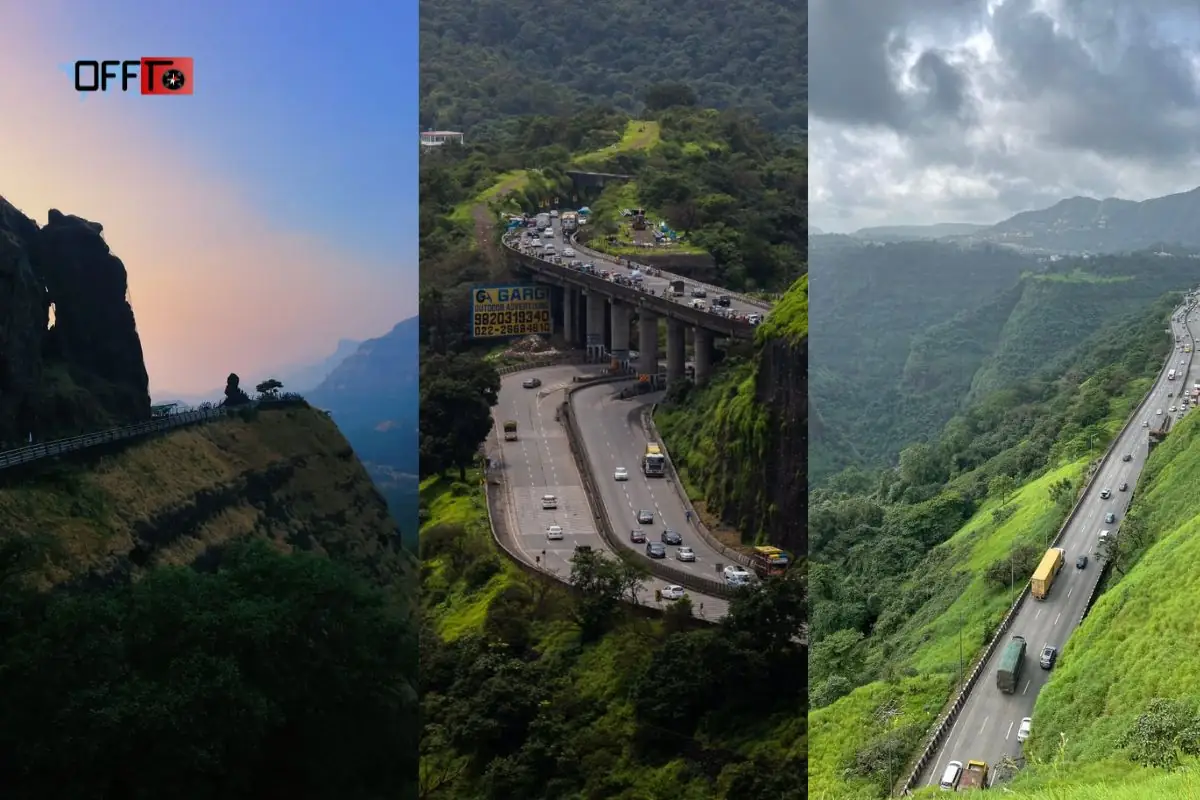
A two-day Malshej Ghat weekend plan is better if you want to slow down, stay near the hills, explore nearby attractions, enjoy sunrise or sunset viewpoints, and avoid the rush of a same-day return. It is ideal for couples, families, photographers, and travelers who prefer a calmer monsoon or winter getaway.
Slower Travel Experience
A two-day plan lets you enjoy Malshej without treating every stop like a checklist. You can drive in slowly, pause at viewpoints, enjoy food breaks, rest at your stay, and return to the ghat during better light.
This is especially useful in monsoon because weather changes quickly. A fog-covered evening may be followed by a clearer morning.
Stay Options
Stay options around Malshej Ghat range from resorts and lodges to simple homestays and nearby town stays. Your choice depends on comfort, budget, road access, and whether you want valley views or easy route connectivity.
Book ahead during monsoon weekends and holidays. Stays with good parking, food availability, and safe road access are more useful than stays chosen only for photos.
Nearby Attractions
With two days, you can include nearby places more comfortably. Pimpalgaon Joga Dam, Junnar region, Shivneri Fort, Ozar, Lenyadri caves, and scenic village routes can be added depending on your interest.
Trekkers may consider Harishchandragad or Ajoba Hill Fort, but those need proper planning, fitness, and weather awareness. Do not mix difficult treks with a relaxed family itinerary.
Sunset and Sunrise Viewpoints
A weekend plan gives you better chances for sunrise and sunset views. In winter, visibility is usually clearer, making early morning and late evening viewpoints more rewarding. In monsoon, fog can hide the view, but the atmosphere feels more dramatic.
If you are staying overnight, ask locals or your stay host about safe viewpoint spots and current road conditions before heading out.
Best for Couples, Families and Photographers
A two-day Malshej Ghat plan is best for couples who want a romantic misty getaway, families who prefer less rushed travel, and photographers who want changing light, fog, waterfalls, and valley frames.
It is also better for elderly travelers because the journey can be broken into comfortable parts. Instead of driving, stopping, sightseeing, and returning in one long day, you get time to rest and enjoy the landscape properly.
Places to Visit Near Malshej Ghat
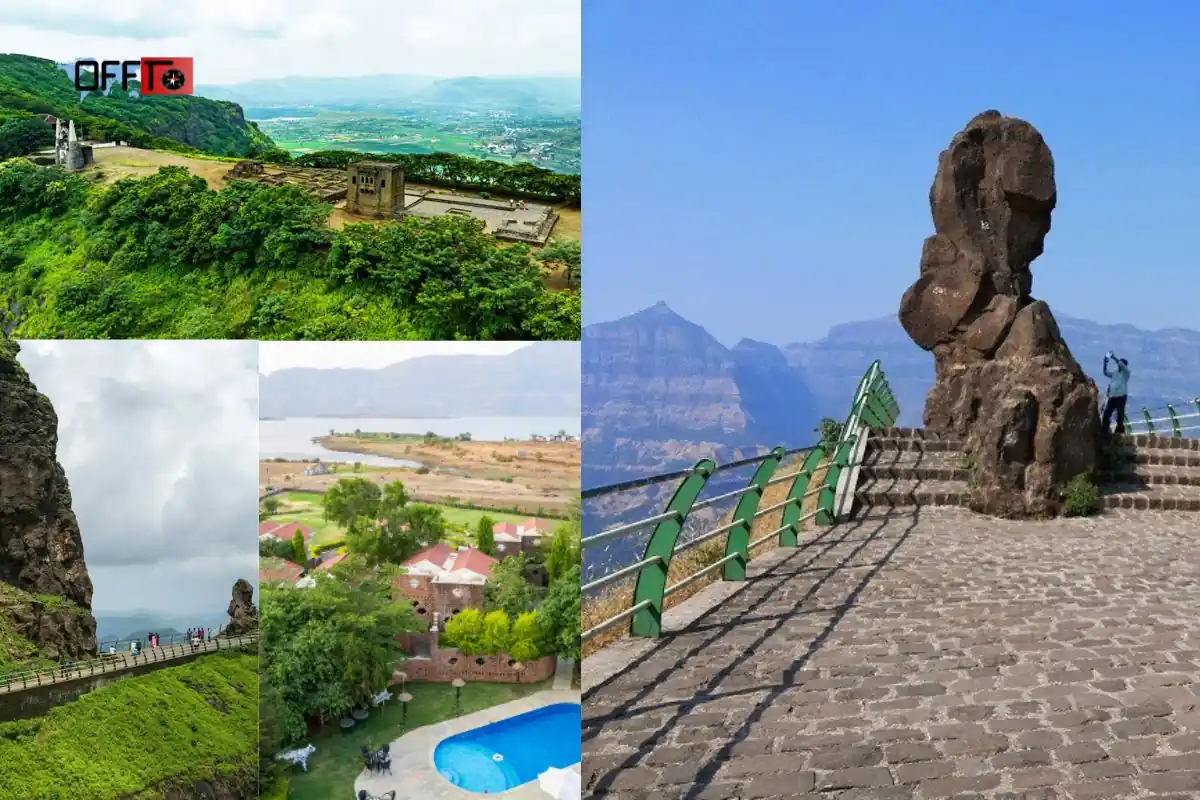
The best places to visit near Malshej Ghat include Pimpalgaon Joga Dam, Harishchandragad, Shivneri Fort, Ajoba Hill Fort, Khireshwar village, Ozar, Lenyadri caves, and the wider Junnar region. These places help turn Malshej from a simple waterfall drive into a fuller weekend getaway with nature, forts, temples, caves, and scenic village routes. Maharashtra Tourism describes Malshej Ghat as known for greenery, waterfalls, calm lakes, historic importance, biodiversity, and birding appeal.
Pimpalgaon Joga Dam
Pimpalgaon Joga Dam is one of the best nearby places to add to a Malshej Ghat trip. It gives a calmer experience compared with the crowded waterfall stretches, with open water views, surrounding hills, and bird-watching potential.
This is a good stop for families, couples, and photographers who want a slower break after the ghat road. In monsoon, the landscape looks greener, but road and parking conditions should still be checked before stopping.
Harishchandragad
Harishchandragad is one of Maharashtra’s most iconic trekking forts and is often connected with the Malshej region. It is best for serious trekkers, not casual road-trip travelers. If you are visiting Malshej Ghat only for waterfalls and viewpoints, keep Harishchandragad for another dedicated trek day.
The fort route needs fitness, daylight, proper shoes, and weather awareness. Do not add it casually after a long monsoon drive.
Shivneri Fort
Shivneri Fort near Junnar is a strong heritage add-on for travelers who want history along with nature. It is especially meaningful because it is associated with Chhatrapati Shivaji Maharaj’s birthplace and fits well into a Junnar-side itinerary.
Shivneri is better planned during a two-day Malshej Ghat trip. That gives enough time to enjoy the ghat, rest, and explore the fort without rushing.
Ajoba Hill Fort
Ajoba Hill Fort is suitable for trekkers and nature lovers who want a more active experience near Malshej Ghat. It is not a quick viewpoint stop, so plan it only if your group is prepared for trekking.
During monsoon, the trail and surrounding areas can become slippery. Choose this add-on only with proper route knowledge, footwear, and enough daylight.
Khireshwar Village
Khireshwar village is commonly used as a base-side point for treks toward Harishchandragad. It is useful for travelers who are planning a trekking-focused Malshej weekend instead of only a scenic drive.
For casual tourists, Khireshwar can still offer a quiet rural pause, but it makes more sense when connected with a trekking plan, local stay, or nature route.
Ozar
Ozar is known for the Vigneshwar Ganpati Temple and works well as a spiritual and cultural add-on around the Junnar region. It is a good choice for families and travelers who want something beyond waterfalls and viewpoints.
If you are planning a relaxed weekend, Ozar can be paired with Lenyadri and Shivneri instead of adding a difficult trek.
Lenyadri Caves
Lenyadri caves are another important stop in the Junnar region, known for their cave setting and religious significance. They work well with Ozar and Shivneri as part of a heritage-focused route.
This is a better add-on in winter or clear weather. During heavy monsoon, check road conditions and avoid overloading the itinerary with too many stops.
Junnar Region
The Junnar region is ideal for travelers who want a broader weekend around Malshej Ghat. It offers forts, caves, temples, rural landscapes, food stops, and scenic drives.
For a two-day plan, combine Malshej Ghat with Junnar-side heritage stops. For a one-day trip, keep your focus on the ghat, waterfalls, viewpoints, and maybe one nearby place.
Malshej Ghat Safety Tips
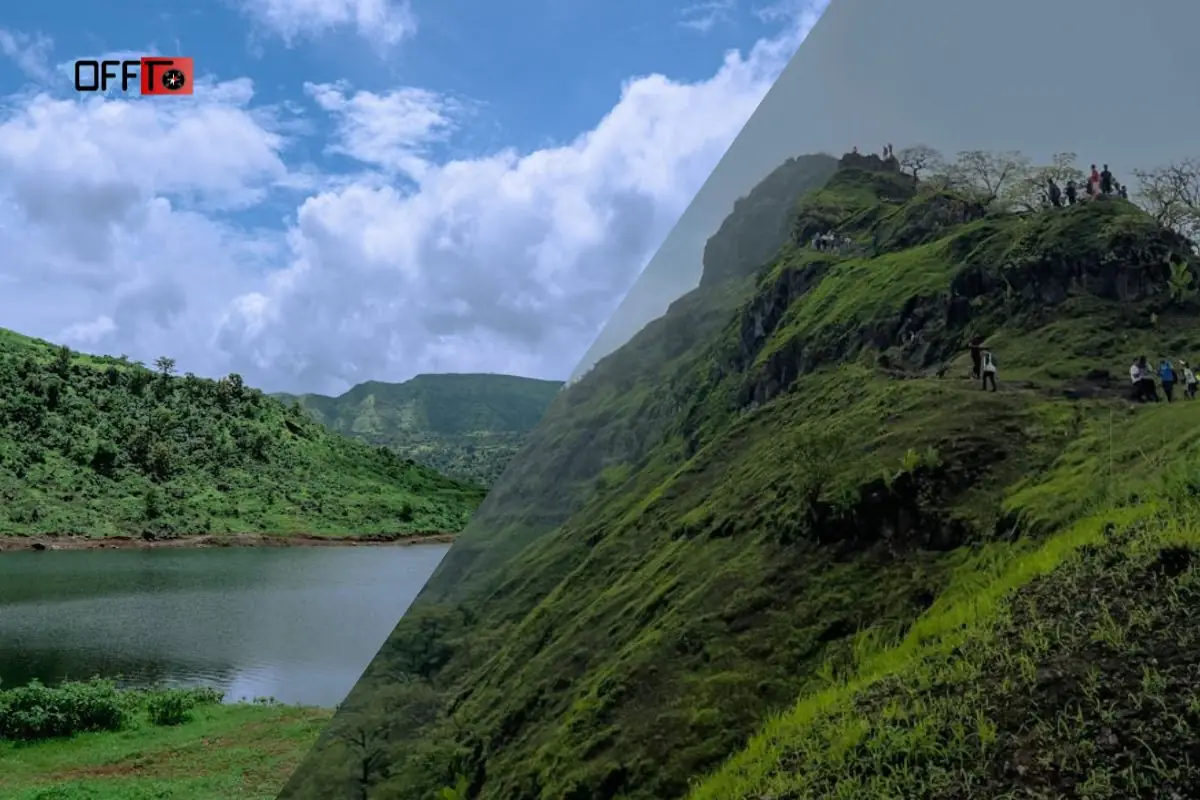
Malshej Ghat is beautiful, especially in monsoon, but safety should be part of the plan. Wet roads, fog, heavy rain, waterfall crowds, landslide-prone slopes, and unsafe parking can create real risks. Monsoon road-safety guidance highlights slippery roads, fog, landslide risk, waterlogging, and avoiding night driving as important precautions for scenic ghat routes.
Monsoon Road Safety
Drive slowly in monsoon and avoid sudden braking, sharp overtaking, or stopping on narrow curves. Roads can be wet, visibility can change quickly, and waterfall crowds may spill onto road edges.
Use headlights in fog, keep distance from other vehicles, and avoid rushing. Malshej Ghat is best enjoyed as a slow drive, not a speed route.
Landslide-Prone Sections
Ghat roads can be vulnerable during heavy rain, especially near steep slopes, loose rocks, and waterfall areas. A recent report from the broader Malshej region noted a fatal landslide-related boulder accident near Kalu Waterfall, highlighting the danger of unstable rocks during monsoon.
Avoid standing below cliffs, near fresh rockfall zones, or under heavy waterfall flow. If a section looks unstable, move away quickly.
Waterfall Caution
Malshej Ghat waterfalls are beautiful, but they are not always safe for close access. Rocks can be slippery, water flow can be stronger than it looks, and crowded areas can make footing worse.
Do not climb wet rocks, stand directly under forceful water, or cross barricades. Families should keep children away from fast water and road edges.
Fog Visibility
Fog can hide vehicles, curves, valleys, and pedestrians. During dense fog, reduce speed and avoid stopping suddenly in the middle of the road for photos.
If visibility becomes too poor, pause only at a safe open spot. Do not continue aggressively just to reach the next viewpoint.
Parking Safety
Parking is one of the most overlooked safety issues in Malshej Ghat. Do not park on blind turns, narrow roads, waterfall run-off areas, or places where your vehicle blocks traffic.
Choose wider lay-bys or designated safe stopping points. If a spot is crowded, skip it and move ahead instead of forcing a risky stop.
Avoid Risky Cliff Edges
Avoid sitting, standing, or posing near cliff edges, wet barriers, or unstable viewpoints. The valley views are dramatic, but one wrong step on wet ground can be dangerous.
For photography, use safe viewpoints and wide frames. Malshej Ghat already offers strong photos without risky edge shots.
Avoid Late-Night Driving in Heavy Rain
Avoid late-night driving through Malshej Ghat during heavy rain, especially if you are unfamiliar with the route. Fog, waterlogging, reduced visibility, tired driving, and possible road obstructions can make night travel stressful.
For families, couples, and first-time visitors, the safest plan is to start early and return before dark, or stay overnight nearby and continue the next morning.
Malshej Ghat Expectation vs Reality
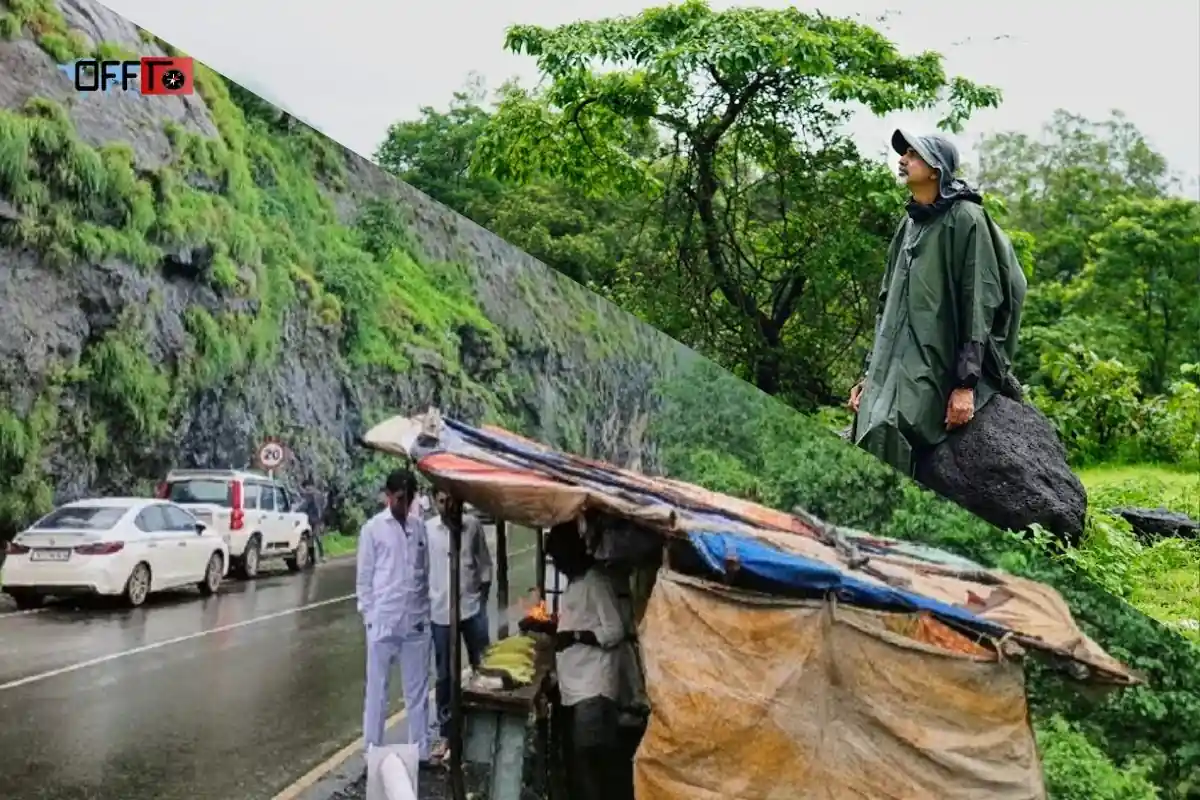
Malshej Ghat looks dreamy in monsoon photos, but the real experience depends heavily on weather, traffic, visibility, and safety conditions. It is one of Maharashtra’s most scenic road-trip destinations, but it is not always quiet, clear, or easy to explore during peak weekends.
Monsoon Beauty vs Traffic
- Expectation: Malshej Ghat in monsoon is a peaceful drive through waterfalls, fog, and green cliffs.
- Reality: Monsoon is beautiful, but weekends can bring traffic, crowded viewpoints, slow-moving vehicles, and limited parking near popular waterfall stretches. The same weather that makes the ghat scenic can also make the road slower.
The best way to enjoy the monsoon version is to start early, avoid peak weekend hours, and keep the plan flexible.
Waterfalls vs Safety Restrictions
- Expectation: You can stop at every waterfall and enjoy the water up close.
- Reality: Not every waterfall area is safe for access. Some spots may be slippery, crowded, close to traffic, or restricted due to heavy rainfall and falling rocks. Waterfall flow can also become forceful during active monsoon.
Enjoy waterfalls from a safe distance. Do not climb wet rocks, stand under heavy flow, or cross barricades for photos.
Misty Views vs Poor Visibility
- Expectation: Mist makes every viewpoint magical.
- Reality: Mist can also hide the valley completely. In monsoon, Malshej Ghat viewpoints may shift from stunning to fully covered within minutes. Sometimes you may see only fog, road, and vague cliff outlines instead of open valley views.
This does not ruin the trip if your expectations are right. Misty roads, moving clouds, and sudden view openings are part of the Malshej mood.
Weekend Crowd Reality
- Expectation: Malshej Ghat feels like a remote nature escape.
- Reality: During peak monsoon weekends, it can feel busy with cars, bikers, families, photographers, and food-stop crowds. Popular stretches may get noisy and congested, especially around waterfalls and viewpoints.
For a quieter trip, visit on a weekday, go early morning, or choose winter when the weather is pleasant and the crowd is lighter.
Best Way to Enjoy Without Rushing
The best way to enjoy Malshej Ghat is to treat it as a slow scenic drive, not a checklist destination. Choose a few safe viewpoints, stop for tea or snacks, enjoy waterfalls from a distance, and keep enough time for weather delays.
If you want clearer views, choose winter. If you want waterfalls and mist, choose monsoon. If you want the most relaxed experience, stay overnight nearby instead of forcing a rushed same-day return.
FAQs
Where is Malshej Ghat?
Malshej Ghat is located in Maharashtra’s Western Ghats, on the Kalyan–Ahmednagar route. It is easily accessible from Mumbai, Pune, Thane, Kalyan, Nashik, and Ahmednagar, making it a popular road-trip destination. The ghat is known for misty mountain roads, valley views, seasonal waterfalls, and scenic Sahyadri landscapes.
What is Malshej Ghat famous for?
Malshej Ghat is famous for monsoon waterfalls, foggy viewpoints, green Sahyadri cliffs, scenic road trips, bird watching, and nearby forts. During the rainy season, the ghat becomes especially popular because waterfalls flow along the roadside and mist covers the valleys. It is also known for Pimpalgaon Joga Dam and nearby trekking routes.
Is Malshej Ghat worth visiting?
Yes, Malshej Ghat is worth visiting if you enjoy nature, waterfalls, misty drives, valley viewpoints, photography, and peaceful hill landscapes. It is best for monsoon road trips and winter sightseeing. One day is enough for a quick visit, but a weekend plan is better if you want a slower experience with nearby places.
What is the best time to visit Malshej Ghat?
The best time to visit Malshej Ghat is during monsoon, from June to September, if you want waterfalls, mist, and lush greenery. Winter, from October to February, is better for clear viewpoints, safer driving, and comfortable sightseeing. Summer is quieter but less scenic because waterfalls reduce and the landscape becomes drier.
Is one day enough for Malshej Ghat?
Yes, one day is enough for Malshej Ghat if you want a scenic drive, waterfall stops, viewpoints, food breaks, and a relaxed nature outing. Start early and avoid overpacking the itinerary. If you want nearby forts, sunrise or sunset viewpoints, bird watching, or a resort stay, a two-day weekend plan is better.
How to visit Malshej Ghat?
The best way to visit Malshej Ghat is by self-drive car, bike, or hired cab because the road-trip experience is the main attraction. You can stop at waterfalls, viewpoints, food stalls, and nearby places at your own pace. Public transport is possible, but it may not offer the same flexibility for scenic stops.
What is the distance to Malshej Ghat from Mumbai?
Malshej Ghat is roughly 130–140 km from Mumbai, depending on your exact starting point and route. It is usually planned as an early-morning one-day road trip or a weekend getaway. During monsoon, travel time can increase because of traffic, fog, waterfall stops, and slower driving on wet ghat roads.
What is the distance to Malshej Ghat from Pune?
Malshej Ghat is roughly 120–160 km from Pune, depending on the route you take. Pune travelers usually plan it as a full-day drive or a weekend trip. If you want to include nearby places like Shivneri Fort, Junnar, Ozar, or Lenyadri caves, a two-day plan is more comfortable.
Are there waterfalls in Malshej Ghat?
Yes, Malshej Ghat is famous for seasonal waterfalls, especially during monsoon. Many waterfalls appear along the roadside, cliffs, and green slopes after strong rainfall. The best waterfall months are usually July, August, and early September. However, visitors should avoid slippery rocks, unsafe parking, and standing too close to heavy waterfall flow.
Which are the best viewpoints in Malshej Ghat?
The best viewpoints in Malshej Ghat are the roadside valley viewpoints, cliff-facing stops, and open sections where you can see green hills, waterfalls, fog, and deep Sahyadri valleys. There is no single fixed viewpoint that defines the trip. The best views often appear suddenly when mist clears during monsoon or winter mornings.
Is Malshej Ghat safe in monsoon?
Malshej Ghat is safe in monsoon if you drive carefully and avoid risky behavior. The main risks are slippery roads, fog, heavy rain, crowded waterfall areas, unsafe parking, and landslide-prone sections. Avoid late-night driving in heavy rain, do not climb wet rocks, and stay away from cliff edges or restricted waterfall zones.
What are the best things to do in Malshej Ghat?
The best viewpoints in Malshej Ghat are the roadside valley viewpoints, cliff-facing stops, and open sections where you can see green hills, waterfalls, fog, and deep Sahyadri valleys. There is no single fixed viewpoint that defines the trip. The best views often appear suddenly when mist clears during monsoon or winter mornings.
Read more >>>
Best Hill Station in India – Highest & Most Beautiful Places
Bhandardara Waterfall Travel Guide – Falls, Camping & Things to Do
Final Verdict: Who Should Visit Malshej Ghat?
Malshej Ghat is worth visiting if you enjoy scenic road trips, monsoon waterfalls, misty viewpoints, slow nature breaks, and easy weekend getaways from Mumbai, Pune, Thane, Kalyan, or Ahmednagar. It is not an adventure-only destination; it is more about the drive, weather, views, and relaxed mountain atmosphere.
Best for Monsoon Road Trips
Malshej Ghat is best for travelers who love monsoon road trips. The ghat comes alive with fog, rain-washed cliffs, roadside waterfalls, and green valley views. The drive itself becomes the main experience.
If you enjoy slow drives, tea breaks, rain photography, and changing mountain weather, Malshej Ghat is one of Maharashtra’s most rewarding monsoon routes.
Best for Waterfall Lovers
Waterfall lovers will enjoy Malshej Ghat most during active monsoon, especially from July to early September. Many waterfalls appear along the road and cliffs, making the journey feel dramatic and refreshing.
The only rule is to enjoy them safely. Watch from secure spots, avoid slippery rocks, and do not stop where parking or traffic becomes risky.
Best for Photographers
Malshej Ghat is excellent for photographers because the landscape changes quickly. One moment the valley may be hidden in fog, and the next moment waterfalls, cliffs, roads, and clouds may open into a perfect frame.
Monsoon is best for mood and drama. Winter is better for clearer valley shots, sunrise/sunset attempts, and cleaner long-distance views.
Best for Couples and Families
Malshej Ghat works well for couples and families because it does not require difficult trekking to enjoy the scenery. You can drive, stop at viewpoints, enjoy snacks, visit nearby places, and return the same day or stay overnight.
Families should be extra careful near waterfalls, road edges, and foggy viewpoints. Couples should choose safe stops instead of risky cliffside photo spots.
Best for Slow Weekend Travelers
Slow weekend travelers will enjoy Malshej Ghat more than checklist-style tourists. A two-day plan gives time for viewpoints, food stops, nearby attractions, sunrise or sunset views, and a calmer stay.
This version is especially good in winter or post-monsoon, when visibility is better and the road-trip pace feels more relaxed.
Not Ideal for People Expecting Adventure Trekking Only
Malshej Ghat may disappoint travelers who expect a hardcore trekking destination. While nearby forts like Harishchandragad and Ajoba Hill Fort offer trekking options, Malshej itself is mainly a scenic ghat road, waterfall, viewpoint, and nature-drive experience.
Visit Malshej for mist, waterfalls, road-trip mood, and slow travel. Choose nearby forts separately if your main goal is adventure trekking.
Plan Your Malshej Ghat Getaway with Offto Travellers
Malshej Ghat is the kind of trip that becomes far better when you plan it around the right season, route, stay, and travel pace. In monsoon, the waterfalls, mist, and green cliffs are the main highlights. In winter, the clear viewpoints, calmer roads, and slower sightseeing make the experience more comfortable. The best trip depends on what you want: a one-day waterfall drive, a romantic weekend, a family-friendly nature break, or a photography-focused stay.
With Offto Travellers, you can explore more Maharashtra travel guides, compare nearby weekend getaways, and plan your Malshej Ghat trip with better clarity. Whether you are travelling from Mumbai, Pune, Thane, Kalyan, Nashik, or Ahmednagar, Offto helps you move from inspiration to a practical travel plan.
You can also Book stays near Malshej Ghat, Junnar, Pimpalgaon Joga Dam, or nearby scenic routes so your trip feels relaxed instead of rushed. Choose a stay that matches your travel style—budget, family-friendly, couple-friendly, nature-view, or weekend-comfort—and build your itinerary around waterfalls, viewpoints, food stops, and safe road timing.
Explore Malshej Ghat with Offto Travellers and Book stays that keep you close to the waterfalls, viewpoints, misty roads, and best weekend experiences in the Sahyadris.
Sign up
Leave a Reply