
Mangi Tungi is a sacred Jain twin-peak trek in Nashik district, known for stone steps, ancient caves, temples, hilltop views, and the 108-foot Statue of Ahimsa.
Mangi Tungi Overview: Maharashtra’s Sacred Twin-Peak Trek
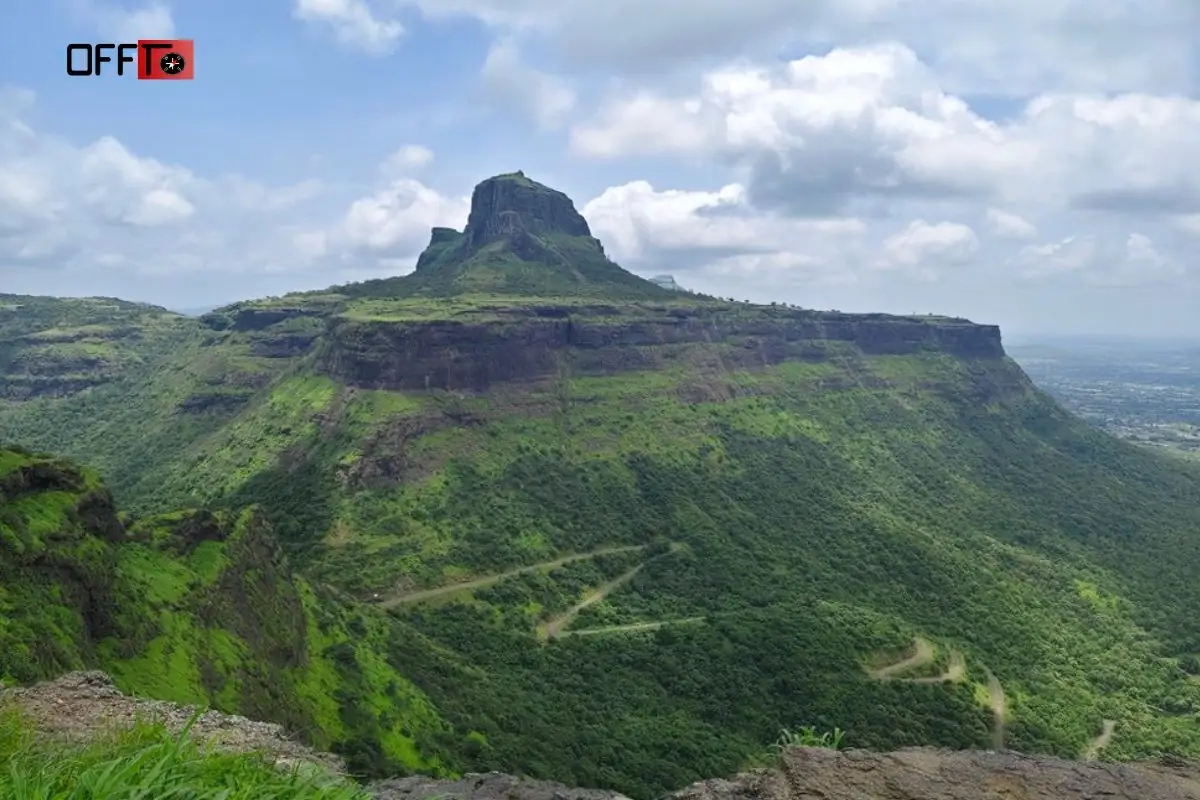
Mangi Tungi is one of Maharashtra’s most unique spiritual treks because it combines a sacred Jain pilgrimage, a step-based hill climb, ancient caves, rock-cut idols, twin peaks, and wide views from the upper sections. Unlike regular Sahyadri treks that pass through forests, mud trails, or fort ruins, the Mangi Tungi trek is mainly a pilgrimage climb where effort, devotion, history, and mountain scenery come together.
The official Nashik district tourism page describes Mangi Tungi as a famous pilgrimage place and Siddha Kshetra, located in Satana Taluka, about 125 km from Nashik. It also identifies Mangi as the western pinnacle and Tungi as the eastern pinnacle.
Mangi and Tungi as Twin Peaks
Mangi Tungi is known for its two rocky pinnacles:
- Mangi is the western peak.
- Tungi is the eastern peak.
- A plateau-like section and sacred pathways connect the broader pilgrimage zone.
- The climb gives a strong “twin-hill” experience rather than a single summit walk.
- The rocky profile of the peaks makes the destination visually striking even before you begin the climb.
This twin-peak identity is one reason travelers search for Mangi Tungi as a trek, temple, hill, and even as Mangi Tungi fort. The landscape looks rugged and fort-like from a distance, but its main identity is spiritual and pilgrimage-based.
Jain Pilgrimage Importance
Mangi Tungi is deeply important for Jain pilgrims. The Nashik district tourism page calls it a Siddha Kshetra and connects the site with many ascetics attaining liberation, while also noting its association with figures from Jain religious traditions.
For pilgrims, this is not just a climb. It is a sacred journey. The route includes temples, caves, idols, and devotional stops, so visitors should move respectfully, dress modestly, and avoid treating temple areas like casual photo spots.
Trekking + Spiritual Travel Appeal
The charm of Mangi Tungi is that it appeals to two kinds of travelers at once:
- Spiritual travelers come for darshan, Jain temples, caves, idols, and the sacred atmosphere.
- Trekkers and active travelers come for the climb, steps, height, effort, and views.
- History lovers enjoy the old caves, carvings, and religious heritage.
- Weekend travelers from Nashik, Mumbai, and Pune see it as an offbeat spiritual hill destination.
- Photographers enjoy the stone steps, rocky peaks, temple setting, and rural Maharashtra backdrop.
This combination makes Mangi Tungi more meaningful than a simple hill viewpoint. You are not only climbing for the summit—you are moving through a place with religious and cultural depth.
Why It Is Searched as a Fort, Hill Station, and Trek
Many travelers search for Mangi Tungi in different ways because the destination does not fit into one simple category. Some call it a trek because of the long stair climb. Some search for Mangi Tungi fort because the rocky hilltop setting looks like a fort landscape. Others treat it like a hill destination because it offers elevation, views, and a cooler early-morning climb.
The right way to understand it is this: Mangi Tungi is primarily a Jain pilgrimage site and sacred twin-peak climb, not a commercial hill station or typical fort trek.
Difference Between Mangi Tungi Trek and Regular Sahyadri Treks
The Mangi Tungi trek feels different from regular Sahyadri treks in several important ways:
- It is mostly a step-based climb, not a forest trail.
- The difficulty comes from repeated steps, height gain, heat, and descent pressure.
- The route has a strong pilgrimage atmosphere, so behavior and clothing should be respectful.
- The main attractions are temples, caves, idols, hilltop views, and the Statue of Ahimsa.
- It is better for early starters because the climb can feel tiring once the sun becomes strong.
- It may not satisfy trekkers expecting mud trails, dense forest, waterfalls, or fort walls.
In simple terms, Mangi Tungi is less about wilderness adventure and more about spiritual endurance, heritage, and hilltop reward.
Where Is Mangi Tungi Located?
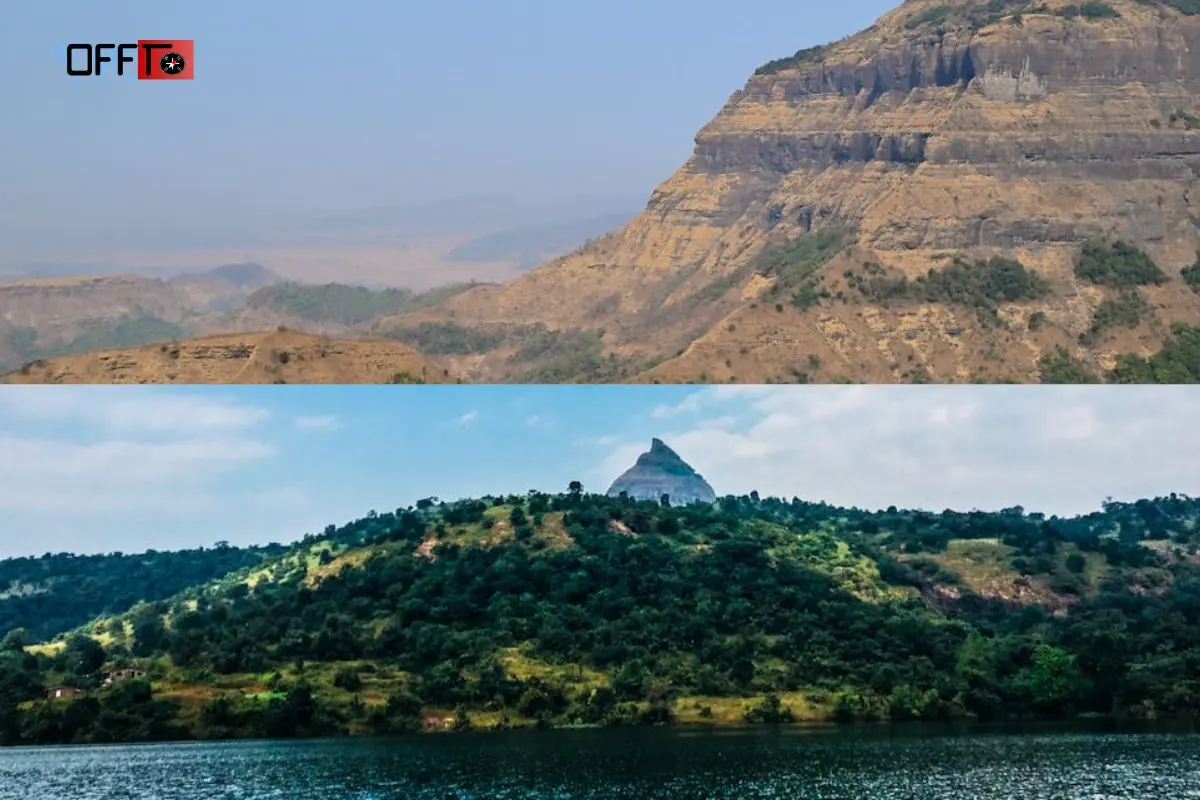
Mangi Tungi is located in Nashik district, Maharashtra, in Satana Taluka, near Taharabad and the broader Baglan region. The official Nashik tourism page places Mangi Tungi Temple about 125 km from Nashik city and notes that Bhilwadi is the base village.
Location in Nashik District, Maharashtra
If you are searching where is Mangi Tungi, the direct answer is: Mangi Tungi is in Nashik district of Maharashtra, around the Satana/Taharabad side. It is a well-known Jain pilgrimage site and hill climb in north Maharashtra, away from the more commercial tourist belts.
This location matters because Mangi Tungi is not a quick city viewpoint. It needs road travel, an early start, and time for the climb, darshan, rest breaks, and descent.
Near Taharabad and Satana
Mangi Tungi is commonly linked with Taharabad and Satana. The Nashik district tourism listing places it in Satana Taluka, and broader references describe Mangi Tungi as being near Taharabad.
For travelers, these names are useful while checking routes, asking locals, or planning road navigation. If you are using maps, search for Mangi Tungi Temple or Bhilwadi base village rather than only searching “Mangi Tungi trek.”
Distance Context from Nashik, Mumbai, and Pune
The most important travel distance is from Nashik. The official Nashik district page places Mangi Tungi about 125 km from Nashik city, and also notes that Nashik Road railway station is approximately 130 km away.
For Mumbai and Pune travelers, Mangi Tungi is better planned as a long day trip only if you start very early, or as a weekend spiritual getaway. The travel time can feel long because the destination is not located right beside a major tourist highway stop.
A simple planning view:
- From Nashik, Mangi Tungi works well as a full-day trip.
- From Mumbai, it is better as a weekend plan or very early-start road trip.
- From Pune, it is more comfortable as an overnight or two-day spiritual travel plan.
- From Satana/Taharabad, it becomes much easier to manage the climb early in the day.
Why Location Matters for Travel Planning
Mangi Tungi’s location directly affects how enjoyable the trip feels. A late arrival can make the climb hotter, more tiring, and rushed. An early arrival gives you cooler weather, better energy, more peaceful darshan, and enough time for cave exploration.
Before you go, plan around these location-based realities:
- Start early if you are travelling from Nashik or farther cities.
- Keep buffer time for rural road stretches and local navigation.
- Confirm your base point before the trip.
- Carry water and snacks because facilities may not feel as frequent once you begin climbing.
- Avoid planning the climb at harsh midday hours.
- Give yourself enough time for both ascent and descent, especially with family or elderly travelers.
The best Mangi Tungi experience comes when you treat it as a sacred hill journey, not a rushed roadside stop.
Mangi Tungi Height: How Tall Are the Twin Peaks?
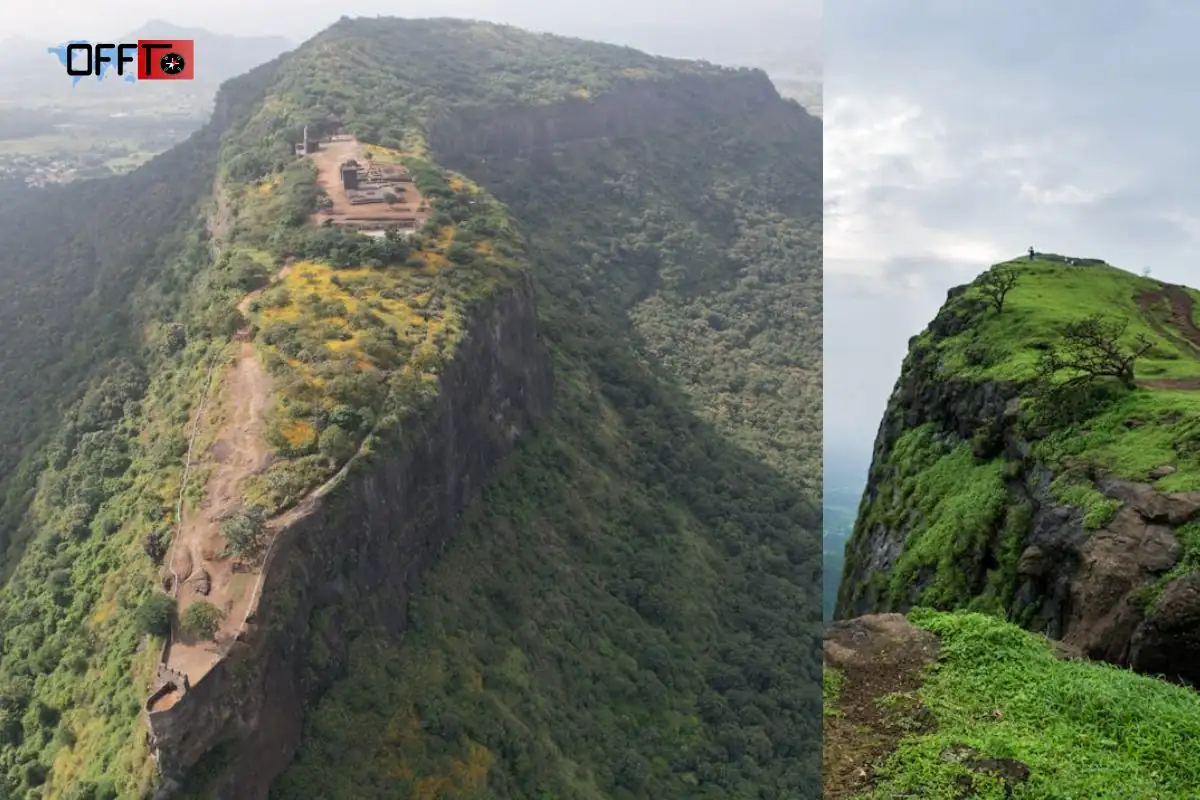
The commonly cited Mangi Tungi height is around 4,343 feet for Mangi and 4,366 feet for Tungi above sea level. Mangi is the western pinnacle, while Tungi is the eastern pinnacle. The official Nashik district tourism page gives these same heights and identifies the site as a famous Jain pilgrimage place in Satana Taluka. (nashik.gov.in)
Mangi Height
Mangi, the western peak, is listed at about 4,343 feet above sea level. This height gives the climb a strong hilltop feel, especially as you move higher through the stair sections and begin seeing the surrounding Nashik district landscape open up.
For visitors, Mangi is not just a viewpoint. It is part of a sacred twin-peak pilgrimage route with temples, caves, idols, and religious significance attached to the climb.
Tungi Height
Tungi, the eastern peak, is slightly taller and is commonly listed at around 4,366 feet above sea level. The difference between Mangi and Tungi is small, but the twin-peak identity makes the destination visually and spiritually distinctive.
Because both peaks are high and rocky, the upper sections can feel exposed in hot weather, windy conditions, or monsoon mist. This is why steady pacing matters more than speed.
Elevation Difference
The elevation difference between Mangi and Tungi is minor, but the overall climb is still demanding because the journey involves repeated stone steps, religious stops, and hilltop movement. Unlike a forest trek where terrain keeps changing, Mangi Tungi tests your body through rhythm and repetition.
Why Height Affects Difficulty
Height affects the Mangi Tungi trek because the climb is not only about reaching a number on the map. It is about how your body handles elevation, steps, heat, and descent.
The route is clearer than many Sahyadri treks, but that does not make it effortless. The difficulty comes from:
- Continuous stair climbing: Repeated steps can tire the calves, thighs, and knees.
- Heat exposure: If you start late, the stone steps and open sections can feel harsh.
- Limited shade in stretches: Some parts can feel more tiring during sunny hours.
- Descent pressure: Coming down thousands of steps can strain knees more than the climb.
- Pilgrimage stops: Darshan, caves, and temple visits add time and movement to the day.
Summit View Experience
The summit view experience is peaceful, open, and rewarding. From the upper sections, visitors can see rocky hills, rural landscapes, distant ridges, and the broader Baglan region. Incredible India describes Mangi Tungi Hills as offering panoramic views of the surrounding countryside and a spiritual atmosphere around the ascent.
Mangi Tungi Trek Distance & Duration
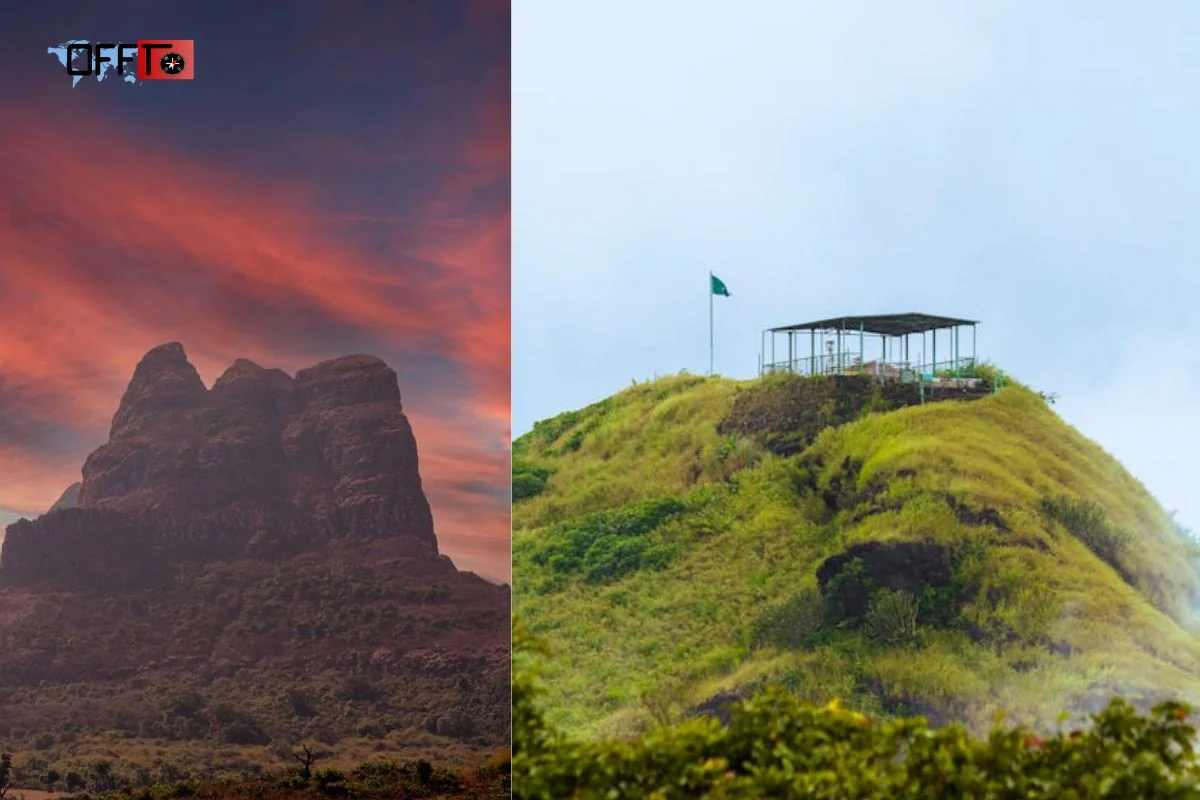
Mangi Tungi distance is best understood in two ways: road distance to the base and walking/climb duration from the base area. The site is around 125 km from Nashik, according to the official Nashik district tourism page. The climb itself is a step-based pilgrimage route that commonly takes around 3–5 hours, depending on fitness, crowd, breaks, darshan time, and how much of the cave and temple area you explore. (nashik.gov.in)
Distance from Key Cities
The most reliable planning distance is from Nashik, because Mangi Tungi is in Nashik district and is usually planned through the Satana/Taharabad side.
A practical distance view:
- Nashik to Mangi Tungi: around 125 km, suitable for a full-day trip with an early start.
- Mumbai to Mangi Tungi: better planned as a long road trip or weekend spiritual getaway.
- Pune to Mangi Tungi: usually more comfortable as a two-day plan because road travel can feel long.
- Satana/Taharabad to Mangi Tungi: much easier for early-morning climbing and same-day darshan.
- Nashik Road railway station to Mangi Tungi: official tourism information places it around 130 km away. (nashik.gov.in)
For travelers from Mumbai or Pune, the biggest mistake is treating Mangi Tungi like a quick roadside stop. The climb, darshan, rest, and return journey need a proper time buffer.
Walking Distance and Climb Duration
The Mangi Tungi climb is often described by steps rather than distance. Sources vary on the exact count, with traveler reports commonly mentioning 3,500+ steps, while some modern travel guides mention over 4,000 stone steps. The safer way to phrase it is: expect several thousand steps, not a short climb.
Most visitors should keep 3–5 hours for the climb and exploration, depending on pace and stops. Fit visitors may move faster, while families, elderly pilgrims, and photographers may need more time.
Time Required for Darshan + Climb
For a satisfying visit, do not calculate only the climbing time. Mangi Tungi is a pilgrimage destination, so darshan, cave visits, temple pauses, rest breaks, and photography can easily extend the schedule.
A realistic time plan looks like this:
- Base arrival and preparation: 20–30 minutes
- Initial climb: 1–1.5 hours depending on pace
- Temple/cave stops: 45–90 minutes
- Upper climb and viewpoints: 1–2 hours
- Descent: 1.5–2.5 hours depending on knee comfort
- Food/rest after return: 30–60 minutes
This means a complete visit can easily take half a day even if the climb itself looks straightforward.
One-Day Trip Feasibility
Mangi Tungi can be done as a one-day trip from Nashik if you start early. From Mumbai or Pune, it is possible only with a very early start, strong planning, and enough stamina for both travel and climb. For most travelers from farther cities, an overnight stay nearby or in Nashik is more comfortable.
A one-day trip works best if:
- You arrive near the base early in the morning.
- You carry enough water and light snacks.
- You do not rush darshan or cave exploration.
- Your group is physically comfortable with stairs.
- You begin descent before fatigue and heat build up.
- You avoid late-evening rural-road travel if tired
Ideal Start Time
The ideal start time for Mangi Tungi is early morning, preferably soon after sunrise. Some travelers even recommend beginning around 4–5 AM in hot months to avoid harsh heat, though timing should be planned safely and with local guidance.
Early starts are better because:
- The steps feel less exhausting in cooler weather.
- The atmosphere is quieter and more devotional.
- You get more time for darshan and cave exploration.
- Photography light is softer.
- Descent becomes safer before afternoon fatigue.
- Families and elderly visitors get a more relaxed pace.
For the best experience, treat Mangi Tungi as a slow spiritual climb, not a race to the top.
Mangi Tungi Trek Difficulty: Is It Difficult to Climb?
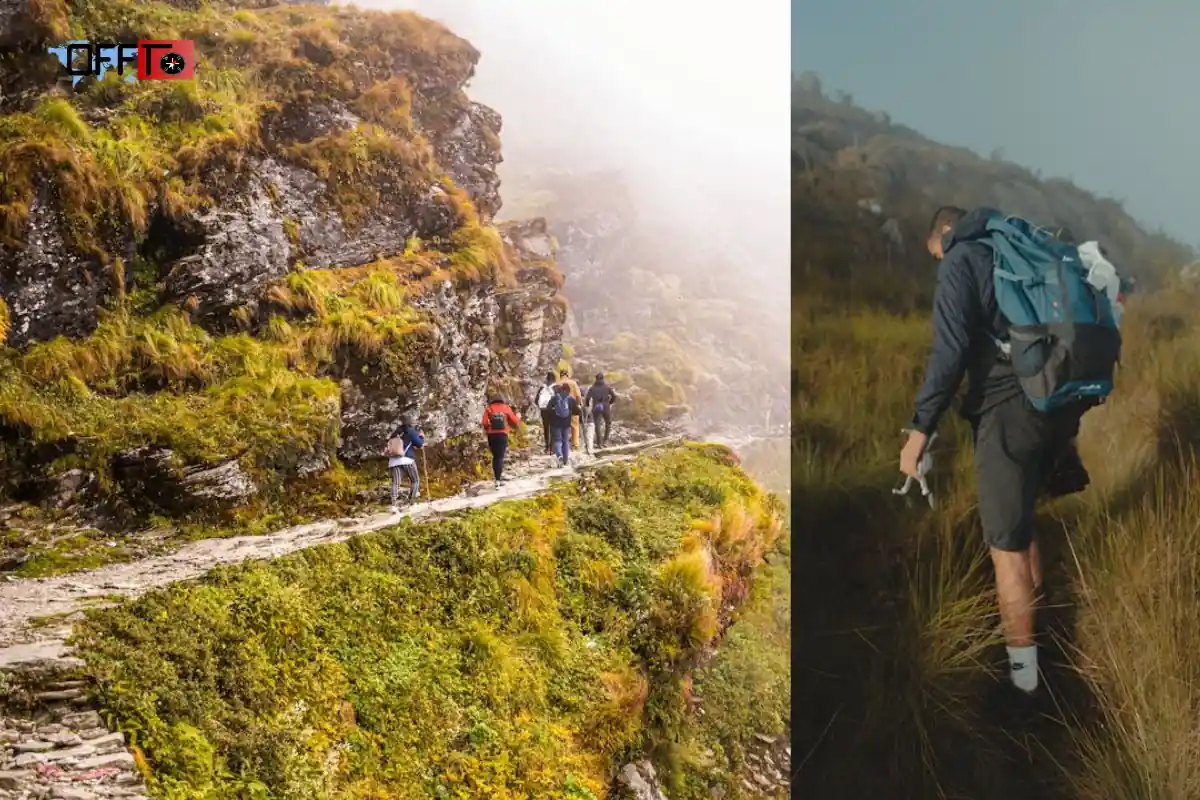
The Mangi Tungi trek difficulty is moderate for active travelers, but it can feel tiring because the climb is mostly step-based. This is not a forest trail or mud trek; it is a long pilgrimage climb with repeated stone steps, heat exposure, hill height, temple stops, and descent pressure. Beginners can do it with preparation, but they should not underestimate the effort.
Step-Based Difficulty
Mangi Tungi is difficult in a different way from regular Sahyadri treks. The route is clearer and more structured, but the repeated stair climbing can slowly drain your energy.
What makes the step climb challenging:
- Repetition: Your legs repeat the same climbing motion for a long time, which can tire calves and thighs.
- Elevation gain: The twin peaks rise above 4,300 feet, so the climb feels more serious as you move higher. Mangi is listed around 4,343 feet and Tungi around 4,366 feet.
- Stone surface: Steps can feel hard on the feet, especially during descent.
- Open sections: Some stretches may feel exposed to sun and wind.
- Mental fatigue: Seeing more steps ahead can feel discouraging if you start too fast.
The best approach is to climb steadily, pause often, and treat the route as a devotional endurance climb rather than a speed trek.
Heat and Hydration Challenge
Heat is one of the biggest challenges at Mangi Tungi. If you start late, the climb can feel much harder because stone steps and exposed sections heat up quickly.
Carry enough water, especially if you are visiting outside winter. Do not depend only on finding water once you are already climbing. A good plan is to drink small amounts regularly instead of waiting until you feel thirsty.
Helpful hydration tips:
- Carry at least 1.5–2 litres of water per person.
- Carry ORS or lemon-salt water if you sweat heavily.
- Avoid climbing after a heavy meal.
- Take small sips during breaks.
- Keep extra water for descent, not only ascent.
- Avoid peak afternoon climbing unless absolutely necessary.
Knee Strain During Descent
Many visitors focus on the climb, but the descent can be harder on the knees. Repeated downward steps create pressure on the joints, especially for elderly visitors, people with knee pain, or those who are not used to long stair descents.
To reduce knee strain:
- Descend slowly instead of rushing.
- Use railings where available.
- Take short breaks on the way down.
- Wear shoes with proper cushioning and grip.
- Avoid jumping steps.
- Carry a knee cap or support if you already have knee concerns.
- Do not ignore early pain; slow down before it becomes worse
The descent is where tiredness becomes obvious, so save energy for the return.
Monsoon Slipperiness
Mangi Tungi in monsoon can look beautiful, with cooler weather, clouds, and greener surroundings. But rain can also make stone steps slippery. A recent local report described a fatal fall at Mangi Tungi after slippery conditions from rain, making monsoon caution especially important.
During monsoon, avoid:
- Walking on fence walls or unsafe edges
- Taking shortcuts outside the proper route
- Leaning over viewpoints for photos
- Running down wet steps
- Wearing smooth-soled shoes
- Climbing during heavy rain or poor visibility
- Letting children move ahead without supervision
Monsoon is scenic, but safety should always come before photos or speed.
Beginner Suitability
Beginners can do the Mangi Tungi trek if they are reasonably active and prepared for stairs. It is not technically difficult, but it requires patience and stamina.
Mangi Tungi is suitable for beginners who:
- Can climb stairs without major discomfort
- Are comfortable with a slow but long climb
- Start early in the morning
- Carry water and light snacks
- Wear proper shoes
- Take breaks without feeling rushed
- Understand that it is a pilgrimage route, not a casual picnic walk
It may be difficult for absolute beginners who rarely walk, struggle with stairs, or expect a short hill-station-style visit.
What Is Mangi-Tungi Famous For?
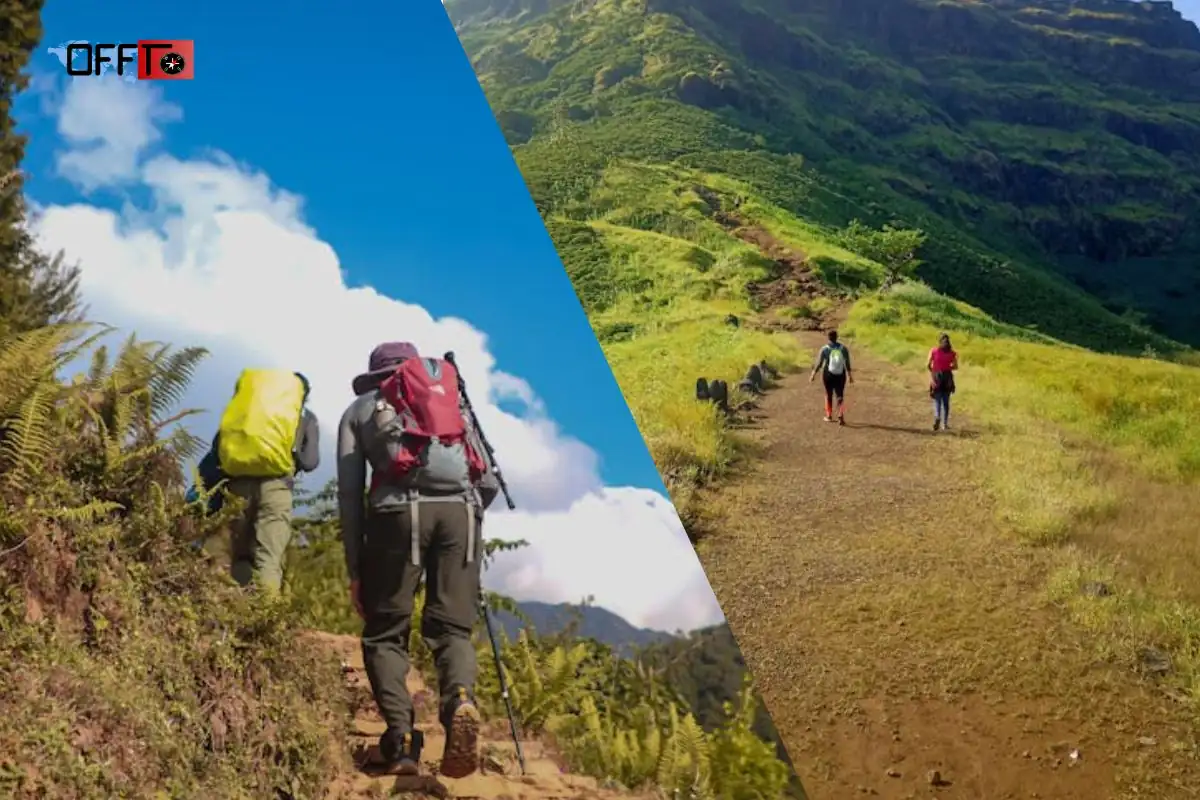
Mangi Tungi is famous for its Jain pilgrimage importance, sacred twin peaks, ancient caves, rock-cut idols, hilltop temples, spiritual atmosphere, and the 108-foot Statue of Ahimsa. It is one of Maharashtra’s most meaningful spiritual hill destinations, attracting pilgrims, trekkers, history lovers, and travelers looking for a peaceful climb with strong religious value. The site is widely described as a prominent Jain pilgrimage place near Taharabad in Nashik district.
Jain Pilgrimage
Mangi Tungi is first and foremost a Jain pilgrimage destination. It is considered a sacred Siddha Kshetra, associated with spiritual liberation and Jain religious history. The site has temples, caves, idols, and devotional significance connected with Jain traditions.
For pilgrims, the climb is not only physical. It is a journey of faith, silence, effort, and devotion. Visitors should respect the spiritual nature of the place by maintaining cleanliness, dressing modestly, and behaving calmly around temples and idols.
108-Foot Statue of Ahimsa
One of the biggest reasons Mangi Tungi is famous today is the 108-foot Statue of Ahimsa, a massive idol of Lord Rishabhanatha, the first Jain Tirthankara. It is located at Mangi Tungi and is widely cited as the world’s tallest Jain idol. The statue is 108 feet tall, and around 121 feet including the pedestal.
Why the Statue of Ahimsa is important:
- It represents Lord Rishabhanatha, the first Jain Tirthankara.
- It is a major pilgrimage attraction for Jain devotees.
- It has become a strong identity marker for Mangi Tungi.
- It adds a grand spiritual landmark to the twin-peak region.
- It draws both pilgrims and curious travelers interested in religious architecture.
This monument should be experienced respectfully, not just as a photo stop.
Ancient Caves and Idols
Mangi Tungi is also known for its ancient caves and rock-cut Jain idols. Sources describe several caves named after Tirthankaras and saints, including caves associated with Mahavira, Rishabhanatha, Shantinatha, Parshvanatha, and others. Many idols and carvings are found across the hill area, and some inscriptions are said to be very old.
This makes Mangi Tungi important not only for devotion but also for heritage. The caves give the climb a layered experience: you are walking through a sacred landscape shaped by centuries of worship, carving, and pilgrimage.
Twin Peaks
The twin-peak structure is another reason Mangi Tungi stands out. Mangi and Tungi rise as two rocky pinnacles, giving the destination a strong visual identity. The official tourism description identifies Mangi as the western pinnacle and Tungi as the eastern pinnacle.
The twin peaks make the trip feel different from a single temple visit. You get:
- A visible mountain profile before the climb
- A stronger sense of elevation
- A more dramatic hilltop setting
- Different pathways and viewpoints
- A blend of pilgrimage and trekking atmosphere
This twin-hill character is why many travelers remember Mangi Tungi even after visiting other spiritual places in Maharashtra.
Spiritual Atmosphere
Mangi Tungi’s atmosphere is peaceful, devotional, and reflective. The climb itself feels like part of the experience. You see pilgrims moving slowly, people stopping for rest, temple bells, stone steps, caves, idols, and open views.
The spiritual atmosphere is strongest when you start early. Morning light, cooler weather, fewer crowds, and quiet surroundings make the climb feel more meaningful. For many visitors, the best part is not only reaching the top but experiencing the journey step by step.
Mangi Tungi Fort: History, Caves & Hilltop Experience
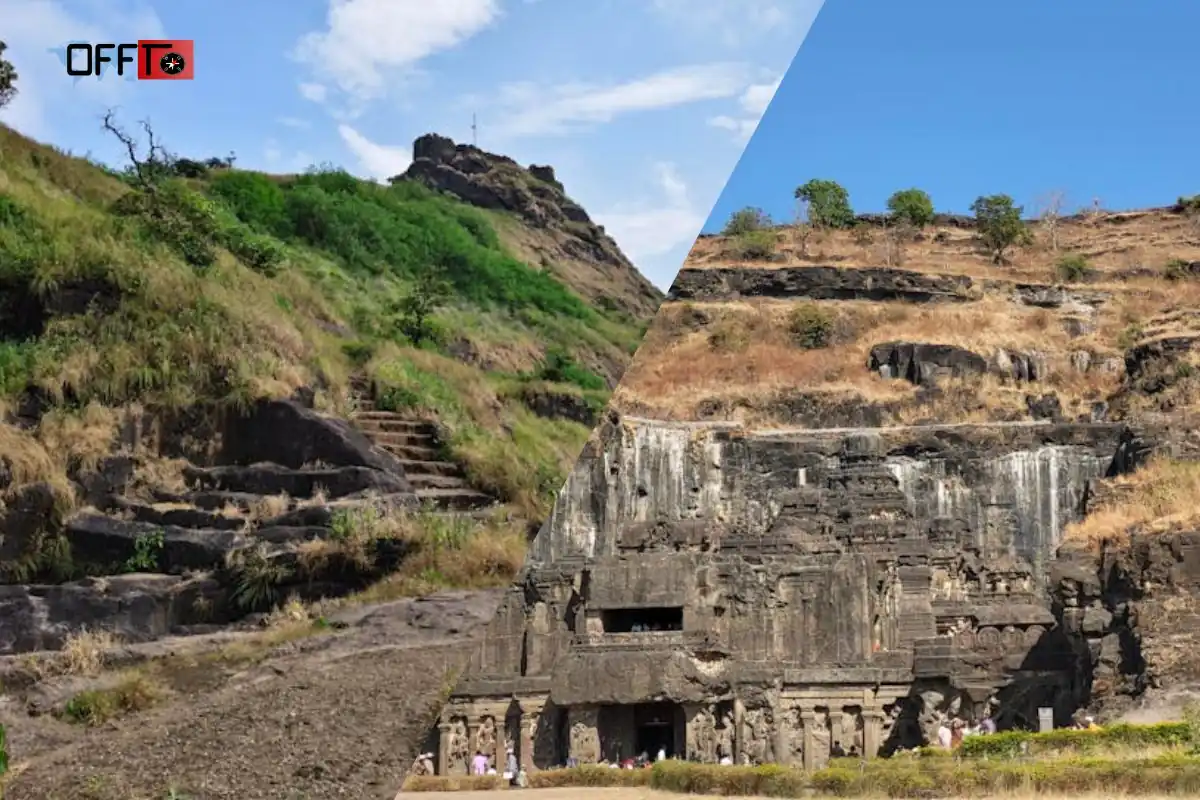
Many travelers search for Mangi Tungi fort, but Mangi Tungi is not a fort in the usual Sahyadri sense. It does not offer the typical fort experience of bastions, gates, ramparts, and battle ruins. Instead, it is a sacred Jain twin-hill pilgrimage site with caves, rock-cut idols, ancient carvings, stone pathways, temples, and powerful hilltop views. The “fort” confusion happens because the rocky peaks, steep climb, and elevated pathways give it a strong hill-fort-like appearance.
Why People Search for “Mangi Tungi Fort”
People often call it Mangi Tungi fort because the destination feels rugged, elevated, and historic. From a distance, the twin peaks look dramatic, and the long stairway creates the feeling of climbing toward a protected hilltop site.
However, the real identity of Mangi Tungi is spiritual, not military. The destination is better understood as:
- A Jain Siddha Kshetra
- A sacred twin-peak pilgrimage
- A step-based hill climb
- A heritage cave and idol site
- A spiritual trekking experience
- A hilltop viewpoint destination
So, if you are expecting a fort like Lohagad, Rajmachi, Salher, or Harishchandragad, Mangi Tungi may feel different. But if you enjoy sacred landscapes, stone steps, ancient carvings, and peaceful hilltop views, it can feel more memorable than a regular fort trek.
Historic Caves and Carvings
Mangi Tungi is known for its Jain caves, carvings, and sacred hill pathways. The caves are associated with Jain Tirthankara, saints, and religious traditions, giving the climb a strong heritage feeling. Some descriptions mention caves named after Adinath, Shantinath, Mahavir, Parshvanath, Chandraprabhu, and other revered figures.
This makes the hilltop experience layered. You are not only climbing for a view; you are walking through a religious landscape shaped by centuries of devotion.
For travelers, the cave experience is special because:
- The caves add historical depth to the climb.
- The carvings make the route feel meaningful, not just physical.
- The stone surfaces, idols, and pathways create a quiet heritage atmosphere.
- The location feels raw and ancient compared with polished tourist spots.
- The climb becomes a mix of devotion, endurance, and discovery.
Rock-Cut Jain Idols
The rock-cut Jain idols are one of the most important reasons Mangi Tungi attracts pilgrims, heritage lovers, and spiritual travelers. Several sources describe many carved Jain images in seated and standing postures across the hill area. Jain heritage references also mention caves and idols on both Mangi and Tungi hills, with Tirthankara images in padmasana and kayotsarga forms.
When visiting these sacred areas, move respectfully. Avoid touching carvings unnecessarily, avoid loud conversations, and do not treat idol areas as casual selfie points. Mangi Tungi is a living pilgrimage space, not only an archaeological stop.
Hilltop Pathways
The hilltop pathways are what make the Mangi Tungi trek feel visually powerful. The steps, railings, exposed stone sections, shelters, and cliffside movement all create a strong sense of height.
The pathway experience is engaging because:
- The route is clear but physically repetitive.
- The higher sections offer wider views of the surrounding countryside.
- The steps create a strong pilgrimage rhythm.
- Rest points give you time to slow down and absorb the atmosphere.
- The rocky twin peaks make the setting feel dramatic from many angles.
The route should be followed carefully, especially in monsoon. Do not climb over railings, sit on unsafe edges, or take shortcuts outside the marked path.
Difference Between Fort-Style Trek and Pilgrimage Trail
The biggest difference is the purpose of the journey. A fort trek is usually about history, ruins, viewpoints, and adventure. The Mangi Tungi trek is about devotion, sacred geography, caves, steps, temples, and spiritual effort.
Here is the simple difference:
- Fort-style trek: usually has ruins, gates, walls, military history, and rugged trails.
- Mangi Tungi pilgrimage trail: has steps, Jain caves, idols, temples, sacred pathways, and devotional stops.
- Fort trek difficulty: often comes from uneven trails, rocks, mud, and route-finding.
- Mangi Tungi difficulty: comes from repeated steps, heat, height, hydration, and descent pressure.
- Fort trek mood: adventurous and exploratory.
- Mangi Tungi mood: spiritual, reflective, and physically disciplined.
That is why Mangi Tungi stands apart. It is not a fort in the classic sense, but it gives the satisfaction of a climb, the calm of a pilgrimage, and the visual reward of a hilltop journey.
Mangi Tungi in Monsoon: Beauty vs Safety Reality
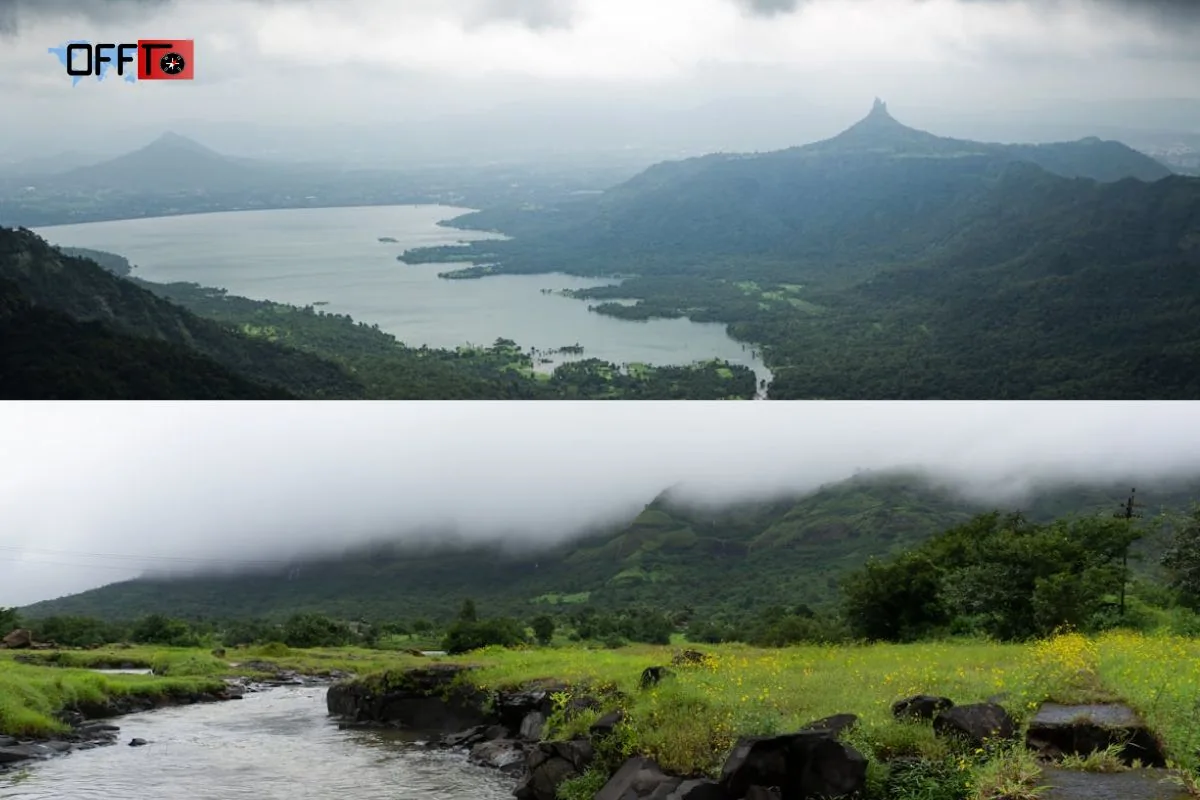
Mangi Tungi in monsoon can be beautiful, with green hills, cooler air, cloudy skies, and a more dramatic mountain atmosphere. But monsoon also makes the climb riskier because the stone steps can become slippery, visibility can change quickly, and unsafe edges become more dangerous. A local news report described a fatal fall at Mangi Tungi after recent rain made conditions slippery, which is a serious reminder to avoid unsafe shortcuts, fence walls, and risky photo spots.
Green Hills and Cooler Weather
Monsoon changes the look and feel of Mangi Tungi. The dry rocky landscape turns greener, clouds move around the peaks, and the climb feels cooler than summer. For photographers and spiritual travelers, this can create a powerful atmosphere.
Why monsoon feels appealing:
- The hills look fresher and more scenic.
- The early-morning climb feels cooler.
- Cloud cover can reduce harsh sunlight.
- The twin peaks look more dramatic in mist.
- The spiritual atmosphere feels calmer when the weather is soft.
But beauty should not lead to overconfidence. Monsoon Mangi Tungi must be approached with patience and caution.
Fog and Visibility
Fog can make Mangi Tungi feel magical, but it can also reduce visibility near upper sections, turns, and viewpoint areas. If clouds cover the hilltop, it becomes harder to judge depth, edges, and distance.
In foggy conditions:
- Avoid walking close to cliff edges.
- Do not lean over railings for photos.
- Keep your group together.
- Move slowly near turns and narrow sections.
- Wait for visibility to improve before continuing if needed.
- Do not attempt unknown side paths.
Fog is part of the monsoon charm, but it should be respected. A cloudy view is not worth unsafe movement.
What to Avoid During Heavy Rain
Heavy rain is not the time to test your speed, courage, or photography skills. If the rain becomes intense, the safest choice may be to pause, descend carefully, or avoid the climb altogether.
Avoid these mistakes during heavy rain:
- Do not walk on fence walls or outer edges.
- Do not step outside the marked path.
- Do not climb during very poor visibility.
- Do not take cliff-edge photos.
- Do not let children run ahead.
- Do not wear slippers or smooth footwear.
- Do not rush the descent to “finish quickly.”
- Do not ignore local warnings or temple-staff guidance.
- Do not continue if someone in your group feels dizzy, tired, or scared.
Monsoon can be a beautiful time to visit Mangi Tungi, but it is not the best season for careless travel. Visit early, move slowly, respect the sacred route, and remember that the safest climb is the most successful one.
Best Time to Visit Mangi Tungi
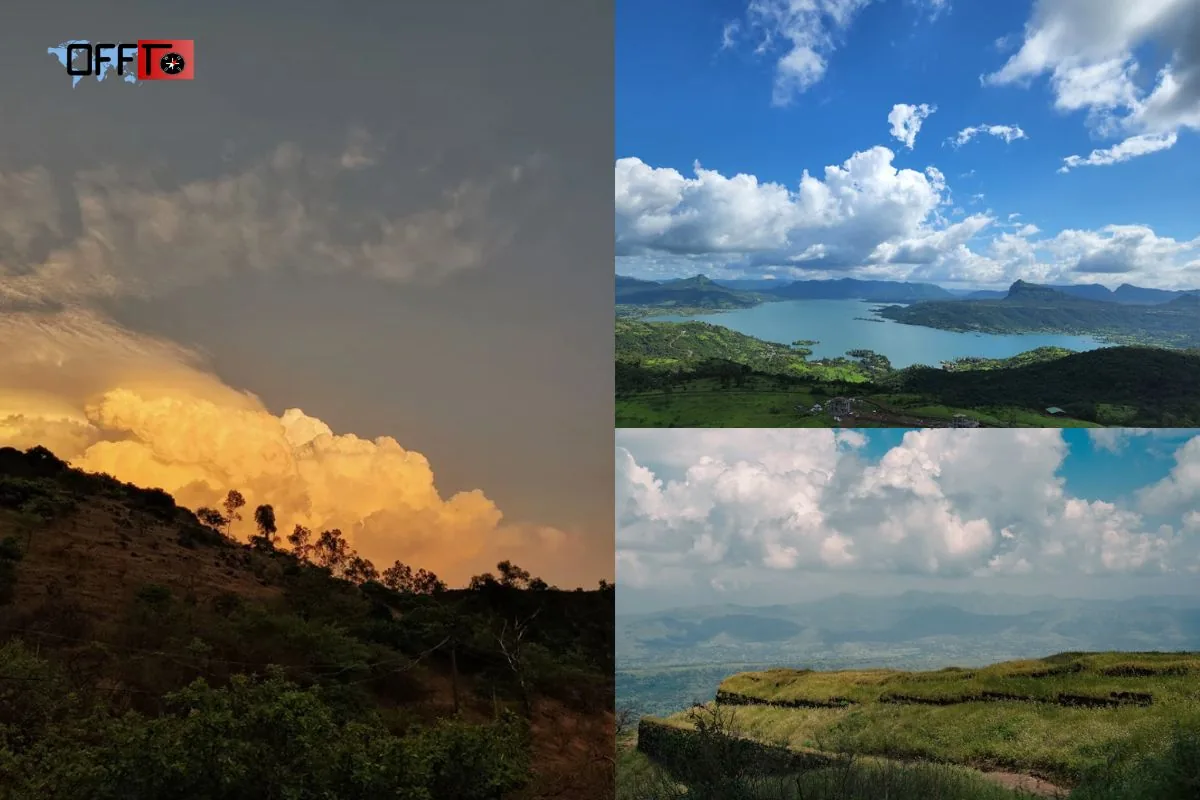
The best time to visit Mangi Tungi is winter and early morning, especially from October to February, when the weather is cooler and the step-based climb feels more comfortable. Monsoon can look beautiful, but wet steps can become slippery. Summer is possible, but only with a very early start and strong hydration planning.
Mangi Tungi in Winter
Winter is the best overall season for the Mangi Tungi trek. The weather is usually more pleasant, the steps feel less exhausting, and the climb becomes easier for families, pilgrims, beginners, and elderly visitors.
Why winter works best:
- Cooler climbing conditions: The long stair climb feels much easier when the sun is not harsh.
- Better for families: Children and elderly visitors can take breaks without heat stress building quickly.
- Clearer views: The surrounding hills, villages, and open landscapes are usually easier to see.
- More peaceful darshan experience: Early winter mornings often feel calm, devotional, and less rushed.
- Better descent comfort: Coming down repeated steps is still tiring, but cooler weather reduces fatigue.
If you are visiting Mangi Tungi for the first time, winter gives the safest balance of comfort, views, and spiritual atmosphere.
Mangi Tungi in Monsoon
Mangi Tungi in monsoon looks scenic because the hills turn greener and the weather feels cooler than summer. Cloud cover can make the climb feel dramatic, especially around the upper sections. But monsoon is also the season that needs the most caution.
Monsoon travel reality:
- The stone steps can become slippery after rain.
- Fog can reduce visibility near higher sections.
- Children and elderly visitors need closer supervision.
- Descent becomes slower because wet steps need careful footing.
- Viewpoints may look beautiful, but cliff-edge photography becomes risky.
- Heavy rain can make the climb uncomfortable and unsafe.
Visit in monsoon only if the weather is manageable. Avoid the climb during heavy rain, poor visibility, or if local authorities or temple staff advise caution.
Mangi Tungi in Summer
Summer is the toughest season for Mangi Tungi because the climb is exposed and step-based. The route may be clear, but heat can make the climb feel much harder than expected.
If summer is your only option:
- Start before sunrise or very early in the morning.
- Carry extra water and ORS.
- Wear a cap, breathable clothing, and proper shoes.
- Avoid climbing after a heavy meal.
- Take shaded breaks whenever possible.
- Do not push elderly visitors or children beyond comfort.
- Avoid the climb during harsh afternoon heat.
Summer is manageable for fit travelers and pilgrims who plan well, but it is not the most comfortable season for casual visitors.
Best Time of Day to Start the Climb
The best time of day to start the Mangi Tungi climb is early morning, ideally soon after sunrise. Starting early makes a huge difference because the climb is long, repetitive, and physically demanding.
Early morning is better because:
- The steps are cooler.
- The spiritual atmosphere feels quieter.
- You get more time for temples, caves, and darshan.
- The descent can be completed before harsh heat.
- Photography light is softer.
- Families can climb at a slower pace without rushing.
- You have more buffer time for rest breaks.
Avoid starting late unless you are very fit and prepared. Mangi Tungi rewards early starters far more than late arrivals.
Festival and Pilgrimage Crowd Reality
Mangi Tungi is a sacred Jain pilgrimage site, so crowd levels can increase during festivals, religious events, weekends, and holiday periods. The climb may take longer when pathways, temple areas, rest stops, and darshan points are busy.
Crowd planning tips:
- Start early if visiting on weekends or festival days.
- Keep extra time for darshan.
- Do not rush elderly family members in crowded sections.
- Keep children close near steps and railings.
- Carry water before the climb begins.
- Avoid blocking pathways for photos.
- Respect pilgrims who are visiting for religious reasons.
If you want a calmer experience, visit on a weekday morning outside major festival periods.
How to Reach Mangi Tungi
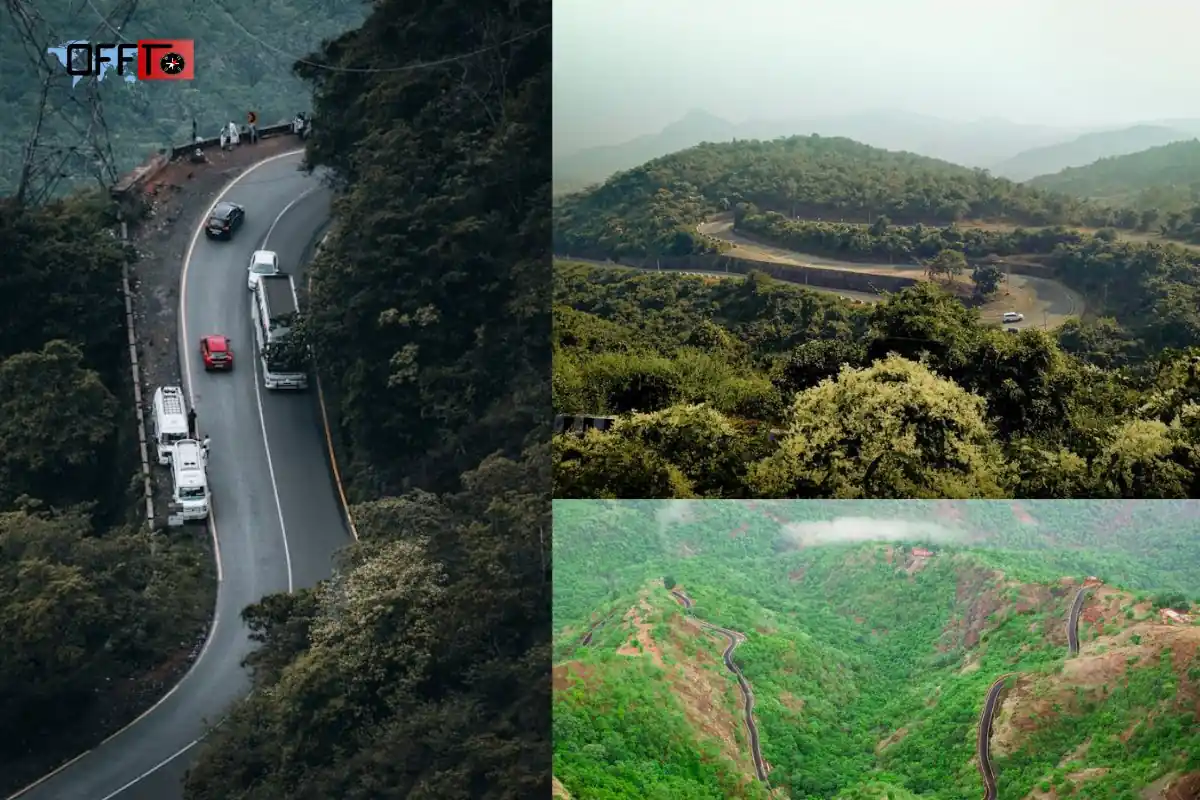
Mangi Tungi is located in Nashik district, Maharashtra, near Satana and Taharabad. The most practical way to reach Mangi Tungi is by road, especially from Nashik, Satana, or nearby towns. Travelers from Mumbai and Pune should plan it as a long road journey or a weekend spiritual trip rather than a rushed short outing.
Nashik to Mangi Tungi
Nashik is the most common major city base for Mangi Tungi. The distance is around 125 km from Nashik, making it suitable for a full-day trip if you start early.
Best Nashik travel plan:
- Leave Nashik early in the morning.
- Reach the base area before the day becomes hot.
- Complete the climb, darshan, caves, and descent at a relaxed pace.
- Have lunch or rest after returning to the base.
- Begin the return journey before it gets too late.
For pilgrims and families, Nashik is the most convenient city base because it keeps the road journey manageable.
Mumbai to Mangi Tungi
Mumbai to Mangi Tungi is a longer journey and is better planned as a weekend trip. A same-day trip is possible only with a very early start, strong stamina, and careful time management.
Mumbai travelers should consider:
- Staying overnight in Nashik, Satana, or nearby areas.
- Starting the climb early the next morning.
- Avoiding a late return after a tiring climb.
- Keeping food, water, and rest breaks planned.
- Avoiding monsoon night driving if roads are wet or visibility is poor.
For most Mumbai travelers, a two-day plan gives a much better experience than a rushed one-day journey.
Pune to Mangi Tungi
Pune to Mangi Tungi is also best treated as a long weekend spiritual trip. The road journey can feel tiring if combined with the climb on the same day.
A practical Pune itinerary would be:
- Travel to Nashik or a nearby stay base on Day 1.
- Start the Mangi Tungi climb early on Day 2.
- Keep enough time for darshan, caves, and rest.
- Return after proper recovery instead of rushing immediately after descent.
This plan works better for families, elderly visitors, and travelers who want a peaceful pilgrimage experience rather than a physically exhausting road-and-climb day.
Self-Drive vs Public Transport
Self-drive is the easiest and most flexible way to visit Mangi Tungi, especially for families, elderly pilgrims, and groups. Public transport can work, but it may require multiple connections and more waiting time.
Choose self-drive or hired cab if
- You are travelling with family or elderly visitors.
- You want to start the climb early.
- You are carrying extra water, food, or medicines.
- You want flexibility for rest breaks.
- You are returning the same day.
- You want to avoid uncertainty in rural transport timings.
Choose public transport if
- You are travelling light.
- You are comfortable with route changes.
- You have enough time buffer.
- You can reach Nashik or Satana easily.
- You do not mind arranging local transport for the final stretch.
For first-time visitors, a private vehicle or hired cab is usually the smoother option. Public transport is more budget-friendly, but it needs patience, planning, and flexibility.
One-Day Mangi Tungi Itinerary
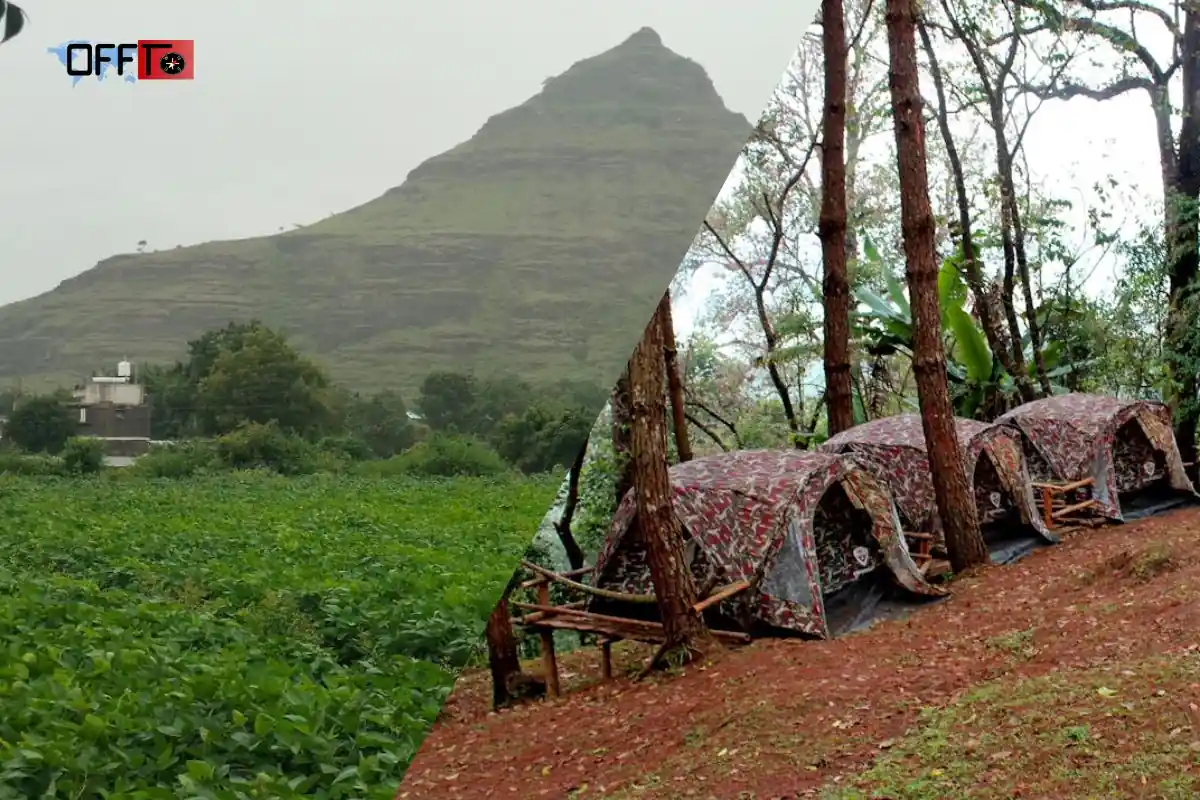
A one-day Mangi Tungi itinerary works best when you start early, climb at a steady pace, keep enough time for darshan, explore the caves respectfully, and begin your descent before heat or fatigue builds up. Mangi Tungi is not a destination to rush. Even though the route is clear, the repeated steps, spiritual stops, and descent can take more time than expected.
Early Arrival
Try to reach the base area early in the morning. This is the most important part of a successful Mangi Tungi day trip.
An early arrival helps because:
- The weather is cooler, making the step climb easier.
- The route feels calmer and more devotional.
- You get more time for darshan without rushing.
- Families and elderly visitors can climb slowly.
- You avoid climbing during harsh midday heat.
- You get enough time for caves, viewpoints, and rest breaks.
- The descent can be completed safely before evening.
If you are travelling from Nashik, start before sunrise if possible. If you are coming from Mumbai or Pune, staying overnight nearby is a better idea than attempting a tiring same-day road trip and climb.
Climb Timing
Begin the climb as early as possible, ideally soon after reaching the base. Mangi Tungi is a step-based climb, so the effort builds gradually. Do not start fast just because the first section feels manageable.
A good climb strategy:
- Walk at a steady pace from the beginning.
- Take short breaks instead of long tiring pauses.
- Sip water regularly.
- Avoid climbing immediately after a heavy meal.
- Keep children and elderly family members close.
- Use railings carefully where available.
- Do not compete with faster climbers.
- Save energy for the descent.
The climb is not about speed. It is about patience, devotion, and completing the journey comfortably.
Darshan and Cave Exploration
Once you reach the temple and cave sections, slow down. Mangi Tungi is a sacred Jain pilgrimage site, so the experience should feel respectful and peaceful.
During darshan and cave exploration:
- Maintain silence or speak softly near temples and idols.
- Avoid touching carvings or idols unnecessarily.
- Do not block pathways for photos.
- Give space to pilgrims performing prayers.
- Keep footwear rules and temple customs in mind.
- Spend time observing the rock-cut caves and carvings.
- Let the spiritual atmosphere become part of the journey.
This is where Mangi Tungi feels different from a normal trek. The climb has physical effort, but the upper sections bring devotional depth.
Descent Timing
The descent needs as much attention as the climb. Many visitors underestimate how tiring repeated downward steps can be, especially after darshan, cave exploration, and long standing breaks.
Descend carefully by:
- Walking slowly instead of rushing.
- Using railings where needed.
- Avoiding shortcuts.
- Taking breaks if knees begin to hurt.
- Keeping children away from edges.
- Not recording videos while walking.
- Wearing shoes with good grip.
- Starting descent before you are completely exhausted
For elderly visitors, the descent can be the hardest part of the day. Plan extra time and do not pressure anyone to move quickly.
Return Plan
After returning to the base, take a proper rest before starting your road journey. This is especially important if you are driving back to Nashik, Mumbai, or Pune.
A smart return plan includes:
- Resting for at least 30–45 minutes after descent.
- Eating a simple meal before the drive.
- Rehydrating properly.
- Avoiding late-night rural-road travel if tired.
- Keeping buffer time for traffic and local roads.
- Not combining too many nearby places after the climb.
For Nashik travelers, a one-day trip is practical. For Mumbai and Pune travelers, a weekend plan is more comfortable and safer.
Things To Do at Mangi Tungi
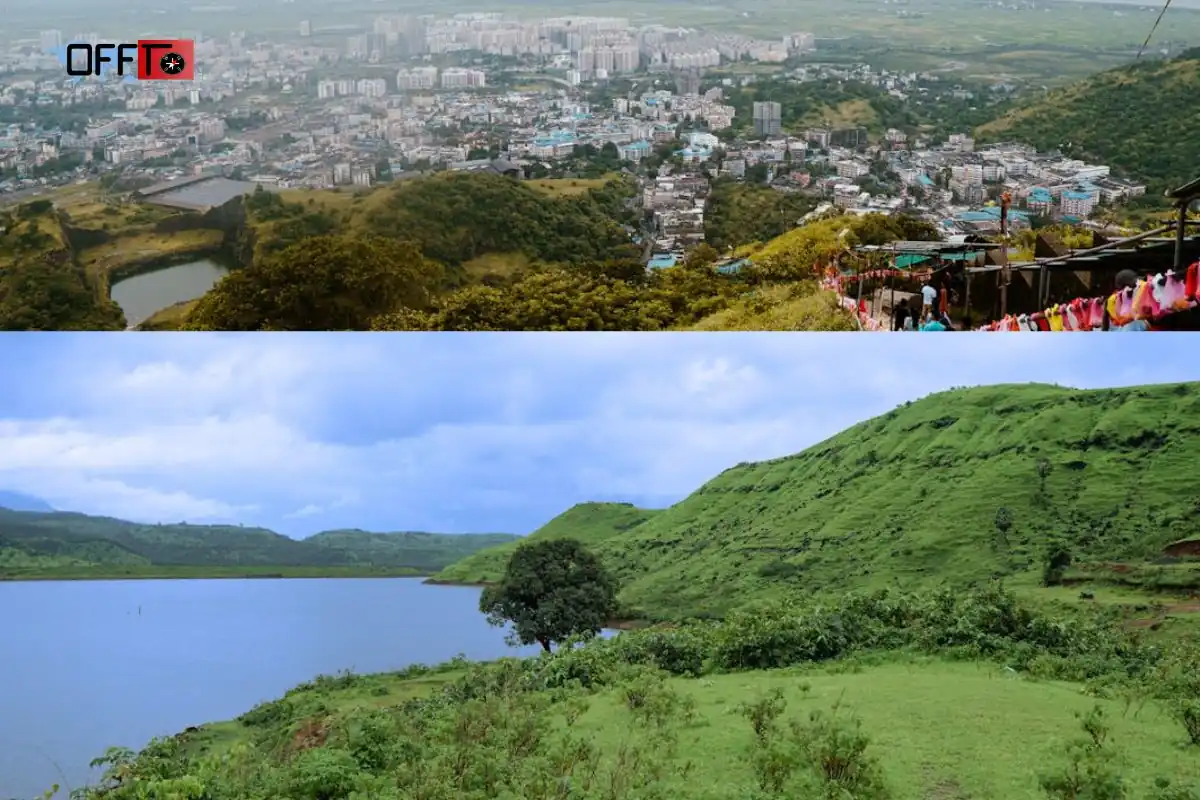
The best things to do at Mangi Tungi include climbing the sacred steps, visiting the Statue of Ahimsa, exploring Jain temples, seeing caves and carvings, enjoying hilltop views, taking photos from safe viewpoints, and experiencing the quiet spiritual atmosphere. This is not a commercial sightseeing place; it is a sacred hill journey where every stop adds meaning to the climb.
Climb the Sacred Steps
The step climb is the heart of the Mangi Tungi experience. It is physically tiring, but it also gives the journey a devotional rhythm.
What makes the climb special:
- The route feels purposeful, not random.
- Every section brings you closer to the temple and cave areas.
- The surrounding rocky hills create a strong spiritual setting.
- The climb gives a sense of effort and reward.
- Pilgrims, families, and trekkers share the same path.
- The higher you go, the more peaceful the atmosphere feels.
Take your time. The steps are not just a route to the top; they are part of the pilgrimage experience.
Visit the Statue of Ahimsa
The Statue of Ahimsa is one of the most important attractions at Mangi Tungi. This 108-foot statue of Lord Rishabhanatha gives the destination a grand spiritual identity and attracts pilgrims and travelers from many places.
When visiting the statue:
- Maintain respectful behavior.
- Avoid loud conversations or casual posing near devotional areas.
- Spend a few moments understanding its spiritual importance.
- Keep the surroundings clean.
- Follow local instructions and temple rules.
- Take photos only where appropriate.
The Statue of Ahimsa is not just a landmark. It is a symbol of faith, peace, and Jain spiritual heritage.
Explore Jain Temples
Mangi Tungi has several Jain temples and sacred spaces that make the visit deeply meaningful. These temples are important for pilgrims and should be explored calmly.
While visiting the temples:
- Dress modestly.
- Follow temple customs.
- Keep mobile use respectful.
- Avoid crowding prayer areas.
- Give priority to pilgrims doing darshan.
- Do not rush through every shrine just to complete a checklist.
The temple experience is best when you move slowly and allow the spiritual atmosphere to settle in.
See Caves and Carvings
The caves and carvings are among the most interesting parts of Mangi Tungi for history lovers and curious travelers. The rock-cut idols, cave entrances, and stone details make the hill feel ancient and sacred.
Why the caves are worth time:
- They add heritage value to the climb.
- The carvings reflect Jain religious importance.
- They make the journey more than just a physical stair climb.
- The stone setting feels raw, quiet, and atmospheric.
- They help explain why Mangi Tungi has been important for generations.
Avoid touching or damaging carvings. These are sacred and historic spaces, not casual photo props.
Enjoy Hilltop Views
The upper sections of Mangi Tungi offer wide views of the surrounding hills, valleys, rural landscapes, and open sky. The view feels especially rewarding because you earn it step by step.
For the best hilltop view experience:
- Start early for softer light.
- Avoid hazy midday hours if possible.
- Pause at safe viewpoints only.
- Let the view be part of the rest break.
- Do not lean over edges for photos.
- Be careful during wind, fog, or rain.
The views are peaceful rather than dramatic in a commercial tourist sense. That quietness is part of their charm.
Photography from Safe Viewpoints
Mangi Tungi is beautiful for photography, but safety and respect matter. The best photos come from stone steps, temple pathways, rocky hill backdrops, cave entrances, and safe elevated points.
Good photography ideas:
- Capture the steps leading toward the peaks.
- Frame pilgrims walking upward respectfully.
- Photograph the twin hills from the base area.
- Use early morning light for softer images.
- Capture wide landscapes from safe viewpoints.
- Avoid taking photos inside sacred spaces if restricted.
- Do not stand on railings, edges, or unsafe walls for a better angle.
A safe photo is always better than a risky one. Mangi Tungi offers enough beauty without stepping outside safe areas.
Experience the Quiet Spiritual Atmosphere
The most memorable thing to do at Mangi Tungi is simply to slow down. The place has a different energy from busy tourist spots. The steps, temples, caves, idols, hills, and silence create a calm spiritual mood.
To experience it fully:
- Start the climb without rushing.
- Take quiet pauses during the ascent.
- Observe the devotion of pilgrims.
- Spend time near temples respectfully.
- Avoid loud music or noisy group behavior.
- Keep your phone aside for a few moments.
- Let the journey feel reflective, not only physical.
Mangi Tungi is best enjoyed when you treat it as both a climb and a sacred experience. The real reward is not only reaching the top, but feeling the effort, devotion, history, and peace of the place together.
Mangi Tungi Expectation vs Reality
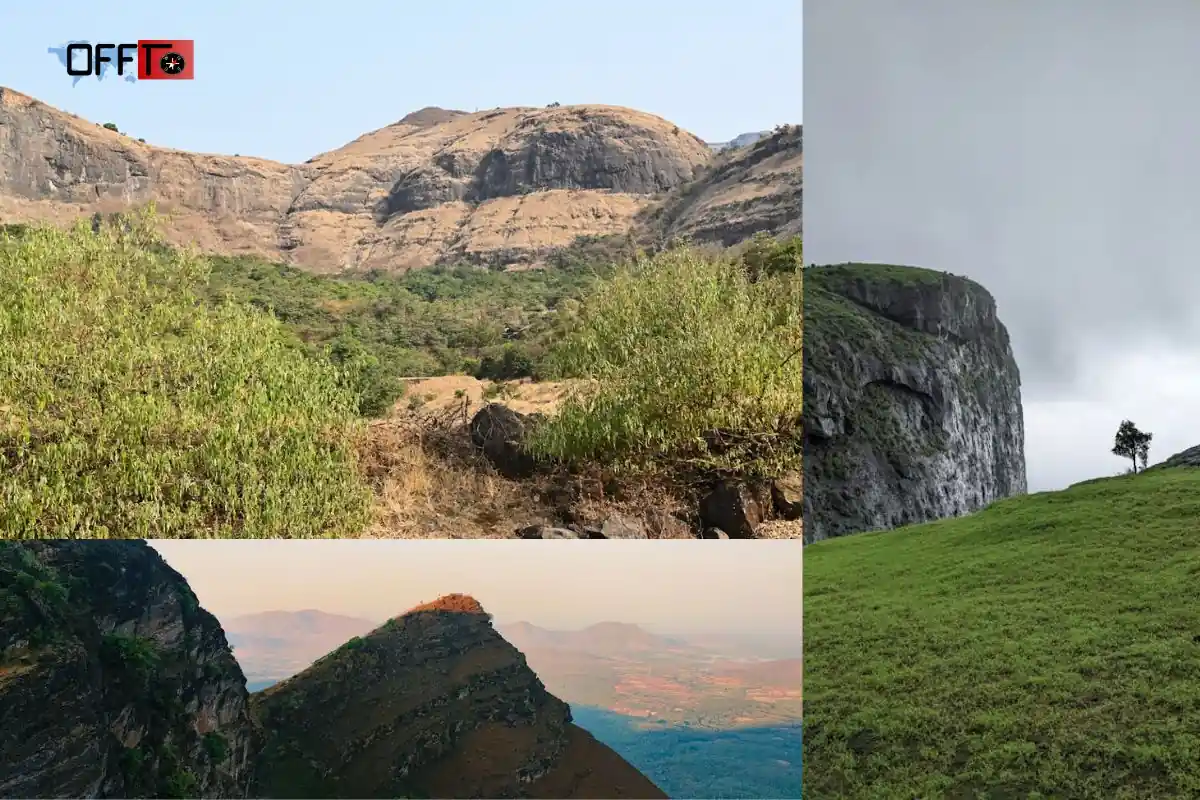
Mangi Tungi is often searched as a trek, fort, temple, and hill destination, but the real experience is a sacred step-based pilgrimage climb. It is rewarding, peaceful, and visually beautiful, but it can also be physically tiring if you arrive late, underestimate the steps, or ignore weather conditions.
Spiritual Destination, Not Only a Trek
Expectation: Mangi Tungi is just another Maharashtra trek with a summit view.
Reality: Mangi Tungi is first a sacred Jain pilgrimage site, and then a trekking-style climb. The temples, caves, idols, and Statue of Ahimsa give the place deep spiritual importance.
What this means for visitors:
- Do not treat it like a casual trekking picnic.
- Dress and behave respectfully around temples and idols.
- Avoid loud music, shouting, or disruptive group behavior.
- Give space to pilgrims who are visiting for darshan.
- Keep the route clean and avoid littering.
- Understand that the journey is devotional for many people.
The climb is rewarding, but the real beauty of Mangi Tungi is in the mix of effort, faith, silence, and heritage.
Steps Are Tiring Despite Clear Route
Expectation: Since the route has steps, it should be easy.
Reality: The steps make the route clear, but not effortless. The repeated stair climb can tire your legs, and the descent can strain your knees more than expected.
The tiring parts usually come from:
- Continuous step climbing without much terrain change
- Heat exposure if you start late
- Calf and thigh fatigue during ascent
- Knee pressure during descent
- Carrying too much weight
- Not drinking enough water
- Trying to climb too fast in the beginning
The best strategy is simple: start slow, pause regularly, hydrate often, and save energy for the descent.
Monsoon Looks Beautiful but Can Be Slippery
Expectation: Monsoon is the best season because the hills look green and dramatic.
Reality: Monsoon can look beautiful, but wet stone steps can become slippery. Fog can reduce visibility, and risky edges become more dangerous during rain.
During monsoon, be extra careful with:
- Wet steps and railings
- Slippery corners
- Fog-covered upper sections
- Children moving too close to edges
- Cliffside photo spots
- Shortcut paths
- Running or rushing downhill
- Climbing during heavy rain
Mangi Tungi in monsoon is best for cautious travelers, not overconfident ones.
Views Are Rewarding but Safety Matters
Expectation: The best photos come from the highest or most dramatic edges.
Reality: Mangi Tungi has beautiful hilltop views, but risky photo behavior can be dangerous. You do not need to climb railings, sit on unsafe ledges, or lean over edges for good photos.
Safe photography ideas include:
- Capturing the stone steps from lower angles
- Framing the twin peaks from the base area
- Taking wide landscape shots from safe viewpoints
- Photographing temple pathways respectfully
- Using early morning light for softer images
- Avoiding crowded edges and narrow turns
- Keeping both hands free while walking
The view is worth enjoying slowly. A safe memory is better than a risky photo.
Better for Early Starters Than Late Arrivals
Expectation: You can arrive anytime and complete the climb comfortably.
Reality: Mangi Tungi is much better with an early start. Late arrivals face stronger heat, more fatigue, rushed darshan, and a harder descent.
Early starters get major advantages:
- Cooler weather during the climb
- More peaceful temple atmosphere
- Better time for darshan and cave exploration
- Softer light for photography
- Less pressure during descent
- More time for elderly visitors and families
- Lower risk of returning after dark
- Better overall energy throughout the journey
If you want the best Mangi Tungi experience, arrive early, climb steadily, respect the sacred spaces, and treat the journey as both spiritual and physical.
FAQs
Where is Mangi Tungi?
Mangi Tungi is located in Nashik district, Maharashtra, near Satana and Taharabad. It is a sacred Jain pilgrimage site known for its twin rocky peaks, temples, caves, idols, and the Statue of Ahimsa. For most travelers, Nashik is the main city base, while Satana and Taharabad help with local route planning.
What is Mangi-Tungi famous for?
Mangi-Tungi is famous for its Jain pilgrimage importance, twin peaks, ancient caves, rock-cut idols, hilltop temples, and the 108-foot Statue of Ahimsa. It is also known for its step-based climb and peaceful spiritual atmosphere. The destination attracts Jain pilgrims, spiritual travelers, history lovers, and trekkers looking for a sacred hill experience.
Is Mangi-Tungi difficult to climb?
Mangi-Tungi is moderately difficult because the climb is mostly step-based. The route is clear, but repeated stairs, heat, height, and descent pressure can make it tiring. It is not a technical trek, but it needs stamina, patience, water, and proper footwear. Beginners can do it if they start early and climb steadily.
How many steps are in Mangi-Tungi?
Mangi-Tungi is commonly said to have several thousand steps, with many traveler references mentioning around 3,500+ steps and some guides mentioning over 4,000 steps. The exact count may vary depending on route sections included. Instead of focusing only on the number, visitors should prepare for a long stair-based climb and a careful descent.
What is the height of Mangi Tungi?
Mangi and Tungi are twin peaks above 4,300 feet. Mangi is commonly listed at about 4,343 feet, while Tungi is slightly higher at about 4,366 feet above sea level. The height makes the climb feel rewarding, but the real difficulty comes from repeated stone steps, heat exposure, and the descent.
Is Mangi Tungi a fort or a temple?
Mangi Tungi is primarily a Jain pilgrimage site, not a fort in the traditional military sense. People search for “Mangi Tungi fort” because the rocky twin peaks and hilltop pathways look fort-like. However, the main attractions are Jain temples, caves, idols, sacred steps, the Statue of Ahimsa, and spiritual hilltop views.
What is the best time to visit Mangi Tungi?
The best time to visit Mangi Tungi is winter, especially from October to February, when the weather is cooler and the climb feels more comfortable. Early morning is the best time of day to start. Monsoon looks scenic but can make steps slippery, while summer can be tiring because of heat and sun exposure.
Is Mangi Tungi safe in monsoon?
Mangi Tungi can be visited in monsoon, but extra caution is necessary. The hills look greener and the weather feels cooler, but stone steps can become slippery and fog may reduce visibility. Avoid heavy rain, risky edges, shortcuts, and careless photography. Families, elderly visitors, and children should be especially careful during wet conditions.
How much time is needed to climb Mangi Tungi?
Most visitors should keep around 3–5 hours for the Mangi Tungi climb, darshan, cave exploration, rest breaks, and descent. Fit visitors may complete it faster, while families and elderly pilgrims may need more time. A full visit can easily take half a day, especially if you explore the temples and caves peacefully.
Can beginners do Mangi Tungi trek?
Yes, beginners can do the Mangi Tungi trek if they are reasonably active and prepared for a long stair climb. It is not a technical forest trek, but the repeated steps can be tiring. Beginners should start early, carry water, wear good shoes, take breaks, and avoid rushing during descent, especially in hot or rainy weather.
How far is Mangi Tungi from Nashik?
Mangi Tungi is around 125 km from Nashik, making it possible as a full-day trip if you start early. The route usually goes toward Satana and Taharabad side. Travelers from Nashik should leave early in the morning so they have enough time for the climb, darshan, cave exploration, rest, and return journey.
What should I carry for Mangi Tungi trek?
Carry water, light snacks, good walking shoes, a cap, sunscreen, personal medicines, ORS, a small towel, and basic first aid for the Mangi Tungi trek. In monsoon, wear shoes with strong grip and carry rain protection. For families, keep extra water, children’s snacks, and medicines. Avoid heavy bags because repeated steps become tiring.
Read more >>>
Best Hill Station in India – Highest & Most Beautiful Places
Places to Visit in Aurangabad – Top Attractions and Things to Do
Final Verdict: Who Should Visit Mangi Tungi?
Mangi Tungi is worth visiting if you want a sacred hill climb that combines Jain pilgrimage, ancient caves, spiritual atmosphere, temple visits, step-based trekking, and wide hilltop views. It is not a regular forest trek or casual hill-station picnic; it is a devotional journey that also tests your stamina.
Best for Jain Pilgrims
Mangi Tungi is one of the most meaningful places for Jain pilgrims because of its sacred status, temples, caves, idols, and the Statue of Ahimsa. Visitors who come with devotion will find the climb deeply rewarding.
Best for Spiritual Travelers
This destination is ideal for travelers who enjoy peaceful, reflective places. The steps, temples, caves, idols, and hilltop silence create a calm atmosphere that feels very different from commercial tourist spots.
Best for Stair-Climb Trekkers
If you enjoy physical climbs but prefer a clear route instead of muddy trails, Mangi Tungi is a good choice. The challenge comes from repeated steps, heat, hydration, and descent pressure.
Best for History and Cave Lovers
Mangi Tungi is also rewarding for people interested in caves, carvings, rock-cut idols, and sacred heritage. The hill is not just about the view; the historical and religious details make the climb richer.
Best for Winter Day Trips
Winter is the most comfortable season for a Mangi Tungi day trip, especially from Nashik. Cooler weather makes the climb easier, views clearer, and darshan experience more relaxed.
Not Ideal for Casual Hill-Station Travelers
Mangi Tungi may disappoint people expecting a forest trek, waterfall trail, luxury viewpoint, or casual picnic spot. It is also not ideal for travelers who dislike stairs, have serious knee issues, or want a low-effort sightseeing stop. Come for devotion, effort, heritage, and peace—not for a quick tourist checklist.
Plan Your Mangi Tungi Spiritual Trek with Offto Travellers
Mangi Tungi is not just a trek you tick off in a hurry. It is a sacred twin-peak Jain pilgrimage, a step-based hill climb, a heritage cave experience, and a peaceful spiritual journey in Nashik district. The best visit depends on when you start, where you stay, how you plan the climb, and how much time you give yourself for darshan, caves, rest, and descent.
With Offto Travellers, you can explore more Maharashtra spiritual travel guides, compare nearby weekend getaways, and plan your Mangi Tungi trip with better clarity. Whether you are visiting for the Statue of Ahimsa, Jain temples, ancient caves, hilltop views, or a winter day climb, Offto helps you turn inspiration into a practical travel plan.
You can also Book stays near Nashik, Satana, Taharabad, or nearby route-friendly locations so your visit feels calm instead of rushed. Choose a stay that matches your travel style—pilgrimage-friendly, family-friendly, budget, comfortable, or weekend-ready—and begin the climb early with better energy, cooler weather, and enough time for the full spiritual experience.
Explore Mangi Tungi with Offto Travellers and Book stays that keep you close to the sacred climb, Jain temples, peaceful caves, and the best spiritual getaways in Maharashtra.
Sign up
Leave a Reply