
Sandhan Valley is a dramatic canyon trek in Maharashtra near Samrad village, known for shadowed rock walls, boulders, rappelling, camping, and rugged Sahyadri views.
Sandhan Valley Overview: Maharashtra’s Famous Valley of Shadows
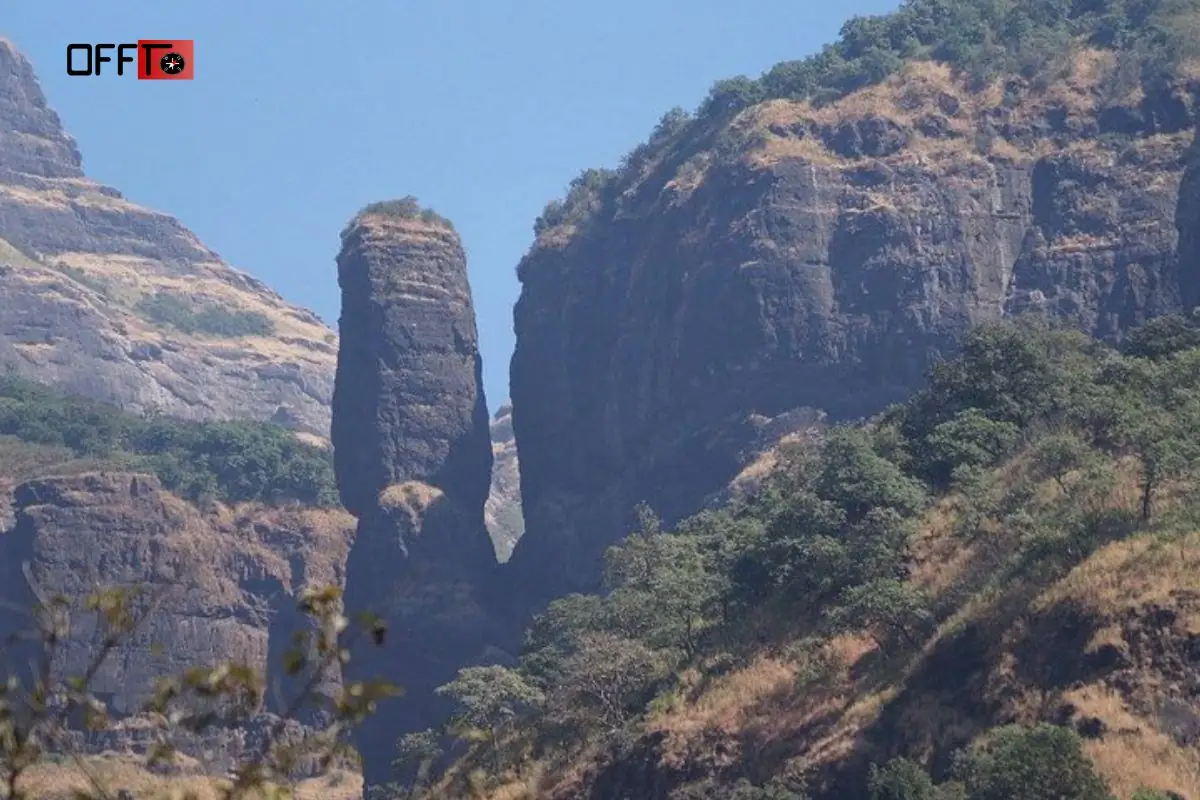
Sandhan Valley is one of Maharashtra’s most dramatic adventure destinations, known for its narrow canyon, tall basalt rock walls, boulder-filled trail, rappelling sections, camping experience, and raw Sahyadri landscape. Unlike a regular hill-fort trek, the Sandhan Valley trek takes you through a deep gorge where sunlight reaches only in patches, giving it the famous name Valley of Shadows. Travel sources describe it as a canyon-style trek in the Western Ghats near Samrad village and the Bhandardara region.
What Sandhan Valley Is Known For
Sandhan Valley is known for its rugged canyon experience. Trekkers walk through narrow rock passages, cross boulder sections, navigate seasonal water pools, and in some routes, use rappelling support to descend rocky patches. This makes it very different from simple green hill walks or fort treks in Maharashtra.
The valley is also popular for camping, photography, stargazing, and weekend adventure trips. The combination of rock walls, shadows, silence, and scale gives Sandhan Valley a more intense outdoor feel than many beginner treks near Mumbai or Pune.
Why It Is Called the Valley of Shadows
Sandhan Valley is called the Valley of Shadows because the canyon walls are tall and narrow, blocking direct sunlight for much of the day. Treks and Trails describes the canyon as having high rock walls where sunlight struggles to reach the ground, creating a strong shadow-heavy atmosphere.
This shadow effect is the main reason the valley feels mysterious and cinematic. Even when the weather is clear, the inside of the gorge can feel cool, dark, and enclosed compared with the open Sahyadri ridges nearby.
Trekking, Rappelling, Camping and Photography
Sandhan Valley is best known as an adventure trek, not just a viewpoint. The usual experience can include trekking through rocky terrain, crossing water patches depending on season, rappelling with trained support on certain routes, and camping near the valley or base-side areas.
Photography is another major reason people visit. Wide canyon frames, narrow passages, tiny trekkers against huge rock walls, and golden light near the valley openings make Sandhan Valley highly photogenic. But the same rugged terrain also means you should not treat it like a casual photoshoot location. Good shoes, a guide, and careful movement matter.
Why It Attracts Mumbai, Pune and Nashik Travelers
Sandhan Valley attracts travelers from Mumbai, Pune, and Nashik because it offers a strong adventure experience within a weekend-trip distance. It is close to the Bhandardara region and surrounded by well-known Sahyadri names like Ratangad, Ajoba, Alang, Madan, Kulang, and Kalsubai.
For city travelers, the appeal is simple: Sandhan Valley feels remote, raw, and different without requiring a long Himalayan-style expedition. It is especially popular with trekking groups, campers, photographers, and people who want something more challenging than a standard hill walk.
Sandhan Valley Location: Where Is Sandhan Valley Located?
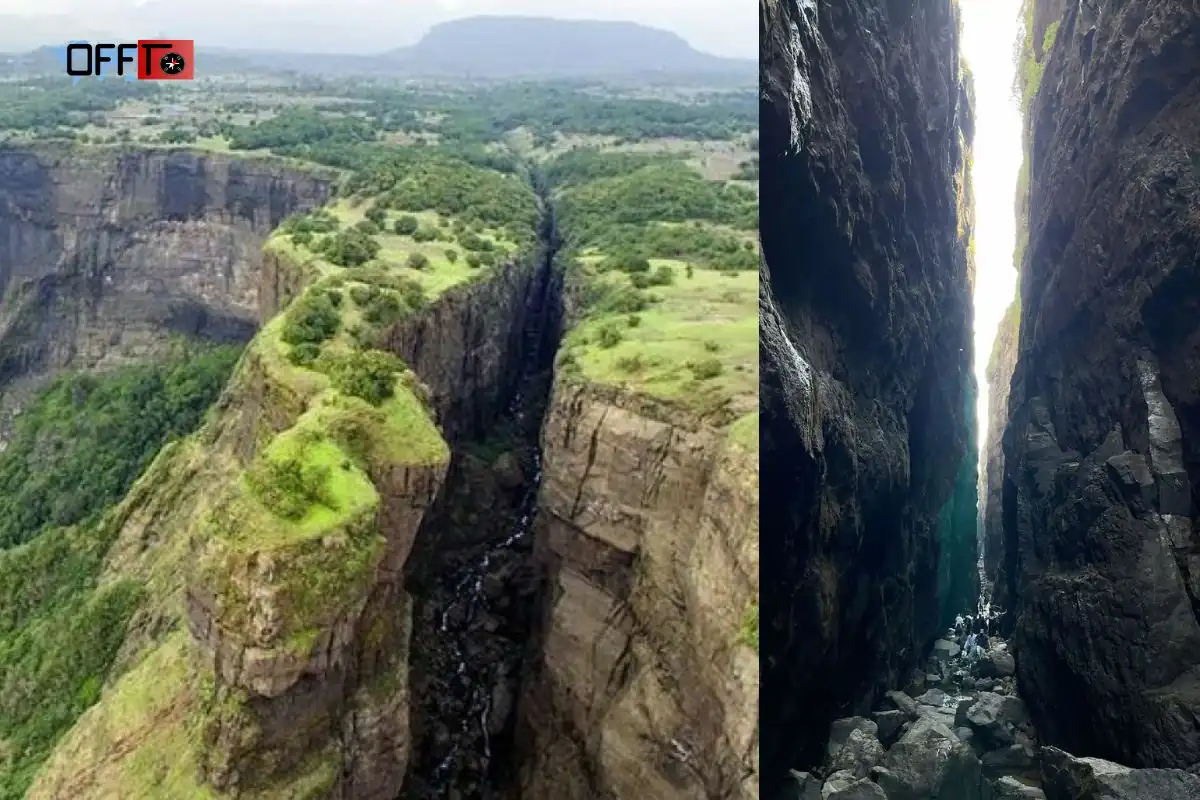
Sandhan Valley is located in Maharashtra, near Samrad village in the Bhandardara region of Ahmednagar district. If you are searching for Sandhan Valley location, the easiest planning answer is: reach Samrad village first, because it is the main base village for the trek and canyon experience. Multiple travel sources place Sandhan Valley near Samrad, close to Bhandardara and Ratangad in the Sahyadri ranges.
Sandhan Valley Location in Maharashtra
Sandhan Valley lies in the Sahyadri mountain range of Sandhan Valley Maharashtra, near the western side of the Bhandardara region. It is often described as a water-carved valley or gorge surrounded by major Sahyadri peaks.
This location gives Sandhan Valley its special character. It is not a beach, town, or simple roadside viewpoint. It is a canyon landscape where route planning, guide support, season, and access from the base village all matter.
Base Village: Samrad
Samrad is the base village for Sandhan Valley. Most treks begin from or near Samrad, and many camping, guide, food, and group-trek arrangements are connected to this village. Prawasvede notes that Sandhan Valley is located behind Samrad village near Ratangad, around the Bhandardara side.
For travelers, this means you should plan your route to Samrad clearly before thinking about the trek itself. Once you reach the village, local guides or trek operators usually manage the canyon route, camping setup, and rappelling-related logistics where applicable.
Nearby Region: Bhandardara / Ahmednagar District
Sandhan Valley is usually planned with the Bhandardara region because it lies close to Bhandardara’s lakes, forts, waterfalls, and mountain routes. Tripadvisor travel information places Sandhan Valley on the western side of Bhandardara near Samrad village and describes it as surrounded by Alang, Madan, Kulang, Ratangad, Ajoba, and Kalsubai.
This makes Bhandardara a useful base or add-on for travelers who want a longer weekend instead of only a one-day canyon visit.
Access from Mumbai, Pune and Nashik
Sandhan Valley is commonly accessed from Mumbai, Pune, and Nashik by road, usually through routes leading toward Bhandardara, Kasara, Igatpuri, or Samrad village. Mumbai and Pune travelers often join organized weekend treks because transport, guide support, food, camping, and rappelling arrangements are easier to manage in a group.
Nashik-side travelers may find the region more accessible by road, but the final village approach and trek logistics still need planning. This is not a destination where you should arrive late and expect everything to work automatically.
Why Location Matters for Planning
Location matters because Sandhan Valley is a canyon trek, not a casual sightseeing stop. Your experience depends on where you start, whether you have a guide, how you handle transport to Samrad, and whether you are doing a short visit, full trek, rappelling route, or overnight camping plan.
A good Sandhan Valley trip starts with clear logistics: reach Samrad on time, confirm guide support, check weather and water levels, and avoid treating the valley like a normal roadside attraction.
Sandhan Valley Trek Distance, Duration & Route
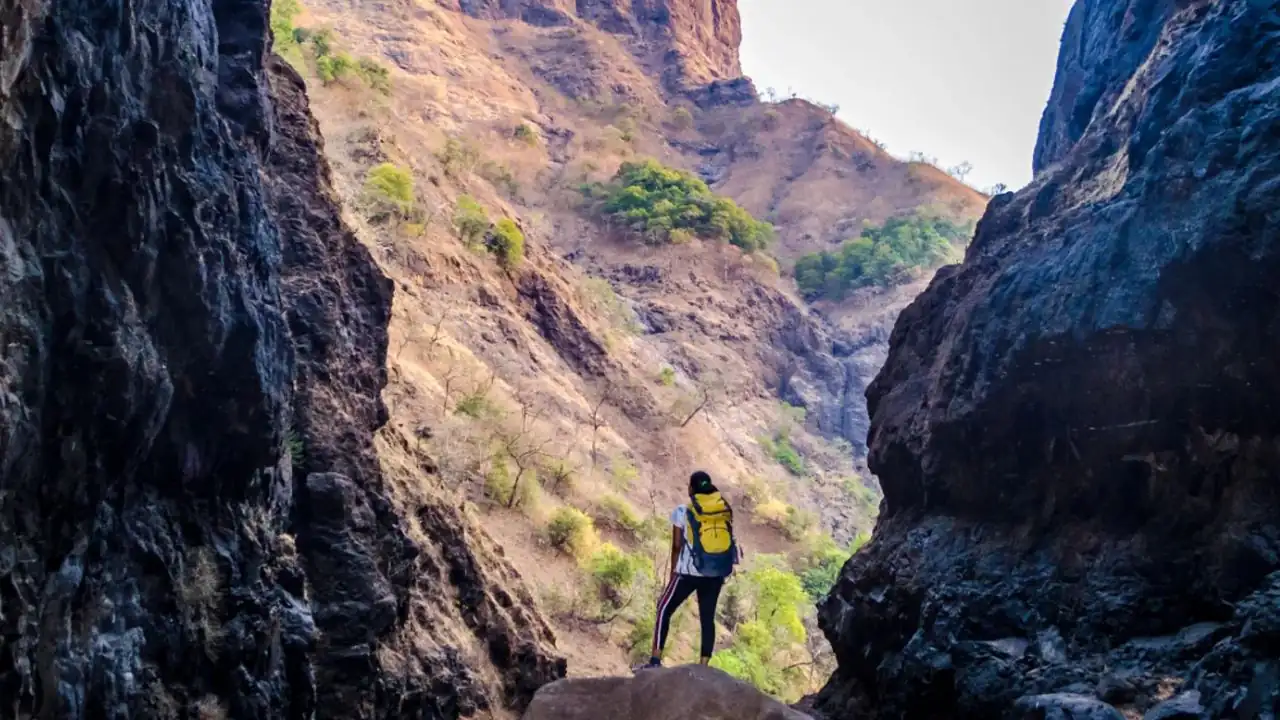
The Sandhan Valley trek usually starts from Samrad village and moves into a narrow canyon route with rock walls, boulders, water pools, and rappelling sections depending on the chosen itinerary. For many trekkers, the canyon section itself may feel short on paper, but the real effort comes from the rugged terrain, technical descent, and return logistics. Some trek operators list the main Sandhan Valley trek distance as around 3–5 km, while full descent routes can extend further depending on the exit point.
Sandhan Valley Distance from Key Cities
Sandhan Valley is commonly planned as a weekend trek from Mumbai, Pune, and Nashik. Road distance estimates vary by route, but Mumbai to Samrad village is often listed around 180–200 km, while Pune to Sandhan Valley is commonly placed around 200–250 km depending on whether you travel via Bota, Sangamner, or other route options.
From Nashik, the distance is shorter than Mumbai or Pune for many routes, but the final village approach still needs planning. For public transport travelers, Kasara or Igatpuri are common railway-side access points before arranging road transport to Samrad.
Trek Distance from Samrad Village
The trek begins from Samrad village, and the initial walk toward the canyon opening is relatively short. A traveler report notes that it can take roughly half an hour from Samrad to reach the valley start point through forest-side terrain.
Once inside the valley, distance becomes less important than terrain. You may cover only a few kilometres, but boulder hopping, narrow sections, water patches, and waiting during rappelling can make the route feel much longer.
Approximate Time Required
A typical Sandhan Valley trek with rappelling can take around 5–6 hours, depending on group size, weather, water level, route choice, and operator management. Some operators mention total trek time around five hours including rappelling and crossing water pools, while adventure groups describe the wider descent experience as longer when extended toward exit villages.
If rappelling is involved, keep buffer time. Large groups can move slowly because only one or a few trekkers descend at a time.
Descent Route Reality
The descent route is what makes Sandhan Valley different from a standard trek. It is not just walking downhill. Depending on the route and season, you may cross boulders, narrow rock passages, water pools, and rappelling patches. Some route descriptions mention rappelling down rock faces and continuing along a riverbed toward exit points such as Dehene village in longer itineraries.
This is why Sandhan Valley is better done with an experienced group or guide. Route selection, equipment, and water conditions can change the entire experience.
Return Logistics
Return logistics should be planned before the trek begins. If you are doing a simple visit from Samrad and returning the same way, your transport can stay near the base village. If you are doing a full descent route, your exit point may be different, and your operator may arrange return transport separately.
Do not assume the trek is a simple out-and-back unless your guide confirms it. For Sandhan Valley, route logistics are as important as the trek itself.
Sandhan Valley Trek Difficulty Level: Is It Beginner Friendly?
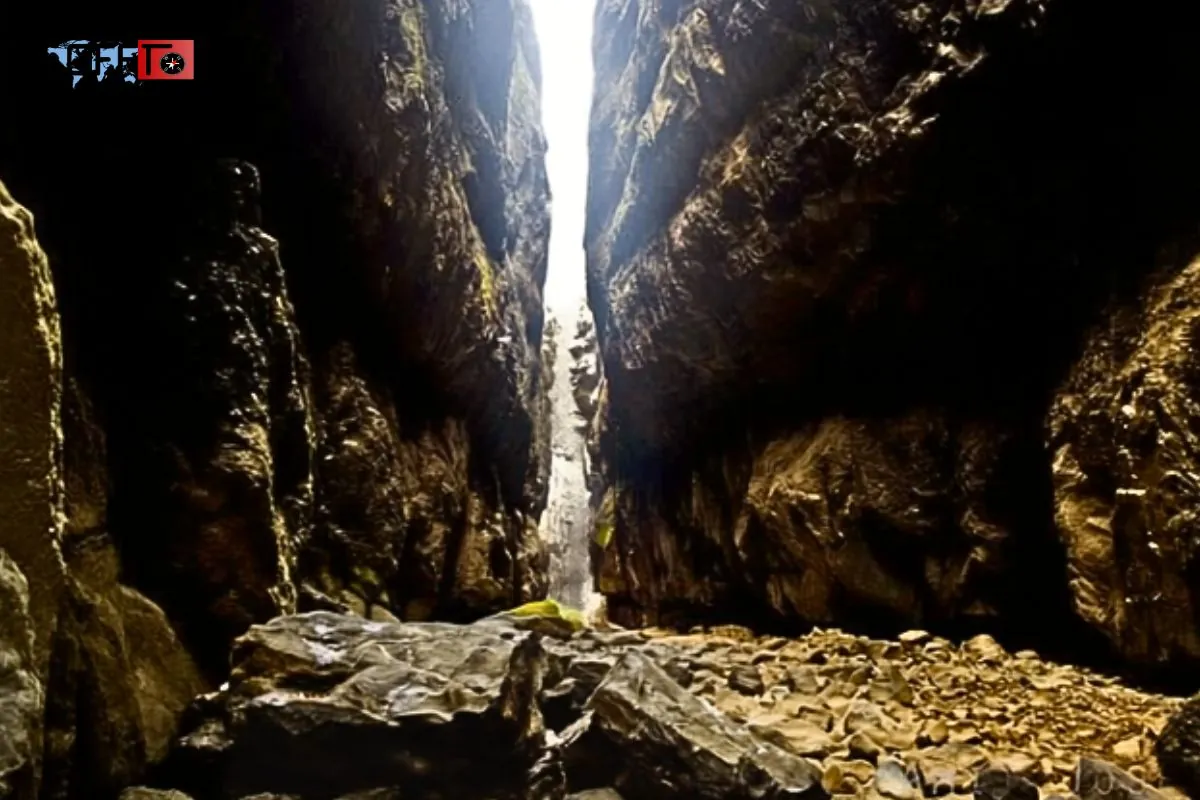
Sandhan Valley trek difficulty is usually moderate to challenging, depending on the route, season, water level, and whether rappelling is included. It is not a simple walking trail. The route has boulders, narrow canyon sections, water pools, uneven footing, and technical patches where trained support may be needed. Some operators list it as moderate, while traveler reports
Trek Difficulty Explained
Sandhan Valley is beginner-friendly only for active beginners going with a reliable guide or trek operator. It is not ideal for someone expecting a flat valley walk or easy sightseeing stop. The canyon terrain requires balance, patience, and comfort moving over rocks.
The difficulty depends heavily on the route. A short canyon visit may feel manageable, while a full descent with rappelling and riverbed walking can feel much more intense.
Boulders, Narrow Patches and Water Pools
The boulder sections are one of the main reasons Sandhan Valley feels adventurous. You may need to step, climb, crouch, balance, or use your hands in places. Narrow sections can also feel claustrophobic for some travelers because the canyon walls rise high on both sides.
Water pools add another layer. Depending on season, trekkers may need to cross water patches, and water depth can change. This is not a place for careless movement or slippery footwear.
Rappelling Sections Depending on Route
Rappelling is one of the biggest adventure highlights of Sandhan Valley, but it depends on the route and operator. Some itineraries include rappelling down rock patches, while others may focus only on the canyon walk and return. Adventure descriptions mention rappelling sections and even rock faces requiring professional equipment and trained support.
Never attempt rappelling independently. Use trained guides, proper ropes, helmets, and safety systems.
Fitness Needed
You do not need athlete-level fitness, but you should be comfortable walking for several hours, balancing on uneven rocks, carrying a small backpack, and handling physical fatigue. Basic stamina, flexible movement, and confidence on rocky terrain are more important than speed.
If you are doing the full descent route, prepare better. Light cardio, stair climbing, and practice walks before the trek can help.
Who Should Avoid It
Sandhan Valley may not suit people with serious knee issues, poor balance, fear of confined spaces, strong fear of heights, or discomfort with ropes and rocky terrain. It may also be difficult for very young children, elderly travelers, and absolute beginners with no fitness base.
If you are unsure, choose a guided short canyon visit first instead of committing to a full rappelling-and-camping itinerary.
Sandhan Valley Top View: What Makes It So Dramatic?
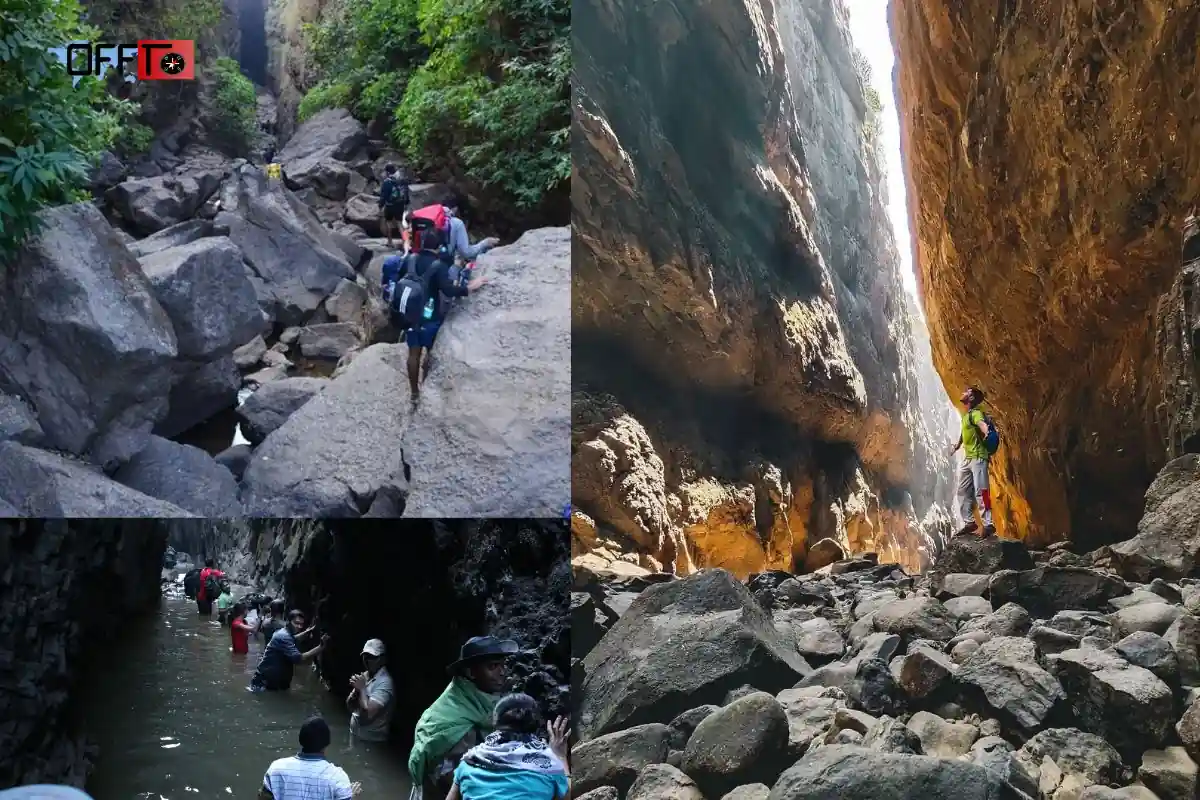
The Sandhan Valley top view is dramatic because you are not just looking at a normal hill valley—you are looking into a deep, narrow canyon carved through the Sahyadri landscape. From the upper viewpoints near Samrad, the valley appears as a long rock-cut opening between steep walls, with mountain ridges, shadowed depth, and tiny trekkers below giving the scene a powerful sense of scale. Trek operators describe Sandhan Valley as a deep, narrow gorge flanked by rugged cliffs, which is exactly what makes the view feel so different from regular Sahyadri viewpoints.
Valley Opening View
The valley opening is usually the first major visual moment of the trip. As you approach from Samrad, the landscape begins to shift from village-side terrain to a rocky canyon entrance. This transition is what gives Sandhan Valley its “adventure begins here” feeling.
For many travelers, the valley opening is more impressive than a typical summit viewpoint because it feels enclosed, raw, and mysterious. Instead of looking only outward at mountains, you look down into a natural passage that you may actually trek through.
Canyon Depth
Sandhan Valley’s depth is one of its biggest visual attractions. Some trek descriptions mention the gorge as around 200 feet deep, while others describe the surrounding rock walls as rising much higher depending on the section.
This depth creates the famous shadow effect. Even during daylight, parts of the valley remain darker because the rock walls block direct sunlight. That is why photography inside the canyon feels moody and cinematic.
Best Viewpoints Near Samrad
The best viewpoints are usually around the approach side near Samrad village and the upper edges before entering or descending into the canyon. These points give you a better sense of the valley’s shape, surrounding mountains, and rocky scale.
Do not step too close to cliff edges for photos. The top view is powerful enough from safe spots, especially during golden hour or clear winter mornings. If you are with a guide, ask where it is safe to stand and where to avoid.
Sunrise and Sunset Feel
Sunrise and sunset around Sandhan Valley can feel very different. Sunrise gives softer light, cooler air, and a quieter start before groups begin moving. Sunset can make the rock walls warmer and more dramatic, especially if you are camping nearby or returning from a guided route.
The canyon itself may remain shadowed even when the upper ridges glow. This contrast between light and darkness is one of the reasons Sandhan Valley photographs so well.
Photography Potential
Sandhan Valley is excellent for photography because it offers scale, texture, shadow, and movement. The best frames include trekkers walking between huge rock walls, boulder crossings, ropes during rappelling, the valley mouth, and upper canyon views from safe points.
Wide-angle photos work especially well. Avoid relying only on selfies; Sandhan Valley looks best when the rock walls and tiny human scale are visible. Also protect your camera or phone from dust, water pools, and sudden slips on boulders.
Best Time to Visit Sandhan Valley
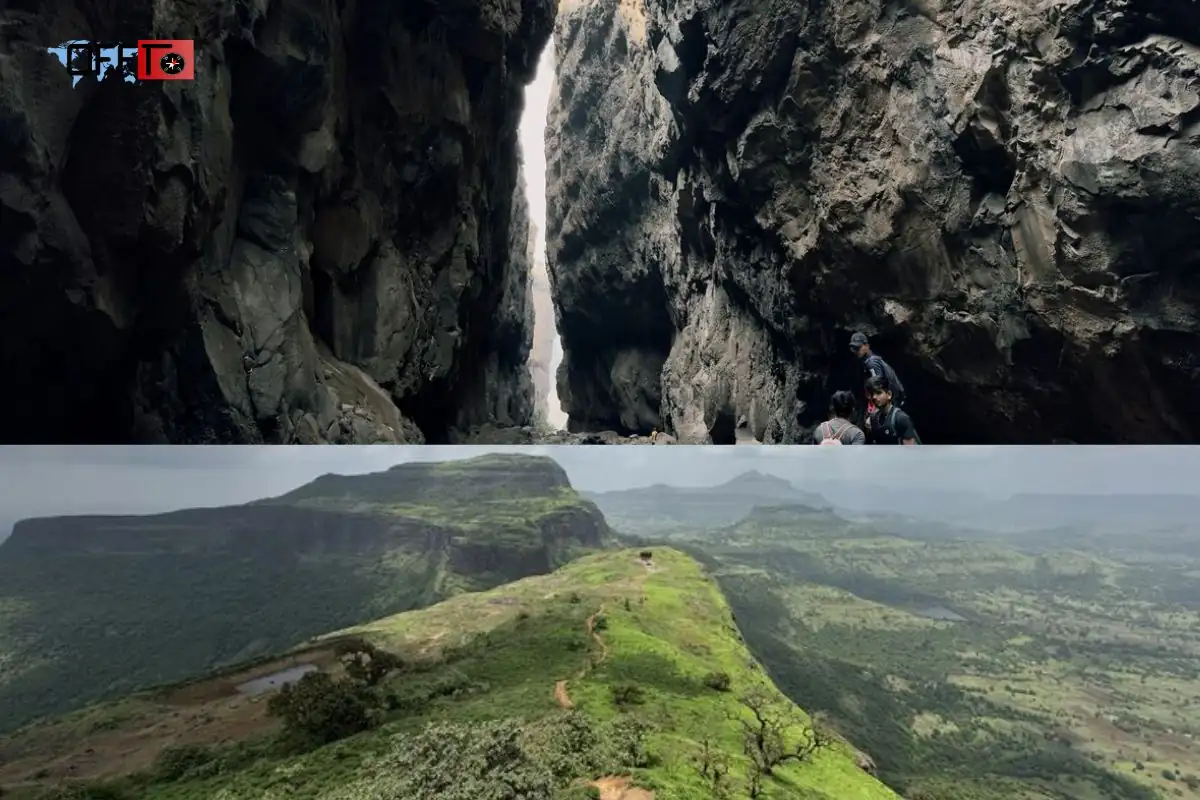
The best time to visit Sandhan Valley is usually November to February, when the weather is cooler, the trail is more manageable, camping is more comfortable, and water levels inside the valley are generally safer for trekking and rappelling. Several trek operators recommend winter as the best season because the weather is pleasant and the canyon route is easier compared with monsoon.
Sandhan Valley in Winter
Winter is the best overall season for Sandhan Valley. From November to February, the weather is cooler, the rocks are usually drier, and camping feels more comfortable. This is also a good period for rappelling-based itineraries because water levels are generally lower and route movement is easier.
Winter is ideal for first-time visitors, photographers, camping groups, and travelers coming from Mumbai, Pune, or Nashik for a weekend trek.
Sandhan Valley in Monsoon
Monsoon makes the region greener and more atmospheric, but it also makes the canyon more challenging. Water levels can rise, rocks can become slippery, and certain technical sections may become risky or unsuitable depending on conditions. Some trekking guides advise avoiding monsoon for inexperienced trekkers because of wet rocks, water-filled sections, and route difficulty.
If you visit during monsoon, go only with an experienced local guide or professional trek operator. Do not attempt the canyon casually during heavy rain.
Sandhan Valley in Summer
Summer is usually the least comfortable time for Sandhan Valley. The rocky canyon can become hot, the approach can feel tiring, and camping may not be as pleasant as winter. Some travel guidance specifically warns that summer heat can make the trek exhausting.
If summer is your only option, start very early, carry more water, avoid overpacking the day, and keep the trek short. Summer works better for experienced trekkers than casual beginners.
Month-Wise Travel Reality
Months | Travel Reality | Best For | Planning Note |
November–February | Cool weather, lower water levels, better camping | First-timers, campers, photographers | Best overall season |
March–May | Hotter, drier, physically tiring | Experienced trekkers only | Start early and carry extra water |
June–September | Green but risky, slippery, water-level concerns | Experienced monsoon groups | Avoid without expert guidance |
October | Post-monsoon transition, scenic but variable | Flexible travelers | Confirm water level and route safety |
For most travelers, winter is the safest and most enjoyable answer. Choose monsoon only if you are experienced, guided, and comfortable with unpredictable water and rock conditions.
How to Reach Sandhan Valley
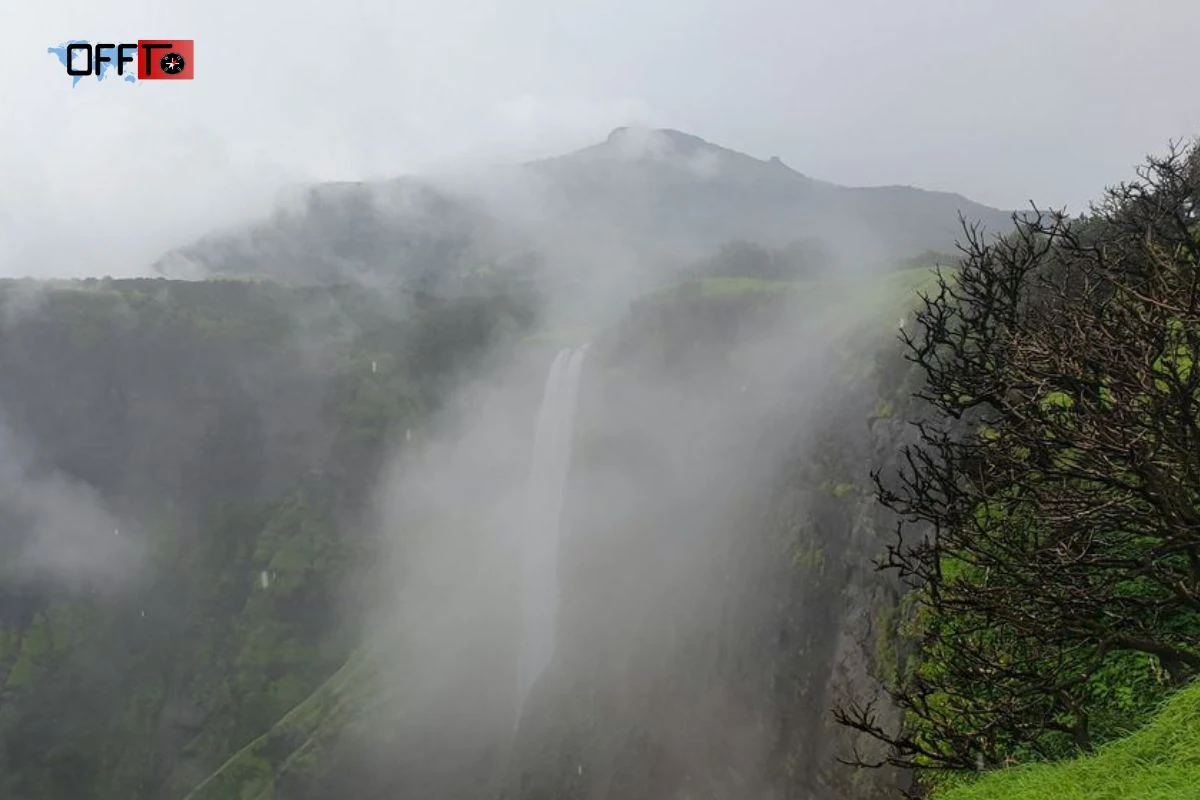
To reach Sandhan Valley, first plan your journey to Samrad village, the base village for the trek. Samrad is near Bhandardara in Maharashtra’s Ahmednagar district, and most travelers reach it by private vehicle, shared jeep, or organized trek transport from Kasara, Igatpuri, Mumbai, Pune, or Nashik. Public transport can work, but final-mile connectivity needs planning. Several trek operators use Kasara-to-Samrad jeep transfers because the village is the practical starting point for the canyon route.
Mumbai to Sandhan Valley
From Mumbai, the common route is to reach Kasara by train or drive toward Igatpuri/Bhandardara and then continue to Samrad village. Trek operators commonly place Mumbai to Sandhan Valley around 180–182 km, with road travel taking roughly 5–6 hours, depending on traffic, route, and stops. (mischieftreks.com)
For budget travelers, the train-to-Kasara route is practical. From Kasara, trekkers usually arrange a shared jeep or operator transport to Samrad.
Pune to Sandhan Valley
From Pune, Sandhan Valley is usually a longer road trip than from Mumbai. Distance estimates vary by route, with some travel guides placing Pune to Sandhan Valley around 190–250 km depending on road choice.
For Pune travelers, a private vehicle or group trek bus is usually easier than trying to connect multiple public transport options. If you are doing a rappelling or camping plan, travelling overnight and starting early from Samrad gives a better experience.
Nashik to Sandhan Valley
Nashik is one of the more convenient cities for reaching Sandhan Valley because it is closer to the Bhandardara and Samrad side than Mumbai or Pune. Some distance guides place Nashik to Sandhan Valley at around 90–100 km, but actual time depends on road condition and the final village approach.
Nashik travelers can plan Sandhan Valley as a one-day adventure or combine it with Bhandardara, Arthur Lake, Ratangad, or Kalsubai for a longer weekend.
Igatpuri/Kasara to Samrad Village
Kasara and Igatpuri are common rail-side access points for Sandhan Valley. Many group treks start from Kasara station, then use hired jeeps to reach Samrad village. One trek itinerary lists the Kasara-to-Samrad road journey by hired vehicle at around 3 hours, while full descent itineraries may exit elsewhere and arrange return transport separately.
This is important: if you are doing a full descent route, your trek may not end at Samrad. Confirm the exit point and return vehicle before starting.
Public Transport vs Private Vehicle
Public transport is budget-friendly but requires coordination. You may need a train to Kasara or Igatpuri and then a shared jeep or hired vehicle to Samrad. Some travel guides mention shared jeeps from Kasara, but availability can vary by time and season.
Private vehicles are more comfortable for groups, camping gear, and flexible timings. However, the final approach roads can be narrow, curvy, and slow, so night driving should be handled carefully. For first-time visitors, an organized trek with transport, guide, food, camping, and return logistics is often the simplest option.
Sandhan Valley Itinerary: One-Day vs Two-Day Plan
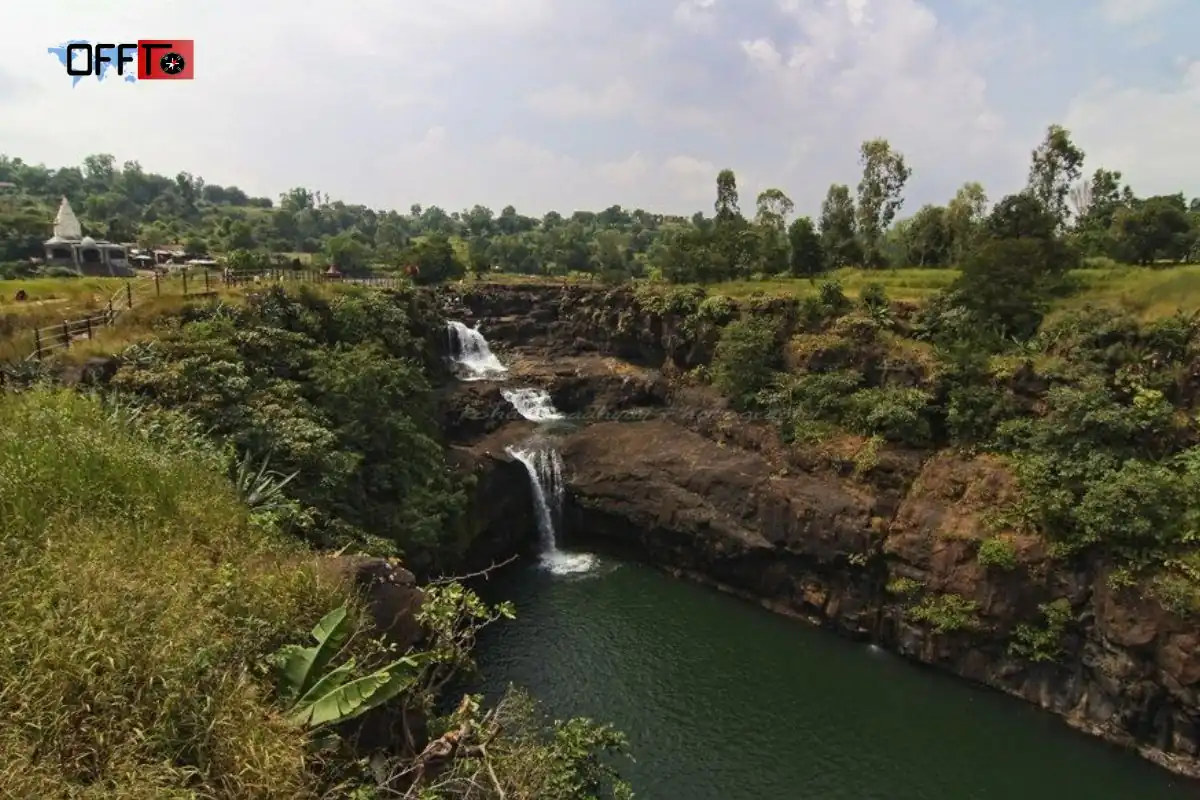
A good Sandhan Valley itinerary depends on whether you want a short canyon visit, a rappelling-based trek, or a full overnight camping experience. Sandhan Valley is not a place where you should overpack the day. Boulder sections, technical patches, group movement, water pools, and return logistics can easily stretch the schedule.
One-Day Sandhan Valley Visit
A one-day Sandhan Valley visit works best if you want to explore part of the canyon and return to Samrad the same day. Some operator itineraries start from the base village in the morning, explore the half-valley section, return to the base village by afternoon, and then begin the return journey.
This version is better for first-time visitors, families with active adults, or travelers who want the canyon experience without committing to a full technical descent. It is not the best option if your main goal is rappelling, camping, or a deeper adventure route.
Overnight Trek + Camping Plan
An overnight trek with camping is the classic Sandhan Valley experience. A common plan is to travel to Samrad, camp near the village or valley side, start early the next morning, move through the canyon, rappel where the route requires, and continue toward the exit point if doing the full descent. Some detailed itineraries include a six-hour descent in Sandhan Valley, lunch break at Karoli Ghat, and a further hike toward Dehene before road transfer to Asangaon.
This version suits adventure travelers, trekking groups, photographers, and people who want the full canyon mood rather than a quick visit.
Weekend Itinerary from Mumbai/Pune
For Mumbai and Pune travelers, the strongest plan is usually a weekend itinerary. Leave the city the previous night or early morning, reach Samrad, rest or camp, complete the trek with guide support, and return the next evening. This gives enough buffer for travel delays, food, group movement, rappelling, and exit transport.
From Mumbai, the Kasara train plus jeep route is popular. From Pune, private or group transport is usually easier because the road journey is longer and public transport connections are less direct.
How Much Time Do You Need?
For a short canyon visit, keep one full day from Samrad. For a proper Sandhan Valley trek with rappelling and camping, plan two days and one night. If you are travelling from Mumbai or Pune, treat it as a full weekend trip rather than a quick half-day outing.
The safest planning rule is simple: one day is enough for a taste of Sandhan Valley, but two days are better for the full adventure experience.
What to Pack for Sandhan Valley Trek
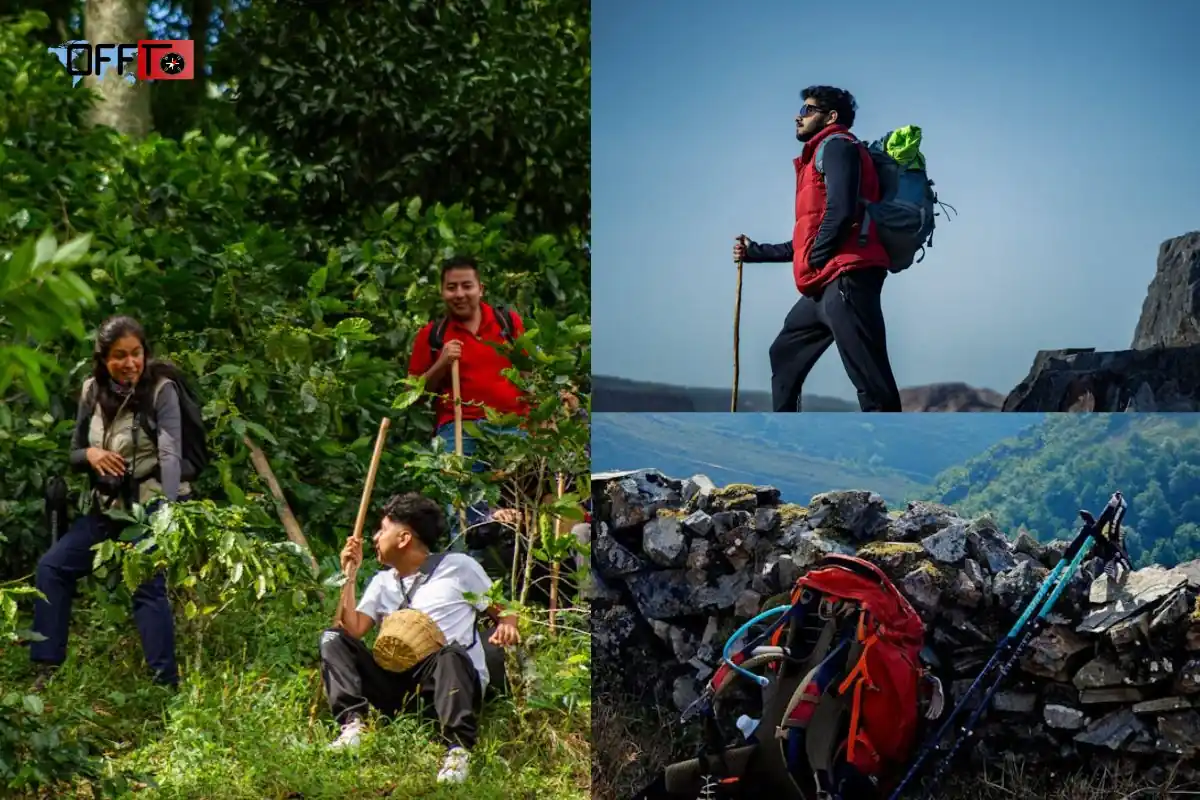
Packing for the Sandhan Valley trek is different from packing for a simple fort walk. The route can include boulders, narrow canyon sections, water pools, rappelling support, camping, and rough ground. Several trek guides recommend proper shoes, enough water, snacks, torch/headlamp, first aid, and weather-ready gear because the valley is physically demanding and remote in parts.
Trek Shoes
Good trekking shoes are the most important item for Sandhan Valley. The trail has rocks, loose surfaces, boulders, and slippery patches depending on season. Avoid sandals, casual sneakers, flat shoes, or worn-out footwear. Some trek operators are strict about footwear because poor grip can become a real safety issue on the rocky canyon route.
Choose shoes with ankle support and strong grip. If you are doing the full trek with rappelling, your footwear should handle both dry rocks and wet patches.
Water
Carry enough water before entering the trail. A minimum of 2–3 litres per person is a practical starting point because the trek can be strenuous, and water availability may not be reliable once you move deeper into the canyon.
Do not depend entirely on finding water during the trek. If you are travelling with a group, ask your operator how much water they recommend for that season and route.
Snacks
Carry light, high-energy snacks like dry fruits, energy bars, chikki, dates, fruits, or simple homemade food. Sandhan Valley involves slow movement over boulders, and energy dips can make balance and focus harder.
Keep snacks easy to access in your daypack. Avoid heavy meals before the trek because they can make climbing, crawling, or rappelling sections uncomfortable.
Gloves
Gloves are useful in Sandhan Valley because you may need to use your hands while crossing rocks, holding ropes, or moving through rough canyon sections. Lightweight gloves with grip are better than bulky winter gloves.
They also help protect your palms from sharp rock edges and rope friction during guided adventure sections.
Torch or Headlamp
Carry a torch or headlamp, especially if your itinerary includes camping, early starts, late exits, or any night movement. A headlamp is better than a phone flashlight because it keeps your hands free on rocky terrain.
Phone torches drain battery quickly and are not ideal when you need both hands for balance.
Light Jacket
Carry a light jacket or wind layer if you are visiting in winter, camping overnight, or starting early in the morning. The canyon may feel cool in shaded sections, while open areas can feel warmer during the day.
Layering works better than carrying one bulky jacket. You need comfort without adding unnecessary weight.
Dry Bag
A dry bag or waterproof pouch is very useful for Sandhan Valley. Seasonal water pools, wet rocks, rain, and camping moisture can damage phones, power banks, wallets, and spare clothes.
Keep electronics, ID proof, cash, and extra socks inside waterproof protection. In monsoon or post-monsoon, this becomes even more important.
First Aid
Carry a small first-aid kit with bandages, antiseptic, pain relief spray, ORS, blister patches, and personal medicines. If you have knee issues, asthma, allergies, or any medical condition, inform your guide before starting.
A basic kit can help with minor cuts, cramps, dehydration, and blisters, but it is not a substitute for safe movement and guide support.
Power Bank
Carry a fully charged power bank because mobile battery can drain quickly when using maps, photos, calls, and low-network searching. Network may also become unreliable in remote sections, so save battery for important communication.
Keep your power bank in a dry pouch, especially if water crossings or rain are expected.
Camping Essentials
For Sandhan Valley camping, essentials may include a sleeping bag or blanket, mat, warm layer, toiletries, extra socks, torch, water, snacks, and personal medicines. Some organized treks provide tents, mats, food, ropes, helmets, harnesses, and other technical equipment, but inclusions vary by operator.
Always check what your trek group provides before packing. Do not carry technical gear unless you know how to use it; rappelling equipment should be handled by trained guides.
Sandhan Valley Safety Guide
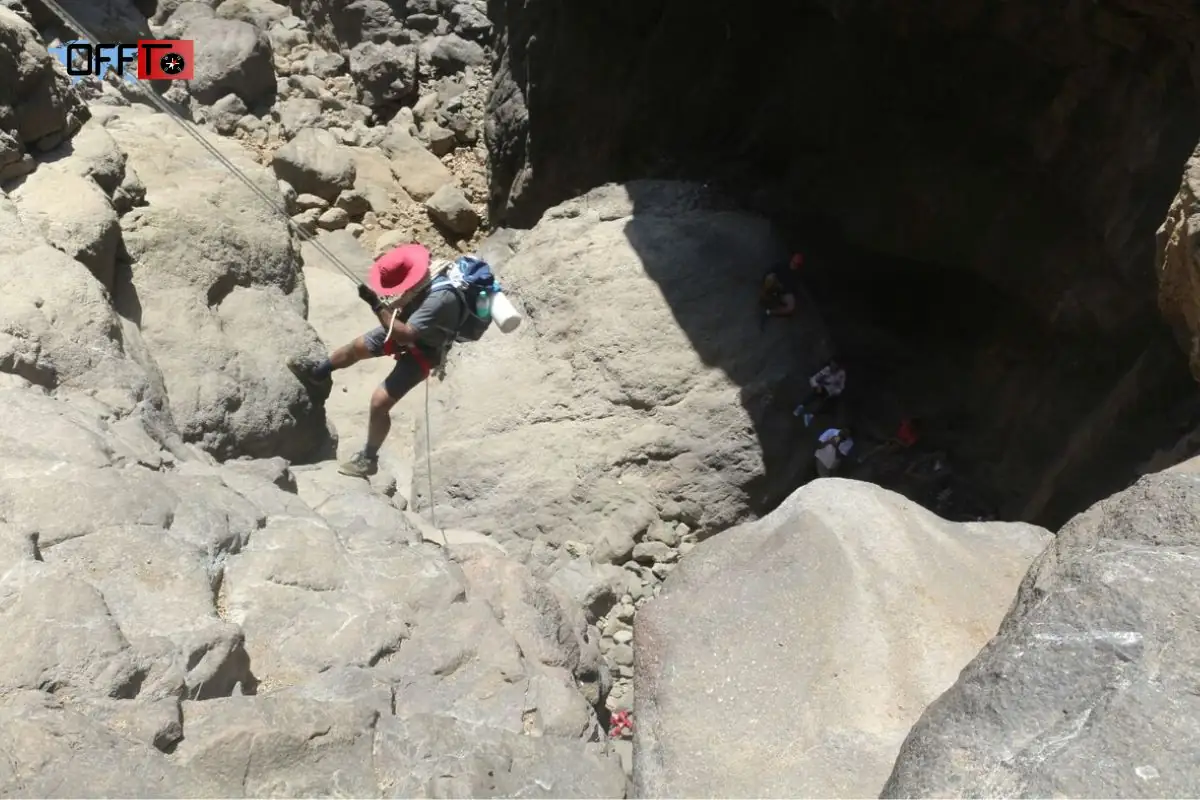
A good Sandhan Valley safety guide starts with one clear rule: do not treat this trek like a casual nature walk. The route can involve boulder crossings, water pools, rappelling, narrow passages, and remote camping. First-time trekkers are often advised to go with a guide or trekking operator because route knowledge and safety support matter here.
Guide Importance
A guide is strongly recommended for Sandhan Valley, especially if you are doing the full descent, rappelling route, or overnight camping plan. Local guides and trek leaders understand water levels, safe boulder movement, rope points, exit routes, and weather-related risks.
For beginners, guide support can make the difference between an exciting trek and a stressful one. Do not rely only on map pins or old blog routes.
Rappelling Safety
Rappelling should only be done with trained support, proper ropes, helmets, harnesses, and anchor systems. Sandhan Valley’s adventure routes may include steep rock descents, and safety instructions must be followed carefully. Trek operators repeatedly emphasize guide instructions and safety precautions during rappelling.
Do not attempt rappelling independently. Do not rush your turn, loosen equipment, or ignore the guide’s commands for photos or videos.
Slippery Boulders
Boulders are one of the biggest challenges in Sandhan Valley. Even dry-looking rocks can shift, scrape, or become slippery. During monsoon or after rain, the risk increases.
Move slowly, test your footing, and use your hands where needed. Avoid jumping between rocks unless your guide says it is safe. A small slip inside the canyon can become a big problem because movement is slower and evacuation is harder.
Water Level Caution
Water levels inside Sandhan Valley can change by season. Some routes include crossing water pools, and depth can vary. During monsoon, the valley can become unsafe because of flooding, slippery rocks, and strong water flow. Some trek accounts specifically warn that Sandhan Valley is not ideal as a monsoon trek because water can fill the canyon.
Before entering, confirm current water levels with local guides or your trek operator. Never enter unknown water blindly.
Night Camping Precautions
Night camping in or near Sandhan Valley can be memorable, but it needs discipline. Keep your group together, use proper lighting, avoid wandering away from camp, and keep essentials packed safely. Do not camp near unstable rock sections, water-flow paths, or exposed edges.
Solo Travel Reality
Solo travel to Sandhan Valley is not recommended for first-timers. The route is remote in parts, mobile network may vary, and certain sections may require guide support, ropes, or group coordination. Trekking sources advise joining a group so you do not get stuck alone in difficult terrain.
Experienced solo travelers should still arrange local guidance before attempting the full trek. For most people, a trusted group is safer and more practical.
Monsoon Warnings
Monsoon makes the region greener and more dramatic, but it also makes Sandhan Valley riskier. Slippery boulders, rising water, low visibility, and unpredictable flow can affect the route. Beginners should avoid attempting the full canyon route during heavy rain.
For monsoon travel, confirm local conditions, choose an experienced operator, carry proper rain protection, and be ready to cancel or change plans if the route is unsafe. In Sandhan Valley, turning back is better than forcing the trek.
Places to Visit Near Sandhan Valley
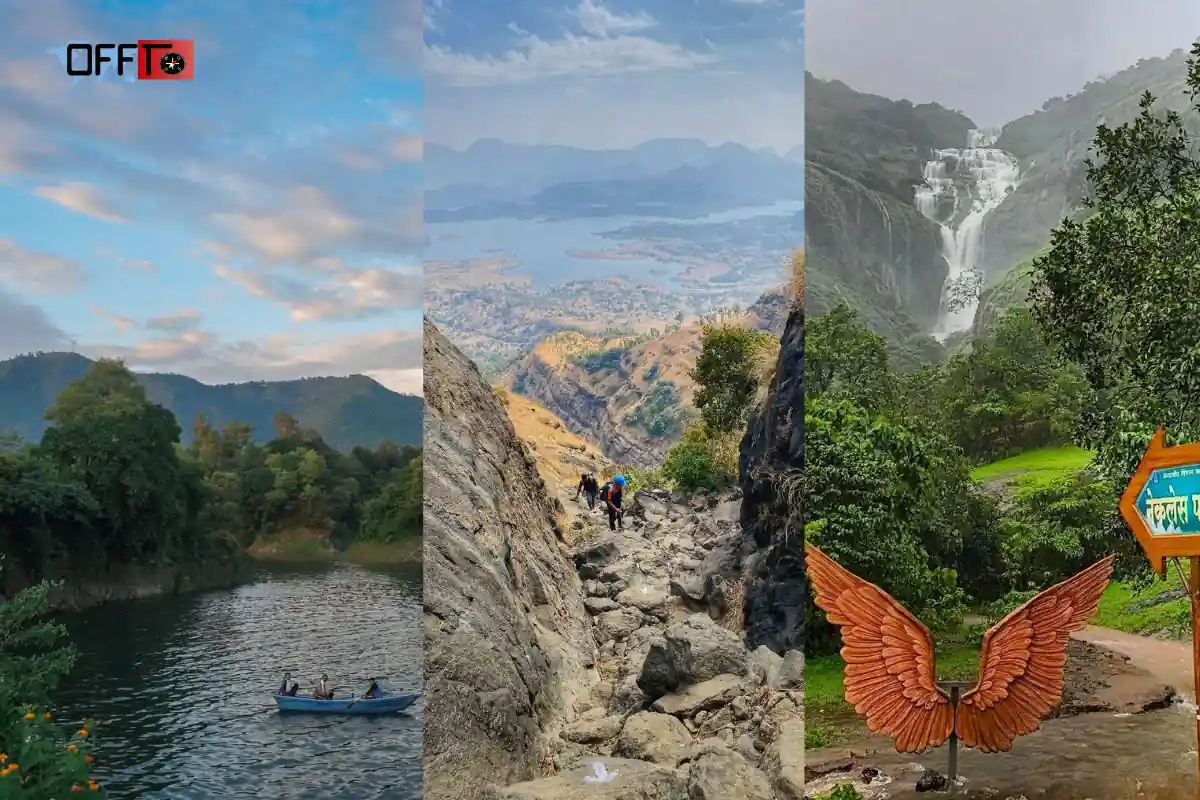
The best places to visit near Sandhan Valley are Bhandardara, Kalsubai Peak, Ratangad Fort, Amruteshwar Temple, Arthur Lake, Randha Falls, Harishchandragad, Kokankada, and Igatpuri. These places work well because Sandhan Valley sits close to the Bhandardara and Kalsubai-Harishchandragad region, making it easy to turn the trek into a longer Maharashtra weekend getaway.
Bhandardara
Bhandardara is the most natural add-on near Sandhan Valley. It is known for lakes, waterfalls, green hills, dam views, and a calmer stay experience after the rugged canyon trek. The Ahilyanagar district tourism page describes Bhandardara as a major tourist attraction with natural beauty, waterfalls, mountains, greenery, and Arthur Lake.
Choose Bhandardara if you want to slow down after the trek instead of rushing back the same day.
Kalsubai Peak
Kalsubai Peak is one of the strongest nearby adventure add-ons, but it should usually be planned separately. Maharashtra Tourism describes Kalsubai as Maharashtra’s highest peak and places it close to Bari village in the Bhandardara region.
Do not combine Sandhan Valley and Kalsubai casually in one day. Both need stamina, early starts, and weather awareness.
Ratangad Fort
Ratangad Fort is a popular trek near Bhandardara and works well for experienced trekkers planning a longer Sahyadri weekend. Maharashtra Tourism notes that Ratangad is an ancient hill fort over 400 years old and offers panoramic views of the Sahyadri ranges, Kalsubai Peak, and Bhandardara Lake.
Ratangad is best treated as a separate trek, not a small sightseeing stop after Sandhan Valley.
Amruteshwar Temple
Amruteshwar Temple at Ratanwadi is a good cultural stop near Sandhan Valley and Bhandardara. Travel listings describe it as an ancient Shiva temple near the Pravara River at Ratanwadi, around 17 km from Bhandardara, and maintained by the Archaeological Survey of India.
Lorem ipsum dolor sit amet, consectetur adipiscing elit. Ut elit tellus, luctus nec ullamcorper mattis, pulvinar dapibus leo.
Arthur Lake
Arthur Lake, also known as Bhandardara Lake, is best for a calm post-trek pause. Maharashtra Tourism’s Bhandardara Dam page describes Arthur Lake as the reservoir formed by damming the Pravara River and a key attraction in the region.
It is ideal for families, couples, and travelers who want a quiet lakeside experience after the physical effort of Sandhan Valley.
Randha Falls
Randha Falls is a popular waterfall near Bhandardara and is best visited when flow and safety conditions are suitable. Tourism listings describe it as a major waterfall near Bhandardara formed by the Pravara River, with Arthur Lake and Amruteshwar Temple nearby.
Harishchandragad
Harishchandragad is one of Maharashtra’s iconic trekking forts and should be planned as a separate adventure. Maharashtra Tourism lists Harishchandragad among trekking sites and describes its routes as challenging but rewarding, involving forests, rugged terrain, and steep climbs.
If Sandhan Valley is your main trek, do not add Harishchandragad unless you have another full day and enough fitness.
Kokankada
Kokankada is the famous cliff viewpoint on Harishchandragad, known for its dramatic drop and wide Konkan-facing views. It is not a quick add-on from Sandhan Valley; it belongs to a proper Harishchandragad trek plan.
Add Kokankada only if you are planning Harishchandragad seriously with the right route, guide support, and weather conditions.
Igatpuri
Igatpuri is a practical transit and stay base for travelers coming by train or road. It works well for people who want a more comfortable night halt before or after Sandhan Valley, especially if they are not camping.
For Mumbai travelers, Igatpuri and Kasara are useful access points before arranging road transport toward Samrad village.
Sandhan Valley Expectation vs Reality
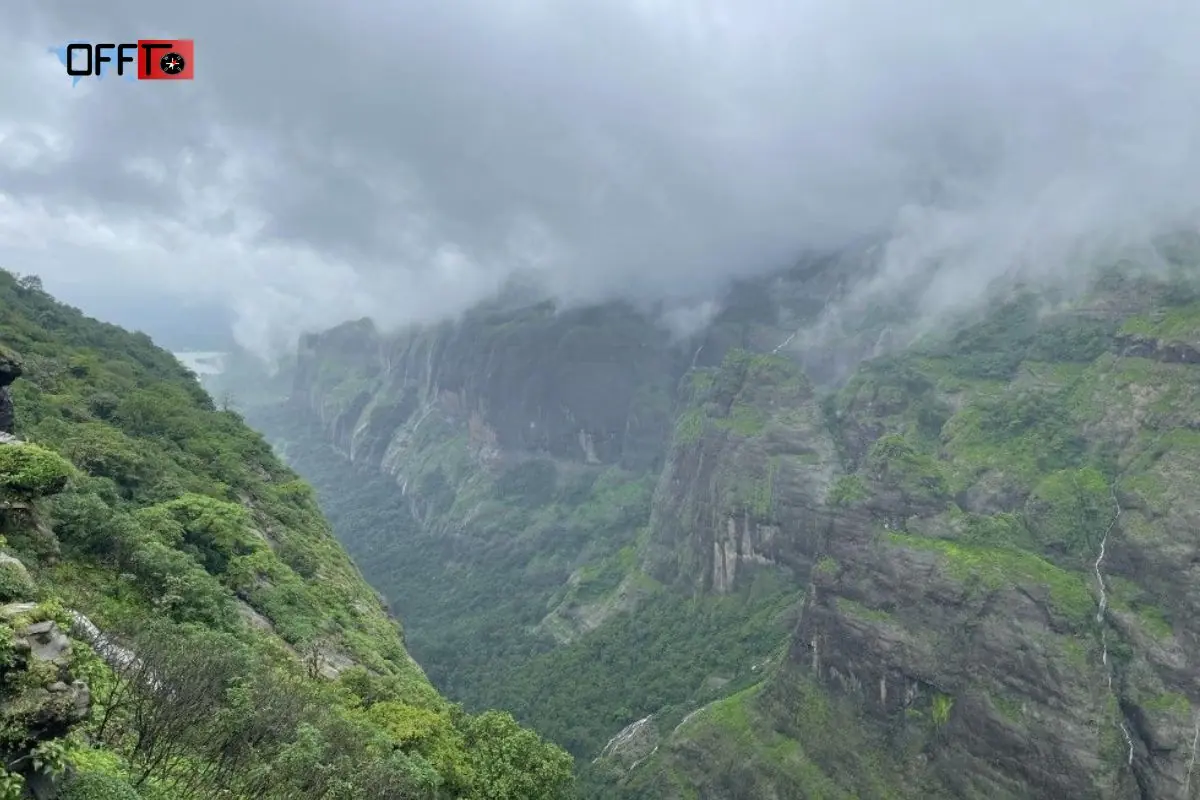
Sandhan Valley looks stunning online, but the real experience is more physical, rugged, and guide-dependent than many first-time visitors expect. It is not a simple viewpoint or relaxed nature walk. It is an adventure canyon trek with boulders, narrow passages, water-level concerns, rappelling possibilities, camping basics, and seasonal safety risks.
Instagram Canyon vs Actual Physical Effort
- Expectation: Sandhan Valley is a dramatic canyon where you can easily walk in, take photos, and return.
- Reality: The canyon is beautiful, but moving through it takes effort. You may need to cross boulders, balance on uneven rocks, crouch through narrow patches, and manage fatigue. The best photos usually come after real physical work.
Rappelling Fear Factor
- Expectation: Rappelling looks exciting and easy in videos.
- Reality: Rappelling can feel intimidating if you are afraid of heights, uncomfortable with ropes, or new to adventure activities. It should only be done with trained guides, proper equipment, helmets, harnesses, and clear instructions.
Do not choose a rappelling itinerary only for social media. Choose it only if you are mentally ready for the experience.
Crowd Reality on Weekends
- Expectation: Sandhan Valley feels remote and empty.
- Reality: Weekend batches from Mumbai, Pune, and Nashik can make the canyon and camping areas busy, especially in the peak winter trekking season. Rappelling sections may also involve waiting because people descend one by one.
For a quieter experience, choose weekdays or smaller, well-managed groups.
Weather Unpredictability
- Expectation: The valley will be accessible and photogenic in every season.
- Reality: Weather can change the entire trek. Winter is generally more comfortable, while monsoon can bring slippery boulders, rising water levels, and safety restrictions. In 2025, forest authorities imposed monsoon restrictions around hazardous spots in the Kalsubai-Harishchandragad sanctuary region, including Sandhan Valley, due to slippery roads and accident risk.
Always check current local conditions before leaving.
Comfort Level During Camping
- Expectation: Sandhan Valley camping is a scenic, comfortable outdoor stay.
- Reality: Camping is usually basic. Expect simple tents, limited washroom comfort, basic meals, cold nights in winter, and minimal luxury. The value is in the canyon atmosphere, stars, group experience, and early-morning adventure—not resort-style comfort.
If comfort matters more than adventure, stay near Bhandardara or Igatpuri instead.
Why Guided Treks Are Better for Most Travelers
Guided treks are better for most travelers because Sandhan Valley involves route decisions, boulder navigation, water-level assessment, rappelling safety, camping logistics, and return transport planning. This is especially true for first-timers, solo travelers, and groups visiting during winter weekends or post-monsoon conditions.
The safest way to enjoy Sandhan Valley is to treat it as a real adventure trek: go prepared, follow your guide, respect the terrain, and keep expectations realistic.
FAQs
Where is Sandhan Valley located?
Sandhan Valley is located near Samrad village in Maharashtra, close to the Bhandardara region in Ahmednagar/Ahilyanagar district. It sits in the Sahyadri range and is commonly accessed from Mumbai, Pune, Nashik, Kasara, and Igatpuri. For trip planning, Samrad village is the most important point because most Sandhan Valley treks begin from there.
Why is Sandhan Valley called the Valley of Shadows?
Sandhan Valley is called the Valley of Shadows because its tall, narrow canyon walls block direct sunlight in many parts of the gorge. Even during the day, several sections remain shaded, giving the trek a dramatic and mysterious feel. This shadow-heavy atmosphere is what makes Sandhan Valley different from regular hill treks or open viewpoints.
What is the Sandhan Valley trek distance?
The Sandhan Valley trek distance depends on the route. Short canyon routes are commonly listed around 3–5 km, while full descent itineraries can extend further, especially if the trek continues toward an exit village after rappelling. Some operators describe the main crevice as around 4 km, followed by additional walking along the riverbed in longer plans.
Is Sandhan Valley trek difficult?
Yes, Sandhan Valley trek can be moderately difficult because it is not a simple walking trail. The route includes boulders, narrow rock passages, water pools, uneven terrain, and rappelling sections depending on the itinerary. Active beginners can attempt it with a guide, but people expecting an easy nature walk may find it physically demanding and mentally challenging.
What is the best time to visit Sandhan Valley?
The best time to visit Sandhan Valley is usually November to February, when the weather is cooler, camping is more comfortable, and water levels are generally safer for trekking. Summer can feel hot and tiring, while monsoon can make the canyon risky due to slippery rocks, rising water, and route uncertainty. Always confirm current local conditions before travelling.
Is Sandhan Valley safe for beginners?
Sandhan Valley can be safe for beginners only if they are reasonably fit and go with an experienced guide or trek operator. It is not ideal for absolute beginners with no outdoor experience because the route has boulders, water sections, narrow patches, and possible rappelling. First-timers should avoid monsoon, wear proper shoes, and choose a well-managed group trek.
Can we camp at Sandhan Valley?
Yes, camping is commonly arranged near Sandhan Valley, usually around Samrad village or designated campsite areas managed by local operators or trekking groups. It is better not to pitch tents randomly because safety, permissions, weather, food, and washroom access matter. Managed camping is the safest choice for first-time visitors, especially when combined with rappelling or a full canyon trek.
How many days are enough for Sandhan Valley?
One day is enough for a short Sandhan Valley visit or half-valley trek from Samrad village. However, two days and one night are better if you want the full experience with trekking, rappelling, camping, and a relaxed return. Travelers from Mumbai or Pune should ideally plan it as a weekend trip because road travel and trek logistics take time.
What is Sandhan Valley top view like?
Sandhan Valley top view is dramatic because you see a deep, narrow canyon cutting through the Sahyadri landscape. From viewpoints near Samrad, the valley appears as a rugged rock opening with steep walls, shadowed depth, and mountain ridges around it. The view is especially photogenic during golden hour, but visitors should avoid risky cliff-edge photos.
How do I reach Sandhan Valley from Mumbai?
From Mumbai, most travelers reach Sandhan Valley by travelling to Kasara or Igatpuri, then taking a jeep or private vehicle to Samrad village. Some operators list Mumbai to Samrad at around 180 km, with road travel taking roughly five to six hours. Group treks are popular because they usually handle transport, food, guide support, and return logistics.
Where can I visit near Sandhan Valley?
Popular places near Sandhan Valley include Bhandardara, Arthur Lake, Randha Falls, Ratangad Fort, Amruteshwar Temple, Kalsubai Peak, Harishchandragad, Kokankada, and Igatpuri. Choose nearby places based on your energy and time. After Sandhan Valley, calmer places like Bhandardara and Arthur Lake are easier than adding another difficult trek immediately.
Do I need a guide for Sandhan Valley trek?
Yes, a guide is strongly recommended for Sandhan Valley, especially for first-timers, rappelling routes, overnight camping, or full descent itineraries. The terrain includes boulders, narrow ravines, water sections, and technical patches where route knowledge matters. A guide helps with safety, water-level judgment, rappelling support, camping coordination, and exit logistics.
Read more >>>
Kalsubai Trek Guide – Height, Distance, Night Trek & Camping
Bhandardara Waterfall Travel Guide – Falls, Camping & Things to Do
Final Verdict: Who Should Visit Sandhan Valley?
Sandhan Valley is worth visiting if you want a raw adventure experience in Maharashtra with canyon walking, boulder sections, rappelling, camping, and dramatic rock-wall views. It is not a casual sightseeing stop, and that is exactly what makes it special for the right kind of traveler.
Best for Adventure Travelers
Sandhan Valley is best for adventure travelers who want something more intense than a regular Sahyadri viewpoint or fort walk. The route can include boulders, narrow passages, water pools, rappelling, and rugged terrain, so it gives a stronger outdoor challenge.
If you enjoy treks that feel physical, raw, and slightly unpredictable, Sandhan Valley will feel rewarding.
Best for Canyon Trek Lovers
This is one of the best canyon-style treks in Maharashtra. The tall rock walls, shadowed passages, and dramatic valley depth make it very different from open hill treks like Kalsubai or Rajmachi.
Travelers who enjoy geology, rugged landscapes, natural rock formations, and moody photography will especially enjoy Sandhan Valley.
Best for Camping Groups
Sandhan Valley is also a strong choice for camping groups, especially in winter. A two-day plan with camping near Samrad or a managed campsite gives enough time to enjoy the trek, food, night sky, and early morning canyon atmosphere without rushing.
It works well for friend groups, trekking communities, and weekend travelers from Mumbai, Pune, and Nashik.
Best for Winter Weekend Trips
Winter is the best season for most travelers because the weather is cooler, water levels are easier to manage, and camping feels more comfortable. The trek is still adventurous, but the conditions are usually more manageable than monsoon or peak summer.
For first-time visitors, a guided winter weekend plan is the safest and most enjoyable version of Sandhan Valley.
Not Ideal for People Expecting a Casual Nature Walk
Sandhan Valley may disappoint travelers who expect an easy nature walk, luxury camping, clean flat trails, or simple roadside viewpoints. It can feel tiring, dusty, rocky, and physically demanding.
It is also not ideal for people with serious knee issues, poor balance, fear of narrow spaces, or discomfort with rappelling. The best visitors are those who come prepared, follow their guide, and respect the canyon’s difficulty.
Plan Your Sandhan Valley Adventure with Offto Travellers
Sandhan Valley is not the kind of trip you should plan casually. Between Samrad village access, guide support, rappelling sections, camping choices, water levels, weather, and return logistics, the best experience comes when every part of the journey is planned with clarity.
With Offto Travellers, you can explore more Maharashtra trek guides, compare adventure getaways near Mumbai, Pune, and Nashik, and plan your Sandhan Valley trip based on your travel style. Whether you want a short canyon visit, a full rappelling trek, a winter camping weekend, or a Bhandardara-focused escape, Offto helps you move from inspiration to a real travel plan.
You can also Book stays near Samrad, Bhandardara, Igatpuri, or other convenient trek-friendly bases so your trip feels smoother from the start. Choose a stay that matches your comfort level—camping-friendly, budget, group-friendly, scenic, or recovery-focused after the trek—and build your Sandhan Valley itinerary around the right route, season, and pace.
Explore Sandhan Valley with Offto Travellers and Book stays that keep you close to the canyon, the campsite, and the best Sahyadri weekend experiences.
Sign up
Leave a Reply