
Hampi, located in Karnataka, is a UNESCO World Heritage site known for its ancient temples, royal enclosures, and stunning landscapes. The best time to visit is from October to February. Must-see attractions include Virupaksha Temple, Vittala Temple, Matanga Hill, and nearby sites like Badami and Aihole.
Where is Hampi Located?

Hampi, a stunning historical site, is located in the state of Karnataka, southern India. Situated approximately 13 km away from the nearest town, Hospet, Hampi is easily accessible and has become a key destination for history enthusiasts, travelers, and photographers alike. The site’s geographical position along the banks of the Tungabhadra River adds to its charm, making it a unique and picturesque location.
Distance from Major Cities
- Bangalore: Hampi is around 350 km (about 6-7 hours by road) from Bangalore, making it a manageable weekend getaway from the city.
- Hyderabad: From Hyderabad, Hampi is approximately 380 km (7-8 hours by road), making it ideal for travelers from Telangana as well.
- Goa: If you’re coming from Goa, Hampi is roughly 320 km away (6 hours by road), perfect for combining a beach vacation with a historical exploration.
UNESCO World Heritage Site
Hampi is recognized as a UNESCO World Heritage site, primarily for its exceptional ruins that reflect the grandeur of the Vijayanagara Empire. The site’s historical importance, combined with its architectural beauty, makes it a significant landmark in India’s heritage tourism.
If you’re planning your Hampi trip, you’ll experience a captivating blend of cultural richness and natural beauty. The ancient temples, stone structures, and unique landscapes provide a sense of timelessness that transports you to a different era, inviting travelers to explore the historical depths of this vibrant location.
What is Hampi Famous For? (Beyond Ruins)
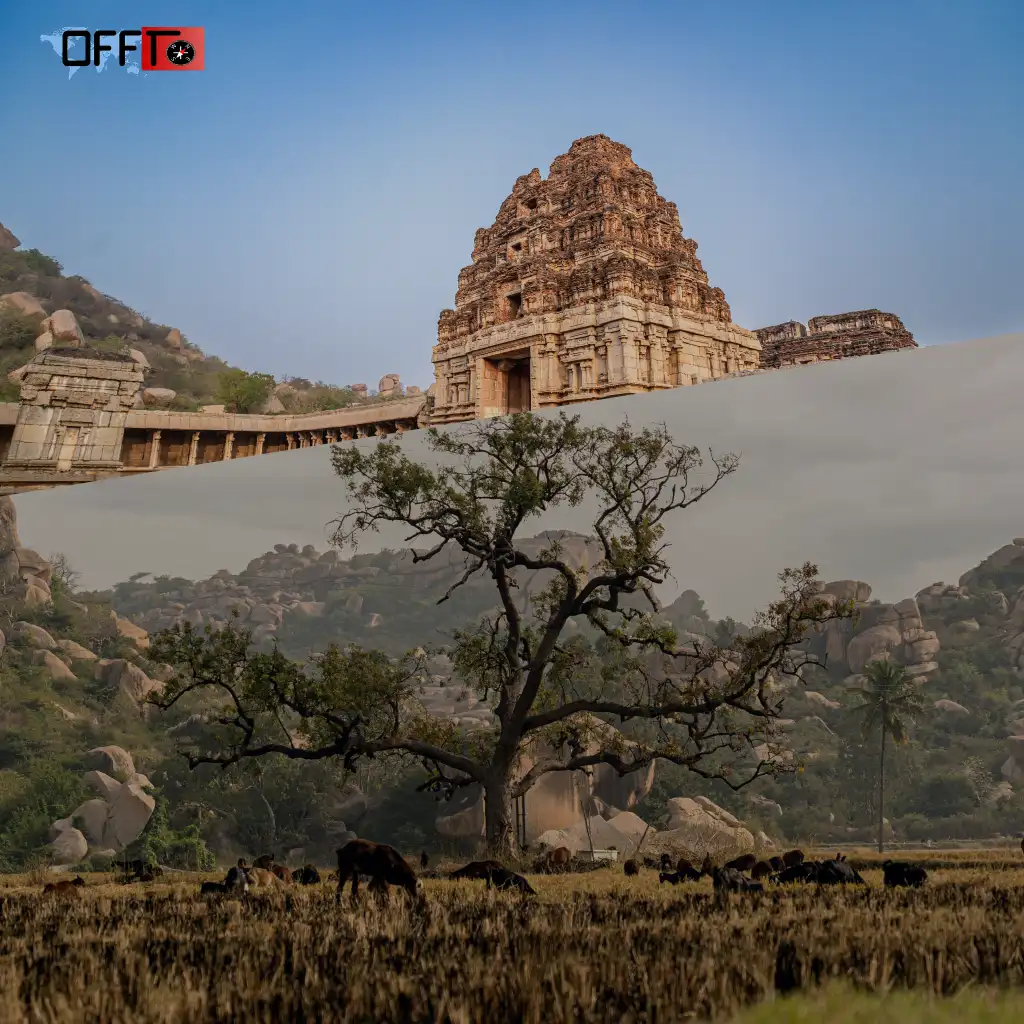
Hampi is renowned for its rich history and exceptional architecture, making it a must-visit destination for history lovers and cultural explorers. Once the heart of the Vijayanagara Empire, Hampi was a prosperous and thriving city, which is evident from the impressive ruins that dot the landscape today.
Vijayanagara Empire History
Hampi served as the capital of the Vijayanagara Empire in the 14th to 16th centuries, a period of immense cultural and economic growth. The remains of this once-thriving city, with its temples, palaces, and marketplaces, stand as a testament to its grandeur. The story of Hampi’s rise and fall is intricately woven into the ruins, allowing visitors to connect with the past in a way few other places can offer.
Iconic Temples & Architecture
One of the biggest draws of Hampi is its iconic temples, such as the Virupaksha Temple, Vittala Temple, and Achyutaraya Temple, which showcase extraordinary Dravidian architecture. The intricately carved stone structures, towering gopurams (temple towers), and massive stone chariots make Hampi a visual feast for architecture enthusiasts.
Unique Boulder Landscape & River Setting
Hampi is not just about ruins—it is also famous for its unique boulder-strewn landscape. The region is dotted with large granite boulders, creating a surreal and captivating natural scenery. These formations, coupled with the Tungabhadra River, offer a tranquil environment that contrasts the ancient architectural wonders. Many visitors come for the sunset views from Matanga Hill, where you can gaze out over the entire landscape, offering a one-of-a-kind view that blends history and nature seamlessly.
Expectation vs Reality – Ruins & Raw Experience
While most travelers come to Hampi to see the ruins, what they leave with is a raw, unfiltered experience of India’s historical beauty. Expect to wander through ancient temples and explore hidden gems far from the typical tourist track. While many of the temples and structures are in varying degrees of ruin, they still stand strong, exuding an aura of mystery and nostalgia that visitors find incredibly captivating.
Places to Visit in Hampi (Top Attractions You Shouldn’t Miss)
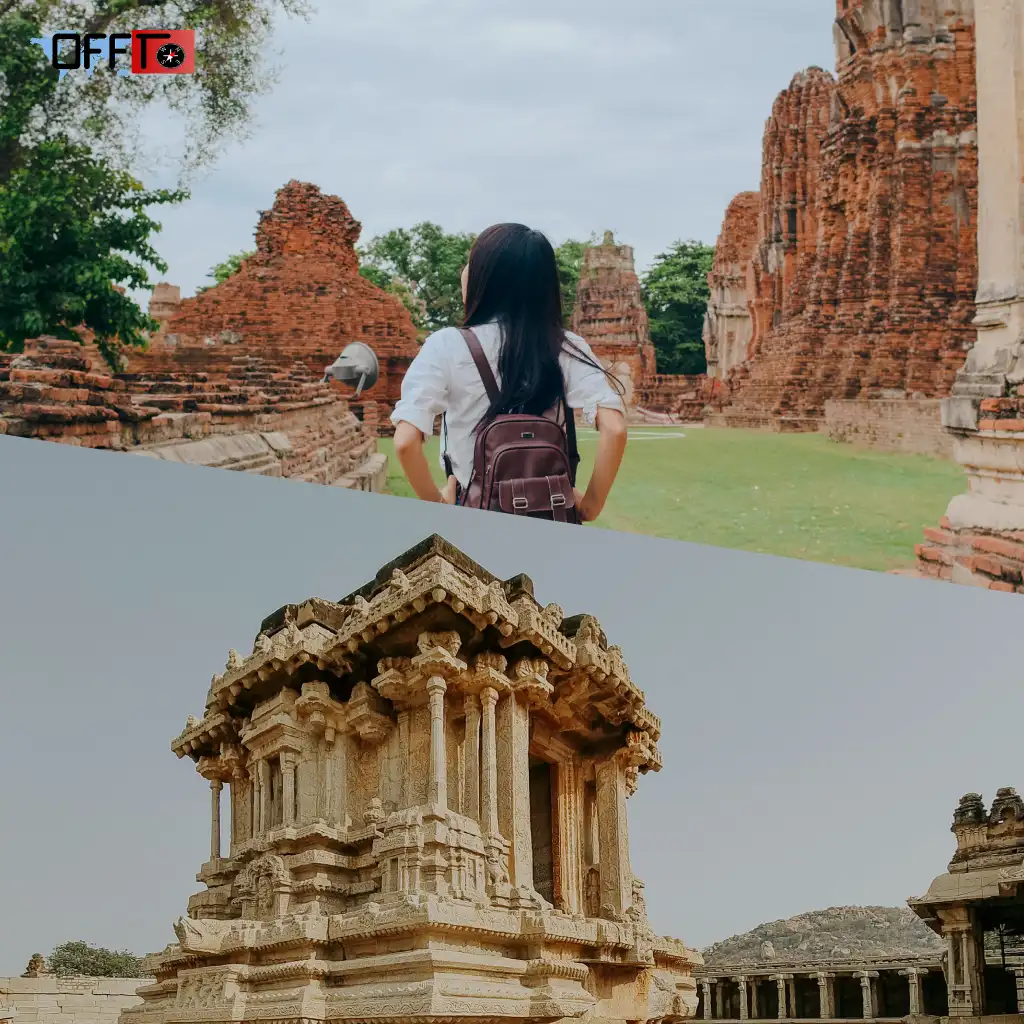
Hampi is an awe-inspiring destination that offers an incredible range of iconic attractions. From grand temples to historical royal enclosures, this section covers the must-visit places that make Hampi a treasure trove for history lovers, architecture enthusiasts, and spiritual seekers.
Iconic Temples in Hampi
Virupaksha Temple
This ancient temple, dedicated to Lord Virupaksha, is one of the most significant Hampi temples. It stands as a testament to the grandeur of the Vijayanagara Empire, with its towering gopuram and intricate carvings. The temple is still an active place of worship, adding to its historical and spiritual significance.
Vittala Temple (Stone Chariot)
Known for its famous stone chariot, the Vittala Temple is one of Hampi’s most iconic landmarks. This stunning structure is a marvel of Dravidian architecture and features detailed carvings and monumental pillars that resonate with history. The temple’s architectural beauty, combined with its serene atmosphere, makes it a must-visit spot for history and photography lovers.
Achyutaraya Temple
Located to the south of the Virupaksha Temple, Achyutaraya Temple is dedicated to Lord Tiruvengalanatha. It is known for its well-preserved pillars and beautiful carvings. The temple is also famous for its grand architecture and historical importance, making it a great spot for both spiritual reflection and photography.
Royal Enclosure & Historic Structures
Lotus Mahal
This elegant structure, part of the Royal Enclosure, is a blend of Islamic and Hindu architecture. The Lotus Mahal, with its lotus-shaped dome, was likely used by the royal women of the Vijayanagara Empire. Its graceful architecture and fascinating history make it one of Hampi’s top attractions. It’s also a fantastic spot for photography, especially at sunrise or sunset.
Elephant Stables
The Elephant Stables are a collection of interconnected chambers, which once housed the royal elephants of the Vijayanagara Empire. The structure is an impressive example of Indo-Islamic architecture, with its large, dome-shaped roofs and intricately designed arches. It’s one of Hampi’s lesser-known but incredibly important historical sites.
Queen’s Bath
The Queen’s Bath is another remarkable historic structure within the Royal Enclosure. Once used by the royal family for bathing, this structure has a unique mix of Hindu and Islamic styles. It features an ornate open pavilion with a large pool and intricate stonework, providing a glimpse into the luxury of the Vijayanagara royalty.
Riverside & Scenic Spots
Tungabhadra River
The Tungabhadra River is a central feature of Hampi’s landscape. The river provides a stunning backdrop to the historical monuments, with calm waters that are perfect for a serene boat ride or a peaceful walk along its banks. Many visitors enjoy spending time at the river, soaking in the tranquility that defines Hampi.
Hampi Bazaar
Located at the base of the Virupaksha Temple, Hampi Bazaar is a bustling market where you can find local handicrafts, souvenirs, and traditional items. While exploring the bazaar, you can also enjoy the vibrant street food and experience the local life. It’s a perfect spot to spend an afternoon after visiting the nearby temples.
Coracle Ride Experience
A coracle ride on the Tungabhadra River offers a unique way to experience the beauty of Hampi. These traditional round boats provide an intimate perspective of the river and the surrounding boulder-strewn landscape. Whether you’re looking for a peaceful ride or a fun adventure, this activity is a must-do for anyone visiting Hampi.
Viewpoints & Sunset Spots
Matanga Hill
For one of the best views in Hampi, head to Matanga Hill. This hill is the highest point in the region and offers a panoramic view of the entire landscape, including the Tungabhadra River, temples, and boulder formations. It’s particularly popular for watching the sunrise, as the early morning light illuminates the entire valley in golden hues.
Hemakuta Hill
Another stunning vantage point in Hampi is Hemakuta Hill, which is located near the Virupaksha Temple. From here, visitors can enjoy magnificent views of the ancient ruins, temples, and the surrounding landscape. It is also one of the best places to watch the sunset in Hampi, as the setting sun casts a magical glow over the stone structures.
Things to Do in Hampi (Based on Travel Style)

Hampi is not just about sightseeing—it offers a range of activities suited for various travel styles. Whether you’re a history enthusiast, an adventure seeker, or someone looking to relax, there’s something for everyone.
Heritage Exploration
Hampi is a haven for heritage exploration, offering a chance to dive deep into the history of the Vijayanagara Empire. Visiting the various temples, palaces, and ancient structures will take you through the city’s glorious past. A guided tour or self-exploration can provide rich context about the significance of each site, making it an enriching experience for history buffs.
Cycling Through Ruins
One of the best ways to explore Hampi is by cycling through its ruins. The ancient city stretches across a vast area, and cycling is an excellent way to cover more ground while enjoying the picturesque surroundings. There are plenty of bike rentals available in Hampi, and many routes take you past quiet temples and scenic spots, making it a peaceful yet adventurous way to experience the area.
Coracle Boat Rides
A coracle boat ride along the Tungabhadra River provides a refreshing and unique experience. It’s a great way to get up close to the stunning riverside landscapes and offers an intimate perspective of the surrounding ruins. A ride on the river is especially peaceful at sunrise or sunset, providing an opportunity for some truly memorable moments in Hampi.
Sunset Hikes
Hampi’s sunset spots are one of the main attractions for nature lovers and photographers. Matanga Hill and Hemakuta Hill are two of the best places to hike for a breathtaking view of the sun setting behind the ancient ruins. The trails are not too strenuous, making it a perfect way to end your day in Hampi while capturing the magical colors of the sunset.
Best Time to Visit Hampi (With Real Travel Tradeoffs)
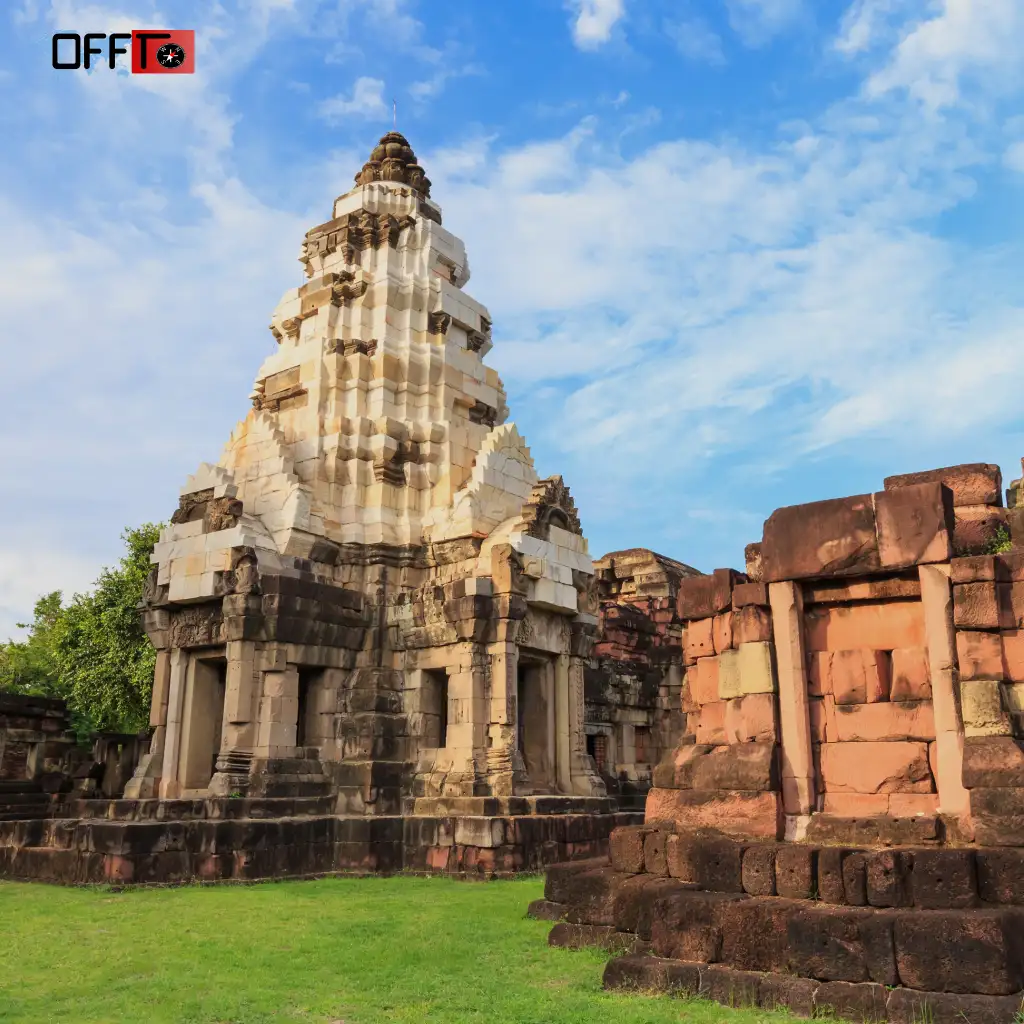
The best time to visit Hampi depends on your preferences for weather, crowd size, and the type of experience you seek. Each season brings something different to the table, and understanding the tradeoffs can help you plan the perfect trip.
Winter (Oct–Feb): Best Overall
Winter is undoubtedly the best time to visit Hampi, with pleasant weather that’s ideal for exploring the ruins and temples. During these months, the temperature ranges from 15°C to 30°C (59°F to 86°F), providing comfortable conditions for sightseeing, hiking, and photography. The skies are typically clear, and the cooler evenings are perfect for enjoying sunsets over the boulder-strewn landscape.
Pros
- Ideal weather for outdoor activities.
- Clear skies and great visibility for photography.
- Festivals such as the Hampi Utsav (Hampi Festival) take place during winter, adding a cultural experience to your visit.
Cons
- This is peak tourist season, so expect larger crowds at major attractions.
- Accommodation prices can be slightly higher during this period.
Summer (Mar–May): Harsh but Fewer Crowds
The summer months in Hampi can be quite harsh, with temperatures soaring above 35°C (95°F). The heat can make outdoor activities and long sightseeing tours uncomfortable, especially during the midday hours. However, summer offers the advantage of fewer tourists, allowing for a more serene and personal experience of the ruins.
Pros
- Fewer crowds and more opportunities for peaceful exploration.
- Lower accommodation rates compared to winter.
Cons
- The intense heat may limit sightseeing to early mornings or late afternoons.
- Limited outdoor activities due to the scorching weather, unless you’re well-prepared for the heat.
Monsoon (Jun–Sep): Green but Limited Exploration
Monsoon season in Hampi brings a lush, green landscape, which can be beautiful for nature lovers and photographers. The temperature remains relatively moderate, ranging from 25°C to 30°C (77°F to 86°F), but heavy rains can disrupt outdoor activities and sightseeing. Roads to some remote spots may become slippery or even inaccessible due to rain, limiting exploration options.
Pros
- Beautiful greenery and fewer tourists.
- Ideal for those looking for a peaceful, off-the-beaten-path experience.
- The landscape is incredibly photogenic during the monsoon season.
Cons
- Frequent rainfall can make sightseeing difficult, especially at remote locations.
- Some sites may be difficult to reach, and certain activities, like hiking and cycling, may not be ideal.
Hampi Weather & Travel Conditions Explained
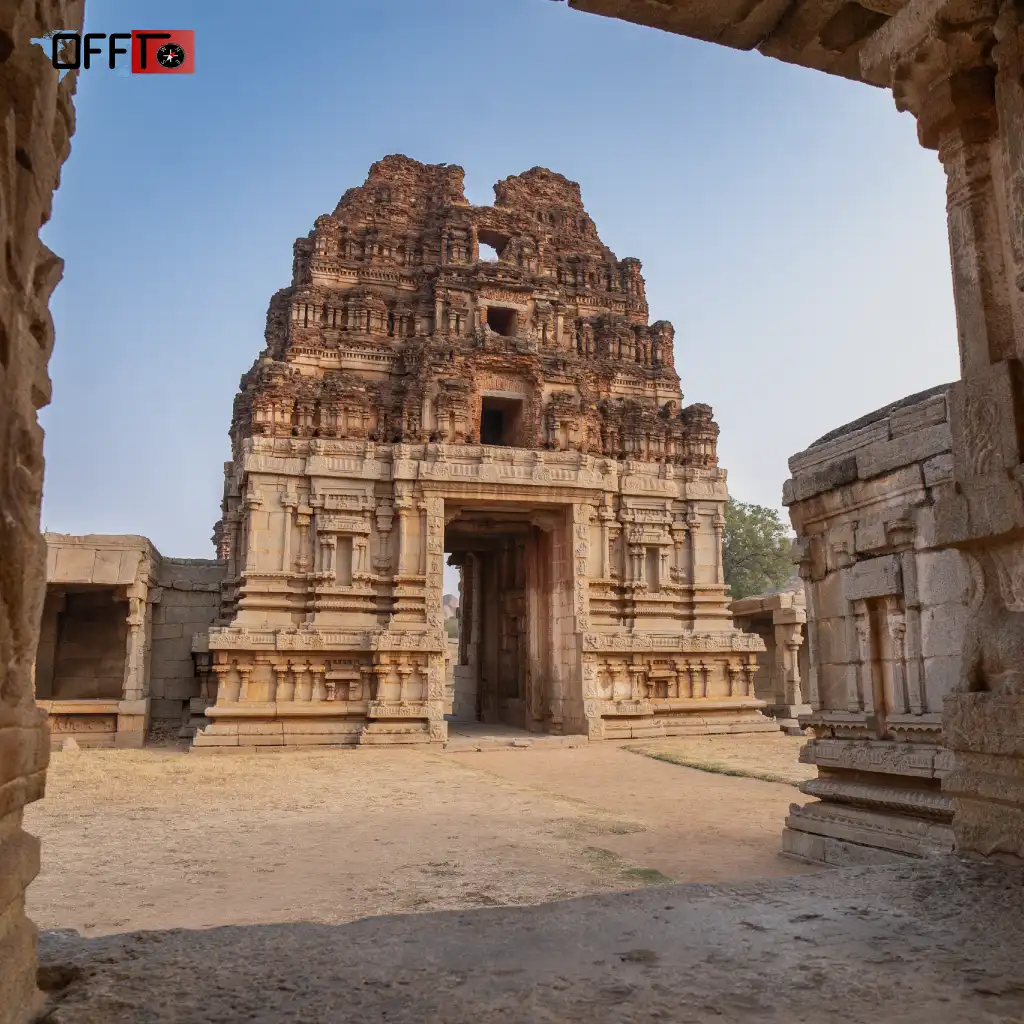
Understanding the weather in Hampi is essential to plan your trip effectively, as it directly affects your travel experience, from sightseeing to photography. Here’s a month-wise breakdown and what to expect throughout the year.
Month-Wise Temperature Breakdown
- October–February (Winter): This is the most comfortable time to visit Hampi, with temperatures ranging from 15°C to 30°C. It’s perfect for outdoor activities like sightseeing, hiking, and photography. The cooler evenings are ideal for exploring the temples and historical sites at sunset.
- March–May (Summer): Temperatures soar, often exceeding 35°C, making the midday sun harsh. Early mornings and late afternoons are the best times to explore the city. Be prepared for extreme heat if you visit during these months.
- June–September (Monsoon): The temperature remains mild, ranging from 25°C to 30°C. While it’s cooler than summer, the monsoon rains can limit outdoor exploration. The lush green surroundings provide a refreshing atmosphere, but be prepared for unpredictable showers.
When Sightseeing Becomes Difficult
The best time for sightseeing is during winter when the weather is not only pleasant but also conducive for exploring Hampi’s vast expanse of historical sites. During the summer, sightseeing becomes challenging due to the intense heat, especially around noon. Monsoon months offer a mix of ideal temperatures and occasional rain, which can disrupt exploration, particularly at less accessible spots.
Best Time for Photography vs. Exploration
- Best for Photography: Winter provides the best conditions for photography, thanks to the clear skies and cooler temperatures. The soft lighting at sunrise and sunset makes for stunning photographs of the temples, ruins, and natural landscapes. Monsoon also offers beautiful photographic opportunities, with the green, misty landscapes, but the unpredictability of rain might hinder your plans.
- Best for Exploration: Winter is again the best for exploration, as the cooler temperatures make it easier to walk through the temples and ruins. Summer is less ideal for sightseeing unless you’re prepared for the heat, and monsoon might make certain trails or remote sites difficult to access.
Overall, Hampi’s weather plays a crucial role in planning your trip. Winter remains the best time to visit for overall comfort, clear skies, and vibrant cultural events. However, summer and monsoon can offer more solitude and unique experiences, albeit with some trade-offs in weather and accessibility.
Places to Visit Near Hampi (Extend Your Trip)

If you’re planning to explore beyond Hampi’s famous ruins and landscapes, there are several nearby destinations worth visiting. These places offer a mix of historical, cultural, and natural experiences, making them perfect for extending your trip.
Badami
Located approximately 120 km from Hampi, Badami is known for its rock-cut temples and caves. Badami was once the capital of the Chalukya dynasty, and its ancient temples, carved into sandstone cliffs, are a must-visit for history and architecture enthusiasts. The Badami Caves, with their intricately carved temples, provide a serene and historical experience that complements your time in Hampi.
Best For: History lovers, photographers, and culture seekers.
Distance from Hampi: 120 km (2.5–3 hours by road).
Top Attraction: Badami Caves, Agastya Lake.
Aihole
About 145 km from Hampi, Aihole is known for its historic temples and is often referred to as the “Cradle of Indian Architecture.” Aihole boasts more than 125 temples, each reflecting the early experiments of temple architecture in Karnataka. The Durga Temple and Ravanaphadi Cave Temple are some of the highlights here.
Best For: Architecture and history enthusiasts.
Distance from Hampi: 145 km (3 hours by road).
Top Attraction: Durga Temple, Ravanaphadi Cave.
Pattadakal
A UNESCO World Heritage Site, Pattadakal is located about 130 km from Hampi. It is renowned for its impressive temples that represent a fusion of North and South Indian architectural styles. The Virupaksha Temple and Mallikarjuna Temple stand out for their intricate carvings and historical significance. The site is perfect for those interested in ancient temple architecture.
Best For: History, culture, and architecture enthusiasts.
Distance from Hampi: 130 km (2.5–3 hours by road).
Top Attraction: Virupaksha Temple, Mallikarjuna Temple.
Daroji Bear Sanctuary
If you love nature and wildlife, the Daroji Bear Sanctuary is a unique destination near Hampi, located about 15 km away. This sanctuary is home to the sloth bear, and a visit here provides an opportunity to see these fascinating creatures in their natural habitat. The sanctuary also offers stunning views of the rocky landscape, making it a perfect spot for nature walks.
Best For: Nature lovers and wildlife enthusiasts.
Distance from Hampi: 15 km (30 minutes by road).
Top Attraction: Sloth bears, scenic landscapes.
How to Plan a Hampi Trip (Step-by-Step)

Planning your Hampi trip requires balancing historical exploration, scenic views, and the best times to visit the attractions. Whether you’re a short-term traveler or prefer to soak in Hampi’s tranquility for a longer period, here’s a step-by-step guide to help you plan your ideal trip.
Ideal Duration: 1–2 Days vs. 3 Days
- 1–2 Days: If you’re on a time crunch, 1–2 days in Hampi can give you a good introduction to the key temples, ruins, and viewpoints. You can cover major attractions like Virupaksha Temple, Vittala Temple, and Matanga Hill in this timeframe, though you may need to prioritize based on your interests.
- 3 Days: If you prefer a more leisurely experience, 3 days will allow you to explore Hampi at a slower pace, including nearby spots like Hampi Bazaar and the Tungabhadra River. You’ll also have more time for sunset views, exploring the lesser-known ruins, and perhaps a coracle ride.
Budget Breakdown (Budget → Mid → Premium)
- Budget: For budget travelers, staying at guesthouses near Hampi Bazaar or Virupapur Gadde (Hippie Island) is the most affordable option. Local buses or renting a bike can be inexpensive ways to get around.
- Mid Range: Opt for budget-friendly yet comfortable accommodations with better amenities, such as guesthouses and eco-resorts around Hampi. A guided tour can help you explore the site with added context and insight.
- Premium: For those seeking luxury, premium resorts near Hospet or Hampi offer top-notch facilities, including swimming pools, private tours, and relaxing views of the ruins. This option provides a more lavish experience of the area.
Travel Flow: Arrival → Ruins → Sunset → Explore
- Arrival: Begin your Hampi trip by arriving in Hospet, which is the nearest town and connects well with major cities like Bangalore, Hyderabad, and Goa.
- Ruins: Start your exploration with the main historical sites like Virupaksha Temple, Vittala Temple, and Achyutaraya Temple. It’s best to visit these sites in the morning when they are less crowded.
- Sunset: Make sure to catch the sunset at Matanga Hill or Hemakuta Hill to witness the ruins bathed in a golden hue, offering great photography opportunities.
- Explore: In the evenings, spend time exploring Hampi Bazaar for local handicrafts, or opt for a coracle ride on the Tungabhadra River.
Hampi Itinerary (1–2 Day Practical Plan)
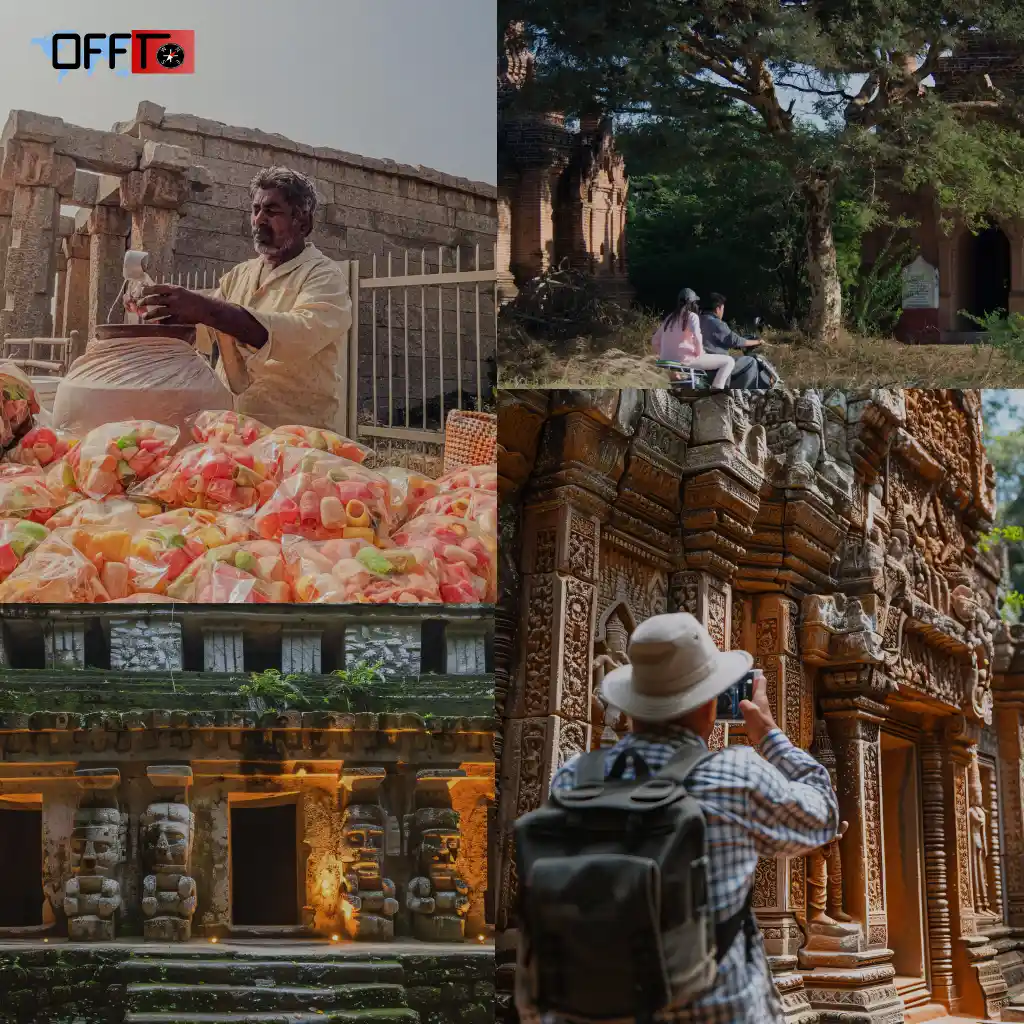
Whether you have a single day or two days to explore Hampi, this itinerary will guide you through the must-see sights and experiences, while ensuring you don’t feel rushed.
Day 1: The Heart of Hampi
Morning: Virupaksha Temple → Hampi Bazaar
Start your day by visiting the Virupaksha Temple, one of the most iconic Hampi temples. Arrive early to avoid the crowds and experience the tranquility of this ancient place of worship. Afterward, take a short walk to Hampi Bazaar, located right next to the temple. You can browse through local handicrafts, buy souvenirs, and enjoy the lively atmosphere of the market.
Midday: Royal Enclosure → Elephant Stables
Head to the Royal Enclosure, a historical complex that once served as the seat of the Vijayanagara Empire. The Elephant Stables and Lotus Mahal are nearby and provide fantastic photo opportunities. Spend some time exploring these monuments and absorbing the grandeur of the Vijayanagara era.
Afternoon: Queen’s Bath → Sunset at Hemakuta Hill
Next, visit the Queen’s Bath, an intricately designed structure with a mix of Hindu and Islamic architecture. It’s a peaceful spot to enjoy the ancient architectural style. Later, make your way to Hemakuta Hill to catch one of the best sunsets in Hampi. The panoramic views of the temple ruins, boulders, and the surrounding landscape are breathtaking as the sun dips below the horizon.
Day 2: Explore Hampi’s Iconic Sights
Morning: Vittala Temple → Stone Chariot
Begin your second day by visiting Vittala Temple, home to the famous Stone Chariot. This UNESCO World Heritage site is a perfect example of Dravidian architecture, with intricately carved columns and pillars. The Stone Chariot is one of the most photographed landmarks in Hampi and a must-see.
Midday: Coracle Ride → Tungabhadra River
After touring the temple, enjoy a coracle ride on the Tungabhadra River. This traditional round boat offers a unique perspective of Hampi’s landscape, giving you a quiet and peaceful way to experience the area. A boat ride in the morning or late afternoon provides the best light for photography.
Afternoon: Matanga Hill Sunrise → Explore Local Cafes
Climb Matanga Hill for a sunrise view over the ruins and boulder-strewn landscape of Hampi. The early morning light adds a golden glow to the ancient temples and monuments, creating a magical atmosphere. Afterward, spend your afternoon exploring local cafes near Virupapur Gadde (Hippie Island) and enjoy a laid-back atmosphere with some great food. This is a perfect spot to relax before wrapping up your visit.
Best Places to Stay in Hampi
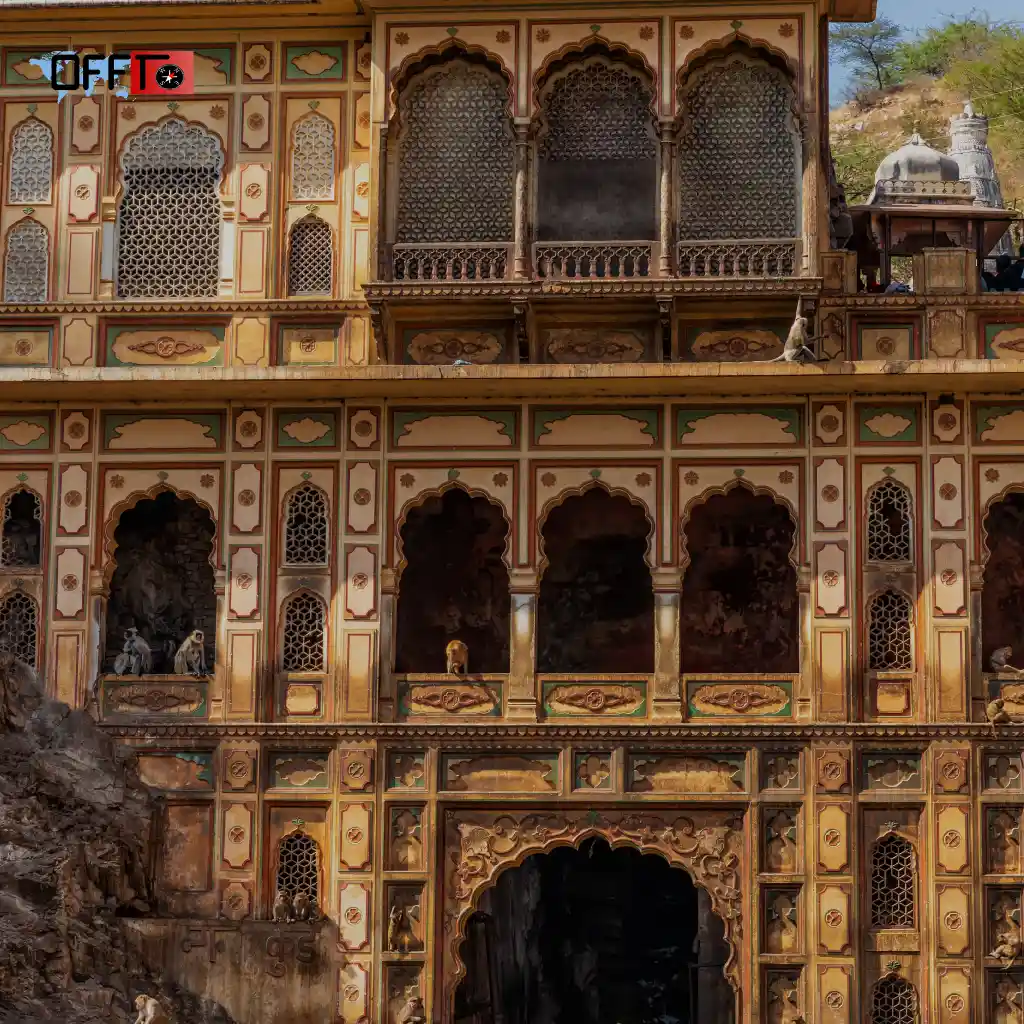
Hampi offers a wide range of accommodations, from budget guesthouses to premium resorts, ensuring there’s something for every traveler. Here’s a breakdown of the best places to stay in Hampi, depending on your budget and preferences.
Budget Guesthouses (Hampi Bazaar Side)
If you’re on a budget, staying near Hampi Bazaar is a convenient option. Many budget guesthouses are located here, offering simple rooms with basic amenities. These guesthouses are an excellent choice for travelers who want to be close to the main temples, markets, and historical sites. You’ll find a variety of options, from clean, no-frills rooms to small homestays with a local touch.
Best For: Budget-conscious travelers and those who want to stay close to the temples and Hampi Bazaar.
Recommended Area: Hampi Bazaar.
Example Accommodations: Hotel Mayura Hampi, Prakash Guest House.
Hippie Island Stays (Virupapur Gadde Side)
For a more relaxed, alternative vibe, head to Virupapur Gadde, also known as Hippie Island. This area offers unique stays like riverside cottages, eco-resorts, and boutique guesthouses. The accommodation here is often more laid-back and comes with beautiful views of the river and surrounding boulders. It’s perfect for travelers looking to escape the crowds and enjoy a quieter, more peaceful stay.
Best For: Solo travelers, couples, and those seeking a peaceful, scenic atmosphere.
Recommended Area: Virupapur Gadde (Hippie Island).
Example Accommodations: Hampi’s Boulders, Gopi Guest House.
Premium Resorts Near Hospet
For those seeking a more luxurious experience, the area around Hospet, just outside Hampi, offers premium resorts and hotels. These upscale properties offer larger rooms, top-tier amenities, and are often set in lush surroundings. Staying here allows you to enjoy the tranquility of nature while still being close to Hampi’s key attractions.
Best For: Luxury travelers or those who prefer a more comfortable stay with additional amenities like spas, pools, and fine dining.
Recommended Area: Hospet.
Example Accommodations: Eagle Ridge Resort, Krishna Palace.
Travel Tips for Hampi
Hampi is a destination that blends historical exploration with natural beauty, making it an exciting yet sometimes challenging location to navigate. Here are some practical travel tips for Hampi to ensure your visit is smooth, enjoyable, and comfortable.
Rent a Cycle/Scooter
Hampi’s attractions are spread out over a large area, so renting a cycle or scooter is one of the best ways to get around. This gives you the flexibility to explore the ruins and temples at your own pace, without being dependent on public transport. Renting a cycle is particularly recommended for those who enjoy biking through scenic landscapes, while a scooter offers more comfort and speed for covering greater distances. Local rental shops near Hampi Bazaar or Virupapur Gadde offer affordable rates for both cycles and scooters.
Tip: Opt for an early morning ride to avoid the midday heat.
Start Early (Heat Management)
The heat in Hampi can be intense, especially during the summer months (March–May). To avoid the harsh midday sun and the crowds, it’s best to start your sightseeing early in the morning. The cooler temperatures in the morning make it easier to explore sites like Virupaksha Temple, Vittala Temple, and Matanga Hill. Additionally, visiting early allows you to capture the temples and landscapes in the best natural light for photography.
Tip: Carry a water bottle, wear light clothing, and use sunscreen to stay comfortable while exploring.
Entry Timings for Monuments
Most of Hampi’s major monuments and temples are open from 6 AM to 6 PM, but some specific sites like the Virupaksha Temple have extended hours, especially during festivals and holidays. It’s advisable to check the opening hours of the temples and monuments you plan to visit before heading out, as some smaller sites may close earlier in the evening. Plan your visits accordingly to ensure you don’t miss any of the key attractions.
Tip: If you’re interested in watching the sunset, Hemakuta Hill and Matanga Hill are some of the best viewpoints, but they may get crowded by evening.
Local Transport Reality
While Hampi doesn’t have a well-established public transport system, local options like auto-rickshaws and shared taxis are available for hire. However, be prepared to negotiate prices as these services are not metered. For those traveling between Hampi Bazaar and Virupapur Gadde, the ride can be quite short, but the roads may be bumpy or narrow in certain areas. Hiring a local auto-rickshaw for a day can also be a convenient option if you prefer not to rent a cycle or scooter.
Tip: When hiring an auto-rickshaw, it’s a good idea to agree on the fare before starting the journey to avoid misunderstandings later.
FAQs
Where is Hampi located?
Hampi is located in the state of Karnataka, India, approximately 13 km from the town of Hospet. It’s well-connected to major cities like Bangalore (350 km), Hyderabad (380 km), and Goa (320 km), making it easily accessible by road.
What is Hampi famous for?
Hampi is famous for its historical significance as the former capital of the Vijayanagara Empire. The site boasts magnificent temples, ruins, and monuments, including the Virupaksha Temple and the Stone Chariot at Vittala Temple, all set in a unique boulder-strewn landscape.
What are the best places to visit in Hampi?
Key places to visit in Hampi include Virupaksha Temple, Vittala Temple, Matanga Hill, Hemakuta Hill, Royal Enclosure, and Hampi Bazaar. The Tungabhadra River and Lotus Mahal are also notable attractions, showcasing Hampi’s rich history and stunning architecture.
What are the best things to do in Hampi?
Top activities in Hampi include exploring ancient temples, cycling through the ruins, taking a coracle ride on the Tungabhadra River, hiking to Matanga Hill for a sunrise view, and enjoying sunset views from Hemakuta Hill or Matanga Hill.
What is the best time to visit Hampi?
The best time to visit Hampi is from October to February (winter) when the weather is cool and pleasant, ideal for sightseeing. Summer can be harsh, while monsoon offers lush greenery but may restrict outdoor exploration due to rains.
Which god is famous in Hampi?
The most famous deity in Hampi is Lord Virupaksha, a form of Lord Shiva. The Virupaksha Temple, dedicated to him, is one of the most significant temples in Hampi and still remains an active place of worship.
Is 1 day enough for Hampi?
While 1 day in Hampi gives you a glimpse of the key attractions like Virupaksha Temple and Vittala Temple, a longer stay is recommended to fully explore the historical ruins, viewpoints, and hidden gems at a more leisurely pace.
What to see in Hampi in 1 day?
In 1 day, visit Virupaksha Temple, Vittala Temple (Stone Chariot), Hampi Bazaar, and Royal Enclosure. End your day with a stunning sunset view from Hemakuta Hill or Matanga Hill for the best experience of the ruins and landscapes.
Are there places to stay in Hampi for all budgets?
Yes, Hampi offers a wide range of accommodations, from budget guesthouses near Hampi Bazaar to mid-range options and luxury resorts near Hospet. For a unique experience, consider staying at riverside cottages on Hippie Island (Virupapur Gadde).
What are the places to visit near Hampi?
Nearby attractions include Badami, Aihole, Pattadakal, and Daroji Bear Sanctuary. These destinations offer additional historical sites, temples, and natural beauty, perfect for extending your trip beyond Hampi’s main attractions.
Read more >>>
Nag Tibba Trek – A Complete Guide to the Best Trek in Uttarakhand
Bandaje Falls Trek Guide – Route, Distance, Difficulty & Travel Tips
Final Take: Is Hampi Worth Visiting?
Who Will Love It
Hampi is a must-visit for history lovers, photographers, and those seeking a slow travel experience. The ancient temples, royal enclosures, and breathtaking landscapes offer a deep dive into India’s rich heritage. The serene environment and magical sunsets make it a haven for those who appreciate cultural exploration and photography.
Who May Skip
Luxury-focused travellers or those on a fast-paced itinerary may find Hampi less appealing. The area’s rugged terrain, limited luxury facilities, and slower pace of life might not suit those looking for quick, high-end experiences or extensive modern amenities.
Explore Hampi Trip with Offto Travellers
Planning your Hampi trip with Offto Travellers ensures a seamless journey through history, culture, and adventure. From budget stays to premium resorts, we offer a range of accommodations to suit every traveler. Whether you’re exploring Hampi’s iconic temples, enjoying sunset views from Matanga Hill, or taking a coracle ride along the Tungabhadra River, Offto has curated itineraries to help you make the most of your visit.
Book your stay with Offto Travellers, and enjoy personalized recommendations for stays, experiences, and nearby heritage trips like Badami, Pattadakal, and Aihole. Let Offto be your travel companion in planning your ideal trip to Hampi, with insights that guide you every step of the way.
Sign up
Leave a Reply