
Pangarchulla Trek offers a thrilling Himalayan experience, reaching an elevation of 4,450 meters (14,600 feet). It spans 21-24 kilometers, with challenging snow-covered sections, especially on summit day. Ideal for seasoned trekkers, it provides breathtaking panoramic views, but is demanding due to its altitude and steep final climb.
Introduction of Pangarchulla Peak Trek
The Pangarchulla trek stands out among the many Himalayan treks in Uttarakhand for its thrilling summit climb and challenging snow-covered terrain. The trek combines stunning alpine meadows, dense oak forests, and a final push to the snow-covered Pangarchulla Peak, providing a memorable challenge for trekkers seeking adventure without requiring technical climbing skills.
One of the primary reasons trekkers find this trek so exciting is the final summit push, which offers a heart-racing ascent through thick snow, creating a true sense of achievement. The 360-degree panoramic views from the summit, including the majestic Nanda Devi and Trishul peaks, provide a fitting reward for the trek’s efforts.
A practical insight: the summit climb is steep, making it physically demanding, especially at high altitudes, but the vistas at the peak more than compensate for the tough final section.
Pangarchulla Peak Height & Himalayan Location
The Pangarchulla Peak stands tall at an elevation of 4,450 meters (14,600 feet), nestled in the Garhwal region of Uttarakhand within the Himalayan mountain range. This height places it among the moderate-to-high altitude treks, offering an exciting yet achievable challenge for trekkers. The trek is particularly popular for those seeking to experience the Himalayan summits without venturing into more technical or longer treks.
The trek’s location also provides stunning views of nearby peaks, including Nanda Devi, Trishul, and Dronagiri, all of which form part of the Nanda Devi Sanctuary, a UNESCO World Heritage site. The location of the trek makes it perfect for both beginners and intermediate trekkers looking to tackle high-altitude climbs with relatively less risk.
What Makes This Trek Different From Kedarkantha & Kuari Pass
Pangarchulla offers a distinctive Himalayan trekking experience that is often compared to other popular treks like Kedarkantha and Kuari Pass. While these treks are well-loved for their scenic landscapes, Pangarchulla stands out for the summit climb that challenges trekkers more directly.
- Kedarkantha is known for its gentle ascent and is more suited for beginners, while Pangarchulla requires more effort, especially in the final stages.
- Kuari Pass offers open meadows and gradual climbs, ideal for scenic views, but Pangarchulla’s summit push through snow adds an extra layer of excitement for seasoned trekkers looking for a more physically demanding challenge.
A key tradeoff to consider: Pangarchulla Peak trek can feel more challenging, especially due to its final summit ascent, but it rewards trekkers with a heightened sense of accomplishment once they reach the top.
The Summit Climb Experience Explained
The summit climb of Pangarchulla is what truly sets it apart from many other treks in the region. As you ascend towards the peak, the path gets steeper and snowier, pushing trekkers to their physical limits. The climb is demanding, and the snow-covered terrain can be tricky to navigate. However, this is precisely what makes the experience so exhilarating.
The last 400 meters to the summit involve a steep snow slope, requiring trekkers to use ice axes and crampons. These technical tools make the climb easier, but they also add to the excitement and adventure of reaching the summit. The exposed ridge near the top offers a breathtaking panoramic view of the Himalayas, making it all worth it.
Summit tip: It’s recommended to start the summit climb early in the morning, as the snow becomes softer and more challenging to ascend as the day progresses.
Why Pangarchulla Is Known for Its Final Summit Push
The final push to Pangarchulla Peak is what earns this trek its reputation. The climb requires focus and endurance, as trekkers ascend steep, snow-covered slopes that are often windswept and icy. This stretch requires trekkers to use both physical strength and mental resolve to continue toward the summit.
Unlike other treks that may have a gradual ascent, Pangarchulla’s summit climb tests a trekker’s resilience. The final 200 meters are particularly steep, where the thin air and snowy terrain can increase the difficulty. But the sense of achievement upon reaching the summit is unmatched, especially when the surrounding peaks come into full view.
Where Is Pangarchulla Located?
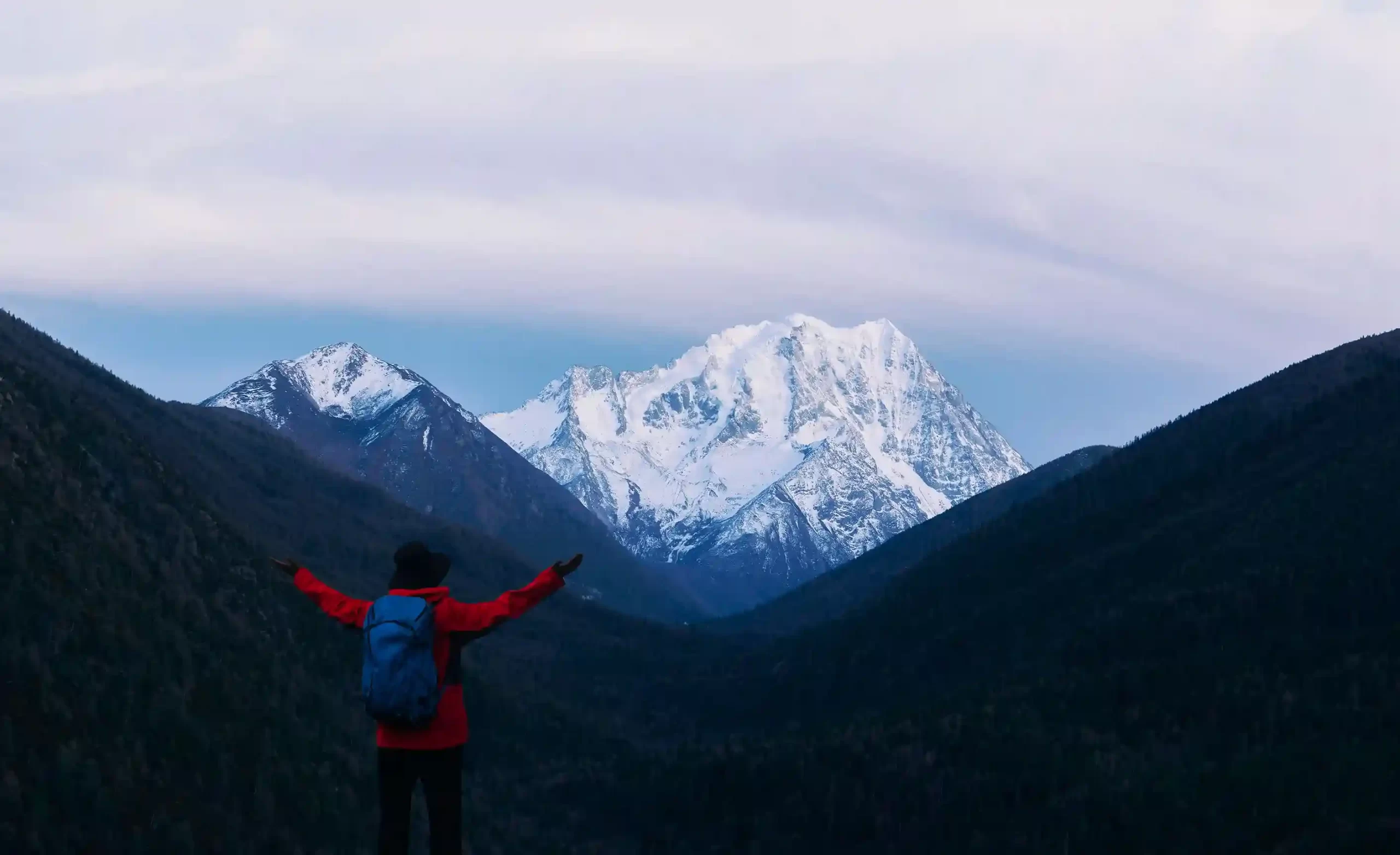
Pangarchulla Trek Location in Uttarakhand
The Pangarchulla trek is located in the Garhwal region of Uttarakhand, a region known for its beautiful mountain ranges, pristine forests, and serene alpine meadows. The trek begins at Joshimath, which serves as the base camp, and follows a well-marked route that takes trekkers through Khullara Camp and Gulling Top, before reaching the summit.
This region of Uttarakhand is home to some of the most awe-inspiring landscapes, with views of towering peaks like Nanda Devi and Trishul, making it a dream destination for trekkers and adventure enthusiasts.
Is Pangarchulla in the Himalayas?
Yes, the Pangarchulla trek is located in the Himalayas, specifically within the Garhwal range, one of the most famous trekking regions in the Indian Himalayas. It offers an opportunity to experience the Himalayan summits without the extended commitment of more complex or technical treks. The location within the Nanda Devi Sanctuary means trekkers are surrounded by some of the highest and most iconic peaks in the region.
Nearest Base Village & Trek Starting Point
The nearest base village to the Pangarchulla trek is Joshimath, located at an altitude of around 1,890 meters. From Joshimath, the trek begins with a drive to Auli, which serves as the starting point. From here, the trek heads to Khullara Camp, and then onward to Pangarchulla Peak.
Joshimath is a small hill station that is easily accessible from Rishikesh and Haridwar and serves as an excellent base for various treks in the region.
Distance From Rishikesh, Haridwar & Joshimath
- From Rishikesh: 255 km (approximately 8-9 hours by road)
- From Haridwar: 290 km (approximately 10 hours by road)
- From Joshimath: 12-15 km (via road) to reach the trek’s starting point
The road journey to Joshimath is a scenic one, as it takes you through the foothills of the Himalayas and offers views of the Alaknanda River.
Nearest Railway Station & Airport
- Nearest Railway Station: Rishikesh (around 255 km from Joshimath)
- Nearest Airport: Jolly Grant Airport (Dehradun), approximately 280 km away from Joshimath.
Both Rishikesh and Dehradun offer excellent transport connectivity to Joshimath, making them ideal starting points for travelers.
Pangarchulla Trek Distance, Height & Altitude
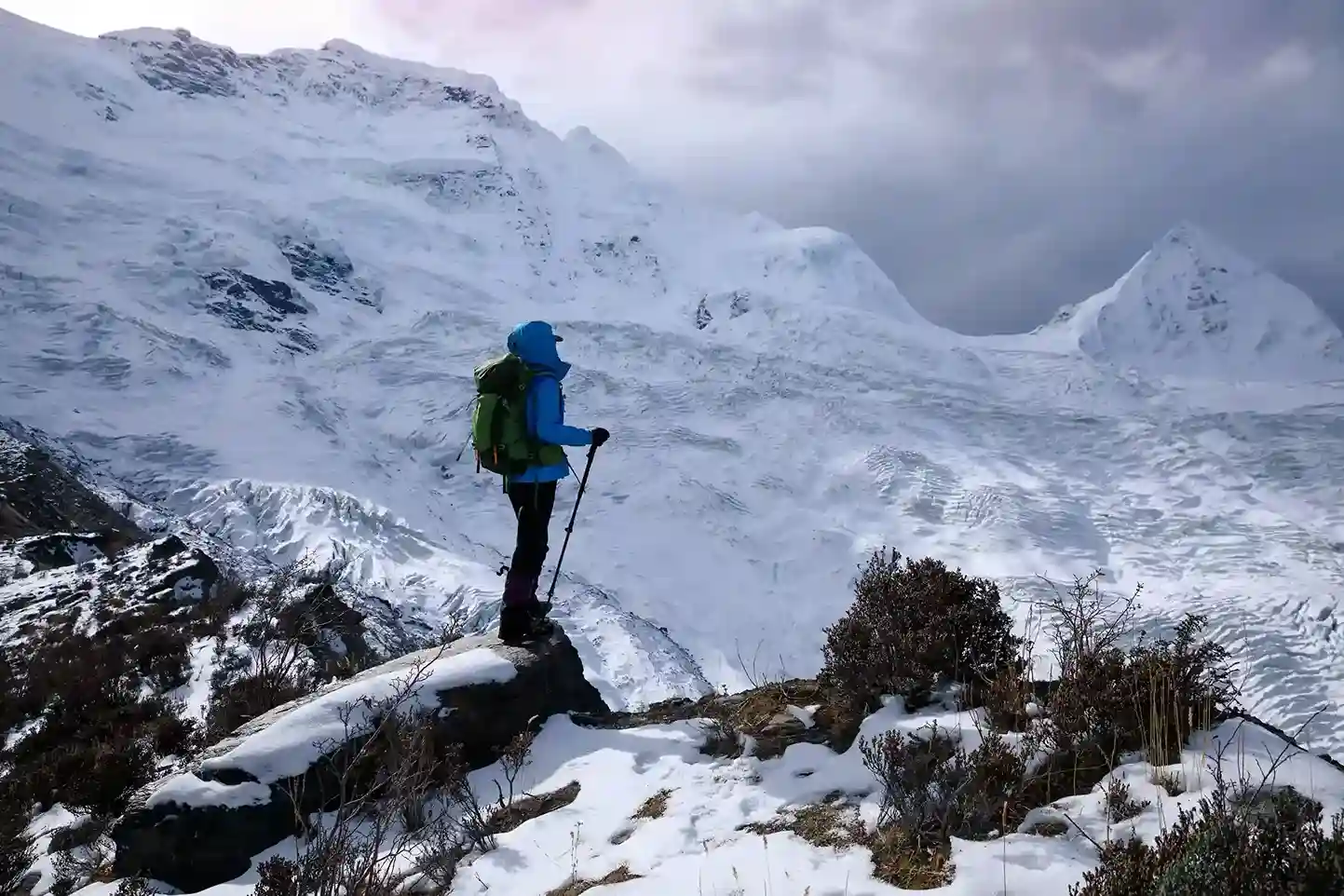
Pangarchulla Trek Distance Explained
The Pangarchulla trek spans a total distance of approximately 21–24 kilometers, covering both ascent and descent. The trek is divided into manageable stages, each day bringing trekkers closer to the snow-covered summit. The trek usually begins from Joshimath, and the daily trekking distances vary between 4–7 kilometers, depending on the campsite and route chosen.
The initial sections are mostly through forest trails and alpine meadows, with a gradual climb. As you move forward, the terrain transitions into snow-covered landscapes, making the trek both visually stunning and physically challenging.
Total Trek Distance & Daily Trekking Breakdown
Here’s a breakdown of the total trek distance:
- Day 1: Joshimath to Auli (via road)
- Day 2: Auli to Khullara Camp (5–6 km, moderate ascent)
- Day 3: Khullara Camp to Pangarchulla Summit (7–8 km, long and strenuous ascent)
- Day 4: Summit day and return to Khullara Camp (6–7 km)
- Day 5: Khullara Camp to Auli (descent) and return to Joshimath
The trekking days are not excessively long but can feel strenuous due to the altitude and snow conditions. As the trek progresses, the elevation gain makes each step feel more challenging, especially on summit day.
Pangarchulla Trek Height vs Pangarchulla Peak Height
The Pangarchulla trek takes trekkers through varied altitudes, with the final destination being Pangarchulla Peak, standing at 4,450 meters (14,600 feet). However, the trek itself starts from Joshimath, which is at 1,890 meters.
- Base camp (Khullara Camp) sits at around 3,300 meters, and trekkers experience significant elevation gain as they ascend through snowy alpine landscapes.The difference in height between Joshimath and Pangarchulla Peak gives trekkers the opportunity to acclimatize at Khullara Camp, but it also means that altitude sickness can be a concern as the trek progresses. The final push to the summit involves reaching the highest point, where the weather conditions and snow add extra difficulty.
Maximum Altitude Reached During the Trek
The maximum altitude reached on the Pangarchulla trek is 4,450 meters (14,600 feet), at the summit of Pangarchulla Peak. This is considered a high-altitude trek, and trekkers need to be physically prepared for the thin air at the summit.
The significant elevation gain over the span of the trek means that trekkers need to acclimatize properly to avoid altitude sickness. The trek is a perfect challenge for those who have some experience with high-altitude treks but is still manageable for intermediate trekkers who are physically prepared.
Elevation Gain & Acclimatization Insights
Over the course of the Pangarchulla trek, trekkers gain a total of around 2,500 meters in altitude, from the starting point at Joshimath (1,890 meters) to the summit of Pangarchulla Peak (4,450 meters).
- Acclimatization plays a key role in the trek, particularly because trekkers are gaining significant elevation within a short period.
- Spending extra time at Khullara Camp allows trekkers to adjust to the higher altitudes before tackling the steeper and snowier summit push.
It’s important to listen to your body, and be prepared for potential symptoms of altitude sickness, including headaches and dizziness. Trekking at this altitude requires both physical preparation and an awareness of how the body responds to high-altitude conditions.
How Many Kilometers Is Pangarchulla Trek?
The total trek distance is around 21–24 kilometers. However, this varies slightly depending on specific trekking routes or detours taken on the journey.
- The distance from Auli to Khullara Camp is approximately 5–6 km, with a moderate ascent.
- The summit push from Khullara Camp to Pangarchulla Peak is the longest stretch, spanning 7–8 km of steep snow-covered terrain.
The entire trek involves significant elevation changes, making it more about altitude gain and terrain than simply the distance covered each day.
Best Time to Visit Pangarchulla Trek
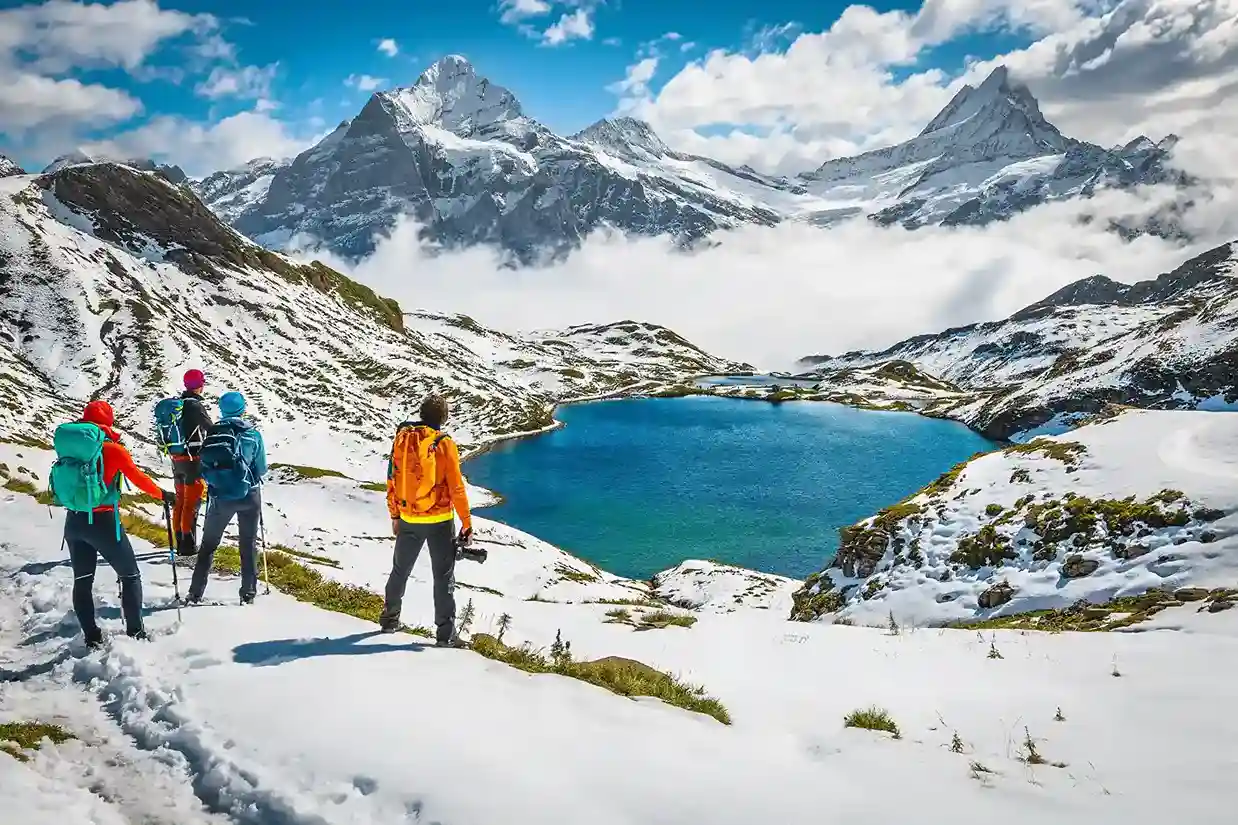
Pangarchulla Trek Best Time Explained
The best time to visit Pangarchulla largely depends on the seasonal weather conditions you’re looking for. This trek is accessible throughout the year, but the weather plays a critical role in both the experience and difficulty of the trek.
The ideal time to trek Pangarchulla is during the pre-monsoon and post-monsoon months—specifically from March to June and September to November. These months offer clear skies, moderate temperatures, and minimal snowfall, making for a safer and more enjoyable trekking experience. The spring and autumn months also provide a breathtaking view of the peaks and a less challenging summit climb due to favorable weather conditions.
Spring vs Autumn Trek Experience
- Spring (March to April)
- Pros: This season brings flowering rhododendrons, pleasant daytime temperatures, and clear skies. The snow is still present but not too deep, making the summit push challenging yet achievable.
- Cons: Nights are still cold, especially at higher camps, and the summit climb can be more physically demanding as you’re dealing with lingering snow.
- Autumn (September to November)
- Pros: One of the best times for trekking, autumn offers clear skies, comfortable temperatures, and dry trails. This period also provides post-monsoon greenery and crisp mountain air, ideal for trekkers looking for a rewarding trek with minimal snowfall.
- Cons: The nights at higher altitudes can get chilly, and trekkers need to prepare for the colder evening temperatures.
Both spring and autumn are ideal times for summit attempts, with optimal weather conditions to complete the trek comfortably and safely.
Best Months for Snow on Pangarchulla
If your goal is to experience snow and witness snow-covered trails, the best months for snow on the Pangarchulla trek are typically during winter (from December to February). During this time, the entire trek route—including the summit—will be covered in deep snow, adding a beautiful but challenging element to the trek.
However, while snow makes for a spectacular trek, it also comes with increased difficulty
- The summit climb becomes steeper and more strenuous
- Snowfall can make trails slippery, and the wind chill at higher altitudes can be intense.
A practical insight: Winter trekking on Pangarchulla is better suited for experienced trekkers who are prepared for technical climbs and the cold.
Weather Conditions During Different Seasons
The weather conditions on the Pangarchulla trek vary dramatically depending on the season
- Spring (March to April): Cool temperatures during the day, cold at night, with moderate snow conditions on the summit.
- Summer (May to June): Mild temperatures with minimal snow on the lower parts of the trek but clear skies for great views.
- Monsoon (July to August): Heavy rainfall, muddy trails, and increased risk of landslides make this a dangerous period for trekking.
- Autumn (September to November): Dry and clear conditions, with minimal snow, offering the best trekking experience.
- Winter (December to February): Cold, snow-covered trails, especially at higher altitudes, making this period more challenging but visually stunning.
The Pangarchulla trek is most suitable for trekking during autumn and spring, with summer being less ideal due to heat at lower altitudes, and monsoon being highly unsuitable due to risk factors.
Months to Avoid Due to Heavy Snowfall or Rain
- Monsoon (July to August): Avoid trekking in these months due to heavy rainfall, which makes trails slippery and unsafe. Additionally, landslides and flash floods can pose significant dangers.
- Winter (December to February): While the snow provides incredible scenery, the cold temperatures and high snowfall make the trek much more difficult, particularly for beginners.
Many trekkers expect Pangarchulla trek to be a moderate hike with an easy ascent, but the final summit push challenges this expectation. The altitude gain, the steep snow-covered slopes, and the technical summit climb make the trek more difficult than anticipated. However, the breathtaking summit views of the Himalayas and the sense of accomplishment make all the effort worthwhile.
Month-Wise Pangarchulla Weather Guide
March to April
- Weather: Moderate temperatures, with snow starting to melt but still present at higher altitudes. Clear skies and pleasant trekking conditions.
- Best for: Early spring trekking with minimal snow on the trail but beautiful views.
May to June
- Weather: Warm days with temperatures ranging from 10°C to 20°C. Minimal snow on the lower sections of the trek.
- Best for: Pre-monsoon trekking, but temperatures can rise higher, making it a bit warmer.
September to November
- Weather: Crisp, cool air, clear skies, and dry conditions after the monsoon season.
- Best for: The best trekking months, with minimal snow and great visibility.
Winter conditions overview
- Weather: Cold temperatures with significant snowfall. The higher reaches of the trek are covered in deep snow, and nights are extremely cold.
- Best for: Experienced trekkers seeking a winter challenge with a snowy summit climb.
Pangarchulla Weather & Temperature Guide
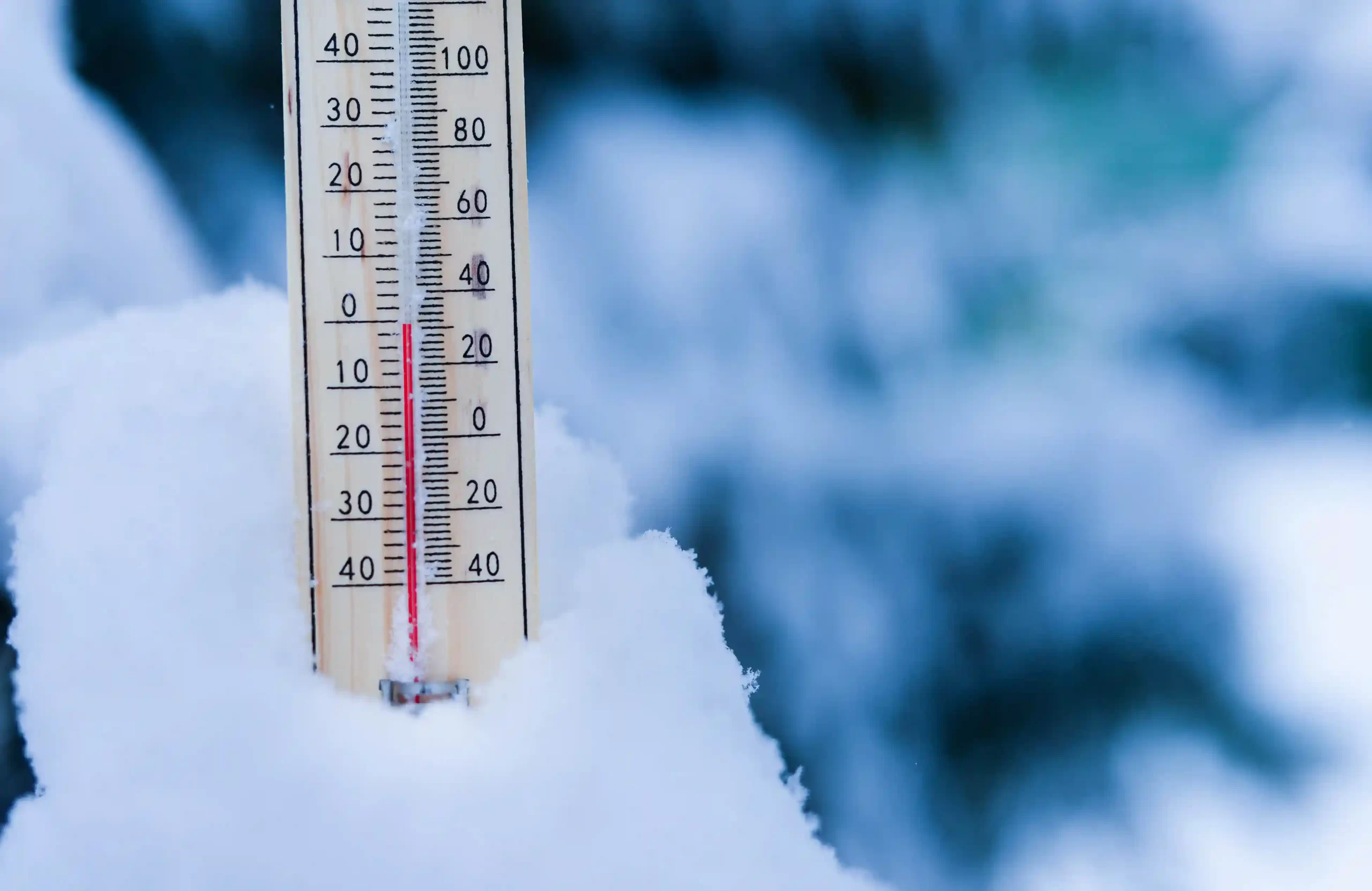
Pangarchulla Weather Throughout the Year
The weather on Pangarchulla varies significantly throughout the year, from the warm, pleasant spring and autumn conditions to the harsh, snowy winter days. At lower altitudes, the weather is generally moderate and suitable for trekking, but as you gain altitude, the temperature drops quickly.
During the summer months, the temperature can reach up to 20°C in the daytime but drops sharply at night to around 5°C or lower. In winter, the daytime temperatures can hover around 0°C or even colder, with night temperatures plummeting to -5°C or lower at higher camps.
Day vs Night Temperature at Higher Camps
- Daytime temperatures at higher camps (Khullara Camp or above) can range from -5°C to 5°C depending on the season.
- Night temperatures drop significantly, especially in winter and autumn, with sub-zero temperatures expected at camping sites.
As the trek nears Pangarchulla Peak, you should expect extremely cold temperatures during the night, even during spring or autumn. It’s important to layer your clothing and carry adequate sleeping gear for warmth.
Snowfall Conditions on the Trek
- Winter brings significant snowfall to the region, especially on the higher reaches.
- Spring and autumn can have light snow at higher altitudes, making the trek challenging, but still manageable.
- Snowfall can block trails and affect visibility, especially near the summit.
For trekkers looking for a snow-filled adventure, winter treks offer the most dramatic snow-covered views, though they come with higher difficulty.
Wind Conditions Near the Summit
As you approach the summit of Pangarchulla Peak, wind conditions can become severe. High-altitude winds are common, especially during the winter months. The wind chill factor can make the summit push even more challenging, with temperatures feeling much colder than they are.
- Expect strong gusts near the summit, especially on the final ascent.
- Windproof clothing and proper thermal gear are essential for protection.
How Weather Impacts Trek Difficulty
The weather plays a major role in determining how challenging the Pangarchulla trek will be. Here’s how it affects your experience
- Winter: While the snow provides incredible views, it also makes the trek more difficult due to the cold, deep snow, and the technical nature of the climb.
- Autumn & Spring: These months offer the best trekking conditions, with moderate temperatures, minimal snow, and clear views, making them the easiest times for the trek.
- Monsoon: Trekking during monsoon is not recommended due to the risk of slippery trails, heavy rainfall, and landslides.
- Winter (December to February): While the snow provides incredible scenery, the cold temperatures and high snowfall make the trek much more difficult, particularly for beginners.
Pangarchulla Trek Route & Itinerary
Complete Pangarchulla Trek Route Overview
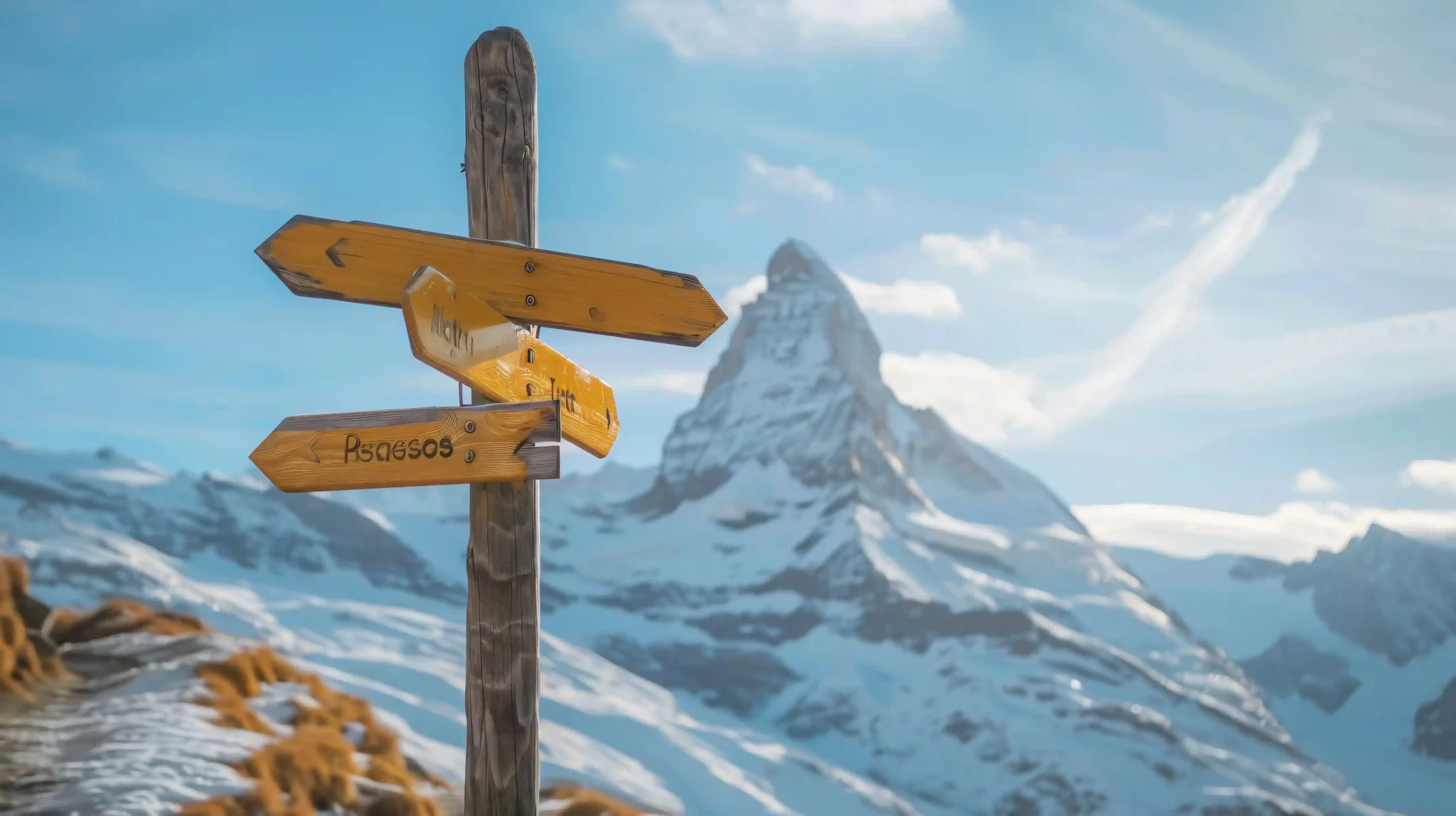
The Pangarchulla trek takes trekkers through a stunning route that starts from Joshimath and progresses through scenic campsites, alpine meadows, and snowy ridgelines, all the way to the summit of Pangarchulla Peak. The trek offers not only physical challenges but also unparalleled views of the surrounding Himalayan ranges.
The route can be divided into distinct sections
1.Joshimath to Auli (by road)
2.Auli to Khullara Camp
3.Khullara Camp to Pangarchulla Summit
4.Return Route from Pangarchulla to Auli
While trekking, you’ll pass through lush oak forests, cross snowy meadows, and experience breathtaking views of some of the most iconic Himalayan peaks, including Nanda Devi and Trishul.
Popular Itinerary Breakdown
Here’s a detailed breakdown of the Pangarchulla trek itinerary, which spans 4 to 5 days depending on your pace and acclimatization.
Day 1: Joshimath to Auli (by road)
- Distance: ~15 km (by road)
- Altitude: 2,500 meters (Auli)
- Details: Begin your trek journey by driving from Joshimath to Auli, a beautiful hill station surrounded by high peaks. Enjoy a relaxed evening with a brief acclimatization walk around Auli to prepare for the trek.
Day 2: Auli to Khullara Camp
- Distance: 6-7 km
- Altitude: 3,300 meters
- Details: From Auli, trek through dense oak forests and meadows, gradually gaining altitude. The camp at Khullara offers stunning views of the Himalayan range and serves as a great spot for acclimatization. The trek here is moderate in difficulty, but the altitude starts to make it a bit more strenuous.
Day 3: Khullara Camp to Pangarchulla Summit
- Distance: 7-8 km
- Altitude: 4,450 meters
- Details: This is the longest and most challenging day of the trek. The trail becomes progressively steeper as you approach the summit of Pangarchulla Peak. The final ascent requires snow climbing techniques, including the use of crampons and ice axes. Expect to spend several hours in snow-covered terrain, with wind chill and thin air making it challenging.
Day 4: Summit Day and Descent to Khullara Camp
- Distance: 6-7 km (descent)
- Altitude: Return to 3,300 meters (Khullara)
- Details: After reaching the summit and enjoying the breathtaking 360-degree views, descend back to Khullara Camp. This day is physically demanding, as the descent is steep and requires careful footing, especially on snow and rocky sections.
Day 5: Khullara Camp to Auli, then Joshimath
- Distance: 13 km (downhill)
- Details: After breakfast, descend from Khullara Camp to Auli. From Auli, drive back to Joshimath, where you can conclude your trek, reflecting on the incredible journey through the majestic Himalayas.
Campsites & Scenic Highlights
Along the route, there are several campsites that offer spectacular views of snow-capped peaks, such as Khullara Camp, which sits at the base of Pangarchulla Peak. Other highlights include
- Gulling Top: A perfect spot to rest and witness the sunrise or sunset over the Himalayas.
- Khullara Meadows: Beautiful meadow landscapes where trekkers get the opportunity to enjoy the serenity of nature before tackling the challenging ascent to Pangarchulla.
Trek Duration Explained
The Pangarchulla trek typically takes 4 to 5 days depending on your pace and acclimatization. The route is split into manageable sections to allow trekkers to rest and adjust to the high-altitude conditions.
While the trek itself is not extremely long, the high elevation and the summit push make it a physically demanding journey. The trek’s pace, especially the ascent on summit day, requires mental and physical resilience.
Pangarchulla Trek Cost, Permits & Trek Packages

Pangarchulla Trek Package Cost Explained
The Pangarchulla trek cost can vary depending on the trekking package you choose, ranging from INR 8,000 to INR 20,000 per person. Factors influencing the cost include
- Trek operator (budget vs premium)
- Duration of the trek (4-5 days)
- Inclusions like meals, guides, and transportation
A budget package typically covers
- Transportation to/from base camp
- Trekking permits
- Accommodation and meals
A premium package might include
- Higher quality accommodation (tented camps or lodges)
- Exclusive services like porters, high-quality gear, and professional trek leaders.
It’s important to compare packages to get the best value for your needs—higher costs generally correlate with better amenities and more experienced support teams.
Forest Permits & Entry Rules
Since the Pangarchulla trek falls within the Nanda Devi Biosphere Reserve, trekkers need to obtain the necessary forest permits before starting the trek. The permit system helps preserve the fragile environment of the region.
The forest permits are generally managed by
- The Uttarakhand Forest Department
- Trekking operators typically handle the permits as part of their package.
These permits usually cover:
- Entry to trekking zones
- Camping permissions
- Restrictions on waste management and wildlife protection
It’s advisable to book the trek through an authorized operator, as they will manage these administrative tasks, allowing you to focus on enjoying the trek.
Guide & Trek Leader Requirements
While the Pangarchulla trek does not require technical climbing skills, it is advisable to trek with an experienced guide or trek leader, especially for first-time trekkers or those unfamiliar with high-altitude conditions.
Most trekking packages include a professional guide, who ensures
- Safety throughout the trek
- Correct route navigation
- Acclimatization guidance to avoid altitude sickness
The guide’s role is particularly vital during the summit push, where snow conditions and wind can make the ascent tricky. Trek leaders provide
- Technical assistance on snow sections
- Motivation and emotional support for summit attempts
Hiring a guide adds to the overall trek cost but enhances safety and overall experience.
Budget vs Premium Trek Operators
When choosing a trek operator, you can decide between budget and premium packages, based on your preferences.
- Budget operators
- Offer basic camping setups
- Provide group trekking experiences
- More affordable but with fewer amenities and services
- Premium operators
- Provide comfortable accommodation (including better tents and beds)
- Include private guides and smaller group sizes
- Often offer additional perks, like high-quality trekking gear and personalized support
Choosing a budget operator works for solo trekkers or group trekkers focused on a no-frills trekking experience, while premium packages cater to those looking for comfort and exclusive services in the rugged mountains.
What Is Usually Included in Trek Packages?
Typical inclusions in Pangarchulla trek packages are
- Transportation (from Joshimath to Auli and back)
- Meals (breakfast, lunch, and dinner during the trek)
- Accommodation (camping tents, and sometimes lodge stays)
- Permits for trekking in the Nanda Devi Biosphere Reserve
- Trekking guide and support staff (porters, if required)
- Camping equipment (sleeping bags, tents, mats)
- Medical kit for emergencies
Note that drinks or snacks outside the itinerary and personal expenses are generally not included in the packages.
How to Reach Pangarchulla Trek Base Camp
Reaching Joshimath From Delhi, Haridwar & Rishikesh
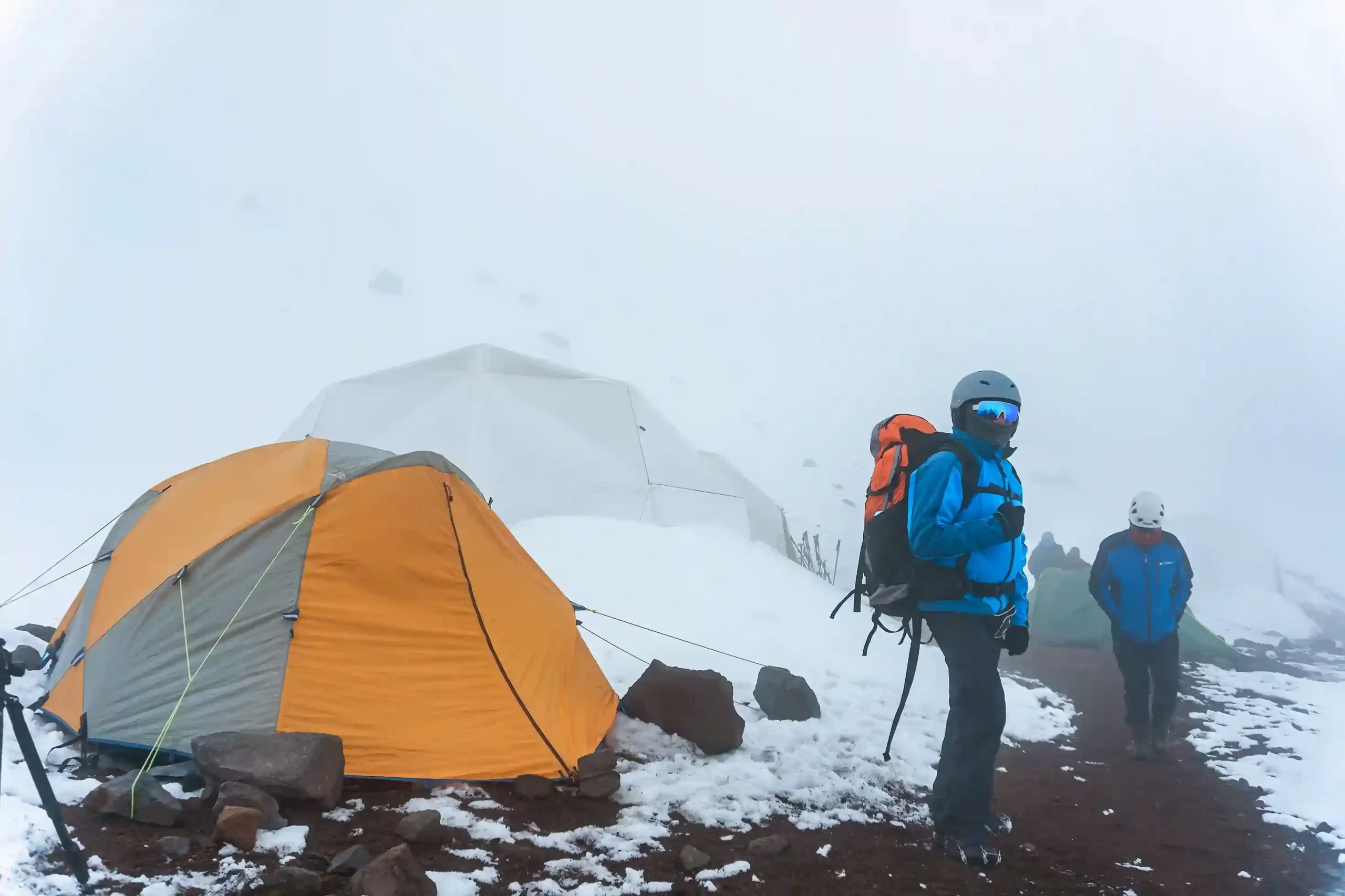
The Pangarchulla trek base camp starts from Joshimath, a small town in Uttarakhand that can be reached from major cities like Delhi, Haridwar, and Rishikesh.
- From Delhi:
- By road: 500-550 km (12-14 hours) via NH7
- By train: Overnight trains to Haridwar or Rishikesh, then a 10-hour drive to Joshimath
- From Haridwar:
- By road: 270 km (9-10 hours) via NH7
- By train: You can take a train from Haridwar to Rishikesh (20 minutes) and then proceed by road to Joshimath
- From Rishikesh:
- By road: 255 km (8-9 hours) via NH7
Once you arrive in Joshimath, you’ll need a short drive to Auli, the starting point for your trek.
Best Travel Route for Pangarchulla Trek
The most commonly recommended route to Pangarchulla base camp involves driving to Joshimath, then taking a local vehicle (jeep or taxi) to Auli. From Auli, the trek begins, heading through Gulling Top, Khullara Camp, and finally to Pangarchulla Peak.
This route offers
- Scenic mountain roads
- Stunning views of the peaks and valleys as you move closer to the trek’s start
Road Conditions & Mountain Travel Tips
- Road Conditions: The roads are generally well-maintained from Rishikesh to Joshimath, but the last stretch (from Joshimath to Auli) involves narrow, winding mountain roads that can be tricky during monsoon.
- Mountain Travel Tips:
- Start your journey early to avoid night driving on the mountain roads.
- Bring motion sickness medication if you’re prone to motion sickness on winding roads.
- Check the weather forecast for road conditions, especially during winter or monsoon.
Public Transport vs Private Vehicle Options
- Public Transport:
- Buses are available from Rishikesh and Haridwar to Joshimath, but they tend to be crowded and less convenient for trekkers.
- Shared jeeps are also an option, but they can be unpredictable in terms of timing and comfort.
- Private Vehicle:
- Private taxis or jeeps provide a more comfortable and flexible option for reaching Joshimath.
- This option allows you to set your own schedule, carry more gear, and travel more comfortably.
- A private vehicle is often recommended for groups or trekkers who prefer convenience.
Ideal Travel Plan for First-Time Visitors
For first-time visitors to the Pangarchulla trek
Day 1: Arrive in Joshimath via Rishikesh/Haridwar/Delhi and travel to Auli.
Day 2: Begin trekking from Auli to Khullara Camp.
Day 3: Complete the summit push and return to Khullara Camp.
Day 4: Trek back to Auli and drive to Joshimath.
This plan ensures you have enough time for acclimatization and adjustment to the altitude.
Things to Carry for Pangarchulla Trek
Essential Trekking Gear Checklist
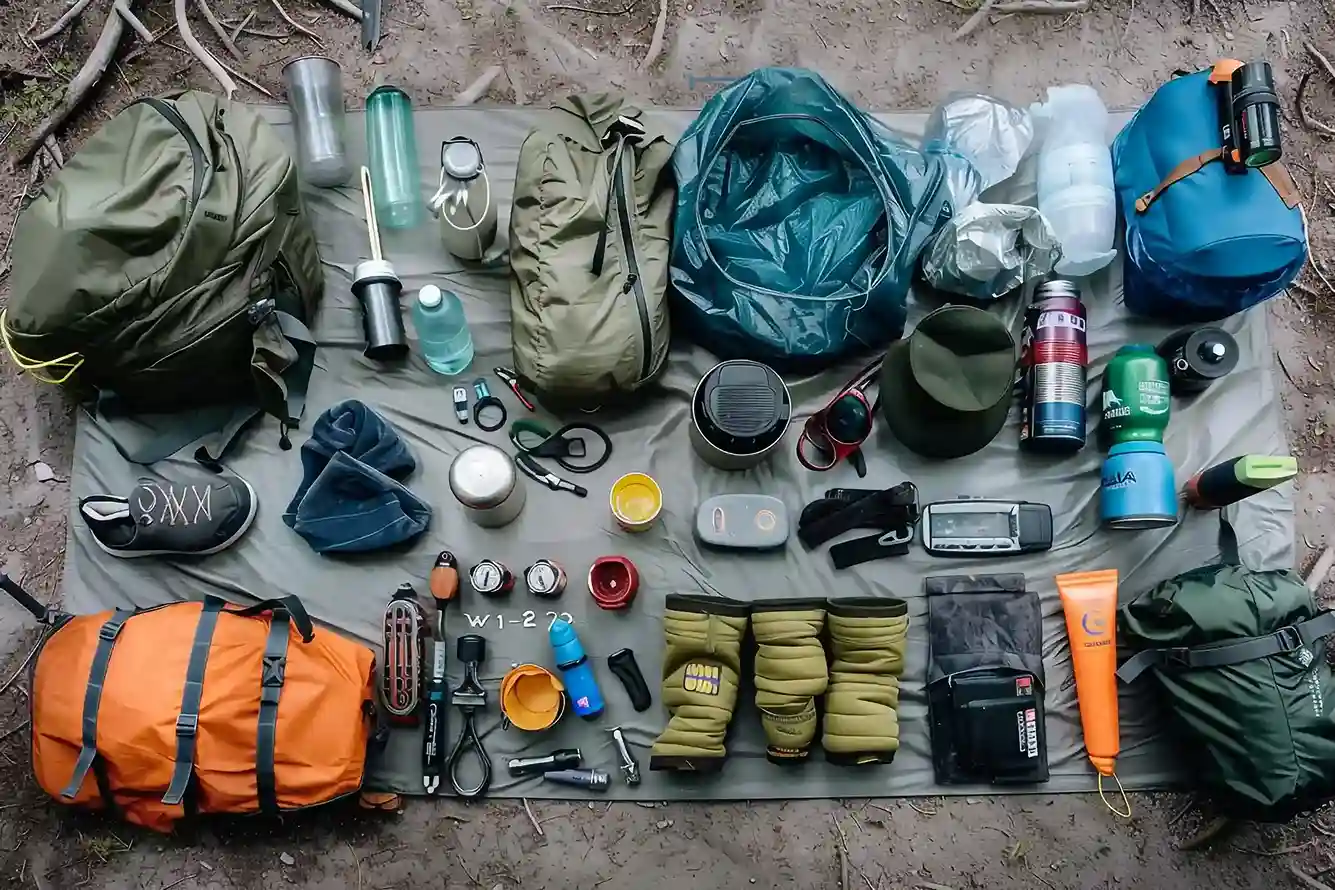
Packing for the Pangarchulla trek requires careful consideration of the high-altitude conditions, snowy terrain, and cold temperatures. Here’s a list of essential items that you should carry to ensure a safe and comfortable trek
1.Backpack: A 30-40L backpack with a rain cover.
2.Trekking Shoes: Waterproof, high-ankle trekking boots with good grip.
3.Clothing:
- Base layers (thermal wear)
- Fleece jacket
- Down jacket (for summit day)
4.Snow Gear:
- Crampons, ice axes (for summit day)
- Gaiters to prevent snow from entering your boots
5.Headgear:
- Warm hat or beanie
- Balaclava or neck gaiter
6.Gloves: Warm, waterproof gloves for handling snow
7.Hydration System: Water bottles, preferably insulated to prevent freezing
8.Snacks: High-energy snacks like nuts, chocolate, energy bars
9.First-Aid Kit: Basic supplies for cuts, bruises, and altitude sickness
10.Sunscreen & Lip Balm: Protection from UV rays at high altitudes
11.Headlamp: With extra batteries for early starts or evening campsites
Best Shoes for Pangarchulla Trek
Choosing the right footwear for the Pangarchulla trek is crucial due to the varied terrain, including rocky paths and snow-covered sections. Here are the recommended shoe features
- Waterproof trekking boots with high ankle support to prevent injuries on rocky and snowy terrain
- Insulated soles to keep feet warm during cold nights at higher altitudes
- Good grip and traction, particularly for the snowy and slippery summit climb
Avoid shoes without waterproofing, as wet feet can lead to blisters and frostbite in cold conditions.
Layering Guide for Snow Treks
Proper layering is key to staying comfortable and warm during the Pangarchulla trek. Here’s a layering guide for snow treks
- Base Layer (Thermals):
- Wicks moisture away and keeps the body dry.
- Merino wool or synthetic materials work best for warmth.
2. Middle Layer (Insulation):
- A fleece jacket or down jacket for warmth.
- Avoid cotton, as it retains moisture and doesn’t dry quickly.
3. Outer Layer (Waterproof and Windproof):
- A waterproof jacket and pants to protect from rain, snow, and wind.
- A windproof shell will help in high-altitude conditions, particularly near the summit.
Always remember to add or remove layers depending on the weather and activity level to maintain comfort and prevent overheating.
Trekking Poles, Gaiters & Microspikes Explained
- Trekking Poles:
Essential for stability and balance, especially when trekking on snowy or slippery terrain. They reduce strain on the knees and help with ascent and descent
- Gaiters:
These protect your boots and legs from snow and mud while trekking. They prevent snow from entering your shoes and are essential for snow treks.
- Microspikes:
These strap onto your shoes to provide additional traction on icy or snow-covered terrain. They are a must for the final summit push on Pangarchulla, where snow and ice are prevalent.
Power Backup & Mobile Network Reality
- Power Backup:
Since mobile charging points are not available during the trek, it’s important to carry a portable power bank to charge your phone and any essential devices.
- Mobile Network:
Mobile connectivity is limited to Joshimath and Auli. Once you’re on the trek, network coverage will be unavailable for most of the route, especially at higher altitudes. It’s recommended to inform someone about your travel plans and share your itinerary before starting the trek.
Packing Mistakes That Can Ruin Your Trek
Here are some common packing mistakes that trekkers often make
1.Overpacking: Bringing unnecessary items or heavy gear can slow you down and affect your comfort. Stick to the essentials.
2.Improper Footwear: Failing to pack waterproof, insulated boots can lead to discomfort and frostbite, especially in snowy sections.
3.Not Enough Layers: Skimping on thermal wear or windproof jackets can lead to being uncomfortably cold, especially during early mornings and late evenings.
4.Missing Gear for Snow Conditions: Forgetting essential snow equipment like microspikes, crampons, or gaiters can make the summit climb dangerous.
5.Underestimating Water Requirements: Trekking at high altitudes can lead to dehydration, so ensure you carry enough water and a reliable hydration system.
Pangarchulla Trek for Beginners – What You Should Know
Can Beginners Do Pangarchulla Trek?
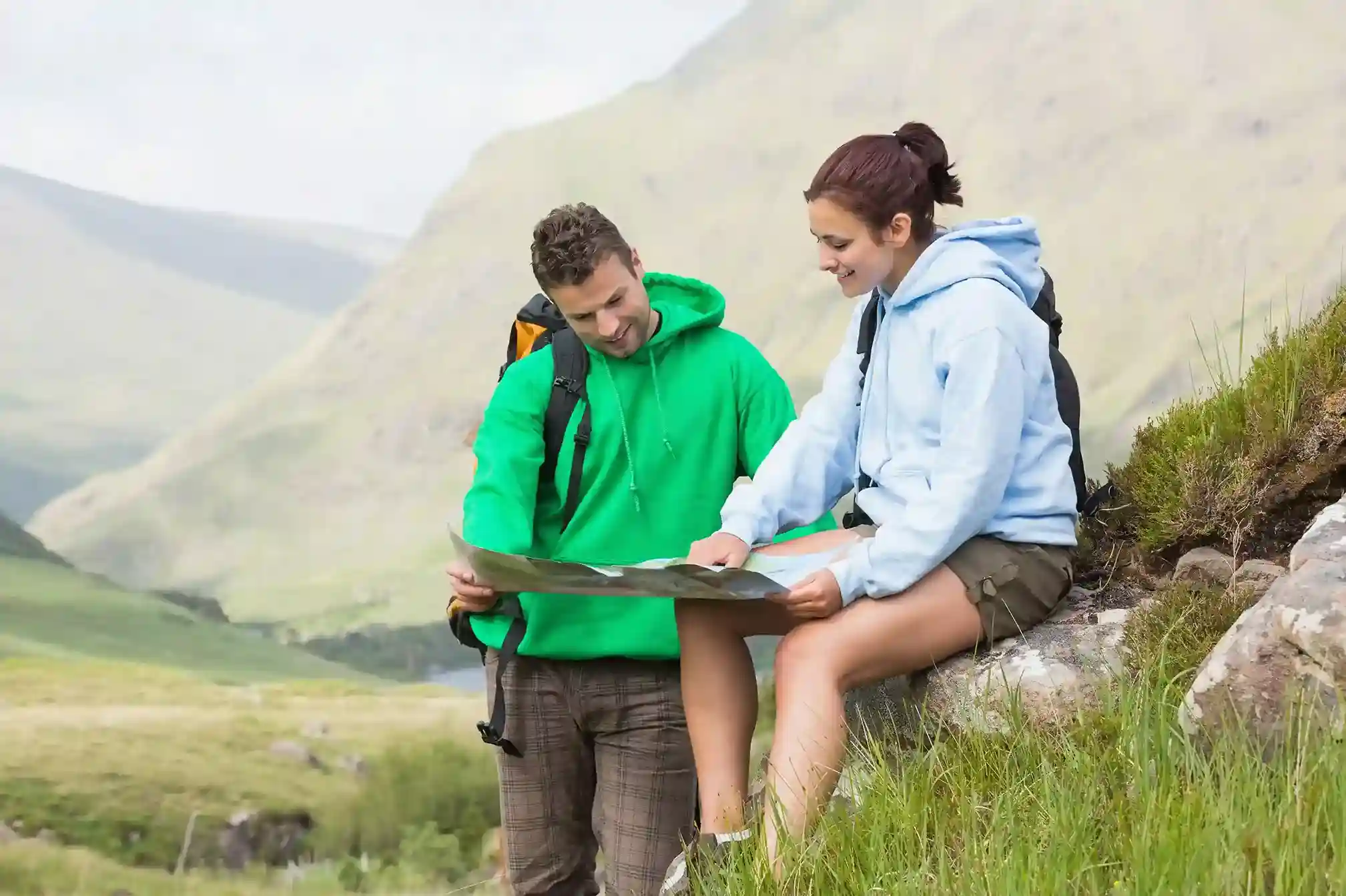
Yes, beginners can complete the Pangarchulla trek with proper preparation. However, it’s important to have a basic level of fitness, especially for the final summit push. The trek is physically demanding, particularly due to the altitude and snowy terrain near the summit, but it is manageable for those in good shape and willing to prepare adequately.
Beginners should focus on cardiovascular training and strength building, particularly for their legs, to ensure they’re ready for the challenging ascent and summit climb.
Physical Preparation Before the Trek
To ensure a successful Pangarchulla trek, focus on improving your cardiovascular fitness, strength, and stamina.
- Cardio exercises: Walking, running, or cycling to improve endurance.
- Strength training: Focus on leg muscles (quads, hamstrings, calves), core strength, and upper body to help with carrying a backpack.
- Hill climbing: Practice trekking on steep inclines to simulate the summit climb conditions.
- Altitude training: If possible, trek at higher altitudes or use an altitude mask to adjust your body to the thinner air.
Cardio & Strength Training Tips
For a well-rounded approach, include
- Cardio exercises (running, brisk walking, cycling) for endurance.
- Strength training: Focus on legs (lunges, squats), core (planks, leg raises), and back (rows, deadlifts) for carrying weight.
- Practice long hikes with a backpack to simulate actual trekking conditions and build stamina.
Acclimatization & Altitude Sickness Awareness
Acclimatization is essential to avoid altitude sickness as the trek reaches high altitudes. Spend time at Khullara Camp to allow your body to adjust to the thinner air before the summit push. Drink plenty of water, eat regularly, and avoid overexertion.
Signs of altitude sickness include headaches, dizziness, nausea, and shortness of breath. If symptoms persist, descend to a lower altitude immediately.
Mental Preparation for Summit Day
Summit day can be mentally challenging due to the steep ascent and harsh weather conditions. Prepare mentally by focusing on small, manageable goals, and maintaining a positive attitude throughout the climb. Visualizing the summit and the reward at the top can provide the mental strength needed to push through difficult sections.
A good mental strategy: Break the climb into sections and celebrate small victories, such as reaching the halfway point or overcoming a steep section.
Nearby Places to Explore Around Pangarchulla
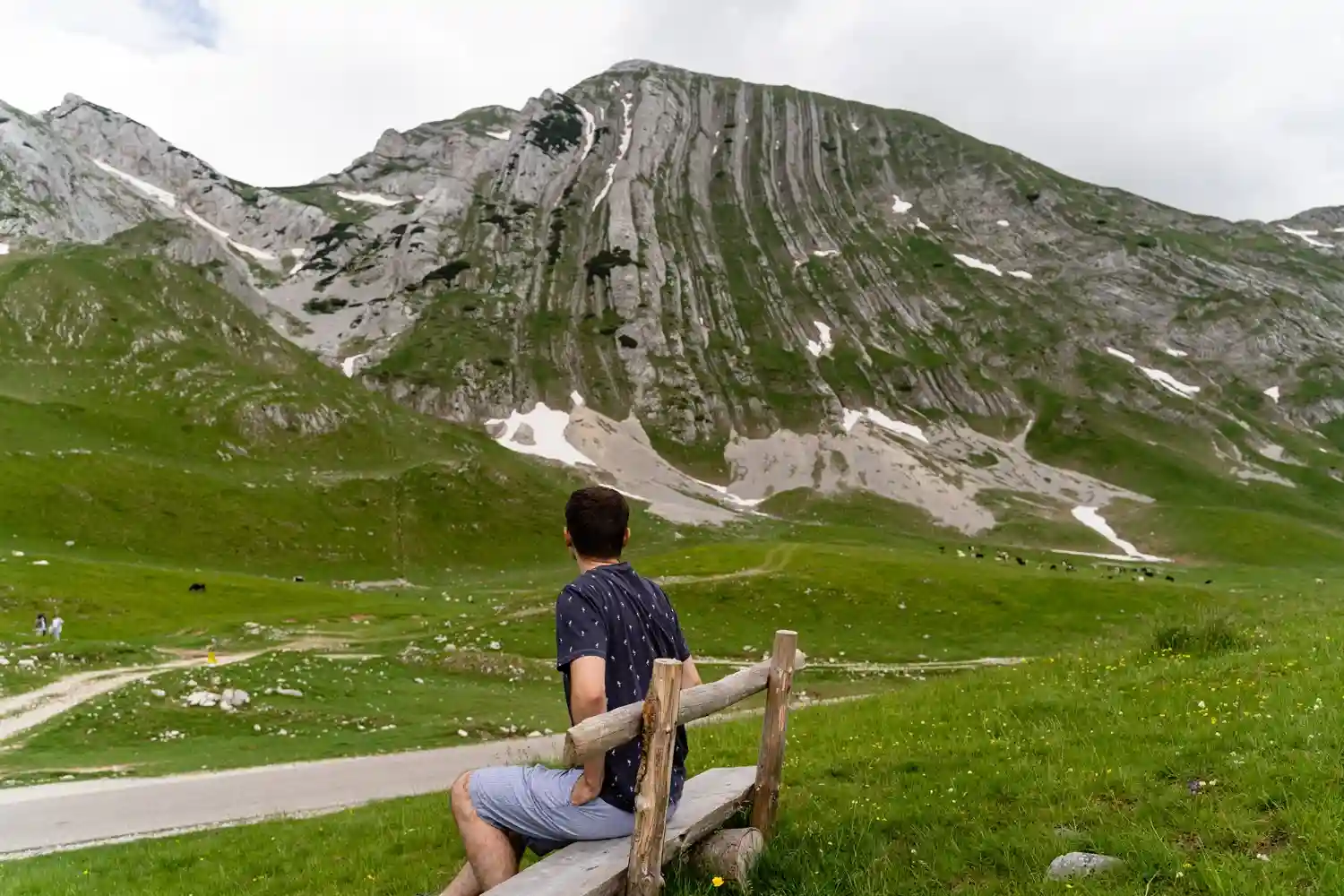
Auli & Joshimath Travel Guide
Auli and Joshimath are the gateway towns to the Pangarchulla trek, each offering unique experiences for trekkers.
- Auli is a renowned ski resort, famous for its snow-capped peaks and breathtaking views. Beyond trekking, Auli offers a variety of adventure activities like skiing in winter and cable car rides that provide panoramic views of the Himalayas. It’s a beautiful starting point for the Pangarchulla trek.
- Joshimath, situated at an altitude of 1,890 meters, is a quiet hill station known for its temples and as a base for several Himalayan treks. From Joshimath, trekkers get easy access to Auli and the Pangarchulla trek base camp.
Both towns are filled with cultural experiences, serene views, and provide an excellent resting point after a trek. Joshimath is the ideal place for acclimatization before starting the trek to Pangarchulla Peak.
Kuari Pass vs Pangarchulla Trek
Both the Kuari Pass trek and Pangarchulla trek are located in the Garhwal Himalayas, making them popular trekking destinations in Uttarakhand. However, they offer different experiences
- Kuari Pass Trek: Known for its moderate difficulty level and spectacular views of the Nanda Devi, Trishul, and Dronagiri peaks. This trek is more gradual and is considered ideal for beginners and trekkers who want a less strenuous experience.
- Pangarchulla Trek: Offers a more challenging summit climb, with a steeper ascent and snowy conditions near the peak. The summit day on Pangarchulla is more physically demanding, making it better suited for trekkers looking for a high-altitude adventure.
Key difference: Pangarchulla is more challenging and provides a technical snow climb to the summit, whereas Kuari Pass offers a less demanding experience with an overall easier route.
Badrinath & Valley of Flowers Extensions
After completing the Pangarchulla trek, there are a few excellent nearby destinations for those looking to explore more of Uttarakhand
- Badrinath:
A major pilgrimage site, Badrinath Temple is one of the Char Dham pilgrimage spots and offers a spiritual experience. Located about 60 km from Joshimath, it’s an ideal extension for those interested in visiting one of India’s most famous temples. The surrounding landscape is equally impressive, with views of snow-capped peaks and the Alaknanda River.
- Valley of Flowers:
Located in the Nanda Devi Biosphere Reserve, this UNESCO World Heritage Site is a spectacular valley known for its colorful wildflowers. The best time to visit is during summer (July-August) when the valley is covered with thousands of flowers in full bloom. The Valley of Flowers trek is ideal for nature lovers and offers an unforgettable experience.
Both destinations are ideal for trekkers looking to explore the spiritual and natural beauty of Uttarakhand after completing the Pangarchulla trek.
Best Himalayan Experiences Nearby
- Auli Skiing: If visiting in winter, try skiing in Auli, a premier destination for winter sports in Uttarakhand.
- Kedarkantha Trek: Located near Auli, the Kedarkantha trek is famous for its snow-filled landscapes and is a relatively easier trek compared to Pangarchulla. It’s perfect for trekkers looking for a shorter, beginner-friendly winter trek.
- Tungnath & Chandrashila: For those interested in spiritual trekking, the Tungnath temple (the highest Shiva temple) offers a summit climb with magnificent views of the Himalayas.
- Gwaldam: If you enjoy a quieter retreat, Gwaldam offers serene views of the Nanda Devi range, providing a more peaceful, lesser-known trekking destination near Joshimath.
These nearby destinations complement the Pangarchulla trek, providing options for adventure seekers and those wanting to explore more of the Himalayas.
FAQs
Is Pangarchulla Trek difficult?
The Pangarchulla trek is considered moderate to difficult, especially due to the steep summit push through snow. Trekkers need good physical fitness and some trekking experience to handle the altitude and technical snow climbing near the summit.
How many kilometers is Pangarchulla Trek?
The total Pangarchulla trek distance is approximately 21-24 kilometers. The trek covers a mix of moderate and challenging terrain, with daily distances ranging from 4 to 7 km, depending on the day’s route and pace.
Is Pangarchulla in the Himalayas?
Yes, Pangarchulla is located in the Garhwal region of Uttarakhand, part of the Indian Himalayas. The trek provides breathtaking views of several major Himalayan peaks, including Nanda Devi and Trishul.
What is the best time to trek Pangarchulla Peak?
The best time for the Pangarchulla trek is from March to June and September to November, offering clear skies, comfortable temperatures, and minimal snow. The winter months (December to February) bring deep snow, making it more challenging but rewarding for experienced trekkers.
Is Pangarchulla Trek easy or difficult?
The Pangarchulla trek is considered moderate to difficult. While it is manageable for trekkers with basic fitness, the summit climb through snow and altitude gain can make it demanding, especially on the final day.
What is the height of Pangarchulla Peak?
The Pangarchulla Peak stands at an elevation of 4,450 meters (14,600 feet), offering trekkers a challenging yet rewarding summit climb with stunning panoramic views of surrounding Himalayan peaks.
Can beginners do Pangarchulla Trek?
Beginners with prior trekking experience can attempt the Pangarchulla trek, but it is not ideal for complete beginners due to its high altitude and snowy summit climb. Trekking in good physical shape and proper preparation is essential for a successful summit.
Does Pangarchulla Trek have snow?
Yes, the Pangarchulla trek is famous for its snow-covered terrain, especially during the winter months (December to February). The final summit push is a snow climb, requiring the use of crampons and ice axes.
How cold does Pangarchulla Trek get?
The temperature on the Pangarchulla trek varies. During the day, temperatures range from 0°C to 10°C, but at higher altitudes, it can drop as low as -5°C to -10°C at night, especially in winter. Summit temperatures are often much colder due to wind chill.
Is Pangarchulla Trek safe?
Yes, the Pangarchulla trek is relatively safe, but trekkers need to be prepared for altitude sickness, snow conditions, and harsh winds. Proper acclimatization, appropriate gear, and guided trekking can minimize risks.
What fitness level is needed for Pangarchulla Trek?
A moderate to high fitness level is recommended for the Pangarchulla trek. Trekkers should have good cardiovascular fitness, strong leg muscles, and the ability to handle high-altitude conditions and technical snow climbs.
How many days are required for Pangarchulla Trek?
The Pangarchulla trek usually takes 4 to 5 days to complete. This allows for acclimatization, a summit climb, and proper rest. The trek includes a mix of moderate trekking days and one challenging summit day.
Is altitude sickness common on Pangarchulla Trek?
Altitude sickness can affect trekkers above 3,000 meters. On the Pangarchulla trek, symptoms are most common at Khullara Camp and higher altitudes, particularly during the summit push. Proper acclimatization and hydration help minimize risks.
What are the major peaks visible from Pangarchulla Summit?
From the Pangarchulla summit, trekkers can see some of the highest peaks in the Garhwal Himalayas, including Nanda Devi, Trishul, Kamet, and Dronagiri. These towering peaks offer a breathtaking panoramic view at the summit.
Read more >>>
Valley of Flowers Trek – Ultimate Guide to Best Time, Difficulty, and Flora
Kuari Pass Trek – Complete Guide to Route, Distance & Best Time
Final Verdict – Is Pangarchulla Trek Worth It?
Who Should Do Pangarchulla Trek?
The Pangarchulla trek is best suited for trekkers who are looking for a challenging high-altitude summit trek with a snow-climbing experience. If you have some prior trekking experience, are in good physical shape, and are looking for a rewarding Himalayan adventure, then this trek is definitely worth considering.
The summit day, with its steep climb and snowy terrain, makes it particularly appealing for adventure seekers or those who have already completed moderate treks and are now looking to take on a more difficult challenge.
Best for Adventure Seekers or Beginners?
While the Pangarchulla trek is a moderate-to-difficult trek, it’s not recommended for complete beginners due to the altitude and technical summit climb. Beginners with some trekking experience who are in good physical condition can attempt it, but they should be prepared for high-altitude challenges and snow climbing.
For adventure seekers or intermediate trekkers, this trek is ideal as it combines a demanding summit climb, beautiful Himalayan scenery, and a unique snow trek experience.
Pros & Cons of Pangarchulla Peak Trek
Pros
- Spectacular 360-degree views from the summit, including Nanda Devi and Trishul peaks
- Challenging summit push, which adds to the sense of achievement.
- Moderate to high-altitude trekking experience without requiring technical mountaineering skills.
- Excellent snow trek experience, especially on the final climb.
Cons
- Not suitable for complete beginners due to its physical demands and altitude.
- The summit day is especially challenging and might be exhausting for those unprepared.
- Weather conditions can be unpredictable, and the trek can become difficult in winter months due to snow depth and winds.
Is Pangarchulla Better Than Kedarkantha or Kuari Pass?
Pangarchulla trek is more challenging than both Kedarkantha and Kuari Pass, making it suitable for trekkers who are looking for a physically demanding summit climb and a snow-climbing experience. If you want a moderate trek with a snowy summit, Kedarkantha may be a better choice. On the other hand, Kuari Pass is perfect for trekkers looking for stunning views and a more gradual ascent.
In summary: If you’re seeking an adventure-filled challenge with a snow summit, Pangarchulla stands out as an exciting option. However, if you prefer easier treks with less physical demand, Kedarkantha and Kuari Pass are good alternatives.
Plan Your Pangarchulla Trek Trip with Offto Travellers
Ready for the ultimate escape? Offto travellers, it’s time to unleash your adventurous spirit and explore the magnificent Savandurga Hills! Whether you're seeking an exciting trek, a scenic road trip, or a peaceful weekend getaway, this destination has it all. Imagine conquering the hilltop at sunrise, capturing stunning panoramic views, and immersing yourself in nature’s beauty.
At offto travellers, we’ve crafted the perfect getaway just for you. From expert-guided treks to handpicked cozy accommodations nearby, we’ve got everything covered to make your adventure seamless. Explore hidden trails, enjoy a picnic by the lakeside, and unwind in the tranquility of nature—every moment will be one to remember.
Don’t wait—your adventure is just a click away! Offto travellers, book your Pangarchulla trek today and secure your book stay in our comfortable, hand-selected accommodations. Transform your weekend into an unforgettable journey filled with excitement and relaxation. Spots are filling up fast, so book your trek and stay now before it’s too late! Pack your bags, grab your camera, and get ready for an experience you’ll cherish forever! Book today with offto travellers and make your weekend adventure-ready!
Sign up
Leave a Reply