
Jawadhu Hills is a peaceful hill region in Tamil Nadu’s Eastern Ghats, known for forest roads, waterfalls, viewpoints, trekking spots, and slow-travel experiences. Located near Tiruvannamalai and Vellore, it is ideal for weekend road trips, camping, stargazing, and nature photography. The best time to visit Jawadhu Hills is from October to March, when the weather is cooler, greener, and more comfortable for sightseeing.
Where Is Jawadhu Hills Located?
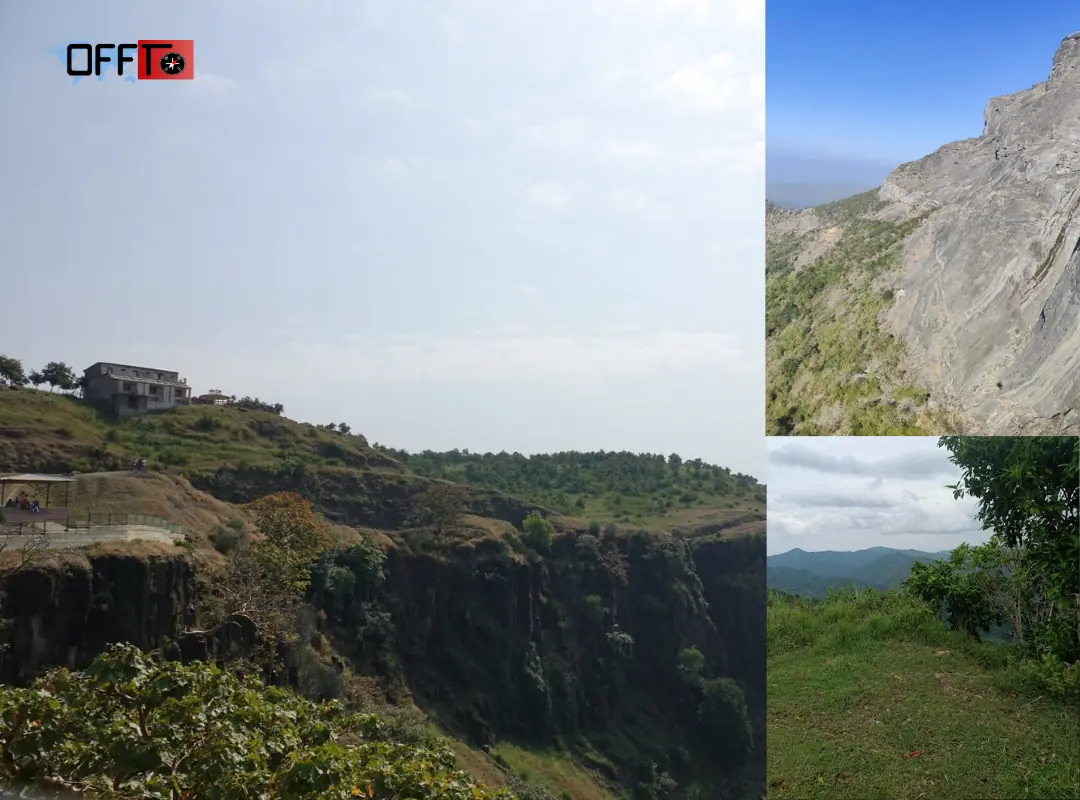
Jawadhu Hills Location in Tamil Nadu
Jawadhu Hills is located in northern Tamil Nadu, within the Eastern Ghats belt. The hill range is also commonly written as Javadhu Hills, Javadi Hills, or Jawadhu Malai, so travelers may see different spellings while searching for routes, stays, maps, or local information. They generally refer to the same quiet hill region spread across parts of the Tiruvannamalai, Vellore, and nearby districts.
Main Travel Base: Jamunamarathur
For most travelers, the practical base for exploring Jawadhu Hills is Jamunamarathur. Instead of thinking of Jawadhu Hills as one single tourist point, it is better to treat it as a wider hill region with villages, forest roads, viewpoints, waterfalls, lakes, trekking patches, and the well-known Kavalur Observatory nearby. This matters because your route, stay choice, and sightseeing plan will depend on which side of the hills you enter from.
Best Routes to Jawadhu Hills
If you are travelling from Chennai, the route usually works best as a road trip through the northern Tamil Nadu plains before climbing into the hill section. It is a good weekend option, but the drive should ideally start early so you are not navigating the ghat roads late in the evening.
From Bangalore, travelers usually approach through the Krishnagiri–Tirupattur belt or nearby highway connections before entering the hill region. This makes Jawadhu Hills a useful offbeat alternative for those who want a quieter Tamil Nadu hill escape without choosing the more commercial hill stations.
From Vellore and Tirupattur, Jawadhu Hills feels more accessible and works well for shorter trips, including one-day drives if planned sensibly. From Tiruvannamalai, it can be combined with a spiritual or slow-travel itinerary, especially for travelers who want to balance temple visits, rural landscapes, and a cooler hill drive.
Planning Tip for First-Time Visitors
The main thing to remember is that Jawadhu Hills is not built like a highly commercial hill station with one central mall road or a dense tourist strip. It is more spread out, quieter, and better suited to self-planned travel. Before leaving, mark your stay or base location clearly, check the route to Jamunamarathur, and avoid assuming that every “Jawadhu Hills” search result points to the exact same place. For first-time visitors, this small planning step can make the difference between a smooth hill escape and a confusing road trip.
Jawadhu Hills Height: How High Is Jawadhu Hills?
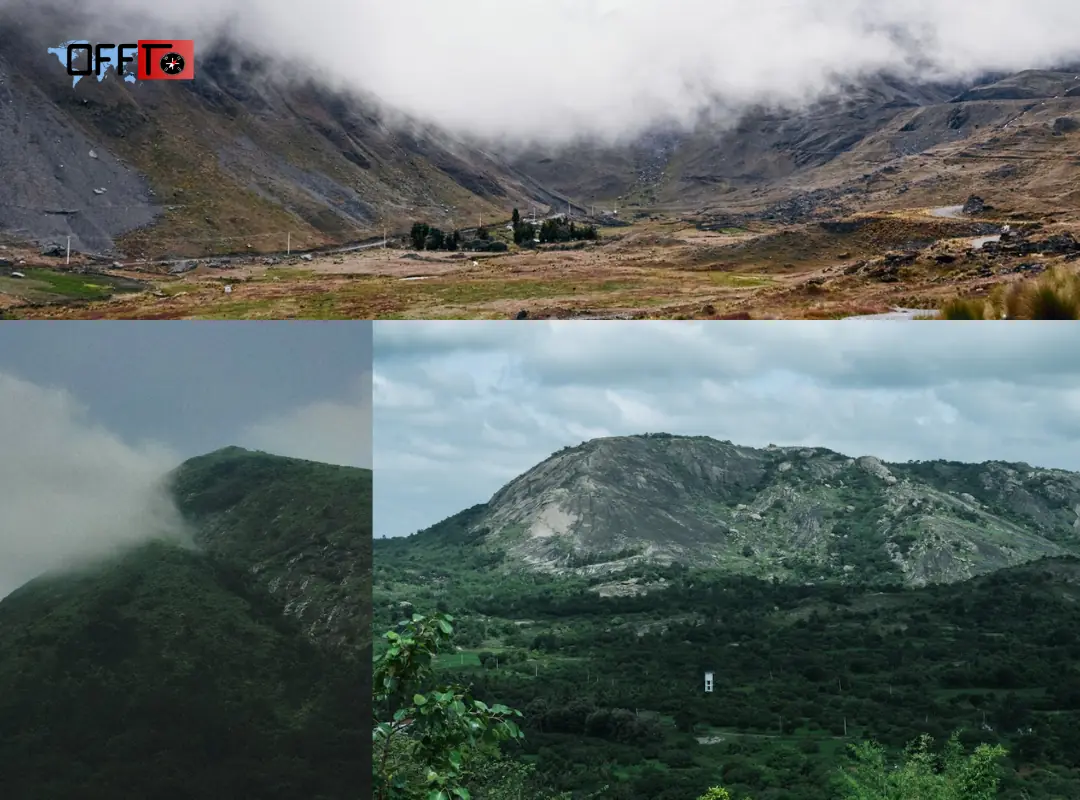
Average Height of Jawadhu Hills
Jawadhu Hills rises to an average hill elevation of roughly 3,600 to 3,800 feet, or about 1,100 to 1,150 metres, across its higher sections. For travelers, this means Jawadhu Hills is high enough to feel cooler and more forested than the surrounding plains, but not so high that it feels like a dramatic high-altitude mountain destination.
How the Height Changes the Travel Experience
This height is one reason the region works well for weekend road trips. The climb into Jawadhu Hills brings a noticeable change in scenery: flatter plains give way to curving roads, thicker tree cover, quieter villages, and wider views from certain ridges. The weather also becomes more pleasant, especially during the post-monsoon and winter months, when mornings can feel fresh and the landscape looks greener.
Is Jawadhu Hills a Peak or a Hill Range?
It is useful to understand that Jawadhu Hills is a hill range, not one single peak. So when people ask, “What is the height of Jawadhu Hills?”, the answer usually refers to the general elevation of the range rather than one exact summit point. Some viewpoints, villages, and forest stretches may sit slightly lower or higher depending on where you are within the region.
What the Elevation Means for Travelers
For travelers, the height affects three practical things: weather, road experience, and viewpoints. The elevation helps create cooler mornings and evenings compared with nearby towns, especially from October to March. It also gives the roads a gentle ghat-drive character, though the experience is usually quieter and less intense than busier hill stations. Viewpoints can be rewarding, but they are more natural and understated than heavily developed tourist lookouts.
Do not expect the altitude drama of Ooty or Kodaikanal. Jawadhu Hills is better understood as a calm Eastern Ghats escape where the height supports forest drives, mild trekking, stargazing conditions, and slow travel. That makes it especially appealing for travelers who want a peaceful hill atmosphere without the crowd pressure and heavy tourist infrastructure of more famous hill stations.
Best Time to Visit Jawadhu Hills
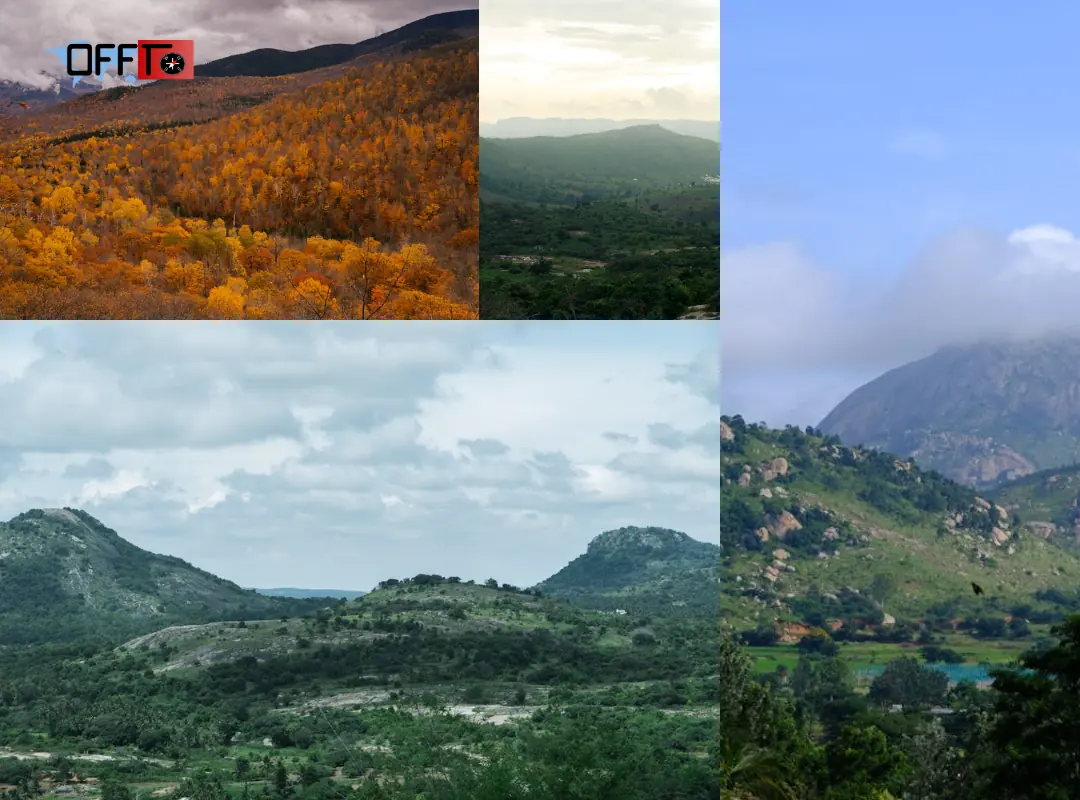
Best Months to Visit Jawadhu Hills
The best time to visit Jawadhu Hills is from October to March, when the weather is cooler, the landscape is greener after the rains, and outdoor sightseeing feels more comfortable. This is the most reliable season for travelers planning a weekend trip, road drive, trekking route, waterfall visit, or quiet stay near Jamunamarathur.
During these months, Jawadhu Hills feels closer to what most travelers expect from an offbeat hill destination in Tamil Nadu: fresh mornings, pleasant evenings, clearer viewpoints, and better conditions for slow travel. It is also the best period if you are visiting with family, planning photography, or combining Jawadhu Hills with Tiruvannamalai, Vellore, Tirupattur, or nearby routes.
Summer Travel Reality
Summer in Jawadhu Hills, especially from April to June, is warmer than the winter season but still more manageable than the surrounding plains. The elevation gives some relief, particularly in the early morning and evening, but afternoons can feel dry and tiring if you overpack the itinerary.
A summer trip works best if you keep the plan light. Start early, cover viewpoints or nature spots before noon, rest during the hotter part of the day, and avoid long exposed walks in the afternoon. Summer is not the most scenic time for waterfalls or lush greenery, but it can still be suitable for short road trips, quiet stays, and travelers who mainly want a break from city heat.
Monsoon Pros and Cons
The monsoon months, usually from July to September, can make Javadhu Hills look fresh, green, and atmospheric. Forest roads, wet rocks, misty stretches, and low clouds can create beautiful conditions for photography and slow drives. If your idea of travel includes rain-washed landscapes rather than packed sightseeing, this season has its charm.
The tradeoff is practicality. Roads may become slippery in places, forest patches can be muddy, and waterfall areas need extra caution. Heavy rain can also affect visibility and make some routes less comfortable for first-time drivers. Monsoon is best for travelers who are flexible, patient, and comfortable with slower movement. It is not ideal if you want a predictable sightseeing-heavy itinerary.
Winter for Stargazing, Trekking, and Slow Travel
Winter is one of the strongest seasons for Jawadhu Hills travel, especially from November to February. The cooler air makes trekking more comfortable, road trips less tiring, and evenings more peaceful. This is also a better period for stargazing around darker, quieter areas, especially when skies are clear and there is less cloud cover.
Travelers interested in Kavalur Observatory, night-sky viewing, forest drives, and relaxed stays will usually find winter more rewarding than summer or peak monsoon. Carry a light jacket, especially if you plan to step out early in the morning or stay in a simple homestay where nights can feel cooler than expected.
Best Time by Travel Purpose
For waterfalls, the post-monsoon months are usually better, when there is a higher chance of flow without the peak monsoon safety concerns. For photography, choose the period just after the rains or during misty winter mornings. For road trips, October to March gives the best balance of scenery and comfort. For camping or simple nature stays, winter is generally more pleasant because the weather is cooler and outdoor time feels easier.
If this is your first visit, choose October to March. If you are comfortable with rain and want greenery, consider monsoon with caution. If you are planning a short, low-expectation escape, summer can still work, but the itinerary should be slower and less ambitious.
Jawadhu Hills Weather: Month-Wise Travel Guide
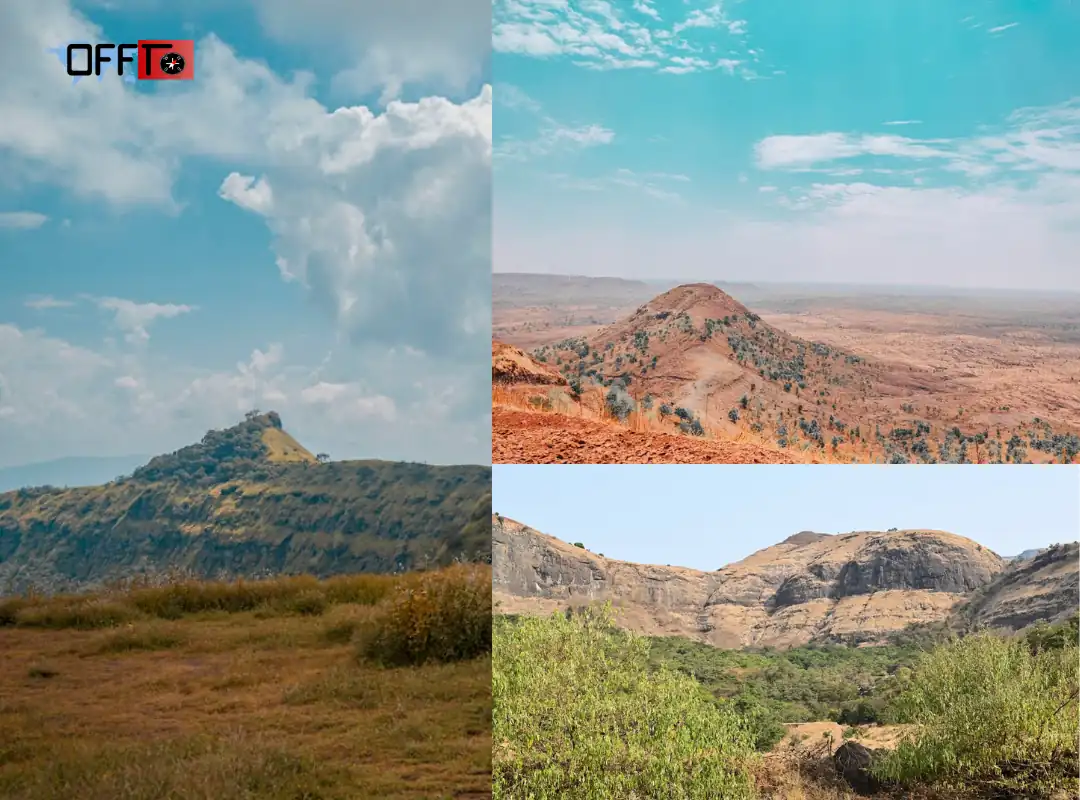
Jawadhu Hills weather is most comfortable from October to March, with cooler mornings, greener scenery after monsoon, and better conditions for sightseeing, trekking, photography, and stargazing. Monsoon months can be beautiful but slippery, while summer is manageable only with early starts and a lighter itinerary.
Month | Temperature feel | Rain chances | Best for | Travel caution |
January | Cool and pleasant | Low | Trekking, stargazing, slow stays | Carry a light layer for mornings and nights |
February | Pleasant, slightly warmer | Low | Road trips, viewpoints, family travel | Afternoons may feel warmer in open areas |
March | Warm but manageable | Low | Short trips, photography, relaxed drives | Start sightseeing early |
April | Warm and dry | Low | Quick road trips, simple stays | Avoid overpacked afternoon plans |
May | Hotter afternoons | Low to moderate | Early morning drives, short escapes | Not ideal for long outdoor walks |
June | Warm, changing weather | Moderate | Quiet stays, pre-monsoon greenery | Weather may feel humid or unpredictable |
July | Green and rainy | High | Monsoon scenery, photography | Slippery roads and trails possible |
August | Rainy and lush | High | Slow travel, misty landscapes | Be cautious near waterfalls and forest paths |
September | Green, wet, improving | Moderate to high | Post-rain scenery, nature drives | Check road conditions before travel |
October | Fresh and pleasant | Moderate | Waterfalls, road trips, photography | Some wet patches may remain |
November | Cool and comfortable | Low to moderate | Trekking, sightseeing, stays | Book earlier around long weekends |
December | Cool and clear | Low | Stargazing, camping, family trips | Nights can feel colder in simple stays |
October to March — Best Overall Season
October to March is the best overall season for visiting Jawadhu Hills because it offers the most balanced travel conditions. The landscape usually looks greener after the rains, the roads are more comfortable than in peak monsoon, and the weather supports a wider range of activities.
This is the right season if you want to cover viewpoints, waterfalls, lakes, Kavalur Observatory, village roads, and light trekking without feeling rushed or weather-limited. It also suits families and first-time visitors because the trip is easier to plan.
April to June — Warm But Manageable for Short Trips
April to June is not the peak season, but Jawadhu Hills can still work for short trips if you plan around the heat. The key is to avoid treating summer like winter. Keep the itinerary simple, begin early, and avoid long exposed sightseeing during the afternoon.
This period is better for travelers who want a quiet stay, a light road trip, or a quick break from nearby towns rather than a full outdoor-heavy itinerary.
July to September — Green, Rainy, and Slippery
July to September brings the greenest side of Javadi Hills, but also the most weather-related uncertainty. The hills can look beautiful during this period, with mist, wet roads, and fresh vegetation, but movement may be slower.
Waterfall areas, muddy trails, and forest stretches need extra care. If you are visiting during monsoon, avoid risky photo spots, do not drive late at night, and keep your plan flexible.
Best Weather for Trekking
The best weather for trekking in Jawadhu Hills is usually from November to February, when temperatures are cooler and trails are less exhausting. Post-monsoon months can also be scenic, but check local conditions before entering forested or lesser-marked routes.
Best Weather for Waterfalls
For waterfalls, the best period is usually after the monsoon, especially around October and November, when there is a better chance of water flow without the heaviest rain risks. Avoid getting too close to slippery rocks, even if the waterfall looks safe from a distance.
Best Weather for Stargazing
The best weather for stargazing in Jawadhu Hills is during cooler, clearer months, especially from November to February. Choose nights with less cloud cover, move away from bright settlement areas where permitted, and carry warm layers if you plan to stay outdoors late.
Jawadhu Hills Tourist Places for First-Time Visitors
Best Places to Visit in Jawadhu Hills
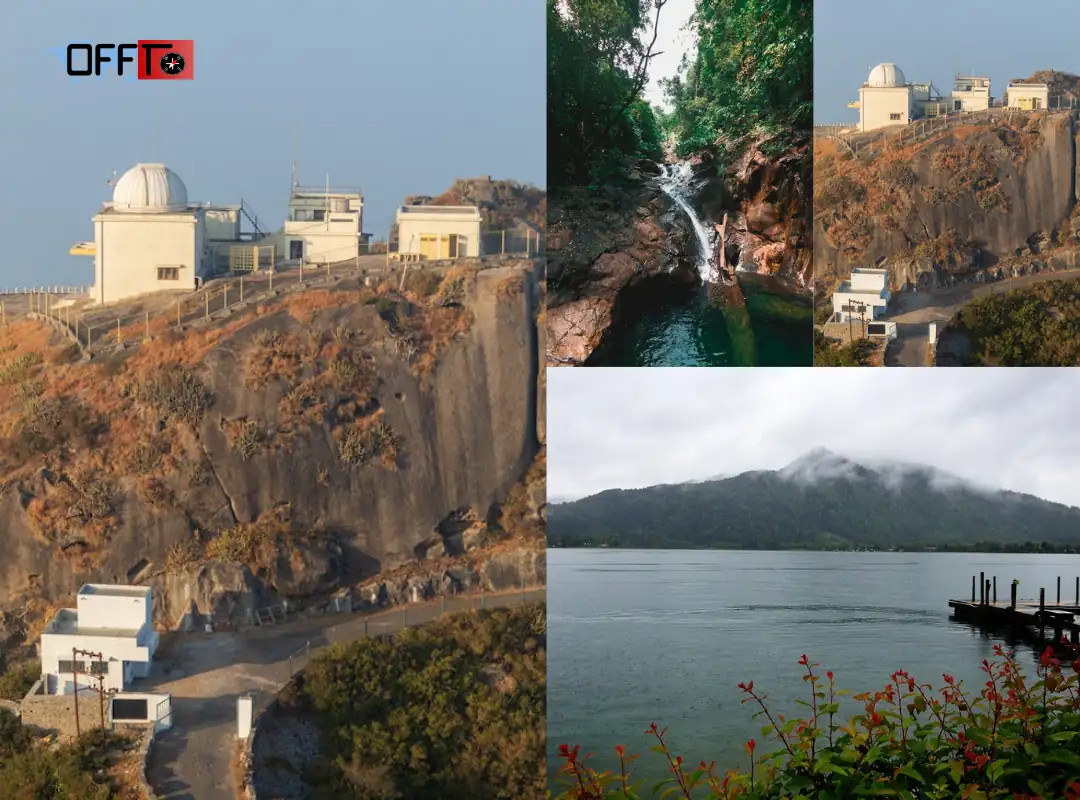
The best Jawadhu Hills tourist places for first-time visitors are the ones that show the region’s quiet hill character without making the trip feel rushed. Unlike a heavily commercial hill station, Jawadhu Hills is more spread out, with forest roads, waterfalls, lakes, villages, viewpoints, trekking patches, and the Kavalur Observatory forming the core travel experience. Official tourism sources describe Jawadhu Hills as part of the Eastern Ghats in northern Tamil Nadu, which explains why the destination feels more like a nature-first hill region than a single sightseeing town.
For a one-day Jawadhu Hills trip, keep the plan simple. Focus on Jamunamarathur, Kavalur Observatory, one nearby lake or viewpoint, and one waterfall if the season is suitable. This gives you a balanced feel of the hills without spending the whole day inside a vehicle. If you are driving from Vellore, Tiruvannamalai, or Tirupattur, this shorter plan works better than trying to cover every attraction in one loop.
For a weekend trip to Jawadhu Hills, you can add more depth. A good two-day plan can include Kavalur Observatory, Beemanmadavu Falls, Komutteri Lake, Jamunamarathur village surroundings, forest drives, and one relaxed viewpoint stop. The Vainu Bappu Observatory is located near Kavalur in the Javadi Hills and is a major astronomy-related attraction in the region; its public outreach visit window is listed for Saturdays, with evening stargazing subject to weather conditions.
Best 5 Places for a One-Day Trip
If you have only one day, choose the most practical Jawadhu Hills places to visit rather than the longest list. Start with Jamunamarathur as the main base, then add Kavalur Observatory if the timing works. Include Komutteri Lake for a calmer nature stop, and choose Beemanmadavu Falls only if road, season, and local conditions are suitable. A simple viewpoint or forest-drive stretch can complete the day without making it feel overpacked.
This plan is best for families, couples, casual road trippers, and first-time visitors who want a clean introduction to Jawadhu Hills. It is not ideal to squeeze in distant trekking routes or multiple waterfalls on the same day, especially if you are driving back before night.
Best 7 Places for a Weekend Trip
For a weekend, the best seven places and experiences to consider are Jamunamarathur, Kavalur Observatory, Beemanmadavu Falls, Komutteri Lake, quiet forest-road viewpoints, nearby village stretches, and a guided or locally suitable trekking route. Trekkers can also look at registered trail options where available; for example, the Kullar Caves trail is listed as a demanding 12-kilometre trek in the Jawadhu Hills region, suited more to trekking enthusiasts than casual family travelers.
The key is to treat Jawadhu Hills as a slow destination. A weekend should not become a checklist of every lake, waterfall, village, and viewpoint. Choose fewer stops, leave time for the roads, and allow space for weather changes. This is especially important during monsoon and post-monsoon months, when waterfalls may look better but trails and rocks can be slippery.
Which Places Suit Your Travel Style?
Families should keep the plan comfortable with lakes, easy viewpoints, short drives, and confirmed stays near Jamunamarathur. Couples may enjoy the quieter roads, slow viewpoints, and simple nature stays more than crowded sightseeing spots. Bikers usually prefer the ghat-road experience and forest curves, but should avoid late-night riding and monsoon-risky stretches.
Photographers will find the best frames in misty roads, post-monsoon greenery, village edges, lake views, and early morning light. Trekkers should choose routes carefully and avoid entering forested or unfamiliar areas without local guidance. Stargazers should plan around Kavalur and clearer winter skies, but must remember that observatory visits and night-sky viewing depend on official access, timing, and weather conditions.
What to Skip If Time Is Limited
If time is limited, skip far-flung routes, uncertain waterfall detours, and any trekking plan that needs more local clarity. Also avoid adding attractions only because they appear on a map. Jawadhu Hills rewards slower travel more than aggressive sightseeing. A first-time visitor will usually enjoy the destination more by choosing three or four meaningful stops instead of trying to cover every possible place in one day.
Jawadhu Hills Stay Guide: Where to Stay and What to Expect
Where to Stay in Jawadhu Hills
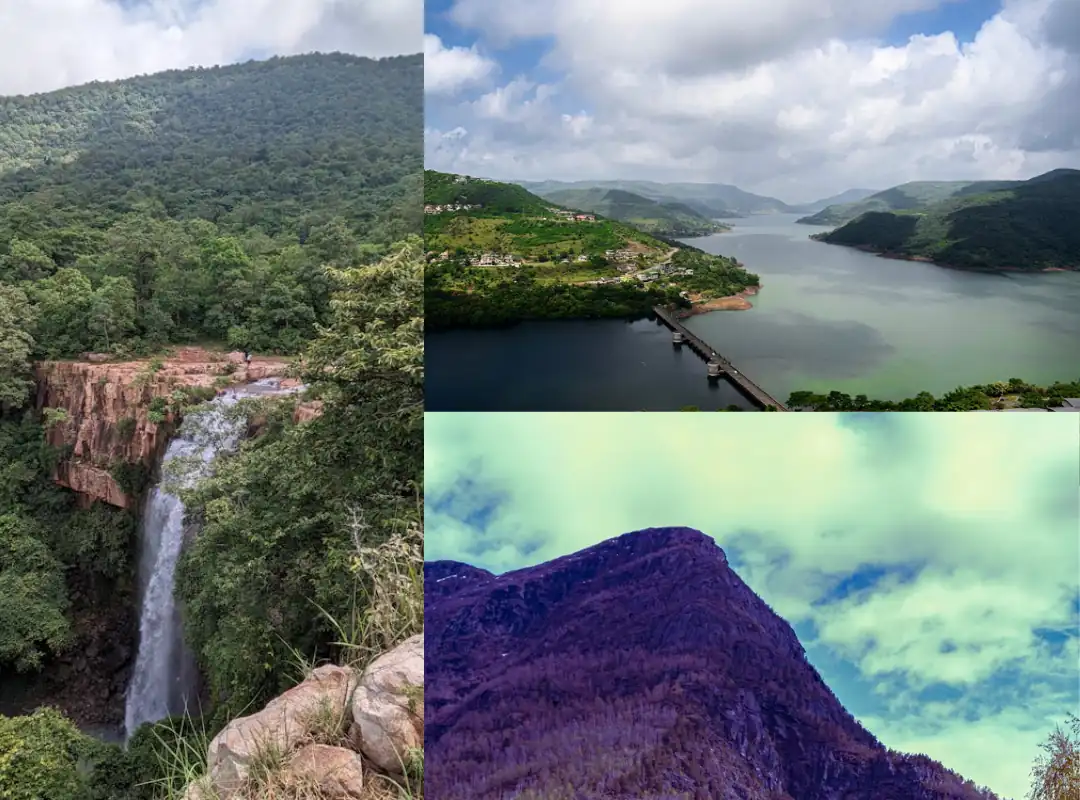
A Jawadhu Hills stay is usually simple, quiet, and nature-focused. The main options include homestays, basic family stays, forest-style huts, budget lodges, and limited eco-stay options around the wider hill region. Travelers should not expect the resort density of Ooty, Kodaikanal, or Yelagiri. Jawadhu Hills is still more rural and less commercial, which is part of its appeal but also means planning matters more.
For most first-time visitors, staying near Jamunamarathur or within practical driving distance of planned attractions is the safest choice. This keeps the trip easier, especially if you want to visit Kavalur, waterfalls, lakes, or nearby viewpoints without driving too far after dark.
Homestays, Forest Huts, and Budget Stays
Homestays are a good fit for travelers who want a local, low-key experience rather than a polished resort stay. They are usually better for couples, families, bikers, and small groups who are comfortable with basic facilities. Forest-style huts and eco-stay options suit travelers who want quiet surroundings, early mornings, and a closer-to-nature feel. Tamil Nadu Forest-related tourism listings also show eco-hut-style accommodation in Jawadhu, positioned as a peaceful forest stay for nature-focused travelers.
Budget stays can work for short trips, but expectations should be realistic. Rooms may be simple, food choices may be limited, and service may be more functional than resort-like. Always confirm the exact location, meal availability, check-in rules, parking, hot water, and phone connectivity before booking.
Camping and Future Glamping Potential
Camping and glamping are emerging possibilities in Jawadhu Hills, but travelers should treat them as developing options rather than assume that polished luxury camping is already available everywhere. Recent reporting says Tamil Nadu has been moving forward with organized camping and glamping projects in hill destinations including Jawadhu Hills, with a lower-impact tourism approach and proposed facilities such as tents and cottages.
This could make Jawadhu Hills more attractive for travelers who want a nature stay without choosing crowded hill stations. However, until such projects are fully operational and consistently reviewed, it is better to verify availability directly before planning a trip around glamping.
Stay Reality: What to Know Before Booking
The stay experience in Jawadhu Hills is best understood as peaceful but basic. Luxury options are still limited because the destination has not developed into a major commercial hill station. That is good for travelers who want quiet roads, fewer crowds, and a slower pace, but it may disappoint those expecting spa resorts, large restaurants, nightlife, or many last-minute booking choices.
Carry some cash, confirm meals in advance, and do not depend on late-night food options. Families should check room quality, bathroom facilities, approach roads, and backup food arrangements. Bikers and photographers should choose stays with safe parking and easy morning access to hill roads. For a smoother trip, book early for weekends, call the property before departure, and keep the itinerary close to your stay location rather than stretching across the entire hill range.
How to Reach Jawadhu Hills
Chennai to Jawadhu Hills Route
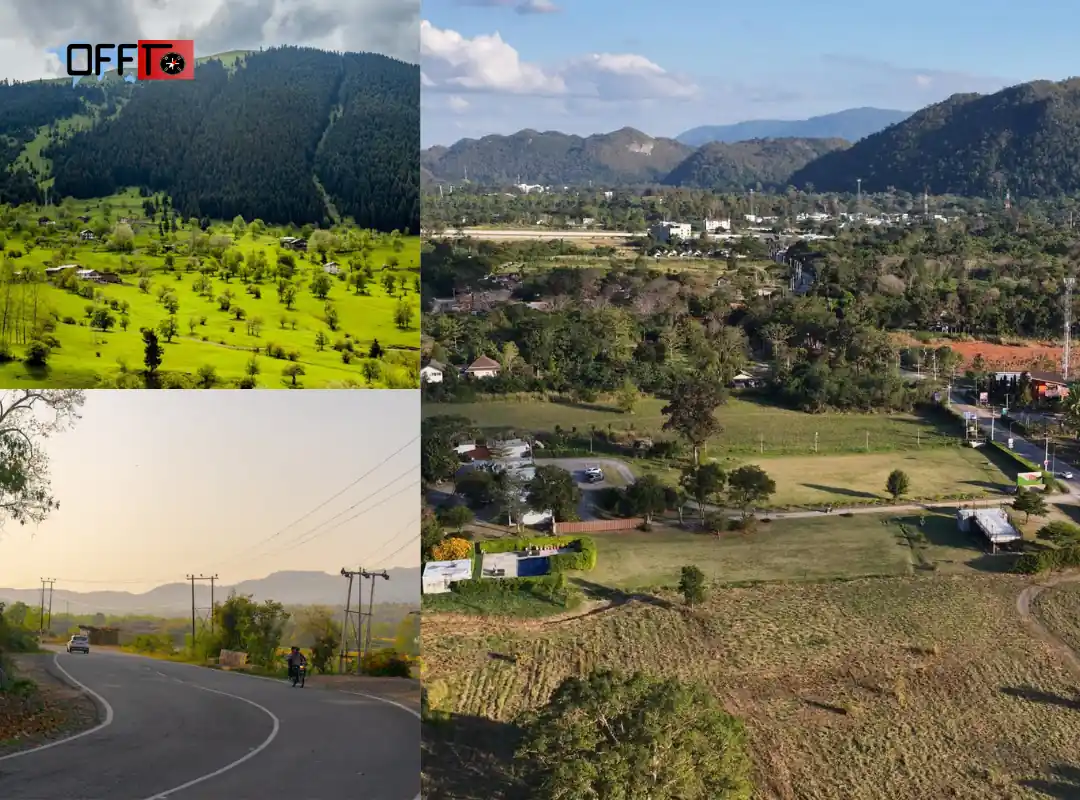
The most practical way to reach Jawadhu Hills from Chennai is by road. Most travelers drive towards the Vellore, Ambur, Tirupattur, or Tiruvannamalai side depending on their stay location and first sightseeing stop. If your base is near Jamunamarathur, check the final approach carefully on maps before departure, because Jawadhu Hills is a wider hill region rather than one single town.
For a smoother road trip, start early from Chennai and plan the hill climb during daylight. The route can feel easy on highways, but the final stretch into the hills needs more attention because of curves, village roads, and slower local traffic. This is especially important if you are travelling with family or planning to reach your homestay before dinner.
A good Chennai to Jawadhu Hills plan should not add too many stops on the same day. Reach your stay, settle in, and keep sightseeing light for the first evening. The official Tiruvannamalai District tourism page describes Javadhu Hills as part of the Eastern Ghats spread across Vellore and Tiruvannamalai districts, which is why route choice changes depending on which side you enter from.
Bangalore to Jawadhu Hills Route
For travelers coming from Bangalore to Jawadhu Hills, the route usually works through the Hosur, Krishnagiri, Vaniyambadi, Alangayam, and Kavalur side. This is especially useful if your plan includes Kavalur Observatory or nearby forest-road stretches.
The Vainu Bappu Observatory page lists its road access from Bangalore via Hosur, Krishnagiri, Vaniyambadi, Alangayam, and Kavalur. It also places VBO near Kavalur in the Javadi Hills, about 175 km south-east of Bangalore.
This route is a good fit for bikers, photographers, and weekend travelers who want a quieter alternative to more commercial hill stations. Still, avoid starting too late from Bangalore. The highway portion may feel straightforward, but the hill approach is better handled before dark.
Vellore to Jawadhu Hills Route
Vellore to Jawadhu Hills is one of the more convenient approaches for a short trip. Travelers can usually plan Jawadhu Hills as a day outing or relaxed overnight trip from Vellore, especially if they focus on Kavalur, nearby viewpoints, and Jamunamarathur-side attractions.
This route suits families and casual road trippers because the travel time is more manageable than from Chennai or Bangalore. However, the same rule applies: do not overpack the day. If you are driving up from Vellore, choose two or three meaningful stops instead of trying to cover every waterfall, lake, and viewpoint.
Tiruvannamalai to Jawadhu Hills Route
The Tiruvannamalai to Jawadhu Hills route works well for travelers who want to combine a spiritual trip with a quieter hill escape. You can spend time around Tiruvannamalai and then drive towards the Jawadhu Hills side for nature, cooler air, village roads, and a slower pace.
This combination is useful for couples, families, and slow travelers who do not want a sightseeing-heavy hill station. If you are starting from Tiruvannamalai, plan the hill section as a half-day or overnight extension rather than a rushed detour. It gives you more time to enjoy the drive, stop safely for views, and return before late evening.
Nearest Railway Stations
The nearest railway station depends on which part of Jawadhu Hills you are visiting. For the Kavalur side, the Vainu Bappu Observatory lists Vaniyambadi and Jolarpettai as nearby railway stations, while Tamil Nadu Tourism lists Tirupattur Junction Railway Station as about 50 km away for Jawadhu Hills.
For travelers coming through the Tiruvannamalai side, Tiruvannamalai railway station may be more convenient, but you will still need a road transfer into the hills. In most cases, train plus taxi is possible, but self-drive or a hired cab gives more flexibility because local sightseeing points are spread out.
Nearest Airport
For most travelers, the practical airport choice depends on the starting city and route. Tamil Nadu Tourism lists Chennai International Airport as about 211 km away from Jawadhu Hills, while the VBO page notes Bangalore as the nearest airport for Vainu Bappu Observatory access.
If you are flying in only to visit Jawadhu Hills, compare your final stay location before choosing Chennai or Bangalore. Chennai may work better for a Tiruvannamalai-side itinerary, while Bangalore can be practical for travelers entering through the Kavalur or Vaniyambadi side.
Road Conditions and Driving Tips
Jawadhu Hills is best explored by road, but it should not be treated like a fast highway trip. Expect a mix of highways, village roads, curves, forested sections, and slower hill stretches. Drive during daylight, keep offline maps ready, and avoid relying only on mobile signal in interior areas.
Monsoon and post-monsoon drives need extra care because wet roads, slippery turns, and low visibility can slow you down. If you are travelling with children or older family members, choose a stay that does not require a difficult late-evening approach. Bikers should avoid risky night riding, especially on unfamiliar ghat roads.
The safest travel style here is simple: start early, keep the route realistic, confirm your stay location in advance, and avoid adding distant attractions just because they appear close on a map.
Jawadhu Hills Itinerary: 1 Day, 2 Days and Weekend Plan
1-Day Jawadhu Hills Itinerary
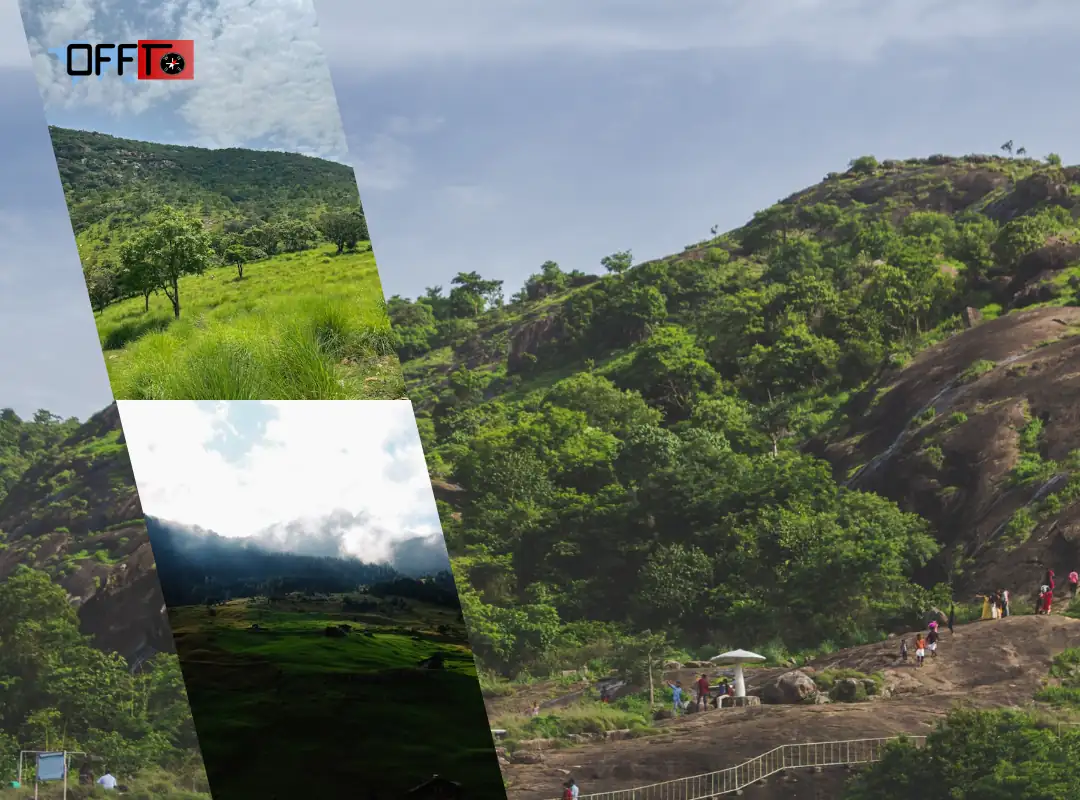
A 1-day Jawadhu Hills itinerary works best for travelers coming from Vellore, Tiruvannamalai, Tirupattur, or nearby towns. It can also work from Chennai if you start very early, but the day should be planned carefully so it does not become only a long drive.
Start with the drive towards Jamunamarathur or the Kavalur side, depending on your route. Keep the first half of the day for the hill climb, forest roads, and one major stop such as Kavalur Observatory or a nearby nature point. VBO is a key landmark in the Javadi Hills and is located near Kavalur, with public night-sky observations listed for Saturdays from 7 pm to 10 pm, subject to clear sky conditions.
For a one-day trip, add only one lake, waterfall, or viewpoint after your main stop. If Beemanmadavu Falls or another waterfall is on your list, check local conditions before going, especially outside the post-monsoon period. End the day with enough buffer to descend before dark.
2-Day Jawadhu Hills Itinerary
A 2-day Jawadhu Hills itinerary is more comfortable and better suited to the destination. On Day 1, drive in without rushing, check into your homestay or forest-style stay, and keep the sightseeing light. Visit a lake, viewpoint, or village-side stretch in the evening rather than trying to cover every attraction immediately.
Day 2 can focus on the stronger experiences: Kavalur Observatory if timings work, Beemanmadavu Falls if the season is suitable, forest drives, photography stops, and slow time around Jamunamarathur. This version gives you space to enjoy the weather, road feel, and quietness of the hills instead of treating them like a checklist.
A 2-day plan is ideal for couples, small groups, bikers, and families who want a simple nature break. It also gives more flexibility if weather changes or if a waterfall is not worth visiting during a dry spell.
Weekend Jawadhu Hills Itinerary
A weekend in Jawadhu Hills should feel relaxed, not crowded with back-to-back stops. Arrive on Friday night only if your stay location is easy to reach and the host confirms the approach road. Otherwise, Saturday morning arrival is safer and more comfortable.
Use Saturday for the drive, check-in, a short local outing, and a quiet evening. If you are interested in stargazing, check the weather and public access details in advance. Sunday can include Kavalur, Komutteri Lake, Beemanmadavu Falls, or a scenic forest-road loop before returning.
This weekend plan is best for nature, photography, lakes, local food, darker skies, and slow travel. It is not the right format for travelers who want resort nightlife, shopping streets, or a heavily developed tourist circuit.
What Not to Do in a Short Trip
Do not try to cover every Jawadhu Hills tourist place in one day. The destination is spread across hill roads, and travel time between points can feel longer than it looks on a map. Rushing every waterfall, viewpoint, village road, lake, and observatory stop will make the trip tiring rather than memorable.
If time is limited, skip uncertain waterfall detours, long trekking routes, and far-off attractions that add too much driving. Choose fewer places and leave space for the real charm of Jawadhu Hills: quiet roads, forest views, cooler air, and a slower hill rhythm.
Is Jawadhu Hills Safe to Visit?
General Travel Safety
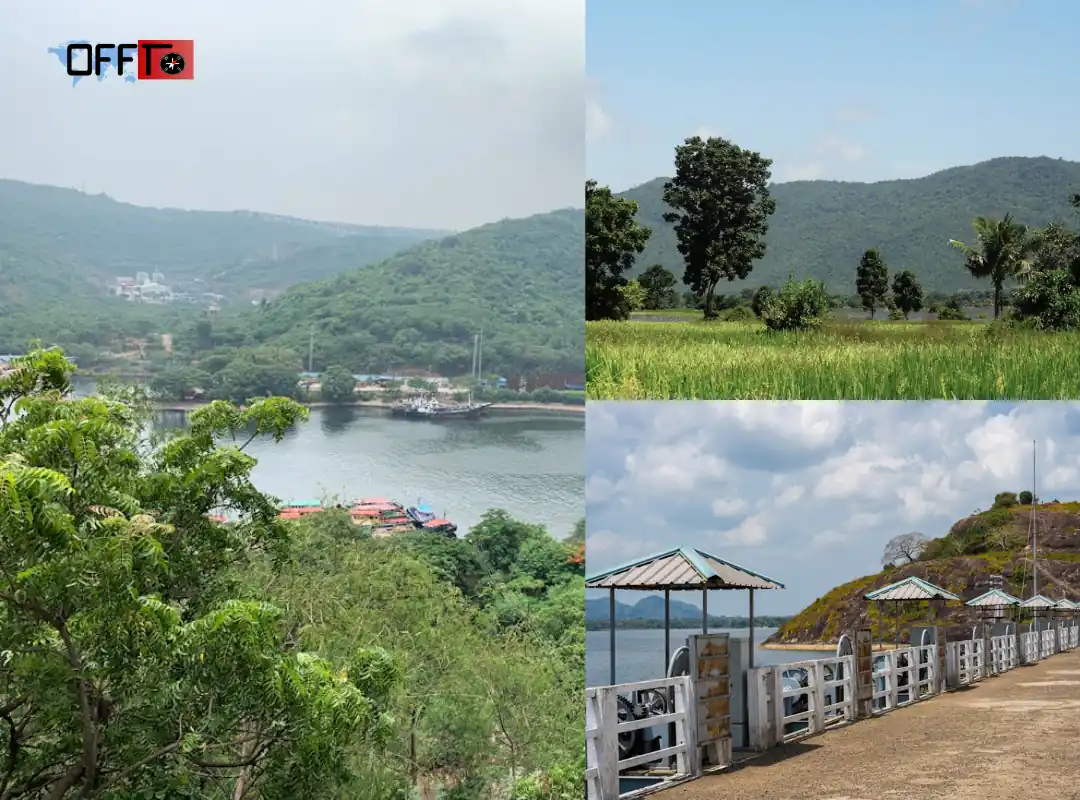
Jawadhu Hills is generally safe to visit for responsible travelers, families, bikers, couples, and weekend road trippers, as long as the trip is planned with basic hill-travel caution. It is not a high-risk destination, but it is also not a fully commercial hill station where help, food, transport, and mobile connectivity are available at every turn.
The safest way to experience Jawadhu Hills is to travel during daylight, confirm your stay in advance, keep your route simple, and avoid isolated spots after dark. The official Tiruvannamalai District tourism page describes Javadhu Hills as sparsely populated and home to Malayali tribal communities, which is also a reminder to travel respectfully and avoid treating local villages as tourist backdrops.
Is Jawadhu Hills Safe for Families?
Jawadhu Hills can be safe for families when the itinerary is kept comfortable. Choose easy viewpoints, lakes, short drives, and known attractions instead of remote trails or uncertain waterfall detours. Families with children or older travelers should avoid late-evening arrivals, unverified stays, and long gaps without food or rest stops.
The destination is better for families who enjoy nature, quiet roads, and simple stays. It may not suit families expecting luxury resorts, constant restaurant access, shopping streets, or a highly managed tourist circuit.
Road Safety and Night Driving
Road safety is the main thing to plan for in Jawadhu Hills. The final approach can include hill roads, bends, village stretches, forested patches, and sections where visibility or mobile signal may not be consistent. Drive slowly, avoid overtaking on curves, and keep offline maps ready before entering the hill region.
Night driving is best avoided, especially for first-time visitors. Even if the distance looks manageable on a map, hill roads can feel slower after dark. For bikers, this matters even more. Start early, descend before late evening when possible, and avoid riding in rain or fog unless you know the route well.
Waterfall Safety and Monsoon Caution
Waterfalls in Jawadhu Hills are seasonal, and safety depends heavily on recent rainfall. During and after monsoon, rocks can be slippery, water flow can change quickly, and forest paths may become muddy. Do not step onto wet rocks for photos, avoid isolated waterfall areas, and follow local advice if access looks unsafe.
Monsoon makes the hills greener and more atmospheric, but it also increases travel friction. Roads may be slippery, trails may be leech-prone in forest patches, and visibility can drop during rain. For first-time visitors, the post-monsoon and winter months are usually easier than peak rainy weeks.
Solo Traveler and Biker Tips
Solo travelers should keep the plan straightforward: share the route with someone, stay in a verified property, avoid remote detours, and finish sightseeing before dark. Jawadhu Hills is peaceful, but its quietness also means fewer people around if you need help.
Bikers will enjoy the road experience, but should avoid treating the route like a speed ride. Carry water, basic repair support, a rain layer in monsoon, and enough fuel before entering quieter stretches. The best biker experience here is slow, scenic, and daylight-focused.
Stay Booking and Local Respect
Before booking a Jawadhu Hills stay, confirm the exact location, approach road, meals, parking, hot water, and check-in timing. Do not depend on last-minute options, especially on weekends or holidays. Cash can also be useful because small places may not always support every digital payment method.
Respecting local and tribal communities is part of responsible travel here. Avoid photographing people without permission, do not enter private land, keep noise low near villages, and leave natural areas clean. Jawadhu Hills is most rewarding when visited as a quiet hill region, not as a loud picnic destination.
Expectation vs Reality: What Jawadhu Hills Is Really Like
Expectation: A Fully Developed Hill Station
Many first-time visitors search for Jawadhu Hills tourist places expecting something like Ooty, Kodaikanal, Yelagiri, or a smaller version of a commercial hill station. They may expect a central tourist market, many cafés, polished viewpoints, constant signage, multiple resorts, and a packed list of attractions close to each other.
That expectation can lead to disappointment if the trip is planned like a standard hill-station holiday.
Reality: A Quiet, Rural, Nature-First Hill Escape
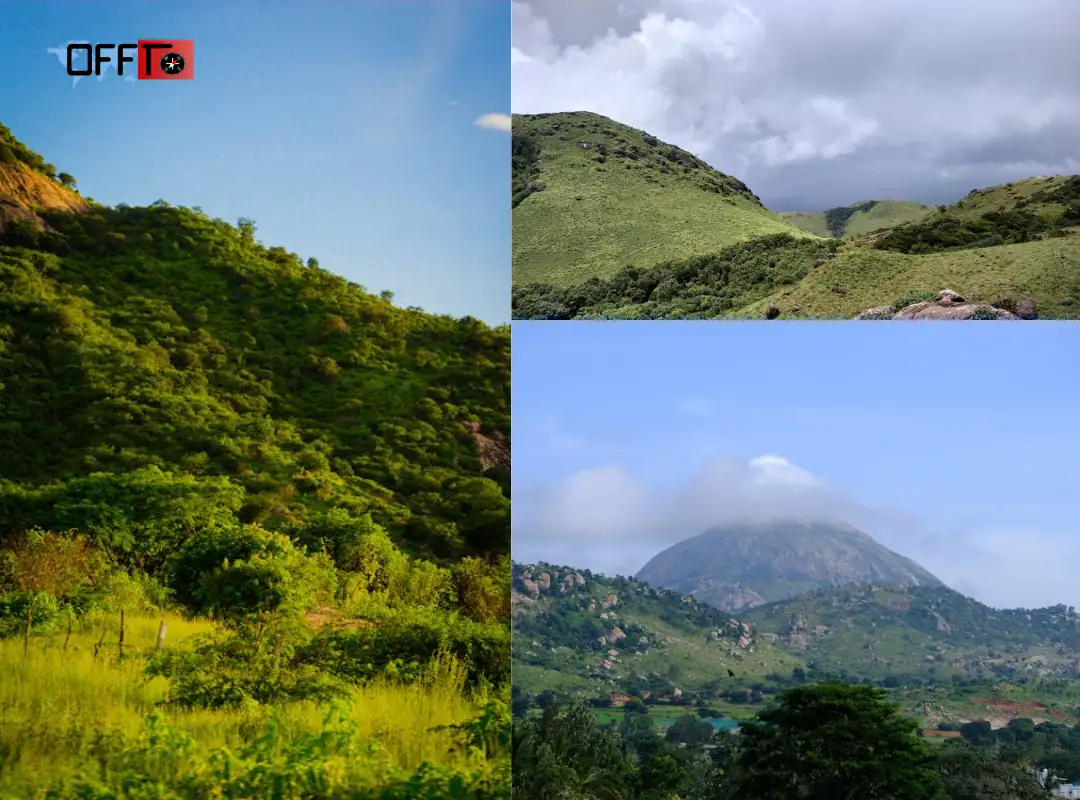
Jawadhu Hills is better understood as a quiet Eastern Ghats hill region with forest roads, villages, waterfalls, lakes, viewpoints, trekking possibilities, and the Kavalur Observatory nearby. It is more rural, less crowded, and less structured than famous Tamil Nadu hill stations.
This is exactly why some travelers like it. The appeal is not in polished tourist infrastructure, but in slow roads, open landscapes, simple stays, cooler air, and a feeling of being away from the usual weekend crowd. For couples, bikers, photographers, and slow travelers, that quietness is often the main reason to visit.
Expectation: Many Luxury Resorts
Some travelers expect Jawadhu Hills to have a wide choice of luxury resorts, boutique hotels, spa stays, and high-end dining. At present, that is not the dominant stay scene. Accommodation is still more limited and practical than luxurious.
Reality: Basic Stays, Homestays, and Emerging Eco-Stay Options
The current stay experience is mostly around homestays, simple family stays, forest-style huts, budget rooms, and developing eco-tourism possibilities. Recent reporting has also mentioned organized camping and glamping plans in Jawadhu Hills, including tents and cottages, as part of Tamil Nadu’s push toward lower-impact hill tourism.
For now, the safest assumption is this: expect simple comfort, not resort luxury. Confirm meals, location, bathroom facilities, and parking before booking. Travelers who enjoy quiet nights, basic food, early mornings, and nature-first stays will usually adjust better than those expecting a polished resort circuit.
Expectation: Easy Tourist Infrastructure Everywhere
Another common expectation is that every major spot will have clear signboards, food stalls, transport access, toilets, and easy navigation. Jawadhu Hills does not always work that way. Some places are spread out, some routes may feel quiet, and local information can be more useful than relying only on generic map searches.
This matters most for first-time visitors trying to cover too many places in one day.
Reality: Better for Self-Planned, Slow Travelers
Jawadhu Hills is better for travelers who can self-plan, drive carefully, keep buffer time, and stay flexible. Instead of building a crowded checklist, choose a few strong experiences: a lake, a waterfall if seasonal, Kavalur Observatory if timing works, a viewpoint, and a slow forest-road drive.
This slower approach gives the destination room to feel rewarding. It also reduces travel fatigue, especially because hill distances can feel longer than they look on a map.
Expectation: Waterfalls Are Always Full
Many travelers include waterfalls in their Jawadhu Hills itinerary and expect them to look full throughout the year. This is not always realistic. Like many hill and forest waterfalls in Tamil Nadu, the flow depends on recent rainfall and season.
A dry-season visit may still be peaceful, but the waterfall experience can be underwhelming if there has not been enough rain.
Reality: Flow Depends on Season and Rainfall
The best waterfall experience usually comes after good rainfall, especially in the post-monsoon period when the surroundings are greener and water flow is more likely. During peak monsoon, however, safety becomes more important than scenery. Slippery rocks, muddy access, sudden water flow, and poor visibility can make some spots risky.
For a better Jawadhu Hills trip, treat waterfalls as seasonal bonuses rather than guaranteed highlights. Build the itinerary around the overall hill experience: quiet drives, simple stays, viewpoints, lakes, forest edges, local villages, and cooler weather. That way, the trip still feels worthwhile even if the waterfall flow is low.
Jawadhu Hills for Different Travel Styles
Best for Families
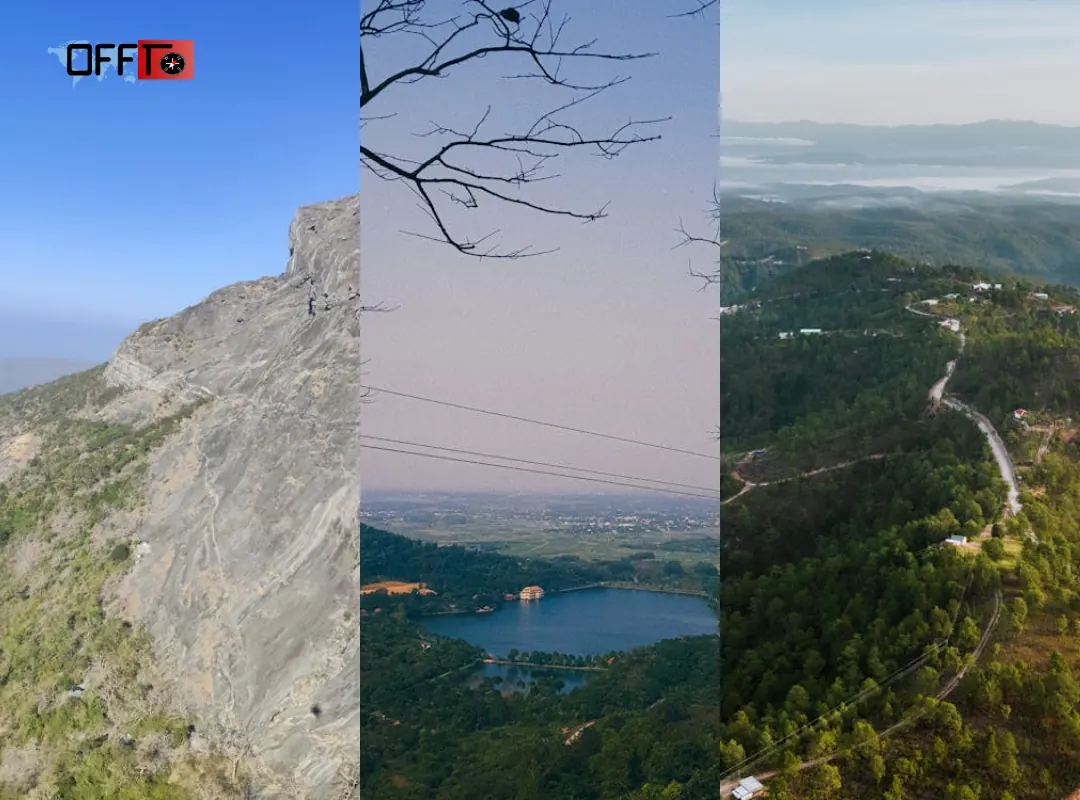
Jawadhu Hills is a good fit for families who want a quiet nature break rather than a packed hill-station holiday. The best family-friendly version of the trip includes easy viewpoints, short forest drives, lakes, simple local food, and a comfortable stay near Jamunamarathur or another practical base.
Families with children or older travelers should avoid overloading the itinerary with long treks, remote waterfalls, or late-evening drives. The destination works better when the pace is slow and the stops are easy to access. If your family enjoys peaceful landscapes, cool mornings, and low-crowd places, Jawadhu Hills can feel refreshing. If you need many restaurants, polished attractions, and resort-style convenience, it may feel too basic.
Best for Couples
For couples, Jawadhu Hills works best as a quiet weekend escape. It is not a luxury honeymoon-style destination, but it is well suited to travelers who enjoy scenic drives, calm viewpoints, slow mornings, photography stops, and simple stays away from city noise.
The lack of heavy commercial activity can actually be the advantage here. Couples who prefer privacy, nature, and unhurried travel may enjoy Jawadhu Hills more than crowded hill stations. The ideal plan is a one-night or two-night stay with a light itinerary: one lake or viewpoint, a relaxed drive, Kavalur Observatory if timings work, and enough free time to enjoy the slower rhythm of the hills.
Best for Bikers
Jawadhu Hills is especially appealing for bikers because of its quieter roads, ghat sections, forest curves, and less commercial atmosphere. The ride feels more offbeat than the usual popular hill-station routes in Tamil Nadu, which makes it attractive for weekend biking groups from Chennai, Bangalore, Vellore, Tiruvannamalai, and Tirupattur.
That said, it should not be treated as a speed route. The best biker experience here is slow and scenic. Ride during daylight, avoid risky overtaking on bends, carry rain protection during monsoon, and keep enough fuel before entering quieter stretches. Bikers should also avoid late-night riding because the roads can feel isolated, and help may not be immediately available in interior sections.
Best for Photographers
Photographers will find Jawadhu Hills rewarding if they enjoy natural, understated frames rather than staged tourist views. The best subjects include misty roads, village edges, forest canopies, lake reflections, post-monsoon greenery, quiet viewpoints, and early morning hill light.
The destination is especially good for landscape, road-trip, rural, and slow-travel photography. Post-monsoon and winter months usually offer the best visual mood, with greener slopes and softer light. Photographers should be respectful near villages and tribal communities: avoid close portraits without permission and do not enter private land for a better frame.
Best for Stargazers
Jawadhu Hills is one of the more interesting places in Tamil Nadu for travelers curious about night skies, mainly because of the presence of the Kavalur Observatory in the Javadi Hills region. Stargazers should plan around clear winter nights, lower cloud cover, and official access rules if they want to include the observatory experience.
The best stargazing conditions are usually during cooler, clearer months from November to February. Avoid full-moon nights if your goal is darker skies, and check the weather before making night-sky viewing the main reason for the trip. Carry warm layers and avoid wandering into isolated areas late at night without local guidance.
Best for Trekkers
Trekkers can enjoy Jawadhu Hills, but it is better for thoughtful, locally guided exploration than casual wandering. The region has forested stretches, hill paths, and trekking possibilities, but not every route is clearly marked or suitable for first-time visitors.
If trekking is your main goal, avoid going alone into unknown forest areas. Choose known routes, confirm conditions locally, and avoid monsoon trails if they are slippery or leech-prone. For casual travelers, a short nature walk or easy viewpoint route is more practical than attempting a long trek without preparation.
Best for Budget Travelers
Jawadhu Hills can work well for budget travelers because it does not revolve around expensive resorts, premium cafés, or ticket-heavy attractions. Simple homestays, budget rooms, local meals, and self-planned road trips can keep the overall cost manageable.
The tradeoff is convenience. Budget travelers should not expect frequent public transport, polished facilities, or many last-minute stay options. The smartest approach is to travel in a small group, split transport costs, book a simple stay in advance, carry essentials, and keep the itinerary close to your base.
Who Should Avoid Jawadhu Hills?
Jawadhu Hills may not be the right choice for travelers who want luxury resorts, nightlife, shopping streets, café hopping, highly developed viewpoints, or a packed tourist circuit. It may also disappoint those who expect waterfalls to be full year-round or who want every attraction to be easy to reach.
This destination is best for travelers who value quiet roads, natural scenery, basic stays, and slow travel. If you are comfortable with limited infrastructure and flexible planning, Jawadhu Hills can feel peaceful and memorable. If you prefer predictable comfort and a highly organized hill-station experience, places like Yelagiri, Ooty, or Kodaikanal may suit you better.
FAQs
What is special in Jawadhu Hills?
Jawadhu Hills is special because it offers a quieter hill experience in Tamil Nadu with forested roads, waterfalls, lakes, tribal villages, trekking routes, and the Kavalur Observatory. Unlike heavily commercial hill stations, it feels more rural and nature-focused. It is ideal for slow travelers, bikers, photographers, stargazers, and weekend visitors who prefer calm landscapes over crowded tourist markets.
Where is the location of Javadhu Malai?
Javadhu Malai, also called Jawadhu Hills or Javadi Hills, is located in northern Tamil Nadu as part of the Eastern Ghats. The hill range spreads across areas associated with Tiruvannamalai, Vellore, and nearby districts. Jamunamarathur is one of the main travel bases for visitors exploring waterfalls, lakes, viewpoints, and routes around Jawadhu Hills.
Is Javadi Hills worth visiting?
Yes, Javadi Hills is worth visiting if you enjoy peaceful hill roads, waterfalls, forest scenery, stargazing, and offbeat weekend travel. It is not the best choice for luxury shopping, nightlife, or a highly developed resort experience. Its appeal lies in quiet nature, raw landscapes, simple stays, and a slower travel rhythm compared with mainstream hill stations.
Is it safe to visit Jawadhu Hills?
Jawadhu Hills is generally safe for responsible travelers, but basic precautions are important. Travel during daylight, avoid isolated areas after dark, check weather before visiting waterfalls, and drive carefully on ghat roads. Families and bikers can visit comfortably if they plan their route, confirm accommodation, carry essentials, and follow local advice around forest and waterfall zones.
What is the best time to visit Jawadhu Hills?
The best time to visit Jawadhu Hills is usually from October to March, when the weather is cooler and the landscape looks greener after the monsoon. Winter is especially good for sightseeing, trekking, photography, and stargazing. Summer can still work for short trips, but afternoons may feel warm and less scenic than the post-monsoon season.
What is the height of Jawadhu Hills?
Jawadhu Hills has peaks averaging around 3,600 to 3,800 feet, or roughly 1,100 to 1,150 meters, according to the Tiruvannamalai district tourism source. This elevation gives the region a cooler hill feel compared with the plains, especially during mornings, evenings, and winter months. Specific peaks and observatory areas may vary in elevation.
What are the best places to visit in Jawadhu Hills?
The best places to visit in Jawadhu Hills include Beemanmadavu Waterfalls, Kavalur Observatory, Jamunamarathur, Kolappan Lake, Anchetty Dam, forest viewpoints, and nearby Amirthi Forest. Travelers can also combine Jawadhu Hills with Yelagiri, Tiruvannamalai, or Parvathamalai depending on trip duration, route, and travel style.
Are there good stay options in Jawadhu Hills?
Jawadhu Hills has stay options, but they are usually simpler than mainstream hill stations. Travelers can expect homestays, basic lodges, forest-style accommodation, and emerging camping or eco-stay options. It is better to book in advance, confirm food availability, check road access, and avoid assuming luxury resort standards unless the property is clearly verified.
Can we visit Jawadhu Hills in one day?
Yes, Jawadhu Hills can be visited in one day from nearby cities like Vellore, Tiruvannamalai, or parts of Chennai if you start early. A one-day trip should focus on a scenic drive, one or two major attractions, food breaks, and safe return before night. For waterfalls, observatory, and slow exploration, a two-day trip is better.
Is Jawadhu Hills good for family trips?
Jawadhu Hills can be good for family trips if planned carefully. Choose safe routes, travel during daylight, avoid risky waterfall edges, and book a reliable stay in advance. Families who enjoy nature, simple food, calm drives, and light sightseeing will like it. Those expecting amusement parks, luxury resorts, or heavy tourist infrastructure may find it too quiet.
Is Jawadhu Hills good for biking?
Jawadhu Hills is popular among bikers because of its ghat roads, forest scenery, and offbeat hill-station feel. However, riders should avoid late-night biking, speeding on curves, and monsoon rides without proper caution. The best biking experience is during clear weather, especially post-monsoon and winter, when visibility is better and the landscape feels fresh.
Can we do stargazing in Jawadhu Hills?
Yes, Jawadhu Hills is known for stargazing potential, especially around clearer nights and less light-polluted zones near Kavalur. The Vainu Bappu Observatory also has public night-sky observation programs on Saturdays, subject to clear sky conditions. For the best experience, check weather, avoid full-moon nights, and stay overnight rather than making a rushed day trip.
Read more >>>
Best Snowfall Places in India – Top Snow Destinations to Visit
Best Hill Station in India – Highest & Most Beautiful Places
Plan Your Jawadhu Hills Trip with Offto Travellers
Jawadhu Hills is the kind of destination that rewards thoughtful planning. The best experience here is not about rushing through every viewpoint or waterfall, but about choosing the right stay, travelling at the right season, and building an itinerary that matches your pace.
With Offto Travellers can explore offbeat destinations like Jawadhu Hills, compare stay options, discover nearby experiences, and plan a trip that feels calm, practical, and personal. Whether you are looking for a simple homestay, a peaceful nature stay, a family-friendly base, or a quiet weekend escape, Offto helps you move from inspiration to action without overcomplicating the journey.
If Jawadhu Hills feels like your kind of slow hill getaway, use Offto to explore stays, save trip ideas, and book a stay that fits your travel style. Start with where you want to stay, then shape the rest of the trip around easy drives, seasonal waterfalls, Kavalur Observatory, lakes, viewpoints, and relaxed time in the hills.
Sign up
Leave a Reply