
The best time to visit Shimla depends on your travel preference. March to June offers pleasant weather ideal for sightseeing, while December to February is perfect for snowfall and winter experiences. Monsoon (July–September) brings lush greenery but also landslides. Each season offers a different Shimla experience.
Shimla in a Nutshell (Why Timing Matters Here)
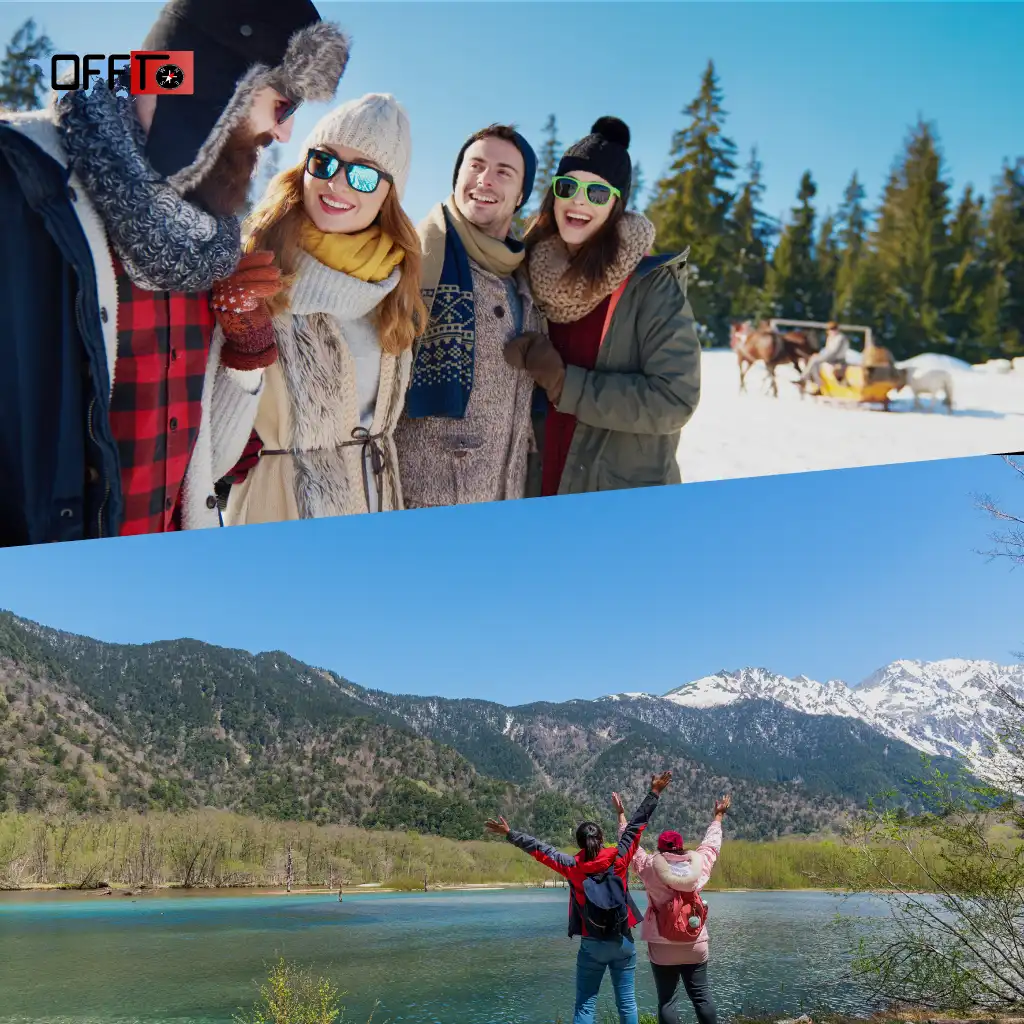
Shimla’s allure is rooted in its ever-changing landscape and the different experiences it offers throughout the year. Each season brings something distinct to the table, allowing travelers to choose the perfect time based on their interests—whether it’s snowfall, pleasant sightseeing, or quieter off-season visits.
Why Shimla Changes Dramatically Across Seasons
Shimla’s climate is highly influenced by its location in the Western Himalayas. The elevation of 2,200 meters and proximity to the mountains create dramatic temperature fluctuations. While the summer months bring a cool, comfortable atmosphere, winter coats the town in snow. Shimla’s distinct seasonal changes contribute to its charming appeal, where each time of year transforms the town into a new experience.
- Summer (March to June): Enjoy the mild, sunny weather, perfect for exploring the hill station’s attractions and scenic landscapes.
- Monsoon (July to September): The region experiences lush greenery, but it also brings the risks of rain and landslides.
- Winter (December to February): Shimla transforms into a snow-covered retreat, making it ideal for snow sports and cozy escapes.
Choosing the Right Time Based on Your Travel Style
Your ideal visit to Shimla depends on the activities you want to enjoy and the experience you’re seeking:
- For Snowfall & Winter Fun: If you’re a winter enthusiast or looking to experience snow, the winter months (December to February) are perfect for you.
- For Pleasant Sightseeing: If you’re more inclined to sightsee, trek, and explore, March to June offers clear skies, mild temperatures, and pleasant walks around Mall Road and other tourist spots.
- For Peaceful Retreat: If you prefer fewer crowds, the monsoon or early autumn months offer a quieter, more reflective experience with lush surroundings.
A Quick Overview of Experiences Through the Year
- Summer: This is the peak tourist season when Shimla’s weather is most comfortable, and it’s ideal for sightseeing and outdoor activities like trekking.
- Monsoon: The town gets transformed by its lush green landscapes but is prone to rainfall and occasional landslides. It’s the best time to witness nature in full bloom, though it requires preparedness for wet conditions.
- Winter: Snow lovers flock to Shimla in the winter months for snowfall, cozy stays, and winter sports in Kufri and nearby areas.
Shimla’s varying seasonal appeal ensures that every type of traveler—whether seeking adventure, relaxation, or a cultural experience—will find the right time to enjoy this beautiful hill station. The choice depends on the weather, activities, and atmosphere you prefer during your visit.
Shimla Weather Explained (Month-by-Month Overview)
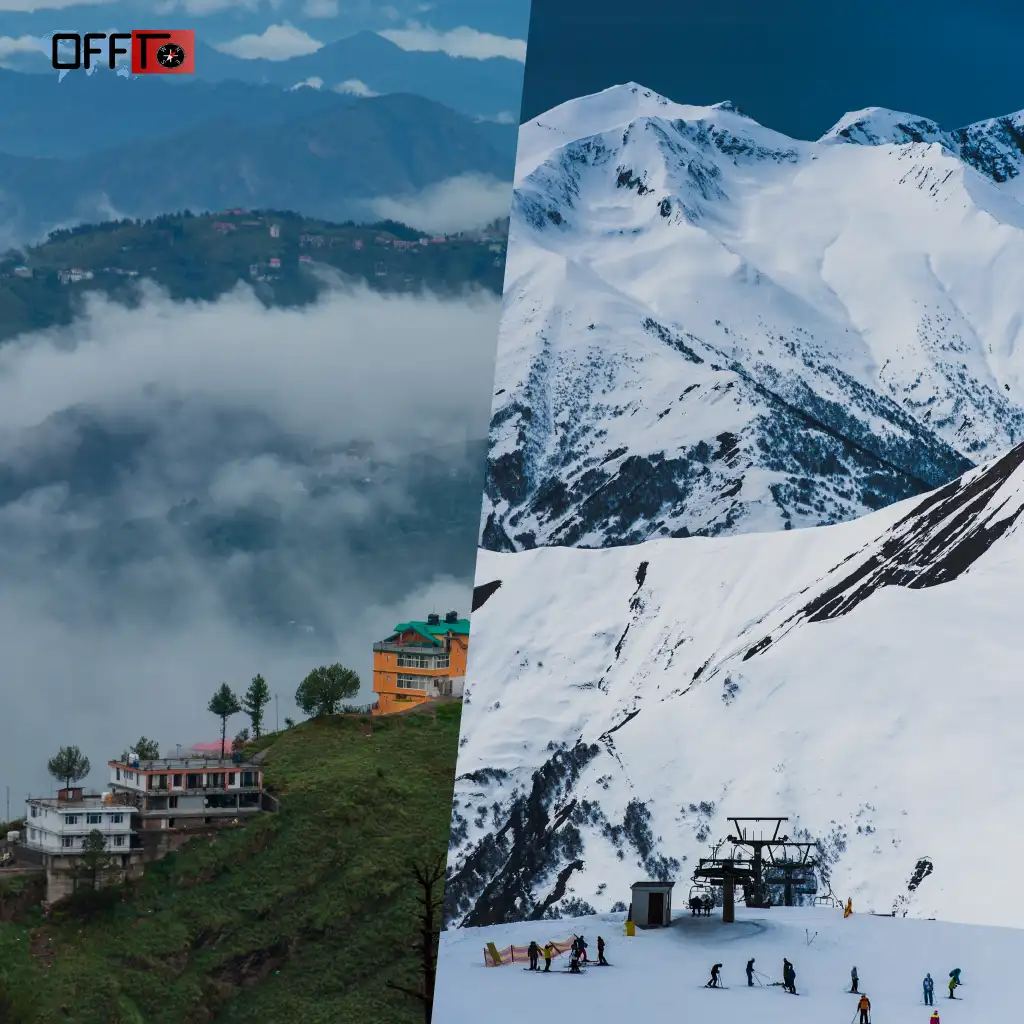
Shimla, known for its cool climate and scenic views, offers a unique weather experience that changes dramatically throughout the year. Understanding its annual climate pattern is essential for choosing the best time to visit. Each season brings its own set of advantages and challenges, so here’s a detailed month-by-month breakdown of what you can realistically expect in terms of weather and temperatures.
Annual Climate Pattern in Shimla, Himachal Pradesh
Shimla’s climate is characterized by its subtropical highland nature, which results in mild summers, chilly winters, and monsoon rains. This variation in temperatures and conditions makes Shimla an attractive destination for different types of travelers, depending on the time of year.
- Summer (March–June): Moderate temperatures with cool evenings and pleasant daytime weather.
- Monsoon (July–September): Heavy rainfall combined with occasional landslides, making it ideal for nature lovers but less so for trekking.
- Winter (December–February): Cold temperatures with the possibility of snowfall at higher altitudes, offering a perfect winter retreat for snow enthusiasts.
Temperature Variations Across Seasons
Shimla’s altitude plays a crucial role in its temperature fluctuations, particularly with seasonal changes. The city’s higher elevation ensures that it remains cooler than the plains, even during summer, while winter temperatures drop considerably. Here’s a breakdown of the temperature variations by season:
- Summer (March–June):
- Daytime: Expect mild temperatures ranging from 15°C to 25°C. The weather remains pleasant throughout the day, with clear skies and gentle sunshine.
- Nighttime: Temperatures drop to 7°C to 15°C, which is perfect for enjoying the cool evenings and outdoor activities.
- Monsoon (July–September):
- Daytime: The temperature ranges between 20°C to 25°C with higher humidity due to the frequent rains. It’s a lush, misty time, making it an ideal period for photography but less suitable for trekking.
- Nighttime: Nights are more humid, with temperatures between 15°C and 18°C, and rainfall continues to keep the region cooler.
- Winter (December–February):
- Daytime: Expect chilly weather with temperatures hovering between 5°C to 15°C. While the sun might shine during the day, the air remains crisp and cold, especially at higher altitudes.
- Nighttime: The temperatures can drop to -2°C to 5°C, making it a cold winter retreat, especially in January when snow is most likely.
What to Realistically Expect (Not Generic Weather Info)
When visiting Shimla, it’s important to understand the specific conditions you can expect in each month, rather than just general temperature ranges. Here’s what you should know about each season:
- March to May (Spring to Early Summer):
This is one of the most popular times to visit Shimla due to the moderate temperatures and clear skies. The flowering season brings vibrant rhododendrons and other blossoms, making it ideal for nature walks. April and May experience peak tourism, so it can get crowded in popular spots like Mall Road. However, the weather remains perfect for sightseeing and light trekking.
- June to September (Monsoon):
The monsoon season brings heavy rainfall, making it both a blessing and a challenge. While the lush greenery is stunning, the downside is the muddy paths, increased risk of landslides, and the humidity that makes outdoor activities less enjoyable. If you don’t mind getting wet and enjoy the misty landscapes, this can be a beautiful time to visit. However, it’s important to check weather warnings for landslides and avoid high-risk areas.
- December to February (Winter):
Winter is the most magical time in Shimla, as the town is often blanketed in snow. For snow lovers, this is the time to visit, especially from late December to January, when snowfall is the heaviest. Temperatures can drop drastically, and it’s not uncommon for the temperature to dip below 0°C in the evenings. Kufri, Naldehra, and Chail are popular spots for snow activities like sledging, snowball fights, and ice skating. However, be prepared for cold conditions, as this season requires warm winter gear.
Shimla Temperature by Season
Summer (Pleasant Hills)
- Best months: March to June
- Ideal for: Sightseeing, outdoor activities, and comfortable weather for families, couples, and solo travelers. This is when Shimla is at its most pleasant, with mild temperatures and clear skies.
Monsoon (Misty and Green)
- Best months: July to September
- Ideal for: Nature lovers and photographers who appreciate the lush greenery and misty vibes. While the rainy season offers stunning landscapes, it’s not recommended for those looking to trek or explore by foot extensively.
Winter (Cold with Snowfall Chances)
- Best months: December to February
- Ideal for: Snow sports enthusiasts, winter vacationers, and those seeking a snow-covered escape. These months bring the cold temperatures and heavy snowfall that Shimla is famous for.
Best Time to Visit Shimla Based on Travel Style
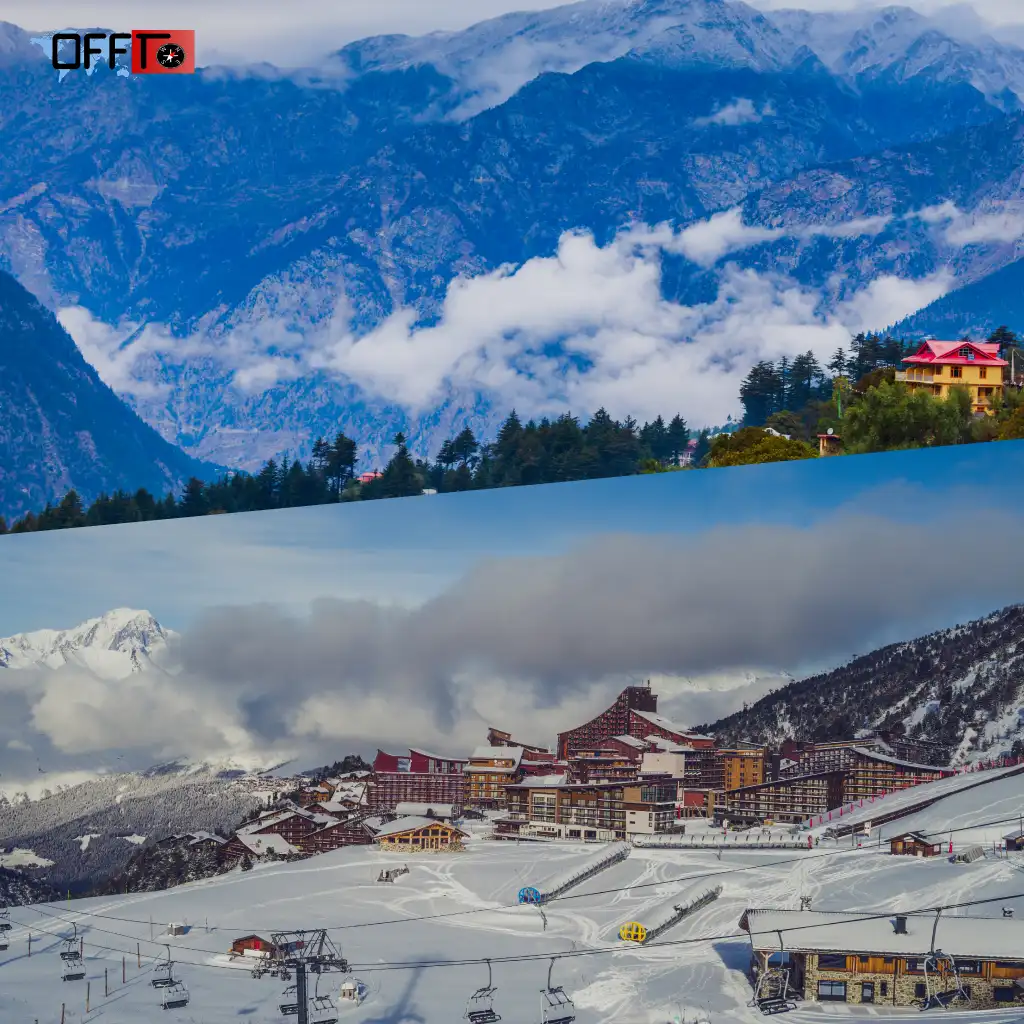
Shimla, with its changing seasons, offers unique experiences tailored to different travel styles. Whether you’re looking for pleasant weather, a snowfall adventure, or a quieter, budget-friendly getaway, the timing of your visit will define your trip. Here’s how the best time to visit Shimla can align with your personal preferences:
For Pleasant Weather & Sightseeing (March to June)
If you’re visiting Shimla to explore its attractions, enjoy sightseeing, or simply take a break from the heat, the months from March to June are perfect. This period brings the best weather, making it ideal for outdoor activities and long walks in the cool, crisp air.
Ideal for Families and First-Time Visitors
- Comfortable Temperatures: With daytime highs ranging from 15°C to 25°C and cool nights, the weather is perfect for outdoor adventures without the intense heat of the plains.
- Perfect for Exploring: The clear skies and sunny days provide great conditions for sightseeing. Spend time at Mall Road, visit Jakhoo Temple, or explore Ridge Road, all of which are best enjoyed when the weather is moderate.
- Great for Trekking: If you want to combine sightseeing with some adventure, Kufri, Naldehra, and nearby hilltops provide scenic treks with mild weather. This period is the most popular time for tourists, so be prepared for crowds at main attractions.
Why This Is Ideal
- Vibrant Flowers: The arrival of spring (March to May) means that Shimla’s rhododendrons and other wildflowers are in full bloom, adding color to your sightseeing experiences.
- Family-Friendly: The weather is comfortable, and most outdoor activities—such as boating at Summer Hill and nature walks—are enjoyable for all ages, making it a great time for family trips.
For Snowfall & Winter Experience (December to February)
If you’re looking for a magical winter escape, the months from December to February are the best. Shimla transforms into a snow-covered wonderland, attracting tourists who want to experience snowfall and the winter vibe.
Snow-Covered Landscapes
- Snowfall: Shimla is known for its beautiful snowfall, especially from December to January, which creates an enchanting winter scene. This period is perfect for winter sports, like sledging, ice skating, and snowball fights in Kufri and Naldehra.
- Cozy Stays: If you enjoy the winter atmosphere, Shimla offers plenty of cozy stays. Whether it’s a rustic homestay or a luxury hotel with a fireplace, the winter vibe is perfect for those who love a snowy retreat.
- Romantic Getaway: Shimla is a great destination for couples looking for a romantic winter retreat, with snow-capped hills, festive vibes, and quiet evenings by the fireplace.
Why This Is Ideal
- Winter Sports: Shimla and Kufri become winter sports hubs, where you can enjoy skiing, snowboarding, and tobogganing.
- Off-Peak for Snow: This is the perfect time for snow lovers looking to experience Shimla at its peak winter charm with fewer crowds than during summer.
For Budget Travel & Fewer Crowds (July to September)
If you’re seeking budget-friendly options, quieter surroundings, and still want to experience the beauty of Shimla, the monsoon season (July to September) offers off-season benefits. While it’s not the best time for outdoor activities like trekking or sightseeing, there are still several reasons to visit during these months.
Off-Season Benefits
- Cheaper Accommodation: Since monsoon is off-peak season, hotel rates drop, making it more affordable for budget travelers.
- Fewer Tourists: The crowds are fewer, meaning you can enjoy a quieter Shimla, with less hustle and bustle. It’s a great time for those looking to escape the crowds and relax without the usual influx of tourists.
- Green Landscapes: The monsoon season brings lush greenery and misty views, making Shimla look vibrant and fresh. The valleys are filled with life, and the atmosphere is calming and peaceful.
Why This Is Ideal
- Lush and Green: The lush landscapes and misty atmosphere provide a unique, tranquil experience. If you enjoy the monsoon vibes and don’t mind getting wet occasionally, the beauty of Shimla’s green hills can be mesmerizing.
- Fewer Tourists, More Nature: This season offers more solitude, making it an excellent time for those seeking peaceful reflection and an immersive experience in nature.
Challenges of Monsoon Travel
- Heavy Rainfall: Expect frequent rainfall, which can make outdoor exploration difficult, especially in areas prone to landslides.
- Limited Outdoor Activities: Due to the wet conditions, trekking and outdoor sightseeing might be challenging, especially in the higher altitudes.
Each season in Shimla offers something unique for different types of travelers, from snow sports enthusiasts to those looking to escape the summer heat. Whether you’re after snowfall, pleasant weather, or peaceful seclusion, Shimla has it all—it just depends on what you want to experience.
Shimla Snowfall Guide (What You Should Know)
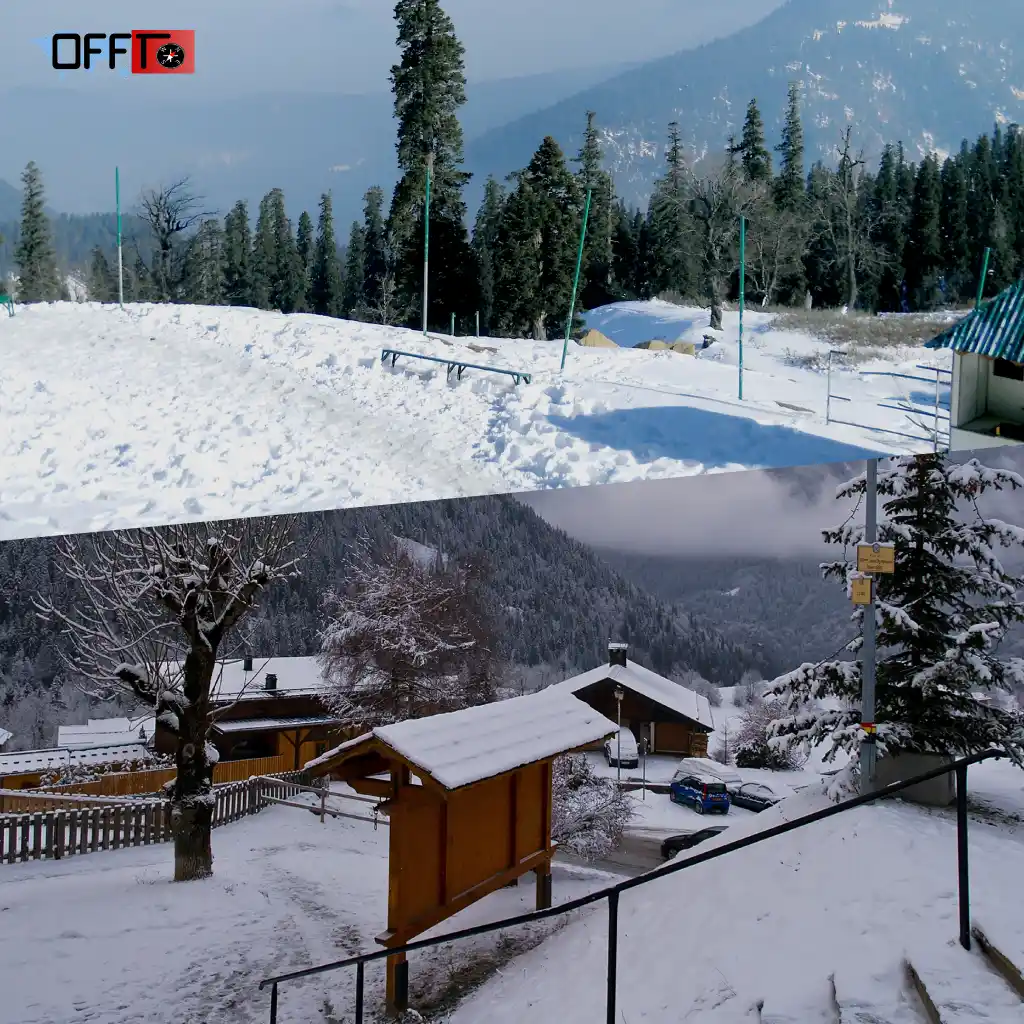
Shimla is one of the most popular destinations for those who dream of experiencing snowfall in India. Known as the “Queen of Hills,” Shimla transforms into a snow-covered wonderland during the winter months, making it a favorite for tourists seeking snow adventures. However, to manage expectations and plan your trip accordingly, it’s important to understand how snowfall patterns work and when to expect the best snow.
Does Shimla Have Snowfall?
Yes, Shimla does experience snowfall, especially during the winter months, but it’s important to set realistic expectations. Snowfall in Shimla is not guaranteed every day during the winter, and its occurrence depends on weather patterns.
- Realistic Expectations: Snowfall in Shimla is intermittent and can vary greatly from year to year. Some years might see heavy snow during December and January, while in others, snow may be lighter or delayed. It’s important to note that snowfall is not consistent, so don’t expect snow on every visit during the winter season.
- How Snowfall Patterns Work: Snowfall generally occurs when cold waves from the northern plains reach the hills. During these cold spells, the temperature drops below freezing, causing snow to form in Shimla. The altitude and geographical location of Shimla also play a crucial role, with higher areas like Kufri and Naldehra receiving more snow than lower parts of the town.
Shimla Snowfall Time (Best Months for Snow)
The best time to experience snowfall in Shimla is typically from December to February, with the peak snowfall season falling in late December and January.
Peak Snowfall Window (Late December–January)
- Late December to January is generally the most reliable time for snowfall. During this period, the town experiences consistent snow and the best winter activities. Shimla’s iconic snow-covered scenes, including sledging in Kufri and ice skating in Shimla itself, are at their peak during these months.
- Why this period is ideal: The combination of colder temperatures and regular snowfall creates the perfect environment for snow enthusiasts and winter sports lovers.
Chances in February
- Snow can still occur in February, but it’s typically less consistent compared to December and January. By mid-February, the snow can begin to melt, especially in lower areas of Shimla. However, Kufri, being at a higher altitude, might still offer good snowfall well into the month.
- Snow activity in February: It’s still possible to enjoy snow activities and experience snowfall, but be prepared for warmer days and less snow coverage. For those who are looking for a quieter, more peaceful experience with less crowded winter spots, February can be a great time to visit.
Which Month Has Heavy Snowfall in Shimla?
The months with the heaviest snowfall in Shimla are late December and January. These two months are the most reliable for those who wish to witness Shimla covered in thick snow.
- Most Reliable Snow Periods: The second half of December and early January are the prime periods to witness heavy snowfall. If you’re a snow lover, this is the time to book your trip, as snowfall during this period is more frequent and heavier.
- Travel Planning Tips Around Snow:
- Book Early: Due to the high demand for snow experiences in Shimla, booking your stay and winter activities early is recommended, especially if you’re visiting during the peak snow season (December–January).
- Check Weather Forecasts: Since snow conditions can change quickly, it’s a good idea to check local weather forecasts before planning your activities. Some days might have heavy snow, while others could be sunny.
- Pack for Cold Weather: Make sure to bring warm clothing, including thermal wear, waterproof boots, and gloves, as temperatures can drop below 0°C and snowfall can make conditions colder than usual.
- Expect Road Delays: Heavy snow can sometimes cause road closures or delays, particularly in the higher reaches of Shimla like Kufri. Always allow extra time for travel and check for any road advisories.
What is Shimla Famous For? (Beyond Just Weather)
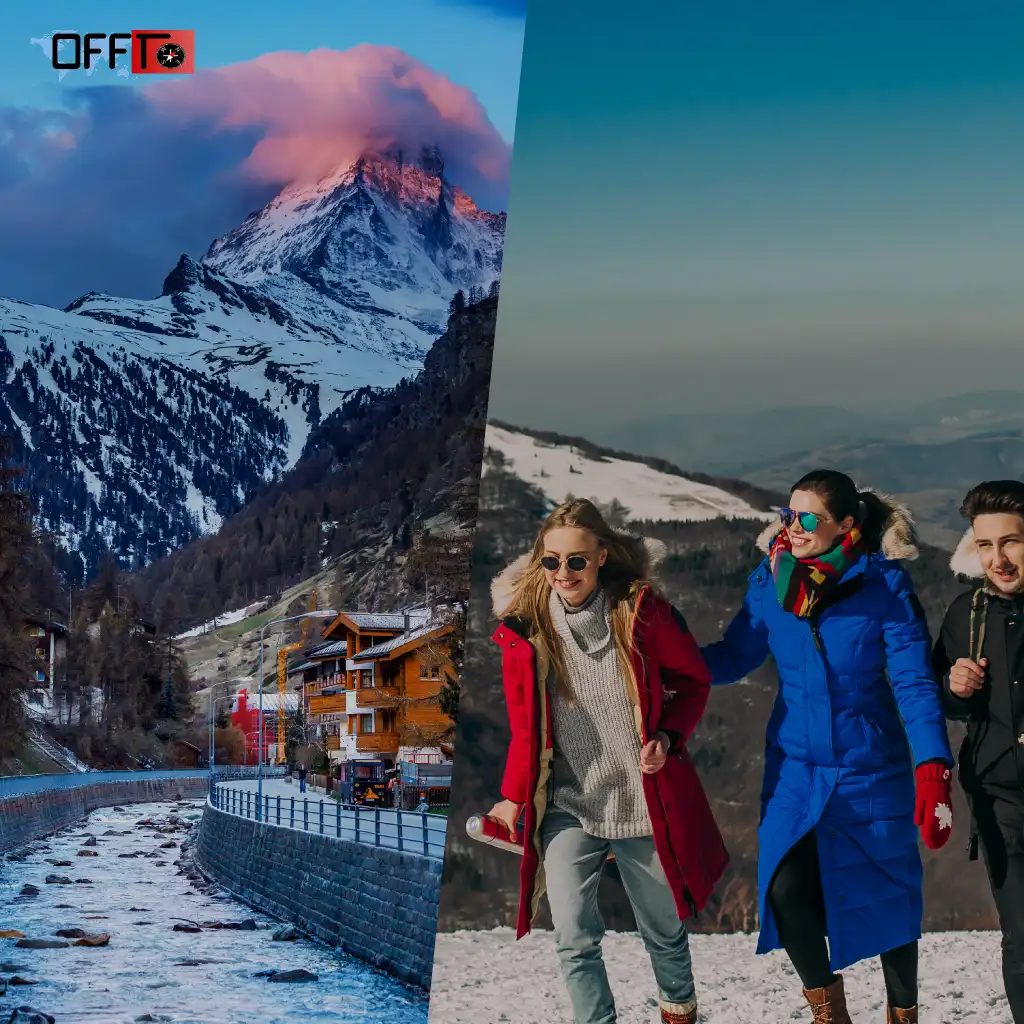
Shimla is not only renowned for its pleasant weather and snowfall, but it also boasts a rich history, cultural significance, and breathtaking landscapes. Known as the “Queen of Hills”, this charming hill station is steeped in colonial history, offers an array of scenic viewpoints, and has a slow hill-town vibe that attracts travelers from all over. Here’s what makes Shimla a standout destination beyond just its weather.
Colonial Charm and Architecture
Shimla’s colonial past is one of its defining features, with British-era architecture that still stands tall today. The town’s history as the summer capital of British India is evident in its buildings, churches, and other landmarks that reflect the old-world charm of the colonial era. Some of the most iconic colonial landmarks in Shimla include:
The Viceregal Lodge: Built in 1888, this grand building once served as the residence of the British Viceroy. Today, it is a museum and offers stunning views of the surrounding mountains.
Christ Church: This neo-gothic church is one of the oldest in North India and is known for its beautiful stained-glass windows and tranquil atmosphere.
Gaiety Theatre: Built in 1887, this Victorian-style theatre has long been a center of cultural activity and still hosts performances and events.
Shimla’s colonial charm is not just limited to the architecture but is also evident in the narrow winding streets, wooden houses, and the overall vibe of the town. Visitors can easily wander through the Mall Road and Ridge, soaking in the history and architectural splendor.
Mall Road and Ridge Culture
Shimla’s Mall Road is the heart of the town, and it is here that much of the town’s cultural life unfolds. A leisurely stroll along Mall Road offers visitors the chance to experience the town’s bustling atmosphere, as well as its colonial charm.
Mall Road: Lined with shops, cafes, restaurants, and colonial buildings, Mall Road is perfect for those who enjoy shopping, people-watching, and enjoying the vibrant street culture of Shimla. Don’t forget to stop by the Lakkar Bazaar, a famous market known for its wooden crafts and souvenirs.
The Ridge: Located just above Mall Road, the Ridge is a large, open space offering panoramic views of the Himalayan ranges. The Ridge is also the site of cultural and social activities, where local events and festivals often take place. It is also home to Jakhoo Temple, which is famous for its ancient Hanuman statue and provides stunning views of Shimla.
The cultural fabric of Shimla can be fully experienced while strolling through these iconic spaces, where history, art, and modern life merge seamlessly.
Scenic Viewpoints and Slow Hill-Town Vibe
Beyond its colonial architecture and vibrant streets, Shimla is known for its breathtaking viewpoints that offer some of the most scenic views in India. The town is surrounded by lush forests and snow-capped peaks, making it a perfect spot for those who enjoy the outdoors.
- Kufri: Located just outside Shimla, Kufri is one of the most famous hill stations in the area, offering stunning views of the Himalayan ranges. It is also known for its snow activities, including sledging, skiing, and tobogganing in winter.
Jakhoo Hill: Offering panoramic views of Shimla town and the surrounding valleys, Jakhoo Hill is a must-visit. A visit to the Jakhoo Temple, dedicated to Lord Hanuman, is also highly recommended.
- Chadwick Falls: Located on the outskirts of Shimla, this picturesque waterfall is hidden within dense forest and is a perfect spot for nature lovers.
Shimla’s slower pace is another key factor that makes it unique. Unlike the hustle and bustle of popular cities, Shimla offers a relaxed atmosphere that lets you truly connect with nature. Whether you are sipping tea at a local café, sitting by a window of a heritage hotel, or simply wandering through the forested trails, the peaceful vibe of Shimla allows you to unwind and embrace the tranquility of hill-town life.
Places to Visit in Shimla (Season-Wise Experience)
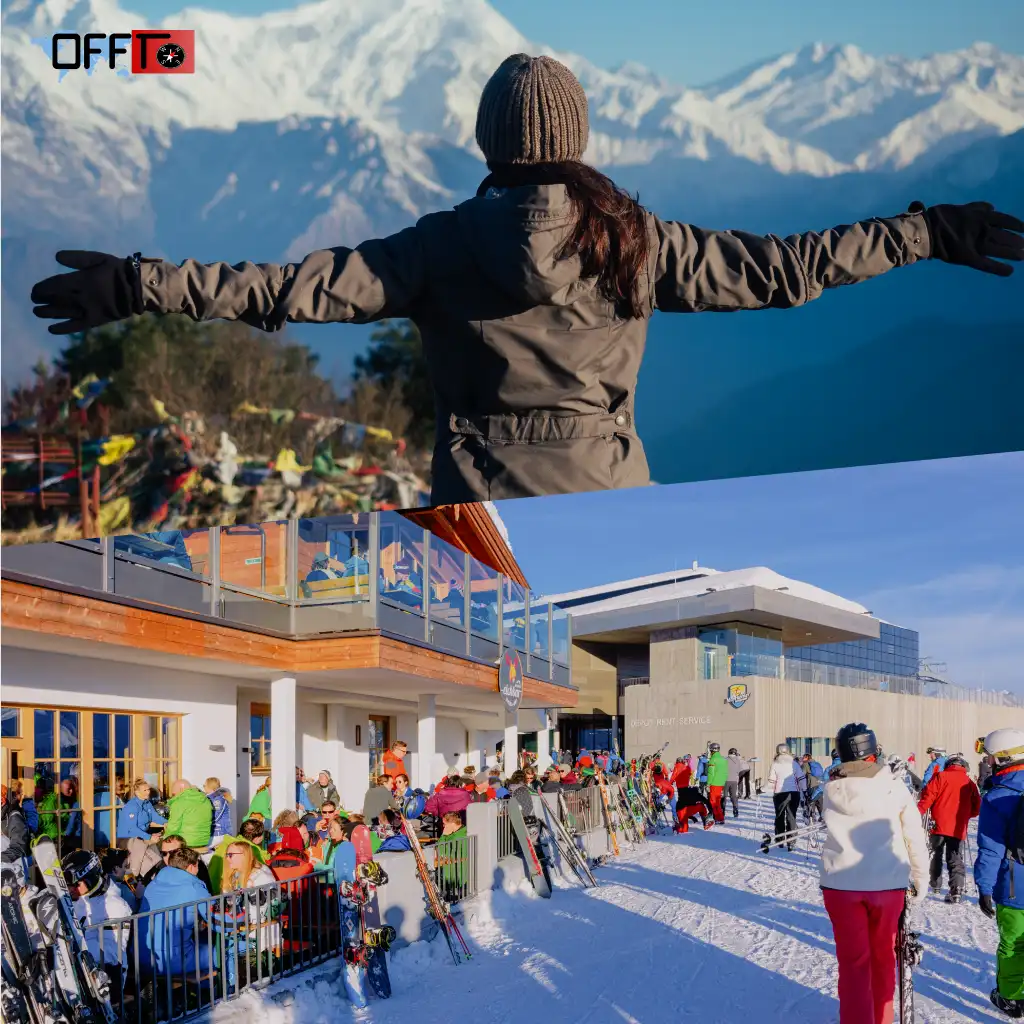
Shimla offers a wide range of attractions that vary with the seasons, making it an ideal destination to visit year-round. Whether you’re in the mood for sightseeing, adventure, or simply soaking in the local charm, there’s something for everyone. Let’s take a look at the top tourist places and best places nearby Shimla, categorized based on the season you’re visiting.
Top Shimla Tourist Places
No matter what time of year you visit Shimla, there are several iconic attractions you should not miss. These places highlight the town’s colonial charm, stunning views, and cultural significance.
Ridge
The Ridge is the heart of Shimla, offering spectacular views of the Himalayas and the town below. Located just above Mall Road, the Ridge is a popular spot for strolling, photography, and people-watching. It is also home to some of Shimla’s most famous landmarks, including the Christ Church and Lakkar Bazaar. Whether you’re visiting during the winter, when it’s snow-covered, or in the summer, when the clear skies give you unobstructed views, the Ridge is a must-visit spot for all seasons.
Mall Road
Mall Road is Shimla’s most iconic shopping street, lined with colonial buildings, local markets, restaurants, and cafes. The atmosphere is lively yet relaxed, making it a perfect spot to shop for handicrafts, sip on local tea, or simply enjoy a leisurely walk. In the winter months, the road becomes more enchanting as it’s often covered in snow, adding to the magical ambiance. It’s also a great place for a family outing, as it has many attractions and local eateries.
Jakhoo Temple
Situated at the highest point in Shimla, Jakhoo Hill offers stunning views of the entire town. The Jakhoo Temple, dedicated to Lord Hanuman, is a popular pilgrimage site and a must-visit for those interested in Shimla’s spiritual and historical significance. The temple is surrounded by deodar forests, and the climb up the hill gives you panoramic views of the Himalayan range. It’s especially beautiful during the winter months when the entire area is covered in snow.
Kufri and Nearby Attractions
Kufri, located just 16 km from Shimla, is one of the most popular tourist spots. Famous for its snow activities during winter, Kufri becomes a skiing hub in the colder months. Apart from skiing, you can also enjoy tobogganing, sledging, and even ice skating. During summer, Kufri offers a refreshing escape with activities like go-karting, horse riding, and enjoying the Kufri Himalayan Nature Park, which is home to a variety of wildlife and bird species.
Best Places to Visit Near Shimla
Shimla is not just about its own attractions but also offers several exciting day trips to nearby destinations. These hill stations and nature spots provide a more peaceful and serene escape from the town’s busy streets.
Kufri
Located just outside Shimla, Kufri is perfect for those seeking snow sports in the winter and nature walks in the summer. It is also a great place to enjoy offbeat activities like nature walks, wildlife sightings, and a visit to the Mahasu Peak, which offers spectacular views of the surrounding mountains.
Narkanda
Narkanda, located around 65 km from Shimla, is a quieter hill station known for its ski slopes in the winter and its apple orchards in the summer. It’s an ideal destination for those looking for a peaceful retreat or a skiing getaway during the colder months. In summer, the hills are lush and green, perfect for hiking and nature walks.
Mashobra
Mashobra is a small village about 12 km from Shimla, known for its natural beauty and quiet ambiance. This picturesque spot is perfect for nature lovers and those looking to escape the crowds. In summer, it’s ideal for nature walks and outdoor activities, and in winter, it offers a peaceful snow-capped retreat. Mashobra is also home to the Reserve Forest Sanctuary, which is great for birdwatching.
Chail
Chail is located 45 km from Shimla and is known for its serenity, lush forests, and the world’s highest cricket ground. It’s a great spot for those who want to experience the charm of a less-commercialized hill station. Chail is perfect for nature walks, picnics, and wildlife spotting. The Chail Palace, a royal retreat, is also a key attraction for visitors. During winter, it becomes a great spot for snow lovers, as it receives heavy snowfall.
Suggested Itinerary for Shimla (Based on Season)
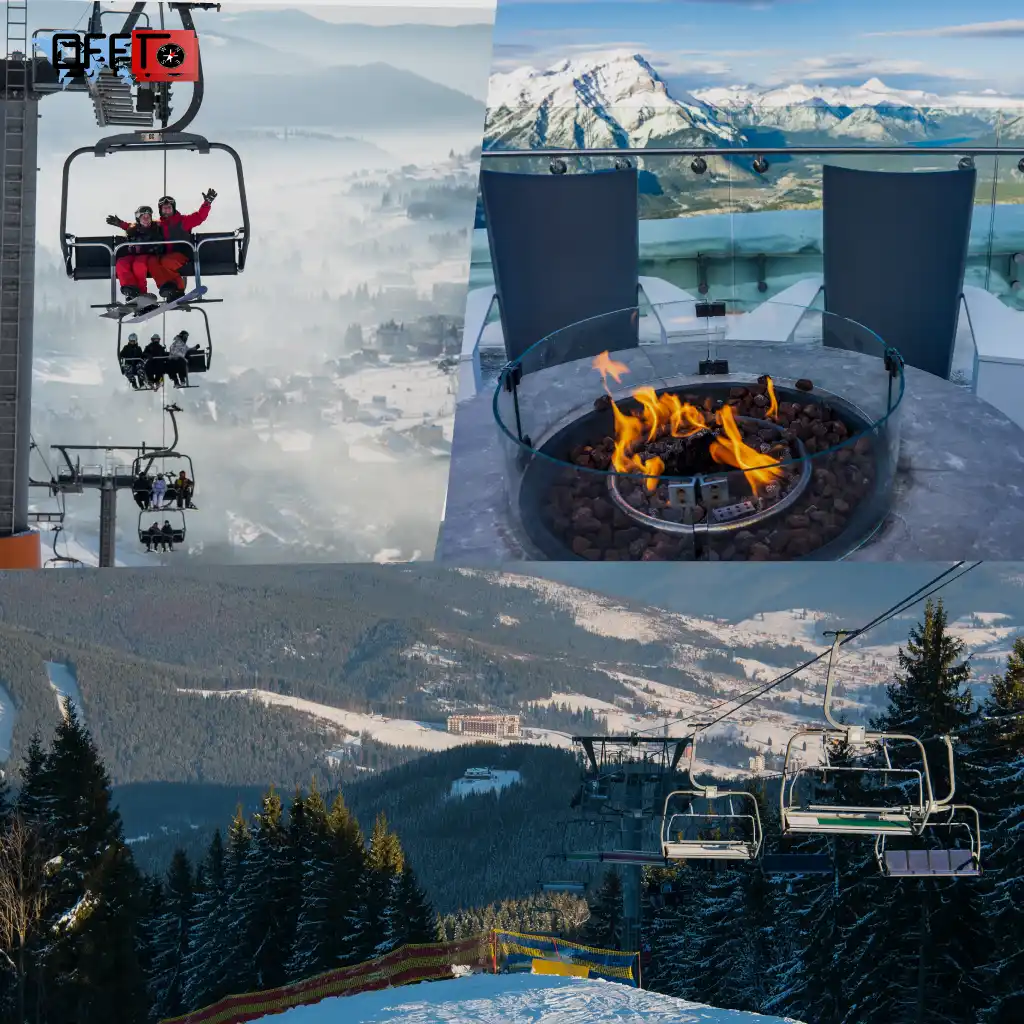
Shimla, with its charming weather, scenic views, and rich history, is the perfect destination for a quick weekend getaway or a longer, more relaxed retreat. Depending on the season and your travel style, the itinerary for your visit can vary. Here’s a detailed look at both a quick 2-day trip for those with limited time, as well as a relaxed 3-day itinerary for those seeking a more immersive Shimla experience.
2-Day Itinerary (Quick Hill Escape)
Day 1: Arrival and Sightseeing
- Morning: Arrive in Shimla and check in to your accommodation, ideally located near Mall Road for easy access to the major attractions. Once settled, head out for a relaxed walk along Mall Road, Shimla’s most famous street. Here, you can enjoy the colonial architecture, do some shopping, and enjoy a warm cup of local tea at one of the cafes.
- Afternoon: After lunch, make your way to Jakhoo Temple, perched at the highest point in Shimla. Enjoy the scenic views from the temple and take a short walk around the Jakhoo Hill. You can either opt to take the ropeway or enjoy the trek up to the temple. Afterward, head towards The Ridge, an open space offering panoramic views of the Himalayan peaks.
Evening: Spend the evening strolling along The Ridge, enjoying the festive atmosphere, and perhaps catch a performance or event. End the day with a cozy dinner at one of the local restaurants on Mall Road.
Day 2: Kufri and Departure
- Morning: Start your second day with a trip to Kufri, about 16 km from Shimla. Kufri is a great place to indulge in snow sports during the winter or horse riding and go-karting during the summer months. The Kufri Himalayan Nature Park is a must-see, where you can spot rare wildlife and take a short nature walk.
- Afternoon: After enjoying Kufri, you can visit Naldehra, known for its golf course and natural beauty, or spend some time exploring the nature trails around Kufri before heading back to Shimla.
Evening: Return to Shimla for some last-minute shopping or relaxation. Depending on your travel schedule, enjoy a quiet evening at your accommodation or visit The Mall Road once again for any final souvenir shopping.
Night: Departure back to your destination, refreshed from a wonderful 2-day getaway in Shimla.
This itinerary is ideal for a quick weekend trip, offering a mix of natural beauty, colonial architecture, and leisure activities without overwhelming your schedule.
3-Day Itinerary (Relaxed Shimla Trip)
For those looking to explore Shimla at a slower pace, the 3-day itinerary offers a more balanced and relaxed experience. This itinerary includes nearby destinations, more time for leisurely activities, and a deeper exploration of Shimla’s natural and cultural beauty.
Day 1: Arrival and Exploration of Shimla’s Core
- Morning: Arrive in Shimla and check into your chosen accommodation. Staying near Mall Road is convenient for first-time visitors and allows you easy access to the town’s central attractions.
- Afternoon: After settling in, take a leisurely walk along Mall Road. Visit the Christ Church and explore Lakkar Bazaar for wooden handicrafts and souvenirs. You can also relax at one of the cafes along Mall Road while enjoying the beautiful views of the surrounding hills.
- Evening: In the evening, visit The Ridge, the town’s central promenade offering spectacular views of the Himalayas. You can also visit Jakhoo Temple and enjoy the panoramic sunset views from the temple. Enjoy a dinner at a local restaurant that offers authentic Himachali cuisine.
Day 2: Kufri, Mashobra, and Narkanda
Morning: Begin your day with a visit to Kufri, located just 16 km from Shimla. If you’re visiting in the winter, you can enjoy skiing, snowboarding, or sledging in Kufri’s snow-covered landscapes. In summer, you can enjoy horseback riding or explore the Himalayan Nature Park.
Afternoon: After Kufri, head towards Mashobra, a peaceful village 12 km from Shimla. Known for its natural beauty and less crowded vibe, Mashobra is perfect for nature walks and relaxation. Visit the Reserve Forest Sanctuary for some birdwatching or simply enjoy the lush green surroundings.
- Late Afternoon: From Mashobra, continue your journey to Narkanda, a quaint town known for its apple orchards and snow-covered peaks in winter. If you visit during the summer, you can enjoy hiking and nature trails, while winter offers excellent opportunities for
skiing.
Evening: Return to Shimla for the evening. Enjoy a quiet dinner and relax at your accommodation after a full day of exploration.
Day 3: Relaxed Sightseeing and Departure
Morning: On your final day, take a relaxed morning stroll through the botanical gardens or enjoy a visit to Shimla’s Viceregal Lodge. The historical architecture and surrounding gardens make it a peaceful retreat. If you’re a history enthusiast, a visit to the Shimla Heritage Museum can be a great way to learn more about the town’s colonial past.
Afternoon: Spend the afternoon visiting any attractions you may have missed, such as Tara Devi Temple or Himalayan Bird Park, before heading back to your accommodation for lunch.
Evening: If you still have time before your departure, take one last walk around Mall Road or visit a local café for a warm drink. Then, bid farewell to Shimla, taking home memories of a relaxed and rejuvenating trip.
This 3-day itinerary is perfect for those looking to enjoy Shimla at a slower pace, combining sightseeing, nature exploration, and relaxation.
Where to Stay in Shimla (Area & Experience Guide)
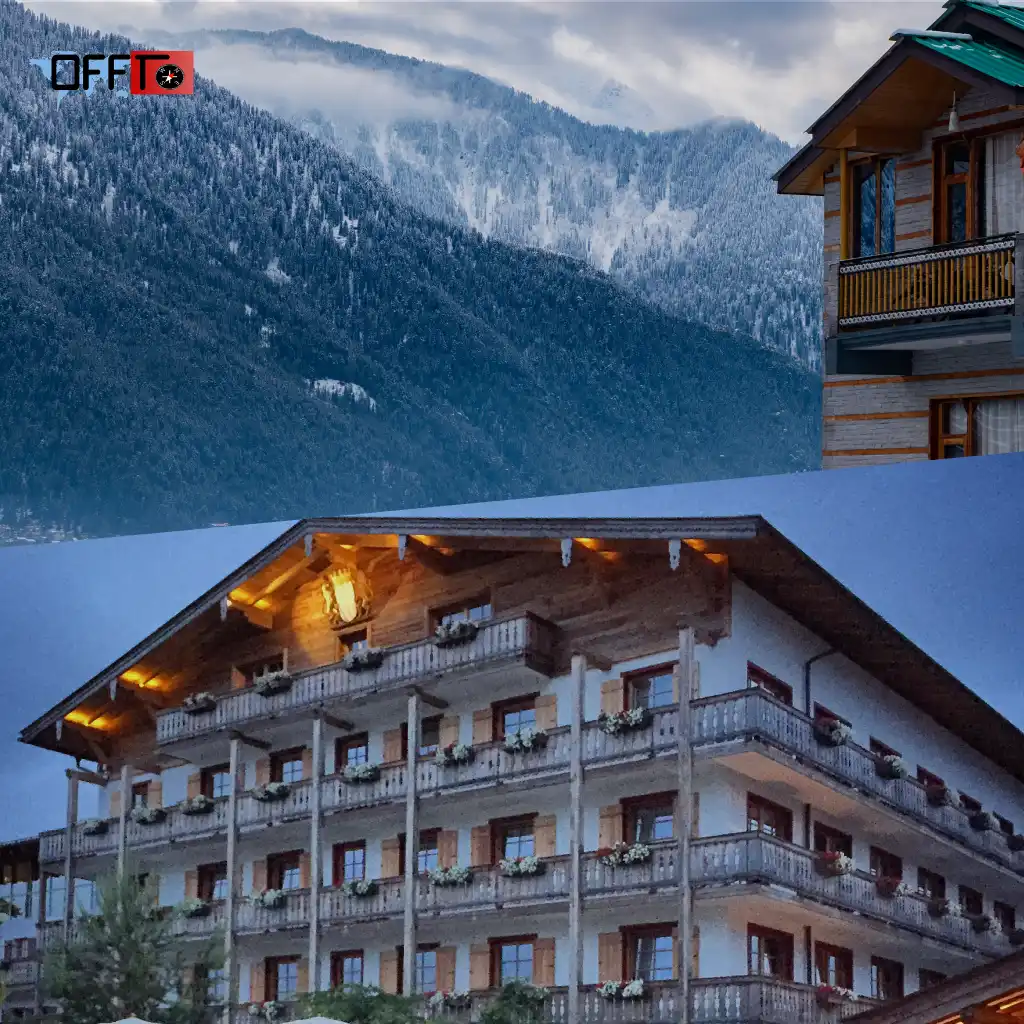
Shimla offers a wide range of accommodation options that suit different preferences and budgets. Whether you’re looking for convenience, serenity, or a place to connect with nature, Shimla has something for everyone. Here are the best places to stay depending on your needs.
Staying Near Mall Road (Convenience & Access)
For first-time visitors or those who want to be in the heart of the action, staying near Mall Road is the best choice. This central location offers easy access to most of Shimla’s tourist attractions, including the Ridge, Jakhoo Temple, and the Viceregal Lodge.
Best for: Convenience, shopping, restaurants, and easy access to all major tourist spots.
Why Stay Here: Being close to Mall Road means you can enjoy the town’s lively market atmosphere, shop for local handicrafts, and dine at local cafes and restaurants. Additionally, the viewpoints and major attractions are all just a short walk away.
Quiet Stays in Mashobra & Kufri (Nature-Focused)
If you prefer a quieter experience, surrounded by nature, staying in Mashobra or Kufri is ideal. These areas are less crowded than Shimla’s town center, offering a peaceful retreat with beautiful natural surroundings.
- Best for: Those seeking tranquility, nature-focused stays, and a more relaxed experience.
Why Stay Here: In Mashobra or Kufri, you can enjoy stunning mountain views, lush greenery, and wildlife sanctuaries. These areas provide a perfect escape from the busy town center, allowing you to unwind and connect with nature.
Shimla offers a range of experiences depending on where you stay. Whether you want to be in the heart of the action or prefer a serene, nature-filled retreat, there’s a perfect place for everyone to stay in Shimla.
Shimla Travel Tips (Season-Based Planning)
Shimla’s charm lies in its ability to offer a unique experience in every season. Whether you’re trekking through lush forests in summer, enjoying snow activities in winter, or seeking a peaceful getaway during the monsoon, each season presents its own set of challenges and rewards. Here are some season-based travel tips to help you make the most of your trip to Shimla.
What to Pack for Each Season
Shimla’s weather changes drastically depending on the time of year, so it’s important to pack accordingly. Here’s what you’ll need for each season:
Summer (March–June)
- Light, breathable clothes: Pack comfortable cotton clothes for the daytime, as temperatures range from 15°C to 25°C.
- Layering options: For chilly evenings, bring a light jacket or sweater as the temperature can drop.
- Sun protection: The summer sun can still be strong at times, so carry sunscreen, sunglasses, and a hat.
- Comfortable shoes: Perfect for walking and exploring the town and nearby areas.
Monsoon (July–September)
- Waterproof clothing: Pack a raincoat or umbrella, as heavy rainfall is common during this period.
Sturdy shoes: Waterproof or non-slip shoes are essential, as the terrain can be slippery.
Insect repellent: The monsoon season brings an increase in mosquitoes and leeches, so don’t forget to carry insect repellent.
Light clothing: Despite the rain, it’s still warm, so lightweight, quick-drying clothes are ideal.
Winter (December–February)
Heavy woolens: Temperatures can drop below freezing, so pack warm clothes, including thermals, jackets, gloves, and scarves.
- Waterproof boots: Snow and slush can make the roads slippery, so waterproof shoes are essential.
Snow gear: If you plan to engage in snow activities like skiing or snowboarding, pack appropriate gear or rent it locally in Kufri or Narkanda.
Avoiding Peak Crowd Chaos
Shimla is a popular tourist destination, especially during the summer months when the town gets busy with travelers from across the country. To avoid the crowded chaos, consider these tips:
- Visit During Off-Peak Seasons: The monsoon (July–September) and early autumn (September–October) are ideal for those who prefer to avoid the crowds. While monsoon brings rain, it also means fewer tourists, making it a perfect time to enjoy Shimla in peace.
- Explore Early or Late in the Day: If you’re visiting during peak season (March–June or December–January), try to explore popular spots like Mall Road and The Ridge early in the morning or late in the evening when the crowds are thinner.
- Choose Alternative Attractions: Instead of visiting well-known spots, explore less crowded attractions such as Tara Devi Temple, Chail, or Mashobra, where you can escape the typical tourist rush.
Booking Tips for Snowfall Season
If you’re visiting Shimla for snowfall and winter activities, you’ll need to plan ahead, especially during the peak snowfall months (December and January).
- Book Accommodations Early: Since Shimla is a popular winter destination, hotels and resorts fill up quickly. It’s best to book your stay well in advance, particularly in Kufri and Narkanda, where snow-related activities are in high demand.
- Reserve Winter Activities: Activities like skiing, sledging, and snowboarding require bookings, so make sure to reserve spots in advance to avoid disappointment during the high season.
Check for Road Conditions: Heavy snowfall can sometimes lead to road closures or disruptions in travel. Make sure to check weather updates and be flexible with your plans. Some roads may be inaccessible due to snow accumulation, particularly in the high-altitude areas like Kufri or Narkanda.
Road and Accessibility Considerations
Shimla’s road network is generally well-maintained, but road conditions can vary depending on the season. Here are some essential tips for safe travel:
- In Winter: Snowfall can lead to slippery roads, especially in higher areas like Kufri and Narkanda. If you’re driving, make sure your vehicle is equipped with snow chains, and always carry extra warm clothing, water, and a first-aid kit.
- In Monsoon: During the monsoon season, landslides are a possibility, particularly on the Shimla-Kalka Highway. Stay informed about road conditions and keep an eye on local news for any alerts related to landslides or road closures.
Public Transport: If you’re not driving yourself, taxi services and local buses are available, but always check if they are running smoothly, especially during the winter or monsoon seasons when routes may be disrupted.
A Quick Personal Note: What Shimla Feels Like in Different Seasons
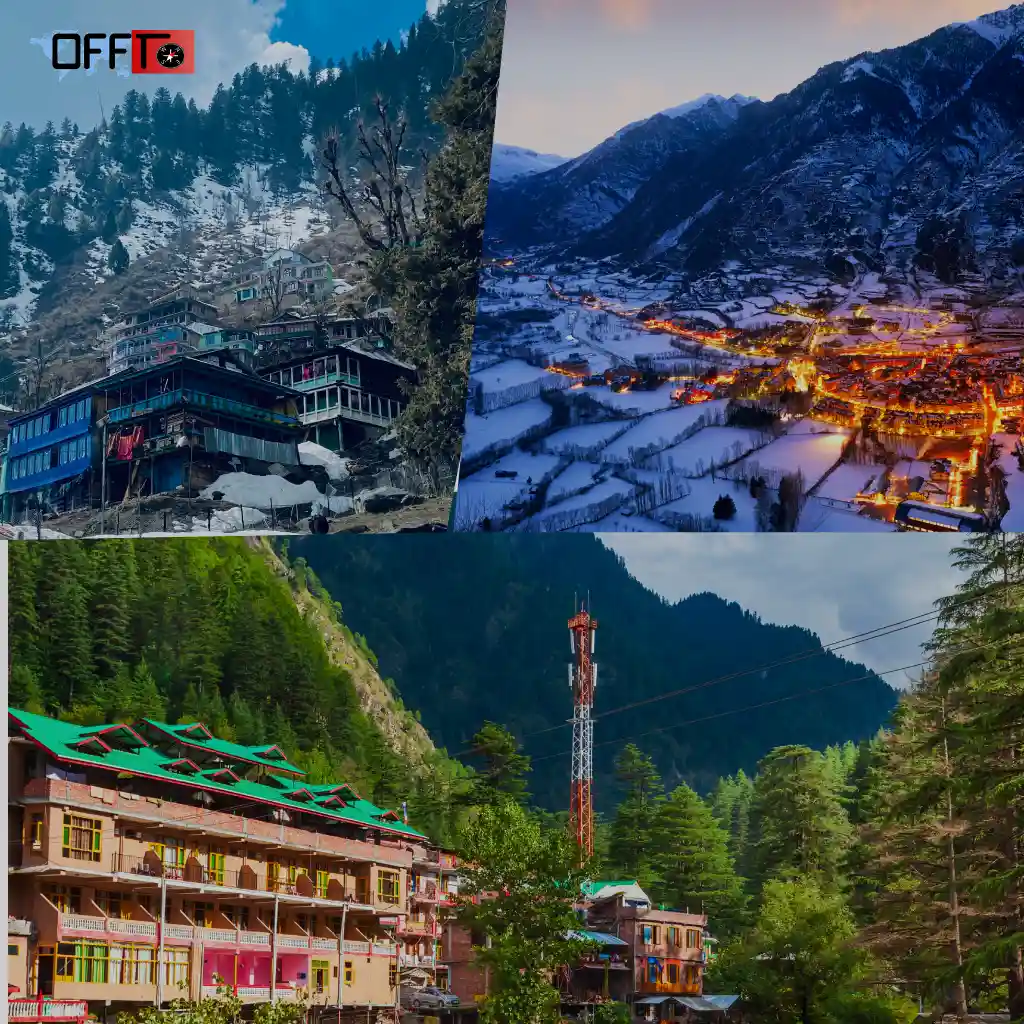
Shimla is a town that transforms with each season, offering a new atmosphere and energy depending on when you visit. Understanding the town’s seasonal rhythm can help you truly connect with its charm.
The Contrast Between Summer Energy and Winter Calm
Summer Energy: During summer, Shimla is full of life, with families, tourists, and locals enjoying the cooler weather. There’s a palpable sense of excitement in the air, with open-air markets, bustling streets, and lively cultural events. The Ridge, Mall Road, and Kufri are filled with visitors, making it a vibrant and dynamic place to be. The cool temperatures and clear skies make it an excellent time for sightseeing and shopping.
Winter Calm: In contrast, Shimla in winter feels much more peaceful and serene. The snowfall creates a tranquil environment, with quiet streets and snow-covered landscapes. The busy summer energy gives way to a more relaxed and calm atmosphere. It’s the perfect time to enjoy cozy evenings, sipping hot tea by the fireplace, and engaging in winter sports in places like Kufri and Narkanda. The quiet beauty of the town during winter makes it an ideal time for reflection and personal moments of calm.
The Rhythm of the Town Beyond Tourist Spots
While Shimla is known for its tourist attractions, there’s a subtle rhythm to the town that goes beyond the usual sightseeing. Whether you’re strolling along Mall Road in the evening or sitting by a window overlooking snow-capped peaks, Shimla has a slow-paced, reflective energy. It’s easy to get lost in its charm, soaking in the surroundings without the pressure of the crowds.
- In the Summer: The town is more lively, with visitors flocking to the Ridge, Jakhoo Temple, and Kufri, and enjoying family outings or treks. It has a welcoming, energetic vibe, perfect for those seeking excitement and activity.
In the Winter: When the snow falls, Shimla becomes quieter, and the pace of life slows down. Winter tourists enjoy peaceful walks, scenic drives, and snowball fights. The town becomes a tranquil retreat for those wanting to experience the natural beauty of the Himalayas in its purest form.
Shimla’s seasonal contrasts offer unique ways to experience the town, whether you’re drawn to the energetic vibe of summer or the calming peace of winter. By planning your trip based on the season, you can immerse yourself in the true essence of this beautiful hill station.
Plan Your Shimla Trip with Offto Travellers
Shimla is a destination that offers diverse experiences across every season, from snow-covered winter landscapes to pleasant summer weather. At Offto Travellers, we make planning your Shimla getaway easier and more enjoyable by offering personalized travel tools, insightful recommendations, and a wide range of booking options to help you plan a seamless and memorable trip. Whether you’re seeking an adventure-filled weekend or a relaxing escape, we’ve got you covered!
Discover Real Travel Stories and Seasonal Insights
At Offto Travellers, we believe that the best way to plan a trip is by learning from the experiences of fellow travelers. Our platform offers real travel stories from those who have explored Shimla through different seasons. Whether you’re looking for winter snowfall tips, summer sightseeing ideas, or monsoon travel hacks, these stories provide you with first-hand insights and helpful advice that only seasoned travelers can offer.
Seasonal Insights: Read detailed accounts of how Shimla changes throughout the year, from its summer festivals to its snowfall adventures.
- Practical Tips: Learn about local attractions, hidden gems, and off-the-beaten-path experiences that will enrich your journey.
Traveler Recommendations: Find highly-rated experiences, restaurants, and attractions that suit your preferences and travel style.
With real experiences at your fingertips, you can make informed decisions and tailor your Shimla trip to suit your needs.
Save Itineraries and Plan Smarter Trips
Planning a trip to Shimla can be overwhelming with so many options for things to do and places to visit. With Offto Travellers, we simplify this process by allowing you to save itineraries and plan smarter trips with ease.
Personalized Itineraries: Choose from our pre-designed itineraries for a weekend escape, family vacation, or snowfall experience. You can customize these itineraries based on your interests and travel preferences.
Smart Trip Planner: Our trip planning tools let you add places to visit, activities to do, and places to stay—all in one place. This ensures that you don’t miss out on any key attractions or experiences during your trip.
Season-Based Plans: Based on when you plan to visit Shimla, our platform suggests season-specific itineraries, ensuring you have the best experience, whether you’re visiting during winter, summer, or monsoon.
Book Hotels, Holidays, and Experiences
Offto Travellers offers easy booking for hotels, holiday packages, and experiences. We understand that every traveler has different preferences, and we cater to a wide range of options to ensure that you get the most out of your Shimla trip.
- Accommodation: Whether you’re looking for a luxury resort, a cozy homestay, or a budget-friendly guesthouse, we provide you with a range of accommodation options in Shimla, Kufri, Mashobra, and beyond. You can also book stays near popular spots like Mall Road or The Ridge for easy access to major attractions.
- Holiday Packages: Choose from our customizable Shimla tour packages, whether you’re interested in sightseeing, trekking, or snow activities. We offer everything from family vacations to honeymoon packages, ensuring you get exactly what you’re looking for.
- Experiences and Activities: Book unique adventure activities like skiing in Kufri, trekking through dense forests, or enjoy a peaceful nature walk in Mashobra. We also provide options for cultural experiences, such as visiting local temples or exploring colonial heritage sites.
Explore Shimla Beyond Typical Tourist Routes
Shimla is well-known for its popular tourist spots, but there’s so much more to explore beyond the usual attractions. At Offto Travellers, we help you discover off-the-beaten-path gems that will take your Shimla trip to the next level.
- Hidden Gems: Go beyond the typical tourist hotspots like Mall Road and Jakhoo Temple. Explore Tara Devi Temple, Chadwick Falls, and Naldehra Golf Course for a more tranquil, authentic experience.
Local Culture and Villages: Visit Mashobra, Chail, and Kufri for a peaceful retreat away from the crowds. Experience local culture by staying in homestays and interacting with the warm and welcoming Himachali locals.
Nature and Adventure: For those seeking more adventure, try trekking, paragliding, or camping in Shimla’s less commercialized areas. Offto Travellers offers guided tours and treks that take you deep into Shimla’s untouched landscapes.
By exploring these lesser-known spots, you’ll experience a side of Shimla that most tourists miss, adding a unique touch to your trip.
Plan Your Shimla Trip with Confidence
Whether you’re a first-time visitor or a seasoned traveler looking for new experiences, Offto Travellers is your go-to platform for planning and booking your ideal Shimla getaway. From seasonal insights to custom itineraries and exclusive experiences, we ensure that every aspect of your trip is taken care of.
Start planning today, and get ready to discover the charm of Shimla like never before—through the eyes of real travelers and expert guidance!
FAQs
Which month is best to visit Shimla?
The best time to visit Shimla is from March to June for pleasant weather, ideal for sightseeing and outdoor activities. December to February is perfect for those looking to experience snowfall and winter activities, while July to September sees fewer crowds but comes with the risk of monsoon rains.
What is Shimla famous for?
Shimla is famous for its colonial architecture, scenic views, and snowfall in winter. As the summer capital of British India, it’s known for historic landmarks like the Viceregal Lodge, Mall Road, and its serene hill-town charm. Shimla also offers adventure activities like skiing in Kufri and trekking through lush forests.
Does Shimla have snowfall?
Yes, Shimla experiences snowfall during the winter months, especially from December to February. Kufri, Naldehra, and Chail are popular spots for snow activities like skiing, sledging, and snowboarding. However, snowfall is not guaranteed every day and can vary depending on weather conditions.
Which month has heavy snowfall in Shimla?
The heaviest snowfall in Shimla typically occurs in January. This month provides the most reliable snowfall, transforming the town into a winter wonderland. While December also experiences snow, January is the best time for those looking to enjoy snow sports and the winter atmosphere.
Is Shimla good to visit during monsoon?
Shimla can be visited during the monsoon season (July to September), but there are certain challenges. While the lush greenery is stunning, the heavy rainfall increases the risk of landslides and makes trekking difficult. It is a quieter time to visit for those who prefer fewer crowds but may not be ideal for outdoor activities.
How many days are enough for Shimla trip?
A 2–3 day trip is typically enough to explore the main attractions of Shimla, such as Mall Road, The Ridge, and Jakhoo Temple. For those interested in more in-depth exploration or nearby destinations like Kufri, Mashobra, or Narkanda, a 3-day itinerary is ideal for a relaxed and well-rounded experience.
What are the best places to visit in Shimla?
Some of the best places to visit in Shimla include The Ridge, Mall Road, Jakhoo Temple, Kufri, and Kufri Himalayan Nature Park. If you enjoy nature, don’t miss Chadwick Falls or the Viceregal Lodge, which offers a look into Shimla’s colonial past. Naldehra is also a great spot for golfing and scenic views.
Is Shimla safe for tourists?
Yes, Shimla is generally considered very safe for tourists. The town is popular with families, solo travelers, and adventure seekers alike. While it’s important to take standard precautions regarding personal belongings, Shimla has a low crime rate, and the locals are known for their hospitality and helpfulness.
What are the best activities to do in Shimla?
Shimla offers a variety of activities depending on the season. In winter, snow activities like skiing and snowboarding in Kufri are popular. In summer, you can enjoy nature walks, trekking, boating, and sightseeing. Shimla is also known for its shopping at Lakkar Bazaar and Mall Road, where you can pick up wooden crafts and local handicrafts.
How can I reach Shimla from Delhi?
To reach Shimla from Delhi, you have several options. The most common is by train, with Shatabdi Express running from New Delhi to Kalka, followed by a toy train ride to Shimla. Alternatively, you can drive (approximately 7–8 hours) or take a bus from Delhi to Shimla. The nearest airport is Shimla Airport (Jubbarhatti), which is about 23 km from the town.
How is the road from Chandigarh to Shimla?
The road from Chandigarh to Shimla is well-maintained and scenic, offering beautiful views of the mountains. The journey takes about 3-4 hours by car or bus, covering 113 km. The Shimla-Kalka Highway is the most commonly used route, but travelers should be aware of potential weather-related disruptions during winter, especially in areas prone to snowfall.
Read more >>>
Best Time to Visit Nainital – Weather, Snowfall & Travel Guide
Explore Kheerganga Trek – Best Time, Route, and Camping Tips
Sample Call to Action Heading
Add a strong one liner supporting the heading above and giving users a reason to click on the button below.
Play StoreApp Store
Leave a Reply