
The best time to visit Bhutan is during spring (March–May) and autumn (September–November), offering clear mountain views, pleasant weather, and major festivals. Winter is ideal for snow and fewer crowds, while monsoon brings greenery but less visibility. Choose based on your travel style and priorities.
What is the Best Time to Visit Bhutan?
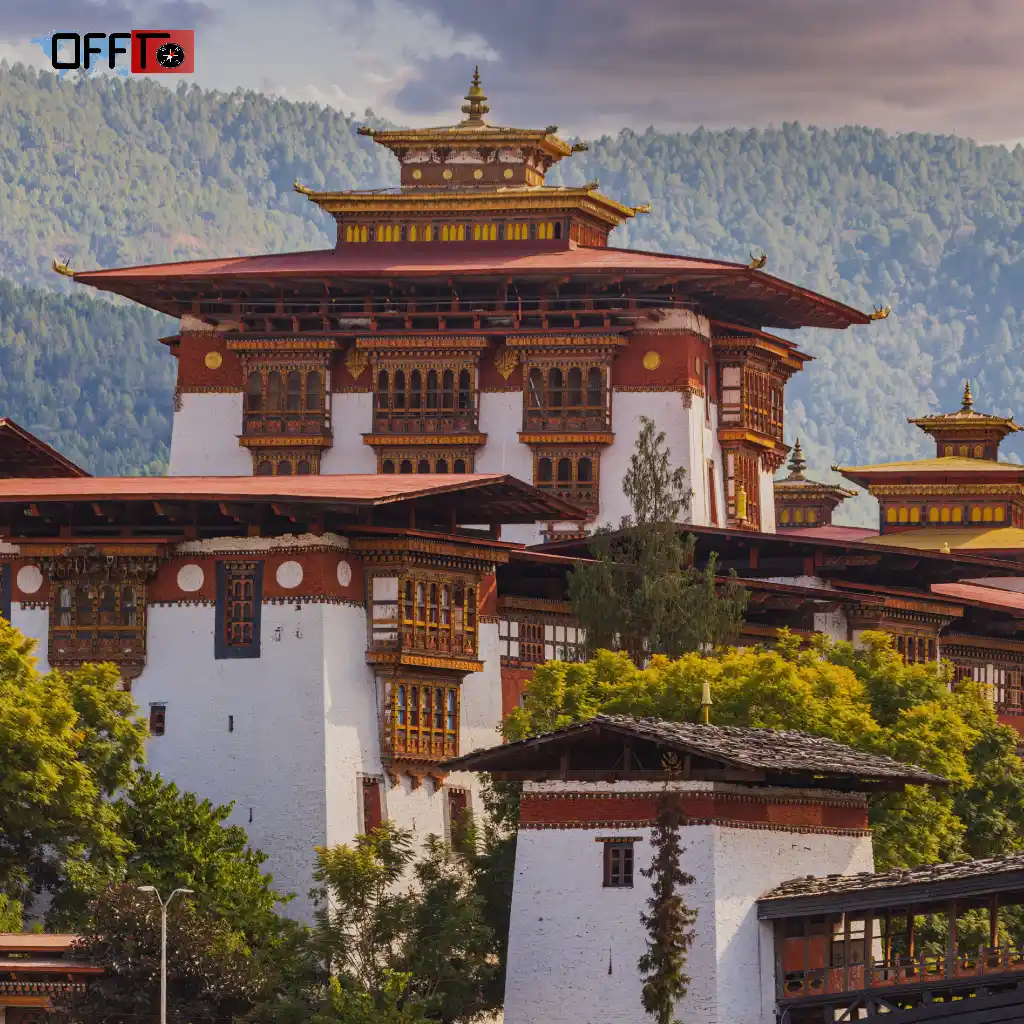
If you’re wondering what is the best time to visit Bhutan, the short answer is:
March to May (spring) and September to November (autumn) are the best months to visit Bhutan.
These seasons offer:
- Clear mountain views
- Comfortable Bhutan weather
- Major festivals like Paro Tsechu
- Ideal conditions for sightseeing and trekking
Quick Decision Guide (Based on Travel Priorities)
- For festivals + cultural experience → Spring & Autumn
- For clear Himalayan views → Autumn (best visibility)
- For fewer crowds + lower costs → Monsoon (June–August)
- For snow + winter landscapes → December–February
Snapshot: When to Visit Bhutan Based on Travel Style
- First-time travelers: Spring or autumn for the most balanced experience
- Photography-focused trips: Autumn for sharp mountain visibility
- Nature lovers: Spring for blooming landscapes
- Budget travelers: Monsoon for lower prices (with tradeoffs)
- Snow seekers: Winter, but mainly in higher-altitude areas
Practical Insight
While most guides say “spring and autumn are best,” the real answer depends on what you want from Bhutan.
- Spring feels vibrant and alive
- Autumn feels crisp and visually dramatic
Both deliver excellent conditions, but the experience is subtly different, not identical.
Bhutan Weather & Climate Overview (Before You Plan)
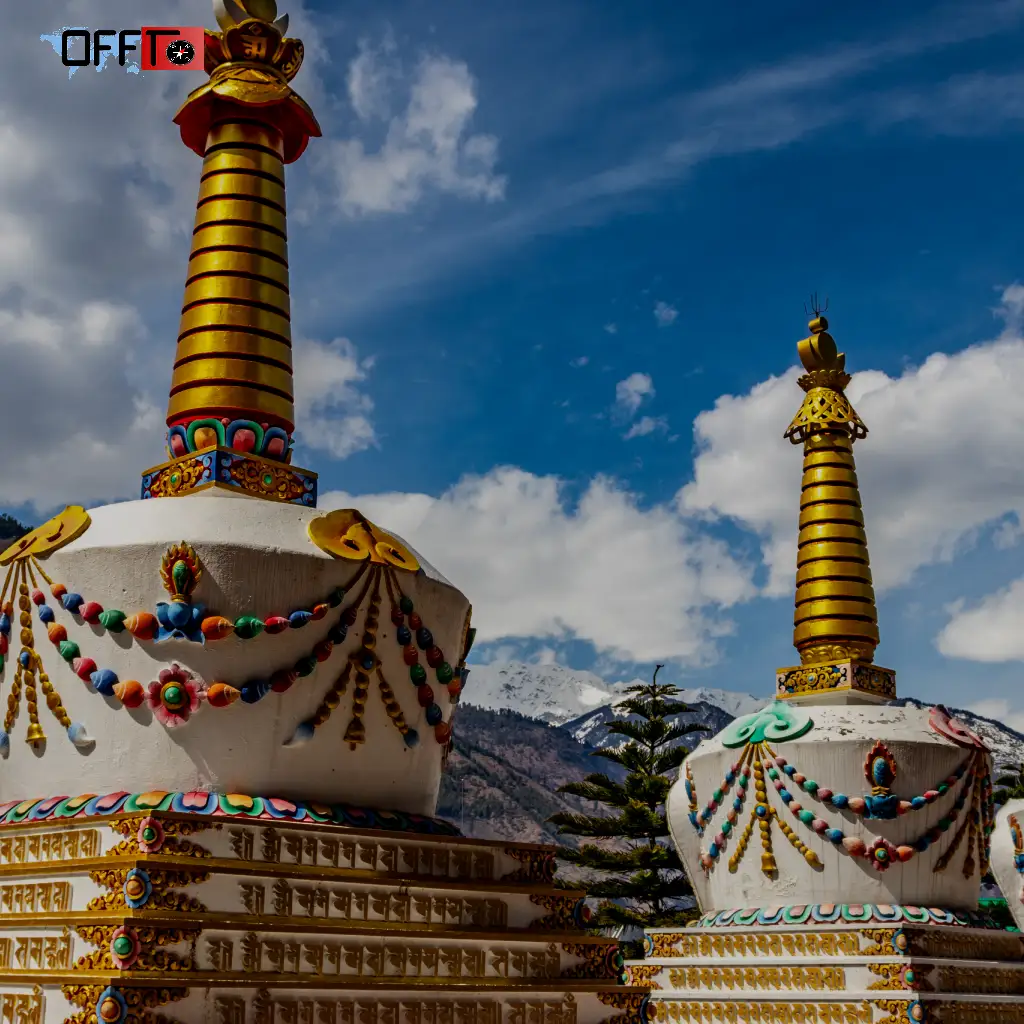
Before deciding the best time to visit Bhutan, it’s important to understand that Bhutan doesn’t have a single uniform climate. The Bhutan weather varies significantly depending on altitude and region.
Bhutan Has Multiple Climate Zones
Bhutan is a mountainous country, which means climate changes quickly across short distances.
- Lowlands (Southern Bhutan):
Warmer, humid, closer to subtropical climate - Central valleys (Paro, Thimphu, Punakha):
Moderate climate, where most travelers spend time - High-altitude regions:
Colder, alpine conditions with snow in winter
What this means: The Bhutan temperature you experience depends more on where you go than just when you go.
Temperature Variation Across Regions
Even within a single day, Bhutan can feel different depending on altitude.
- Daytime: Pleasant in most seasons (especially spring and autumn)
- Nighttime: Noticeably colder, even after warm days
- Higher areas: Cooler year-round, with snowfall in winter
Example: Punakha can feel warm and almost tropical, while Paro and Thimphu stay cooler at the same time.
What Impacts Travel in Bhutan
Unlike flat destinations, travel in Bhutan is influenced by a few key environmental factors:
Altitude
- Affects temperature, breathing comfort, and travel pace
- Higher regions = colder and slower travel
Rainfall (Monsoon)
- Heavy rains from June to August
- Can impact road conditions and visibility
Snowfall
- Occurs mainly in higher altitudes during winter
- Can limit access to certain routes
Practical Planning Insight
When evaluating Bhutan weather, don’t just look at temperature charts. Focus on:
- Visibility (clear vs cloudy skies)
- Road conditions (especially during monsoon)
- Altitude of your itinerary (Paro vs high passes)
What This Means for Choosing the Best Time
The “best time to visit Bhutan” is not just about good weather—it’s about predictability and access.
- Spring and autumn offer the most stable conditions
- Monsoon brings greenery but less reliability
- Winter offers clear skies but colder travel conditions
Understanding Bhutan’s climate helps you plan smarter—not just pick a season, but choose the right experience for your travel style.
Bhutan Seasons Explained (Month-by-Month Travel Guide)
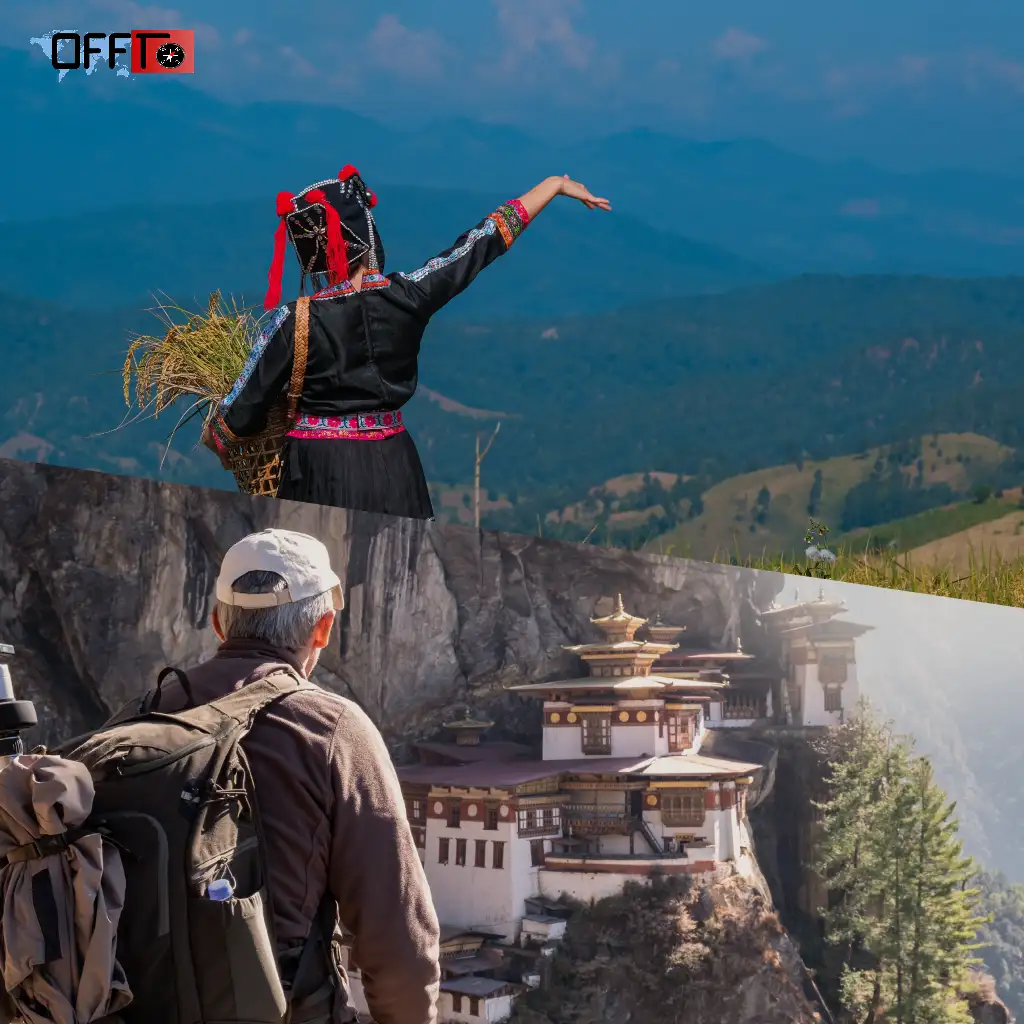
To truly understand the best time to visit Bhutan, you need to look beyond a simple “best months” answer. Each season in Bhutan offers a different version of the country—in landscape, visibility, and travel experience.
Spring in Bhutan (March–May)
Spring in Bhutan is often considered one of the most rewarding seasons, especially for first-time visitors.
- Weather: Pleasant, stable, and comfortable
- Landscape: Blooming flowers, especially rhododendrons
- Visibility: Generally clear skies with occasional haze
This is when valleys like Paro and Punakha feel visually alive, with greenery returning after winter.
Why It Works
- Ideal for sightseeing and light trekking
- Comfortable Bhutan temperature for long days outdoors
- Major festivals like Paro Tsechu bring cultural depth
Bhutan Weather in May (High Intent Insight)
May is one of the best-balanced months:
- Warm but not hot
- Good visibility before monsoon begins
- Slight increase in tourist flow
Tradeoff: Late May can feel slightly humid, especially in lower valleys.
Summer / Monsoon in Bhutan (June–August)
Monsoon in Bhutan transforms the landscape—but also introduces unpredictability.
- Weather: Frequent rainfall, cloud cover
- Landscape: Extremely lush and green
- Crowds: Noticeably fewer tourists
What Makes This Season Different
The rainy season in Bhutan brings a softer, quieter atmosphere. Valleys look richer, rivers fuller, and the overall pace slows down.
Pros
- Fewer crowds and better hotel availability
- Lower travel costs
- Unique misty landscapes
Cons
- Limited mountain visibility
- Road travel can be slower due to rain
- Outdoor plans may need adjustment
Practical insight: Monsoon is not “bad”—it’s just less predictable. It works best if your trip is flexible and not tightly scheduled.
Autumn in Bhutan (September–November)
Autumn is widely considered the best overall season and often the answer to “best month to visit Bhutan.”
- Weather: Dry, stable, and crisp
- Visibility: Excellent—clear Himalayan views
- Festivals: Peak cultural season
Why Autumn Stands Out
- Sharp mountain visibility, ideal for photography
- Comfortable climate for trekking and sightseeing
- Major festivals across regions
Travel Experience
Everything feels visually defined and structured—clear skies, sharp landscapes, and active cultural events.
Tradeoff
This is peak tourist season, so:
- Prices are higher
- Popular routes and festivals can feel busy
Winter in Bhutan (December–February)
Winter offers a quieter, more minimal version of Bhutan.
- Weather: Cold, especially at night
- Landscape: Clear skies, snow in higher altitudes
- Crowds: Low
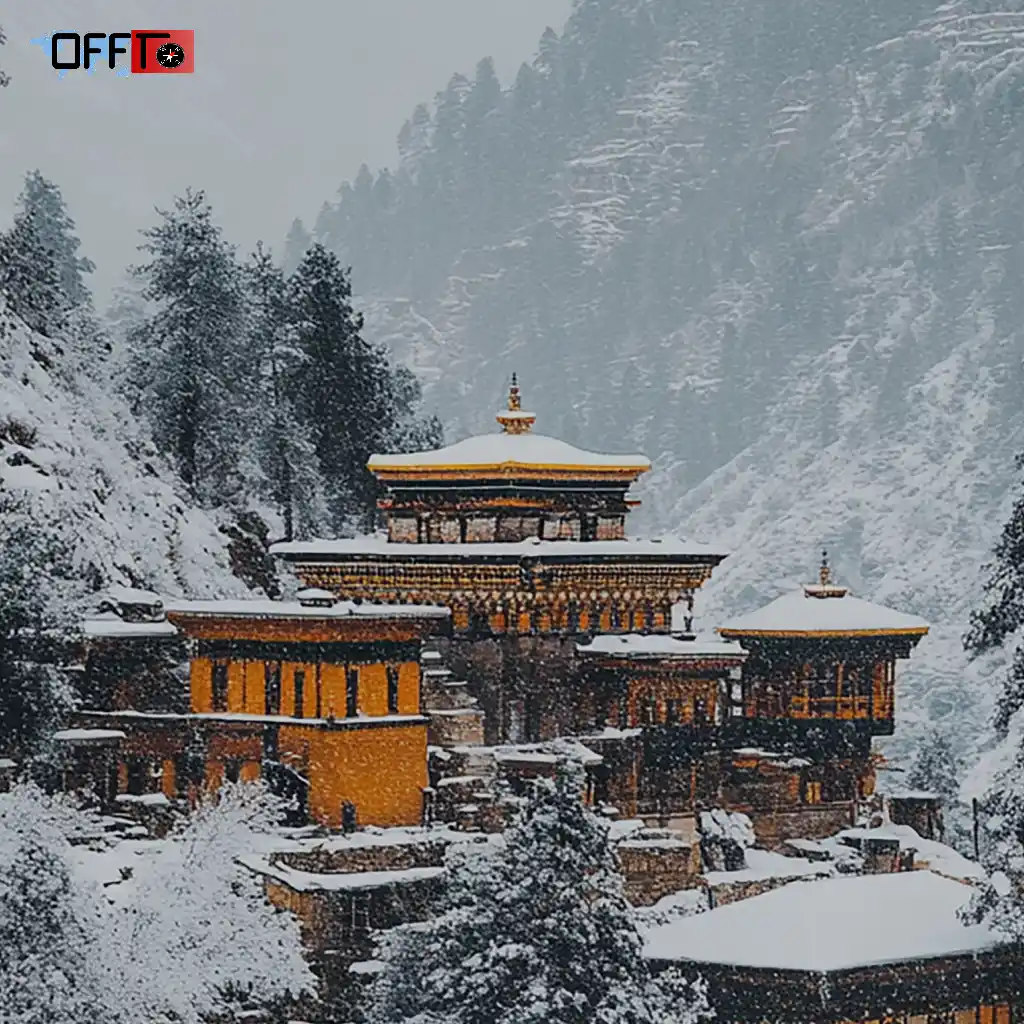
Bhutan Snowfall Time
Snowfall occurs mainly in higher-altitude regions and mountain passes, not consistently in all valleys.
Why Consider Winter
- Fewer tourists
- Better deals on stays
- Clear, crisp mountain views
Limitations
- Some high-altitude areas may be less accessible
- Colder temperatures can affect travel comfort
Practical insight: Winter works best for travelers who value quiet and clarity over variety of activities.
How to Read These Seasons (Decision Layer)
- Spring: Balanced, vibrant, culturally rich
- Monsoon: Green, quiet, but unpredictable
- Autumn: Best visibility + festivals (most popular)
- Winter: Calm, cold, and less crowded
Bhutan Temperature (Month-Wise Breakdown)
Understanding Bhutan temperature helps you set realistic expectations—not just for comfort, but for how your day will feel.
Average Temperature by Season (Central Valleys)
- Spring (March–May):
- Day: ~15°C to 25°C
- Night: ~5°C to 12°C
- Monsoon (June–August):
- Day: ~18°C to 28°C
- Night: ~12°C to 18°C
- Autumn (September–November):
- Day: ~10°C to 22°C
- Night: ~3°C to 10°C
- Winter (December–February):
- Day: ~5°C to 15°C
- Night: ~-2°C to 5°C
Day vs Night Temperature Difference
One of the most important aspects of Bhutan weather is the temperature swing within a single day.
- Warm, comfortable days
- Noticeably colder evenings and early mornings
Practical tip: Layering is essential—regardless of season. Even in warmer months, nights can feel surprisingly cool.
Region-Wise Temperature Variation
Bhutan’s altitude creates distinct temperature differences:
- Paro & Thimphu: Moderate, cooler than lowlands
- Punakha: Warmer and more humid
- High-altitude regions: Cold year-round, with snowfall in winter
Insight: Two places in Bhutan can feel like different climates on the same day. Your itinerary matters as much as the season.
What This Means for Travelers
- There’s no single “Bhutan temperature”—it varies by region and altitude
- Weather comfort is usually manageable with the right layers
- The bigger factor is visibility and conditions, not just temperature
Choosing the best time to visit Bhutan is less about avoiding extreme temperatures and more about selecting the kind of experience you want—clear views, greenery, snow, or fewer crowds
Best Time to Visit Bhutan (Based on Travel Intent)
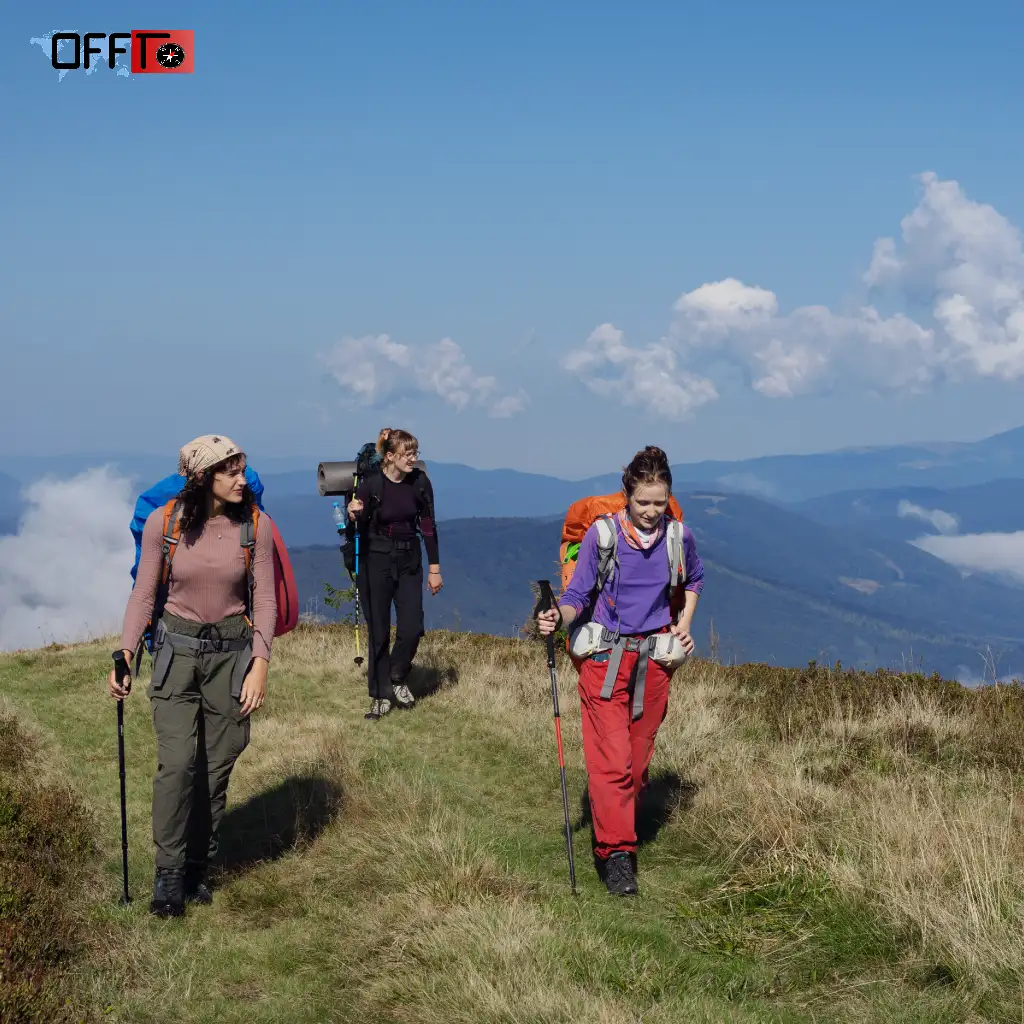
The best time to visit Bhutan isn’t the same for every traveler. It depends on what kind of experience you’re looking for—festivals, snow, budget travel, or outdoor activity.
Here’s a clearer way to decide:
Best for Festivals → Spring & Autumn
If cultural experiences are your priority, plan your trip during:
- Spring (March–May)
- Autumn (September–November)
This is when Bhutan’s major festivals, like Paro Tsechu, take place.
Why it works
- Vibrant local culture
- Pleasant Bhutan weather
- High energy and community participation
Tradeoff: Higher tourist demand, especially during major festival dates.
Best for Snow → Winter (December–February)
If you’re looking for snow-covered landscapes, winter is your window.
- Snowfall occurs mainly in higher-altitude areas
- Valleys like Paro remain cold but accessible
Why it works
- Fewer crowds
- Clear skies and crisp mountain views
Tradeoff: Colder Bhutan temperature, especially mornings and nights, and limited access to some high passes.
Best for Budget Travel → Monsoon (June–August)
Monsoon is the least crowded and most affordable time to visit Bhutan.
- Lower hotel prices
- Easier availability
Why it works
- Lush green landscapes
- Quiet travel experience
Tradeoff
- Rainfall affects visibility
- Outdoor plans may need flexibility
Best for Trekking → Autumn (September–November)
Autumn is widely considered the best season for trekking in Bhutan.
- Stable weather conditions
- Clear mountain views
- Comfortable daytime temperatures
Why it works
- Ideal trail conditions
- Best visibility for Himalayan landscapes
Tradeoff: Peak season means higher costs and more travelers on popular routes.
Decision Insight
- Want the best overall experience? → Spring or Autumn
- Want fewer people and lower costs? → Monsoon
- Want snow and quiet? → Winter
Bhutan Weather in May (High-Intent Section)
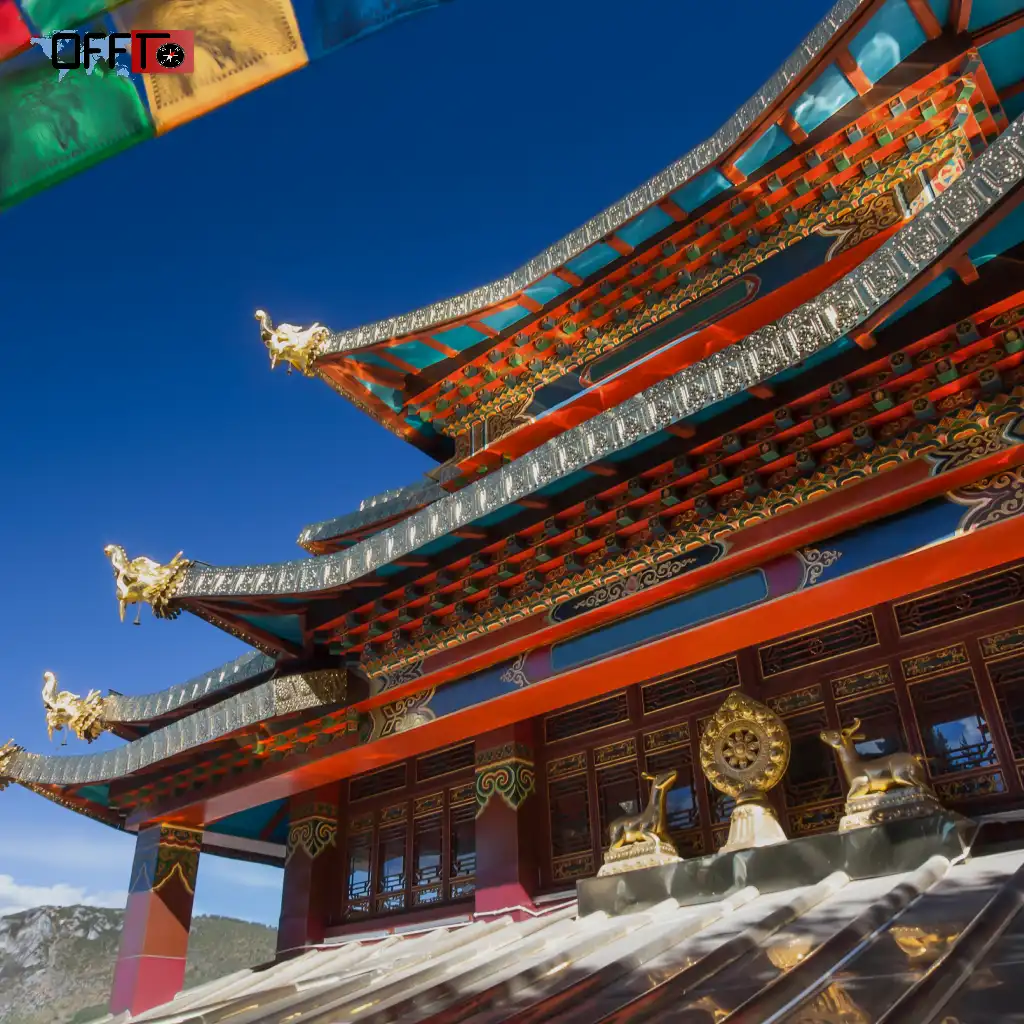
If you’re specifically searching for Bhutan weather in May, you’re already looking at one of the best months to visit Bhutan.
What the Weather Feels Like in May
- Daytime temperature: ~20°C to 28°C
- Night temperature: ~10°C to 15°C
- Generally warm, with increasing humidity toward the end of the month
The weather is comfortable for most activities, without the cold of winter or the heavy rains of monsoon.
Why May Works So Well
- Landscapes are still green and vibrant from spring
- Good visibility before monsoon clouds build up
- Ideal for sightseeing, valley exploration, and light trekking
Experience-wise: May offers a balance between pleasant climate and active travel conditions, making it especially suitable for first-time visitors.
Pros of Visiting Bhutan in May
- Comfortable Bhutan temperature for full-day travel
- Beautiful landscapes with late spring blooms
- Fewer crowds compared to peak autumn
Cons to Consider
- Late May may feel slightly humid, especially in lower valleys
- Visibility can vary on some days as monsoon approaches
- Not as crisp and clear as autumn skies
Practical Insight
If your trip is focused on comfort, greenery, and flexibility, May is one of the safest choices. But if your priority is perfect mountain visibility, autumn still has a slight edge.
Bhutan weather in May offers a well-rounded experience—pleasant temperatures, active landscapes, and manageable crowds—making it one of the most reliable months to plan your trip.
How to Plan a Bhutan Trip (Step-by-Step)
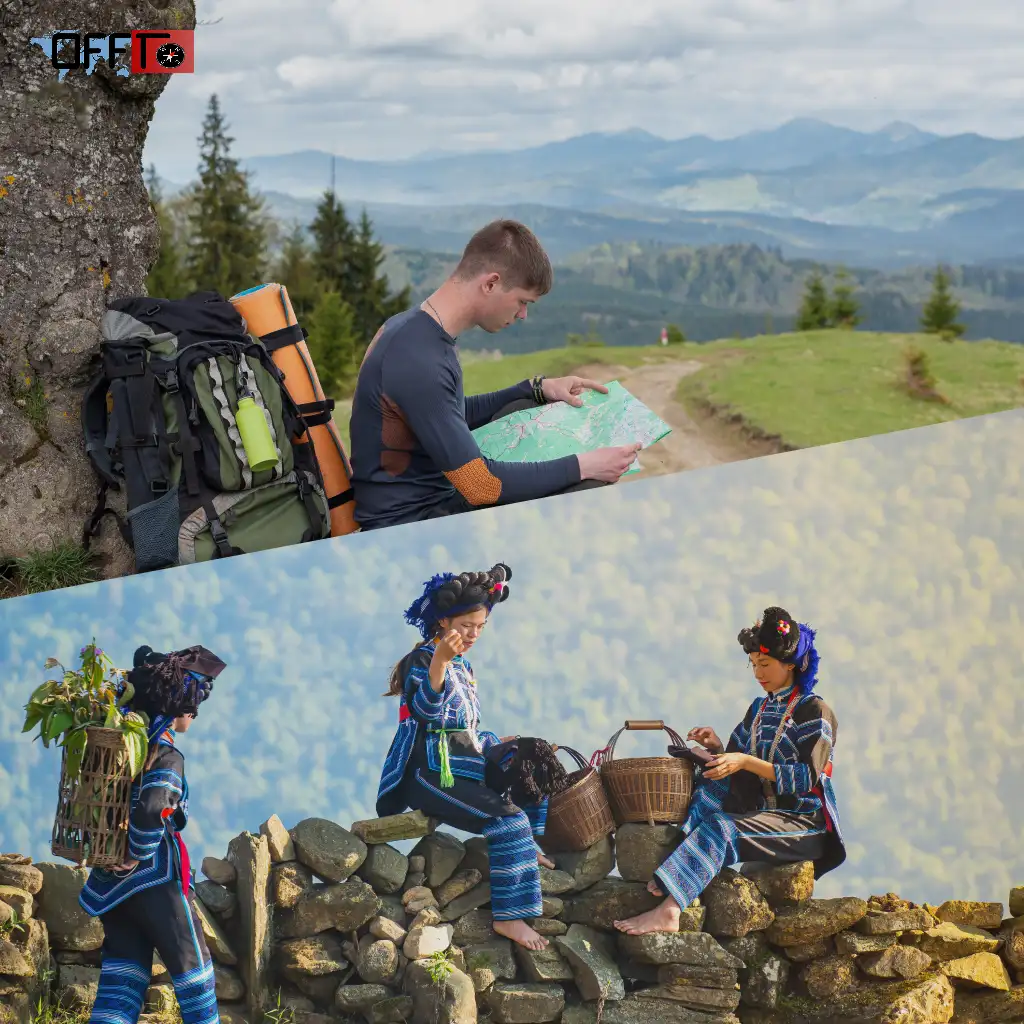
Planning a trip to Bhutan is simpler than it looks—but it requires the right structure. Since travel is regulated and geography is mountainous, a clear plan helps avoid rushed movement.
Step 1: Decide How Many Days You Need
A common question is how many days are required to visit Bhutan.
Lorem ipsum dolor sit amet, consectetur adipiscing elit. Ut elit tellus, luctus nec ullamcorper mattis, pulvinar dapibus leo.
- 5–7 days is ideal for a first trip
- Covers Paro, Thimphu, and Punakha comfortably
- Allows time for one major experience (like Tiger’s Nest trek)
Insight: Trying to compress Bhutan into 3–4 days often leads to too much travel and too little experience. The country is best enjoyed at a slower pace.
Step 2: Plan a Logical Travel Route
Most Bhutan itineraries follow a simple and effective flow:
Paro → Thimphu → Punakha → Paro
- Paro: Entry point + cultural sites
- Thimphu: Capital city, local life, monasteries
- Punakha: Warmer valley, rivers, iconic dzong
This route minimizes backtracking and keeps travel distances manageable.
Practical tip: Avoid jumping between distant regions. Bhutan’s roads are scenic but slow—distance matters more than it looks on a map.
Step 3: Understand Budget Considerations
Bhutan has a unique tourism model with a daily Sustainable Development Fee (SDF) for international travelers.
For Indian travelers:
- Lower SDF compared to other nationalities
- Budget varies based on stay type and travel style
Approximate daily cost range (per person)
- Budget: ₹3,000–₹6,000
- Mid-range: ₹6,000–₹12,000
- Premium: ₹12,000+
What affects cost most
- Type of accommodation
- Private transport vs shared
- Season (spring/autumn = higher demand)
Step 4: Structure Your Days Realistically
A good Bhutan trip follows a steady, balanced rhythm:
- Arrival day: Light exploration in Paro
- City day: Thimphu sightseeing
- Valley day: Punakha and surrounding areas
- Activity day: Trek (Tiger’s Nest) or slow exploration
Insight: Bhutan isn’t about covering many places—it’s about absorbing fewer places more deeply.
Step 5: Plan Around Weather and Energy
- Keep trekking or long drives away from arrival day
- Allow buffer time for weather or road delays
- Don’t stack multiple long drives on the same day
A well-planned Bhutan trip is about flow, not coverage. With 5–7 days and a simple route, you can experience the country without feeling rushed.
How to Visit Bhutan from India (Travel Guide)

If you’re wondering how to visit Bhutan from India, the process is relatively straightforward compared to most international destinations—but it does involve permits and planning.
Entry Points to Bhutan
There are two main ways to enter Bhutan:
By Air (Paro Airport)
- Fly directly into Paro Airport
- Flights available from cities like Delhi, Kolkata, and Bagdogra
Best for
- Faster travel
- First-time visitors
- Shorter itineraries
By Road (Phuentsholing Border)
- Enter via Phuentsholing (near Jaigaon, West Bengal)
- Continue by road to Thimphu or Paro
Best for
- Budget travelers
- Flexible road trips
- Those combining North Bengal/Sikkim travel
Permit Process for Indian Travelers
Indian citizens do not need a visa, but permits are mandatory.
You’ll need:
- Valid passport or voter ID
- Entry permit (processed at border or online in advance)
- Additional permits for places beyond Thimphu and Paro
Practical tip: Applying online in advance can save time, especially during peak travel seasons.
Travel Options: Road vs Flight
Factor | Flight (Paro) | Road (Phuentsholing) |
Time | Fast (1–2 hrs from Delhi) | Longer (depends on route) |
Cost | Higher | Lower |
Experience | Scenic landing | Scenic road journey |
Convenience | High | Moderate |
Decision Insight
- Short trip (5–7 days) → Fly into Paro
- Longer, flexible trip → Consider road entry
Final Practical Advice
- Book flights early—Paro is a limited-capacity airport
- Plan your permits before arrival to avoid delays
- Keep buffer time if traveling by road
Knowing how to visit Bhutan from India helps you plan realistically—choose the route that matches your time, budget, and travel style, not just convenience.
Bhutan Itinerary (5–7 Day Practical Plan)
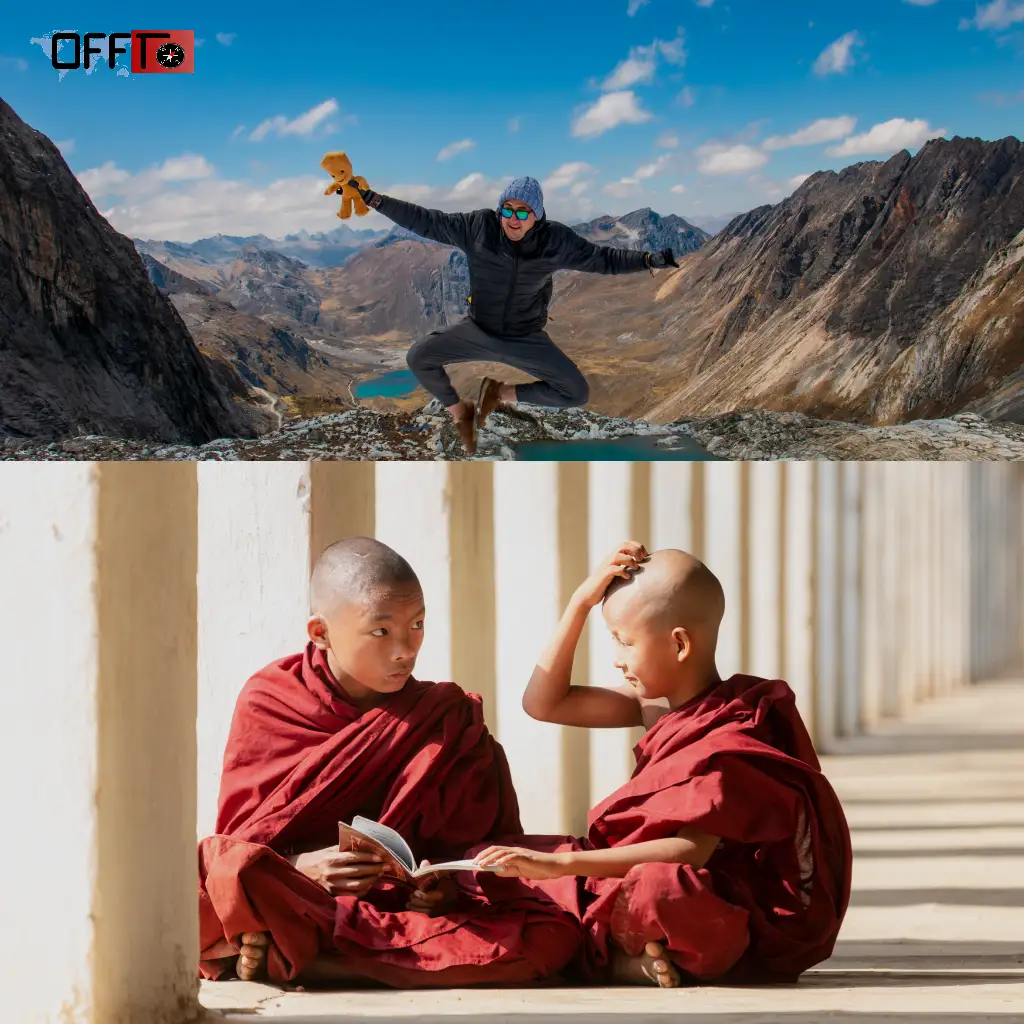
This 5–7 day Bhutan itinerary is designed for first-time travelers who want a balanced mix of culture, landscapes, and pace—without rushing through the country.
Day 1–2: Arrival in Paro → Transfer to Thimphu
Plan: Arrive in Paro → Drive to Thimphu → Explore locally
- Land at Paro and take a scenic drive (1–1.5 hours) to Thimphu
- Keep Day 1 light—rest, short walks, local cafés
- Day 2: Visit key sites like Buddha Dordenma, Tashichho Dzong, and local markets
Why this works: You avoid overloading your first day and give yourself time to adjust to altitude and pace.
Optional variation: If you prefer a slower start, stay in Paro on Day 1 and move to Thimphu on Day 2.
Day 3–4: Punakha Valley → Scenic Exploration
Plan: Thimphu → Punakha → Valley exploration
- Drive via Dochula Pass (weather permitting)
- Visit Punakha Dzong and nearby suspension bridges
- Spend time exploring the valley, riversides, and countryside
What makes this stretch important
Punakha offers a different climate and landscape—warmer, greener, and more open compared to Thimphu.
Slow travel recommendation
Don’t try to add too many stops here. The value lies in spending time in the valley, not just visiting landmarks.
Day 5–6: Return to Paro → Tiger’s Nest Trek
Lorem ipsum dolor sit amet, consectetur adipiscing elit. Ut elit tellus, luctus nec ullamcorper mattis, pulvinar dapibus leo.
Plan: Punakha → Paro → Tiger’s Nest Monastery trek
- Return to Paro and keep the evening relaxed
- Dedicate one full day to the Tiger’s Nest trek
About the trek
- Takes 4–6 hours (round trip)
- Moderate difficulty
- One of Bhutan’s most iconic experiences
Practical insight: Start early in the morning for better weather and fewer crowds. Avoid scheduling this trek immediately after a long travel day.
Itinerary Variations Based on Travel Style
- More relaxed version:
Spend an extra night in Punakha or Paro and skip additional sightseeing - More packed version:
Add short hikes or cultural sites—but expect tighter schedules
Final Itinerary Insight
This route works because it follows Bhutan’s natural travel flow:
Paro → Thimphu → Punakha → Paro
Travel Tips for Visiting Bhutan
Traveling in Bhutan is smooth if you plan well—but small details can make a big difference to your overall experience.
Carry Layers — Weather Changes Quickly
Even if Bhutan temperature feels comfortable during the day, mornings and evenings can be cold.
- Temperature drops significantly after sunset
- Higher altitudes feel colder than expected
Tip: Pack layers instead of heavy clothing. This gives you flexibility across regions and seasons.
Respect Cultural Norms
Bhutan is deeply rooted in tradition and Buddhist values.
- Dress modestly when visiting monasteries
- Follow local customs and guidelines
- Avoid loud or disruptive behavior in religious spaces
Insight: Your experience improves when you approach Bhutan as a cultural destination, not just a scenic one.
Plan Permits in Advance
While Indian travelers don’t need a visa, permits are mandatory.
- Entry permit for Paro and Thimphu
- Additional permits for other regions
Practical tip: Apply online before arrival to avoid delays, especially during peak travel seasons.
Book Early for Peak Seasons
If you’re traveling during the best time to visit Bhutan (spring or autumn):
- Flights to Paro fill up quickly
- Good hotels get booked in advance
Tip: Book at least 4–6 weeks ahead for better options and pricing.
Plan for Slow Travel
Bhutan is not designed for rushed itineraries.
- Roads are winding and travel takes time
- Experiences are more about immersion than coverage
Insight: Trying to do too much can reduce the quality of your trip. Focus on fewer places, deeper experiences.
Keep Cash and Connectivity in Mind
- Carry some local currency for small purchases
- Internet connectivity can vary outside main towns
FAQs
What is the best time to visit Bhutan?
The best time to visit Bhutan is during spring (March–May) and autumn (September–November). These months offer clear skies, pleasant Bhutan weather, and major festivals, making them ideal for sightseeing, trekking, and cultural experiences across popular regions like Paro and Thimphu.
Which month is best to visit Bhutan?
October is often considered the best month to visit Bhutan due to clear mountain views, stable weather, and vibrant festivals. However, April and May are also excellent, offering blooming landscapes and comfortable Bhutan temperature, making them great alternatives depending on your travel preferences.
What is Bhutan weather like throughout the year?
Bhutan weather varies by season and altitude. Spring and autumn are mild and clear, summer brings monsoon rains and greenery, while winter is cold with possible snowfall in higher regions. Overall, the climate remains manageable but changes quickly depending on location and elevation.
What is Bhutan temperature in winter?
Bhutan temperature in winter (December–February) ranges from around 5°C to 15°C during the day, dropping below freezing at night in some areas. Higher-altitude regions experience colder conditions and occasional snowfall, while valleys like Punakha remain relatively milder compared to Paro or Thimphu.
Does Bhutan experience snowfall?
Yes, Bhutan experiences snowfall, mainly in higher-altitude regions and mountain passes during winter. Valleys like Paro and Thimphu may occasionally see light snow, but consistent snowfall is not guaranteed. Snow-covered Himalayan views are more common than heavy snowfall within main tourist areas.
Is monsoon a good time to visit Bhutan?
Monsoon (June–August) can be a good time to visit Bhutan if you prefer fewer crowds and lush landscapes. However, rainfall may affect visibility, road conditions, and outdoor plans. It’s better suited for flexible travelers rather than those on tight itineraries or first-time visits.
How many days are enough for Bhutan?
A 5 to 7-day trip is usually enough to explore Bhutan comfortably. This duration allows you to visit key destinations like Paro, Thimphu, and Punakha, enjoy cultural sites, and complete experiences like the Tiger’s Nest trek without rushing through the itinerary.
How to visit Bhutan from India?
Indian travelers can visit Bhutan by flight to Paro Airport or by road via Phuentsholing. No visa is required, but entry permits are mandatory. Travel can be planned independently or through tour operators, depending on your preferred level of convenience and itinerary flexibility.
What is Bhutan weather in May?
Bhutan weather in May is warm and pleasant, with daytime temperatures ranging from 20°C to 28°C. It offers green landscapes, good visibility, and comfortable conditions for sightseeing and trekking, making it one of the best months to visit Bhutan before monsoon begins.
Is Bhutan worth visiting year-round?
Bhutan is worth visiting year-round, but each season offers a different experience. Spring and autumn are best overall, winter is quieter with snow views, and monsoon is greener but less predictable. The right time depends on your travel priorities and flexibility.
Read more >>>
Places to Visit in Summer in India for Cool Escapes & Family Fun
Best Places to Visit in April in India – Cool Weather, Hills & Holidays
Final Take: When Should You Visit Bhutan?
If you’re still deciding the best time to visit Bhutan, here’s the simplest way to think about it:
- Go in spring (March–May) or autumn (September–November)
→ Best overall experience with clear skies, festivals, and comfortable Bhutan weather
- Go in winter (December–February)
→ Ideal for snow views, fewer crowds, and quieter travel
- Avoid monsoon (June–August) for your first visit
→ Beautiful but less predictable due to rain and limited visibility
Final Perspective
Bhutan isn’t a destination where one season fits all. It changes character through the year—sometimes dramatically.
- Spring feels colorful and lively
- Autumn feels clear and visually sharp
- Winter feels minimal and peaceful
The right time depends on whether you value clarity, culture, cost, or calm.
Plan Your Bhutan Trip with Offto Travellers
You’ve figured out the best time to visit Bhutan—now it’s time to turn that plan into a real trip.
With Offto Travellers, you can:
Discover handpicked stays across Paro, Thimphu, and Punakha
Match your travel dates with the right season and experience
Plan smarter with curated routes and practical insights
Whether it’s spring blooms or autumn views, Offto Travellers helps you book the right stay—not just any stay.
Explore options, compare stays, and book your Bhutan trip with confidence today.
Sign up
Leave a Reply