
Kaiwara Hills is a spiritual and trekking destination near Bengaluru, known for Kaiwara Betta, Sri Yogi Naraeyana Mutt, temples, caves, rocky views, and one-day trip potential. It suits trekkers, spiritual travelers, and quiet weekend explorers.
Where Is Kaiwara Hills?
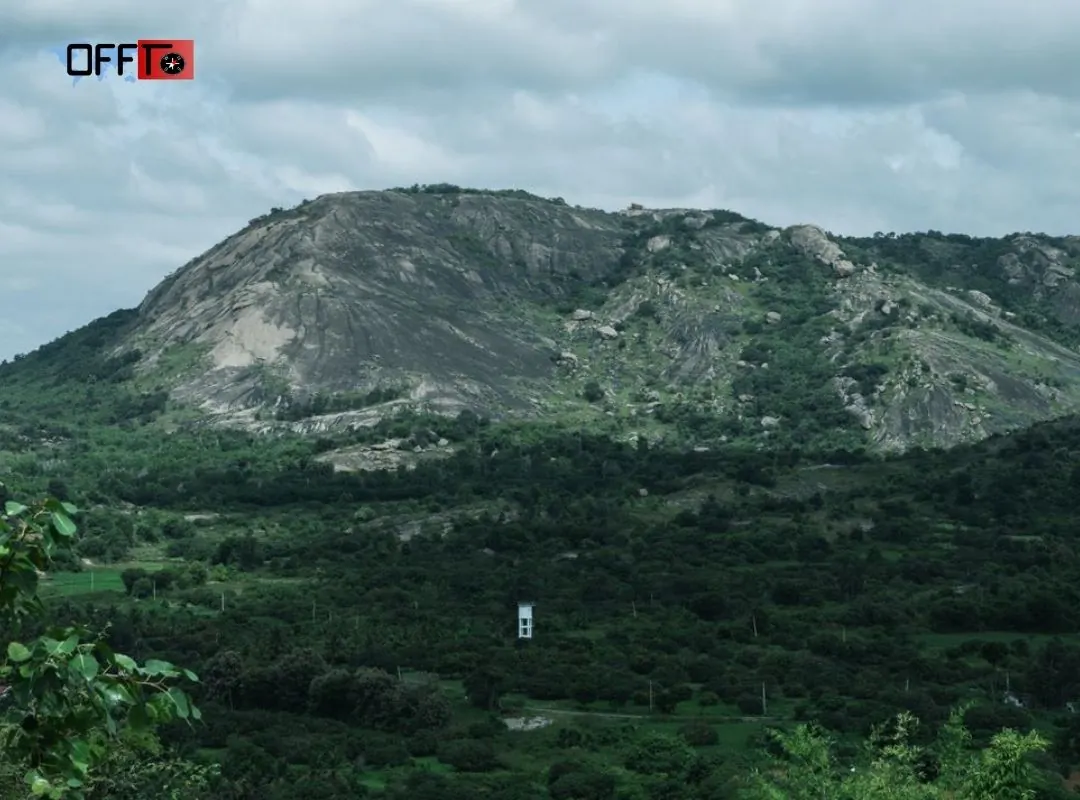
Kaiwara Hills is located in Kaiwara, Karnataka, near Chintamani in Chikkaballapur district. For most travelers, it is best understood as a one-day destination from Bengaluru that combines a rocky hill trek, temple visits, caves, local history, and quiet countryside views. Chikkaballapur district tourism notes that Kaiwara is connected through Chintamani, with buses available from Bengaluru and Chikkaballapur.
Kaiwara Location in Karnataka
Kaiwara sits in the Chintamani side of Chikkaballapur district, away from the usual crowded hill spots around Bengaluru. This location gives it a different personality: it is not a polished resort destination, and it is not only a trek either. It is a spiritual town with nearby hills, temples, caves, and rocky viewpoints.
For planning, remember Kaiwara as:
- A Karnataka day-trip destination near Bengaluru
- A spiritual stop connected with Sri Yogi Naraeyana, also known as Kaiwara Thataiya
- A trekking destination for Kaiwara Betta and rocky hill views
- A quiet alternative to more crowded Bengaluru-side treks
- A mixed-interest place for families, trekkers, temple visitors, and weekend explorers
This makes Kaiwara useful for travelers who want more than just a hilltop photo. You can plan it as a temple-focused visit, a trek-first trip, or a balanced one-day itinerary.
Kaiwara Distance from Bengaluru, Chikkaballapur and Chintamani
The Kaiwara distance depends on your starting point and route. The Sri Yogi Naraeyana Mutt describes Kaiwara as around 60 km from Bengaluru, while many travel routes place it around 60–70 km depending on where you begin in the city. Sri Yogi Naraeyana Mutt also identifies Kaiwara as the place where Sri Yogi Naraeyana was born in 1726.
A practical distance view:
- Bengaluru to Kaiwara: around 60–70 km depending on route and starting area
- Chikkaballapur to Kaiwara: suitable for a shorter regional trip
- Chintamani to Kaiwara: very close; Chintamani is the key access town
- Chintamani Railway Station to Kaiwara temple area: around 10 km, with bus or auto access mentioned by district tourism
Private vehicle or cab is the easiest option if you want to combine the trek, temple, caves, and nearby stops in one day. Public transport can work, but it needs more time and local coordination.
Is Kaiwara Possible as a One-Day Trip?
Yes, Kaiwara Hills is possible as a one-day trip from Bengaluru, especially if you start early. It works best when you decide your priority before leaving: trek, temple, caves, or a slow mixed itinerary.
A one-day Kaiwara trip works well if:
- You start from Bengaluru early in the morning
- You complete the trek before the sun becomes harsh
- You carry water and snacks if trekking
- You keep temple and cave visits relaxed instead of rushed
- You avoid adding too many nearby places in the same day
- You check trek permission before travel if Kaiwara Betta is part of your plan
The smartest version is simple: start early, do the trek or temple first depending on weather, keep the caves as a short add-on, and return before the day becomes tiring.
What Is Kaiwara Known For?
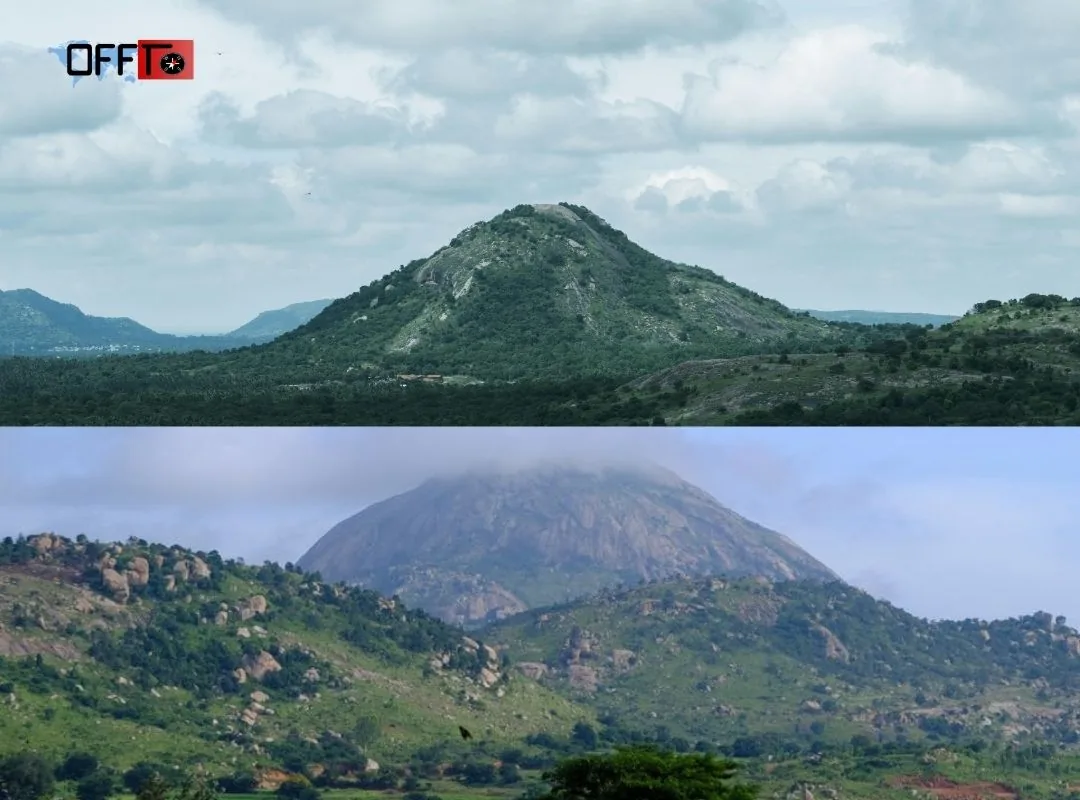
Kaiwara is known for Kaiwara Betta, rocky hill views, the Kaiwara temple circuit, Sri Yogi Naraeyana’s spiritual legacy, caves, local mythology, and its quiet one-day trip appeal from Bengaluru. It is not a flashy tourist town; its charm lies in its grounded mix of trekking, devotion, history, and rural Karnataka atmosphere.
Kaiwara Betta and Hill Views
Kaiwara Betta is one of the biggest reasons travelers search for Kaiwara Hills. The trek is known for rocky terrain, open hill views, and the rewarding feeling of reaching the Kaiwara Betta top. Karnataka Tourism classifies Kaiwara as a day trek that can take about 5–6 hours and notes that the trek level is difficult.
Kaiwara Betta is known for:
- Rocky, exposed trail sections
- Wide countryside views from the top
- A stronger physical challenge than many expect
- Morning trekking potential from Bengaluru
- A good mix of adventure and local history
- Better experience in cooler months or early mornings
The hill views are rewarding, but the trek should not be treated casually. Carry water, wear proper shoes, and check current permission rules before going.
Kaiwara Temple and Spiritual Importance
The Kaiwara temple side is equally important. Many visitors come not for the trek, but for Sri Yogi Naraeyana Mutt and the spiritual history of Kaiwara. The mutt is dedicated to Sri Yogi Naraeyana, remembered as a spiritual leader and social reformer, and places Kaiwara around 60 km from Bengaluru.
Kaiwara’s spiritual appeal includes:
- Sri Yogi Naraeyana Mutt
- Amara Narayana Temple and nearby shrines
- A calm pilgrimage atmosphere
- Local stories connected with Kaiwara Thataiya
- A slower, more reflective travel experience
This is why Kaiwara suits spiritual travelers, families, and people looking for a peaceful day trip rather than only a physical trek.
Caves, Mythology and Local Stories
Kaiwara is also associated with caves and local stories, especially around Sri Yogi Naraeyana and meditation traditions. The Kaiwara caves are best understood as a cultural-spiritual add-on, not a full-day attraction by themselves.
When covering Kaiwara caves and stories, it is important to separate belief from verified history. Some associations come from local tradition, mythology, and spiritual memory. That does not make them less meaningful, but it does mean travelers should treat them respectfully rather than as simple sightseeing points.
Include caves in your Kaiwara plan if:
- You enjoy spiritual or cultural places
- You want a slower itinerary after the temple
- You are not trying to rush only the trek
- You are travelling with family members who may prefer light exploration over a difficult climb
A Quieter Alternative to Crowded Bengaluru Treks
Kaiwara is a good alternative to more crowded Bengaluru-side treks because it offers a different combination: hill views, temples, caves, history, and rural quietness. It is not as commercial as some popular weekend spots, and that is part of its appeal.
Kaiwara is best for travelers who want:
- A one-day trip from Bengaluru
- A rocky trek with spiritual context
- A temple visit with local history
- A quieter route than famous hill stations
- A low-frills, grounded Karnataka travel experience
It may not suit travelers expecting luxury cafés, resort-style infrastructure, or a very easy walking trail. Kaiwara is better for people who enjoy simple places with meaning, effort, and calm views.
The History of Kaiwara Hills and Sri Yogi Naraeyana
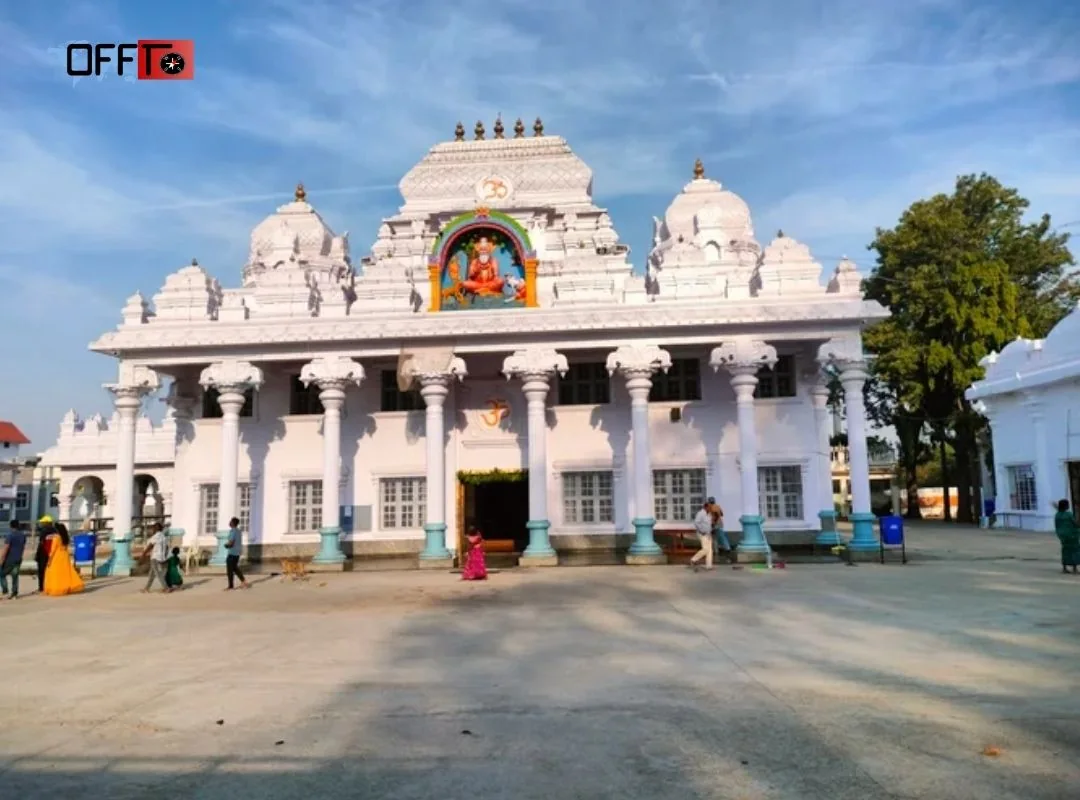
The history of Kaiwara Hills is closely connected with Sri Yogi Naraeyana, also known as Kaiwara Thataiya, and with local stories linked to the Mahabharata. Kaiwara is not only a rocky trek destination near Bengaluru; it is also a spiritual town where history, devotion, folklore, and hill travel meet. The official Sri Yogi Naraeyana Mutt says Sri Yogi Naraeyana was born in Kaiwara in 1726 and is remembered as a spiritual leader and social reformer.
Who Was Kaiwara Thataiya?
Kaiwara Thataiya refers to Sri Yogi Naraeyana, a respected saint, mystic, and spiritual teacher associated with Kaiwara. His life and teachings are central to the town’s identity, and many visitors come to Kaiwara because of this spiritual connection.
What makes Kaiwara Thataiya important:
- He is remembered as a spiritual guide and reformer.
- His teachings are associated with devotion, self-realization, and social values.
- The mutt at Kaiwara keeps his memory and teachings alive.
- His presence gives Kaiwara a deeper identity than just a trekking spot.
- Pilgrims often visit Kaiwara to experience the spiritual atmosphere connected with him.
This is why any guide to Kaiwara Karnataka should explain both the hills and the saintly tradition connected with the place.
Why Kaiwara Is Spiritually Important
Kaiwara is spiritually important because it is associated with Sri Yogi Naraeyana Mutt, temples, local pilgrimage traditions, and stories connected with ancient epics. The official Chikkaballapur district tourism page notes that Kaiwara is associated with the Mahabharata, identifies it with Ekachakrapura, and mentions Amaranarayana Temple, Bhimeshwara Temple, and Yogi Narayana Ashram as places worth visiting.
For spiritual travelers, Kaiwara offers:
- A calm temple-town experience
- A connection with Kaiwara Thataiya
- Shrines and sacred spaces linked with local tradition
- A slower day-trip mood compared with commercial tourist spots
- A mix of temple visits, caves, and hill views
This spiritual layer is what makes Kaiwara different from many other rocky hill destinations near Bengaluru.
History, Folklore and What to Treat Carefully
Kaiwara has both documented spiritual history and local folklore. That distinction matters if you want the article to feel trustworthy. For example, Sri Yogi Naraeyana’s association with Kaiwara is supported by the mutt’s own history, while Mahabharata-related stories are part of local belief and traditional narration.
A fact-safe way to understand Kaiwara:
- Verified spiritual context: Sri Yogi Naraeyana was born in Kaiwara in 1726, according to the mutt.
- Local tradition: Kaiwara is associated with Mahabharata stories and Ekachakrapura in district tourism descriptions.
- Travel relevance: These stories add meaning to the temple and cave visits.
- What to avoid: Do not present every mythological detail as historical proof.
- Best approach: Use phrases like “local belief,” “traditionally associated,” or “district tourism describes” when discussing folklore.
This balanced approach makes the Kaiwara Hills guide more credible and respectful.
Kaiwara Temple: What to See and How to Plan Your Visit

The Kaiwara temple experience is one of the main reasons people visit Kaiwara Hills. Even if you are not doing the trek, the temple circuit, Sri Yogi Naraeyana Mutt, Amara Narayana Temple, nearby shrines, and cave associations make Kaiwara a meaningful one-day spiritual trip from Bengaluru. Plan the temple visit based on your energy, weather, and whether you are also trekking.
Sri Yogi Naraeyana Mutt
Sri Yogi Naraeyana Mutt is the spiritual heart of Kaiwara for many visitors. The mutt is dedicated to Sri Yogi Naraeyana, who is also affectionately called Thataiya. The official mutt website notes that the temple opens and Guru Darshanam begins at 6:00 AM, and it places the mutt around 60 km from Bengaluru.
Why the mutt matters:
- It connects visitors with Kaiwara Thataiya’s spiritual legacy.
- It gives Kaiwara a calm, devotional identity.
- It is suitable for families and elderly visitors.
- It can be visited even if you are not trekking.
- It works well as the first stop in a temple-focused itinerary.
If your main purpose is spiritual travel, start here before adding caves or hill viewpoints.
Amara Narayana Temple and Nearby Shrines
Amara Narayana Temple is one of the important temple stops in Kaiwara. Chikkaballapur district tourism mentions Amaranarayana Temple, Bhimeshwara Temple, and Yogi Narayana Ashram as worth visiting in Kaiwara.
A simple temple route can include:
- Sri Yogi Naraeyana Mutt
- Amara Narayana Temple
- Bhimeshwara Temple
- Nearby shrines and spiritual spots
- Caves if you want a cultural-spiritual add-on
This temple circuit is especially useful for families, senior travelers, and visitors who want a peaceful trip without attempting the full Kaiwara Betta trek.
Best Time of Day to Visit the Temple
The best time to visit Kaiwara temple areas is usually early morning or late afternoon. Morning visits feel calmer, cooler, and better suited for combining temple darshan with the trek or caves. Late afternoon works well if you are doing the trek first and want a slower temple visit after rest.
A good planning approach:
- Temple-first plan: Best for families, senior travelers, and spiritual visitors.
- Trek-first plan: Best for trekkers who want to avoid heat on Kaiwara Betta.
- Caves after temple: Good for slow local exploration.
- Avoid harsh midday hours: Especially if you are combining temple visits with outdoor walking.
Temple Visit Etiquette and Pacing
Kaiwara’s temple spaces should be explored respectfully. This is not just a photo stop; it is a living spiritual place for many devotees.
Keep these etiquette points in mind:
- Dress modestly and comfortably.
- Speak softly near temple areas.
- Follow footwear rules wherever required.
- Do not block entrances or prayer areas for photos.
- Give space to devotees during darshan.
- Keep the surroundings clean.
- Avoid rushing through every shrine just to complete a checklist.
- If visiting with children, explain the spiritual setting before entering.
The best Kaiwara temple visit is slow, respectful, and well-paced. If you are trekking too, do not overpack the same day; give both the hill and the temple enough time to feel meaningful.
Kaiwara Caves: What to Expect
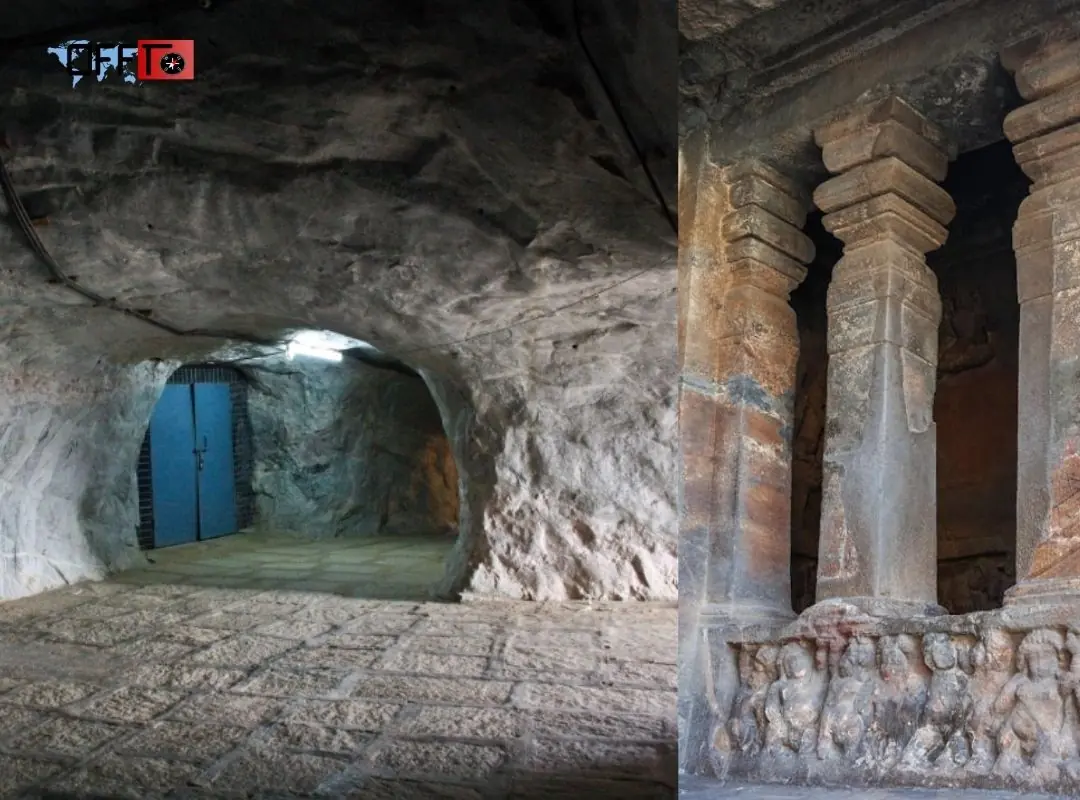
The Kaiwara caves are a meaningful cultural and spiritual add-on to a Kaiwara Hills trip. They are not usually the main reason people visit Kaiwara, but they add depth to the experience, especially for travelers interested in Sri Yogi Naraeyana, meditation associations, local stories, and quiet spiritual places. If you are planning a balanced one-day trip, the caves work well with the Kaiwara temple circuit.
Vaikunta Caves and Meditation Associations
The Vaikunta caves are traditionally associated with meditation and spiritual practice connected to Kaiwara Thataiya. For many visitors, this is not a loud sightseeing stop; it is a quiet place that fits the devotional mood of Kaiwara.
What makes the cave experience interesting:
- The caves add a spiritual layer beyond the temple visit.
- They connect Kaiwara with meditation, silence, and local belief.
- They are useful for travelers who want cultural context, not just trekking.
- They give the itinerary a slower, reflective break after temple visits.
- They help explain why Kaiwara is remembered as more than a hill destination.
The best way to approach the caves is with respect. Avoid treating them only as photo spots. Move slowly, keep the place clean, and be mindful of devotees or visitors who come for spiritual reasons.
Are the Caves Easy to Access?
The caves are generally better treated as a short add-on rather than a difficult standalone attraction. Access may depend on your route, local guidance, weather, and how much time you have after the temple or trek.
Before adding the caves, consider:
- Whether you are trekking Kaiwara Betta the same day
- Whether elderly travelers or children are in your group
- How hot the weather is
- Whether you have enough daylight
- Whether your driver or local contact knows the exact access point
- Whether you want a relaxed visit or a packed checklist day
If you are doing the trek, do not rush directly into the caves without resting. If you are skipping the trek, the caves can fit more comfortably with Sri Yogi Naraeyana Mutt and Amara Narayana Temple.
Who Should Include Caves in the Itinerary?
Include Kaiwara caves in your itinerary if you enjoy spiritual places, local history, mythology, and slower travel. They are especially suitable for visitors who want to understand Kaiwara beyond the trek.
The caves are a good fit for:
- Spiritual travelers who want to connect the temple visit with meditation associations
- Families looking for a light cultural add-on after the temple
- History and folklore lovers who enjoy places shaped by local memory
- Slow travelers who prefer meaningful stops over rushed sightseeing
- Non-trekkers who still want a fuller Kaiwara experience
You may skip the caves if your main goal is only Kaiwara Betta trekking and you are short on time. For a first-time visitor, the best plan is simple: temple first, caves next, trek only if time, weather, permission, and energy allow.
Kaiwara Betta Trek: Difficulty, Route and Betta Top
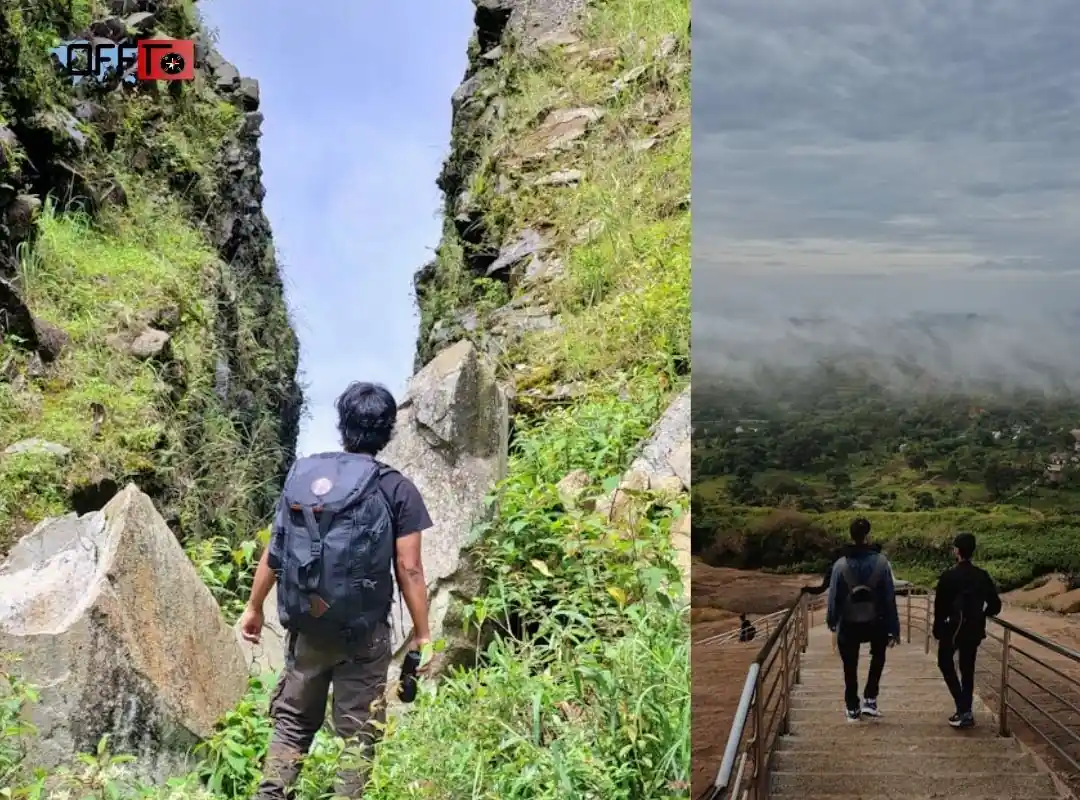
The Kaiwara Betta trek is one of the main reasons adventure travelers search for Kaiwara Hills. It is a rocky, exposed hill trek that rewards visitors with wide countryside views from the top. However, it should not be treated as an easy casual walk. The trail can feel challenging because of heat, rocks, steep patches, and limited facilities along the route.
How Difficult Is the Kaiwara Hills Trek?
The Kaiwara Hills trek is generally better suited for active travelers than casual tourists. It is often described as a difficult day trek because of rocky terrain, exposed sections, and the need to carry your own food and water.
The trek can feel difficult because:
- The route has rocky and uneven stretches.
- Shade may be limited in open sections.
- Heat can make the climb more tiring.
- The trail may feel exposed during sunny hours.
- There may be no food or water available on top.
- Beginners may underestimate the effort because it is close to Bengaluru.
- The descent can be hard on knees if you rush.
If you are reasonably fit and start early, the trek is manageable. If you rarely hike or struggle with heat, treat it seriously.
What Is the Trail Like?
The trail is not like a soft forest walk. It is more of a rocky hill route with exposed sections and a gradual physical challenge. The experience depends heavily on weather and start time.
Expect the route to include:
- Rocky paths and uneven footing
- Open stretches with sun exposure
- Hill views that improve as you climb
- Sections where proper shoes make a big difference
- Limited shade compared to forest treks
- A stronger need for water than many expect
- A quieter feel than very commercial Bengaluru treks
This is why the trek works best in the morning. Starting late can turn an enjoyable climb into a tiring one.
What to Expect at Kaiwara Betta Top
The Kaiwara Betta top gives wide views of the surrounding countryside, rocky landscapes, and open sky. The reward is not a luxury viewpoint or commercial summit setup; it is a raw hilltop experience that feels peaceful because of the rural setting.
At the top, expect:
- Open views of the Kaiwara side
- A sense of achievement after a rocky climb
- Better photo opportunities in morning light
- Windy or exposed conditions depending on weather
- Limited facilities, so carry what you need
- A quiet summit mood if you avoid peak crowd timings
Spend time at the top, but do not stay too long if the sun is harsh or if your group still needs energy for descent.
Who Should Avoid or Reconsider the Trek?
Kaiwara Betta may not suit everyone. It is best for people who are comfortable with rocky hill terrain and basic trekking conditions.
You should reconsider the trek if:
- You are travelling with elderly visitors who are not used to climbs.
- You have knee issues or poor balance.
- You are visiting during peak afternoon heat.
- You do not have proper shoes.
- You are carrying very little water.
- You are expecting an easy tourist viewpoint.
- You have not checked current permission rules.
- You are travelling with children who may not handle exposed rocky sections well.
For families or mixed-age groups, a temple-and-caves itinerary may be better than forcing everyone onto the full trek. Kaiwara is flexible that way—you can enjoy it as a spiritual trip, a trek, or a slow one-day getaway depending on your group’s comfort.
Do You Need Permission for Kaiwara Trek?
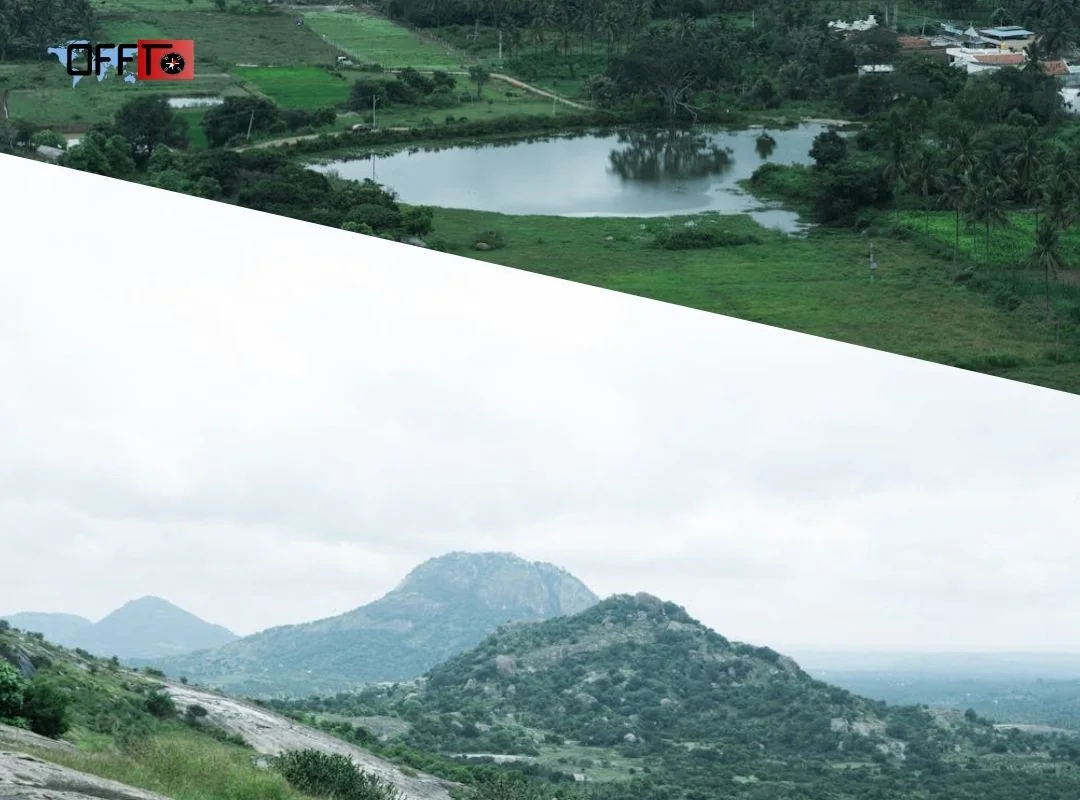
Yes, you need permission for the Kaiwara Trek. The trek comes under Karnataka’s forest/ecotourism system, so visitors should check the official booking or permission process before travelling. Karnataka Tourism describes Kaiwara as a day trek managed under the Department of Forest’s Eco Trips system and states that permission is required, with a listed charge of ₹250 per person. Since trek access, slots, and fees can change, always verify the latest details on the official booking platform before finalizing your plan.
Where to Check Current Permission Rules
The safest place to check current permission rules is the official forest/ecotourism booking system. Aranya Vihara is the Karnataka Forest Department’s trek booking portal and includes booking, payment, refund, and contact information. If Kaiwara Betta is part of your itinerary, check the portal before leaving Bengaluru, because permission status, available slots, reporting time, and rules may change by date or season.
Do not depend only on old blogs, reels, or word-of-mouth updates for permission. Kaiwara is not just a casual open hill walk; if the trek is being managed through the forest department system, your access may depend on valid booking and slot availability.
Trek Fee, Booking and Forest Department Guidance
Karnataka Tourism’s Kaiwara trek listing mentions a permission requirement and a charge of ₹250 per person, while the official booking ecosystem may show the latest slot and fee details at the time of booking. Treat any fee you see online as a planning reference, not a permanent amount.
Before travelling, confirm three things: whether Kaiwara is open for the date you want, whether your group has valid booking confirmation, and what time you are expected to report. This matters even more on weekends because popular trekking slots near Bengaluru can fill up quickly.
Why Permission Rules May Change
Permission rules can change because Kaiwara Betta is a forest-managed trek and access may depend on safety, crowd control, weather, conservation needs, and department guidelines. During heavy rain, extreme heat, local restrictions, or high-footfall weekends, authorities may adjust access or timing for visitor safety.
For a smooth trip, check permission one day before travel, carry your booking proof, reach on time, and follow instructions at the entry point. A little planning here can save you from reaching Kaiwara and finding that the trek is not available for walk-in access.
Kaiwara Weather and Best Time to Visit
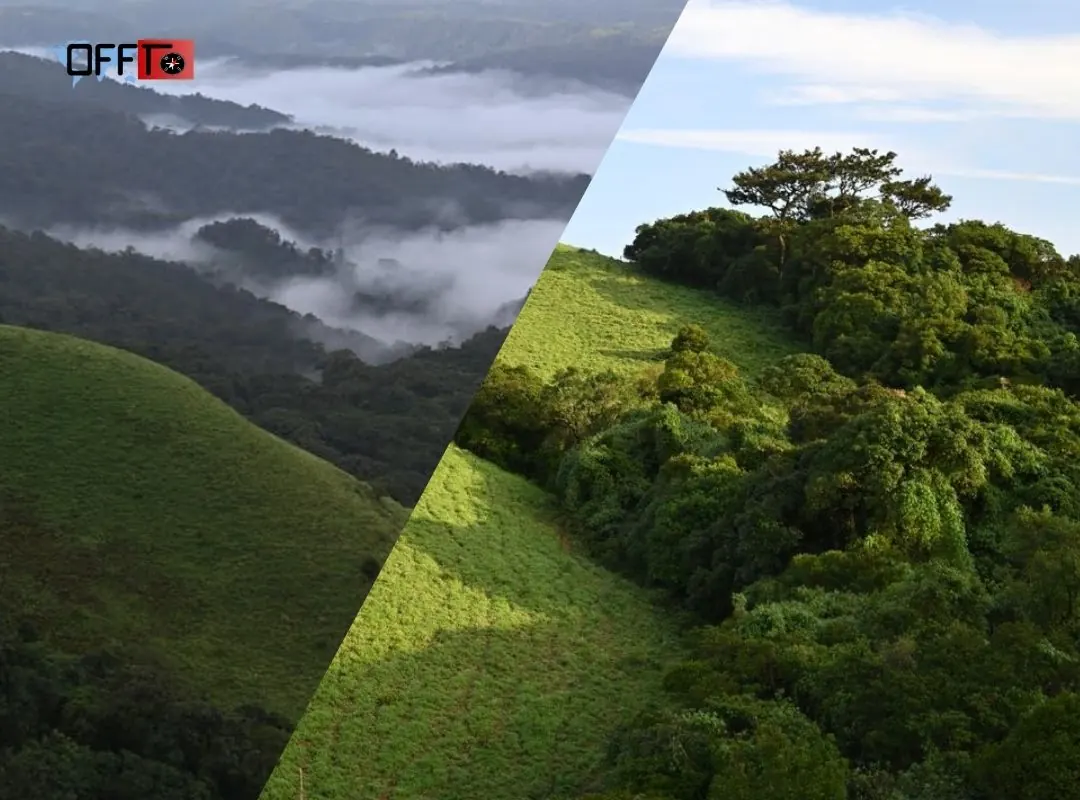
Kaiwara weather can strongly affect your experience because the trek has rocky, exposed sections. The best months for the Kaiwara Hills trek are usually the cooler post-monsoon and winter months, when the trail is more comfortable and the views are clearer. Summer can feel hot and tiring, while monsoon can make the landscape greener but the rocks more slippery.
Best Months for the Kaiwara Hills Trek
The best time to visit Kaiwara Hills for trekking is generally from September to February, when the weather is cooler and the exposed rocky trail feels easier to manage. This period works well for trekkers coming from Bengaluru because you can start early, complete the climb before strong sun, and still keep time for the Kaiwara temple or caves afterward.
If your main focus is temple visits rather than the trek, Kaiwara can be visited across more months. But for Kaiwara Betta, cooler weather makes a big difference because the climb can feel demanding without shade, water, or food available on the trail.
Summer Heat and Exposed Rock Sections
Summer is the toughest season for the Kaiwara trek. The trail has rocky and exposed stretches, and heat can make the climb feel much harder than the distance suggests. Karnataka Tourism also advises carrying food and water because nothing is available on top or along the route.
If you are visiting in warmer months, start early in the morning, carry enough water, wear a cap, and avoid attempting the trek in harsh afternoon heat. For families, senior travelers, or beginners, a temple-and-caves plan may be more comfortable than forcing the full trek during summer.
Monsoon Conditions: Green Views vs Slippery Trails
Monsoon can make Kaiwara look greener and more atmospheric, but it also brings slippery rocks, reduced grip, and occasional visibility issues. The trek may look more beautiful after rain, but rocky sections need caution, especially during descent.
Monsoon is better for travelers who are comfortable with uneven outdoor terrain. If you are a beginner, avoid trekking during heavy rain and check whether permission and trail access are available before travelling. Do not assume that green views automatically mean safe trekking conditions.
What to Carry Based on the Season
Your packing should change slightly based on the season. In summer, water, cap, sunscreen, and light clothing become essential. In winter, a light layer may help during early morning starts. In monsoon, shoes with good grip and a rain jacket are more important.
For the trek, carry water, simple snacks, proper shoes, ID, booking proof, a small first-aid kit, and a fully charged phone. If your plan is temple-focused, pack lighter, but still keep water and sun protection because Kaiwara is best explored slowly, not rushed from one stop to another.
How to Reach Kaiwara Hills
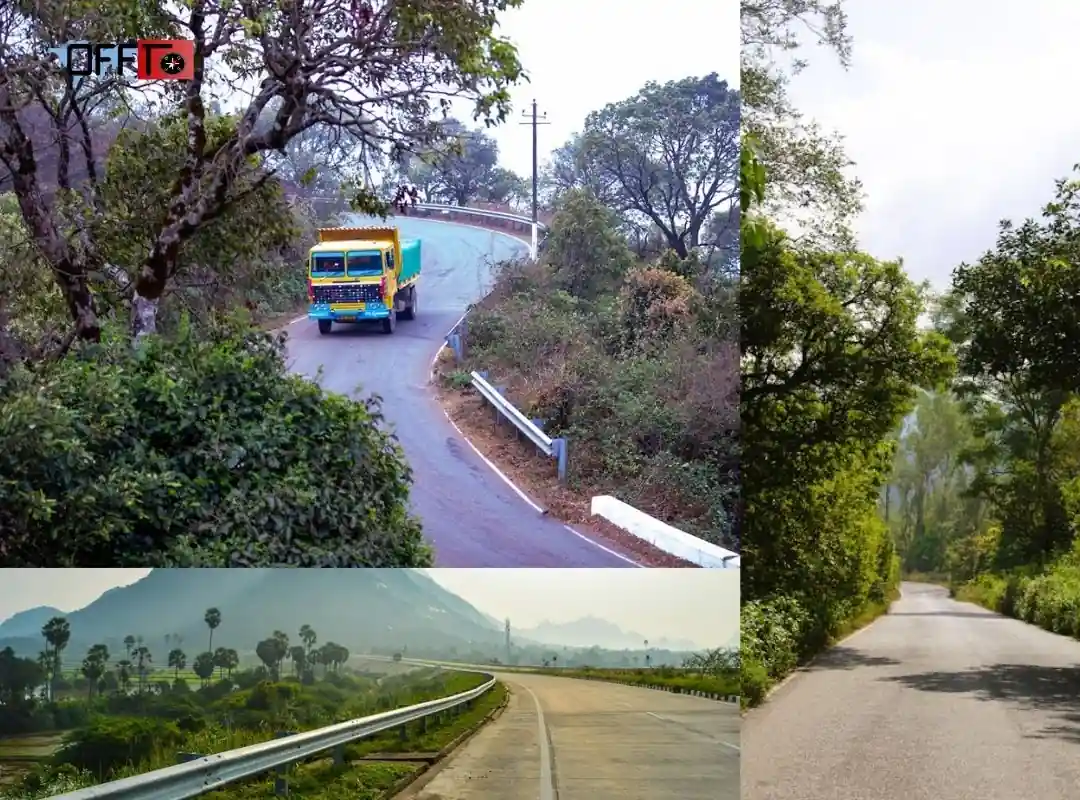
Reaching Kaiwara Hills is fairly easy if you are travelling from Bengaluru, Chikkaballapur, or Chintamani, but the best transport option depends on whether you are only visiting the temple and caves or also planning the Kaiwara Betta trek. For most first-time visitors, a private vehicle or cab is the easiest choice because it gives you flexibility to cover the trek, Kaiwara temple, caves, and nearby stops without depending on local transport timing.
Bengaluru to Kaiwara by Road
Kaiwara is commonly planned as a one-day trip from Bengaluru. The distance is usually around 60–70 km, depending on your starting point in the city and the route you take. The drive is manageable for a day outing, especially if you leave early in the morning before city traffic builds up.
A road trip works best because you can control your schedule. If you are trekking, start early so you can finish the climb before the sun becomes harsh. If your focus is spiritual travel, you can plan a slower visit around Sri Yogi Naraeyana Mutt, Amara Narayana Temple, and the caves. For families, road travel is also more comfortable because you can carry water, snacks, extra clothing, and temple essentials without worrying about multiple transport changes.
Public Transport Options via Chintamani
Public transport is possible, especially through Chintamani. The Chikkaballapur district tourism information mentions that buses are available from Bengaluru and Chikkaballapur, and Chintamani is an important access point for Kaiwara. This makes public transport suitable for budget travelers, solo visitors, and temple-first travelers who are comfortable with local connectivity.
However, public transport may feel less convenient if you want to combine multiple places in one day. The Kaiwara Betta trek, temple circuit, caves, and local movement may require extra coordination once you arrive. If you are depending on buses, start early, keep your itinerary light, and avoid planning a packed schedule.
Nearest Railway Station and Airport
The nearest useful railway option is Chintamani Railway Station, which is around 10 km from the Kaiwara temple area according to the district tourism guidance in the TOC brief. From there, travelers can continue by local transport depending on availability.
For air travelers, Bengaluru’s Kempegowda International Airport is the major airport option, but Kaiwara is still a road journey from there. This route makes more sense for people already combining Kaiwara with a broader Karnataka or Bengaluru-side itinerary rather than flying in only for Kaiwara.
Parking and Local Movement Tips
If you are driving, check parking availability near your first stop, especially if you are visiting on weekends or during temple crowd periods. For a trek-focused trip, confirm the reporting point and permission details before you arrive. For a temple-focused visit, park near the temple area and move slowly through the local circuit.
Local movement is easier when you do not overpack the day. Kaiwara may look close to Bengaluru, but combining trek, temple, caves, food breaks, and nearby places can become tiring if you start late. Keep your plan realistic and allow buffer time between stops.
One-Day Kaiwara Hills Itinerary from Bengaluru
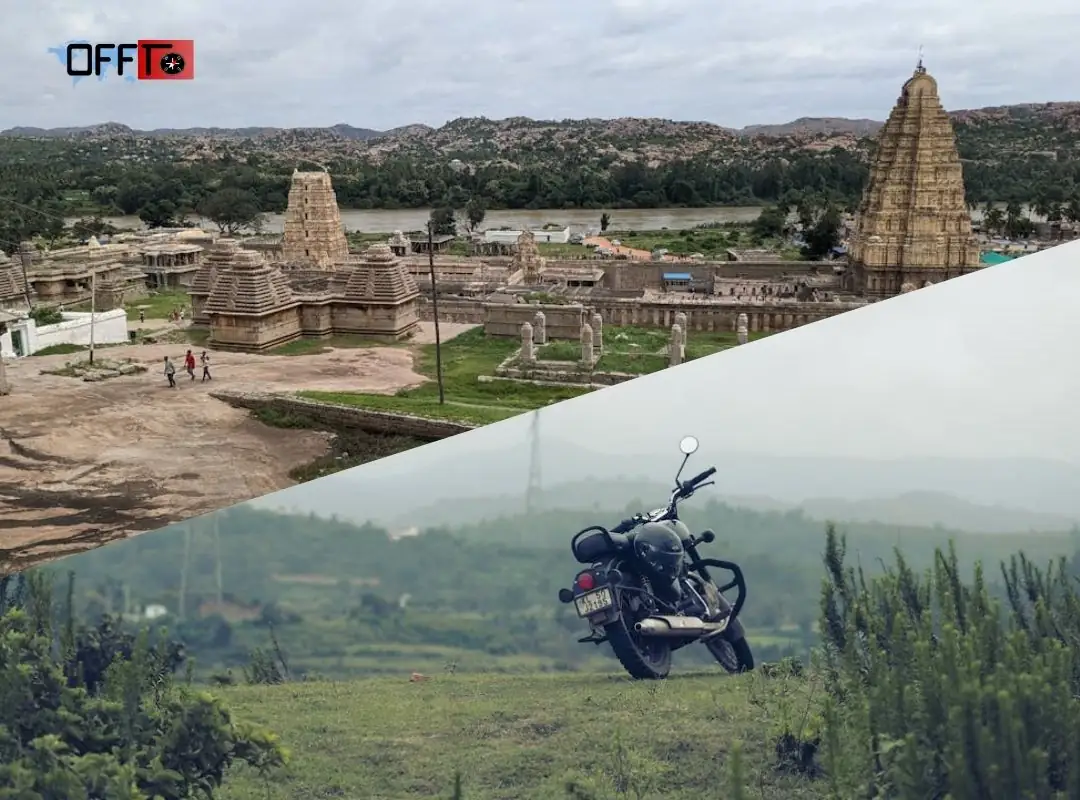
A one-day Kaiwara Hills itinerary from Bengaluru works best when it is planned around your main purpose: trekking, temple visit, caves, or a balanced slow trip. The biggest mistake is trying to do everything quickly. Kaiwara is more enjoyable when you choose a clear priority and build the day around it.
Early Start: Drive and Breakfast Stop
Start early from Bengaluru so you can reach Kaiwara before the day becomes hot. This is especially important if you are planning the Kaiwara Betta trek because the rocky trail can feel tiring under direct sun. A light breakfast stop on the way is better than starting the trek on an empty stomach or eating too heavily just before climbing.
If you are travelling with family or senior visitors, an early start also gives you a calmer pace. You can reach the temple area before crowds increase and still keep time for caves or local exploration.
Morning: Trek or Temple Depending on Weather
Your morning plan should depend on the weather and your group’s energy. If the weather is cool and you have trek permission, do Kaiwara Betta first. Morning is the best time for the climb because the rocks are cooler, the light is better, and you avoid the harsh afternoon heat.
If you are travelling with children, elderly visitors, or people who are not comfortable with rocky terrain, start with the Kaiwara temple circuit instead. Sri Yogi Naraeyana Mutt and Amara Narayana Temple give the trip a peaceful spiritual beginning without physical strain.
Afternoon: Temple, Caves and Slow Local Exploration
After the morning activity, keep the afternoon slower. If you completed the trek, rest properly before visiting the temple or caves. Do not rush from the hill directly into sightseeing without water, food, and recovery time.
If you skipped the trek, the afternoon can be used for the caves, nearby shrines, and a relaxed local walk. The Kaiwara caves work best as a short cultural-spiritual add-on, not as a hurried checkbox. Keep the pace calm, especially during warmer months.
Evening: Return Plan Without Rushing
Begin your return before the day becomes too tiring. If you are driving back to Bengaluru, leaving with enough daylight makes the journey more comfortable. Avoid stretching the itinerary just to add extra nearby places unless your group is still fresh.
For a good one-day trip, the return should feel relaxed, not exhausted. Kaiwara is close enough for a short getaway, but the trek and heat can make the day physically demanding if you overplan.
Relaxed Version vs Packed Version
A relaxed version of the itinerary includes the temple circuit, caves, simple food breaks, and light local exploration. This is best for families, senior travelers, spiritual visitors, and people who want a peaceful Kaiwara Karnataka day trip.
A packed version includes the Kaiwara Betta trek, temple visit, caves, and possibly one nearby stop. This works only if you start early, have permission sorted, carry enough water, and travel with an active group. For most first-time visitors, the best plan is balanced: choose either trek-first or temple-first, then add the caves only if time and energy allow.
Places to Visit Near Kaiwara
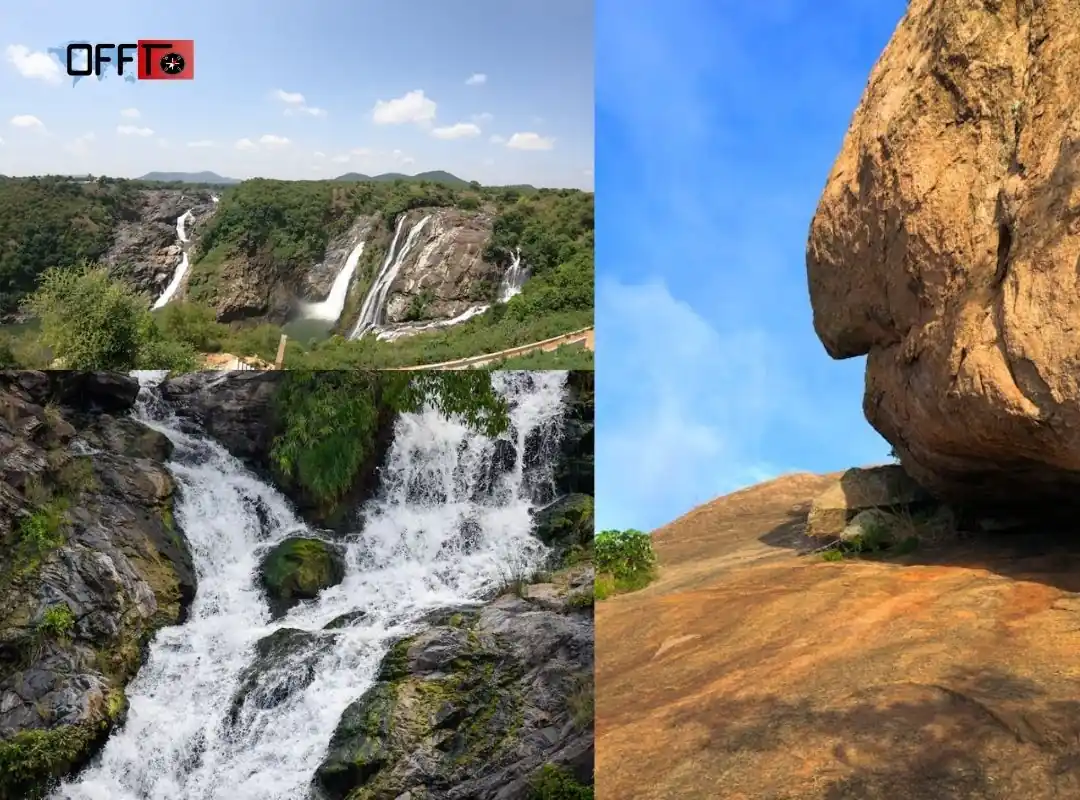
The best places to visit near Kaiwara include Kailasagiri cave temple, Chintamani, nearby temple stops, hill viewpoints, and local spiritual places around the Kaiwara region. Since Kaiwara is usually planned as a one-day trip from Bengaluru, the smarter approach is not to add too many places. Choose nearby attractions based on your energy after the trek, temple visit, and weather conditions.
Kailasagiri Cave Temple
Kailasagiri cave temple is one of the most interesting places to visit near Kaiwara, especially if you enjoy cave temples, rocky settings, and spiritual architecture. Karnataka Tourism’s older Kaiwara trek page describes Kailasha Giri as being around 6–7 km from Kaiwara and known for cave temples such as Ambaji Durga, Ananta Padmanabha, and Chenna Keshava cave temples.
This is a good add-on if you are doing a temple-focused or slow-travel Kaiwara trip. If you are doing the full Kaiwara Betta trek, visit Kailasagiri only if you still have enough time and energy. It is better enjoyed calmly than rushed as the last stop of a tiring day.
Chintamani
Chintamani is the main access town for many Kaiwara travelers. It is useful for route planning, food breaks, local transport, and connecting to Kaiwara from surrounding areas. Chikkaballapur district tourism notes that Chintamani Railway Station is around 10 km from the Kaiwara temple area, which makes it a practical reference point for visitors using public transport.
For most travelers, Chintamani is not necessarily a sightseeing highlight by itself. Think of it as a practical travel base or transit point that helps you reach Kaiwara, especially if you are not driving from Bengaluru.
Nearby Hill and Temple Stops
Kaiwara works well with nearby hill and temple stops because the region has a mix of spiritual places, rocky landscapes, and rural Karnataka scenery. The district tourism page highlights Amaranarayana Temple, Bhimeshwara Temple, and Yogi Narayana Ashram as places worth visiting in Kaiwara.
If your group includes senior travelers or children, temple stops may be more suitable than adding another hill climb after Kaiwara Betta. If your group is active, you can keep one nearby viewpoint or cave-temple stop as an add-on, but avoid turning the trip into a tiring checklist.
What to Skip If You Are Short on Time
If you are short on time, do not try to cover the trek, temples, caves, Kailasagiri, Chintamani, and extra viewpoints in one rushed day. Kaiwara looks close to Bengaluru, but the experience can become tiring if you combine a rocky trek with multiple spiritual stops and long road travel.
If trekking is your priority, focus on Kaiwara Betta, then visit one main temple or the mutt afterward. If spiritual travel is your priority, focus on Sri Yogi Naraeyana Mutt, Amara Narayana Temple, nearby shrines, and caves. Skip extra hill stops if the weather is hot, if you started late, or if your group includes elderly visitors.
Kaiwara Hills Travel Tips

A good Kaiwara Hills trip depends on planning the day around your purpose. Trekkers need permission, water, shoes, and an early start. Temple visitors need a slower schedule, respectful clothing, and enough time for darshan. Families and beginners should avoid forcing the full trek if the weather is hot or the group is not comfortable with rocky terrain.
What to Carry for the Trek
If you are doing the Kaiwara Betta trek, carry light but practical essentials. Karnataka Tourism notes that food and water are not available on top or along the way, so trekkers should carry what they need before starting.
Carry water, light snacks, trekking shoes, sun protection, ID proof, booking or permission confirmation, a small first-aid kit, and a fully charged phone. In warmer months, add a cap and extra water. In monsoon, wear shoes with grip because the rocky trail can become slippery.
Food, Water and Washroom Planning
Food and water planning matters more than many visitors expect. Kaiwara is not a commercial hill-station setup where you can depend on cafés at every point. If you are trekking, eat something light before the climb and carry enough water for the route. Avoid starting the trek after a heavy meal because the rocky sections can feel uncomfortable.
For temple-only visitors, basic food planning is easier, but it is still better to carry water, especially during summer or if travelling with children and elderly family members. Washroom access may be more predictable near temple or town areas than on the trek route, so plan accordingly before starting outdoor sections.
Safety Tips for Rocky Sections
Kaiwara Betta has rocky and exposed stretches, so the main safety rule is simple: start early and avoid rushing. Karnataka Tourism describes the trail as rocky and advises against attempting it without assistance, especially after rains.
Walk slowly on uneven rock, keep both hands free when needed, avoid edge-side photo risks, and do not climb during harsh afternoon heat. If it has rained recently, be extra careful during descent. The trek is rewarding, but it should be treated as a proper outdoor climb, not a casual viewpoint walk.
Family, Senior Citizen and Beginner Considerations
Kaiwara can be a good family day trip if you choose the right version of the itinerary. Families with senior citizens may enjoy the temple circuit, caves, and slow local exploration more than the full trek. Beginners can attempt Kaiwara Betta if they are reasonably active, start early, have permission, and carry enough water.
The best approach is to split the group’s expectations before travel. Trekkers can focus on Kaiwara Betta, while non-trekkers can enjoy the temple and caves at a relaxed pace. This keeps the trip enjoyable for everyone instead of forcing one difficult plan on the whole group.
FAQs
Where is Kaiwara Hills located?
Kaiwara Hills is located in Kaiwara, near Chintamani in Chikkaballapur district, Karnataka. It is around 60–70 km from Bengaluru depending on the route. The destination is popular for Kaiwara Betta trek, Sri Yogi Naraeyana Mutt, temples, caves, and quiet one-day trips from Bengaluru.
What is Kaiwara known for?
Kaiwara is known for Kaiwara Betta, rocky hill views, Kaiwara temple, Sri Yogi Naraeyana Mutt, caves, and local spiritual stories. It attracts trekkers, temple visitors, families, and weekend travelers from Bengaluru. The place is best for people who enjoy a mix of trekking, devotion, history, and peaceful rural surroundings.
What is the history of Kaiwara Hills?
The history of Kaiwara Hills is closely linked with Sri Yogi Naraeyana, also known as Kaiwara Thataiya, a respected spiritual figure born in Kaiwara. The place is also associated with local folklore and Mahabharata-related traditions. Travelers should treat mythology as local belief while understanding the verified spiritual importance of the mutt.
Do we need permission for Kaiwara Trek?
Yes, permission is required for the Kaiwara Trek because it is managed through Karnataka’s forest/ecotourism system. Travelers should check the official booking portal before visiting, as trek slots, access rules, fees, and timings can change. Do not rely only on old blogs or videos for permission details.
How far is Kaiwara from Bengaluru?
Kaiwara is around 60–70 km from Bengaluru, depending on your starting point and route. It is close enough for a one-day trip if you start early. A private vehicle or cab is the easiest option, especially if you want to combine Kaiwara Betta, temples, caves, and nearby stops.
Is Kaiwara Hills trek difficult?
Yes, Kaiwara Hills trek can be moderately difficult because of rocky terrain, exposed sections, heat, and limited facilities on the route. It is not a casual walking trail. Active beginners can attempt it with preparation, but trekkers should carry water, wear proper shoes, start early, and check permission before travelling.
What is the best time to visit Kaiwara Hills?
The best time to visit Kaiwara Hills is from September to February, when the weather is cooler and better for trekking. Summer can feel hot because the trail has exposed rocky sections. Monsoon makes the landscape greener, but rocks may become slippery, so trekkers should be extra careful.
Are Kaiwara caves worth visiting?
Yes, Kaiwara caves are worth visiting if you enjoy spiritual places, local stories, meditation associations, and slow cultural exploration. They are best treated as a short add-on with the temple circuit, not a full-day attraction. Non-trekkers, families, and spiritual travelers can include the caves in a relaxed itinerary.
Can Kaiwara be done as a one-day trip?
Yes, Kaiwara can be done as a one-day trip from Bengaluru if you start early and keep the plan realistic. You can choose a trek-first plan, temple-first plan, or relaxed spiritual itinerary. Avoid overpacking the day with too many nearby places, especially if you are trekking Kaiwara Betta.
Is Kaiwara better for trekking or temple visits?
Kaiwara is good for both trekking and temple visits, but the best choice depends on your travel style. Trekkers should focus on Kaiwara Betta and permission planning, while spiritual travelers may prefer Sri Yogi Naraeyana Mutt, Amara Narayana Temple, caves, and nearby shrines. Mixed groups can combine both with an early start.
Read more >>>
Best Hill Station in India – Highest & Most Beautiful Places
Agumbe Sunset View Point – Sunset, Ghat Drive, Weather & Things to Do
Is Kaiwara Hills Worth Visiting?
Yes, Kaiwara Hills is worth visiting if you want a grounded one-day trip from Bengaluru that combines trekking, temple visits, caves, local history, and quiet countryside views. It is not a luxury hill-station experience, but that is exactly why many travelers like it. Kaiwara feels simple, spiritual, rocky, and less commercial compared with many crowded weekend spots near Bengaluru.
Best for Trekkers
Kaiwara is a good choice for trekkers who want a rocky day climb with open views and a stronger challenge than a casual walking trail. The Kaiwara Betta top is the main reward for trek-focused visitors, especially if you enjoy dry hill landscapes, exposed rock sections, and wide countryside views.
That said, Kaiwara Betta should not be underestimated. The trail can feel tiring in hot weather, and permission should be checked before planning the climb. It is best for active travelers who can start early, carry water, and handle a rocky route without expecting cafés or facilities on the way.
Best for Spiritual Travellers
Kaiwara is equally meaningful for spiritual travelers. The Kaiwara temple circuit, Sri Yogi Naraeyana Mutt, Amara Narayana Temple, caves, and local stories give the destination a peaceful devotional identity. Even if you skip the trek, Kaiwara can still feel like a complete day trip.
For temple-first visitors, the best experience comes from a slower pace. Visit the mutt and temples calmly, include the caves if time allows, and avoid rushing the day like a sightseeing checklist. Kaiwara works beautifully when you allow the spiritual side of the place to set the rhythm.
Best for a Quiet Bengaluru Day Trip
Kaiwara is a strong option for a quiet Bengaluru day trip because it is close enough for a same-day plan but different enough to feel like a break from the city. It suits travelers who want something more meaningful than a café outing and less crowded than the most popular hill viewpoints.
The best version of a Kaiwara day trip depends on your group. Trekkers can start with Kaiwara Betta, while families and senior travelers may prefer temples, caves, and local exploration. This flexibility makes Kaiwara useful for mixed groups with different energy levels.
Who May Not Enjoy Kaiwara?
Kaiwara may not suit travelers looking for polished tourist infrastructure, resort-style leisure, luxury cafés, nightlife, or a very easy viewpoint experience. The trek is rocky, the temple circuit is spiritual rather than commercial, and the overall destination has a low-frills rural feel.
You may not enjoy Kaiwara if you expect a fully developed hill station. But if you enjoy simple places with history, devotion, hill views, and a slower local mood, Kaiwara Hills is absolutely worth adding to your Karnataka weekend list.
Plan Your Kaiwara Trip with Offto Travellers
Planning Kaiwara becomes easier when you know what kind of trip you want: trek-first, temple-first, family-friendly, spiritual, or slow countryside escape. This is where Offto Travellers can fit naturally into the planning journey. The platform helps travelers discover and book curated trips, stays, and experiences across India, including weekend trips and activity-led travel ideas.
Use Offto Travellers to explore more weekend trips, stays, and activities around Karnataka, compare ideas, and turn a short Kaiwara plan into a fuller getaway. Instead of treating Kaiwara as only a quick drive, you can build a more thoughtful route around the trek, temple visit, caves, nearby stops, and a comfortable stay if you want to slow the trip down.
A good Kaiwara plan with Offto can help you think through:
whether to do the Kaiwara Betta trek or keep the trip temple-focused
where to stay if you want to extend the day trip into a relaxed weekend
what nearby Karnataka experiences can be paired with Kaiwara
how to choose between a packed itinerary and a slower spiritual escape
Plan your Kaiwara Hills trip with Offto, explore nearby Karnataka stays and activities, and turn a simple Bengaluru day trip into a better-planned weekend experience.
Sign up
Leave a Reply