
Meesapulimala is a regulated high-altitude trek near Munnar, known for Rhodo Valley, grassland ridges, sunrise views, and eco-stays. The trek is moderately difficult, weather-dependent, and best planned with advance booking, fitness preparation, and guide support.
Where Is Meesapulimala Located?
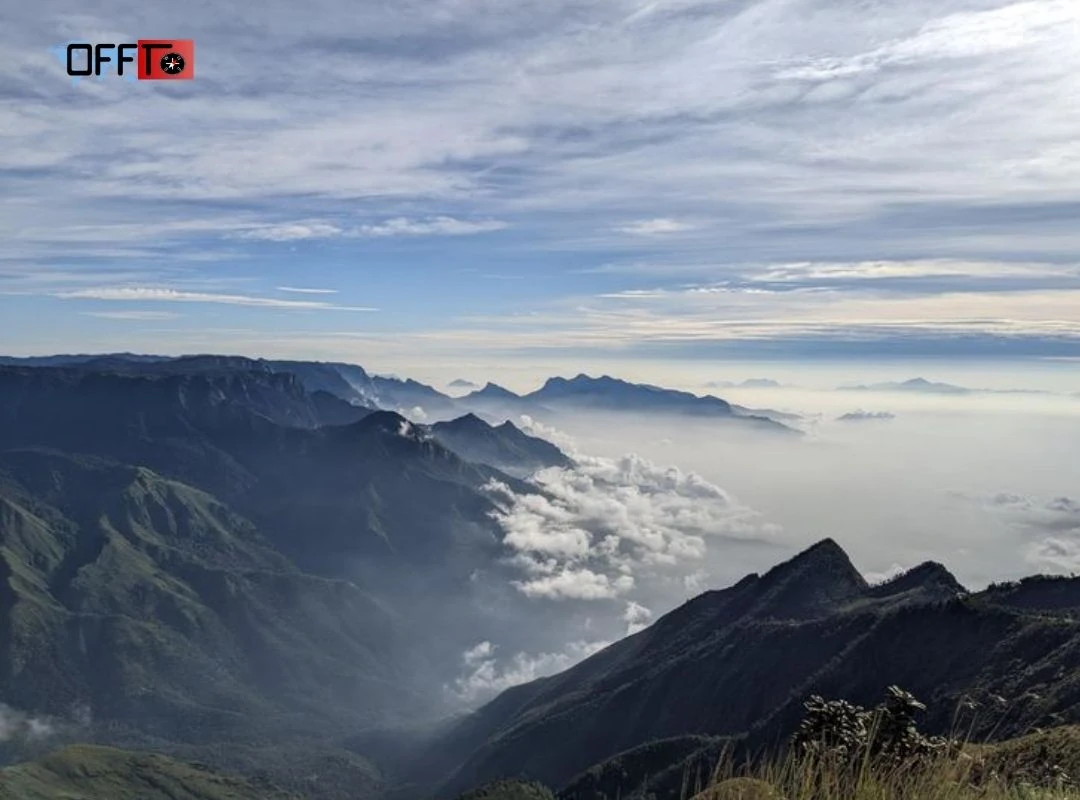
Meesapulimala is located near Munnar in Kerala’s Idukki district, in the high ranges of the Western Ghats. For most travelers searching where is Meesapulimala, the practical answer is simple: it is a trekking destination near Munnar, accessed through the Kerala Forest Development Corporation route toward Base Camp, Rhodo Valley, and the summit trail. Kerala Tourism describes Meesapulimala as a trekking destination in Munnar and places the Base Camp around 24 km from Munnar via Mattupetty and Aruvikkad estate.
Meesapulimala Location Near Munnar
The most common way to plan Meesapulimala Munnar is to first reach Munnar town and then continue toward the trekking access side by road. The route usually passes through scenic estate landscapes before reaching the Base Camp area. From there, travelers proceed further depending on the package, permission, stay option, and trek plan.
This matters because Meesapulimala is not a roadside viewpoint that you can casually drive to and return from in an hour. It is a regulated trekking experience, and the location is tied closely to where your trek starts, where your stay is booked, and whether your package includes jeep transfer.
Is Meesapulimala in Kerala or Tamil Nadu?
Meesapulimala is generally visited from the Kerala side through Munnar in Idukki district. Some confusion happens because the surrounding high ranges are close to the Kerala–Tamil Nadu hill belt, and nearby places like Suryanelli, Kolukkumalai, and the Tamil Nadu border often appear in travel discussions.
For trip planning, treat Meesapulimala as a Kerala trekking destination accessed through Munnar. The official Kerala Tourism ecotourism route explains the Munnar–Base Camp–Rhodo Valley access structure for the trek.
How Far Is Meesapulimala from Munnar Town?
The Base Camp for Meesapulimala is around 24 km from Munnar, reached via Mattupetty and Aruvikkad estate, according to Kerala Tourism. The final road stretch can feel slower than the distance suggests because it passes through hill and estate terrain.
This is why travelers should avoid planning Meesapulimala like a quick Munnar sightseeing stop. Even before the trek begins, the approach road, reporting time, jeep transfer, weather, and permit process can affect the day.
Rhodo Valley, Silent Valley, and Base Camp Explained
Base Camp, Rhodo Valley, and Silent Valley are often mentioned together, but they are not the same thing. Base Camp is the main camping and reporting-side area connected with the KFDC trekking experience. Kerala Tourism notes that travelers reach Base Camp from Munnar, and then the journey from Base Camp to Rhodo Valley is covered by jeep for around 4 km. Rhodo Valley is the last point accessible by four-wheelers on that route.
Rhodo Valley is important because it is closer to the trekking route and is associated with rhododendron-filled landscapes. Silent Valley is commonly used by travelers and guides to describe the broader access side near the trekking base region. For visitors, the key point is not the label but the booking route: confirm exactly where you need to report, where the vehicle transfer begins, and where your trek starts.
Why Location Matters for Booking and Access
Meesapulimala’s location matters because access is not fully independent or casual. The trek is usually arranged through official ecotourism channels, guided routes, and specific stay options such as Base Camp, Rhodo Mansion, or Sky Cottage. Kerala Tourism notes that the package includes guide service and meals, and describes the trek as hard, requiring basic preparation.
Before booking, check your reporting point, check-in time, included transfers, trek start location, and current access rules. Choosing the wrong stay or misunderstanding the route can change the difficulty, timing, and comfort level of the whole trip.
Meesapulimala Trek Distance & Duration
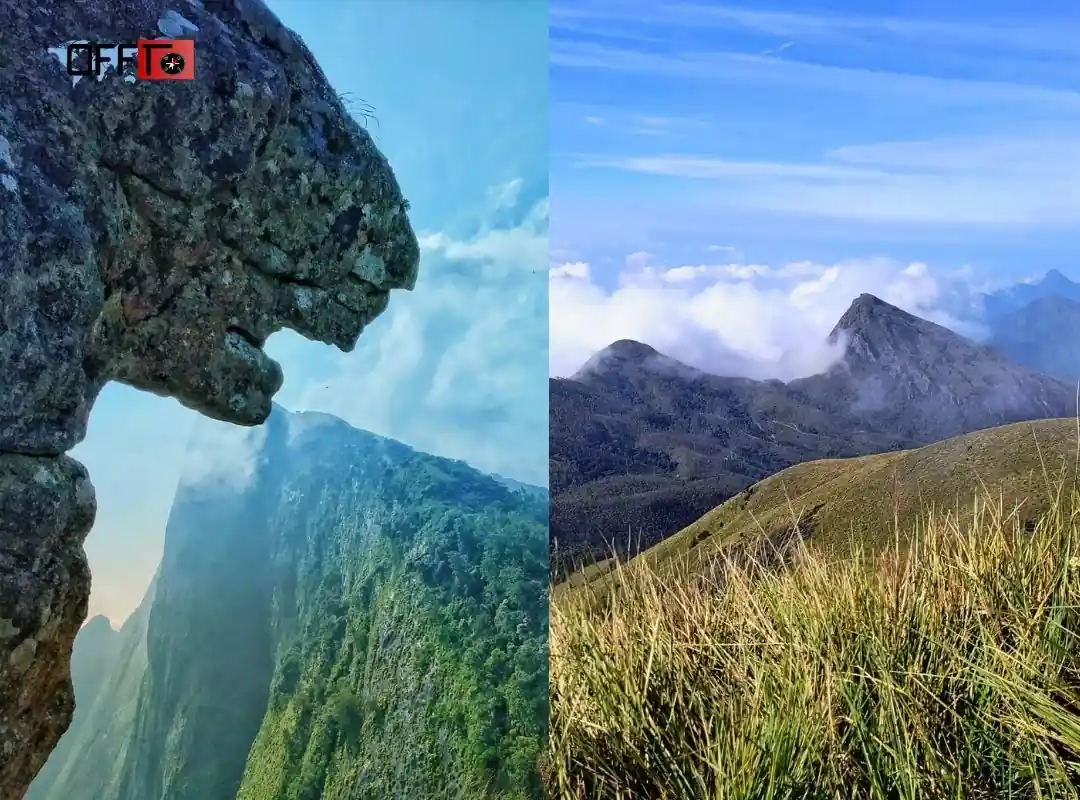
The Meesapulimala trek distance depends on the route and starting point. The commonly discussed Rhodo Valley route is around 8 km, while longer versions from lower access points or Base Camp can feel more demanding. For many average hikers, the trek can take about 6–8 hours, depending on pace, weather, breaks, fitness, and trail conditions. Indiahikes lists the Rhodo Valley trek distance as 8 km with a 6–8 hour duration and a moderate difficulty rating.
Standard Rhodo Valley Trek Distance
The standard Rhodo Valley route is the one most travelers refer to when discussing the Meesapulimala trek. It starts after the jeep-access section and moves through high-altitude grasslands, rhododendron areas, open slopes, and ridge-like sections toward the peak.
This route is popular because it balances scenery with manageable distance. It is still not an easy stroll. The terrain, altitude, exposure, and weather can make the same distance feel much harder than a flat-land walk.
Base Camp to Rhodo Valley Jeep Transfer
Kerala Tourism states that the journey from Base Camp to Rhodo Valley is around 4 km by jeep, and that Rhodo Valley is the last point accessible by four-wheelers. This transfer is important because it reduces the walking distance and places trekkers closer to the summit trail.
When comparing trek packages, always check whether this jeep transfer is included. A route that begins from Base Camp on foot can be longer and more tiring than a route that begins from Rhodo Valley.
Trek Duration for Average Hikers
For average hikers with basic fitness, Meesapulimala usually needs a full trekking window rather than a casual half-hour climb. A 6–8 hour estimate is realistic for many groups when you include climbing, breaks, summit time, photography, and descent.
Beginners can do it with preparation, but they should not underestimate the trail. Regular walking, stair climbing, light cardio, and proper shoes can make the experience far more enjoyable.
Time Needed for Summit, Breaks, and Descent
A sensible trek plan should include time for the summit push, rest breaks, weather pauses, and the return descent. Many trekkers slow down on steeper sections, especially if the trail is wet or misty. The descent can also take longer than expected because tired legs make slippery grass and loose soil harder to manage.
Do not plan another heavy sightseeing schedule immediately after the trek. Meesapulimala is best treated as the main activity of the day.
Why Distance Can Feel Harder at Altitude
The Meesapulimala trek distance may look manageable on paper, but altitude changes the experience. Thin air, wind, exposed ridges, sudden mist, and uphill sections can make the trail feel more intense than the kilometre count suggests.
This is the biggest planning insight for first-time trekkers: do not judge Meesapulimala only by distance. Judge it by fitness, weather, altitude, route type, and how much time your group needs to move safely.
Is Meesapulimala Trek Difficult?
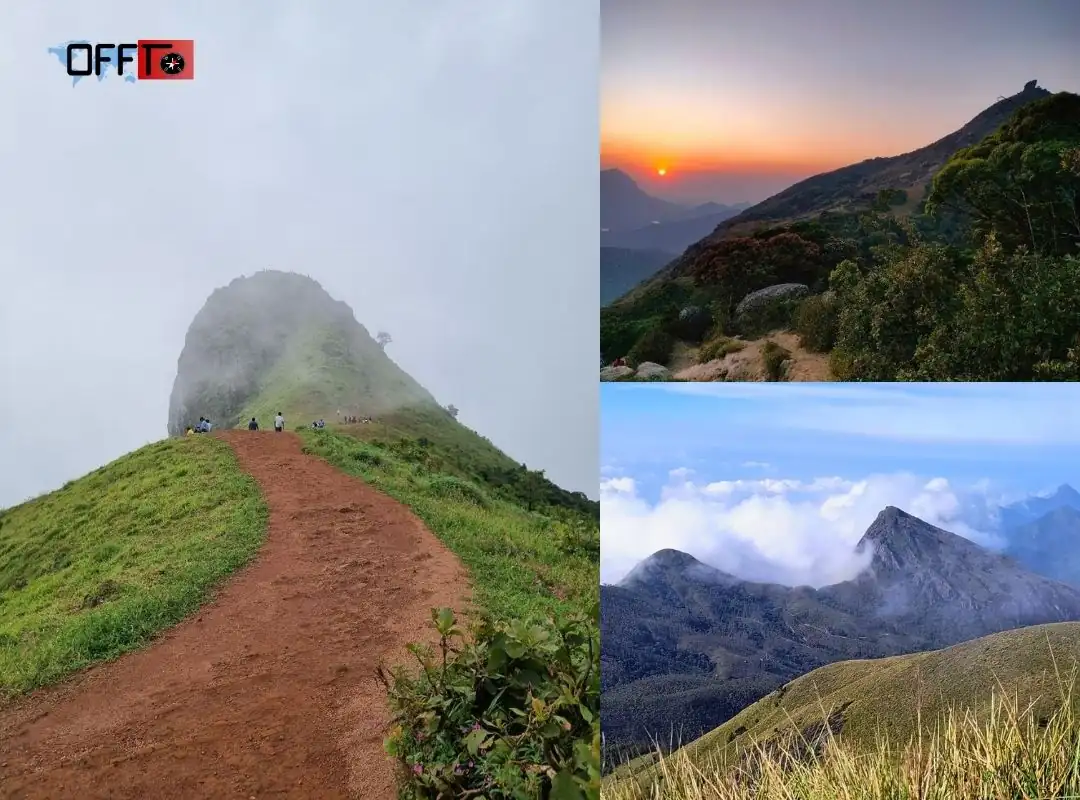
The Meesapulimala trek difficulty is best described as moderate to hard, depending on your fitness, route, weather, and trekking experience. Kerala Tourism describes Meesapulimala as a hard trek that needs basic preparation, while Indiahikes lists the Rhodo Valley route as an 8 km moderate trek taking around 6–8 hours. For most travelers, the answer to “is Meesapulimala trek difficult?” is: it is doable with preparation, but not a casual sightseeing walk.
Difficulty Level for Beginners
Beginners can attempt Meesapulimala if they have basic fitness and are comfortable walking uphill for several hours. The trek is not highly technical, but it does demand stamina, balance, and patience. If you rarely walk, climb stairs, or do outdoor activity, the trail may feel tiring much earlier than expected.
A beginner should prepare with regular walking, light cardio, and stair climbing before the trip. Good shoes are important because grass, mud, mist, and uneven ground can make the trail harder.
What Makes the Trek Tiring?
Meesapulimala feels tiring because of the combination of distance, altitude, uphill sections, changing weather, and exposure. The standard Rhodo Valley trek is around 8 km, but the effort can feel more intense because the trail moves through high-altitude grasslands and open slopes.
Breaks matter here. Trekkers who rush early may struggle later, especially near steeper sections. A steady pace is usually better than trying to finish quickly.
Steep Sections, Grasslands, and Weather Exposure
The trail includes open grasslands, ridge-like stretches, and steeper climbs near certain hill sections. Indiahikes notes that the trail becomes steeper early in the climb and again around the seventh hill, with a steep descent through forest sections.
Weather exposure is another factor. Mist can reduce visibility, wind can make open sections feel colder, and wet grass can make both climbing and descending tricky. Even if the trek starts easy, weather can change how difficult it feels.
Fitness Level Needed for Meesapulimala
You do not need to be an expert trekker, but you should be able to walk continuously for a few hours, climb uphill without frequent exhaustion, and manage descent without knee discomfort. If you can comfortably do long walks and moderate stair climbs, the trek becomes more enjoyable.
People with breathing issues, knee pain, vertigo, or low stamina should check with a doctor and choose the route carefully. Meesapulimala is beautiful, but the summit is not worth forcing if your body is struggling.
Beginner Mistakes to Avoid
The biggest beginner mistake is judging Meesapulimala only by distance. Another common mistake is wearing casual shoes, skipping breakfast, carrying too much weight, starting without rain protection, or rushing for photos near exposed edges.
Do not ignore the guide’s instructions, and do not split away from the group for shortcuts. The best way to complete Meesapulimala safely is to start prepared, walk steadily, hydrate well, and respect the mountain weather.
Meesapulimala Stay Options: Base Camp, Rhodo Mansion & Sky Cottage
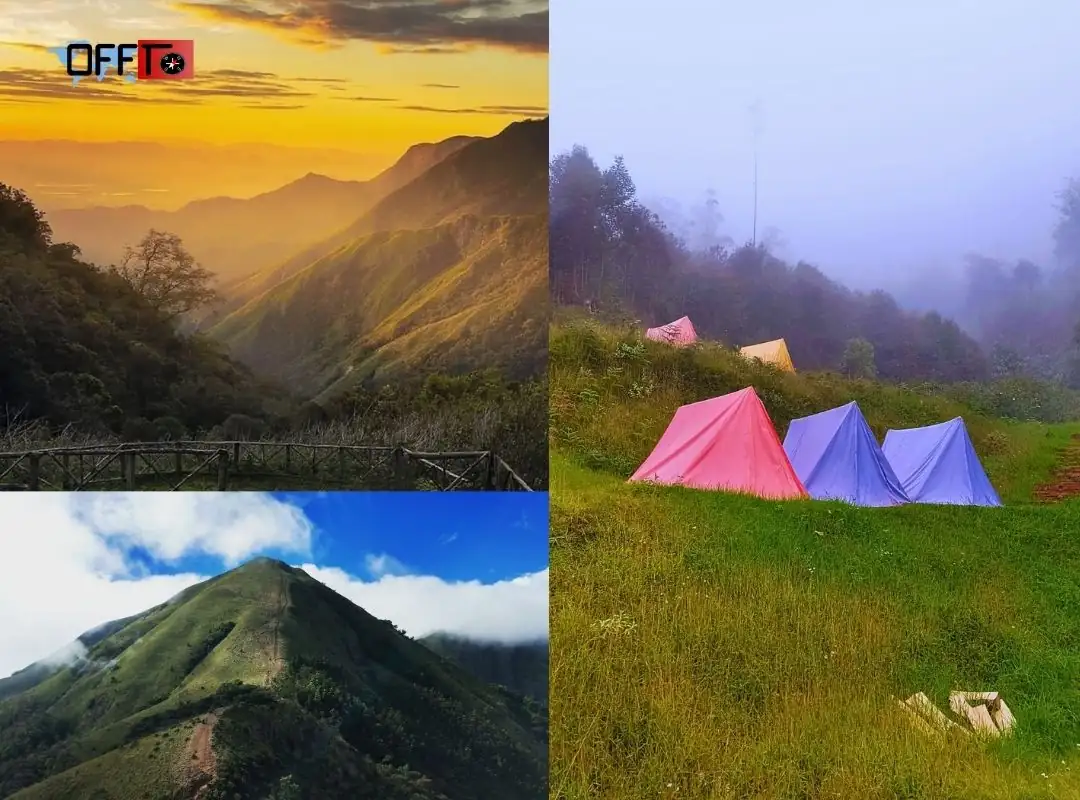
The main Meesapulimala stay options are Base Camp, Rhodo Mansion, and Sky Cottage. These stays are part of the official trekking experience connected with the Kerala Forest Development Corporation route, and availability can change based on weather, climate, and package conditions. Kerala Tourism lists all three stay choices and clearly advises travelers to confirm package availability beforehand.
Base Camp Tent Stay Experience
Base Camp is the most outdoorsy and budget-friendly stay option for the Meesapulimala trek. It offers a tent-style experience in the chilly Munnar high ranges, with a campfire and meals included in the package. Kerala Tourism mentions that Base Camp sits at about 6,000 feet and allows a maximum of 40 persons for a single-night tent stay.
Choose Base Camp if you want a classic camping mood and do not mind basic comfort. It is better for groups, younger travelers, and people who enjoy the outdoors.
Rhodo Mansion Stay Experience
Rhodo Mansion is usually the more comfortable stay choice for travelers who want better shelter while staying closer to the high-altitude experience. Kerala Tourism describes it as a night stay offered at Rhodo Valley, with elephant trench protection, campfire, food, and the next-day Meesapulimala climb included.
This stay works well for trekkers who want a stronger sunrise-trek feel without choosing the most basic tent option. It is also a good middle ground between comfort and location.
Sky Cottage Stay Experience
Sky Cottage is the most distinctive option among the three. Kerala Tourism describes it as a lonely cottage on a cliff facing a waterfall, with views of the Anamudi peaks and a transparent ceiling that can offer a starry-sky view on clear nights. The package includes trekking, guide service, and food.
This is best for couples, small groups, and travelers who want a more private mountain-stay experience. It may not suit people who want easy access to facilities or a hotel-style stay.
Which Stay Is Best for Sunrise Trekkers?
For sunrise trekkers, Rhodo Mansion is often the most practical choice because it keeps you closer to the Rhodo Valley side and the trekking atmosphere. Base Camp works well if you want a more economical camping experience, while Sky Cottage is better for travelers who value views and privacy.
The best stay depends on your comfort level. Choose Base Camp for adventure, Rhodo Mansion for trek-focused convenience, and Sky Cottage for a more scenic, intimate stay.
Food, Campfire, and Basic Facility Expectations
The official package includes guide service, breakfast, lunch, evening tea, and dinner for the Meesapulimala trekking experience. Base Camp and Rhodo Mansion also mention campfire as part of the stay experience.
Still, travelers should keep expectations realistic. These are high-range eco-stay options, not luxury resorts. Carry warm clothes, basic medicines, personal toiletries, and any essentials you may need overnight.
Stay Reality: Comfort vs Altitude Experience
The main reason to book a Meesapulimala stay is not luxury; it is access, atmosphere, and the chance to experience the high ranges before the trek. Base Camp gives you a raw camping feel, Rhodo Mansion balances comfort and trek access, and Sky Cottage offers a more scenic stay.
Before booking, confirm the latest price, availability, check-in time, meal plan, jeep transfer, guide inclusion, and weather conditions. Meesapulimala is best enjoyed when you choose the stay that matches your fitness, comfort needs, and reason for doing the trek.
Meesapulimala Weather: What to Expect Before the Trek
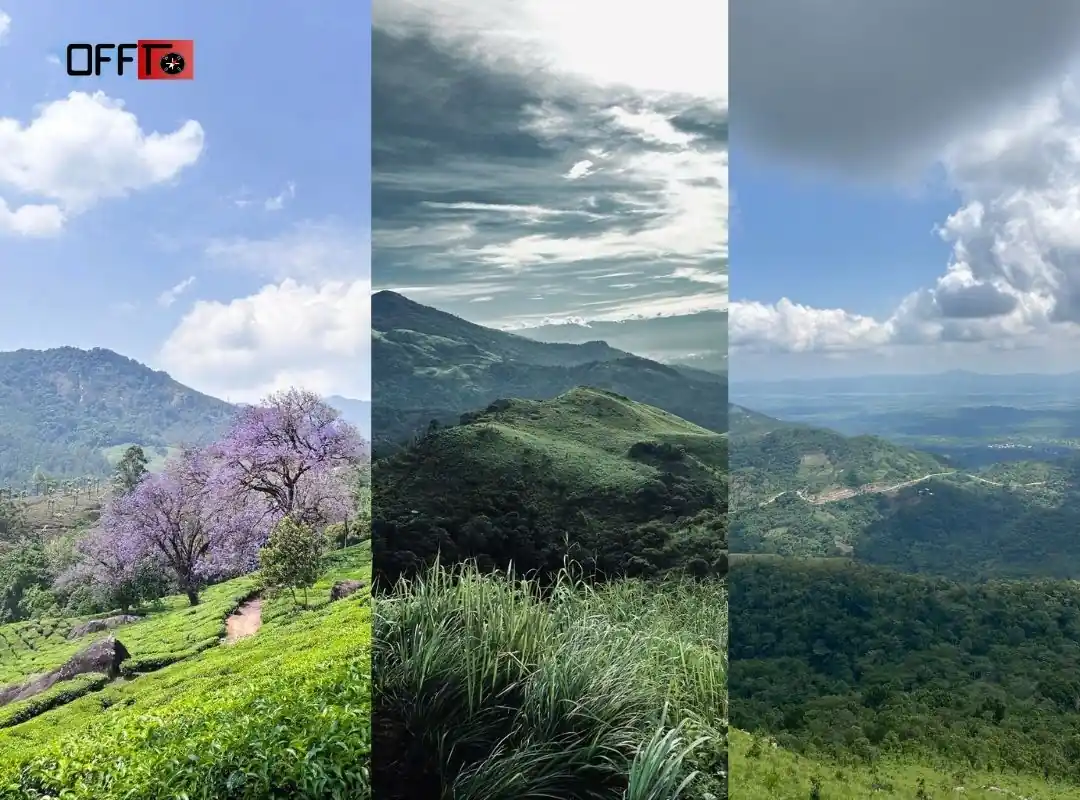
Meesapulimala weather can change quickly because the trek moves through high-altitude grasslands, exposed slopes, and mist-prone Western Ghats terrain. The peak sits around 8,661 feet, and the official Kerala Tourism ecotourism page describes Meesapulimala as a high-adventure trek via Rhodo Valley near Munnar.
Why Meesapulimala Weather Changes Quickly
Weather changes fast in Meesapulimala because the trail is open, elevated, and exposed to wind, fog, and sudden cloud movement. A clear morning can turn misty within minutes, especially around ridge sections and grasslands.
This is why trekkers should not plan only for “good weather.” Carry layers, protect your phone or camera, and listen to your guide if visibility drops.
Morning Cold, Wind, Fog, and Visibility
Early mornings can feel cold and windy, especially if you are starting from Base Camp or Rhodo Valley. Fog can make the trail feel more dramatic, but it can also reduce visibility and slow down the group.
If sunrise views are your priority, start prepared for cold air, damp grass, and changing light. Clear views are possible, but not guaranteed.
Monsoon Trail Reality
Monsoon makes Meesapulimala greener and more atmospheric, but it also increases the difficulty. Expect wet grass, slippery sections, leeches, fog, and slower movement. Heavy rain can also affect trek safety and access decisions.
Monsoon is better for experienced trekkers who enjoy challenging weather. Beginners and families should be more cautious during this period.
Winter Weather and Clear-View Chances
Winter is usually the most comfortable season for the Meesapulimala trek. Trekking sources commonly recommend the October-to-February or September-to-March window for better visibility, cooler weather, and more manageable trail conditions.
This is also when trekkers have a better chance of sunrise views, cloud layers, and wide mountain scenery. Still, nights and early mornings can feel very cold, so warm clothing is essential.
What to Wear for Meesapulimala Weather
Wear layered clothing rather than one heavy jacket. A breathable base layer, light fleece or sweater, windproof jacket, trekking pants, and shoes with strong grip work well. Avoid jeans because they become uncomfortable when wet.
Carry a cap, rain cover, extra socks, and a light poncho or rain jacket. If you are trekking in winter, gloves and a warm beanie can make the early start much more comfortable.
Weather-Based Go/No-Go Checklist
Before the trek, confirm weather, trail condition, guide availability, and current access status. Avoid pushing ahead if there is heavy rain, very low visibility, strong wind, or official advice against trekking.
A simple rule works best: go when weather is manageable, pause when visibility drops, and turn back if the guide says conditions are unsafe.
Best Time to Visit Meesapulimala
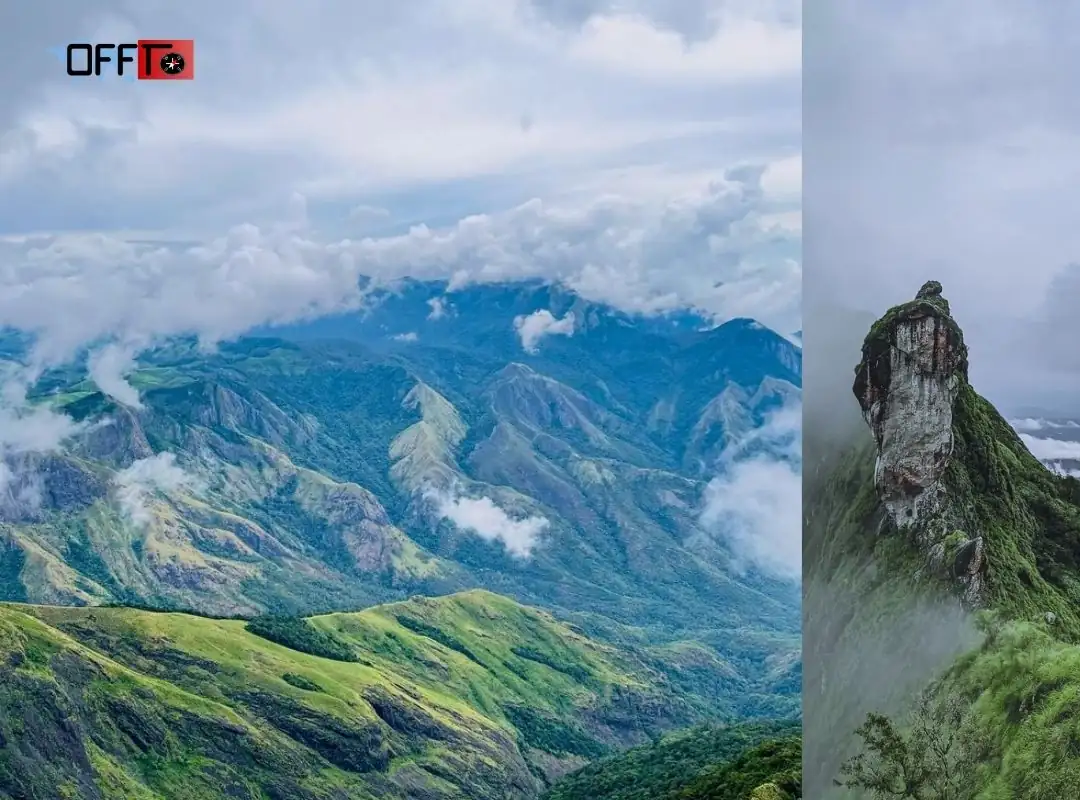
The answer to which is the best time to visit Meesapulimala depends on what you want from the trek. For most travelers, the best season is from September or October to February/March, when the hills are greener after monsoon, the weather is cooler, and visibility is usually better.
Best Months for Meesapulimala Trek
October to February is often the safest recommendation for the Meesapulimala trek because it balances clear views, cooler weather, and better walking comfort. September can also be good after the rains, but trail conditions may still depend on recent weather.
If you want the most comfortable trek, choose the post-monsoon or winter window rather than peak monsoon.
Post-Monsoon Views and Green Hills
Post-monsoon is one of the most scenic times to visit Meesapulimala. The grasslands look fresh, the valleys feel greener, and the route has a more alive, mountain-rich character.
This period is good for photographers and nature-focused travelers, but recent rain can still make the trail slippery. Good shoes are non-negotiable.
Winter Sunrise and Cloud Inversion Chances
Winter is popular because the air is cooler and sunrise views can be beautiful when the sky is clear. Some trekking reports mention December and January as strong months for cloud-layer or “sea of clouds” style views, though these are weather-dependent and should never be treated as guaranteed.
For sunrise trekkers, staying near Base Camp or Rhodo Valley can make the experience easier than starting late from Munnar.
Summer Visibility vs Heat
Summer can still work for Meesapulimala, especially if you want clearer views and less rain. However, the lower approach routes may feel warmer, and exposed trail sections can become tiring once the sun is higher.
If trekking in summer, start early, hydrate well, wear sun protection, and avoid carrying unnecessary weight.
Monsoon Risks: Slippery Trails, Fog, Leeches, Closures
Monsoon is the most unpredictable season for Meesapulimala. The trail may look stunning, but wet grass, fog, leeches, low visibility, and route restrictions can affect the trek.
This season is not ideal for casual beginners. If you still choose monsoon, confirm access, follow the guide closely, and be prepared for a slower, more demanding experience.
Month-Wise Meesapulimala Trek Experience Table
Month | Trek Experience | Best For | Planning Note |
January | Cold mornings, clearer views, sunrise potential | Photographers, fit beginners | Carry warm layers |
February | Comfortable winter trekking | First-time trekkers | Good balance of weather and visibility |
March | Warmer but still manageable | Early-start trekkers | Hydration becomes important |
April | Hotter lower routes, exposed trail sections | Experienced hikers | Avoid late starts |
May | Pre-monsoon changes possible | Flexible travelers | Check weather before booking |
June | Monsoon begins, slippery trail risk | Experienced trekkers only | Visibility may be poor |
July | Heavy rain, fog, leeches possible | Not ideal for beginners | Confirm access and safety |
August | Wet, green, unpredictable | Monsoon-focused trekkers | Keep plans flexible |
September | Fresh post-monsoon scenery | Nature lovers | Trail may still be damp |
October | Strong trekking window begins | Most travelers | Good mix of green views and comfort |
November | Cool, scenic, comfortable | Beginners and photographers | Popular trekking month |
December | Cold, clear-view potential | Sunrise trekkers | Book stays early |
For most travelers, the best choice is clear: pick October to February for a safer, more comfortable Meesapulimala trek, and choose monsoon only if you are experienced, flexible, and prepared for difficult trail conditions.
Meesapulimala Sunrise: Is It Really Worth the Early Start?
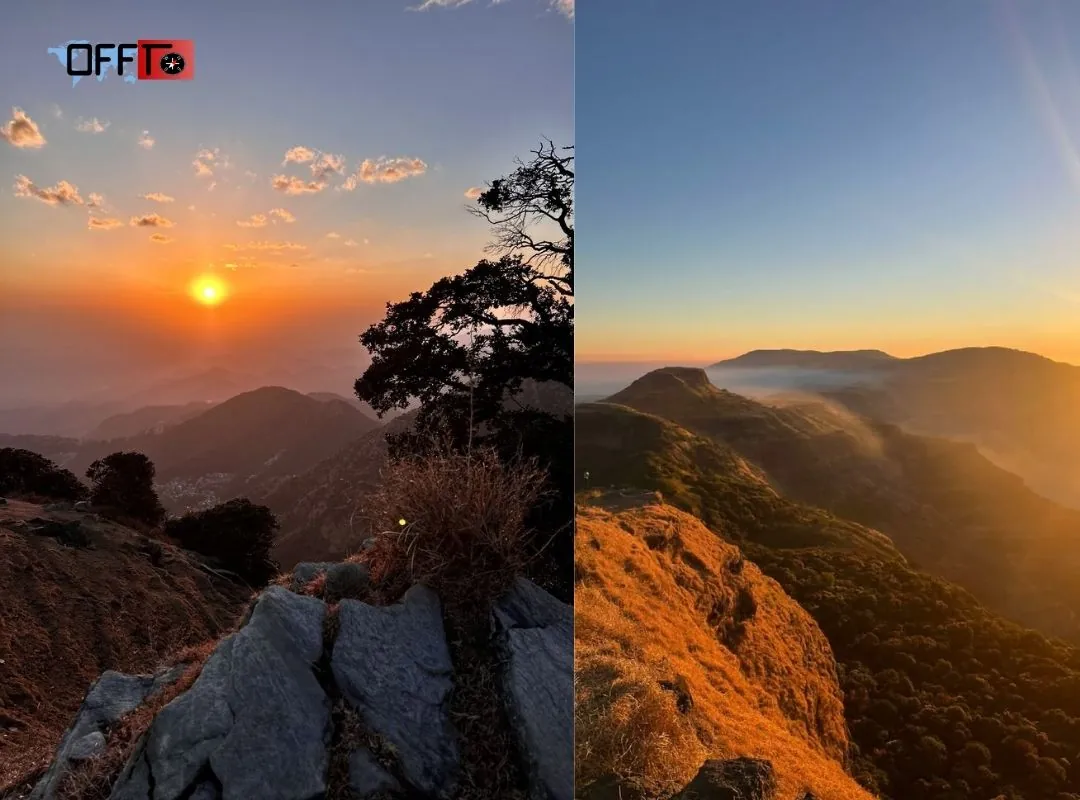
Meesapulimala sunrise is one of the biggest reasons trekkers choose this route near Munnar. The summit sits high in the Western Ghats, and the trail through Rhodo Valley gives you open grasslands, ridge views, moving mist, and the chance of seeing clouds settle below the hills. Kerala Tourism describes Meesapulimala as the second-highest peak in the Western Ghats and a trekking trail via Rhodo Valley.
Why Sunrise Is a Major Highlight
Sunrise is special at Meesapulimala because the landscape feels completely different in the early morning. The grasslands are colder, the light is softer, and the valleys often carry layers of mist before the day warms up. For many trekkers, this is the most memorable part of the whole experience.
That said, sunrise is not just about reaching the top. The walk itself, the changing sky, the wind, and the quiet before the trail gets brighter all add to the feeling. If you enjoy mountain mornings, the early start is usually worth it.
Best Stay Option for Sunrise Timing
For sunrise timing, staying closer to the trekking route is more practical than starting late from Munnar town. Rhodo Mansion is often the most trek-focused option because it places travelers nearer to the Rhodo Valley side, while Base Camp works well for those who want a camping-style experience before the trek. Sky Cottage is better for travelers who want a more scenic and private stay, but the exact sunrise plan should be confirmed while booking.
The key is not just which stay looks better, but how early you can start, whether jeep transfer is included, and where your guide asks you to report.
What Time the Trek Usually Starts
Meesapulimala sunrise treks usually require a very early start, often before or around dawn depending on the stay, season, guide instructions, and route conditions. Some operators mention early morning reporting or trekking windows, but exact timing should always be confirmed with the official booking team or guide before travel.
Do not assume you can wake up late and still catch sunrise from the summit. For the best chance, plan the previous night properly: warm clothes ready, water packed, shoes checked, and camera or phone charged.
Sunrise vs Daytime Trek: Which Is Better?
Choose sunrise if you want the most atmospheric version of Meesapulimala: cold air, soft light, mist, and the possibility of cloud layers below the ridge. It is better for photographers, couples, serious nature lovers, and trekkers who enjoy a slightly more intense experience.
Choose a daytime trek if you prefer better visibility on the trail, a less rushed start, and warmer conditions. Daytime trekking can be easier for beginners, but it may not feel as dramatic as the sunrise experience.
Reality Check: Fog Can Hide the View
The biggest sunrise reality check is fog. Meesapulimala can look magical in photos, but the mountain does not guarantee clear views. Fog can hide the valley, cover the summit, or reduce visibility just when you expect the best light.
This does not make the trek a failure. Mist is part of the high-range experience. The better mindset is to go for the full mountain atmosphere, not only one perfect sunrise frame.
Sunrise Photography Tips
For sunrise photography, carry your phone or camera in a dry pouch and keep your hands warm enough to shoot comfortably. Use the ridgelines, grass, walking trail, and distant trekkers to create scale instead of photographing only the sun.
Take both wide shots and vertical frames. If clouds are moving fast, wait a few minutes before giving up on a view. Meesapulimala light changes quickly, and a hidden valley can open suddenly.
Meesapulimala Viewpoints & What You See from the Top
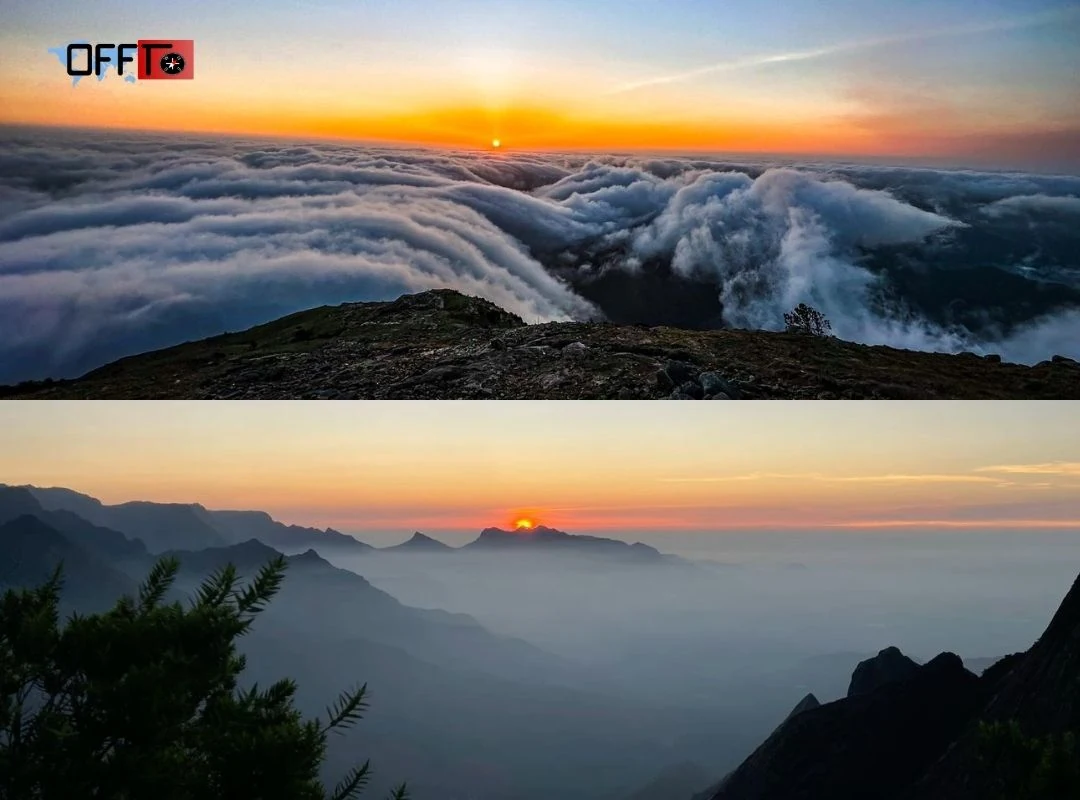
The main Meesapulimala view point is the summit itself, but the trek offers several scenic moments before you reach the top. Rhodo Valley, grassland ridges, tea estate views, and open hill slopes all create different viewpoints along the route. The Rhodo Valley trail is commonly listed as an 8 km moderate trek that takes around 6–8 hours, which means trekkers get multiple natural viewpoints rather than one single photo stop.
Main Summit Viewpoint
The summit viewpoint is the highlight of the Meesapulimala trek. On a clear day, the top gives wide views of the Western Ghats, rolling grasslands, valley folds, and nearby high-range landscapes. The feeling is more raw and open than a typical roadside Munnar viewpoint because you earn the view through the climb.
This is where most trekkers pause for photos, rest, and the main summit moment. But do not crowd the edge or rush around for risky angles. Wind, uneven ground, and fatigue can make careless movement dangerous.
Rhodo Valley Viewpoints
Rhodo Valley viewpoints are among the most scenic parts of the trek. The valley is associated with rhododendron landscapes and is the last jeep-accessible point on the official route from Base Camp, according to Kerala Tourism.
This area is especially useful for travelers who want strong views before the tougher parts of the climb. Even if fog covers the summit later, the Rhodo Valley stretch can still give beautiful frames of grasslands, slopes, and mist.
Grassland Ridge Viewpoints
The grassland ridge viewpoints are what make Meesapulimala feel different from regular Munnar sightseeing. Instead of tea gardens seen from a road, you walk through open slopes where the wind, sky, and trail are part of the experience.
These ridges can be spectacular in clear weather, but they can also feel exposed in fog or strong wind. Walk steadily, follow the guide, and avoid stepping away from the trail for photos.
Tea Estate and Valley Views
Before and around the trekking route, travelers can see tea estate landscapes, valley drops, and estate roads that connect Meesapulimala with the broader Munnar high ranges. These views are especially rewarding during the approach from Munnar toward Base Camp and Rhodo Valley.
For photographers, this gives two different visual moods in one trip: tea-estate scenery on the way and high-altitude grassland views during the trek.
What You Can See on a Clear Day
On a clear day, Meesapulimala can offer views of surrounding Western Ghats ranges, valleys, grassland hills, and parts of the Munnar–Suryanelli high-range belt. Indiahikes notes that from early hill sections of the Rhodo Valley route, trekkers can see Meesapulimala peak as well as glimpses of Munnar and Suryanelli town.
Clear-view days are best for wide landscape photos, summit shots, and understanding why Meesapulimala is considered one of the most rewarding treks near Munnar.
Viewpoint Reality During Foggy Weather
Fog can completely change the viewpoint experience. A famous Meesapulimala view point may show open valleys one minute and a wall of white mist the next. This is common in high-altitude terrain and should be expected, especially during monsoon, post-monsoon, and early mornings.
If the summit is foggy, focus on closer details: grass textures, trail curves, silhouettes, cloud movement, and trekking portraits. Meesapulimala is not only about the final view; the changing weather is part of what makes the trek feel alive.
Meesapulimala Trek Reality: Expectation vs Reality
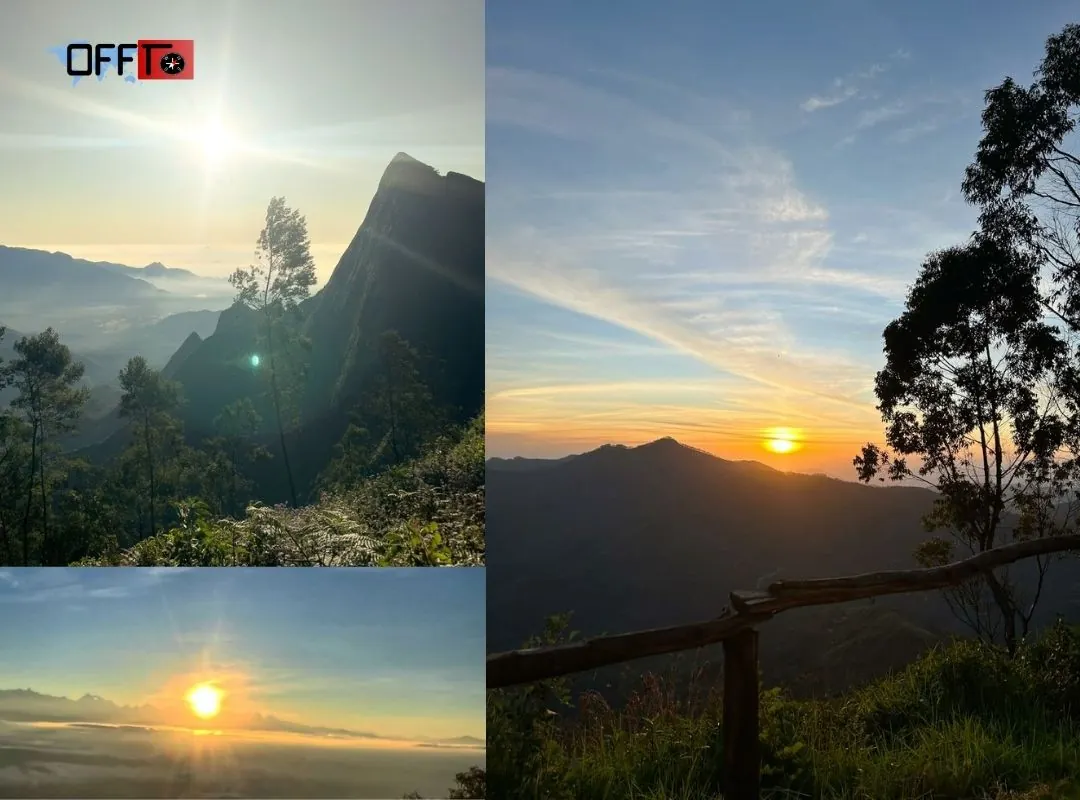
The Meesapulimala trek is one of the most memorable trekking experiences near Munnar, but it is often misunderstood. Many travelers see sunrise photos, rolling grasslands, and cloud-filled valleys online and assume the trek is simple, predictable, and easy to access. In reality, Meesapulimala is a regulated high-altitude trek where weather, fitness, booking, and trail discipline matter. Kerala Tourism describes the official trekking package as a hard trek that includes guide service and basic preparation.
Expectation: Easy Hill Walk | Reality: Long Windy Ridge Trek
Meesapulimala is not just a gentle hill walk. Even though the Rhodo Valley route is commonly discussed as a moderate trek, the open grasslands, ridge-like sections, wind, altitude, and descent can make it tiring for beginners. The route needs steady walking, patience, and enough stamina to manage both the climb and return.
If you are asking is Meesapulimala trek difficult, the practical answer is: it is doable for fit beginners, but it should not be treated like a casual Munnar viewpoint visit. Prepare your body before the trip and do not rush the trail.
Expectation: Guaranteed Sunrise | Reality: Weather Decides Visibility
Meesapulimala sunrise is a major highlight, but it is never guaranteed. Fog, clouds, rain, and wind can change the view quickly. You may reach the summit and see a golden sunrise, or you may find the valley fully covered in mist.
This does not make the trek less worthwhile. The mountain atmosphere, cold morning, moving fog, grasslands, and trail experience are all part of the journey. Go for the full trek, not only one perfect sunrise photo.
Expectation: Luxury Stay | Reality: Eco-Stay and Mountain Basics
The official Meesapulimala stay options are more about location, nature, and trekking access than luxury. Base Camp offers a tent-style mountain experience, while Rhodo Mansion and Sky Cottage offer different levels of shelter and atmosphere. Kerala Tourism lists Base Camp, Rhodo Mansion, and Sky Cottage as part of the Meesapulimala ecotourism experience, with meals and guide service included in the package.
Expect basic comfort, cold weather, simple food, and eco-stay conditions. If you want resort facilities, spa comfort, or room service, stay in Munnar town and choose another activity.
Expectation: Open Access | Reality: Regulated Route and Booking
Meesapulimala is not an open-access trail where travelers can arrive and start climbing independently. The trek is linked to official ecotourism routes, guided packages, and regulated entry. Trekking sources also note that permissions are obtained through Kerala Forest Development Corporation arrangements and usually include stay, food, guide, and trekking access.
This matters for planning. Confirm your booking, reporting point, included transfers, stay type, trek timing, and current access status before reaching Munnar. A last-minute plan can easily fail if slots are full or weather affects operations.
Expectation: Perfect Photos | Reality: Fog, Wind, and Trail Fatigue
Meesapulimala is highly photogenic, but the trail does not always behave like social media. Fog can cover viewpoints, wind can make photography difficult, and fatigue can affect how much you enjoy the summit.
The best photos often come from patience rather than chasing every angle. Capture grasslands, trail curves, mist, walking silhouettes, and tea-estate approaches. Avoid risky poses near edges or on slippery slopes. A safe trek is always better than a dramatic photo.
Safety, Eco-Rules & Responsible Trekking
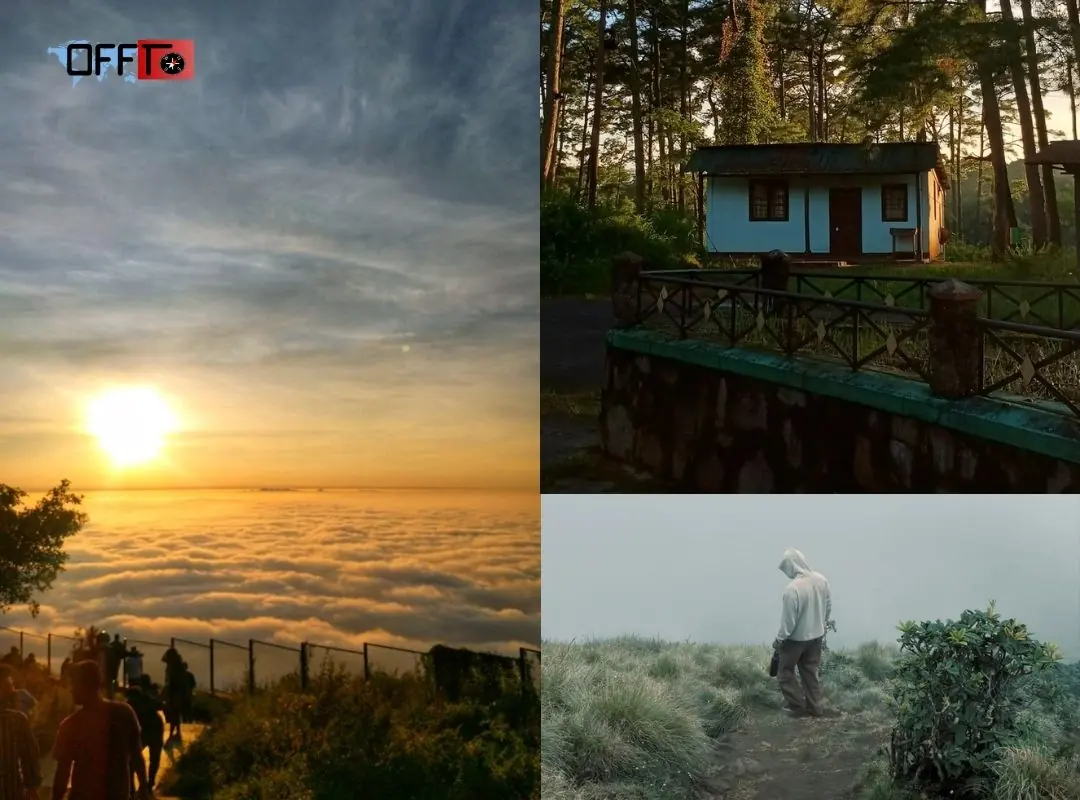
A good Meesapulimala trek guide should make one thing clear: safety and ecology are not side notes here. The trek passes through sensitive high-altitude landscapes, grasslands, shola forest patches, and regulated routes near Munnar. Kerala Forest Development Corporation describes its ecotourism work as nature-focused, and the official Meesapulimala trekking package is structured with guides, stay options, meals, and controlled access for that reason.
Stay on the Permitted Trail
Always stay on the permitted trail. Do not wander into grasslands, estate sections, forest patches, or shortcut routes just because they look scenic. Off-trail walking can damage fragile vegetation and can also make it harder for guides to manage the group safely.
Meesapulimala’s beauty comes from its open, sensitive landscape. Staying on the trail helps protect that experience for future trekkers.
Follow Your Guide’s Instructions
Your guide’s instructions matter more than map pins, reels, or old travel blogs. Guides understand the current trail condition, weather, group pace, safe rest points, and descent timing.
If your guide asks the group to slow down, avoid a section, skip a risky photo point, or return because of weather, follow that instruction. In mountain terrain, local judgment is part of the safety system.
Avoid Litter, Alcohol, Loud Music, and Off-Trail Shortcuts
Avoid littering, alcohol, smoking, loud music, and careless behaviour on the trail. Carry back snack wrappers, plastic bottles, tissues, and any waste you bring. Do not turn the trek into a party route.
Responsible trekking is simple: keep the trail clean, keep noise low, respect other trekkers, and leave no visible trace of your visit.
Wildlife and Shola Forest Sensitivity
The Meesapulimala region is part of the Western Ghats high-range ecosystem, where grasslands and shola forest patches are ecologically important. These landscapes may look open and empty, but they support sensitive plant life, birds, insects, and wildlife movement.
Do not disturb animals, pluck plants, shout into valleys, or walk into forest patches for photos. If you see wildlife, observe quietly from a distance and let the guide manage the situation.
Weather Safety and Descent Caution
Weather safety is especially important on the descent. Many trekkers focus only on reaching the summit, but tired legs, wet grass, loose soil, fog, and wind can make the return more difficult than expected.
Use shoes with good grip, keep both hands free when descending, and avoid running downhill. If it rains, slow down immediately. A careful descent is one of the most important parts of completing the Meesapulimala trek safely.
What Families and First-Time Trekkers Should Know
Families and first-time trekkers should choose Meesapulimala only if everyone is comfortable with a long outdoor activity, cold weather, basic facilities, and changing trail conditions. This is not ideal for very young children, elderly travelers with mobility concerns, or people with breathing or knee issues unless cleared and well-prepared.
For beginners, the best approach is to train lightly before the trip, pack warm and rain-ready clothing, carry water, eat properly, follow the guide, and avoid comparing your pace with faster trekkers. Meesapulimala is not a race; it is a mountain experience that rewards steady, responsible walking.
Final Meesapulimala Trek Checklist
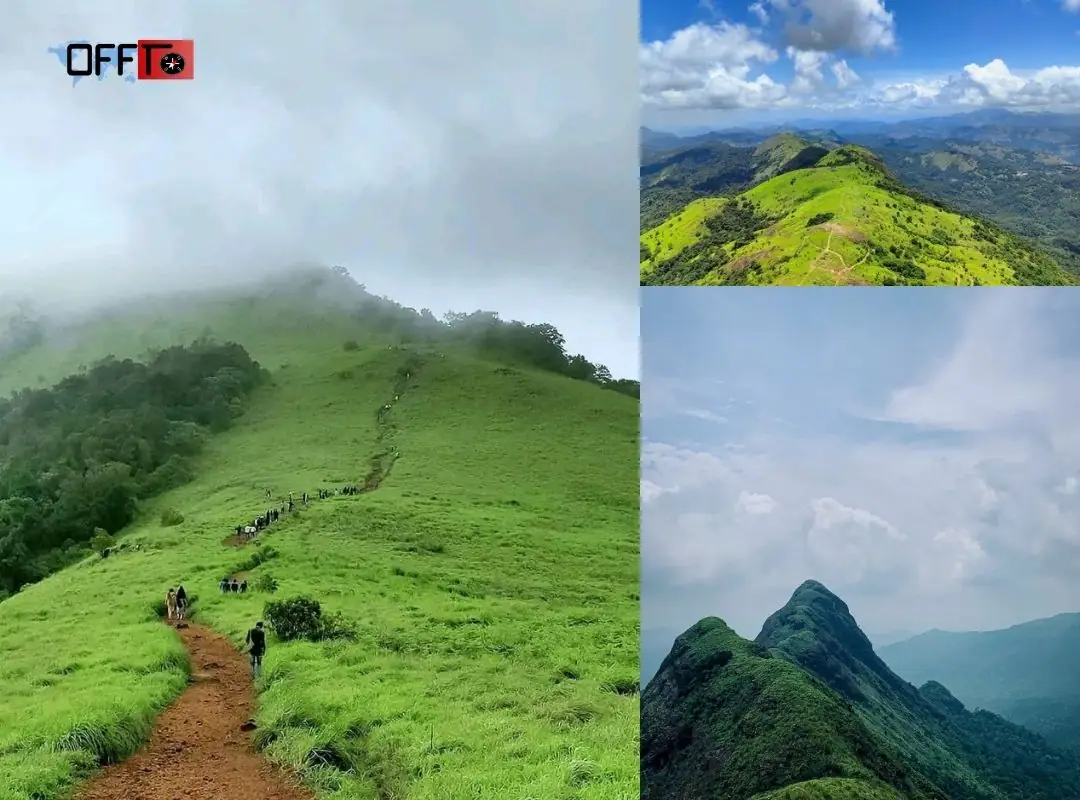
Use this Meesapulimala trek guide checklist before you confirm your trip. Meesapulimala is not a casual Munnar viewpoint visit; it is a regulated high-altitude trek where booking, weather, fitness, stay choice, packing, and guide instructions all matter. A little preparation can make the trek safer, smoother, and far more enjoyable.
Booking Checklist
- Confirm your Meesapulimala trek booking in advance.
- Check whether your package includes guide service.
- Confirm whether meals are included.
- Ask if jeep transfer from Base Camp to Rhodo Valley is included.
- Check your reporting point and reporting time.
- Confirm whether you are staying at Base Camp, Rhodo Mansion, or Sky Cottage.
- Keep booking confirmation and ID proof ready.
- Reconfirm current access status before leaving Munnar.
Weather Checklist
- Check the latest Meesapulimala weather before travel.
- Avoid trekking during heavy rain, strong wind, or very poor visibility.
- Carry rain protection even outside monsoon.
- Expect cold mornings, mist, and sudden weather changes.
- Do not assume sunrise views are guaranteed.
- Follow guide instructions if fog or rain affects the trail.
- Keep your phone, camera, and documents protected from moisture.
Fitness Checklist
- Be prepared to walk for several hours on uneven terrain.
- Do basic walking, stair climbing, or cardio before the trek.
- Avoid the trek if you have serious knee, breathing, or balance issues without medical advice.
- Do not rush the climb in the first half.
- Keep energy for the descent.
- Trek at a steady pace instead of trying to match faster groups.
- Inform your guide early if you feel dizzy, breathless, or unusually tired.
Packing Checklist
- Trekking shoes with good grip
- Warm jacket or fleece
- Windproof layer
- Rain jacket or poncho
- Comfortable trekking pants
- Extra socks
- Water bottle
- Light snacks or energy bars
- Personal medicines
- Sunscreen
- Cap or beanie
- Small towel
- Power bank
- Phone/camera rain cover
- Minimal backpack
- ID proof and booking confirmation
Avoid heavy luggage on the trek. Carry only what you need for the trail and keep the rest at your stay if possible.
Stay Checklist
- Confirm check-in and check-out timing.
- Ask about food availability and meal timing.
- Confirm bedding, blankets, and basic facilities.
- Carry personal toiletries.
- Carry warm sleepwear if staying overnight.
- Do not expect luxury-resort comfort.
- Check whether campfire is available and weather-dependent.
- Ask how early you need to wake up for the trek.
- Confirm where the guide will meet the group.
Choose Base Camp for a raw camping feel, Rhodo Mansion for trek-focused convenience, and Sky Cottage for a more scenic mountain-stay experience.
Safety Checklist
- Stay on the permitted trail.
- Follow your guide at all times.
- Do not take shortcuts.
- Avoid risky cliff-edge photos.
- Do not litter.
- Do not play loud music.
- Avoid alcohol before or during the trek.
- Do not disturb wildlife or enter forest patches.
- Walk carefully during descent.
- Slow down on wet grass, mud, and loose soil.
- Keep children and first-time trekkers close to the group.
- Turn back if the guide says conditions are unsafe.
One-Day-Before-Trek Confirmation List
One day before your Meesapulimala trek, confirm your booking, stay, reporting time, weather, route status, guide availability, food plan, jeep transfer, and trek start point. Pack your bag the previous night so the morning does not feel rushed.
Also charge your phone, keep ID proof ready, check your shoes, refill your water bottle, and sleep early. Meesapulimala rewards trekkers who start prepared, walk steadily, and respect the mountain conditions.
FAQs
Where is Meesapulimala?
Meesapulimala is located near Munnar in Kerala’s Idukki district, within the high ranges of the Western Ghats. The trek is commonly accessed through the Munnar side via Base Camp and Rhodo Valley. Kerala Tourism describes the route as starting from Munnar toward the Meesapulimala base camp through Mattupetty and Aruvikkad estate.
Is Meesapulimala Trek difficult?
Meesapulimala trek is usually considered moderate. It does not require technical climbing, but the route includes high-altitude walking, grassy ridges, steep sections, wind exposure, and changing weather. Beginners with basic fitness can attempt it, but it should not be treated like a casual viewpoint walk. Good shoes, warm layers, and steady pacing matter.
What is the Meesapulimala trek distance?
The commonly followed Rhodo Valley trail to Meesapulimala is often described as around 8 km, with a trekking duration of about 6–8 hours depending on pace, breaks, weather, and descent conditions. Indiahikes lists the Rhodo Valley trail as 8 km with moderate difficulty.
How long does it take to trek Meesapulimala?
Meesapulimala trek usually takes around 6–8 hours for the main Rhodo Valley trail, including ascent, breaks, summit time, and descent. Faster trekkers may complete sections earlier, but fog, wind, slippery grass, or group pace can increase the total time. Start early if sunrise or clear morning views are your priority.
What is the height of Meesapulimala?
Meesapulimala is commonly listed at about 8,661 feet, or roughly 2,640 meters, above sea level. At this height, the trek can feel more tiring than its distance suggests, especially for travelers not used to mountain walking. Wind, cold, and thinner air can affect pace near the higher ridges.
Which is the best time to visit Meesapulimala?
The best time to visit Meesapulimala is generally after the heavy monsoon and during the cooler months, when the hills look fresh and visibility is more reliable. Winter mornings are popular for sunrise views, while monsoon can bring fog, slippery trails, leeches, and possible schedule changes. Always verify weather and booking status before travel.
Is Meesapulimala sunrise worth it?
Yes, Meesapulimala sunrise can be worth the early start if the weather is clear. The ridge views, moving clouds, and morning light over the Western Ghats can be stunning. However, sunrise is not guaranteed because fog and wind can block visibility. Stay flexible and treat the trek itself as part of the experience.
Do we need booking or permission for Meesapulimala trek?
Yes, Meesapulimala should be planned as a regulated trekking experience through official or authorized channels. Kerala Tourism lists the trek as an eco-tourism program with guide service and stay options, while KFDC shows Meesapulimala under Munnar stay programs. Travelers should confirm current booking rules, availability, and reporting instructions before starting.
What are the stay options for Meesapulimala trek?
The main stay options connected with Meesapulimala include Base Camp, Rhodo Mansion, and Sky Cottage. Kerala Tourism lists these as part of the Munnar eco-tourism experience, with food and guide service included in the package description. Facilities are more eco-stay oriented than luxury-hotel style, so expectations should be practical.
Can beginners do Meesapulimala trek?
Beginners can do Meesapulimala trek if they have basic fitness, proper shoes, warm clothing, and realistic expectations. The trek is moderate, not technical, but the distance, wind, altitude, and weather can make it tiring. First-time trekkers should avoid overpacking, follow the guide, start early, and not rush the final climb or descent.
What should I carry for Meesapulimala trek?
Carry trekking shoes, warm layers, a windproof jacket, rain protection, water, snacks, personal medicines, a cap, sunscreen, a power bank, and a small backpack. During wetter months, leech protection can be useful. Avoid carrying unnecessary heavy items because the ridge sections can feel tiring when wind, altitude, and long walking hours combine.
Is Meesapulimala better than Kolukkumalai?
Choose Meesapulimala if you want a proper high-altitude trek with ridge walking, Rhodo Valley, and a summit experience. Choose Kolukkumalai if you prefer a jeep-based sunrise trip with tea estate views and less trekking effort. Active travelers may enjoy Meesapulimala more, while casual travelers may find Kolukkumalai easier to plan.
Read more >>>
Best Time to Visit Kolukkumalai – Peak, Sunrise & Trek Guide
Best Places to Visit in Wayanad – Attractions, Treks & Itineraries
Plan Your Meesapulimala Trek with Offto Travellers
Meesapulimala is not the kind of Munnar experience you should leave to last-minute planning. Between trek booking, stay choice, weather, fitness, jeep transfers, sunrise timing, and guide-led access, the best trip begins before you reach the trail.
With Offto Travellers, you can explore more mountain guides, compare nearby Munnar experiences, save trek ideas, and plan your Meesapulimala trip with better clarity. Whether you want a sunrise trek, a Base Camp stay, a Rhodo Valley experience, or a slower Munnar itinerary, Offto helps you move from inspiration to a practical travel plan.
You can also Book stays near Munnar, Base Camp access points, or other convenient high-range locations so your trek starts smoothly instead of feeling rushed. Choose the right stay, confirm your trek details, check the weather, and give yourself enough time to enjoy the mountains properly.
Explore Meesapulimala with Offto Travellers and Book stays that match your trek plan, comfort level, and mountain pace.
Sign up
Leave a Reply