
The Netravati Peak Trek offers a scenic and moderate adventure through lush forests, grasslands, and rocky ridges. Ideal for beginners and nature lovers, it’s a perfect weekend getaway from Bangalore. Enjoy stunning views, especially at sunrise, and explore nearby attractions like Kudremukh and Mullayanagiri. Book stays through Offto Travellers for a hassle-free experience!
Introduction to Netravati Peak Trek
If you’re looking for a thrilling and scenic trekking destination in Karnataka, the Netravati Peak Trek should be at the top of your list. Known for its breathtaking views, the trek has rapidly gained popularity among nature enthusiasts and adventure seekers. The pristine wilderness, diverse landscapes, and manageable yet rewarding challenge make Netravati Peak one of the fastest-growing trekking destinations in the region.
Why Netravati Peak Is One of Karnataka’s Fastest-Growing Trekking Destinations
Over the past few years, Netravati Peak has become a sought-after destination for trekkers, and for good reason. Located in the Western Ghats, a UNESCO World Heritage Site, the peak offers some of the most spectacular views in Karnataka. The trek, although not as challenging as others like Kudremukh or Sakleshpur, strikes the perfect balance between accessibility and adventure.
The ease of access from nearby cities like Bangalore and Mangalore, combined with its natural beauty, has made it an attractive choice for weekend trips. The trek to Netravati Peak is characterized by lush green landscapes, wild grasslands, mist-covered mountains, and rich biodiversity. The trek provides a peaceful, tranquil escape from city life, offering an unparalleled connection with nature.
As more trekkers and adventure enthusiasts flock to this hidden gem, Netravati Peak’s rise in popularity is well-deserved. It’s an ideal spot for those seeking an adventure without the more grueling challenges of higher peaks.
What Makes Netravati Hills Unique?
The Netravati Hills, part of the Western Ghats, are known for their striking combination of terrains. From dense forests to expansive grasslands and rocky ridgelines, the Netravati region offers a variety of experiences for trekkers. The trek to the peak takes you through different ecosystems, each offering unique experiences. The rolling grasslands, in particular, are what make Netravati Hills stand out. They provide a picturesque backdrop to your trek and serve as a gentle reminder of the natural beauty that surrounds this destination.
The diverse flora and fauna also contribute to the unique character of Netravati. The hills are home to several endemic species of plants and wildlife, making it an ecologically significant area. Birdwatchers and nature photographers will find Netravati a paradise to explore, offering plenty of opportunities to capture wildlife and sweeping landscapes.
Netravati Peak vs Kudremukh – Which Is Better?
When it comes to trekking in the Western Ghats, two names often come up: Netravati Peak and Kudremukh. While both offer fantastic trekking experiences, there are a few differences that set them apart.
- Difficulty Level: Kudremukh is a more challenging trek, requiring a higher fitness level due to its steep and rocky sections. It’s perfect for more experienced trekkers looking for a test of endurance. In contrast, Netravati Peak is more accessible and suitable for beginners or those looking for a moderate trek that doesn’t demand as much physical exertion.
- Scenic Beauty: Both treks offer stunning views, but Netravati’s endless grassland vistas make it unique. The open grasslands provide a sense of space and peace, while Kudremukh offers dense forest cover and views of other mountains.
- Duration: Netravati Peak trek can be completed in a single day, making it ideal for a weekend getaway. On the other hand, Kudremukh generally requires a 2-day trek, which might not be as feasible for those with limited time.
For those seeking a shorter, more relaxed adventure, Netravati Peak is the clear winner. However, for trekkers who want to challenge themselves with a more demanding trek, Kudremukh is the better choice.
Why Trekkers Love the Endless Grassland Views
One of the most distinctive features of the Netravati Peak trek is the endless grassland views that stretch for miles. As you make your way up the peak, you’ll find yourself walking across wide, open meadows that seem to go on forever. These expansive views are perfect for photography, offering dramatic backdrops of rolling hills, vast skies, and mist-clad peaks.
The grasslands also create a serene and peaceful atmosphere, allowing trekkers to connect with nature at a deeper level. The soft breeze, combined with the uninterrupted views of the surrounding mountains and valleys, makes it feel like you’re in a world all of your own. Whether you’re an avid photographer or someone who just loves being surrounded by natural beauty, Netravati’s grasslands will undoubtedly be a highlight of your trek.
The Rising Popularity of Netravati Trek Near Bangalore
Located just about 350 kilometers from Bangalore, Netravati Peak has become an increasingly popular trekking spot for the city’s residents. The proximity to Bangalore makes it a perfect weekend getaway, offering a scenic escape from the hustle and bustle of urban life.
As more trekkers from Bangalore, Mangalore, and other nearby cities discover Netravati, the peak’s popularity continues to rise. The short drive, combined with the trek’s manageable difficulty level, makes it ideal for first-time trekkers and experienced hikers alike. Whether you’re looking for an easy day hike or a chance to experience the Western Ghats’ beauty, Netravati offers a memorable experience without requiring extensive travel.
Where Is Netravati Peak Located?
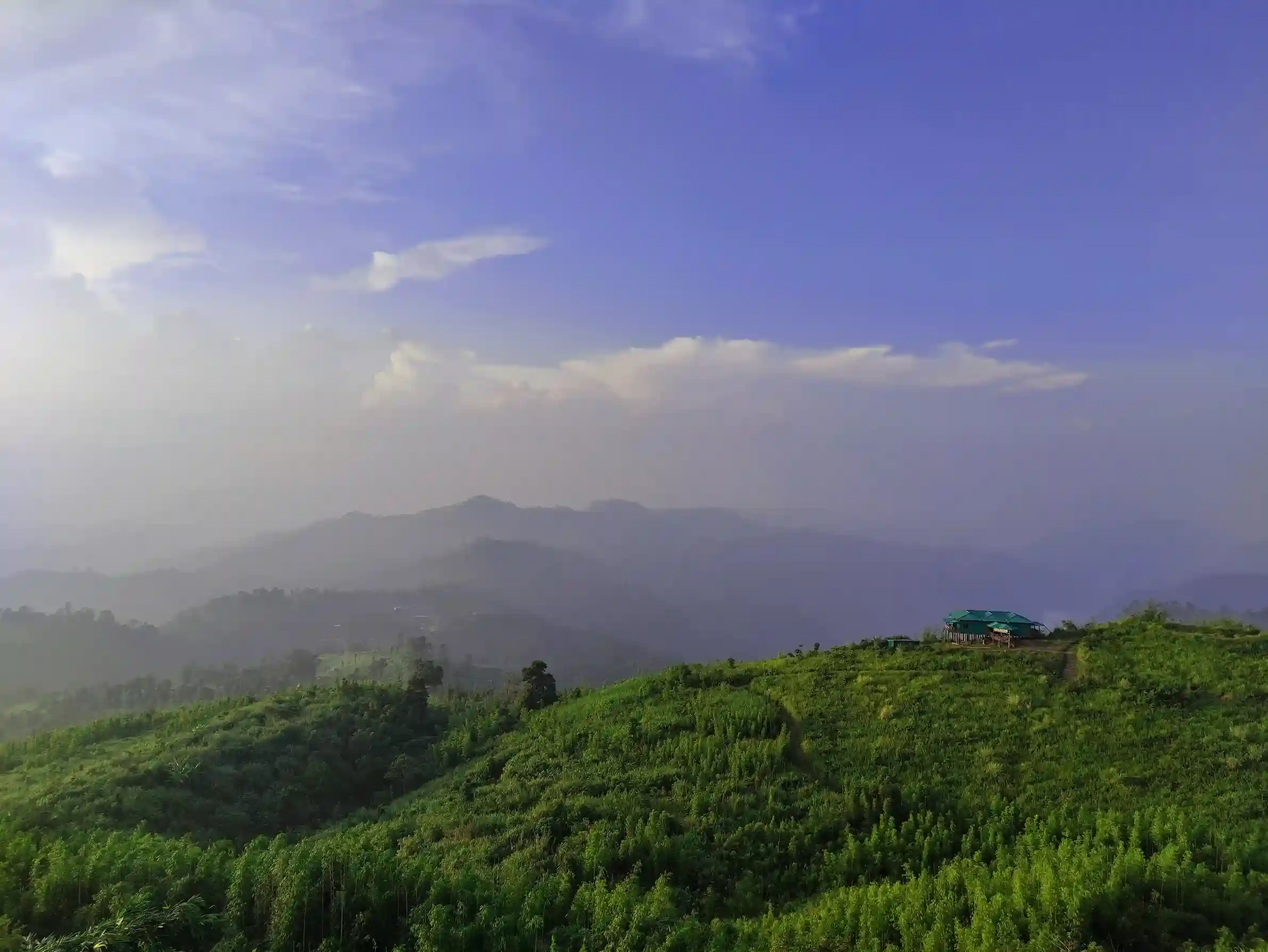
Netravati Peak is located in the Western Ghats, within the Dakshina Kannada district of Karnataka. The trek begins at the base of the hill, situated near the small village of Samse. The region is known for its scenic beauty and rich biodiversity, making it a popular destination for trekkers and nature lovers alike.
Netravati Peak Location Explained
Netravati Peak is nestled within the Western Ghats, a UNESCO World Heritage Site that spans several states, including Karnataka. The peak itself is part of the lush, verdant terrain of the Western Ghats, offering trekkers a stunning view of the surrounding hills, valleys, and rivers. The trek to the peak is mostly through forested areas, grassy slopes, and rocky terrain, providing a well-rounded trekking experience.
Distance From Bangalore, Chikmagalur & Mangalore
- From Bangalore: Netravati Peak is approximately 350 kilometers from Bangalore, which translates to a 6-7 hour drive by car. The journey from Bangalore offers scenic views of the countryside, making it an enjoyable road trip for adventure seekers.
- From Chikmagalur: The distance from Chikmagalur to Netravati Peak is about 50 kilometers. It takes around 1.5-2 hours by car, making it easily accessible from this popular hill station.
- From Mangalore: Mangalore is about 120 kilometers away from Netravati Peak, a drive that takes roughly 3 hours, depending on traffic.
Which District Is Netravati Peak In?
Netravati Peak is located in the Dakshina Kannada district of Karnataka. This region is renowned for its lush landscapes, Western Ghats’ biodiversity, and vibrant culture. The district offers many other trekking routes, but Netravati Peak stands out for its accessible trails and stunning vistas.
Nearest Village, Railway Station & Airport
- Nearest Village: The nearest village to Netravati Peak is Samse, which serves as the starting point for the trek. This small, picturesque village offers the perfect escape into nature before embarking on the trek.
- Nearest Railway Station: The nearest railway station is Mangalore Junction, located around 120 kilometers from the peak. From here, you can hire a taxi or take a bus to the starting point of the trek.
- Nearest Airport: The nearest airport is Mangalore International Airport, which is well-connected to major cities across India. It is about 120 kilometers away from Netravati Peak.
Google Maps, Road Conditions & Network Availability
Thanks to Google Maps, reaching Netravati Peak is easy to navigate. The roads are in decent condition, but be prepared for some narrow stretches, especially as you get closer to the base of the hill. The last few kilometers of the journey can be a bit bumpy, but it’s manageable with a regular car. While the network coverage can be intermittent in the last stretches of the journey, once you arrive at the starting point, it’s easier to access.
Netravati Trek Distance, Height & Altitude
The Netravati Peak Trek is one of the most accessible treks in the Western Ghats, making it perfect for trekkers of varying experience levels. While it isn’t a long trek compared to other mountainous hikes, it offers an incredible mix of terrain, from lush forests to rocky ridgelines. Here’s what you can expect in terms of distance, height, and trail sections.
Netravati Peak Distance Explained
The Netravati trek covers a distance of about 10 to 12 kilometers (round trip), depending on the route you choose. The trek itself is relatively short but does require some effort, especially in certain sections. The route starts from the base near the village of Samse and winds its way through forested patches, grassy meadows, and rocky stretches leading to the summit. It’s an ideal trek for a weekend adventure, offering enough challenge to keep you engaged while being short enough for an enjoyable one-day experience.
While the trek isn’t as long as some of the more difficult climbs in the Western Ghats, it packs plenty of variety in terms of terrain, making it more dynamic and rewarding. The route offers beautiful views at every turn, with dense forest, sprawling grasslands, and ridge climbs that provide a bit of challenge.
Total Trek Distance & Duration
The total distance of the trek is approximately 10 to 12 kilometers. Given the terrain, the trek typically takes around 5 to 6 hours to complete, including a brief break at the summit to enjoy the panoramic views. Most trekkers can complete the entire trek in a single day, including both the ascent and descent. The duration may vary based on your pace, the time spent at the summit, and the weather conditions.
The first part of the trek is an easy walk through the forest, which gradually becomes more challenging as you enter the rocky and steep sections. On a typical day, trekkers will spend around 2-3 hours ascending the peak and the same amount of time descending.
Netravati Trek Height & Elevation Details
Netravati Peak stands at an elevation of approximately 1,174 meters (3,850 feet) above sea level. This relatively moderate altitude allows trekkers to enjoy spectacular views of the surrounding Western Ghats without the extreme physical demands of higher-altitude treks. Despite being lower than some of its counterparts, the trek offers a rewarding experience due to the beautiful landscapes, unique biodiversity, and diverse ecosystems found along the trail.
From the summit, trekkers are rewarded with sweeping vistas of the rolling hills, valleys, and the Netravati River flowing through the region, making the trek’s elevation worthwhile.
Trail Sections You’ll Encounter
The Netravati Trek offers a mix of forest, grassland, and rocky terrain that adds variety and challenge to the hike. Each section of the trek provides different experiences
- Forest Patches: The trek begins with a gentle walk through dense forest areas. These forested sections are peaceful and provide a serene atmosphere, perfect for connecting with nature. The trail is shaded, which is especially refreshing during the early morning hours.
- Forest Patches: The trek begins with a gentle walk through dense forest areas. These forested sections are peaceful and provide a serene atmosphere, perfect for connecting with nature. The trail is shaded, which is especially refreshing during the early morning hours.
- Rocky Sections: The terrain gradually becomes steeper as you approach the summit, with rocky paths that require careful footing. These rocky sections are some of the most physically challenging parts of the trek but also provide some of the most rewarding views.
- Ridge Climb: The final stretch of the trek involves a ridge climb that offers breathtaking views. The ridge is narrow and offers a more dramatic ascent, which adds a sense of adventure to the experience.
How Many Kilometers Is Netravati Trek?
The total trekking distance for Netravati Peak is approximately 10 to 12 kilometers, depending on the route taken. The trek is manageable and usually completed in a single day, making it a perfect weekend getaway for those looking to experience nature’s beauty without the need for extensive travel or time commitment.
How Difficult Is Netravati Peak Trek?
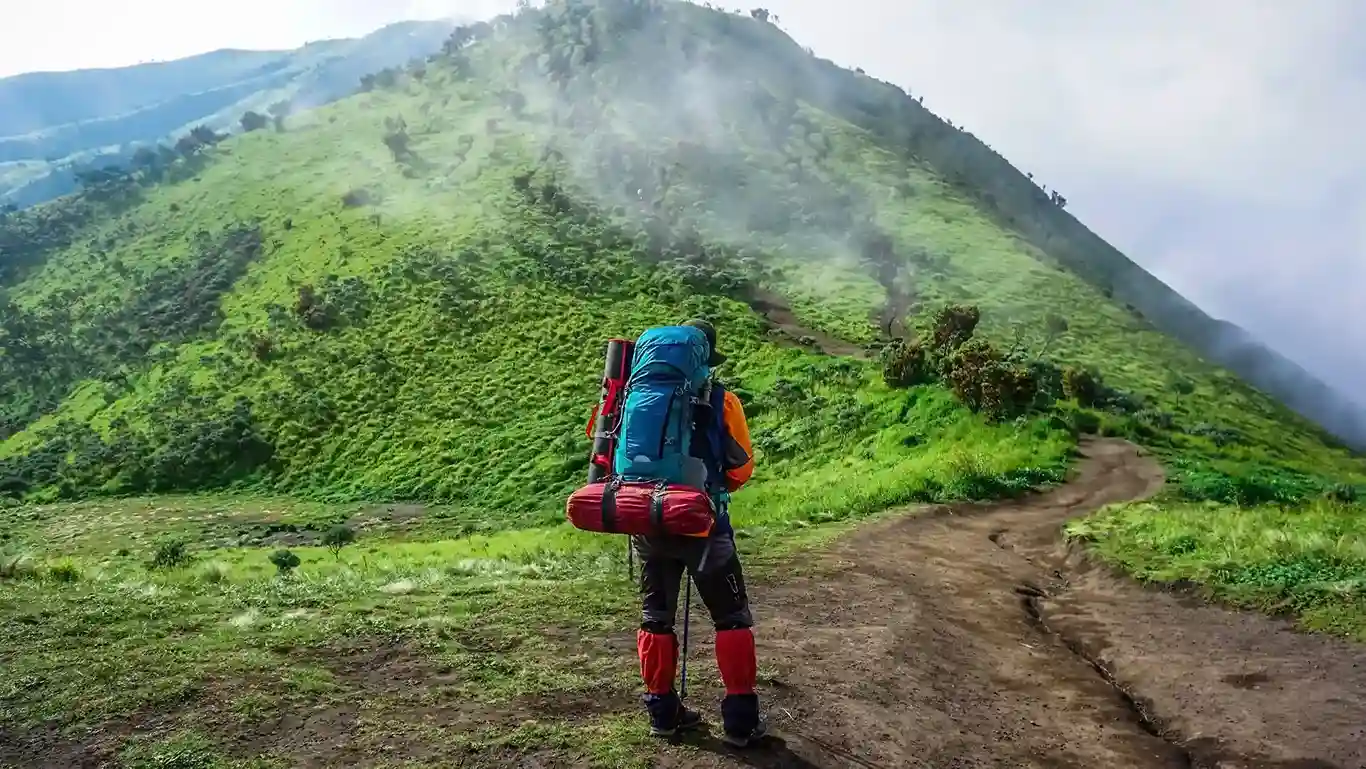
Netravati Peak is an ideal trekking destination for adventurers looking for a moderate challenge. It’s accessible to beginners but still provides enough difficulty to keep even seasoned trekkers engaged. The terrain is varied, with forest patches, grassy slopes, rocky sections, and a steep ridge climb toward the summit, offering an exciting challenge at every stage.
Netravati Trek Difficulty Level Explained
The Netravati Peak trek is considered moderate in terms of difficulty. While the ascent includes a few steep and rocky sections, it’s manageable for most trekkers, even those with limited experience. The trek doesn’t require advanced trekking skills, but a basic level of fitness will help you navigate the rocky patches and steep climbs with ease.
The terrain is diverse, with sections of flat forest paths, open grasslands, and rocky hills, providing a mix of both gentle and strenuous stretches. For those who are relatively new to trekking but in good physical shape, the trek to Netravati Peak will be both exciting and rewarding without being overly exhausting.
Is Netravati Trek Beginner Friendly?
Yes, the Netravati trek is beginner-friendly. Although some sections are steep and rocky, the overall trek is not overly strenuous, making it suitable for newcomers to trekking. However, it’s important to be prepared for the different terrains and the physical demands of the hike, especially during the ridge climb and rocky sections near the summit. With moderate preparation and a good level of stamina, most beginners will be able to complete the trek.
Steep Sections & Trekking Challenges
The most challenging sections of the Netravati trek are the steep climbs, particularly in the latter stages of the hike. The rocky sections, especially near the summit, can be slippery and require careful footing. These sections are physically demanding, and it’s important to use trekking poles or take short breaks to avoid fatigue.
During the monsoon season, the rocky areas can be even more challenging, as the path may become muddy or slippery due to rainfall. Make sure to take extra precautions if trekking during this season, as the wet terrain can make the trek more difficult.
Monsoon Trek Risks & Slippery Terrain
While the Netravati trek is beautiful year-round, trekking during the monsoon season (June to September) presents certain risks. The path can become slippery due to rain, making the rocky and forested sections more difficult to navigate. It’s advisable to avoid the trek during heavy rains or after a storm, as the wet terrain can make the trail hazardous. If you do choose to trek during the monsoon, ensure you’re wearing waterproof gear, good trekking shoes, and take extra caution on slippery surfaces.
Fitness Level Required for Netravati Trek
The Netravati Peak trek requires an average level of fitness. The trek involves some uphill climbs, rocky patches, and a challenging ridge ascent, which will test your endurance. However, it doesn’t require advanced trekking skills or extreme physical fitness. If you are in good health, walk regularly, and have some basic trekking experience, the Netravati trek will be an achievable and enjoyable challenge.
Expectation vs Reality of Netravati Peak Trek
While the trek is accessible for beginners, first-time trekkers may underestimate the difficulty of certain sections, especially the steep climbs and rocky terrain. Expect to be challenged, but not overwhelmed. The reality of reaching the summit, with its panoramic views of the surrounding landscape, will make every effort worth it. The scenic beauty and the sense of accomplishment upon reaching the top are incredibly rewarding.
Common Mistakes First-Time Trekkers Make
- Overpacking: Some trekkers tend to overpack, bringing unnecessary gear that adds weight to their backpacks. Keep it light with only the essentials—water, snacks, and basic trekking equipment.
- Underestimating the Terrain: While the trek is moderate, certain sections can be tough. First-time trekkers may underestimate the difficulty of the rocky climbs, so it’s important to pace yourself and take breaks.
- Skipping Preparation: Trekking without a proper warm-up or lack of fitness preparation can make the trek more difficult. Prepare yourself physically by walking or hiking before taking on Netravati Peak.
Best Time to Visit Netravati Peak
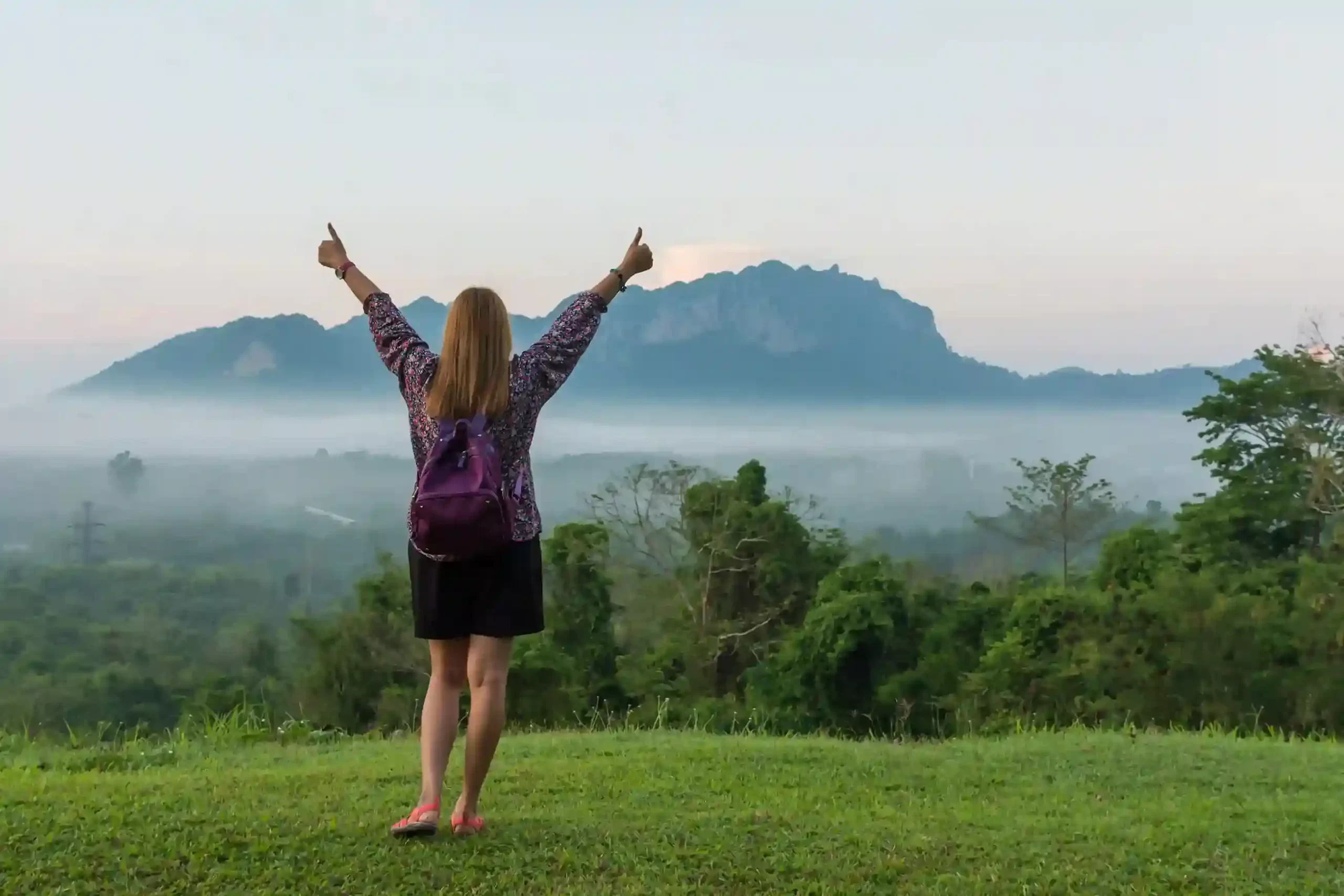
Choosing the best time to visit Netravati Peak is essential for a fulfilling trek. The weather conditions play a major role in your trekking experience, and timing your visit right will help you make the most of the beautiful landscapes and challenging terrains. Whether you want to enjoy lush greenery, clear skies, or avoid the risk of rain-soaked trails, the timing of your trek can make all the difference.
Which Is the Best Time to Visit Netravati Peak?
The best time to visit Netravati Peak is during the winter months from October to February. The weather is cool and comfortable, offering ideal trekking conditions. The temperature remains moderate during the day, and the skies are typically clear, providing excellent visibility.
These months are perfect for exploring the Western Ghats and enjoying the panoramic views from the summit.
For those who want to experience lush greenery and don’t mind a bit of rain, the monsoon season (June to September) also brings its own charm, though it comes with challenges like slippery paths and potential landslides. The spring months (March to May) offer moderate temperatures, but the landscapes may not be as green as during the monsoon or winter seasons.
Monsoon vs Winter Trek Experience
- Monsoon Trekking Experience (June to September): Trekking during the monsoon is an adventurous but risky choice. The lush greenery and misty landscapes make the trek stunning, but the slippery terrain can make some sections treacherous. Expect to encounter wet, muddy paths, and be cautious while trekking in the rain. Monsoon trekkers should be prepared for humidity, heavier rainfall, and limited visibility at times. If you’re an experienced trekker looking for a more serene atmosphere with fewer crowds, this could be an unforgettable experience—but it requires preparation and care.
- Winter Trekking Experience (October to February): Winter is the best time to visit Netravati Peak for most trekkers. The temperature is cool but comfortable, and the clear skies offer excellent visibility. During this time, the weather is dry and the terrain is less slippery, making the trek safer and more enjoyable. Winter trekkers can expect breathtaking panoramic views of the surrounding hills and valleys. If you’re a first-time trekker or prefer a more relaxed experience, winter is undoubtedly the best season.
Best Months for Green Landscapes
If you love lush green landscapes and the beauty of mist-covered hills, the monsoon months (June to September) are your best bet. The Western Ghats come alive with vibrant greenery, creating a beautiful contrast against the mist and clouds. Although trekking conditions may be more challenging, the monsoon season’s lushness offers an unforgettable visual experience. Be sure to prepare with waterproof gear and appropriate footwear to navigate the slippery conditions.
Best Season for Clear Mountain Views
For trekkers hoping for crystal-clear views of the surrounding Western Ghats, the winter season (October to February) is the best. The crisp air, dry conditions, and clear skies create perfect conditions for photography and taking in sweeping vistas from the peak. Winter offers stunning visibility, making it ideal for capturing panoramic shots and experiencing the beauty of the landscape without the interference of fog or mist.
Months to Avoid for Safety Reasons
The monsoon season (June to September) should be avoided due to the risks posed by slippery trails and potential landslides. While the environment is stunningly green, it can become hazardous with rain and slippery surfaces. Also, the heavy mist can significantly reduce visibility, making the trek more dangerous, especially on the rocky and ridge sections. It’s advisable to skip this period if you are looking for a safer trekking experience.
Month-Wise Weather Breakdown
June to September (Monsoon)
- Weather: Heavy rains, cool but humid.
- Conditions: Green landscapes, slippery trails, low visibility due to mist and rain.
- Best For: Experienced trekkers who enjoy monsoon trekking and the lush beauty of the Western Ghats.
- Considerations: Risks from slippery terrain and limited visibility; carry waterproof gear and take extra caution.
October to January (Winter)
- Weather: Cool and dry with clear skies, moderate temperatures.
- Conditions: Perfect trekking conditions, dry trails, excellent visibility.
- Best For: Most trekkers, including beginners, photographers, and those seeking a comfortable trekking experience.
- Considerations: The ideal time for both scenic beauty and ease of trekking.
February to May (Spring)
- Weather: Warm and dry, temperatures can get hot during the day.
- Conditions: Lush but not as green as the monsoon; moderate trekking conditions.
- Best For: Those who want a quieter trekking experience before the monsoon rains arrive.
- Considerations: Heat may make the trek more challenging in the afternoon; morning treks are best.
Netravati Peak Weather & Temperature Guide
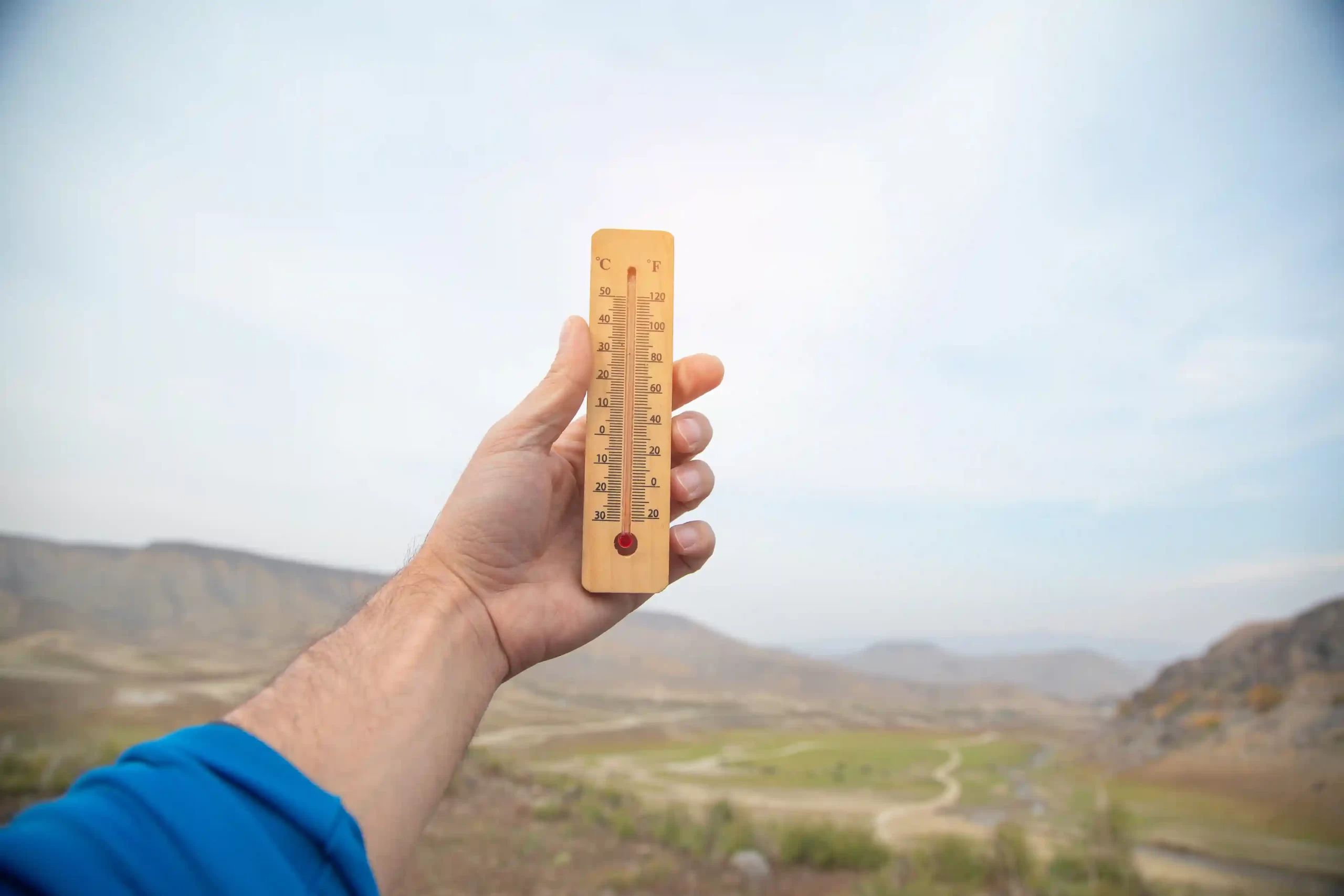
The weather and temperature conditions at Netravati Peak can significantly impact your trekking experience. Knowing what to expect in terms of climate will help you pack appropriately and plan your trip to make the most of the adventure.
Netravati Peak Weather Throughout the Year
The weather at Netravati Peak is generally mild, but it can change depending on the season. The winter months (October to February) offer the most favorable conditions, with cool temperatures and dry weather making for ideal trekking conditions. During the monsoon season (June to September), expect higher humidity and rainfall, which can make the trail more challenging and slippery. Spring (March to May) provides moderate temperatures but may not offer the lush landscapes seen in the monsoon.
Netravati Temperature During Sunrise & Day Trek
- During Sunrise: Expect cool temperatures in the morning, ranging between 15°C to 20°C during the peak months of winter (October to February). The crisp air during the early hours makes for a refreshing start, but it can feel chilly at the summit, so it’s a good idea to bring a light jacket.
- During the Day: Temperatures rise to around 20°C to 25°C during the day in winter, making the trek comfortable. In summer, temperatures may peak at 30°C, so it’s advisable to start early to avoid the afternoon heat.
The monsoon season (June to September) brings heavy rainfall to Netravati Peak, contributing to the lush green landscapes. However, the increased moisture makes the trail slippery, and certain sections may become impassable due to mud and waterlogging. It’s important to check weather forecasts before embarking on the trek during this period, as the monsoon rain can make trekking conditions unsafe.
Visibility Conditions at the Summit
Visibility at the summit is highly dependent on the season. In winter, visibility is excellent, and trekkers can enjoy panoramic views of the Western Ghats and the surrounding valleys. During the monsoon, however, thick mist can obstruct visibility, and trekkers may find themselves surrounded by clouds rather than enjoying clear views.
How Weather Impacts Trek Difficulty
Weather has a direct impact on the difficulty of the Netravati trek. During the winter months, when the weather is dry and cool, the trek is far easier and more enjoyable. However, during the monsoon, the slippery trails and the increased risk of landslides or accidents make the trek significantly more challenging. In summer, the heat can lead to dehydration and fatigue, making the trek more difficult, especially for those who are not used to trekking in warmer temperatures.
Netravati Trek Route & Trail Experience
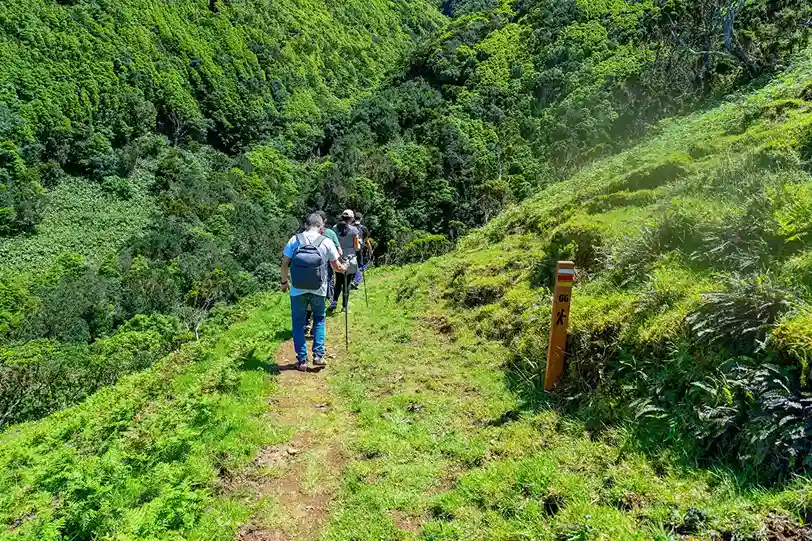
The Netravati Trek offers a beautifully diverse trekking experience, taking you through lush forests, open grasslands, rocky ridges, and stunning panoramic views of the Western Ghats.
Whether you’re a seasoned trekker or a beginner, the route is designed to provide a fulfilling and adventurous journey that keeps you connected to nature every step of the way. Here’s a detailed breakdown of the entire trek route.
Complete Netravati Trek Route Explained
The Netravati trek begins at the base of the hills, near the village of Samse, which is accessible by car from nearby towns like Chikmagalur and Mangalore. From there, the route takes you through various terrains, each offering a unique aspect of the Western Ghats’ beauty.
The first part of the trek is through dense forest patches, providing some respite from the sun, with the cool forest air and peaceful surroundings. As you make your way further up, the terrain gradually opens up, and you will find yourself trekking across expansive grasslands, which provide some of the most scenic vistas of the trek. The final ascent involves a rocky ridge climb, which is more physically demanding but offers breathtaking views as you approach the summit.
The total distance of the trek is about 10-12 kilometers (round trip), and it typically takes 5-6 hours to complete. The trail is not overly strenuous, but the final ridge climb can be challenging for beginners.
Base Point & Forest Checkpost Information
The trek starts from the village of Samse, where you’ll find the base point and the forest checkpost. At the base, trekkers need to register with the forest authorities, which is a mandatory requirement to help maintain safety and preserve the area’s ecological balance.
The forest checkpost serves as the gateway to the trek, where trekkers can gather information about the trail, weather conditions, and any potential hazards. You may also be required to pay a small fee for trekking permits, depending on the regulations set by the local authorities.
What the Trail Actually Feels Like
The Netravati Trek offers a combination of different experiences, keeping it both exciting and rewarding. The initial forest path feels serene and almost meditative, as you walk through shaded trails and listen to the sounds of wildlife around you. The grassland section that follows is a completely different experience, as the wide-open spaces give you a feeling of freedom, with uninterrupted views of the mountains and valleys.
As you approach the ridge, the terrain changes again. It becomes rockier and steeper, requiring more physical effort to climb. But the challenge of this section is well worth the effort. The feeling of accomplishment and the stunning views from the summit make the final push to the top a highly rewarding experience.
Scenic Sections Along the Trek
The Netravati trek is known for its scenic beauty, with several spots along the route that provide perfect opportunities for photography and rest. Here are some of the best scenic sections
- Forest Trail: The cool, shady path through the forest provides a quiet, peaceful atmosphere, perfect for starting the trek on a calm note.
- Open Grasslands: These expansive meadows offer unobstructed views of the surrounding peaks and valleys. The soft grass and rolling hills make for a relaxing and visually captivating experience.
- Rocky Ascent: The final ridge climb offers dramatic views and an opportunity to push your limits. The sight of the valley below, surrounded by rolling hills, is both exhilarating and awe-inspiring.
- Summit View: The summit provides a 360-degree panoramic view of the Western Ghats, the Netravati River, and the surrounding landscapes. This view is a reward that makes the entire trek worth the effort.
The Final Summit Push Experience
The final push to the summit of Netravati Peak is an exhilarating and challenging experience. The terrain here becomes steeper and rockier, requiring more effort, especially as you near the top. The rocky sections can be slippery during the monsoon season, so it’s important to take caution. However, the views you’ll experience as you climb higher—mist drifting across the valleys, the sound of the wind, and the endless stretches of green—keep you motivated.
As you reach the top, the sense of accomplishment is immense. The panoramic view from the summit, stretching across the Western Ghats and beyond, is nothing short of spectacular. You’ll have a chance to pause, take in the scenery, and appreciate the beauty that only a trek like this can provide.
Is the Netravati Trail Well Marked?
Yes, the Netravati trek trail is generally well-marked, making it easy for trekkers to follow. However, in some sections, especially the rocky ridge climb near the summit, the trail may not be as clearly defined, and it’s advisable to have a guide or join a trekking group. The forest checkpost also provides helpful directions, and trekkers often rely on fellow adventurers to stay on track.
Netravati River Origin & Connection to the Hills
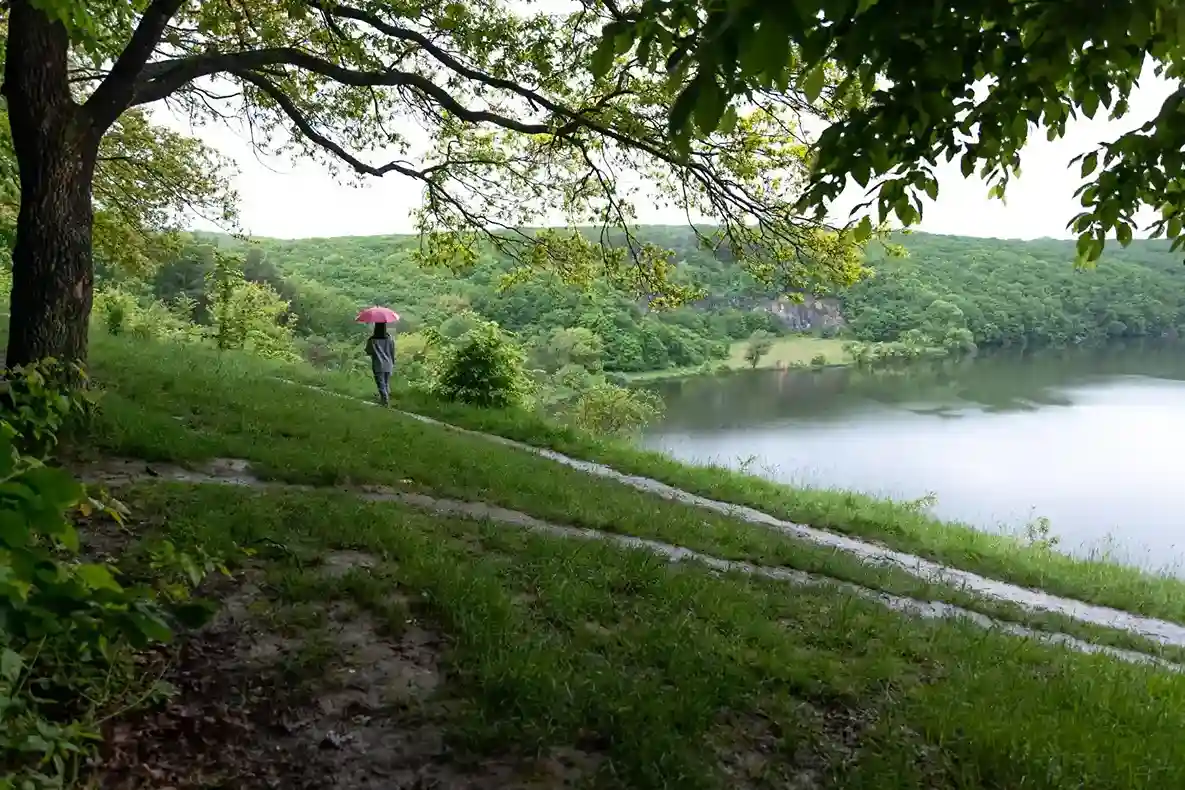
The Netravati River holds an important place in both the geography and ecology of Karnataka. As the lifeline for many villages in the region, the river originates from the hills surrounding Netravati Peak. Understanding the river’s origin and its connection to the Western Ghats adds another layer of appreciation for the beauty and significance of this area.
Where Does the Netravati River Originate?
The Netravati River originates near Netravati Peak, high up in the Western Ghats. The river begins as a small stream formed by the confluence of several smaller tributaries in the hills. It travels through dense forests, valleys, and agricultural land before eventually flowing into the Arabian Sea near Mangaluru.
The river is not only a vital water source for the surrounding region, but it also plays an important role in shaping the local ecosystem. Its waters support agriculture, drinking, and irrigation needs for local communities. The connection between Netravati Peak and the river is an integral part of the region’s natural heritage.
Connection Between Netravati Hills & Netravati River
The Netravati Hills and the Netravati River are inextricably linked. The river’s source lies at the base of the hills, and the surrounding landscape contributes to the river’s flow. The hills serve as a natural catchment area for rainwater, which feeds into the Netravati River. This connection makes the river an important ecological feature of the Western Ghats, maintaining the region’s biodiversity.
The Netravati River is part of a delicate ecosystem that includes forests, wildlife, and agriculture. The river helps sustain these ecosystems, while the surrounding hills protect the source of the water, keeping it pure and fresh.
Importance of the River in Karnataka
The Netravati River is one of the most important rivers in Karnataka, providing water to many regions in the state. Apart from its agricultural significance, the river plays a key role in local culture and spirituality. Villages along the river rely on it for drinking water, irrigation, and daily activities. The river also holds religious and cultural importance in the region, with several temples and rituals associated with its waters.
Western Ghats Ecosystem Around Netravati
The Western Ghats, including the area around Netravati Peak, are recognized as one of the world’s biodiversity hotspots. The ecosystem around the Netravati River and Netravati Peak is rich in flora and fauna. Dense forests, rolling grasslands, and rocky ridges provide a variety of habitats for various species of animals and plants. From elephants and tigers to numerous bird species, the Western Ghats are home to a wealth of wildlife.
The preservation of this ecosystem is crucial not only for maintaining biodiversity but also for sustaining the river’s flow and the surrounding agricultural areas. Efforts to protect the Western Ghats and the Netravati River are essential to ensuring that the region remains ecologically viable for generations to come.
Why the Region Is Ecologically Sensitive
The Netravati region is ecologically sensitive due to its unique position in the Western Ghats, a globally recognized biodiversity hotspot. The area contains endemic species of plants and animals, and the river plays a crucial role in sustaining these ecosystems. Additionally, the Netravati River is vital for local agriculture and the livelihoods of the surrounding communities.
The fragile ecosystems in this area are vulnerable to overexploitation and environmental degradation. Climate change, deforestation, and unsustainable development can significantly impact the region’s biodiversity. As trekkers, it’s important to respect the environment, follow responsible trekking practices, and minimize our ecological footprint to protect this natural treasure.
Homestays & Places to Stay Near Netravati Peak
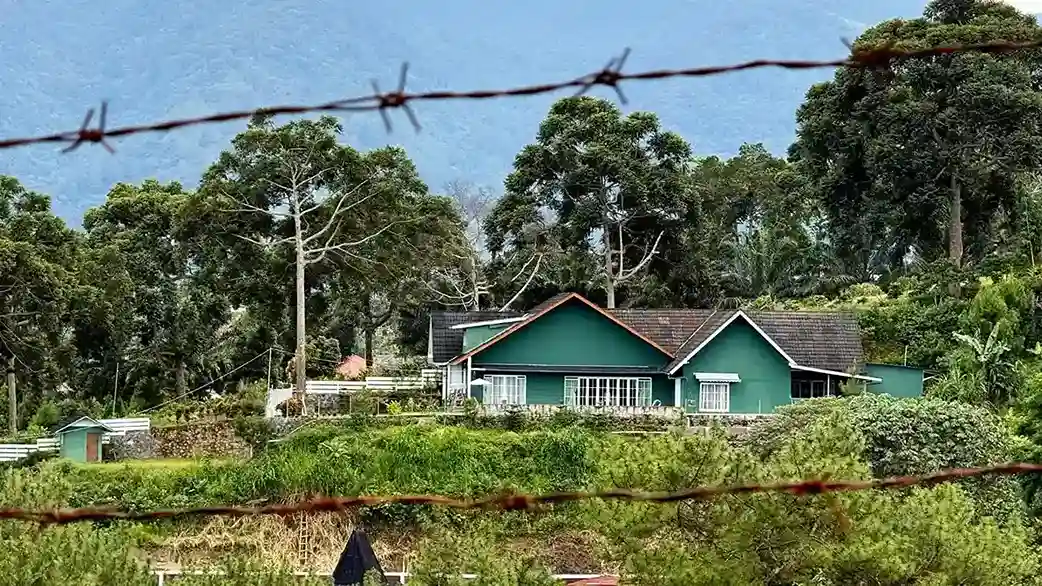
When planning a trek to Netravati Peak, finding the right place to stay can make all the difference in enhancing your overall experience. From cozy homestays nestled in the Western Ghats to more premium options, the area offers a variety of accommodations that cater to different preferences. Whether you’re looking for a rustic escape surrounded by nature or a comfortable, luxury stay, here are some excellent options for every traveler.
Best Homestays Near Netravati Trek
Homestays in the Netravati Peak area are a fantastic way to experience the region’s authentic culture and hospitality. These local accommodations not only provide a place to rest but also immerse you in the community’s warmth. Many of these homestays are located in or near Chikmagalur, Mullayanagiri, or the surrounding villages, giving you easy access to the trek while offering a peaceful retreat after your hike.
Staying at a homestay allows you to enjoy the traditional Karnataka lifestyle, including delicious local meals, comfortable rooms with views of the lush greenery, and often, activities such as guided hikes or coffee plantation tours. Some homestays even offer complimentary trekking gear or a local guide to enhance your trekking experience.
Budget vs Premium Stay Experience
Depending on your preferences and budget, Netravati Peak offers both budget-friendly and premium stay options.
- Budget Stays: If you’re looking for an economical place to stay, there are plenty of budget-friendly homestays and guesthouses near the trek starting point. These basic yet comfortable accommodations offer the essentials such as a cozy bed, simple meals, and a friendly environment. They are ideal for trekkers who just need a place to rest after a long day of trekking without extra frills.
- Premium Stays: For those seeking a more luxurious experience, several premium properties offer high-end facilities such as spacious rooms with modern amenities, gourmet dining, and panoramic views of the Western Ghats. Some of these properties are set in beautiful coffee estates, providing a tranquil environment and top-notch service for a more indulgent stay.
Whether you’re on a budget or looking for a little luxury, the area offers plenty of options that suit all types of travelers.
Coffee Estate Homestays Around the Trek
The Malnad region, known for its lush coffee estates, offers some of the most picturesque and peaceful homestays around Netravati Peak. Staying in one of these coffee estate homestays gives you the chance to experience a unique blend of nature and culture. You can wake up to the aroma of freshly brewed coffee, explore the coffee plantations, and relax in the natural surroundings after a long trek.
These homestays often provide tours of the coffee estates, allowing you to learn about the coffee-making process while enjoying the serene environment. The hospitality is often personalized, with hosts offering locally sourced meals, making it a truly immersive experience.
Food Availability Near Netravati Hills
The food options near Netravati Peak mostly consist of simple, local cuisine, with many homestays and guesthouses serving traditional Karnataka dishes. You can expect hearty meals like Ragi Mudde, Bisi Bele Bath, Akki Roti, and a variety of curries, all made with fresh, locally sourced ingredients. Many homestays offer a mix of vegetarian and non-vegetarian options to cater to various preferences.
There are also small eateries and roadside stalls around the area offering snacks, tea, and coffee. If you prefer more diverse dining options, you can head to nearby towns like Chikmagalur or Mangalore, where you’ll find a variety of restaurants offering both local and international cuisines.
Best Places for Groups & Solo Travelers
- For Groups: If you’re traveling with friends or a group, there are several homestays and lodges that cater to larger groups, offering spacious accommodations and common areas where you can relax and socialize. These homestays often organize group activities like bonfires or guided treks to make the experience even more enjoyable.
- For Solo Travelers: For solo trekkers, homestays provide a warm and welcoming environment, making it easy to meet fellow travelers and share experiences. Many homestays are also located in peaceful areas, ideal for solo travelers seeking solitude and reflection after their trek.
What to Expect From Malnad Homestays
Malnad homestays offer a unique combination of comfort and rustic charm. These homestays are generally situated amidst coffee plantations or dense forests, providing a serene and immersive environment. Expect simple but comfortable accommodations with a cozy ambiance, often featuring traditional wooden furnishings and beautiful views of the surrounding landscapes.
Food at Malnad homestays is a highlight, with fresh, home-cooked meals that showcase local Karnataka cuisine. You’ll experience authentic hospitality from the hosts, who often provide cultural insights and local tips. Activities like coffee plantation walks, birdwatching, and stargazing are common, giving you plenty of ways to unwind after your trek.
Things to Carry for Netravati Trek
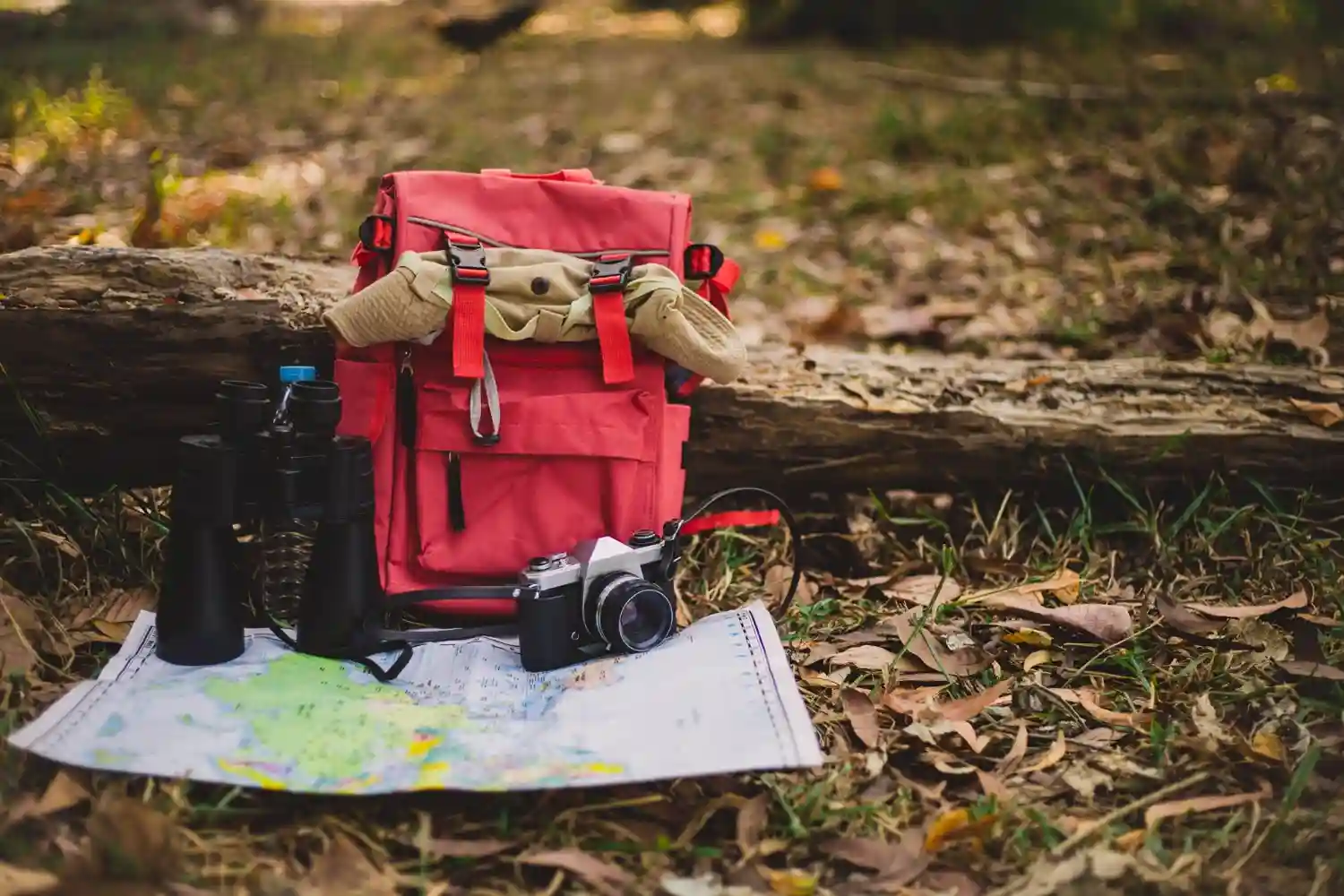
Preparation is key when it comes to trekking Netravati Peak. The terrain can be challenging in certain sections, and the weather conditions vary throughout the year, so it’s essential to pack smartly. Whether you’re a first-time trekker or a seasoned adventurer, here’s a detailed checklist to ensure you have everything you need for a successful and comfortable trek.
Trek Essentials Checklist
1. Water: Hydration is key, so carry at least 1-2 liters of water in a durable bottle.
2. Snacks: High-energy snacks like granola bars, nuts, or fruits to keep you fueled during the trek.
3. Trekking Poles: Useful for navigating rocky or slippery terrain, especially during the steep sections.
4. First Aid Kit: Include basic supplies like band-aids, antiseptic wipes, pain relievers, and any personal medications.
5. Sunscreen & Hat: Protect your skin from the sun, especially if you’re trekking during the day.
6. Camera/Smartphone: You’ll want to capture the stunning views along the trail, so don’t forget your camera or phone.
7. Headlamp or Flashlight: Essential if you’re planning to do the trek early in the morning or as a night trek.
8. Backpack: A lightweight backpack that can carry all your essentials comfortably.
Best Shoes for Monsoon Trekking
Since Netravati Peak has a mix of forest trails and rocky terrain, it’s crucial to wear the right shoes. Opt for sturdy, waterproof trekking shoes with good grip and ankle support. The trail can be slippery during the monsoon, so shoes with a solid tread will prevent you from slipping on wet rocks and muddy paths.
Rain Gear & Waterproof Packing Tips
If you’re trekking during the monsoon season (June to September), rain gear is essential. Pack a lightweight, breathable rain jacket, as well as waterproof covers for your backpack. Keeping your gear dry will ensure your trek is more comfortable, even in the rain.
Food, Water & Mobile Network Reality
Food options during the trek are limited, so be sure to carry sufficient snacks to keep your energy levels up. Also, there may be limited mobile network coverage during parts of the trek, especially in forested or remote areas. It’s a good idea to inform someone about your trekking plans in advance and carry a portable charger for your phone.
Trekking Gear Recommendations for Beginners
For beginners, it’s important to keep things simple. Essential gear includes a comfortable backpack, non-cotton clothing (which dries faster), trekking shoes, water, and snacks. Trekking poles are optional but helpful for stability on steeper parts of the trek.
Packing Mistakes That Can Ruin the Trek
- Overpacking: Carrying unnecessary gear can add extra weight to your backpack, making the trek more tiring. Stick to essentials and leave out non-essentials.
- Wrong Footwear: Wearing improper footwear can lead to blisters and discomfort, especially in rocky or slippery terrain.
- Ignoring Weather Conditions: If you’re trekking during the monsoon, failing to pack waterproof gear can make the trek uncomfortable and dangerous.
- Not Preparing for the Sun: Even in cooler months, the sun can be intense. Always carry sunscreen, sunglasses, and a hat.
Netravati Trek Experience – What It Actually Feels Like
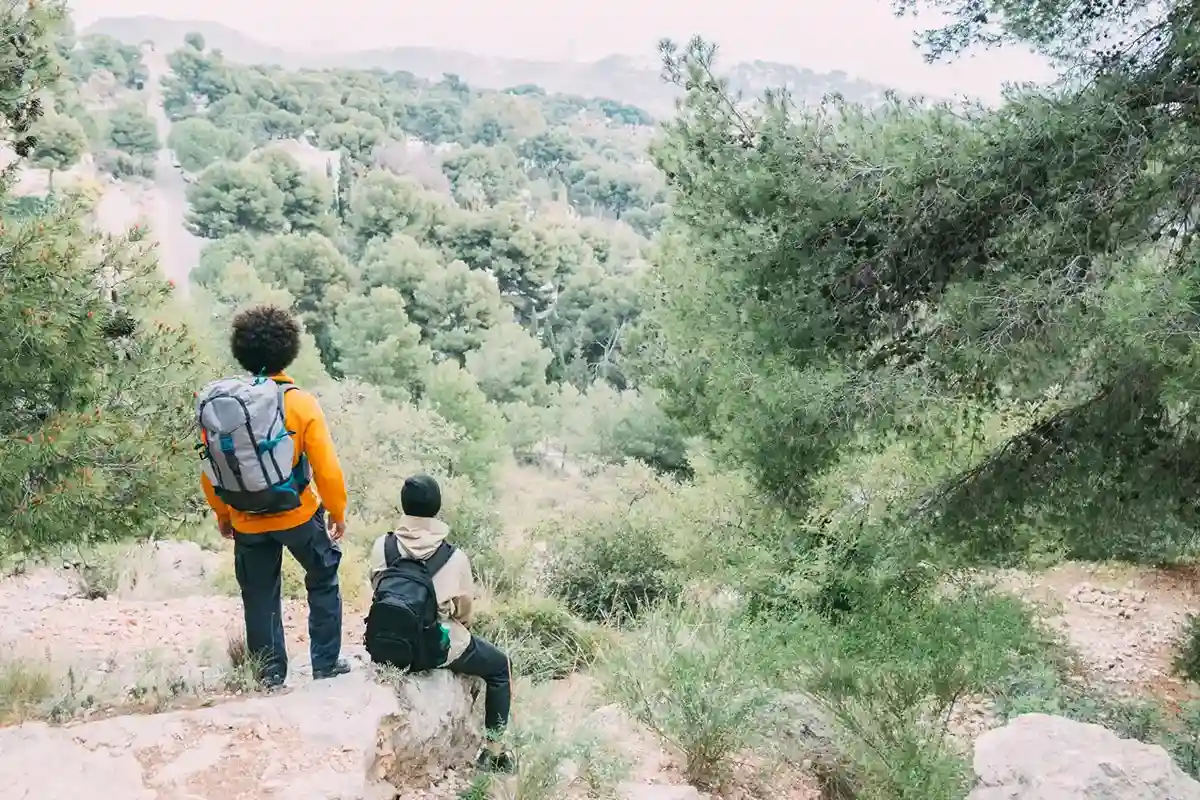
Embarking on the Netravati Trek is an experience that combines adventure, serenity, and natural beauty. The trek is designed for both seasoned trekkers and beginners, offering varied terrains, panoramic views, and a rewarding sense of accomplishment upon reaching the summit. Here’s what it really feels like to hike this beautiful peak.
Is Netravati Trek Worth It?
Without a doubt, the Netravati Trek is worth it. While it may not be as strenuous as some of the more challenging hikes in Karnataka, it offers a perfect blend of difficulty and ease, making it ideal for those who want a fulfilling trek without the physical exhaustion of more intense climbs. The combination of forest trails, expansive grasslands, rocky ascents, and stunning summit views creates a trekking experience that is both relaxing and rewarding.
For nature lovers, the trek offers incredible views of the Western Ghats, local wildlife, and the scenic beauty of the Netravati River. The sense of achievement at the summit, paired with the panoramic views, makes the trek highly gratifying. Whether you’re a beginner or an experienced trekker, Netravati offers an unforgettable experience.
Crowd Reality on Weekends
Given its rising popularity, Netravati Peak can get crowded on weekends, especially during peak seasons like winter. Many trekkers, especially those from nearby cities such as Bangalore, flock to the peak for a quick weekend getaway, leading to a busier trail.
While the summit can be crowded, starting your trek early in the morning can help you beat the rush and experience a more peaceful atmosphere at the top. The early morning trek also offers the added benefit of catching a magnificent sunrise, adding to the sense of tranquility before more trekkers arrive.
Most Scenic Part of the Trek
The most scenic part of the Netravati Trek is undoubtedly the grassland section leading to the summit. As you walk across the rolling hills, you’ll be treated to uninterrupted views of the surrounding peaks and valleys. This section is particularly stunning when the mist begins to lift in the morning, revealing the lush greenery and open landscapes.
The final stretch of the trek, involving a rocky ridge climb, also offers some incredible views. As you make your way to the top, the panoramic views of the Western Ghats, valleys, and the distant Netravati River will make every step worth it.
Sunrise vs Day Trek Experience
- Sunrise Trek: For those seeking a magical start to the day, the sunrise trek to Netravati Peak offers a serene and peaceful experience. Starting your trek before dawn allows you to witness the skies gradually lighten and the sun rising over the lush hills. The early morning atmosphere is calm, and you can enjoy the trail with minimal crowds. The cool air and quiet surroundings make the sunrise trek an unforgettable experience, especially for photographers looking to capture the perfect shot.
- Day Trek: A day trek, while still beautiful, comes with more crowds and the heat of midday. However, trekking during the day allows you to appreciate the full length of the trail, from the forest sections to the grasslands and rocky climbs. The visibility is generally excellent, especially during the winter months, and you’ll have more time to take in the landscape. For those who want a more leisurely trek with ample time for rest stops, a day trek may be the preferred option.
Why Photographers Love Netravati Hills
Netravati Hills is a photographer’s dream. The ever-changing landscapes, from the mist-covered hills in the morning to the golden sunset glow in the evening, offer an incredible array of photo opportunities. The expansive grasslands, rocky terrain, and lush forests create a dynamic and picturesque backdrop for landscape photography.
The sunrise and sunset provide dramatic lighting, making it an ideal time to capture the natural beauty of the hills. The Netravati River, winding through the landscape, adds to the charm of the region. Whether you’re looking to capture sweeping panoramas or the delicate details of local flora and fauna, the region offers diverse subjects and settings for photographers at all skill levels.
Nearby Places to Visit Around Netravati Peak
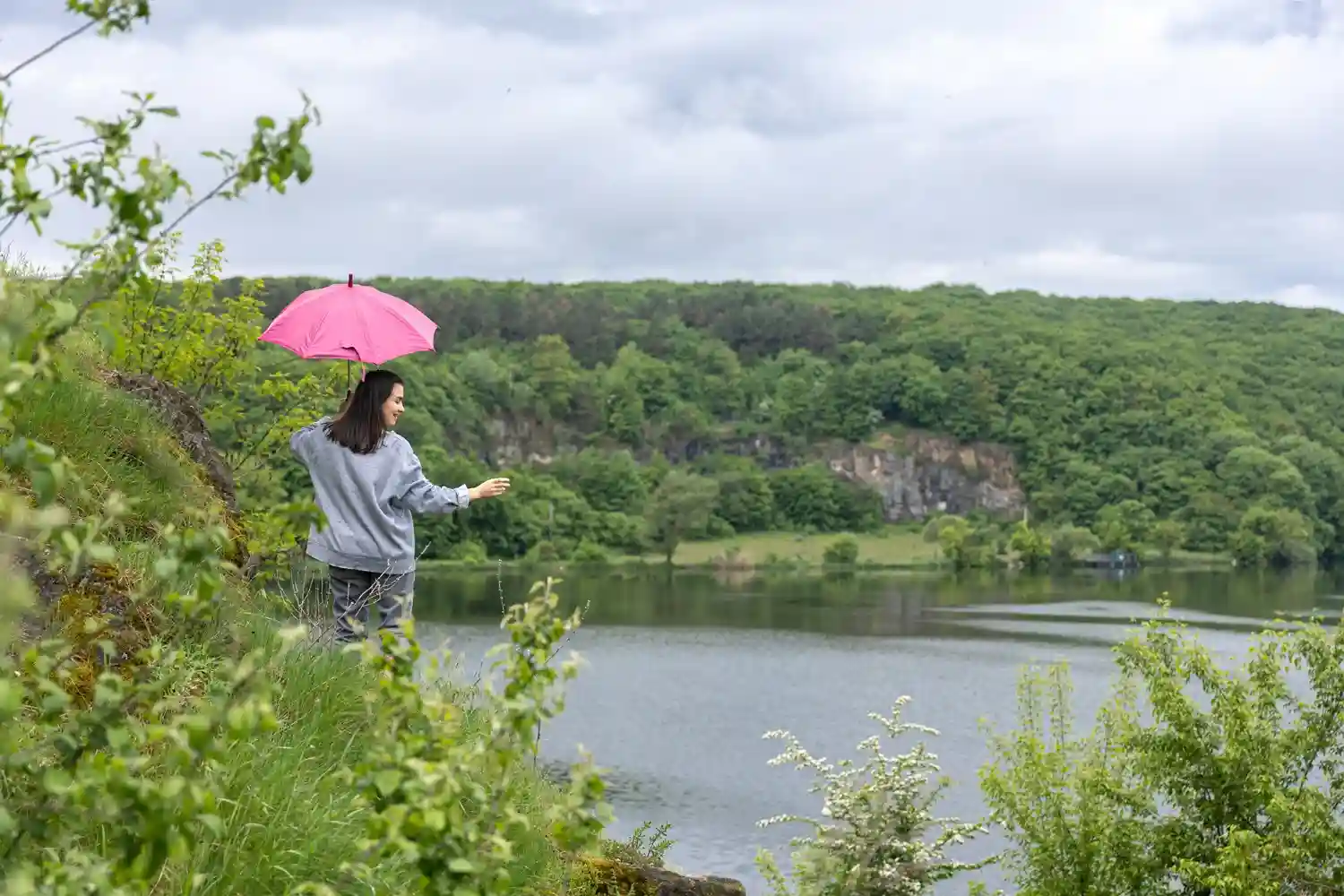
Netravati Peak is part of a beautiful and ecologically rich region in Karnataka, and there are plenty of other nearby attractions that are perfect for combining with your trek. Whether you want to explore other trekking spots, visit serene temples, or simply take in more natural beauty, the area around Netravati has a lot to offer.
Best Places to Combine With Netravati Trek
1. Kudremukh: Just a short drive from Netravati, Kudremukh is known for its challenging trek and scenic views. The trek to Kudremukh’s summit is a bit more difficult than Netravati, but it offers rewarding views of the lush green valleys, hills, and forests of the Western Ghats.
2. Samse: Located close to Netravati Peak, Samse is a tranquil village that offers the perfect stop before or after your trek. It’s a peaceful getaway where you can enjoy authentic Malnad cuisine and relax amidst nature.
3. Kalasa: A picturesque town nestled in the Western Ghats, Kalasa is famous for its temples and tranquil environment. It’s also a great base for exploring other nearby trekking spots and waterfalls.
4. Sringeri: Known for the famous Sringeri Sharada Peetham (temple), Sringeri is a spiritual town located along the Tungabhadra River. It’s a great place to combine with your Netravati trek if you’re looking to experience Karnataka’s spiritual side.
5. Mullayanagiri Just an hour away from Netravati, Mullayanagiri is the highest peak in Karnataka. It’s a popular trekking destination offering breathtaking views and is a great way to extend your adventure in the Western Ghats.
Hidden Waterfalls Near Netravati Hills
The Netravati region is dotted with hidden gems, especially in the form of waterfalls. Some of the most serene and beautiful waterfalls you can visit near Netravati Peak include
- Hebbe Falls: A stunning waterfall located near the town of Kemmannu in Chikmagalur, known for its pristine surroundings and natural beauty.
- Honnamana Kere: A serene, lesser-known waterfall near the village of Kalasa, surrounded by lush forests.
These waterfalls are tucked away in the hills, offering trekkers an opportunity to enjoy some peaceful time amidst nature.
Best Weekend Road Trips in Karnataka
The Netravati Peak trek can be part of an exciting weekend road trip in Karnataka. The region offers several nearby destinations perfect for road trips, including
- Chikmagalur: Known for its coffee plantations, this hill station is a scenic drive away from Netravati Peak, making it an excellent weekend escape.
- Coorg: If you’re looking for another beautiful getaway, Coorg is a popular road trip destination, known for its lush coffee estates, waterfalls, and serene environment.
- Agumbe: Known as the Cherrapunji of the South, Agumbe is famous for its rainforests, wildlife, and tranquil atmosphere, making it an excellent addition to your itinerary.
These places, along with Netravati Peak, offer a perfect mix of nature, adventure, and relaxation for a memorable weekend road trip.
Safety Tips for Netravati Peak Trek
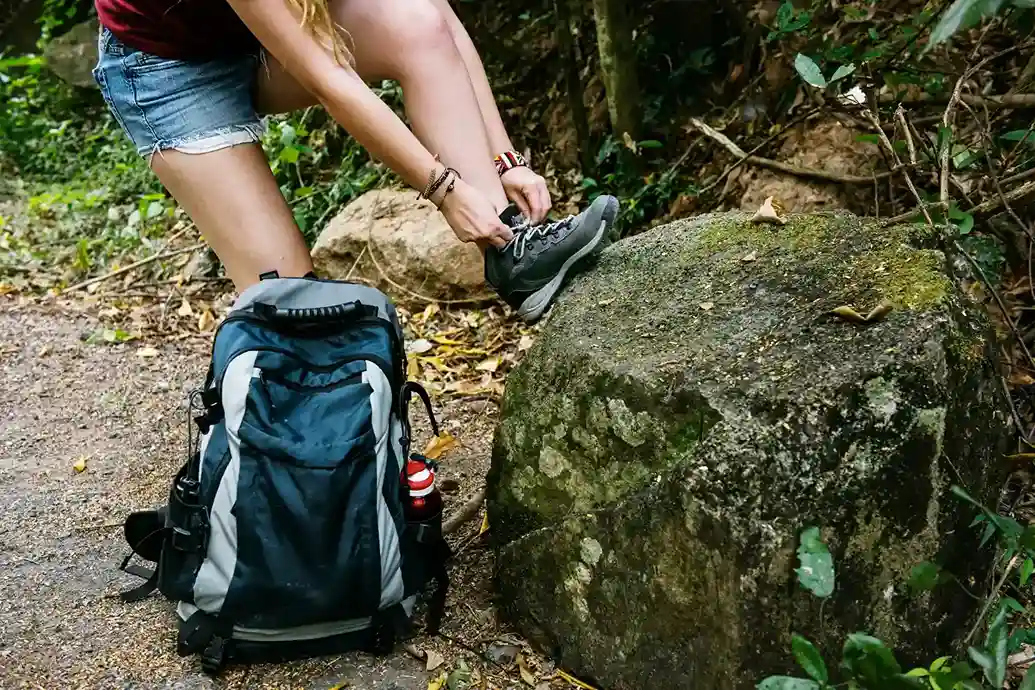
Safety is paramount when trekking, especially when exploring trails like Netravati Peak, where the terrain and weather conditions can vary. Whether you’re a first-time trekker or an experienced hiker, being prepared for any challenges is key to having an enjoyable and safe adventure.
Is Netravati Trek Safe?
Yes, the Netravati Trek is generally safe for trekkers of all levels, but like any trek, it requires preparation and awareness. The trail is well-traveled and not overly technical, making it accessible to most trekkers. However, there are certain sections, particularly the rocky ridge climb, that can become slippery, especially in the monsoon. The terrain requires attention to footing, and trekkers should stay alert at all times to ensure a safe and enjoyable trek. If you’re trekking solo or for the first time, it’s always best to go with a group or guide for added safety.
Monsoon Trekking Safety Guidelines
Trekking during the monsoon (June to September) can be a beautiful but risky experience. The rain transforms the landscape into a lush, green wonderland, but it also brings with it challenges that trekkers must be prepared for
- Slippery Trails: The monsoon rains can make the trails extremely slippery, especially in the rocky and forested sections. It’s important to wear waterproof hiking boots with a good grip and tread to prevent slipping on wet rocks and mud.
- Waterproof Gear: Bring waterproof gear such as rain jackets, waterproof bags, and covers for your phone and camera. This will help keep your belongings dry and prevent you from getting too cold.
- Visibility: Rain and mist can reduce visibility, making it difficult to navigate at times. Ensure you carry a flashlight or headlamp to help you see clearly in low light conditions, especially early in the morning or late in the evening.
- Guides: If you’re trekking during the monsoon, it’s recommended to go with a guide who is familiar with the trail conditions and can help you navigate the more challenging parts of the trek safely.
Leeches, Slippery Trails & Wildlife Awareness
The Western Ghats are home to diverse wildlife, and trekkers should be aware of certain precautions to take
- Leeches: Leeches are common during the monsoon season, especially in the forested parts of the trek. While they are generally harmless, they can be a nuisance. Wearing long socks, applying insect repellent, and checking your body after the trek can help prevent leech bites..
- Slippery Trails: As mentioned, the trails can become very slippery during the monsoon. Be mindful of your footing, especially in the rockier sections and the steep ridges.
- Wildlife Awareness: While Netravati Peak is not known for large predators, it’s always wise to stay aware of your surroundings. The area is home to smaller animals like monkeys, wild boars, and various species of birds. Avoid disturbing wildlife and maintain a safe distance.
Responsible Trekking Tips
Being responsible on the trail not only ensures your safety but also helps protect the environment for future trekkers. Here are some tips for responsible trekking on Netravati Peak
- Leave No Trace: Always carry out any trash you bring in, including wrappers, water bottles, and food packaging. Pack out everything you carry in to keep the environment clean.
- Stick to the Trail: To protect the local flora and fauna, always stay on the marked trail. Avoid cutting corners or creating new paths, which can lead to soil erosion and disturbance to the habitat.
- Respect Local Culture: Netravati Peak is not only a natural wonder but also culturally significant. Respect the local traditions and customs, and be mindful when passing through villages or sacred sites.
- Tread Lightly: If you are trekking with a group, try to minimize noise and disruption to maintain the peace of the natural environment and show respect to other trekkers.
Best Time to Start Descending
To ensure a safe and comfortable trek, it’s best to start descending from the summit of Netravati Peak by 12:00 PM. While the trek is relatively short, descending in the afternoon heat can be tiring and potentially dangerous due to dehydration and fatigue. Starting the descent by noon allows you to avoid the heat, gives you ample daylight to return safely, and reduces the risk of encountering a crowded trail.
FAQs
Which is the best time to visit Netravati Peak?
The best time to visit Netravati Peak is during the winter months (October to February) when the weather is cool and dry, offering excellent trekking conditions and clear views.
How difficult is the Netravati Peak Trek?
The Netravati Peak Trek is moderate in difficulty, suitable for beginners and intermediate trekkers. It involves a mix of forest paths, grasslands, and rocky sections, with a challenging ridge climb towards the summit.
How many kilometers is Netravati Trek?
The Netravati Trek is approximately 10-12 kilometers round trip. The trek typically takes 5-6 hours to complete, including the ascent and descent, depending on your pace.
Can we reach Netravati Peak by car?
Yes, you can reach the base of Netravati Peak by car. The trek starts from the village of Samse, which is accessible by road from Chikmagalur, Mangalore, or Bangalore.
Is Netravati Trek safe?
Yes, Netravati Trek is generally safe for trekkers of all levels. However, caution is needed during the monsoon due to slippery trails and the risk of leeches. It’s best to trek with a guide, especially in adverse weather conditions.
What is the height of Netravati Peak?
Netravati Peak stands at an elevation of approximately 1,174 meters (3,850 feet) above sea level, offering stunning panoramic views of the surrounding Western Ghats.
Is Netravati Trek suitable for beginners?
Yes, Netravati Trek is beginner-friendly. While it has some challenging sections, the trek is manageable for those new to trekking, with a variety of terrains and beautiful scenery along the way.
Does Netravati Trek require forest permission?
Yes, trekkers are required to obtain forest permission at the Samse checkpost before beginning the trek. This helps maintain safety and preserve the local ecosystem.
Is camping allowed at Netravati Peak?
Camping is not allowed at Netravati Peak as it’s a protected area. However, there are nearby homestays where you can rest after your trek.
Which is better: Netravati or Kudremukh?
Netravati is ideal for beginners and those looking for a shorter trek with stunning views, while Kudremukh offers a more challenging hike with steeper terrain and is better suited for experienced trekkers.
What should I carry for Netravati Trek?
Essential items for the Netravati Trek include water, snacks, trekking shoes, a headlamp, sunscreen, and light rain gear. A light backpack and first aid kit are also recommended.
Is Netravati Trek crowded on weekends?
Yes, Netravati Trek can get crowded on weekends, especially during peak seasons. To avoid the crowds, consider starting the trek early or planning a weekday visit.
Are guides required for Netravati Trek?
While guides are not mandatory, they are highly recommended for first-time trekkers. A guide can help navigate the trail and ensure safety, especially during the monsoon or in foggy conditions.
What is the origin of the Netravati River?
The Netravati River originates from the Western Ghats near Netravati Peak. The river flows through dense forests and valleys before emptying into the Arabian Sea near Mangalore.
Is Netravati Trek safe during monsoon?
Trekking during the monsoon (June to September) is not recommended due to slippery trails, the risk of landslides, and reduced visibility. It’s safer to trek in winter or spring when the weather is dry and clear.
Read more >>>
Kumara Parvatha Trek – Complete Guide to Explore Karnataka’s Peak
Explore Kodachadri Trek with Complete Scenic Peak Beauty View
Final Verdict – Is Netravati Peak Trek Worth Visiting?
The Netravati Peak Trek is a must-do for nature lovers, adventure seekers, and anyone looking to experience the breathtaking beauty of the Western Ghats. Whether you’re planning a quick weekend trip or a more relaxed getaway, Netravati Peak offers a fulfilling trekking experience that balances accessibility, natural beauty, and a sense of adventure. But who should consider this trek, and how does it compare to other popular treks in the region?
Who Should Do the Netravati Trek?
- Beginners: For those new to trekking, Netravati Peak is an excellent choice. Its moderate difficulty level, coupled with beautiful views and manageable terrain, makes it perfect for first-time trekkers.
- Photographers: The stunning vistas, rolling grasslands, and breathtaking sunrises make Netravati Peak a paradise for photographers. Capture the beauty of the landscape and wildlife in their natural glory.
- Nature Lovers: If you’re someone who loves the outdoors, enjoys scenic views, and values biodiversity, this trek will provide ample opportunities to connect with nature.
- Weekend Travelers: Located relatively close to Bangalore, Mangalore, and Chikmagalur, the Netravati trek is perfect for a weekend getaway. It offers a quick and accessible escape from the city without compromising on the trekking experience.
Best for Beginners, Photographers, or Experienced Trekkers?
Netravati Peak is ideal for beginners and photographers, offering an accessible yet rewarding trek with stunning landscapes at every turn. For experienced trekkers, the trek might feel easy, but it still provides beautiful views and a peaceful escape. While it might not offer the challenges of more difficult climbs like Kudremukh or Mullayanagiri, Netravati Peak is perfect for those looking for a moderately challenging, scenic trek.
Pros & Cons of Netravati Peak Trek
Pros
- Scenic beauty: Panoramic views of the Western Ghats, lush greenery, and misty landscapes.
- Accessibility: Located near major cities like Bangalore and Mangalore, it’s easy to reach for a weekend getaway.
- Moderate difficulty: Ideal for both beginners and seasoned trekkers.
- Unique wildlife and biodiversity: Trek through forested areas and grasslands filled with rich flora and fauna.
Cons
- Crowds on weekends: The trek can get crowded, especially during peak seasons. Starting early in the morning can help avoid this.
- Monsoon risks: The slippery trails during the monsoon season can make the trek dangerous for those not adequately prepared.
- Not a challenge for experienced trekkers: The trek is relatively easy, which might not be satisfying for those seeking a more difficult challenge.
Is Netravati Better Than Kudremukh?
Comparing Netravati Peak to Kudremukh is common, as both are popular trekking destinations in Karnataka. However, each has its unique appeal
- Netravati is more accessible, shorter, and better suited for beginners and those looking for a more relaxed trekking experience.
- Kudremukh, on the other hand, is a more challenging trek with steeper inclines and tougher conditions, making it ideal for experienced trekkers who want a physically demanding adventure.
If you’re looking for a quicker, less demanding trek with stunning views, Netravati Peak is the better option. For those wanting a more challenging trek with a longer duration, Kudremukh is a better fit.
Plan Your Netravati peak Trek Trip with Offto Travellers
Ready to embark on an unforgettable adventure to Netravati Peak? Whether you’re a seasoned trekker or a first-timer, the Netravati Trek offers a perfect blend of natural beauty, scenic landscapes, and a fulfilling hiking experience. From lush green forests and expansive grasslands to breathtaking summit views, this trek will surely leave you with lasting memories.
To make your trek even more enjoyable, Offto Travellers is here to help you plan the perfect getaway. As a platform dedicated to adventure seekers, Offto Travellers offers carefully selected accommodations and homestays that will enhance your trekking experience. Whether you’re looking for a cozy, budget-friendly homestay or a luxurious stay amidst coffee estates, Offto Travellershas something for everyone.
Not only does Offto Travellers provide a wide range of stays near Netravati Peak, but it also makes booking seamless and stress-free. With just a few clicks, you can browse and book stays that suit your needs, ensuring you’re well-rested and ready for the trek ahead. Plus, with real-time availability and exclusive deals, you can plan your trip with ease.
So, why wait? Book your stay with Offto Travellers today and enjoy a hassle-free, memorable experience in the heart of the Western Ghats. Whether you’re looking for an intimate homestay experience, a group-friendly lodge, or a peaceful retreat to unwind after your trek, we have the perfect options for you.
Book your stay now with Offto Travellers and let your Netravati Peak adventure begin!
Sign up
Leave a Reply