
Dibang Valley, located in Arunachal Pradesh, is known for its untouched wilderness, dense forests, and rich biodiversity. Key attractions include the Dibang Wildlife Sanctuary, Dibang River, and Mehao Lake. Best visited in spring or autumn for clear weather, Dibang Valley offers an immersive experience for nature lovers and offbeat travelers.
Introduction of Dibang Valley Situated
The Dibang Valley is situated in the northeastern state of Arunachal Pradesh, India. It is divided into two main regions: Upper Dibang Valley and Lower Dibang Valley. Located near the Mishmi Hills in the eastern Himalayas, it is bordered by the Chinese border to the north. The valley is accessible from Dibrugarh, Roing, and Itanagar, with each offering a distinct route into this largely untouched wilderness.
- Upper Dibang Valley is known for its rugged terrain and natural beauty, while Lower Dibang Valley is more accessible, serving as the entry point for most travelers.
- From Dibrugarh, it is about a 5-hour drive to Roing, and from there, Dibang Valley is about 3 hours away by road.
Quick decision guide
- For nature lovers and wildlife enthusiasts: Upper Dibang Valley is perfect for offbeat, remote exploration.
- For travelers looking to enjoy accessible beauty: Lower Dibang Valley offers easier access and serene landscapes.
Why is Dibang Valley Famous? (What Makes It Unique?)
What Makes Dibang Valley Stand Out
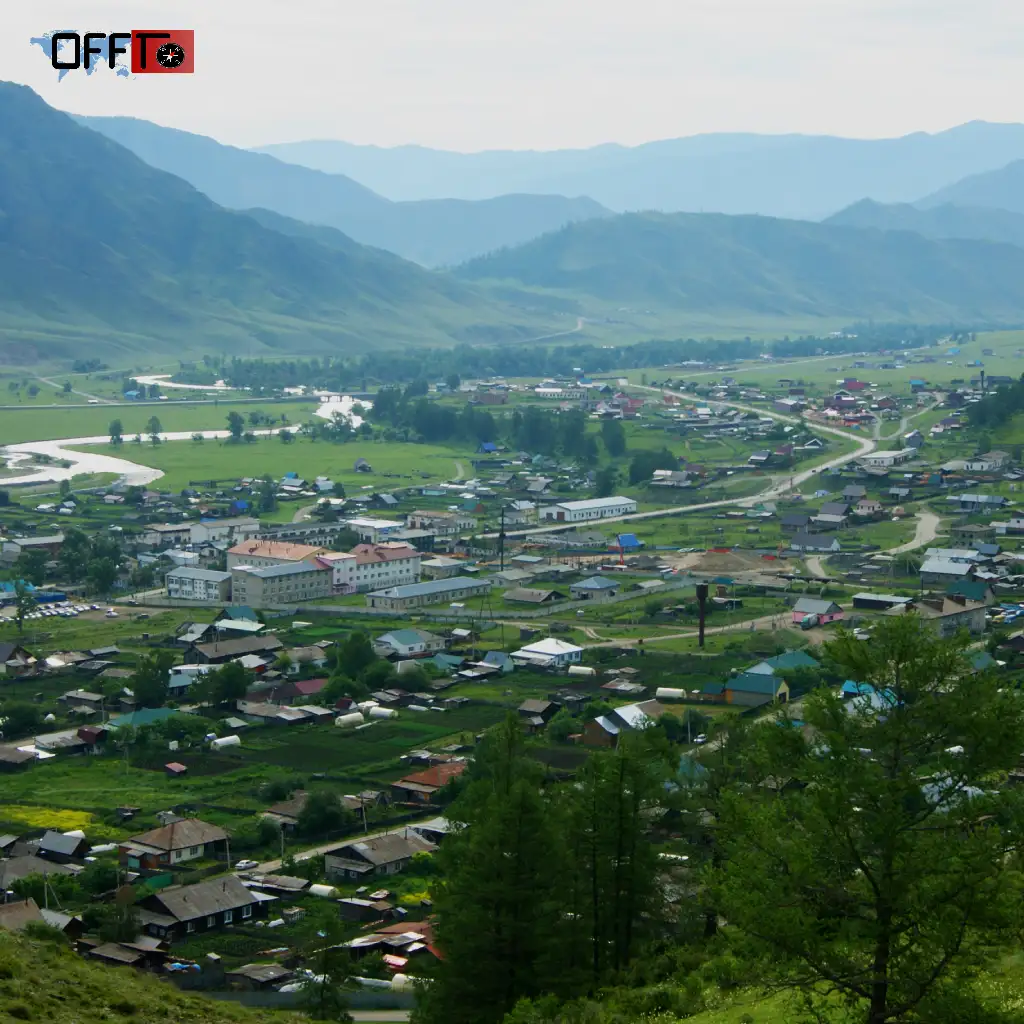
Dibang Valley is one of India’s least explored regions, offering an untouched, remote wilderness. The valley’s dense forests, tribal culture, and rich biodiversity set it apart from other tourist destinations in India. It’s famous for being home to the Dibang Wildlife Sanctuary, which houses rare species like the black-necked crane and tiger.
Rich Biodiversity
The valley is a biodiversity hotspot, with abundant wildlife and flora that are rarely found in other parts of India. The Dibang River and its tributaries play a crucial role in the ecosystem, feeding into the Brahmaputra River system. Visitors to Dibang Valley will be able to witness pristine landscapes and encounter nature in its most untouched form.
Tribal Culture
Dibang Valley is not just a haven for wildlife, but also for tribal cultures that have lived here for centuries. The indigenous tribes, like the Mishmi, have a unique way of life, offering a cultural richness that visitors can experience firsthand. You’ll get to engage with local customs, festivals, and rituals—something rarely found in other Indian regions.
Pristine Rivers and Natural Beauty
The Dibang River is the lifeline of the valley, offering stunning river views and incredible photography opportunities. The river originates in the Mishmi Hills and flows through the valley, creating a breathtaking landscape. Visitors can enjoy serene river banks and lush greenery, with the majestic Himalayan peaks in the background.
Expectation vs Reality
While Dibang Valley might seem like the ultimate destination for luxury travelers, it is important to understand that it is an offbeat destination. The remoteness can pose challenges, especially in terms of basic infrastructure and connectivity. However, for those who seek peaceful exploration and the chance to experience India’s untouched wilderness, Dibang Valley is a paradise.
Why is Dibang Valley so Unique?
- Less Commercialized: Unlike other regions, Dibang Valley remains largely untouched by mass tourism.
- Access to Remote Wilderness: Offers a true escape from urban life, surrounded by mountains and dense forests.
- Rich Natural & Cultural Heritage: Home to wildlife sanctuaries and indigenous tribes, Dibang Valley offers both natural beauty and cultural richness.
Places to Visit in Dibang Valley (Top Attractions)
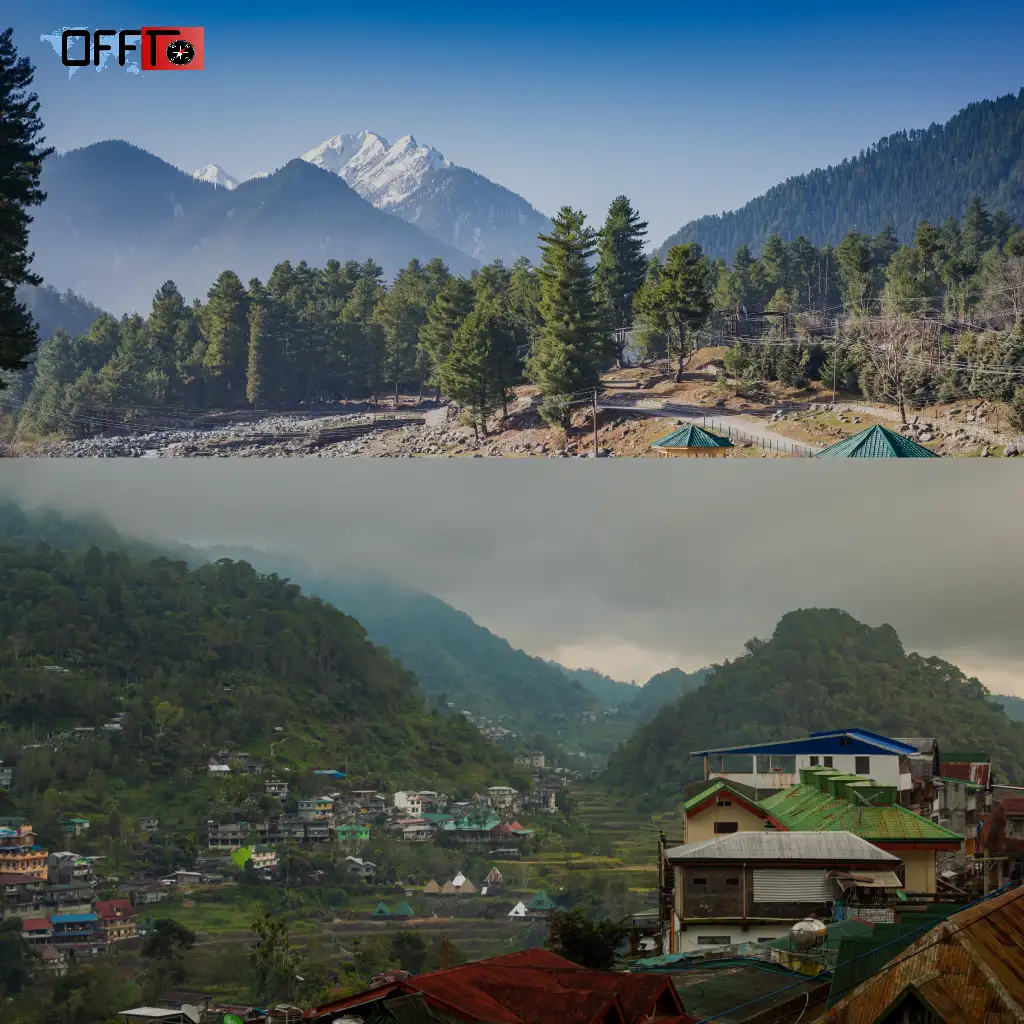
The Dibang Valley is full of untouched beauty, with a variety of wildlife sanctuaries, rivers, bridges, and picturesque locations that make it a must-visit for nature lovers and offbeat travelers. Here are some of the top attractions in the valley:
Dibang Wildlife Sanctuary – Largest Wildlife Sanctuary in India
The Dibang Wildlife Sanctuary is one of the largest wildlife sanctuaries in India and a biodiversity hotspot.
- Rare Species: Home to rare species like the black-necked crane, tiger, and red panda, making it a haven for wildlife enthusiasts.
- Ecological Diversity: The sanctuary covers 4,149 square kilometers of dense forest, home to a wide range of flora and fauna.
- Birdwatching Paradise: Dibang Valley is known for its rich birdlife, particularly migratory species, making it one of the best birdwatching destinations in India.
What makes it unique: The sanctuary offers a rare opportunity to explore a pristine, untouched wilderness that’s rarely seen in other parts of India. While accessibility is limited, the ecological diversity and wildlife encounters make it worth the effort.
Best for
- Wildlife photography
- Birdwatching
- Nature walks
Practical tip
- Visit with a guide who knows the terrain, especially for birdwatching and spotting rare species.
Dibang River (Lifeline of the Valley)
The Dibang River is the lifeline of the valley, originating from the Mishmi Hills in China, and plays a vital role in both the ecology and the culture of the region.
- Origin: The Dibang River’s origin lies in the Mishmi Hills, making it a significant tributary to the Brahmaputra River.
- Scenic Views: Offering stunning river views, Dibang River is an ideal spot for photography, where you can capture the pristine, wild beauty of the landscape.
- Recreational Opportunities: Besides photography, enjoy relaxing by the riverbank, soaking in the natural beauty, and experiencing the peaceful flow of the river.
What makes it unique: The Dibang River is often considered the heart of the valley, connecting various villages and enriching the region’s ecosystem with its cool waters. The river is a photographer’s dream, offering perfect shots of wildlife, lush landscapes, and mountain backdrops.
Best for
- River-side photography
- Relaxation and nature experiences
Practical tip
- Ensure your camera is ready, as the river offers the perfect contrast of flowing water with the surrounding mountainous landscapes.
Dibang River Bridge – One of the Longest River Bridges in India
The Dibang River Bridge stands as a major connectivity landmark in the region. At one time, it was the longest bridge in India over a river.
- Impressive Structure: This bridge is one of the longest river bridges in India, connecting the remote Upper Dibang Valley with the rest of the state.
- Strategic Importance: Serving as the only access point to many remote areas of Dibang Valley, it plays a crucial role in transportation and trade.
What makes it unique: The Dibang River Bridge is more than just a practical structure—it also offers stunning views of the river and surrounding mountainous landscapes. Whether crossing it or capturing its panoramic views from the nearby hills, this bridge is an iconic landmark.
Best for
- Scenic photography of the river and mountains
- Experiencing local infrastructure
Practical tip
- Visit early or late in the day to catch the golden hour light for great photography.
Roing – Gateway to Dibang Valley
Roing is the gateway town for travelers entering Dibang Valley, located about 60 km from the valley. Known for its natural beauty and cultural diversity, Roing offers a relaxing start to your adventure.
- Cultural Significance: Roing is rich in tribal culture and offers a chance to explore local traditions and festivals.
- Attractions: You can visit Mehao Lake for scenic views, or take a walk around the town to experience the local markets and tribal craftwork.
- Gateway to Exploration: Roing is the first major stop for most travelers, offering convenient access to both Lower and Upper Dibang Valley.
What makes it unique: As a base town, Roing combines cultural richness with natural beauty, serving as the starting point for your Dibang Valley exploration.
Best for
- Cultural exploration
- Visiting local markets and towns
- Scenic lake views
Practical tip
- Spend a day in Roing before heading to Dibang Valley to adjust and experience local culture.
Mehao Lake & Valley Views
Mehao Lake, located near Roing, is a hidden gem surrounded by dense forest and hills, offering some of the most peaceful nature escapes in the region.
- Scenic Lake: Mehao Lake is surrounded by green forests, making it the perfect spot for a quiet retreat. It’s a popular destination for those looking for a serene environment away from the crowds.
- Hiking and Photography: Take a short trek around the lake, offering beautiful views of the surrounding mountains and wildlife.
What makes it unique: Mehao Lake provides a calming contrast to the rugged and dense terrain of Dibang Valley, with its crystal-clear waters and surrounding forests making it the perfect place for a peaceful nature walk or quiet meditation.
Best for
- Nature lovers
- Photography enthusiasts
- Trekking and outdoor adventures
Practical tip
- Early mornings offer the best time to visit, as the mist around the lake creates an almost mystical atmosphere.
Things to Do in Dibang Valley (Based on Travel Style)
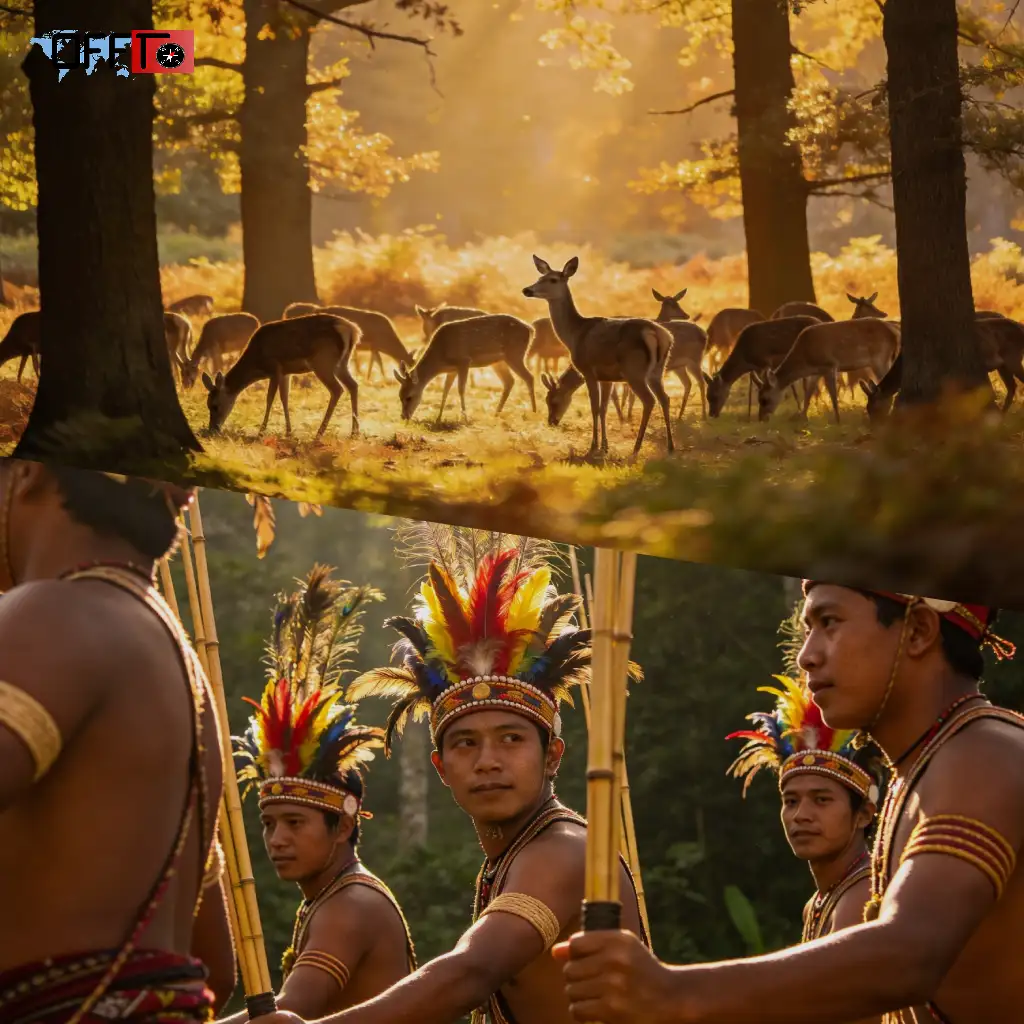
Whether you’re an adventurer, a wildlife enthusiast, or someone looking to immerse in local culture, Dibang Valley offers a variety of activities tailored to different travel styles.
Wildlife Exploration
Dibang Valley is a wildlife enthusiast’s dream. With the Dibang Wildlife Sanctuary, there’s plenty of opportunity to explore and observe rare species like black-necked cranes, red pandas, and tigers.
Best for
- Birdwatching
- Wildlife photography
- Nature walks
River-Side Photography
With the Dibang River flowing through the valley, its scenic landscapes make it an excellent place for river-side photography.
Best for
- Landscape photography
- Relaxing by the river
Cultural Experiences with Local Tribes
Dibang Valley is home to several indigenous tribes, including the Mishmi, whose culture and traditions are deeply rooted in the valley. Visiting local villages offers the opportunity to experience authentic tribal life.
Best for
- Cultural immersion
- Learning local traditions and customs
Nature Walks & Offbeat Travel
Dibang Valley’s untouched landscapes provide plenty of offbeat travel opportunities, with peaceful nature walks, treks, and explorations into the jungle.
Best for
- Trekking
- Solo travel and exploration
- Photography
No matter your travel style, Dibang Valley offers an incredible mix of wildlife, cultural experiences, and natural beauty. Whether you’re trekking through dense forests or simply soaking in the serene atmosphere, this hidden gem in Arunachal Pradesh will leave you feeling connected to nature like never before.
Dibang Valley Jungle Camp & Stay Options
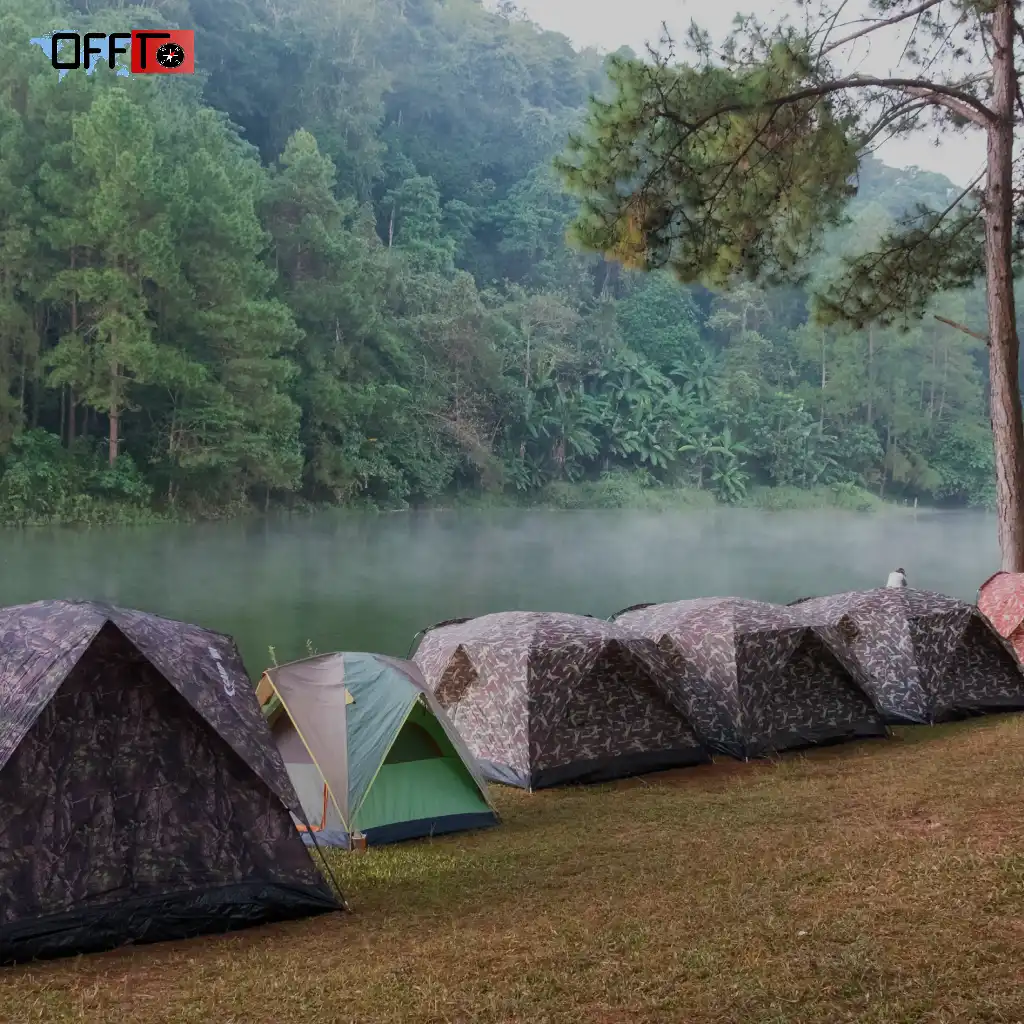
Dibang Valley’s remote wilderness is one of its greatest appeals. If you’re looking for an authentic experience surrounded by nature, staying in jungle camps or eco stays is a must. These accommodations offer a rare opportunity to truly immerse yourself in the valley’s pristine surroundings.
Jungle Camps & Eco Stays
- Jungle Camps are designed to blend seamlessly with the environment, offering basic yet comfortable accommodations right in the heart of the Dibang Wildlife Sanctuary.
- Eco Stays are simple but equipped to provide a comfortable stay with minimal impact on the environment. These stays emphasize sustainability, using local materials and promoting eco-friendly practices.
What makes them special
- Secluded Locations: Experience living right in nature, with the sounds of the jungle and clear river views.
- Wildlife Proximity: Wake up to the sounds of chirping birds, flowing rivers, and occasionally, the distant calls of tigers and other wildlife.
- Minimalist Comfort: While these stays are basic, they offer a peaceful, immersive experience far away from city noise and distractions.
What to Expect
- Basic Facilities: Expect simple accommodations with beds, basic toilets, and sometimes, limited electricity.
- Shared or private rooms in small cabins or tents.
- Limited connectivity: Perfect for travelers looking to truly disconnect.
Best for
- Nature lovers and offbeat travelers
- Wildlife enthusiasts and photographers
- Those seeking an immersive, tranquil experience
Practical tip
- Book your jungle camps or eco stays well in advance, as they are limited and can get booked up quickly, especially during peak travel seasons.
Homestay Experience
For those interested in local culture, homestays in Dibang Valley offer a unique opportunity to connect with indigenous tribes like the Mishmi. Staying with local families provides a deeper understanding of the valley’s tribal traditions, cuisine, and way of life.
What makes it unique
- Cultural immersion: Live with the locals, enjoy traditional meals, and engage in local customs.
- Personalized experience: Homestays offer more personal interaction with the hosts, often giving you a true insider’s view of daily life in Dibang Valley.
Best for
- Cultural explorers
- Travelers seeking a more personal, authentic experience
Practical tip
- Expect basic facilities, but enjoy the genuine warmth of local hospitality.
Dibang Valley Weather & Travel Conditions Explained
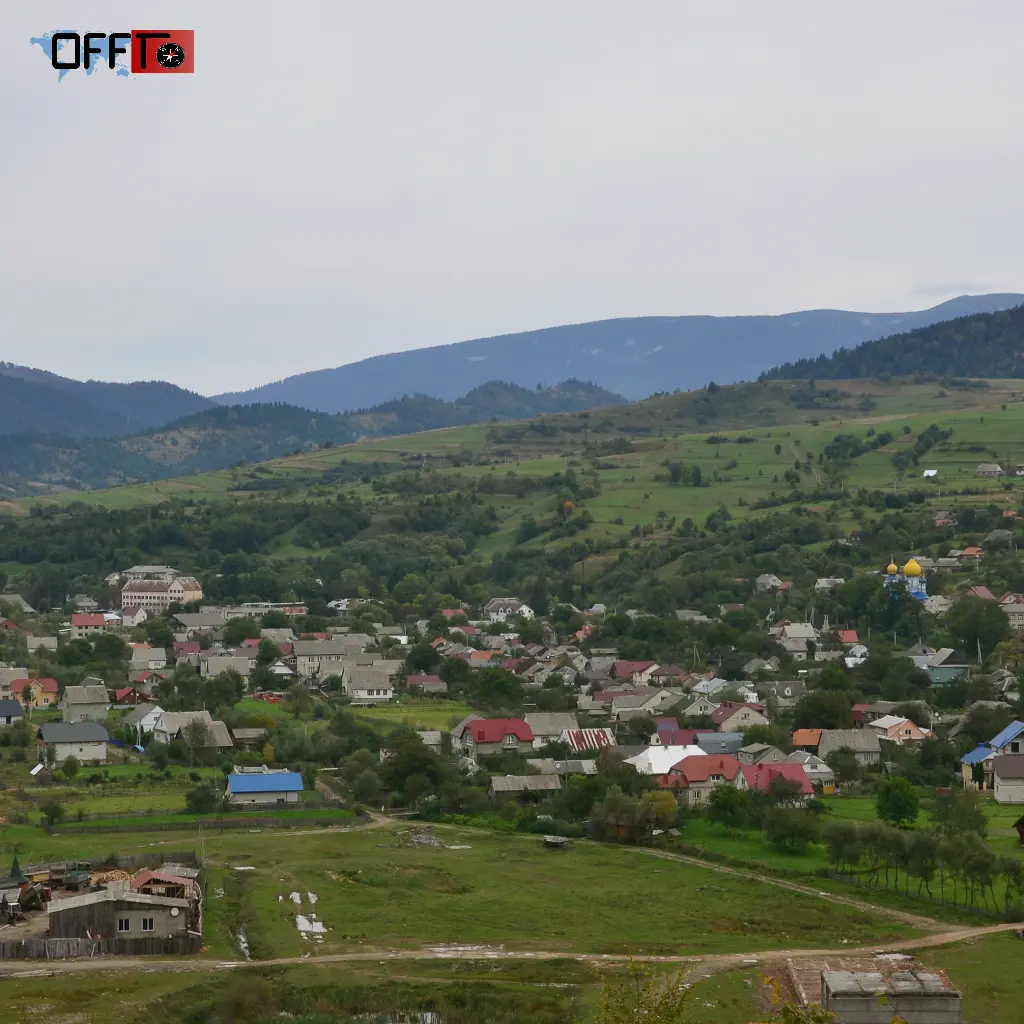
The weather in Dibang Valley plays a major role in shaping your experience. The valley’s remote location in the eastern Himalayas means weather conditions can be unpredictable, so understanding the climate is crucial for planning your trip.
Month-Wise Weather Breakdown
Spring (March–May)
- Daytime Temperature: 15°C–25°C
- Nighttime Temperature: 5°C–12°C
- Weather Conditions: Pleasant, with clear skies and mild temperatures. Spring is ideal for trekking and sightseeing, as the valley becomes lush and green.
Summer (June–August)
- Daytime Temperature: 18°C–28°C
- Nighttime Temperature: 12°C–18°C
- Weather Conditions: Summer brings heavy monsoon rains, making this period less ideal for trekking or long travel. Road conditions can be challenging, and visibility can be affected by rain and mist.
Autumn (September–November)
- Daytime Temperature: 10°C–22°C
- Nighttime Temperature: 3°C–10°C
Weather Conditions: Autumn is clear, crisp, and dry, making it one of the best times to visit for trekking and wildlife exploration. The weather conditions are stable, with excellent visibility of the mountains.
Winter (December–February)
- Daytime Temperature: 5°C–15°C
- Nighttime Temperature: -2°C–5°C
Weather Conditions: Winter brings cold, with snow likely in higher-altitude areas. The valley can become inaccessible due to snow in certain parts. However, it’s a quieter, more peaceful time for those willing to brave the cold.
Rainfall Impact & Accessibility
- Monsoon (June–August)
- Rainfall is heavy, which makes roads slippery and trekking difficult.
- Landslides are common, especially in the more remote areas. Road closures may occur, so always check local conditions before heading out.
- Post-Monsoon (September–November)
- This is the best period for accessibility. Roads are clearer, the air is fresher, and trekking is ideal.
- Winter:
- Snowfall in the higher reaches can block roads or limit access to remote villages. Be prepared for cold weather and limited daylight hours.
Temperature Variation
- High Altitudes: The higher up you go, the colder it gets, especially at night. You’ll experience a significant temperature drop after sunset, so always carry layers.
- Lower Areas: The temperature in Lower Dibang Valley is milder and more temperate, while Upper Dibang Valley is cooler due to higher altitudes.
Practical Travel Conditions
- Best Season for Accessibility: Autumn is the best season for comfortable and safe travel in Dibang Valley.
- Winter Travel: If you’re heading to higher altitudes for snow or winter treks, prepare for cold temperatures and potentially restricted access.
Tip: Always check local weather forecasts before planning outdoor activities, and be prepared for rapid weather changes in the valley’s mountainous terrain.
Best Time to Visit Dibang Valley (With Tradeoffs)
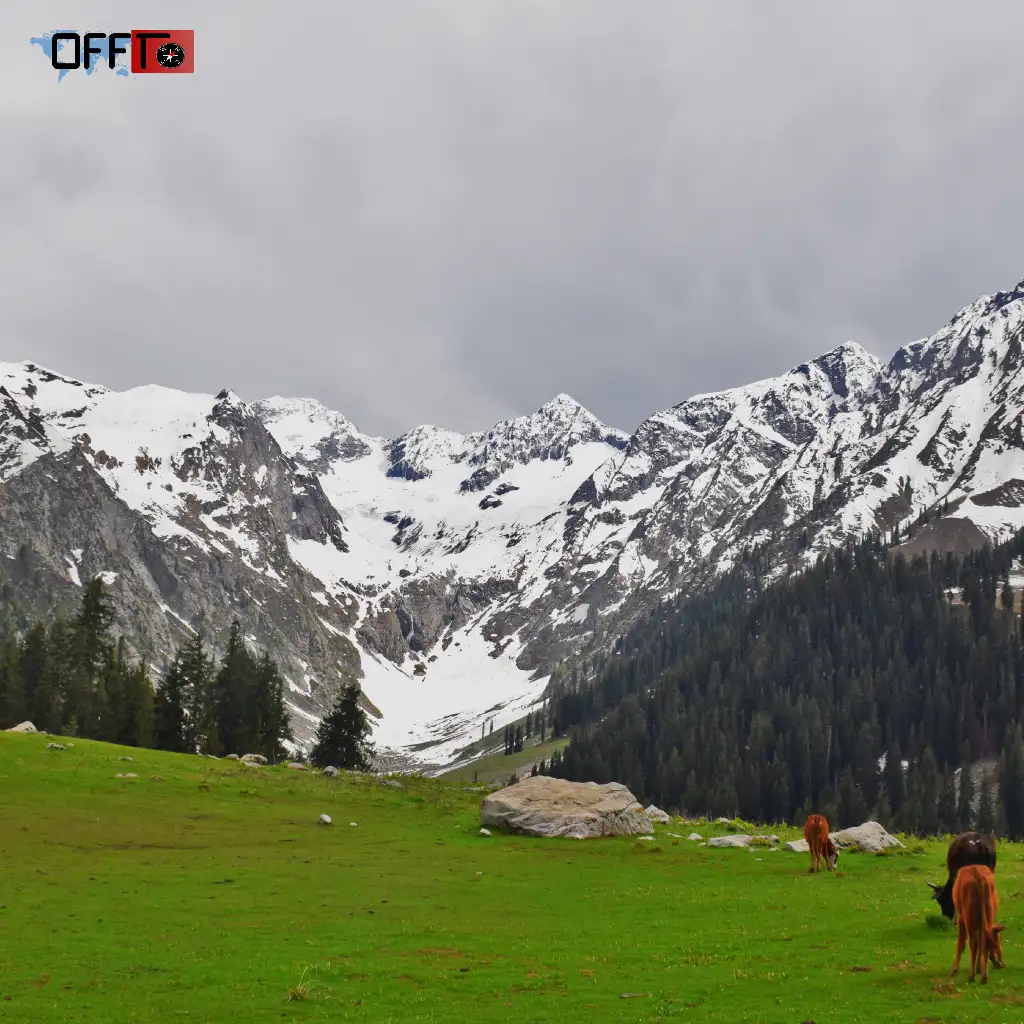
Dibang Valley, located in the eastern Himalayas, offers unique travel experiences depending on the time of year you visit. Here’s a detailed breakdown of each season, helping you decide when to go based on your priorities.
Winter (December–February) – Pleasant & Clear
Best For: Snow lovers and those seeking peaceful solitude.
- Weather: Cold, with daytime temperatures ranging from 5°C–15°C and nighttime temperatures dropping below freezing in higher altitudes. Snowfall is common in higher regions, creating a serene winter landscape.
- Tradeoff: The cold can limit accessibility, especially in remote areas, where heavy snow or ice might block roads. While the clear skies offer excellent visibility, some routes, especially to Upper Dibang Valley, may be difficult to access due to snow.
- Accessibility: Limited. Many areas in Upper Dibang Valley may become inaccessible due to snow or road closures. However, the lower Dibang Valley is still accessible with less crowding, offering tranquility and the chance to experience untouched winter beauty.
Practical Tip: If you want to experience snow, and don’t mind cold temperatures, winter is the best time. But be prepared for limited transportation options and cold conditions.
Summer (March–May) – Mild & Accessible
Best For: Travelers seeking moderate weather and easy accessibility.
- Weather: The summer months in Dibang Valley are mild, with temperatures ranging from 18°C–28°C during the day, and 12°C–18°C at night. This is a comfortable season, with pleasant daytime weather, ideal for sightseeing and trekking.
- Tradeoff: While weather is mild, some areas can become humid as summer progresses. The roads are accessible, but rain showers can make certain trails slippery. If you’re traveling later in the summer, you may experience some cloud cover, which could affect visibility.
- Accessibility: Good accessibility during this time. The roads are open, and travel conditions are favorable for exploration.
Practical Tip: If you want mild weather and easy accessibility, summer is the ideal time. However, if you’re hoping to explore the wilderness in its full green glory, this can be the perfect balance of comfort and exploration.
Monsoon (June–August) – Lush but Difficult Travel
Best For: Those seeking the lush, green beauty of the valley but willing to handle unpredictable conditions.
- Weather: The monsoon season brings heavy rainfall to the valley, with temperatures ranging between 18°C–28°C during the day. This is the wettest season, with frequent rain showers and mist, making trekking and outdoor activities more challenging.
- Tradeoff: Increased rainfall can lead to landslides and road closures, making accessibility difficult. This season may not be the best for trekking or long-distance travel, but if you’re looking for lush landscapes, this is when the valley truly comes alive.
- Accessibility: Limited access to remote areas, especially in Upper Dibang Valley. Roads may become slippery, and travel can be slow. However, the Lower Dibang Valley remains accessible.
Practical Tip: Monsoon is perfect for photographers or those seeking to witness the green beauty of Dibang Valley. But be ready for travel disruptions and unpredictable weather.
Decision Insight: Best for Wildlife, Accessibility, and Weather
- For wildlife enthusiasts: Winter offers clear skies and an opportunity to see the valley’s biodiversity without the crowds. It’s perfect for those who want peaceful nature exploration and the possibility of seeing snow-dependent species.
- For easy accessibility: Summer is the most convenient time, with mild weather, open roads, and fewer risks of landslides. This is ideal if you want to make the most of your trip without worrying about travel delays.
- For scenic beauty: Monsoon will bring lush greenery, but at the cost of limited accessibility. If you don’t mind a bit of inconvenience, this is the season for dramatic landscapes and vibrant nature photography.
Which River is Called Dibang? (Quick Insight Section)
The Dibang River is the lifeline of Dibang Valley. Originating from the Mishmi Hills in China, this river holds significant importance to both the local ecosystem and the people of the region.
Dibang River Origin (Mishmi Hills)
The Dibang River originates in the Mishmi Hills, located along the India-China border. The river begins as a small stream in the high-altitude region of Mishmi, before descending into the valley and flowing through the Dibang Valley in Arunachal Pradesh.
Tributary of Brahmaputra
As it flows through Dibang Valley, the river feeds into the Brahmaputra River system, contributing to the ecological balance of the region. It is a vital water source for both the local communities and the flora and fauna of Dibang Valley.
Importance in Local Ecosystem
The Dibang River is central to the ecosystem of Dibang Valley. It nourishes the valley’s dense forests, provides water for local agriculture, and supports a wide variety of wildlife. The river’s health is crucial for the biodiversity of the region, particularly within the Dibang Wildlife Sanctuary.
What makes it unique: The Dibang River not only provides essential resources to the valley’s people but also acts as a symbol of the region’s natural abundance, bringing life to the remote and secluded valley. Its importance as both a natural resource and cultural symbol can’t be overstated.
Best for
- Scenic photography
- Exploring river-based ecosystems
- Understanding local culture and economy
Practical tip: If you’re planning to visit during monsoon, be aware that the river may be swollen, making some parts difficult to access. But the scenic beauty will be at its peak during this time.
Dibang Valley Itinerary (3–5 Day Plan)

Dibang Valley is a hidden gem in Arunachal Pradesh, offering an immersive blend of wildlife exploration, tribal culture, and natural beauty. Here’s a 3–5 day itinerary designed to make the most of your time in this offbeat destination while providing a relaxed pace to explore.
Day 1–2: Arrival → Roing → Local Exploration
- Arrival: Fly into Dibrugarh, then take a scenic drive to Roing, the gateway town to Dibang Valley (about 5 hours).
- Roing Exploration: Roing is known for its beautiful Mehao Lake and the surrounding lush forests. Spend the rest of the day exploring the local markets, tribal culture, and natural attractions.
What to Do in Roing
- Visit Mehao Lake for a peaceful nature walk and breathtaking lake views.
- Explore the local markets for traditional handicrafts.
- Learn about the culture of the Mishmi tribe, one of the indigenous communities of the valley.
Practical Tip
- Take some time to adjust to the altitude and the laid-back pace of life in Roing.
Day 3–4: Wildlife Sanctuary → River → Jungle Camp
- Morning: Head to the Dibang Wildlife Sanctuary for a wildlife safari or guided trek. Explore its vast wilderness, home to rare species like black-necked cranes, tigers, and red pandas.
- Afternoon: Visit the Dibang River, enjoy some river-side photography, and relax by the banks of this majestic river.
- Evening: Head to one of the jungle camps in the valley for a night in nature. The camps are basic yet immersive, offering a chance to sleep under the stars surrounded by the sounds of the wilderness.
What to Do
- Explore wildlife and birdwatching opportunities within the sanctuary.
- Trek through dense forests and learn about the valley’s flora and fauna.
- Relax by the Dibang River, take photographs, and enjoy the serene environment.
Practical Tip
- Wear comfortable trekking shoes and bring binoculars for birdwatching. Prepare for limited facilities in the jungle camps.
Day 5: Nearby Exploration → Return
- Morning: Spend your final day exploring some nearby villages to engage with local tribal cultures. Visit small Mishmi villages and learn about their customs, traditions, and crafts.
- Afternoon: If time permits, take a short visit to Mehao Lake or revisit a nature trail near Roing before heading back.
- Evening: Return to Dibrugarh for your flight back.
Practical Tip
- Ensure you have everything packed and check your transport options in advance, as roads can be slow and unpredictable.
Extended 5-Day Option
- If you have an additional day, consider exploring Upper Dibang Valley for more remote wilderness. You can trek to higher altitudes and enjoy snow-capped peaks and pristine landscapes.
Travel Tips for Dibang Valley
Dibang Valley is an offbeat destination, which means you’ll need to plan ahead for an authentic and smooth experience. Here are some essential travel tips for making the most of your trip:
Carry Cash (No ATMs)
There are no ATMs in Dibang Valley, and Roing may have limited access to cash. Be sure to carry enough cash to cover your entire stay. It’s always a good idea to carry Indian currency (INR), as credit card usage is rare in remote areas.
Tip: Carry extra cash for emergencies or unplanned expenses.
Limited Network Connectivity
Mobile network coverage is limited in Dibang Valley, and internet access can be unreliable, especially in remote areas like the Dibang Wildlife Sanctuary and jungle camps. Prepare for limited connectivity during your trip.
Tip: Let friends or family know your travel plans in advance, and download offline maps or guides to help you navigate.
Permit Required
To visit Dibang Valley, especially for foreign nationals, you will need an Inner Line Permit (ILP). For Indian citizens, the permit is still required to visit certain parts of the valley, especially Upper Dibang Valley.
Tip: Apply for your permit online or through a local tour operator before your trip. This will save time once you arrive.
Plan Transport in Advance
Transportation in Dibang Valley can be slow, and roads may not be in the best condition, especially during the monsoon season. Ensure your transportation is pre-booked, especially if you’re traveling from Dibrugarh to Roing or Dibang Valley.
Tip: Confirm transport arrangements in advance, and always allow some extra time for delays.
Pack Smart for Remote Conditions
Since Dibang Valley is remote and lacks the infrastructure of mainstream tourist destinations, you need to be prepared for basic conditions in places like jungle camps and eco-stays.
- What to pack
- Warm clothes for chilly nights, especially in winter
- Comfortable trekking shoes
- Binoculars and a camera for wildlife photography
- Mosquito repellentSunscreen (even in colder months)
Tip: Always bring a water bottle, and ensure it’s refilled regularly to stay hydrated during long treks.
Weather Conditions Can Change Quickly
Dibang Valley’s weather can be unpredictable, especially in the higher altitudes. The temperatures can drop significantly at night, and rainfall can occur at any time.
Tip: Layer your clothing to stay comfortable, and check weather forecasts before heading out for trekking or wildlife exploration.
These travel tips will help you have a smooth and enjoyable journey through Dibang Valley while making the most of this untouched gem. The more prepared you are, the better your experience will be in this beautiful and remote part of India.
FAQs
Where is Dibang Valley situated?
Dibang Valley is located in Arunachal Pradesh, India. It is divided into Upper Dibang Valley and Lower Dibang Valley, with Roing as the gateway town. It’s situated near the Mishmi Hills, bordering China to the north, and is accessible from Dibrugarh.
Why is Dibang Valley famous?
Dibang Valley is famous for its untouched wilderness, dense forests, and tribal cultures. It’s home to the Dibang Wildlife Sanctuary, rich in biodiversity, and the Dibang River, making it a prime destination for nature lovers, wildlife enthusiasts, and adventure travelers.
What are the best places to visit in Dibang Valley?
Top places include Dibang Wildlife Sanctuary, Dibang River, Dibang River Bridge, Roing (gateway town), and Mehao Lake. Each offers unique natural beauty, from scenic rivers to wildlife encounters and cultural experiences in the surrounding forests and villages.
What are the best things to do in Dibang Valley?
Best activities include wildlife exploration in Dibang Wildlife Sanctuary, river-side photography along the Dibang River, and experiencing tribal culture in local villages. Enjoy nature walks, trekking, and birdwatching, or simply relax in jungle camps to immerse in the peaceful environment.
Which river is called Dibang?
The Dibang River originates from the Mishmi Hills in China and flows through Dibang Valley in Arunachal Pradesh. It is a major tributary of the Brahmaputra River and plays a key role in the valley’s ecosystem and local culture.
What is the origin of Dibang River?
The Dibang River originates from the Mishmi Hills in the eastern Himalayas. It flows through Dibang Valley and is an important water source for both wildlife and local communities, before merging into the Brahmaputra River system.
How to visit Dibang Valley?
To visit Dibang Valley, travel from Dibrugarh (Assam) to Roing by road. Inner Line Permits (ILP) are required for both Indian and foreign tourists. Public transport options are limited, so planning private transportation in advance is essential for smooth travel.
What is the best time to visit Dibang Valley?
The best time to visit Dibang Valley is during spring (March–May) and autumn (September–November) for clear skies, moderate temperatures, and easy accessibility. Winter offers snow, while monsoon (June–August) can make travel difficult due to rain and landslides.
Are jungle camps available in Dibang Valley?
Yes, jungle camps are available in Dibang Valley, especially in the Dibang Wildlife Sanctuary and surrounding areas. These camps offer a basic, eco-friendly experience, where travelers can stay immersed in nature, experience wildlife, and enjoy a peaceful environment.
Is Dibang Valley safe for tourists?
Yes, Dibang Valley is generally safe for tourists, though it is a remote and rugged destination. Limited infrastructure means travelers should plan for basic accommodations and prepare for weather-related challenges. Always carry permits, cash, and proper gear for trekking.
Read more >>>
Neora Valley Travel Guide — Trek, Stay, Wildlife & Complete Planning
Zanskar Valley – A Complete Guide to Exploring Ladakh’s Hidden Gem
Final Take: Is Dibang Valley Worth Visiting?
Dibang Valley is a hidden gem for those looking to explore India’s untouched wilderness. If you’re a nature lover, an offbeat traveler, or someone seeking adventure, this destination will offer you a unique experience far from crowded tourist spots.
Who Will Love Dibang Valley?
- Offbeat Travelers: Dibang Valley’s remoteness and raw beauty make it a perfect spot for those seeking seclusion and an authentic travel experience.
- Nature Lovers: From lush forests to the scenic Dibang River, this valley offers pristine landscapes and wildlife encounters you won’t find in more commercialized destinations.
- Explorers: With its rugged terrains and tribal cultures, Dibang Valley provides an opportunity for in-depth exploration and a taste of India’s less-traveled paths.
Who May Skip Dibang Valley?
- Luxury Travelers: If you’re used to luxurious accommodations and 5-star facilities, Dibang Valley’s remote nature camps and basic stays may not offer the level of comfort you seek.
- Short-Trip Travelers: Due to the long travel distances and remote location, Dibang Valley requires a longer stay to truly experience everything it offers. It’s not ideal for those on a short itinerary.
Dibang Valley is a paradise for those looking for a slow travel experience in a pristine, offbeat location. However, it’s best suited for those willing to trade comfort and luxury for an authentic adventure.
Plan Your Dibang valley Trip with Offto Travellers
Ready to embark on an offbeat adventure in one of India’s most untouched valleys?
With Offto Travellers, you can easily plan your Dibang Valley trip with:
Remote stays that blend with nature
Jungle camps offering immersive wilderness experiences
Unique travel options that connect you to the local tribes, wildlife, and landscapes
Explore Dibang Valley and book your stay for a true offbeat adventure today! Whether you’re looking for wildlife safaris or a peaceful retreat, Offto helps you plan every step of your journey with ease.
Sign up
Leave a Reply