
Palampur is a peaceful hill town in Himachal Pradesh known for its tea gardens, Dhauladhar mountain views, and slow travel vibe. Ideal for a 2–3 day trip, it offers nature walks, scenic spots like Neugal Khad, and easy access to Bir Billing and Dharamshala—perfect for a calm, less-crowded Himalayan escape.
Where is Palampur?

Palampur is a peaceful hill town in Himachal Pradesh known for its tea gardens, Dhauladhar mountain views, and slow travel vibe. Ideal for a 2–3 day trip, it offers nature walks, scenic spots like Neugal Khad, and easy access to Bir Billing and Dharamshala—perfect for a calm, less-crowded Himalayan escape.
Location and Connectivity
Palampur is part of the larger Kangra Valley region and is well-connected to nearby hill towns and transit hubs:
- Around 35 km from Dharamshala
- About 30 km from Kangra
- Roughly 115 km from Pathankot, the nearest major railhead
The closest airport is in Gaggal Airport (near Dharamshala), making Palampur accessible without long mountain transfers compared to more remote Himachal destinations.
Why Palampur is Called the Tea Capital of North India
Palampur Himachal Pradesh is widely known as the tea capital of North India, and that reputation is not just branding. The region’s mild climate, consistent rainfall, and fertile soil create ideal conditions for tea cultivation—something relatively rare in North India.
Large stretches of working tea estates surround the town, especially along the slopes facing the Dhauladhar range. Unlike plantation areas that feel commercialized or closed-off, Palampur’s tea gardens are often open, walkable, and visually integrated into everyday life.
Practical insight: If you’re expecting something like the vast, industrial-style estates of Assam or Munnar, Palampur feels more intimate and low-key. The experience here is less about large-scale production tours and more about slow walks, landscape views, and quiet immersion.
Why is Palampur Famous? (What Makes It Special?)
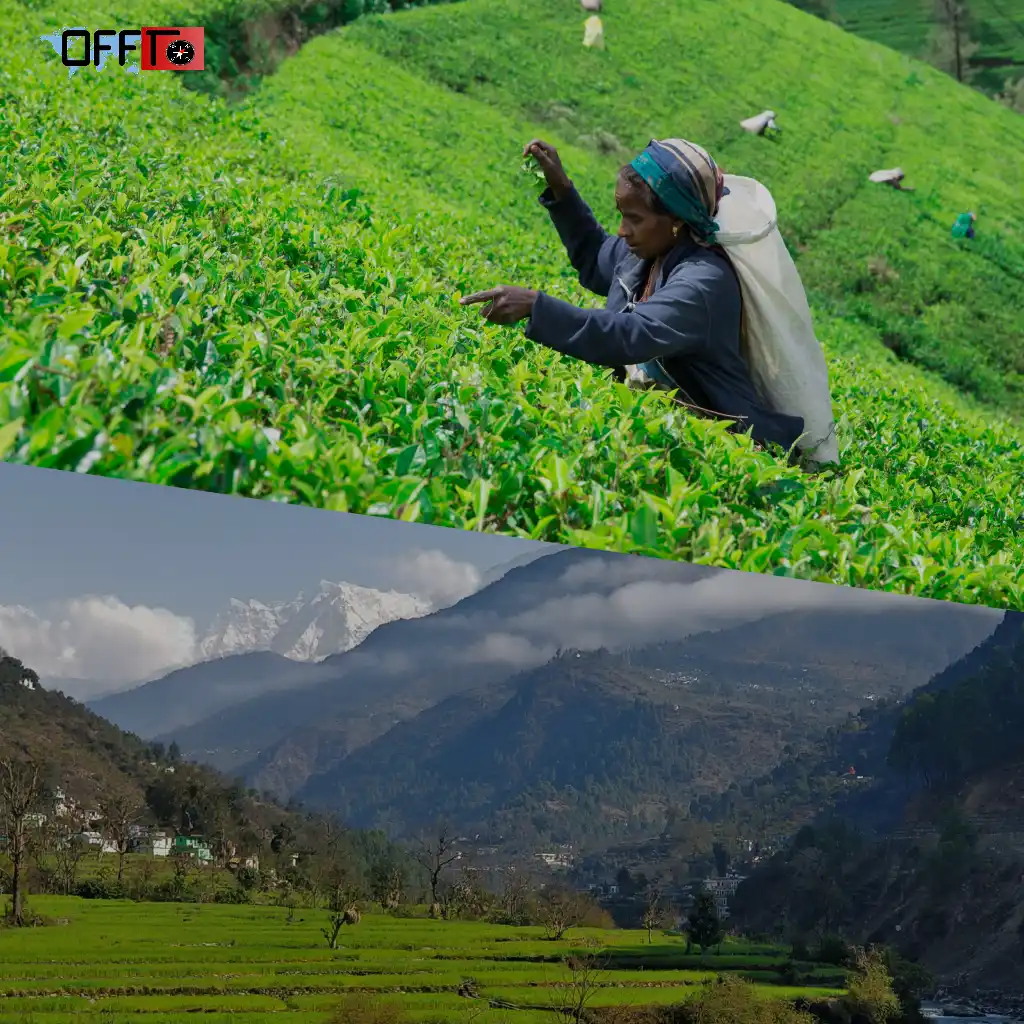
If you’re wondering why Palampur is famous, the answer isn’t a single attraction—it’s the overall pace, setting, and contrast it offers compared to more crowded hill stations.
Tea Gardens with a Himalayan Backdrop
The most defining visual of Palampur tourist places is the combination of tea estates and mountains. The green plantations roll gently across the valley, while the dramatic Dhauladhar peaks rise sharply behind them.
This creates a landscape that feels both cultivated and wild at the same time—something you don’t get in many Himalayan towns.
What to expect: Not a “checklist attraction,” but a setting you experience throughout your stay—especially during early mornings and late afternoons.
A Peaceful Alternative to Busy Hill Stations
Compared to nearby destinations like Manali or even Shimla, Palampur is noticeably quieter.
- Less traffic congestion
- Fewer crowded viewpoints
- Slower, more local-paced environment
This makes it ideal for travelers who are not looking for nightlife or heavy sightseeing, but rather a place to pause and decompress.
Tradeoff: You won’t find the same volume of cafes, nightlife, or luxury experiences here. Palampur rewards travelers who are comfortable with minimalism and nature-led travel.
Colonial-Era Influence and Subtle Charm
Palampur also carries traces of its British-era tea plantation history, visible in:
- Old bungalows
- Estate-style layouts
- Quiet institutional buildings
It’s not as architecturally dramatic as Shimla, but the charm lies in its subtlety rather than spectacle.
A Natural Fit for Slow Travel
One of the strongest reasons Palampur famous place queries are rising is because it fits perfectly into the slow travel trend.
Here, the best experiences are unstructured:
- Sitting by a stream like Neugal Khad
- Walking through tea gardens without a fixed route
- Watching clouds move across the Dhauladhar range
Practical insight: If your travel style is itinerary-heavy, Palampur may feel “too quiet.” But if you value space, calm, and flexible days, it becomes deeply rewarding.
Expectation vs Reality: What Palampur Actually Feels Like
- Expectation: A typical Himachal hill station with multiple attractions
- Reality: A landscape-first destination where the experience is spread across the environment, not concentrated in landmarks
That’s precisely what makes Palampur Himachal Pradesh stand out—it doesn’t try to compete with high-energy destinations. It offers something increasingly rare: a slower, more grounded version of the Himalayas.
Places to Visit in Palampur (Top Attractions You Shouldn’t Miss)

When exploring places to visit in Palampur, it helps to adjust expectations slightly. This isn’t a destination packed with headline attractions—it’s a landscape-driven town, where each place adds to the overall experience rather than competing for attention.
Tea Gardens of Palampur
The tea estates are the defining visual of Palampur and easily among the most recognizable Palampur tourist places.
- Best for: Slow walks, photography, quiet exploration
- What makes it distinct: Tea plantations set against the Dhauladhar mountains
- When to go: Early morning for soft light and fewer people
Unlike more commercial plantation regions, these gardens feel open and accessible, with narrow paths running through them.
Practical tip: There’s no need to “visit” a single estate—just pick a stretch near your stay and walk through. The experience is more about wandering than touring.
Neugal Khad
Neugal Khad is a wide mountain stream flowing at the edge of town, with uninterrupted views of the Dhauladhar Range.
- Best for: Picnics, short breaks, scenic pauses
- What makes it distinct: The contrast between rocky riverbed and sharp mountain backdrop
- Vibe: Open, breezy, and slightly raw
There are small cafés nearby, but the real appeal is simply sitting by the water and watching the mountains.
Tradeoff: During monsoon, water levels rise and the area can feel less accessible. In peak summer afternoons, it can also get busier.
Saurabh Van Vihar
Saurabh Van Vihar is a well-maintained nature park built as a tribute to Captain Saurabh Kalia.
- Best for: Families, relaxed walks, low-effort outings
- What makes it distinct: Clean pathways, shaded green areas, and a controlled environment
- Vibe: Calm, safe, and structured
It’s one of the few places in Palampur designed for easy access and short visits, especially if you’re traveling with kids or older family members.
Practical insight: If your trip is focused on raw nature, this might feel slightly curated. But it works well as a light, low-energy stop.
Baijnath Temple
Located about 15–20 km away, Baijnath Temple is one of the oldest and most significant temples in the region, dedicated to Lord Shiva.
- Best for: Cultural context, spiritual travelers
- What makes it distinct: Stone architecture dating back to the 13th century
- Vibe: Quiet, reverent, and historically rooted
Unlike crowded temple towns, the experience here is relatively unhurried and grounded.
Practical tip: Combine this with a half-day trip rather than a standalone visit—it pairs well with nearby countryside drives.
Bundla Stream
Bundla Stream is less talked about but often more rewarding for travelers who prefer quieter spots.
- Best for: Nature lovers, short forest walks
- What makes it distinct: A mix of trails, small water streams, and forest cover
- Vibe: Secluded and slightly offbeat
It’s not heavily commercialized, which means fewer crowds but also limited facilities.
Practical insight: Visit during daylight hours and wear proper footwear—this is more of a natural trail experience than a structured attraction.
Things to Do in Palampur (Based on Travel Style)

The best things to do in Palampur aren’t activity-heavy—they’re experience-led. What you do here depends heavily on your travel style.
If You Prefer Slow, Scenic Travel
- Walk through tea estates without a fixed route
- Sit by streams like Neugal Khad for extended breaks
- Spend time at your stay rather than moving constantly
Why it works: Palampur is designed for unstructured time, not packed itineraries.
If You Enjoy Photography
- Capture early morning light over tea gardens
- Frame the Dhauladhar peaks during clear weather
- Explore changing moods during monsoon
Practical tip: Visibility of the mountains can change quickly. Keep one flexible slot in your day for clear-sky windows.
If You Want Light Outdoor Activity
- Short countryside walks and easy treks
- Cycling through local roads and plantations
- Exploring forested patches near Bundla
Tradeoff: This isn’t a hardcore trekking destination. Activities here are accessible, not extreme.
If You’re Looking to Relax More Than Explore
- Choose a stay with views and spend time there
- Read, rest, or work remotely in a quieter setting
- Limit outings to one or two short trips per day
Insight: Many travelers overplan Palampur and end up rushing through it. The better approach is to build your trip around pauses, not checklists.
If You’re Combining It With Nearby Destinations
Palampur works well as a slower base when paired with more active locations like Bir Billing or Dharamshala.
You can:
- Stay in Palampur for calm
- Take short trips out for activities
- Return to a quieter environment
The most meaningful things to do in Palampur are not about ticking off attractions—they’re about how you spend your time between them.
Palampur Weather & Temperature Explained
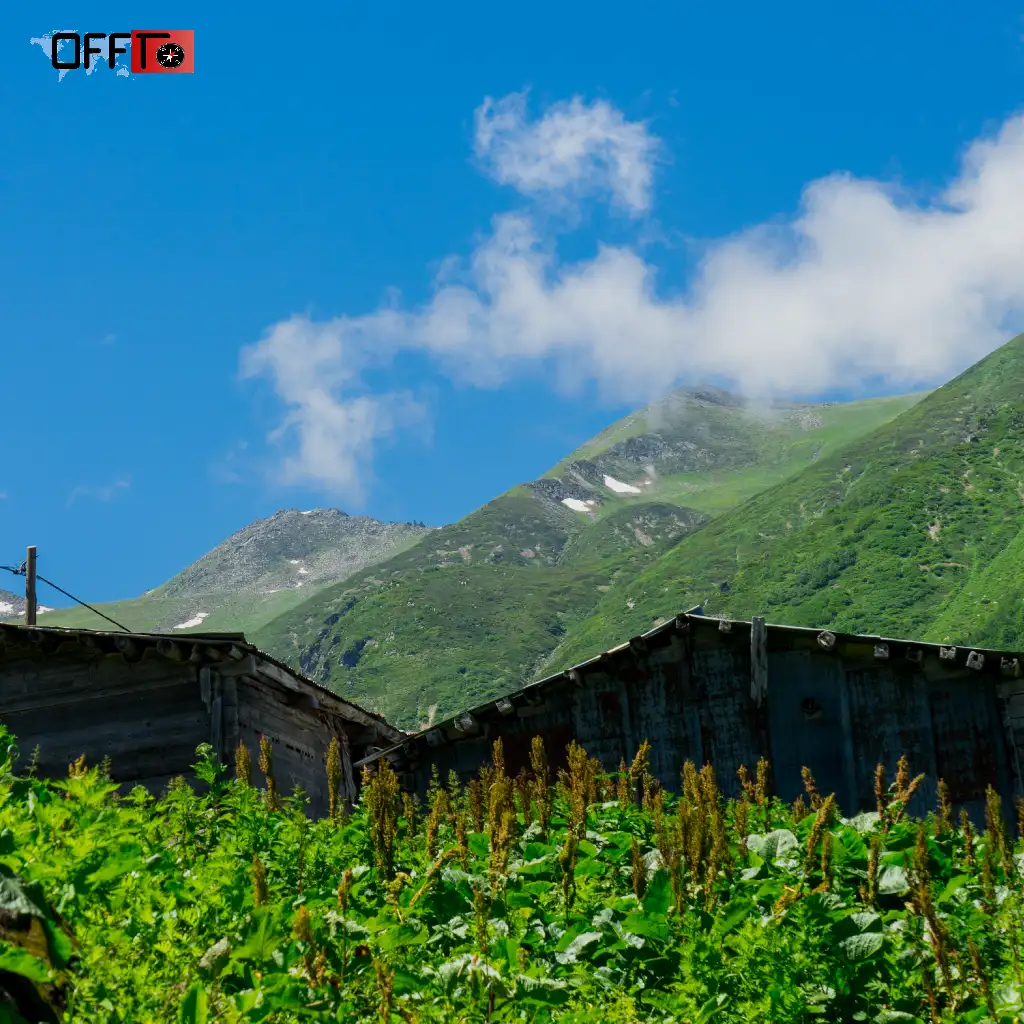
Understanding Palampur weather is key to planning your trip well, because the experience here changes noticeably across seasons—even though it never becomes extreme in the way higher Himalayan towns do.
Month-wise Climate Breakdown (Simplified)
- March to June (Summer): Pleasant and mild
- Day: ~20°C to 30°C
- Night: ~12°C to 18°C
- Clear views of the Dhauladhar Range on most days
- July to September (Monsoon): Wet and very green
- Day: ~18°C to 25°C
- Frequent rainfall, mist, and cloud cover
- October to February (Winter): Cool to cold
- Day: ~10°C to 20°C
- Night: can drop to ~2°C to 8°C
- Occasional cold waves, especially in January
Summer vs Winter vs Snowfall Conditions
Summer (Peak Travel Season)
This is when Palampur temperature is most comfortable. The weather stays warm but rarely harsh, making it ideal for outdoor movement.
- Best for: sightseeing, tea garden walks, photography
- Visibility: high (clear mountain views)
Monsoon (Underrated but Tricky)
Palampur receives good rainfall, which transforms the region into a deep green landscape.
- Best for: nature lovers, offbeat travel
- Challenge: landslides, travel delays, limited visibility
Insight: If your priority is lush scenery over mobility, monsoon can be surprisingly rewarding—but not ideal for tight itineraries.
Winter (Cold + Occasional Snowfall)
Winter in Palampur is quieter and colder, but not as harsh as places like Manali.
- Best for: peaceful stays, mountain views with snow on peaks
- Snowfall: Rare in town itself, but visible on nearby mountains
Day vs Night Temperature Difference
One of the most important (and often overlooked) aspects of Palampur weather is the temperature drop after sunset.
- Even in summer, evenings can feel cool
- In winter, nights can feel significantly colder than daytime
Practical tip: Always carry a light jacket—even in peak summer. Many travelers underestimate this and end up uncomfortable during evenings or early mornings.
What This Means for Your Trip
- Weather in Palampur is generally pleasant, not extreme
- The experience depends more on visibility and mood (clear vs misty) than temperature itself
- Planning flexibility matters more than exact temperature ranges
Best Time to Visit Palampur (With Travel Tradeoffs)
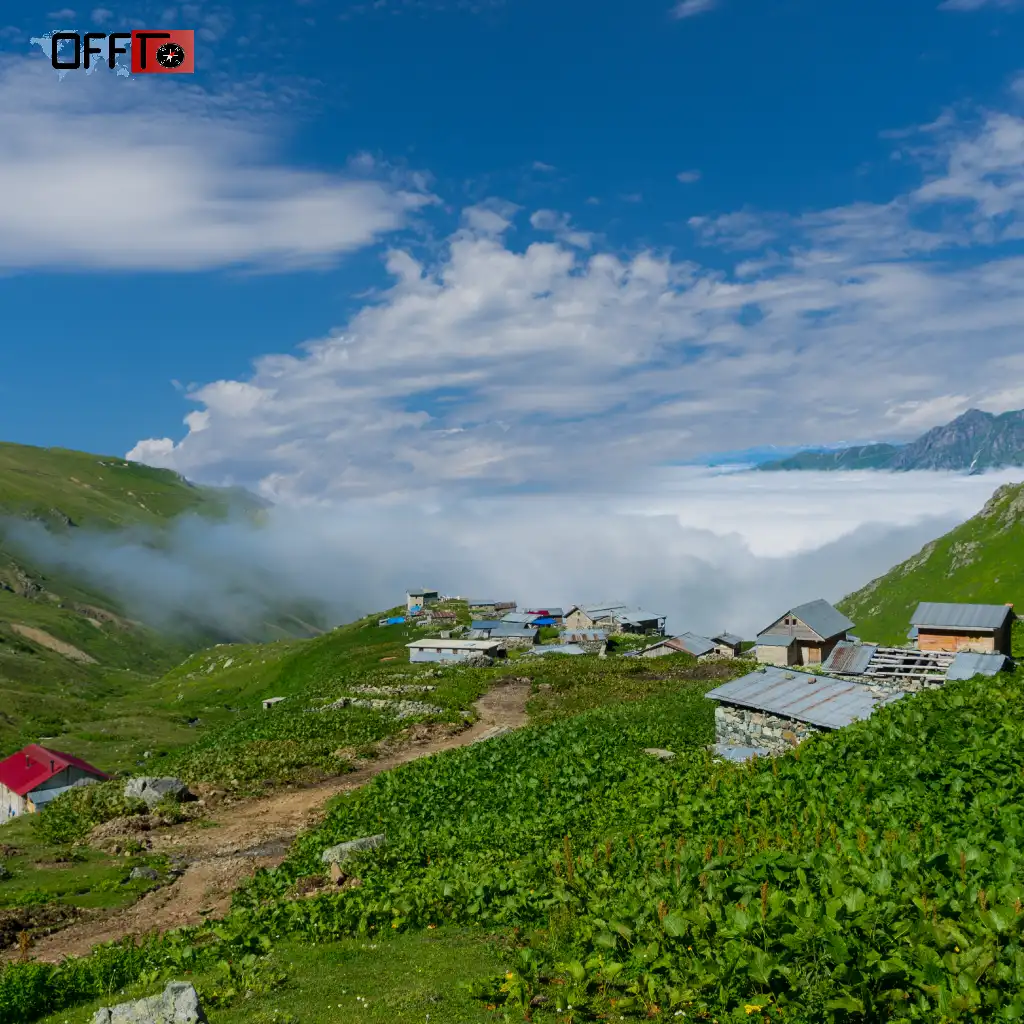
The best time to visit Palampur depends less on “good vs bad weather” and more on what kind of experience you’re looking for.
Summer (March to June) — Most Balanced Experience
This is the most popular and reliable time to visit Palampur Himachal Pradesh.
- Pleasant weather for exploring
- Clear views of mountains and tea gardens
- Ideal for first-time visitors
Best for
- Tea garden walks
- Photography
- Relaxed outdoor movement
Tradeoff: Slightly higher prices and more visitors compared to winter
Monsoon (July to September) — Lush but Unpredictable
This is when Palampur is at its greenest, but also most unpredictable.
- Dramatic clouds and mist
- Fewer tourists
- Slower pace
Best for
- Quiet trips
- Nature-focused travelers
- Budget-friendly stays
Tradeoff: Limited visibility, travel disruptions, and fewer outdoor plans
Winter (October to February) — Quiet and Crisp
Winter brings a different kind of beauty to Palampur tourist places—clear skies, sharp air, and snow on surrounding peaks.
- Calm, uncrowded environment
- Cooler temperatures
- Occasional snowfall nearby
Best for:
- Peaceful stays
- Mountain views with snow
- Off-season pricing
Tradeoff: Limited activity options and colder nights
Key Decision Insights (What to Choose Based on Your Travel Style)
- For tea gardens + clear landscapes → Summer is best
- For greenery + fewer crowds → Monsoon works (if flexible)
- For quiet + budget + winter views → Late autumn to winter
Quick Answers to Common Questions
- Which is the coldest month in Palampur?
January is typically the coldest, with night temperatures dropping close to freezing.
- Does Palampur get snowfall?
Snowfall in Palampur town is occasional and not guaranteed. However, the nearby Dhauladhar mountains remain snow-covered in winter, offering the visual experience.
There’s no single “perfect” time—only the right season for your travel intent. Palampur rewards travelers who align their expectations with what each season naturally offers.
Which River Flows in Palampur? (Quick Insight)
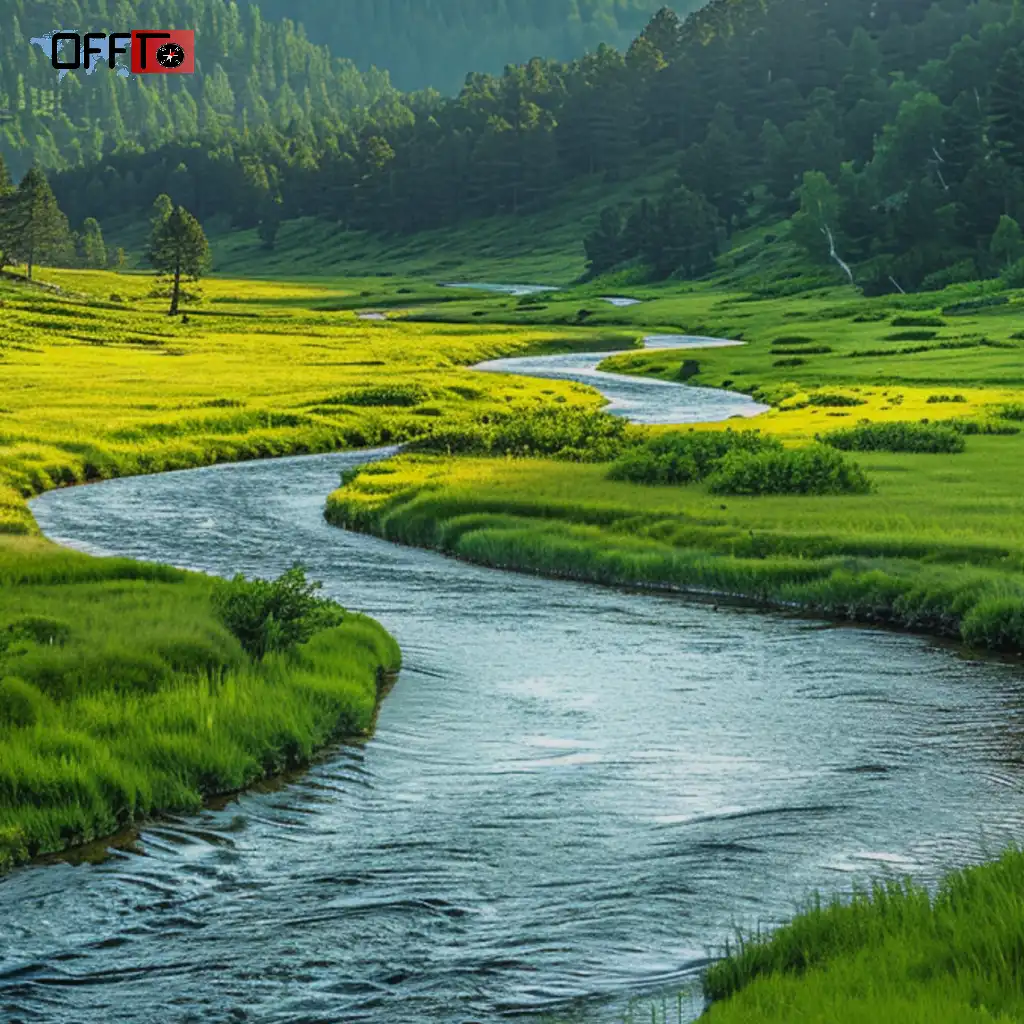
If you’re searching which river flows in Palampur, the most relevant answer is the Neugal Khad.
What is Neugal Khad?
Neugal Khad is a seasonal mountain stream that flows along the edge of Palampur. While it may not be a large river in the conventional sense, it plays a significant role in shaping the town’s landscape.
- Fed by snowmelt and rainfall from the Dhauladhar Range
- Features a wide, rocky riverbed rather than a deep continuous channel
- Flow intensity changes with seasons (stronger during monsoon)
Connection to the Beas River System
Neugal Khad is part of the larger drainage system that eventually connects to the Beas River.
This means:
- It contributes to the regional water network of the Kangra Valley
- It supports local agriculture and ecosystems indirectly
Practical insight: If you’re expecting a classic “riverfront destination,” Palampur feels different. The experience here is more about open riverbeds, mountain views, and quiet pauses rather than structured river activities.
Scenic and Ecological Importance
Neugal Khad is one of the reasons Palampur retains its open, breathable landscape.
- Acts as a natural viewpoint for the Dhauladhar range
- Supports local biodiversity and vegetation
- Offers accessible spaces for relaxation without heavy commercialization
What this means for travelers
It’s less about “visiting a river” and more about finding a place to sit, observe, and slow down—which aligns with the overall travel rhythm of Palampur Himachal Pradesh.
Places to Visit Near Palampur (Extend Your Trip)

One of the advantages of choosing Palampur as your base is its proximity to some of Himachal’s most popular destinations. If you’re looking at places to visit near Palampur, these nearby towns can easily extend your trip without long travel hours.
Dharamshala (Approx. 35 km)
Dharamshala is the administrative center of the region and offers a more active, structured travel experience.
- Best for: Cafés, cricket stadium views, light exploration
- Vibe: Balanced between local town and tourist hub
- Why go: Adds variety if Palampur feels too quiet
Tip: Visit for a half-day or combine with McLeod Ganj instead of staying overnight unless you want a busier setting.
McLeod Ganj (Approx. 45 km)
Located above Dharamshala, McLeod Ganj is known for its Tibetan culture and spiritual atmosphere.
- Best for: Monasteries, cafés, cultural experiences
- Vibe: Lively, slightly crowded, globally influenced
- Why go: Strong contrast to Palampur’s calm environment
Tradeoff: It can feel crowded during peak seasons, especially compared to the slower pace of Palampur.
How to Plan Nearby Visits Without Rushing
- Choose one nearby destination per day, not multiple
- Use Palampur as your quiet base, and step out for activity
- Balance your trip between movement (Bir/Dharamshala) and rest (Palampur)
Exploring places to visit near Palampur helps you customize your trip—adding either culture, adventure, or activity—while still returning to a calmer, more grounded stay in Palampur Himachal Pradesh.
How to Plan a Palampur Trip (Step-by-Step)

Planning a trip to Palampur is less about packing in attractions and more about structuring your time well. The town rewards a slower pace, so your plan should reflect that.
Step 1: Decide Your Ideal Trip Duration
For most travelers, 2 to 3 days is enough to experience Palampur Himachal Pradesh meaningfully.
- 2 days: Covers key spots + relaxed pace
- 3 days: Adds flexibility + nearby destinations like Bir Billing or Dharamshala
Insight: Staying longer only makes sense if your goal is to rest, work remotely, or fully slow down—not to “see more.”
Step 2: Understand Budget Expectations (₹2000–₹8000 Range)
Your trip cost depends largely on stay quality and travel style, not activities.
- Budget (₹2000–₹3500/day):
Basic homestays, local transport, simple meals - Mid-range (₹3500–₹6000/day):
Comfortable stays with views, café dining, local taxis - Upper mid-range (₹6000–₹8000/day):
Boutique stays, private transport, more flexibility
What’s different about Palampur
Unlike commercial hill stations, you’re not spending heavily on attractions. Most experiences—like tea garden walks or riverside time—are low-cost or free.
Step 3: Plan Your Travel Flow (Keep It Simple)
A good Palampur trip follows a natural progression rather than a packed schedule:
Arrival → Light exploration → Slow movement → Relaxation → Optional day trip
- Day of arrival: Keep it light (tea gardens, short walks)
- Full day: Explore 2–3 nearby spots comfortably
- Optional day: Visit nearby towns or just stay in
Practical insight: Avoid planning too many fixed activities. Palampur works best when you leave time for unplanned pauses—weather, views, and mood play a big role here.
Step 4: Choose the Right Stay Location
Where you stay matters more than what you “cover.”
- Near tea gardens: Best for views and quiet
- Closer to town center: Easier access to cafés and transport
- Slightly outside town: More secluded, better for slow travel
Tip: Prioritize views + open surroundings over proximity to markets. That’s where Palampur’s real value lies.
Step 5: Balance Movement and Downtime
A common mistake is treating Palampur like a checklist destination.
Instead:
- Limit yourself to 2–3 outings per day max
- Keep one half-day completely unplanned
- Use nearby destinations only if you want contrast, not coverage
A well-planned Palampur trip is not about doing more—it’s about doing less, better.
Palampur Itinerary (2–3 Day Practical Plan)
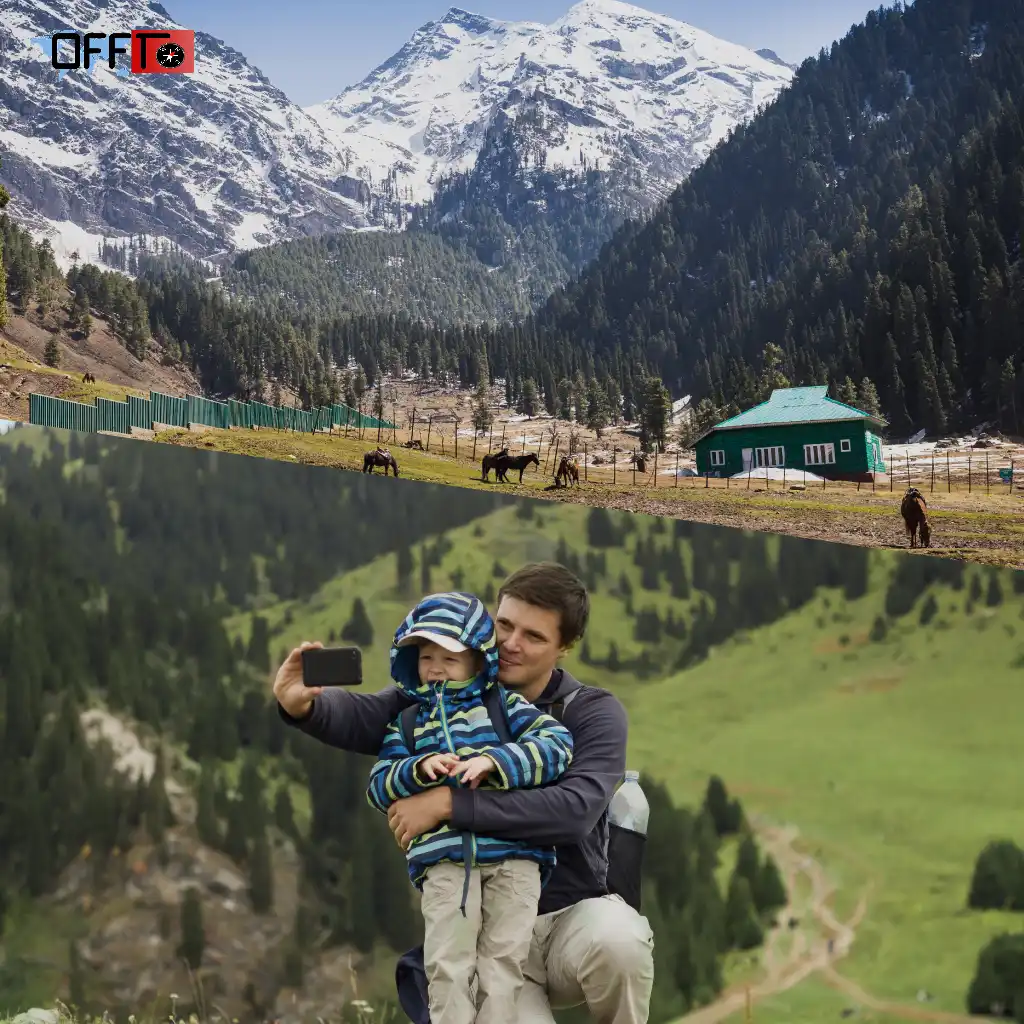
This 2–3 day Palampur itinerary is designed for realistic pacing, minimal rushing, and a balance between exploration and rest.
Day 1: Arrival + Settling Into the Landscape
Plan: Arrival → Check-in → Tea gardens → Neugal Khad (sunset)
- Arrive via Pathankot or Dharamshala and check into your stay
- Keep the afternoon light—walk through nearby tea estates
- Head to Neugal Khad by evening
Why this works: After travel, Palampur is best experienced gradually. This day helps you ease into the pace instead of rushing into sightseeing.
Optional skip: If you arrive late, skip Neugal Khad and just spend time at your stay.
Day 2: Culture + Local Exploration + Flexible Time
Plan: Baijnath Temple → Local exploration → Free time → Sunset
- Start with a short drive to Baijnath Temple
- Return and explore local cafés or quieter parts of town
- Keep the afternoon open—rest, walk, or revisit tea gardens
- End the day with a relaxed sunset view
Why this works: It mixes one structured visit (temple) with enough unplanned time to keep the trip from feeling rigid.
Slow travel recommendation: Skip additional spots and spend a longer afternoon just walking or sitting by nature. This is where Palampur feels most rewarding.
Day 3: Optional Extension or Nearby Exploration
Option A: Short Trip to Bir Billing
Visit Bir Billing for cafés, views, or paragliding
Option B: Dharamshala / McLeod Ganj
Explore Dharamshala or McLeod Ganj for a more active, cultural vibe
Option C: Stay Back in Palampur
Do nothing planned—just enjoy your stay and surroundings
Itinerary Variations Based on Travel Style
- More relaxed version:
Skip Day 3 travel and extend your time within Palampur - More packed version:
Combine Bir + Baijnath across Day 2 and Day 3 (only if comfortable with longer drives)
Travel Tips for Palampur
Traveling to Palampur is relatively straightforward, but a few practical choices can significantly improve your experience—especially since this isn’t a typical fast-paced hill station.
Carry Light Woolens — Even in Summer
Even when Palampur weather feels warm during the day, temperatures drop noticeably in the evening.
- Summers can still feel cool after sunset
- Early mornings are often crisp, especially near tea gardens
Practical tip: A light jacket or sweatshirt is usually enough, but skipping it can make evenings uncomfortable—something many first-time visitors underestimate.
Be Cautious During Monsoon Travel
Monsoon (July–September) brings out the best greenery in Palampur Himachal Pradesh—but also introduces unpredictability.
- Frequent rainfall can affect visibility
- Occasional road delays or minor landslides
- Outdoor plans may need flexibility
Decision insight: If your trip is short and fixed, monsoon may not be ideal. But if you’re flexible, it offers a quieter, more atmospheric version of Palampur.
Book Stays in Advance During Peak Months
Palampur doesn’t have an overwhelming number of hotels, especially compared to larger hill stations.
- Summer and long weekends see higher demand
- Good view-based stays get booked early
Practical tip: Prioritize location and views over amenities. A well-placed homestay near tea gardens often delivers a better experience than a generic hotel.
Plan for Slow Travel — Not a Packed Itinerary
One of the most important (and often ignored) travel tips for Palampur is to adjust your expectations.
- There are fewer “must-do” attractions
- The experience is spread across the environment
- The town rewards unstructured time
What this means: If you try to overfill your schedule, Palampur may feel underwhelming. But if you allow for pauses, flexibility, and slower days, it becomes far more memorable.
Keep Transport Simple and Flexible
Local transport options exist but aren’t as frequent or structured as in bigger towns.
- Taxis are the most reliable option for short distances
- Self-driving gives you the most flexibility
Tip: Plan your day geographically—cluster nearby spots instead of moving back and forth across the town.
Manage Expectations Around “Things to Do”
Unlike destinations known for activities, things to do in Palampur are more about how you spend your time rather than what you tick off.
- Less about adventure sports
- More about landscapes, walks, and quiet time
Insight: Palampur works best for travelers who are comfortable with less structure and more atmosphere.
FAQs
Where is Palampur located?
Palampur is located in the Kangra district of Himachal Pradesh, in northern India. It sits in the Kangra Valley at the foothills of the Dhauladhar mountain range, around 35 km from Dharamshala and well-connected by road from Pathankot.
Why is Palampur famous?
Palampur is famous for its tea gardens, scenic views of the Dhauladhar mountains, and peaceful environment. Unlike crowded hill stations, it offers a slower travel experience focused on nature, landscapes, and relaxation, making it ideal for travelers seeking calm over commercial tourist activity.
What are the best places to visit in Palampur?
Top places to visit in Palampur include the tea gardens, Neugal Khad, Saurabh Van Vihar, Baijnath Temple, and Bundla Stream. These spots are less about sightseeing checklists and more about enjoying nature, quiet surroundings, and scenic mountain views.
What are the best things to do in Palampur?
The best things to do in Palampur include walking through tea estates, relaxing by rivers like Neugal Khad, exploring nearby trails, and enjoying slow travel. It’s less about activities and more about spending time in nature and experiencing a calm, unhurried environment.
What is the best time to visit Palampur?
The best time to visit Palampur is from March to June for pleasant weather and clear views. Monsoon offers lush greenery but frequent rain, while winter is quieter and colder with occasional snow nearby. Your ideal time depends on whether you prefer views, greenery, or fewer crowds.
Does Palampur get snowfall?
Palampur does receive occasional snowfall, but it is not guaranteed every winter. Snow is more commonly visible on the nearby Dhauladhar mountains. If snowfall is your priority, nearby higher-altitude areas offer more consistent chances during peak winter months.
Which is the coldest month in Palampur?
January is typically the coldest month in Palampur, with night temperatures sometimes dropping close to freezing. Days remain relatively mild, but mornings and evenings can feel quite cold, especially due to the mountain air and lower humidity.
Which river flows in Palampur?
The main water body in Palampur is the Neugal Khad, a mountain stream fed by the Dhauladhar range. It is part of the larger Beas river system and is known more for its scenic setting than for typical riverfront activities.
Is Palampur worth visiting?
Yes, Palampur is worth visiting if you enjoy peaceful destinations, nature, and slow travel. It may not suit travelers looking for nightlife or heavy sightseeing, but it offers a refreshing break with tea gardens, mountain views, and a relaxed pace.
How many days are enough for Palampur?
A 2 to 3-day trip is enough to explore Palampur comfortably. This allows time for key places, slow exploration, and possibly a nearby day trip. Staying longer works best if your goal is to relax rather than cover more attractions.
Read more >>>
Places to Visit in Dharamshala – Complete Travel Guide & Travel Tips
Places to Visit in Summer in India for Cool Escapes & Family Fun
Final Take: Is Palampur Worth Visiting?
Palampur is not trying to compete with the busiest hill stations in India—and that’s exactly why it works.
If your idea of a trip involves crowded viewpoints, packed itineraries, and constant activity, Palampur may feel underwhelming. But if you’re looking for a place where the experience comes from space, quiet, and landscape, it stands out in a very different way.
Who Will Love Palampur
- Nature lovers: Tea gardens, mountain views, and open landscapes define the experience
- Couples: Calm, uncrowded environment ideal for a relaxed getaway
- Slow travelers: Perfect for those who prefer unstructured days over fixed plans
Who Might Skip It
- Nightlife seekers: Limited cafés and almost no late-night scene
- Luxury-focused travelers: Fewer high-end resorts compared to bigger hill stations
- Checklist travelers: Not ideal if your goal is to “cover” multiple attractions quickly
Palampur Himachal Pradesh is less about what you do and more about how you spend your time. It’s a destination that rewards patience, flexibility, and a slower rhythm—something that’s becoming harder to find in more commercial hill towns.
If that aligns with your travel style, Palampur is not just worth visiting—it’s the kind of place you return to.
Plan Your Palampur Escape with Offto Travellers
Ready to turn this plan into a real trip?
Explore handpicked stays in Palampur with Offto Travellers—from quiet tea estate homestays to scenic mountain-view retreats that actually match the pace of the destination.
Compare stays based on views, location, and vibe
Discover tea garden experiences and nearby getawaysPlan a trip that feels calm, not crowded
If Palampur’s slower rhythm is what you’re looking for, Offto Travellers helps you book the right stay—not just any stay.
Start exploring, lock in your stay, and shape a trip that’s worth slowing down for.
Sign up
Leave a Reply