
Chanderi Fort, located in Madhya Pradesh’s Ashoknagar district, offers a blend of Rajput and Mughal heritage with panoramic hilltop views. Famous for its rich history, stunning architecture, and the Chanderi sarees, this offbeat destination is perfect for history lovers, photographers, and culture enthusiasts.
Where is Chanderi Fort?

Chanderi Fort is located in the state of Madhya Pradesh, specifically in the Ashoknagar district, a historical area filled with rich heritage and stunning landscapes. Positioned strategically atop a hill, the fort offers panoramic views of the surrounding valleys and is an integral part of the region’s cultural legacy.
- Location: Chanderi Fort is located in Ashoknagar district, Madhya Pradesh.
- Proximity: The fort is accessible from major cities:
- Gwalior: Approximately 190 km (4–5 hours by road)
- Jhansi: Around 135 km (3–4 hours by road)
- Bhopal: About 230 km (5–6 hours by road)
Chanderi Fort is an excellent destination for travelers looking to explore the historic heart of India while soaking in stunning views and discovering a blend of Rajput and Mughal heritage. If you’re traveling from Gwalior, Jhansi, or Bhopal, Chanderi makes for a great weekend getaway, offering a mix of history, culture, and natural beauty.
What is Chanderi Fort Famous For? (Why Visit?)
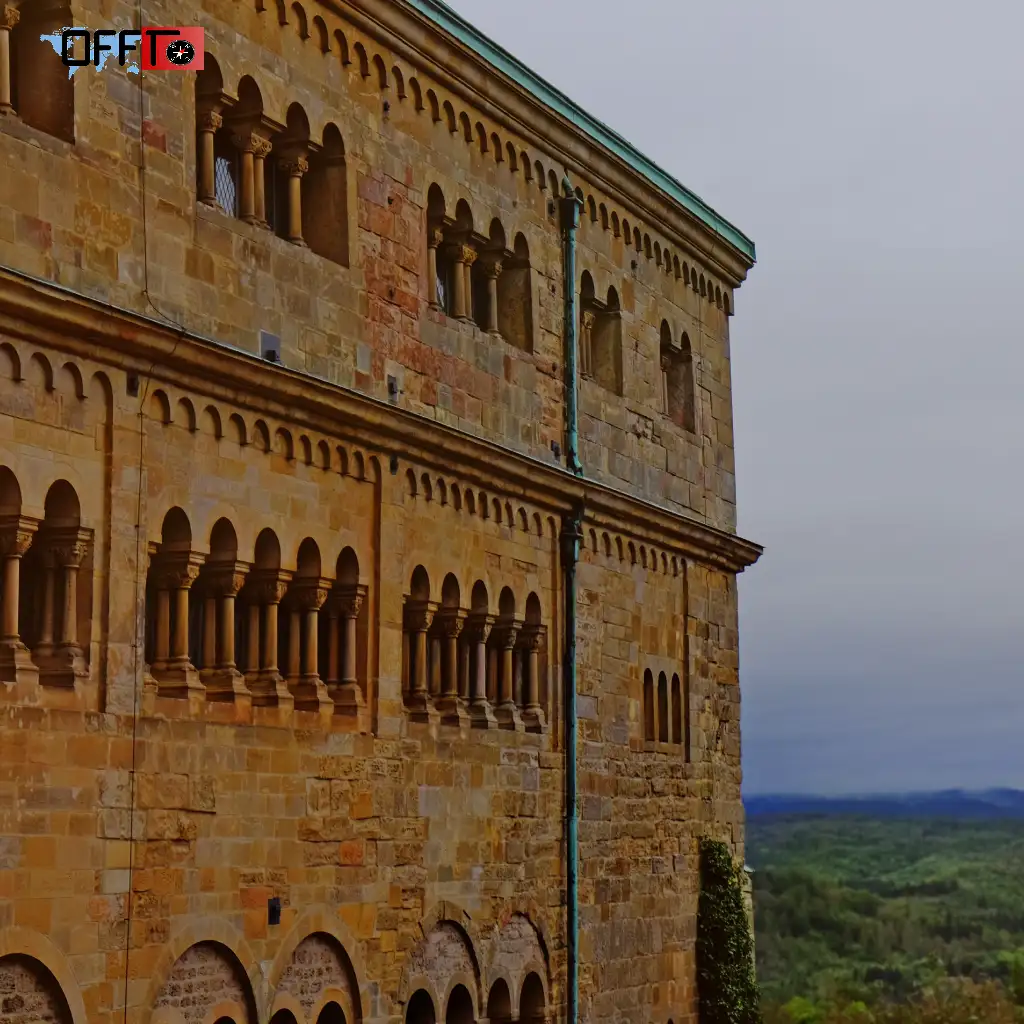
Chanderi Fort stands out not only because of its impressive hilltop location but also for its rich medieval history and architectural significance. The fort is a symbol of both Rajput valor and Mughal influence, reflecting the region’s diverse cultural heritage. Here’s why it’s worth a visit:
Strategic Hilltop Fort + Panoramic Views
Chanderi Fort’s strategic hilltop location offers breathtaking panoramic views of the surrounding landscape. From the summit, you can see the rolling hills, lush greenery, and expansive plains that stretch as far as the eye can see. It’s a perfect spot for photography, especially during sunrise and sunset when the landscape is bathed in golden light. The views alone make this fort a must-visit for nature lovers and those who enjoy scenic vistas.
Rich Medieval History (Rajput + Mughal Influence)
Built during the Rajput era, Chanderi Fort bears the mark of both Rajput and Mughal architectural styles. The fort has witnessed several battles, with one of the most notable being the Battle of Chanderi in 1528, which involved the forces of Sultan Mahmud of Ghazni and the Rajput rulers. The fort’s strategic location on a hilltop made it an important military stronghold in the region. As you explore the fort’s ruins, you can feel the pulse of history—from the Rajput warrior legacy to the influence of Mughal architecture. The Chanderi Fort’s gates, watchtowers, and bastions are reminders of its glorious past.
Heritage Town Known for Chanderi Sarees
In addition to its historical importance, Chanderi is also renowned for its handwoven Chanderi sarees—a significant part of the town’s cultural identity. The town is famous for its light, airy fabric made from cotton and silk, known for its intricate designs and golden thread work. As you explore the town, you’ll notice weaving centers where skilled artisans continue to produce these delicate sarees, which are highly sought after across India.
Visiting Chanderi Fort also means immersing yourself in the town’s craftsmanship and heritage, offering you the chance to shop for these exquisite sarees while enjoying the historical landmarks.
Expectation vs Reality (Offbeat vs Commercial)
Many people visit Chanderi Fort seeking a quiet, off-the-beaten-path destination. While Chanderi remains relatively underrated compared to other historical sites in India, it’s becoming increasingly popular among travelers. This growing attention has brought more tourists, but it still retains a certain untouched charm. For those seeking a peaceful, historical getaway with fewer crowds, Chanderi offers the perfect balance of offbeat exploration and cultural immersion. While not commercialized to the extent of other touristy forts, the fort provides a sense of solitude and tranquility, making it an ideal destination for history enthusiasts, photography lovers, and those looking to connect with India’s rich heritage.
Chanderi Fort is a unique destination that blends history, culture, and natural beauty. From the majestic views at the top to the historical significance of the fort’s architecture, it offers something for everyone—from history buffs to photographers, and those simply looking to explore a charming heritage town. The visit to this lesser-known gem provides a perfect opportunity to step back in time and experience a more peaceful side of India’s rich history.
Chanderi Fort & Places to Visit (Top Attractions You Shouldn’t Miss)
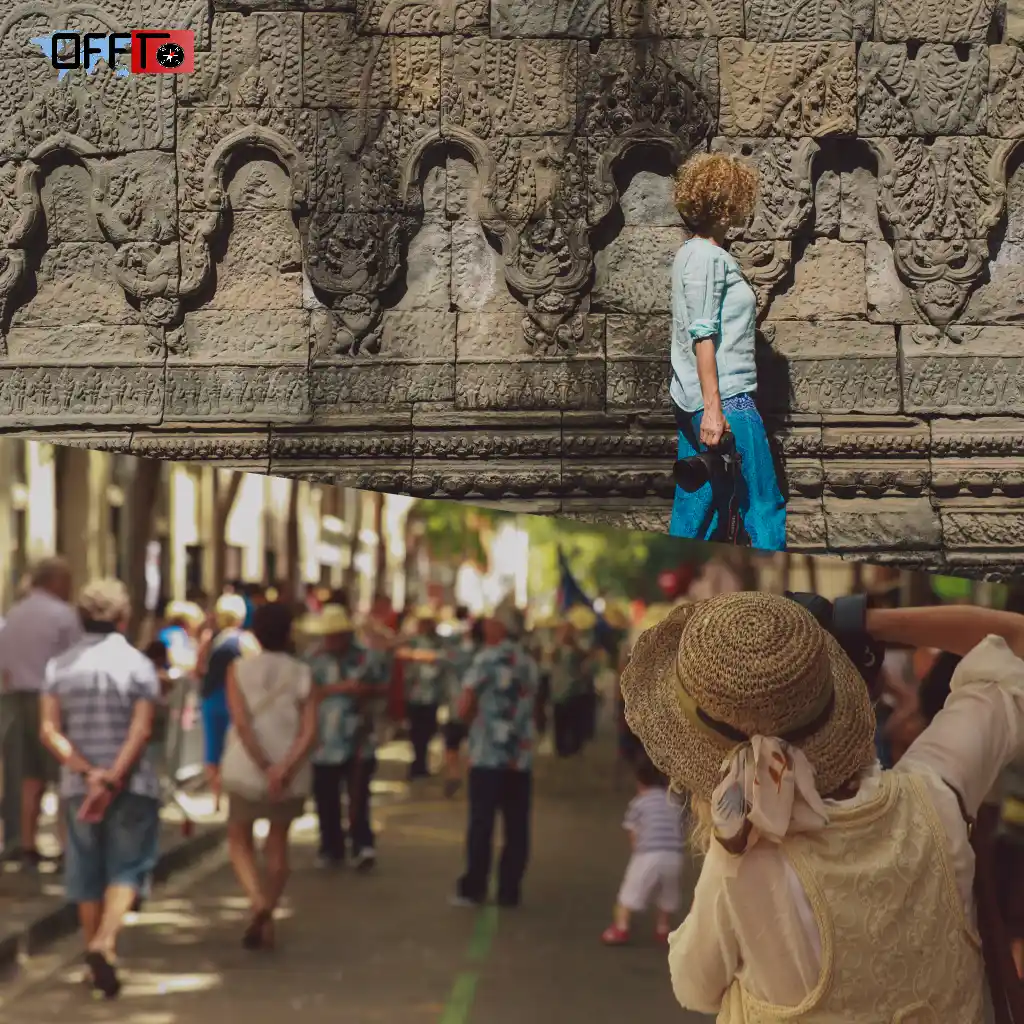
Chanderi Fort and its surrounding attractions are steeped in history, culture, and breathtaking views. If you’re planning a trip to this iconic heritage site, here are the top places and landmarks you absolutely shouldn’t miss during your visit.
Chanderi Fort (Main Highlight)
Chanderi Fort, perched on a hilltop, is the main highlight of the region and an architectural marvel. The fort was originally built during the Rajput era and expanded by the Mughals, offering a fascinating blend of architectural styles. Its hilltop location ensures panoramic views of the surrounding Chanderi town and Ashoknagar district. The fort is surrounded by rugged hills and lush greenery, making it an ideal spot for photography and sightseeing.
- Best Viewpoints: The best viewpoints within the fort are near the entrance gate and the topmost bastion. From these points, you can capture the sweeping views of the Chanderi town, fortifications, and the rolling hills that surround the fort. The sunset views from here are especially magical, with the golden light spilling over the ancient ruins.
- Exploration Time: Exploring the fort will take around 2–3 hours, depending on how much time you spend appreciating the views, exploring the ruins, and photographing the architecture. The fort is a great place for a leisurely walk, offering a mix of historical exploration and breathtaking natural surroundings.
Koshak Mahal
Located near the Chanderi Fort, Koshak Mahal is an Afghan-era structure that stands as an exquisite example of Indo-Islamic architecture. Built by Sultan Mahmud of Ghazni’s commanders, this architectural gem offers a glimpse into the past with its intricate design and royal flair. The structure is mostly in ruins, but it still speaks volumes about the grandeur of the period.
- Why Visit:
Koshak Mahal’s unique blend of Afghan and Mughal architecture is a treat for history buffs and architecture enthusiasts. The carved arches and delicate columns make it one of the most photographed sites in Chanderi.
- Architectural Significance:
The intricate stone carvings and the elegant arches speak to the highly developed architectural style of the era. The building reflects the fusion of cultures that came into play during the region’s turbulent medieval period.
Jama Masjid
One of the oldest and most significant mosques in the region, the Jama Masjid in Chanderi is a key cultural landmark. Built by Shah Jahan, it is a fine example of Mughal architecture, showcasing majestic arches and a stunning prayer hall.
- Architectural Significance:
The mosque boasts impressive Mughal-style architecture, with its domed roof, arched doors, and stone carvings that make it an important heritage site. The vast prayer hall and courtyard are perfect for those interested in photography or exploring Mughal designs.
- Why Visit:
The Jama Masjid not only has architectural significance but also offers a quiet space for reflection. As one of the oldest mosques in the region, it also provides insights into the historical spread of Islam in central India.
Chanderi Caves
The Chanderi Caves are one of the most fascinating and spiritual spots in the region. These rock-cut caves are scattered around the town, offering a mix of natural formations and spiritual significance.
- Rock Formations + Spiritual Significance: The caves contain ancient carvings and statues, which have been used for centuries by locals and visitors for meditation and worship. The serene atmosphere of the caves and their spiritual ambiance make them an ideal place to relax, reflect, and explore.
- Scenic Surroundings: The Chanderi Caves are surrounded by natural rock formations and lush greenery, making it a peaceful place to connect with nature. It’s a perfect spot for photographers who want to capture the raw beauty of both the natural and man-made environments.
Badal Mahal Gate
The Badal Mahal Gate is one of the most iconic structures in Chanderi, known for its intricate architecture and historical importance. It serves as the entrance to the fort and stands tall as a significant piece of Chanderi’s architectural heritage.
- Iconic Entrance Structure: The Badal Mahal Gate is a massive archway that leads into the fort and is one of the first structures visitors see upon entering. The architectural detailing, including the carved arches, stonework, and fortifications, makes it a fascinating spot for photography.
- Photography Hotspot: The Badal Mahal Gate is a photography hotspot, offering fantastic views of the surrounding landscape and the fort’s main structure. It’s especially striking during the golden hour when the setting sun casts a magical glow over the gate.
Things to Do in Chanderi (Based on Travel Style)
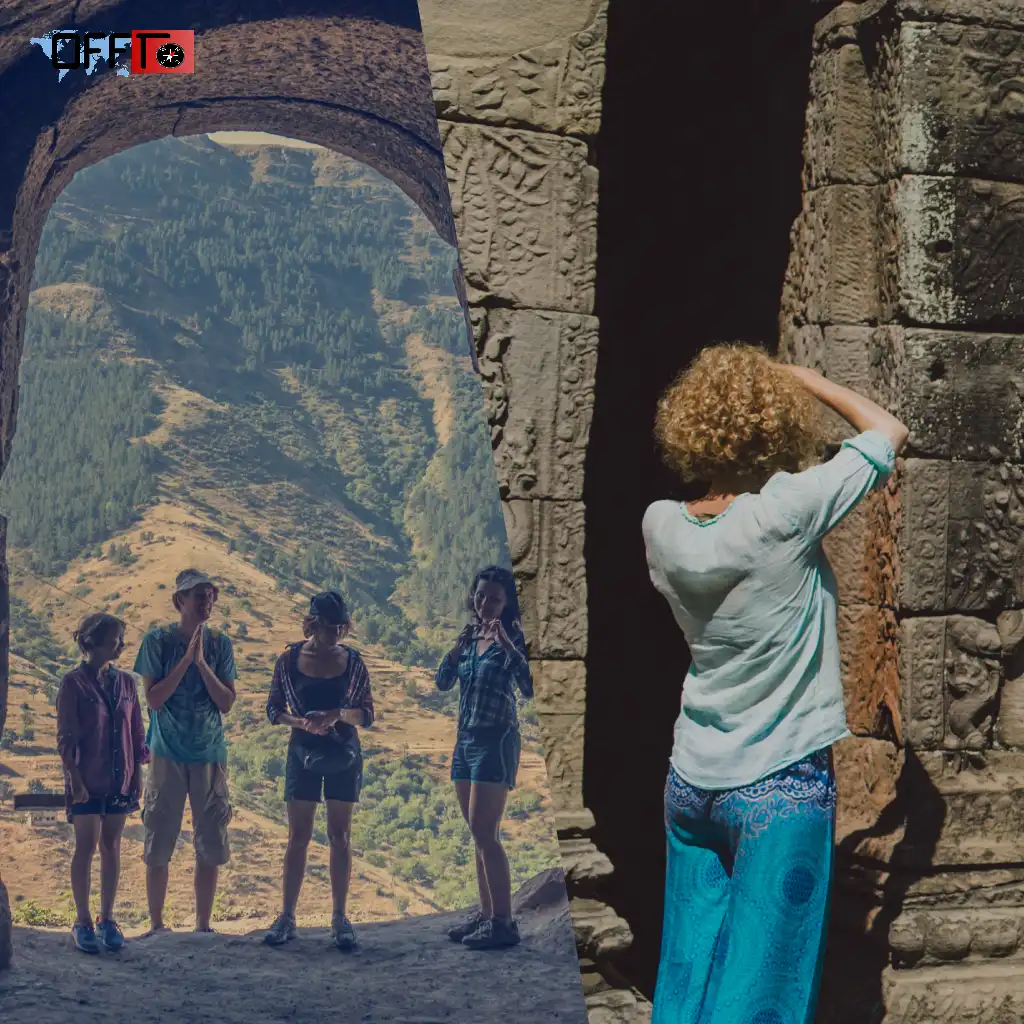
Chanderi offers a variety of activities, catering to different interests and travel styles. Whether you’re a history lover, a photographer, or someone who enjoys exploring local crafts, Chanderi provides ample opportunities for engagement.
Fort Exploration & Heritage Walks
For those interested in history and architecture, exploring Chanderi Fort is a must. You can also take part in heritage walks, where local guides will provide in-depth knowledge about the fort’s history, the Rajput and Mughal influences, and the local culture.
Visit Local Weaving Centers (Chanderi Sarees)
Chanderi is famous for its handwoven sarees, known for their lightness and intricate designs. Visit the local weaving centers to see artisans at work and learn about the saree-making process. Don’t forget to purchase a saree as a souvenir!
Photography & Sunset Points
Chanderi’s natural beauty and historical sites make it a photographer’s dream. From the views at Chanderi Fort to the Badal Mahal Gate, there are many sunset points where you can capture the stunning landscapes.
Explore Temples and Caves
Chanderi also has many ancient temples and caves scattered throughout the town, making it a great destination for spiritual exploration and those seeking solitude in nature.
Chanderi isn’t just a destination for history enthusiasts; it offers something for every traveler—whether you’re interested in ancient architecture, craftsmanship, or exploring natural beauty.
Chanderi History (Quick but Important Context)
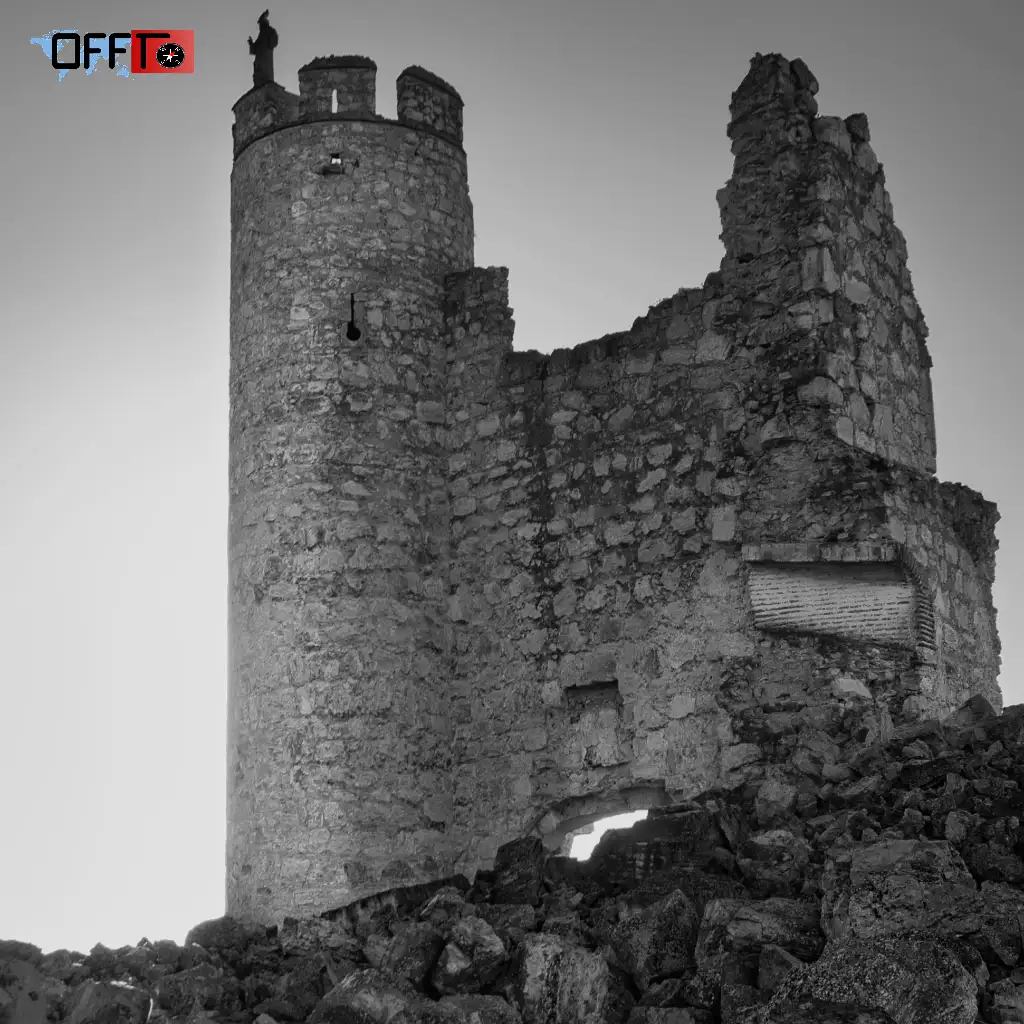
Chanderi’s history is a fascinating tale of Rajput and Mughal influences, with the fort playing a pivotal role in shaping the region’s cultural and architectural landscape.
Origins: Rajput Era → Mughal Rule
Chanderi was originally a Rajput stronghold, dating back to the 10th century. The Rajput rulers established it as a key military fortification due to its strategic hilltop location, which provided a natural defense against invasions. The fort was expanded over time, reaching its prime under the Mughal Empire. During the 16th century, Chanderi became part of the Mughal Empire, and the fort’s architecture was influenced by Mughal designs, blending the Rajput warrior style with Mughal elegance.
As the region transitioned from Rajput to Mughal control, Chanderi became a focal point of culture and trade, with its strategic location serving as a connecting point between northern and central India. The fort was key in defending the region and also played a significant role during the Battle of Chanderi in 1528, a defining moment in Chanderi’s history.
Battle of Chanderi Significance
The Battle of Chanderi holds great historical importance. Fought in 1528, it was a decisive battle between the forces of the Rajput rulers and the Mughal Empire. The Mughals, led by Babur, sought to expand their empire into central India, and Chanderi, with its fortified hilltop, became a crucial military stronghold.
The Rajput kings fought fiercely but ultimately lost the battle, leading to the Mughals taking control of Chanderi. This defeat marked the end of the Rajput dominance in the region and signaled the beginning of Mughal rule. The battle’s legacy is still felt in Chanderi today, as the fort stands as a reminder of the region’s historical importance and the warrior spirit of its inhabitants.
Cultural and Architectural Evolution
Over the centuries, Chanderi has evolved culturally and architecturally. Initially known for its Rajput-style fortifications, the fort’s design later incorporated Mughal elements after the Mughal conquest. The Indo-Islamic architecture seen in structures like Koshak Mahal and the Jama Masjid reflects this cultural amalgamation.
Chanderi also became famous for its weaving industry, particularly the Chanderi sarees, which continue to be a symbol of the town’s rich cultural heritage. The intricate designs and lightweight fabric of these sarees are deeply influenced by the region’s historical and artistic evolution, reflecting both Rajput and Mughal craftsmanship.
Best Time to Visit Chanderi (With Travel Tradeoffs)
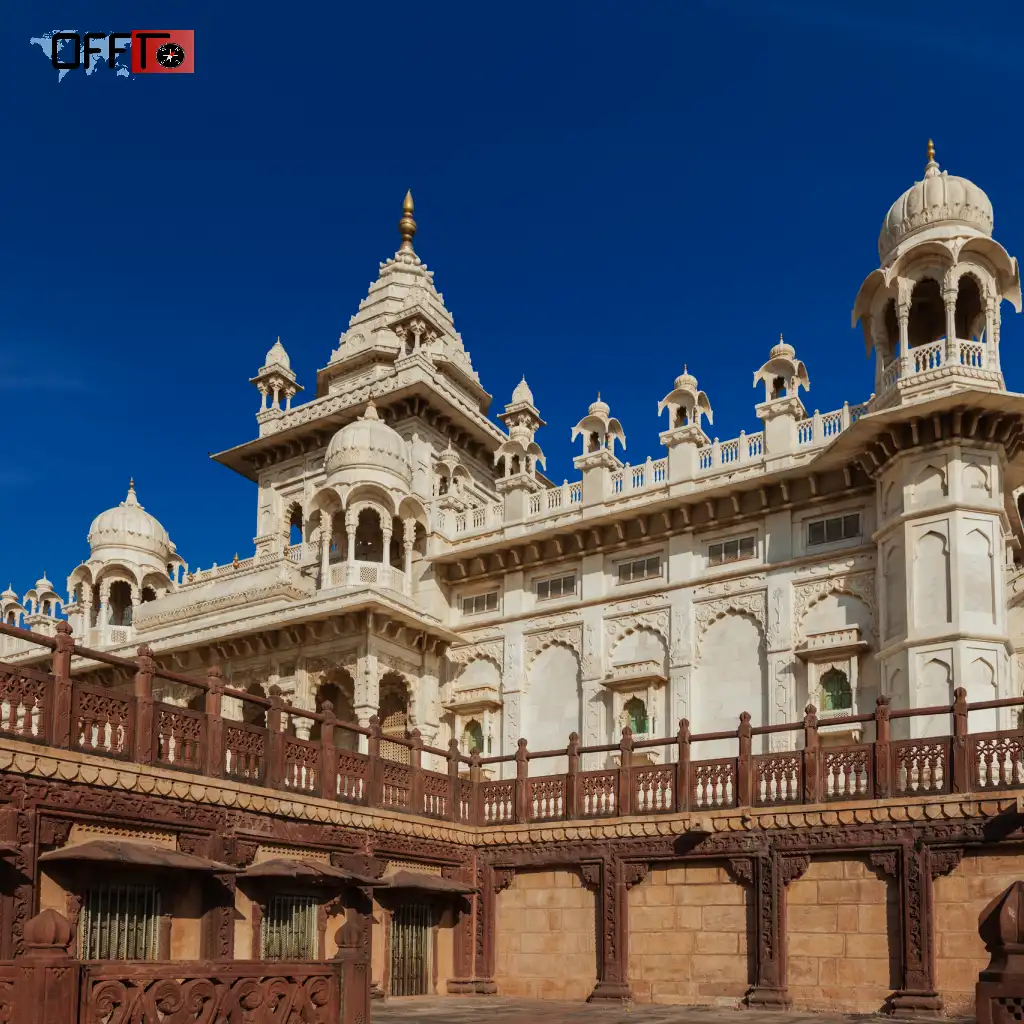
The best time to visit Chanderi depends on your travel preferences, as each season offers a unique experience. Here’s a breakdown of the best times to visit, with the trade-offs between weather, crowd levels, and sightseeing opportunities.
Winter (Best Experience)
- Ideal for: Sightseeing, photography, and outdoor exploration.
- Weather: Winter (October to February) offers the most pleasant weather for exploring the fort, temples, and surrounding attractions. Daytime temperatures are mild (around 15°C–25°C), making it perfect for outdoor activities. Nights can get chilly, especially in January, so pack accordingly.
- Crowds: Winter is the peak tourist season, so expect moderate crowds. However, it’s still relatively peaceful compared to other popular tourist destinations.
- Why Visit in Winter: This is the best time to experience Chanderi Fort in its full glory. The cooler weather enhances the overall experience, making it ideal for photography and historical exploration. The panoramic views from the fort are especially stunning in the crisp winter air.
Summer (Hot but Less Crowded)
- Ideal for: Budget travelers, those seeking solitude.
- Weather: Summer (March to June) in Chanderi can be hot, with temperatures soaring to 35°C–40°C during the day. The heat can make trekking and exploring the fort more challenging.
- Crowds: Summer sees fewer tourists, so you’ll enjoy a quieter experience. If you’re someone who enjoys exploring popular destinations without large crowds, this could be a good time.
- Why Visit in Summer: Although the weather is hot, summer is the off-season, which means fewer crowds and lower travel costs. The landscape might be less lush, but it’s still beautiful, and you can enjoy peaceful exploration at your own pace.
Monsoon (Green but Humid)
- Ideal for: Nature lovers, photographers who enjoy capturing lush landscapes.
- Weather: The monsoon season (June to September) brings heavy rainfall, which transforms Chanderi’s landscapes into a lush green paradise. However, the humidity can be quite high, making it uncomfortable for outdoor activities.
- Crowds: The monsoon sees fewer tourists, as the rain can make travel difficult. Some routes, including the trek up to the fort, can become slippery and hazardous.
- Why Visit in Monsoon: The lush greenery and cloud-covered hills provide a unique experience. The monsoon also offers a chance to see waterfalls and verdant landscapes around Chanderi. It’s perfect for those who enjoy a more tranquil, offbeat experience and don’t mind the rain.
Decision Insight: Best for Sightseeing vs Budget vs Weather
- Best for Sightseeing and Full Experience: Winter is the best time for a complete sightseeing experience, with pleasant weather, clear skies, and vibrant landscapes. Perfect for history lovers and photographers.
- Best for Budget Travelers: If you’re on a budget, summer offers fewer crowds and cheaper accommodation rates, but be prepared for the hot temperatures.
- Best for Nature and Photography Enthusiasts: If you’re seeking lush green scenery and dramatic landscapes, the monsoon offers an entirely different experience, but be mindful of the rain and humidity.
No matter when you visit, Chanderi’s rich history, beautiful landscapes, and cultural significance promise an unforgettable experience.
Chanderi Weather & Travel Conditions Explained
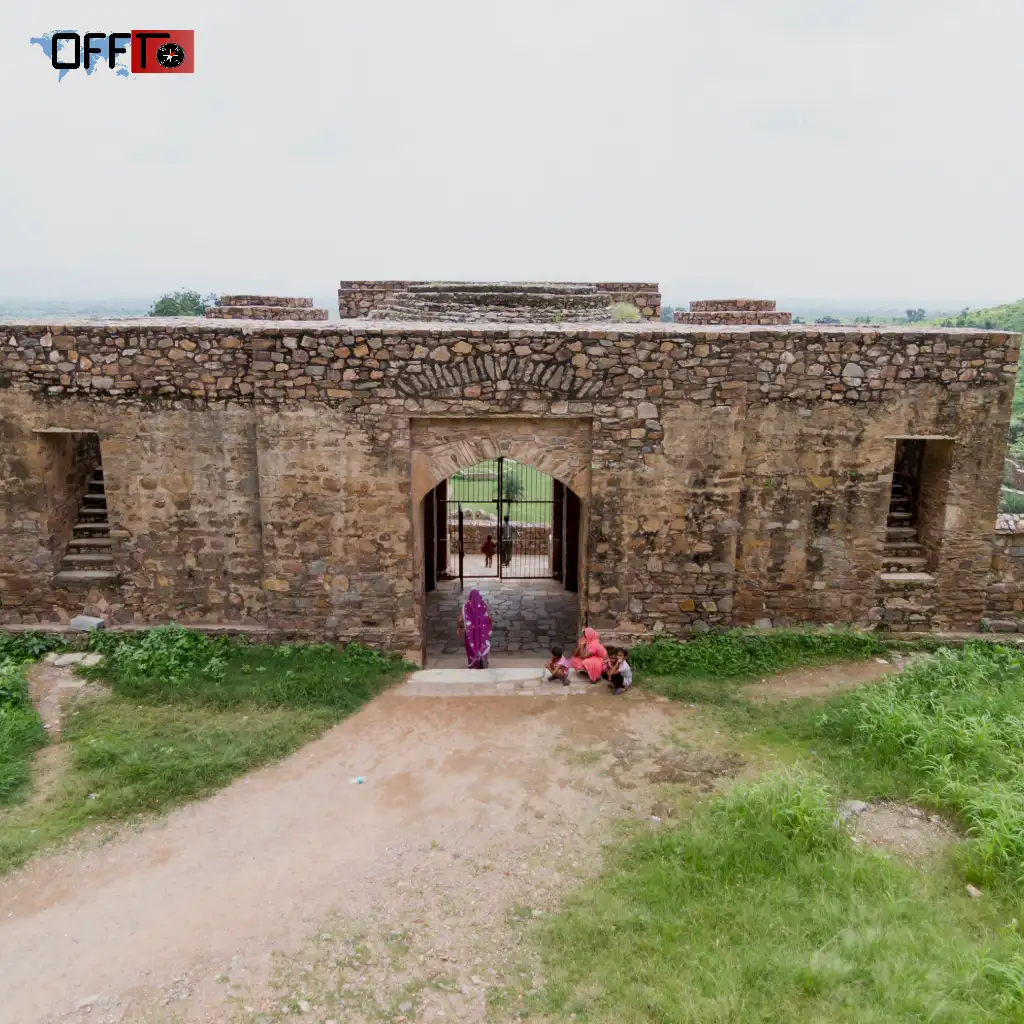
Understanding the weather and travel conditions in Chanderi is essential to making the most of your visit. The climate here varies throughout the year, and each season brings its own advantages and challenges. Here’s a detailed breakdown of the monthly temperatures and the best months for fort exploration:
Month-Wise Temperature Breakdown
- January to February (Winter):
- Temperature Range: 15°C to 25°C (Daytime), 5°C to 12°C (Nighttime)
- Conditions: This is the best time to visit Chanderi, with pleasant daytime temperatures and cool nights. It’s perfect for exploring the Chanderi Fort and enjoying outdoor activities without the discomfort of extreme heat.
- March to June (Summer):
- Temperature Range: 30°C to 40°C (Daytime), 20°C to 25°C (Nighttime)
- Conditions: Summer brings high temperatures and scorching heat, particularly from April to June. The daytime can be uncomfortable for trekking or outdoor exploration. However, this is also when you can enjoy fewer crowds and lower accommodation costs.
- July to September (Monsoon):
- Temperature Range: 25°C to 35°C (Daytime), 20°C to 25°C (Nighttime)
- Conditions: The monsoon season in Chanderi brings heavy rainfall, which transforms the landscape into a lush, green paradise. However, the humidity and rain can make outdoor activities like fort exploration tricky, with slippery trails and poor visibility during rain showers.
- October to December (Autumn to Winter):
- Temperature Range: 20°C to 30°C (Daytime), 5°C to 15°C (Nighttime)
- Conditions: As the weather cools down, Chanderi becomes more accessible and comfortable. The days are pleasant, and the nights start to get cooler, making it an excellent time for sightseeing and photography.
Best Months for Fort Exploration
The best months for exploring Chanderi Fort and other outdoor attractions are during the winter months (October to February). The weather is mild, and you’ll be able to comfortably explore the fort’s hilltop structures, ruins, and surrounding landscapes without the discomfort of extreme temperatures. Additionally, the clear skies make it ideal for photography and sightseeing.
If you’re looking to avoid the summer heat and humidity, winter is your best bet for a fulfilling experience. The fort’s panoramic views and architectural details are best appreciated in cooler weather.
When to Avoid Travel
- Summer (March to June):
Summer temperatures can reach scorching highs, making outdoor activities such as trekking, fort exploration, and photography exhausting and uncomfortable. The heat can also lead to dehydration, making it less than ideal for active exploration.
- Monsoon (July to September):
The monsoon season brings heavy rainfall and high humidity. The fort’s paths can become slippery, and visibility may be poor due to the rain and mist. While the lush green landscapes are beautiful, monsoon is generally not recommended for outdoor exploration, especially for those looking to enjoy Chanderi Fort in all its glory.
Places to Visit Near Chanderi
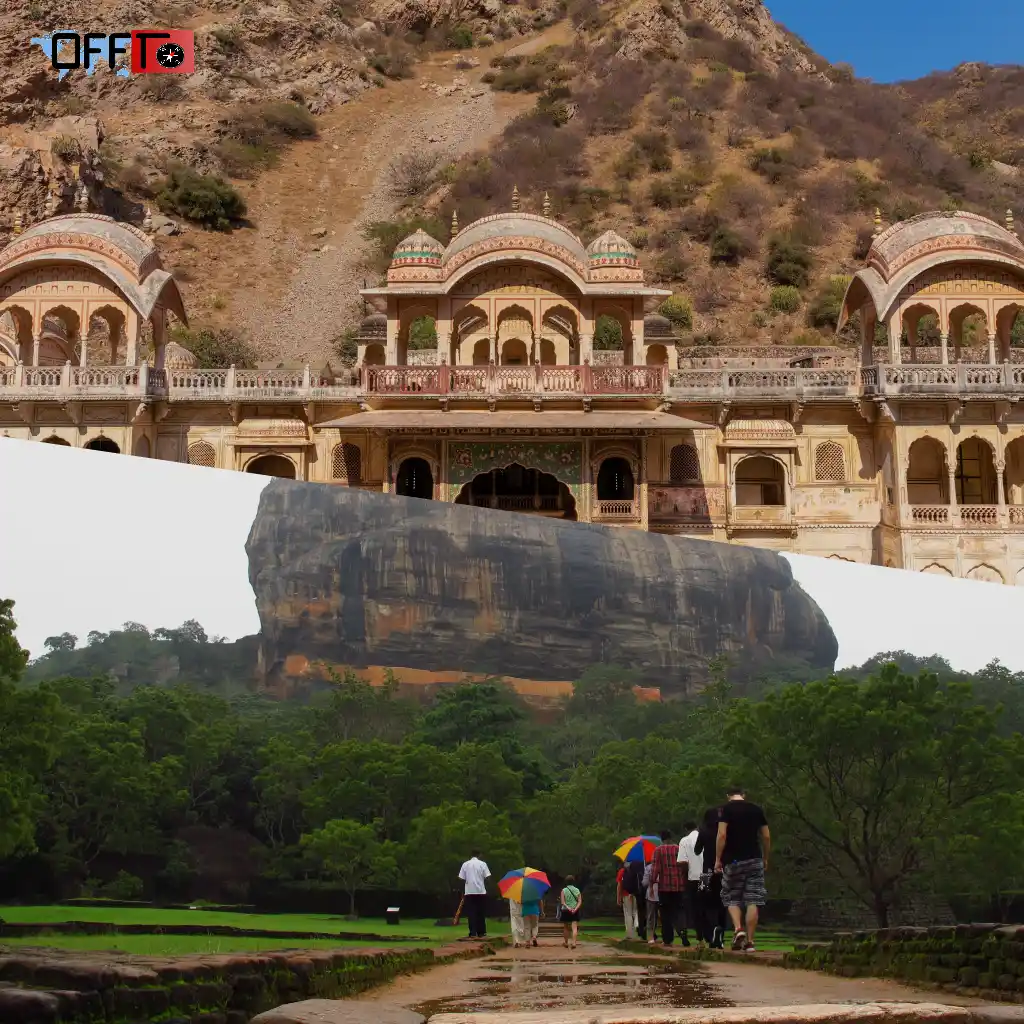
If you’re planning an extended trip to the Chanderi region, there are several nearby destinations that you should definitely consider visiting. These places, rich in history and natural beauty, complement your experience of Chanderi and make for a diverse travel itinerary.
Orchha (Approx. 130 km from Chanderi)
Orchha is a historical town known for its grand palaces, temples, and forts. Located in the Tikamgarh district of Madhya Pradesh, Orchha is famous for the Orchha Fort Complex, which includes the Raja Mahal, Jahangir Mahal, and Sheesh Mahal. The town sits on the banks of the Betwa River, making it a beautiful spot for riverfront photography and peaceful walks.
- Why Visit
- Explore the fort complex and royal palaces.
- Visit the Chaturbhuj Temple and Ram Raja Temple for a blend of history and spirituality.
- The scenic beauty of the Betwa River adds to the charm of this historical town.
Jhansi (Approx. 90 km from Chanderi)
Located in Uttar Pradesh, Jhansi is a town of great historical significance, especially during India’s First War of Independence (1857). The Jhansi Fort is the main attraction, a symbol of the valiant efforts of Rani Lakshmibai in defending the fort against British forces. The fort, situated on a hill, offers a spectacular view of the city and its surroundings.
- Why Visit
- Jhansi Fort, one of the most famous forts in India.
- Learn about Rani Lakshmibai’s legacy in Indian history.
- Explore the Maharaja Gangadhar Rao Ki Chhatri, an important royal memorial.
Shivpuri (Approx. 135 km from Chanderi)
Shivpuri is a serene town located in Madhya Pradesh, known for its rich history and natural beauty. It’s home to the Shivpuri National Park and the Sursagar Lake. The Jeevan Jyoti Memorial and Chhatri of Maharaja Madhavrao Scindia are also popular historical sites. Nature lovers can enjoy exploring the national park, with its diverse wildlife, while history buffs can dive deep into the town’s cultural heritage.
- Why Visit
- Visit the Shivpuri National Park for wildlife and nature exploration.
- Explore the historical temples and royal chhatris.
- Spend time at Sursagar Lake, a peaceful spot for relaxation.
Chanderi Tourist Places Summary
While Chanderi Fort is the central attraction, the surrounding regions of Orchha, Jhansi, and Shivpuri offer rich historical experiences and beautiful landscapes that complement your visit to this heritage town. Each destination offers something unique, whether it’s royal history, temples, or nature reserves, making the Chanderi region a perfect travel hub for history enthusiasts, nature lovers, and those looking to explore Madhya Pradesh’s diverse heritage.
How to Plan a Chanderi Trip (Step-by-Step)

Planning a trip to Chanderi is a rewarding experience that blends history, culture, and natural beauty. Here’s a step-by-step guide to ensure you make the most of your visit, whether you’re on a short weekend getaway or an extended exploration.
Ideal Duration: 1–2 Days
The ideal duration for a trip to Chanderi is 1–2 days, depending on your travel style and the depth of exploration you desire. A 1-day trip allows you to explore the Chanderi Fort, Jama Masjid, and other key landmarks. However, if you’re keen on a deeper experience, including visiting the Chanderi Caves and shopping for the famous Chanderi sarees, 2 days is ideal.
Budget Breakdown (₹1000–₹4000)
Chanderi is an affordable destination, and the budget for a trip can vary depending on your travel style and preferences. Here’s a general breakdown:
- Transportation
- Bus/Train: Depending on your starting location (Gwalior, Bhopal, or Jhansi), transportation costs will vary. A round-trip by train or bus will cost around ₹500–₹1500.Private Taxi: If you prefer a private taxi, expect to spend ₹2000–₹3000 for a round-trip from nearby cities.
- Accommodation
- Budget accommodations such as guesthouses or basic hotels in Chanderi typically cost around ₹500–₹1500 per night.
- For a more comfortable stay or heritage-style accommodation, you may pay ₹2000–₹3000 per night.
- Food
- Meals at local restaurants or street food stalls will cost around ₹100–₹300 per meal.
- For a more upscale dining experience, you might spend ₹500–₹1000.
- Miscellaneous Costs (Entry Fees, Shopping)
- The entry fees for Chanderi Fort and other attractions like Koshak Mahal or Jama Masjid are typically minimal, ranging from ₹20–₹100.
- Shopping for Chanderi sarees will vary based on the quality and design, typically ranging from ₹1500–₹4000.
Estimated Total Budget
- 1-Day Budget: ₹1000–₹2000 (economy)
- 2-Day Budget: ₹2500–₹4000 (comfortable, with accommodation)
Travel Flow: Arrival → Fort → Heritage → Explore
- Arrival: Start your journey by reaching Chanderi, either by train, bus, or taxi. If coming from Gwalior, Bhopal, or Jhansi, it’s best to arrive by early morning to maximize your day.
- Fort Exploration: Head straight to the Chanderi Fort to explore its historical ruins and enjoy the panoramic views from the hilltop. Spend around 1.5–2 hours exploring the fort, including key sites like Badal Mahal Gate.
- Heritage & Culture: After the fort, visit Jama Masjid and Koshak Mahal to soak in the Indo-Islamic architecture. These sites are within walking distance of the fort.
- Explore Local Markets & Caves: In the afternoon, explore the local markets for Chanderi sarees and head to the Chanderi Caves for a more tranquil experience in the natural surroundings.
Chanderi Itinerary (1–2 Day Plan)

Whether you’re visiting for a 1-day trip or a 2-day stay, here’s a suggested itinerary that will help you make the most of your time in this historical town.
Day 1: Arrival → Chanderi Fort → Jama Masjid → Badal Mahal Gate
- Morning: Arrival & Chanderi Fort
- Arrival: Reach Chanderi early in the morning. If you’re coming by train or bus, plan to arrive by around 8:00 AM to begin your exploration.
- Visit Chanderi Fort: Start your day by heading straight to Chanderi Fort. Explore the hilltop structure and take in the stunning views from the top. Spend about 1.5–2 hours here.
- Late Morning: Jama Masjid : After the fort, make your way to the Jama Masjid. Spend 30–45 minutes marveling at the Mughal-era architecture and learning about its history.
- Afternoon: Badal Mahal Gate Visit the Badal Mahal Gate, an iconic structure. Spend some time here for photography, capturing the beauty of the gate and the surrounding landscapes.
- Evening: Local Market & Shopping Explore the local markets for Chanderi sarees and other handicrafts. You can also visit weaving centers to see how these traditional sarees are made.
- Overnight Stay: Stay at a local guesthouse or budget hotel for the night. Enjoy some quiet time to absorb the town’s rich heritage.
Day 2: Chanderi Caves → Koshak Mahal → Local Market → Return
- Morning: Chanderi Caves: Begin your second day with a visit to the Chanderi Caves, located just outside the town. These ancient caves are a serene and spiritual retreat. Spend 1–1.5 hours exploring the caves and their rock formations.
- Late Morning: Koshak Mahal: Next, head to Koshak Mahal, an Indo-Islamic architectural structure from the Afghan era. Spend about 45 minutes here, admiring the architecture and taking in the history.
- Afternoon: Local Market & Souvenirs: Before you depart, explore more of the local market and pick up souvenirs such as Chanderi sarees or handicrafts.
- Evening: Return
- After a fulfilling trip, head back to your starting point in the evening. Depending on your travel arrangements, you can either depart in the late afternoon or evening.
This 2-day itinerary gives you a perfect balance of historical exploration, cultural experiences, and time to enjoy the serene landscapes around Chanderi. If you’re short on time, the 1-day itinerary ensures you hit all the essential spots without feeling rushed.
Travel Tips for Chanderi
To make the most of your visit to Chanderi, it’s important to be well-prepared. Here are some essential travel tips to ensure your trip is smooth, enjoyable, and respectful of the heritage:
Start Early (Fort Climb)
- The Chanderi Fort is situated on a hilltop, and the climb to the top can be a bit steep, especially under the midday sun. It’s best to start early in the morning to avoid the heat and to have more time to explore the fort at your own pace. Starting around 8:00 AM will allow you to reach the fort before the sun becomes too intense, and you’ll have the fort mostly to yourself before the crowds arrive.
- Tip: Arriving early also gives you the chance to witness the fort at sunrise, which offers an incredibly serene and beautiful view of the landscape.
Carry Water (Limited Facilities)
- Chanderi is relatively remote, and there are limited water sources along the trek to the fort or other attractions. Be sure to carry enough water with you to stay hydrated throughout the day, especially if you plan to hike up to the fort or explore the surrounding areas.
- Tip: It’s recommended to carry at least 2-3 liters of water per person, particularly if you are trekking in the warmer months. While you can find small shops in the town selling water, it’s always better to be prepared.
Hire a Local Guide for History
- Chanderi has a rich historical and cultural significance, and a local guide can provide in-depth insights into the region’s Rajput and Mughal history, architecture, and the importance of Chanderi Fort in the Battle of Chanderi. Hiring a guide enhances your experience, as they can take you through the fort’s ruins and explain the architectural nuances and historical events that shaped the region.
- Tip: Guides are generally available near the fort entrance or can be arranged through your hotel. It’s a small investment that will greatly enrich your understanding of Chanderi’s heritage.
Respect Heritage Structures
- Chanderi Fort and its surrounding historical sites, such as Koshak Mahal and Jama Masjid, are heritage sites that require respect and care. Please ensure that you don’t touch or damage any carvings or structures, as they are part of the cultural and historical fabric of the region.
- Tip: Avoid sitting on historical walls or structures and refrain from leaving trash behind. Carry a small bag for waste or use designated disposal areas to help preserve the beauty of Chanderi.
Additional Tips
- Wear Comfortable Shoes: Chanderi Fort involves some uphill walking and uneven terrain. Comfortable, sturdy trekking shoes are essential for a safe and enjoyable exploration.
- Protect from Sun: If visiting in the summer months, bring sunscreen, a hat, and sunglasses to protect yourself from the strong sun, especially if you’re trekking or walking long distances.
- Pack Light but Essential: Keep your backpack light but ensure you have essentials like camera gear, snacks, a power bank, and personal hygiene products. Since there are limited facilities in some areas, it’s best to be self-sufficient.
By following these practical travel tips, you’ll ensure a comfortable and enriching trip to Chanderi, allowing you to fully immerse yourself in its history, culture, and beauty while respecting the heritage that makes it such a unique destination.
FAQs
What is Chanderi Fort famous for?
Chanderi Fort is famous for its strategic hilltop location, offering stunning panoramic views. Known for its rich history, it features Rajput and Mughal architectural styles. The fort played a key role in the Battle of Chanderi, making it a must-visit historical landmark.
Which district is Chanderi Fort in?
Chanderi Fort is located in Ashoknagar district in Madhya Pradesh, India. This historic site is easily accessible from nearby cities like Gwalior and Jhansi, making it a popular destination for history enthusiasts and travelers.
Is Chanderi worth visiting?
Yes, Chanderi is definitely worth visiting. Known for its rich heritage, forts, temples, and the famous Chanderi sarees, it offers a mix of history, culture, and stunning natural landscapes, making it perfect for history buffs, photographers, and those seeking an offbeat destination.
What are the best places to visit in Chanderi?
Key attractions in Chanderi include Chanderi Fort, Jama Masjid, Koshak Mahal, Badal Mahal Gate, and the Chanderi Caves. The town is also famous for its Chanderi sarees and beautiful sunset points, making it a photographer’s paradise.
What are the best things to do in Chanderi?
Top things to do in Chanderi include exploring the Chanderi Fort, visiting the local weaving centers to see Chanderi saree production, hiking to sunset viewpoints, and exploring historical sites like Jama Masjid and Koshak Mahal. Photography enthusiasts will love the views!
What is the history of Chanderi Fort?
Built during the Rajput era, Chanderi Fort later came under Mughal rule. The fort played a crucial role in the Battle of Chanderi (1528), marking a turning point in the region’s history. It blends Rajput and Mughal architectural styles, reflecting its rich past.
How many days are enough for Chanderi?
1–2 days are ideal for exploring Chanderi. A 1-day trip covers the fort, Jama Masjid, and Badal Mahal Gate, while 2 days allow you to visit additional attractions like the Chanderi Caves, Koshak Mahal, and shop for Chanderi sarees at local markets.
What is the best time to visit Chanderi?
The best time to visit Chanderi is during the winter months (October to February) when the weather is cool and perfect for sightseeing. Summer is hot and monsoon is humid, making winter the most comfortable and popular season for tourists.
Are there caves in Chanderi?
Yes, Chanderi is home to the Chanderi Caves, a serene site with rock-cut formations and spiritual significance. These caves are surrounded by lush greenery and are perfect for those seeking a peaceful escape and photography opportunities in a natural setting.
How to reach Chanderi Fort?
Chanderi Fort is easily accessible by road from Gwalior, Bhopal, and Jhansi. The nearest train station is Chanderi Railway Station, and buses are available from nearby cities. Once in Chanderi, a short drive or hike will take you to the fort’s entrance.
Read more >>>
Best Time to Visit Mahabaleshwar – Seasonal Guide for Travellers
Dayara Bugyal Trek – Complete Guide to Best Time, Difficulty & Weather
Final Take: Is Chanderi Worth Visiting?
Chanderi is a hidden gem that offers a unique blend of history, culture, and natural beauty. The town, with its strategic hilltop fort, Indo-Islamic architecture, and panoramic views, makes it an ideal destination for a range of travelers. For history lovers, Chanderi is a treasure trove, with its Rajput and Mughal influences showcased through structures like Chanderi Fort, Koshak Mahal, and the Jama Masjid. The rich historical context, especially tied to the Battle of Chanderi, makes this an essential stop for those fascinated by India’s medieval past.
If you are a photographer, Chanderi’s fortifications, landscapes, and sunset points offer endless opportunities for stunning shots. The rugged hilltop fort combined with the lush surroundings provides the perfect backdrop for both history and nature photography. The town’s slower pace is a huge plus for those who want to experience an offbeat destination away from the usual tourist spots. Chanderi’s peaceful atmosphere is perfect for those looking to take a step back, breathe, and immerse themselves in the rich heritage of the region.
However, luxury seekers or those accustomed to fast-paced travel may find Chanderi lacking in terms of high-end amenities and modern conveniences. The town has yet to become a commercialized destination, which is great for those seeking authenticity but might be less appealing for those used to luxury resorts and quick sightseeing tours. If you prefer a hustle-bustle city vibe or a fast-paced itinerary, Chanderi’s quiet charm may not resonate with you.
In summary, Chanderi is definitely worth visiting for anyone who appreciates history, photography, and off-the-beaten-path destinations. Whether you are a solo traveler, a family, or a history enthusiast, this charming town will offer you a memorable and enriching experience, far removed from the crowds and noise of more tourist-heavy places.
Plan Your Chanderi Fort Trip with Offto Travellers
Ready to dive into the heart of Chanderi’s history and culture? It’s time to plan your next offbeat adventure! Whether you want to explore heritage stays, historical forts, or discover nearby tourist destinations, Chanderi offers an authentic experience that will stay with you long after your trip.
If you're eager to learn about Chanderi’s rich Rajput and Mughal heritage, wander through its majestic forts and mosques, or shop for the famous Chanderi sarees, now is the perfect time to plan your trip. Let Offto Travellers guide you through this unforgettable journey, making your experience smooth and memorable. Explore local attractions, book comfortable stays, and enjoy everything that this historic town has to offer.
Plan your Chanderi Fort trip today for a truly unique, offbeat experience! Let Offto Travellers help you create an itinerary that captures the essence of this hidden gem in Madhya Pradesh. Your adventure through history, culture, and nature awaits!
Sign up
Leave a Reply