
Mashobra is a quiet hill station near Shimla, Himachal Pradesh, known for forest trails, scenic views, and a relaxed pace. It’s ideal for couples and slow travelers looking to escape crowds. Visit between March and June for pleasant weather or winter for snowfall. A 2–3 day trip is enough to explore and unwind.
Where is Mashobra in India?

Mashobra is a small hill station located about 10–12 km from Shimla in Himachal Pradesh, India. It sits at an altitude of roughly 2,100 meters in the lower Himalayas and is part of the Shimla district.
If you’re trying to understand where Mashobra is in India, the simplest way to place it is:
→ A quieter extension of Shimla, tucked slightly deeper into forested hills.
Distance and Connectivity Snapshot
- From Shimla: ~30 minutes by road
- From Chandigarh: ~115 km (3.5–4 hours)
- From Delhi: ~350 km (7–8 hours)
Most travelers reach Mashobra via Shimla, either by road or through the Kalka–Shimla railway, followed by a short drive.
Why Mashobra is Considered a Peaceful Alternative to Shimla
Mashobra is often described as a calmer counterpart to Shimla, but that needs a bit of nuance.
- Less commercial, not completely remote: You won’t find Mall Road-style crowds, but it’s not isolated either.
- More nature, fewer distractions: Dense cedar and pine forests dominate the landscape instead of shops and traffic.
- Slower pace of travel: Evenings tend to be quiet, with limited nightlife or urban buzz.
Practical insight
If your trip to Mashobra Shimla is built around relaxation, walks, and views, Mashobra works well. But if you want cafés, shopping, or activity-heavy days, you’ll likely still depend on Shimla for part of the experience
What is Mashobra Famous For? (Why Visit?)
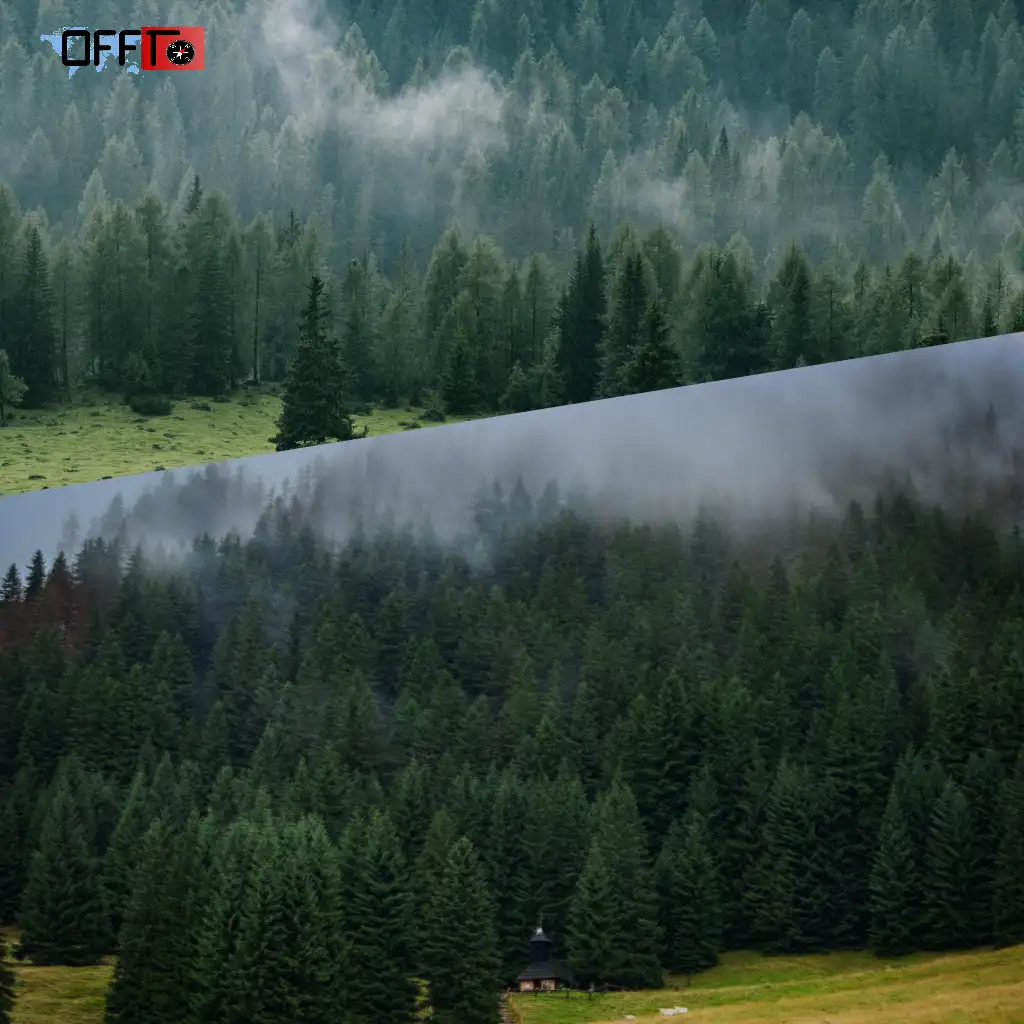
So, what is Mashobra famous for? Not one single attraction—but a combination of atmosphere, landscape, and pace.
Dense Forests and Open Himalayan Views
Mashobra is surrounded by thick deodar, oak, and pine forests that feel noticeably quieter than Shimla’s busier zones. The terrain opens up at certain points to reveal wide Himalayan views, especially during clear mornings.
What this means for travelers
It’s ideal for walks, slow mornings, and nature-heavy stays, not landmark-hopping.
Apple Orchards and Local Himachali Life
The region is known for its apple orchards, particularly between late summer and early autumn. While not all orchards are open to visitors, many homestays are located within or near them.
Practical nuance
If you’re expecting commercial “orchard tours,” you may be disappointed. The experience here is subtler—more about staying within the landscape than touring it.
Colonial-Era Charm Without Heavy Tourism
You’ll still notice traces of colonial architecture—old cottages, heritage properties, and forest lodges—but without the dense tourist layering seen in Shimla.
Tradeoff
Less crowding comes with fewer structured attractions. Mashobra feels more like a stay-based destination than a sightseeing checklist.
An Offbeat Hill Station Experience
Mashobra is often positioned as an offbeat hill station, but that doesn’t mean undiscovered. It’s better described as:
- Low-key rather than hidden
- Relaxed rather than remote
- Ideal for short, slow getaways
Expectation vs Reality: What Most Travelers Misjudge
- Expectation: A fully isolated mountain retreat
- Reality: A quiet extension of Shimla with easy access to town
- Expectation: Multiple must-see attractions
- Reality: The experience is in the environment, not just the places
Who Mashobra Is Best For
- Couples looking for a quieter Himachal stay
- Slow travelers who prefer nature over activity lists
- Weekend trips where the goal is to disconnect without going too far off-grid
Who might not enjoy it as much
Travelers looking for nightlife, shopping streets, or packed itineraries may find Mashobra too subdued.
Places to Visit in Mashobra (Top Attractions You Shouldn’t Miss)
When exploring the best places to visit in Mashobra, it helps to reset expectations slightly—this is not a destination packed with monuments or tourist complexes. Instead, the highlights here are nature-led spaces, viewpoints, and slow experiences.
Craignano Nature Park
Set slightly above Mashobra, Craignano stands out for its open lawns framed by dense forest, along with remnants of Italian-style landscaping.
- Best for: Quiet mornings, relaxed picnics, couples
- What makes it distinct: Unlike forest trails, this is one of the few open, manicured spaces with expansive views
- When to go: Early morning or late evening for softer light
Practical tip
Midday can feel flat visually due to harsh sunlight. If you’re planning just one visit, time it around sunrise or sunset for a more rewarding experience.
Mashobra Waterfall (Hidden Nature Spot)
The Mashobra waterfall is a small, seasonal cascade tucked away within forested terrain. It’s not a dramatic, year-round waterfall—but that’s part of its charm.
- Best for: Short detours, monsoon travelers, quiet nature stops
- What to expect: A modest waterfall, especially active during or just after rains
- Accessibility: Requires a short walk; paths can be uneven
Tradeoff to know
If you’re visiting in peak summer or winter, the flow may be minimal. This spot works best when paired with another nearby stop rather than as a standalone highlight.
Reserve Forest Sanctuary
Part of the larger Shimla Reserve Forest area, this sanctuary is one of Mashobra’s most immersive natural zones.
- Best for: Walks, birdwatching, slow exploration
- What makes it distinct: Dense deodar and oak forests with minimal commercialization
- Wildlife: Occasional sightings of Himalayan birds and small mammals
Practical insight
This isn’t a structured “park” with marked attractions. The value comes from walking without a fixed agenda, Practical insightgive yourself time rather than trying to “cover” it quickly.
Mahasu Peak (Nearby Highlight)
Located near Kufri, Mahasu Peak is one of the highest accessible points in the region, offering wide views across the Himalayas.
- Best for: Panoramic views, snow experiences in winter
- What makes it distinct: Elevation-driven vistas that you won’t get within Mashobra itself
- When to go: Clear mornings for visibility; winter for snow
Important note
It can get crowded during peak tourist seasons, especially due to its proximity to Kufri. Visiting early in the day helps avoid the rush.
Apple Orchards & Village Walks
One of the more understated yet meaningful experiences in Mashobra is simply walking through local villages and orchard-lined paths.
- Best for: Slow travel, cultural context, photography
- What makes it distinct: Everyday Himachali life rather than curated attractions
- When to go: Late summer to early autumn for apple season
Practical nuance
Not all orchards allow entry, and many are privately owned. The experience is less about access and more about observing the landscape and rhythm of the area.
How to Approach Sightseeing in Mashobra
Unlike typical hill stations, Mashobra works best when you:
- Combine 2–3 places in a relaxed day
- Prioritize timing (light, weather, crowd flow) over quantity
- Treat places as settings for experience, not just checklist stops
Mashobra Weather & Travel Conditions Explained
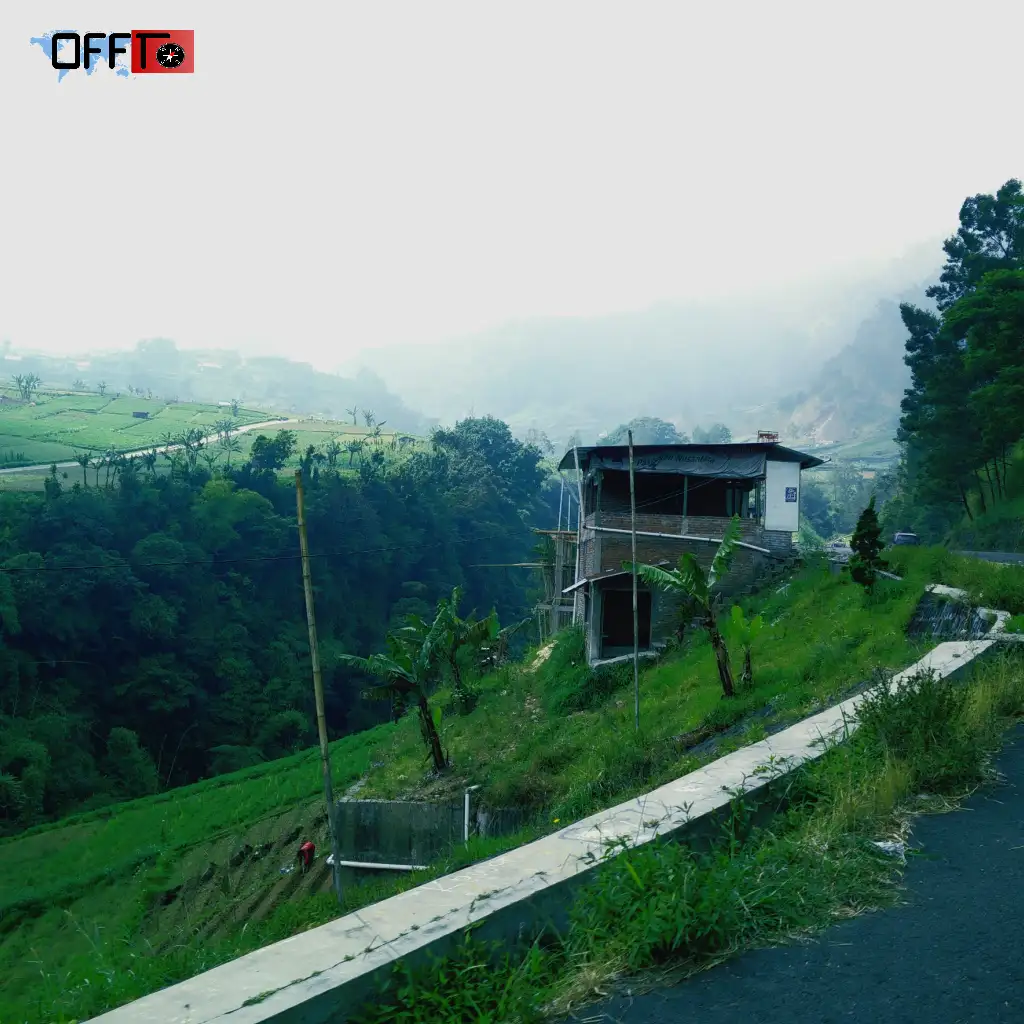
Understanding Mashobra weather is key to planning your trip well, because the experience here changes significantly with seasons—not just in temperature, but in accessibility, visibility, and overall vibe.
Month-wise Weather Breakdown
- March to June (Summer): Pleasant and comfortable, with temperatures ranging between 15°C to 28°C. Skies are usually clear, making it ideal for views and outdoor walks.
- July to September (Monsoon): Frequent rainfall transforms the region into a lush green landscape. Temperatures stay between 13°C to 22°C, but roads and trails can become slippery.
- October to November (Autumn): Crisp air, fewer crowds, and clearer views. Temperatures range from 10°C to 20°C, making it one of the most balanced times to visit.
- December to February (Winter): Cold conditions with temperatures dropping between -2°C to 10°C. This is when snowfall becomes possible.
Summer vs Winter vs Snowfall Conditions
Summer (Peak Comfort)
- Best for outdoor activities and sightseeing
- Clear visibility for Himalayan views
- Evenings can still get mildly chilly
Monsoon (Green but Unpredictable)
- Landscapes look their best visually
- Increased risk of slippery roads and limited mobility
- Waterfalls like the Mashobra waterfall are at their most active
Winter (Cold + Snow Potential
- Quiet, less crowded atmosphere
- Snowfall usually occurs between late December and February
- Some routes may become harder to access during heavy snow
Temperature Insights (What Most Travelers Overlook)
- Even in summer, early mornings and nights can feel cold, especially in forested areas
- Winter temperatures can drop below freezing, particularly in January
- Sudden weather shifts are common due to elevation—clear mornings can turn foggy by afternoon
What is the Coldest Month in Mashobra?
January is typically the coldest month in Mashobra, with temperatures often dropping below 0°C at night.
Practical takeaway
If you’re not comfortable with freezing conditions, late December or early February offers a slightly more manageable winter experience while still giving you a chance to see snow.
Best Time to Visit Mashobra (With Travel Tradeoffs)

So, what is the best time to visit Mashobra?
The answer depends less on “perfect weather” and more on what kind of trip you want.
Summer (March to June) — Best for Most Travelers
This is the most popular time to visit Mashobra.
- Comfortable temperatures
- Easy road access
- Ideal for sightseeing and outdoor activities
Best for: First-time visitors, couples, relaxed trips
Tradeoff: Slightly higher crowds, especially on weekends due to proximity to Shimla
Monsoon (July to September) — Best for Green Landscapes
Mashobra turns noticeably more scenic during monsoon.
- Lush forests and misty views
- Fewer tourists compared to summer
Best for: Slow travelers, photographers, offbeat seekers
Tradeoff: Slippery trails, limited outdoor flexibility, occasional travel delays
Winter (December to February) — Best for Snowfall Experience
If you’re wondering, does it snow in Mashobra?
→ Yes, Mashobra does receive snowfall, typically between late December and February.
- Snow-covered landscapes
- Quiet, almost secluded atmosphere
Best for: Snow lovers, couples, cozy stays
Tradeoff: Cold temperatures, possible road disruptions, fewer activities
Decision Insight: Choosing the Right Season
- For snowfall: Late December to January
- For greenery and fewer crowds: Monsoon
- For balanced weather and ease of travel: March to June
- For budget-friendly stays: Shoulder seasons (March or October)
How to Reach Mashobra (Travel Guide)
Reaching Mashobra is relatively straightforward, especially because of its proximity to Shimla. Most routes naturally pass through Shimla, making it the main transit hub for your trip.
By Road (Most Common Route)
Mashobra is just 10–12 km from Shimla, and the drive typically takes 30–40 minutes, depending on traffic and weather.
- Roads are well-paved but narrow in parts
- The route passes through forested stretches with gradual elevation gain
- Easily accessible by taxi, private car, or local buses
From major cities
- Chandigarh to Mashobra: ~115 km (3.5–4 hours)
- Delhi to Mashobra: ~350 km (7–8 hours)
Practical insight
By Train (Via Shimla)
The nearest railway access point is Shimla Railway Station, connected via the Kalka–Shimla toy train route.
- Kalka is well-connected to Delhi and Chandigarh by regular trains
- From Shimla, you’ll need to hire a taxi or take a local vehicle to Mashobra
Tradeoff to consider
The toy train is scenic but slow. If you’re short on time, driving from Kalka or Chandigarh may be more efficient.
By Air (Nearest Airport)
The closest airport is Jubbarhatti Airport (Shimla Airport), located about 25–30 km from Mashobra.
- Limited flight connectivity (mostly from Delhi)
- Weather disruptions are common, especially in winter and monsoon
Alternative option
Chandigarh Airport (~120 km away) is more reliable, with better connectivity and frequent flights.
Self-Drive vs Taxi: What Works Better?
Self-Drive
- Ideal if you’re comfortable with hill driving
- Offers flexibility to explore nearby areas
- Requires caution on narrow roads and sharp turns
Taxi / Cab
- More convenient and less stressful
- Local drivers are familiar with terrain and shortcuts
- Slightly higher cost but often worth it for shorter trips
Decision tip
If your plan includes exploring places to visit near Mashobra like Kufri or Naldehra, having a car (self-drive or taxi) makes your itinerary smoother and less dependent on local transport availability.
Places to Visit Near Mashobra (Extend Your Trip)
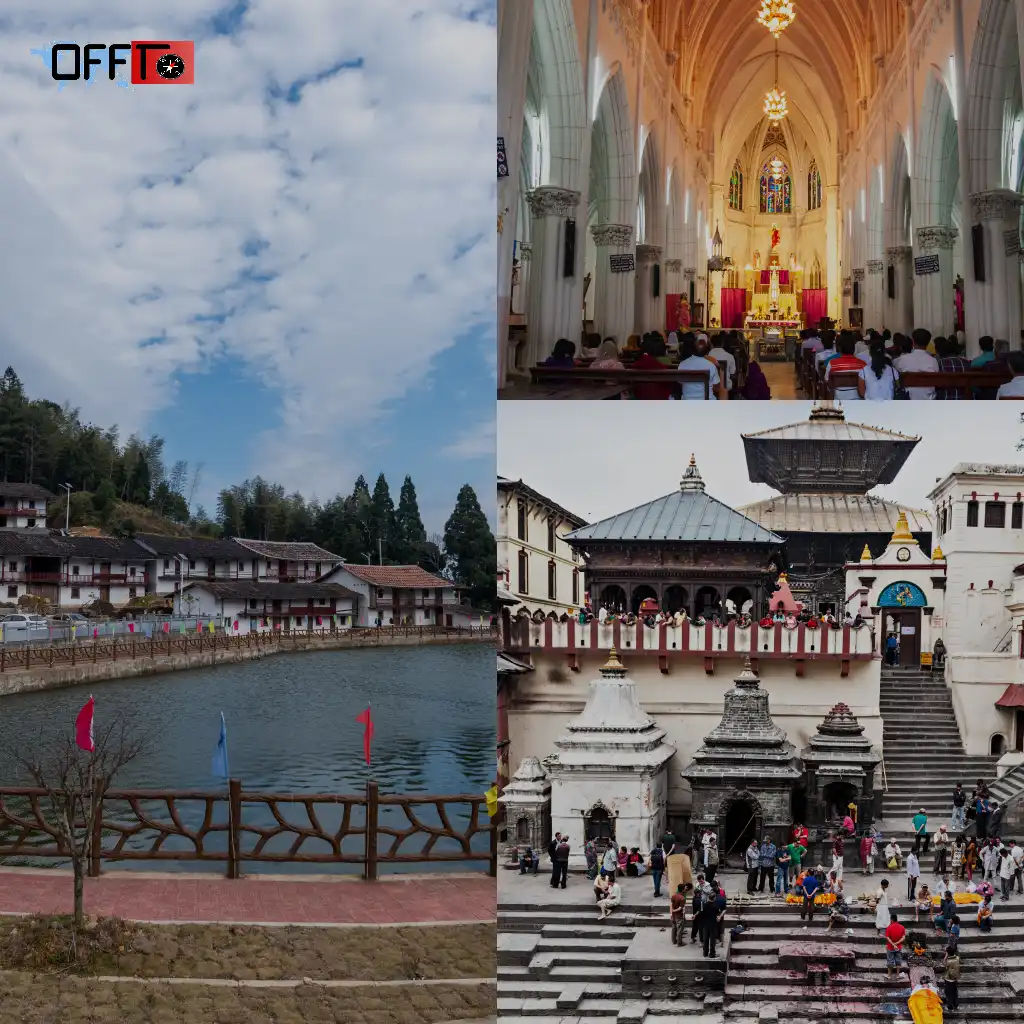
While Mashobra itself is quiet and nature-focused, its biggest advantage is how close it is to several well-known destinations. Exploring places to visit near Mashobra can add variety to your trip without requiring long travel hours.
Shimla (The Urban Contrast)
Just a short drive away, Shimla offers a completely different experience.
- Best for: Cafés, shopping, colonial landmarks
- What to expect: Bustling streets, especially around Mall Road
- Travel vibe: Lively, structured, more tourist-heavy
Practical tip
Visit Shimla during early mornings or weekdays to avoid peak crowds. It works best as a half-day contrast to Mashobra’s calm setting.
Kufri (Views + Seasonal Snow)
Located about 20 km from Mashobra, Kufri is known for its viewpoints and winter snow activities.
- Best for: Snow experiences, scenic viewpoints
- What makes it distinct: Higher elevation → better chances of snowfall
- When to go: Winter for snow, early morning in other seasons
Tradeoff
Kufri can get crowded, especially during peak tourist months. Timing your visit early in the day makes a big difference.
Naldehra (Golf Course + Quiet Landscapes)
Naldehra offers a more refined, quieter setting compared to Kufri.
- Best for: Scenic walks, relaxed outings
- Highlight: One of the oldest golf courses in India, surrounded by dense forests
- Travel vibe: Calm, open, less commercial
Why it works well
If Mashobra feels too slow and Shimla too busy, Naldehra strikes a comfortable middle ground.
Tattapani (Hot Springs + Riverside Setting)
Located about 50 km away, Tattapani adds a completely different landscape to your trip.
- Best for: Hot water springs, river-side relaxation
- What makes it distinct: Natural sulphur springs along the Sutlej River
- Best time: Winter and early summer
Planning insight
This works better as a half-day or full-day excursion, rather than a quick stop, due to travel time.
How to Plan Nearby Exploration
- Combine 1 nearby destination per day with Mashobra as your base
- Prioritize proximity + interest, not just popularity
- Avoid trying to cover all nearby places in a short trip
The advantage of planning a Mashobra Shimla trip is flexibility—you can switch between quiet nature (Mashobra) and activity-heavy destinations (Shimla, Kufri) without long travel commitments.
This balance is what makes Mashobra particularly appealing for short getaways.
How to Plan a Mashobra Trip (Step-by-Step)

Planning a trip to Mashobra is less about squeezing in attractions and more about getting the pace and stay right. Unlike busier hill stations, your experience here depends heavily on how you structure your time.
Step 1: Decide Your Trip Duration
For most travelers, 2–3 days is ideal.
- 1 day: Feels rushed, only works as an add-on to Shimla
- 2 days: Enough for key places + slow time
- 3 days: Best for a relaxed, immersive experience
Practical insight
Mashobra is not designed for high-energy sightseeing. Staying longer only makes sense if you’re comfortable with unstructured time and slower pacing.
Step 2: Choose the Right Stay (This Matters More Than You Think)
Your stay defines your trip more than your itinerary.
- Budget (₹1,500–₹3,000): Basic homestays, limited views, functional stays
- Mid-range (₹3,000–₹7,000): Comfortable cottages, good views, better location
- Luxury (₹7,000+): Premium resorts, private balconies, curated experiences
Decision tip
If you’re visiting Mashobra for the calm, it’s worth spending slightly more on a stay with a view, outdoor space, or forest-facing setting.
Step 3: Plan Your Travel Flow
A simple, effective flow for a Mashobra Shimla trip looks like this:
- Arrival: Reach Shimla → drive to Mashobra → check-in
- Explore: Cover 1–2 places per day (Craignano, forest areas, nearby Kufri)
- Relax: Keep half your time flexible—walks, views, slow mornings
Key takeaway
Avoid over-scheduling. Mashobra works best when your plan has intentional gaps.
Step 4: Budget Expectations (Realistic Range)
For a 2-day trip (per person, approximate):
- Budget trip: ₹4,000–₹7,000
- Mid-range: ₹7,000–₹15,000
- Luxury: ₹15,000+
Includes stay, local transport, and meals (excluding long-distance travel).
What affects cost most
- Type of stay
- Season (winter snow + summer weekends = higher prices)
- Transport choice (self-drive vs taxi)
Step 5: Build Around Weather, Not Just Places
- Clear weather = prioritize viewpoints and walks
- Rain/snow = shift toward indoor stays, shorter outings
- Winter = keep buffer time for delays
Practical insight
Step 6: Keep Expectations Aligned
Mashobra is best approached as:
- A stay-driven destination, not attraction-heavy
- A quiet base near Shimla, not a replacement for it
- A short escape, not a long itinerary destination
Mashobra Itinerary (1–2 Day Practical Plan)
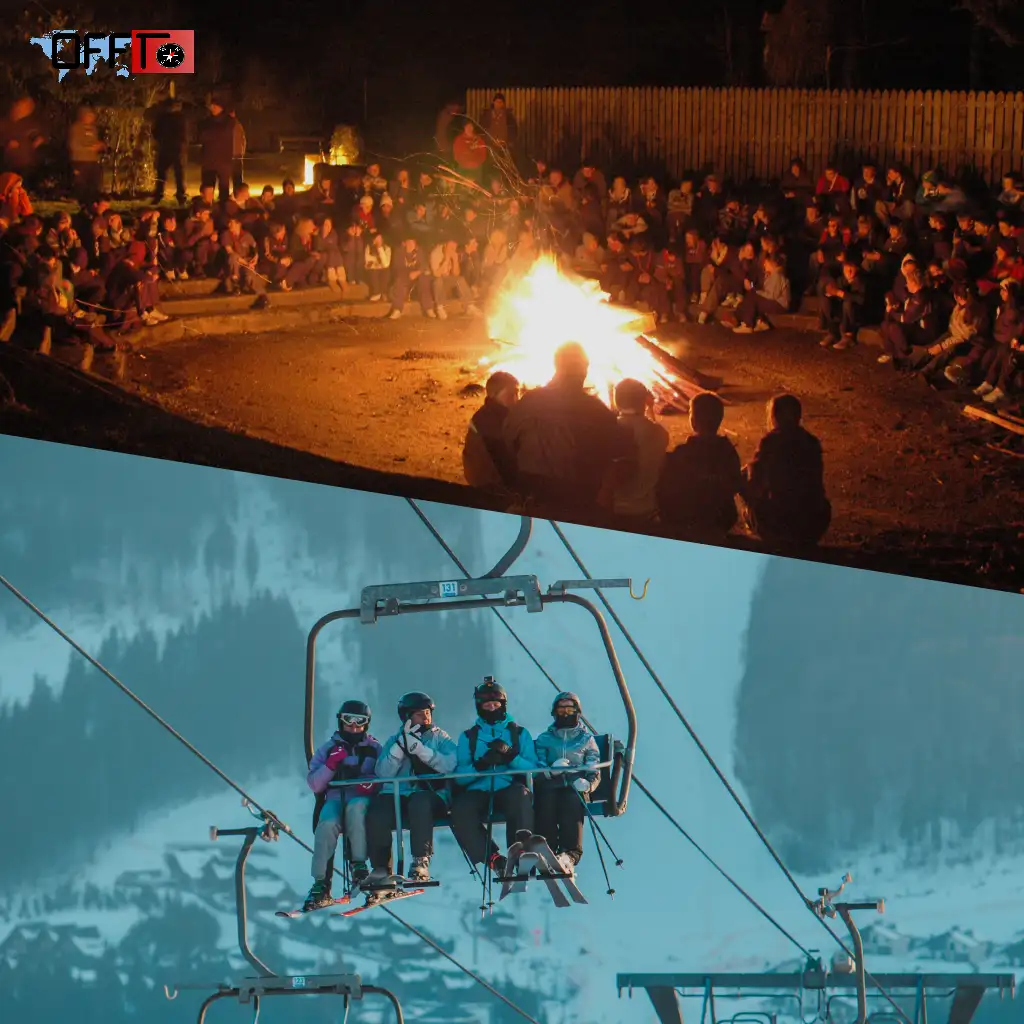
This is a realistic 1–2 day Mashobra itinerary designed for comfort, not speed. It assumes you’re arriving via Shimla and staying in or around Mashobra.
Day 1: Arrival + Light Exploration
Arrival (Morning / Early Afternoon)
- Reach Shimla → drive to Mashobra (30–40 mins)
- Check-in and settle in
Midday (Keep it light)
- Head to Craignano Nature Park
- Spend time walking, sitting, or just taking in the views
Afternoon (Optional Stop)
- Visit the Mashobra waterfall if in season
- Keep expectations realistic—it’s a short, calm detour
Evening (Slow Down)
- Return to your stay
- Watch sunset from your property or a nearby viewpoint
Why this works
After travel, energy is usually low. This plan avoids overloading your first day.
Day 2: Nature + Nearby Highlights
Morning (Best Time for Movement)
- Start with a forest walk or nature trail
- Quiet, less crowded, and visually rewarding
Late Morning / Midday
- Drive to Mahasu Peak (near Kufri)
- Spend time at viewpoints; avoid peak crowds if possible
Afternoon (Slow Travel Element)
- Explore local villages or orchard paths
- Keep it unstructured—this is where Mashobra feels most authentic
Evening
- Return early, relax at your stay
- Keep the last evening flexible rather than planned
Optional Adjustments (Based on Travel Style)
- More relaxed version: Skip Mahasu Peak → spend more time at your stay or in nearby forest areas
- More packed version: Add a quick Shimla visit on Day 2 evening (only if you’re comfortable with crowds)
Best Homestays & Places to Stay in Mashobra
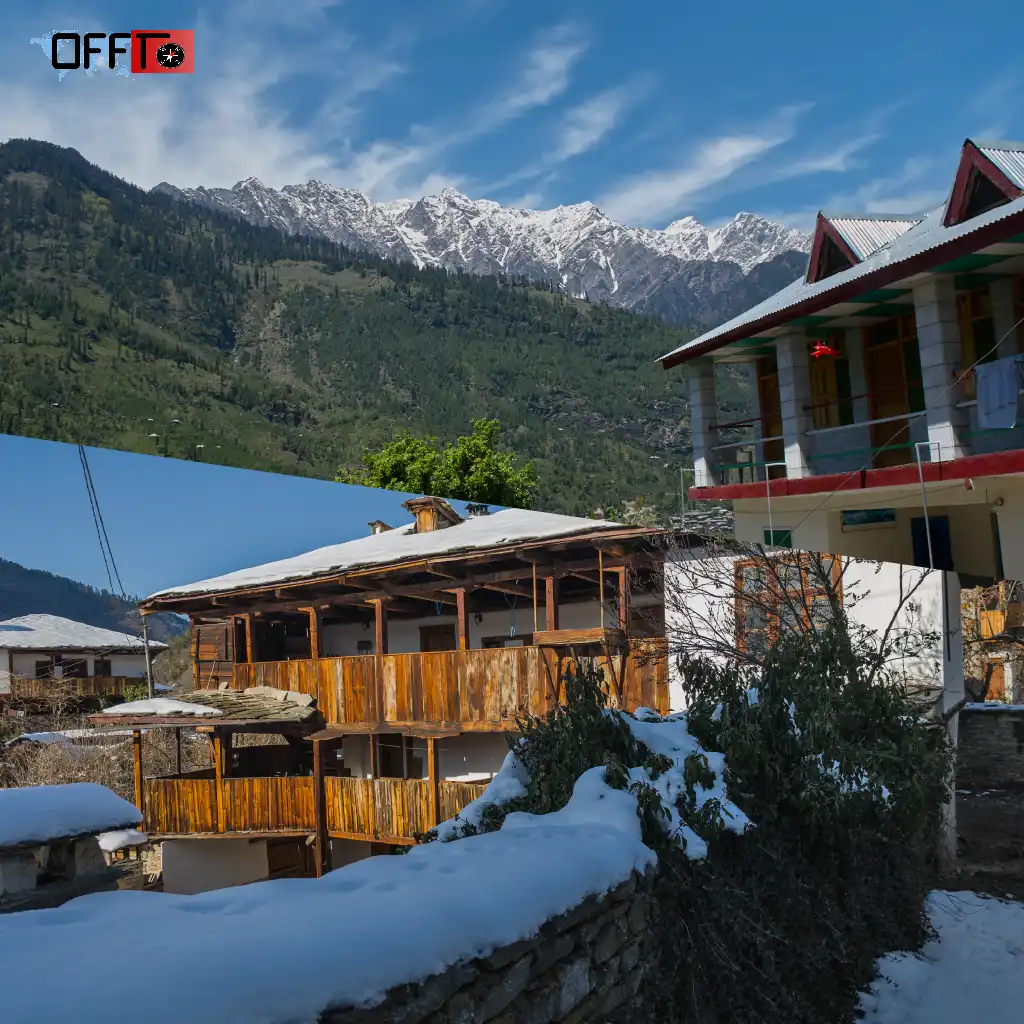
Choosing the right homestay in Mashobra can shape your entire trip. Unlike more commercial hill stations, Mashobra is a stay-first destination—meaning where you stay often matters more than what you see.
Budget Homestays (Simple, Functional Stays)
- Price range: ₹1,500 – ₹3,000 per night
- What to expect: Basic rooms, limited amenities, homely setup
- Best for: Budget travelers, short stays, minimal expectations
Reality check
Views are not always guaranteed in this range. Many budget homestays are located slightly inside villages or along internal roads.
Tip
Look for properties that mention balcony or open space access—even a small outdoor area can significantly improve your stay experience.
Mid-Range to Boutique Stays (Best Value Choice)
- Price range: ₹3,000 – ₹7,000 per night
- What to expect: Comfortable rooms, good locations, partial or full mountain views
- Best for: Couples, weekend trips, balanced comfort
This category offers the best mix of location, comfort, and experience.
Practical insight
If you’re visiting Mashobra for its calm and views, this is usually the sweet spot. Spending slightly more here often results in better positioning (views + accessibility).
Luxury Cottages & Resorts (Experience-Led Stays)
- Price range: ₹7,000+ per night
- What to expect: Private cottages, panoramic views, curated experiences
- Best for: Special occasions, slow travel, premium stays
- Forest-facing decks
- Fireplace or heated rooms (in winter)
- Larger spaces with privacy
Tradeoff
While the experience is elevated, you may feel less incentive to step out and explore—your stay becomes the destination.
Scenic Stays with Mountain Views (What to Prioritize)
- Unobstructed valley or forest views
- Sun-facing balconies (better light + warmth)
- Quiet access roads (away from main traffic routes)
Common mistake
Booking a stay “near Mashobra” without checking elevation or orientation. Some properties may technically be in the area but lack the open views travelers expect.
Final Stay Strategy
- Choose your stay first → build your itinerary around it
- Prioritize view + location over room size alone
- Check accessibility in winter (snow can affect last-mile roads)
- In Mashobra, a well-chosen stay doesn’t just support your trip—it becomes the highlight of it.
Travel Tips for Mashobra
A few well-timed decisions can make your Mashobra trip significantly smoother. These travel tips focus on practical realities travelers often overlook.
Carry Warm Layers—Even in Summer
Even during peak summer, mornings and evenings in Mashobra can feel noticeably cool.
- Light jackets or sweaters are usually enough in summer
- Winters require proper thermal layers
Why this matters
Forest cover and elevation can make temperatures feel lower than expected, especially after sunset.
Plan Carefully if You’re Visiting During Snowfall
If you’re traveling in winter (especially January), keep in mind:
- Roads may become slippery or partially blocked
- Last-mile access to your stay can be affected
- Vehicles may require chains in heavy snow
Tip
Confirm road conditions with your hotel before arrival—it’s often more reliable than general weather updates.
Avoid Peak Shimla Traffic Timings
Since Mashobra is closely connected to Shimla, your travel experience can be affected by Shimla’s crowd flow.
- Weekends and holidays → heavier traffic
- Mall Road and Kufri routes → frequent congestion
Smart timing
Arrive early in the day or post-lunch to avoid peak inflow traffic.
Don’t Overpack Your Itinerary
Mashobra is not built for fast-paced travel.
- Limit yourself to 2–3 key experiences per day
- Leave room for rest and flexibility
Practical insight
Trying to cover too much often leads to fatigue and reduces the core appeal of the destination.
Keep Cash Handy
Trying to cover too much often leads to fatigue and reduces the core appeal of the destination.
Check Accessibility Before Booking
Some stays may:
- Be located on steep slopes
- Require short walks or off-road access
Important in winter or rain
These factors can become more challenging depending on weather conditions.
Respect the Pace of the Place
Mashobra is best enjoyed when you:
- Wake up without urgency
- Spend time outdoors
- Let the day unfold rather than follow a strict schedule
Most travel friction in Mashobra doesn’t come from the destination itself—but from misaligned expectations.
Plan for a slower pace, prepare for weather variations, and your trip will feel far more seamless and rewarding.
FAQs
Where is Mashobra in India?
Mashobra is a small hill station located about 10–12 km from Shimla in Himachal Pradesh, India. It sits in the lower Himalayas at around 2,100 meters altitude and is easily accessible by road from Shimla, making it a quieter extension of the popular hill town.
What is Mashobra famous for?
Mashobra is famous for its dense pine and deodar forests, peaceful atmosphere, apple orchards, and scenic Himalayan views. Unlike Shimla, it offers a quieter, less commercial hill station experience, making it ideal for slow travel, nature walks, and relaxed stays.
What are the best places to visit in Mashobra?
Some of the best places to visit in Mashobra include Craignano Nature Park, Mashobra Waterfall, Reserve Forest Sanctuary, and nearby Mahasu Peak. Village walks and orchard trails also offer a more local and slow travel experience compared to typical tourist attractions.
What are the best things to do in Mashobra?
The best things to do in Mashobra include nature walks through forest trails, relaxing at scenic viewpoints, visiting nearby Kufri or Naldehra, enjoying bonfires at your stay, and exploring local villages. The focus is more on slow experiences than activity-heavy sightseeing.
What is the best time to visit Mashobra?
The best time to visit Mashobra is from March to June for pleasant weather and clear views. Winter (December to February) is ideal for snowfall, while monsoon offers lush greenery but comes with travel challenges due to rain and slippery roads.
Does it snow in Mashobra?
Yes, Mashobra receives snowfall during winter, usually between late December and February. Snowfall is not guaranteed every day, but the chances are highest in January, making it a good time for travelers looking to experience snow-covered landscapes.
What is the coldest month in Mashobra?
January is typically the coldest month in Mashobra, with temperatures often dropping below 0°C at night. Daytime remains cold but manageable, making it suitable for snow experiences, though travelers should be prepared for freezing conditions and limited outdoor activity.
Is Mashobra better than Shimla?
Mashobra is better than Shimla for travelers seeking peace, nature, and fewer crowds. However, Shimla is better for shopping, cafés, and sightseeing. Many travelers combine both—staying in Mashobra for calm and visiting Shimla for activity.
How many days are enough for Mashobra?
A 2–3 day trip is usually enough to explore Mashobra comfortably. This allows time for key places, nearby excursions like Kufri, and relaxed experiences. Shorter trips may feel rushed, while longer stays are best suited for slow travelers.
Are there good homestays in Mashobra?
Yes, Mashobra has a wide range of homestays, from budget options to luxury cottages with mountain views. Many stays focus on scenic locations and peaceful surroundings, making them ideal for travelers looking to relax rather than follow a packed itinerary.
Read more >>>
Best Time to Visit Shimla – Weather, Snowfall, Seasons & Travel Tips
Neora Valley Travel Guide — Trek, Stay, Wildlife & Complete Planning
Final Take: Is Mashobra Worth Visiting?
Mashobra is worth visiting—but only if your expectations align with what it actually offers.
This is not a destination built around attractions or activity lists. It’s a place where the value comes from space, quiet, and the ability to slow down. If you approach it like a checklist-driven hill station, it can feel underwhelming. If you approach it as a pause, it works beautifully.
Who Will Love Mashobra
- Couples: Especially for short, quiet getaways without heavy crowds
- Slow travelers: Those who enjoy unstructured time, walks, and views
- Nature-focused travelers: Forests, light, and landscape matter more than landmarks here
Who May Want to Skip It
- Nightlife seekers: Evenings are quiet, with limited social or café culture
- Activity-heavy travelers: There aren’t enough “must-do” attractions to fill packed days
- Luxury-first travelers: While there are premium stays, Mashobra is not a full-scale luxury destination with extensive amenities or experiences
The Real Value of Mashobra
Mashobra works best as:
- A quiet base near Shimla, not a replacement for it
- A short reset trip, not a long exploration destination
- A place where your stay and surroundings matter more than your itinerary
If that’s the kind of trip you’re looking for, Mashobra doesn’t just work—it feels exactly right.
Plan Your Mashobra Trip with Offto Travellers
If Mashobra feels like your kind of escape, the next step is simply choosing how you want to experience it.
Explore handpicked stays, offbeat experiences, and nearby hill stations around Mashobra and Shimla—all in one place. Whether you’re planning a quiet weekend or a slow Himachal getaway, Offto helps you move from idea to actual trip, without the usual planning clutter.
Start exploring and shape your Mashobra Shimla trip your way.
Sign up
Leave a Reply