
Neora Valley National Park in West Bengal is a pristine forest reserve in the Eastern Himalayas, known for its rich biodiversity, including the rare red panda. Located near Kalimpong, it offers jungle treks, eco-stays, and untouched landscapes. Ideal for nature lovers, it’s best visited between October and April.
Neora Valley in a Nutshell (Why It’s Worth Visiting)
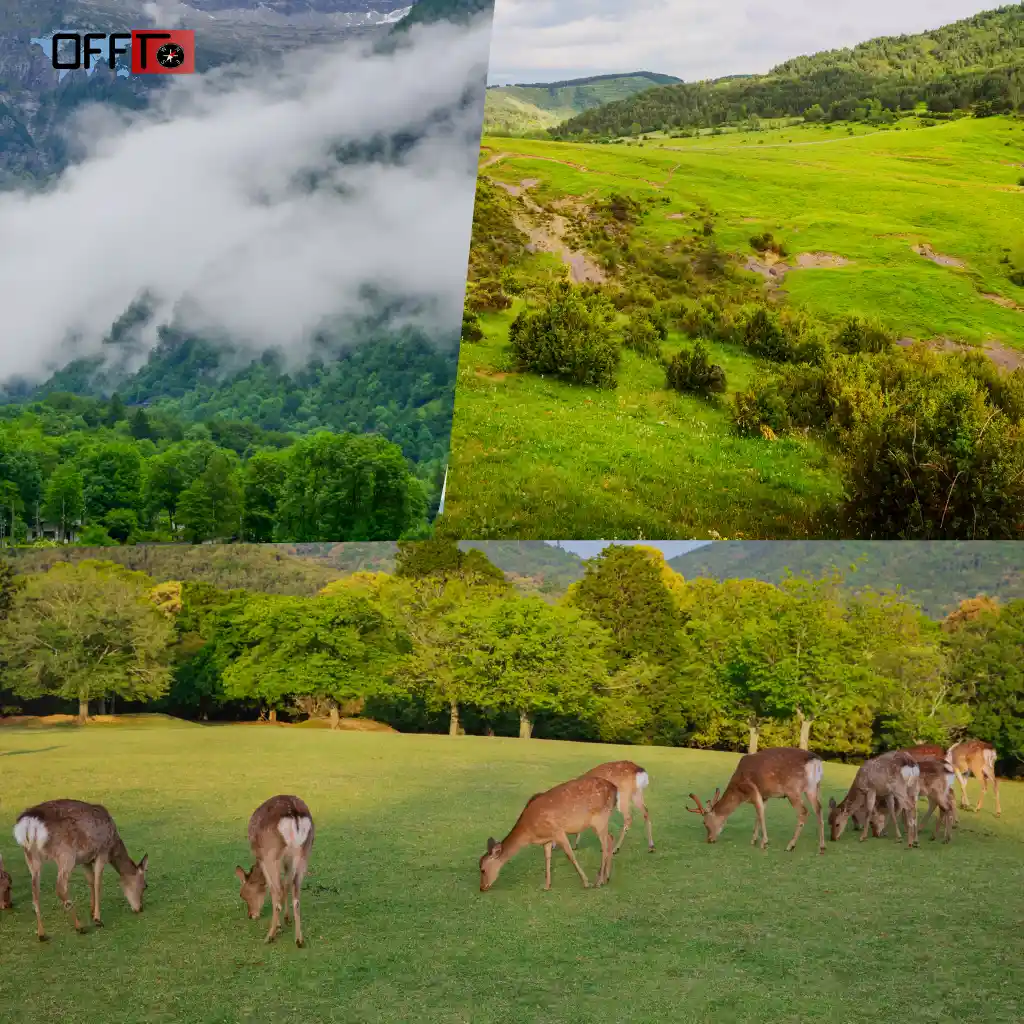
Neora Valley is a hidden gem nestled in the Eastern Himalayas of West Bengal, offering an escape from the usual hustle and bustle of popular hill stations. It is one of the most untouched and pristine forests in India, making it a paradise for nature lovers and trekkers alike.
What truly sets Neora Valley apart is its raw beauty. Unlike the heavily commercialized hill stations like Darjeeling and Sikkim, Neora Valley remains relatively quiet and underdeveloped, making it an ideal destination for those seeking a more authentic, immersive experience in nature. The valley is home to rich biodiversity, including rare species like the red panda and abundant birdlife, making it a prime location for wildlife enthusiasts.
This secluded haven offers a unique combination of peaceful treks, jungle exploration, and river valleys that stand in stark contrast to the crowded, tourist-heavy areas of nearby hill stations. Whether you’re trekking through dense forests, exploring riverside spots, or simply enjoying the serenity, Neora Valley provides a perfect getaway for travelers seeking tranquility, adventure, and natural beauty.
What makes it even more special is the minimal commercialization and lesser-known status among typical tourist circuits. So, if you’re looking to immerse yourself in the raw, untouched beauty of the Himalayas, Neora Valley is the place to be.
Where is Neora Valley? (Location & Geography Explained)
Neora Valley is located in the Eastern Himalayas in the state of West Bengal, India, near the town of Kalimpong. It forms part of the larger Kalimath Forest Division, offering visitors an untouched slice of the Himalayan landscape.
The valley is primarily accessible from Kalimpong, and the popular entry zones to Neora Valley are:
Lava: A quaint hill station, often the starting point for treks into Neora Valley. Known for its serene environment and proximity to the park entrance.
Kolakham: Situated on the ridges of the Neora Valley, it offers panoramic views and access to the forest. It is the most popular entry point for trekkers, with several homestays providing basic accommodations.
Samsing: A village located further down the valley, often considered a quieter entry point with fewer trekkers. It is known for its lush tea gardens and proximity to the river.
The landscape of Neora Valley is defined by dense forests, rivers, and high ridgelines, all contributing to its diverse ecological makeup. The lush, biodiverse forests shelter a variety of species, and the valley is famous for its rugged terrain, picturesque river valleys, and scenic ridges, all of which make it a paradise for trekkers and nature lovers alike.
Neora Valley National Park — Key Details Before You Visit
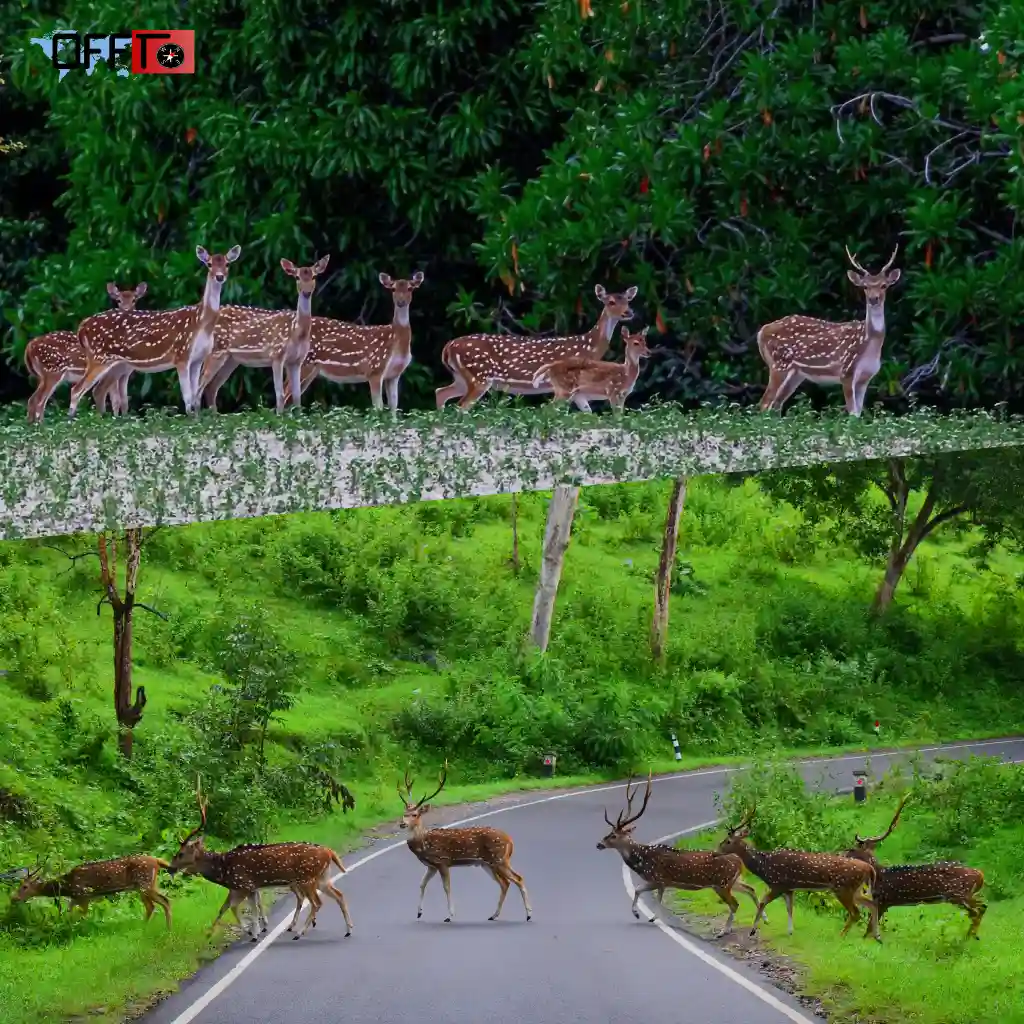
Neora Valley is home to Neora Valley National Park, a protected area that is part of the larger Kalimath Forest Division. This park is one of the most biodiverse regions in India, situated at the confluence of the Eastern Himalayas and the Terai.
Area, Elevation, and Ecological Significance
- Area: The park covers about 88 square kilometers and spans across a variety of terrains, from lowland forests to steep Himalayan ridgelines.
- Elevation: The park’s elevation ranges from 1,000 meters to over 3,000 meters above sea level, giving it a wide variety of flora and fauna.
- Ecological Significance: Neora Valley National Park plays a crucial role in maintaining the region’s biodiversity. Its dense forests are home to a wide range of species, from endangered animals like the red panda to numerous species of birds, mammals, and plants. The park is vital for conservation, and the surrounding area is recognized for its role in preserving the Eastern Himalayan biodiversity hotspot.
Entry Permits and Restrictions
- Permits: Visitors are required to obtain an entry permit before trekking into the park. The West Bengal Forest Department issues permits for trekkers and wildlife enthusiasts.
- Guided Treks: It is recommended (and sometimes mandatory) to trek with a local guide as the terrain can be challenging and the paths less clearly marked.
- Restrictions: Camping within the park is restricted, and only specific areas are open to tourists to maintain ecological balance. Visitors should ensure they follow all park guidelines to help conserve its delicate ecosystem.
Zones Open for Tourists
- Lava to Kolakham: This is the primary trekking route, allowing access to several viewpoints, forests, and the famous Kolakham village.
- Riverside Areas: Samsing offers easy access to the Neora River, with a more relaxed vibe and opportunities for light exploration.
- Trekking Trails: Several trekking routes pass through the forest, with access to beautiful valleys, views of the Himalayan ranges, and rare flora and fauna.
The park is a treasure trove for wildlife enthusiasts, trekkers, and photographers. Visitors can explore hidden trails, forest paths, and remote villages, experiencing nature in its most untouched form.
Neora Valley National Park is Famous for Which Animal?
Neora Valley National Park is most famous for the elusive red panda—a rare and protected species that thrives in the park’s higher altitude areas. This small, arboreal mammal is a highlight for wildlife enthusiasts who venture into the park’s dense forests.
Red Panda and Other Rare Species
The red panda (Ailurus fulgens) is the park’s star attraction, though it is also home to a variety of other endangered and rare species:
- Himalayan black bear
- Leopard
- Clouded leopard
- Wild boar
- Himalayan tahr
These animals, along with smaller mammals, thrive in the park’s diverse habitats, ranging from temperate forests to alpine meadows.
Birdlife and Biodiversity Richness
Neora Valley is also renowned for its birdlife, making it a must-visit destination for birdwatchers. Some of the notable species include:
- Rufous-necked hornbill
- Satyr tragopan
- Eastern Himalayan foothill species
- Various migratory birds
The park’s diverse flora—including numerous medicinal plants, orchids, and dense forest cover—fosters the survival of a rich array of wildlife, making it one of the biodiversity hotspots in India.
Why It Matters for Conservation
Neora Valley National Park is more than just a trekking destination; it is a critical conservation area. The presence of red pandas, rare birds, and various other species makes it one of the most important protected areas in the Eastern Himalayas. Efforts to conserve these species are vital, as their habitats face pressures from climate change, deforestation, and human activities.
Preserving the valley’s ecology ensures the survival of these species and helps maintain the biodiversity of the entire region, making it an essential ecological reserve for India and the world.
What is Neora Valley Famous For? (Beyond the Basics)
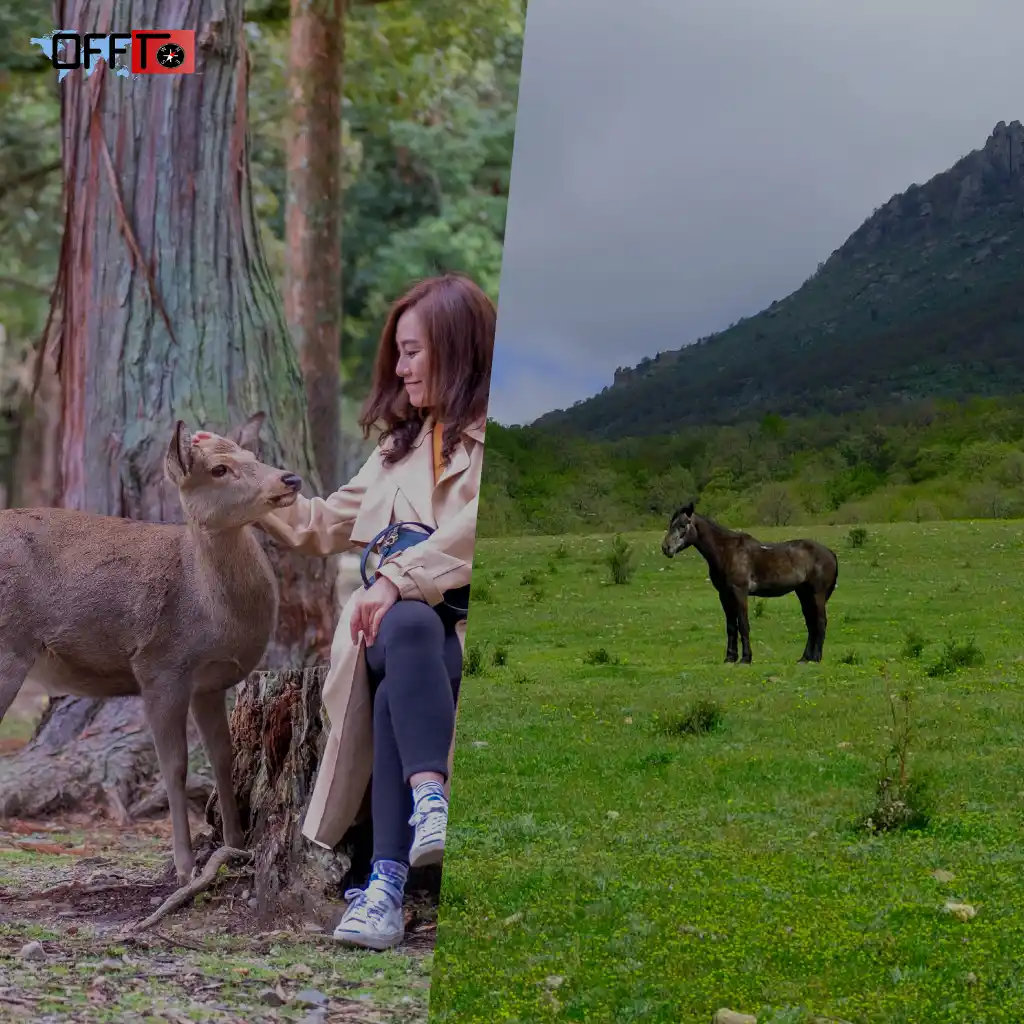
Neora Valley is not just another hill station—it is famous for its untouched beauty, its remote trekking routes, and its minimal commercialization. Unlike the more frequented hill stations of Darjeeling or Sikkim, Neora Valley offers a more authentic, serene experience, surrounded by the natural splendor of the Eastern Himalayas.
Untouched Jungle Ecosystem
One of the primary draws of Neora Valley is its pristine jungle ecosystem. The forest is largely untouched by human activity, which has allowed it to maintain a diverse and thriving ecosystem. This dense forest area is home to rare flora, medicinal plants, and diverse wildlife. The lack of urban development has kept the park’s integrity intact, making it an ideal spot for eco-tourism and conservation efforts.
Remote Trekking Routes
Neora Valley’s trekking routes are not for the faint-hearted. The park is known for its rugged, less-explored trails that lead adventurers deep into the wild. Whether it’s trekking from Lava to Kolakham, exploring the dense jungles, or reaching hidden viewpoints, Neora Valley offers some of the most scenic and remote treks in the region. These routes are perfect for trekkers who want a more solitary and immersive experience, far from the crowded, well-worn paths of other tourist destinations.
Minimal Commercialization
Perhaps the most striking feature of Neora Valley is its lack of commercialization. While some areas around Kalimpong and Lava have basic facilities, much of Neora Valley remains untouched by the usual trappings of mass tourism. There are no shopping malls, large resorts, or noisy crowds. Instead, the region offers homestays, small eco-lodges, and a focus on sustainable tourism. This makes it an ideal destination for those who want to experience nature in its most raw, unspoiled form.
Neora Valley is for those seeking more than just a getaway—it offers an escape into nature, allowing visitors to connect with the land, its people, and the wildlife in ways that are increasingly rare in modern tourism.
Things to Do in Neora Valley (Experience Guide)
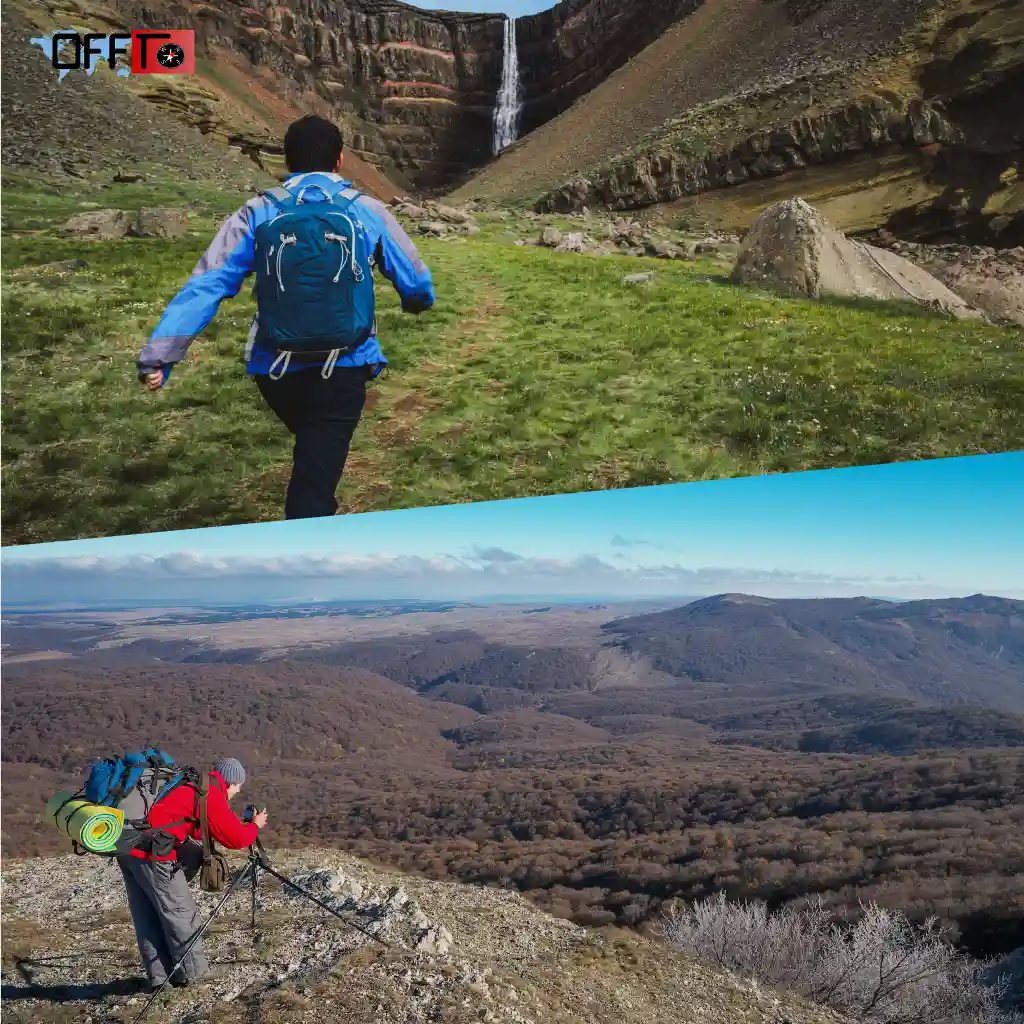
Neora Valley is not just a place to visit—it’s an experience that invites you to immerse yourself in the raw beauty of nature. Whether you are a nature lover, an adventure seeker, or someone looking for peace, Neora Valley has something to offer. From trekking through its dense forests to enjoying riverside views and wildlife watching, here’s a guide to help you make the most of your visit.
Jungle Walks & Forest Exploration
Neora Valley is famous for its untouched forest ecosystem, and one of the best ways to experience this is through jungle walks. These walks allow you to fully immerse yourself in the natural surroundings, providing opportunities to connect with the land in a way that few other activities can offer.
The dense forests of Neora Valley are home to towering trees, thick canopies, and the soothing sounds of wildlife. You’ll pass through a mix of tropical, temperate, and alpine ecosystems, all of which support a rich diversity of flora and fauna. The natural tranquility, coupled with the occasional rustling of leaves or the distant call of birds, makes these walks a serene experience.
Guided vs. Self Exploration:
- Guided Exploration: For first-time visitors or those unfamiliar with the terrain, a local guide is highly recommended. They can provide insights into the flora and fauna, help navigate the less-marked paths, and ensure safety, especially in more challenging parts of the trail.
- Self-Exploration: For experienced trekkers, the trails are relatively straightforward, though they require careful attention, especially in dense forest sections. With proper preparation, a self-guided jungle walk can be a rewarding, peaceful journey through one of India’s most pristine habitats.
Both options offer a unique perspective, and the choice largely depends on your level of comfort and desire for deeper engagement with the natural environment.
Neora Valley Trek (Routes & Experience)
Neora Valley is a trekker’s paradise, with a variety of trekking routes that cater to different levels of experience. The trails here offer an incredible mix of forest walks, ridge views, and high-altitude vistas that make each step of the journey feel like an exploration of uncharted land.
Popular Trekking Routes
- Lava to Kolakham Trek: This is one of the most popular routes and takes you through some of the most scenic and biodiverse areas of the valley. The trek from Lava to Kolakham is relatively moderate and provides opportunities to witness the diverse forest types of the region, while also offering panoramic views of the mountains. It’s a great choice for those looking to experience both nature and culture, as Kolakham is home to several local homestays.
- Kolakham to Neora Valley National Park: For those looking to delve deeper into the park, this route takes you further into the heart of the reserve. This trek provides an opportunity to experience true wilderness, where you’ll likely be surrounded by dense trees and hear nothing but the sounds of nature.
Difficulty Level and Terrain
The terrain here ranges from gentle slopes to more rugged, high-altitude paths, making it ideal for moderate to advanced trekkers. The Lava-Kolakham trek is a good choice for beginners with a moderate fitness level, while the more challenging routes into the deeper parts of the park are perfect for seasoned trekkers.
You’ll encounter varied elevations, from 1,000 meters at Lava to the 3,000-meter mark at higher points in the park. The terrain can be a mix of rocky paths, steep inclines, and dense forest floors, which demands good physical fitness and preparation.
Who It’s Ideal For
- Moderate trekkers can enjoy the Lava to Kolakham trek, which is manageable in a day.
- Experienced trekkers and wildlife enthusiasts will enjoy the more secluded trails that take you deeper into Neora Valley, where you can expect fewer crowds and more opportunities for wildlife sightings.
Whether you are looking for a short trek or an adventurous, full-day hike, Neora Valley offers routes that suit various levels of fitness and experience.
Birdwatching & Wildlife Spotting
Neora Valley is a birdwatcher’s haven, home to an impressive variety of species due to its diverse ecosystems and the valley’s position as a critical migration route. If you’re interested in spotting birds and wildlife, Neora Valley’s varied terrain offers rich opportunities for both.
Best Zones for Sightings
- Kolakham & Lava: These regions are perfect for birdwatching, especially during the migration season when you can spot a wide range of species.
- Riverside Areas: The Neora River area is another excellent spot for birding, as many species are attracted to water sources.
- High Altitude Zones: Higher elevations in the park are great for spotting Himalayan birds like the rufous-necked hornbill, satyr tragopan, and various species of pheasants.
Seasonal Advantages
- Winter months (November–February): The cooler weather encourages many migratory birds to visit the region, making it a prime time for birdwatching.
- Monsoon season (June–September): While monsoon might restrict some access due to rain and mud, it brings lush greenery and a surge of life to the area, making it another great time for birdwatching.
- Spring and autumn (March–May): Ideal for spotting both migratory and resident species as the weather is mild and the landscape is rich with life.
Wildlife spotting here isn’t limited to birds. The valley is also home to rare mammals like the red panda, Himalayan black bear, and clouded leopards. However, these species are elusive, so patience and a keen eye are required to spot them.
Riverside Exploration Near Neora River
The Neora River runs through parts of the valley, creating tranquil spots perfect for some peaceful exploration. The riverbanks are calm and beautiful, offering a serene contrast to the more strenuous treks in the region.
Scenic Spots and Peaceful Zones
- Neora River’s calmer sections: These spots offer an opportunity to sit and take in the beauty of the surroundings, often shaded by trees, with the sound of the river providing a perfect background.
- Near Samsing: The Samsing area, known for its tea gardens, offers a peaceful riverside experience. The quiet, cool environment here is perfect for unwinding after a day of hiking.
What to Expect
You can expect a relaxed environment where you can take short walks, enjoy a peaceful picnic, or simply absorb the natural beauty of the landscape. The river also provides opportunities for photography, especially during the golden hours of sunrise and sunset, where the light reflects off the water and the surrounding lush greenery.
For those seeking a calm and meditative experience, the riverside exploration in Neora Valley is an essential part of the visit, offering a break from more physically demanding activities.
Neora Valley Trek Guide (Routes, Distance & Difficulty)
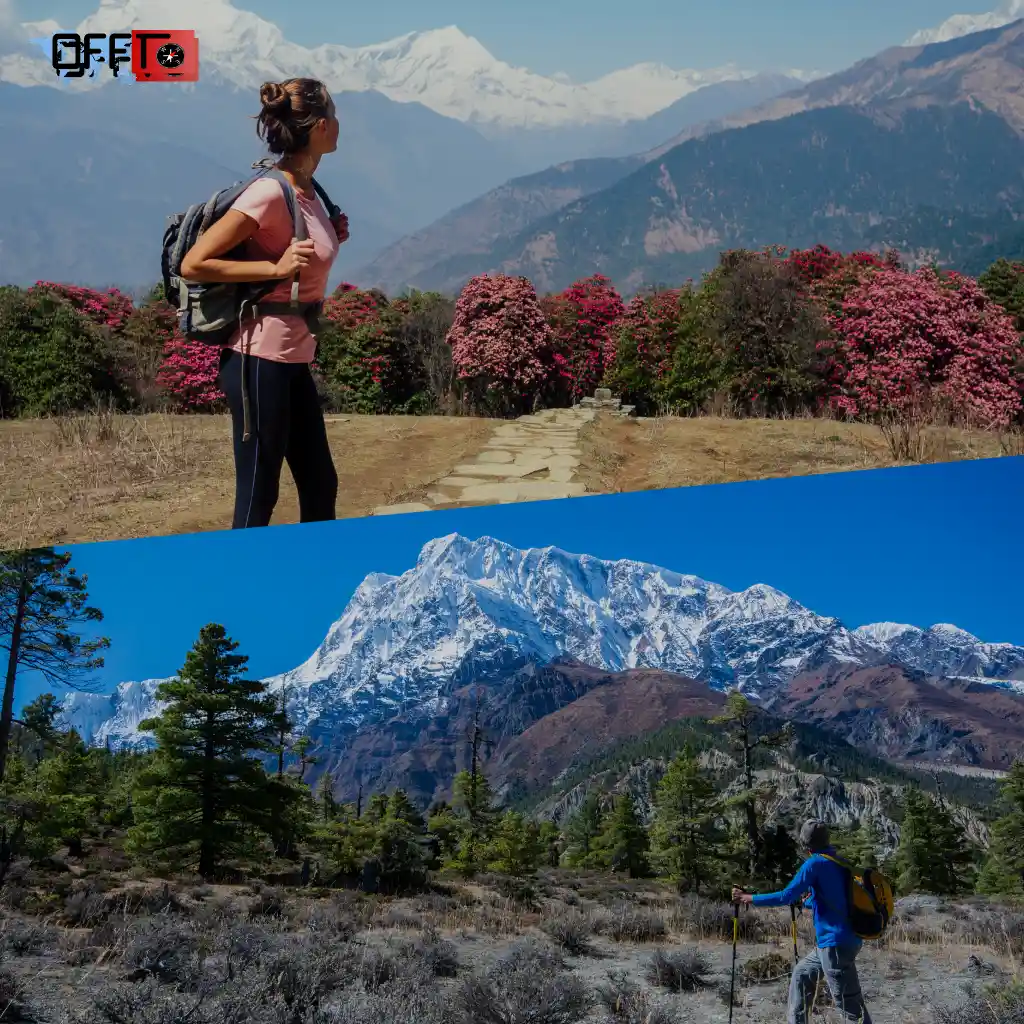
The Neora Valley Trek is one of the most rewarding treks in the Eastern Himalayas, offering a blend of challenging terrain, beautiful forests, and panoramic views. This trek allows you to explore the untouched wilderness of Neora Valley National Park while also immersing yourself in the serene beauty of the region.
Trek Details and Duration
The Neora Valley Trek typically takes 2 to 3 days, depending on which route you take and your pace. The trek is not excessively difficult, but it can be taxing due to its length and terrain variety. Most trekkers choose to take the Lava to Kolakham route, but the trek can also extend deeper into the park for those who prefer a more challenging and secluded experience.
Key Trek Highlights:
- Duration: Generally, expect about 6–8 hours of walking each day, with breaks for sightseeing, resting, and wildlife observation.
- Distance: The total distance depends on the route and how far you venture into the park, but it typically spans between 12–20 kilometers for the main trek (Lava to Kolakham route).
- Elevation: The trek’s elevation ranges from 1,200 meters to around 2,400 meters, so while it’s not excessively high, the change in altitude may cause some to feel mild altitude effects.
Route Variations (Lava / Kolakham Side)
Neora Valley offers a couple of popular routes, with Lava to Kolakham being the most traveled. Both routes offer incredible views, though each has its unique characteristics.
Lava to Kolakham Route
- Overview: This is the most popular route for those looking to explore the region’s natural beauty without venturing too far off the beaten path.
- Starting Point: You begin in Lava, a small, picturesque town known for its cool climate and scenic beauty.
- The Trek: From Lava, the trail takes you through dense temperate forests and steep climbs, leading to Kolakham, a tranquil village nestled in the hills.
- Duration: This route can be done in 1–2 days, making it ideal for short treks.
Kolakham to Higher Regions of Neora Valley
- Overview: For those seeking more adventure, this route takes you deeper into Neora Valley National Park.
- The Trek: Starting from Kolakham, you can continue the trek deeper into the park, where the trail gets more rugged. This route is suitable for more experienced trekkers.
- Duration: This longer route can take 2–3 days and reaches some of the highest points in the park, providing the best opportunities for spotting wildlife and appreciating panoramic mountain views.
Both routes offer varying degrees of difficulty, but Lava to Kolakham is by far the easier option and more suitable for moderate trekkers or those on a time crunch.
Terrain and Elevation Insights
The trek through Neora Valley features a mix of terrain types, each offering its own set of challenges. You will experience:
- Steep climbs through dense forests, especially on the Lava to Kolakham route. The steepness, combined with the elevation gain, can make some sections feel like a workout. However, these climbs are balanced by long, flat ridgelines that offer rest periods.
- Forest Trails: Much of the trek is through shaded forests made up of a variety of tree species, including oak, pine, and rhododendron. The lush green cover provides some relief from the sun, but also means the trail can be slippery in wet conditions, particularly during the monsoon.
- Ridges and Open Sections: As you reach higher altitudes, the trail opens up into grassland ridges with expansive views of the surrounding hills and valleys. This is one of the most rewarding sections of the trek, as the effort of the climb gives way to stunning vistas of the mountains.
- Altitude: The trail’s elevation, which ranges from 1,200 meters in Lava to about 2,400 meters in Kolakham, is manageable for most trekkers. However, the higher you go, the thinner the air becomes, which can result in mild altitude symptoms such as breathlessness.
Overall, the trek is relatively moderate in terms of difficulty, but the variety of terrain and elevation changes make it a comprehensive and fulfilling trekking experience.
Is Neora Valley Trek Difficult?
Honest Difficulty Breakdown
While Neora Valley Trek is often categorized as moderate, it does have sections that could challenge some trekkers, especially those who are new to hill trekking. Here’s a breakdown of its difficulty:
- Not Extremely Steep: Unlike high-altitude treks that require scrambling, Neora Valley’s trek is mostly steady with gradual ascents, though you will encounter a few steep sections, especially as you climb towards Kolakham. These sections demand moderate physical stamina but are manageable.
- Terrain Variety: The varied terrain—from muddy paths to rocky sections—adds a bit of complexity. You need to pay attention to footing, especially after rain.
- Length of the Trek: The total trekking distance, ranging from 12–20 kilometers, can feel tiring, particularly when walking for 6–8 hours per day. You’ll need endurance more than technique.
Beginner vs. Experienced Suitability
Beginner Suitability
Yes, beginners can attempt this trek, provided they are in decent physical condition and prepared for a long day of walking.
Preparation: If you’re new to trekking, starting on the Lava to Kolakham route is ideal. This shorter route is easier, giving you a good introduction to trekking in the mountains.
Training: Simple endurance activities like regular walks or light hikes will help prepare your body for the distance and varied terrain.
Experienced Trekker Suitability
- Experienced trekkers will find the more remote routes into Neora Valley, particularly past Kolakham, much more rewarding. The trails are more rugged and will challenge those looking for a real wilderness experience.
- Advanced Route: If you’re looking for a full wilderness experience, consider extending your trek further into Neora Valley, where you can explore secluded areas and climb higher altitudes for better views.
Best Time to Visit Neora Valley (Weather & Seasons)
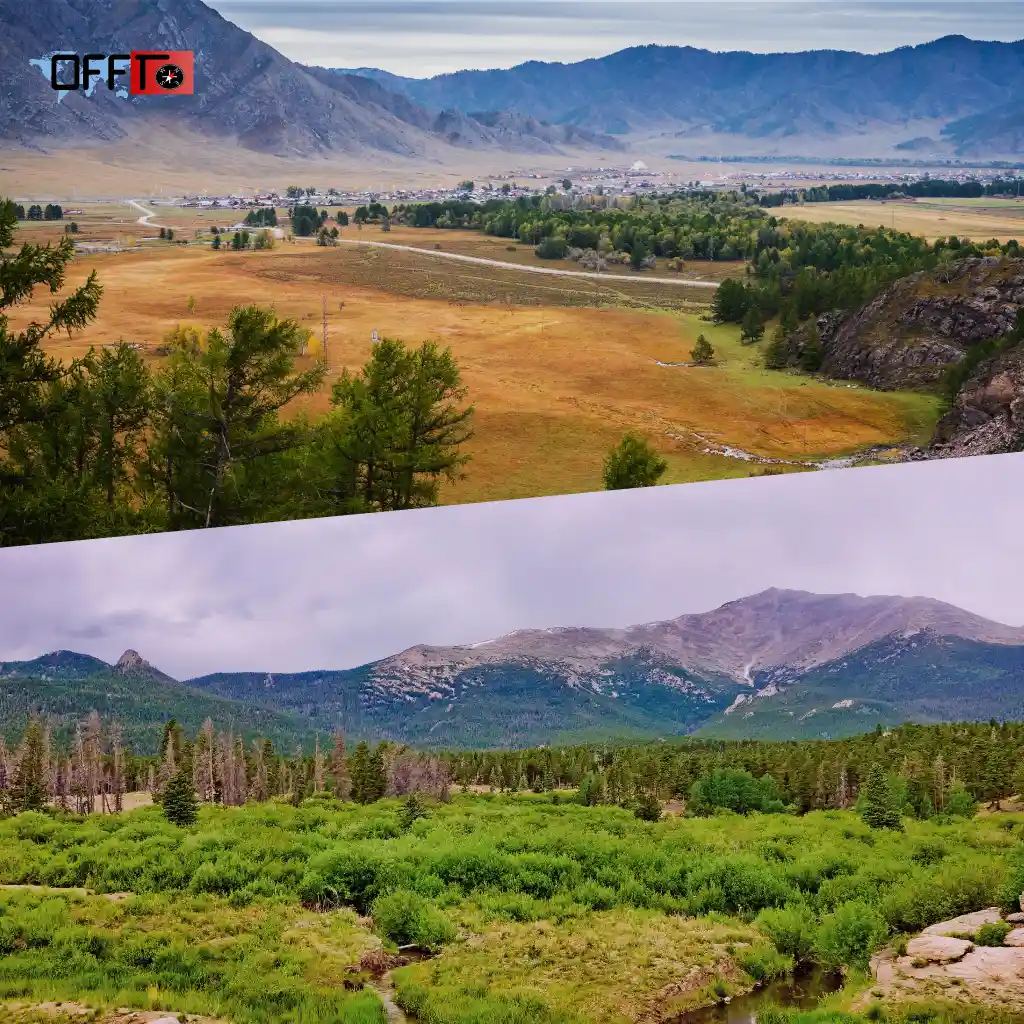
Neora Valley offers an enchanting experience throughout the year, but the best time to visit depends largely on your goals—whether you’re looking for optimal weather conditions, wildlife sightings, or breathtaking views.
Month-by-Month Travel Insight
- January – February (Winter)
The winter months in Neora Valley bring cold temperatures, especially at higher elevations. While the weather is mostly clear and crisp, the trails may be a bit challenging due to cold winds and occasional frost. However, this period offers fantastic clear skies for panoramic views of the Himalayas.- Temperature: Daytime highs can range from 7°C to 15°C, with nighttime lows dropping to -5°C to 5°C.
- Ideal for: Viewers, photographers, and trekkers who can handle cold weather. Also, excellent for wildlife spotting, as animals tend to be more visible against the snow-covered terrain.
- March – May (Spring to Early Summer)
Spring and early summer is arguably the best time to visit Neora Valley. The temperature becomes more moderate, and the region experiences pleasant weather ideal for trekking and outdoor activities. The forests are in full bloom, with rhododendrons and wildflowers dotting the landscape.- Temperature: Daytime temperatures range from 10°C to 18°C, and nighttime lows hover around 5°C to 8°C.
- Ideal for: Trekkers, wildlife enthusiasts, and anyone wanting to explore the valley in comfortable conditions. It’s the peak season for trekking, as the weather is perfect and the landscape is lush and vibrant.
- June – September (Monsoon)
Monsoon season brings heavy rainfall to the region. Neora Valley sees a drastic increase in humidity, and the trails can become slippery and challenging. However, the monsoon season also makes the forests lusher and brings out the best of Neora’s wildlife. If you’re looking to escape the crowds and experience the valley in its wildest form, this is the time to go, but be prepared for unpredictable weather.- Temperature: Daytime highs range from 18°C to 25°C, with nighttime temperatures around 15°C to 18°C.
- Ideal for: Wildlife enthusiasts and photographers looking for lush landscapes, though it’s less ideal for trekking due to muddy trails and the risk of landslides.
- October – December (Post-Monsoon to Winter)
Post-monsoon marks the transition to clearer skies and cooler temperatures. The landscape comes alive with lush greenery and flowing streams, making this a fantastic period for trekking. It’s the ideal time for trekkers and wildlife enthusiasts, with moderate temperatures and abundant wildlife activity.- Temperature: Daytime highs range from 12°C to 18°C, with colder nights dropping to 5°C to 8°C.
- Ideal for: Trekkers, nature lovers, and those seeking to experience the valley’s full beauty without the heavy rains. Wildlife sightings are also frequent as the animals become more active.
Neora Valley Temperature Variations
Due to its diverse elevation, Neora Valley experiences a wide range of temperatures:
- Lower Elevations: In areas like Lava and Kolakham, the temperature is moderate with cool, pleasant days and chilly evenings.
- Higher Elevations: As you ascend toward the park’s higher reaches, temperatures drop significantly. Nights can be very cold, even in the warmer months, especially in areas like Kolakham and Samsing.
The region’s temperature variations create a mix of subtropical, temperate, and alpine climates that can differ dramatically from day to night and region to region. Always pack for fluctuating conditions, especially if you’re trekking to higher altitudes.
When to Visit for Wildlife vs Views
- Wildlife Spotting:
- The best time to spot wildlife is during the winter months (December to February) when the animals are more visible due to the sparse foliage and cold conditions. You can also visit during spring and early summer (March to May) for better wildlife activity as temperatures are milder.
- The monsoon season (June–September) can be a bit tricky, as many animals take shelter during heavy rains. However, some species, especially birds, may still be visible.
- For Views: If your primary goal is to enjoy panoramic views of the Himalayan ranges, autumn (October–November) is the perfect time, with crisp air, clear skies, and a vibrant landscape. The winter months also offer stunning visibility, but the cold can sometimes hinder hiking and sightseeing, especially in high-altitude areas.
Neora Valley in Monsoon — Should You Go?
Monsoon in Neora Valley is a double-edged sword: it brings the lush beauty of the region but also introduces significant challenges for trekkers. While the monsoon period (June–September) might seem like an exciting time to visit for nature lovers, it requires preparation and careful consideration.
Risks and Rewards
- Risks:
- Slippery Terrain: The trails can become slippery during heavy rainfall, making certain stretches dangerous. Muddy paths are common, and navigating the dense forest becomes more challenging.
- Landslides: Monsoon rains increase the risk of landslides, particularly in areas where the trails run along steep slopes. This can disrupt access to certain trekking routes and make travel uncertain.
- Leeches: One of the downsides of trekking during monsoon is the presence of leeches in the forest. These small creatures are active in wet conditions and can be a nuisance to trekkers.
- Visibility: Heavy rain can lead to low visibility and fog, making it difficult to enjoy the breathtaking views that Neora Valley is famous for.
- Rewards:
- Lush Landscape: Despite the risks, monsoon transforms the valley into a lush, green paradise. The vegetation is at its fullest, and the forest appears to come alive with vitality.
- Peaceful Atmosphere: Since fewer people venture into Neora Valley during monsoon, it’s the perfect time to enjoy solitude in nature without the crowds, providing a truly off-the-beaten-path experience
- Wildlife Sightings: Many animals, including birds, thrive during monsoon, making it a good time for wildlife watchers willing to brave the elements.
Neora Valley Stay Options (Where to Stay)
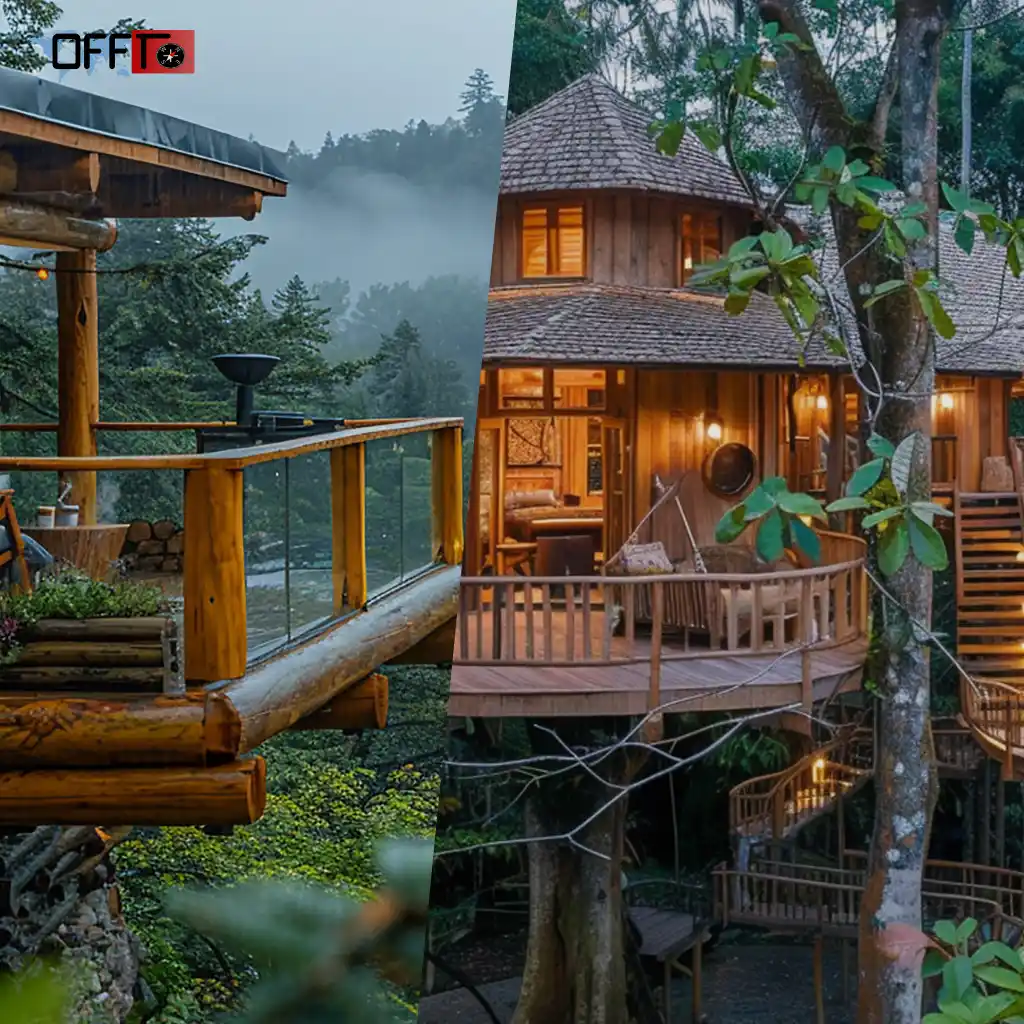
When visiting Neora Valley, your accommodation choices significantly impact your overall experience. The valley offers a variety of options that range from community-driven homestays to more immersive forest stays, each providing its unique charm. Whether you want to be closer to nature or enjoy the warmth of local hospitality, Neora Valley has something to suit every traveler.
Neora Valley Homestays (Local Experience)
For those looking for an authentic, community-driven experience, homestays are the way to go. Staying with a local family in Kolakham or Lava allows you to truly immerse yourself in the culture, enjoy home-cooked meals, and learn about the lifestyle of people living in the region.
Staying in Kolakham / Lava
- Kolakham: Known for its peaceful atmosphere and breathtaking views, Kolakham is a perfect base for exploring Neora Valley. The village is relatively small but offers some fantastic homestays that provide a more intimate connection to the local way of life. Most homestays here offer basic yet comfortable accommodations, with wooden rooms, warm bedding, and cozy spaces to relax after a long day of trekking.
- Lava: Another popular spot for trekkers, Lava offers a bit more in terms of facilities but still retains its charm and tranquility. Staying in Lava allows easy access to trekking routes, and you can unwind at the end of the day with a cup of tea while soaking in the spectacular mountain views.
Community-Driven Stays
- Personalized Experience: Homestays are not just about a place to sleep; they provide a chance to experience the local culture firsthand. You can learn about the traditional customs, participate in local activities, and even join the hosts in farming or cooking.
- Affordable and Sustainable: These stays are often very budget-friendly while also supporting the local community and promoting sustainable tourism. By staying in homestays, you help preserve the integrity of the region, contributing to a low-impact, eco-friendly experience.
Homestays in Neora Valley allow for a deeper connection with the region’s culture and are the perfect way to experience the area as the locals do, without the distractions of large-scale tourism.
Neora Jungle Camp (Forest Stay Experience)
If you’re looking to immerse yourself in the heart of the forest, staying at a Neora Jungle Camp offers a truly unique and memorable experience. These camps are designed to allow you to stay close to nature while enjoying the comforts of modern amenities.
What Makes it Unique
- Secluded Wilderness: Neora Jungle Camp is located in a remote area of the valley, providing you with an immersive experience far from the crowds. You’ll stay within close proximity to the forest and experience the peace and serenity of the wild, surrounded by the sounds of the forest, with the opportunity to catch glimpses of wildlife and birds that call Neora Valley home.
- Eco-Friendly Stays: The camps are designed with sustainability in mind, using natural materials for construction and minimizing the environmental footprint. You can expect a campfire, open-air dining, and tented accommodations that blend seamlessly into the landscape.
- Private and Exclusive: Neora Jungle Camp is an ideal option for those looking for a more private experience. The camps offer a sense of exclusivity, with only a few tents available at any time. It’s an excellent choice for those looking to disconnect from the hustle and bustle of daily life.
Who It’s Ideal For
- Nature Enthusiasts: If you want to be close to nature, immersed in the sounds of the jungle, and experience wildlife sightings, this is the place to stay.
- Adventure Seekers: Those who enjoy staying off the beaten path and appreciate the beauty of the wilderness will find Neora Jungle Camp to be the perfect place to relax after a day of trekking or forest exploration.
Whether you’re a wildlife enthusiast, a photographer, or someone looking for a tranquil escape, Neora Jungle Camp provides a unique experience that connects you to the heart of Neora Valley’s wilderness.
Suggested Itinerary for Neora Valley
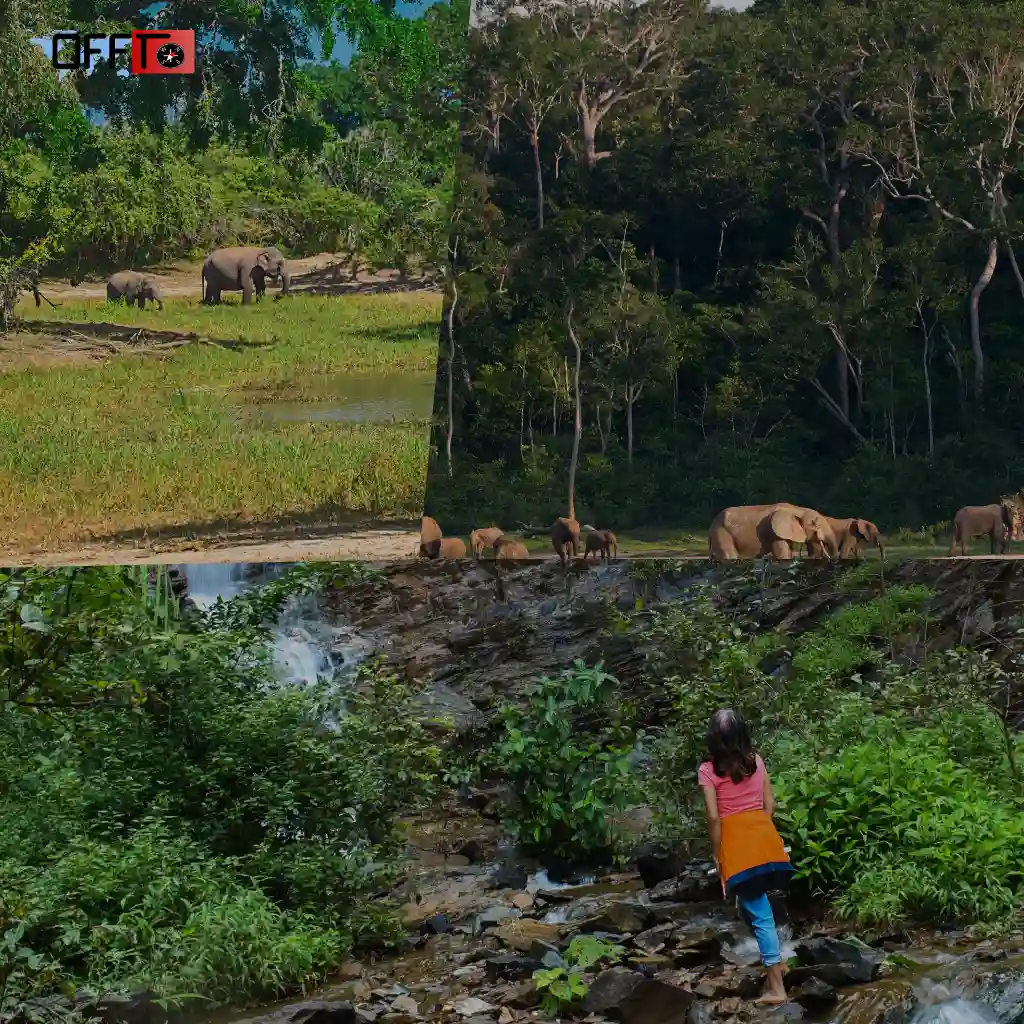
Neora Valley offers something for every type of traveler, whether you’re looking for a quick escape into nature or a relaxed, immersive experience. Below are two suggested itineraries to help you make the most of your time in this beautiful, remote region.
2-Day Itinerary (Quick Nature Escape)
For those who have limited time but still want to experience the natural beauty and peace of Neora Valley, a 2-day itinerary is ideal. This plan is designed to cover the key highlights without rushing, while also allowing some downtime to appreciate the serenity of the area.
Day 1: Arrival and Exploration
- Morning: Arrive in Lava, the most accessible town to Neora Valley. If coming from Kalimpong or Siliguri, the drive takes about 3–4 hours. Check into your homestay or eco-lodge.
- Afternoon: After settling in, head to Kolakham (around 30 minutes drive), a small village near Neora Valley, for a scenic walk through lush tea gardens and forest areas. Spend time exploring the local culture and enjoy the fresh mountain air.
- Evening: Enjoy a home-cooked meal at your homestay, followed by a relaxed evening watching the sunset over the hills. You can engage in conversations with the hosts or simply soak in the quietude of the environment.
Day 2: Neora Valley Trek and Departure
- Early Morning: Start the trek towards Kolakham or head for the Lava to Kolakham trail, depending on your preference. You’ll experience dense forest walks, beautiful riverside spots, and potentially spot some wildlife along the way. The trek will take around 4–5 hours.
- Mid-Day: After reaching Kolakham, take a short break, and enjoy the panoramic views of the Himalayan ridgelines. If you’re up for it, continue exploring the surrounding viewpoints.
- Afternoon: Return to Lava by mid-afternoon. After a light meal, begin your journey back to Kalimpong or your onward destination.
3-Day Itinerary (Slow Travel Plan)
For those looking to truly immerse themselves in the region’s beauty and enjoy a slower pace, a 3-day itinerary provides ample time to explore more deeply. This plan includes trekking, relaxation, and some nearby sightseeing, allowing you to experience both the adventure and tranquility that Neora Valley has to offer.
Day 1: Arrival and Relaxation
- Morning: Arrive in Lava or Kolakham and check into your homestay. After a long journey, take some time to relax and unwind. The cool mountain air and peaceful surroundings will provide a refreshing break from the usual rush.
- Afternoon: Explore the local area, wander around Lava’s peaceful lanes, or take a short walk through the nearby tea estates. You can also enjoy a cup of local tea and engage with the locals for a more authentic experience.
- Evening: Enjoy a quiet evening at your homestay with a traditional dinner. Take in the night sky—free from the light pollution of cities.
Day 2: Trekking and Wildlife Exploration
- Early Morning: Start the day with a short trek to Kolakham, covering about 5–6 km in the early morning. As you trek through the forest, be on the lookout for wildlife like the red panda, wild boars, and the rare Himalayan tahr. Enjoy the crisp air and dense foliage as you make your way towards the viewpoint.
- Late Morning: Reach Kolakham and relax at a viewpoint overlooking the Neora Valley. Take your time exploring the surrounding areas and enjoy a packed lunch or snacks while appreciating the stunning mountain views.
- Afternoon: Spend the afternoon on a leisurely trek around the village. Visit nearby riverside spots or relax by a local stream. If you’re into photography, this is the perfect spot to capture the landscape.
- Evening: Return to your homestay for another relaxing evening. Enjoy a peaceful dinner and perhaps take a walk through the village after dark.
Day 3: Additional Trek and Departure
- Morning: For the final day, take a short trek to the Neora River or go for a nature walk in the surrounding forests. The riverside area is peaceful and ideal for reflecting on the beauty of the valley.
- Late Morning: Depending on your departure time, you can visit local temples or simply enjoy the village atmosphere. You can also make a trip to Samsing, a nearby village known for its scenic tea gardens.
- Afternoon: Head back to Kalimpong or your next destination by late afternoon.
The 3-day itinerary offers a perfect balance of adventure, relaxation, and immersion in the local culture. It’s ideal for travelers who want to slow down, explore the valley at their own pace, and experience the natural wonders without feeling rushed.
Travel Tips for Neora Valley
Neora Valley offers a truly immersive and unspoiled experience, but to fully enjoy its beauty and maintain the integrity of this untouched ecosystem, it’s important to be well-prepared. Here are some essential travel tips to help you make the most of your trip.
Permits and Entry Rules
To enter Neora Valley National Park, you will need an entry permit from the West Bengal Forest Department. This is required for trekking within the park and for accessing restricted areas like the Kolakham and Samsing zones.
- Trekking Permits: If you plan to trek into the park, especially through areas that require a guide, it’s essential to apply for permits in advance.
- Guide Requirements: Depending on the route, some parts of the park may require you to trek with a local guide. This is especially the case for more remote regions where the paths are not well-marked.
- Local Regulations: Visitors are encouraged to follow all park regulations to ensure minimal impact on the ecosystem. Avoid camping in unauthorized areas and respect wildlife by keeping your distance.
What to Pack (Very Important Here)
- Packing for Neora Valley requires careful thought, as the terrain can be challenging and the weather unpredictable. Here’s what to bring to ensure you are prepared for the trek and stay:
- Trekking Gear:
- Comfortable and sturdy trekking shoes with good grip
- Lightweight clothing that’s breathable for the day and warm enough for the evening chill
- Lightweight rain jacket (important in the monsoon season)
- Walking poles can be helpful on more rugged terrain
- Personal Essentials:
- Waterproof backpack to keep your belongings dry
- 2–3 liters of water per day for hydration, as water sources along the trail are limited
- Snacks (energy bars, dry fruits) for quick energy boosts during trekking
- First aid kit with essentials like pain relievers, bandages, and insect repellent
- Leech protection (such as salt or spray) during the monsoon months
- Sun Protection:
- Hat, sunglasses, and sunscreen to protect from the sun, especially in exposed areas
- Camera: Don’t forget your camera or phone to capture the stunning views of the Himalayas, wildlife, and lush landscapes.
Connectivity and Network Reality
Neora Valley is a remote area, and while there may be occasional mobile reception at higher points, network connectivity is generally weak throughout the valley.
- Limited Signal: In areas like Lava and Kolakham, you might get limited signal, but it’s best not to rely on mobile data.
- Offline Maps: Downloading offline maps (Google Maps, Maps.me) is crucial for navigation, as signal can be spotty or absent during trekking.
- No Wi-Fi in Homestays: Most homestays in the area do not have Wi-Fi or internet access, making it a great opportunity to disconnect and fully immerse yourself in the natural surroundings.
Ensure your trip is about nature and exploration, and not about staying connected to the digital world.
Responsible Travel Guidelines
Neora Valley is a pristine ecosystem, and it is essential to follow sustainable travel practices to minimize your environmental footprint:
- Leave No Trace: Always carry out your trash, including wrappers, bottles, and food scraps. There are no waste disposal systems in the park, so it’s essential to pack out everything you bring in.
- Respect Wildlife: Keep a safe distance from animals, especially the red panda and other rare species. Do not attempt to feed or disturb wildlife in any way.
- Support Local Communities: Opt for homestays and local eco-lodges that directly benefit local communities. This helps maintain the region’s economy while supporting sustainable tourism.
- Follow Trail Etiquette: Stick to marked trails to avoid disturbing the natural habitat. If you encounter other trekkers, be respectful and allow for others to pass when necessary.
- Respect Nature: Don’t pick plants or flowers and avoid damaging trees or wildlife. Ensure your trekking practices contribute to the preservation of the environment.
By following these responsible travel guidelines, you ensure that Neora Valley remains pristine and unspoiled for future generations of travelers.
A Quick Personal Note: What Neora Valley Really Feels Like
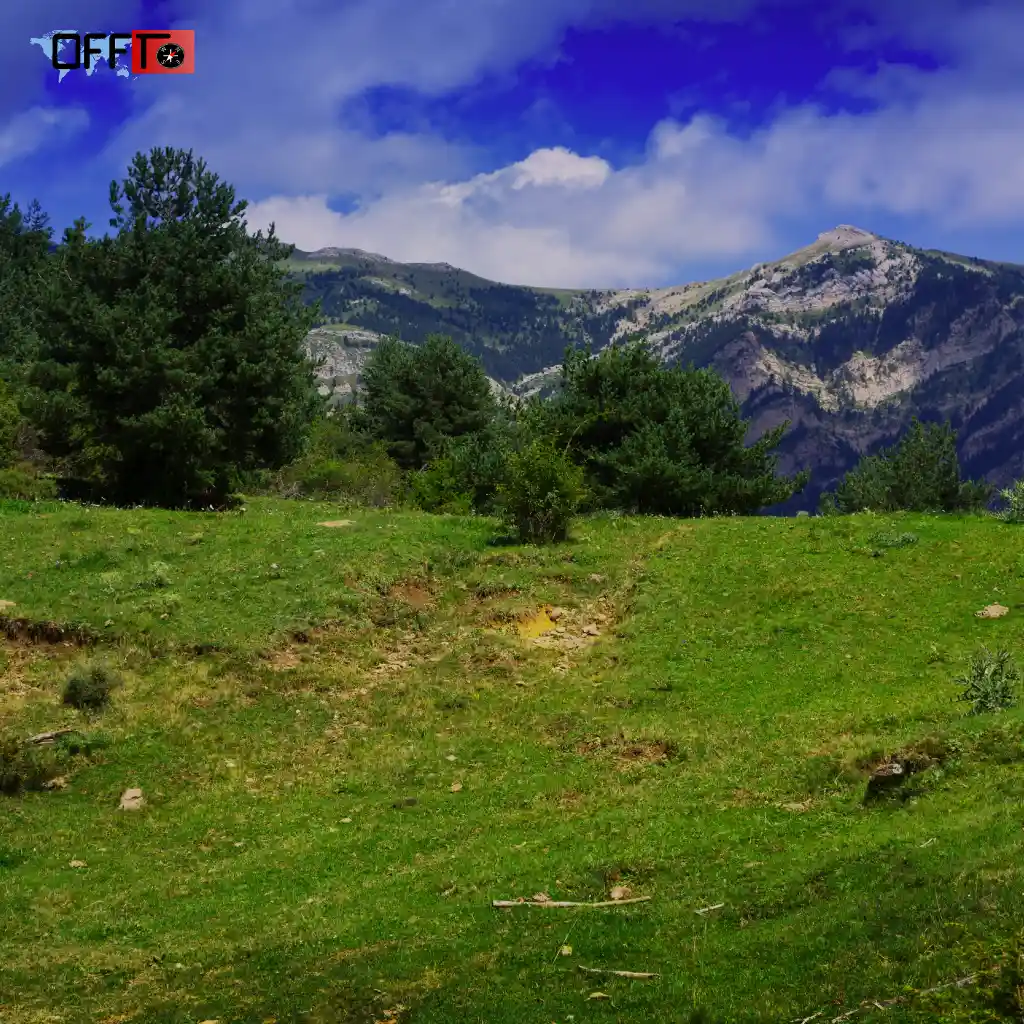
Neora Valley isn’t just a destination; it’s a place that allows you to truly disconnect from the world. It’s not about the hustle or the next Instagram moment; it’s about experiencing solitude and tranquility in nature.
Quiet, Untouched, Almost Meditative
There’s something incredibly calming about the valley. The moment you arrive, the quietness of the place washes over you. The sound of the wind rustling through the trees, the occasional bird call, and the distant hum of the river are the only noises that break the silence. This isn’t a place to rush through—it’s one that invites reflection and peaceful introspection. It feels as though time slows down here, and the hectic pace of modern life fades into the background.
A Contrast to Crowded Hill Stations
Unlike the crowded hill stations like Darjeeling or Sikkim, Neora Valley offers something far more authentic and uncommercialized. There are no heavy crowds, no noisy markets, no chaotic tourist spots. Instead, you find a genuine connection to nature and a sense of peace that many other places can no longer offer. It’s a stark contrast to the well-known hill stations and a breath of fresh air for anyone seeking a quieter, more meaningful escape.
Subtle Emotional Reflection
It’s easy to get lost in the natural beauty of Neora Valley. The views are nothing short of spectacular, and the stillness of the forest allows for moments of emotional reflection. Whether you’re sitting by the river or gazing at the Himalayan ridges, the experience has a way of grounding you, offering a perspective that modern, bustling life often doesn’t. You come to realize how much of the world’s untouched beauty still exists and how much we often take nature for granted. Neora Valley isn’t just a destination—it’s a place to pause, breathe, and reconnect with the earth around you.
Plan Your Neora Valley Trip with Offto Travellers
Neora Valley is one of India’s hidden gems, and planning a trip here is made easier with Offto Travellers. Whether you’re looking to explore offbeat destinations, create your custom itinerary, or simply book your stay and activities, Offto Travellers streamlines the entire travel process. Here’s how you can plan your perfect Neora Valley escape with us.
Discover Offbeat Destinations Like Neora Valley
At Offto Travellers, we focus on hidden gems like Neora Valley, which offer a unique and authentic experience compared to mainstream destinations. Whether you’re trekking through dense jungles or spending your evenings in peaceful village homestays, we highlight places where you can truly immerse yourself in nature.
Explore destinations that are off the beaten path, uncommercialized, and perfect for travelers looking for peace, adventure, and a deep connection with nature. Neora Valley is one of those rare destinations where you can experience solitude and adventure while still enjoying comfortable accommodations and expert travel guidance.
Save Travel Plans and Itineraries
Planning a trip to Neora Valley involves more than just picking dates—it’s about ensuring you hit all the highlights and still have time to unwind. Offto Travellers lets you save travel plans and customize itineraries to suit your pace.
- Quick Trip or Extended Stay? Whether you’re there for a short weekend or a more leisurely exploration, you can organize your time and activities in one place.
- Pre-Made Itinerary Suggestions: Not sure where to start? We offer carefully crafted itineraries, like the 2-day Nature Escape or 3-day Slow Travel Plan, to help you make the most of your time in Neora Valley.
- Track Your Progress: Save and update your trip, making it easy to adjust plans as you go. Everything is organized, ensuring you never miss a key experience.
Book Stays, Treks, and Experiences
Booking your accommodation, trekking permits, and guided experiences has never been easier. With Offto Travellers, you can:
- Book Homestays: Stay in local homestays that provide you with an authentic experience, allowing you to live as the locals do, eat traditional meals, and engage in village life.
- Reserve Treks: We help you book guided treks through the Neora Valley National Park, where expert guides will lead you through the dense forests, up to panoramic viewpoints, and along wildlife trails.
- Special Experiences: Looking for more than just trekking? We offer birdwatching tours, riverside explorations, and local cultural experiences that let you dive deep into Neora’s vibrant ecosystems and traditions.
No matter what kind of adventure you’re looking for, Offto Travellers helps you book everything, from treks to stays, at the click of a button.
Connect with Travelers Exploring Hidden India
One of the best parts of traveling with Offto Travellers is our community of like-minded explorers. You’ll have access to:
- Traveler Stories: Share and read real experiences from those who have journeyed through Neora Valley and other offbeat locations.
- Expert Tips: Get insights and recommendations from seasoned travelers who have explored hidden India, ensuring that your experience is authentic and unforgettable.
- Travel Meetups: For those looking to meet fellow explorers, our community facilitates meetups and group treks, allowing you to connect with others passionate about offbeat travel.
By joining Offto Travellers, you’re not just planning a trip—you’re becoming part of a community of explorers dedicated to discovering and preserving the beauty of hidden India.
Plan Your Neora Valley Adventure with Ease
Neora Valley offers an incredible opportunity to escape the crowds and enjoy nature in its most pristine form. Let Offto Travellers help you plan every detail of your trip, from booking stays and activities to exploring the valley’s stunning trails and vibrant wildlife. Start your adventure today and discover Neora Valley in a way that’s both meaningful and stress-free.
FAQs
Where is Neora Valley located?
Neora Valley is located in the Eastern Himalayas, in the state of West Bengal, India, near Kalimpong. It lies within the Neora Valley National Park and is known for its dense forests, rugged terrains, and serene landscapes. The valley is surrounded by small villages such as Lava, Kolakham, and Samsing, all of which serve as entry points for trekkers and nature enthusiasts.
What is Neora Valley famous for?
Neora Valley is famous for its untouched biodiversity, offering a haven for wildlife, including the elusive red panda. The valley is also known for its dense jungles, rugged trekking routes, and remote, peaceful atmosphere. It stands out as a quiet alternative to popular hill stations like Darjeeling and Sikkim, offering an authentic and immersive nature experience for trekkers and eco-tourists alike.
Is Neora Valley trek difficult?
The Neora Valley trek is considered moderate in difficulty. It involves walking through dense forests, ascending to high ridges, and navigating rugged terrains. The trek can be demanding, especially for beginners, due to its length (12–20 km) and elevation gains. However, experienced trekkers will enjoy the challenge. The Lava to Kolakham route is the easiest, while routes extending deeper into the park are better suited for seasoned hikers.
What animals are found in Neora Valley National Park?
Neora Valley National Park is home to a rich variety of wildlife, including rare and endangered species such as the red panda, Himalayan black bear, and clouded leopard. The park is also a haven for birdwatchers, with species like the rufous-necked hornbill and satyr tragopan. The diverse flora and fauna make it a key ecological zone and one of India’s most biodiverse national parks.
What is the best time to visit Neora Valley?
The best time to visit Neora Valley is between October and March, when the weather is cool and clear, ideal for trekking and wildlife watching. During spring (March to May), the valley comes alive with vibrant blooms, making it perfect for nature walks. Monsoon (June–September) is less ideal due to heavy rainfall, which can make trails slippery and lead to visibility issues. Autumn is another excellent time for clearer views and mild temperatures.
Are there good homestays in Neora Valley?
Yes, Neora Valley offers several authentic homestays, especially in Lava and Kolakham, where travelers can enjoy the warmth of local hospitality. These homestays provide a comfortable stay with basic amenities and home-cooked meals, allowing you to immerse yourself in the local culture. Staying in a homestay is a great way to support sustainable tourism and connect with the community while enjoying the serenity of the valley.
What activities can you do in Neora Valley?
Neora Valley offers a variety of outdoor activities, including trekking, wildlife watching, and birdwatching. Popular activities include trekking from Lava to Kolakham, exploring the valley’s dense forests, and visiting the Neora River. For those looking for a more relaxed experience, you can enjoy peaceful riverside walks, nature photography, and local village visits. The untouched environment makes it ideal for those seeking both adventure and tranquility.
How can I reach Neora Valley?
Neora Valley is easily accessible from Kalimpong, which is about 30 km away. You can reach Kalimpong by road from Siliguri (approximately 3–4 hours). From Kalimpong, you can take a taxi or local transport to Lava, Kolakham, or Samsing, which are the main entry points for the valley. If traveling by train, the nearest railway station is New Jalpaiguri, from where you can hire a taxi for the remaining journey.
Is Neora Valley a good destination for wildlife photography?
Yes, Neora Valley is an excellent destination for wildlife photography. The park is home to rare and elusive species, such as the red panda, clouded leopard, and Himalayan tahr. The valley’s diverse habitats, including forests, rivers, and meadows, create excellent opportunities to capture unique moments. Birdwatchers can also spot numerous species, making it an ideal place for both wildlife and bird photography.
What makes Neora Valley different from other hill stations?
Neora Valley stands apart from traditional hill stations like Darjeeling and Sikkim due to its minimal commercialization and its pristine natural beauty. The region offers a much more authentic, off-the-beaten-path experience, with its untouched jungles, remote trekking routes, and peaceful ambiance. The wildlife, including the red panda, along with its rugged terrain and biodiversity, make it a unique and much less crowded alternative to the more tourist-heavy hill stations.
Read more >>>
Beas Kund Trek – Complete Guide to Trek Distance, Weather & Tips
Kashmir Great Lakes Trek – Ultimate Guide to Best Time, Cost & Tips
Plan Your Neora valley with Offto Travellers
Discover real travel stories, save your trek plans, and explore experiences shared by fellow travelers. With Offto Travellers, you can plan smarter, connect with a community, and book stays or trips—all in one place designed for modern explorers.
Play StoreApp Store
Leave a Reply