
Zanskar Valley, located in Ladakh, is famous for its breathtaking landscapes, the Zanskar River, and challenging trekking routes. The valley is a hidden gem for adventure lovers, offering a unique experience with its remote beauty and rugged terrain. Winter temperatures can drop as low as -40°C.
Introduction to Zanskar Valley
Nestled in the heart of the Himalayas, Zanskar Valley is one of India’s most unspoiled and hidden gems. Located in Ladakh, a region known for its stark beauty and remoteness, Zanskar offers an escape from the modern world into a land where nature and culture intertwine. The valley is characterized by dramatic landscapes — from barren, snow-covered mountains to deep ravines and rivers that snake through its core.
For those seeking adventure and serenity alike, Zanskar is a destination that promises both. Trekking enthusiasts flock here for the famous Chadar Trek (walking over the frozen Zanskar River), while spiritual travelers visit the numerous monasteries perched on cliffs. With minimal tourism infrastructure, Zanskar retains its authenticity, offering a glimpse into a life untouched by commercialization.
In this guide, we’ll explore the best time to visit, top trekking routes, cultural sites, and practical travel tips for anyone planning to visit this beautiful region.
What is Zanskar Valley?
Zanskar Valley is a remote area located in the northern part of India, within the Ladakh region, and is bordered by the Zanskar Range to the south and the Himalayas to the north. It sits at an altitude of about 3,500 meters (11,500 feet) above sea level, offering stunning vistas of snow-covered peaks, deep river valleys, and rugged landscapes. While it is accessible from Leh, the capital of Ladakh, the valley is often cut off from the rest of the world for months during the winter due to heavy snowfall and the closure of roads.
The valley is famous for its pristine environment, diverse wildlife, and deep-rooted Tibetan Buddhist culture. It is a place where travelers can experience a peaceful retreat, away from the hustle and bustle of modern life. Despite its isolation, Zanskar is also home to several villages, monasteries, and adventure trekking routes, making it an attractive destination for nature lovers, trekkers, and cultural explorers.
Why Zanskar Valley is Famous
Zanskar Valley is famous for its rugged terrain and the Chadar Trek — one of India’s most famous and unique trekking routes. This winter trek across the frozen Zanskar River is a once-in-a-lifetime experience, attracting adventurers from all over the world. However, Zanskar’s fame extends beyond trekking; its ancient monasteries, such as Phugtal Monastery and Zangla Monastery, offer a deep dive into the spiritual side of Ladakh. These monasteries, perched on cliffs or hidden deep in the valleys, provide travelers with the chance to connect with Buddhist culture and experience life in a way few places on earth allow.
Zanskar is also home to several hidden gems that make it a must-visit destination. Zanskar River, a lifeline for the people of the valley, is known for its crystal-clear waters and dramatic gorges. In the summer months, the river becomes a hub for river rafting and exploration. The valleys and gorges of Zanskar are also perfect for photographers looking to capture its untouched beauty. Whether you’re an adventure seeker or someone looking to immerse yourself in local culture, Zanskar offers a unique blend of both.
Geography and Location of Zanskar Valley
Zanskar Valley is located in the Ladakh region, which lies in the northernmost part of India, bordered by Himalayas to the north and the Zanskar Range to the south. It is geographically isolated from the rest of the world, making it one of the most remote regions in India. The valley is a high-altitude region with an average elevation of around 3,500 meters (11,500 feet) above sea level, offering incredible views of towering snow-covered peaks, rocky gorges, and vast barren landscapes.
Leh, the main city in Ladakh, is the closest urban center, but it’s a long journey to get to Zanskar. In the summer months, the Srinagar-Leh Highway is accessible, and travelers can drive through Kargil to reach Zanskar, though this is a tough and often bumpy ride. In winter, Zanskar is completely cut off from the outside world due to the harsh weather, making it one of the most peaceful and unspoiled locations in India.
The region is known for its striking mountain landscapes, trekking routes, and glacial rivers. The famous Zanskar River flows through the valley, and in the winter months, it freezes to form a natural pathway for the Chadar Trek, which draws trekkers from all over the world. For those looking to explore the Zanskar Range, it offers some of the most beautiful and rugged terrain for mountaineering and hiking.
Best Time to Visit Zanskar Valley
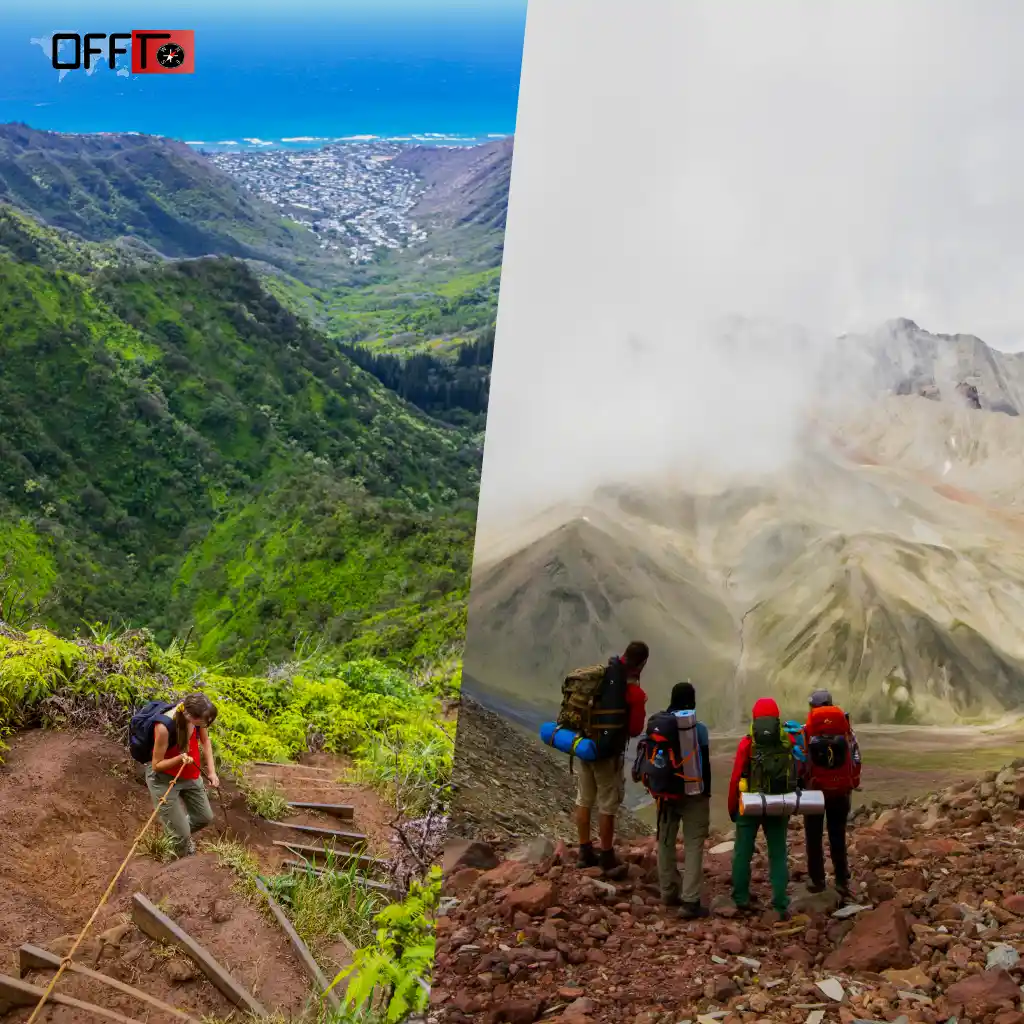
The best time to visit Zanskar Valley depends entirely on the kind of experience you seek. Whether you’re looking for adventurous trekking or a more serene and peaceful exploration of the region, Zanskar offers a wide range of experiences year-round. The valley’s remote location means weather plays a huge role in deciding the best time to visit.
In general, summer is the most popular season for tourists as it offers milder temperatures, clear skies, and accessibility to most trekking routes. However, winter presents a unique challenge for those seeking a more adventurous experience, with opportunities to undertake the iconic Chadar Trek.
When is the Best Time to Visit Zanskar Valley?
The best time to visit Zanskar Valley is from May to September, especially for those looking to experience trekking in more accessible and milder conditions. May to August brings the warmest weather and is the tourist season, where most activities like trekking, rafting, and monastery visits are possible. For those looking to explore the monasteries and take part in local Ladakhi festivals, the summer months provide an excellent opportunity.
However, for those looking to experience Zanskar in a unique light, November to March offers an opportunity to witness the winter transformation, with the famous Chadar Trek becoming the highlight of this season. Temperatures in winter can dip to below freezing, making it a true adventure, but it also offers a chance to experience Zanskar in its most pristine form, with snowy peaks and frozen landscapes.
Seasonal Guide for Visiting Zanskar Valley
Summer (May to August)
Summer is by far the best time for a comfortable visit to Zanskar. The temperatures range from 15°C to 30°C (59°F to 86°F), making it ideal for exploring the region’s trekking routes and visiting its monasteries and cultural sites. During the summer months, the roads are clear, and Srinagar-Leh Highway is open, allowing for easier travel to the valley. You’ll also find villages more accessible, with a chance to interact with the locals.
The Zanskar River is also open for rafting, which allows visitors to enjoy the beauty of the river while experiencing some adventure. Summer is also the time when several Ladakhi festivals take place, such as Dosmoche Festival, which will give you a glimpse into the vibrant local culture.
Winter (November to March)
Winter transforms Zanskar Valley into a surreal winter wonderland, with temperatures dropping to below freezing. The frozen Zanskar River becomes the base for the famous Chadar Trek, where trekkers walk across the ice, surrounded by the stunning landscape of frozen waterfalls and snow-capped peaks. Winter in Zanskar is for the adventurous souls, as it offers a chance to experience nature in its purest, most untouched form.
However, the cold can be intense, and travelers need to be prepared with proper clothing and gear. While most tourist routes are closed, the Chadar Trek offers one of the most incredible experiences for those looking for a true adventure. The remote location also ensures that you’ll experience solitude, with far fewer tourists in the winter months, allowing for a truly peaceful and unique experience.
Zanskar Valley Trekking
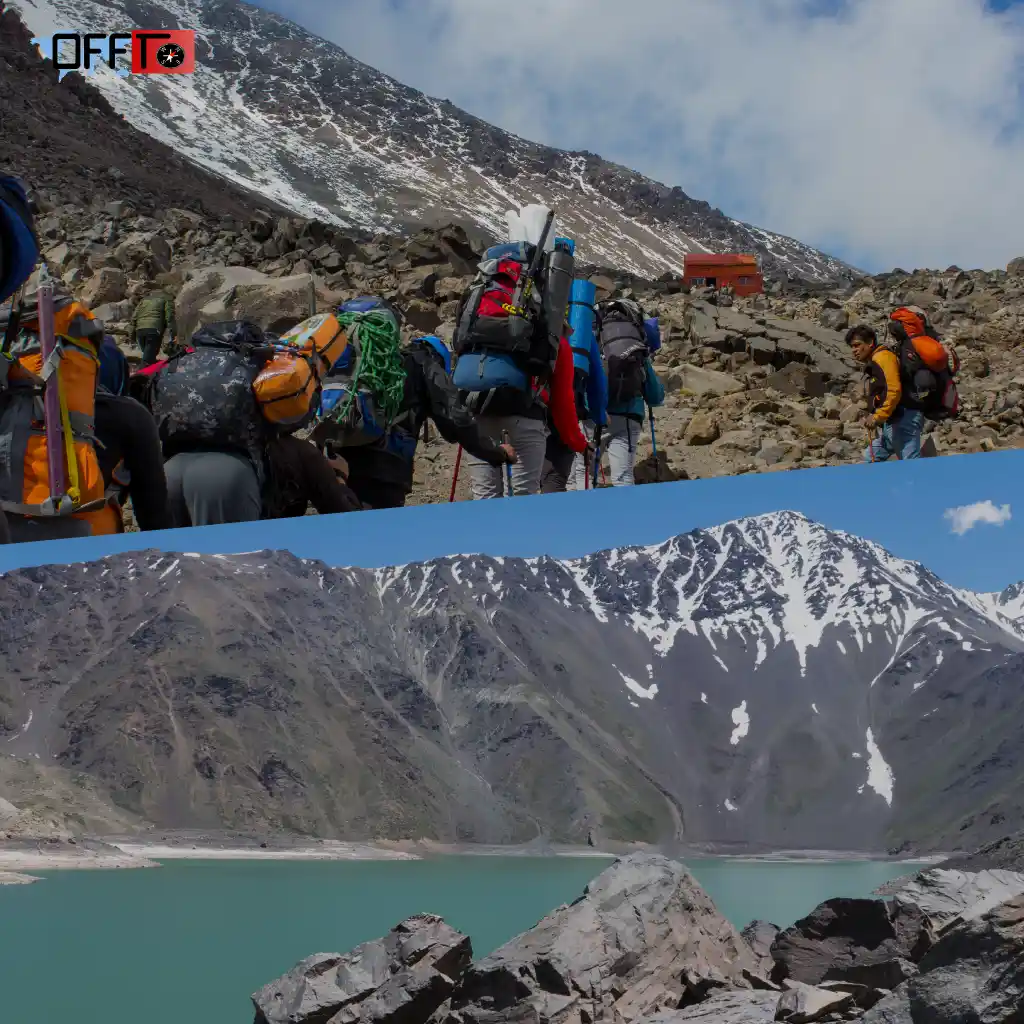
Zanskar Valley is one of India’s most pristine and untouched destinations for trekking, attracting adventure enthusiasts from across the globe. The region is known for its breathtaking landscapes, rugged terrain, and high-altitude challenges, making it the perfect choice for trekkers seeking a unique and challenging adventure. Trekking in Zanskar offers a chance to experience some of the most remote areas of India, where you’ll traverse through frozen rivers, high mountain passes, and isolated villages, all while immersing yourself in the deep-rooted Buddhist culture of Ladakh. Whether you’re a seasoned trekker or a first-timer looking for a challenge, the Zanskar Valley offers a variety of trekking routes, each promising an unforgettable journey.
The valley is most famous for the Chadar Trek, which takes adventurers across the frozen Zanskar River in the winter months. However, the region offers several other routes, each providing a different experience of the valley’s rugged beauty and Tibetan Buddhist heritage. These treks challenge your physical endurance, but they reward you with scenic views, cultural insights, and the kind of solitude that few other places on earth can offer.
Zanskar Valley Trek Overview
Zanskar Valley is an adventure lover’s paradise, offering some of the most thrilling trekking experiences in India. The valley’s rugged terrain, remote location, and high-altitude landscapes make it an ideal destination for those looking to experience trekking like never before. Zanskar’s unique terrain, featuring deep river gorges, high mountain passes, and frozen rivers, presents a diverse challenge for trekkers of all levels.
The Zanskar Trek typically involves multi-day expeditions through spectacular landscapes that change from barren desert-like environments to lush green valleys and glacial rivers. The trekking routes often take travelers through ancient Ladakhi villages, hidden monasteries, and across the famous Chadar Trek, where trekkers brave the freezing conditions to walk across the frozen Zanskar River.
This region is also home to several other trekking routes, each offering a unique adventure, including high-altitude desert trekking, crossing ancient trade routes, and exploring remote Buddhist monasteries. These treks not only challenge your physical endurance but also provide a cultural and spiritual experience, as you’ll pass through some of the most remote Buddhist settlements in India.
Best Trekking Routes in Zanskar Valley
Zanskar offers a range of trekking routes, each with its own set of challenges and rewards. Below are some of the best trekking routes in Zanskar Valley:
1. The Chadar Trek (Frozen Zanskar River Trek)
The Chadar Trek is the most famous trekking route in Zanskar Valley, drawing adventurers from around the world. This extraordinary trek takes you across the frozen Zanskar River, where trekkers walk on the ice during the harsh winter months. The journey is surrounded by snow-covered peaks, frozen waterfalls, and deep ravines, offering an unparalleled winter trekking experience. The trek takes around 8 to 10 days and is physically demanding due to the extreme cold and the challenging terrain.
2. Zanskar Valley Trek (Padum to Lamayuru)
This trek is one of the most popular options for those wanting to experience the beauty of Zanskar’s remote landscapes and culture. It connects the Padum Valley (the main town in Zanskar) to Lamayuru in Leh, passing through picturesque villages, monasteries, and high mountain passes. This trek typically takes 10-12 days and offers trekkers the opportunity to immerse themselves in the local Tibetan Buddhist culture.
3. Markha Valley Trek
While technically not within Zanskar, the Markha Valley Trek is closely linked to the region and offers a similar rugged terrain experience. This trek takes you through the Hemis National Park, offering stunning views of snow-capped peaks, glacial streams, and ancient monasteries, including Ganda La Pass and Nimaling Plain. It’s an ideal trek for those seeking a moderately challenging route with spectacular views and cultural encounters.
4. Stok Kangri Trek
For those looking for a more challenging and high-altitude experience, the Stok Kangri Trek offers a demanding adventure. This 6-8 day trek leads trekkers to the summit of Stok Kangri, one of the highest peaks in Ladakh, at an altitude of 6,153 meters (20,187 feet). The trek takes you through barren landscapes, high-altitude desert, and offers magnificent views of the surrounding mountains and valleys.
Difficulty Level of Zanskar Valley Trek
Trekking in Zanskar Valley is not for the faint-hearted. The difficulty level varies depending on the trekking route and the time of year, but most treks in the region are considered challenging due to the high altitude, rugged terrain, and extreme weather conditions.
- Chadar Trek: The Chadar Trek is one of the most difficult treks in India. It involves walking on the frozen Zanskar River, where the ice may crack underfoot, and the temperatures can drop below -20°C. The trek requires physical endurance, mental toughness, and prior experience in winter trekking. The conditions can be harsh, with high risks of altitude sickness, so it is crucial to be in good physical condition and prepared for extreme cold.
- Zanskar Valley Trek (Padum to Lamayuru): This trek is moderate to difficult, taking you across remote villages, high mountain passes, and rugged terrains. The trek involves long days of walking, with elevation changes that can lead to altitude sickness if you’re not acclimatized. The trek is best suited for experienced trekkers who are physically fit and have prior experience at high altitudes.
- Markha Valley Trek: This is considered a moderate trek, suitable for intermediate trekkers who have experience with altitude and long-distance walking. The trek can be challenging due to its altitude and the physical exertion required, but it’s manageable for trekkers who are accustomed to hiking in rugged terrain.
- Stok Kangri Trek: This is one of the more difficult treks in Ladakh, as it involves a high-altitude ascent and requires excellent physical fitness. The trek is best suited for experienced trekkers who are prepared to face the harsh conditions and extreme altitude. The summit of Stok Kangri is 6,153 meters, so trekkers must be well-prepared for the risks associated with high-altitude treks, including altitude sickness.
In general, all treks in Zanskar require physical stamina, mental fortitude, and experience with high-altitude treks. The extreme cold during the winter months, the rugged terrain, and the challenges posed by the altitude can make trekking in Zanskar physically demanding. It’s important to prepare well and plan ahead, ensuring proper gear and acclimatization before embarking on these treks.
Zanskar River and Its Significance
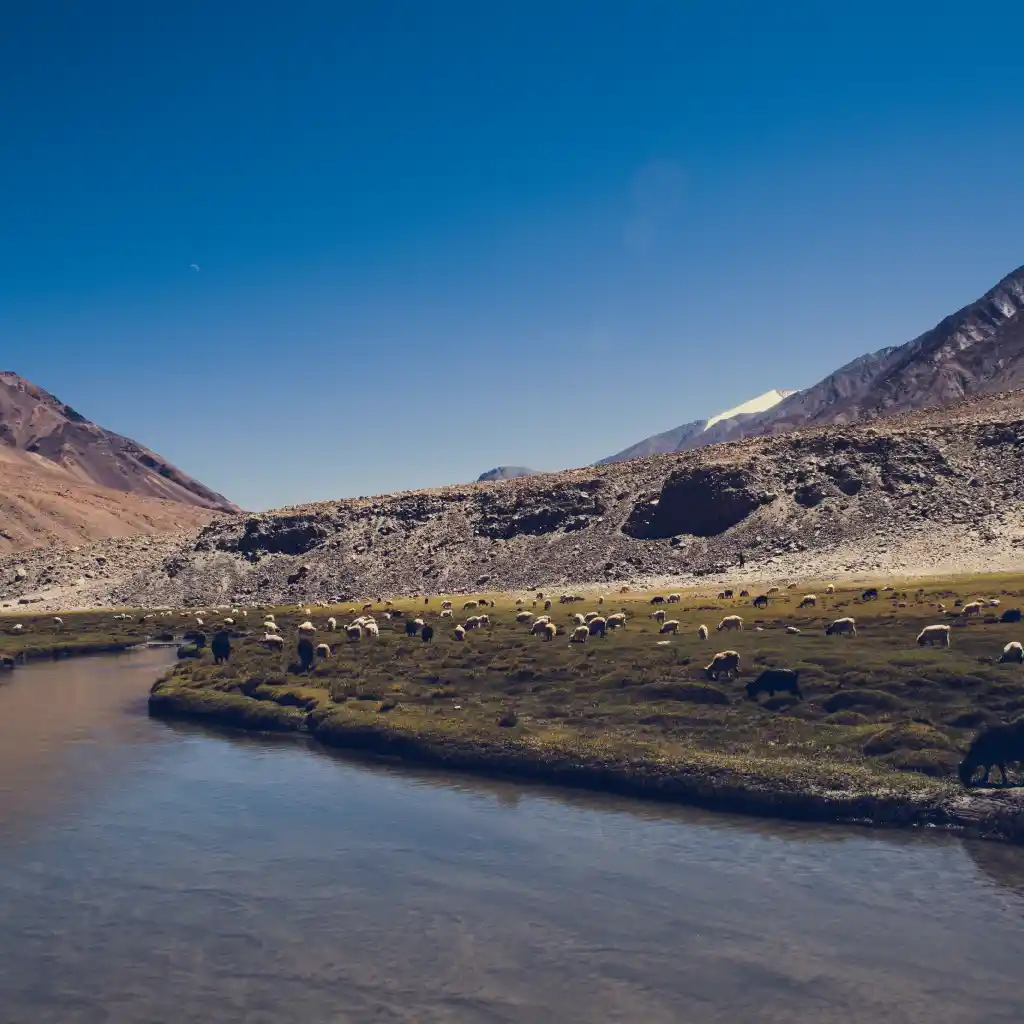
The Zanskar River is the lifeblood of the valley, shaping its landscape and culture. As the main river that flows through Zanskar, it offers a unique natural environment and presents exciting opportunities for adventure. The river, with its crystal-clear waters and surrounding gorges, has become a symbol of Zanskar’s natural beauty. It is especially famous for being a focal point of the Chadar Trek, a once-in-a-lifetime experience for trekkers to walk across the frozen river in winter.
The Zanskar River: A Unique Landscape
The Zanskar River is one of the most important rivers in Ladakh, originating from the Zanskar Range and flowing through the valley to merge with the Indus River. The river cuts through the rugged and barren landscape, creating dramatic gorges, ravines, and valleys. During the summer months, the river flows with crystal-clear water, making it an attractive destination for adventure enthusiasts and nature lovers alike.
In winter, however, the river freezes over, creating one of the most unique landscapes in the world. The frozen river becomes a natural pathway for trekkers, who traverse the icy surface during the Chadar Trek, experiencing a winter wonderland like no other. The river’s stunning surroundings, including frozen waterfalls, snow-covered cliffs, and serene isolation, make it a top attraction for trekkers and adventure lovers.
The Zanskar River is also significant for local communities, providing water for farming and daily life. It’s a vital part of the region’s culture and sustains the villages along its banks.
The Chadar Trek on the Zanskar River
The Chadar Trek is perhaps the most famous river adventure in Zanskar Valley. This winter trek involves walking on the frozen Zanskar River, which is one of the most unique trekking experiences in the world. The trek takes you through frozen waterfalls, snowy landscapes, and remote valleys, offering a once-in-a-lifetime adventure for those brave enough to take on the challenge. The trek is physically demanding, with temperatures dropping to below -20°C, and trekkers must be prepared to endure extreme conditions.
The Chadar Trek typically lasts for 8 to 10 days, with trekkers covering 100-120 km along the frozen river. Along the way, trekkers can witness breathtaking frozen landscapes and interact with the few nomadic families that live in this remote part of the world. This trek is not only an adventure but also a spiritual journey, as trekkers experience the serenity and isolation of Zanskar, surrounded by majestic mountains and quiet beauty.
River Adventures and Exploration in Zanskar
Beyond the Chadar Trek, the Zanskar River offers various opportunities for adventure seekers, including rafting and kayaking. The summer months bring the river to life, with Grade IV and V rapids that provide exciting challenges for rafting enthusiasts. As the river flows through deep gorges and lush green valleys, it offers thrilling rapids and a chance to explore some of the most remote areas of Ladakh.
Rafting on the Zanskar River is not only about adrenaline but also about the experience of witnessing the spectacular landscapes that surround the river. The river offers an unparalleled opportunity to explore the region from a different perspective, with towering cliffs, pristine beaches, and vibrant green valleys.
For those who prefer a slower-paced exploration, kayaking on the Zanskar River is another option. Paddling along the calmer sections of the river allows adventurers to immerse themselves in the natural beauty of Zanskar, providing a more serene and intimate experience.
Zanskar Temperature and Climate
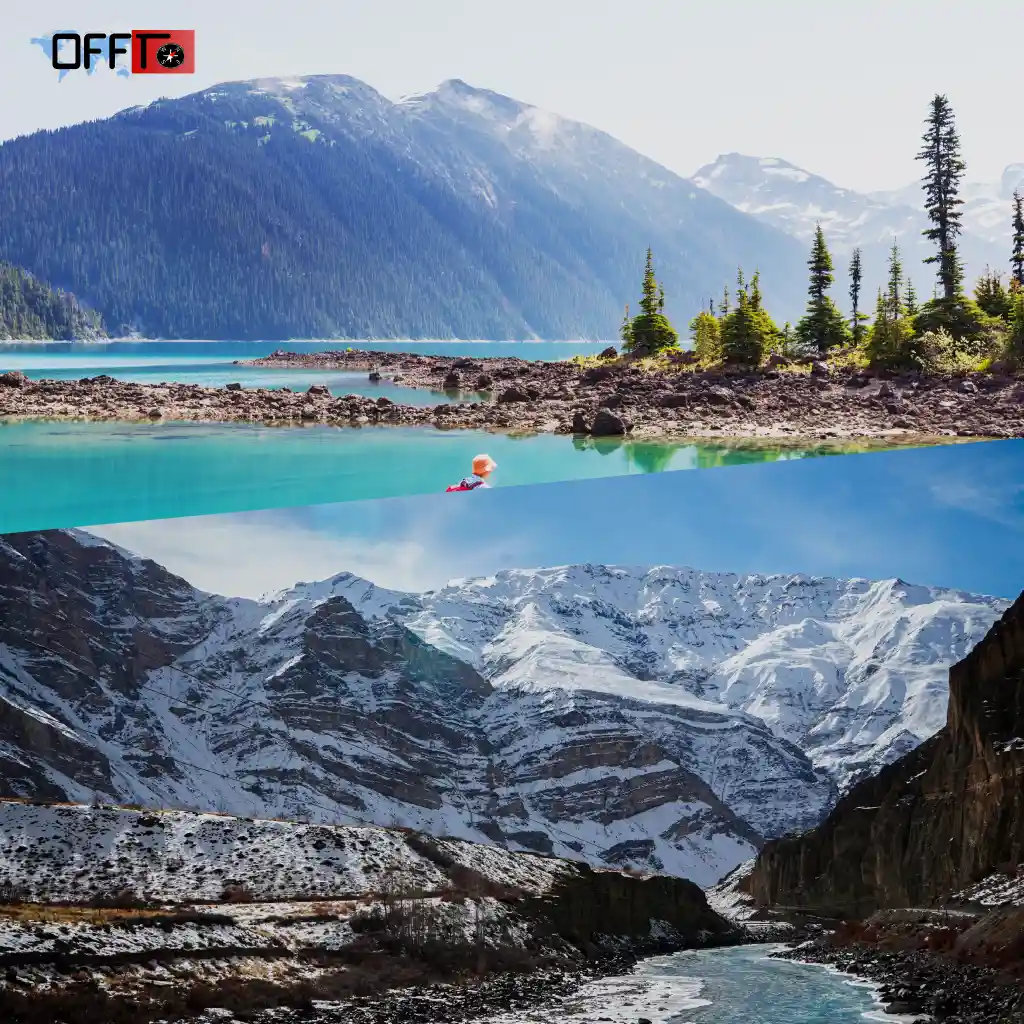
Zanskar Valley, located in the heart of Ladakh, experiences extreme temperatures due to its high-altitude geography and its proximity to the Himalayan mountain range. The climate of Zanskar is high-altitude desert, with cold, dry winters and relatively warm summers. The region’s remote location and rugged terrain mean that the weather conditions can be harsh and unpredictable, making it essential for travelers to plan accordingly.
Whether you’re visiting during the summer to enjoy trekking or winter for the famous Chadar Trek, understanding Zanskar’s temperature and climate is key to preparing for your journey. The valley’s temperature fluctuations are dramatic, with summer offering milder temperatures ideal for exploration, and winter plunging into frigid cold with heavy snowfall.
Zanskar Temperature Throughout the Year
Zanskar experiences significant temperature variations throughout the year due to its high-altitude location and the surrounding mountain ranges.
- Summer (May to August): The summer months in Zanskar offer the most comfortable weather for trekking and outdoor activities. Daytime temperatures range between 15°C to 30°C (59°F to 86°F), with pleasant temperatures ideal for hiking, sightseeing, and cultural exploration. Nights are cooler, dropping to around 5°C to 10°C (41°F to 50°F), making it necessary to carry warm clothing for the evenings. This is the best time to explore the region’s monasteries, participate in local festivals, and enjoy activities like rafting and trekking.
- Autumn (September to October): During autumn, the temperatures start to cool, with daytime temperatures dropping to 10°C to 20°C (50°F to 68°F) and nighttime temperatures ranging from 0°C to 5°C (32°F to 41°F). This is a transitional period where you can still enjoy outdoor activities, but the weather starts to get a bit cooler as the winter months approach.
- Winter (November to March): Winter in Zanskar is severe, with temperatures plunging to below freezing. Daytime temperatures can drop to -10°C to -15°C (14°F to 5°F), and nighttime temperatures can fall to -20°C or lower (around -4°F). While the area becomes largely inaccessible during this time due to the extreme cold, this is also when the Chadar Trek takes place, as the Zanskar River freezes over, creating a natural ice pathway for trekkers. The harsh cold makes winter trekking extremely challenging, but it offers a truly unique adventure.
- Spring (April to May): Spring marks the beginning of warmer temperatures, though it remains quite chilly, with daytime temperatures averaging 5°C to 15°C (41°F to 59°F). Nights remain cold, and while the region begins to thaw out, it’s still a bit too early for the summer trekking season.
- Zanskar’s temperature extremes require careful planning, especially if you’re planning to visit during the winter or undertake challenging treks. Travelers should always check weather forecasts before embarking on their journey and pack the appropriate gear for the conditions.
How Cold Does Zanskar Get in Winter?
Winter in Zanskar is an experience like no other, with temperatures dropping to extreme lows. From November to March, the region undergoes a transformation as the weather becomes harsh and bitterly cold, especially in the higher-altitude areas. During this period:
- Daytime temperatures rarely rise above -10°C (14°F), with average temperatures fluctuating between -10°C to -15°C (14°F to 5°F).
- Nighttime temperatures can plummet to -20°C (-4°F) or lower, making it one of the coldest places in India.
The river, which is a major attraction during winter, freezes over to form a thick sheet of ice, which is not only mesmerizing to see but also allows trekkers to walk across the Zanskar River as part of the iconic Chadar Trek. The freezing temperatures, combined with the challenging terrain, make winter trekking a serious undertaking and one that requires significant preparation. Proper cold-weather gear such as insulated boots, thermal layers, gloves, and hats are essential to ensure your safety and comfort.
For those unaccustomed to extreme cold, winter in Zanskar may be too harsh, as even the villages experience sub-zero temperatures. Snowfall is common, and many areas remain inaccessible until the end of winter.
What to Expect from Zanskar’s Climate
Zanskar’s climate is typically characterized by dry and cold winters, and mild to warm summers, with a high level of seasonal variation. Here are the key climate features you can expect throughout the year:
1. Extreme Seasonal Fluctuations: The region experiences one of the most extreme climates in India. Winters are harsh and cold, with snow and freezing temperatures, while summers offer pleasant weather ideal for trekking. Due to its high-altitude desert environment, rainfall is rare throughout the year.
2. Sunshine in Summer: While summers bring pleasant temperatures, the valley enjoys plenty of sunshine. However, summer nights can still be cool, especially in the desert-like regions of Zanskar, which means that warm clothing is necessary even during the warmer months.
3. Windy Conditions: Zanskar is often subject to strong winds, especially in the winter months, which can make the already cold temperatures feel even colder. Wind chill is a factor to consider when preparing for outdoor activities.
4. Sparse Rainfall: Zanskar falls in the rain shadow region of the Himalayas, meaning it receives very little rainfall. The valley is dry for most of the year, with the monsoon season being particularly brief and light.
5. Clear Skies: Zanskar enjoys clear skies for most of the year, providing excellent opportunities for stargazing and photography, particularly during the winter months when the air is dry and crisp.
Zanskar Range and Its Highest Peak
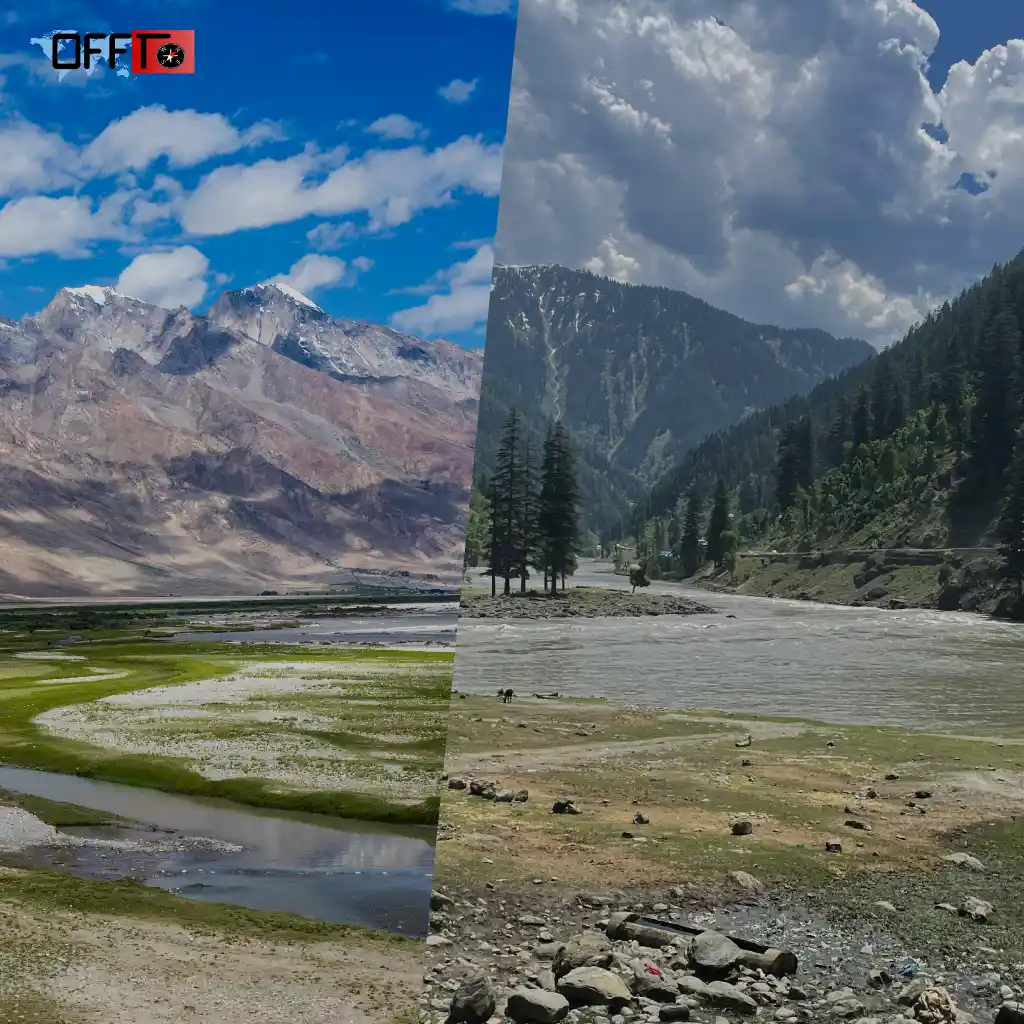
The Zanskar Range is a major mountain range that defines much of Zanskar Valley. It stretches across the southern border of the valley, separating it from the Ladakh region. The range features some of the highest and most challenging peaks in the region, making it a hotspot for mountaineers and adventure seekers. Known for its rugged terrain, snow-capped mountains, and steep cliffs, the Zanskar Range is a sight to behold. The highest peaks in this range rise well above 6,000 meters, making them formidable climbing challenges for experienced mountaineers.
Overview of Zanskar Range
The Zanskar Range runs parallel to the northern edge of the Great Himalayan Range, forming a natural barrier between Zanskar Valley and the rest of Ladakh. The range is characterized by high-altitude deserts, steep cliffs, and snow-capped peaks. It is isolated, and its remote location adds to its mystique.
The mountains of the Zanskar Range are rugged, with deep gorges and high-altitude passes that have historically served as trade routes. The range’s rocky terrain and sparse vegetation contribute to the stark beauty of the landscape. The range is also home to several glaciers, including those that feed into the Zanskar River, which is crucial for the region’s ecosystem.
The Zanskar Range is a popular destination for trekkers, offering stunning views of the surrounding Himalayas and remote valleys. The trekking routes here often pass through high mountain passes and ancient monasteries perched on cliffs, giving travelers a chance to experience not only the dramatic landscapes but also the region’s rich cultural heritage.
The Highest Peak of Zanskar Range
The highest peak in the Zanskar Range is Stok Kangri, which rises to an impressive height of 6,153 meters (20,187 feet). This majestic peak is one of the most sought-after climbs in Ladakh and offers a challenging ascent for experienced mountaineers.
Though not part of the central Zanskar Range, Stok Kangri is considered one of the most prominent peaks in the greater Ladakh region. The trek to the summit is a high-altitude expedition, requiring excellent physical conditioning, technical climbing skills, and acclimatization to avoid the dangers of altitude sickness.
Stok Kangri’s summit offers breathtaking panoramic views of the surrounding Himalayan peaks, including the Karakoram Range, Zanskar Range, and the Indus Valley below. Reaching the summit is a tremendous accomplishment, and the views are said to be one of the most rewarding aspects of the climb.
How to Explore Zanskar Range on a Map
To explore the Zanskar Range on a map, it’s essential to focus on the following key landmarks:
1. Padum: This is the main town in Zanskar, located in the central part of the valley. It serves as the base for most treks and expeditions in the region.
2. Stok Kangri: Located in the Stok Range, this peak is the highest in the Zanskar area. It can be found to the south of Leh, and the trailhead for the trek is accessible via Leh.
3. Zanskar River: The Zanskar River cuts through the valley, providing a natural route for many treks, including the famous Chadar Trek.
4. Ladakh to Zanskar: A map of the region would highlight key mountain passes, such as Ladakh’s Lamayuru to Zanskar route, which is frequently used for treks.
Mapping out the Zanskar Range also involves identifying surrounding peaks and regions to fully understand the region’s geography and how to reach its remote areas.
Zanskar Valley Attractions and Things to Do
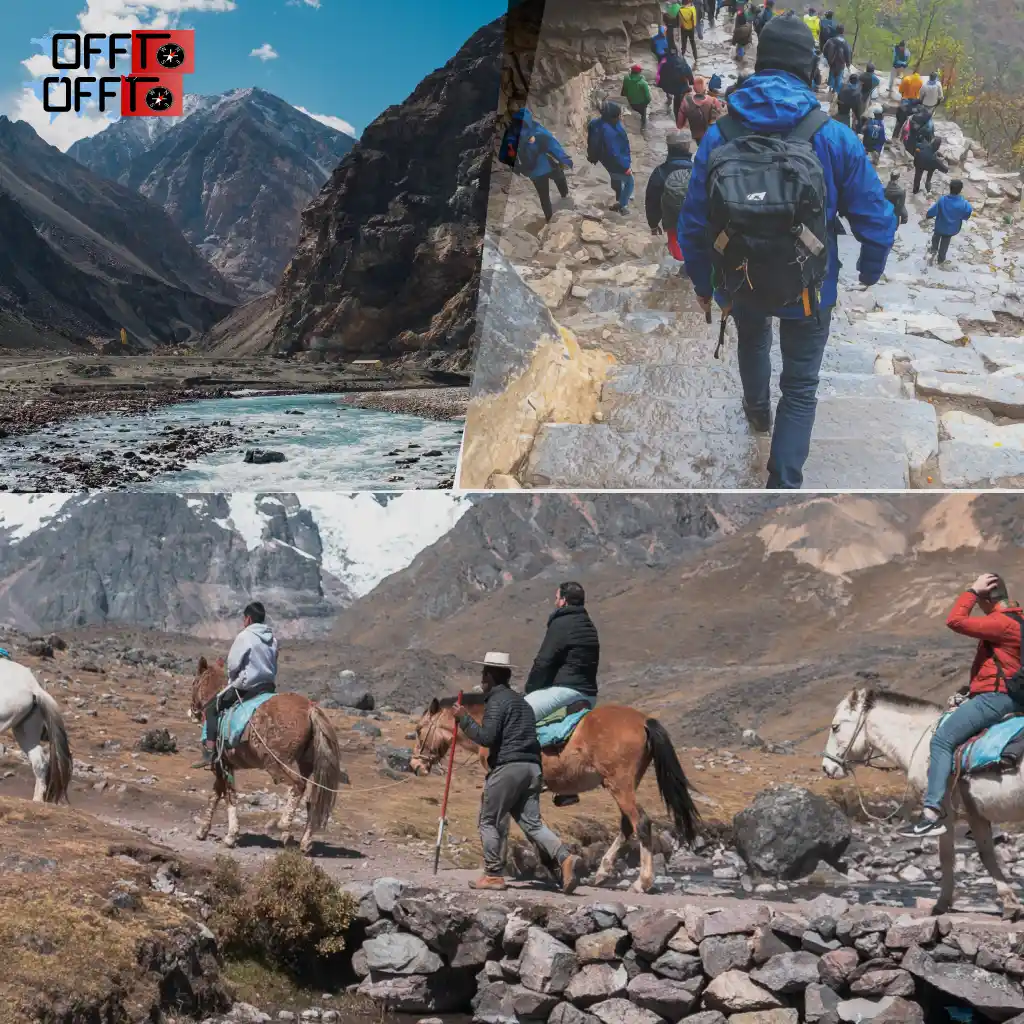
Zanskar Valley is a treasure trove of natural beauty, adventure, and culture. Whether you’re an adventure seeker, a nature enthusiast, or someone interested in exploring ancient cultures, Zanskar offers something for everyone. From breathtaking landscapes and thrilling treks to vibrant monasteries and historical sites, the valley provides a wealth of experiences that make it a top travel destination in Ladakh.
Key Attractions in Zanskar Valley
Zanskar Valley is filled with unique and unforgettable attractions that captivate travelers. Here are some must-see spots to add to your Zanskar itinerary:
1. Chadar Trek (Frozen River Trek): Arguably the most famous attraction in Zanskar, the Chadar Trek takes adventurers across the frozen Zanskar River in winter. This challenging trek offers a once-in-a-lifetime experience, allowing trekkers to walk on the ice through towering cliffs, frozen waterfalls, and remote, pristine landscapes.
2. Phugtal Monastery: Perched on a cliff face, the Phugtal Monastery is one of the most striking monasteries in Ladakh. Its remote location adds to its allure, and it offers a peaceful escape with mesmerizing views of the Zanskar landscape. The monastery is an important Tibetan Buddhist site, and its spiritual significance attracts pilgrims and trekkers alike.
3. Zangla Fort: Located in the Zangla Village, this ancient fort provides a glimpse into the historical past of Zanskar. The fort offers an incredible view of the surrounding valley, and it’s a great place to learn about the region’s history and its role in the Tibetan Buddhist Kingdom.
4. Suru Valley: A picturesque region in the northern part of Zanskar, Suru Valley is known for its lush green meadows, crystal-clear rivers, and towering peaks. It’s an ideal spot for trekking, camping, and photography, with panoramic views of the majestic Himalayas and Zanskar Range.
5. Rangdum Monastery: Situated on a hill in the Suru Valley, Rangdum Monastery is one of the highest monasteries in the region. The views from the monastery are breathtaking, with vast stretches of barren land contrasting with the snow-capped mountains. It’s an excellent spot for travelers who enjoy peace and serenity.
Adventure Activities in Zanskar Valley
Zanskar Valley is not just about sightseeing; it’s also a haven for adventure lovers. From trekking to rafting, the valley offers various activities that allow you to experience its raw natural beauty firsthand.
How to Explore Zanskar Range on a Map
1. Trekking: The most popular activity in Zanskar Valley, trekking in this region is unlike any other. Whether you’re taking on the iconic Chadar Trek, exploring remote monasteries, or crossing high-altitude passes, trekking in Zanskar allows you to immerse yourself in the stunning landscape. Some other popular treks include Zanskar Valley Trek, Markha Valley Trek, and Stok Kangri Trek.
2. Rafting: In the summer months, rafting on the Zanskar River is a thrilling experience. The river offers Grade IV to V rapids, making it a perfect destination for adventure seekers looking for an adrenaline rush. It’s also a great way to see the stunning landscape from a unique perspective, with towering cliffs and rugged terrains on either side.
3. Camping and Stargazing: With its clear skies and low light pollution, Zanskar is a prime destination for stargazing. Spend a night camping under the stars, and you’ll be rewarded with mesmerizing views of the night sky. The Suru Valley and Zanskar River are both great camping spots that offer peace and solitude, far from the noise of cities.
4. Mountain Biking: Zanskar’s rugged terrain is also ideal for mountain biking. Whether you’re cycling through high-altitude desert landscapes or navigating rugged mountain trails, mountain biking is a great way to explore the valley’s remote areas. It’s a more relaxed way to travel, giving you the freedom to stop and enjoy the scenery at your own pace.
Visiting Monasteries and Cultural Sites in Zanskar
Zanskar Valley is rich in Tibetan Buddhist heritage, with numerous monasteries and cultural sites that offer a glimpse into the region’s spiritual history. These ancient monasteries are set against the backdrop of stunning mountain landscapes, and visiting them is an opportunity to not only enjoy the peaceful surroundings but also to learn about the traditions and culture of Ladakh.
1. Phugtal Monastery: As one of the most famous monasteries in Zanskar, Phugtal Monastery is worth a visit for its incredible location and cultural significance. The monastery is perched on a cliff and is home to a small community of monks who practice the teachings of Tibetan Buddhism. Visiting the monastery offers insight into the spiritual life in Ladakh, along with breathtaking views of the surrounding valley.
2. Zangla Monastery: Situated near Zangla Fort, Zangla Monastery is one of the oldest monasteries in Zanskar. The monastery is home to several monks, and its serene surroundings make it an ideal spot for meditation and reflection. It’s a great place to experience the peaceful side of Zanskar and learn about Tibetan Buddhist culture.
3. Rangdum Monastery: Located at an altitude of 3,700 meters (12,140 feet), Rangdum Monastery is an impressive cultural and spiritual site. The monastery is known for its stunning location and historical significance. It’s a great place to learn about the Tibetan Buddhist way of life and explore the surrounding mountains.
4. Bardan Monastery: Located on the banks of the Zanskar River, Bardan Monastery is an important cultural site in Zanskar. It is known for its unique architecture and beautiful murals depicting Buddhist deities. The monastery is a peaceful retreat for monks and visitors alike, offering a quiet place for reflection and spiritual growth.
How to Reach Zanskar Valley
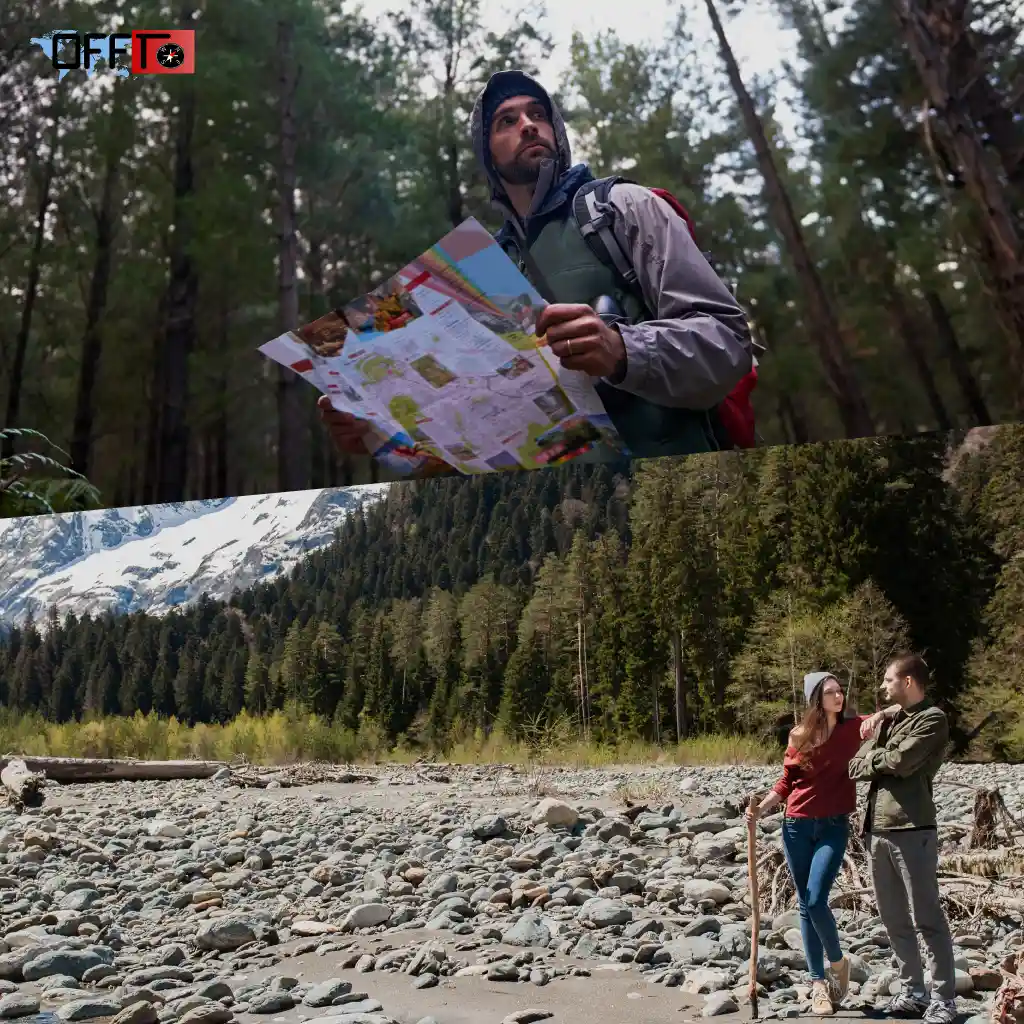
Reaching Zanskar Valley requires careful planning, as the valley is remote and isolated for much of the year. Due to its geographical location, there are no direct commercial flights or railways to Zanskar. However, there are several routes through which you can access the valley from Leh or other parts of Ladakh.
How to Reach Zanskar Valley from Leh
The most common way to reach Zanskar Valley is by traveling through Leh, the capital of Ladakh. From Leh, you can either take a road trip or embark on a trek to reach Zanskar.
1. By Road: The Srinagar-Leh Highway is the main road that connects Leh to Zanskar Valley. From Leh, you will drive towards Kargil and then take the road that leads to Padum, the main town in Zanskar. The road is well-maintained during the summer months but can become treacherous and impassable during winter due to heavy snowfalls. The journey from Leh to Zanskar by road typically takes around 10-12 hours, depending on the weather and road conditions.
2. By Trek: For the adventurous, trekking from Leh to Zanskar is also an option. Several trekking routes lead from Leh to Zanskar Valley, including the Markha Valley Trek and the Lamayuru to Zanskar Trek. These treks offer an immersive way to experience the region’s beauty and culture, although they require physical fitness and preparation.
Road and Trekking Routes to Zanskar
The road to Zanskar Valley is rugged and remote, but it offers stunning views of the surrounding mountains, rivers, and valleys. Here are the key routes you can take to reach Zanskar:
1. Srinagar-Leh Highway (NH1): This is the primary route that connects Leh with Zanskar. The highway is open during the summer months and is the most common way to reach the valley. From Leh, the road takes you through Kargil and onward to Padum, the main town in Zanskar.
2. Trekking Routes: Several trekking routes lead to Zanskar Valley, such as the Lamayuru to Zanskar Trek or the Markha Valley Trek. These treks involve long days of walking, crossing high-altitude passes, and navigating rugged terrain, but they provide an unparalleled way to experience the beauty and isolation of the valley.
Nearest Airport and Railways to Zanskar Valley
Since Zanskar Valley is remote, there are no direct airports or railways within the valley itself. However, you can use the following transport options to get close to the region:
1. Nearest Airport (Leh Airport): The nearest airport to Zanskar Valley is Leh Airport, also known as Kushok Bakula Rimpochee Airport. It is located approximately 250 km (155 miles) from Zanskar. The airport is well connected to major cities in India, such as Delhi, Mumbai, and Jammu. From Leh, you can travel to Zanskar by road or by embarking on a trekking route.
2. Nearest Railway Station (Jammu Railway Station): The nearest railway station to Zanskar is in Jammu, approximately 700 km (430 miles) away. From Jammu, you can travel to Leh by road or take a bus to Srinagar and then drive to Zanskar.
Plan Your Zanskar Valley Trip with Offto Travellers
Zanskar Valley, with its dramatic landscapes, thrilling treks, and rich cultural heritage, is a destination that promises a lifetime of memories. Whether you’re planning to trek across the frozen Zanskar River during the winter months or explore the valley’s remote monasteries and rugged mountain passes in summer, Offto Travellers offers the perfect platform to help you plan and execute your dream trip.
Explore the Zanskar Valley with Expert Guidance
Navigating the remote regions of Zanskar requires local knowledge and expertise. With Offto Travellers, you’ll gain access to expert travel guides who know the ins and outs of the valley. Our team can provide you with tailored advice on the best trekking routes, cultural experiences, and hidden gems of Ladakh. Whether you’re a seasoned trekker or a first-time adventurer, we ensure your experience in Zanskar is as safe, enjoyable, and unforgettable as possible.
Book Your Trekking Packages
Zanskar is famous for its Chadar Trek, Zanskar Valley Trek, and Stok Kangri Trek – each offering unique challenges and stunning views. At Offto Travellers, we offer carefully curated trekking packages that include all the necessary permits, equipment, accommodations, and support for your journey. Our packages are designed to ensure that you have a seamless and enjoyable trek, with professional guides to lead the way and make your adventure unforgettable.
Discover Hidden Gems in Ladakh
While Zanskar is one of Ladakh’s hidden gems, the region is also home to many lesser-known treasures. Offto Travellers helps you discover these off-the-beaten-path destinations, including secluded monasteries, untouched valleys, and peaceful villages. Our expert guides can take you to remote spots that are not typically on the usual tourist routes, allowing you to experience the untouched beauty and tranquility of Ladakh.
Connect with Fellow Adventure Lovers
Traveling with like-minded individuals can enhance your experience, and Offto Travellers offers the opportunity to connect with fellow adventure enthusiasts. Whether you’re joining a group trek or participating in an activity, you’ll meet people who share your passion for adventure, culture, and the great outdoors. Our platform fosters a community where you can exchange experiences, tips, and stories with other travelers who appreciate the thrill of exploring remote regions like Zanskar.
FAQs
What is Zanskar valley famous for?
Zanskar Valley is famous for its rugged terrain, remote beauty, and the Zanskar River. It’s a hotspot for adventure enthusiasts, offering stunning trekking routes like the Chadar Trek and a peaceful, isolated environment ideal for those seeking offbeat travel destinations.
When to visit Zanskar valley?
The best time to visit Zanskar Valley is during the summer months (May to September) when the weather is pleasant, and the roads are accessible. For those interested in winter treks, December to February offers a chance to experience the frozen Zanskar River with the Chadar Trek.
What is the lowest temperature in Zanskar?
The lowest temperature in Zanskar Valley can drop to as low as -40°C during the winter months, making it one of the coldest regions in India. This extreme cold adds to the challenge of trekking, especially during the Chadar Trek.
How many passes are in the Zanskar Range?
The Zanskar Range has numerous high-altitude passes, with major ones including the Shingo La and the Zanskar La. These passes are key routes for trekkers and offer panoramic views of the surrounding mountains and valleys.
What is the Chadar Trek on Zanskar River?
The Chadar Trek is a thrilling winter trek on the frozen Zanskar River. Trekkers walk on the ice-covered river, surrounded by dramatic cliffs and snow-capped peaks. It’s one of the most unique and challenging treks in India, attracting adventure seekers from around the world.
What is the altitude of Zanskar Valley?
Zanskar Valley sits at an altitude of about 3,500 meters (11,500 feet) above sea level. Its high-altitude terrain and remote location in Ladakh make it a challenging but rewarding destination for trekkers and nature lovers.
What is the highest peak of Zanskar Range?
The highest peak in the Zanskar Range is Nun Kun, which rises to 7,135 meters (23,409 feet). It is a popular destination for mountaineers and offers stunning views of the surrounding valleys and peaks.
What is the weather like in Zanskar Valley?
Zanskar Valley experiences extreme weather conditions, with cold winters and mild summers. Winters are harsh, with temperatures plummeting below freezing, while summers offer more moderate temperatures, making it the best time for trekking and outdoor activities.
How long is the Zanskar Valley Trek?
The Zanskar Valley Trek usually spans 10 to 12 days, depending on the chosen route. Trekkers traverse rugged terrains, remote villages, and the Zanskar River. The trek is moderate to difficult, requiring physical fitness and prior trekking experience.
How do I reach Zanskar Valley?
To reach Zanskar Valley, fly to Leh, the nearest major city. From Leh, drive through remote routes or undertake a trek to reach the valley. The road to Zanskar is accessible from June to September, but during winters, it is best reached by trekking.
Read more >>>
Best Places to Visit in Mussoorie – Top Tourist Spots
Best Time to Visit Kolukkumalai – Peak, Sunrise & Trek Guide
Best experienced on the Offto Travellers app
Ready to explore Zanskar Valley? Let Offto Travellers guide you on your adventure. Book your trekking package today and discover the hidden wonders of Ladakh with expert assistance and a community of fellow explorers.
Play StoreApp Store
Leave a Reply