
The Yamunotri Trek is a spiritual journey to the sacred Yamunotri Dham, one of Uttarakhand’s most revered temples. This trek covers a distance of approximately 6 km from Jankichatti to the temple and is considered moderate in difficulty. The best time to visit Yamunotri is between May and October when the weather is conducive for trekking. The route offers trekkers stunning views of the Yamunotri Glacier and nearby hot springs. Planning your Yamunotri Yatra involves considering the trek’s distance, altitude, and the best travel routes to reach the starting point at Jankichatti.
Introduction to the Yamunotri Trek
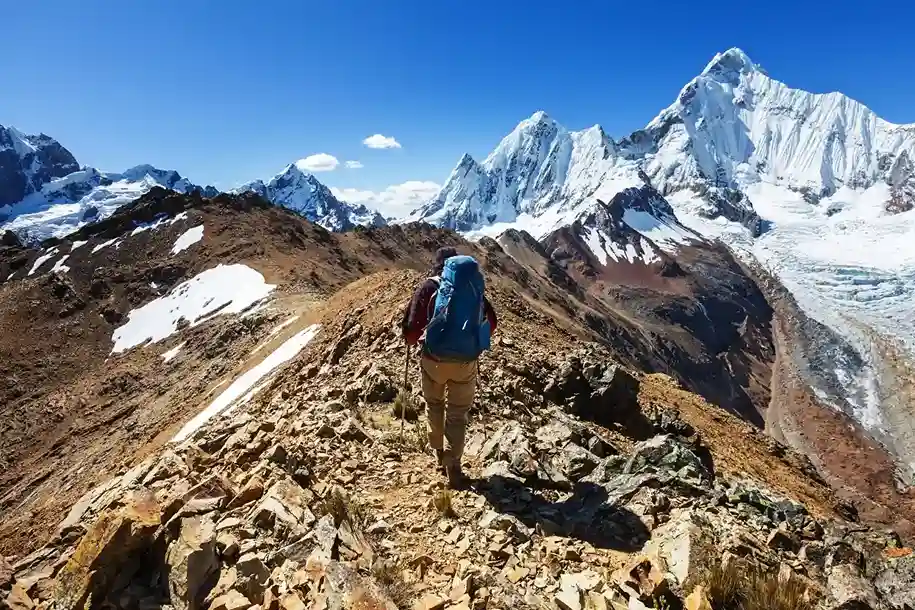
The Yamunotri Trek is one of the most spiritually enriching and visually captivating journeys in Uttarakhand, leading trekkers to the sacred Yamunotri Dham, which is nestled in the Western Himalayas. As the source of the Yamuna River, Yamunotri Temple holds immense religious significance and is part of the Char Dham Yatra, a revered pilgrimage circuit in Uttarakhand. The trek is not just about physical endurance; it is a pilgrimage experience that combines both adventure and devotion.
Along the way, trekkers pass through lush forests, serene glacial streams, and picturesque views that make this trek a memorable experience. As you approach the temple, you will feel the unique blend of natural beauty and spirituality, making it one of the most enriching treks in the country.
This trek offers breathtaking landscapes at every turn, from the pristine Yamunotri Glacier to the divine atmosphere surrounding the temple, which is considered the home of Goddess Yamuna. Yamunotri Uttarakhand is not just a place to trek but a destination for spiritual healing.
Why Yamunotri Trek Is Special
The Yamunotri Trek is special because it serves as a spiritual pilgrimage as much as an adventurous journey. It offers a unique experience, where each step takes you closer to the sacred Yamunotri Temple. The temple holds significant religious importance for Hindus, as it marks the origin of the Yamuna River, which is worshipped as a goddess. Yamunotri Dham is part of the revered Char Dham Yatra, which attracts thousands of pilgrims annually.
Trekking to this sacred site is a deeply spiritual experience. Along the way, trekkers are blessed with stunning views of the Western Himalayas, the Yamunotri Glacier, and hot springs like Surya Kund and Gauri Kund. These natural wonders add to the sense of peace and devotion that surrounds the trek, making it not just an adventure but a path to spiritual enrichment. The difficulty level of the trek may challenge you physically, but the reward at the end—a visit to Yamunotri Temple—is a moment of immense satisfaction and bliss.
What Makes Yamunotri Trek Unique
What makes the Yamunotri Trek truly unique is its combination of adventure and spirituality. The trek leads to the origin of the Yamuna River, where pilgrims from all over the world come to offer prayers and seek blessings. But the journey itself is just as important as the destination. The trek offers trekkers the chance to immerse themselves in the beauty of the Western Himalayas, passing through picturesque forests and witnessing the mesmerizing views of the Yamunotri Glacier.
One of the highlights of the trek is the path leading to Surya Kund, a hot spring that pilgrims visit for a purifying dip, which adds a healing element to the journey. Additionally, the scenic beauty of the trek, with glacial streams and panoramic views of surrounding peaks, makes it not only a spiritual journey but also an adventurous exploration.
The Yamunotri trekking experience is unique because it combines a pilgrimage to a sacred temple with the thrill of mountain trekking, making it one of the best treks for anyone looking to combine spiritual enrichment with adventure.
Yamunotri Trek Overview
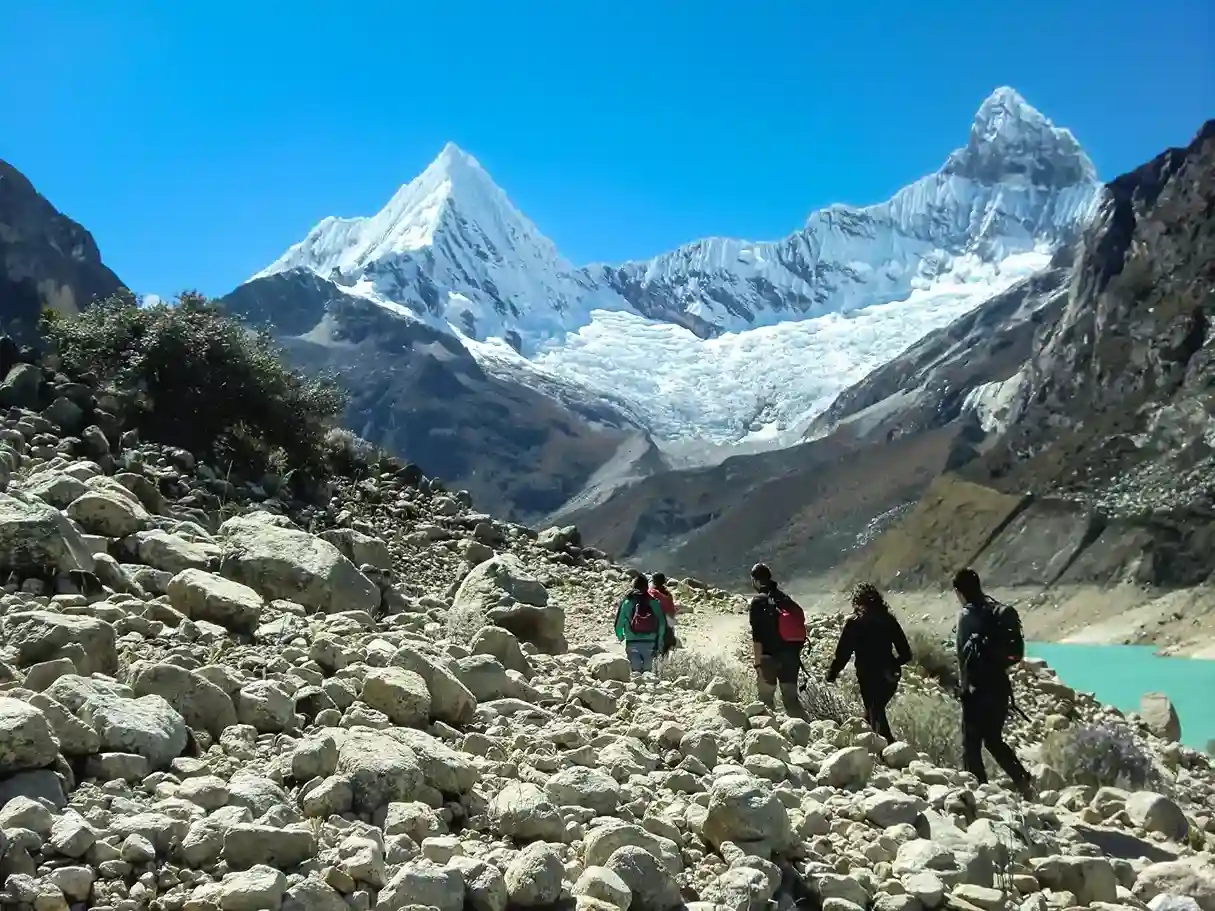
The Yamunotri Trek is a moderate-level trek that leads you to the sacred Yamunotri Temple, one of the holiest shrines in Uttarakhand. This trek offers trekkers a chance to not only challenge themselves physically but also embark on a spiritual journey that brings them closer to the Yamunotri Dham. The trek combines breathtaking natural beauty, a sacred pilgrimage, and an adventure-filled experience. Whether you’re an experienced trekker or a novice looking for a spiritually enriching journey, the Yamunotri trek provides a rewarding challenge.
The trail offers spectacular views of the Western Himalayas, with the Yamunotri Glacier and hot springs marking key landmarks along the way. The trek is suitable for both adventure enthusiasts and devotees looking to explore the origins of the Yamuna River.
Key Trek Features
The Yamunotri trek is categorized as moderate in difficulty, making it an ideal option for trekkers of varying skill levels. While it is physically demanding, the trek is manageable with proper preparation and training. Here are some key features of the trek:
- Moderate Difficulty: The trek is not overly technical, but it does involve uphill climbs and occasional rocky terrain, which may require a certain level of endurance. The altitude gain can cause mild fatigue, so trekkers should be prepared for altitude-related challenges.
- Rest Points: The route is dotted with rest points where trekkers can stop, relax, and rehydrate. These include small settlements like Syanachatti and Jankichatti, where trekkers can take breaks, have meals, and get ready for the next leg of the trek.
- Well-Maintained Trail: The trek is well-marked and maintained, with clear signage and occasional stone pathways. The path is easy to follow, and there are also porters and pony services available for those who prefer not to carry heavy loads.
- Scenic Beauty: One of the most attractive features of the Yamunotri trekking route is the scenic beauty. The path winds through lush forests, past glacial streams, and offers panoramic views of the surrounding mountain ranges and waterfalls, making it a photographer’s paradise.
- Spiritual Significance: As part of the Char Dham Yatra, the Yamunotri trek also holds great spiritual significance. The trek leads to the Yamunotri Temple, dedicated to Goddess Yamuna, and trekkers are encouraged to offer prayers and partake in rituals, adding a deep spiritual element to the journey.
Route and Trek Duration
The Yamunotri trek begins at Jankichatti, a small settlement located about 200 km from Haridwar. It serves as the base point for trekkers heading to the Yamunotri Temple. Here’s what you need to know about the trek’s route and duration:
Starting Point: Jankichatti
- The trek officially begins from Jankichatti, where you’ll find basic accommodations and food. The distance from Jankichatti to Yamunotri Temple is approximately 6 km, and the trail ascends gradually, offering stunning views of the surrounding peaks.
- Jankichatti is accessible by road from Haridwar or Dehradun, with taxis and buses available for the journey.
Trek Distance and Duration
- Distance: The trek from Jankichatti to Yamunotri Temple is about 6 km one way. The total round-trip trek distance is 12 km.
- Duration:
- For the average trekker, it takes about 4-6 hours to complete the 6 km ascent from Jankichatti to Yamunotri Temple.
- The descent usually takes around 3-4 hours. Depending on the pace, the trek may take 1-2 days, with an overnight stay at Jankichatti or other rest points along the way.
Alternate Routes
While the standard route from Jankichatti is the most popular, trekkers seeking a more customized journey may consider alternative routes, such as:
- Syanachatti to Yamunotri: A slightly longer but less crowded route that involves a steeper climb.
- Pony Services: For those looking for an easier option, ponies are available from Jankichatti to Yamunotri, which reduces the physical exertion needed for the trek.
- For trekkers with limited time, there are options for day trips, though this may require shorter routes and slightly more rigorous pacing.
What to Expect on the Trek
- Day 1: Jankichatti to Yamunotri – The trek begins with a gradual ascent, passing through villages and forests. The path is well-marked, and trekkers will cross small streams and witness amazing mountain views along the way.
- Day 2: Yamunotri Temple Visit – Once at the Yamunotri Temple, trekkers can partake in spiritual rituals. Afterward, you can retrace the route back to Jankichatti or continue your journey to other Char Dham locations.
Here’s the content for the Yamunotri Trek Distance and Duration section, following best practices while ensuring the use of keywords is natural and SEO-optimized:
Yamunotri Trek Distance and Duration
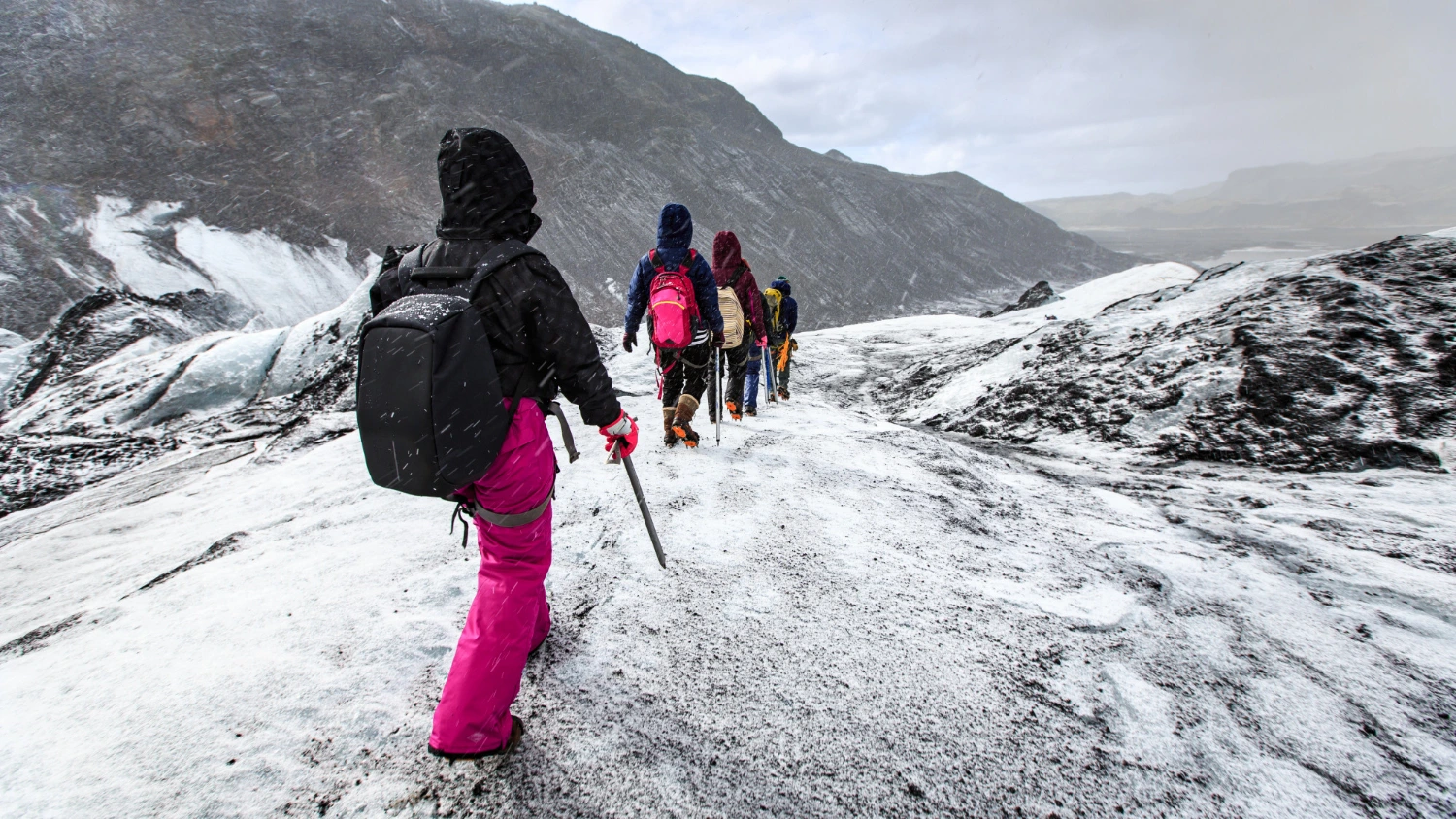
The Yamunotri Trek is a moderate but rewarding journey that leads to the Yamunotri Temple, nestled in the Western Himalayas. Understanding the trek distance and duration is essential for proper planning. In this section, we’ll cover the trek distance from Jankichatti to Yamunotri, along with how long the trek will typically take and the best pace for completing the journey.
Trek Distance from Jankichatti to Yamunotri
The trek from Jankichatti to Yamunotri Temple is approximately 6 kilometers (one way). This distance is covered through a well-marked, scenic trail that offers trekkers a glimpse of lush forests, glacial streams, and panoramic views of the Western Himalayas. Here’s what you can expect along the way:
Terrain
The trail starts with a gentle ascent and gradually increases in elevation as you move closer to the temple. The path is a mix of stone steps, dirt trails, and occasional rocky sections, which may require some careful footing. The route is well-maintained, making it manageable for trekkers with moderate fitness levels.
Elevation Gain
As you trek, the elevation rises steadily, with a gain of around 1,200 meters (3,937 feet) from Jankichatti to Yamunotri Temple. The altitude may cause slight fatigue, but with adequate preparation and acclimatization, this ascent can be tackled comfortably.
Rest Stops
Along the 6 km trek, there are several rest points, especially in areas like Syanachatti and Jankichatti, where trekkers can take breaks, hydrate, and refuel. These spots provide stunning views of the surrounding mountain peaks and make for great photo opportunities.
Viewpoints
The Yamunotri trekking route is filled with breathtaking viewpoints, giving trekkers ample opportunities to enjoy the natural beauty of the region. From waterfalls to glacial streams, the journey itself is a visual treat.
Trek Duration and Best Pace
On average, the Yamunotri trek can be completed in 1-2 days, depending on your fitness level, pace, and experience. Here’s a breakdown of the typical trek duration and tips on the best pace to maintain:
Day 1: Jankichatti to Yamunotri
- The 6 km trek from Jankichatti to Yamunotri Temple usually takes about 4-6 hours for most trekkers. This will vary depending on your pace and the number of breaks you take along the way. The gradual incline and scenic stops can slow down your pace, so it’s important to take your time and enjoy the journey.
- Average Walking Speed: Trekking at an average pace of 1-1.5 km per hour will make the journey manageable, with breaks included. This ensures you are not too rushed and can take in the surroundings.
Day 2: Return Trek to Jankichatti
- After visiting the Yamunotri Temple, the return trek back to Jankichatti typically takes 3-4 hours. The descent is usually faster and easier, but trekkers should still be cautious on the rocky sections to avoid slipping.
Pace and Planning Tips
- Acclimatization: Since the trek involves an elevation gain, it’s important to consider rest days for acclimatization if you’re coming from a lower altitude. Spend extra time at Jankichatti or Syanachatti to adjust to the altitude, especially if you’re sensitive to altitude sickness.
- Fitness Level: If you’re not an experienced trekker, pace yourself and make sure to take breaks. Even though the trek is considered moderate, it’s essential to listen to your body and rest when necessary.
- Ideal Trek Duration: For trekkers with good fitness levels, completing the trek in one day (both ways) is possible, but it’s recommended to take 2 days for a more comfortable experience. Staying overnight near Yamunotri or Jankichatti ensures you can enjoy the surroundings and experience the pilgrimage without rushing.
Here’s the content for the Yamunotri Trek Difficulty Level section, with a focus on terrain, altitude, and physical challenges, along with expert tips for managing the trek’s difficulty.
Yamunotri Trek Difficulty Level
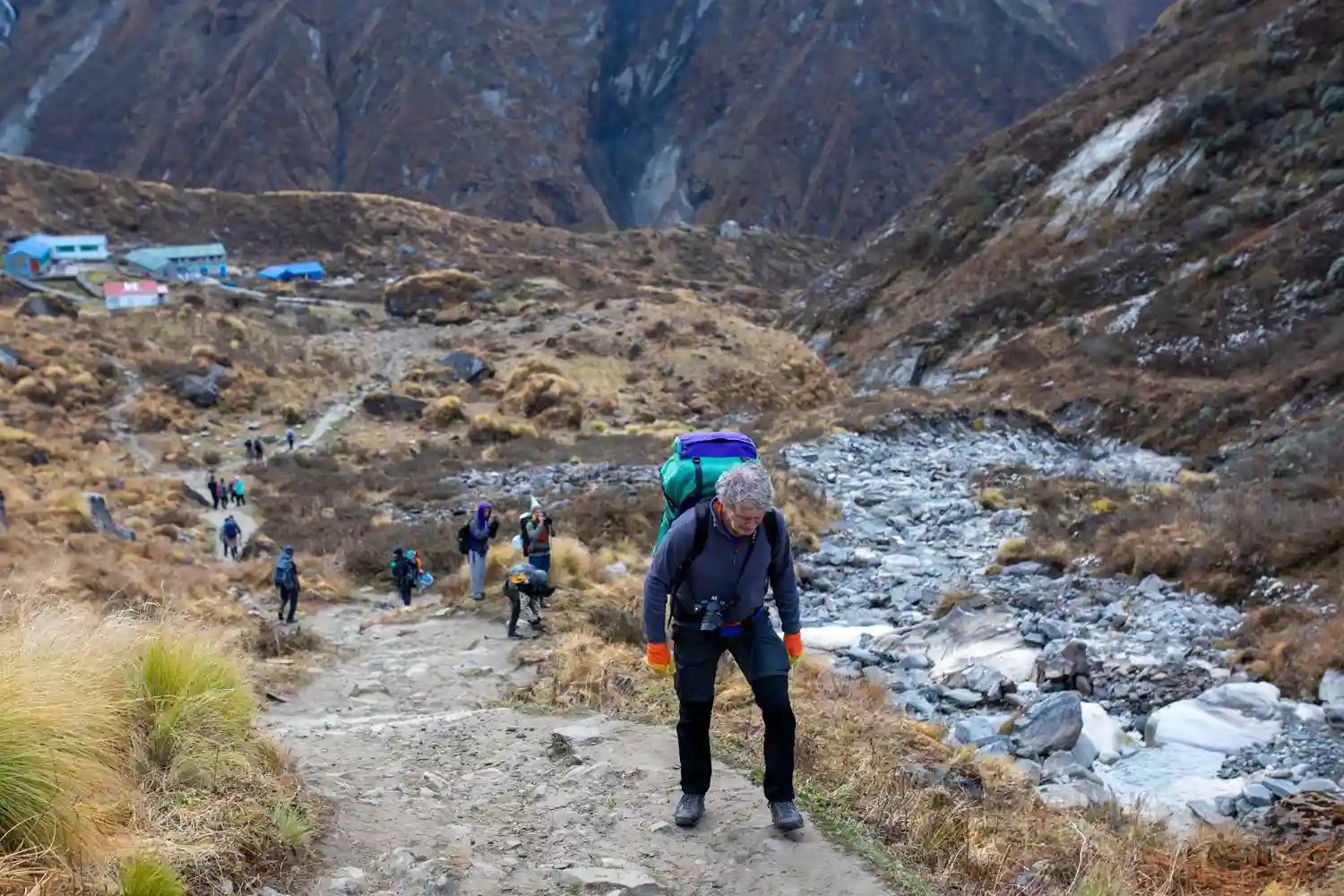
The Yamunotri Trek is considered a moderate-level trek, suitable for both adventure enthusiasts and pilgrims looking to visit the sacred Yamunotri Temple. While it’s not the most difficult trek in Uttarakhand, it presents its own set of challenges due to altitude, terrain, and duration. Understanding the difficulty level is essential for proper preparation and to ensure a safe and enjoyable experience.
In this section, we’ll dive into the key physical challenges you may encounter and share expert tips on how to successfully navigate them.
How Challenging is the Yamunotri Trek?
The Yamunotri Trek is moderate in difficulty, which means it requires a certain level of fitness and preparation to complete comfortably. Here’s what you can expect:
Altitude
The trek involves an elevation gain of about 1,200 meters (3,937 feet) from Jankichatti to Yamunotri Temple. At Yamunotri, the altitude is around 3,293 meters (10,804 feet). While this is not a high-altitude trek compared to other Himalayan peaks, the altitude gain may cause mild fatigue or altitude sickness in some trekkers, especially those not acclimatized to higher altitudes.
Gradual Ascent
The terrain is a mix of stone steps, dirt paths, and occasional rocky stretches. The incline is gradual, but it becomes steeper as you near Yamunotri Temple. The trek from Jankichatti to Yamunotri is about 6 km one way, and it typically takes 4-6 hours to ascend, depending on your pace. As you get closer to the temple, the trail narrows, and the altitude begins to feel more noticeable.
Physical Endurance
While the trek doesn’t involve steep climbing or technical sections, it does require physical endurance. The moderate difficulty level means you’ll need to be in good physical shape, particularly if you plan to do the trek in one day (both ascent and descent). The descent is easier but still requires caution due to the rocky and uneven ground.
Weather Conditions
The weather can be unpredictable, with temperatures often dropping at night, especially during the winter months (November to February). Being prepared for varying conditions is crucial. In summer (May to October), the weather is generally more favorable, but it can still be challenging if you’re not prepared for the heat and altitude.
Tips to Manage the Trek Difficulty
The Yamunotri trek may present certain challenges, but with proper preparation and a good strategy, it can be completed successfully. Here are some expert tips to help you manage the difficulty level:
Acclimatize Before the Trek
- To avoid altitude sickness, spend at least one day in Jankichatti or Syanachatti before starting the trek. This will give your body time to adjust to the higher altitude. If you’re coming from a lower elevation, it’s essential to take this acclimatization time seriously.
Train and Prepare Physically
- While the Yamunotri trek is not extremely difficult, physical fitness is still crucial. Start training at least 3-4 weeks before the trek by focusing on endurance exercises such as hiking, stair climbing, or long-distance walking. Also, include strength training to prepare your legs and core for the uneven trail.
Pack Smartly
- Packing the right gear will help you deal with the trek’s challenges effectively:
- Essential Clothing: Wear breathable, moisture-wicking clothes. The weather can vary, so bring a light jacket, warm clothes for evenings, and a rain poncho.
- Footwear: Wear sturdy trekking shoes with good ankle support to navigate rocky paths.
- Water and Snacks: Stay hydrated and carry high-energy snacks like nuts, granola bars, and fruits to fuel your trek.
- Essential Clothing: Wear breathable, moisture-wicking clothes. The weather can vary, so bring a light jacket, warm clothes for evenings, and a rain poncho.
Take It Slow and Steady
- Pacing yourself is key to managing the Yamunotri trek difficulty. It’s better to take short breaks frequently than to push yourself too hard. The trek is a gradual ascent, so pace yourself, especially when you feel the altitude. Make sure to rest every 30-40 minutes to stay energized.
Use Trekking Poles
- Trekking poles can be a huge help during the trek. They provide balance and reduce the impact on your knees while climbing uphill or descending. They’re particularly useful in rocky sections or areas where the path may be slippery.
Be Prepared for Weather Variations
Check the weather forecast and pack accordingly. Even during the summer months, rain showers are common, so carrying a waterproof jacket and dry bags for your gear is essential. If you’re trekking during winter, be sure to pack thermal wear and gloves.
Stay Positive and Enjoy the Journey
The trek is as much about the journey as it is about reaching the destination. Enjoy the scenic beauty, serene atmosphere, and the spiritual significance of the trek. The challenges will seem less daunting when you’re focused on the beauty and significance of the Yamunotri Dham.
Best Time to Visit Yamunotri
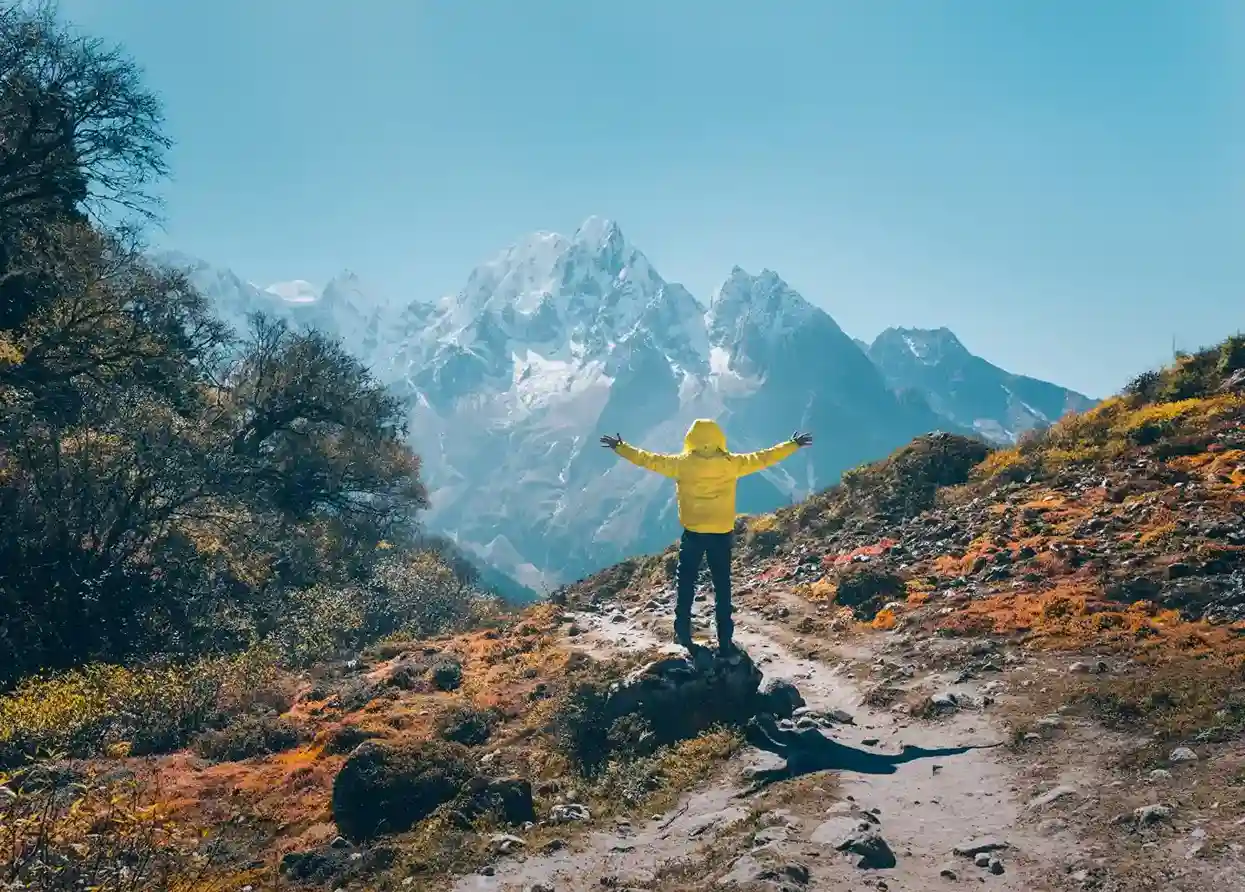
The Yamunotri trek offers a breathtaking journey through the Western Himalayas, but timing your visit is essential to ensure an enjoyable and safe experience. The best time to visit Yamunotri is between May and October, when the weather is most favorable for trekking. The months of May to October bring clear skies, pleasant temperatures, and safer trekking conditions, making it the prime time for this spiritual adventure.
In this section, we will explore the weather conditions at Yamunotri, how the seasons affect the trek, and what makes a winter visit to Yamunotri a unique experience.
Weather Conditions at Yamunotri
The weather at Yamunotri can vary greatly, depending on the season, making it crucial to plan your trek according to the conditions. Here’s how the weather impacts your trek and what to expect in different seasons:
Summer (May to June)
- Temperature: During the summer months, the weather in Yamunotri is pleasant and ideal for trekking, with temperatures ranging from 15°C to 25°C during the day. The cool evenings provide a comfortable temperature for rest, making it the most popular time for trekkers.
- Trekking Conditions: The summer season provides clear skies and dry trails, making it the best time to enjoy the scenic beauty of the Yamunotri Trek. The Yamunotri Glacier and surrounding landscapes are at their most stunning, offering trekkers unparalleled views.
Monsoon (July to September)
- Temperature: The temperature during the monsoon season stays relatively mild but the weather can be unpredictable. Expect temperatures around 10°C to 15°C, which can feel colder due to heavy rainfall and humidity.
- Impact on Trekking: Monsoon rains often make the trails slippery, and the terrain can become muddy and hazardous. Heavy rains can also lead to landslides in certain areas, making the trek more difficult and dangerous. Visibility may also be reduced, impacting the trekking experience.
- Recommendation: It is advisable to avoid trekking to Yamunotri during the monsoon season due to safety concerns.
Autumn (October to November)
- Temperature: After the monsoon, the weather begins to clear up, and temperatures range from 12°C to 20°C. This is another excellent time to visit Yamunotri as the skies clear, making it perfect for trekking.
- Trekking Conditions: The trails are now drier, and the lush greenery of the Western Himalayas comes to life, making the landscape even more captivating. This period is ideal for trekkers who want to avoid both the summer crowds and monsoon hazards.
Winter (December to February)
- Temperature: Winters in Yamunotri can be very cold, with temperatures often dropping below 0°C, especially during the night. Expect snowfall and freezing conditions in higher altitudes, particularly in December and January.
- Impact on Trekking: While Yamunotri is accessible during winter, the trek becomes more challenging due to snowy paths and cold weather. Only experienced trekkers with the right gear should attempt the trek during this time, as certain sections may become treacherous due to snow accumulation.
What Makes the Winter Visit Special
While summer and autumn are the most popular seasons to trek to Yamunotri, the winter visit offers a unique experience for those looking for a quieter, peaceful journey to the temple
Lesser Crowds
One of the biggest advantages of visiting Yamunotri in winter is the reduced number of visitors. The temple and the surrounding areas are far less crowded, allowing you to experience the spiritual atmosphere in a more solitary and serene setting. If you’re someone who enjoys peace and solitude, winter is the perfect time to experience Yamunotri without the bustle of the usual crowds.
Magical Snow-Covered Landscape
Yamunotri in winter is a winter wonderland, with the mountains and glaciers covered in snow. The snow-capped peaks and glacial streams offer a breathtaking spectacle for trekkers. It’s a photographer’s dream, with opportunities to capture the raw beauty of the region in its winter glory.
Spiritual Solitude
Visiting Yamunotri Temple during winter offers a spiritual solitude that is hard to find in the busier months. The temple is often quieter, and the peaceful surroundings add to the devotional atmosphere, making it an ideal time for those seeking spiritual reflection and meditation.
Challenges and Considerations
While the winter trek is beautiful and serene, it requires a higher level of preparation. The cold temperatures and snow can make the trek physically demanding, and you’ll need to pack warm clothing, snow gear, and carry extra provisions to ensure a safe journey. Winter treks require proper acclimatization and careful planning to avoid altitude sickness and exhaustion due to the colder climate.
How to Reach Yamunotri
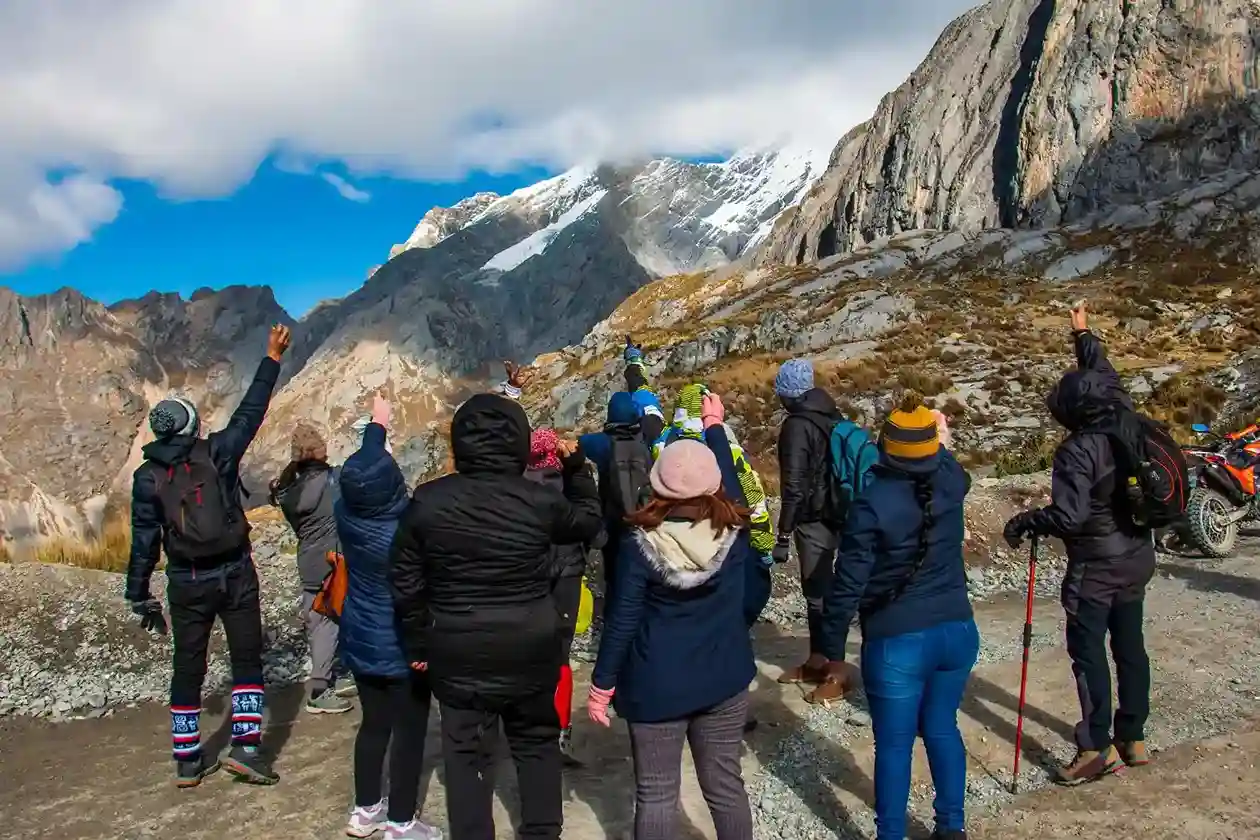
Reaching Yamunotri requires some planning as it is situated in a remote region of Uttarakhand. The journey involves traveling to Jankichatti, the base point for the Yamunotri trek. Once you reach Jankichatti, you can begin your trek to Yamunotri Temple, which is approximately 6 km from the base. In this section, we’ll explore how to reach Yamunotri from nearby cities like Haridwar, Rishikesh, and Dehradun, covering road routes, train options, and taxi services.
Reaching Yamunotri from Haridwar
Haridwar is one of the most common starting points for pilgrims and trekkers heading to Yamunotri. Haridwar is a major spiritual hub in Uttarakhand and well-connected to most cities in North India. Here’s how you can reach Jankichatti, the starting point of the Yamunotri trek, from Haridwar:
By Road (Taxi or Private Vehicle)
- Distance: The distance from Haridwar to Jankichatti is approximately 200 km.
- Travel Time: The drive takes around 7-8 hours, depending on traffic and road conditions.
- Route:
- From Haridwar, take the NH 58 highway, heading towards Rishikesh.
- Continue towards Shivpuri, Devprayag, and Rishikesh, following the signs for Yamunotri.
- Proceed via Chakrata Road, passing through Syanachatti to finally reach Jankichatti.
- From Haridwar, take the NH 58 highway, heading towards Rishikesh.
- Taxis: Private taxis are available at the Haridwar taxi stand and can take you directly to Jankichatti. It’s best to book a prepaid taxi for a hassle-free journey.
By Bus
- Distance: The journey is about 200 km by bus.
- Travel Time: Buses take around 8-9 hours to reach Jankichatti from Haridwar.
- Bus Options:
- There are state-run buses and private buses that operate between Haridwar and Yamunotri.
- You can catch a bus from Haridwar Bus Station to Rishikesh or Dehradun, and then take another bus from Rishikesh or Dehradun to Jankichatti.
By Train
- While Haridwar has a major railway station, it does not have a direct train to Yamunotri. However, you can take a train to Dehradun or Rishikesh and proceed from there by bus or taxi.
Travel from Rishikesh to Yamunotri
Rishikesh is another popular starting point for the Yamunotri trek, especially for those coming from Haridwar or Dehradun. Rishikesh is well-connected by road and rail, making it an ideal transit point for travelers heading to Yamunotri.
By Road (Taxi or Private Vehicle)
- Distance: The distance from Rishikesh to Jankichatti is about 175 km.
- Travel Time: It takes around 7-8 hours to drive from Rishikesh to Jankichatti.
- Route:
- From Rishikesh, head towards Chamba and continue on the Chakrata Road.
- Drive through Syanachatti to reach Jankichatti, the base for the trek.
- From Rishikesh, head towards Chamba and continue on the Chakrata Road.
Taxis: Private taxis from Rishikesh to Jankichatti can be easily arranged. It’s best to book in advance, especially during peak pilgrimage seasons.
By Bus
- Distance: About 175 km.
- Travel Time: The bus ride from Rishikesh to Jankichatti usually takes about 8-9 hours.
- Bus Options:
- You can board a bus from Rishikesh Bus Station to Syanachatti or Dehradun, and then transfer to a local bus or taxi to reach Jankichatti.
- The Rishikesh to Yamunotri bus route may involve one or more transfers depending on available services.
By Train
- There are no direct trains to Yamunotri, but you can take a train from Rishikesh to Haridwar or Dehradun and follow the same travel route to Jankichatti. The train journey to Dehradun takes about 1-1.5 hours.
Additional Travel Tips for Reaching Yamunotri
- Road Conditions: The roads leading to Yamunotri can be narrow and winding, especially around Syanachatti and Jankichatti, so be prepared for a bumpy ride. It’s best to travel in a vehicle that can handle rough terrain, especially if you’re traveling in the rainy season.
- Taxi/Bus Booking: Pre-booking your taxi or bus is recommended, especially during peak pilgrimage months (May–October) when demand can be high.
- Weather Awareness: Be mindful of the weather conditions as the trek to Yamunotri is more challenging during the monsoon and winter months.
Here’s the content for the Trekking Experience and What to Expect section, including day-by-day details of the Yamunotri Trek, with insights on the trek route, altitude gain, important stops, and rituals at the temple:
Trekking Experience and What to Expect
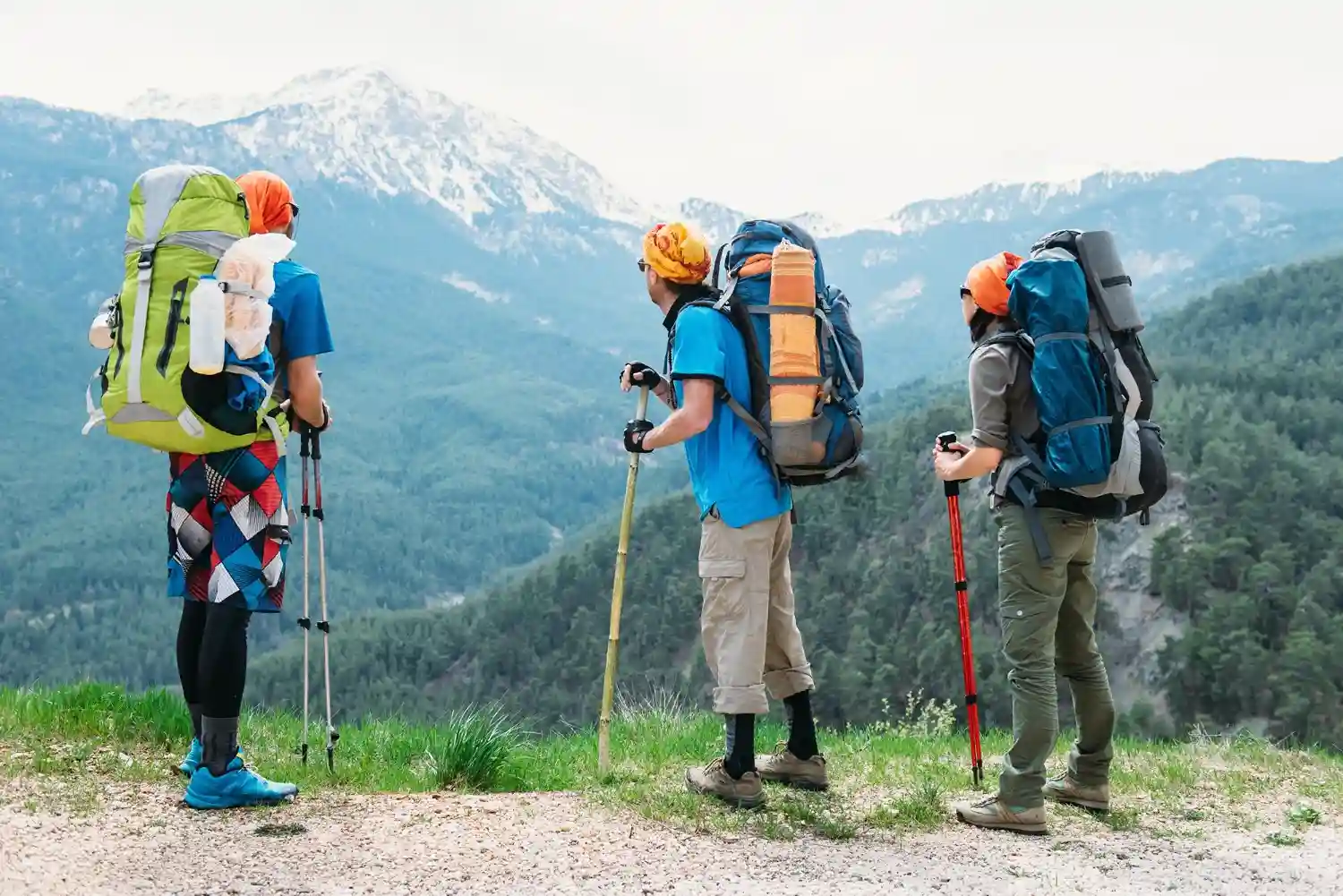
The Yamunotri trek offers trekkers a combination of spirituality, nature, and adventure, leading to one of the most sacred temples in Uttarakhand. This section covers the day-by-day experience, providing insights on the trek route, key stops, altitude gain, and what to expect during your journey to Yamunotri Temple.
Day 1 – From Jankichatti to Yamunotri
Your trek begins at Jankichatti, the base point for the Yamunotri trek, situated at an altitude of around 2,400 meters (7,874 feet). On Day 1, you will begin your 6 km journey towards Yamunotri Temple. Here’s what to expect on this first day of trekking:
Trekking Route
- The path from Jankichatti to Yamunotri is a gradual ascent through a mix of stone steps, dirt paths, and occasional rocky sections. The trail is well-marked, making it easier for trekkers to follow, and offers stunning views of the Western Himalayas.
- The route is lined with dense forests, providing some natural shade as you make your way up the trail. Along the way, you’ll cross small glacial streams and enjoy the peaceful sounds of nature.
Altitude Gain
- On this first day, you will gain an elevation of approximately 1,200 meters (3,937 feet), reaching the Yamunotri Temple, located at 3,293 meters (10,804 feet). While this is a moderate elevation, trekkers may experience fatigue or mild altitude effects, so it’s important to pace yourself and take frequent breaks.
Key Stops
- Syanachatti (approx. 3 km from Jankichatti) is a key stop where trekkers can rest and enjoy a meal or light refreshment. This small village is known for its natural beauty and offers a good break before the final ascent to Yamunotri.
- Surya Kund: As you approach Yamunotri, you’ll pass Surya Kund, a hot spring known for its therapeutic properties. It is a popular spot for pilgrims, who take a dip in its healing waters before continuing to the temple.
Important Tips for Day 1
- Pacing: The trek may take 4-6 hours depending on your fitness level. Rest frequently to avoid exhaustion.
- Clothing: Dress in layers and wear sturdy trekking shoes. The weather can change unexpectedly, so be prepared for both sun and rain.
- Hydration: Drink plenty of water throughout the day and carry snacks like nuts, granola bars, and fruit to keep your energy levels up.
Day 2 – Reaching Yamunotri Temple
After a night’s rest at Yamunotri, Day 2 focuses on reaching the temple, completing the trek, and immersing yourself in the spiritual and cultural experience at one of the holiest temples in Uttarakhand. Here’s what you can expect:
Final Approach to Yamunotri Temple
- On the final stretch to Yamunotri Temple, you’ll notice the altitude becoming more noticeable as you approach the temple’s gates. The last part of the journey offers views of the Yamunotri Glacier, which marks the origin of the Yamuna River.
- The last 1-2 km of the trail are more steep, and the air gets thinner, so it’s important to take slow and steady steps. The surrounding scenic beauty and peaceful atmosphere will motivate you to keep going.
Spiritual Significance of Yamunotri Temple
- Yamunotri Temple is dedicated to Goddess Yamuna and is believed to be the source of the Yamuna River. Upon reaching the temple, pilgrims often perform rituals, offering prayers and devotional offerings.
- A sacred dip in the hot springs like Surya Kund is part of the spiritual experience. Many pilgrims believe that taking a dip in these sulfur-rich waters purifies the body and soul.
Views and Rituals
- The Yamunotri Temple offers breathtaking views of the Yamunotri Glacier and snow-capped peaks of the Western Himalayas. These views create a serene environment for both trekkers and pilgrims.
- If you arrive during the pilgrimage season, you’ll witness a variety of rituals being performed by priests, including aarti (prayer ceremonies) and offerings to Goddess Yamuna.
Important Tips for Day 2
- Arriving at the Temple: After reaching Yamunotri Temple, take time to rest and soak in the spiritual atmosphere. Don’t rush through the experience; enjoy the peaceful surroundings and holy rituals.
- Post-Trek: After visiting the temple, you can either return to Jankichatti or continue to nearby Char Dham destinations like Gangotri.
Here’s the content for the Places to See in Yamunotri section, highlighting the Yamunotri Glacier, Surya Kund, and hot springs, while maintaining SEO optimization and providing rich, engaging details:
Places to See in Yamunotri
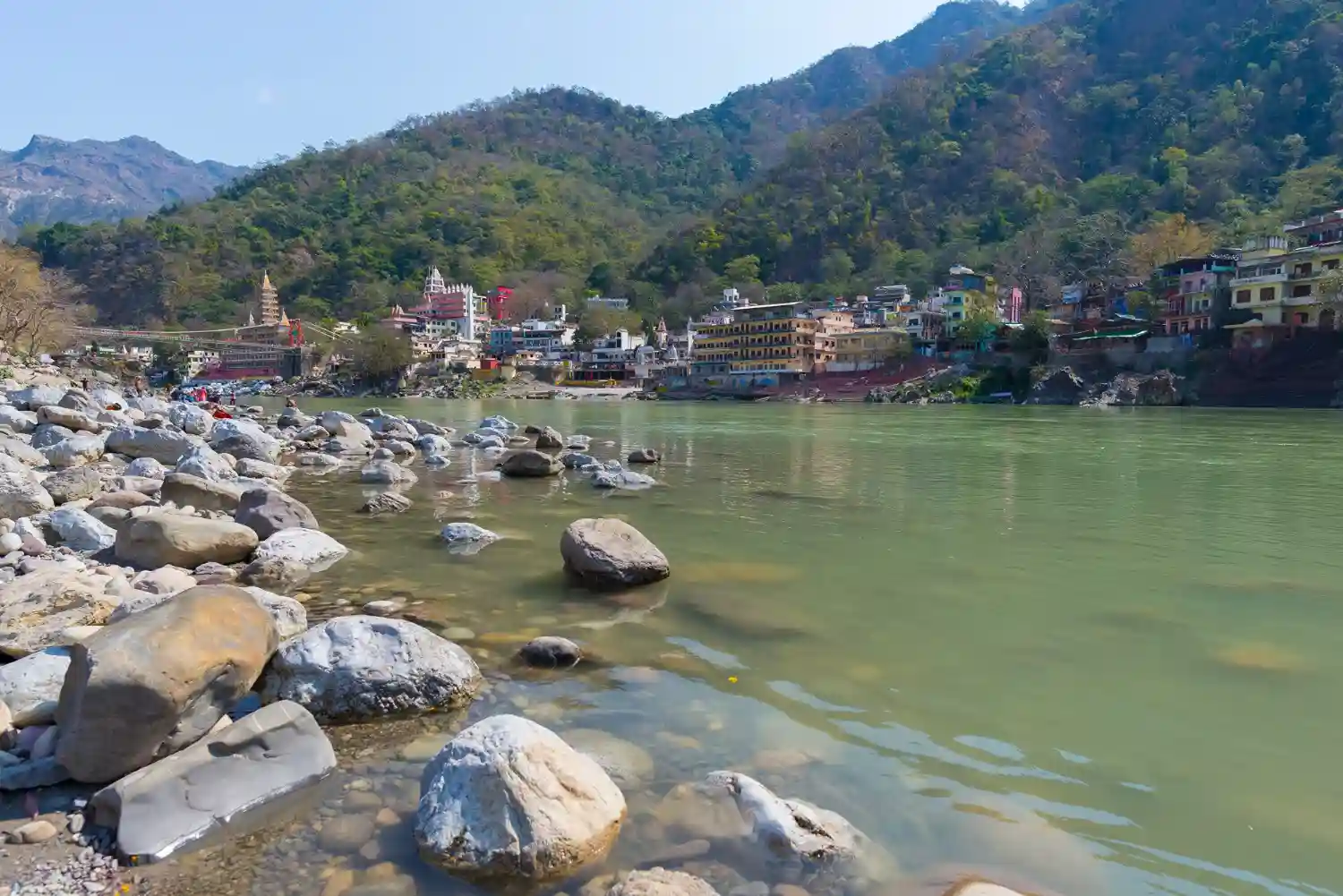
Yamunotri, beyond being a sacred destination, is also home to some of the most beautiful natural attractions in Uttarakhand. From the Yamunotri Glacier to the hot springs around the temple, the region offers a unique combination of spiritual and natural wonders. As trekkers make their way to the Yamunotri Temple, they encounter several breathtaking spots that add to the spiritual and adventure-filled experience. Let’s explore some of the must-see places around Yamunotri.
Yamunotri Glacier
The Yamunotri Glacier holds great significance for both trekkers and pilgrims. It is considered the source of the Yamuna River, one of India’s holiest rivers, and serves as the spiritual origin for the Yamunotri Dham pilgrimage. Here’s what makes Yamunotri Glacier a must-visit:
Origin of the Yamuna River
- The Yamunotri Glacier is located near the Yamunotri Temple and is the primary source of the Yamuna River. Pilgrims and trekkers often visit the glacier as part of their spiritual journey, believing that the river’s pure waters originate here, making it a sacred spot.
- The glacier is situated at an altitude of 4,000 meters (13,123 feet), and while it’s not directly accessible for trekking, its stunning views are visible from several parts of the Yamunotri trek. The views of the snow-covered peaks and surrounding valleys are some of the most awe-inspiring sights on the trek.
Scenic Views and Photography
- The Yamunotri Glacier is surrounded by dramatic mountain landscapes and snow-capped peaks, providing an unforgettable backdrop for trekkers. The area is ideal for photography, offering breathtaking vistas and a chance to capture the natural beauty of the Western Himalayas.
- If you’re visiting in the winter, you may get a chance to witness the glacier and surrounding areas covered in snow, creating a surreal winter landscape.
Surya Kund and Hot Springs
One of the most unique features of Yamunotri Temple and the surrounding areas is the presence of hot springs, particularly Surya Kund. These therapeutic waters play a significant role in the spiritual experience of pilgrims and trekkers visiting the region.
Surya Kund: A Sacred Hot Spring
- Surya Kund is located near Yamunotri Temple and is one of the most popular hot springs in the area. Pilgrims often take a dip in the sulfur-rich waters of Surya Kund before entering the temple to purify their bodies and souls. It’s believed that the hot water has healing properties that can cure ailments and provide spiritual relief.
- The hot springs in Yamunotri are also linked to various local legends and mythologies, further enhancing their significance for those visiting the temple for spiritual purification.
Hot Springs Around Yamunotri Temple
- In addition to Surya Kund, there are other hot springs near Yamunotri Temple, like Gauri Kund and Janki Chatti. These springs are known for their healing properties and are popular among pilgrims seeking spiritual healing and physical relaxation.
- These springs are also considered medicinal, with many trekkers taking a soothing dip to relieve muscle tension after the trek. The natural beauty of the hot springs, set against the backdrop of the Himalayas, creates a peaceful environment perfect for relaxation.
Best Time to Visit the Hot Springs
- The best time to visit the hot springs is during the trekking season (from May to October), when the weather conditions are ideal. However, even in the winter, the healing waters of Surya Kund and Gauri Kund offer a unique winter experience, with snow-covered surroundings adding to the charm.
Conclusion
The Yamunotri Trek is more than just a journey; it’s a spiritual pilgrimage through the heart of Uttarakhand’s Himalayas, offering trekkers the opportunity to experience the majestic landscapes, sacred temples, and natural beauty of the region. Whether you’re looking for an adventurous challenge, a soulful journey, or a chance to witness the Yamunotri Glacier and hot springs, this trek offers an experience like no other.
From the initial trekking distance to the difficulties posed by the altitude and terrain, Yamunotri provides a perfect balance of spiritual fulfillment and physical challenge. With proper preparation and a well-planned itinerary, this trek can be one of the most rewarding adventures in your life.
If you’re ready to embark on this unforgettable journey, Offto Travellers is here to make your planning effortless. We offer personalized trekking itineraries, easy booking options for transportation and accommodations, and expert guidance to ensure your Yamunotri Yatra is seamless and memorable.
Read more>>>
Best Places to Visit in Wayanad – Attractions, Treks & Itineraries
Best Places to Visit in December in India – Hidden Gems
FAQs
How long is the Yamunotri trek?
The Yamunotri trek is approximately 6 km one way from Jankichatti to Yamunotri Temple. The round-trip trek covers a total distance of 12 km and typically takes 1-2 days, depending on your pace and fitness level.
What is the difficulty level of the Yamunotri trek?
The Yamunotri trek is considered moderate in difficulty, requiring a good level of fitness. The trail involves gradual ascents, some rocky sections, and occasional steep climbs. While it is not extremely technical, the trek’s altitude and terrain require some physical endurance.
How to reach Yamunotri from Haridwar?
To reach Yamunotri from Haridwar, take a taxi or bus to Jankichatti (approx. 200 km, 7-8 hours). From Jankichatti, begin your 6 km trek to the Yamunotri Temple. You can also hire ponies or use porters to make the journey easier.
What is the best time to visit Yamunotri?
The best time to visit Yamunotri is from May to October when the weather is pleasant for trekking. Winter (November to February) is also an option for those seeking a peaceful experience, though the trek becomes more challenging due to snow and cold conditions.
Is the Yamunotri trek suitable for beginners?
While the Yamunotri trek is not extremely difficult, it is recommended for trekkers with at least some basic trekking experience. Beginners should prepare physically and be ready for moderate ascents, but with proper preparation and guidance, it is achievable.
How much time does it take to trek from Jankichatti to Yamunotri?
The trek from Jankichatti to Yamunotri Temple typically takes 4-6 hours for most trekkers, depending on fitness level, pacing, and the number of breaks. The 6 km ascent includes gradual climbs and scenic spots to stop along the way.
Can I visit Yamunotri in the winter?
Yes, you can visit Yamunotri in winter, but it requires special preparation. The trail can be snow-covered, and temperatures drop below 0°C, making the trek more difficult. However, fewer tourists and a serene atmosphere offer a unique experience during this season.
What is the route from Haridwar to Jankichatti?
From Haridwar, take a taxi or bus to Rishikesh, then proceed on NH 58 towards Chakrata Road. Continue past Syanachatti to reach Jankichatti, where the Yamunotri trek begins. The distance is approximately 200 km, and the journey takes about 7-8 hours by road.
Are there any hotels or accommodations near Yamunotri?
Yes, there are several guesthouses and hotels near Yamunotri and in Jankichatti, ranging from budget accommodations to more comfortable pilgrim guesthouses. You can also find homestays and basic accommodations along the trek for a more authentic experience.
How difficult is the altitude on the Yamunotri trek?
The Yamunotri trek involves a gradual climb to an altitude of 3,293 meters (10,804 feet). While the altitude is moderate, it can cause mild altitude sickness. It’s advisable to take breaks at rest stops like Syanachatti and Jankichatti to allow your body to acclimatize properly.
Is it possible to hire a pony or porter for the Yamunotri trek?
Yes, ponies and porters are available for hire at Jankichatti and other stops along the trek. Hiring a pony can help ease the physical strain, especially for those who wish to avoid carrying heavy backpacks, and a porter can assist with luggage.
Plan Your Yamunotri Trek Today with Offto Travellers
With Offto Travellers, you can book your trekking trips, transport, and stay all in one place, ensuring a hassle-free experience. Let us handle the logistics, while you focus on enjoying the spiritual journey to Yamunotri Temple.
Book your Yamunotri Trek with Offto Travellers now and get ready to discover the hidden gems of Uttarakhand. From expert-guided treks to comfortable accommodations, we ensure your journey is as smooth as the majestic Yamuna River itself.
Play StoreApp Store
Leave a Reply