
The Triund Trek is one of the most popular short treks in India, located near Dharamshala and McLeod Ganj in Himachal Pradesh. Known for its stunning views of the Dhauladhar Range and the Kangra Valley, it’s ideal for beginner to moderate trekkers. The trek is about 9 km one-way and reaches a height of 2,828 meters (9,278 feet). With its easy-to-moderate difficulty level, it’s a perfect choice for those seeking a quick, scenic trek in the lap of the Himalayas. The trek offers panoramic views of snow-capped peaks, lush green meadows, and vibrant flora and fauna, making it an unforgettable experience for every adventurer.
What Is the Triund Trek?
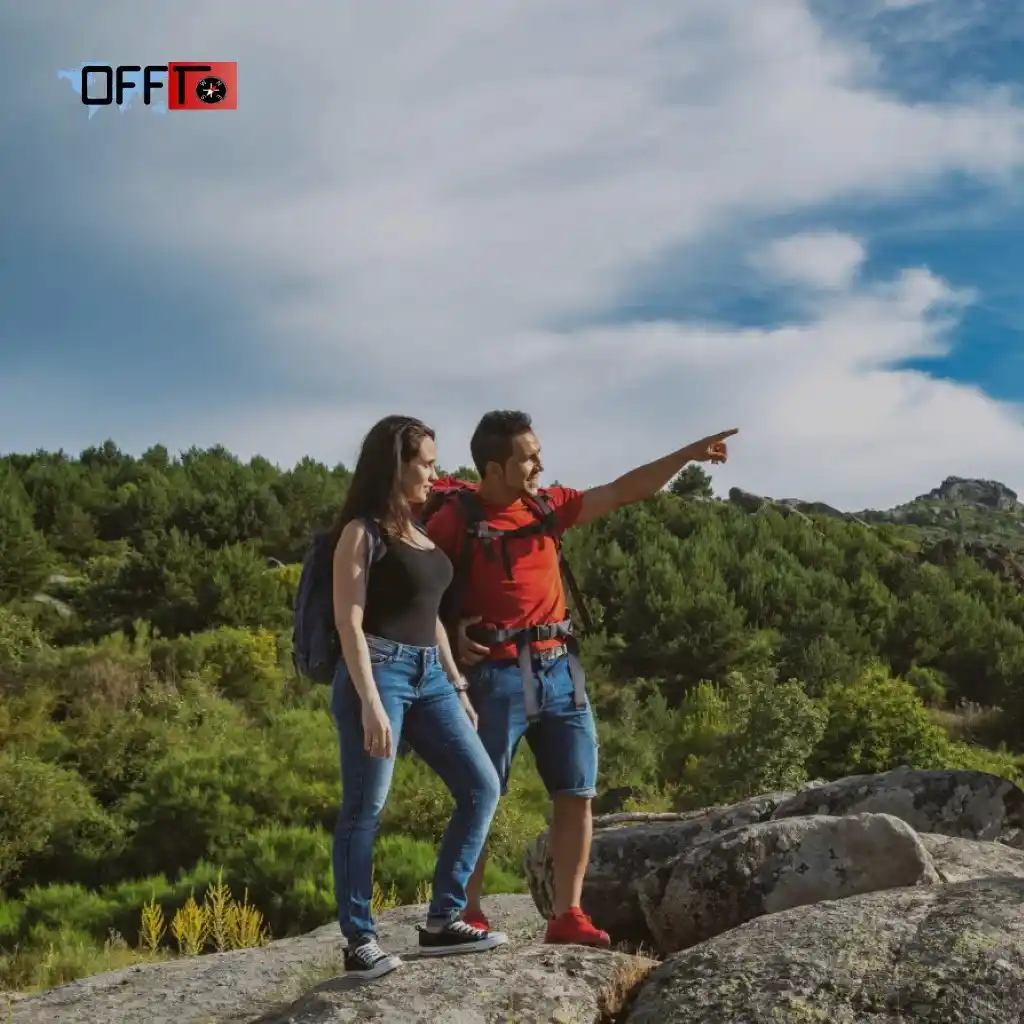
The Triund Trek is a popular one-day trek that starts from McLeod Ganj (near Dharamshala) and takes trekkers through lush forests, rhododendron trees, and beautiful landscapes to the summit of Triund Hill. The trek’s 9-kilometer distance one-way is well within reach for both beginner trekkers and moderately experienced adventurers, with a gentle ascent that allows you to enjoy the surroundings at your own pace.
Triund Hill itself stands at an altitude of 2,828 meters (9,278 feet), providing breathtaking panoramic views of the Dhauladhar Range on one side and the vast Kangra Valley on the other. The summit is the perfect spot for a well-deserved break, allowing trekkers to witness an incredibly serene and majestic landscape.
Overview of the Trek and Its Location
The Triund Trek is located in the Himalayan region of Himachal Pradesh, just a short distance from the bustling hill stations of McLeod Ganj and Dharamshala. McLeod Ganj, well known as the residence of the Dalai Lama and the center of Tibetan culture, serves as the starting point for most trekkers.
- Starting Point: The trek typically begins from McLeod Ganj, a town renowned for its vibrant Tibetan culture and stunning views. You will hike along well-defined trails that offer scenic views at every step. The Naddi village route also serves as an alternative starting point for some trekkers.
- Scenic Beauty: As you trek through oak forests, rhododendron trees, and dense greenery, you’ll be treated to glimpses of snow-covered peaks of the Dhauladhar Range, which tower over the valley below. The trek ends at the Triund summit, where you are greeted with a panoramic view of the Kangra Valley, snow-covered mountains, and the Himalayan range.
Why It's a Favorite Trek for Beginners and Nature Lovers
There are several reasons why the Triund Trek is favored by both beginner trekkers and nature lovers:
1. Accessibility: The trek starts from McLeod Ganj, which is easily accessible from major cities like Delhi, Chandigarh, and Amritsar. Whether you’re taking a bus, taxi, or private vehicle, getting to McLeod Ganj is easy, making it an attractive option for those looking for a quick getaway.
2. Moderate Difficulty: The Triund Trek is classified as a moderate trek, with gradual ascents and well-marked trails. This makes it suitable for beginners who are new to trekking, but it still offers enough of a challenge for those who are moderately experienced. The trek is not too physically demanding, making it accessible for a wide range of fitness levels.
3. Stunning Views: One of the main reasons trekkers love the Triund Trek is the unparalleled views it offers. As you make your way up, the views of the Dhauladhar Range and Kangra Valley become increasingly beautiful. The summit provides a 360-degree view of the region’s mountains, valleys, and lush forests, offering great photo opportunities
4. Short Duration: Unlike many other Himalayan treks that require multiple days of travel and camping, the Triund Trek can be completed in a day or two (if you choose to camp). This makes it perfect for those who want to experience a Himalayan trek without committing to a long trek.
5. Triund Camping: One of the unique aspects of the Triund Trek is the option to camp at the summit. Many trekkers prefer to camp overnight at Triund, as it offers an experience of being in nature, under the stars, and away from the crowds. You can enjoy the serenity and peace of the mountains, with the chance to witness a stunning sunrise over the Himalayan peaks.
6. Cultural and Spiritual Experience: While trekking, you’ll pass through Tibetan monasteries and cultural landmarks that add to the charm of the experience. McLeod Ganj is home to Tibetan culture and spirituality, so there’s an element of spirituality and peace throughout the journey.
7. Wildlife and Flora: The Triund Trek offers trekkers the chance to spot local wildlife like leopards, jackals, and a variety of birds. The dense forests along the trek are home to rich flora, including rhododendron trees, pine forests, and oak trees
Triund Trek Distance and Duration
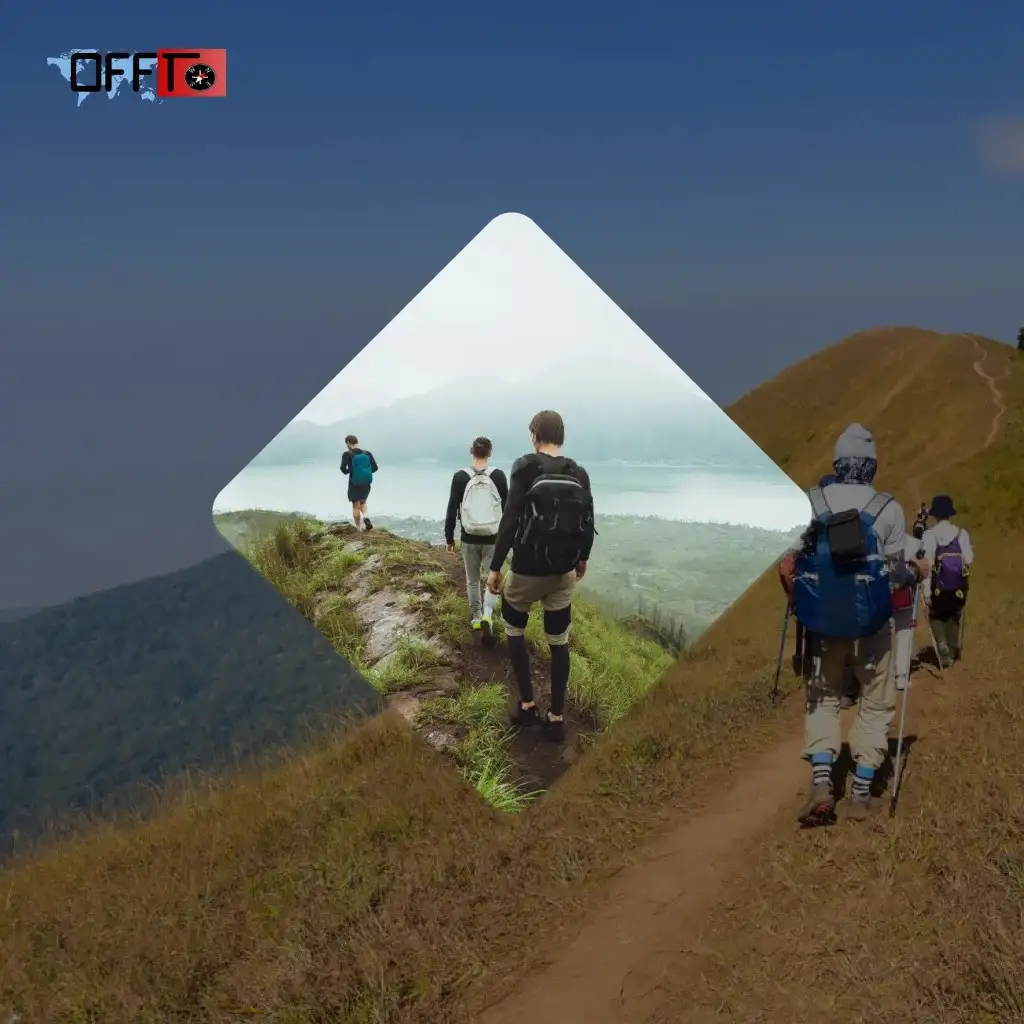
The Triund Trek is a relatively short trek in the Himalayas, making it ideal for beginners and those seeking a quick yet fulfilling adventure. Despite its manageable distance, the trek offers incredible views and the opportunity to experience the beauty of the Dhauladhar Range and Kangra Valley. Here’s everything you need to know about the trek’s distance and how long it takes to complete.
How Long Is the Triund Trek?
The Triund Trek is approximately 9 kilometers (5.6 miles) long, one-way, from McLeod Ganj to the summit. This makes it a relatively short trek, perfect for those looking for a day trip or weekend adventure without requiring extensive training or preparation. The trek offers moderate difficulty, making it ideal for beginners who are fit and in good health, but it also provides enough challenge for moderately experienced trekkers.
- Trek Duration: Most trekkers take around 4 to 5 hours to ascend to the summit of Triund, depending on their pace and fitness level. The downhill trek typically takes around 3 to 4 hours.
- Total Distance: The total distance for the round trip is about 18 kilometers (11.2 miles), with an average total trekking time of 7 to 9 hours, depending on the pace and stops along the way.
Triund Trek Distance from McLeodganj (9 km)
The starting point of the Triund Trek is usually McLeod Ganj, a charming town nestled in the Himalayan foothills near Dharamshala. McLeod Ganj serves as the most popular base for trekkers heading to Triund, and the 9 km one-way trek offers stunning views and a scenic journey up to the summit.
- Start Point: The trek begins at Bhagsu Nag, which is located just a short distance from McLeod Ganj. From here, the trek follows a well-marked path that ascends through dense oak and rhododendron forests, offering glimpses of the stunning landscape.
- Elevation Gain: The total elevation gain during the 9 km trek is approximately 1,000 meters (3,280 feet), taking you from McLeod Ganj at 2,082 meters (6,864 feet) to the summit of Triund Hill at 2,828 meters (9,278 feet).
Triund Trek Distance Overview from Dharamshala and Other Points
- While McLeod Ganj is the most common starting point for the Triund Trek, it is also accessible from Dharamshala, which is about 18 kilometers (11.2 miles) away. Starting from Dharamshala will add a bit more distance and time to your trek, but it still provides the same incredible views and experiences along the way.
- Dharamshala to Triund: Starting from Dharamshala, the total trek distance is around 18 kilometers (11.2 miles), and the estimated time for completing the trek would be approximately 8 to 10 hours (round trip)
5. Triund Camping: One of the unique aspects of the Triund Trek is the option to camp at the summit. Many trekkers prefer to camp overnight at Triund, as it offers an experience of being in nature, under the stars, and away from the crowds. You can enjoy the serenity and peace of the mountains, with the chance to witness a stunning sunrise over the Himalayan peaks.
- Naddi Village to Triund: Another alternative starting point is Naddi Village, located closer to the trailhead. The trek from Naddi is approximately 7 kilometers (4.3 miles), offering a shorter alternative with similar terrain and views. This route provides faster access to the trekking trail.
Duration and Ideal Trekking Pace for Beginners
For beginners, the Triund Trek is manageable with the right pace and preparation. It’s important to maintain a comfortable pace to avoid exhaustion and enjoy the journey at your own speed.
- Pace: The average pace for beginners is about 2 km per hour on moderate ascents. The 9 km trek can typically be completed in 4 to 5 hours depending on how frequently you stop for rest and photographs.
- Breaks: Most trekkers stop at scenic points to take photos and enjoy the breathtaking views of the Dhauladhar Range and Kangra Valley. These pauses help break up the trek and prevent fatigue.
- Ideal Duration: The ideal time to plan the Triund Trek is 1 day, with a morning departure from McLeod Ganj and a return by late afternoon or early evening. If you prefer a more relaxed experience or wish to enjoy the sunrise at Triund, you can consider staying overnight at the Triund Campsite.
Triund Trek Height – What to Expect at the Summit
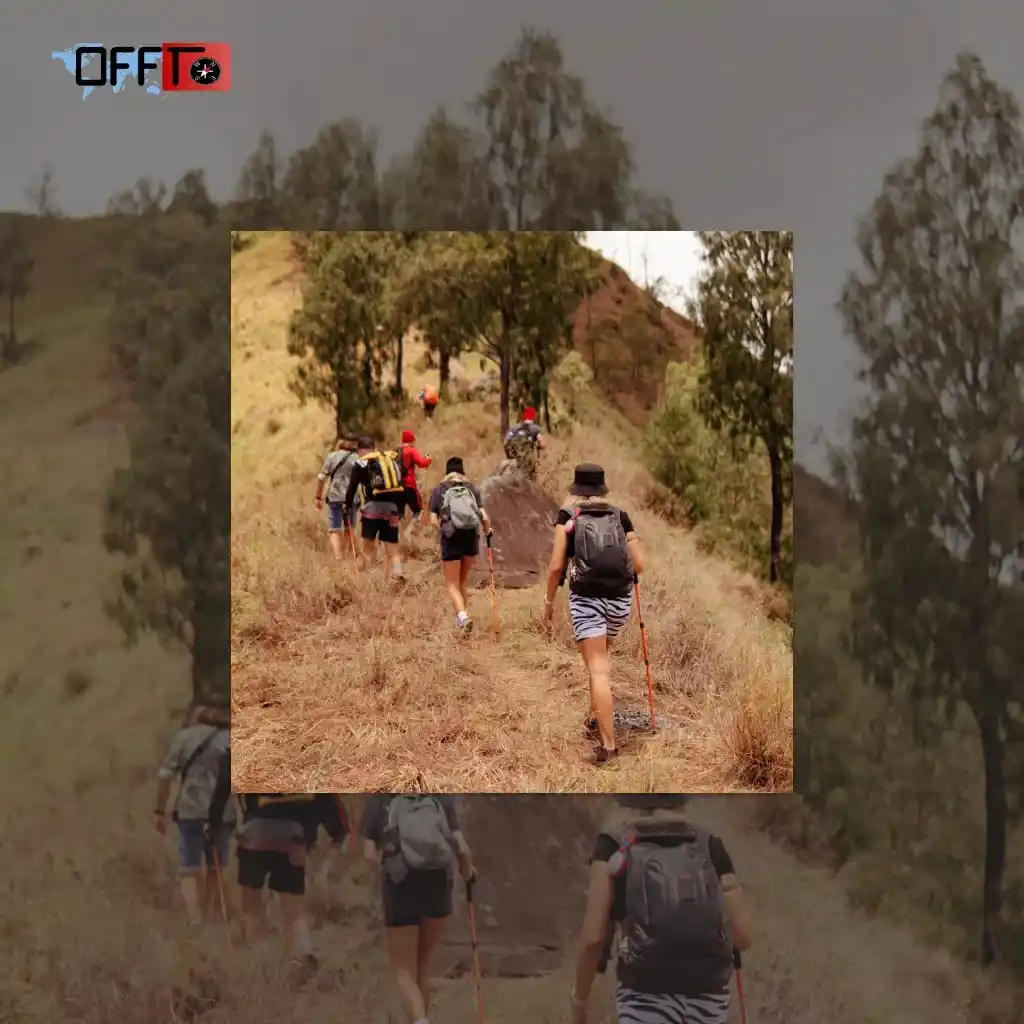
The Triund Trek is not just about the physical challenge — it’s about experiencing the stunning Himalayan vistas and reaching the summit, which stands at a height of 2,828 meters (9,278 feet). At this altitude, the trek provides exceptional panoramic views of the Dhauladhar Range and the Kangra Valley.
Triund Trek Height: 2,828 Meters (9,278 Feet)
- Triund Hill stands at an altitude of 2,828 meters (9,278 feet) above sea level, offering a bird’s eye view of the surrounding valleys and snow-capped mountains. The summit provides the perfect location for trekking enthusiasts to pause and soak in the breathtaking views of the Himalayan range.
- Altitude Sickness: While Triund is relatively low in comparison to other Himalayan treks, it’s still important to be mindful of altitude sickness when trekking to this height. For most people, this trek is safe, but if you have a history of altitude-related issues, it’s always advisable to take things slowly and stay hydrated. The gradual ascent ensures that trekkers don’t face significant elevation challenges.
How Altitude Impacts the Trek
The Triund Trek involves a gradual ascent, which minimizes the effects of altitude on trekkers. However, it’s important to note that even at 2,828 meters, you may experience slight effects from the decreased oxygen levels. Some trekkers may feel breathless or tired as they approach the summit, especially if they push themselves too quickly.
- How to Minimize Altitude Issues:
- Take frequent breaks during the ascent to catch your breath.
- Drink plenty of water to stay hydrated.
- If you’re new to trekking or sensitive to altitude, take the trek at a moderate pace to allow your body to adjust.
- Take frequent breaks during the ascent to catch your breath.
The key to enjoying the trek is pacing yourself and listening to your body. The ascent may seem strenuous at times, but once you reach the summit, the rewarding views and peaceful surroundings make it all worthwhile.
Views and Photography Opportunities at the Summit
The Triund summit offers a 360-degree panoramic view of the Dhauladhar Range to the north and the Kangra Valley below. From the top, you can see lush green meadows, rugged mountain peaks, and valleys stretching far below. This is an ideal spot for photography, especially at sunrise or sunset, when the colors of the sky contrast beautifully with the snow-capped peaks.
- Photography Tips:
- Sunrise at Triund offers some of the best golden hour shots, with the sun illuminating Kanchenjunga and surrounding peaks.
- Capture the changing landscape throughout the trek, especially during the ascent, when the views of the valleys and forests shift as you climb.
Acclimatization Tips
While Triund is a relatively low-altitude trek compared to some of the more challenging Himalayan treks, it’s still essential to give your body time to acclimatize, especially if you’re not used to hiking at higher altitudes.
- Take It Slow: Pace yourself during the trek. Don’t rush to the summit. Allow your body to adjust as you ascend.
- Hydration: Make sure to carry enough water and take regular sips to stay hydrated throughout the trek.
- Rest Periods: If you feel winded or short of breath, take frequent breaks to let your body adjust to the altitude.
Triund Trek Temperature – What to Pack for Your Journey

Understanding the temperature on the Triund Trek is essential to packing the right gear and ensuring a comfortable experience on your hike. The temperature varies significantly depending on the season and time of day, so it’s important to be prepared for temperature fluctuations, especially considering the trek’s elevation of 2,828 meters (9,278 feet). Here’s what you need to know about the temperature and what to pack accordingly.
Triund Trek Temperature Overview by Season
The Triund Trek experiences different temperatures depending on the season, ranging from pleasant daytime temperatures to chilly nights, especially as you gain altitude. The following breakdown will help you understand what to expect during your trek:
- Spring (March to May): The weather is moderate with pleasant daytime temperatures ranging from 10°C to 18°C during the day and cool nights around 5°C to 10°C.
- Summer (May to June): Temperatures during summer range from 18°C to 25°C in the daytime, and nighttime temperatures can drop to around 10°C to 15°C. It’s relatively warm, making it perfect for daytime treks.
- Monsoon (July to September): Expect temperatures from 12°C to 20°C during the day and 10°C at night. However, heavy rainfall can make the trek more challenging, leading to slippery trails.
- Autumn (October to November): Daytime temperatures are moderate, ranging from 15°C to 20°C, while nighttime temperatures drop to around 5°C to 10°C. This is one of the best seasons to trek with clear skies and pleasant weather.
- Winter (December to February): Winter temperatures in Triund range from 5°C to 15°C during the day, but nighttime temperatures can dip below 0°C, and the area may receive snowfall, especially in January.
Summer Temperatures (Day vs Night)
- Daytime: The summer season brings moderate temperatures during the day, typically ranging from 18°C to 25°C. This makes the trek comfortable, with the warmth of the sun balancing out the cool air of the Himalayas.
- Nighttime: However, night temperatures can dip to 10°C to 15°C, so be prepared for chilly evenings and early mornings. It’s advisable to pack a light jacket and warm clothing for the night to ensure comfort.
- Packing Tip: Light, breathable clothing during the day and a light jacket or sweater for the evening will be sufficient for most summer trekkers.
Winter Temperatures and Snow (Temperature Dips at Night)
- Daytime: During winter, the daytime temperatures range from 5°C to 15°C, so it can still be relatively pleasant, especially if you’re used to cold weather. However, the wind can make it feel colder at higher altitudes.
- Nighttime: The nighttime temperatures can drop below 0°C, especially in January. Snow is a rare but possible occurrence during winter, which can make the summit especially picturesque. However, it also means colder conditions, which might make camping less comfortable for some.
- Packing Tip: If you’re trekking during the winter, you’ll need heavier clothing such as a winter jacket, thermal wear, gloves, woolen caps, and warm layers to keep you comfortable during the chilly nights.
Essential Packing Tips for Temperature Changes
To ensure you are prepared for the wide range of temperatures during your trek, here are some packing tips:
- Layering: Layering is key when trekking in varying temperatures. Start with moisture-wicking base layers, followed by a warm fleece or jacket, and top off with a waterproof outer layer in case of rain or snow.
- Warm Clothing for Night: Be sure to pack warm clothing like thermal wear or a down jacket for the evening at the summit.
- Waterproof Gear: Always bring a waterproof jacket and rain cover for your backpack, especially if trekking in the monsoon season.
- Footwear: Wear sturdy trekking shoes with good grip, especially for the slippery paths during the monsoon or winter seasons. Waterproof shoes are also advisable.
- Sun Protection: Even in cooler months, wear a hat, sunglasses, and sunscreen to protect yourself from the sun, particularly in summer.
Best Time to Do the Triund Trek
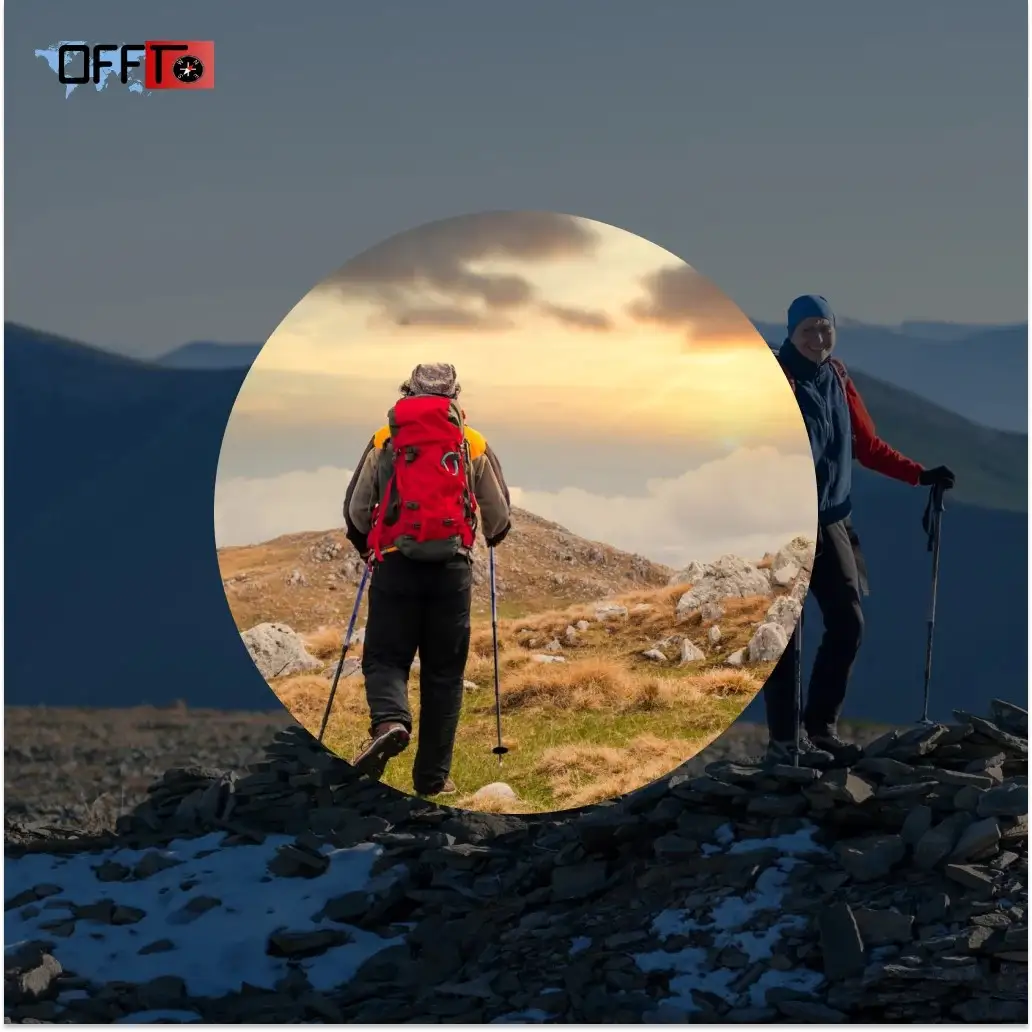
The best time to undertake the Triund Trek depends on what you’re looking for in your experience—whether it’s the clear views of the Himalayas, cool weather, or peaceful surroundings. Each season offers a different trekking experience, and knowing when to go can help you make the most of your journey.
Triund Trek Best Time for Different Seasons (March to June & September to November)
The best seasons for the Triund Trek are spring (March to May) and autumn (September to November). During these months, the weather is pleasant, with clear skies, and the landscape offers breathtaking views of Kanchenjunga and the surrounding valleys.
Spring (March to May): The weather is mild with pleasant temperatures during the day (around 10°C to 18°C) and cooler nights. The rhododendrons and other wildflowers begin to bloom, offering a beautiful display of nature.
- Autumn (September to November): This is considered the best time for trekking in Darjeeling and Triund. Post-monsoon clarity and crisp weather (around 15°C to 20°C) make the views of the mountains and valleys even more stunning.
How Weather Affects Your Trekking Experience
- Spring and Autumn offer ideal conditions for trekking, with clear skies, moderate temperatures, and minimal rain, allowing for uninterrupted views and a more comfortable trek.
- Summer is a good time for the trek, but it is also the peak tourist season. Expect more crowds, especially at popular spots like Tiger Hill and Batasia Loop. The temperature is pleasant during the day, but it can be warmer than expected, especially if you’re trekking in the sun.
- Monsoon brings heavy rainfall, which can make the Triund Trek dangerous due to slippery trails and the risk of landslides. If you prefer fewer crowds, you can still trek during this time, but be prepared for wet conditions.
- Winter is the least favorable time due to the cold temperatures and possible snowfall. However, for those looking for a winter adventure, this season offers a peaceful trek with fewer tourists and the potential for a magical snow-covered landscape.
Avoiding the Monsoon Season for Safety
The monsoon season (June to September) is not recommended for the Triund Trek due to heavy rainfall, slippery trails, and the risk of landslides. The wet conditions can make the trails dangerous, and you may not be able to enjoy the views fully. Additionally, trekking during this time may lead to delays or cancellations of the Toy Train ride or local transport due to the weather.
- Safety Tips for Monsoon: If you do decide to trek during this season, be cautious of slippery paths, bring waterproof gear, and check weather forecasts before setting out.
Winter Trek: Can You Do Triund in Winter?
Yes, Triund can be trekked in winter, but it requires more preparation and appropriate gear. Winter temperatures can drop below 0°C, and there is a possibility of snowfall. If you enjoy snow trekking and the solitude of a winter wonderland, this season can offer a unique experience.
- What to Expect: The trek will be much colder, with snow-capped peaks, misty mornings, and chilly evenings at the summit. The views are spectacular, but the cold and snow may make the trek challenging, especially for beginners.
- What to Pack for Winter Trek: Warm clothing, waterproof gear, thermal wear, and snow-friendly footwear are essential.
How to Reach the Triund Trek (Starting Points)
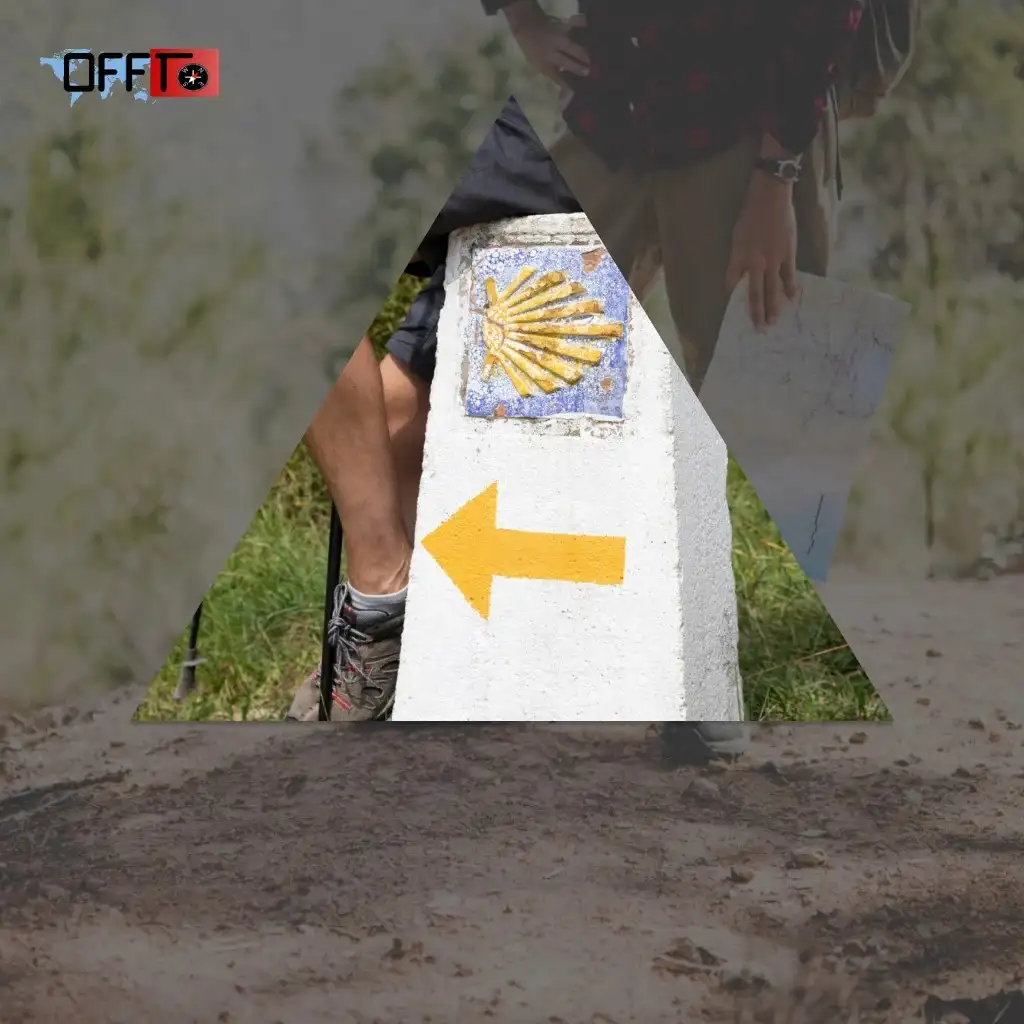
Getting to the Triund Trek is relatively easy, and there are several routes and transport options available depending on where you’re starting your journey. The trek begins at different points, notably McLeod Ganj and Dharamshala, both of which are well-connected to major cities and serve as popular base points for trekkers. Here’s everything you need to know about reaching Triund, whether you’re coming from Dharamshala, McLeod Ganj, or elsewhere.
Where Is Triund Trek?
The Triund Trek is located in Himachal Pradesh, in the foothills of the Dhauladhar Range. The trek starts from either McLeod Ganj or Dharamshala, both of which are easily accessible from Delhi, Chandigarh, and Amritsar. Triund itself sits at an altitude of 2,828 meters (9,278 feet), offering incredible views of the surrounding mountains and valleys.
- Starting Point: The most common starting point for the trek is McLeod Ganj, a small town famous for being the home of the Dalai Lama and the center of Tibetan culture. From McLeod Ganj, it’s a 9 km trek to the summit of Triund.
- Alternative Starting Point: Dharamshala, located about 18 km from McLeod Ganj, is another option to begin your trek. Although the trek from Dharamshala is longer, it still provides spectacular views and a great trekking experience.
Triund Trek Dharamshala vs. Triund Trek McLeodganj
- McLeod Ganj: This is the most common starting point for the Triund Trek. McLeod Ganj is easily accessible from Dharamshala (about 10 km) and offers a range of accommodation options, local Tibetan culture, and other tourist activities. Starting here allows you to cover the 9 km trek to the summit of Triund, which usually takes about 4 to 5 hours.
- McLeod Ganj: This is the most common starting point for the Triund Trek. McLeod Ganj is easily accessible from Dharamshala (about 10 km) and offers a range of accommodation options, local Tibetan culture, and other tourist activities. Starting here allows you to cover the 9 km trek to the summit of Triund, which usually takes about 4 to 5 hours.
- Pro: More established trek starting point, ideal for first-time trekkers.
- Con: Slightly crowded, especially during peak seasons.
- Dharamshala: The 18 km trek from Dharamshala to Triund is longer and requires more time (around 8 to 10 hours), but it allows trekkers to explore different landscapes and enjoy a more serene approach to the trek. The longer trek also allows for a more gradual ascent.
- Pro: Less crowded, offering a quieter trek with varied terrain.
- Con: Longer, more physically demanding.
Road and Transport Options from Dharamshala and McLeodganj to the Trek Start Point
- From Delhi to Dharamshala/McLeod Ganj:
- By Bus: Several buses run daily from Delhi to Dharamshala and McLeod Ganj, with the journey taking around 12-14 hours. These buses are budget-friendly and convenient, though a long journey.
- By Train: The nearest railway station is Pathankot (around 90 km from Dharamshala), which connects to most major cities in India. From Pathankot, you can take a taxi or bus to Dharamshala or McLeod Ganj.
- By Air: The nearest airport is Gaggal Airport (Dharamshala), which is about 13 km from McLeod Ganj. Direct flights from Delhi take around 1 hour, making this the quickest option.
- By Bus: Several buses run daily from Delhi to Dharamshala and McLeod Ganj, with the journey taking around 12-14 hours. These buses are budget-friendly and convenient, though a long journey.
- Local Transport from Dharamshala/McLeodganj to the Trek Start Point:
- From McLeod Ganj or Dharamshala, you can easily hire a taxi or shared jeep to the starting point of the trek. The jeep ride to the trailhead is about 5 to 10 km and takes around 30-40 minutes, depending on your starting point.
- Alternatively, if you are staying in Bhagsu Nag or Naddi Village, you can walk to the trek’s start point.
Parking and Starting Point Logistics
- Parking: There are designated parking areas in McLeod Ganj and Dharamshala where trekkers can leave their vehicles. The most common parking area is near the Bhagsu Nag area, where the trek begins. If you’re driving, make sure to park in safe, authorized spaces to avoid fines.
- Starting Point: The triund trek start point in McLeod Ganj is accessible via Bhagsu Nag. From there, a well-marked trail leads you up to the summit, with several resting points along the way. If you’re coming from Dharamshala, the trek starts from Naddi Village, and it’s also a clearly defined trail.
- Guides: While the Triund trek is easy to navigate on your own, hiring a local guide is recommended for first-timers. Many agencies offer guided tours that provide additional information about the region’s history, culture, and ecology.
Triund Trek Camping – An Essential Experience
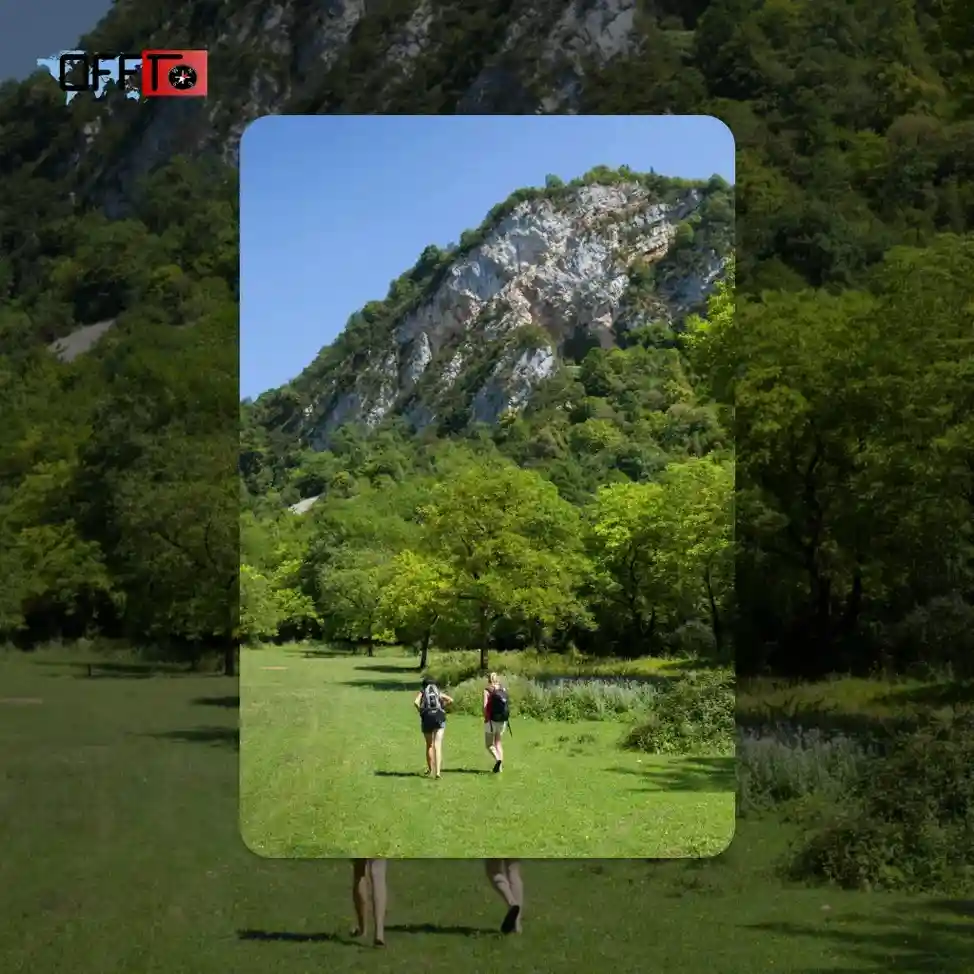
Camping on Triund is one of the best ways to experience the beauty of the region, especially if you want to enjoy the sunset and sunrise views from the summit. Camping allows you to immerse yourself fully in the natural surroundings, with the Dhauladhar Range as your backdrop and the starry skies above. Here’s everything you need to know about Triund camping.
Triund Trek Camping Overview
The Triund Trek is one of the few treks in the region where camping at the summit is allowed. The Triund Campsite provides a unique opportunity to enjoy a night under the stars, surrounded by nature. The campsite is situated at the summit of Triund, offering incredible views of the Himalayas and the Kangra Valley. It’s a peaceful and serene experience, far from the hustle and bustle of daily life.
- Camping Facilities: The campsite is equipped with basic amenities, including tents, sleeping bags, and camping mats. While the camping experience is not luxurious, it offers a comfortable way to enjoy the natural beauty of the region.
- Duration: Many trekkers choose to camp for one night, but you can extend your stay depending on your itinerary.
Camping Sites and Best Camping Spots on Triund
- Triund Summit: The most popular camping spot is at the Triund summit itself, where you can set up tents for a night and wake up to the magnificent views of the Dhauladhar Range.
- Alternative Campsites: If the summit is too crowded, there are other camping spots along the trail, especially in areas like Laka Got (a small meadow about 4 km from Triund). These spots offer additional privacy and scenic beauty.
What to Expect While Camping on Triund
- Temperature: Be prepared for cold nights, with temperatures dropping below 0°C during winter months. During summer, temperatures can range from 10°C to 15°C at night. It’s advisable to bring warm clothing and sleeping bags to stay comfortable during the night.
- Wildlife: Keep an eye out for local wildlife, such as leopards, jackals, and various birds. Though rare, these animals do inhabit the region.
- Meals: Many trekkers opt for pre-arranged meals with local guides or camping organizers. These typically include simple meals like dal, rice, and vegetables. However, you can bring your own snacks if desired.
Guided Tours and Solo Camping Options
- Guided Tours: If you’re unfamiliar with camping or trekking, opting for a guided tour is highly recommended. Local guides provide tents, sleeping bags, and help with setting up camp, making it a hassle-free experience.
- Solo Camping: For experienced trekkers, solo camping at Triund is possible. However, it requires preparation, as you’ll need to bring your own equipment, such as tents, sleeping bags, and food. Always ensure you have a safe route and necessary camping gear before embarking on solo camping.
Local Tips for Safe Camping and Fire Safety
- Campfire Safety: Many people enjoy having a campfire in the evening, but make sure it’s done safely. Avoid lighting fires in restricted areas, and always extinguish the fire before sleeping or leaving.
- Waste Disposal: Carry a trash bag to pack out all your waste. Don’t leave food scraps or litter behind, as this can harm the environment and wildlife.
- Trekking with Local Guides: Hiring a local guide not only helps with the trek but also ensures your safety while camping, especially for first-time campers in the area.
Triund Trek Cost – What to Expect
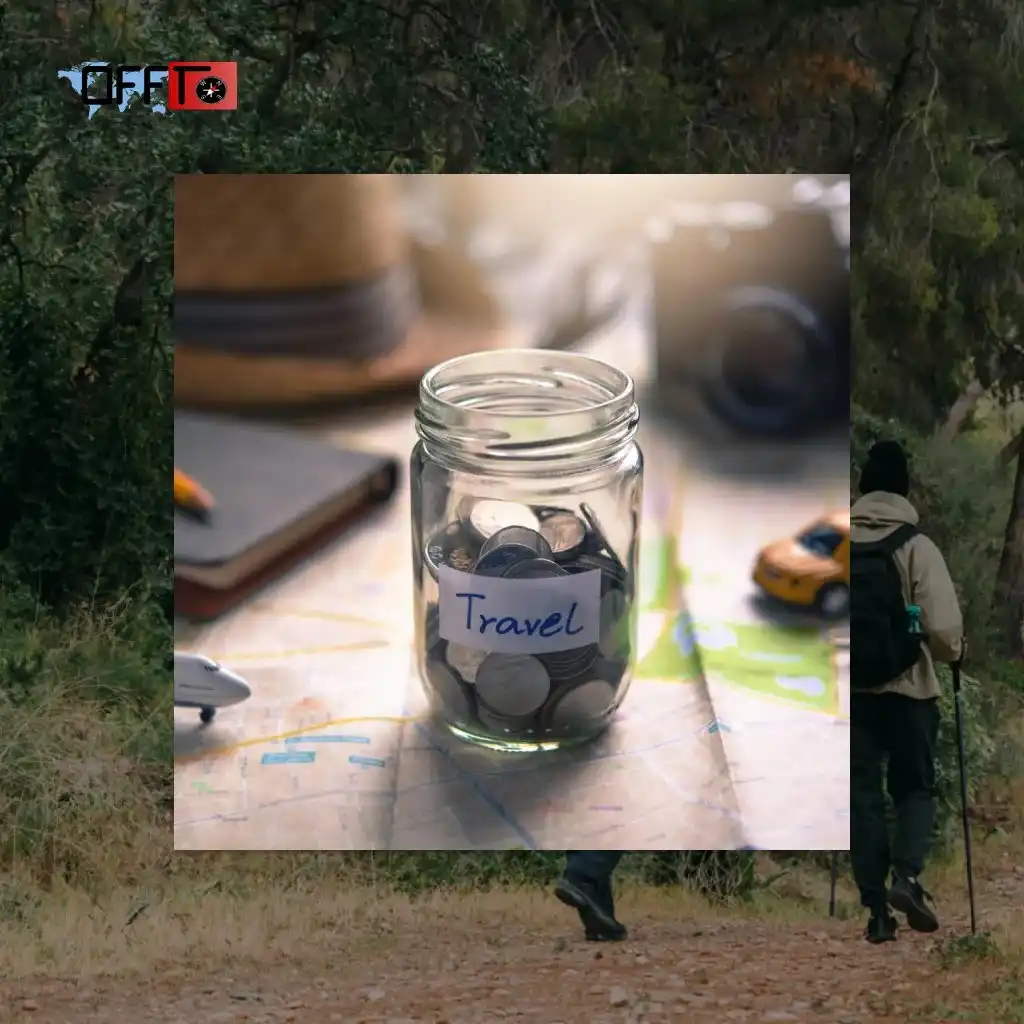
The Triund Trek is a relatively affordable trek compared to many of the other Himalayan treks, but it’s still important to plan your budget in advance. While the trek itself is free, there are several associated costs, such as permits, camping fees, guide charges, and other optional services. Here’s a breakdown of what you can expect in terms of the cost for the Triund Trek.
How Much Does the Triund Trek Cost?
The cost of the Triund Trek varies depending on the season, the duration of your trek, and the services you opt for, such as guided tours, camping facilities, and porters. On average, the cost of a 1-day trek without camping can range from ₹300 to ₹500 for a permit and food at the trailhead.
- For a 1-Day Trek: The basic cost typically covers your permit, entry fees, and any food and refreshments you may purchase along the way. If you opt for a guided trek, expect to pay an additional ₹500 to ₹1,500, depending on the service.
- For a 2-Day Trek: If you’re planning to camp overnight at Triund, the cost of camping gear (tent, sleeping bags, and meals) will be higher, typically ranging from ₹1,500 to ₹3,000 for the entire experience. This includes permits, camping charges, and meals during the stay.
Cost Breakdown: Trek Permit, Camping Charges, Guide Fees
1. Trek Permit: The permit fee for the Triund Trek is typically around ₹100 to ₹150 for Indian nationals and slightly higher for foreign tourists. This is a mandatory fee that is usually paid at the forest check-post when you start the trek. The permit helps manage the environmental impact of trekking and ensures safe passage through protected areas.
2. Camping Charges: If you plan to camp at Triund, the camping charges usually range from ₹500 to ₹1,000 per person. This includes your tent, sleeping bag, mats, and the camping site fee. If you’re hiring a guide, the cost of camping may also include the guide’s fee and any additional services like meals.
3. Guide Fees: The cost of a guide varies depending on the type of service. On average, a local guide will charge anywhere from ₹500 to ₹1,500 per day, depending on whether you’re opting for a group tour or a private guide. Hiring a guide can enrich your experience, as they offer local insights, ensure safety, and help navigate the trail.
4. Porter Fees: If you wish to carry less weight on the trail, you can hire a porter to carry your bags. Porter fees usually range from ₹300 to ₹500 per day, depending on the weight of your belongings and the distance of the trek.
Budgeting Tips for a 1-Day and 2-Day Trek
Here’s how you can budget for both 1-day and 2-day versions of the Triund Trek:
- For a 1-Day Trek:
- Trek permit: ₹100–₹150
- Food and water: ₹200–₹400 (for meals at the base or along the trail)
- Guide fees (optional): ₹500–₹1,000
- Total (without guide): ₹300–₹600
- Total (with guide): ₹800–₹1,600
- Trek permit: ₹100–₹150
- For a 1-day trek, it’s possible to keep the budget lower, especially if you’re self-guiding and bringing your own water and snacks. The cost of food on the trail can vary, with basic meals like dal chawal, maggi, and tea available at the rest stops.
- For a 2-Day Trek (with camping):
- Trek permit: ₹100–₹150
- Camping charges: ₹500–₹1,000 (includes tent, sleeping bag, and meals)
- Guide fees: ₹500–₹1,500 (optional, depending on the package)
- Porter fees: ₹300–₹500 (optional, depending on your luggage)
- Food and water: ₹200–₹400 (for meals on the second day)
- Trek permit: ₹100–₹150
- Total: ₹1,500–₹3,500 (for a 2-day trek with camping, meals, and guide fees)
If you’re traveling on a budget, the 2-day trek can cost around ₹1,500, but it can go higher if you opt for premium camping gear or a private guide.
Cost of Food and Water on the Trail
- Water: You’ll find water stations at the start of the trek and at Bhagsu Nag. It’s a good idea to carry your own water bottle for refills. The cost of bottled water along the trail ranges from ₹30 to ₹50 depending on where you buy it.
- Food: Along the trek, you’ll find basic cafes and tea stalls offering light snacks, including maggi, rice and dal, and snacks. Expect to pay around ₹100 to ₹300 for a meal, depending on the type and location.
For camping treks, meals are often included in the package, which covers dinner, breakfast, and sometimes a packed lunch.
Optional Add-Ons Like Guide Services and Porters
- Guide Services: While the Triund Trek is fairly straightforward, many trekkers opt for guide services to enrich their experience. Local guides offer insights into the flora, fauna, and history of the region, and they also help you stay safe on the trail. For a more personalized experience, consider booking a private guide.
- Porters: For trekkers who prefer not to carry heavy backpacks, porters can be hired to carry your gear. Porters are especially useful for multi-day treks where you’ll need extra comfort and the ability to trek with less weight.
FAQs
How Long Is the Triund Trek?
The Triund Trek is approximately 9 kilometers (5.6 miles) one-way from McLeod Ganj to the summit. It’s a moderate trek, and depending on your pace, it usually takes 4 to 5 hours to reach the top. The round trip is about 18 kilometers (11.2 miles) and typically takes 7 to 9 hours.
What Is the Cost of Triund Trek?
The cost of the Triund Trek can vary depending on the services you choose.
- Trek permit: ₹100–₹150
- Camping charges: ₹500–₹1,000 per person (for overnight stays)
- Guide fees: ₹500–₹1,500 (depending on the guide and group size)
- Porter fees: ₹300–₹500 per day Overall, the cost for a 1-day trek can range from ₹300 to ₹1,500, and for a 2-day trek with camping, it can range from ₹1,500 to ₹3,500.
Where Is Triund Trek Located?
The Triund Trek is located in Himachal Pradesh, India, near the towns of McLeod Ganj and Dharamshala. The trek starts from McLeod Ganj, which is about 9 km from the town of Dharamshala. Triund itself is at an elevation of 2,828 meters (9,278 feet), providing stunning views of the Dhauladhar Range and Kangra Valley.
What Is the Best Time for Triund Trek?
The best time to do the Triund Trek is during the spring (March to May) and autumn (September to November). During these seasons, the weather is mild, and the skies are generally clear, making it ideal for sightseeing and photography. Avoid the monsoon season (June to September) due to heavy rainfall, which can make the trail slippery and dangerous. Winter (December to February) is also an option for those seeking a more peaceful, snow-covered experience, but be prepared for colder temperatures.
How Tough Is the Triund Trek?
The Triund Trek is a moderate trek suitable for beginners with some fitness level. The trek involves a gradual ascent through forests and meadows, with the last 2 km being slightly steeper. The trek can be challenging for those new to hiking, but it is generally manageable for people with average fitness. The trek’s altitude gain is about 1,000 meters (3,280 feet), which may cause slight breathlessness, so take it slow and rest as needed.
Can I Do Triund Trek Solo?
Yes, the Triund Trek can be done solo. The trail is well-marked, and many solo trekkers enjoy the sense of peace and connection with nature that comes with trekking alone. However, if you’re new to trekking or unfamiliar with the area, it is recommended to carry a local guide for safety and assistance. Additionally, a guide can help with navigating the terrain and provide insights into the region’s history and ecology.
Is There Water on the Triund Trek Route?
Yes, there are some water sources along the Triund Trek, including a small stream near the Bhagsu Nag area and a few water points along the way. However, it’s always recommended to carry water bottles or a hydration pack for the trek, as you may not always find water at regular intervals. Purification tablets or a water filter might also be a good idea to ensure the water is safe to drink.
What Should I Pack for Triund Trek?
Here’s a list of essential items to pack for the Triund Trek:
- Comfortable trekking shoes with good grip
- Light layers for warm weather (T-shirt, trekking pants, etc.)
- Warm clothing for cooler evenings (especially if camping overnight)
- Rain gear (especially if trekking in the monsoon season)
- Sunscreen, hat, and sunglasses for sun protection
- Water bottle and snacks for the trail
- Camera to capture the stunning views
- First aid kit with basic medical supplies
- Torch/Headlamp (especially for camping or if trekking in the early morning)
- Camping gear (if staying overnight at Triund)
Can I Visit Triund in Winter?
Yes, the Triund Trek can be visited in winter (December to February), but be prepared for colder temperatures. Nighttime temperatures can drop below 0°C, and there may be snow at the summit. The trek is peaceful and less crowded during this time, making it a great option for winter trekkers who enjoy solitude and the snow-covered landscape. However, you should pack warm clothing, thermal wear, and snow-friendly footwear for the trek in winter. Also, be prepared for shorter days and ensure you start early to avoid getting caught in the cold after dark.
Read more >>>
Best Time to Visit Kedarnath for Yatra, Trek & Darshan in 2026
Best Time to Visit Rann of Kutch – Weather, Rann Utsav & White Desert Guide
Plan Your Triund Trek with Offto Travellers
Planning the Triund Trek can be an exciting yet overwhelming task, but with Offto Travellers, we make it simple, seamless, and enjoyable. Whether you’re a first-time trekker or an experienced adventurer, Offto offers everything you need to create the perfect trekking experience in the heart of the Himalayas.
Explore Curated Triund Trek Itineraries
At Offto, we understand that each trekker has unique preferences and needs. That’s why we offer curated Triund trek itineraries designed for different types of travelers. Whether you’re looking for a one-day trek or a two-day adventure with camping, we’ve got you covered. Our itineraries are crafted to ensure you make the most of your time in the mountains while enjoying the best of Triund’s stunning views, peaceful surroundings, and the fresh mountain air.
- One-Day Trek Itinerary: Perfect for those who have limited time but want to experience the beauty of Triund and reach the summit in a day.
- Two-Day Trek Itinerary: For those who wish to spend the night at Triund, enjoy a camping experience, and witness the sunrise over the Himalayan peaks.
- Customized Itineraries: Tailored itineraries based on your pace, preferences, and group size, ensuring a personalized trekking experience.
Compare Trek Packages and Guided Options
At Offto Travellers, we believe in offering trekkers a range of options to suit their budget, experience level, and comfort preferences. From basic packages to luxury trekking experiences, our carefully selected trek packages cater to all kinds of adventurers.
- Standard Trek Package: Includes basic services like entry permits, guides, and meals on the trail. Ideal for solo trekkers or groups looking for a budget-friendly option.
- Premium Trek Package: Includes added perks such as luxury camping gear, personalized guides, transportation to the starting point, and meals at the campsite. Perfect for those who want a more comfortable trekking experience.
- Guided Trek Options: Whether you’re new to trekking or prefer a more informative experience, our local guides provide insights into the flora, fauna, and history of the area. With Offto’s trekking guides, you’ll have a safe and enriching journey
Connect with Fellow Trekkers on Offto’s Platform
The Triund Trek is a popular journey that brings trekkers from around the world together. At Offto Travellers, we offer a platform where you can connect with fellow trekkers, exchange tips, and even plan group treks. It’s a great opportunity to meet like-minded adventurers, share experiences, and make new friends while exploring the beauty of Triund and the surrounding mountains.
- Trek Communities: Join offto’s online communities to find trekking buddies, share your experiences, and get advice from others who have already trekked to Triund.
- Group Treks: If you prefer to trek with others, Offto offers group trek options where you can join a guided group trek with fellow travelers, enhancing the social aspect of the experience.
Book Your Camping Gear and Trek Permits Seamlessly through Offto
Forget the hassle of managing trek permits, camping gear, and logistics. With Offto, you can book everything in one place and focus on enjoying your trek. We ensure that all necessary permits are in order and that your camping gear is provided, so you don’t have to worry about carrying heavy equipment.
- Trek Permits: Offto handles all the entry permits required for the Triund Trek, saving you time and effort. The permit fee is included in your package, and we ensure you have all the documentation you need.
- Camping Gear: We provide high-quality camping gear including tents, sleeping bags, mats, and cooking equipment. You can rent or purchase the necessary gear through Offto, ensuring you’re well-equipped for an overnight stay.
- Seamless Booking: With Offto’s user-friendly platform, you can book your trek permits, guides, and camping gear in advance, making your planning process smooth and easy.
Best experienced on the Offto Travellers app
Get the Offto app to explore travel stories, share your own journeys, connect with travellers, and book trips—all in one place.
Play StoreApp Store
Leave a Reply