
Jodhpur, also known as the Blue City, offers a vibrant mix of history, culture, and architecture. The best things to do in Jodhpur include visiting iconic landmarks like Mehrangarh Fort, Jaswant Thada, and exploring the bustling Clock Tower Market. You can also experience the spiritual side of Jodhpur at Mandore Gardens, Umaid Bhawan Palace, and clock tower.
Introduction to Jodhpur – The Blue City of India
Jodhpur, often called the Blue City of India, is one of Rajasthan’s most visually striking and culturally rich destinations. Known for its indigo-painted houses, historic forts, and desert landscapes, the city offers a mix of heritage, architecture, and everyday local life that feels both grand and grounded.
For travelers, Jodhpur works well as a 2–3 day destination—long enough to explore its major landmarks while also experiencing its markets, food, and slower-paced old-city charm. It’s especially suited for those interested in history, architecture, and authentic North Indian culture without the overwhelming crowds of larger cities.
Where is Jodhpur Located?
Jodhpur is located in the western part of Rajasthan, close to the edge of the Thar Desert. It sits roughly 330 km from Jaipur and around 600 km from Delhi, making it a key stop on many Rajasthan travel routes.
The city is well-connected by rail, road, and air, which makes it relatively easy to include in a broader itinerary covering destinations like Jaipur, Udaipur, or Jaisalmer.
Practical insight: Because of its desert proximity, Jodhpur experiences hot days and cooler evenings, especially outside peak summer. Planning your sightseeing in early mornings and late afternoons can make a noticeable difference in comfort.
Why Jodhpur is Known as the Blue City?
Jodhpur is called the Blue City because many houses in its old quarters are painted in shades of blue, creating a distinctive and photogenic landscape when viewed from above—especially from Mehrangarh Fort.
Originally, the blue color was associated with Brahmin households, but over time, it spread across communities. Today, it’s also believed to help keep homes cooler and repel insects, which makes it practical in the region’s warm climate.
Traveller tip: The best views of the Blue City are not from street level but from elevated points like fort ramparts or rooftop cafés, where you can see the layered blue architecture more clearly.
What is Jodhpur Famous For?
Jodhpur is famous for its massive forts, royal palaces, vibrant markets, and traditional Rajasthani culture. It strikes a balance between grand heritage and everyday local life.
Key highlights include:
- Mehrangarh Fort, one of India’s most impressive forts
- Umaid Bhawan Palace, still partly home to royalty
- Blue-painted old city streets
- Textiles, handicrafts, and antiques in local markets
- Distinct Rajasthani cuisine, especially snacks and sweets
Decision insight: If you’re choosing between Rajasthan cities, Jodhpur is ideal if you want a compact, walkable heritage experience with strong visual appeal—less chaotic than Jaipur and more culturally dense than some smaller towns.
Best Places to Visit in Jodhpur
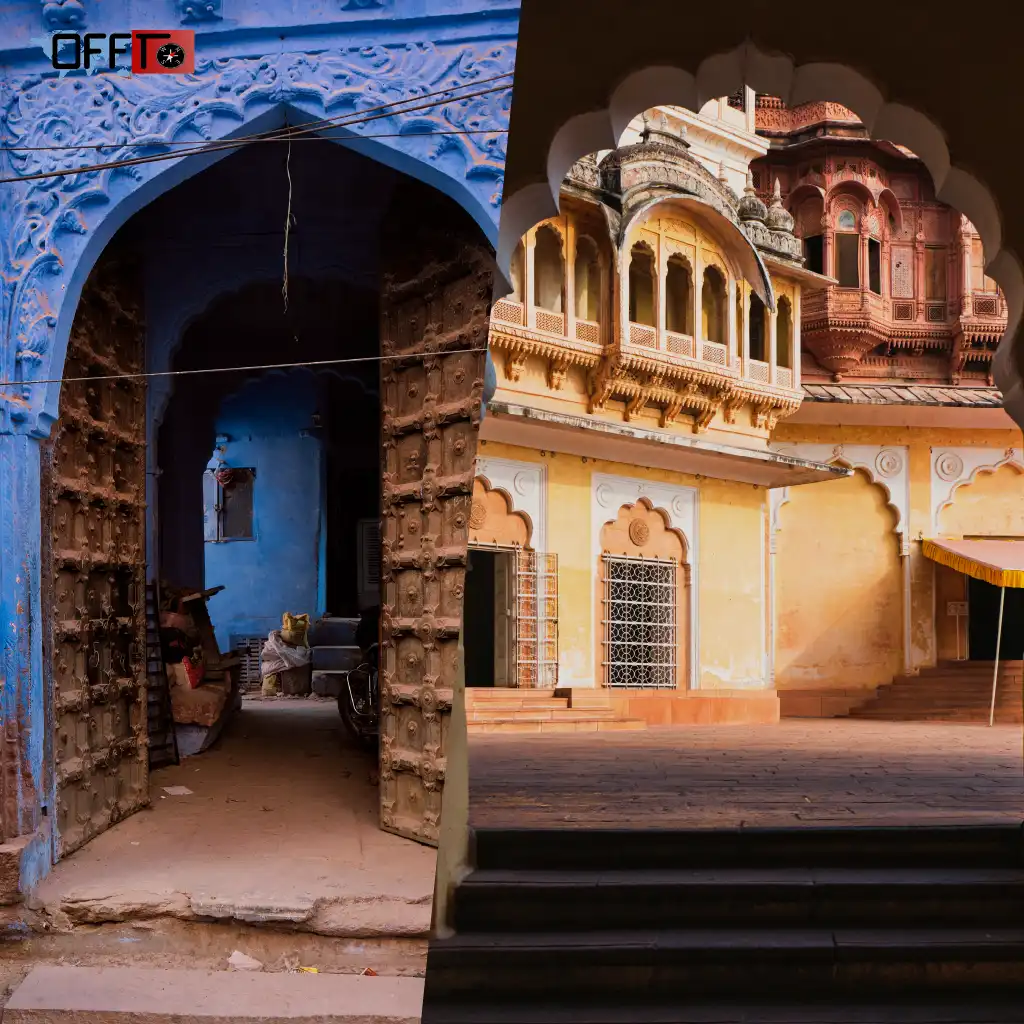
Jodhpur’s attractions are closely located, which makes it easy to explore multiple places in a single day. Most landmarks are centered around the old city, with a few royal and garden complexes slightly outside.
Mehrangarh Fort
Mehrangarh Fort is the defining landmark of Jodhpur and one of the largest forts in India. Perched on a rocky hill, it offers panoramic views of the Blue City below.
Inside, the fort houses well-preserved palaces, museums, courtyards, and galleries showcasing royal artifacts, weapons, and intricate architecture.
What makes it stand out:
- Dramatic elevation and city views
- Detailed carvings and palace interiors
- One of the best-maintained heritage sites in Rajasthan
Practical tip: Visit early in the morning or closer to sunset. Midday heat can make exploring the fort physically tiring, especially with stairs and open sections.
Jaswant Thada
Jaswant Thada is a white marble cenotaph located near Mehrangarh Fort, built in memory of Maharaja Jaswant Singh II.
It offers a quieter, more reflective atmosphere compared to the fort, with gardens, a small lake, and delicate marble lattice work.
Why it’s worth visiting:
- Peaceful contrast to the fort’s scale
- Clean, photogenic architecture
- Short visit, easy to combine with Mehrangarh
Traveller insight: This is a good place to slow down after the fort visit, especially if you prefer a less crowded and calmer setting.
Umaid Bhawan Palace
Umaid Bhawan Palace is one of the largest private residences in the world, with part of it still occupied by the royal family and another part converted into a luxury hotel.
A section of the palace is open as a museum, displaying royal memorabilia, vintage clocks, and photographs from the princely era.
What to expect:
- Grand architecture blending Indian and European styles
- Well-maintained museum spaces
- Expansive grounds
Tradeoff to consider: The accessible museum area is relatively limited. Visit more for the architectural significance and context rather than expecting a long, immersive tour.
Mandore Gardens
Mandore Gardens, located a short drive from the city center, is known for its historic cenotaphs, temples, and landscaped gardens.
It was once the capital of the Marwar region before Jodhpur, which adds historical depth to the site.
Highlights:
- Unique red sandstone memorial structures
- Open garden spaces
- Less crowded compared to central attractions
Practical tip: Best visited in the morning or late afternoon, especially during warmer months. It works well if you want a break from dense city exploration.
Clock Tower and Sardar Market
The Clock Tower area, along with Sardar Market, is the heart of Jodhpur’s local life and shopping scene.
Here, you’ll find everything from spices and textiles to handicrafts and souvenirs, along with street food and everyday city activity.
What makes it special:
- Authentic local market experience
- Good place for budget shopping
- Lively, colorful atmosphere
Traveller insight: The area can get crowded and chaotic, especially in the evening. It’s best explored if you’re comfortable navigating busy markets and want a real glimpse of local life rather than a curated tourist space.
Must-Visit Tourist Places in Jodhpur
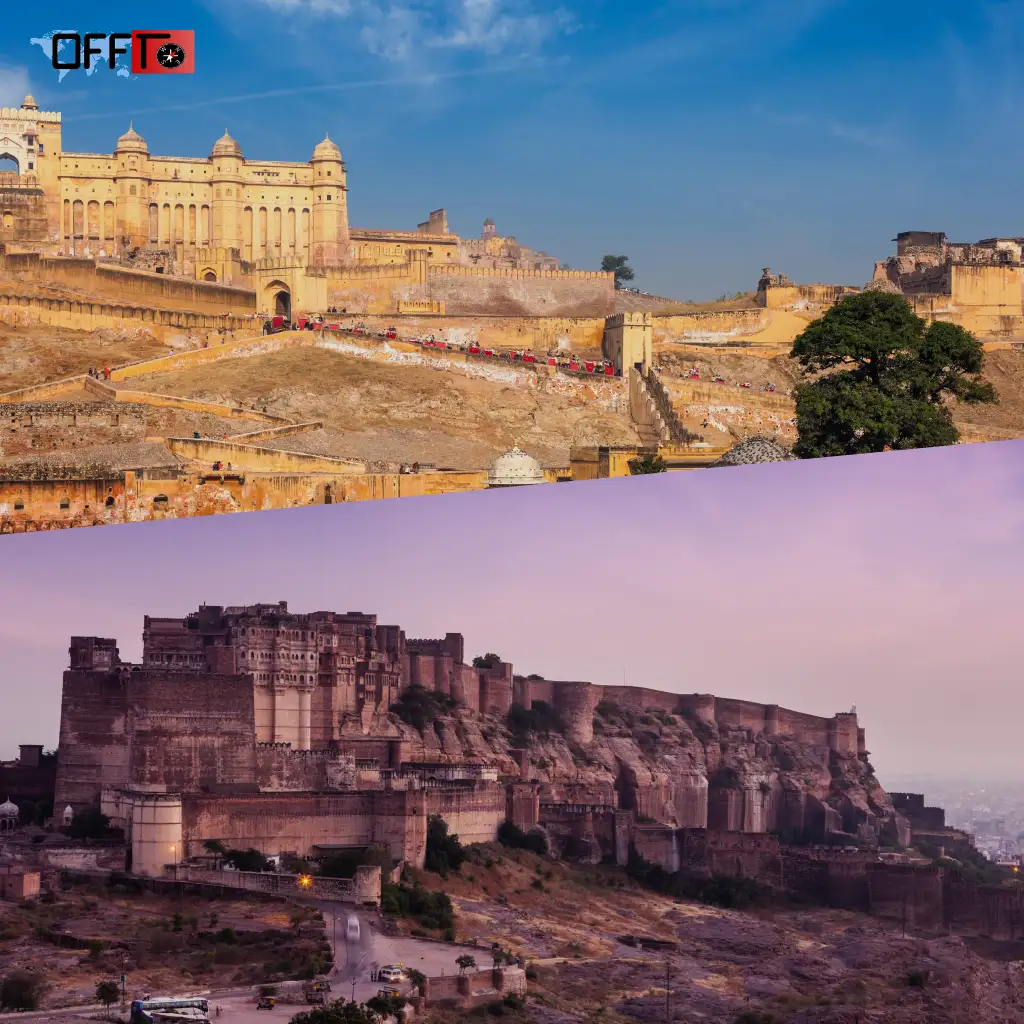
Jodhpur offers a mix of grand forts, royal architecture, and local heritage spots that are easy to cover within a short trip. If you’re prioritizing must-visit tourist places in Jodhpur, these landmarks give a well-rounded view of the city’s history, culture, and everyday life.
Umaid Bhawan Palace
Umaid Bhawan Palace stands out as both a royal residence and a heritage hotel, with a section open to visitors as a museum. Its architecture reflects a blend of Indian and European styles.
What to expect:
- Well-maintained museum with royal memorabilia
- Impressive palace grounds
- Insight into modern royal history
Tradeoff: The accessible areas are limited, so this visit is more about architecture and context than exploration depth.
Mandore Stepwell
Mandore Stepwell is one of the lesser-known but visually interesting spots near Jodhpur. Stepwells were traditionally built for water storage, and this one offers a glimpse into ancient water management systems and local architecture.
Why it’s worth including:
- Offbeat location with fewer tourists
- Strong architectural symmetry and design
- Quick stop that adds variety to your itinerary
Practical tip: Combine it with Mandore Gardens for an efficient visit, as both are in the same direction.
Ghanta Ghar (Clock Tower)
Ghanta Ghar, or the Clock Tower, is at the center of Jodhpur’s busiest market area and serves as a landmark for exploring Sardar Market.
What makes it a must-visit:
- Gateway to local shopping and street food
- Vibrant, authentic city atmosphere
- Great place to experience everyday Jodhpur
Traveler insight: Visit in the evening if you want to see the market at its liveliest, but be prepared for crowds and narrow lanes.
Things to Do in Jodhpur
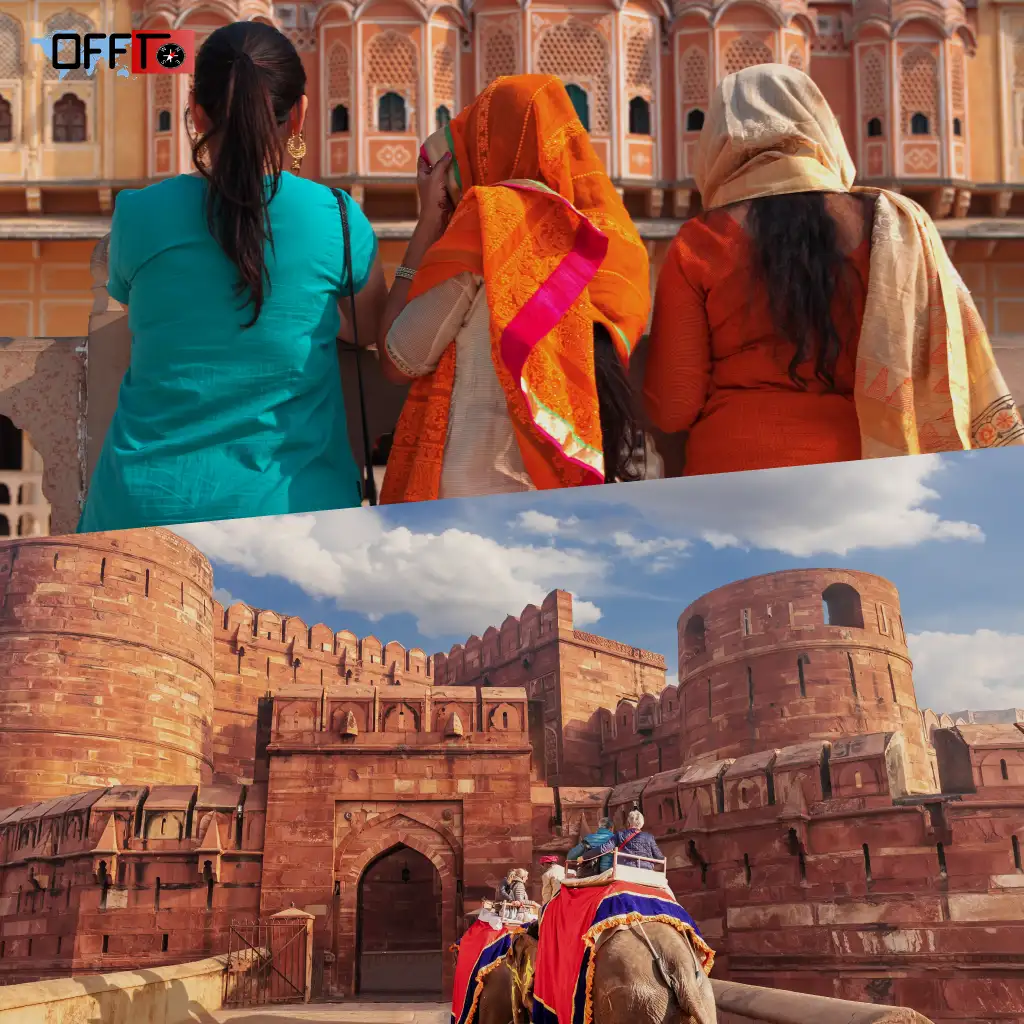
Beyond visiting landmarks, Jodhpur offers a range of experiences that help you engage with the city more deeply—from exploring forts to tasting local food and discovering everyday culture.
Explore the Majestic Mehrangarh Fort
Exploring Mehrangarh Fort is not just about ticking off a landmark—it’s about understanding the scale and history of Jodhpur.
Take time to walk through:
- Palace courtyards
- Museum galleries
- Fort ramparts with city views
Insight: If you’re interested in history, consider using an audio guide or guided tour, as it adds context that isn’t obvious from just walking through.
Take a Boat Ride at Mandore Gardens
While Mandore Gardens is primarily known for its cenotaphs and green spaces, it also offers a more relaxed experience, including a boat ride option in certain areas (seasonal).
Why try it:
- Adds a slower, leisure element to your itinerary
- Good for families or travelers looking to unwind
Note: Availability may vary depending on water levels and maintenance, so treat this as a secondary activity rather than a highlight.
Discover the Local Culture at Sardar Market
Sardar Market, near the Clock Tower, is one of the best places to experience local culture, shopping, and daily life in Jodhpur.
You’ll find:
- Spices, textiles, handicrafts
- Local snacks and street food
- Everyday hustle of the city
Practical tip: It’s a great place for budget shopping, but prices can vary—light bargaining is common.
Try Rajasthani Cuisine at Local Eateries
Food is an important part of the Jodhpur experience. The city is known for its rich, flavorful Rajasthani cuisine, especially snacks and traditional dishes.
Popular things to try:
- Dal Baati Churma
- Mirchi Bada
- Makhaniya Lassi
Traveller insight: Stick to busy, well-known eateries for better hygiene and fresher food, especially when trying street snacks.
Visit the Local Temples and Spiritual Spots
Jodhpur also has several temples and spiritual spots that offer a different perspective on the city beyond forts and markets.
Why include this:
- Adds cultural depth to your trip
- Often less crowded than major tourist sites
- Provides a quieter, reflective experience
Planning tip: These visits are best done in the early morning or evening, when the atmosphere is more peaceful and temperatures are comfortable.
These places and experiences together cover the essential things to do in Jodhpur, helping you balance sightseeing with cultural exploration and local experiences without overloading your itinerary.
Jodhpur Sightseeing Guide
Planning your Jodhpur sightseeing efficiently comes down to balancing major landmarks with realistic pacing. Most key attractions are located around the old city, which makes it possible to cover the highlights even in a short trip—provided you structure your days thoughtfully.
One Day Jodhpur Sightseeing Plan
If you have only one day in Jodhpur, focus on the core landmarks and keep travel time minimal.
Suggested plan:
- Morning: Start early with Mehrangarh Fort (least crowded, better weather)
- Late Morning: Visit Jaswant Thada (quick and peaceful stop nearby)
- Lunch: Head to a restaurant near the old city
- Afternoon: Explore Umaid Bhawan Palace museum
- Evening: Walk through Clock Tower and Sardar Market
What this plan works for:
- Short trips or stopovers
- Travelers who want a quick overview of Jodhpur
Tradeoff: You’ll cover the main highlights, but miss slower experiences like Mandore Gardens or offbeat spots.
Two Day Jodhpur Itinerary
A two-day itinerary gives you enough time to explore Jodhpur without rushing and includes both major attractions and relaxed experiences.
Day 1 (Core Heritage)
- Mehrangarh Fort (morning)
- Jaswant Thada (late morning)
- Lunch near old city
- Clock Tower & Sardar Market (evening exploration + shopping)
Day 2 (Extended + Relaxed)
- Umaid Bhawan Palace (morning)
- Mandore Gardens and Mandore Stepwell (late morning / afternoon)
- Optional: temple visit or café experience in the evening
Why this works:
- Logical grouping of nearby places
- Balanced pace without long travel jumps
- Covers both iconic and quieter spots
Places to Visit in Jodhpur in 2 Days
If you’re planning places to visit in Jodhpur in 2 days, these should be your priority list:
Must-cover:
- Mehrangarh Fort
- Jaswant Thada
- Umaid Bhawan Palace
- Clock Tower & Sardar Market
Add if time allows:
- Mandore Gardens
- Mandore Stepwell
- Local temples or viewpoints
Planning insight: Two days is ideal for most travelers—it allows you to experience Jodhpur comfortably without rushing, while still leaving room for local exploration like food or markets.
Jodhpur Temple Visits and Spiritual Experiences
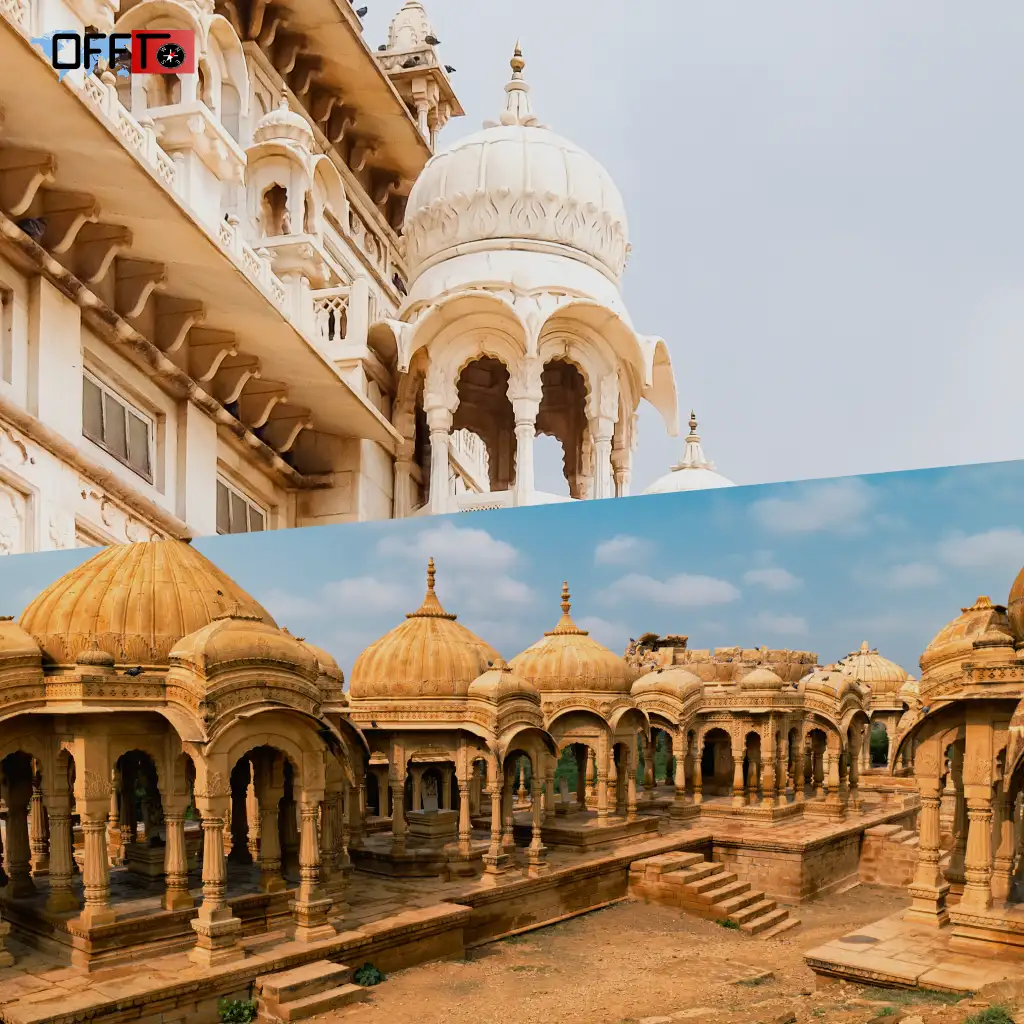
Jodhpur’s spiritual side is quieter compared to its forts and palaces, but visiting its temples can add depth and balance to your itinerary. These places offer a more peaceful and reflective experience, especially when visited during early morning or evening hours.
Mandore Temple
Located within the Mandore Gardens complex, Mandore Temple is part of a larger historical and cultural setting. It blends temple architecture with memorial structures, making it slightly different from standalone temples.
What to expect:
- Calm surroundings within a garden space
- Local visitors and a less tourist-heavy atmosphere
- Cultural and historical significance combined
Traveler tip: Combine this visit with Mandore Gardens to make the most of your time, as both are in the same area.
Jaswant Thada Temple
While primarily a cenotaph, Jaswant Thada also carries a spiritual and memorial significance, which makes it feel temple-like in atmosphere.
Why visit:
- White marble structure with peaceful surroundings
- Quiet contrast to the nearby Mehrangarh Fort
- Ideal for short, reflective stops
Insight: This is best visited right after the fort, as it helps you transition from a crowded landmark to a calmer space.
Chamunda Mata Temple
Chamunda Mata Temple is located within the Mehrangarh Fort complex and is dedicated to the family deity of the royal clan.
What makes it special:
- Strong religious significance for locals
- Panoramic views from the fort area
- Active place of worship, especially during festivals
Practical tip: If you’re already visiting Mehrangarh Fort, include this stop—it doesn’t require extra travel and adds a spiritual dimension to your visit.
These temple visits complement your Jodhpur itinerary by adding cultural depth and quieter moments, helping balance the otherwise monument-heavy sightseeing experience.
Historical and Architectural Sites in Jodhpur
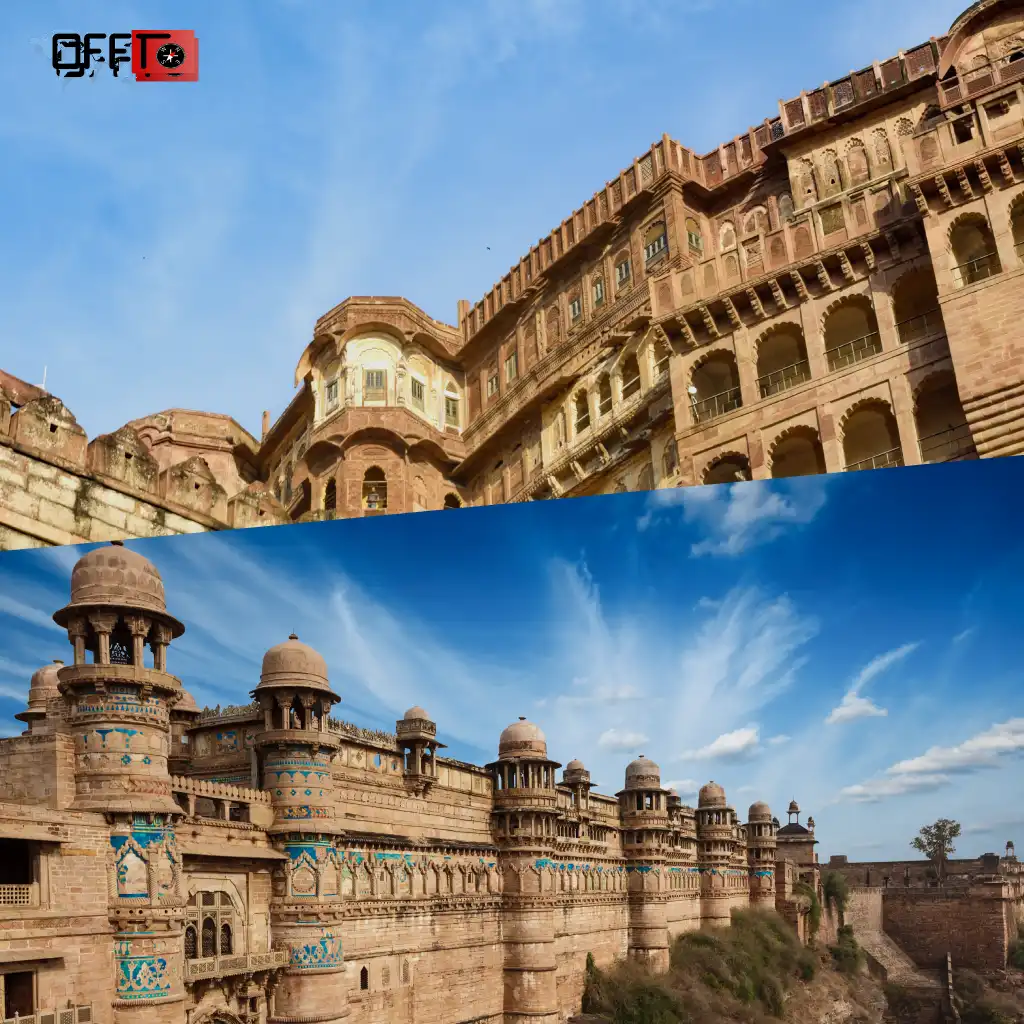
Jodhpur’s identity is deeply rooted in its historical and architectural landmarks, which reflect the legacy of the Marwar rulers and the city’s strategic importance in Rajasthan. If you’re exploring historical places in Jodhpur, these sites offer a mix of grand structures, royal heritage, and everyday architecture that still shapes the city today.
Mehrangarh Fort
Mehrangarh Fort is the most significant historical site in Jodhpur and a clear starting point for understanding the city’s past. Built on a rocky hill, it dominates the skyline and showcases Rajput military architecture at its finest.
Architectural highlights:
- Massive fortified walls rising dramatically from the hill
- Intricately carved palaces like Sheesh Mahal and Phool Mahal
- Expansive courtyards and detailed stonework
Why it matters: It represents both the defensive strength and artistic sophistication of the Marwar kingdom.
Practical insight: Take your time exploring the interior galleries—this is where the real architectural detailing and historical context come alive beyond just the exterior views.
Umaid Bhawan Palace
Umaid Bhawan Palace is a more recent addition to Jodhpur’s historical landscape, built in the 20th century during a time of drought to provide employment. Today, it stands as a symbol of modern royal architecture blended with traditional design.
What makes it architecturally unique:
- A mix of Indo-Deco and classical European styles
- Symmetrical design and grand scale
- Use of sandstone that matches the region’s landscape
Context insight: Unlike older forts, this palace reflects a transition period in Indian royal architecture, moving toward modern influences while retaining cultural identity.
Places to Visit Near Jodhpur
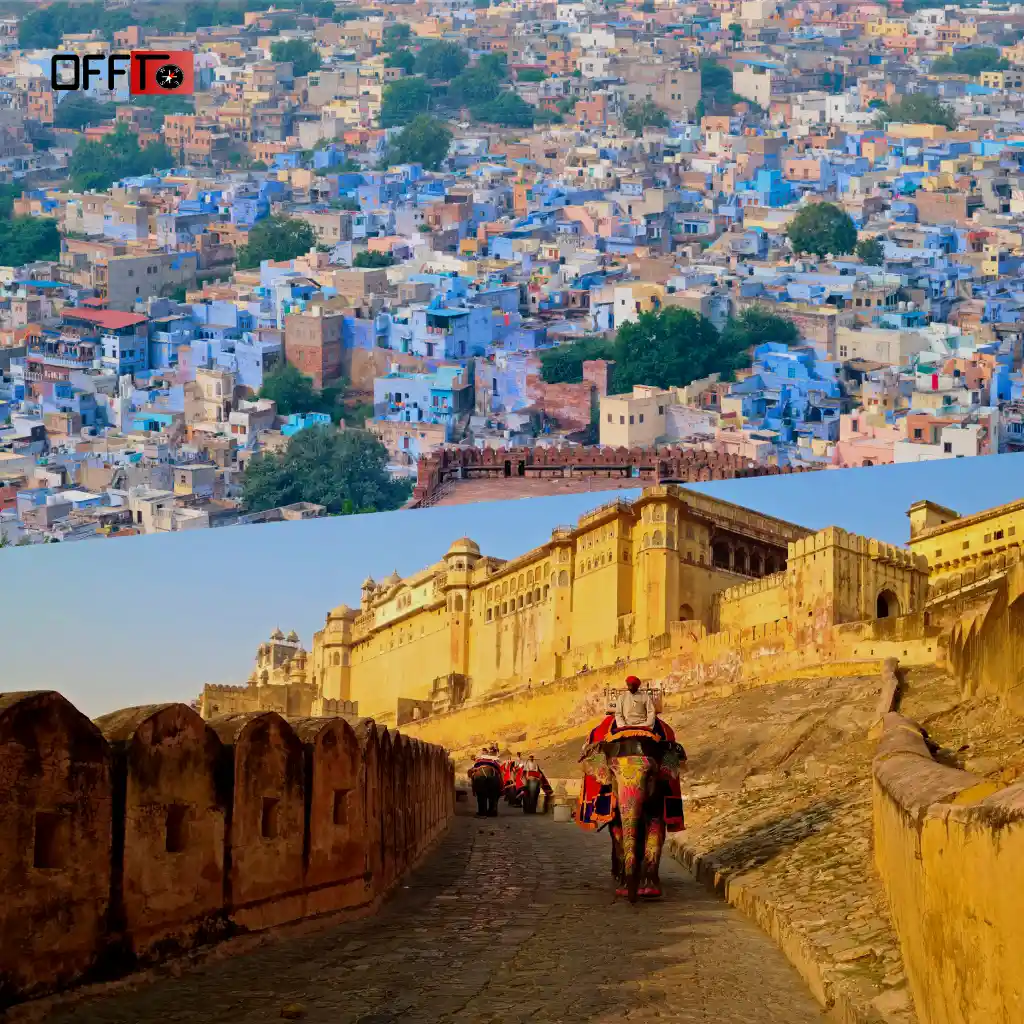
If you have extra time, exploring places near Jodhpur can add variety to your trip—ranging from desert landscapes to lakes and wildlife experiences. These spots are ideal for half-day or full-day outings.
Osian
Osian is a small desert town located about 65 km from Jodhpur, known for its ancient temples and desert safari experiences.
What to expect:
- Sand dunes and camel safari options
- Historic Jain and Hindu temples with intricate carvings
- A quieter, less commercial desert experience compared to larger destinations
Best for: Travellers who want a desert experience without going all the way to Jaisalmer.
Kailana Lake
Kailana Lake is a scenic spot located on the outskirts of Jodhpur, popular for its sunset views and peaceful atmosphere.
Why visit:
- Ideal for a relaxed evening
- Good for photography and birdwatching
- Less crowded than central attractions
Practical tip: Plan your visit around sunset—the lighting and reflections make it one of the most visually rewarding times to be here.
Machia Biological Park
Machia Biological Park is a wildlife park located near Kaylana Lake, offering a chance to see regional flora and fauna in a semi-natural environment.
What to expect:
- Species like desert foxes, deer, and reptiles
- Walking trails and viewpoints
- Educational and family-friendly experience
Context insight: Unlike older forts, this palace reflects a transition period in Indian royal architecture, moving toward modern influences while retaining cultural identity.
Who it’s best for: Families or travellers looking to add a nature-based activity to their Jodhpur trip.
Tradeoff: It’s not a large safari park, so expectations should be set for a short, relaxed visit rather than a full wildlife experience.
These historical sites and nearby attractions together help you explore Jodhpur beyond its core landmarks, offering a more complete and balanced travel experience.
How to Reach Jodhpur
Reaching Jodhpur is relatively straightforward, as the city is well-connected by air, train, and road to major Indian destinations. Choosing the right mode depends on your starting point, budget, and how much time you have.
Reaching Jodhpur by Air, Train, and Road
By Air: Jodhpur Airport (JDH) is located close to the city center and has regular flights from cities like Delhi, Mumbai, and Jaipur.
- Best for: Time-saving and convenience
- Travel time from airport to city: ~15–20 minutes
By Train: Jodhpur Junction is a major railway station with connections across Rajasthan and other parts of India.
- Best for: Budget-friendly and comfortable overnight travel
- Well-connected to Delhi, Jaipur, Ahmedabad, and more
By Road: Jodhpur is accessible via highways, making it suitable for road trips or bus travel.
- Best for: Flexible travel and scenic routes
- Options include private cars, taxis, and state-run or private buses
Decision insight: If you’re coming from nearby cities in Rajasthan, road or train works well. For longer distances, flights are usually the most efficient.
Distance from Major Cities
Understanding distances helps you plan travel time and choose the most practical route for your itinerary.
Delhi to Jodhpur distance
The distance from Delhi to Jodhpur is approximately 600–620 km.
- By air: ~1.5 hours
- By train: ~10–12 hours
- By road: ~10–11 hours
Best option: Overnight train or flight, depending on budget and schedule.
Jaipur to Jodhpur distance
The distance from Jaipur to Jodhpur is around 330–350 km.
- By road: ~5–6 hours
- By train: ~5–6 hours
Best option: Road trip or train, as both are efficient and commonly used routes.
Udaipur to Jodhpur distance
- By road: ~4–5 hours
- By train: ~5–6 hours
Best option: Road travel, as the route is relatively short and convenient.
Where to Stay in Jodhpur
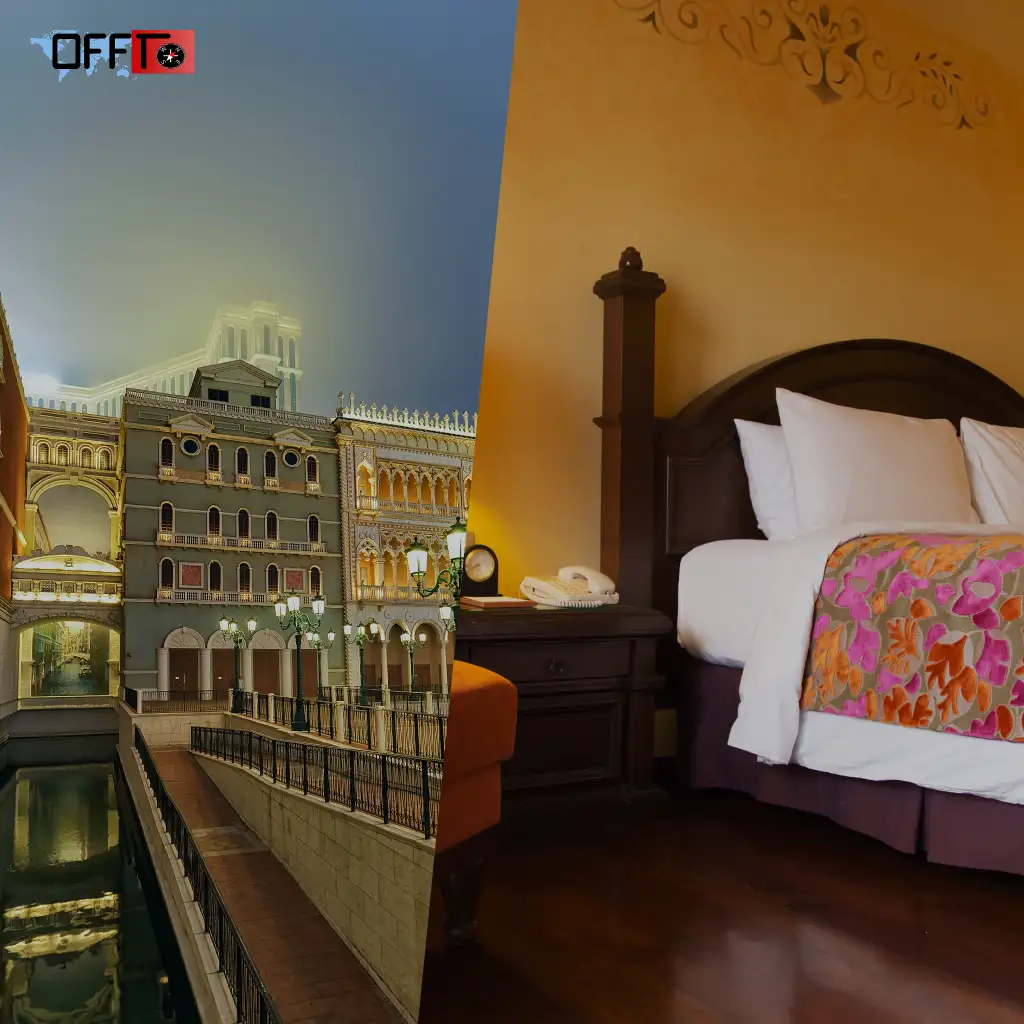
Choosing where to stay in Jodhpur depends on your travel style—whether you prefer luxury heritage stays, budget accommodations, or central locations close to attractions.
Best Luxury Hotels in Jodhpur
Jodhpur is known for its heritage hotels, many of which are converted palaces or historic properties offering a premium experience.
What to expect:
- Royal architecture and heritage ambiance
- Spacious rooms and curated interiors
- On-site dining and premium services
Best for:
- Couples, luxury travellers, and special occasions
- Travellers looking for a destination stay, not just a room
Planning insight: Luxury stays in Jodhpur are often located slightly away from the old city, offering peaceful surroundings but requiring transport for sightseeing.
Budget Accommodations and Guesthouses
Jodhpur has plenty of budget-friendly options, especially near the old city and tourist hubs.
What to expect:
- Guesthouses, hostels, and small hotels
- Basic but comfortable amenities
- Easy access to major attractions
Best for:
- Solo travelers and budget-conscious trips
- Travelers who plan to spend more time exploring than staying indoors
- Practical tip: Look for places with good reviews and central location, as quality can vary significantly in budget categories.
Best Areas to Stay in Jodhpur
Choosing the right area can improve your overall experience and reduce travel time within the city.
Near Old City / Clock Tower:
- Close to Mehrangarh Fort and Sardar Market
- Best for: Walking access to attractions and local experience
- Tradeoff: Can be crowded and noisy
Ratanada / High Court Road area:
- More modern and less chaotic
- Best for: Comfort and accessibility
- Good mix of mid-range and upscale stays
Ratanada / High Court Road area:
- More modern and less chaotic
- Best for: Comfort and accessibility
- Good mix of mid-range and upscale stays
Near Umaid Bhawan Palace:
- Quieter and more spacious surroundings
- Best for: Luxury stays and relaxed atmosphere
- Tradeoff: Slightly farther from the main tourist spots
Decision insight: If it’s your first visit, staying near the old city makes sightseeing easier. If you prefer comfort and quiet, choose areas slightly away from the center.
Jodhpur Weather and Temperature Guide
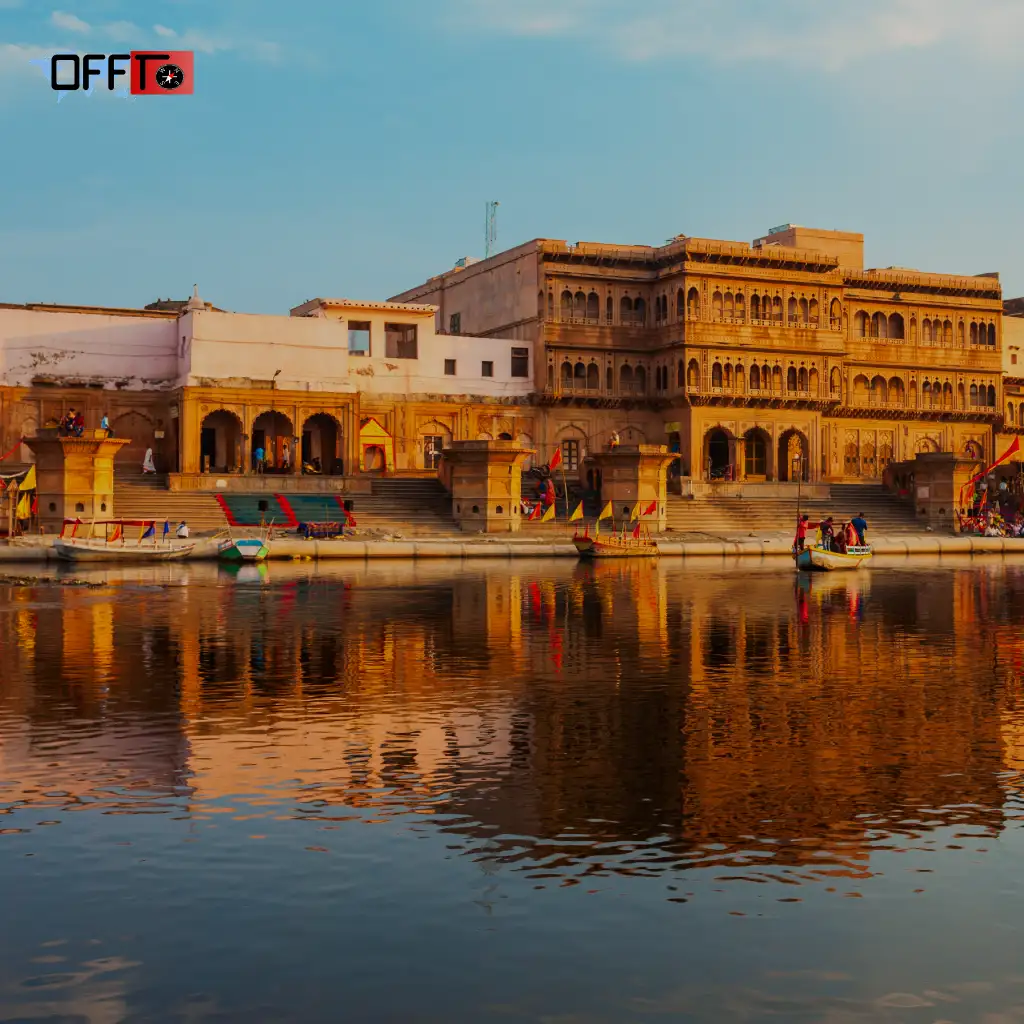
Jodhpur experiences a typical desert climate, with hot summers, mild winters, and low humidity for most of the year. Understanding the Jodhpur weather and temperature helps you plan sightseeing comfortably and avoid extreme conditions.
Jodhpur Temperature Month-by-Month
Jodhpur’s climate varies significantly across seasons, but it generally remains dry with clear skies.
Winter (November to February)
- Temperature: ~10°C to 25°C
- Pleasant days, cooler mornings and nights
- Best for sightseeing and outdoor exploration
Summer (March to June)
- Temperature: ~30°C to 45°C
- Dry heat with strong sunlight
- Peak heat in May–June
Monsoon (July to September)
- Temperature: ~25°C to 35°C
- Occasional rainfall, but not very heavy
- Slightly humid but still manageable
Post-monsoon (October)
- Temperature: ~20°C to 32°C
- Transition period with improving weather
Planning insight: Unlike coastal cities, Jodhpur’s heat is dry rather than humid, which makes it slightly more tolerable—but still intense during peak summer.
Best Time to Visit Jodhpur for Sightseeing
The best time to visit Jodhpur is between October and March, when the weather is cooler and more comfortable for exploring forts, markets, and outdoor attractions.
Why this period works best:
- Daytime temperatures are manageable
- Ideal for walking tours and sightseeing
- Better overall travel experience
When to avoid (if possible):
- May and June due to extreme heat
- Midday sightseeing during summer months
Decision insight: If your trip is focused on photography, walking tours, or cultural exploration, winter months provide the most comfortable conditions without planning around heat.
Jodhpur Temperature in Summer and Winter
Decision insight: If your trip is focused on photography, walking tours, or cultural exploration, winter months provide the most comfortable conditions without planning around heat.
Summer in Jodhpur
- Can exceed 40°C during the day
- Evenings are slightly cooler but still warm
- Sightseeing is limited to early mornings and late evenings
Winter in Jodhpur
- Daytime: Comfortable (20–25°C)
- Nights: Can drop below 10°C
- Ideal for full-day exploration
Traveller tip: Winter offers the best balance, but you’ll still need light layers for mornings and evenings, especially between December and January.
Travel Tips for Visiting Jodhpur
Planning ahead can significantly improve your experience, especially when dealing with weather, crowds, and local culture. These travel tips for Jodhpur help you navigate the city more smoothly.
Packing Tips for Jodhpur Weather
What you pack should match the season, but a few essentials remain constant due to the desert climate.
For most seasons
- Sunglasses and sunscreen (strong sunlight year-round)
- Comfortable walking shoes
- Light, breathable clothing
For winter
- Light jacket or shawl for mornings and nights
For summer
- Loose cotton clothes
- Hat or cap
- Reusable water bottle to stay hydrated
Practical insight: Even in cooler months, daytime sun can feel strong—packing for sun protection is just as important as layering.
How to Avoid Tourist Crowds in Jodhpur
Jodhpur is not as crowded as Jaipur, but popular spots like Mehrangarh Fort and Sardar Market can still get busy.
Smart ways to avoid crowds:
- Visit major attractions early in the morning
- Explore markets in the late afternoon instead of peak evening hours
- Plan visits on weekdays when possible
Planning insight: Crowds tend to concentrate around midday and sunset, especially during peak season (November–February). Adjusting timing can make a noticeable difference in your experience.
Local Etiquette and Cultural Tips for Visitors
Understanding local customs can help you navigate Jodhpur respectfully and comfortably.
Key etiquette tips:
- Dress modestly, especially when visiting temples
- Remove footwear before entering religious spaces
- Ask permission before photographing locals
Cultural insight: Jodhpur has a strong blend of traditional values and tourism, so being respectful of local practices enhances interactions and avoids awkward situations.
These weather insights and travel tips help you plan a more comfortable and efficient trip, ensuring you can focus on exploring Jodhpur rather than adjusting to it on the go.
FAQs
What are the best things to do in Jodhpur?
Some of the best things to do in Jodhpur include visiting the Mehrangarh Fort, exploring the Umaid Bhawan Palace, shopping at the Sardar Market, taking a sunset camel ride, and exploring the local blue-painted streets.
What is Jodhpur famous for?
Jodhpur, famously known as the Blue City, is renowned for its stunning Mehrangarh Fort, Umaid Bhawan Palace, blue houses, and vibrant markets. It is also famous for its Rajasthani cuisine, handicrafts, and historical temples.
What is the best time to visit Jodhpur?
The best time to visit Jodhpur is during the winter months (October to March) when the weather is pleasant for sightseeing and outdoor activities. Avoid visiting during the scorching heat of summer (April to June), as temperatures can exceed 40°C.
Where is Jodhpur located?
Jodhpur is located in the state of Rajasthan, India. It lies in the Thar Desert region, about 330 kilometers (205 miles) west of Jaipur and 620 kilometers (385 miles) north of Udaipur.
What places to visit near Jodhpur?
Mandore Gardens, Osian, Pali, and Umaid Bhawan Palace are some of the famous places near Jodhpur. You can also explore Khejarla Fort, Marwar, and Balsamand Lake for more serene and less crowded experiences.
What to see in Jodhpur for first-time visitors?
Mehrangarh Fort, Umaid Bhawan Palace, Clock Tower Market, Jaswant Thada, Mandore Gardens, and Sardar Market are a few essential places to see in Jodhpur for first-time visitors.
How many days are enough for Jodhpur?
2 to 3 days are sufficient to explore the main attractions of Jodhpur. You can visit Mehrangarh Fort, Umaid Bhawan Palace, explore local markets, and enjoy the city’s rich Rajasthani culture during this time.
What are the must-visit temples in Jodhpur?
Chamunda Mata Temple, Jaswant Thada, Mandore Temple, and Osian Temples are some of the must-visit temples in Jodhpur. These temples showcase Rajasthani architecture and hold significant religious and cultural importance.
How difficult is the Mehrangarh Fort trek?
The Mehrangarh Fort trek is moderate in difficulty. The fort is perched on a high hill, and while it requires climbing, the pathway is manageable for most visitors. You can also opt for a direct vehicle ride to the entrance.
What to do in Jodhpur at night?
In Jodhpur, you can enjoy a camel ride around Mehrangarh Fort at sunset, stroll through the Sardar Market, visit the clock tower, or enjoy traditional Rajasthani dinner at Umaid Bhawan Palace or Stepwell Café. The city’s vibrant nightlife offers a mix of culture and relaxation.
Read more >>>
Chandrashila Trek – Complete Guide to Route, Distance & Best Time
Best Time to Visit Udaipur for Perfect Vacation Travel Guide
Plan Your Jodhpur Trip with Offto Travellers
Ready to explore Jodhpur in a way that goes beyond the usual guide? Whether you're discovering royal landmarks or hidden treasures, Offto Travellers helps you plan seamlessly, book stays, and connect with fellow adventurers.
- Explore royal destinations: Dive deep into Jodhpur’s rich heritage with handpicked experiences.
- Connect with fellow travellers: Join a vibrant community of explorers for tips and insights.
- Plan trips and book stays: Find, compare, and book stays with ease.
- Uncover hidden gems: Explore Jodhpur like a local with unique recommendations.
Ready to go beyond the tourist spots? Start planning your journey today with Offto!
Play StoreApp Store
Leave a Reply