
Lucknow, the city of Nawabs, offers a mix of history, culture, and beauty. The best places to visit near Lucknow include Rishikesh, Agra, Kanpur, and Dudhwa National Park. Lucknow itself has iconic attractions like the Bara Imambara, Chota Imambara, and Ambedkar Memorial Park. The city is a perfect blend of heritage sites, temples, and nature spots for all kinds of travelers.
Introduction to Lucknow and Its Nearby Attractions
Lucknow is famous for its Nawabi culture, historic Imambaras, and rich Awadhi cuisine, making it one of the top tourist destinations in North India.
Lucknow, the capital of Uttar Pradesh, is known for its royal heritage, refined culture, and architectural landmarks. Often called the City of Nawabs, it offers a unique blend of history, food, and lived traditions that you don’t find in most Indian cities.
What makes Lucknow special is not just its monuments, but the overall experience — from exploring grand Imambaras to walking through old markets and enjoying authentic Awadhi dishes.
It also serves as a convenient base to explore nearby destinations like Agra, Kanpur, and spiritual towns, making it ideal for both short trips and extended travel plans.
Why Lucknow is Famous?
Lucknow is famous for its Nawabi heritage, Awadhi cuisine, and historical landmarks like Bara Imambara and Rumi Darwaza.
Cultural Heritage
Known as the City of Nawabs, Lucknow is celebrated for its refined lifestyle, traditional etiquette, and rich Awadhi food culture. Dishes like Tunday kebabs, biryani, and sheermal are an essential part of the city’s identity.
Historical Significance
Lucknow played a key role in the First War of Indian Independence (1857), especially during the siege of the Residency, making it an important city in India’s colonial history.
Best Places to Visit in Lucknow
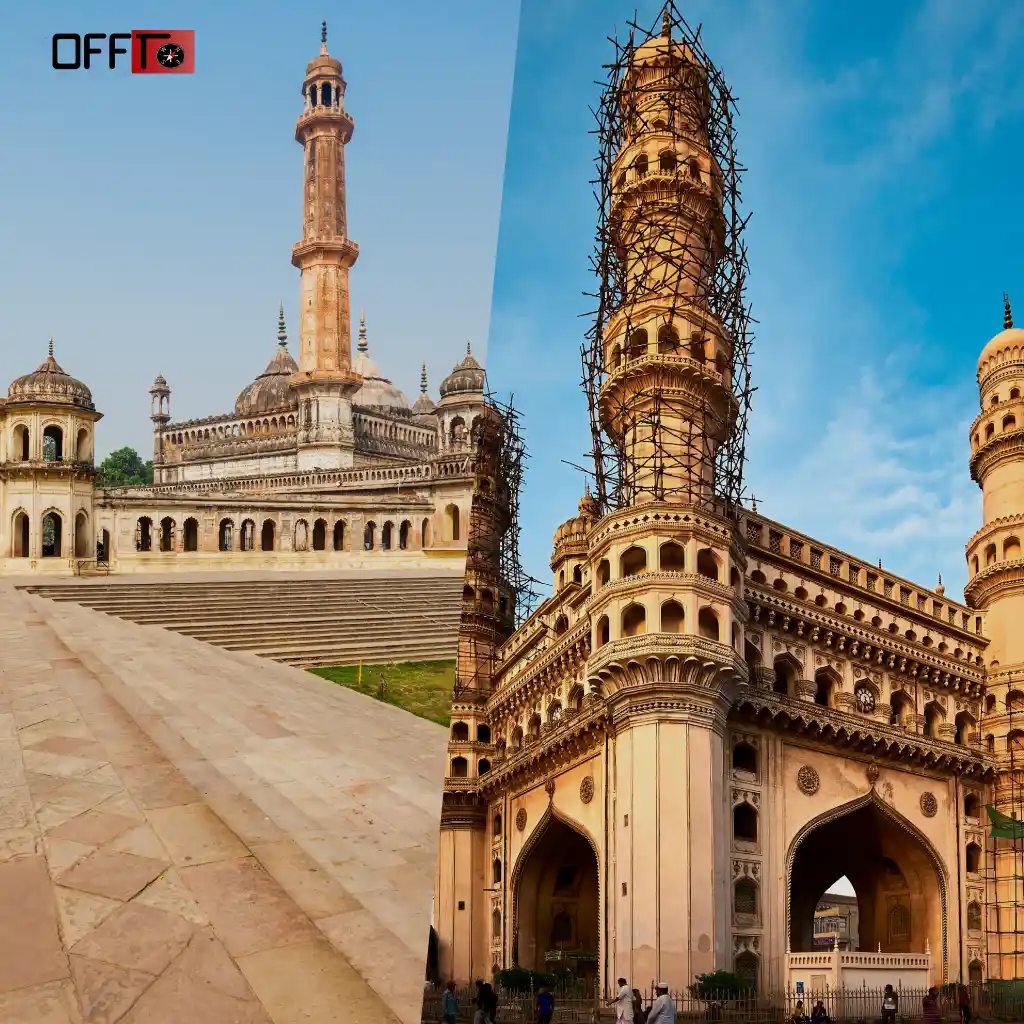
Lucknow offers a mix of architectural landmarks, cultural spaces, and modern public areas, making it suitable for different travel styles — from history-focused trips to relaxed city exploration. Here are some of the best places to visit in Lucknow that define its character.
Bara Imambara
The Bara Imambara is one of the most iconic tourist places in Lucknow, known for both its scale and engineering brilliance. Built in 1784 by Nawab Asaf-ud-Daula, the structure was part of a famine relief project, which already gives it a deeper historical context beyond architecture.
The highlight here is the Bhool Bhulaiya (labyrinth) — a network of narrow passages designed without conventional support beams. It’s not just a visual attraction; navigating it gives a real sense of how intelligently the structure was planned.
Why it stands out
- Combines architecture + history + experience in one place
- The central hall is one of the largest arched constructions without beams
- The labyrinth adds an interactive element, not just passive sightseeing
Practical insight
Hiring a guide here is highly recommended. Without one, most visitors miss the logic behind the structure and the hidden viewpoints inside the maze.
Chota Imambara
The Chota Imambara, also known as the Imambara of Light, offers a more decorative contrast to Bara Imambara. Built by Nawab Muhammad Ali Shah, it serves as both a congregation hall and a mausoleum.
What makes it distinct is its ornate interiors, with chandeliers, calligraphy, and detailed craftsmanship that reflect the aesthetic side of Lucknow’s Nawabi era.
Why it stands out
- More visually detailed and decorative compared to Bara Imambara
- Known for its lighting and symmetry, especially during festivals
- Feels more like an art space than just a monument
Practical insight
Visit in the late afternoon or early evening when the lighting enhances the interiors. It’s also less crowded compared to Bara Imambara, allowing a more relaxed visit.
Ambedkar Memorial Park
The Dr. B.R. Ambedkar Memorial Park represents a completely different side of Lucknow — modern, expansive, and symbolic. Built using red sandstone, this large public space is dedicated to Dr. B.R. Ambedkar and social reformers, focusing on themes of equality and social justice.
Unlike historical monuments, this is more of a structured urban space, with wide pathways, statues, and open areas.
Why it stands out
- Offers a modern contrast to Lucknow’s historic sites
- Clean, spacious, and ideal for evening visits or relaxed walks
- Less about history, more about symbolism and public architecture
Practical insight
This place works best as a slow-paced stop rather than a primary attraction. It’s ideal if you want a break from dense historical sightseeing or are traveling with family.
Must-Visit Temples in Lucknow
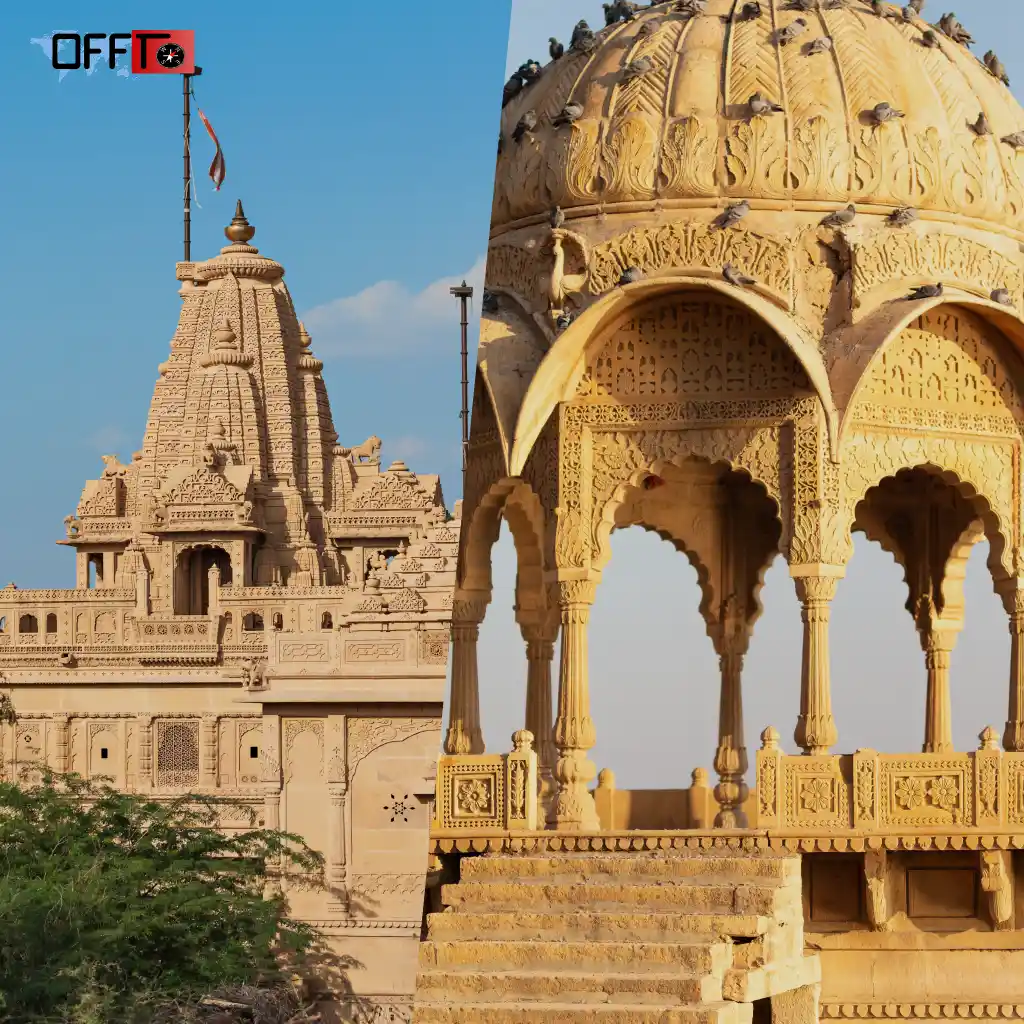
While Lucknow is widely known for its Nawabi heritage and Islamic architecture, the city also has a strong spiritual layer, with temples that attract both locals and visitors. These temples are not just places of worship but also offer a glimpse into the city’s daily rhythm, faith practices, and riverside culture.
Mankameshwar Temple
Located on the banks of the Gomti River, the Mankameshwar Temple is one of the most prominent Lord Shiva temples in Lucknow. It is especially popular during Shravan month and Mondays, when devotees gather in large numbers.
What makes it distinct
- Its riverside location adds a calm, reflective atmosphere
- Strong local belief that prayers here help fulfill wishes
- A steady flow of devotees gives it an authentic, lived-in spiritual feel
Practical insight
Visit early in the morning if you prefer a quieter experience. Evenings are more vibrant but can get crowded, especially during festivals.
Lucknow Hanuman Temple
The Lucknow Hanuman Temple is one of the most visited religious sites in the city, known for its deep-rooted local significance. Unlike grand monuments, this temple stands out because of its continuous footfall and devotional energy.
What makes it distinct
- Considered one of the most revered Hanuman temples in the region
- A strong connection with local devotees, especially on Tuesdays and Saturdays
- Located in a busy part of the city, reflecting the blend of urban life and spirituality
Practical insight
If you’re planning to visit, avoid peak hours unless you want to experience the full crowd energy. The temple area can get congested, so plan your visit with some buffer time.
ISKCON Lucknow
The ISKCON Temple in Lucknow offers a completely different spiritual experience compared to traditional temples. Known for its organized structure and peaceful environment, it attracts both devotees and travelers looking for a quieter space.
What makes it distinct
- Clean, well-maintained premises with a calm, meditative vibe
- Regular bhajans, aartis, and spiritual discourses
- A more structured and accessible experience, especially for first-time visitors
Practical insight
Attend the evening aarti if you want to experience the temple at its best. It’s also a good place to spend time without the rush seen in older temples.
Famous Tourist Spots in Lucknow
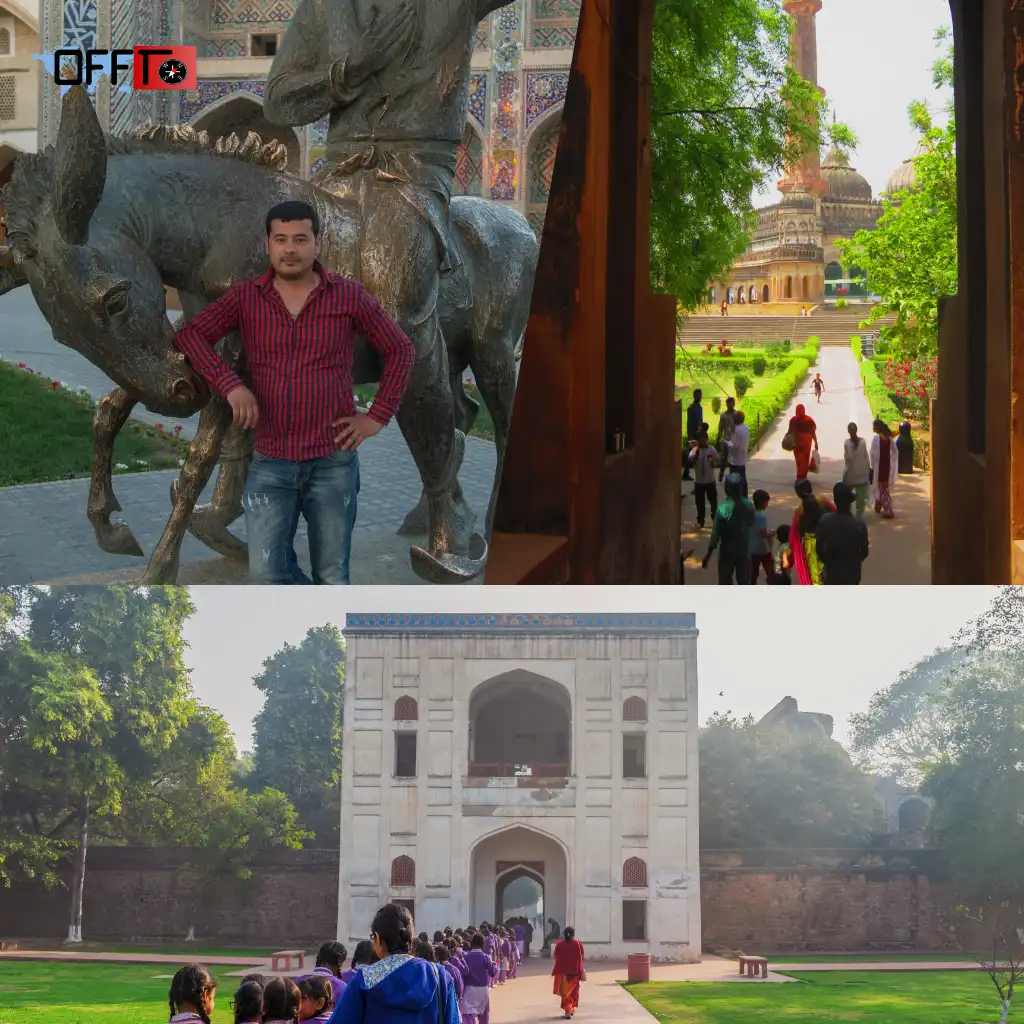
Beyond temples and Imambaras, Lucknow is defined by its iconic landmarks and historical sites that reflect its Nawabi past and colonial history. These are some of the most recognizable tourist places in Lucknow, each offering a different perspective of the city.
Rumi Darwaza
The Rumi Darwaza is one of the most recognizable architectural symbols of Lucknow, often referred to as the Turkish Gate. Built during the reign of Nawab Asaf-ud-Daula, it served as a grand entrance to the city.
What makes it distinct
- A striking example of Awadhi architecture with intricate detailing
- Acts more as a visual landmark than a site you “explore” inside
- Located near major attractions, making it easy to include in your route
This is best experienced as a quick stop rather than a long visit. Pair it with nearby attractions like Bara Imambara for a more efficient itinerary.
The Residency
The Residency is one of the most historically significant sites in Lucknow, closely linked to the First War of Indian Independence (1857). The ruins of this complex still carry visible marks of the siege, making it a powerful place for understanding India’s colonial past.
What makes it distinct
- Preserved ruins that offer a raw, unpolished historical experience
- A quiet, open space that contrasts with the city’s busy areas
- On-site museum adds context to the events of 1857
This is not a quick photo-stop location. Plan at least an hour to walk through the complex and understand its historical context properly.
Jama Masjid
The Jama Masjid in Lucknow is an important example of Mughal-era architectural influence in the city. Known for its large courtyard and detailed design, it adds to the city’s diverse religious and cultural landscape.
- Elegant structure with symmetrical design and intricate carvings
- Less crowded compared to major monuments, offering a more relaxed visit
- Reflects the continuity of Islamic architecture in Lucknow
Dress modestly and visit during non-prayer hours if you want to explore the architecture without interruption.
These tourist places in Lucknow — from spiritual temples to historic landmarks — offer a well-rounded understanding of the city. The key is to balance your itinerary between heritage exploration and slower cultural experiences, rather than trying to cover everything in a rush.
Things to Do in Lucknow
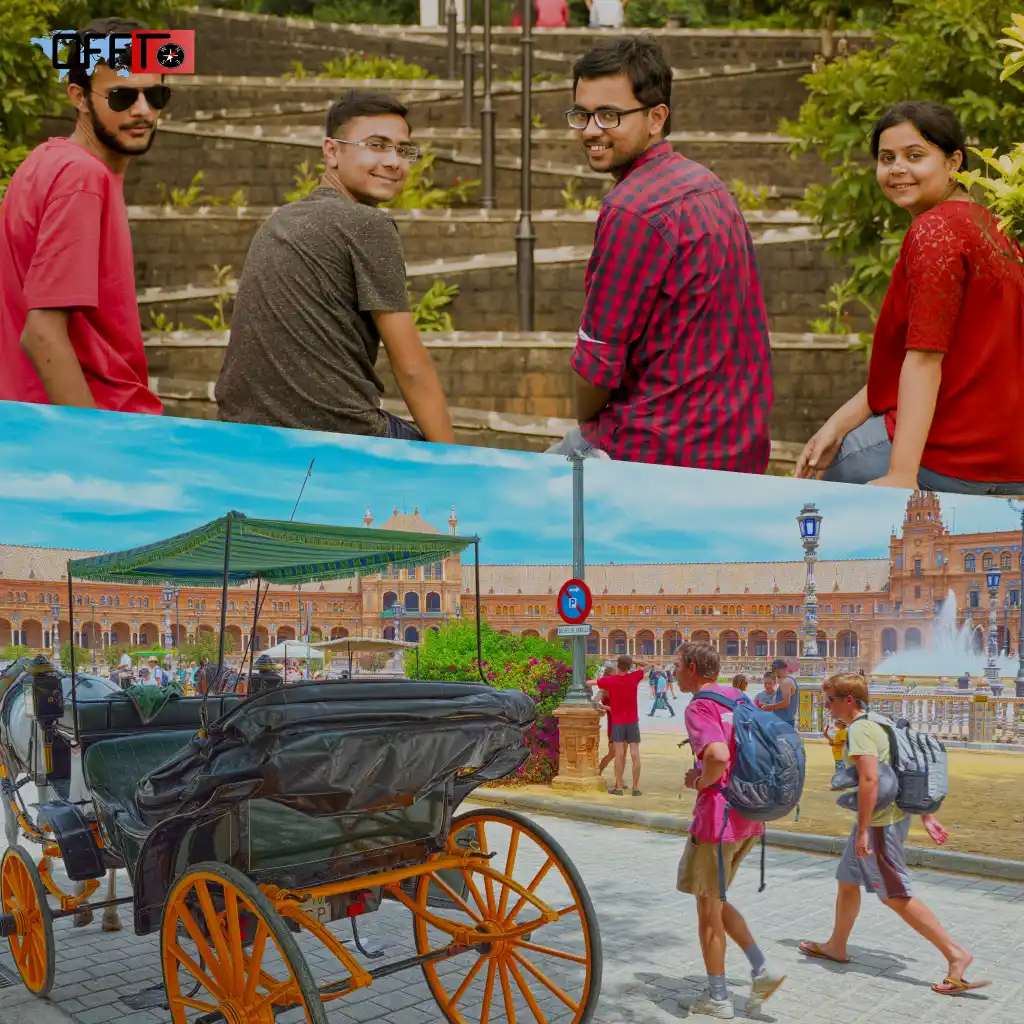
Lucknow is not a city you rush through — it’s best experienced through a mix of heritage exploration, local markets, and food culture. Beyond just visiting monuments, the real value lies in how you spend your time across different parts of the city.
Take a Heritage Walk in Old Lucknow
Instead of just visiting monuments, one of the best things to do in Lucknow is to explore Old Lucknow through a guided or self-paced heritage walk. This experience connects multiple landmarks while giving you a deeper understanding of the city’s culture.
What makes it special
- Walk through narrow lanes near Bara Imambara and Rumi Darwaza
- Experience local life, architecture, and street culture together
- Discover hidden spots that are often missed in regular sightseeing
Practical insight
Early morning or late afternoon is the best time for a heritage walk to avoid crowds and heat.
Visit Local Markets
Exploring local markets is one of the most engaging things to do in Lucknow, especially if you want to experience the city beyond monuments. Areas like Hazratganj and Chowk offer completely different vibes.
What makes them distinct
- Hazratganj: More organized, with branded stores, cafes, and a colonial-era feel
- Chowk: Dense, traditional, and ideal for authentic shopping experiences
What to buy
- Chikankari embroidery (Lucknow’s signature craft)
- Traditional jewelry, attar (perfumes), and handmade items
Practical insight
If you’re serious about shopping for chikankari, Chowk offers better variety and pricing — but it requires patience due to narrow lanes and crowds.
Sample Lucknawi Cuisine
Trying authentic Awadhi cuisine is one of the most memorable experiences in Lucknow, especially for first-time visitors.
What to try
- Tunday Kebabs — one of the most famous dishes in Lucknow
- Lucknawi Biryani — lighter and more aromatic compared to other styles
- Sheermal and Nihari — traditional combinations often enjoyed together
Practical insight
Avoid trying everything in one meal. Instead, spread your food experiences across different parts of the city — Old Lucknow for authenticity and newer areas for comfort dining.
Hill Stations Near Lucknow

While Lucknow itself is a cultural destination, many travelers look for nearby hill stations to escape the plains, especially during summer. These destinations require travel, but they offer a completely different experience with cooler weather and natural landscapes.
Nainital
Nainital is one of the most popular hill stations accessible from Lucknow, known for its lake views, cool climate, and structured town layout.
What makes it distinct
- Centered around Naini Lake, with boating and lakeside walks
- A mix of relaxed sightseeing and light activity
- Well-developed infrastructure, making it suitable for families and couples
Practical insight
Nainital gets crowded during peak season. If you prefer a quieter experience, consider staying slightly outside the main town area.
Mussoorie
Often called the Queen of Hills, Mussoorie offers a more expansive hill station experience with viewpoints, waterfalls, and colonial-era charm.
What makes it distinct
- Scenic spots like Kempty Falls and Gun Hill
- A longer stretch of attractions compared to Nainital
- Suitable for travelers who want a mix of views and movement
Practical insight
Mussoorie works better for a 2–3 day trip rather than a quick getaway, especially considering travel time from Lucknow.
Dhanaulti
Dhanaulti is a quieter alternative to Mussoorie, preferred by travelers looking for less crowd and more nature-focused stays.
What to try
- Less commercialized, with more open landscapes and forest areas
- Ideal for slow travel, short walks, and peaceful stays
- Close enough to Mussoorie if you want to combine both
Practical insight
Choose Dhanaulti if your priority is peace and scenery, not sightseeing. It’s more about the environment than attractions.
These experiences — from exploring historical landmarks in Lucknow to planning a hill station escape nearby — give you flexibility in how you design your trip. The key is to balance city exploration with slower experiences, rather than trying to cover everything at once.
Places to Visit Near Lucknow
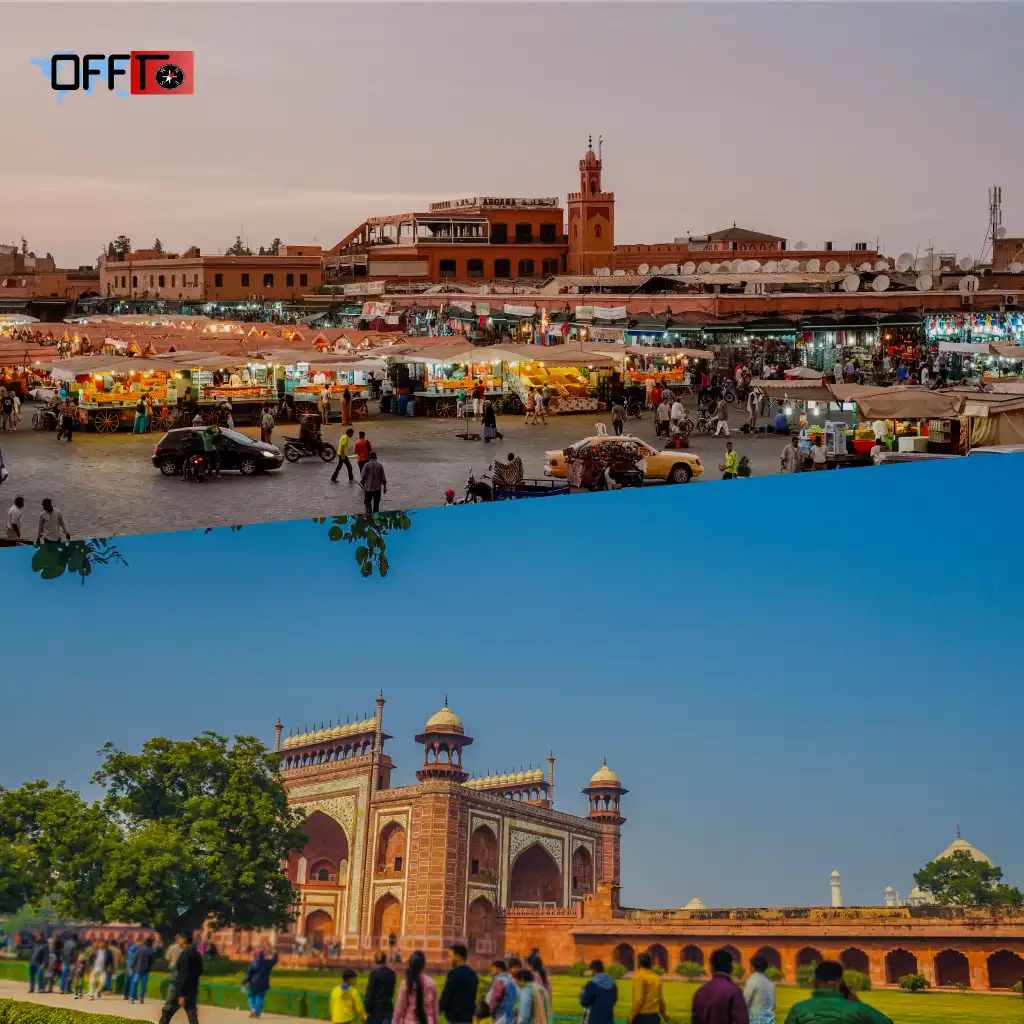
Lucknow works well as a base for exploring nearby destinations, especially if you’re planning a 2–3 day extension to your trip. The best nearby places offer a mix of spiritual experiences, iconic landmarks, and short city getaways, depending on how far you’re willing to travel.
Rishikesh
Rishikesh is a well-known destination for both spiritual travel and adventure experiences, located in Uttarakhand. While it is not a short drive, it can be planned as an extended trip from Lucknow.
What makes it worth visiting
- Famous for the Ganga Aarti at Triveni Ghat
- Known as a hub for yoga, meditation, and spiritual retreats
- Offers adventure activities like river rafting and trekking
Travel reality
The journey from Lucknow is long, so this works better as a separate 2–3 day trip, not a quick getaway.
Practical insight
If your primary goal is relaxation or spirituality, Rishikesh is a strong option. If you’re short on time, it may feel rushed.
Agra
Agra is one of the most popular historical destinations near Lucknow, making it a practical addition for travelers interested in Mughal architecture.
What makes it worth visiting
- Home to the Taj Mahal, one of the most iconic monuments in the world
- Other key sites include Agra Fort and Fatehpur Sikri
- Strong cultural and historical value, especially for first-time visitors to North India
Travel reality
Agra is relatively well-connected and can fit into a 1–2 day extension from Lucknow.
Practical insight
Plan your visit early in the day, especially for the Taj Mahal, to avoid crowds and get better light for viewing and photography
Kanpur
Kanpur is the closest major city to Lucknow and works well for a short, low-effort day trip.
What makes it worth visiting
- Known for its historical relevance and industrial background
- Attractions like Allen Forest Zoo and riverside areas
- Less tourist-heavy compared to other nearby destinations
Travel reality
It’s a short drive, making it suitable for a same-day visit without heavy planning.
Practical insight
Kanpur is not a landmark-heavy destination, so it works best if you’re looking for a casual outing rather than a sightseeing-focused trip.
These places to visit near Lucknow give you flexibility — from quick city escapes like Kanpur to heritage-rich trips like Agra, and longer journeys like Rishikesh. Choosing the right one depends on how much time you have and whether you prefer history, spirituality, or a relaxed outing.
The Best Time to Visit Lucknow
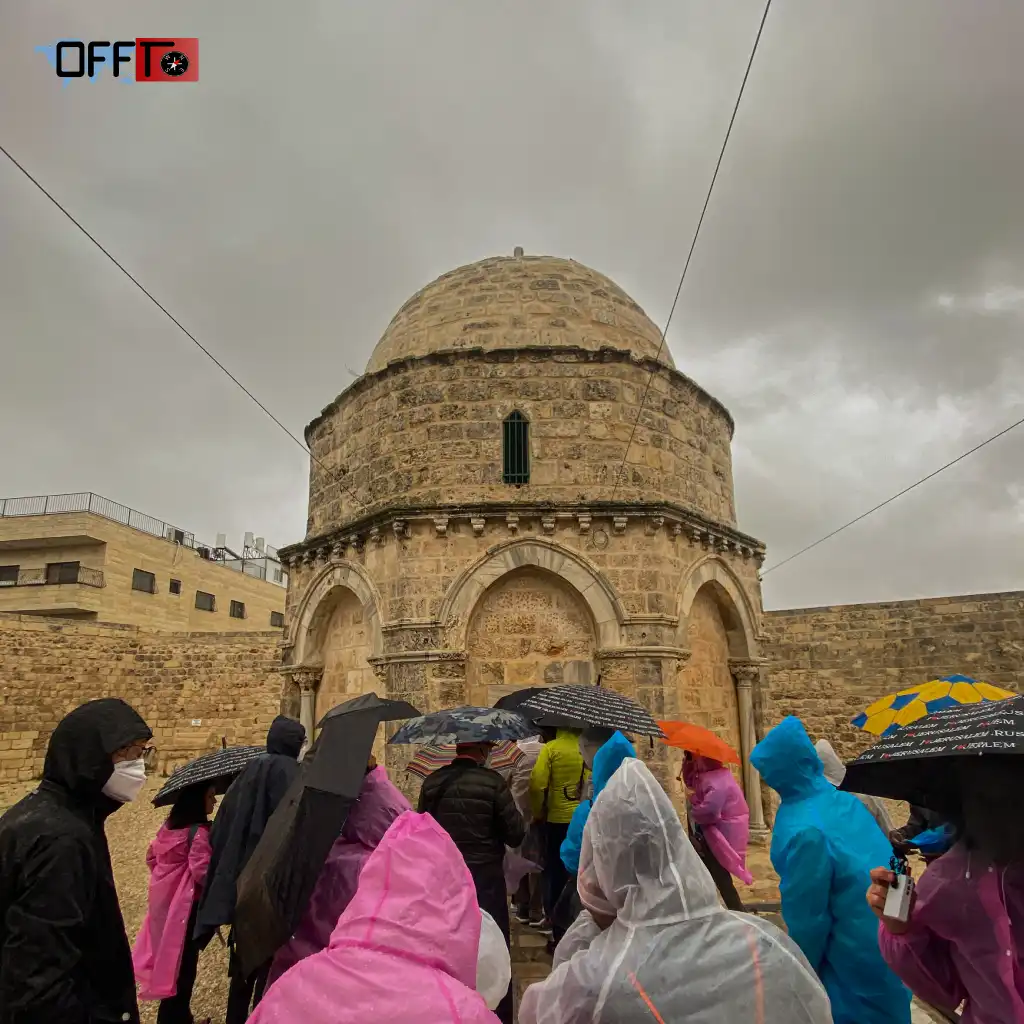
Planning your trip around the right season can significantly improve your experience, especially since Lucknow has extreme summers and mild winters. The timing affects not just comfort, but also how easily you can explore tourist places in Lucknow.
Best Season (October to March)
The best time to visit Lucknow is during the winter months, from October to March. This period offers pleasant weather, making it ideal for exploring historical landmarks, markets, and outdoor spaces.
What to expect
- Comfortable temperatures, usually between 15°C to 30°C
- Ideal conditions for visiting places like Imambaras, markets, and cultural sites
- More active city life, including festivals and events
Practical insight
This is also the peak travel season, so expect higher hotel prices and plan bookings in advance.
Summer (April to June)
Summers in Lucknow can be intense, with temperatures often crossing 40°C, which can limit outdoor exploration.
What to expect
- Hot afternoons that make sightseeing uncomfortable
- Less crowded tourist spots
- Better hotel deals compared to peak season
Practical insight
If you visit during summer, plan your day around early mornings and evenings, and keep afternoons for indoor activities or rest.
Choosing the right season depends on your travel style — winter for comfort and full exploration, or summer for fewer crowds and lower costs. For most travelers, winter remains the most practical and enjoyable time to experience Lucknow.
How to Reach Lucknow
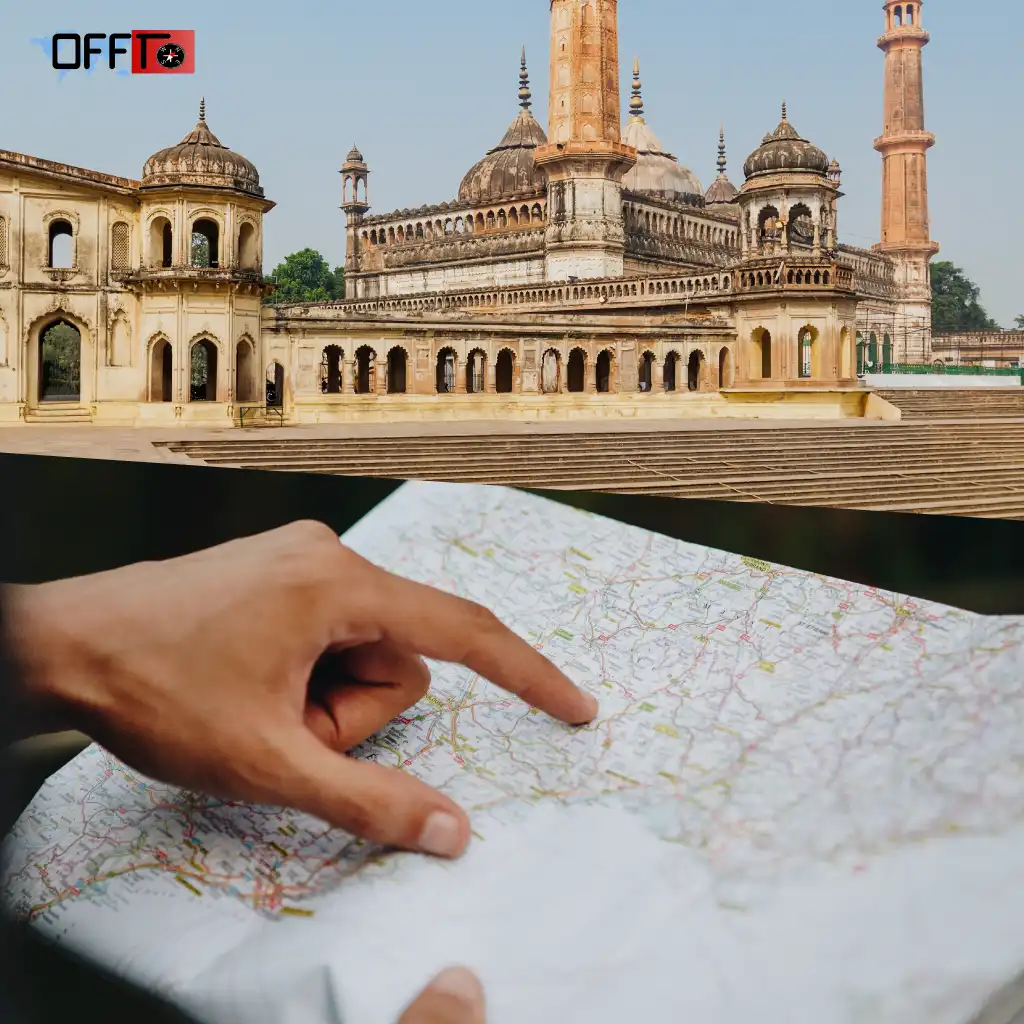
Lucknow is one of the best-connected cities in North India, making it easy to reach whether you’re traveling for a short city trip or including it in a larger itinerary. The city’s connectivity supports both budget and premium travel options, depending on your preference.
Lucknow Connectivity
By Air: Lucknow is served by Chaudhary Charan Singh International Airport (LKO), which connects the city to major Indian metros like Delhi, Mumbai, Bangalore, and Kolkata. There are also a few international connections, mainly to Middle Eastern destinations.
Practical insight
The airport is located around 12–15 km from the city center, so factor in travel time, especially during peak hours. Pre-booked cabs are usually more reliable than on-the-spot options.
By Train: Lucknow is a major railway hub with stations like Lucknow Junction (LJN) and Lucknow Charbagh (LKO) connecting it to almost every part of India.
What to expect
- Frequent trains from cities like Delhi, Varanasi, Kanpur, and Kolkata
- A wide range of options from budget sleeper trains to premium services
Practical insight
If you’re arriving for sightseeing, try to reach in the morning or early afternoon to avoid losing a full day in transit.
By Road: Lucknow is well-connected via highways, especially with cities like Delhi, Agra, Kanpur, and Varanasi. The road network is smooth, making it a viable option for self-drive trips or buses.
What to expect
- Regular government and private buses
- Good highway conditions for long-distance driving
Practical insight
Road travel works best for nearby cities like Kanpur or Agra. For longer distances, flights or trains are usually more time-efficient.
Where to Stay in Lucknow
Choosing where to stay in Lucknow depends on your travel style — whether you’re looking for comfort, convenience, or budget-friendly options. The city offers a good range of stays across categories, with most hotels located near key areas like Hazratganj, Gomti Nagar, and Charbagh.
Luxury Hotels in Lucknow
Lucknow has several premium hotels that combine modern comfort with a touch of the city’s Nawabi elegance. These are ideal if you want a more relaxed and comfortable stay after exploring the city.
Popular options
- Taj Mahal Lucknow – Known for its spacious layout, greenery, and classic hospitality
- Radisson Blu Hotel Lucknow – A modern option with good connectivity and business-friendly amenities
Why choose luxury stays
- Comfortable rooms with premium services
- On-site dining and leisure facilities
- Convenient access to major tourist areas
If your itinerary includes multiple tourist places in Lucknow, staying in central areas like Hazratganj or Gomti Nagar reduces daily travel time.
Budget Hotels and Hostels
For travelers who want to explore the city without spending much on accommodation, Lucknow has plenty of budget hotels and hostels offering decent comfort.
Popular options
- Hotel Royal Residency – A simple and affordable stay option in a convenient location
- Hostel Backpacker – Suitable for solo travelers and those looking for a social travel experience
Why choose budget stays
- Cost-effective for short trips
- Easy access to transport hubs like railway stations and bus stops
- Ideal if your focus is on exploring Lucknow rather than staying in the hotel
Practical insight
Check reviews carefully — location matters more than amenities in this category, especially for first-time visitors.
FAQs
What is Lucknow famous for?
Lucknow is famous for its Nawabi culture, Awadhi cuisine, and historical landmarks like Bara Imambara and Rumi Darwaza. It is also known for its refined traditions, hospitality, and rich Mughal-influenced architecture.
What are the best tourist places in Lucknow?
The best tourist places in Lucknow include Bara Imambara, Chota Imambara, Rumi Darwaza, The Residency, and Ambedkar Memorial Park. These attractions highlight the city’s history, architecture, and cultural heritage.
What to do in Lucknow?
In Lucknow, you can explore historical sites, take a heritage walk in Old Lucknow, shop for chikankari in local markets, and try authentic Awadhi cuisine like kebabs and biryani.
What is the best time to visit Lucknow?
The best time to visit Lucknow is between October and March, when the weather is pleasant for sightseeing. Summers can be extremely hot, while winters are ideal for exploring outdoor attractions and local markets comfortably.
What are the best hill stations near Lucknow?
Popular hill stations near Lucknow include Nainital, Mussoorie, and Dhanaulti. These destinations offer cooler weather, scenic views, and a refreshing break from the plains, especially during summer.
What to see in Lucknow for first-time visitors?
First-time visitors should explore Bara Imambara, Chota Imambara, Rumi Darwaza, and The Residency. These attractions give a complete overview of Lucknow’s history, architecture, and cultural identity.
Is Lucknow worth visiting?
Yes, Lucknow is worth visiting for its unique blend of history, food, and culture. It offers a different travel experience compared to other cities, with a focus on heritage, cuisine, and a relaxed pace.
How many days are enough for Lucknow?
A 2 to 3-day trip is usually enough to explore the main tourist places in Lucknow, enjoy local food, and visit nearby attractions. You can extend your stay if you plan to explore nearby destinations.
What is the old name of Lucknow?
Lucknow was historically known as Lakshmanpur or Lakhanpur, believed to be associated with Lakshmana from the Ramayana. Over time, the name evolved into Lucknow.
Is Lucknow good for food lovers?
Yes, Lucknow is one of the best cities in India for food lovers. It is especially known for Awadhi cuisine, including kebabs, biryani, nihari, and traditional breads like sheermal, offering a rich culinary experience.
Read more >>>
Zanskar Valley – A Complete Guide to Exploring Ladakh’s Hidden Gem
Skandagiri Trek Guide – Sunrise, Distance & Complete Travel Plan
Plan Your Lucknow Trip with Offto Travellers
Ready to explore the rich culture, iconic landmarks, and unforgettable food of Lucknow? With Offto Travellers, you can turn your plan into a seamless travel experience.
- Discover the best tourist places in Lucknow and hidden local gems
- Connect with fellow travelers and explore real travel experiences
- Plan your itinerary, find the right stays, and simplify your journey
Start planning your Lucknow trip today with Offto Travellers and experience the city beyond just sightseeing.
Play StoreApp Store
Leave a Reply