
Aurangabad, a historical city in Maharashtra, is known for its heritage sites, ancient caves, and stunning monuments. The best places to visit in Aurangabad include the Ellora Caves, Ajanta Caves, Bibi Ka Maqbara, and Daulatabad Fort. It is also famous for its cultural significance and royal architecture, making it an ideal destination for history lovers and culture enthusiasts.
Introduction to Aurangabad – The City of Gates
Aurangabad, often referred to as the City of Gates, is a historic city located in the state of Maharashtra, India. Known for its rich history, stunning architecture, and its proximity to several UNESCO World Heritage sites, Aurangabad attracts history enthusiasts, pilgrims, and culture lovers alike. The city’s name is derived from Aurangzeb, the Mughal emperor who made the city his capital in the 17th century, but it has a much older heritage, dating back to the medieval era.
The city is a gateway to some of India’s most iconic cultural landmarks, making it a perfect blend of ancient and modern India. With its beautiful monuments, ancient caves, and vibrant local culture, Aurangabad is a must-visit destination for anyone exploring Maharashtra.
Where is Aurangabad Located?
Aurangabad is located in the Marathwada region of Maharashtra, India, approximately 330 km east of Mumbai. The city is strategically placed, making it easily accessible from major cities in Maharashtra and beyond.
- Proximity to key destinations:
- Mumbai (330 km)
- Pune (230 km)
- Nashik (200 km)
Aurangabad’s location places it in the heart of Maharashtra, connecting it to several important historical sites and offering an ideal base for exploring nearby regions. The city is well-connected by air, rail, and road, making it easy to reach from various parts of India.
Why is Aurangabad Famous?
Aurangabad is famous for its rich Mughal history, ancient caves, and beautiful monuments. The city is often referred to as a historical gem, offering a glimpse into India’s glorious past. Here are some of the top reasons why Aurangabad stands out:
- UNESCO World Heritage Sites: The Ajanta Caves and Ellora Caves are major attractions, showcasing ancient rock-cut cave temples with remarkable frescoes and sculptures.
- Mughal Heritage: Aurangabad has several Mughal-era monuments, including Bibi Ka Maqbara, often called the Mini Taj Mahal.
- Historical Significance: The city was a key part of the Mughal Empire and also served as the capital of the Deccan Sultanates.
Aurangabad’s blend of Mughal, Maratha, and Buddhist influences makes it a cultural and historical treasure.
What is Aurangabad Famous For?
Aurangabad is known for its historical monuments, ancient caves, and its association with the Mughal Empire. Some of the things that make Aurangabad stand out include:
- Ajanta and Ellora Caves: These rock-cut caves are some of the oldest and most well-preserved in India, showcasing incredible Buddhist art and sculptures.
- Bibi Ka Maqbara: A mini replica of the Taj Mahal, this tomb is a beautiful example of Mughal architecture and one of Aurangabad’s most iconic landmarks.
- Daulatabad Fort: An imposing fortress with a rich history, Daulatabad was once the capital of the Delhi Sultanate.
- Local Handicrafts: The city is also known for its Paithani sarees, Bidriware, and Ajanta-style paintings, which are traditional crafts of the region.
With its ancient monuments and vibrant cultural scene, Aurangabad is a city that beautifully combines history and art.
Best Places to Visit in Aurangabad

Aurangabad offers visitors a blend of ancient history, stunning architecture, and unique cultural landmarks. Below are the best places to visit in Aurangabad that showcase the city’s charm:
Ellora Caves
Ellora Caves is one of the most famous UNESCO World Heritage Sites in India. Located just 30 km from Aurangabad, these caves are known for their ancient rock-cut temples, monasteries, and Buddhist, Hindu, and Jain sculptures. The highlight of Ellora is the Kailasa Temple, a single monolithic structure carved from a hill, considered an engineering marvel.
Why visit
- A treasure trove of Buddhist, Hindu, and Jain temples
- Kailasa Temple: The world’s largest monolithic structure
- Unique art and architecture from different religions and time periods
Pro tip:Take time to explore the different caves at Ellora—each cave has its own history and significance, with beautiful carvings and paintings.
Ajanta Caves
The Ajanta Caves are another UNESCO World Heritage Site and are located approximately 100 km from Aurangabad. These Buddhist cave temples date back to the 2nd century BCE and are famous for their ancient frescoes and sculptures that depict the life of Buddha.
Why visit
- Stunning paintings that illustrate the life of Buddha
- An extraordinary collection of Buddhist art
- Caves carved into cliffs with intricate detailing
Traveller tip: Visit Ajanta Caves early in the day to avoid the crowds and enjoy the frescoes and sculptures in a serene atmosphere.
Bibi Ka Maqbara
Known as the Mini Taj Mahal, Bibi Ka Maqbara is a beautiful tomb built by Aurangzeb’s son, Azam Shah, in memory of his mother, Dilras Banu Begum. The tomb is set in a Mughal garden and features white marble with intricate carvings that mirror the Taj Mahal’s design.
Why visit
- A magnificent monument built in the Mughal style
- Often compared to the Taj Mahal, this tomb is an important symbol of Mughal architecture in Aurangabad
- The surrounding gardens and fountains offer a tranquil environment
Pro tip: Visit during sunset to see the reflection of the monument in the pools and enjoy the evening ambiance.
Daulatabad Fort
Daulatabad Fort, located around 15 km from Aurangabad, is a historical fortress known for its impressive defensive structures and strategic location on a hill. The fort offers stunning views of the surrounding area and has a fascinating history. It was once the capital of the Delhi Sultanate and has a unique water system.
Why visit
- One of the most impressive forts in India
- Strategic location offering panoramic views of the city
- A fascinating history with well-preserved defenses
Pro tip: Be prepared for a climb to the top of the fort, but the view and history make it worth the effort.
Panchakki
Panchakki, also known as the water mill, is an engineering marvel in Aurangabad, built during the reign of the Sultanate of the Deccan. The water-powered mill was used to grind grains for the local population and the Sufi shrine.
Why visit
- The water system and historical significance are fascinating
- It offers a peaceful, quiet environment for visitors
- A glimpse into the technology and architecture of the past
Traveller tip: Take a guided tour to learn about the innovative water mill system and its historical relevance.
These are the top places to visit in Aurangabad that showcase its historic charm, architectural beauty, and cultural significance. Whether you’re a history lover or a nature enthusiast, Aurangabad offers something for everyone!
Must-Visit Tourist Places in Aurangabad
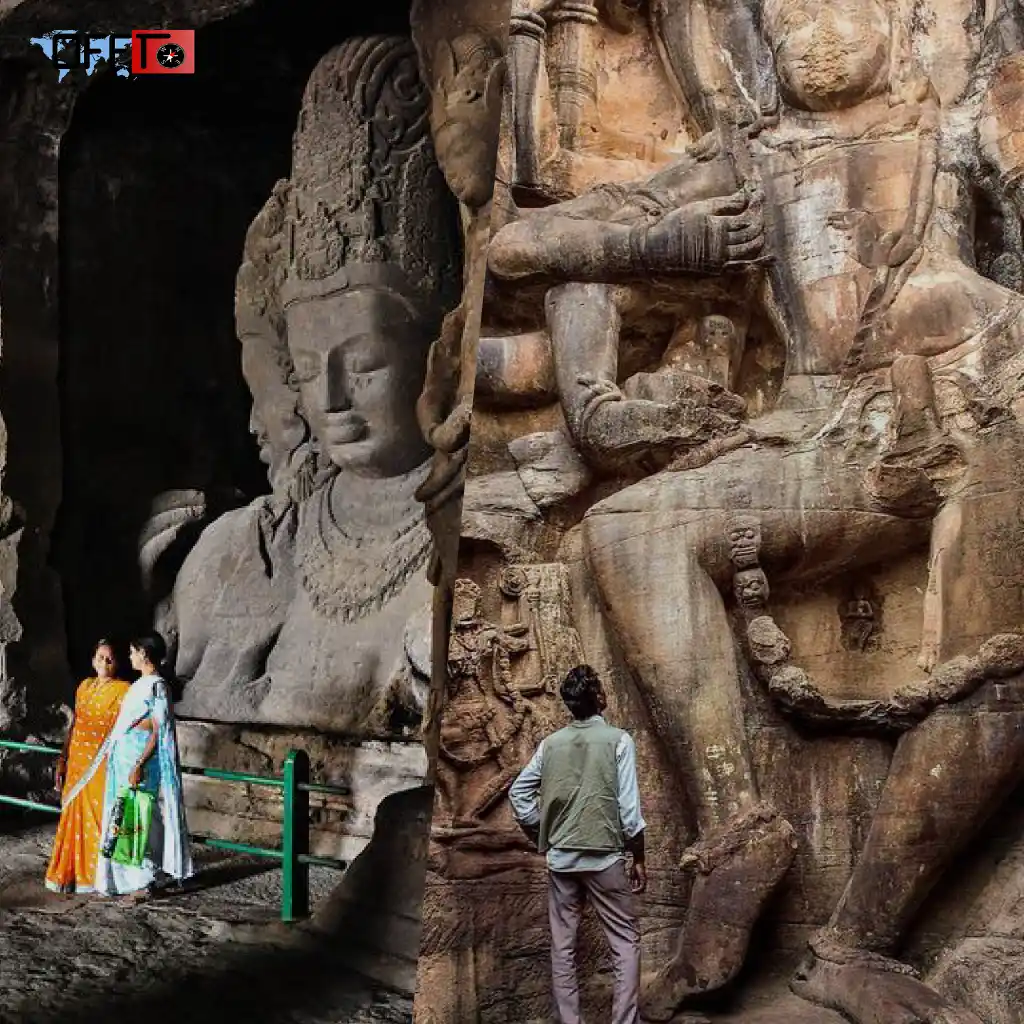
Aurangabad is home to a fascinating blend of historical landmarks, cultural treasures, and natural beauty. From UNESCO World Heritage Sites to majestic monuments, the city offers something for every type of traveler. These must-visit places highlight the city’s royal past and architectural wonder.
Ellora and Ajanta Caves (UNESCO World Heritage Sites)
Both the Ellora Caves and Ajanta Caves are UNESCO World Heritage Sites and stand as testaments to India’s ancient architectural and artistic brilliance. Located near Aurangabad, these rock-cut caves date back to the 6th to 9th centuries and showcase incredible Buddhist, Hindu, and Jain art and architecture.
Why visit
- Ellora Caves is famous for its Kailasa Temple, a single monolithic structure carved from a hill.
- Ajanta Caves houses remarkable frescoes and sculptures depicting the life of Buddha.
- Both caves offer a deep historical and cultural experience with their stunning artwork and spiritual significance.
Pro tip: Ellora is easily accessible by road, and Ajanta is about 100 km away from Aurangabad. Visiting Ellora first allows you to explore its diverse cave temples before heading to the more secluded Ajanta.
Bibi Ka Maqbara (Mini Taj Mahal)
Often called the Mini Taj Mahal, Bibi Ka Maqbara is a Mughal-style tomb built in the memory of Dilras Banu Begum, the wife of Aurangzeb. The architecture and design of this monument closely resemble the Taj Mahal but with its own unique touch. Set amidst beautiful gardens, it provides a glimpse into Mughal architecture and the grandeur of that era.
Why visit
- The elegance of the structure and intricate marble work make it a must-visit.
- The gardens around the tomb offer a peaceful atmosphere perfect for a leisurely stroll.
- It’s one of the most iconic landmarks in Aurangabad.
Traveller tip: For the best photographic shots, visit during sunset when the monument is bathed in golden light, providing the perfect backdrop.
Daulatabad Fort and Its Historical Significance
The Daulatabad Fort, located around 15 km from Aurangabad, was once a strategic military outpost and served as the capital of the Delhi Sultanate under the rule of Muhammad bin Tughlaq. The fort is known for its fortified walls, deep moat, and the innovative water supply system that still baffles historians today.
Why visit
- The fort provides a historical journey into India’s medieval military architecture.
- Daulatabad Fort is an impressive example of defensive architecture with mysterious and intricate water systems.
- The views from the top of the fort are breathtaking, offering a panoramic sight of the surrounding landscape.
Pro tip: The fort requires a steep climb to reach the top, so be prepared for a good hike to see the views. Wear comfortable shoes and carry water to stay hydrated.
Grishneshwar Temple
The Grishneshwar Temple is one of the 12 Jyotirlingas, sacred shrines dedicated to Lord Shiva. Located near Ellora, it holds immense religious significance for Hindus. The temple’s architecture features intricate carvings, and the shrine attracts devotees from across the country.
Why visit
- Grishneshwar Temple is known for its spiritual significance and offers a peaceful environment for reflection.
- The temple’s architecture showcases detailed stonework, depicting Hindu mythology.
- One of the most revered pilgrimage sites, the temple is a must-visit for those interested in religious heritage.
Pro tip:
Respect the temple’s rules and customs, and arrive early in the morning to experience the temple in a quieter, more serene atmosphere.
Himayat Bagh
Himayat Bagh, located near the Bibi Ka Maqbara, is a tranquil garden complex that is perfect for nature lovers and those seeking relaxation. This Mughal-style garden features water channels, lush greenery, and beautifully landscaped lawns, making it a lovely spot for picnics and leisurely strolls.
Why visit
- A peaceful escape with beautiful gardens and flowing water channels.
- The gardens are beautifully designed with a blend of Mughal and Persian influences.
- It’s less crowded, offering a quiet retreat in the heart of the city.
Traveller tip: Visit in the evening when the temperature cools down, and the garden comes alive with local families and visitors enjoying the peaceful surroundings.
Things to Do in Aurangabad

Aurangabad offers a wide range of activities that allow visitors to explore its historical landmarks, local culture, and natural beauty. Whether you’re interested in sightseeing, shopping, or outdoor adventures, there’s something for everyone.
Explore Ellora Caves and Their Rich History
Visiting the Ellora Caves is one of the top things to do in Aurangabad. These caves are an ancient treasure trove of art, sculpture, and spirituality, with temples dedicated to Hindu, Buddhist, and Jain religions.
Why it’s great
- Ellora’s caves are among India’s best-preserved rock-cut temples.
- The Kailasa Temple is the highlight, offering an impressive display of ancient engineering.
Pro tip: Take a guided tour to understand the historical and cultural significance of each cave.
Visit the Majestic Bibi Ka Maqbara
A trip to Bibi Ka Maqbara is essential for understanding Aurangabad’s Mughal history. It is often referred to as the Mini Taj Mahal because of its resemblance to the Taj Mahal in Agra.
Why it’s great
- The elegant monument set amidst lush gardens is a photographer’s paradise.
- Learn about the royal history and Mughal influence on Aurangabad.
Pro tip: Visit during sunset to catch the monument in its golden light, perfect for stunning photos.
Trek to the Summit of Daulatabad Fort
Daulatabad Fort is perfect for those who enjoy adventure and history. Trekking to the top offers an exciting challenge and provides an opportunity to witness panoramic views of the fortress and the surrounding landscape.
Why it’s great
- Trekking to Daulatabad offers both a physical challenge and a rewarding view.
- The historical significance and strategic location of the fort make it a memorable experience.
Pro tip: Wear comfortable hiking shoes and bring plenty of water for the trek. The summit rewards you with a magnificent view of the city.
Stroll Through the Local Markets and Try Local Sweets
Aurangabad’s local markets are perfect for shopping and experiencing the city’s lively culture. Visit Paithani Saree shops, Bidriware stores, and local sweet shops to take home a piece of Aurangabad.
Why it’s great
- Explore local handicrafts, including the famous Paithani sarees and Bidriware.
- Try local sweets like Kunda and Jalebi at one of the many sweet shops in town.
Pro tip: Head to Panchakki Market and Bibi Ka Maqbara area for the best shopping and local treats.
Take a Boat Ride at Jayakwadi Dam
For a peaceful and scenic experience, visit the Jayakwadi Dam, located about 40 km from Aurangabad. The dam offers boat rides where visitors can enjoy the surrounding nature and witness local birdlife.
Why it’s great
- Boat rides around the dam offer a peaceful escape from the city.
- Nature lovers can spot a variety of birds around the reservoir.
Pro tip: If you visit during the monsoon, the reservoir is full, making for a picturesque view with lush surroundings.
These activities offer a blend of historical exploration, cultural immersion, and natural beauty in Aurangabad. Whether you’re interested in exploring ancient caves or shopping for local handicrafts, there’s something for every traveler.
Places to Visit Near Aurangabad
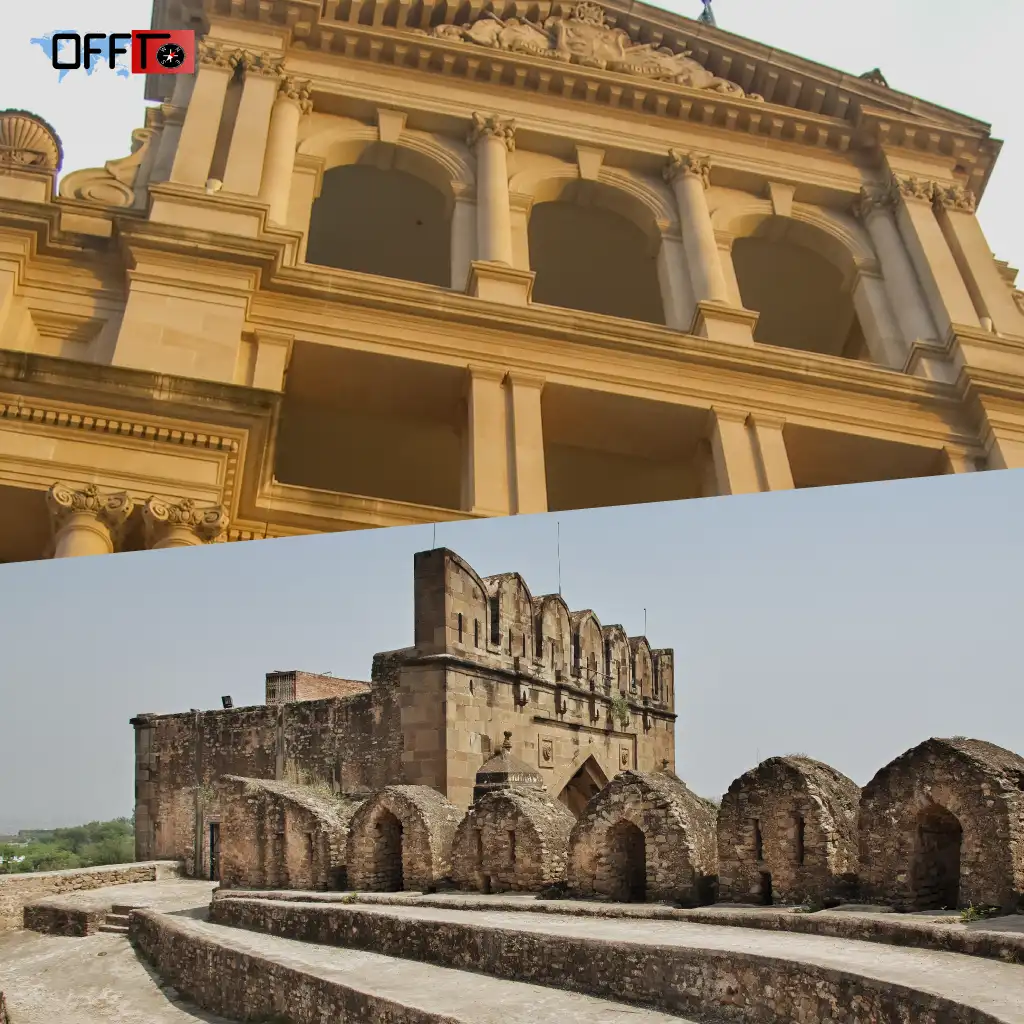
If you have more time to explore beyond the city, Aurangabad is conveniently located near several historic and spiritual destinations that are perfect for day trips or weekend getaways. Here are the top places to visit near Aurangabad.
Lonar Lake
Lonar Lake, located about 120 km from Aurangabad, is a unique geological formation. This lake is one of only four hyper-velocity impact craters in the world and is an important site for both geologists and pilgrims.
Why visit
- Lonar Lake is famous for its geological significance and beauty.
- The lake’s surrounding temples make it an ideal spot for both nature lovers and spiritual seekers.
Shirdi (Sai Baba Temple)
Located about 115 km from Aurangabad, Shirdi is the home of the revered Sai Baba Temple. It attracts millions of devotees from all over the world, who come to pay their respects to Sai Baba.
Why visit
- The Sai Baba Temple is a spiritual center, known for its peaceful and devotional environment.
- Visitors can also visit Dwarkamai and Chavadi, places where Sai Baba spent his life.
Patan Devi Temple
Patan Devi Temple, located about 50 km from Aurangabad, is one of the oldest Hindu temples dedicated to Goddess Patan Devi. The temple has a rich history and is a popular pilgrimage site for locals and visitors.
Why visit
- Known for its historical significance and religious importance.
- A quiet, peaceful place perfect for those seeking spiritual solace.
Best Hill Stations Near Aurangabad

Aurangabad is surrounded by picturesque hill stations that offer a refreshing escape from the city’s heat and hustle. Whether you’re looking for serene landscapes, cooler weather, or an adventurous getaway, these nearby hill stations provide the perfect respite. Here are some of the best hill stations near Aurangabad that you can visit for a relaxing experience.
Malshej Ghat
Malshej Ghat is a scenic hill station located approximately 130 km from Aurangabad. Nestled in the Sahyadri range, it is a popular destination for nature lovers and adventure seekers. Malshej Ghat is famous for its lush greenery, waterfalls, and breathtaking views of the Western Ghats.
Why visit
- Stunning landscapes with waterfalls, valleys, and lush forests.
- A perfect spot for trekking, bird watching, and photography.
- Known for its cool climate and tranquil environment.
Pro tip: Visit during the monsoon season (June to September) for the best experience, as the waterfalls are in full force and the entire area looks lush and green.
Mahabaleshwar
Mahabaleshwar, located about 230 km from Aurangabad, is one of Maharashtra’s most popular hill stations. Situated in the Sahyadri mountain range, Mahabaleshwar is known for its pleasant weather, lush green hills, and viewpoints that offer panoramic views of the surrounding valley and mountains.
Why visit
- Famous for its strawberry farms, serene lakes, and majestic viewpoints like Arthur’s Seat and Elephant’s Head Point.
- Venna Lake offers boat rides, and Lingmala Waterfall is a major tourist attraction.
- The hill station offers a peaceful escape with a blend of natural beauty and historical significance.
Pro tip: Visit during the winter season (November to February) for the best weather, especially if you want to indulge in outdoor activities and sightseeing.
Bhandardara
Bhandardara, located about 170 km from Aurangabad, is an underrated hill station that is known for its serene lakes, lush greenery, and peaceful environment. Located along the Sahyadri mountains, it is an excellent place for nature lovers and adventure enthusiasts.
Why visit
- Known for the Arthur Lake, a perfect spot for boating and relaxation.
- Randha Falls and the Bhandardara Fort are popular hiking and trekking destinations.
- The hill station is ideal for picnics, camping, and bird watching.
Pro tip: If you love nature walks and hiking, Bhandardara is perfect for a peaceful retreat, away from the crowds, especially during the monsoon season when the area comes alive with greenery.
The Best Time to Visit Aurangabad

Aurangabad has a semi-arid climate, making the best time to visit crucial to enjoying the city’s many historical landmarks and cultural experiences. The city experiences extreme heat in the summer, while the winter months offer a much more comfortable climate for sightseeing. Here’s an overview of the best time to visit Aurangabad based on seasonal changes.
What is the Best Time to Visit Aurangabad?
The best time to visit Aurangabad is from October to March, during the winter season. During this period, the weather is cool and pleasant, making it ideal for exploring the city’s UNESCO World Heritage Sites, forts, and local markets.
- Winter (October to February): This is the peak tourist season, offering mild temperatures and great weather for outdoor activities.
- Summer (March to June): The summer months can be extremely hot, with temperatures reaching 40°C or higher, making it less comfortable for outdoor activities.
- Monsoon (July to September): While monsoon brings lush greenery, it can also lead to occasional rainfall, which might disrupt sightseeing plans.
Winter Season (November to February)
Winter is considered the best time to visit Aurangabad. The cool and pleasant weather makes it ideal for sightseeing and outdoor activities. The temperatures during this time range between 15°C to 30°C, ensuring comfort while exploring the Ellora Caves, Ajanta Caves, and other historical sites.
Why visit in winter
- Pleasant temperatures for sightseeing.
- Great for outdoor activities and visiting monuments.
- Avoid the extreme heat of the summer months.
Summer Season (March to June)
Summer in Aurangabad can be harsh, with temperatures often crossing 40°C, especially in the month of May. This can make sightseeing uncomfortable, particularly during the day. However, if you’re planning to visit air-conditioned indoor attractions or travel during the evening, summer can be manageable.
Why summer is less ideal
- Extremely hot weather makes outdoor activities uncomfortable.
- The heat can limit sightseeing, especially around midday.
- However, night markets and indoor museums remain accessible.
Monsoon Season (July to September)
While monsoon brings some relief from the heat, it also brings frequent rainfall, which can disrupt your travel plans. This is a great time to visit nature spots like Bhandardara and Malshej Ghat, but it’s not the best time to explore outdoor monuments or historical sites.
Why visit during monsoon
- Lush greenery in surrounding areas like Malshej Ghat and Bhandardara.
- Fewer tourists, offering a more peaceful experience at certain attractions.
- Cooler temperatures, though rain may limit sightseeing opportunities.
Weather in Aurangabad Year-Round
Aurangabad experiences a semi-arid climate with a hot summer, moderate monsoon, and pleasant winter. Here’s an overview of the weather throughout the year:
- Winter (November to February): Average temperatures between 15°C to 30°C, making it ideal for sightseeing.
- Summer (March to June): Temperatures between 35°C to 45°C, with high heat making outdoor activities challenging.
- Monsoon (July to September): Average temperatures around 25°C to 30°C, with heavy rainfall and lush surroundings.
These insights will help you plan your visit to Aurangabad based on your preference for weather, comfort, and the type of activities you’d like to enjoy. Whether you’re coming to explore its rich history or stunning landmarks, winter is the best time to visit for an unforgettable experience.
How to Reach Aurangabad

Aurangabad is well-connected to major cities in India by air, train, and road, making it easily accessible for tourists. Whether you’re traveling from nearby cities or coming from farther destinations, you’ll find various transportation options that suit your preferences.
Reaching Aurangabad by Air, Train, and Road
By Air: Aurangabad is served by the Chikkalthana Airport (IXU), which connects the city to major destinations like Mumbai, Delhi, Pune, and Bangalore. While it’s a smaller airport, it provides convenient access to domestic flights.
- From Chikkalthana Airport, you can hire a taxi or use local transportation to reach the city center.
- The airport is 10 km away from the city, and flights are frequent from key cities, especially during the tourist season (October to March).
By Train: Aurangabad Railway Station is well-connected to major cities in India, such as Mumbai, Delhi, Hyderabad, and Pune. Popular trains like Ajanta Express and Devagiri Express run between Aurangabad and Mumbai, while other trains connect it with different parts of the country.
- Train travel offers an affordable and comfortable way to reach Aurangabad from nearby cities.
- Taxi or auto-rickshaws are available at the station to help you reach your accommodation.
- Summer (March to June): The summer months can be extremely hot, with temperatures reaching 40°C or higher, making it less comfortable for outdoor activities.
By Road: Aurangabad is well-connected to several cities via national highways. You can easily travel by private car, bus, or taxi. The road network from major cities like Mumbai, Pune, and Hyderabad is well-maintained, providing a comfortable journey.
- Travel time by car:
- From Mumbai: 5-6 hours (330 km)
- From Pune: 5 hours (230 km)
- From Hyderabad: 7-8 hours (270 km)
Pro tip: If you’re traveling by road, the scenic drive between Mumbai and Aurangabad offers beautiful landscapes, so plan for breaks to enjoy the surroundings.
Distance from Major Cities
Aurangabad is strategically located, making it accessible from several important cities in Maharashtra and neighboring states. The distances from these cities will give you an idea of how far the city is and how long your journey might take.
Mumbai to Aurangabad distance
- Distance: Approx. 330 km
- Travel time: 5-6 hours by road or train
- Access: Daily flights and frequent trains available. Road travel is smooth via NH160.
Pune to Aurangabad distance
- Distance: Approx. 230 km
- Travel time: 5 hours by car or bus
- Access: Easily accessible by road via NH65. You can also take a train or hire a taxi
Hyderabad to Aurangabad distance
- Distance: Approx. 270 km
- Travel time: 7-8 hours by road or train
- Access: You can travel via NH65 by road or opt for trains connecting Hyderabad and Aurangabad.
Where to Stay in Aurangabad

Aurangabad offers a variety of accommodation options to suit different budgets and preferences, ranging from luxury hotels offering royal experiences to budget-friendly guesthouses for the more economical traveler. Let’s take a look at the best options for where to stay in Aurangabad, whether you’re seeking comfort, style, or convenience.
Best Luxury Hotels in Aurangabad
For those looking to experience royal hospitality, luxury hotels in Aurangabad offer world-class amenities, regal décor, and personalized service. These hotels provide a perfect blend of modern comforts and traditional hospitality, making them ideal for a luxurious stay.
Top Luxury Hotels
- Taj Aurangabad – A luxurious property that offers a blend of modern comfort and traditional charm, located near key tourist attractions like Bibi Ka Maqbara.
- The Meadows Aurangabad – A 5-star resort with premium amenities, a beautiful pool, and great views of the surrounding area.
- Vivanta Aurangabad – Offering a perfect fusion of luxury, comfort, and modern amenities, this hotel is a great choice for travelers looking for upscale accommodations.
Why stay here
- Opulent design and luxury amenities.
- Close to key attractions like Ellora Caves, Ajanta Caves, and Bibi Ka Maqbara.
- Excellent for those who want a comfortable, lavish experience.
Budget Hotels and Guesthouses
If you’re looking for affordable accommodations, Aurangabad offers several budget hotels and guesthouses that provide comfort and convenience at a much more affordable price. These options cater to solo travelers, backpackers, and families looking to save on accommodation.
Top Budget Hotels and Guesthouses
- Hotel Kailas – A budget-friendly hotel offering clean rooms and good service, located near Aurangabad Railway Station.
- Hotel Amarpreet – A mid-range option offering good value for money, located near key attractions like Bibi Ka Maqbara.
- Zostel Aurangabad – A popular backpacker’s hostel with great common areas, affordable prices, and a chance to meet fellow travelers.
Why stay here
- Affordable rates without compromising on basic comfort.
- Convenient locations, close to historical sites and public transport.
- Ideal for budget-conscious travelers who want to explore the city without spending too much on accommodation.
Best Areas to Stay in Aurangabad
Where you stay in Aurangabad can significantly impact your travel experience, especially in terms of proximity to major attractions, ease of transportation, and overall convenience. Here are the best areas to stay in the city:
Best Areas to Stay
- Near Bibi Ka Maqbara – A central location, perfect for exploring historical sites like Bibi Ka Maqbara, Panchakki, and the local markets.
- Cidco – A more residential area that offers a mix of budget-friendly hotels and comfortable guesthouses. It’s also quieter, making it ideal for those looking to relax after a day of sightseeing.
- Aurangabad Railway Station Area – Perfect for those who want easy access to public transport and quick access to the city’s main attractions. Many budget accommodations are available here.
Why stay in these areas
- Convenience: Close to major tourist attractions and transportation hubs.
- Variety of options: From budget-friendly stays to luxurious hotels.
- Great for both tourists and business travelers due to the availability of both affordable and high-end options.
Whether you’re looking for a luxurious retreat, a budget-friendly option, or a central location near Aurangabad’s historic sites, the city offers a range of accommodation to suit every traveler’s needs. Enjoy your stay in Aurangabad, where history meets modern comfort!
FAQs
What is Aurangabad famous for?
Aurangabad is famous for its historical monuments, including the UNESCO-listed Ajanta and Ellora Caves, Bibi Ka Maqbara (a mini replica of the Taj Mahal), and Daulatabad Fort. The city also holds religious and cultural significance, with ancient temples and royal architecture.
What is the old name of Aurangabad?
Aurangabad was initially known as Khidki. It was renamed after the Mughal emperor Aurangzeb who made it his capital in the 17th century. The city became a significant cultural and economic hub during his reign.
What are the best tourist places in Aurangabad?
Some of the best tourist places in Aurangabad include the Ajanta Caves, Ellora Caves, Bibi Ka Maqbara, Daulatabad Fort, and Panchakki. Each of these sites reflects the rich history and architectural excellence of the region.
How many days are enough to explore Aurangabad?
To explore the major attractions in Aurangabad, 2 to 3 days are ideal. You can visit the Ajanta and Ellora Caves, Bibi Ka Maqbara, and other important monuments comfortably in this time frame.
Why is Aurangabad renamed as Sambhaji Nagar?
Aurangabad was renamed Sambhaji Nagar by the Maharashtra government in honor of Sambhaji Maharaj, the son of Chhatrapati Shivaji Maharaj, a prominent Maratha warrior. The renaming sparked debates due to historical and political reasons.
What is the best time to visit Aurangabad?
The best time to visit Aurangabad is from October to March when the weather is pleasant and ideal for sightseeing. Avoid visiting during the summer months (April to June) as the temperatures can be quite high, making outdoor exploration uncomfortable.
What to see in Aurangabad?
Aurangabad is home to several must-see attractions like the Ajanta Caves, Ellora Caves, Bibi Ka Maqbara, and Daulatabad Fort. Visitors can also explore Panchakki, the Grishneshwar Temple, and the Himayat Bagh for a complete experience.
Is Aurangabad worth visiting?
Yes, Aurangabad is definitely worth visiting, especially for history enthusiasts and architecture lovers. The city offers a rich cultural heritage, with ancient caves, forts, temples, and palaces. The proximity to Ajanta and Ellora Caves makes it a top destination for exploring India’s heritage.
What are the best hill stations near Aurangabad?
Some of the best hill stations near Aurangabad include Panchgani, Matheran, and Mahabaleshwar. These destinations offer pleasant weather, scenic views, and a perfect escape from the heat of the plains.
How far is Ajanta Caves from Aurangabad?
Ajanta Caves are located approximately 100 kilometers (62 miles) from Aurangabad. It takes about 2 to 3 hours to reach Ajanta from the city by car. The caves are one of the most iconic tourist attractions near Aurangabad.
Read more >>>
Kuari Pass Trek – Complete Guide to Route, Distance & Best Time
Kareri Lake Trek – Complete Guide to Scenic Himalayan Adventure
Plan Your Aurangabad Trip with Offto Travellers
Aurangabad is calling! Ready to uncover its rich history, iconic landmarks, and vibrant culture? Let Offto Travellers make your journey unforgettable!
- Discover hidden gems and historic destinations like Ellora Caves, Ajanta Caves, and Bibi Ka Maqbara with our curated itineraries.
- Connect with fellow travelers to share tips, stories, and local secrets.
- Book your stays with exclusive access to luxury hotels or budget-friendly options in prime locations.
- Immerse yourself in authentic local experiences and make memories that will last a lifetime.
Why wait? The best time to explore Aurangabad is now!
Book your trip today with Offto Travellers, and get special discounts, exclusive access to local experiences, and a customized travel plan tailored just for you.
Leave a Reply