
Lonavala Lake is located in Lonavala, between Mumbai and Pune. It’s famous for its scenic views and seasonal waterfall effect during monsoon. The best time to visit is June to September, when the lake transforms into a lush, rain-fed landscape with flowing water and greenery.
Where Is Lonavala Lake Located? (Quick Location Guide)
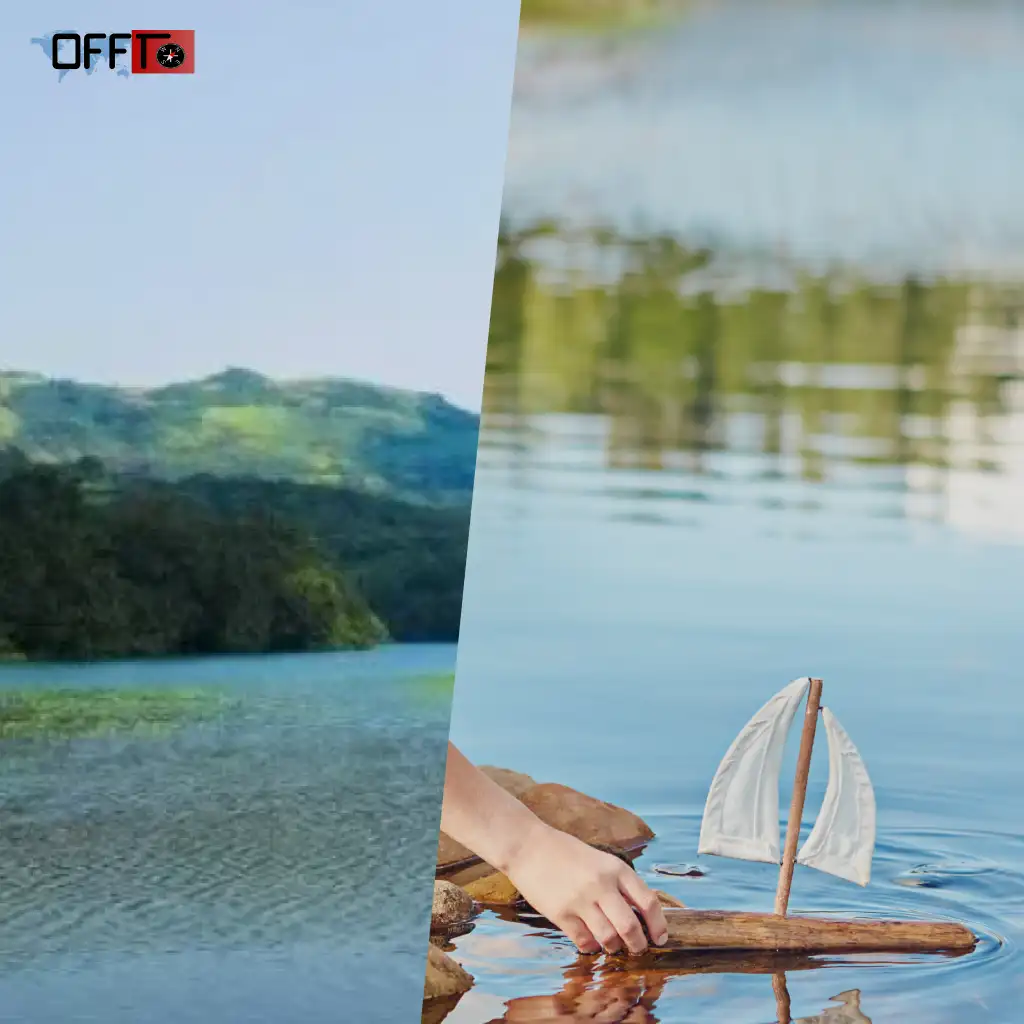
Lonavala Lake, a serene and picturesque spot, is one of the main attractions in Lonavala, a charming hill station located in the state of Maharashtra, India. Lonavala is known for its lush green landscapes, cool weather, and proximity to both Mumbai and Pune, making it a popular weekend getaway. The lake itself, nestled between the towering Sahyadri hills, offers not only a calming atmosphere but also easy accessibility from these bustling cities. Whether you’re a nature lover or a photography enthusiast, Lonavala Lake provides a perfect escape into nature. Let’s dive deeper into its location and connectivity, ensuring you have all the information you need for your visit.
Where Is Lonavala in Maharashtra?
Lonavala is located in the Pune district of Maharashtra, approximately midway between Mumbai and Pune. It sits in the Western Ghats, surrounded by scenic hills and valleys, and enjoys a cool climate year-round. Lonavala’s proximity to major cities like Mumbai and Pune makes it an attractive destination for those seeking a quick retreat from urban life. The town is well-known for its natural beauty, making it a favored spot for travelers looking to experience the mountains, waterfalls, and lakes that define the region.
Lonavala Distance from Mumbai & Pune
Lonavala’s accessibility from Mumbai and Pune is one of the primary reasons for its popularity as a weekend destination. It is about 83 kilometers from Mumbai, which translates to a 2 to 3-hour drive depending on traffic. If you are coming from Pune, it is only about 65 kilometers away, which can be covered in roughly an hour and a half by car. The ease of access by road, coupled with the picturesque drive, makes it a great option for both short and long visits.
Lonavala Direction and Connectivity
Getting to Lonavala is a breeze with various transportation options available:
- By Train: Lonavala is well-connected by rail, with its own railway station located along the Pune-Mumbai railway line. Trains frequently run from both Mumbai and Pune, making it an easy and scenic way to travel.
- By Road: Whether you are driving or taking a bus, the road to Lonavala is simple and straightforward. The Mumbai-Pune Expressway is the most common route, offering smooth roads and scenic views of the hills. If you prefer a more leisurely pace, the older Mumbai-Pune highway is an alternative, providing a more relaxed drive.
- By Bus: Several state-run and private bus services operate between Mumbai, Pune, and Lonavala, offering an affordable option for those traveling without their own vehicles.
Once you arrive in Lonavala, local taxis, auto-rickshaws, and even rental bikes are available for getting around and visiting the lake and other attractions.
Map-Level Clarity
Lonavala Lake is located in the north-east part of Lonavala, just a short distance from the town center. It is easily accessible by road and well-marked on most maps. The lake sits amidst the surrounding hills, offering stunning views of the lush, green landscape, especially during the monsoon. Whether you’re navigating through Lonavala’s narrow streets or traveling through the winding roads that lead to the lake, you can rely on basic maps or GPS to guide you to this peaceful retreat.
Why Lonavala Lake Is One of the Most Scenic Spots in Lonavala
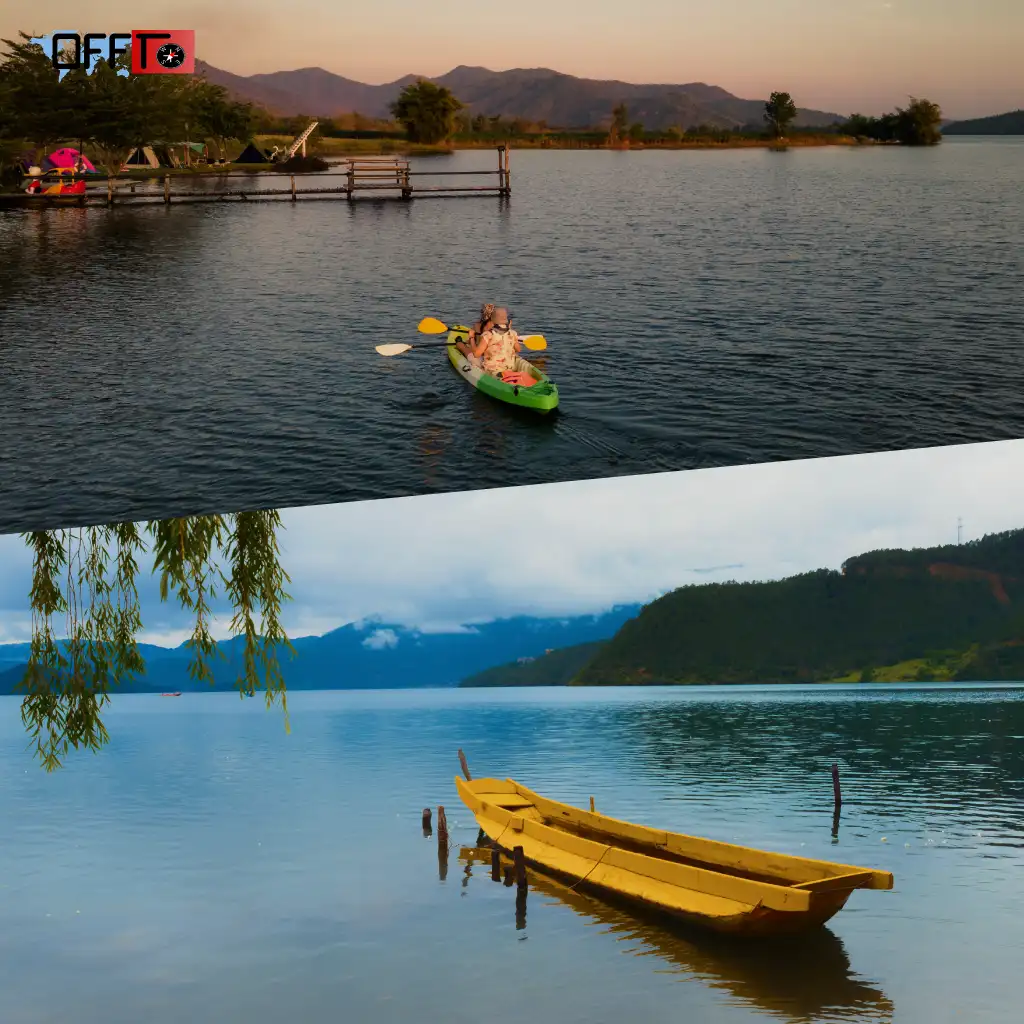
Lonavala Lake is one of the most sought-after destinations in Lonavala, and for good reason. Its natural beauty, calm ambiance, and breathtaking surroundings make it stand out among the many scenic spots in the region. Whether you’re looking for a tranquil escape or an ideal location for photography, Lonavala Lake offers the perfect setting. What sets this lake apart from others in the region? It’s all about the stunning views, seasonal changes, and the unique atmosphere it provides to visitors.
What Makes It Different from Other Lakes
Lonavala Lake is unique in that it offers a distinctive experience depending on the season. Unlike many other lakes that stay relatively the same throughout the year, Lonavala Lake undergoes a dramatic transformation in the monsoon. During this time, the lake’s surroundings turn into a mini waterfall zone, with water cascading down the hills and into the lake, creating a mesmerizing sight. This seasonal shift makes it one of the most dynamic and visually stunning lakes in Maharashtra.
Apart from its seasonal charm, the lake also stands out due to its serene and undisturbed environment. While other lakes in the region may be bustling with tourists, Lonavala Lake offers a more tranquil and less crowded experience. Its location, tucked away in the hills, makes it a perfect spot for a peaceful day out, where visitors can enjoy both nature’s beauty and a sense of isolation.
Lonavala Lake Scenic View Explained
The scenic view around Lonavala Lake is a major draw for visitors, offering panoramic vistas of the surrounding mountains, lush forests, and the lake’s crystal-clear waters. Whether you’re standing at one of the nearby viewpoints or sitting by the edge of the lake, the view is simply spectacular. The calm waters of the lake reflect the greenery and sky, creating a beautiful symmetry in the landscape. It is especially popular among photographers, as the reflections and surrounding foliage provide the perfect backdrop for nature shots.
The best time to visit Lonavala Lake for its scenic views is early in the morning or late in the afternoon, when the lighting is ideal for capturing the beauty of the surroundings. During the monsoon season, the view is transformed as the hills turn bright green, and the sky is often covered with dramatic cloud cover. This seasonal transformation offers an entirely different, yet equally stunning, landscape.
Seasonal Transformation (Dry vs. Monsoon)
Lonavala Lake undergoes a dramatic seasonal transformation, making it a must-visit destination throughout the year. In the dry months (October to May), the lake offers a peaceful and serene environment, with its clear waters reflecting the surrounding hills. This is an ideal time for visitors who are looking for a quiet retreat or a spot to relax and enjoy the natural beauty without the hustle and bustle of the peak monsoon season.
However, it’s during the monsoon months (June to September) that Lonavala Lake truly comes to life. The rain swells the lake, and the surrounding hills become a vibrant shade of green. Waterfalls begin to form along the hillsides, and the area transforms into a magical, mist-covered paradise. Visitors can witness the dramatic monsoon transformation of the lake, where the water cascading down the rocks creates a spectacular sight. But this period also comes with increased rainfall, so visitors should be cautious of slippery terrain and fast-moving water.
Lonavala Lake Waterfall Experience (Monsoon Highlight)
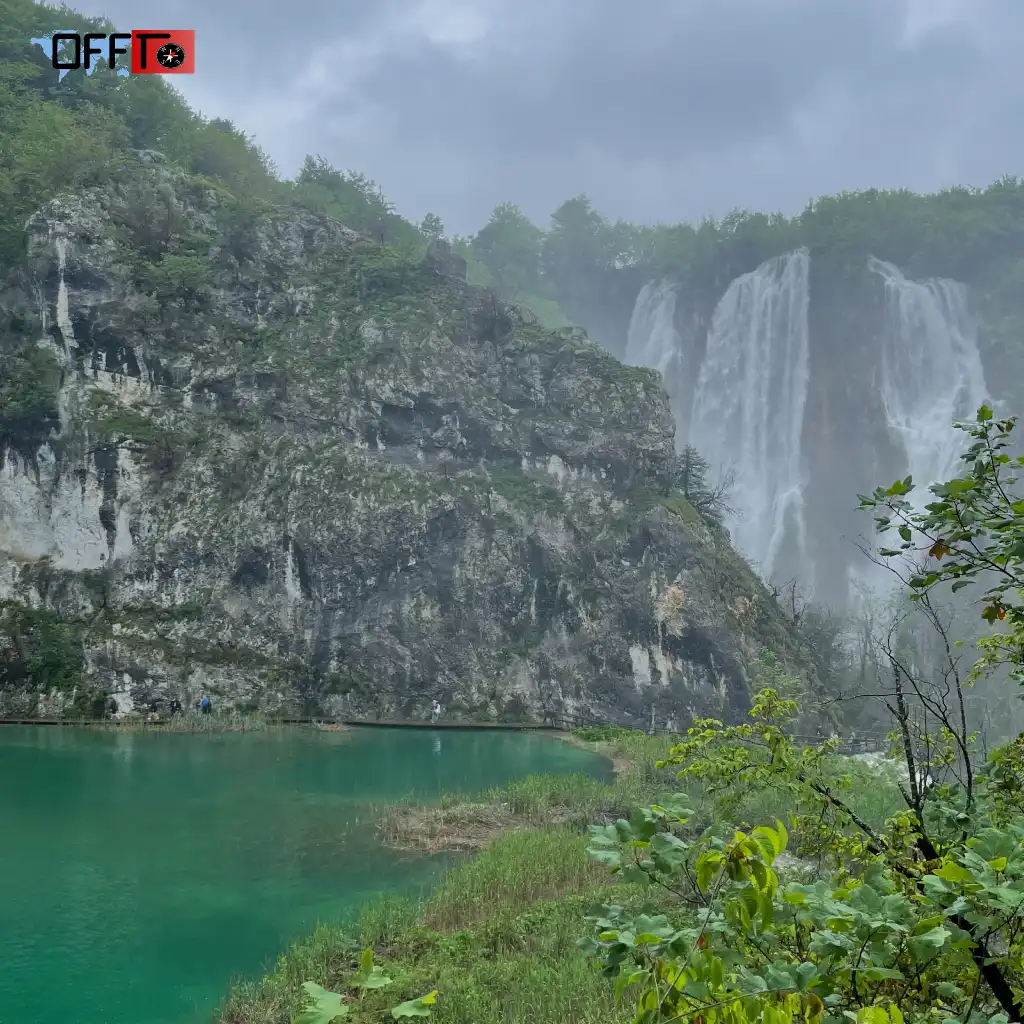
Lonavala Lake is truly a sight to behold during the monsoon season, when it transforms into a breathtaking waterfall zone. The region, which is known for its serene atmosphere, becomes even more magical as the rains pour over the hills, creating cascading waterfalls that flow into the lake, adding to its charm. This seasonal highlight makes Lonavala Lake a must-visit destination for nature enthusiasts, photography lovers, and anyone looking to experience the raw beauty of the Western Ghats during the monsoon.
When the Lake Turns into a Waterfall Zone
The transformation of Lonavala Lake into a waterfall zone begins with the onset of the monsoon season (June to September). As heavy rains hit the region, water streams down from the hills surrounding the lake, turning into numerous waterfalls that pour into the lake below. The sight of water cascading over rocks and splashing into the lake is nothing short of spectacular. This natural phenomenon creates a dramatic and picturesque landscape, making it one of the most sought-after monsoon experiences in Maharashtra.
For visitors who are in Lonavala during the monsoon, this waterfall experience is a highlight that should not be missed. The lake, once tranquil, now buzzes with energy as the surrounding hills become alive with cascading streams. This seasonal transformation makes Lonavala Lake an incredible place to capture nature’s power and beauty.
What to Realistically Expect
During the monsoon, the Lonavala Lake area becomes lush and vibrant. The waterfalls, while beautiful, come with their own set of challenges. The water flow increases significantly, turning what is usually a calm lake into an active waterfall zone. Visitors can expect a dramatic shift in the landscape, with more vibrant greenery surrounding the lake and the hills coming alive with the sound of rushing water.
However, the increased water flow also means that visitors should approach the lake and surrounding areas with caution. The ground can become slippery, and certain trails near the lake may be submerged or difficult to access due to the heavy rain. It’s essential to be prepared for wet and muddy conditions if you’re planning to explore the area. Always check weather reports before your visit, as sudden downpours can create unpredictable conditions.
Safety + Ground Conditions
While the waterfall experience at Lonavala Lake during the monsoon is magical, safety should always be a priority. The ground can be slippery, especially around the edges of the lake and the trails that lead to the waterfalls. Visitors should wear sturdy, water-resistant footwear to avoid slipping, and it is advisable to carry a walking stick or trekking pole for better balance on wet surfaces.
The waterfall areas can sometimes become too dangerous to access during heavy rains, as the water levels rise and create strong currents. Always be mindful of the weather and stay updated on any advisories or warnings from local authorities. If you’re planning to trek or explore the surrounding hills, consider hiring a local guide who is familiar with the terrain and can help navigate safely.
Best Time to Visit Lonavala Lake (Season Breakdown)
Lonavala Lake is a year-round destination, with each season offering a unique experience. However, the best time to visit depends on what kind of experience you’re looking for—whether you’re seeking a peaceful retreat, the monsoon magic, or clearer views. Here’s a breakdown of the seasons and what you can expect during each.
Monsoon (Peak Experience)
The monsoon season, from June to September, is undoubtedly the most popular time to visit Lonavala Lake for those seeking to witness nature’s grandeur. This is when the lake transforms into a stunning waterfall zone, with water cascading over the surrounding hills and into the lake below. The lush greenery that covers the hillsides, combined with the sound of waterfalls, makes for a truly mesmerizing experience.
For nature lovers and photographers, this is the peak experience, as the region comes alive with vibrant hues of green and the beauty of rushing water. However, it’s important to note that during the monsoon, the area can be wet and slippery, and certain trails may become inaccessible due to flooding or muddy conditions. If you’re visiting during this time, make sure to check weather conditions and pack accordingly.
Winter (Clear Views, Less Crowd)
Winter (from November to February) is the ideal season for travelers who prefer clear skies, cool weather, and less crowd. During this time, Lonavala Lake offers crisp, fresh air, making it perfect for a peaceful retreat. The dry season ensures that the lake remains serene, without the rush of water, providing a calm and quiet environment for relaxation.
The weather during winter is cool but not too cold, making it ideal for nature walks, photography, and sightseeing. You can expect clear views of the surrounding mountains and valleys, as the sky remains bright and free of clouds. The lack of monsoon rain also makes it easier to navigate the trails around the lake and explore the surrounding areas without worrying about muddy conditions.
Winter is also the best time for those who prefer to visit Lonavala Lake without the crowds that often flock to the area during the monsoon. With fewer tourists, you can enjoy a more tranquil and personal experience at the lake.
Summer (What Changes)
Summer (from March to May) brings warmer temperatures to Lonavala, though it is still milder than in the plains. While summer isn’t as popular as the monsoon or winter seasons, it still offers a unique experience at Lonavala Lake. During the summer months, the water levels in the lake decrease, and the surrounding landscape turns drier. The lake’s tranquil beauty is still there, but you won’t get to experience the waterfall phenomenon that occurs in the monsoon.
Summer is the best time for visitors who prefer to avoid the crowds and enjoy Lonavala in a more laid-back, quiet manner. However, with the warmer temperatures, visitors should be prepared with sun protection, especially if planning to hike or walk around the lake. While the weather can be hot during the day, the cool evenings and mornings still make it an enjoyable time to visit.
How to Reach Lonavala Lake (Routes, Distance & Travel Options)
Lonavala Lake is an easily accessible destination for travelers from Mumbai and Pune, and there are several ways to get there, depending on your preference and mode of transport. Whether you’re traveling by road, train, or bike, reaching Lonavala Lake is a straightforward and scenic journey, offering an opportunity to enjoy the beautiful landscapes of the Western Ghats along the way. Here’s a detailed guide on how to reach Lonavala Lake from major cities and what to expect during your journey.
Lonavala Distance from Mumbai, Pune
Lonavala’s strategic location makes it an easy drive from both Mumbai and Pune. If you’re traveling from Mumbai, the distance to Lonavala is approximately 83 kilometers, which takes around 2 to 3 hours by car, depending on traffic conditions. The Mumbai-Pune Expressway is the most convenient route for a fast, smooth journey. From Pune, Lonavala is around 65 kilometers away, and the drive typically takes about an hour and a half.
Both routes offer scenic views of the lush greenery of the Sahyadri range, especially during the monsoon, making the journey as pleasant as the destination itself. Whether you’re visiting for a day trip or a weekend getaway, the drive to Lonavala is as enjoyable as the destination itself.
Road vs Train vs Bike Trip
- By Road: Driving to Lonavala is the most common and flexible option. The Mumbai-Pune Expressway connects both cities to Lonavala, ensuring smooth and hassle-free travel. The road is well-maintained, and once in Lonavala, local taxis and auto-rickshaws are available for short trips around the lake and nearby attractions.
- By Train: Lonavala has its own railway station, well-connected to both Mumbai and Pune. Trains from Mumbai to Lonavala take around 2 to 2.5 hours, and from Pune, it’s about an hour. Trains offer a scenic route, especially during the monsoon when the view of the surrounding hills is misty and lush. The train ride to Lonavala is a popular choice for many travelers, as it provides an easy, affordable, and comfortable journey.
- By Bike: If you’re an adventure enthusiast, biking to Lonavala can be a thrilling experience. The road trip from Mumbai or Pune to Lonavala is especially popular among motorcyclists who enjoy the winding roads and cool mountain air. The ride offers a sense of freedom and an adrenaline rush, especially during the early morning or late evening, when the roads are less crowded.
Last-Mile Access Tips
Once you arrive in Lonavala, getting to the lake is relatively easy. If you’re traveling by car, the lake is just a few kilometers away from the town center. The local roads are well-signposted, and most local taxis and auto-rickshaws know the route to Lonavala Lake. If you’re traveling by train, taxis are readily available at the Lonavala Railway Station, or you can take an auto-rickshaw to the lake.
For those who prefer a more active experience, walking or cycling around the town can also be a great option. The lake is located in a quiet, green area, offering a peaceful walk from the town center. If you’re traveling during the monsoon, be cautious of slippery paths around the lake and surrounding areas.
Things to Do at Lonavala Lake (Beyond Just Visiting)

Lonavala Lake isn’t just a destination for sightseeing; it’s a place where visitors can truly connect with nature, indulge in photography, and enjoy the serenity of the Western Ghats. Beyond simply visiting the lake, there are several activities that can enhance your experience. From scenic walks to photography tips, here’s what you can do around Lonavala Lake to make the most of your visit.
Scenic Walks & Viewpoints
Lonavala Lake is surrounded by lush hills and forests, making it an ideal location for scenic walks. The tranquil setting, combined with the cool breeze and the sounds of nature, makes for a perfect stroll. There are several walking paths that lead around the lake, allowing visitors to enjoy the natural beauty at their own pace. The view from some of the vantage points offers a sweeping panorama of the surrounding valleys and hills, making it a great spot for relaxation and reflection.
- Best Time for Walks: The best time for scenic walks around the lake is either early in the morning or late afternoon. During these times, the weather is cool, and the lighting is perfect for photography.
- Tip: Don’t rush your walk—take the time to pause and appreciate the surrounding nature.
Photography Timing Tips
Lonavala Lake offers plenty of opportunities for photography, especially during the monsoon season when the waterfalls around the lake come alive. To capture the best shots, it’s important to know when to visit and how to frame your photos.
- Golden Hour: The period just after sunrise and before sunset (golden hour) offers the best lighting for capturing the beauty of the lake. The soft, warm light helps create beautiful reflections on the water and highlights the surrounding greenery.
- Monsoon Magic: If you’re visiting during the monsoon, the added mist and waterfalls provide unique shots. Be sure to bring a waterproof camera or camera cover to protect your gear from rain.
- Pro Tip: Don’t just focus on wide-angle shots of the lake. Close-ups of the surrounding flora, cascading waterfalls, or droplets on leaves will also give you a variety of beautiful images.
Relaxed vs Quick-Stop Travelers
Lonavala Lake caters to both types of travelers—those who want a quick stop and those who prefer to take it slow. For quick-stop travelers, the lake offers a peaceful respite without requiring a long stay. You can enjoy the lake’s beauty in under an hour, making it perfect for a short detour during a busy day of sightseeing.
On the other hand, relaxed travelers can spend a few hours soaking in the natural beauty of the lake and its surroundings. The quiet atmosphere, combined with the opportunity for a leisurely walk, a cup of tea at a nearby stall, or a photography session, makes it a great place to unwind.
Nearby Tea Stalls / Local Vibe
One of the charms of Lonavala Lake is the local vibe that surrounds the area. Several tea stalls and small eateries can be found near the lake, where visitors can relax and enjoy a hot cup of tea or coffee while taking in the scenic views. These stalls offer a chance to engage with locals and enjoy some delicious snacks or local sweets, making your visit to Lonavala Lake a more immersive experience.
- Tip: While sitting by the lake, enjoy some local snacks like batata vada (spicy potato fritters) or bhajiya (fried fritters) for an authentic taste of the region. You can also find some homemade sweets and snacks, perfect for picnics by the lake.
Lonavala as a Hill Station: What Makes It Worth Visiting
Lonavala is one of the most well-known hill stations in Maharashtra, and its charm goes beyond just being a scenic getaway. Its cool climate, lush landscapes, and proximity to Mumbai and Pune have made it a popular destination for city dwellers looking to escape the heat and noise of urban life. However, what truly sets Lonavala apart from other hill stations is the unique combination of natural beauty, accessibility, and a variety of outdoor activities that make it perfect for different types of travelers. Here’s a closer look at why Lonavala is famous and what makes it worth visiting.
Why Lonavala Is Famous For
Lonavala’s fame lies in its combination of natural beauty and proximity to major cities. It is famous for its lush green hills, picturesque lakes, and refreshing weather, making it an ideal escape from the sweltering summer heat. The town is particularly famous for attractions like Lonavala Lake, Bhushi Dam, Tiger’s Leap, and Della Adventure Park, offering a perfect mix of outdoor adventure and peaceful retreats.
The monsoon season enhances its appeal, as waterfalls and scenic viewpoints become much more vibrant and active, transforming the landscape into a lush, green paradise. The local markets, known for their chikki (a traditional sweet made from jaggery and nuts), are also part of what makes Lonavala unique, providing a cultural experience that complements its natural attractions.
Hill Station Appeal vs Alternatives
Compared to other hill stations like Mahabaleshwar, Matheran, and Khandala, Lonavala has a more relaxed vibe but still offers a great balance of accessibility and activities. While Mahabaleshwar might be higher in elevation and offer a cooler climate, Lonavala’s relatively lower altitude (around 2,000 feet) makes it more comfortable to visit year-round without the chill that some other hill stations experience during the winter.
Lonavala’s proximity to Mumbai and Pune gives it a unique edge, making it the ideal destination for a weekend getaway without taking too much time for travel. It also has an abundant variety of options for both adventurous tourists and those who prefer to relax. The hill station’s versatility makes it attractive to a wide audience, whether they’re coming for a few hours or an extended stay.
Who It’s Best Suited For
Lonavala is perfect for all types of travelers:
- Nature lovers will enjoy the lakes, forests, and waterfalls around Lonavala.
- Adventure enthusiasts will find activities like trekking, camping, and water sports to satisfy their desire for thrill.
- Families and couples can enjoy peaceful moments by the lake, scenic walks, and explore the local markets for a relaxed vacation.
- Solo travelers looking to escape from the urban rush can find solitude in nature, making it an excellent destination for reflection and quiet moments.
Lonavala caters to a wide range of interests and offers something for everyone, making it a versatile hill station that is easy to love.
Is Lonavala Safe in the Monsoon? (Important Travel Reality Check)
The monsoon season in Lonavala is undoubtedly one of the most magical times to visit, but it also comes with a set of challenges and safety considerations. With its waterfalls, lush green valleys, and scenic views, Lonavala in the monsoon can be a captivating experience. However, it is crucial to understand the potential risks and plan your visit accordingly to ensure a safe and enjoyable trip.
Road Safety
Monsoon rains can cause roads around Lonavala to become slippery and, in some cases, treacherous. The winding roads leading up to the hill station, especially along the Mumbai-Pune Expressway and the old Mumbai-Pune highway, can be particularly hazardous when wet. Landslides are also a possibility in the region due to the heavy rainfall, especially in areas near the hills and valleys.
Travelers should take extra precautions when driving, including reducing speed, keeping a safe distance, and checking weather forecasts for heavy rain or road closures. If you’re traveling by bike, be cautious of wet and slippery patches that can make the roads difficult to navigate.
Water Flow Risks
While Lonavala Lake is a beautiful sight during the monsoon, the increased water flow can pose risks. Waterfalls near the lake and surrounding areas become more powerful, and water levels in streams and rivers can rise significantly. This can create dangerous currents, especially near water bodies like Bhushi Dam, where the water flow can quickly become overwhelming. Visitors should avoid venturing too close to the edges of lakes and waterfalls during this season.
Certain trails around the lake can become submerged or unsafe due to flooding, making them difficult or hazardous to navigate. It’s essential to check local weather reports and avoid any areas that have been flagged as dangerous by local authorities.
Crowd Behavior
While the monsoon season is a peak time for tourism in Lonavala, it can also bring large crowds, especially on weekends and public holidays. This can lead to overcrowding at popular spots like Lonavala Lake, Tiger’s Leap, and Bhushi Dam. In some cases, the influx of tourists may make the experience less enjoyable, with long queues, crowded viewpoints, and difficulty finding a peaceful spot to relax.
If you prefer a quieter experience, consider visiting during weekdays or early mornings when the crowds are thinner. Alternatively, explore off-the-beaten-path spots that offer the same natural beauty without the hustle and bustle of mainstream attractions.
Practical Precautions
To stay safe during your visit to Lonavala in the monsoon, here are some practical precautions to follow:
- Wear proper footwear: The ground can get slippery, so sturdy, water-resistant shoes are essential.
- Check weather updates: Always check local weather forecasts before heading out to the lake or other scenic spots to avoid unexpected rainfall or landslides.
- Avoid risky trails: Stick to well-established paths and avoid venturing too close to water bodies during heavy rainfall.
- Stay informed: Listen to local advice and warnings regarding the safety of roads, trails, and attractions.
By taking the right precautions, you can safely enjoy Lonavala’s monsoon beauty while minimizing the risks associated with this vibrant yet unpredictable season.
Suggested 1-Day / Weekend Plan Around Lonavala Lake

Lonavala Lake, with its tranquil waters and surrounding scenic beauty, is a perfect spot for both a quick day trip or a relaxing weekend getaway. Whether you’re looking for a packed itinerary to explore the area or prefer a slower, more leisurely visit to soak in the atmosphere, Lonavala offers plenty of options for every kind of traveler. Here’s a suggested 1-day and weekend plan to help you make the most of your visit to Lonavala Lake.
Logical Route Planning
For those visiting Lonavala Lake for a 1-day trip, it’s best to stick to the core attractions in and around the lake to avoid feeling rushed. Here’s a practical itinerary for your trip:
- Morning: Begin your day early by heading straight to Lonavala Lake for a peaceful stroll around the lake. Arrive early to catch the misty morning view of the lake and surrounding hills. After a leisurely walk, enjoy a cup of tea at one of the local stalls.
- Late Morning: After the lake, head to Bhushi Dam, located nearby. It’s one of Lonavala’s most famous spots, especially during the monsoon, when the dam overflows with water.
- Afternoon: For lunch, you can explore the local eateries around Lonavala, serving authentic Maharashtrian dishes, or head to one of the restaurants near the lake with a scenic view.
- Evening: End your day with a visit to Tiger’s Leap, a popular viewpoint that offers panoramic views of the surrounding valley. It’s the perfect spot to watch the sunset and capture the stunning landscape.
For those looking to explore a bit more, you can include Karla Caves or Lohagad Fort, both of which are relatively close to Lonavala Lake and offer a glimpse into the region’s history and heritage.
Combine with Nearby Spots
If you have a weekend to spare, you can extend your visit to nearby attractions. Here’s a longer itinerary for a weekend trip:
- Day 1 (Saturday): Start by visiting Lonavala Lake and the nearby Bhushi Dam in the morning. For lunch, head to the famous Mapro Garden for delicious snacks and strawberry-based treats. Spend the afternoon exploring the Karla Caves, an ancient Buddhist rock-cut complex, and the Lohagad Fort, which offers a stunning view of the surrounding hills and valleys.
- Day 2 (Sunday): On your second day, visit Tiger’s Leap and Lion’s Point for breathtaking views of the Western Ghats. You can also explore the Della Adventure Park if you’re seeking some thrills, or opt for a more relaxed experience at Pawna Lake, where you can enjoy boating and the beautiful surrounding landscape.
This combination of attractions allows you to experience the best of Lonavala’s natural beauty, heritage, and adventure in a leisurely weekend format.
Slow vs. Packed Version
If you’re a slow traveler, take your time exploring Lonavala’s nature spots at your own pace. Spend a few hours at Lonavala Lake, taking a walk around the serene water and spending some quiet moments. Explore the surrounding hills and enjoy the views at Tiger’s Leap and Lion’s Point. You can even spend a couple of hours at the local tea stalls, soaking in the peaceful atmosphere. Slow travel is all about enjoying the surroundings without feeling rushed.
For those with less time or those seeking more action, a packed version of the itinerary would involve visiting as many of Lonavala’s top spots as possible in a single day. This could mean an early morning start, a visit to Lonavala Lake, followed by Bhushi Dam, Tiger’s Leap, and even a trek to Karla Caves and Lohagad Fort. While you may not get to spend as much time at each stop, you’ll get a thorough overview of Lonavala in a short period.
By taking the right precautions, you can safely enjoy Lonavala’s monsoon beauty while minimizing the risks associated with this vibrant yet unpredictable season.
Travel Tips for Visiting Lonavala Lake

Lonavala Lake, with its beautiful surroundings and serene ambiance, is a wonderful destination for all kinds of travelers. To ensure a smooth and enjoyable trip, here are some travel tips to keep in mind when visiting the lake and the surrounding area.
Parking Realities
Parking around Lonavala Lake can be a bit tricky, especially during weekends and peak tourist seasons. There is limited parking near the lake itself, so it’s a good idea to arrive early to secure a spot. Alternatively, you can park at the Lonavala Railway Station or nearby areas and take a taxi or rickshaw to the lake if you’re visiting during a busy time. If you’re visiting during the monsoon, be prepared for slightly muddy and slippery parking areas.
Tip: Always park in designated parking areas and avoid parking on the roadsides, as this can lead to fines or your vehicle being towed.
Best Visiting Hours
Lonavala Lake is best visited early in the morning or later in the afternoon. Early mornings offer a misty, tranquil atmosphere around the lake, and you’ll have the entire area to yourself without the crowds. The light during these hours is also perfect for photography, with soft hues and calm waters reflecting the surrounding hills.
Late afternoons are also ideal, as you can enjoy the cool breeze and perhaps catch the sunset at nearby viewpoints. The lake can get crowded during midday, especially on weekends and holidays, so it’s best to avoid these peak hours if you’re looking for a more peaceful experience.
What to Carry
- Comfortable Footwear: If you plan on walking around the lake or exploring the surrounding areas, make sure to wear comfortable shoes. The ground can be uneven, especially near the water.
- Rain Gear: If you’re visiting during the monsoon, bring an umbrella or a raincoat. The area around Lonavala Lake can get quite wet, so it’s important to stay dry.
- Camera/Smartphone: Don’t forget your camera or smartphone to capture the stunning views of the lake, waterfalls, and surrounding hills. The lake is a photographer’s paradise, especially during the monsoon season.
- Snacks and Water: There are local stalls near the lake, but it’s always a good idea to carry some snacks and water, especially if you plan to hike or spend a few hours exploring the area.
What Most Travelers Get Wrong
- Overestimating the Distance: Many visitors assume that Lonavala Lake is far from the town center or hard to reach. In reality, it’s just a few kilometers away and easily accessible by taxi, auto-rickshaw, or even on foot if you’re staying near the town.
- Ignoring Weather Conditions: The weather in Lonavala, especially during the monsoon, can be unpredictable. Many travelers come unprepared for the rain, resulting in an uncomfortable visit. Always check the weather forecast before you travel and bring the necessary gear.
- Not Accounting for the Crowds: Lonavala Lake can get quite crowded, especially during weekends and holidays. If you’re looking for a more peaceful experience, consider visiting on a weekday or arriving early in the morning when the crowds are thinner.
FAQs
Where is Lonavala Lake located?
Lonavala Lake is located in the town of Lonavala, Maharashtra, nestled between the Sahyadri hills. It lies close to the town center, offering a peaceful retreat amidst nature, with easy access from Mumbai and Pune.
Why is Lonavala famous for?
Lonavala is famous for its picturesque lakes, lush greenery, pleasant weather, and stunning viewpoints. Popular attractions like Lonavala Lake, Bhushi Dam, and Tiger’s Leap make it a favorite hill station for nature lovers, trekkers, and photography enthusiasts.
Is Lonavala safe in monsoon?
Lonavala is safe during the monsoon, but travelers should exercise caution. Roads can become slippery, and waterfalls can have strong currents. Always check weather conditions, stay on marked trails, and avoid risky areas near water to ensure a safe visit.
What is the best time to visit Lonavala Lake?
The best time to visit Lonavala Lake is during the monsoon (June to September) for a mesmerizing waterfall experience. For clear skies and fewer crowds, winter (October to February) offers perfect weather. Summer (March to May) is warmer but still pleasant.
How far is Lonavala from Mumbai and Pune?
Lonavala is 83 kilometers from Mumbai, approximately a 2-3 hour drive, and 65 kilometers from Pune, around 1.5 hours away. It’s easily accessible by car, train, or bus from both cities, making it a popular weekend destination.
Is Lonavala worth visiting for a day trip?
Yes, Lonavala is perfect for a day trip. Its proximity to Mumbai and Pune makes it an ideal destination for a quick getaway, offering scenic views, tranquil lakes, and nearby attractions like Bhushi Dam and Tiger’s Leap within a few hours of travel.
Read more >>>
Skandagiri Trek Guide – Sunrise, Distance & Complete Travel Plan
Buran Ghati Trek Guide – Distance, Height & Complete Travel Plan
A Quiet Moment by the Lake
Lonavala Lake, with its calm waters and the surrounding hills, offers a serene escape from the noise of daily life. As you sit by the lake, the peaceful ambiance envelops you—just the sound of leaves rustling in the breeze and the occasional bird call breaking the silence. The stillness of the lake reflects not only the beauty of nature but also a moment to pause and breathe, to slow down in a world that often moves too fast.
For those who visit, it’s not just about the views or the nearby attractions. It’s about the quiet time spent in nature, the simple joy of being present. Whether you’re lost in thought or just appreciating the vastness of the surroundings, Lonavala Lake offers a space to connect with your own sense of calm. There’s a certain magic to the way time seems to slow down here, giving you a chance to reflect, recharge, and appreciate the simplicity of the moment.
Plan Your Lonavala Trip with Offto
Don’t just visit Lonavala—experience it like never before with Offto travellers! Whether you're seeking a tranquil lakeside retreat, an adventurous trek, or a family-friendly getaway, Offto offers tailored stays, unique local experiences, and expert travel ideas to create your perfect trip.
Explore iconic attractions like Lonavala Lake, Tiger’s Leap, and Bhushi Dam, or go beyond the usual spots to discover hidden gems and local favorites. With Offto, every detail is taken care of, ensuring a seamless and unforgettable journey.
Ready to start your adventure? Plan your Lonavala getaway now—whether it's a spontaneous day trip or a relaxing weekend escape. Book today with Offto for exclusive offers and a trip you’ll never forget!
Play StoreApp Store
Leave a Reply