
The Kuari Pass Trek is a famous Himalayan trek in Uttarakhand, reaching an altitude of 3,820 meters. Known as the Curzon Trail, the trek offers breathtaking views of Himalayan peaks like Nanda Devi, Dronagiri, Kamet, and Hathi-Ghoda Parvat. The trek typically takes 5–6 days and is considered a moderate trek suitable for beginners.
Introduction to Kuari Pass Trek
The Kuari Pass trek is one of the most beautiful and accessible Himalayan treks in Uttarakhand. Known for its stunning mountain views and diverse landscapes, Kuari Pass offers trekkers a rewarding journey through forests, alpine meadows, and panoramic ridgelines. The pass stands at an elevation of around 3,820 meters, making it high enough to deliver breathtaking Himalayan scenery while still being manageable for beginners with good fitness.
Where is Kuari Pass Located?
Kuari Pass is located in the Chamoli district of Uttarakhand in the Garhwal Himalayas. The trek is usually accessed from Joshimath, a well-known mountain town that serves as the base for many treks and pilgrimages in the region. From Joshimath, trekkers travel to Dhak village, which is the starting point for the Kuari Pass trek.
The trail gradually climbs through oak and rhododendron forests before reaching higher ridges and open meadows. Because of its location near the Nanda Devi region, trekkers enjoy incredible views of some of the most famous Himalayan peaks.
Where is Kuari Pass Located?
The Kuari Pass trek is considered one of the best Himalayan treks because it combines scenic beauty with a relatively short trekking duration. The trail offers dramatic views of snow-covered mountains while passing through peaceful forest trails and alpine landscapes.
Another reason the trek stands out is its moderate difficulty level. The Kuari Pass trek distance can usually be completed within five to six days, making it suitable for beginners while still exciting for experienced trekkers.
Why Kuari Pass is Famous Among Trekkers
Kuari Pass is famous for its spectacular summit views. From the top, trekkers can see majestic Himalayan peaks like Nanda Devi, Dronagiri, Kamet, and Hathi-Ghoda Parvat rising across the skyline. These views are often considered among the best in the Garhwal Himalayas.
The trek is also popular because it can be experienced in different seasons. Winter brings snow-covered trails, while spring and autumn provide clear skies and vibrant forest scenery. This seasonal variety makes the Kuari Pass trek a favorite among adventure travelers.
Kuari Pass Trek Overview
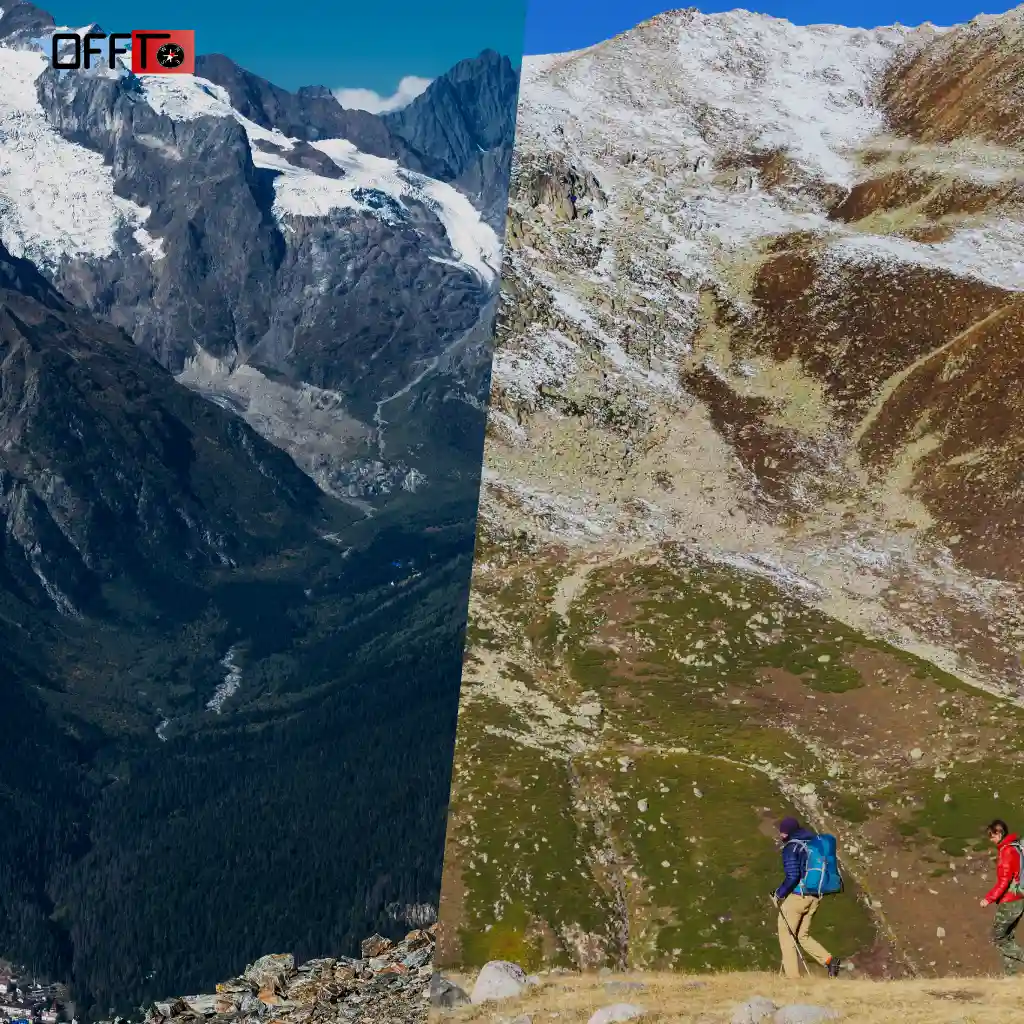
The Kuari Pass trek is a classic Himalayan trekking route known for its panoramic mountain views and diverse landscapes. Located in the Garhwal Himalayas of Uttarakhand, the trek offers an immersive experience through forests, meadows, and high mountain ridges. Trekkers typically complete the journey in five to six days, covering a moderate distance while gradually gaining altitude.
Kuari Pass Height and Geographic Location
The Kuari Pass height is approximately 3,820 meters (12,533 feet) above sea level. At this elevation, trekkers reach a viewpoint that offers sweeping views of the surrounding Himalayan peaks. Despite its altitude, the trek remains accessible for beginners with basic fitness and preparation.
The pass lies within the Chamoli district near Joshimath and forms part of the larger Nanda Devi landscape. The surrounding terrain includes dense forests, alpine meadows, and snow-covered slopes depending on the season.
Key Highlights of the Kuari Pass Trek
One of the biggest highlights of the Kuari Pass trek is the uninterrupted view of major Himalayan peaks. Trekkers can see mountains such as Nanda Devi, Dronagiri, Kamet, and Chaukhamba from various points along the trail.
The trek also offers diverse landscapes, starting with forest trails before opening into expansive meadows and high ridges. Campsites like Gulling Top and Tali provide beautiful sunrise and sunset views over the mountains.
What is the Kuari Pass Also Known As? (Curzon Trail)
Kuari Pass is also known as the Curzon Trail, named after Lord Curzon, the former British Viceroy of India. He explored this route during his travels in the Himalayas, which helped popularize the trail among early explorers.
The word “Kuari” is believed to mean “doorway” or “pass,” reflecting its historical role as a route connecting different Himalayan valleys. Today, the Curzon Trail remains one of the most scenic trekking routes in Uttarakhand and continues to attract trekkers from around the world.
History of Kuari Pass Trek
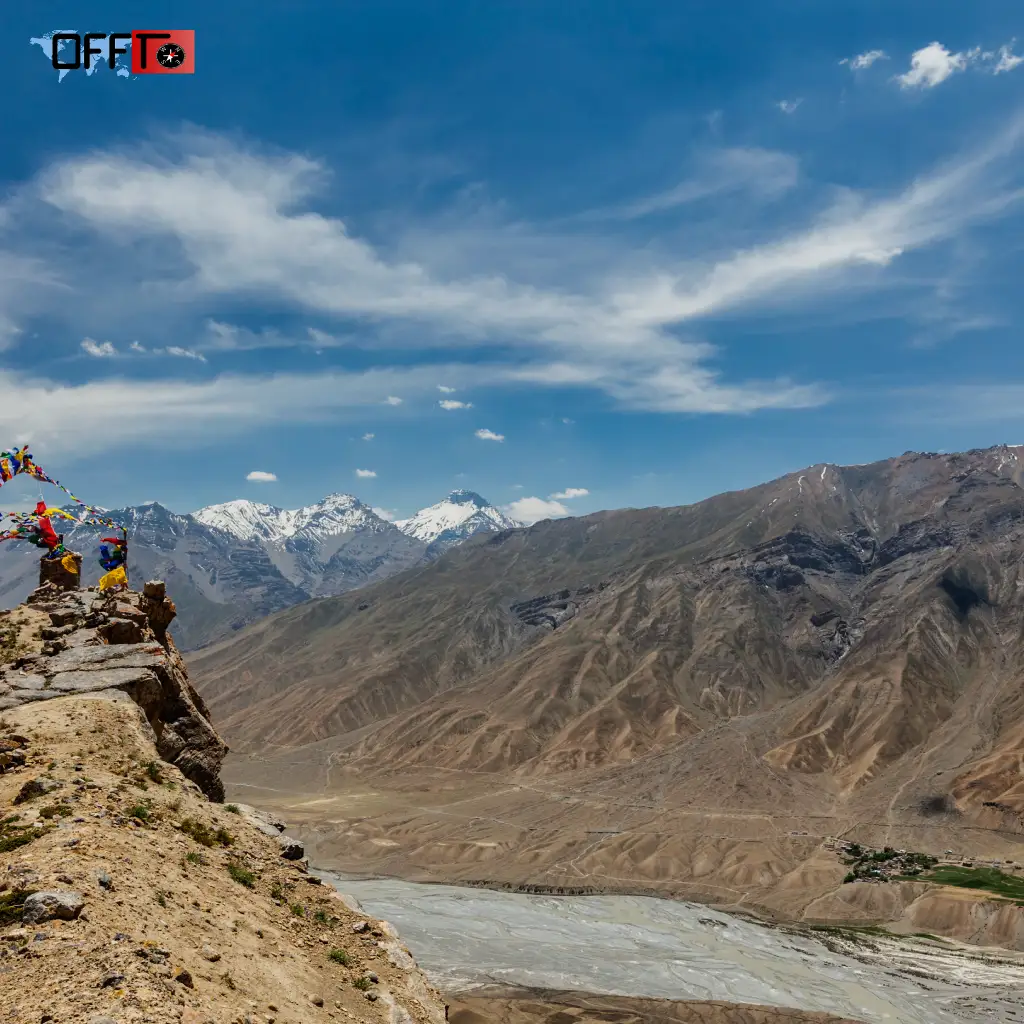
The Kuari Pass trek has a rich history linked to early Himalayan exploration and traditional mountain routes. Long before it became a popular trekking destination, the pass served as a natural pathway connecting remote valleys in the Garhwal Himalayas. Local shepherds and traders often used these high-altitude trails to move livestock and goods between villages, making Kuari Pass an important route in the region’s early mountain travel network.
The Origin of the Curzon Trail
The trekking route to Kuari Pass is widely known as the Curzon Trail, named after Lord Curzon, the British Viceroy of India. During the early 1900s, Lord Curzon traveled through this part of the Himalayas and explored the trail while admiring the spectacular mountain scenery.
His journey brought wider attention to the route and helped introduce it to the world of explorers and trekkers. Over time, the Curzon Trail gained popularity among adventure travelers seeking scenic Himalayan trekking routes.
Historical Significance of Kuari Pass
Historically, Kuari Pass served as a strategic mountain passage connecting several Himalayan valleys. The trail allowed communities to travel between regions and played a role in seasonal migration and trade.
As trekking culture developed in India, the trail gradually transformed into a well-known trekking route. Today, the Kuari Pass trek is valued not only for its scenic beauty but also for its historical connection to early Himalayan exploration.
Cultural Importance of the Region
The region surrounding Kuari Pass reflects the traditional culture of the Garhwal Himalayas. Small villages near Joshimath preserve local customs, mountain agriculture, and spiritual traditions connected to the Himalayas.
Trekkers often encounter traditional Himalayan lifestyles along the trail, which adds a cultural dimension to the overall trekking experience.
Best Time to Visit Kuari Pass Trek
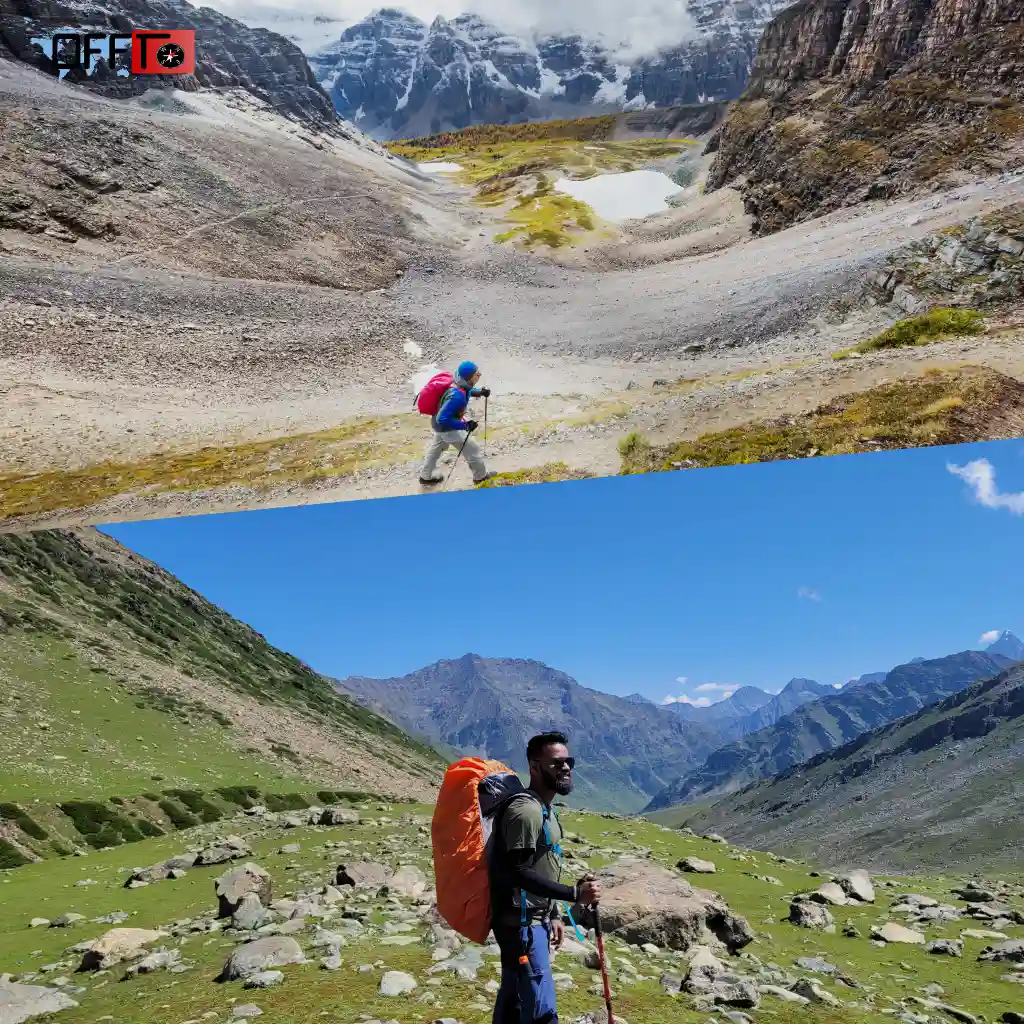
The best time to visit Kuari Pass trek depends on the type of experience trekkers are looking for. Because the trail lies in the Garhwal Himalayas at a high altitude, each season offers different landscapes and weather conditions.
What is the Best Time for Kuari Pass Trek?
The most recommended time for the Kuari Pass trek is during spring (March to May) and autumn (September to November). During these months, weather conditions are generally stable and the skies remain clear.
Spring brings blooming rhododendron forests and fresh greenery along the trekking route, making the landscape vibrant and colorful. Autumn offers crisp mountain air and excellent visibility, allowing trekkers to enjoy panoramic Himalayan views.
Kuari Pass Trek in Winter (Snow Trek)
Winter trekking at Kuari Pass usually takes place between December and February. During this time, the trail becomes covered in snow, creating a stunning alpine landscape.
Snow trekking adds a unique charm to the experience, with white forests and frozen ridgelines along the route. However, temperatures during winter can drop significantly, so trekkers need proper winter gear and preparation.
Kuari Pass Trek in Spring and Autumn
Spring and autumn remain the most comfortable seasons for the Kuari Pass trek. The Kuari Pass temperature during these months is moderate, making long trekking days easier.
Clear skies and pleasant weather allow trekkers to enjoy uninterrupted views of peaks like Nanda Devi and Dronagiri, making these seasons ideal for Himalayan trekking.
Kuari Pass Weather and Temperature Guide
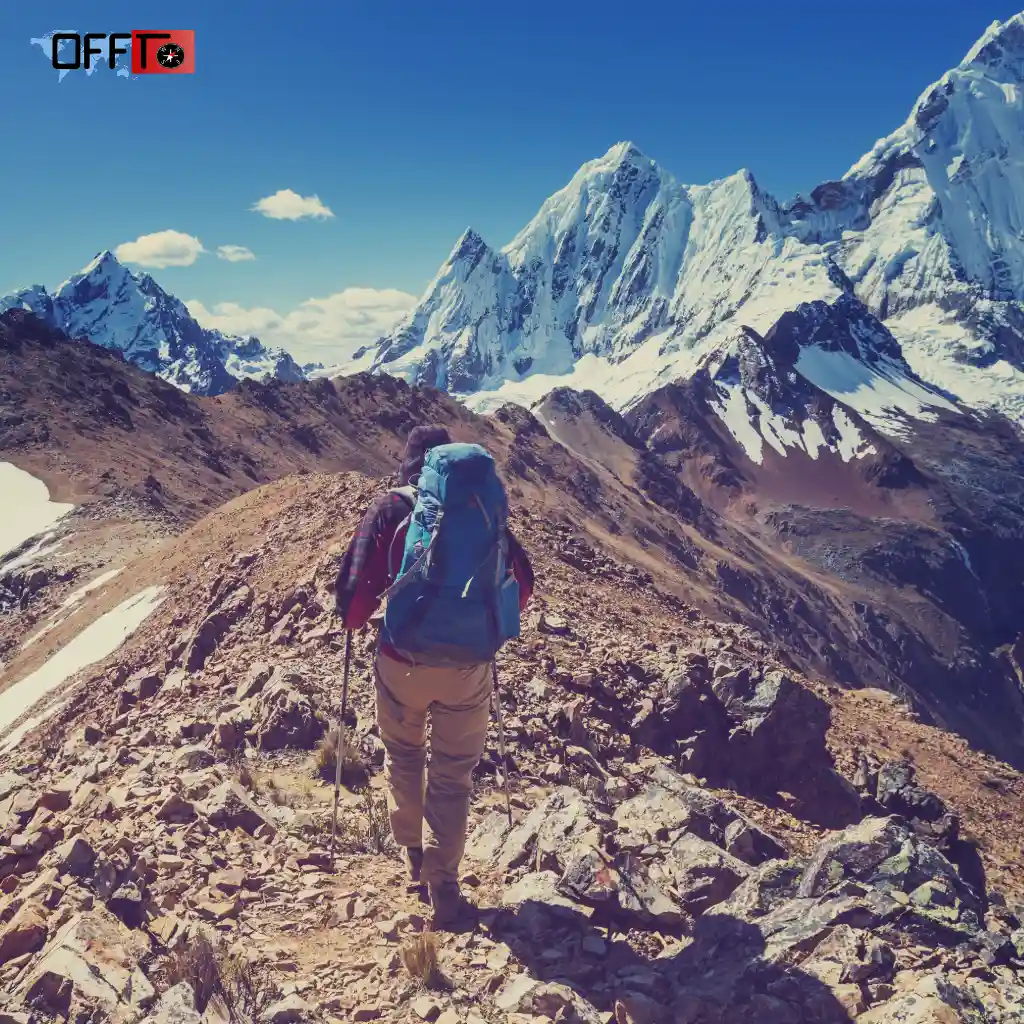
Understanding the Kuari Pass temperature is essential for planning a safe and comfortable trek. Located at an altitude of around 3,820 meters, Kuari Pass experiences typical high-altitude Himalayan weather, where temperatures can change quickly between day and night. Mornings usually begin with clear skies and cool temperatures, while evenings and nights become significantly colder. Because of these fluctuations, trekkers should always prepare with proper layered clothing and weather-appropriate gear.
Kuari Pass Temperature Month-by-Month
The Kuari Pass temperature varies by season, which directly affects trekking conditions.
Typical seasonal ranges include:
- Spring (March – May):
Daytime temperatures range between 8°C to 15°C, while nights may drop to 0°C to 4°C. Forests bloom with rhododendrons, making this a scenic trekking period.
- Summer (June – July):
Temperatures remain mild, but occasional rainfall can make trails slippery.
- Autumn (September – November):
One of the best trekking seasons with clear skies. Day temperatures range between 5°C to 12°C, while nights can drop below freezing.
These months provide the most stable weather for the Kuari Pass trek.
Winter Temperature and Snowfall
Winter transforms the Kuari Pass trek into a stunning snow adventure. Between December and February, the entire region is covered in snow.
Typical winter conditions include:
- Day temperature: -2°C to 5°C
- Night temperature: -8°C or lower
- Snow-covered forests and ridgelines
Winter trekking requires proper snow gear and warm clothing but offers a magical Himalayan landscape.
Weather Conditions During the Trek
Weather conditions on the Kuari Pass trek can shift quickly due to the altitude. Trekkers typically experience:
- Clear mornings with excellent mountain visibility
- Cool afternoons with increasing cloud cover
- Cold evenings and freezing nights at higher camps
Carrying layered clothing, waterproof jackets, gloves, and warm sleeping gear helps trekkers stay comfortable throughout the journey.
Kuari Pass Trek Distance, Duration & Difficulty
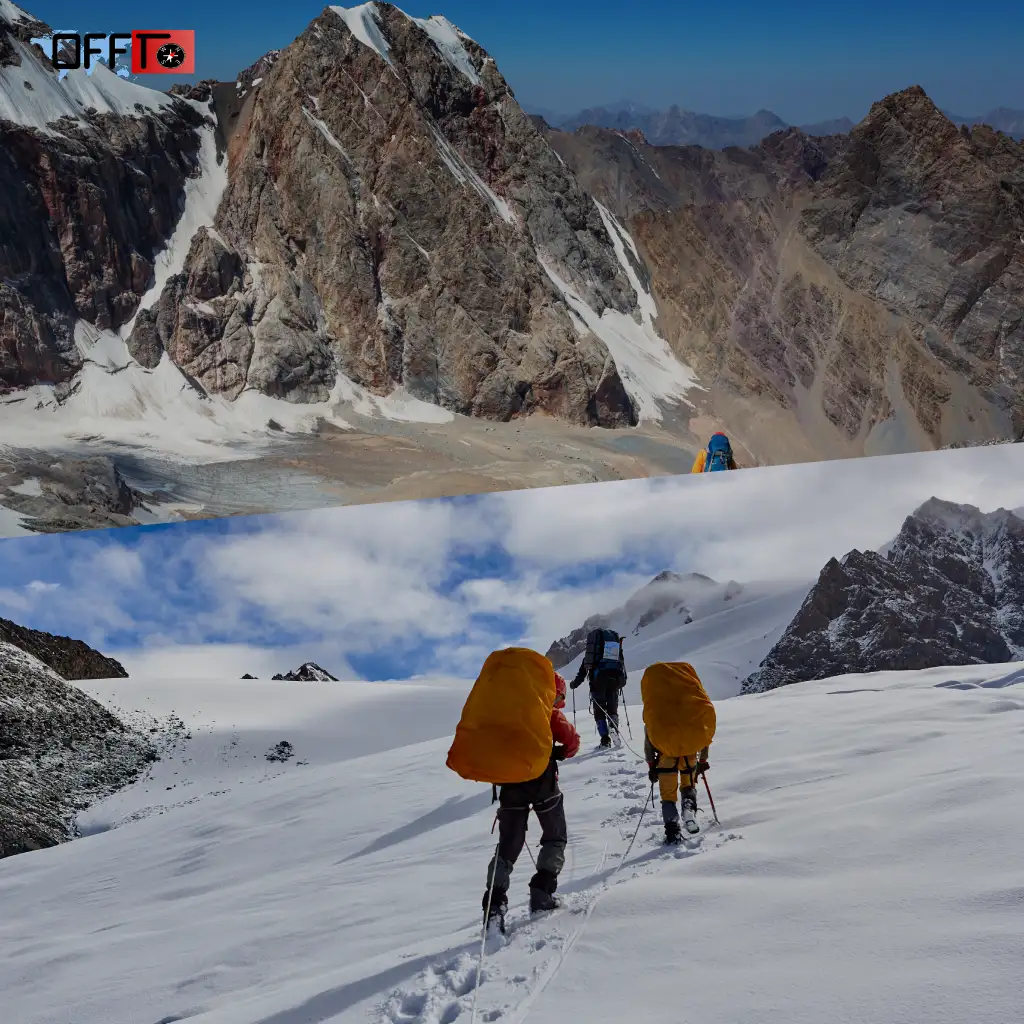
The Kuari Pass trek is considered a moderate Himalayan trek that offers an ideal balance between adventure and accessibility. Because of its gradual altitude gain and well-defined trails, it is often recommended for beginners who want to experience trekking in the Himalayas.
Kuari Pass Trek Distance and Elevation Gain
The total Kuari Pass trek distance is approximately 30–33 kilometers, depending on the trekking route and itinerary followed.
Typical trek structure:
- Total trekking distance: 30–33 km
- Trek duration: 5–6 days
- Maximum altitude: 3,820 meters
- Starting point: Dhak village near Joshimath
The route gradually climbs through forests, alpine meadows, and scenic ridgelines before reaching the summit.
How Difficult is Kuari Pass Trek?
The Kuari Pass trek is generally classified as a moderate-level trek. While it does not require technical climbing skills, trekkers should be prepared for:
- 5–6 hours of trekking per day
- Cold temperatures at higher camps
- Steady uphill climbs on certain sections
Winter treks can become slightly more challenging because of snow-covered trails.
Fitness Requirements for the Trek
Basic physical fitness is important to complete the trek comfortably. Trekkers should prepare by building stamina before the journey.
Recommended preparation includes:
- Regular walking or jogging
- Cardio workouts to improve endurance
- Leg-strength exercises like squats or stair climbing
With good preparation and a steady pace, most beginners can successfully complete the Kuari Pass trek and enjoy the spectacular Himalayan views.
Kuari Pass Trek Route
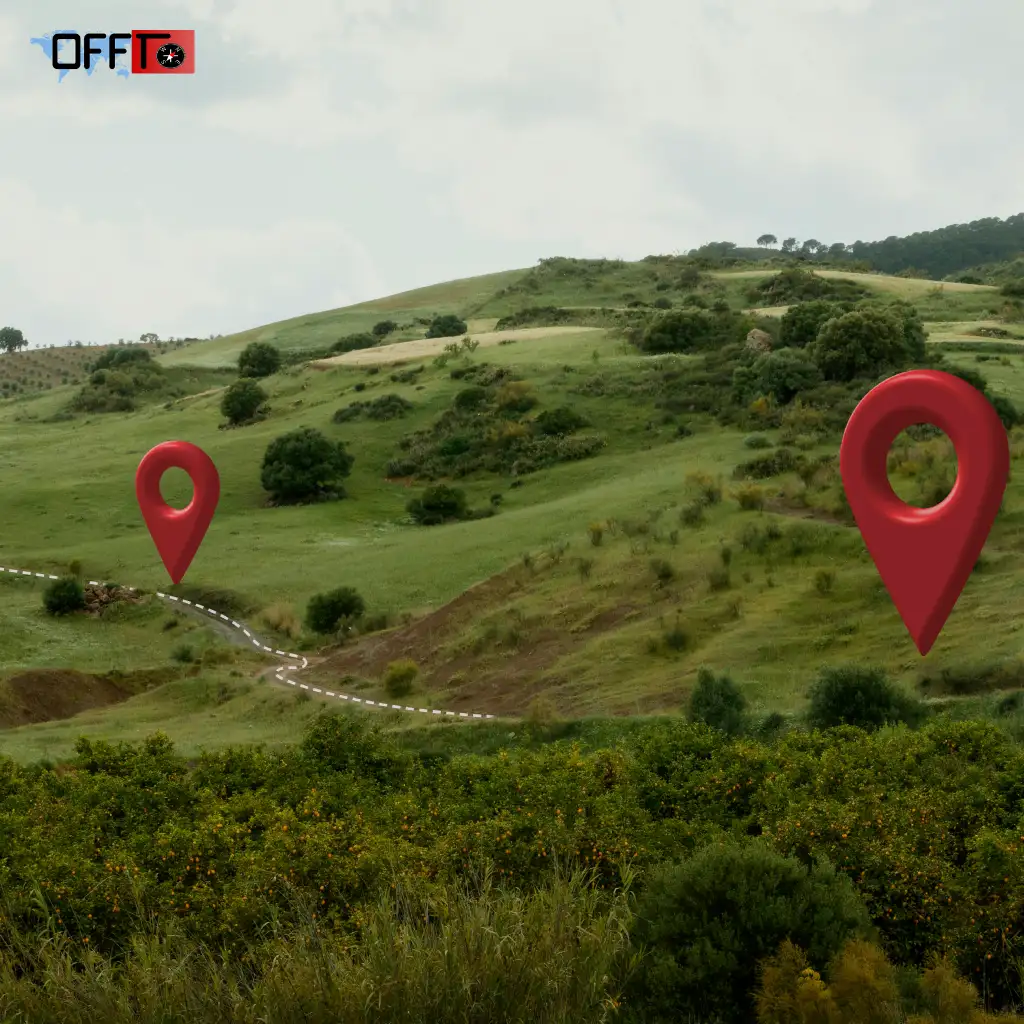
The Kuari Pass trek route takes trekkers through some of the most scenic landscapes in the Garhwal Himalayas. The trail gradually climbs from forested valleys near Joshimath to high ridgelines that offer breathtaking views of Himalayan peaks. Along the way, trekkers pass through alpine meadows, oak and rhododendron forests, and peaceful mountain campsites.
The route is well-defined and widely used by trekking groups, making it one of the most accessible Himalayan trekking trails. The journey eventually leads to the Kuari Pass summit, which provides panoramic views of peaks such as Nanda Devi, Dronagiri, Kamet, and Hathi-Ghoda Parvat.
Kuari Pass Trek Map and Route Overview
The Kuari Pass trek map generally follows a route beginning from Joshimath, a major trekking base in Uttarakhand. From here, trekkers travel to Dhak village before starting the actual trekking journey.
The route typically includes:
- Joshimath → Dhak Village (road transfer)
- Dhak Village → Gulling Top
- Gulling Top → Tali Forest Camp
- Tali → Kuari Pass Summit
The trail gradually gains altitude, which helps trekkers acclimatize comfortably while enjoying the surrounding Himalayan landscapes.
Major Campsites Along the Trek
Several scenic campsites make the Kuari Pass trek both comfortable and memorable.
Joshimath Base Camp
Joshimath acts as the primary base for the trek. Trekkers usually spend a night here to prepare for the journey and acclimatize before heading to the trailhead.
Dhak Village
Dhak village is the starting point of the trek. Located about 12 km from Joshimath, it marks the beginning of the mountain trail leading toward Kuari Pass.
Gulling Top
Gulling Top is the first major campsite on the trek. Surrounded by alpine meadows, it offers beautiful sunset and sunrise views of the surrounding Himalayan peaks.
Tali Forest Camp
This campsite is located within dense oak and rhododendron forests. The peaceful surroundings and mountain views make it one of the most scenic camping spots along the route.
Kuari Pass Summit
The summit is the highlight of the trek, offering spectacular panoramic views of the Garhwal Himalayan range.
Kuari Pass Trek Itinerary
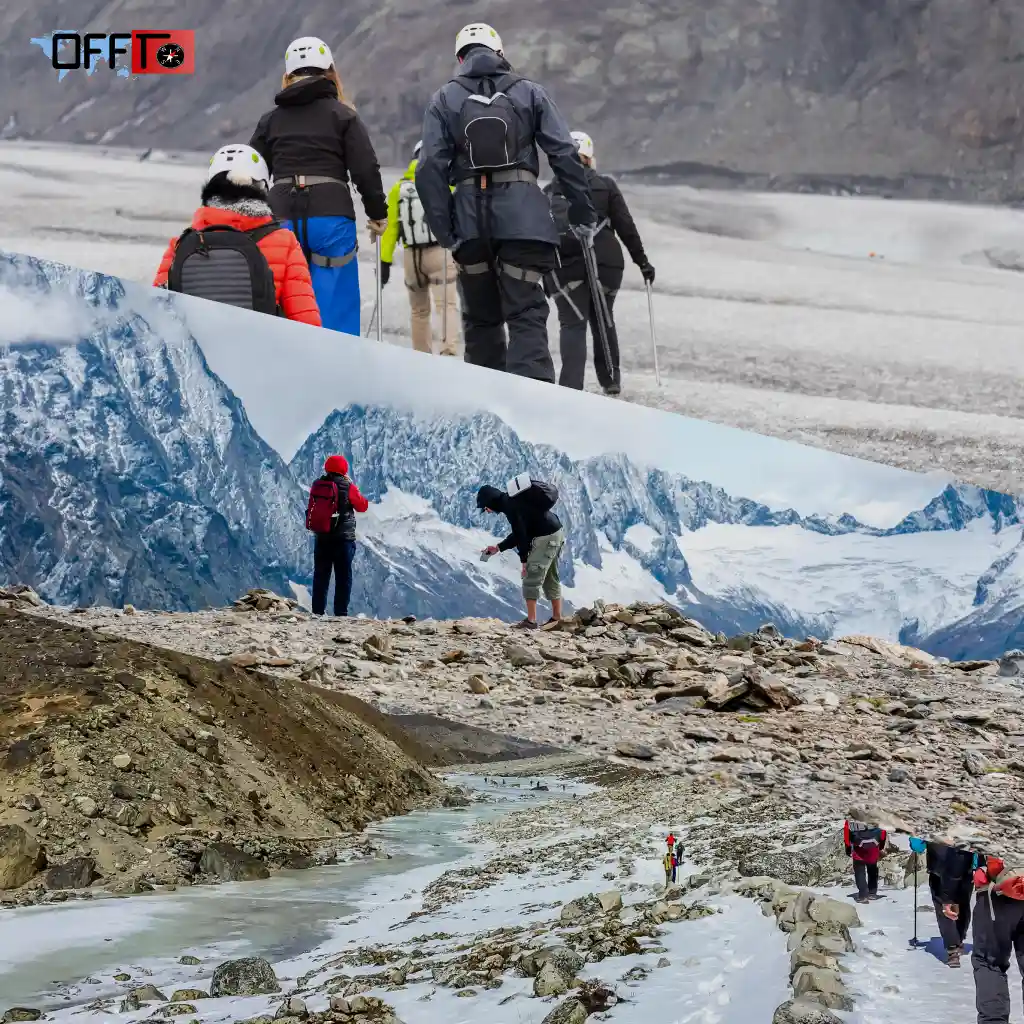
A well-planned Kuari Pass trek itinerary usually takes about five days to complete. The journey is designed to allow gradual altitude gain while giving trekkers enough time to enjoy the scenery and adapt to mountain conditions.
Day-by-Day Kuari Pass Trek Itinerary
Day 1: Rishikesh/Haridwar to Joshimath
The journey begins with a scenic drive from Rishikesh or Haridwar to Joshimath, covering approximately 250–270 km. The route follows the Alaknanda River and passes through several mountain towns. Trekkers typically reach Joshimath by evening and stay overnight to rest and prepare for the trek.
Day 2: Joshimath to Gulling Top
After breakfast, trekkers travel to Dhak village, the starting point of the trek. From here, the trail begins with a steady climb through forests and mountain paths. After several hours of trekking, the route reaches Gulling Top, where trekkers camp for the night.
Day 3: Gulling Top to Tali
The trail from Gulling Top to Tali Forest Camp passes through scenic meadows and dense oak forests. This section offers beautiful views of the surrounding mountains and is relatively moderate in difficulty. Trekkers reach Tali by afternoon and spend the night at the campsite.
Day 4: Kuari Pass Summit Trek
This is the most exciting day of the Kuari Pass trek. Trekkers start early in the morning and hike toward the summit of Kuari Pass. The final ascent reveals breathtaking views of major Himalayan peaks. After spending time at the summit, trekkers return to the campsite.
Day 5: Return to Joshimath
On the final day, trekkers descend back to Dhak village and drive to Joshimath. The trek officially concludes here, with many travelers continuing their journey back to Rishikesh or Haridwar.
Himalayan Peaks Visible from Kuari Pass
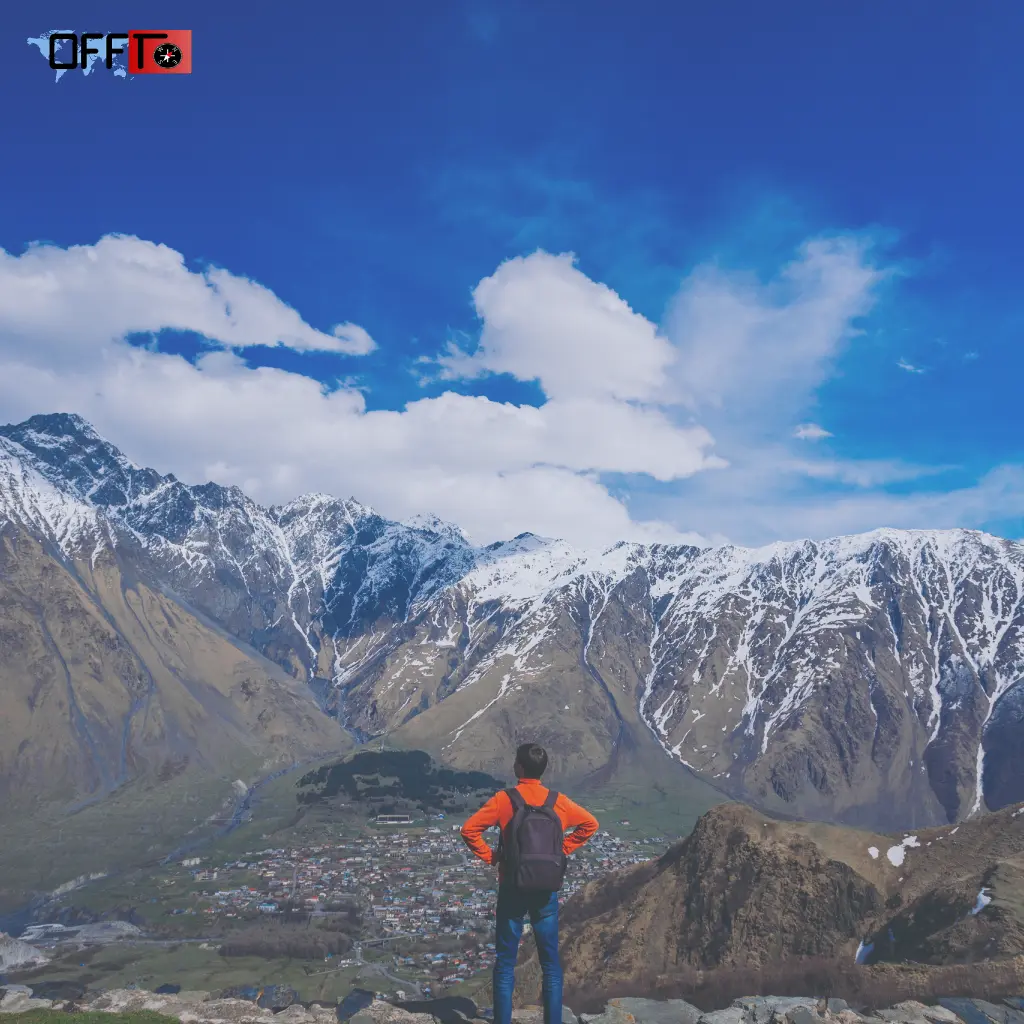
One of the biggest highlights of the Kuari Pass trek is the breathtaking view of several iconic Himalayan peaks. Because the pass sits on an open ridge in the Garhwal Himalayas, trekkers are rewarded with a dramatic panoramic skyline of snow-covered mountains. On clear days, the horizon is filled with towering peaks that dominate the landscape and create one of the most memorable viewpoints in Uttarakhand.
Many trekkers consider the summit of Kuari Pass one of the best natural viewpoints in the region because it offers uninterrupted views of multiple Himalayan giants. Watching sunrise over these peaks is often the most magical moment of the entire trek.
Nanda Devi
Nanda Devi is the most prominent peak visible from Kuari Pass. Standing at 7,816 meters, it is the second-highest mountain in India and one of the most revered peaks in the Himalayas. The mountain forms the centerpiece of the Nanda Devi Sanctuary and appears majestic when viewed from the Kuari Pass summit.
Trekkers often spend time admiring the massive twin peaks of Nanda Devi rising above the surrounding valleys.
Dronagiri Peak
Dronagiri Peak, also known as Dunagiri, is another striking mountain visible during the Kuari Pass trek. With an elevation of 7,066 meters, the peak is known for its steep ridges and dramatic snow-covered slopes.
The mountain also holds cultural significance in local mythology and is considered sacred in many Himalayan traditions.
Kamet
Kamet is one of the highest mountains in the Garhwal Himalayas, standing at 7,756 meters. It lies near the Tibetan border and appears as a massive snow pyramid when seen from Kuari Pass.
Because of its towering height and isolation, Kamet stands out clearly among the surrounding peaks.
Hathi-Ghoda Parvat
Hathi-Ghoda Parvat is a distinctive mountain formation visible from the pass. The name translates to “Elephant and Horse Mountain,” referring to the unique shape of its twin peaks.
Although smaller than Nanda Devi or Kamet, the mountain adds character to the Himalayan panorama seen during the Kuari Pass trek.
Things to Experience on Kuari Pass Trek
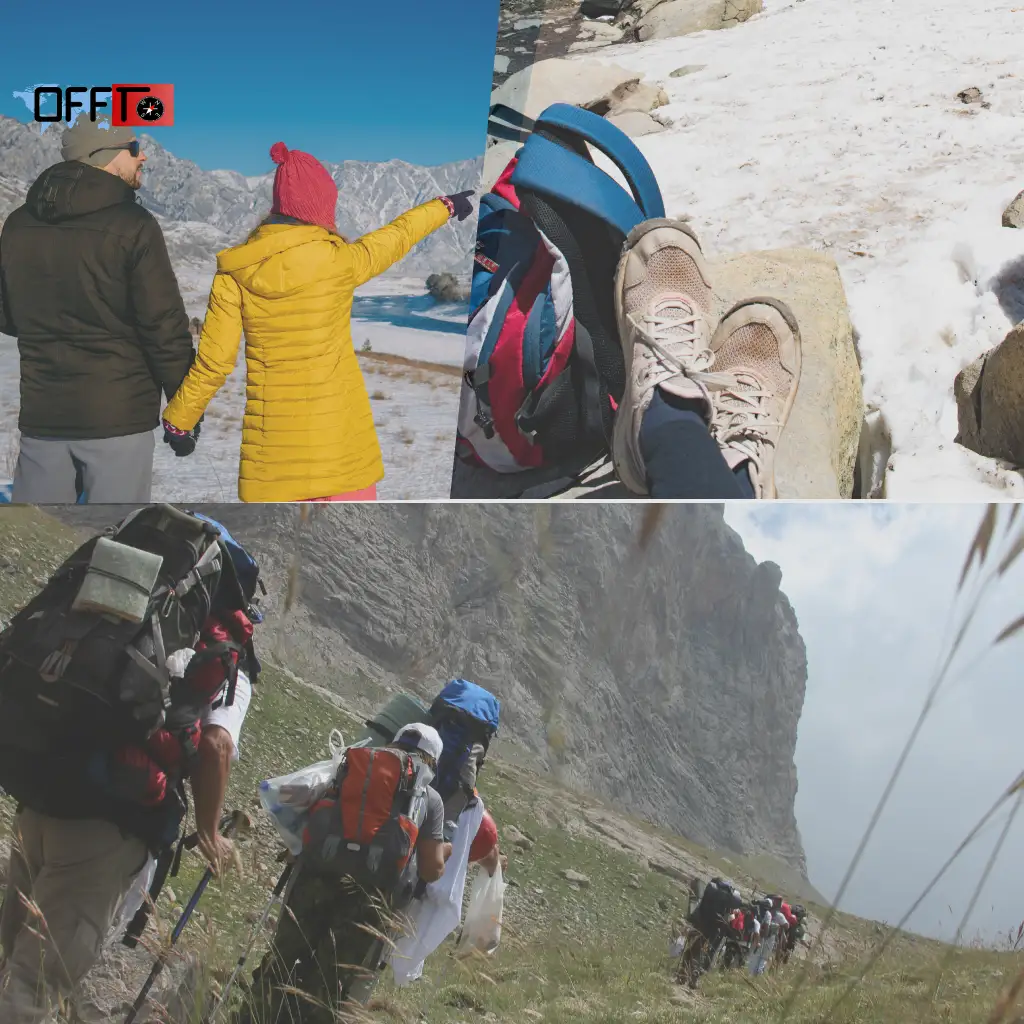
The Kuari Pass trek offers much more than simply reaching a mountain summit. The journey itself is filled with unforgettable experiences that showcase the natural beauty of the Garhwal Himalayas. From panoramic mountain views to peaceful forest camps, the trek provides a complete Himalayan adventure for nature lovers and trekkers alike.
Panoramic Himalayan Views
One of the most memorable experiences on the Kuari Pass trek is witnessing the vast Himalayan panorama along the trail. As trekkers climb higher, the landscape opens up to reveal a spectacular skyline of snow-covered mountains.
Some highlights include:
- Clear views of Nanda Devi, Dronagiri, Kamet, and Chaukhamba
- Stunning sunrise and sunset views from mountain camps
- Endless ridgelines and deep Himalayan valleys
These dramatic views make the trek one of the most visually rewarding journeys in Uttarakhand.
Snow Trekking in Winter
Winter transforms the Kuari Pass trek into a magical snow adventure. From December to February, the forests and meadows along the trail become covered in snow, creating a pristine alpine landscape.
Trekkers walking through snow-covered trails experience:
- White forest landscapes
- Frozen ridgelines and icy streams
- Crisp winter skies with excellent mountain visibility
Snow trekking adds a completely different dimension to the journey and attracts adventure travelers seeking a true Himalayan winter experience.
Camping in Oak and Rhododendron Forests
Another unforgettable part of the trek is camping in peaceful Himalayan forests. Many campsites along the Kuari Pass trek route are surrounded by ancient oak and rhododendron trees.
These camps offer a unique mountain experience:
- Quiet forest surroundings
- Clear night skies filled with stars
- Fresh mountain air and peaceful atmosphere
Camping in these high-altitude forests allows trekkers to fully immerse themselves in the natural beauty of the Himalayas.
Kuari Pass Trek Package and Cost

Planning the Kuari Pass trek often involves choosing a trekking package that covers logistics, accommodation, and essential support during the journey. Because the trek takes place in remote Himalayan terrain, many travelers prefer guided packages that simplify transportation, camping arrangements, and safety management. Trek operators usually organize everything from base camp stays to meals and professional trek leaders.
The Kuari Pass trek package is designed to provide a structured trekking experience while allowing travelers to enjoy the scenery without worrying about logistics. Packages usually follow a fixed itinerary that includes transportation to the base village, camping equipment, and guided trekking support.
What is Included in Kuari Pass Trek Packages
Most Kuari Pass trek packages include essential services required for the trek. Typical inclusions are:
- Accommodation in Joshimath base camp
- Camping tents during the trek
- All meals during trekking days
- Professional trek guides and support staff
- Trekking permits and entry fees
- Sleeping bags and camping equipment
Some packages may also include transportation from Rishikesh or Haridwar to Joshimath, depending on the trekking operator.
Average Kuari Pass Trek Cost
The Kuari Pass trek cost varies depending on the operator, services included, and trekking season. On average, a standard 5–6 day trekking package costs between:
- ₹8,000 to ₹15,000 per person
Factors that influence pricing include:
- Trek duration
- Quality of camping equipment
- Transportation services
- Group size and guide support
Places to Visit Near Kuari Pass
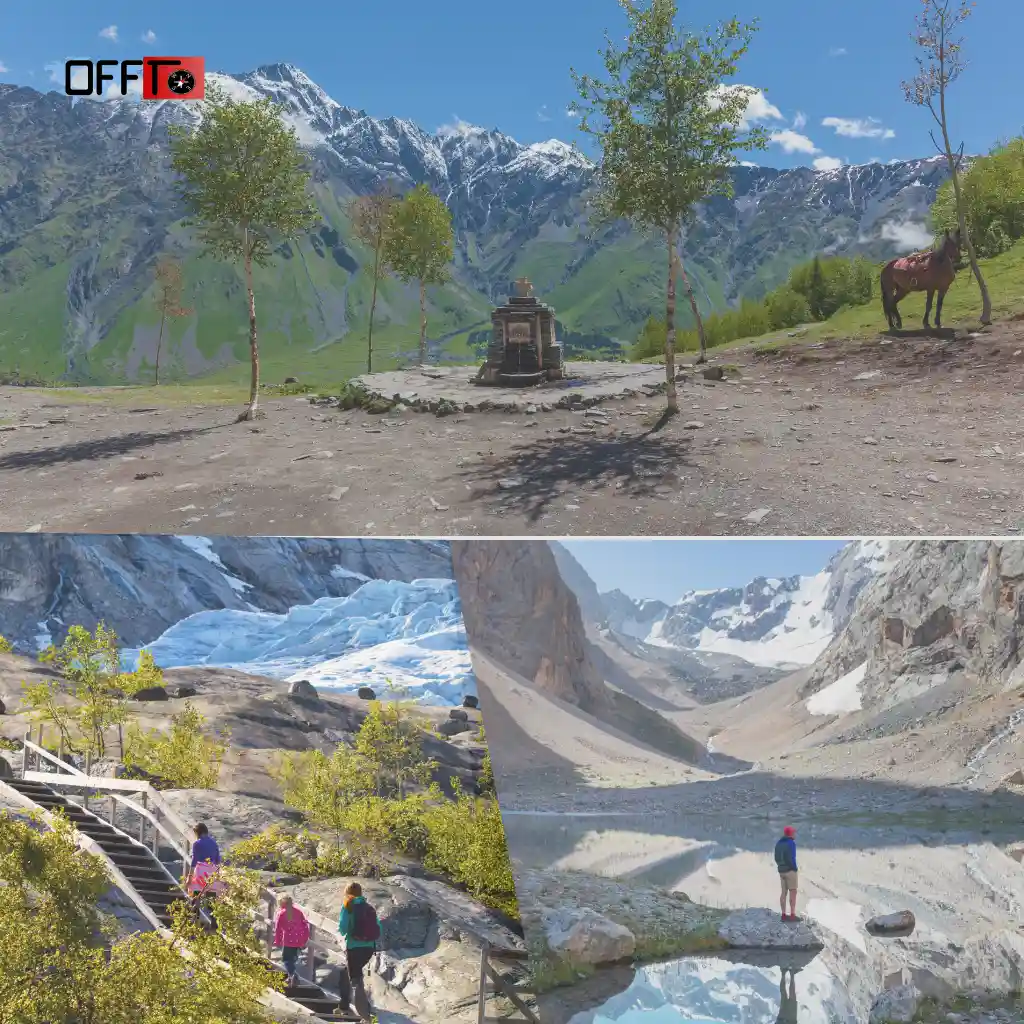
The region surrounding Kuari Pass is home to several beautiful Himalayan destinations. Travelers often combine the trek with visits to nearby towns, ski resorts, and sacred pilgrimage sites. These places add cultural, spiritual, and scenic experiences to the overall journey.
Joshimath
Joshimath is the primary base town for the Kuari Pass trek. Located at an altitude of about 1,875 meters, it serves as an important gateway for several Himalayan treks and pilgrimages.
The town is known for its scenic mountain views, temples, and access to nearby destinations. Many trekkers spend a night here before beginning the trek.
Auli
Auli is one of the most famous ski destinations in India and lies close to Joshimath. Known for its snow-covered slopes and panoramic Himalayan views, Auli attracts visitors throughout the year.
During winter, it becomes a popular destination for skiing and snow activities. The cable car ride from Joshimath to Auli also offers spectacular mountain views.
Nanda Devi National Park
Located within the larger Nanda Devi Biosphere Reserve, this national park is one of the most protected and ecologically rich regions in the Himalayas. The park is famous for its diverse wildlife, alpine meadows, and dramatic mountain landscapes.
The towering Nanda Devi peak dominates the region and is considered sacred in local traditions.
Badrinath Temple
Badrinath Temple is one of the most important pilgrimage sites in India and forms part of the Char Dham Yatra. Located along the Alaknanda River, the temple is dedicated to Lord Vishnu.
Many travelers visiting the Kuari Pass trek extend their journey to Badrinath, combining adventure trekking with a spiritual Himalayan experience.
How to Reach Kuari Pass Trek
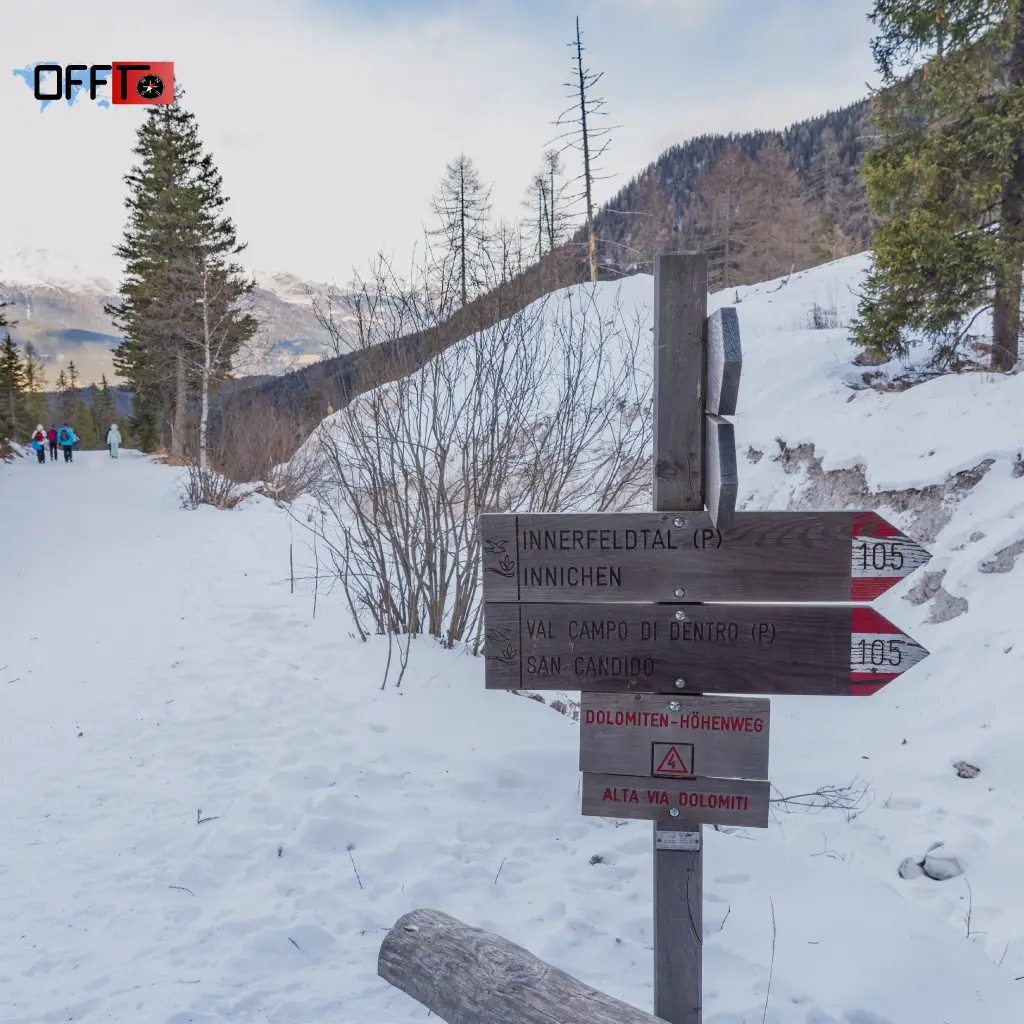
Reaching the starting point of the Kuari Pass trek is relatively straightforward compared to many remote Himalayan treks. The journey usually begins at Joshimath, a mountain town in Uttarakhand that serves as the base camp for several treks in the Garhwal Himalayas. From Joshimath, trekkers travel to Dhak village, which is the common starting point of the trekking trail.
Reaching Joshimath Base Camp
To reach the base for the Kuari Pass trek, travelers first need to arrive in Rishikesh, Haridwar, or Dehradun. These cities act as the main entry points to the Garhwal Himalayas.
From there, the journey continues by road toward Joshimath. Travelers can use:
- Shared taxis or private cabs
- State-run buses from Rishikesh or Haridwar
- Trek operator transportation services
Distance from Major Cities
Below are approximate travel distances to help plan the Kuari Pass trek journey:
Rishikesh to Joshimath distance
- Distance: Around 250 km
- Travel time: 9–10 hours by road
- Route passes through Devprayag, Rudraprayag, and Karnaprayag.
Haridwar to Joshimath distance
- Distance: Around 270 km
- Travel time: 10–11 hours by road
- Haridwar is one of the most common starting points for trekkers.
Delhi to Joshimath distance
- Distance: Approximately 500 km
- Travel time: 14–16 hours depending on the route and road conditions.
- Travelers usually reach Haridwar or Rishikesh first before continuing to Joshimath.
Where to Stay During Kuari Pass Trek
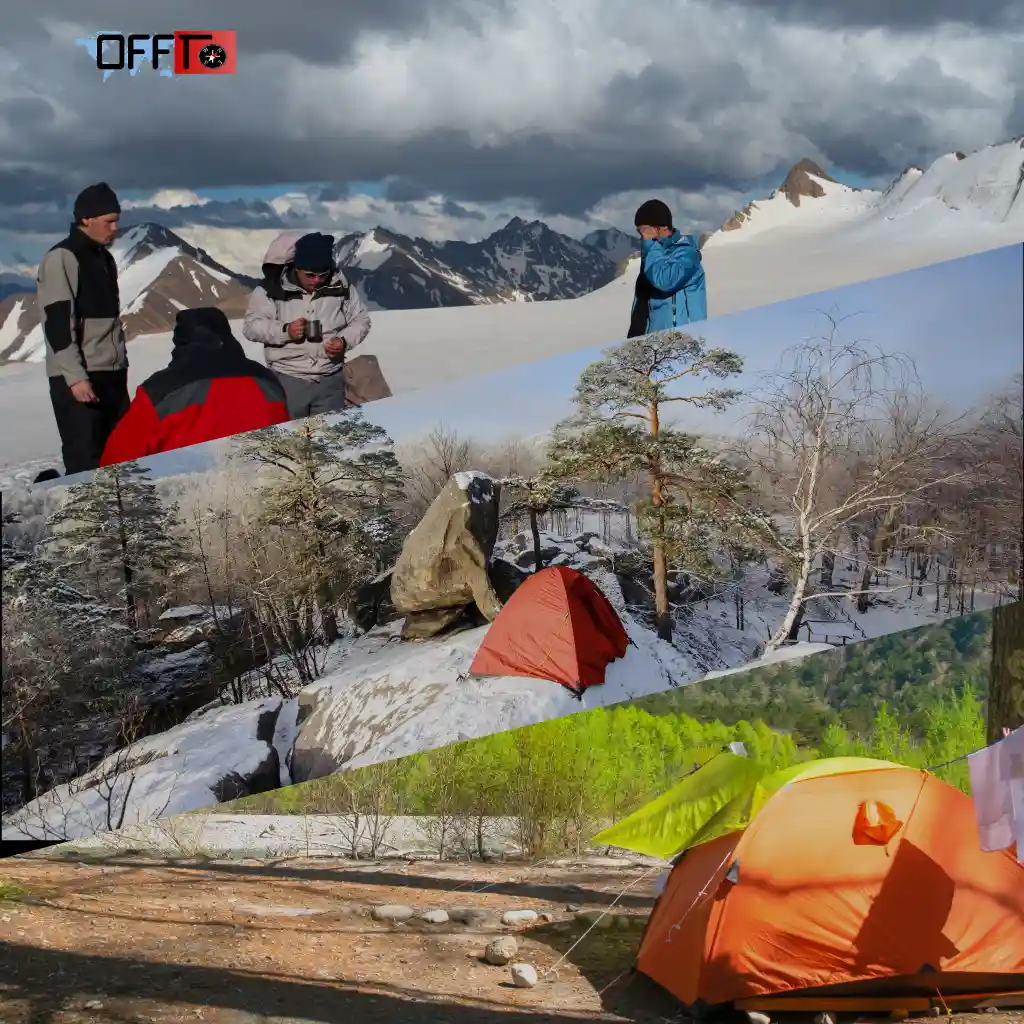
Accommodation during the Kuari Pass trek typically includes a mix of guesthouses in the base town and camping during the trekking days. Because the trek passes through remote mountain terrain, most overnight stays on the trail are organized at designated campsites.
Accommodation in Joshimath
Joshimath offers several accommodation options for trekkers preparing for the journey. Travelers can find:
- Budget guesthouses
- Mid-range hotels
- Trekking lodges
- Homestays run by local families
Camping During the Trek
Camping is a major part of the Kuari Pass trek experience. Most trekking routes include overnight camps at scenic locations such as Gulling Top and Tali.
Camping during the trek usually includes:
- Tents for sleeping
- Dining tents for meals
- Sleeping bags and insulated mats
- Meals prepared by trekking staff
These campsites are often located in beautiful alpine meadows or forest clearings, offering peaceful surroundings and incredible views of the Himalayan mountains.
Travel Tips for Kuari Pass Trek

Preparing well for the Kuari Pass trek can make the experience safer and far more enjoyable. Since the trek takes place in the high-altitude environment of the Garhwal Himalayas, proper planning, the right gear, and basic trekking awareness are important. Weather conditions, temperature changes, and long walking hours can challenge first-time trekkers, but good preparation helps ensure a comfortable journey.
Packing Essentials for Kuari Pass Trek
Carrying the right gear is essential for completing the Kuari Pass trek comfortably. Because the Kuari Pass temperature can drop significantly at night, warm clothing and proper trekking equipment are necessary.
Important packing items include:
- Warm layered clothing (thermal wear, fleece jackets, down jackets)
- Waterproof jacket and rain protection
- Trekking shoes with strong grip
- Woolen gloves, cap, and warm socks
- Sunglasses and sunscreen for high-altitude sun exposure
- A sturdy backpack and water bottles
Trekking Tips for Beginners
The Kuari Pass trek is considered beginner-friendly, but it still requires preparation and the right approach. First-time trekkers should focus on maintaining a steady pace and conserving energy during the climb.
Helpful tips include:
- Walk slowly and maintain a consistent trekking pace
- Stay hydrated throughout the trek
- Take short breaks instead of long stops
- Follow the instructions of your trek guide
A steady and relaxed approach helps trekkers adapt to altitude and enjoy the scenery along the trail.
Altitude and Safety Tips
Altitude awareness is important when trekking in the Himalayas. Since the Kuari Pass height reaches around 3,820 meters, trekkers may experience mild altitude discomfort if they ascend too quickly.
To stay safe during the trek:
- Allow time for proper acclimatization
- Avoid overexertion on steep sections
- Inform guides immediately if you feel dizziness or fatigue
- Carry basic first aid and personal medications
Following these precautions helps ensure a safe and memorable Kuari Pass trek experience.
FAQs
What is the history of Kuari Pass trek?
The Kuari Pass trek has historical roots linked to Lord Curzon, the former Viceroy of India, who popularized this trekking route in the early 1900s. Because of this connection, the trail is often called the Curzon Trail, known for its scenic Himalayan views.
Why is Kuari Pass famous?
Kuari Pass is famous for its panoramic Himalayan views, especially of peaks like Nanda Devi, Dronagiri, and Kamet. The trek is also popular because it offers a classic Himalayan trekking experience with forests, meadows, and snow trails suitable for beginners.
What is the Kuari Pass also known as?
Kuari Pass is also known as the Curzon Trail, named after Lord Curzon who explored the region. The route gained recognition during the British era and later became one of the most well-known trekking trails in the Garhwal Himalayas.
What is the height of Kuari Pass?
The Kuari Pass height is approximately 3,820 meters (12,533 feet) above sea level. At this altitude, trekkers can enjoy wide views of the Garhwal Himalayan range and several prominent peaks surrounding the region.
What is the distance of Kuari Pass trek?
The Kuari Pass trek distance is roughly 30 to 33 kilometers depending on the chosen trekking route. The trek usually starts from Dhak village near Joshimath and passes through campsites like Gulling Top and Tali before reaching the summit.
What is the best time for Kuari Pass trek?
The best time for Kuari Pass trek is from March to June and September to December. Spring and autumn offer clear mountain views, while winter months provide a snow-covered trekking experience ideal for those seeking a Himalayan snow trek.
What is the cost of Kuari Pass trek package?
The Kuari Pass trek cost generally ranges between ₹8,000 and ₹15,000 per person for a 5–6 day trekking package. The price depends on services included such as transportation, meals, camping equipment, and the trekking operator.
How difficult is Kuari Pass trek?
The Kuari Pass trek is considered a moderate-level Himalayan trek suitable for beginners with basic fitness. The trail includes gradual ascents through forests and alpine meadows, making it manageable for first-time trekkers with proper preparation.
How many days are required for Kuari Pass trek?
Most trekking itineraries for the Kuari Pass trek take 5 to 6 days to complete. This includes travel to Joshimath, trekking through campsites, reaching the Kuari Pass summit, and returning to the base town.
Which peaks are visible from Kuari Pass?
From the Kuari Pass summit, trekkers can see several famous Himalayan peaks including Nanda Devi, Dronagiri, Kamet, and Hathi-Ghoda Parvat. These panoramic mountain views are one of the main highlights of the trek.
Know more >>>
Best Places to Visit in South Goa (Beaches, Forts & Hidden Gems)
Best Time to Visit Jibhi – Weather, Snowfall & Travel Guide
Plan Your Kuari Pass Trek with Offto Travellers
Planning a Himalayan adventure like the Kuari Pass trek becomes easier when you have the right platform to explore destinations, find reliable travel information, and connect with fellow travelers. Instead of searching across multiple websites for treks, stays, and experiences, modern travelers prefer a single place that helps them plan their trips more efficiently.
Offto Travellers is designed as a new-age travel platform where you can discover unique destinations, explore detailed travel guides, and connect with a growing community of travelers who share real experiences from across India and beyond. Whether you are planning your first Himalayan trek or looking for your next mountain adventure, Offto helps simplify the journey.
With Offto, travelers can:
- Discover Himalayan treks like the Kuari Pass trek and other scenic mountain trails
- Connect with fellow travelers and explore real travel stories and recommendations
- Plan adventure trips with curated travel insights and destination guides
- Book hotels, holiday packages, and trekking experiences in one place
Best experienced on the Offto Travellers app
Instead of spending hours researching different platforms, Offto brings travel inspiration, planning tools, and bookings together. This makes it easier for explorers to turn travel ideas into real adventures.
If the Kuari Pass trek has inspired your next mountain journey, you can start planning it today. Discover more treks, save travel ideas, and explore new destinations with Offto Travellers — a modern platform built for curious travelers who want to explore the world more meaningfully.
Play StoreApp Store
Leave a Reply