
Kottiyoor Temple is an ancient Lord Shiva temple in Kerala, renowned for its rich history and vibrant festival. Learn how to visit, what to expect during the Kottiyoor Temple festival, and everything you need to plan your journey.
Introduction to Kottiyoor Temple
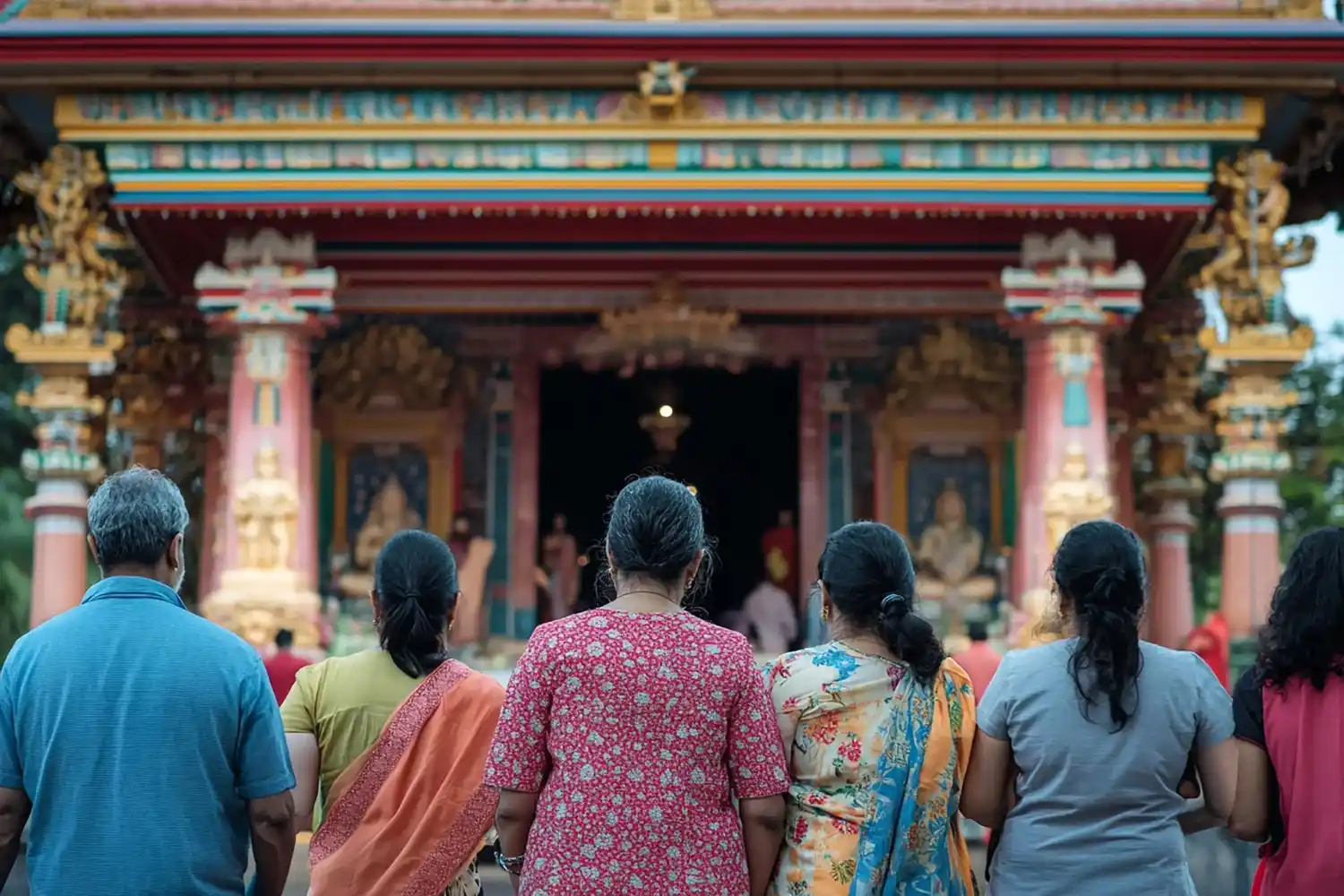
Kottiyoor Temple, tucked away in the heart of Kerala’s Western Ghats, is an ancient, revered Lord Shiva temple. Known for its spiritual aura, it attracts pilgrims and tourists alike, seeking both divine connection and an exploration of Kerala’s rich cultural heritage. The temple is not only a center of spiritual activity but also holds immense historical importance, making it one of the must-visit destinations in Kerala.
Spiritual Significance of Kottiyoor Temple
Kottiyoor Temple stands out as one of the most sacred shrines dedicated to Lord Shiva. It is said to be blessed by Parasurama, one of the avatars of Vishnu, who is believed to have established many temples across Kerala. Kottiyoor is unique because of its association with Lord Shiva’s manifestation as Vishwanath, the supreme form of the god. The spiritual journey to the temple feels special, as it is nestled in the middle of dense forests, allowing pilgrims to connect not only with the divine but also with nature.
The temple’s rituals, steeped in ancient traditions, honor Lord Shiva’s divine presence. Many devotees visit to seek spiritual solace or to perform rituals for prosperity and well-being. The temple is especially popular during the Kottiyoor Vysakha Mahotsavam, an annual festival that brings thousands of devotees from all over Kerala. The tranquil surroundings combined with the sacred atmosphere make it an extraordinary place of worship, where both first-time visitors and lifelong devotees find peace and spiritual enrichment.
A Sacred Connection to Lord Shiva
The connection between Kottiyoor Temple and Lord Shiva is central to the temple’s significance. As one of the oldest Shiva temples in the region, it represents a deep spiritual connection to the god. The rituals performed here are part of ancient Shaiva traditions, believed to have been practiced for centuries. The temple is not just a site of worship but also a symbol of the eternal bond between Lord Shiva and his devotees.
One of the unique aspects of the temple is its natural setting, surrounded by forests and hills. This connection to nature adds to the feeling of sacredness, with the temple representing both the divine and the natural world in harmony.
Historical Facts and Key Milestones
Kottiyoor Temple’s history dates back several centuries, with references to its origins found in ancient texts and local legends. While the temple’s precise founding date is unknown, some historians believe it was established around the 12th century, during the time when Kerala’s temples began to gain prominence. Inscriptions found near the temple mention royal patrons who contributed to its upkeep and development over time, reflecting its cultural and political importance.
The architecture of the temple is a testament to Kerala’s traditional temple styles, with intricate wood carvings and a natural stone structure that blends seamlessly with its lush surroundings. These features, along with its unique rituals, have made Kottiyoor Temple a significant part of Kerala’s heritage.
The temple’s historical significance also lies in its association with the Kottiyoor Vysakha Mahotsavam, which has been celebrated for centuries. The festival, which attracts pilgrims from all corners of Kerala, continues to preserve the temple’s historical and cultural identity, showcasing the living traditions that have been handed down through generations.
Kottiyoor Temple History
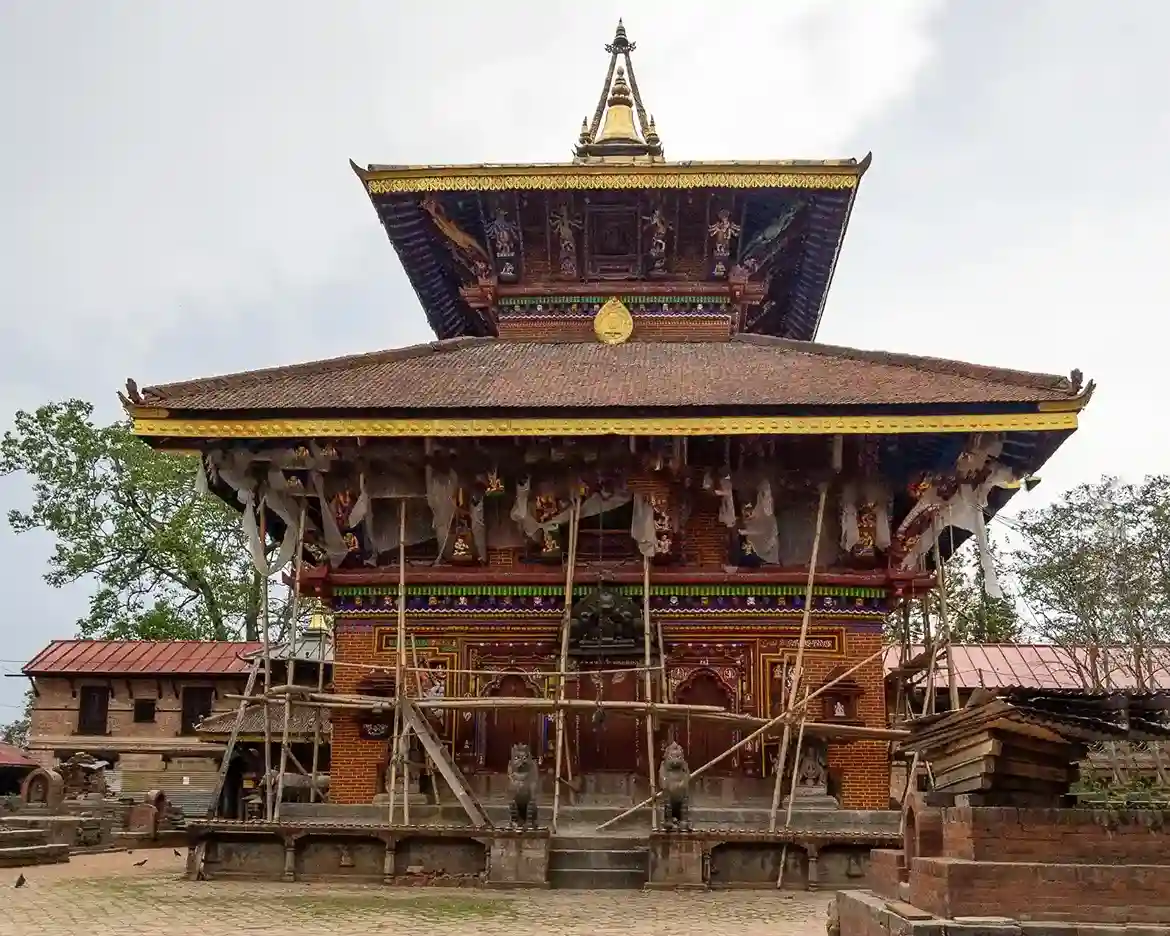
The history of Kottiyoor Temple is as ancient as the hills that surround it. This sacred temple, dedicated to Lord Shiva, has deep roots in both mythology and history, making it one of Kerala’s most cherished pilgrimage sites. The origins of Kottiyoor Temple are intertwined with divine tales, local legends, and historical milestones that have shaped its significance over time.
Origins of Kottiyoor Temple
The establishment of Kottiyoor Temple is believed to date back to the mythological era, long before Kerala’s recorded history. According to ancient legends, the temple was created by Sage Parasurama, one of the avatars of Vishnu, who is believed to have reclaimed the land of Kerala from the sea. It is said that Sage Parasurama established many temples across the region to honor the gods, with Kottiyoor Temple being one of the most revered.
The temple is considered one of the oldest Shiva shrines in the region, with its spiritual and cultural roots firmly planted in ancient Kerala. Over the centuries, it has evolved, with contributions from local kings and devotees who expanded and renovated the temple to ensure its preservation.
Historical Milestones
Kottiyoor Temple’s history is marked by several milestones that reflect the cultural and religious evolution of the region. The earliest known inscriptions at the temple date back to the 12th century, which mention royal patrons and priestly lineages associated with the temple. These records indicate that the temple had been a center of worship and rituals for generations.
During the reign of the Zamorin dynasty (from the 14th to the 18th century), Kottiyoor Temple saw significant growth and renovation. The royal family contributed to its development, ensuring that the temple became an important pilgrimage site for devotees from across Kerala and beyond. The temple’s festivals during this time, particularly the Vysakha Mahotsavam, began to draw large crowds of worshippers, establishing Kottiyoor as a prominent spiritual hub.
In the modern era, the temple has remained a vibrant center of worship, continuing its centuries-old traditions while adapting to contemporary needs. Today, it serves as a testament to the religious resilience of the region, with ongoing efforts to preserve its rituals, architecture, and legacy.
Mythology and Significance of Kottiyoor Temple
The mythological significance of Kottiyoor Temple is rooted in the belief that it is a sacred place where Lord Shiva manifested in his divine form to bless his devotees. The temple’s connection to Shiva is central to its spiritual importance, as it represents a sacred space where devotees come to seek blessings for prosperity, health, and spiritual fulfillment.
According to local legend, the temple is one of the five major Shiva temples that are believed to have been created by Lord Shiva himself, symbolizing his presence on Earth. The mythology surrounding Kottiyoor Temple is interwoven with stories of divine intervention and ritualistic offerings that were meant to please the gods. These ancient tales continue to inspire and guide the pilgrims who visit the temple today.
Lord Shiva’s Manifestation as Vishwanath
One of the most prominent mythological beliefs associated with Kottiyoor Temple is its connection to Lord Shiva as Vishwanath, the supreme form of Shiva. In this form, Lord Shiva is believed to be the eternal, all-pervading force of the universe. Devotees believe that visiting Kottiyoor Temple, particularly during special rituals and festivals, helps them align with the divine presence of Shiva and experience a deep spiritual connection.
The temple’s unique setting in the forested hills further enhances its mythological significance. Many legends suggest that Shiva chose this secluded, natural environment to manifest his presence, making it not only a sacred space but also a symbol of divine energy and power.
The Sacred Rituals and Offerings
The rituals performed at Kottiyoor Temple are deeply rooted in Shaiva traditions, which date back to ancient times. Pilgrims who visit the temple engage in various forms of worship, such as Abhishekam (ritual bathing of the idol), Pooja (ritual prayers), and Yajnas (fire sacrifices). These rituals are believed to invoke the blessings of Lord Shiva, bringing spiritual benefits and divine protection to the worshippers.
The Vysakha Mahotsavam, the annual festival, is one of the most significant events held at the temple, and it attracts thousands of devotees each year. This festival celebrates the manifestation of Lord Shiva and is marked by grand processions, ritual dances, and devotional songs that highlight the temple’s rich cultural traditions.
Here’s the content for the sections Kottiyoor Temple Festival, Vysakha Mahotsavam, Kottiyoor Temple Timings, and Best Times to Visit Kottiyoor Temple. I have provided in-depth information while maintaining SEO optimization and engaging language to ensure readers find value in the content.
Kottiyoor Temple Festival
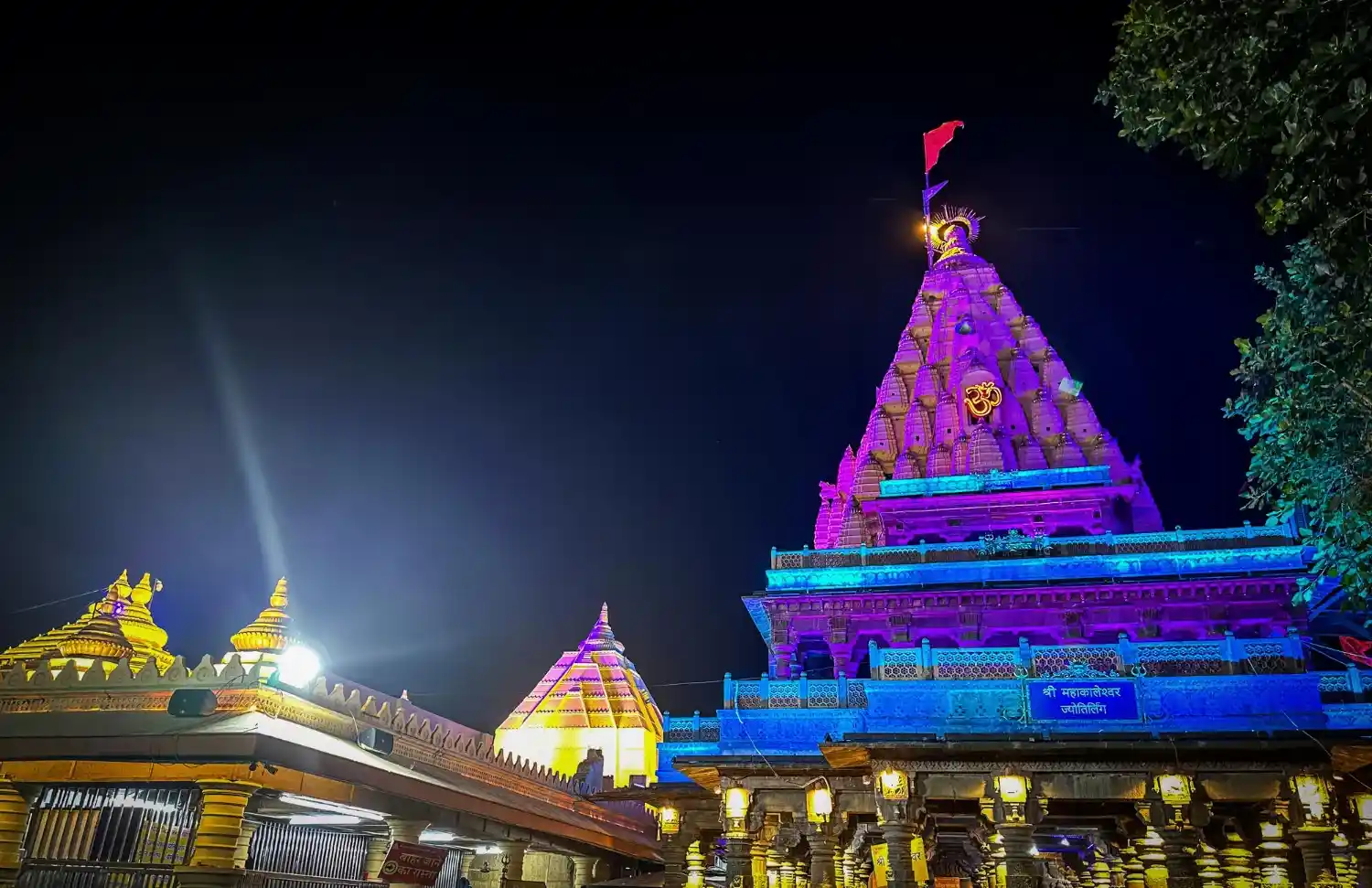
The Kottiyoor Vysakha Mahotsavam is the largest and most significant festival celebrated at Kottiyoor Temple. This grand event, dedicated to Lord Shiva, is a culmination of rituals, devotional offerings, and spiritual celebrations that attract thousands of devotees every year. The festival is celebrated annually during the Vysakha month of the Malayalam calendar (approximately April–May), making it a must-visit for those looking to experience Kerala’s rich religious traditions.
Festival Dates & Duration
The Vysakha Mahotsavam usually takes place in the Vysakha month (April–May), which marks a special time for Shiva devotees. The exact dates vary each year based on the lunar calendar, so it’s important for pilgrims to check the temple’s official calendar or local listings for specific dates.
The festival lasts for seven days, with the final day being the most grandiose, featuring the biggest procession and various other rituals. During this period, the temple is vibrant with spiritual energy, and the local community and pilgrims come together in devotional fervor to honor Lord Shiva.
Rituals and Significance
The Vysakha Mahotsavam is characterized by its elaborate rituals, including daily poojas (prayers), Abhishekam (ritual bathing of the idol), and the lighting of lamps that symbolize the removal of darkness (ignorance) and the invocation of divine light. The rituals are performed by priests who follow traditional Shaiva practices, keeping the spiritual essence of the festival alive.
One of the most important events during the festival is the Shiva procession, where devotees carry divine offerings such as fruits, flowers, and coconut in ceremonial processions. The air is filled with devotional chants, and the sacred temple bells ring throughout the day, signaling the beginning and end of each ritual.
For pilgrims, the Vysakha Mahotsavam offers an opportunity to gain spiritual merit and seek blessings for prosperity, good health, and spiritual growth. The festival also provides a sense of community, with families and friends coming together to celebrate the divine presence of Lord Shiva.
Vysakha Mahotsavam - The Heart of the Festival
The Vysakha Mahotsavam is considered the heart of the festival due to its intricate rituals and spiritual significance. Devotees from Kerala and beyond participate in the rituals, which include:
Key Rituals
- Kettukazhcha: This is the grand procession featuring beautifully decorated effigies that represent the divine. This procession is accompanied by traditional musical performances, including the sounds of chenda drums and panchavadyam (a temple orchestra), adding a unique auditory dimension to the spiritual atmosphere.
- Vows and Offerings: Many devotees take vows to complete specific offerings such as carrying holy fire, chanting mantras, and performing acts of penance to seek Lord Shiva’s blessings.
- Poornakumbham and Arpana: These are the rituals of offering where devotees present holy water and fragrant flowers to the idol of Lord Shiva in the temple. The rituals are performed with intense devotion and are thought to purify the body and soul of the devotees.
The Procession and Cultural Celebrations
The most anticipated part of the festival is the Shiva procession, which culminates in the grandest celebration on the final day of the festival. This is where the spiritual significance of the festival reaches its peak. Devotees, dressed in traditional attire, carry the Shiva idol in a colorful procession around the temple grounds, accompanied by devotional music and dance performances that represent the vibrant cultural traditions of Kerala.
The final day also features a mass prayer ceremony, known as Mahashivaratri, where the entire temple complex is lit with oil lamps and a large fire is lit as an offering to Lord Shiva. This is one of the most powerful spiritual experiences, as the entire temple resonates with the energy of devotion and divine light.
Festivals and Poojas: What to Expect
During the Vysakha Mahotsavam, the temple is abuzz with activities:
- Early morning poojas followed by Abhishekam.
- Chanting of sacred mantras, invoking Lord Shiva’s presence.
- Prasadam offerings, where devotees receive blessed food after participating in rituals.
- Chendamelam (traditional drum ensemble) performances that add energy to the atmosphere.
- Evening Aarti, where thousands of lamps light up the temple premises, symbolizing the divine presence.
Kottiyoor Temple Timings
Kottiyoor Temple operates on a specific schedule, with timings that vary slightly during festivals. The temple is open daily for devotees, but if you’re planning to attend the Vysakha Mahotsavam, it’s essential to check the special timings for the festival season.
Regular Temple Timings
- Morning: 5:00 AM – 11:30 AM
- The temple opens early for darshan (viewing the deity), followed by rituals and poojas.
- The temple opens early for darshan (viewing the deity), followed by rituals and poojas.
- Afternoon: 4:00 PM – 7:00 PM
- The temple reopens for evening prayers and rituals, including Abhishekam and Aarti.
- The temple reopens for evening prayers and rituals, including Abhishekam and Aarti.
- Evening: 7:00 PM – 8:30 PM
The temple remains open for final devotional offerings and prayers.
These timings ensure that pilgrims and visitors have ample time to perform their rituals and engage in spiritual practices. If you plan to visit outside the festival period, the timings are consistent, and you can visit at your convenience within these hours.
During Festivals (Special Timings)
- Morning: 4:00 AM – 12:00 PM
- Due to the festival’s significance, the temple opens earlier for special rituals and processions.
- Afternoon: 1:00 PM – 3:00 PM
- During this period, devotees participate in the main pooja ceremonies.
- Evening: 6:00 PM – 9:00 PM
The evening pooja and final Aarti during festivals run longer to accommodate the larger crowds.
Best Times to Visit Kottiyoor Temple
Kottiyoor Temple can be visited year-round, but the best times to visit depend on the weather, crowd preferences, and the festival season.
Best Time to Visit for Spiritual Serenity
- Monsoon (June to September): If you prefer a more peaceful experience with fewer crowds, visiting during the monsoon months allows you to experience the temple in a tranquil atmosphere. However, rain can make travel difficult, so be prepared for wet conditions.
Best Time to Visit for Festival Enthusiasts
- April to May (Vysakha Mahotsavam): This is the highlight of the year for Kottiyoor Temple. If you want to witness the grand festival, this is the best time to visit. Expect larger crowds, a vibrant atmosphere, and a deeper connection to the cultural and spiritual traditions of Kerala.
Avoiding Crowds
- Post-Festival (June to August): After the main festival season, the temple sees a slight dip in the number of visitors, making it an ideal time for those seeking a quieter experience without the festival crowds.
How to Reach Kottiyoor Temple

Kottiyoor Temple, nestled in the picturesque landscape of North Kerala, is well-connected to several major cities in the region. While it’s located in a remote area, the temple is accessible via public transport, private vehicles, and trains. Here’s a step-by-step guide on how to reach Kottiyoor Temple from Thalassery, Kannur, and other key locations in Kerala.
Directions from Major Cities
From Thalassery to Kottiyoor Temple
- By Car:
The quickest way to reach Kottiyoor Temple from Thalassery is by car. The drive typically takes 45 minutes to 1 hour, depending on traffic. The route is scenic, passing through lush forests and hilly terrain, offering a tranquil journey.
Directions from Thalassery:- Start from Thalassery Town → Head east towards Kottiyoor on State Highway 36 → Follow the signs leading to the temple entrance.
Google Maps Link: Directions from Thalassery to Kottiyoor Temple
- By Bus:
You can also take a public bus from Thalassery to Kottiyoor, which is a popular mode of transport for local pilgrims. Buses from Thalassery typically operate from the Thalassery Bus Station and pass through various local routes to reach the temple.- Thalassery to Kottiyoor Bus Timings:
Buses generally operate every 30 minutes during the day, with the last bus leaving around 7:00 PM. Check the local bus schedules for updates, as timings can vary based on the season.
- Thalassery to Kottiyoor Bus Timings:
Google Maps Link: Thalassery Bus Station to Kottiyoor Temple
From Kannur to Kottiyoor Temple
Kottiyoor Temple is about 50 kilometers from Kannur, another prominent city in North Kerala. Travel options include car, bus, and train.
- By Car:
The drive from Kannur to Kottiyoor Temple takes approximately 1.5 to 2 hours. The route involves State Highway 30 and leads you through scenic rural Kerala, with views of forests and villages.
Directions from Kannur:- Start from Kannur Railway Station → Drive south towards Iritty on State Highway 30 → Follow signs to Kottiyoor Temple.
Google Maps Link: Directions from Kannur to Kottiyoor Temple
- By Bus:
Public buses are available from Kannur to Kottiyoor, but it may require a change at Iritty or Peralassery, depending on the bus route. The bus ride takes around 2 hours and provides an affordable way for travelers to reach the temple.
Kannur to Kottiyoor Bus Timings: Buses run from Kannur Bus Station throughout the day, with services running every hour. The last bus departs around 6:30 PM. Confirm local schedules for exact timings.
Transportation Options
Traveling by Train
Though Kottiyoor does not have its own railway station, the nearest train station is Iritty, about 20 kilometers away from the temple. Iritty is well-connected to major cities in Kerala, including Kannur and Kozhikode. From Iritty, you can take a taxi or local bus to reach the temple.
- From Kannur:
- Kannur to Iritty: Trains from Kannur to Iritty are available throughout the day. The train ride takes about 40 minutes. From Iritty, you can hire a taxi or take a local bus for the remaining journey.
- From Kozhikode:
Kozhikode to Iritty: The train journey from Kozhikode to Iritty takes around 1.5 hours. From Iritty, taxis or buses can take you directly to the temple.
By Taxi or Self-Drive
Hiring a taxi or self-driving is the most comfortable option to reach the temple, especially if you are coming from a distant city or if you are traveling with a group. The journey by taxi allows flexibility in stopping at scenic spots and makes the trip more enjoyable.
- Cost Estimate:
- Kannur to Kottiyoor by taxi: Approx. INR 1,000 to 1,500 for a one-way trip.
- Thalassery to Kottiyoor by taxi: Approx. INR 500 to 800 for a one-way trip.
Travel Time Estimate
- Kannur to Kottiyoor: Approx. 1.5 to 2 hours by car.
- Thalassery to Kottiyoor: Approx. 45 minutes to 1 hour by car.
By Self-Drive
If you are comfortable driving, you can rent a car or bike in Kannur or Thalassery. The roads are relatively easy to navigate, and self-driving allows more freedom to explore the surrounding areas at your own pace. Ensure you have a GPS or Google Maps for easy directions.
- Car Rental: Car rentals are available in Kannur and Thalassery. Prices generally range from INR 1,200 to 2,500 per day, depending on the type of vehicle.
Google Maps Links for Directions
- Thalassery to Kottiyoor Temple: Directions from Thalassery to Kottiyoor Temple
- Kannur to Kottiyoor Temple: Directions from Kannur to Kottiyoor Temple
Here’s the content for Kottiyoor Wildlife Sanctuary and Nearby Attractions to Kottiyoor Temple. This section provides in-depth insights into the sanctuary and nearby attractions, while integrating SEO keywords to boost organic visibility.
Kottiyoor Wildlife Sanctuary

The Kottiyoor Wildlife Sanctuary is a stunning natural reserve located near Kottiyoor Temple. Spread across the Western Ghats in North Kerala, this sanctuary is rich in biodiversity, making it a haven for nature lovers and wildlife enthusiasts. The sanctuary is known for its lush forests, steep hills, and wide variety of flora and fauna that thrive in the region’s unique ecosystem. It is not just an extension of the temple’s spiritual significance but also a treasure trove of Kerala’s natural beauty.
Flora and Fauna in Kottiyoor Wildlife Sanctuary
The Kottiyoor Wildlife Sanctuary is home to a remarkable variety of flora and fauna. The sanctuary is part of the Idukki Wildlife Sanctuary and forms an integral part of the Western Ghats ecosystem, a UNESCO World Heritage site.
Flora
- Tropical Evergreen Forests: The sanctuary is mainly covered with tropical evergreen forests, consisting of dense trees like teak, rosewood, sandalwood, and bamboo.
- Medicinal Plants: The region is known for the presence of various medicinal plants that are used in traditional Ayurvedic
Fauna
- Mammals: The sanctuary is home to a variety of wildlife, including elephants, tigers, leopards, wild boars, and deer. It’s a paradise for those who want to witness these majestic creatures in their natural habitat.
- Birds: Birdwatchers will be delighted to find species such as hornbills, kingfishers, eagles, and various migratory birds.
- Reptiles: The sanctuary also houses a range of reptiles, including cobras, pit vipers, and monitor lizards, adding to its biodiversity.
This rich ecosystem makes Kottiyoor Wildlife Sanctuary a key area for conservation efforts, and it plays a vital role in preserving Kerala’s natural heritage.
Best Time to Visit Kottiyoor Wildlife Sanctuary
The best time to visit the Kottiyoor Wildlife Sanctuary is during the winter months (from November to February). During this period, the weather is cool and pleasant, making it ideal for trekking, wildlife sightings, and outdoor activities.
- Summer (March to May): While the temperature can soar, early mornings or late evenings are still good times to explore the sanctuary, as wildlife is more active during these cooler hours.
- Monsoon (June to September): The monsoon season brings heavy rains, which can make the sanctuary difficult to explore due to slippery trails and limited visibility. However, nature enthusiasts may enjoy the lush green landscapes during this period.
Wildlife & Nature Around Kottiyoor
Kottiyoor Wildlife Sanctuary is not just a place for wildlife sightings but also a trekker’s paradise. The sanctuary offers ample opportunities for trekking through its rugged terrains and dense forests. Here’s what you can expect:
Notable Animals
- Asian Elephant: The Asian elephant is one of the most iconic residents of Kottiyoor Sanctuary. Sightings are relatively common, especially in the early morning hours, as they roam freely in the forest.
- Tigers & Leopards: Though elusive, tigers and leopards are known to inhabit the sanctuary, making it a thrill for wildlife photographers and nature enthusiasts.
- Nilgiri Langur & Lion-tailed Macaque: These monkeys are often seen swinging through the forest canopy, adding to the sanctuary’s charm.
Bird Watching
- The sanctuary is a haven for bird watchers. Some notable birds you might spot include:
- Malabar Hornbill: Known for its striking beak and size, this bird is a symbol of the Western Ghats.
- Indian Peafowl (Peacock): Known for their majestic feathers, peafowls are a common sight in the sanctuary.
- Oriental Honey Buzzard: Often seen soaring high above the forests, this bird adds to the sanctuary’s allure.
- Malabar Hornbill: Known for its striking beak and size, this bird is a symbol of the Western Ghats.
Trekking and Activities
- The sanctuary offers various trekking routes that allow visitors to immerse themselves in the natural beauty of the Western Ghats. Some treks are short and easy, while others are more challenging, suitable for seasoned trekkers.
- Photography: Wildlife photography enthusiasts will find plenty of opportunities to capture the diverse fauna and the spectacular landscapes.
- Nature Walks: For a more relaxed experience, nature walks are available, led by experienced guides who provide insights into the flora and fauna of the sanctuary.
Nearby Attractions to Kottiyoor Temple

While Kottiyoor Temple is the primary attraction for spiritual seekers, the surrounding area offers a wealth of natural beauty and historical sites that make it a perfect destination for tourists. Here’s a look at some of the top attractions near Kottiyoor Temple.
Local Historical Sites
- St. Angelo Fort, Kannur: Located about 60 km from Kottiyoor Temple, this Portuguese fort offers a glimpse into the region’s colonial past. The fort overlooks the Arabian Sea, providing stunning views and a fascinating historical experience.
- Muzhappilangad Drive-In Beach, Kannur: Known as India’s longest drive-in beach, this is a popular spot for beach lovers. You can drive along the shoreline and enjoy the scenic beauty of the coast.
Natural Parks
- Wayanad Wildlife Sanctuary: Situated about 90 km from Kottiyoor, Wayanad Sanctuary is another incredible destination for wildlife lovers. It’s famous for its elephant population, along with tigers, deer, and other species.
- Parambikulam Tiger Reserve: Located about 120 km from Kottiyoor, the Parambikulam Tiger Reserve offers a rare opportunity to spot tigers in their natural habitat, along with elephants and other wildlife.
Scenic Trekking Routes
- Sivagiri Hill: Located near Varkala (about 75 km from Kottiyoor), Sivagiri Hill offers a serene atmosphere and is home to the Sivagiri Mutt, a spiritual center founded by Sree Narayana Guru. The hill is also perfect for nature walks and trekking.
- Edakkal Caves: About 80 km away, these prehistoric caves in Wayanad feature ancient rock engravings and offer a challenging trek through the hills
Exploring the Surroundings of Kottiyoor Temple
If you have extra time after visiting the Kottiyoor Temple and the wildlife sanctuary, there are several nearby cultural sites and scenic spots that are worth exploring.
- Wayanad: Known for its rich culture, ancient temples, and natural beauty, Wayanad offers a perfect blend of history and nature. Key attractions include Edakkal Caves, Pookode Lake, and Kuruva Island.
- Kumarakom: About 140 km from Kottiyoor, Kumarakom is a tranquil destination known for its backwaters, houseboats, and scenic views of Vembanad Lake. It’s an excellent destination for those looking to relax and enjoy Kerala’s traditional rural charm.
By adding these cultural sites and natural parks to your itinerary, you’ll have a well-rounded experience of Kerala’s diverse attractions, making your visit to Kottiyoor Temple truly unforgettable.
Here’s the detailed content for the sections on “Stay Near Kottiyoor Temple” and “Where to Stay for Pilgrims Visiting Kottiyoor”. I’ve provided budget and luxury options, included restaurants, and ensured it’s SEO-optimized with keywords and affiliate links for booking platforms.
Stay Near Kottiyoor Temple
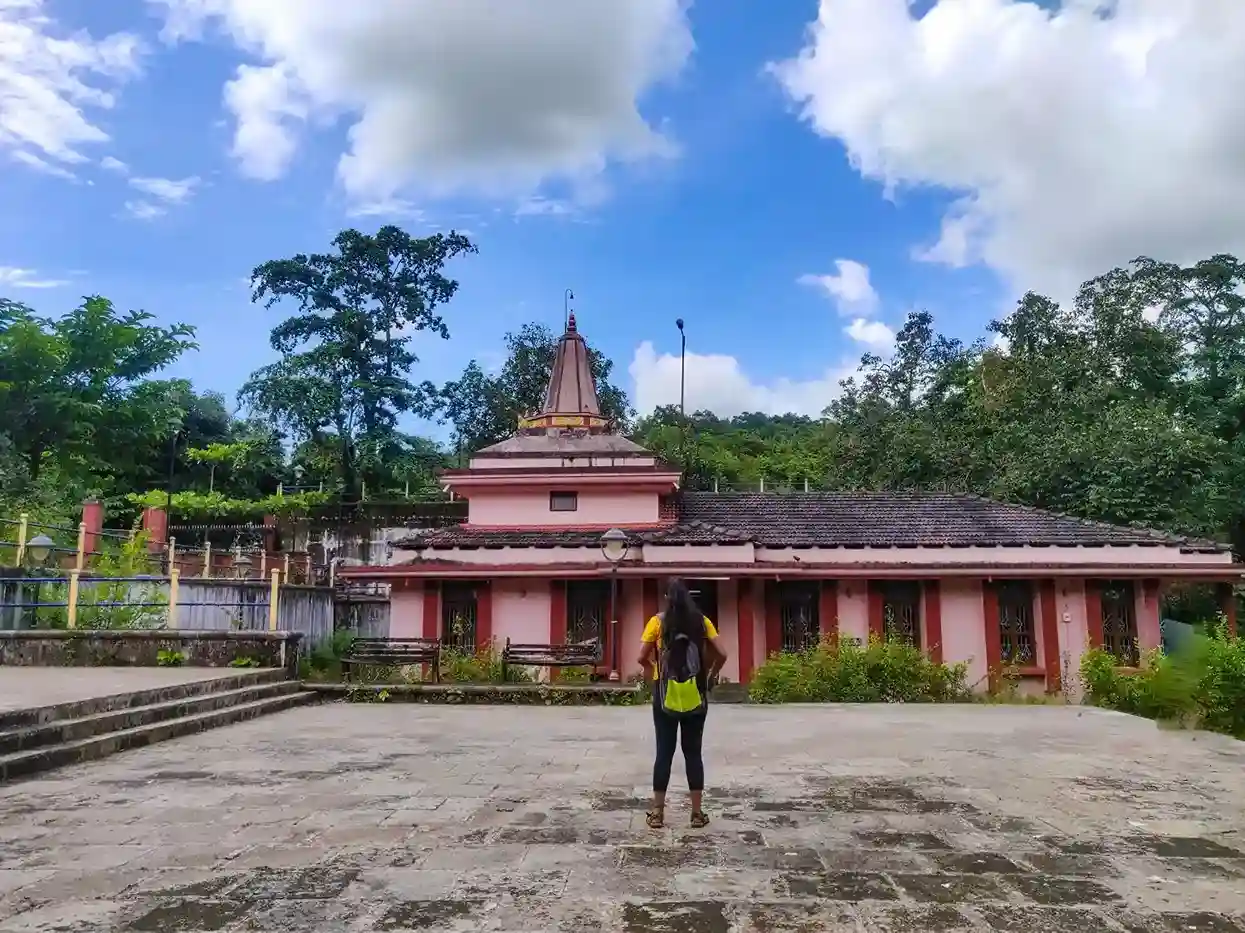
Kottiyoor Temple, located in the serene surroundings of the Western Ghats, offers a spiritual retreat for pilgrims and visitors. While the temple itself is the main attraction, there are several accommodation options nearby that cater to different budgets and preferences. Whether you’re seeking a luxurious stay with all modern amenities or a budget-friendly guesthouse, you’ll find several choices that provide comfort and convenience.
Accommodation Options Near Kottiyoor Temple
Luxury Resorts and Hotels
- Kottiyoor Temple offers access to luxurious resorts that provide high-end facilities while keeping the essence of Kerala’s natural beauty intact. These resorts typically feature spacious rooms, stunning views, and top-notch services.
- Example:
Vythiri Village Resort (Approx. 50 km from Kottiyoor) is one of the most luxurious options in the area, offering a unique experience with cottages, a spa, and backwater views. It’s a perfect place for those looking to combine spiritual visits with a luxurious experience.
- Example:
Google Maps Link: Vythiri Village Resort
The Rainforest Resort (Approx. 70 km from Kottiyoor) provides a luxurious stay amidst lush greenery, ideal for guests looking for a more secluded retreat while staying close to nature. The resort offers eco-friendly cottages, wellness programs, and a chance to experience the true Kerala landscape.
Mid-Range Hotels
- For those who want a comfortable stay without splurging, there are several mid-range hotels near Kottiyoor Temple. These provide a good balance between affordability and comfort.
- Example:
Kottiyoor Residency, located within a few kilometers of the temple, offers spacious rooms with all basic amenities such as Wi-Fi, air conditioning, and a restaurant. This is an ideal choice for those who want to stay close to the temple at a reasonable price.
- Example:
Google Maps Link: Kottiyoor Residency
Guesthouses and Homestays
- For pilgrims and travelers looking for a more local experience, guesthouses and homestays are available. These options provide a personalized stay with authentic Kerala hospitality.
- Example:
Ayurvedic Homestay, located near Kottiyoor, offers simple yet comfortable accommodations with the chance to experience traditional Kerala Ayurveda treatments. This is a great option for travelers seeking to unwind in a peaceful, natural setting.
- Example:
Google Maps Link: Ayurvedic Homestay
Restaurants and Dining Near Kottiyoor Temple
For those staying near Kottiyoor Temple, there are several dining options that serve delicious Kerala cuisine. From local vegetarian delicacies to seafood, the area offers a variety of choices to suit all tastes.
- Kottiyoor Village Restaurant (Near the temple) offers a variety of local Kerala dishes, including appam, puttu, and fish curry. It’s perfect for those who want to enjoy a traditional meal after their temple visit.
- Iritty Hotel (Approx. 10 km from Kottiyoor) is another well-known spot for travelers, known for its hearty Kerala meals and affordable pricing.
Where to Stay for Pilgrims Visiting Kottiyoor

For pilgrims visiting Kottiyoor Temple, staying near the temple allows for easy access to the temple’s rituals and festivals. Pilgrims typically prefer budget-friendly accommodations that are both comfortable and convenient, offering basic amenities for a short stay.
Budget-Friendly Stays for Pilgrims
- Guesthouses and simple lodges around Kottiyoor offer the most affordable accommodation for pilgrims, often with minimalist rooms and basic amenities. These are perfect for travelers who want a place to rest after their spiritual journey without spending much.
- Example:
Kottiyoor Temple Pilgrim Rest House, located just a few steps from the temple, offers affordable rooms for pilgrims with clean facilities. It’s an ideal choice for those who want to stay close to the temple at a budget-friendly price.
- Example:
Google Maps Link: Kottiyoor Temple Pilgrim Rest House
- Homestays offer affordable accommodation with a more personalized experience, allowing pilgrims to experience the local culture and hospitality.
- Example:
Shiva Homestay (Approx. 5 km from Kottiyoor Temple) offers clean, simple rooms at an affordable rate. The homestay also offers vegetarian meals and serves as an ideal base for pilgrims visiting the temple.
- Example:
Google Maps Link: Shiva Homestay
Proximity to the Temple
Most of the budget accommodations are located within a 10 km radius of the temple, making it convenient for pilgrims to attend morning poojas, participate in rituals, and return for rest in between. Staying near the temple allows for a peaceful and uninterrupted spiritual experience, especially during festivals like the Vysakha Mahotsavam.
Travel Tips for Visiting Kottiyoor Temple

Visiting Kottiyoor Temple is a spiritually uplifting experience, especially with its forest surroundings and traditional rituals. Whether you are planning your trip during the grand Vysakha Mahotsavam or on a peaceful weekday, being prepared will help you enjoy a smooth and meaningful visit.
Dress Code for Kottiyoor Temple
As a sacred Lord Shiva temple in Kerala, traditional attire is strongly encouraged.
For Men
- Dhoti (Mundu) is preferred inside the temple premises
- Shirts may need to be removed inside certain areas (as per temple customs)
- Avoid shorts, sleeveless t-shirts, and tight western wear
For Women
- Saree, Salwar Kameez, or long skirts with modest tops
- Avoid short dresses, sleeveless outfits, or tight-fitting clothes
Since the temple is located in a forested area, wear:
- Comfortable sandals (easy to remove)
- Simple traditional clothing suitable for humid weather
Dressing respectfully ensures smooth entry and aligns with temple traditions.
Monsoon Safety Tips (June to September)
Kottiyoor is surrounded by dense greenery and hills, making it beautiful during monsoon — but also slightly challenging.
Important precautions
- Carry a good-quality umbrella or raincoat
- Wear anti-slip footwear (paths can get muddy)
- Avoid walking on slippery forest trails
- Keep electronics in waterproof pouches
- Start your visit early to avoid heavy afternoon showers
Roads from Kannur and Thalassery may become wet and foggy during monsoon. Drive carefully or opt for experienced local drivers.
Festival Crowd Management During Vysakha Mahotsavam
During the famous Kottiyoor Vysakha Mahotsavam, thousands of devotees visit daily. Planning is essential.
Smart tips for festival visits
- Arrive before 6:00 AM for easier darshan
- Expect long queues during peak pooja timings
- Book accommodation well in advance
- Stay hydrated and carry light snacks
- Keep elderly pilgrims and children close
If you prefer a peaceful experience, consider visiting on weekdays instead of weekends during the festival period.
Essentials to Carry for a Comfortable Visit
Because of the temple’s forest location, carrying a few basics will make your trip easier.
Checklist
- Small towel (for humidity or rituals)
- Water bottle
- Basic first-aid kit
- Cash (digital payments may not always work)
- Extra set of clothes (especially during monsoon)
- Insect repellent
For pilgrims attending poojas:
- Flowers, coconut, and pooja items can be purchased locally
- Carry offerings neatly packed
Additional Helpful Tips
- Temple timings usually start early (around 5:00 AM), so plan accordingly
- Mobile network coverage may be weak in some areas
- Photography may be restricted inside temple premises
- Respect local customs and maintain silence during rituals
A visit to Kottiyoor Temple is not just a trip — it’s a spiritual journey surrounded by nature and centuries-old traditions. Proper planning ensures that you experience both devotion and comfort during your visit.
Conclusion
Kottiyoor Temple is a place of spiritual significance, rich cultural history, and breathtaking natural beauty. Whether you’re visiting for the Vysakha Mahotsavam, seeking solace in rituals, or exploring the wildlife sanctuary, Kottiyoor promises a truly unique experience. The combination of religious devotion and the serene environment makes it a must-visit destination for anyone exploring Kerala’s cultural and spiritual landmarks.
Read more>>>
Best Time to Visit Ziro Valley – Ziro Valley Travel Guide
The Ultimate Guide to Astro Tourism in India 2026
FAQs
What is Kottiyoor Temple famous for?
Kottiyoor Temple is renowned for its Lord Shiva worship and Vysakha Mahotsavam, an annual festival that attracts thousands of devotees. The temple’s spiritual significance and rich rituals make it one of Kerala’s most revered places of worship.
When is the best time to visit Kottiyoor Temple?
The best time to visit Kottiyoor Temple is during the Vysakha Mahotsavam (April-May), when the temple is most vibrant. However, the winter months (November to February) also offer pleasant weather for a peaceful visit.
How do I reach Kottiyoor Temple from Thalassery?
From Thalassery, you can drive about 32 km (45 minutes). You can also take a bus from Thalassery Bus Station to Kottiyoor or hire a taxi for a more direct route.
What is the Vysakha Mahotsavam at Kottiyoor Temple?
The Vysakha Mahotsavam is the major festival celebrated at Kottiyoor Temple in honor of Lord Shiva. The festival, held annually in April-May, features rituals, processions, and devotional performances.
Can I visit Kottiyoor Temple during the monsoon season?
Visiting during the monsoon season (June to September) is possible, but be prepared for heavy rain. The temple is quieter during this period, offering a more serene experience, though some paths may be slippery.
Is there accommodation near Kottiyoor Temple?
Yes, there are several budget-friendly guesthouses, mid-range hotels, and luxurious resorts near Kottiyoor Temple. Options range from simple homestays to eco-friendly resorts offering a comfortable stay for pilgrims.
What is the Kottiyoor Wildlife Sanctuary?
The Kottiyoor Wildlife Sanctuary is located near the temple and is home to diverse flora and fauna, including elephants, leopards, and hornbills. It’s a great spot for nature lovers and those seeking wildlife adventures.
Are there other temples near Kottiyoor?
Yes, there are several other temples nearby, including Sree Kumbala Bhagavathi Temple and Thirunelli Temple, each with its own historical and spiritual significance, making them perfect for a temple circuit.
How far is Kottiyoor Temple from Kannur?
Kottiyoor Temple is approximately 50 km from Kannur, which is about 1.5 to 2 hours by car. You can also take a bus or train to reach the temple from Kannur.
What are the temple timings for Kottiyoor?
The daily temple timings are usually from 5:00 AM to 11:30 AM in the morning and 4:00 PM to 7:00 PM in the evening. During festivals, the timings may be extended to accommodate large crowds and rituals.
Best experienced on the Offto Travellers app
Planning your trip to Kottiyoor Temple can be effortless with Offto Travellers. From transportation bookings to tailored itineraries, we provide all the tools you need to make your visit memorable.
Start planning your spiritual journey with Offto Travellers today. Discover the best places to stay, book transportation, and get the most out of your trip to Kottiyoor Temple.
Book your trip now with Offto Travellers and experience Kerala like never before!
Play StoreApp Store
Leave a Reply