
The Kheerganga Trek is a popular trekking route located in the Parvati Valley of Himachal Pradesh. It covers 12–14 km through lush forests and scenic landscapes, leading to Kheerganga’s famous hot springs. Ideal for nature lovers and adventure seekers, it’s a rewarding trek for all levels.
Kheerganga Trek in a Nutshell (Why It’s Worth Visiting)
The Kheerganga Trek is a hidden gem nestled in the heart of the Parvati Valley, located in Himachal Pradesh. Whether you’re a seasoned trekker, a nature lover, or just looking for a peaceful escape, Kheerganga offers an experience that’s hard to match. With breathtaking landscapes, rejuvenating hot springs, and a serene environment, this trek is a must-visit for those who appreciate the raw beauty of the Himalayas.
Who is Kheerganga Trek Perfect For?
The Kheerganga Trek is ideal for a diverse range of travelers. If you’re a trekker, this trek offers the perfect blend of moderate challenge and breathtaking views. Nature lovers will be enchanted by the lush green meadows, gushing rivers, and dense forests that line the trail. For adventure enthusiasts, the trek promises a heart-pumping journey through rugged terrains and stunning vistas. Couples seeking a romantic getaway will find the tranquil surroundings perfect for a peaceful escape from city life. And for solo travelers, Kheerganga provides a safe yet challenging environment to connect with nature and embark on a journey of self-reflection.
What Makes Kheerganga Unique?
Kheerganga stands out for its scenic beauty, hot springs, and tranquil environment. The trail meanders through dense forests and offers awe-inspiring views of snow-capped peaks. The trek culminates in a visit to the famous Kheerganga hot springs, where you can relax and unwind in natural, therapeutic waters that have been a part of the trek for centuries. What truly makes Kheerganga unique is the peaceful atmosphere that allows trekkers to disconnect from the fast-paced world and find solace in the quiet beauty of nature. Whether you’re looking to relax in the hot springs, take in the panoramic views, or stargaze at night, Kheerganga is a destination that offers something special for everyone.
Kheerganga Trek Distance, Route & Duration
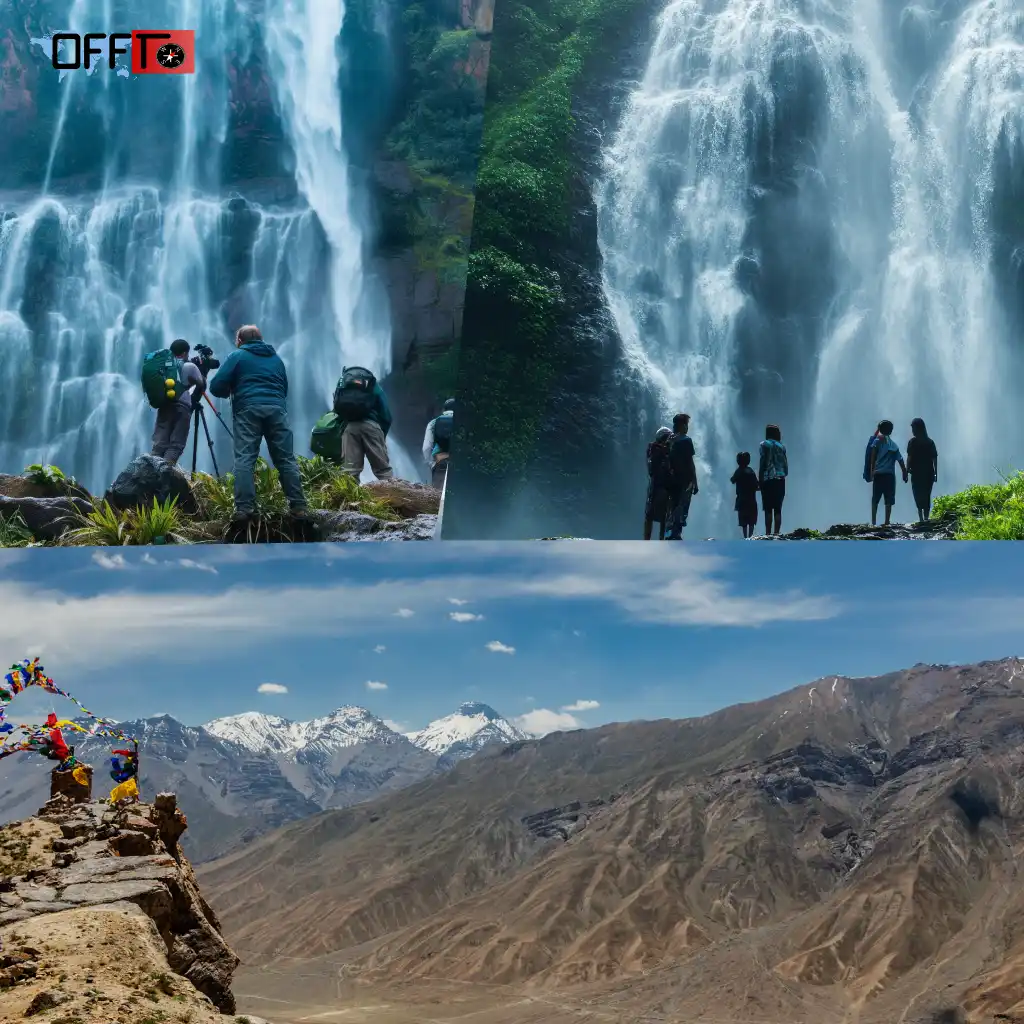
The Kheerganga Trek is a moderate to challenging trail that takes you deep into the Parvati Valley. Understanding the trek’s distance, route, and duration is crucial to ensure you’re well-prepared for the adventure ahead.
Kheerganga Trek Distance
The Kheerganga Trek distance is approximately 12–14 km one way, depending on the starting point and the route you take. The trek begins at Kasol, a popular hill station in Himachal Pradesh, and ascends through lush forests, rivers, and meadows to reach the sacred Kheerganga. Despite the moderate distance, the terrain can be challenging, so it’s essential to pace yourself and plan your journey accordingly.
How Long Does the Kheerganga Trek Take?
On average, it takes around 4–6 hours to complete the Kheerganga trek, depending on your fitness level and how often you stop for rest and photos. The trek is suitable for both beginners and experienced trekkers, though it’s important to note that the steep ascents in certain sections can be physically demanding. Some trekkers choose to split the journey over two days, especially if they want to explore the surrounding areas and enjoy the serene environment for longer.
Kheerganga Trek Starting Point
The trek officially begins in Kasol, a vibrant village known for its stunning views and laid-back vibe. Kasol to Kheerganga is the most popular route, and from here, the trail heads upwards through the beautiful Parvati Valley. The village is easily accessible by road, and several local transportation options, including buses and taxis, can take you to the trek’s starting point. Once you begin your journey, the path takes you through quaint villages, dense forests, and alongside the Parvati River, all while offering incredible views of the surrounding mountains.
Trek Difficulty Level
The Kheerganga trek difficulty is considered moderate. It’s beginner-friendly in the sense that it’s not technically challenging, but it does involve a steady uphill climb and a few steep sections. The trail is well-marked, and there are plenty of rest stops along the way. While it may be suitable for beginners, it’s important to note that the trek can be physically demanding, especially during the final ascent. However, with proper preparation and pacing, most trekkers can comfortably complete the Kheerganga Trek.
Kheerganga Trek Height and Elevation
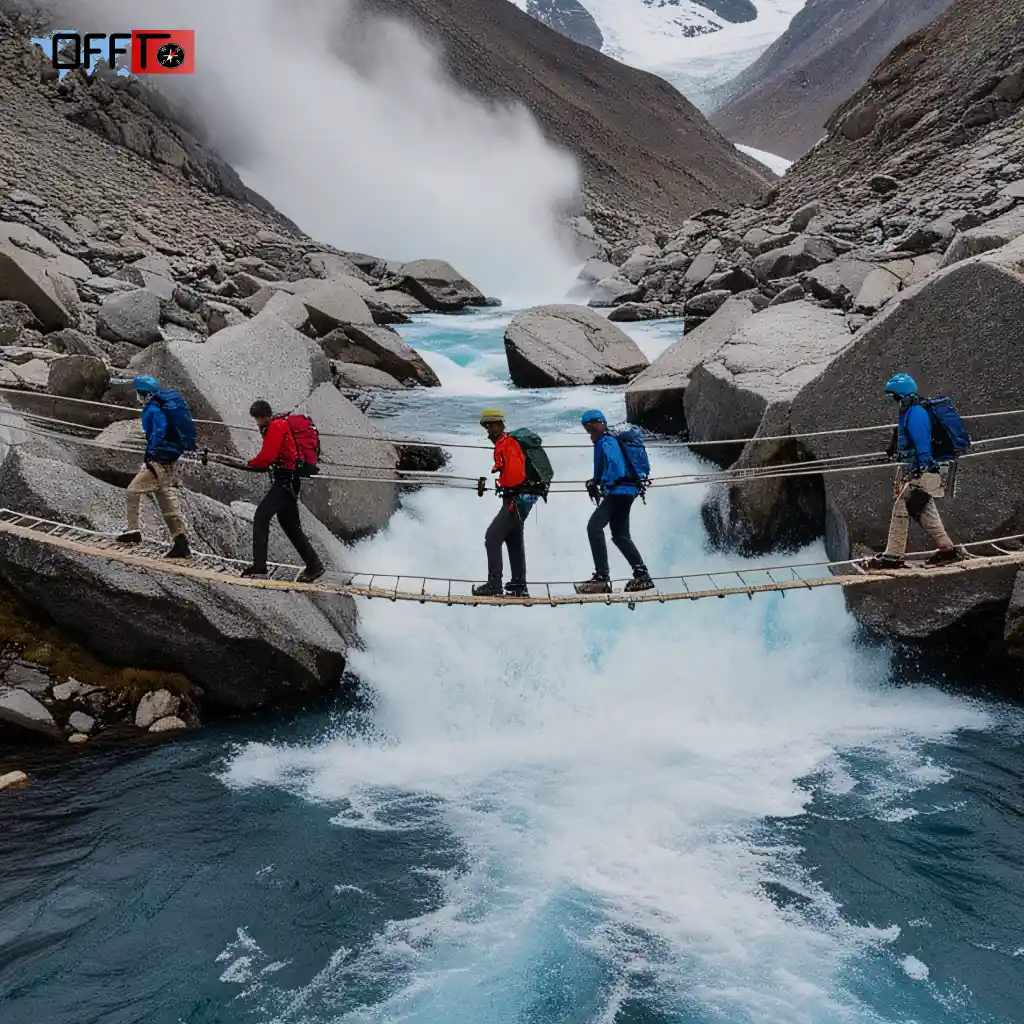
Understanding the elevation and altitude of the Kheerganga Trek is essential for trekkers planning their journey. At an elevation of 3050 meters above sea level, Kheerganga offers spectacular views of the Parvati Valley, with panoramic vistas of snow-capped peaks and lush green forests. The altitude provides a sense of being in the heart of the Himalayas, surrounded by nature at its most pristine.
Kheerganga Trek Elevation
The Kheerganga elevation stands at 3050 meters (10,007 feet) above sea level. This means trekkers will gain significant altitude during the trek. The route ascends gradually, but at certain points, you will notice the climb becomes steeper. Once you reach the top, the reward is worth it — not only will you experience the serenity of the place, but you’ll also be treated to breathtaking views of the surrounding mountains and valleys.
While this elevation is not extremely high compared to other Himalayan treks, it is still important to acclimatize and be prepared for changes in weather conditions, especially if you’re not used to trekking at higher altitudes.
Altitude Impact on Trekking
Trekking at 3050 meters can affect your body in a few ways. The higher the elevation, the thinner the air, which means lower oxygen levels. As a result, you may experience shortness of breath and fatigue, especially if you’re ascending quickly. For most trekkers, this is not a serious issue, but it’s essential to pace yourself and take regular breaks.
Altitude sickness can also occur at elevations above 2500 meters, though Kheerganga’s moderate height doesn’t pose a significant risk for most people. To minimize the effects, stay hydrated, take it slow, and rest when needed. The best way to adjust is to spend a little time acclimatizing in Kasol before starting your trek.
Best Time to Visit Kheerganga (Weather + Crowd Guide)
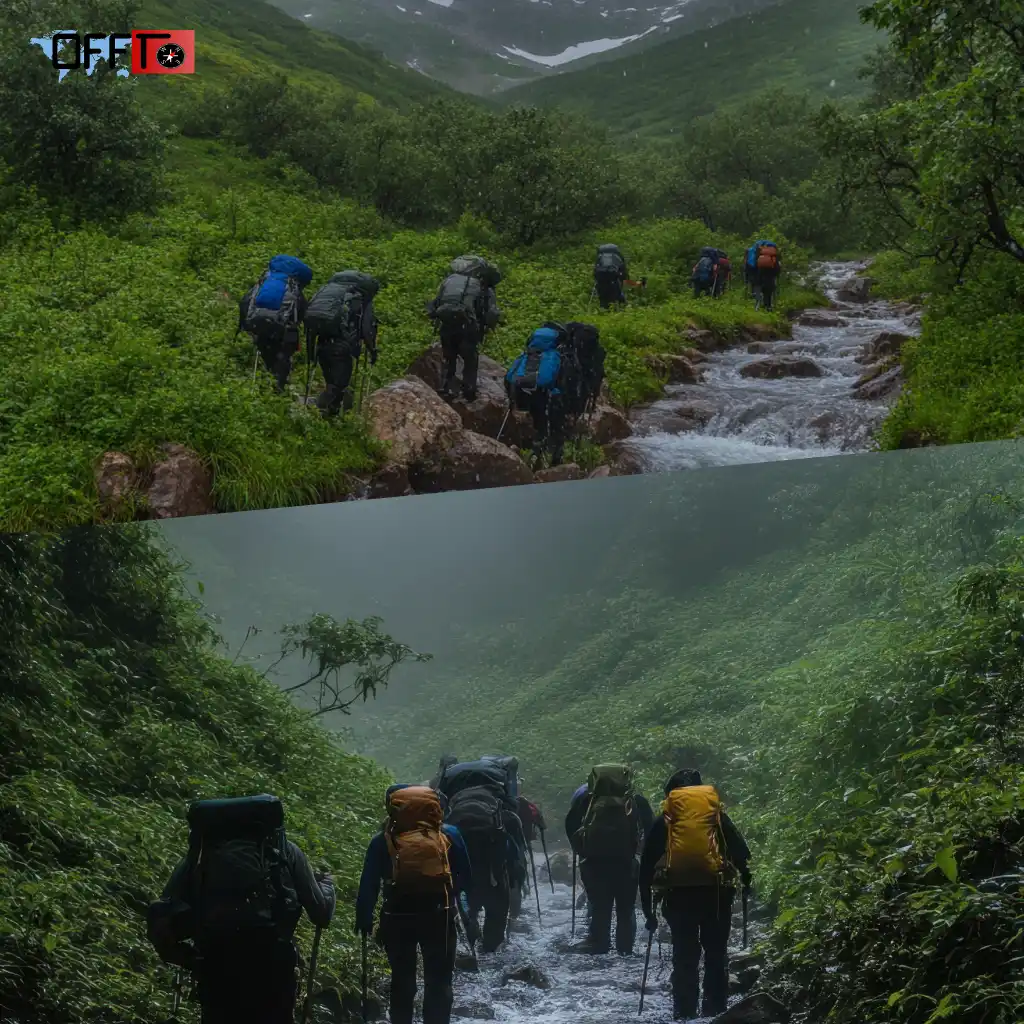
Choosing the right time to visit Kheerganga is crucial to ensure a comfortable trekking experience. The best time to trek Kheerganga depends on the weather conditions, crowd sizes, and your personal preferences.
Ideal Months for Trekking
The ideal months for Kheerganga trekking are from April to November. During this period, the weather is generally favorable for a comfortable hike. April to June offers pleasant temperatures, making it ideal for trekkers who prefer moderate conditions. The monsoon season (July to September) should be avoided as the trail can become slippery, and the region is prone to landslides. By October to November, the weather turns crisp and clear, with minimal rain, offering the best views and a relatively peaceful trek.
Weather Conditions
The weather conditions on the Kheerganga trek vary significantly across seasons. In the summer months (April to June), the temperatures range from 15°C to 25°C, making it a pleasant time for trekking. Nights can get a bit chilly but are manageable. As you ascend, the temperatures drop, and the air becomes cooler.
In monsoon season (July to September), rainfall is frequent, which can make the trail slippery and difficult to navigate. The winter months (December to February) can be harsh, with temperatures dropping as low as -5°C at night. Snowfall becomes common during this time, offering a magical winter landscape but also making the trek more challenging.
How to Avoid Crowds at Kheerganga?
While Kheerganga is increasingly popular among trekkers, there are ways to avoid the crowds. The key is to visit during the off-peak months, particularly in the shoulder seasons of April, May, and late October to November.
Additionally, trekking on weekdays and starting your journey early in the morning can help you avoid the rush. Choosing less popular routes or walking at your own pace can also give you a sense of solitude while still enjoying the beauty of the trek. By avoiding the crowds, you can fully immerse yourself in the tranquility of the Kheerganga trek and take in the breathtaking views without the distractions of mass tourism.
Kheerganga Temperature – What to Expect
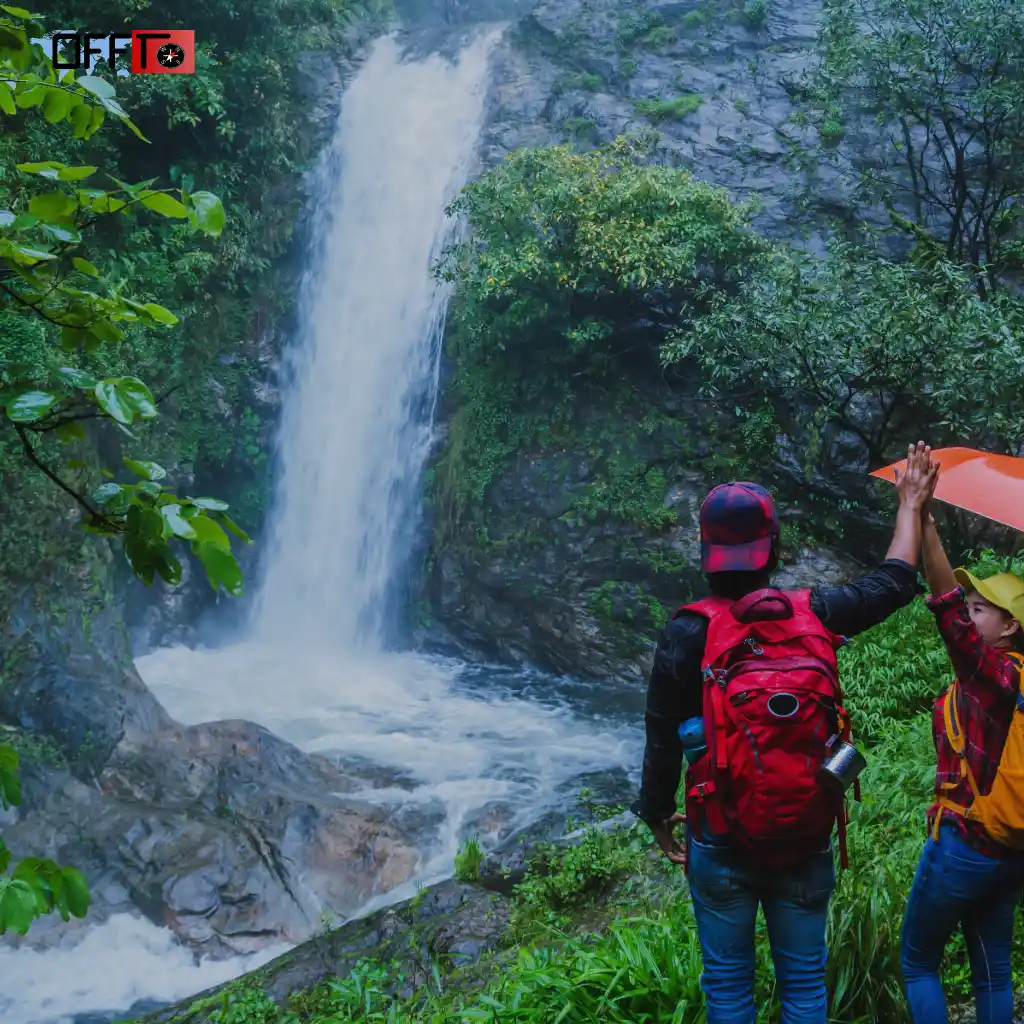
The temperature at Kheerganga varies depending on the season, and it’s important to be prepared for the changes in climate. The Kheerganga trek takes you through different altitudes, which leads to significant shifts in temperature. Here’s what you can expect throughout the year.
Kheerganga Temperature by Season
The temperature in Kheerganga varies significantly across different seasons:
- Summer (April to June): During the summer months, the temperature at Kheerganga generally ranges from 15°C to 25°C. The days are warm, but the nights are cool enough to enjoy the peaceful atmosphere. It’s the perfect time for trekkers who want to experience mild weather and stunning views.
- Monsoon (July to September): The monsoon season brings moderate to heavy rainfall to the region, with temperatures ranging from 10°C to 20°C. Although the temperatures are still relatively cool, the frequent rain can make trekking challenging. The trails can become slippery, and the visibility can be reduced due to cloud cover.
- Winter (October to February): Winter brings a significant drop in temperature, with daytime temperatures around 5°C to 10°C and night temperatures often dipping below -5°C. Snowfall is common during this period, transforming the landscape into a winter wonderland. However, trekking during this season requires proper clothing and preparation as the cold can be intense.
How Cold Does Kheerganga Get?
At higher altitudes like Kheerganga, the temperature can drop drastically, especially during the night. In the winter months, the temperature can go down to as low as -5°C. The coldest period is usually from December to February, and trekkers can experience freezing conditions. It’s crucial to pack warm layers and thermal wear to stay comfortable during the night, particularly if you plan to camp. The nights can be particularly cold, but if you’re prepared, the crisp, fresh air and clear skies make it a magical experience.
Kheerganga Trek Camping – Experience the Outdoors
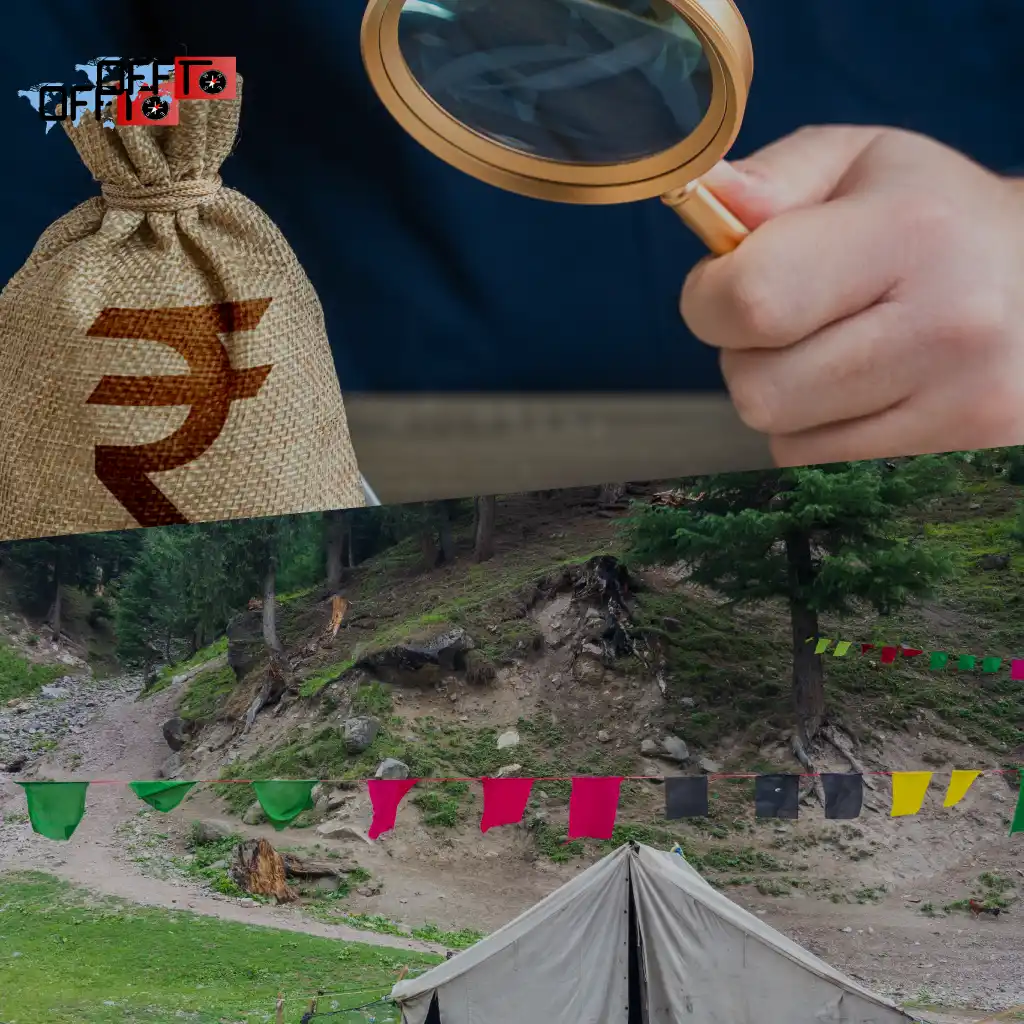
Camping on the Kheerganga trek offers a unique opportunity to experience the natural beauty of the Himalayas while staying close to nature. There are several beautiful spots along the trek and near the Kheerganga hot springs where trekkers can camp under the stars.
Best Camping Spots on the Trek
Some of the best camping spots on the Kheerganga trek are located along the way, offering trekkers stunning views of the Parvati Valley. The trek to Kheerganga has several ideal camping locations, including:
- Near Rudra Nag Temple: Located near the Rudra Nag Waterfall, this spot provides a peaceful environment and beautiful surroundings for camping. You can enjoy the sound of the waterfall and the scenic beauty of the valley.
- Kheerganga Lake Area: Close to the hot springs, this is the most popular camping site, allowing trekkers to wake up with panoramic views of the valley and snow-capped peaks in the distance. This spot also gives you easy access to the therapeutic hot springs.
- En route to Kheerganga: Several spots along the trek offer designated camping areas where trekkers can pitch tents and enjoy the tranquillity of nature.
What to Expect from Camping
Camping on the Kheerganga trek is an unforgettable experience. Expect a camping setup where you’ll pitch tents in natural surroundings, with the Parvati Valley as your backdrop. In the evenings, the temperature drops, but you can gather around a bonfire, share stories with fellow trekkers, and stargaze under the clear Himalayan skies. One of the highlights of camping near Kheerganga is the hot springs — a perfect way to relax after a long day of trekking. The warm water helps soothe sore muscles, making it a favorite among trekkers.
The area around Kheerganga Lake is particularly stunning during sunset, offering the perfect opportunity for nature photography. Camping here also gives trekkers a chance to experience the peaceful isolation that Kheerganga is known for.
Camping Tips for Kheerganga Trek
Camping during the Kheerganga trek requires careful preparation. Here are a few essential tips to make your experience more enjoyable:
1. Bring the Right Gear: Ensure you have a quality sleeping bag rated for cold temperatures, as nights can be chilly. A waterproof tent is crucial in case of unexpected rain, especially during the monsoon season.
2. Layer Your Clothing: The temperature can fluctuate throughout the day, so pack layers to stay comfortable. Wear moisture-wicking fabrics, and always carry an extra jacket or thermals for the night.
3. Camping Etiquette: Be respectful of the environment and fellow trekkers. Leave no trace behind, and pack out all your waste.
4. Prepare for the Altitude: The higher elevation means less oxygen, so take it easy and drink plenty of water to stay hydrated. Remember to acclimatize if needed.
5. Safety First: Always trek with a group and carry a first-aid kit, especially if you’re camping in remote spots. Know the emergency contacts and be aware of the weather forecast.
Is There Snowfall in Kheerganga?
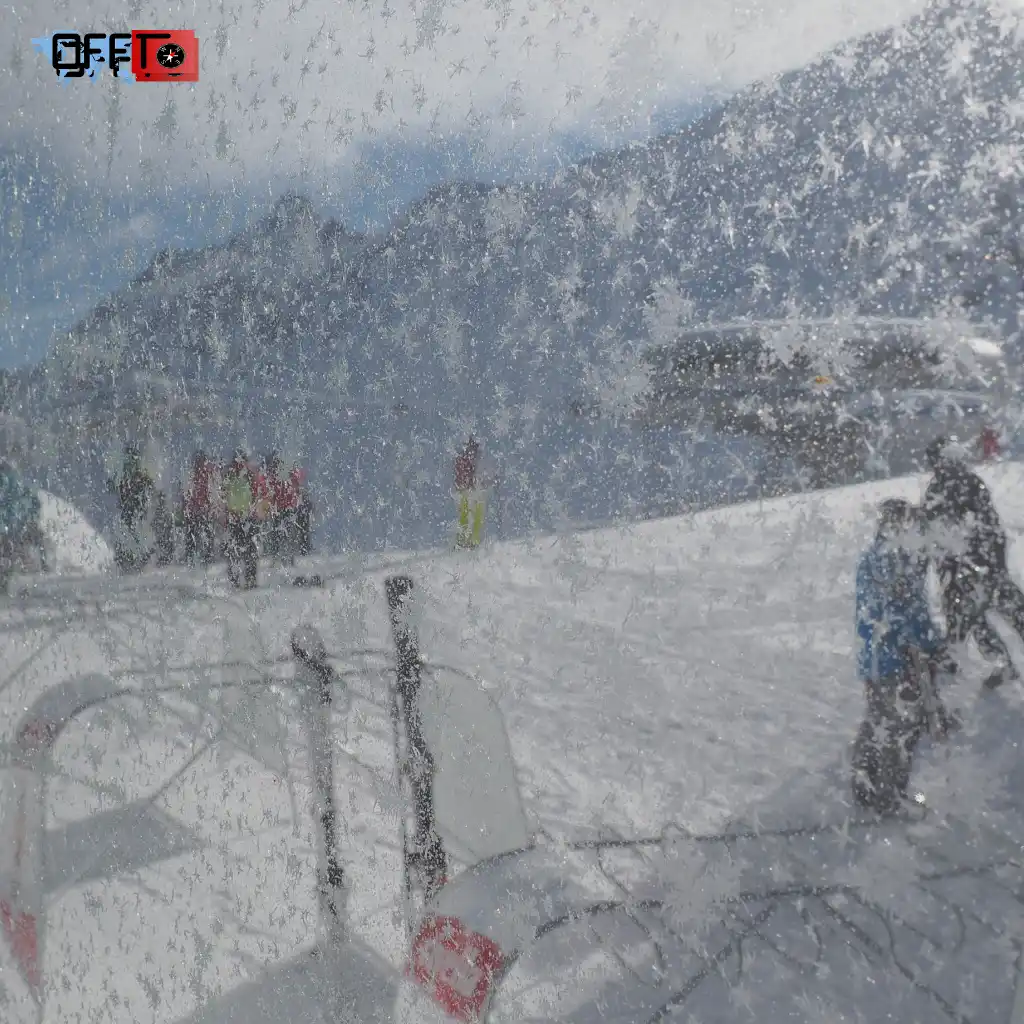
The prospect of snowfall adds a magical dimension to the Kheerganga trek, especially for those visiting during the winter months. Snow transforms the landscape into a winter wonderland, but it also presents its own set of challenges and opportunities for trekkers. Here’s what you need to know about snowfall at Kheerganga.
When Does Snowfall Occur at Kheerganga?
Snowfall at Kheerganga typically occurs during the winter months, primarily from December to February. The highest probability of encountering snow is between January and February when the temperature drops significantly. During this time, the entire region is covered in snow, and the trekking path can be slippery and difficult. While the beauty of the snow-covered landscape is unmatched, trekkers should be prepared for cold temperatures that can dip below -5°C at night.
Trekking during this period can be an exhilarating experience for those seeking a winter adventure, but it requires careful planning. The snowy season presents challenges like low visibility, slippery paths, and the need for specialized gear like crampons and waterproof boots. If you’re planning to trek during these months, it’s advisable to have previous trekking experience or go with a guide.
Winter Trek vs. Summer Trek
When comparing the winter trek to the summer trek, the two offer distinctly different experiences.
- Winter Trek (December to February): The winter months provide a stunning snow-covered landscape, but trekking conditions are more challenging. Temperatures can drop drastically, especially at night, and the trail may become covered with ice, making it more demanding. However, the serene, snow-clad environment and fewer crowds create a truly peaceful atmosphere. Winter trekking is ideal for adventure seekers who want to experience the Himalayas in its purest form.
- Summer Trek (April to June): In contrast, summer trekking is much more comfortable, with temperatures ranging from 15°C to 25°C. The days are warm, and the nights are cool, making it an ideal time for most trekkers. The trail is clear of snow, and the trek is easier and less demanding. However, summer is also the peak season, meaning the trail will be more crowded. Summer is perfect for those looking for a more relaxed trekking experience without the challenges of snow and extreme cold.
Both seasons offer unique experiences, so the best time to trek depends on your preferences and experience level. If you’re after a challenging adventure with fewer trekkers and the chance to see snow, winter is for you. If you prefer milder weather and an easier trekking experience, summer is your best bet.
Kheerganga Night View – A Stargazing Paradise
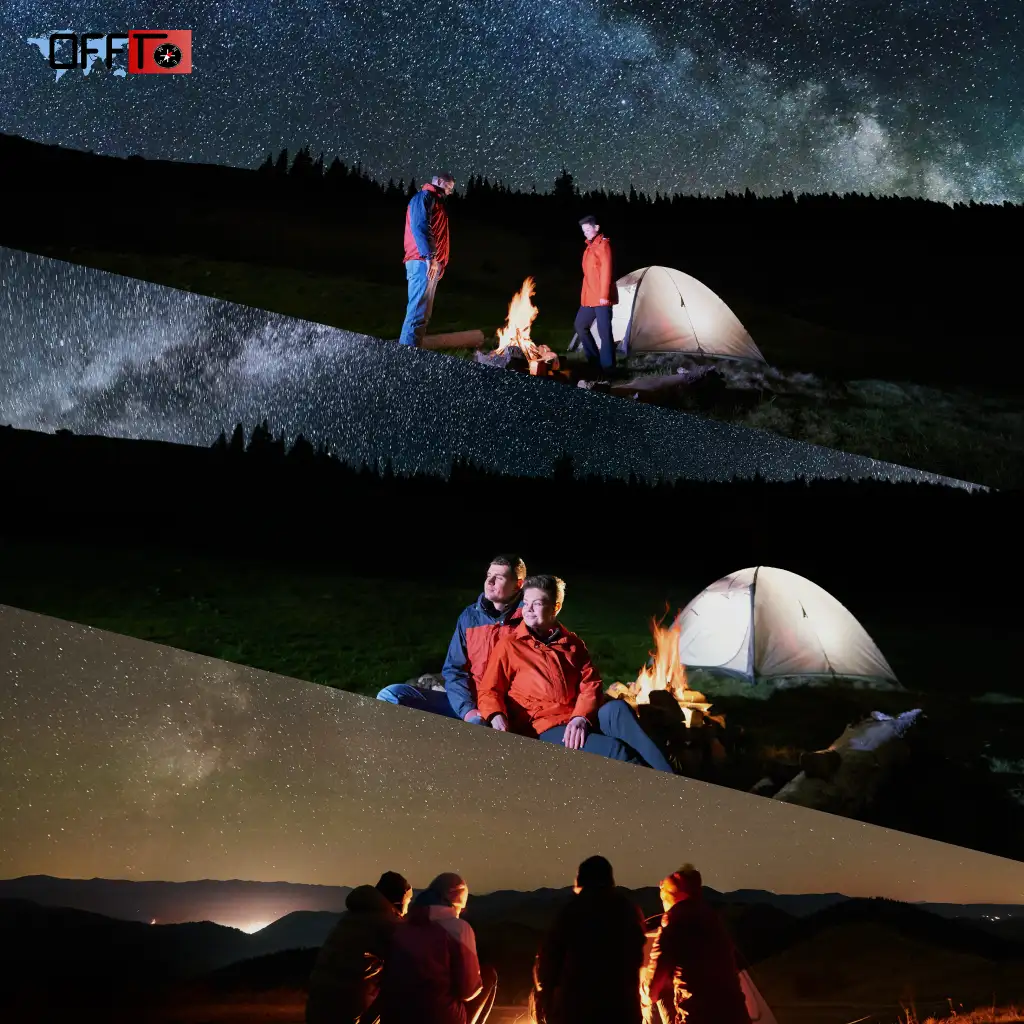
One of the most enchanting aspects of the Kheerganga trek is its mesmerizing night view. The lack of light pollution, combined with the breathtaking natural surroundings, makes Kheerganga a stargazing paradise. If you love the idea of spending a night under the stars, Kheerganga is the perfect place to do so.
Why Kheerganga Night Views are Unmissable
The night views at Kheerganga are nothing short of spectacular. With the clear skies of the Himalayas and minimal light pollution, Kheerganga offers one of the best stargazing experiences in India. As the night falls, the sky comes alive with stars, and the tranquil atmosphere adds to the magic of the moment. The peaceful surroundings allow trekkers to fully immerse themselves in the beauty of the night sky, far away from the distractions of city life. It’s a perfect opportunity to stargaze, reflect, and unwind.
In winter, the snow-covered peaks add an ethereal quality to the night, as the stars shine even brighter against the backdrop of the snow. Whether you’re camping or simply stopping for a rest, be sure to take in the spectacular views — it’s an experience you won’t forget.
Best Spots for Stargazing
Kheerganga offers several ideal spots for stargazing. Some of the best places to catch the night sky in all its glory include:
- Near the Kheerganga Hot Springs: This area offers an unparalleled combination of warmth from the hot springs and a perfect vantage point for stargazing. Sitting by the springs and gazing up at the starry sky is a magical experience.
- Kheerganga Campsites: The campsites near the lake and surrounding meadows provide excellent views of the night sky. The absence of city lights makes it an ideal location for observing constellations and shooting stars.
- The Trekking Path: Even along the way, certain points in the trek offer a clear view of the night sky. Pausing for a few moments along the route to take in the stars, especially on clear nights, is highly recommended.
For the best stargazing experience, try to visit when the skies are clear and the moon is not too bright. With minimal light pollution, Kheerganga offers a pristine stargazing experience like no other.
How to Do the Kheerganga Trek – A Step-by-Step Guide
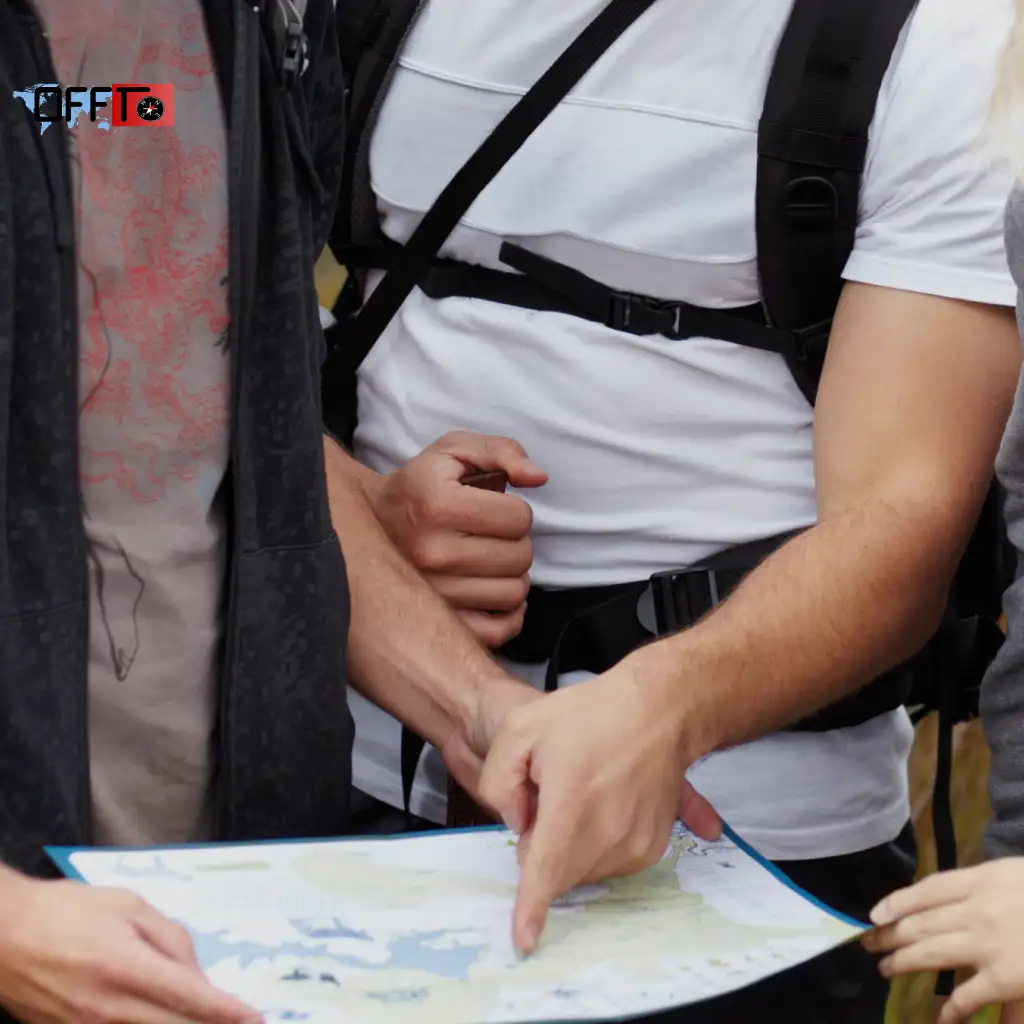
If you’re planning to embark on the Kheerganga trek, it’s important to know what to expect and how to prepare. This step-by-step guide will help you prepare for an unforgettable adventure in the Parvati Valley.
Preparation Before the Trek
Proper preparation is key to making your Kheerganga trek experience smooth and enjoyable. Here are some essential tips:
1. What to Carry:
- Clothing: Pack moisture-wicking clothes, warm layers (especially for winter months), and a rain jacket for unexpected weather. Ensure you have sturdy trekking boots for the rocky paths.
- Sleeping Bag: A warm sleeping bag rated for temperatures below 0°C is essential, especially during colder months.
- Backpack: A comfortable, medium-sized backpack to carry your essentials.
- Water Bottle: Carry a water bottle or hydration system. Ensure you stay hydrated during the trek.
- First-Aid Kit: Pack a basic first-aid kit, including bandages, pain relievers, and any personal medications.
- Clothing: Pack moisture-wicking clothes, warm layers (especially for winter months), and a rain jacket for unexpected weather. Ensure you have sturdy trekking boots for the rocky paths.
2. Fitness Tips:
- The Kheerganga trek is moderate in difficulty, but it’s still physically demanding. To prepare, try cardio exercises like hiking, running, or swimming for at least a few weeks before your trip.
- Strength training for your legs, including lunges, squats, and step-ups, will help build the stamina needed for the uphill sections of the trail.
- Focus on endurance — it’s important to be able to hike for hours without excessive fatigue.
- The Kheerganga trek is moderate in difficulty, but it’s still physically demanding. To prepare, try cardio exercises like hiking, running, or swimming for at least a few weeks before your trip.
3. Health Considerations:
- The trek reaches an elevation of 3050 meters (10,007 feet), so if you’re not used to higher altitudes, be prepared for possible altitude sickness. Spend some time acclimatizing in Kasol before starting your trek.
- Carry any necessary medications, and if you’re prone to motion sickness, pack remedies for the winding roads to Kasol.
What to Expect on the Trail
On the Kheerganga trek, you’ll experience a range of landscapes that will leave you in awe. Expect dense forests, flowing rivers, and the occasional waterfall. The trail is primarily through lush greenery, with views of distant snow-capped peaks peeking through the trees.
- Landscapes: The Parvati Valley is known for its beauty, and as you ascend, you’ll get panoramic views of the surrounding mountains. The path is lined with pine trees, and you’ll come across natural hot springs along the way.
- Challenges: The terrain can be steep and uneven at times, especially in the final ascent to Kheerganga. The climb can be physically challenging, but frequent rest stops and stunning scenery make it a manageable task for most trekkers.
- Local Attractions: You’ll encounter small villages like Tosh and Malana on the way, where you can experience the local culture. The Rudra Nag Waterfall and Kheerganga Hot Springs are highlights along the trail, making the trek both scenic and culturally rich.
How to Reach the Starting Point (Kasol)
Reaching the starting point of the Kheerganga trek—Kasol—is relatively straightforward. Here’s how to get there:
- By Road: Kasol is well-connected to major cities in Himachal Pradesh, including Manali and Bhuntar. You can take a bus or hire a private taxi from Manali (about 75 km away) or Bhuntar (15 km away).
- By Air: The nearest airport to Kasol is Kullu-Manali Airport (Bhuntar), which is about 15 km away. From there, you can hire a taxi to reach Kasol.
- By Train: The nearest railway station is Joginder Nagar Railway Station (about 120 km away). From there, you can take a bus or taxi to reach Kasol.
Kasol is a picturesque village and serves as the base camp for the Kheerganga trek. Once you arrive, you’ll find various guesthouses and cafes to rest and prepare for the trek.
Kheerganga Trek Package – Should You Book a Package?
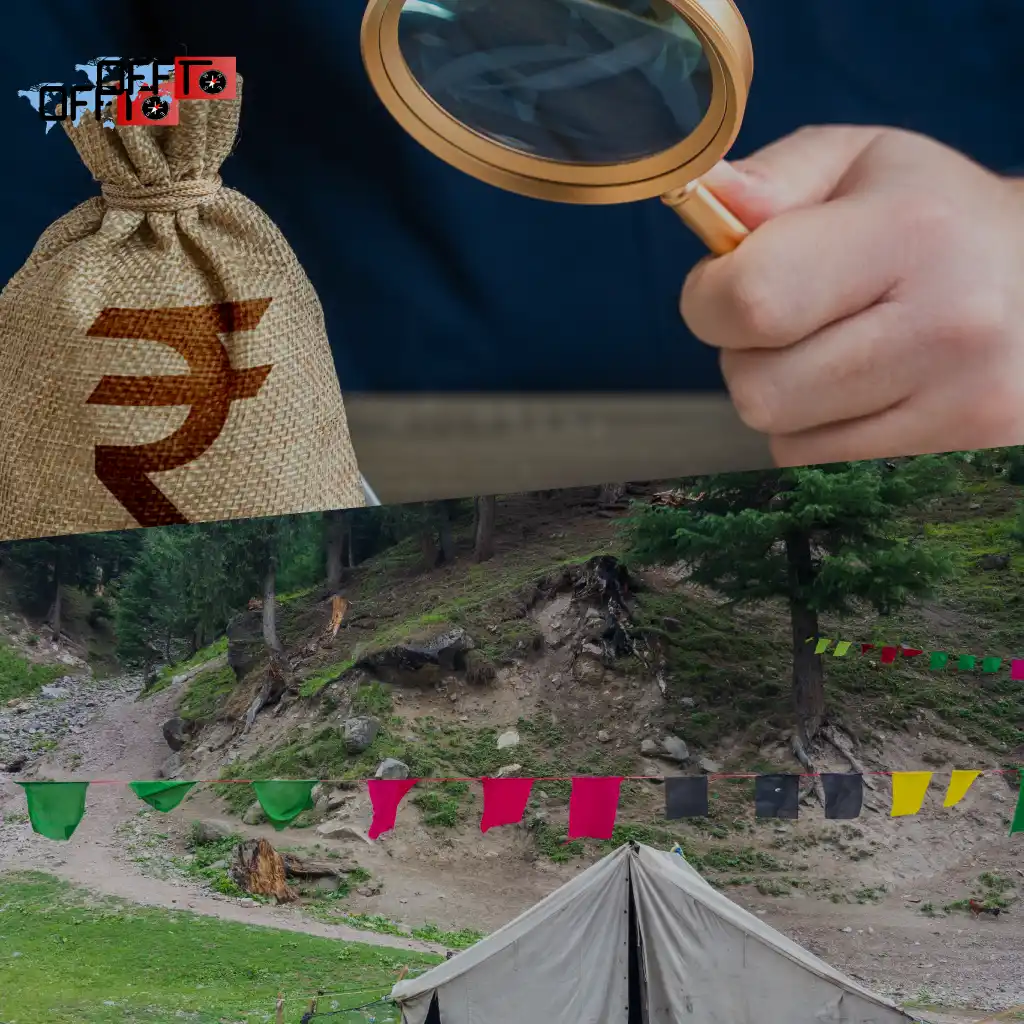
When planning your Kheerganga trek, one of the key decisions you’ll face is whether to book a trek package or go self-guided. Here’s a breakdown of the pros and cons of each option.
What’s Included in a Kheerganga Trek Package?
A Kheerganga trek package typically includes everything you need for a hassle-free experience:
- Guided Tours: Experienced local guides will take you on the trek, ensuring that you don’t get lost and offering insight into the local culture, flora, and fauna.
- Transport: Many packages offer transportation to and from Kasol, including shared taxis or buses.
- Meals: Most packages include meals, which can range from packed lunches to hot meals served at campsites or local villages. Expect simple, nutritious meals to keep you energized throughout the trek.
- Permits: Depending on the season, some areas of the trek may require permits. A package usually includes all the necessary documentation and permits, saving you the hassle of doing it yourself.
- Camping Gear: If you’re camping, many packages provide tents, sleeping bags, and other essential gear to ensure your comfort during the trek.
Self-Guided Trek vs. Package Deals
Choosing between a self-guided trek and a trek package depends on your preferences and experience level:
- Self-Guided Trek:
- Pros: Freedom to explore at your own pace, no need to follow a set schedule, and the opportunity to connect with nature on your own terms.
- Cons: You’ll need to handle logistics yourself (transportation, meals, permits), and there’s a risk of getting lost if you’re unfamiliar with the trail.
- Trek Package:
- Pros: Guides ensure you stay on track, handle all logistics, and often provide local insights. It’s a more comfortable and stress-free experience for first-time trekkers or those short on time.
- Cons: You’ll have to follow a group schedule, and it can feel a bit restrictive compared to a self-guided trek.
- Pros: Guides ensure you stay on track, handle all logistics, and often provide local insights. It’s a more comfortable and stress-free experience for first-time trekkers or those short on time.
If you’re new to trekking or want a worry-free experience, a Kheerganga trek package is a great choice. However, if you’re an experienced trekker and want more freedom, a self-guided trek could be more rewarding.
Things to Do Near Kheerganga
Once you’ve completed the Kheerganga trek, there’s still plenty to explore in the surrounding region. The Parvati Valley is rich in culture, history, and natural beauty, offering various activities that make the journey even more memorable.
Exploring Parvati Valley
One of the best things to do near Kheerganga is to explore the Parvati Valley itself. The valley is dotted with charming villages, lush meadows, and rushing rivers, offering a perfect blend of tranquility and adventure. A few places to visit include:
- Tosh: A short distance from Kheerganga, Tosh is a quaint village known for its majestic mountain views and laid-back vibe. It’s a popular stop for trekkers who want to immerse themselves in the natural beauty of the valley. In Tosh, you can enjoy the peaceful atmosphere and witness traditional Himachali culture.
- Malana: Often referred to as the “Little Greece of India,” Malana is a remote village with a unique culture and language. The village is famous for its ancient temples and cultural practices that remain largely untouched by modern civilization. Though it’s a bit off the beaten path, Malana offers an authentic experience for those interested in exploring the local way of life.
These villages are great places to relax, enjoy some local food, and connect with the surrounding nature. Whether you’re hiking, relaxing by a river, or visiting ancient temples, Parvati Valley has something for everyone.
Hot Springs at Kheerganga
One of the highlights of the Kheerganga trek is the opportunity to unwind in the natural hot springs at the top. After a long day of trekking, there’s nothing more rejuvenating than soaking in the warm, mineral-rich waters that are believed to have therapeutic properties.
The Kheerganga hot springs are situated near the campsite and are accessible to all trekkers. Whether you’re camping overnight or just visiting, the springs provide a perfect spot to relax and soothe your muscles. The combination of warm water, mountain air, and the peaceful atmosphere makes it a unique experience that adds to the charm of the trek.
A Quick Personal Note: What Kheerganga Really Feels Like
As a traveler, one of the most important aspects of trekking is the emotional journey that unfolds along the way. The Kheerganga trek is no exception. While it’s physically demanding at times, it’s also deeply rewarding — both in terms of the beauty you’ll witness and the personal reflections the trek inspires.
The Emotional Journey
The trek begins in the bustling, serene village of Kasol, but as you move deeper into the Parvati Valley, a sense of calm begins to settle in. The further you go, the more you feel a connection with nature. The dense forests, the gurgling rivers, and the occasional waterfall create an environment that feels almost spiritual.
When you reach Kheerganga, after several hours of trekking, there’s an overwhelming sense of accomplishment. The peaceful atmosphere and the sight of the snow-capped peaks surrounding you offer a serene and reflective moment that makes the entire trek worthwhile.
However, the journey is not without its challenges. The uphill sections can be tough, especially in the final stretch, where you’ll feel the effects of altitude and fatigue. But it’s in these challenging moments that the beauty of the trek truly shines. The feeling of overcoming obstacles — both physical and mental — is something that stays with you long after the trek ends.
After completing the trek and relaxing in the Kheerganga hot springs, you’ll find a quiet sense of peace that resonates deeply. It’s a reminder that sometimes, the most rewarding experiences come not from the destination, but from the journey itself. The Kheerganga trek offers a perfect balance of adventure, self-reflection, and connection with nature, making it an unforgettable experience.
Explore More Treks with Offto Travellers
If the Kheerganga trek has sparked your love for Himalayan adventures, there are plenty more breathtaking treks to explore. With Offto Travellers, you can discover some of the best treks in the Himalayas that offer everything from scenic beauty to challenging terrain. Whether you’re a seasoned trekker or a beginner, there’s something for everyone.
Discover Other Himalayan Treks
The Himalayas are home to some of the world’s most iconic trekking routes, each offering unique experiences and stunning landscapes. Here are some treks that you shouldn’t miss:
- Triund Trek: A relatively easy trek near McLeod Ganj, the Triund trek offers panoramic views of the Dhauladhar Range. The trail is perfect for beginners and those looking for a quick getaway from the hustle and bustle of city life. The view of the mountains at sunset is nothing short of magical.
The Himalayas are home to some of the world’s most iconic trekking routes, each offering unique experiences and stunning landscapes. Here are some treks that you shouldn’t miss:
- Hampta Pass Trek: For trekkers looking for a bit more adventure, the Hampta Pass trek is an ideal choice. This trek takes you from Kullu Valley to Spiti Valley, crossing the picturesque Hampta Pass at 4270 meters. The dramatic change in landscapes, from lush greenery to barren desert terrain, makes this trek unforgettable.
- Beas Kund Trek: Known for its natural beauty and relatively easy trail, the Beas Kund trek offers stunning views of the Beas River and Dhauladhar Range. The trek is perfect for first-time trekkers and provides a peaceful, immersive experience in the mountains.
- Bhrigu Lake Trek: Situated near Manali, the Bhrigu Lake trek takes you through lush meadows and alpine forests, with the stunning Bhrigu Lake as the destination. It’s a short, high-altitude trek that offers some of the most beautiful views of the Himalayas.
- Pin Parvati Pass Trek: For experienced trekkers seeking a challenge, the Pin Parvati Pass trek connects the Kullu Valley to Spiti Valley, offering an arduous yet rewarding adventure. The trek involves crossing a high-altitude pass at 5319 meters and offers mesmerizing views of snow-capped peaks, glaciers, and alpine meadows.
With Offto Travellers, you can book guided treks, find essential information on each trek, and plan your next great adventure. Whether you’re looking for a weekend trek or a more difficult expedition, we’ve got something to suit every trekking enthusiast.
FAQs
How long is the Kheerganga Trek?
The Kheerganga Trek is approximately 12–14 km one way, covering a total distance of about 24–28 km for a round trip. The trek generally takes around 2 days to complete.
What is the best time to visit Kheerganga?
The ideal time for trekking to Kheerganga is between April and November when the weather is pleasant, and the trek is accessible. Winters can be very cold, with snow making the trek challenging.
What is the altitude of Kheerganga?
Kheerganga sits at an altitude of around 3,050 meters (10,000 feet) above sea level, making it a high-altitude trek in the Parvati Valley.
Is the Kheerganga Trek crowded?
While the Kheerganga Trek is popular, especially during the summer months, it is relatively less crowded compared to other Himalayan treks like Triund. Weekends tend to see more trekkers.
What to pack for the Kheerganga Trek?
Essential items include warm clothes, a good pair of trekking shoes, a sleeping bag, a tent (if camping), trekking poles, and personal hygiene items.
How difficult is the Kheerganga Trek?
The Kheerganga Trek is considered moderate in difficulty. It is suitable for beginners with a reasonable level of fitness, although it does have steep ascents and challenging sections.
Can I visit Kheerganga during the monsoon season?
It’s not recommended to trek during the monsoon season (June to September) due to slippery trails and unpredictable weather conditions.
Is there snowfall in Kheerganga?
Yes, Kheerganga experiences snowfall during winter (December to February), which can make the trek more challenging but offers a beautiful, serene winter landscape.
What is the starting point of the Kheerganga Trek?
The trek begins at Kasol, a small town in Himachal Pradesh, which is about 25 km from Kullu. Kasol is well connected by road from nearby cities like Delhi and Manali.
How to get to Kasol for the Kheerganga Trek?
You can reach Kasol by road from Delhi or Manali via buses or private vehicles. The nearest airport is in Bhuntar (Kullu), about 31 km from Kasol.
Read more >>>
Dayara Bugyal Trek – Complete Guide to Best Time, Difficulty & Weather
Valley of Flowers Trek – Ultimate Guide to Best Time, Difficulty, and Flora
Plan Your Kheerganga Trek with Offto Travellers
Explore real stories, save your favourite spots, and book your trekking adventure with Offto Travellers. Whether you’re trekking to Kheerganga or beyond, plan your next adventure with us!
Play storeApp store
Leave a Reply