
Jawai is located in Pali district, Rajasthan, between Udaipur and Jodhpur. It’s famous for its leopard sightings, offering an intimate safari experience in a non-touristy wilderness. The best time to visit is during winter (November to February) for ideal weather and wildlife sightings.
Where Is Jawai Located? (Rajasthan Location & Access)
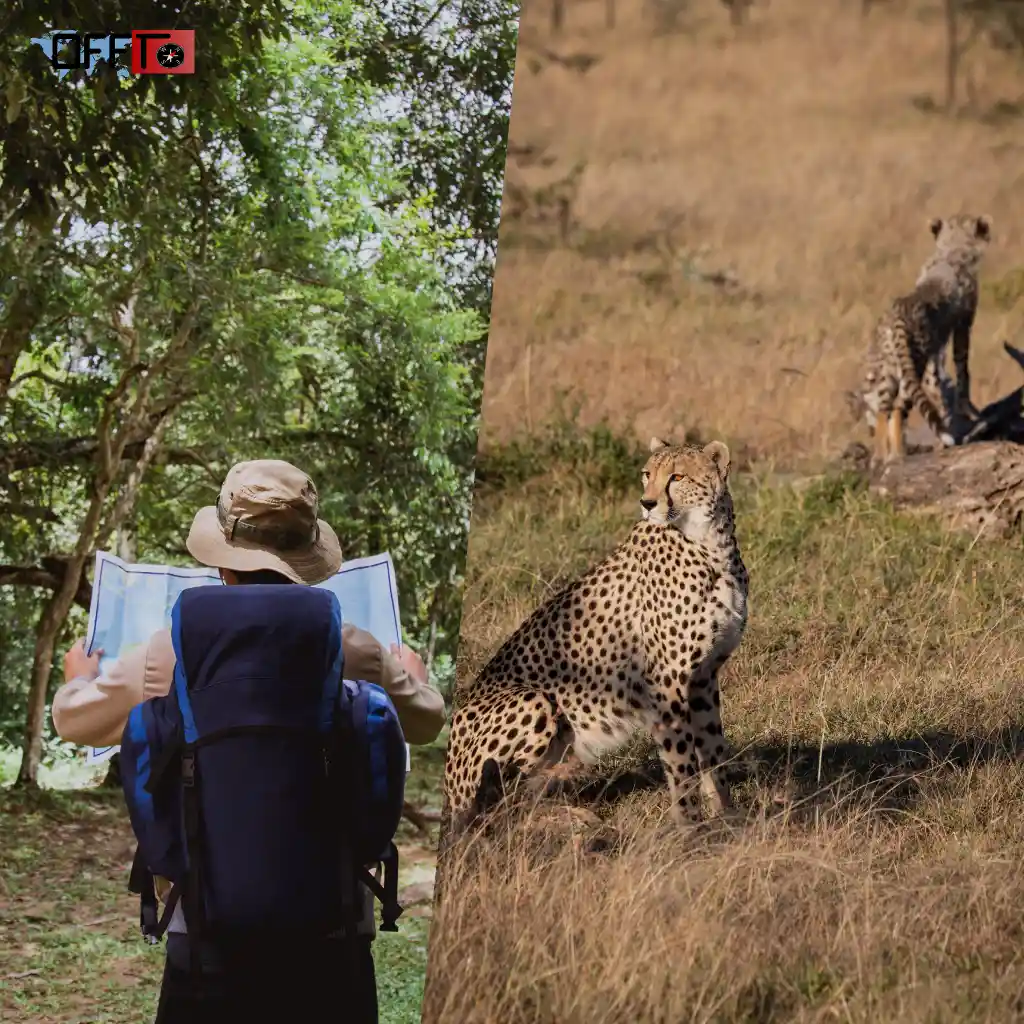
Jawai is a hidden wildlife paradise nestled in the Pali district of Rajasthan, India, offering an unparalleled safari experience amidst stunning landscapes and abundant wildlife. Famous for its rugged terrain and natural beauty, Jawai provides a rare opportunity to experience leopards in their natural habitat, living in harmony with the local human population. Although not as widely known as other wildlife sanctuaries in India, Jawai’s unique charm lies in its remote yet accessible location and its distinctive blend of nature and culture. Here’s a detailed overview of Jawai’s location, how to access it, and the nearest major cities.
Jawai Rajasthan Overview
Jawai is situated in the heart of Rajasthan, located roughly 150 kilometers from Udaipur and 120 kilometers from Jodhpur. It’s a landscape defined by dry riverbeds, granite hills, and lush greenery—unlike the more arid regions of Rajasthan that are typically associated with the desert. Jawai is known for its granite hills, which form part of the Jawai River’s catchment area, and the area surrounding the river is home to diverse flora and fauna. The region’s unique geographical features, including rocky outcrops and open wilderness, contribute to its appeal as a sanctuary for wildlife, particularly the leopards that roam freely in the area.
Jawai is not just a wildlife destination; it’s also a cultural hub, with local Rabari tribes coexisting with leopards and other wildlife in a remarkably peaceful manner. The landscape is a blend of rugged hills and river valleys, providing visitors with a stunning backdrop for leopard safaris and wildlife viewing.
Nearest Cities (Udaipur, Jodhpur)
- Udaipur: Located approximately 150 kilometers from Jawai, Udaipur is often the starting point for many visitors heading to this wildlife haven. The city, famous for its lakes and palaces, is easily accessible by road, rail, and air. The drive from Udaipur to Jawai takes about 2.5 to 3 hours.
- Jodhpur: A major city in Rajasthan, Jodhpur is about 120 kilometers from Jawai and can be reached in around 2 hours by car. Known as the “Blue City” for its vibrant blue-painted houses, Jodhpur is well-connected by train and air, making it another convenient access point for visitors traveling to Jawai.
Jawai’s proximity to both cities makes it an excellent addition to any Rajasthan itinerary. Whether you’re visiting Udaipur’s lakes or exploring Jodhpur’s forts, Jawai provides a fantastic wildlife experience just a short journey away.
How Remote Is It Really?
While Jawai may seem remote due to its rural setting and vast open landscapes, it is surprisingly easy to access. It offers an intimate experience with nature without the hassle of traveling to a completely isolated or inaccessible location. The roads leading to Jawai from Udaipur and Jodhpur are well-maintained, and visitors can travel by car or taxi comfortably.
However, Jawai is far enough from the tourist crowds found in other popular wildlife destinations like Ranthambore or Kanha National Park, allowing for a more peaceful and personalized safari experience. Visitors can enjoy the tranquility of the region, with few other tourists around, making it a great option for those looking to escape to the wild while still enjoying easy access to nearby cities.
Why Jawai Is Called India’s Leopard Paradise
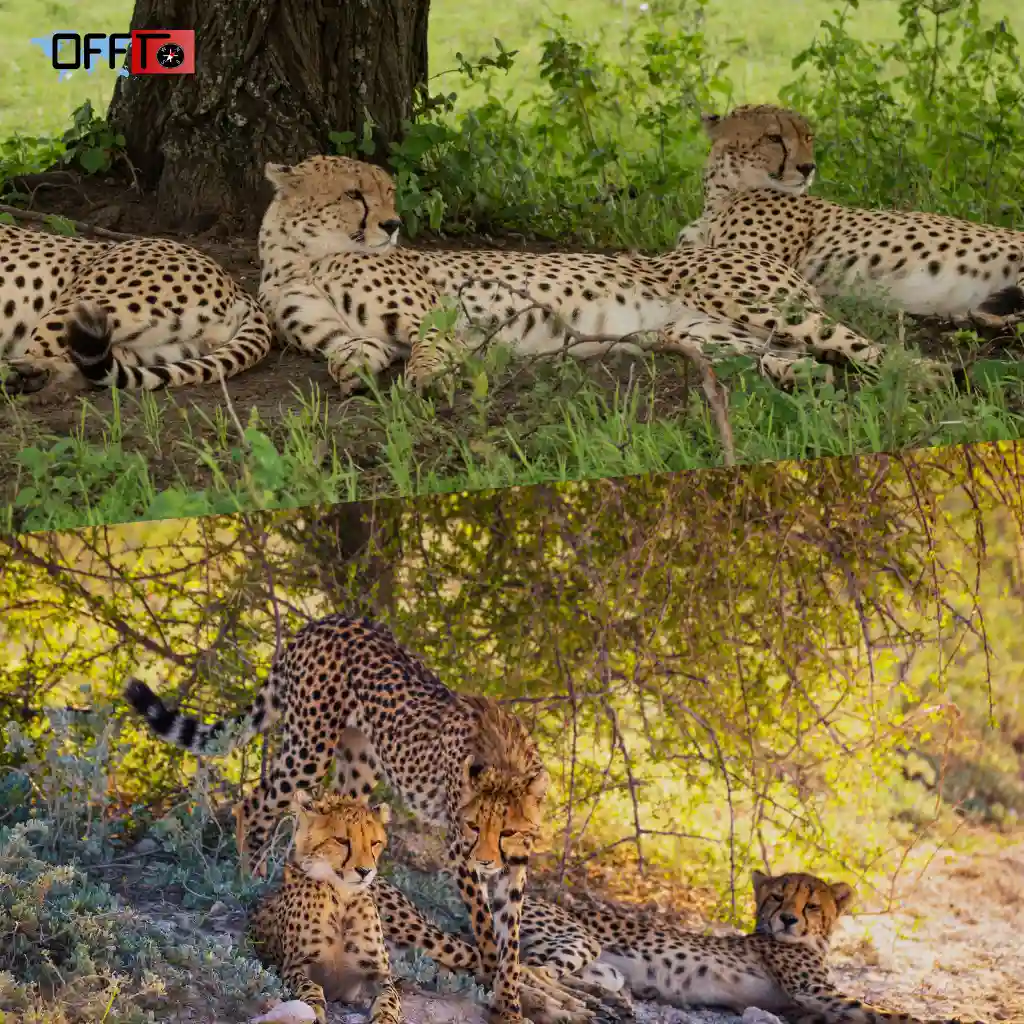
Jawai is often referred to as India’s Leopard Paradise due to its significant leopard population and the unique way in which these elusive creatures interact with their environment. Jawai provides an unparalleled opportunity to witness leopards in the wild, roaming freely across the rocky hills, riverbeds, and dense shrubland of this region. What truly makes Jawai special is not only the density of the leopard population but also the coexistence between humans and these big cats. Let’s explore why Jawai has earned this prestigious title and what sets it apart from other wildlife destinations in India.
Leopard Population + Sightings
The heart of Jawai’s reputation as a leopard paradise lies in its abundant leopard population. Jawai is home to one of the highest concentrations of leopards in India, with an estimated population of 40-50 leopards living in the wild. These leopards are known for their elusive nature, but Jawai’s rocky terrain and natural habitat provide ample opportunities for sightings.
Leopard sightings in Jawai are relatively frequent, and visitors often have the chance to see them up close, either lounging on rocks or tracking their movements across the wilderness. Unlike other national parks, where leopards tend to stay hidden, Jawai offers a unique opportunity to view these magnificent creatures as they roam freely in their natural environment. The safari guides, who are familiar with the leopards’ habits, know the areas where they are most likely to be spotted, increasing the chances of a successful sighting.
Human-Wildlife Coexistence (Key Differentiator)
What sets Jawai apart from other wildlife destinations is its remarkable human-wildlife coexistence. The region is home to the Rabari tribe, a semi-nomadic pastoral community that has lived alongside leopards for generations. The Rabari people graze their cattle in the same hills and riverbeds that leopards call home. Despite this close proximity, there is little to no conflict between the leopards and the locals. This peaceful coexistence is possible because the Rabari have lived in harmony with nature for centuries, respecting the animals and their habitat.
The locals have long had a relationship of mutual respect with the leopards, and in turn, the leopards have learned to avoid human settlements. This unique human-wildlife dynamic has allowed Jawai to become a rare example of how wildlife conservation and human development can coexist in a sustainable way.
How It Compares to Other Safari Destinations
Jawai’s approach to wildlife conservation and safari experiences stands out compared to other more commercialized and traditional safari destinations like Ranthambore or Kanha. While places like Ranthambore may offer the chance to see tigers, Jawai is all about the leopards and the opportunity to witness them in their natural habitat.
Unlike the dense forests and large open plains of other parks, Jawai’s rocky hills and river valleys offer a unique safari experience. The landscape, combined with the chance to spot leopards in their natural environment, makes Jawai a truly distinctive safari destination. Additionally, the absence of mass tourism ensures that visitors can enjoy a more personalized and peaceful wildlife experience.
Jawai Leopard Safari Experience (What to Expect)
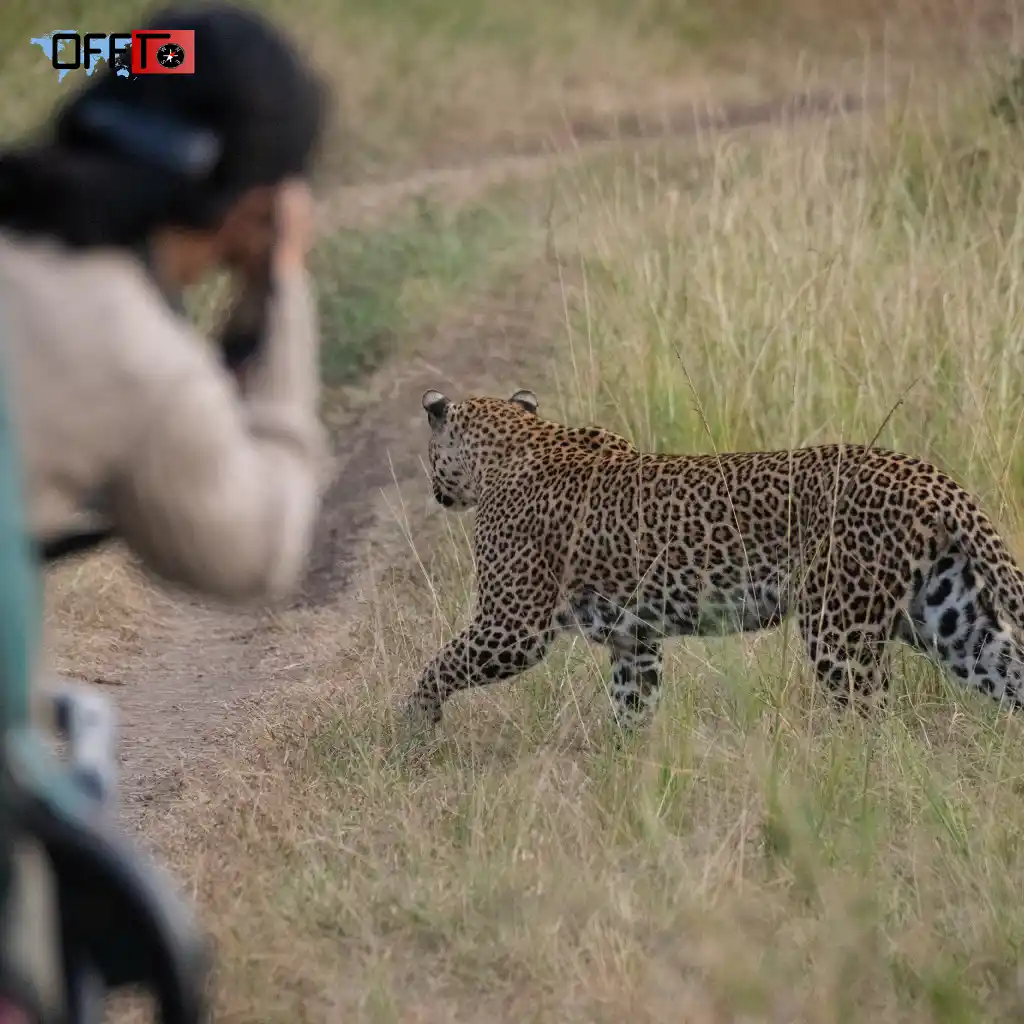
Jawai offers one of the most thrilling safari experiences in India, primarily due to its exceptional leopard sightings. Unlike many wildlife reserves where the animals are often hidden in dense forests, Jawai gives visitors a unique opportunity to witness leopards in their natural habitat as they roam freely across the rugged, rocky terrain. The Jawai Leopard Safari is designed to offer a blend of adventure and education, combining wildlife tracking, jeep rides, and opportunities to witness not only leopards but a variety of other wildlife. Here’s what you can expect during your safari experience in Jawai.
How Safaris Work (Jeep, Tracking, Timing)
The Jawai Leopard Safari typically operates in open-air jeeps with a knowledgeable local guide. The safaris are conducted in the early morning and late evening to give you the best chances of spotting leopards when they are most active. A jeep safari usually lasts 3 to 4 hours, and during this time, you’ll traverse the rocky landscape and explore areas where leopards are often spotted. The safari guide will track the movement of the leopards, using their expertise and the landscape’s natural indicators to navigate the area.
Leopard sightings are not confined to one spot; they can be found in various parts of the Jawai hills, riverbeds, and granite outcrops. The safari experience is interactive, where you can ask questions and learn about the behavior of leopards and other local wildlife, such as sloth bears, hyenas, and various species of birds.
Tracking is a key part of the experience—your guide will lead you to areas where leopards have been sighted recently, using their knowledge of the leopard’s territory. It’s an exhilarating process that makes the safari feel like a real wildlife adventure.
Morning vs Evening Safari
- Morning Safari: The best time to see leopards is early in the morning when they are still active before the heat of the day sets in. The landscape is often bathed in soft, golden light, offering excellent conditions for photography. The air is cooler, and the wildlife is more likely to be visible.
- Evening Safari: The evening safari typically offers the best opportunities for leopard sightings as the leopards emerge from their resting places to hunt. The cooler evening temperatures prompt wildlife to become more active, and the twilight hours often bring out a variety of animals. The setting sun casts a beautiful glow over the landscape, making this a prime time for photography as well.
Both safaris have their advantages, and while morning safaris offer a peaceful and quieter experience, evening safaris tend to be more dynamic and may provide more active wildlife sightings.
Realistic Expectations (Not Guaranteed Sightings)
While Jawai is home to a significant leopard population, sightings are not guaranteed. Leopards are elusive creatures, and their behavior is influenced by a variety of factors, including time of day, weather, and terrain. During the safari, you may encounter leopards resting, walking, or hunting, but there are also times when they may remain hidden in the hills or dense vegetation.
It’s important to manage expectations and remember that wildlife safaris always carry an element of unpredictability. While the chances of seeing leopards are high, it’s also about appreciating the landscape, the natural beauty of the area, and the opportunity to observe wildlife in its natural environment. If you’re fortunate enough to see a leopard, it will undoubtedly be an unforgettable experience, but even if you don’t, Jawai’s natural setting offers plenty of other remarkable sights.
Is Jawai a National Park? Understanding the Landscape
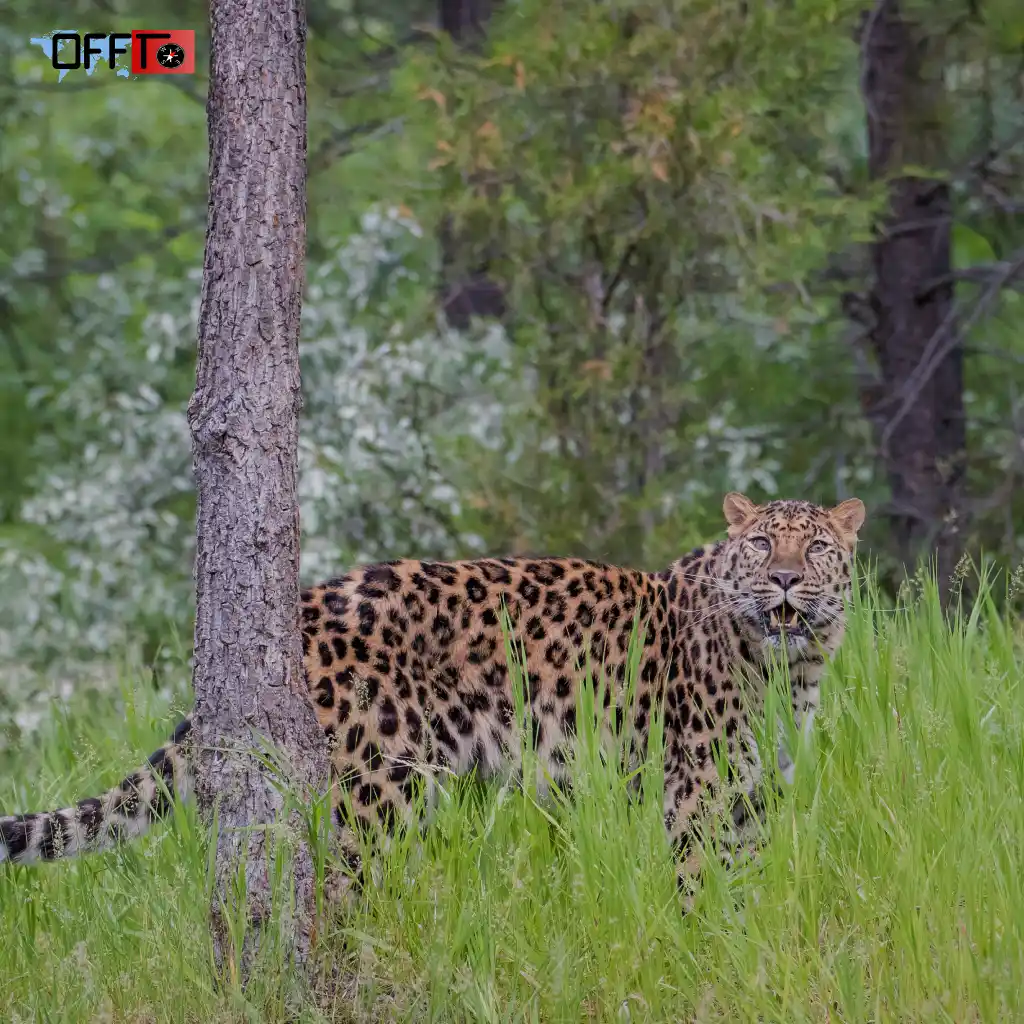
Jawai is often mistaken for a traditional national park, but it is, in fact, not classified as one. Unlike the well-known Ranthambore or Kaziranga National Parks, which are officially protected national parks with strict regulations, Jawai operates as an open wilderness area. This distinction plays a key role in shaping the safari experience and gives visitors a unique way of experiencing nature. Here’s what makes Jawai’s landscape and its conservation approach stand out.
Jawai Is Not a Typical National Park
Jawai is not officially classified as a national park or wildlife sanctuary, but rather as an open wilderness area. This means that there are fewer restrictions on the movement of wildlife and human activity. In typical national parks, wildlife is often confined to specific boundaries, with restricted areas for both visitors and animals. In contrast, Jawai allows for a more natural coexistence between humans and animals, with leopards and other wildlife free to roam across a much larger area that includes the hills, riverbeds, and nearby villages.
This open landscape allows for a more immersive safari experience, where visitors can explore vast areas and witness wildlife in their natural environment, without the constraints of being in a fenced-off or heavily managed national park. This model of wildlife conservation has proven effective in Jawai, especially for species like the leopard, which thrives in open terrains.
Open Wilderness vs Protected Reserves
The primary difference between Jawai and protected reserves lies in the level of human involvement in the management of the area. In protected reserves, human access is often restricted, and the wildlife is closely monitored. Conversely, Jawai’s landscape is more open, allowing the local human population, including the Rabari tribe, to live alongside the wildlife. This coexistence plays an integral part in Jawai’s success as a wildlife haven.
The open wilderness approach has both pros and cons:
- Pros: The open environment allows leopards to follow their natural hunting and social behaviors, and other species can roam freely. Visitors are treated to an authentic experience of wildlife in its true habitat.
- Cons: Because Jawai is not a formal national park, it does not have the same level of official protections that some other parks have. Visitors should be mindful of their behavior and respect the environment, as the landscape is shared by both wildlife and local communities.
What This Means for Travellers
For travelers, Jawai offers a unique opportunity to experience wildlife in a less commercialized and more natural setting. While traditional national parks may offer more predictable encounters with wildlife due to their controlled environments, Jawai provides a more authentic, open-wilderness experience. Visitors can enjoy safari experiences without the strict boundaries of a national park, which adds to the sense of adventure and excitement.
Jawai’s open landscape also means that safaris are more personalized, with guides who are well-versed in the local wildlife and the ways in which humans and animals coexist. It’s a rare opportunity to visit a place where conservation and human activity work hand in hand, and where nature is allowed to function freely, without the heavy hand of regulation.
Best Time to Visit Jawai (Season-by-Season Breakdown)
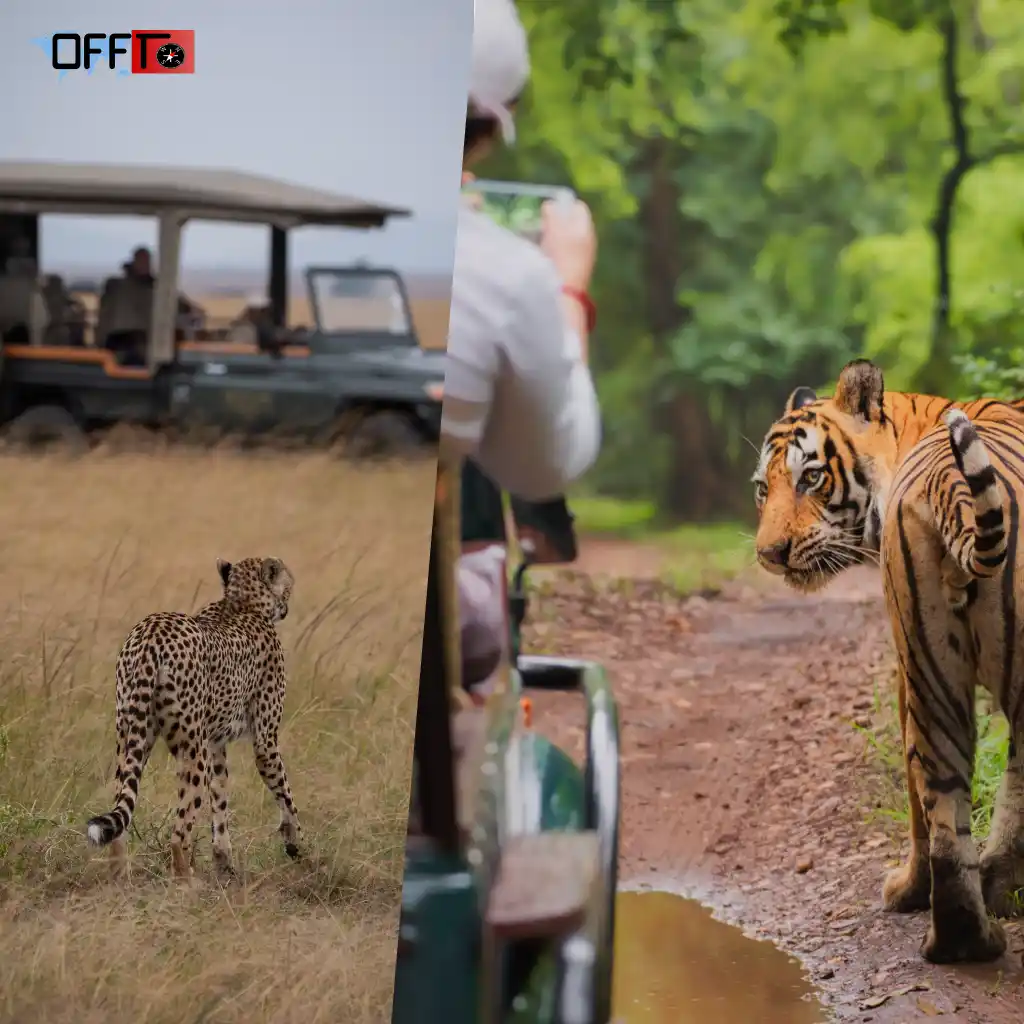
Jawai’s unique landscape and wildlife make it an ideal destination year-round. However, the best time to visit depends on what kind of experience you’re looking for. Each season offers something different, from the lush, vibrant monsoon season to the crisp and clear winter months. Here’s a breakdown of what to expect in Jawai during each season, helping you plan your perfect safari.
Winter (Peak Safari Season)
Winter (November to February) is considered the peak safari season in Jawai, thanks to the cooler temperatures and clear skies. The weather during this time is perfect for outdoor activities and safaris, as it’s neither too hot nor too cold. The temperature during the day ranges from 15°C to 25°C, with cool, pleasant mornings and evenings.
This is also the best time for leopard sightings, as the cooler weather encourages leopards and other wildlife to be more active during the day. The landscape is at its most accessible, with clear paths and excellent visibility, making it ideal for photography. The winter months also bring fewer mosquitoes and other insects, ensuring a more comfortable experience for visitors.
If you’re looking for a perfect balance of comfortable weather and great wildlife sightings, winter is the ideal time to visit Jawai. However, since it’s the peak season, it’s important to book your safari in advance, as demand can be high.
Summer (Higher Sighting Chances, Hotter Weather)
Summer (March to June) in Jawai can be quite hot, with daytime temperatures soaring between 30°C to 40°C. The heat during the day can be intense, but the early mornings and late evenings are still bearable for safaris. The summer months are particularly notable for higher leopard sightings since, during the hotter weather, wildlife tends to congregate around water sources, making it easier to spot animals.
While summer offers better chances to see wildlife because animals gather near the waterholes, it can also be less comfortable due to the heat. It’s important to stay hydrated, wear sunscreen, and carry light clothing to protect yourself from the sun. If you’re willing to brave the heat, summer is a great time for those who prioritize leopard sightings over a more comfortable experience.
Monsoon (Restricted Movement, Greener Landscape)
Monsoon (July to September) transforms Jawai into a lush paradise, with a more vibrant landscape and greener surroundings. However, this is the most challenging time for safaris. While the rainfall makes the landscape lush and picturesque, it can make accessing certain areas more difficult. Roads may become muddy and slippery, and some areas may be temporarily off-limits for safaris due to high water levels.
The monsoon season is also the least favorable for leopard sightings, as the leopards often stay hidden in the dense foliage during this time. However, for those who are looking for a more peaceful and less crowded experience, visiting Jawai during the monsoon offers a chance to enjoy the natural beauty of the area without the usual influx of tourists.
If you want to witness Jawai’s transformation into a green haven and don’t mind the limited safari options, monsoon can be a beautiful, albeit unpredictable, time to visit. However, be prepared for restricted movement and possible cancellations of safaris during heavy rain.
Jawai Temperature & Weather Guide
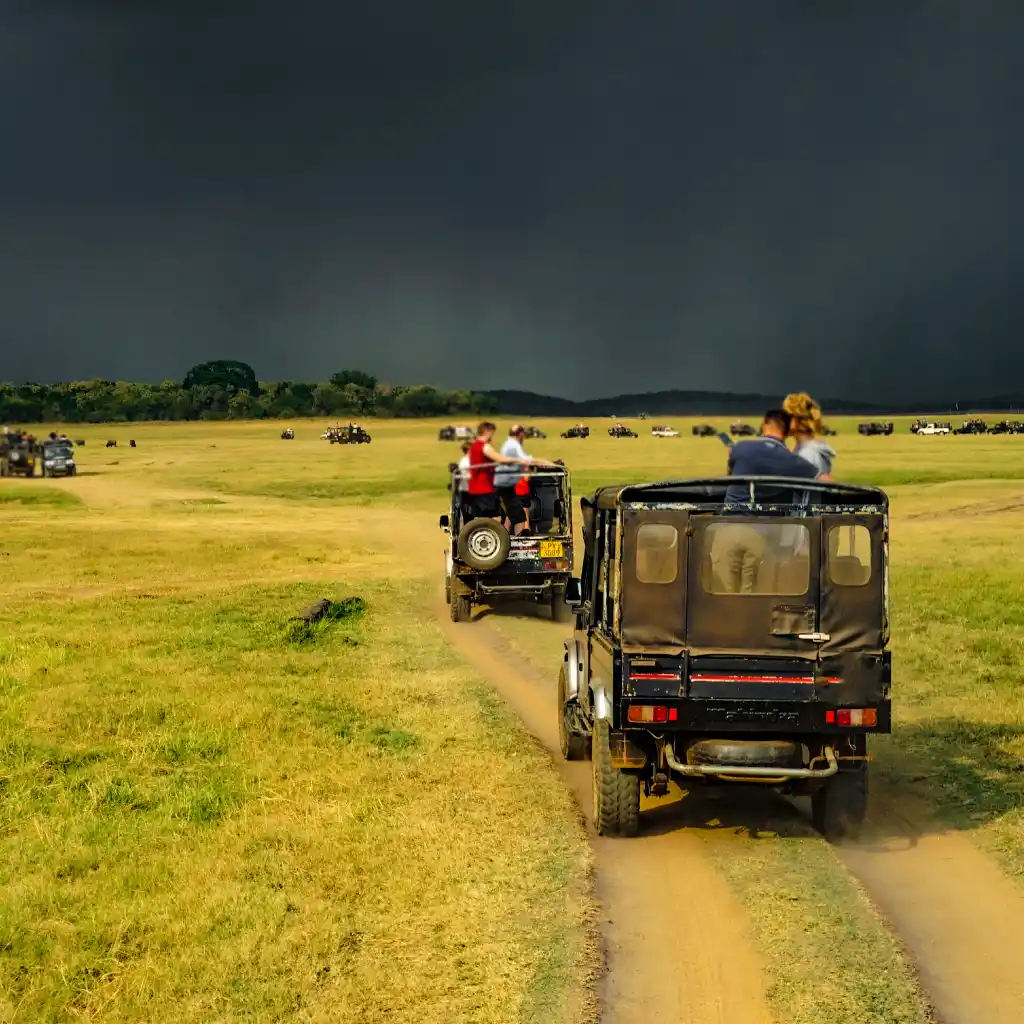
Understanding the temperature and weather variations in Jawai is essential for packing appropriately and ensuring a comfortable safari experience. Jawai experiences a diverse climate, with extremes between seasons. Here’s an overview of the monthly temperature and what to expect when it comes to day vs night variation.
Monthly Temperature Overview
- January to February (Winter): The temperature ranges from 15°C to 25°C during the day, making it pleasant for safaris. Nights can get chilly, with temperatures dipping to around 5°C to 10°C, so it’s advisable to carry warm layers.
- March to June (Summer): Temperatures can soar between 30°C to 40°C during the day, with night temperatures staying relatively warm at 20°C to 25°C. Although daytime temperatures are high, mornings and evenings remain bearable for wildlife sightings.
- July to September (Monsoon): During the monsoon season, Jawai experiences temperatures ranging from 25°C to 35°C during the day. The nights remain relatively cool, with temperatures dropping to 20°C to 25°C. However, the heavy rainfall and humid conditions can affect movement around the safari area.
- October to December (Post-Monsoon to Winter): Temperatures gradually drop, ranging from 20°C to 30°C during the day. Nights can be chilly, with temperatures dropping to 10°C to 15°C. The post-monsoon season is ideal for safaris, as the region is lush and the weather is more comfortable.
What to Pack Based on Season
- Winter (November to February): For winter safaris, pack light layers for the daytime and warm clothing for the chilly mornings and evenings. Don’t forget gloves and a scarf for the early morning game drives. A light jacket is essential for the cool evenings.
- Summer (March to June): Pack light, breathable clothing that covers your body to protect against the sun. Be sure to bring sunscreen, a hat, and sunglasses. Carry plenty of water to stay hydrated during the hot afternoons, as well as comfortable, moisture-wicking fabrics.
- Monsoon (July to September) transforms Jawai into a lush paradise, with a more vibrant landscape and greener surroundings. However, this is the most challenging time for safaris. While the rainfall makes the landscape lush and picturesque, it can make accessing certain areas more difficult. Roads may become muddy and slippery, and some areas may be temporarily off-limits for safaris due to high water levels.
- Post-Monsoon to Winter (October to December): Similar to the winter months, pack warm layers for the early mornings and evenings. Comfortable and breathable clothes will work well during the day, and it’s advisable to bring comfortable shoes for walking around.
Day vs Night Variation
- Daytime: Expect clear skies and moderate temperatures during winter and monsoon, while summer brings intense heat. Daytime safaris are ideal during early morning or late afternoon when temperatures are cooler, especially in the hotter months.
- Nighttime: Night temperatures can drop significantly, especially during winter, requiring warm clothing. Monsoon evenings tend to be cooler with a refreshing breeze, while summer nights remain warm.
Things to Do in Jawai (Beyond Leopard Safari)
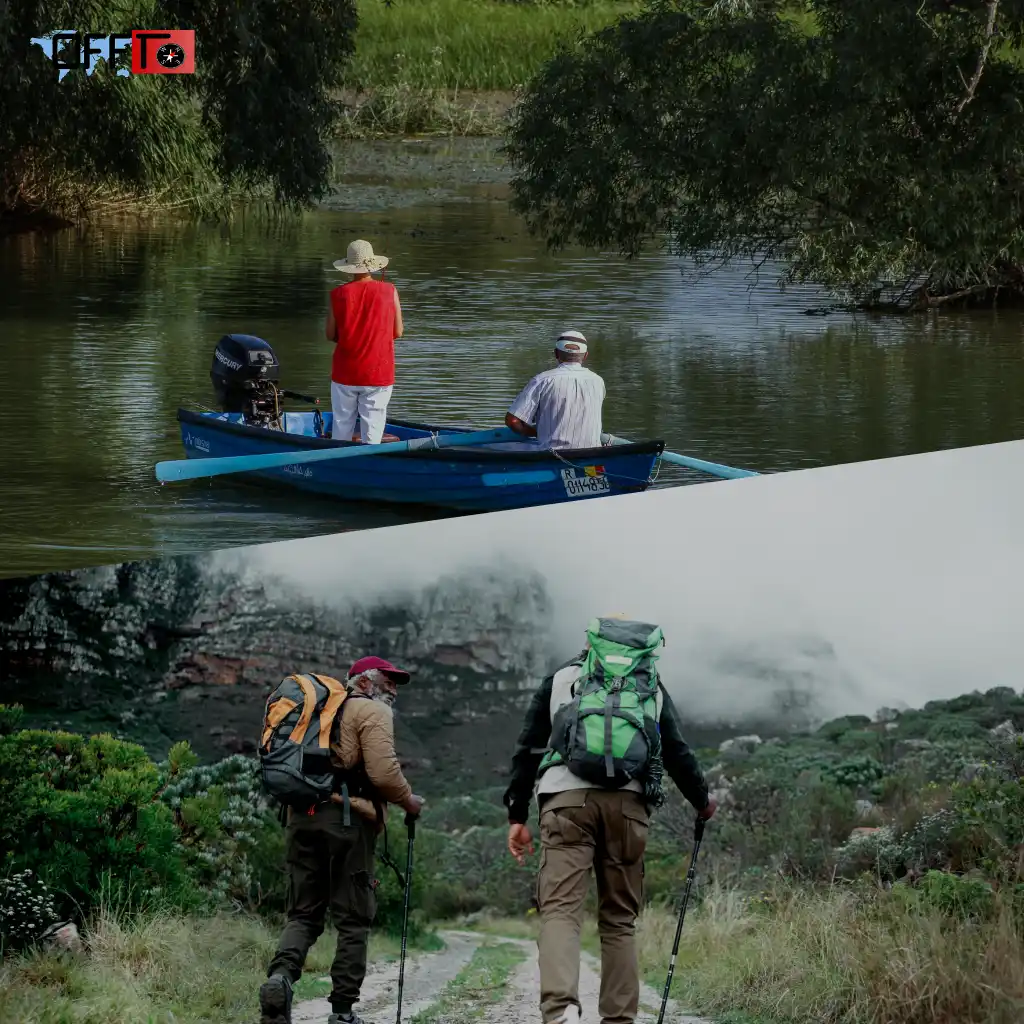
While the Jawai Leopard Safari is undoubtedly the star attraction, there’s so much more to experience in this beautiful region of Rajasthan. From birdwatching in its lush landscapes to exploring the Rabari culture and taking in panoramic views from the granite hills, Jawai offers a variety of activities for all types of travelers. Whether you’re looking for a more laid-back experience or an action-packed adventure, Jawai caters to every preference.
Birdwatching
Jawai is not only a paradise for leopard enthusiasts, but it also attracts a diverse range of bird species, making it a prime destination for birdwatching. The region’s granite hills, riverbeds, and wetlands create a perfect environment for both resident and migratory birds. You can expect to see Indian Peafowls, sandpipers, herons, and eagles, along with rare species such as the Marsh Harrier and Grey-headed Fish Eagle.
For birdwatchers, the early morning safari or a relaxed walk around the Jawai River is the best time to spot these magnificent creatures. The quiet, undisturbed environment of Jawai makes it a serene haven for bird lovers, offering a variety of species to observe in their natural habitat.
Village Visits & Rabari Culture
The Rabari tribe is a significant part of Jawai’s cultural fabric, and their lifestyle offers a unique glimpse into the rich rural traditions of Rajasthan. Visiting the Rabari villages gives you the chance to experience their way of life up close. The Rabari people are known for their nomadic lifestyle, their intricate embroidery work, and their strong bond with the land and animals.
During your visit, you can observe how these tribal communities live in harmony with the leopards and other wildlife, sharing their land with these majestic creatures. It’s an incredible opportunity to learn about the human-wildlife coexistence that Jawai is so famous for. You can also buy handmade crafts directly from the villagers, giving you a piece of authentic Rajasthani art.
Granite Hill Viewpoints
Jawai is renowned for its dramatic granite hills, which not only add to the beauty of the landscape but also serve as ideal viewpoints for capturing breathtaking vistas. The Jawai hills offer a unique topography, with jagged rock formations, rolling hills, and wide-open vistas, perfect for photography enthusiasts.
Climbing some of these granite hills or simply visiting a viewpoint provides visitors with sweeping panoramic views of the entire region, including the Jawai River, the surrounding countryside, and the distant hills. For those seeking a more adventurous experience, hiking up to these viewpoints gives you a chance to explore Jawai’s landscape from a new perspective.
Relaxed vs Activity-Focused Travel
Whether you’re visiting for a relaxed trip or looking for more activity-focused experiences, Jawai offers the flexibility to cater to both types of travelers. If you’re looking to unwind, you can simply relax by the Jawai River, enjoy the cool breeze from the hills, or sit by one of the lakes and soak in the natural beauty.
For those seeking adventure, Jawai offers plenty of activities such as safaris, birdwatching, hiking, and village visits. The combination of wildlife, culture, and natural beauty provides ample opportunities for an active, action-packed trip while still allowing for peaceful moments to enjoy the region’s tranquility.
Places to Visit in Jawai & Nearby Attractions
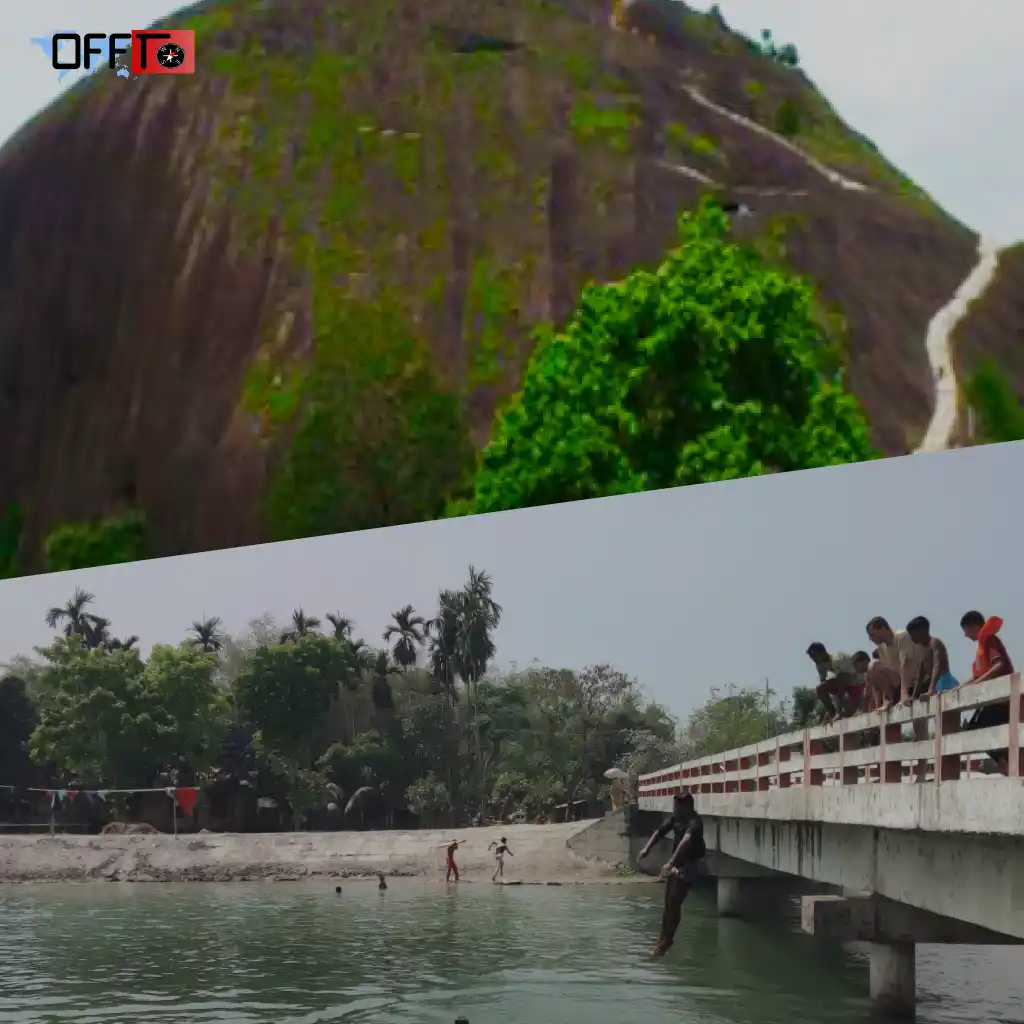
Jawai may be relatively remote, but it is surrounded by a wealth of attractions that make it an even more appealing destination. While the Jawai Leopard Safari is the main draw, visitors can also explore Jawai Dam, Devgiri Temple, and the stunning granite hills around the region. For those looking to extend their trip, nearby attractions such as Kumbhalgarh Fort and Ranakpur offer rich cultural and historical experiences. Let’s take a closer look at these must-visit places.
Jawai Dam
The Jawai Dam is a picturesque spot located near the village of Jawai Bandh. The dam is a popular spot for birdwatching, especially during the monsoon when migratory birds flock to the area. The tranquil waters of the dam are perfect for photography, with the Jawai hills providing a stunning backdrop. You can also enjoy a peaceful boat ride on the dam, which offers an opportunity to view the surrounding wildlife and the local flora and fauna.
Devgiri Temple
The Devgiri Temple, located atop a hill near Jawai, is a significant religious site for the locals. The temple is dedicated to Lord Shiva and provides panoramic views of the surrounding landscape. Visiting this ancient temple offers insight into the local spiritual life and the architectural beauty of Rajasthan. The temple complex is serene and offers a peaceful environment for reflection and prayer. If you enjoy hiking, the walk up to the temple is worth it, as it also provides excellent photo opportunities.
Nearby Add-Ons (Kumbhalgarh, Ranakpur)
If you have more time, Kumbhalgarh and Ranakpur are two nearby attractions worth exploring.
- Kumbhalgarh Fort: A UNESCO World Heritage Site, Kumbhalgarh Fort is located about 85 kilometers from Jawai. Known for its massive walls and scenic location amidst the Aravalli range, this historic fort offers a glimpse into Rajasthan’s royal past. The fort is one of the largest in India and provides stunning views of the surrounding hills and valleys.
- Ranakpur: About 60 kilometers from Jawai, Ranakpur is home to the famous Ranakpur Jain Temple, known for its intricate marble carvings. The temple is dedicated to Adinatha, the first Tirthankara of Jainism, and is a marvel of architectural beauty. The peaceful ambiance of the temple, combined with the scenic surroundings, makes it an excellent day trip from Jawai.
Where to Stay in Jawai (Camps & Experience Types)
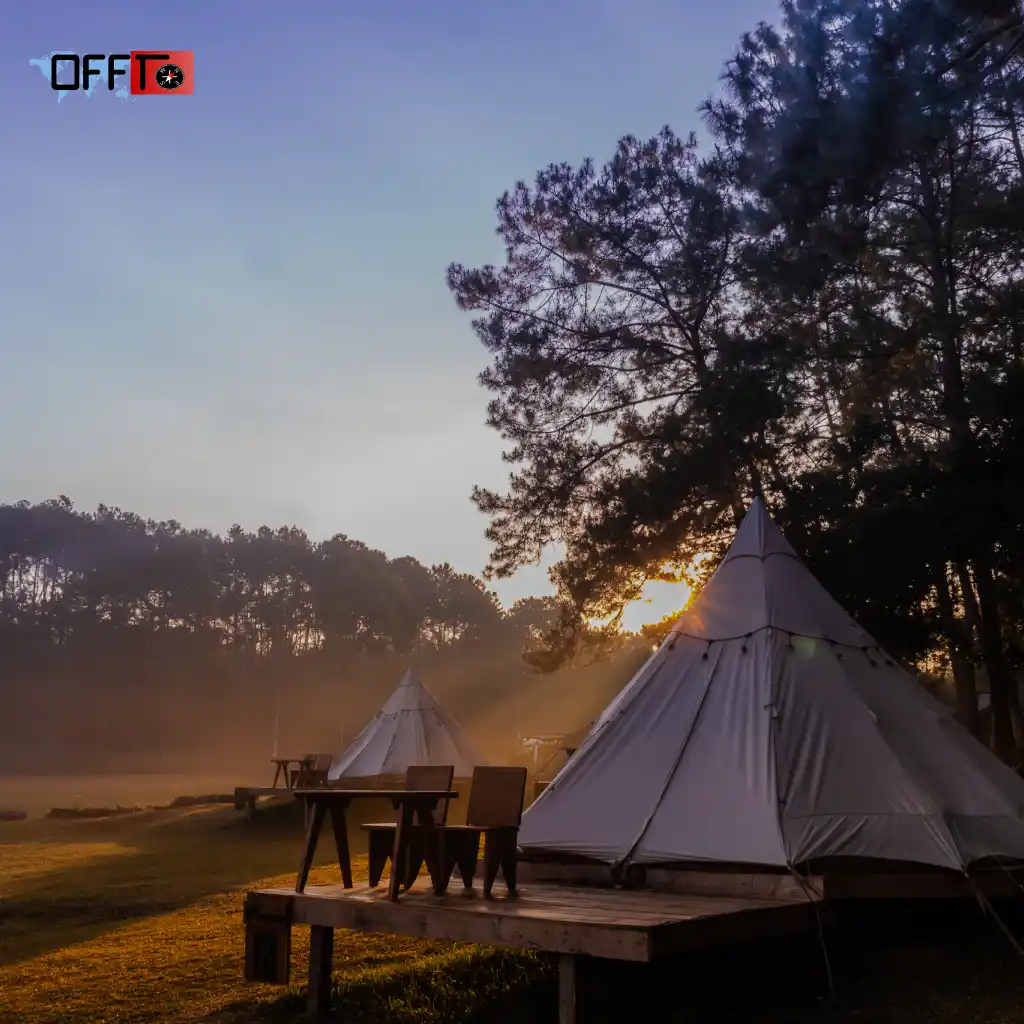
When planning your visit to Jawai, choosing the right place to stay is an important part of the experience. Unlike traditional hotels, Jawai Leopard Camps offer a unique stay that allows you to immerse yourself in the wilderness while enjoying luxury or mid-range comforts. These camps are designed to blend seamlessly into the environment, giving you the opportunity to experience the beauty of Jawai while enjoying modern amenities.
Jawai Leopard Camps (Luxury vs Mid-Range)
Jawai Leopard Camps cater to different types of travelers, offering both luxury and mid-range options, ensuring that your experience aligns with your preferences and budget.
- Luxury Camps: These camps provide the ultimate safari experience, offering top-notch accommodations, fine dining, and personalized services. Luxury camps in Jawai are equipped with spacious tented suites, private verandas, and modern amenities like air-conditioning, private bathrooms, and even plunge pools in some cases. Staying in a luxury camp offers an upscale experience with uninterrupted views of the surrounding wilderness. You can expect curated safari experiences, private guides, and premium services tailored to create a lavish wildlife getaway. These camps are perfect for those seeking comfort, style, and exclusivity.
- Mid-Range Camps: If you’re looking for a more affordable but still comfortable safari experience, the mid-range camps in Jawai offer a perfect balance. These camps typically feature spacious tents with comfortable beds, hot water, and private bathrooms while maintaining a connection to the outdoors. While they may not offer the same level of luxury as the high-end camps, mid-range options still provide excellent service and an authentic experience. For example, you may find shared dining areas with home-cooked meals and guided safaris. Mid-range camps are ideal for travelers who want a genuine wilderness experience without breaking the bank.
What a “Leopard Camp” Actually Includes
A Jawai Leopard Camp is more than just a place to stay—it’s an immersive wildlife experience. Here’s what you can expect when booking a leopard camp in Jawai:
- Safari Experience: Most camps offer daily safari excursions to track and observe leopards, along with other wildlife in the area. These safaris are led by experienced naturalists or local guides who understand the behavior of the animals and the landscape. The camps provide transportation in open-air jeeps, offering an unobstructed view of the wilderness.
- Cultural Immersion: Many camps also include visits to nearby Rabari villages, where you can learn about the unique culture of this local community and their relationship with the wildlife. This offers a deeper, more personal understanding of the area’s heritage and the coexistence between humans and animals.
- Outdoor Dining & Relaxation: Meals are typically served in communal dining areas where you can enjoy local and international dishes while taking in views of the surrounding hills. Some camps also offer private dining options under the stars. In addition to safaris, you can unwind at the camp with activities like nature walks, birdwatching, or simply relaxing by the campfire.
Who Each Type Suits
- Luxury Camps: Ideal for those who prefer comfort, exclusivity, and top-tier services. Perfect for honeymooners, luxury travelers, or anyone looking for an all-inclusive safari experience with added pampering.
- Mid-Range Camps: Great for families, couples, or solo travelers who want a balance of comfort and adventure. These camps offer great value for money, providing an authentic experience without compromising on quality.
Whether you opt for a luxury or mid-range camp, staying in a Jawai Leopard Camp allows you to experience the best of both wildlife and Rajasthan’s natural beauty.
Is Jawai Worth Visiting? (Honest Travel Fit Guide)
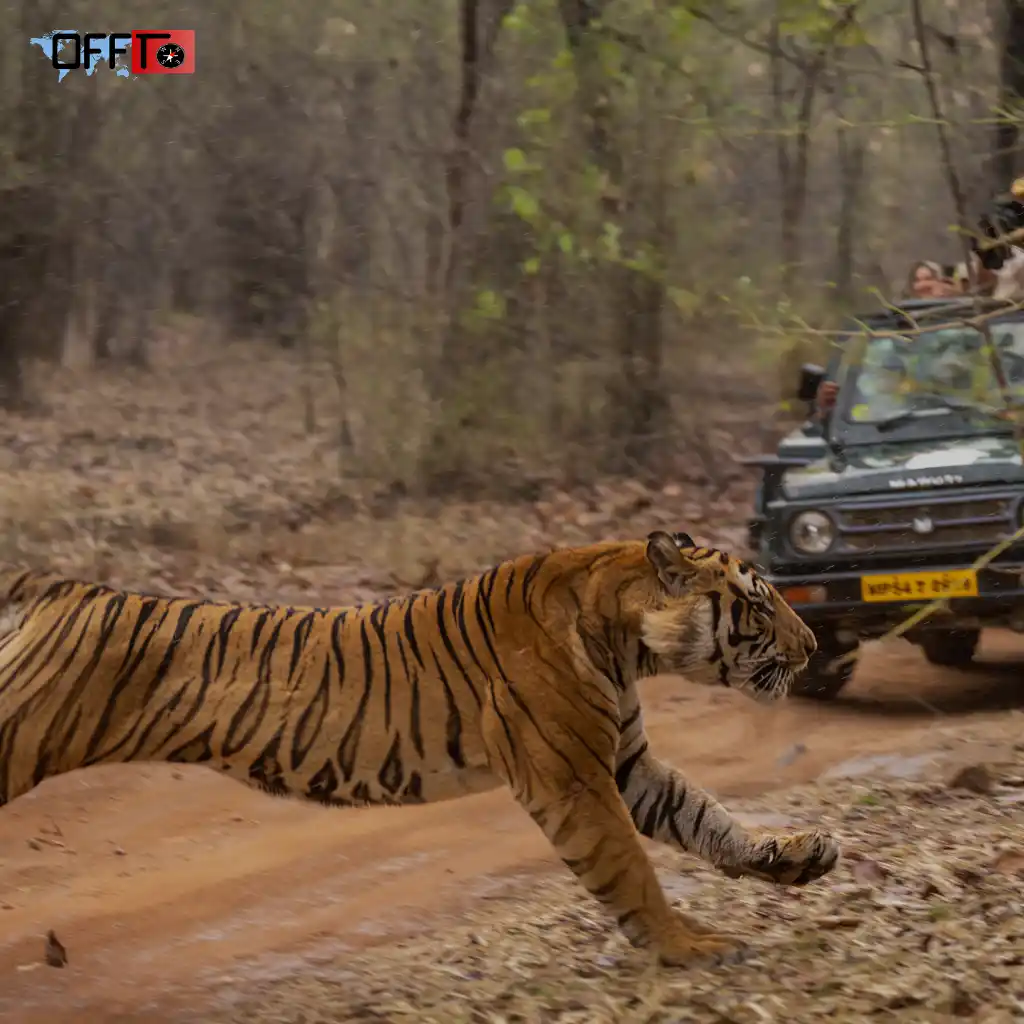
Jawai is a unique wildlife destination, offering an experience that is different from other popular safaris and national parks in India. But is it worth visiting? It depends on the kind of traveler you are and what you’re looking for in your adventure. Let’s break down who will love Jawai, who may not, and how it compares to other safari destinations like Ranthambore.
Who Will Love It
- Wildlife Enthusiasts: If you’re someone who is passionate about wildlife, particularly leopards, Jawai offers one of the best opportunities to see these elusive creatures up close. The region is home to one of the highest densities of leopards in India, and the open wilderness allows for more frequent and intimate sightings than in some other parks.
- Photography Lovers: Jawai’s unique landscape, with its granite hills, riverbeds, and vibrant wildlife, makes it a paradise for photographers. Whether you’re capturing the majesty of a leopard or the stunning sunset over the hills, Jawai offers a wide variety of subjects for your lens.
- Cultural Travelers: Those interested in experiencing a different side of Rajasthan will appreciate Jawai’s local Rabari tribe and their long history of peaceful coexistence with wildlife. The cultural aspect of the trip—visiting villages, learning about local traditions, and understanding the human-wildlife relationship—adds a unique layer to the wildlife experience.
- Adventure Seekers: For those looking for more than just a typical wildlife safari, Jawai offers treks, birdwatching, and the opportunity to explore granite hills and remote villages. If you enjoy a more adventurous, off-the-beaten-path journey, Jawai offers an exciting mix of activities.
Who May Not
- Mainstream Safari Lovers: If you’re looking for a traditional, high-traffic national park experience with the guarantee of seeing large numbers of wildlife or staying in luxurious resorts with extensive amenities, Jawai may not be the right fit. While the leopard sightings are impressive, the experience is more raw and authentic, without the high-end commercialization found in places like Ranthambore or Kaziranga.
- Family with Young Children: If you have young children or are traveling with those who prefer more structured, family-friendly amenities, Jawai’s rustic, camp-style accommodations may not be as comfortable or convenient as those found in more traditional resorts or hotels in other national parks.
- Those Seeking Urban Luxuries: Jawai’s accommodations, especially the mid-range camps, offer a comfortable but rustic experience. If you’re seeking luxury resorts with spas, pools, and extensive shopping options, Jawai might not offer the same level of opulence.
Comparison with Ranthambore / Other Safaris
When compared to Ranthambore, Jawai is a much quieter, less commercialized destination. Ranthambore is more well-known and visited by those hoping to see the Bengal tiger, while Jawai offers a more intimate and less crowded experience with leopards as the primary wildlife attraction. If you’re looking for a more personal and less tourist-heavy experience, Jawai stands out as a hidden gem for wildlife lovers.
Unlike Ranthambore or Kanha, where tiger sightings are the main attraction, Jawai’s focus on leopard sightings offers a completely different wildlife experience. The landscape in Jawai is also unique—rocky hills and riverbeds provide a different safari vibe compared to the lush jungles of Ranthambore or the grassy plains of Kaziranga.
If you’re seeking a safari experience that combines wildlife, culture, and adventure, Jawai is a fantastic option. But if your focus is on ticking off a list of big-game sightings or indulging in highly commercialized resort stays, other parks like Ranthambore might be more suitable.
How to Reach Jawai (Routes, Connectivity & Travel Tips)
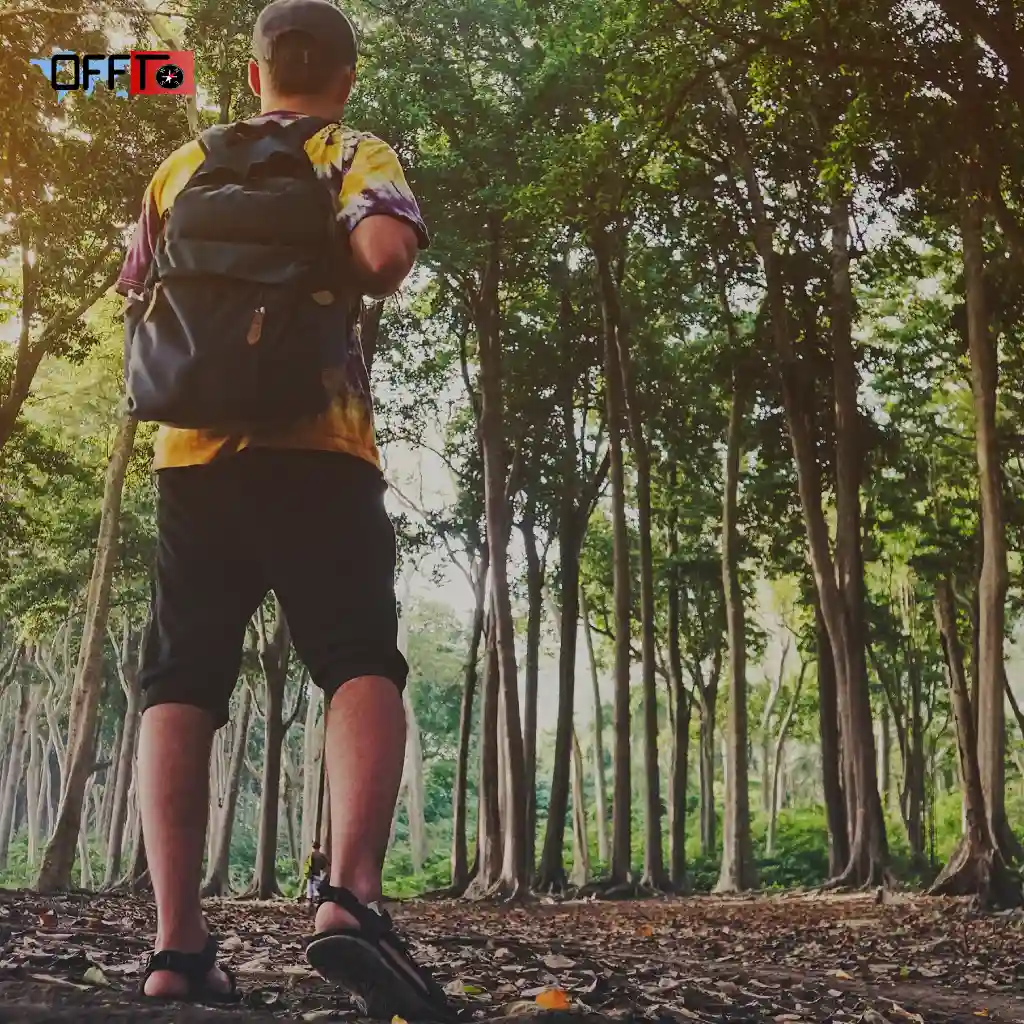
Getting to Jawai is relatively straightforward, thanks to its proximity to major cities in Rajasthan like Udaipur and Jodhpur. Whether you’re traveling by road, rail, or air, there are plenty of transportation options to suit every traveler’s needs. Here’s a detailed guide on how to reach Jawai, including nearest airports, railway stations, road routes, and important last-mile logistics.
Nearest Airport & Railway Station
- Nearest Airport: The closest airport to Jawai is in Udaipur, which is approximately 150 kilometers away from Jawai. Maharana Pratap Airport in Udaipur is well-connected to major cities like Delhi, Mumbai, and Jaipur with regular domestic flights. From the airport, you can hire a taxi or use a private car to reach Jawai. The drive takes around 2.5 to 3 hours.
- Alternate Airport: Jodhpur Airport is another viable option, located about 120 kilometers from Jawai. Jodhpur is well-connected to other major cities and offers several flight options. From Jodhpur, you can take a taxi or hire a private vehicle to Jawai, which takes about 2 to 2.5 hours by road.
- Nearest Railway Station: The nearest major railway station to Jawai is Rani, located about 30 kilometers from Jawai. However, Udaipur Railway Station and Jodhpur Junction are the most commonly used stations by tourists. Udaipur and Jodhpur offer convenient rail connections to major cities across India, and from these stations, you can hire a taxi or use other local transport options to reach Jawai.
Road Travel Routes
By Road: Traveling by road is one of the most popular ways to reach Jawai. The well-maintained roads connecting Udaipur and Jodhpur to Jawai make for a comfortable journey. The drive offers scenic views of the countryside, including the Jawai River, granite hills, and the open wilderness that define the landscape of Jawai.
- From Udaipur: Take the NH62 highway, which connects Udaipur to Jawai, passing through the picturesque rural areas. This drive will take around 2.5 to 3 hours.
- From Jodhpur: Head towards Ranakpur and follow the well-marked routes to Jawai. The drive takes about 2 to 2.5 hours. While the roads are well-maintained, be prepared for some narrow and winding paths as you approach Jawai.
Last-Mile Logistics
Once you arrive in Jawai, the best way to get around is by private car or jeep, especially if you’re heading directly to one of the Jawai Leopard Camps or safaris. The camps can arrange for pickups from nearby towns or the airport. Alternatively, local taxi services are available to take you directly to your destination.
For those traveling on a budget, auto-rickshaws and shared taxis can be used for short distances, though these options may not be as comfortable for longer rides to the camps. Make sure to confirm your pick-up details in advance with your camp or accommodation, as Jawai is a relatively rural area, and services might be limited.
Suggested 2-Day / 3-Day Jawai Itinerary
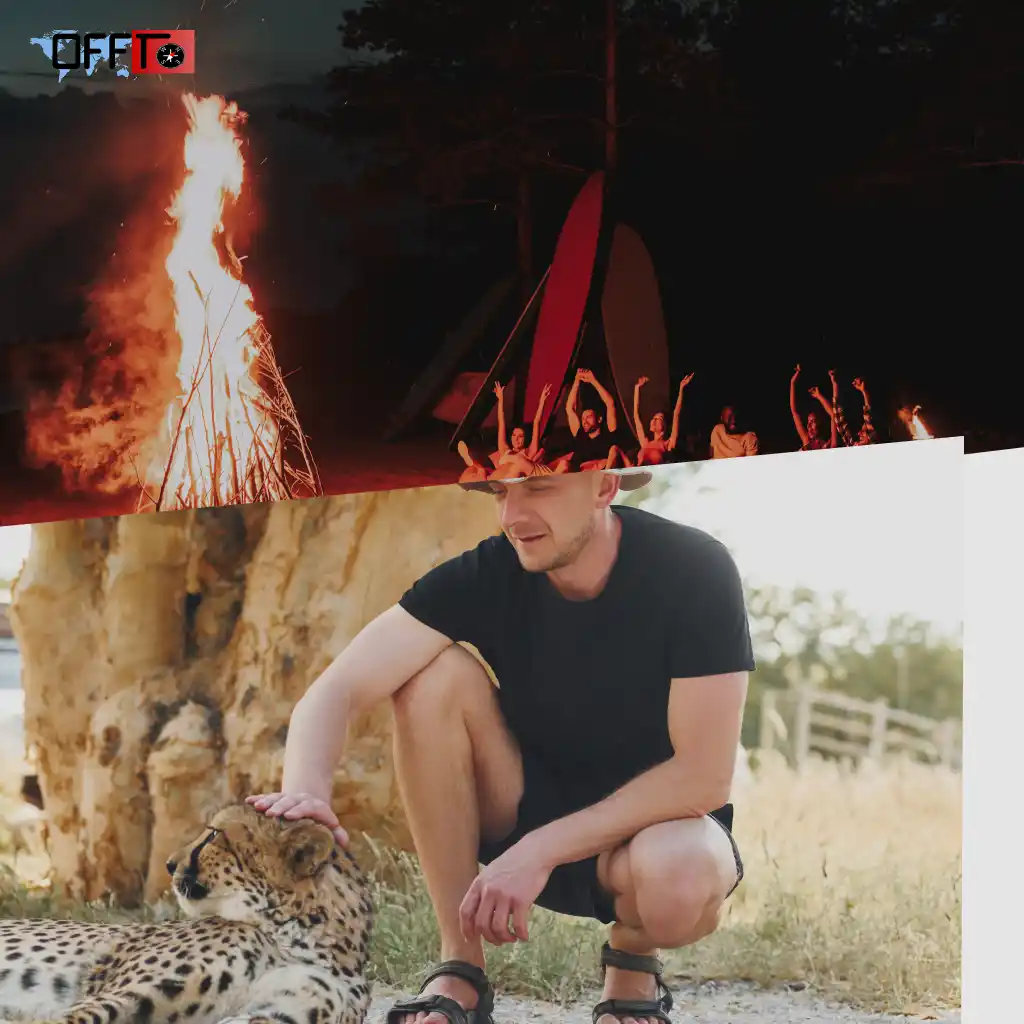
If you’re planning a visit to Jawai, having a well-structured itinerary will ensure you make the most of your trip. Whether you’re looking for a quick safari-focused experience or a more relaxed, immersive adventure, Jawai offers a range of experiences to suit your pace. Here’s a 2-day and 3-day itinerary suggestion for exploring Jawai’s wildlife, culture, and natural beauty.
Safari Timing Logic
The best times for Jawai leopard safaris are early mornings (around 6:00 AM to 8:30 AM) and late afternoons (around 4:00 PM to 6:30 PM), as this is when leopards and other wildlife are most active. Mornings provide cooler temperatures and a serene atmosphere, while evening safaris give you the chance to see wildlife during their hunting hours.
Since sightings are not guaranteed, it’s best to plan multiple safari sessions over your stay for a better chance of encountering the leopards and other wildlife. A mix of morning and evening safaris ensures you don’t miss out on any opportunities to explore Jawai’s wilderness.
2-Day Jawai Itinerary (Quick Safari-Focused)
Day 1: Arrival + Evening Safari
- Arrival: Arrive at your camp or accommodation in Jawai by afternoon.
- Evening Safari: After settling in, head out for an evening leopard safari. Enjoy the sights and sounds of the wilderness as you track leopards and other wildlife across the rocky hills and riverbeds.
- Evening at Camp: After your safari, unwind at the camp with a delicious dinner and campfire experience. Enjoy the night under the stars and listen to the stories of the guides about wildlife conservation.
Day 2: Morning Safari + Local Culture + Depart
- Morning Safari: Start the day early with a morning safari, giving you the chance to spot leopards and other wildlife in the cooler part of the day.
- Village Visit: After the safari, take a trip to the nearby Rabari village to learn about the local culture and see how the community coexists with the wildlife.
- Departure: After lunch at the camp, depart for Udaipur or Jodhpur (depending on your next destination).
3-Day Jawai Itinerary (Leisure + Adventure)
Day 1: Arrival + Evening Safari
- Arrival: Arrive at Jawai and check into your leopard camp.
- Evening Safari: Enjoy your first safari and observe the wildlife, particularly the elusive leopards in their natural habitat.
- Dinner: Unwind at the camp, enjoy dinner, and share experiences with fellow travelers.
Day 2: Morning Safari + Granite Hill Hike + Cultural Experience
- Morning Safari: Head out for an early morning safari to increase your chances of spotting leopards and other wildlife.
- Granite Hill Hike: After breakfast, embark on a hike to one of Jawai’s granite hills. This will give you breathtaking panoramic views of the region and a chance to see different birds and animals.
- Cultural Experience: In the afternoon, visit the nearby Rabari village for a cultural immersion, where you can meet the locals and learn about their lifestyle.
- Evening Relaxation: End the day with a relaxed evening, enjoying the natural surroundings and listening to the sounds of wildlife.
Day 3: Morning Safari + Departure
- Morning Safari: Enjoy your final morning safari, making the most of the peaceful, cool morning air before the day heats up.
- Departure: After a hearty breakfast at the camp, check out and begin your journey back to Udaipur or Jodhpur.
Optional Slow-Travel Version
If you’re someone who prefers a slower, more relaxed travel pace, you can extend your stay in Jawai to explore more leisurely. Add an extra day for just relaxing by the Jawai River, reading, or engaging in activities like birdwatching. You could also plan an afternoon visit to Jawai Dam for a quiet boat ride or photography session.
Travel Tips for Visiting Jawai

A trip to Jawai offers a unique wildlife experience, but to make the most of your visit, there are a few practical travel tips that can enhance your safari adventure. Whether you’re planning a quick getaway or a more immersive experience, these travel tips will help ensure that your visit is smooth, enjoyable, and memorable.
Booking Safaris in Advance
Due to Jawai’s rising popularity, it’s advisable to book your safaris in advance, especially during peak seasons like winter (November to February). The Jawai Leopard Safari is the main attraction, and the number of available jeep safaris is limited. To secure your spot, especially in luxury camps, it’s essential to make reservations early.
If you’re visiting during the monsoon, many safaris may be restricted due to weather conditions, so early bookings are particularly important to avoid disappointment. Booking in advance ensures you can plan your safari timings according to your preference—whether you want to experience a morning safari for serene views or an evening safari to witness wildlife in the cooler hours.
Choosing the Right Camp
Choosing the right leopard camp in Jawai depends on your travel preferences and budget. Luxury camps offer a high-end experience with private tented suites, fine dining, and more personalized services, perfect for those who want a premium safari experience. These camps are ideal for couples, honeymooners, or anyone seeking exclusivity.
On the other hand, mid-range camps provide a more budget-friendly but still comfortable option. These camps typically feature spacious tents, private bathrooms, and shared dining areas. For families or those looking for a more affordable experience, mid-range camps provide excellent value while still allowing you to immerse yourself in the wildlife experience.
Whichever camp you choose, ensure that it offers knowledgeable local guides and eco-friendly practices. This will allow you to have a more authentic, sustainable experience, contributing to the conservation efforts in Jawai.
What Most Travelers Misunderstand
One common misconception about Jawai is that leopards are guaranteed sightings. While the region is home to a significant population of leopards, it’s important to understand that they are wild animals. Sightings depend on a variety of factors, including weather conditions, the time of day, and the leopard’s natural behavior.
Another misunderstanding is about Jawai’s accessibility. Although it is considered somewhat remote, Jawai is easily accessible from nearby cities like Udaipur and Jodhpur. The roads are well-maintained, and travel time from these cities is relatively short (around 2 to 3 hours by car), making Jawai a convenient yet peaceful destination for a weekend or short getaway.
Additionally, while Jawai is less commercialized than other famous national parks like Ranthambore, it offers a more intimate and authentic wildlife experience. Many travelers may expect a more “touristy” atmosphere, but Jawai provides a calm, less crowded environment perfect for those seeking an off-the-beaten-path safari experience.
Responsible Wildlife Behavior
When visiting Jawai, it’s important to follow responsible wildlife behavior to ensure the safety and conservation of the region’s wildlife. Here are some key guidelines to keep in mind:
- Respect wildlife: Do not disturb or provoke the animals. Leopards, although used to human presence, are wild animals and should be observed from a safe distance.
- Follow the guide’s instructions: Safari guides are highly knowledgeable about both the local wildlife and the landscape. Follow their lead and advice to ensure a safe and enjoyable experience.
- Minimize environmental impact: Stick to marked paths during safaris and avoid leaving trash behind. This ensures that the natural environment remains undisturbed for future visitors and wildlife.
- Stay quiet: Keep noise to a minimum during safaris. Loud noises can disturb the wildlife, including leopards, and affect the safari experience for everyone.
- Support sustainable tourism: Choose camps and tour operators that prioritize eco-friendly practices and are involved in local conservation efforts. This helps maintain the delicate balance of Jawai’s ecosystem.
By adhering to these simple guidelines, you can contribute to the conservation of Jawai’s leopards and other wildlife, ensuring that this beautiful region remains preserved for future generations.
FAQs
Where is Jawai situated?
Jawai is located in the Pali district of Rajasthan, India, approximately 150 kilometers from Udaipur and 120 kilometers from Jodhpur. It’s known for its rocky hills, Jawai River, and the region’s abundance of leopards and other wildlife.
Is Jawai worth visiting?
Yes, Jawai is worth visiting for its unique leopard sightings, cultural experiences, and rugged landscape. It offers a more peaceful, less commercialized alternative to traditional wildlife destinations, with opportunities for safaris, birdwatching, and cultural immersion in the local Rabari villages.
What is Jawai famous for?
Jawai is famous for its leopard sightings, where leopards roam freely among the rocky hills and riverbeds. It is also known for its human-wildlife coexistence with the Rabari tribes, who live in harmony with the wildlife, as well as its stunning granite hills and Jawai Dam.
How many days are enough for Jawai?
A 2 to 3-day stay is ideal for Jawai. This allows time for multiple safari sessions, cultural visits, and enjoying the scenic landscape. If you want to explore nearby attractions like Kumbhalgarh Fort or Ranakpur, consider staying an extra day for a more relaxed itinerary.
What is the best time to visit Jawai?
The best time to visit Jawai is during winter (November to February), when the weather is pleasant for safaris. Summer (March to June) offers higher leopard sightings due to animals congregating around water sources, while monsoon (July to September) is great for a greener landscape but with limited safari access.
Are leopard sightings guaranteed in Jawai?
Leopard sightings in Jawai are not guaranteed, as leopards are wild animals. However, the region is home to one of India’s highest leopard populations, and guided safaris offer an excellent chance of spotting them, especially in the cooler months or early evenings.
Read more >>>
Best Time to Visit Pondicherry – Weather, Beaches & Travel Guide
Kedarkantha Trek – Complete Guide to Route, Distance & Best Time
The Quiet Rhythm of Jawai
Jawai’s landscape is a tranquil canvas of vast granite hills, riverbeds, and open plains, creating a sense of peace that envelops you as soon as you arrive. The air is crisp, and the gentle hum of nature takes over, making it an ideal place to disconnect and unwind. The stillness of the wilderness allows you to truly experience the moment, where each rustling leaf or distant animal call reminds you of the world’s quiet rhythm.
What sets Jawai apart is its silence—a serene calm that contrasts the chaos of daily life. Here, you can sit in stillness by the Jawai River, watching the sunlight dance on the water’s surface, while leopards, sloth bears, and other wildlife silently roam their natural habitat. There’s no noise to interrupt the connection with nature, making it a rare escape into a world that feels untouched by modernity.
Jawai offers a truly non-touristy atmosphere. Unlike other popular wildlife destinations, the area remains relatively unexplored, allowing for a more personal and reflective experience. There are no crowds vying for attention or noisy tour groups. Instead, you have the freedom to immerse yourself in the beauty of Jawai at your own pace, making it a perfect destination for travelers seeking peace, solitude, and the rhythm of nature.
Plan Your Jawai Safari with Offto Travellers
Ready to explore the untamed beauty of Jawai? Let Offto travellers be your guide to an unforgettable safari adventure. Whether you’re looking to track elusive leopards, experience the unique local culture, or relax by the river, Offto offers curated safari camps, wildlife experiences, and expert-guided safaris to make your trip memorable.
Explore top camps and safaris with Offto travellers, where every journey is tailored to suit your travel style. Whether you're after a luxury stay in the leopard camps or a more budget-friendly safari experience, Offto ensures you have the best options for your Jawai adventure.
Plan your safari now with Offto travellers and discover a side of Rajasthan that few have seen. From leopards to local traditions, let Offto turn your visit into an extraordinary experience!
Play StoreApp Store
Leave a Reply