
Chembra Peak is located in Wayanad, Kerala, and is famous for its heart-shaped lake (Heart Lake) and scenic views. The trek is approximately 14 km round-trip, with a moderate difficulty level. It typically takes 4–7 hours to complete, depending on whether you stop at Heart Lake or continue to the summit. The best time to visit is October to February, avoiding the monsoon season. Permits are required for trekking, which can be obtained at the base. The summit is often restricted, but Heart Lake is the main attraction.
Where Is Chembra Peak Located? (Wayanad Location Guide)
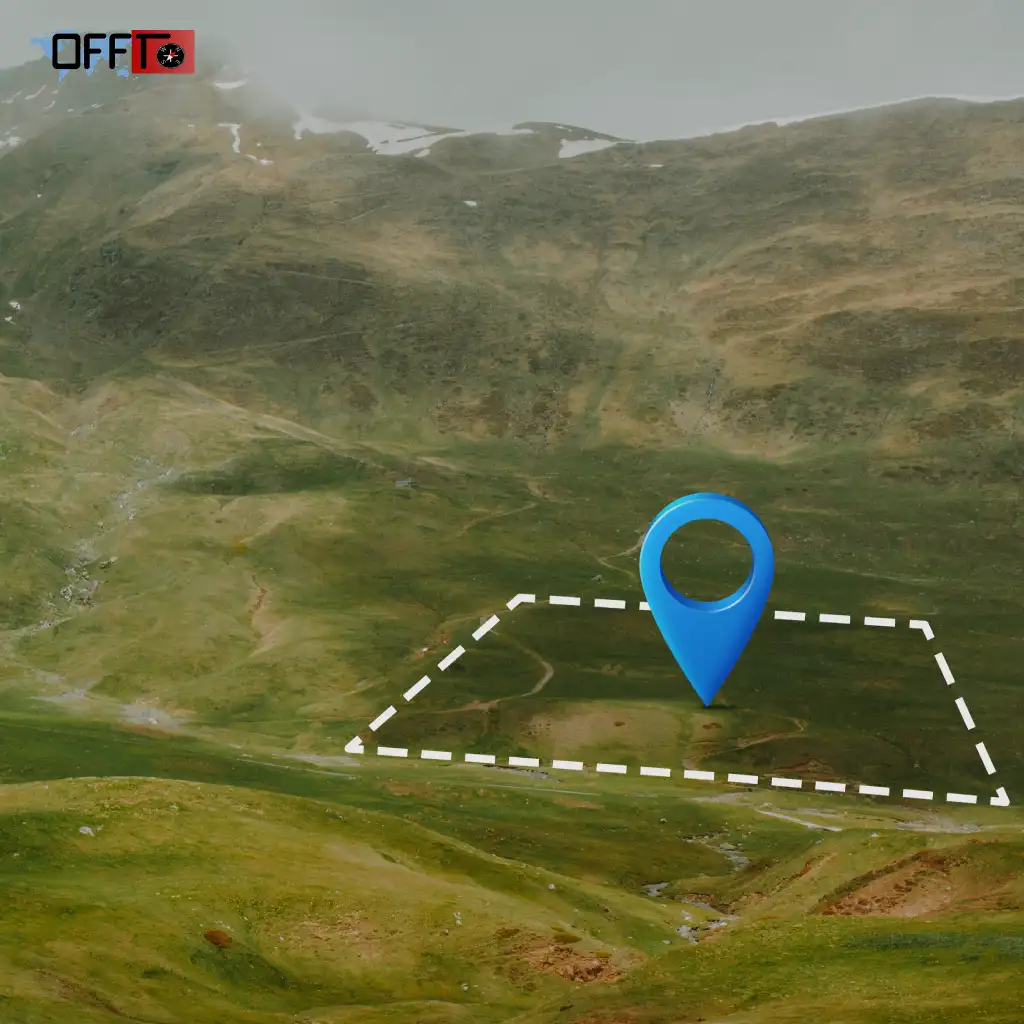
Chembra Peak is one of the most iconic trekking destinations in Kerala, located in the stunning Wayanad district. Situated in the Western Ghats, it offers not only a challenging yet rewarding trekking experience but also breathtaking views of the surrounding landscapes. The peak is famous for its natural beauty, lush green hills, and the unique Heart Lake, which sits at the halfway point of the trek.
Nearest Towns: Meppadi & Kalpetta
The peak is easily accessible from two primary towns in Wayanad: Meppadi and Kalpetta. Both towns are located within a short distance of the base of the trek, making them ideal starting points for your journey to Chembra Peak.
- Meppadi: Located about 12 kilometers away, Meppadi is the closest town to Chembra Peak. This charming town is nestled amidst tea estates and rolling hills, offering a peaceful atmosphere that sets the tone for the trek ahead.
- Kalpetta: Situated around 15 kilometers from the base of the trek, Kalpetta is the main administrative town in Wayanad and serves as a hub for travelers visiting the region. It offers a range of accommodations, restaurants, and transport options for those embarking on the trek.
Accessibility from Major Cities
Chembra Peak is accessible from major cities like Kozhikode (Calicut), Bangalore, and Kochi. Here’s how to reach the base of the trek:
- From Kozhikode: The drive from Kozhikode to Meppadi takes approximately 2.5 hours (around 80 kilometers) via NH766, offering scenic views of the Western Ghats.
- From Bangalore: If you’re coming from Bangalore, the distance to Kalpetta is approximately 300 kilometers, and the drive takes around 6-7 hours. You can either take a direct bus or hire a cab for a more comfortable journey.
- From Kochi: Kochi to Kalpetta is about a 4.5-hour drive (roughly 200 kilometers). The roads are well-maintained, and the scenic route will prepare you for the beauty that awaits at Chembra Peak.
Chembra Peak’s location in Wayanad makes it not only an exciting trekking destination but also a perfect escape into nature, surrounded by lush forests, scenic viewpoints, and the serenity of the Western Ghats.
Chembra Peak Trek Overview (Distance, Height & Route)
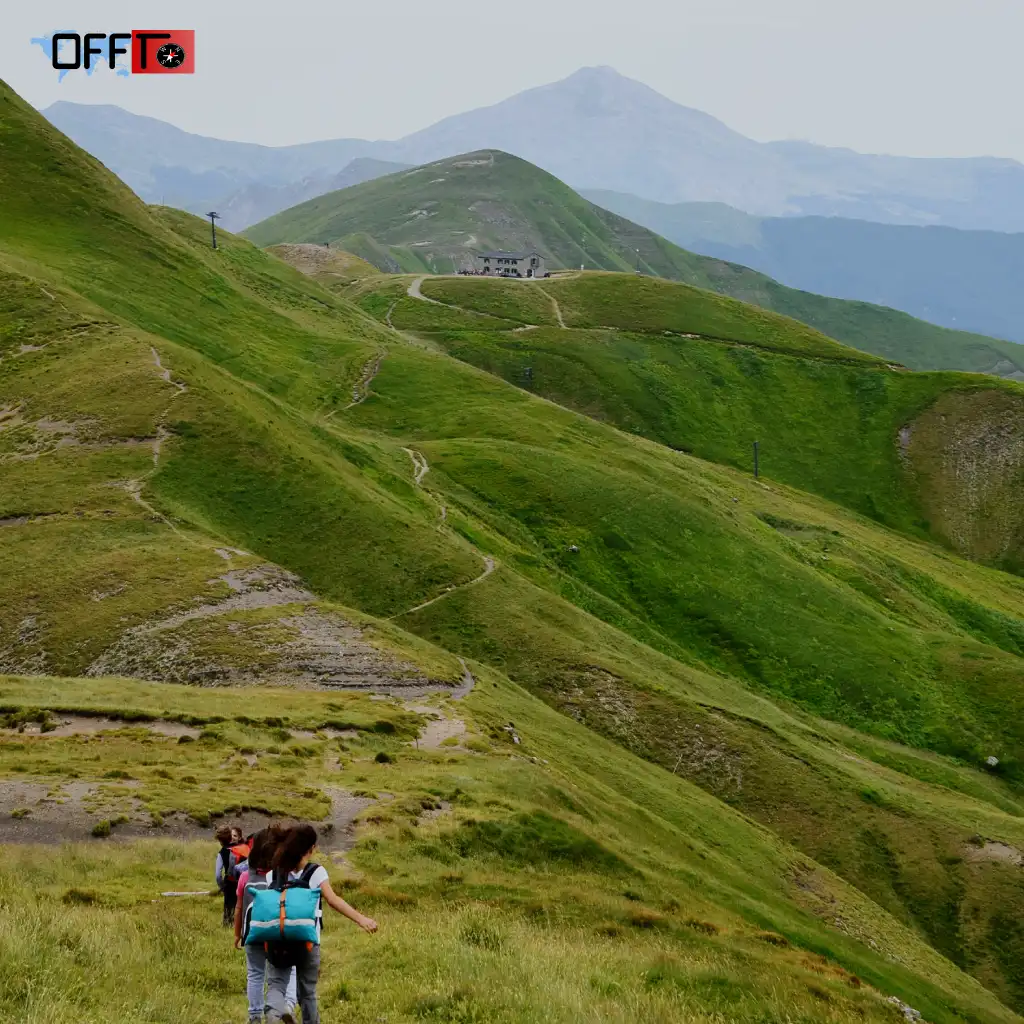
The Chembra Peak Trek is a popular yet manageable trek that offers both beginners and experienced trekkers the opportunity to explore the pristine beauty of Kerala’s Western Ghats. With a well-maintained trail and an awe-inspiring landscape, this trek is truly a must-do for nature lovers and adventure enthusiasts.
Total Trekking Distance: To Heart Lake vs Summit
The trek to Chembra Peak is approximately 14 kilometers round-trip. However, depending on whether you plan to stop at Heart Lake or continue to the summit, the distance and difficulty level can vary.
- To Heart Lake: The trek to Heart Lake, which is the midpoint of the trek, is roughly 6 kilometers one way. The lake, shaped like a heart, is the main attraction and a popular stop for trekkers to take a break and enjoy the surrounding views. Most travelers prefer stopping here for the scenic beauty and serenity it offers.
- To the Summit: If you’re aiming for the summit of Chembra Peak, the total distance increases to about 14 kilometers. This section of the trek is more challenging, involving steep ascents, rocky paths, and dense forest cover. It offers panoramic views of the surrounding Wayanad district, including views of the nearby towns, tea plantations, and the lush greenery of the Western Ghats.
Chembra Peak Height
Standing tall at an elevation of 2,100 meters (6,890 feet), Chembra Peak is one of the highest points in the Wayanad district. The height of the peak combined with its dense forests and the challenging trek makes it a rewarding experience for hikers. As you ascend, the temperature drops, making the environment more pleasant, especially for those visiting from the warmer plains of Kerala and nearby cities.
Trail Structure: Forest → Grassland → Lake
The Chembra Peak Trek is divided into three distinct phases:
1. Forest Area: The trek begins in a dense tropical forest with towering trees and thick underbrush. As you make your way through this section, you’ll be surrounded by the sound of chirping birds and the rustling of leaves. The cool, shaded path provides a peaceful start to the trek.
2. Grassland: As you move beyond the forest, the trail opens up to expansive grasslands, offering sweeping views of the surrounding valley and hills. This section offers an opportunity to take in the panoramic views and witness the beauty of nature in its purest form. The terrain starts to get steeper as you approach the heart of the trek.
3. Heart Lake & Summit: The final section leads you to Heart Lake, where trekkers can relax and take photographs. If you’re continuing to the summit, you’ll find the terrain becoming rockier and steeper, leading up to the peak with unobstructed views of the entire region.
Chembra Peak Trek Difficulty: Is It Easy or Challenging?
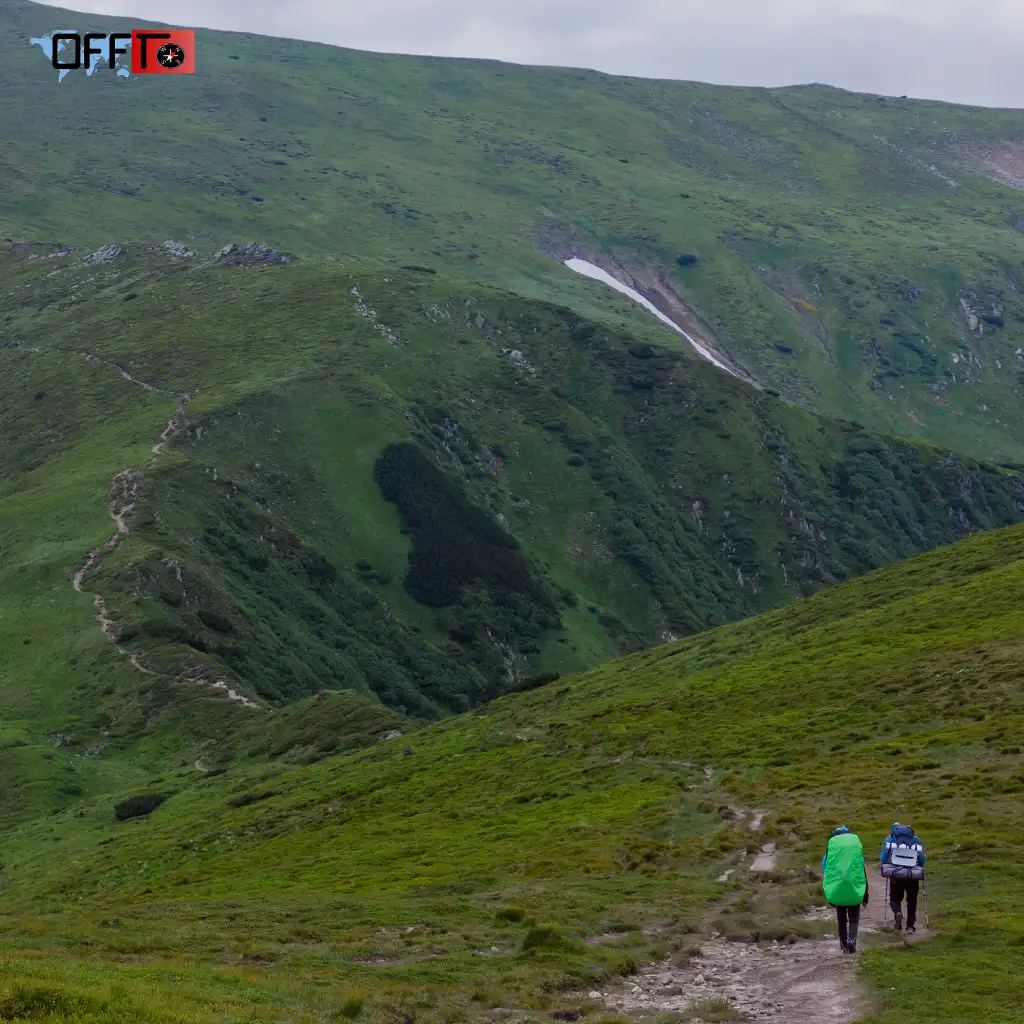
The Chembra Peak Trek is often regarded as a moderately difficult trek, making it suitable for both beginner and intermediate trekkers. While it’s not as demanding as some high-altitude treks, the trail does present its own set of challenges that make it an exciting adventure for nature lovers and adventure enthusiasts.
Real Difficulty Level Breakdown
The overall difficulty level of the trek to Chembra Peak falls in the moderate category, with varying levels of difficulty depending on the section of the trail:
- The first part of the trek is relatively easy, as the path is mostly flat and smooth, weaving through lush forests and moderate inclines.
- The second half, especially the ascent to Heart Lake and beyond, involves steeper gradients and a more challenging climb. The terrain can get rocky, and you’ll need to be prepared for both physical and mental endurance.
- The final ascent to the summit can be strenuous, with sharp inclines and sections that require a good deal of stamina and balance.
Who It’s Suitable For (Beginners vs Experienced Trekkers)
- Beginners: If you’re new to trekking but have a moderate level of fitness, Chembra Peak offers a great introduction to trekking in the Western Ghats. The first half of the trek, up to Heart Lake, is perfect for newcomers who are looking to enjoy nature while still challenging themselves a bit. However, the summit section might be more demanding for those without previous trekking experience.
- Experienced Trekkers: For seasoned trekkers, the trek to the summit provides an excellent opportunity to test your stamina, as the ascent becomes steeper and more physically demanding. Experienced trekkers will find the challenge rewarding and will appreciate the diverse landscapes and views along the route.
Key Challenges (Incline, Weather, Stamina)
- Incline: The steep inclines on the latter half of the trek can be a significant challenge. You’ll encounter rocky sections and narrow pathways that require careful footing, especially near the summit.
- Weather: The weather in Wayanad can be unpredictable, especially during the monsoon season when the trail can become slippery and muddy. It’s essential to check weather conditions before your trek and dress appropriately for changing temperatures.
- Stamina: Trekking to Chembra Peak requires a good level of physical fitness. The long duration of the trek, combined with its steep ascents, can test your stamina. It’s advisable to prepare physically before attempting the trek, especially if you’re aiming for the summit.
Best Time to Visit Chembra Peak
The best time to visit Chembra Peak depends on your preferences for trekking conditions and the type of experience you’re seeking. The weather in Wayanad is pleasant throughout most of the year, but each season brings different advantages and challenges. Here’s a quick guide to help you plan your trek.
Post-Monsoon (Greenest + Best Views)
The ideal time for trekking to Chembra Peak is during the post-monsoon season, which typically runs from October to December. This period offers:
- Lush greenery: The trails are surrounded by vibrant foliage, with everything looking lush and fresh after the rains.
- Best views: The landscape is at its most stunning, with clear skies and the valley below looking magnificent. You can enjoy a panoramic view of the Heart Lake and the surrounding hills.
- Optimal conditions: The temperatures are moderate, and the trail is not as slippery as during the monsoon, making it the best time to experience the trek in its full glory.
Winter (Clear Skies)
From January to February, the winter season in Wayanad provides clear skies and cool temperatures, making it another excellent time for the Chembra Peak trek. During winter:
- Cooler temperatures make the hike comfortable, especially since the summit can get chilly.
- Clearer views: You’re likely to experience unobstructed vistas as the skies are usually clearer, and the visibility is excellent. This season is perfect for those who enjoy crisp, fresh air and breathtaking panoramic views.
Monsoon (Restrictions + Safety)
While monsoon season (from June to September) brings lush greenery, it also introduces several challenges. Here’s what you need to know about trekking to Chembra Peak during the monsoon:
- Slippery paths: The trail can become muddy and slippery, making it hazardous for trekkers, especially in the forest and grassy areas.
- Restricted access: The local authorities often impose restrictions during the monsoon due to the heavy rainfall, which makes the trek less safe. It’s essential to check with the authorities about trek access during this time.
- Safety considerations: If you decide to trek during the monsoon, be prepared for possible disruptions due to rain, and take extra precautions to ensure your safety. This is generally not recommended unless you’re experienced with wet conditions.
Chembra Peak Weather & Temperature Guide
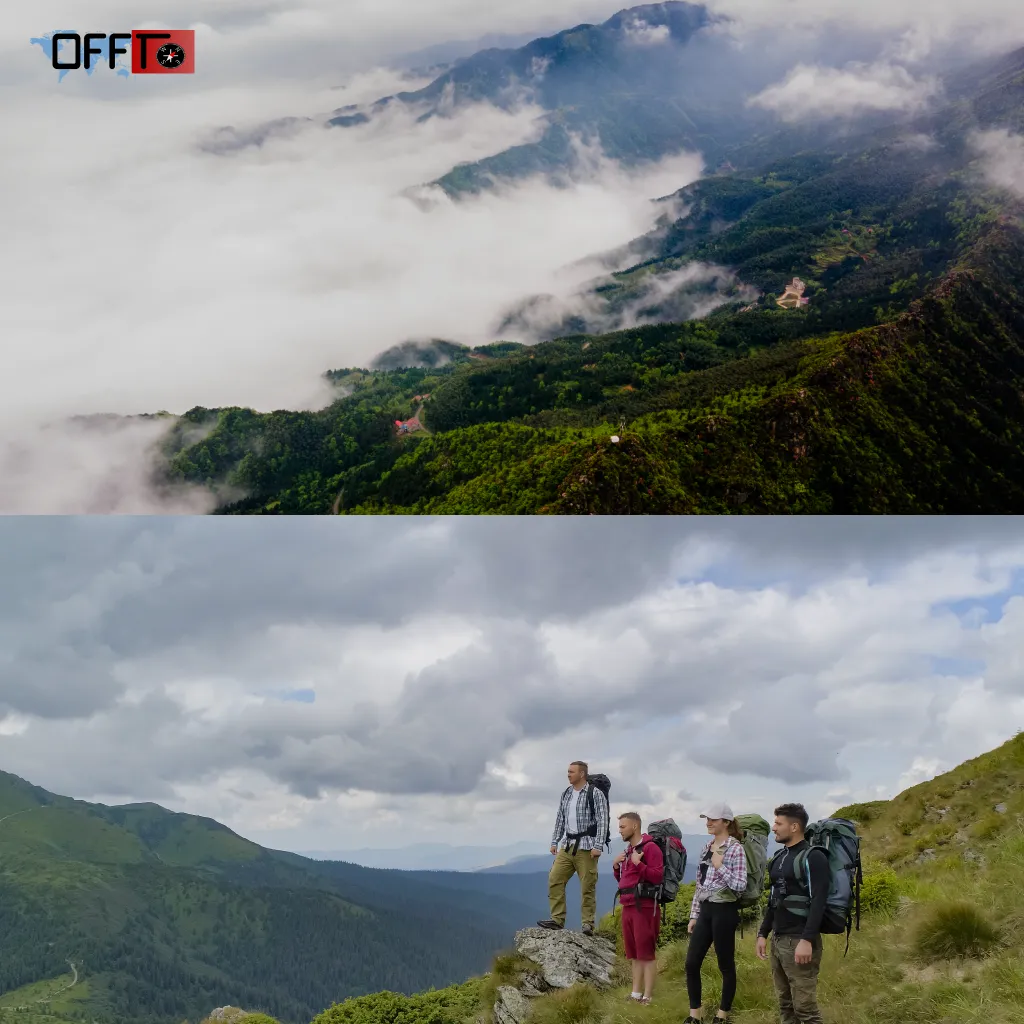
Understanding the weather and temperature at Chembra Peak is crucial for planning your trek. The conditions can vary significantly depending on the season, which directly affects your trekking experience. Here’s an overview of the weather conditions and what to expect throughout the year.
Monthly Conditions
- January to February (Winter): During the winter months, temperatures at the base of Chembra Peak range from 12°C to 25°C. At the summit, it can drop to 6°C to 10°C. The clear skies and cool temperatures provide the perfect environment for a comfortable trek. Early mornings and evenings can get chilly, so pack accordingly.
- March to May (Pre-Monsoon): As the summer season sets in, temperatures at the base rise to around 25°C to 30°C. The summit remains cooler at 18°C to 20°C. While the weather is generally sunny, the humidity can make the trek feel warmer. It’s advisable to start early in the day to avoid the midday heat.
- June to September (Monsoon): The monsoon brings heavy rainfall to the Wayanad region, with Chembra Peak receiving between 3000mm to 4000mm of rain annually. Temperatures stay between 22°C to 28°C. The trekking path can become slippery, and visibility is often reduced due to cloud cover and rain. This is not the best time for trekking due to safety concerns.
- October to December (Post-Monsoon): Post-monsoon brings cooler weather with temperatures at the base ranging from 18°C to 26°C and at the summit from 12°C to 16°C. The landscape is lush and green, offering the best visibility and comfortable trekking conditions.
Trek Suitability by Season
- Best Time to Trek: The post-monsoon months (October to December) are considered the best time to trek to Chembra Peak. The weather is cooler, the trails are dry, and the views are unobstructed. This season offers lush greenery, which makes the trek visually stunning.
- Winter (January to February) is also a good option, especially for those who prefer clear skies and cooler temperatures. The trek is manageable during this period, but be prepared for the cold at the summit.
- Monsoon (June to September) is not recommended due to the risk of slippery trails and reduced visibility. The heavy rainfall could cause landslides and make the trail hazardous, especially in the forested areas.
Visibility vs Difficulty Tradeoff
The visibility and difficulty of the trek can vary based on the season:
- In Post-Monsoon and Winter: You’ll enjoy clear visibility and perfect conditions for trekking. The challenge lies in the steeper sections, especially near the summit.
- In Monsoon: While the trek can be easier in terms of temperature (cooler), the difficulty increases due to the wet conditions, mud, and slippery trails. The reduced visibility also hampers the trekking experience.
How to Reach Chembra Peak
Getting to Chembra Peak is relatively straightforward, with a few key routes from nearby towns and major cities. Here’s a guide on how to reach the base point of the trek and the necessary permits for a smooth experience.
Nearest Airport & Railway Station
- Nearest Airport: The closest airport to Chembra Peak is Calicut International Airport (Kozhikode), located about 80 kilometers away from Meppadi, the nearest town to the trek base. The airport is well-connected with major cities like Bangalore, Chennai, and Kochi, and you can hire a taxi or take a bus to reach the starting point.
- Nearest Railway Station: The Kozhikode Railway Station is the closest railway station to Chembra Peak, approximately 80 kilometers away from the trek base. The station is well-connected by trains to major cities like Bangalore, Chennai, and Kochi. From the station, you can either hire a taxi or take a local bus to Meppadi or Kalpetta.
Road Access to Base Point
- From Meppadi: Once you arrive at Meppadi, you can reach the Chembra Peak base via a local taxi or a private vehicle. The road is well-maintained, and the journey takes around 30 minutes from Meppadi. The base point of the trek is marked with clear signage and is easy to find.
- From Kalpetta: If you are coming from Kalpetta, which is a slightly larger town, the distance to the base of the trek is around 15 kilometers. You can hire a taxi, or for budget travelers, a local bus or shared transport can also take you close to the starting point.
Permit Office Details (Practical Clarity)
Before beginning your trek, you must obtain a permit from the Kerala Forest Development Corporation (KFDC), which manages the area. Here’s how you can go about it:
- Permit Office Location: The permit office is located near the base of the trek in Meppadi, where you will need to register and pay the necessary fees.
- Permit Fees: The entry fee for the trek is generally affordable, but it may vary depending on whether you’re going solo or in a group. It’s best to check the latest fees at the office.
Timings & Restrictions: The trek to Chembra Peak is typically open from 6 AM to 5 PM, and it’s crucial to start early to complete the trek during daylight hours. You may also need to follow certain restrictions on group size and guide requirements for larger groups.
Trekking Permits & Entry Rules
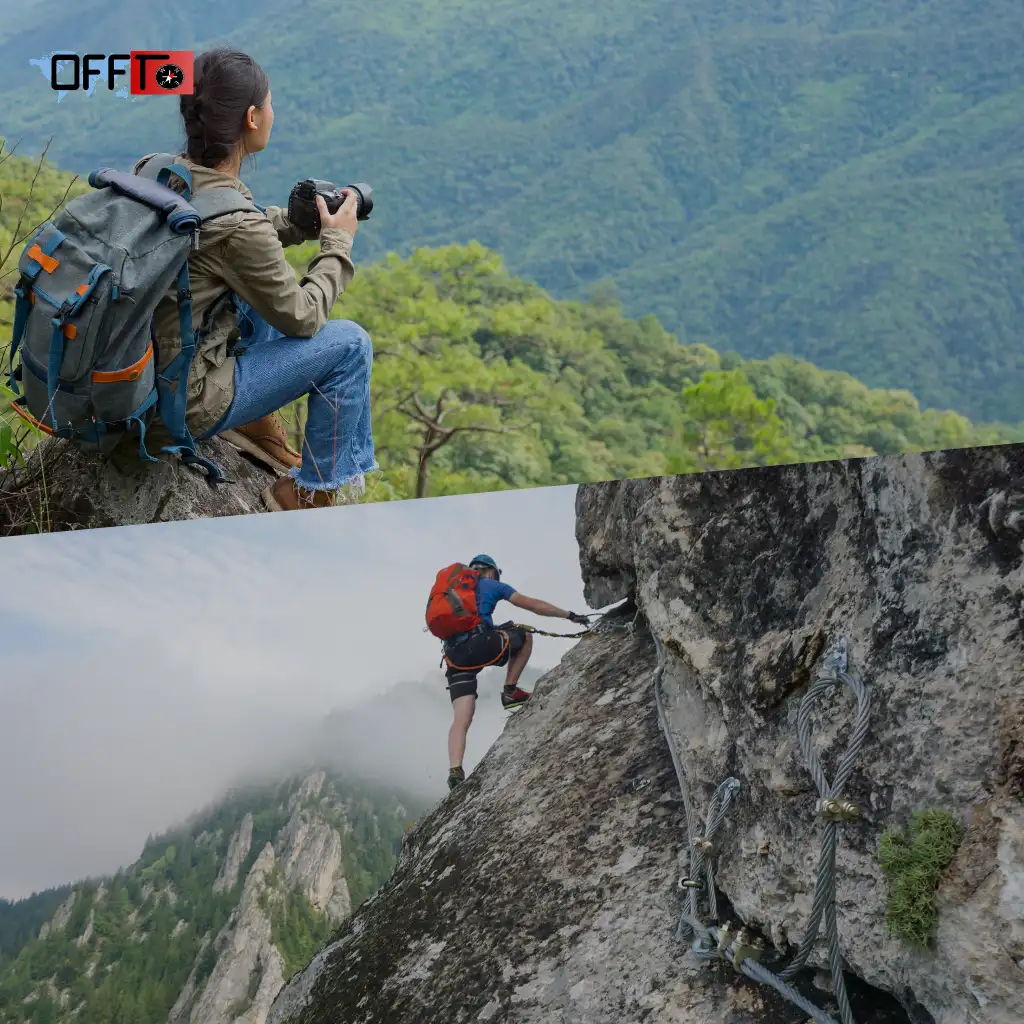
For a smooth and safe experience, trekkers must follow the official regulations set by the local authorities, ensuring both the preservation of the environment and the safety of all hikers. Here’s everything you need to know about permits and entry rules for trekking to Chembra Peak.
Forest Department Permits
To ensure the protection of the biodiversity in the Wayanad Wildlife Sanctuary and manage trekking activities, a permit from the Kerala Forest Development Corporation (KFDC) is required for trekkers. These permits are issued at the base of the trek, typically near the Meppadi region, where trekkers can register their details before starting the hike. The permits help maintain the integrity of the trail and ensure that the local wildlife is not disturbed.
- Permit Process: Upon arrival at the permit office, trekkers must fill out a registration form. You’ll be asked to provide personal identification details and sign a waiver acknowledging the risks associated with the trek.
- Permit Fees: The cost of a permit varies depending on the trek type (standard trek or with a guide). Typically, it’s an affordable fee, but it’s always recommended to check the latest charges upon arrival.
Daily Entry Limits
To prevent overcrowding and to maintain the ecological balance, Chembra Peak has set a daily entry limit. This limit ensures that the environment remains pristine and that the trekking experience is enjoyable for all participants.
- Limit: Generally, only 200 trekkers per day are allowed to begin the trek, so it’s important to reach early to ensure availability of permits.
- Peak Seasons: During peak season (Post-monsoon and Winter), these entry limits are often reached quickly. Therefore, it’s advisable to book permits in advance during these months.
Guide Requirements
While it is not mandatory for trekkers to hire a guide for the Chembra Peak trek, it is highly recommended, especially for beginners or those unfamiliar with the terrain.
- Guided Treks: Hiring a local guide is beneficial not only for navigating the trail but also for learning about the local flora and fauna. Guides are familiar with the routes, and their presence enhances safety, especially during challenging sections of the trek.
- Guide Fees: The cost of hiring a guide is additional to the permit fee and typically ranges from ₹500 to ₹1000, depending on the group size.
Timing Restrictions
- Operating Hours: The trek is allowed from 6 AM to 5 PM, and it is important to start early to avoid being caught on the trail after dark.
- Closing Time: The entry point closes at 5 PM, and trekkers are expected to return before this time. If you’re planning to trek to the summit, ensure that you start the journey by early morning to have enough time to descend.
Things to Do at Chembra Peak
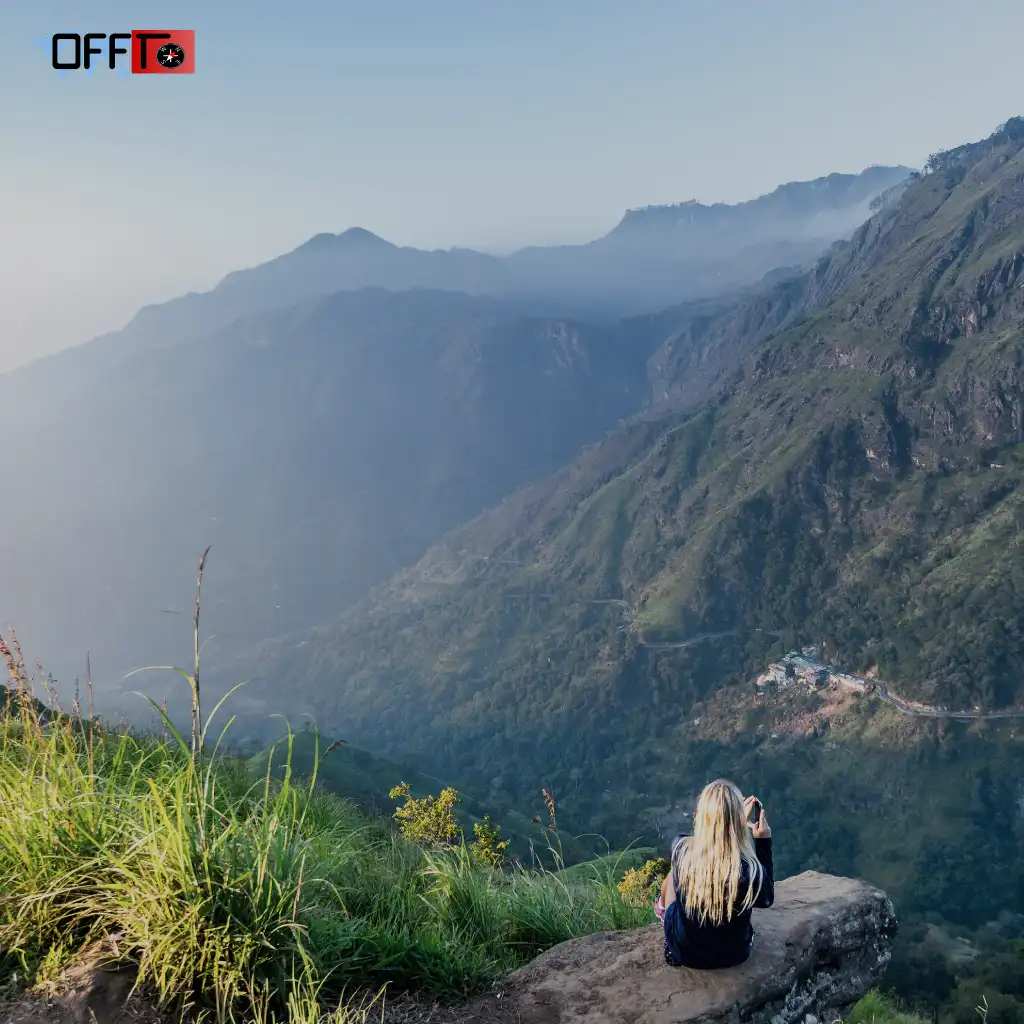
While Chembra Peak is primarily known for its spectacular trek, there are plenty of other activities and experiences that make it a great destination for nature lovers and slow travelers. From scenic viewpoints to photography spots, Chembra Peak offers a variety of experiences that extend beyond the usual trekking adventure.
Scenic Viewpoints
As you trek to Chembra Peak, there are multiple viewpoints along the way that offer breathtaking vistas of the Wayanad region. Whether you’re trekking through the forested sections or crossing the grassland plateau, you’ll be treated to sweeping views of the surrounding valleys, distant hills, and sprawling tea estates. Some notable spots to stop and take in the view include:
- Midway Viewpoint: At the Heart Lake itself, you can enjoy panoramic views of the surrounding mountains and valleys.
- Summit Viewpoint: From the peak, the view is unparalleled, offering vistas of Wayanad Wildlife Sanctuary, Pookode Lake, and the distant mountains. Perfect for a soul-refreshing photo opportunity.
Photography Spots
Chembra Peak is a photographer’s dream, with its diverse landscape offering a variety of settings to capture on camera:
- Heart Lake: The iconic heart-shaped lake is a must-see, particularly for photographers seeking that perfect shot.
- Trekking Path: The winding trails through lush forests and open grasslands provide amazing opportunities for wide-angle shots, capturing the essence of the Western Ghats.
- Panoramic Views: From the summit, you can capture sweeping views of the entire Wayanad region, which is an ideal landscape for panoramic shots.
Slow-Travel Pauses
Chembra Peak is not only for those who want a quick adventure; it’s also a great spot for those looking to experience the slower pace of life in nature. Take time to pause, breathe in the fresh mountain air, and immerse yourself in the serenity of the region. Some spots to enjoy a relaxed pace include:
- Heart Lake: Pause here to take in the tranquil surroundings, enjoy a picnic, or simply relax by the water. It’s the perfect place for a breather before continuing your trek to the summit.
- Tea Estates: Wayanad is known for its tea plantations, and there are plenty of nearby estates to explore. You can take a short walk through these tea gardens, interact with the workers, and learn about the tea-making process.
Nearby Tea Estates
In addition to trekking to the peak, visitors can explore the surrounding tea estates of Wayanad. These plantations provide a glimpse into the region’s agricultural heritage, and walking through them offers a peaceful and scenic experience. Some well-known tea estates near Chembra Peak include:
- Vythiri Tea Estate: Located near Kalpetta, this estate is known for its beautiful landscapes and tea processing techniques.
- Pazhassi Raja Tea Estate: Located on the way to Chembra Peak, this estate offers a relaxing stroll through tea fields with magnificent views of the surrounding mountains.
What Most Travelers Get Wrong About Chembra Peak
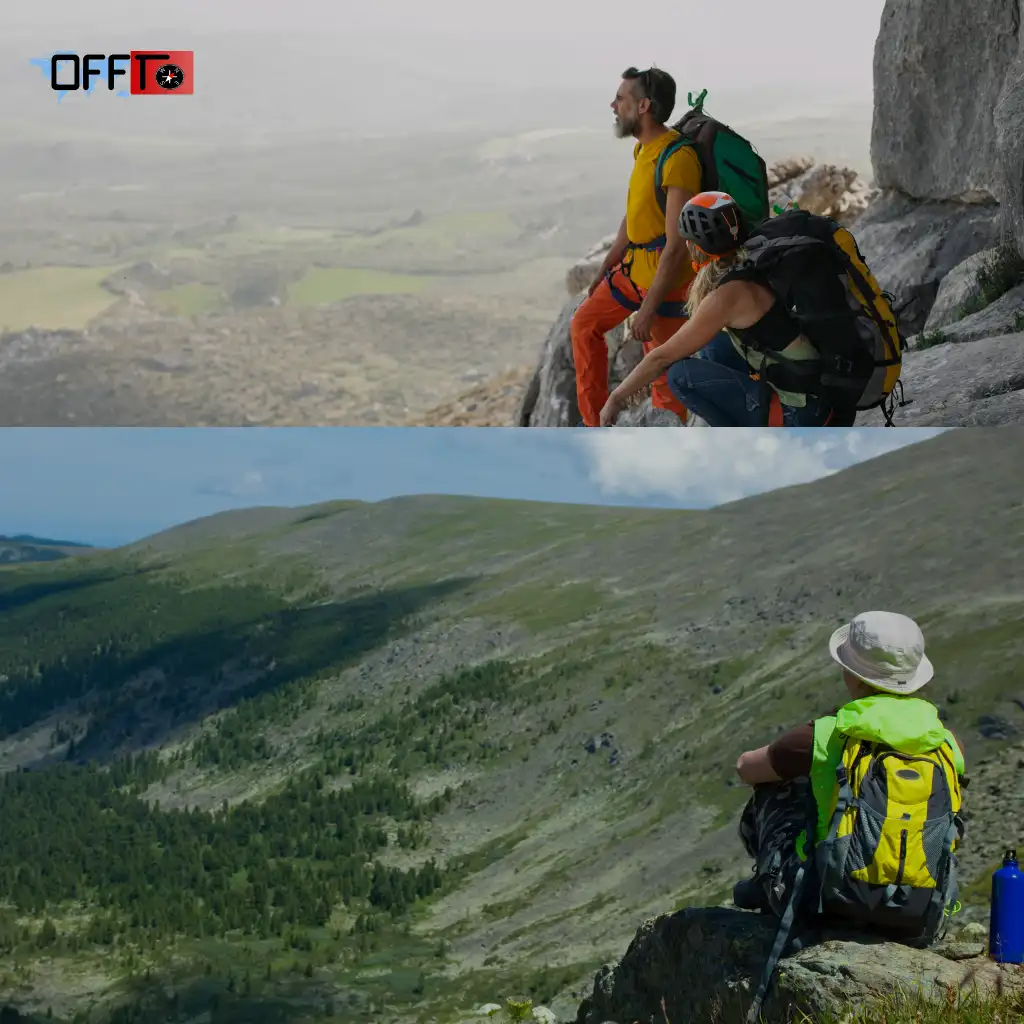
Despite its popularity, many trekkers have misconceptions about Chembra Peak that can lead to disappointment or unnecessary challenges. Understanding these common mistakes can help you plan better and make the most of your trek.
Expecting Summit Access (Often Restricted)
One of the most common mistakes trekkers make is expecting to reach the summit of Chembra Peak, only to find that access is restricted. Due to conservation efforts and the potential risks associated with high-altitude trekking, the forest department may limit access to the summit. The trail leading to the peak is marked, but reaching the highest point is often prohibited. However, this doesn’t diminish the experience as the Heart Lake and the surrounding views still offer plenty of scenic beauty and photo opportunities.
- What to Expect: If you’re hoping to stand atop Chembra Peak, manage your expectations. The trek is still incredibly rewarding, even if you don’t make it to the summit.
- Alternatives: Many trekkers enjoy the scenic experience up to Heart Lake, which is often considered the highlight of the trek. The lake’s unique heart-shaped formation and the panoramic views make it a worthwhile stop.
Underestimating Weather Shifts
Another common mistake is underestimating the rapid weather changes on Chembra Peak. The climate can shift dramatically throughout the day, especially as you gain altitude. The cool morning temperatures can turn into warm afternoons, followed by sudden drops in temperature during the evening. Some trekkers fail to prepare for the cool summit temperatures, leaving them uncomfortable during their trek.
- What to Do: Bring layers, especially if you plan to reach the summit or trek in the early morning or late afternoon. Pack a light rain jacket or windbreaker, even during the dry season, as weather conditions can change unpredictably.
Late Arrival Issues
Due to timing restrictions and the need to complete the trek before dark, arriving late in the morning or after noon can lead to complications. Many trekkers underestimate how long the trek will take, especially if they start late in the day.
- What to Do: Plan to start your trek early in the morning, ideally by 7 AM to ensure that you have enough time to finish before the official closing time at 5 PM.
- Why It Matters: Starting early ensures that you enjoy cooler temperatures, avoid rushing through the trek, and have ample time to explore Heart Lake and enjoy the views without the pressure of time.
Suggested Half-Day / Full-Day Trek Pla
Chembra Peak offers different experiences depending on how much time you have and your personal fitness level. Whether you prefer a half-day adventure or a more relaxed full-day trek, the plan below can help you pace your journey to suit your needs.
Ideal Start Time
The ideal start time for the Chembra Peak trek is 7:00 AM, especially if you want to avoid the heat and reach Heart Lake by mid-morning. Starting early also gives you the best chance of clear skies and good visibility, which are essential for the most enjoyable trek.
- Tip: Arrive at the base by 6:30 AM to complete any necessary permit registration and ensure you’re ready to hit the trail by 7:00 AM.
Trek Pacing
The pace of the trek is crucial to ensure that you can complete it within the given time frame and enjoy the journey:
- Half-Day Trek (To Heart Lake): If you only have time for a shorter trek, aim to reach Heart Lake and return. This typically takes about 4 to 5 hours. The 6 km (one-way) trek to the lake is the most scenic and offers an unforgettable experience without the challenge of reaching the summit. It’s an ideal option for families or those with limited time.
- Full-Day Trek (To Summit): If you’re up for a more challenging experience, consider trekking all the way to the summit. The entire round-trip trek is approximately 14 km and will take between 6 to 7 hours, depending on your pace. You’ll ascend through diverse landscapes, including forests, grasslands, and finally the rocky terrain near the summit. Expect to spend around 4 hours on the ascent and 2 to 3 hours for the descent.
Return Timing Logic
- Half-Day Trek: If you’re planning a half-day trek, it’s essential to start early so that you can reach Heart Lake by 11:00 AM at the latest. This allows ample time to return to the base by 1:00 PM.
- Full-Day Trek: For trekkers aiming for the summit, it’s important to leave enough time for a slow descent. The trek should ideally finish by 4:30 PM to give you plenty of time to reach the base before it gets dark and before the official closing time of 5:00 PM.
Relaxed vs Fast Version
- Relaxed Trek Version: If you’re looking to take your time and enjoy the experience, plan to pause for frequent breaks, especially at the scenic viewpoints and Heart Lake. Take in the surroundings, capture some photographs, and enjoy the natural beauty of the Western Ghats at a comfortable pace.
- Fast Trek Version: For experienced trekkers or those who prefer a quicker challenge, you can aim for a faster pace, minimizing stops and focusing on reaching Heart Lake or the summit. However, this may limit your time for sightseeing and photos, so it’s ideal for those prioritizing the physical challenge of the trek.
Travel Tips for Chembra Peak Trek
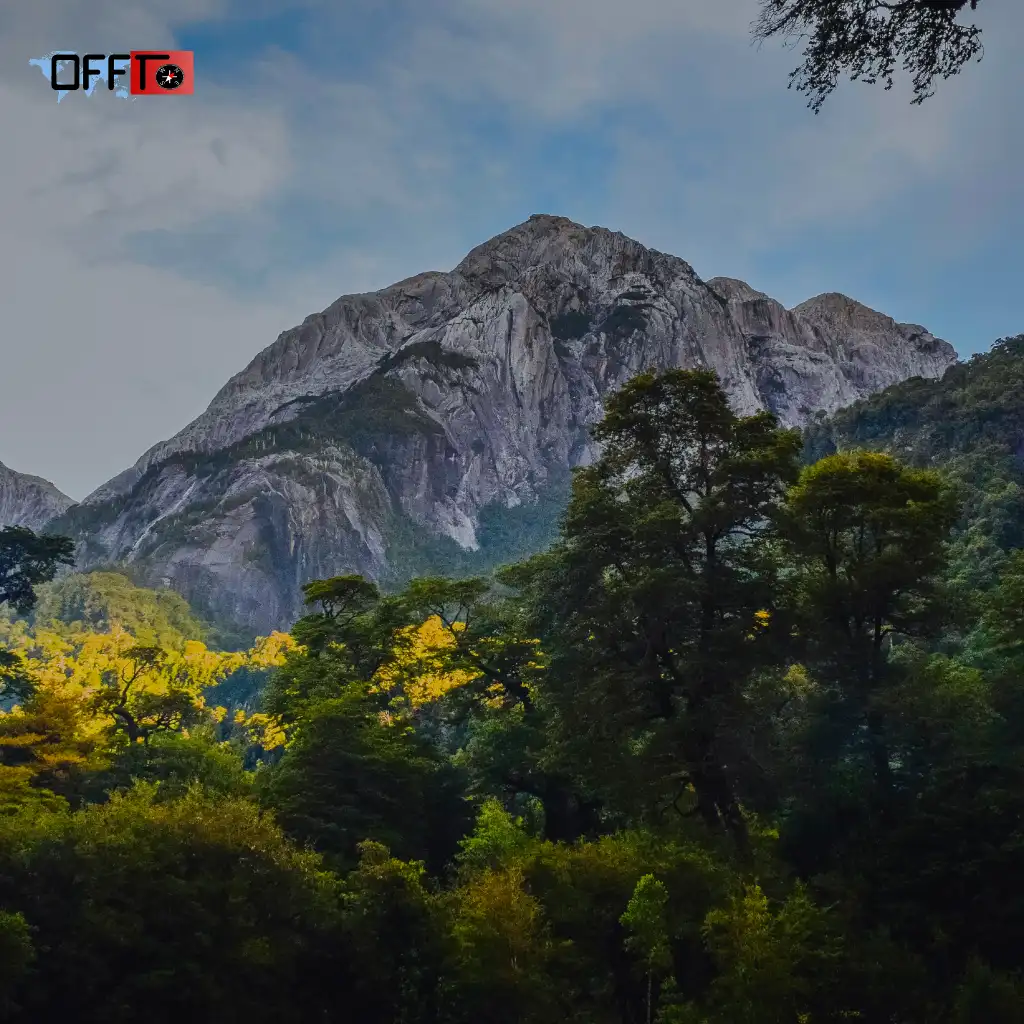
Embarking on the Chembra Peak trek requires careful planning and preparation. By following these travel tips, you’ll ensure a safe, enjoyable, and rewarding trek. Here’s everything you need to know before you head out.
What to Carry
Packing the right gear is crucial to make your Chembra Peak trek both comfortable and safe. Here’s a list of essentials to bring with you:
- Water: Bring 2–3 liters of water to stay hydrated, especially as the trek to the summit can be physically demanding.
- Snacks: Energy-packed snacks like trail mix, nuts, or energy bars can help you keep your energy levels up during the trek.
- First Aid Kit: Always carry a basic first aid kit that includes band-aids, antiseptic wipes, pain relievers, and any personal medication you may need.
- Sunscreen: The trek involves several hours in direct sunlight, so be sure to pack a high-SPF sunscreen to protect your skin.
- Light Backpack: A small, lightweight backpack to carry your essentials is important for comfort during the trek.
- Camera/Phone: Don’t forget to carry a camera or smartphone to capture the scenic beauty of the trek and the famous Heart Lake.
Footwear & Fitness Tips
Choosing the right footwear and preparing your body are key factors in ensuring a smooth trek.
- Footwear: Invest in sturdy trekking shoes with good grip. The rocky and steep sections of the trail demand proper footwear to avoid slips and discomfort. Avoid open-toed shoes or sandals.
- Fitness Tips: While the trek is moderate, it requires some level of fitness, particularly for the steep inclines near the summit. To prepare, try some light cardio and leg exercises before the trek. Ensure you can walk for an extended period without straining yourself.
Weather Prep
The weather in Wayanad can be unpredictable, so it’s important to be prepared for sudden changes.
- Layered Clothing: Temperatures can vary widely throughout the day. Layer your clothing to adjust easily when the temperature changes.
- Rain Gear: If you’re trekking during the monsoon season, bring a light waterproof jacket or poncho to stay dry during any sudden downpours.
- Sun Protection: Even during cooler months, the sun can be intense at higher elevations, so hat, sunglasses, and sunscreen are crucial.
Safety Considerations
- Guided Treks: While not mandatory, consider hiring a local guide to help navigate the more challenging parts of the trek and provide safety advice.
- Trek Timing: Always start early to avoid being on the trail after dark. The trek is best completed in daylight, so plan your arrival at the base of the trek accordingly.
- Weather Monitoring: Before heading out, check the weather forecast. Avoid trekking during thunderstorms or heavy rainfall, which could increase the risk of slippery trails and rockslides.
Is Chembra Peak Worth Visiting?
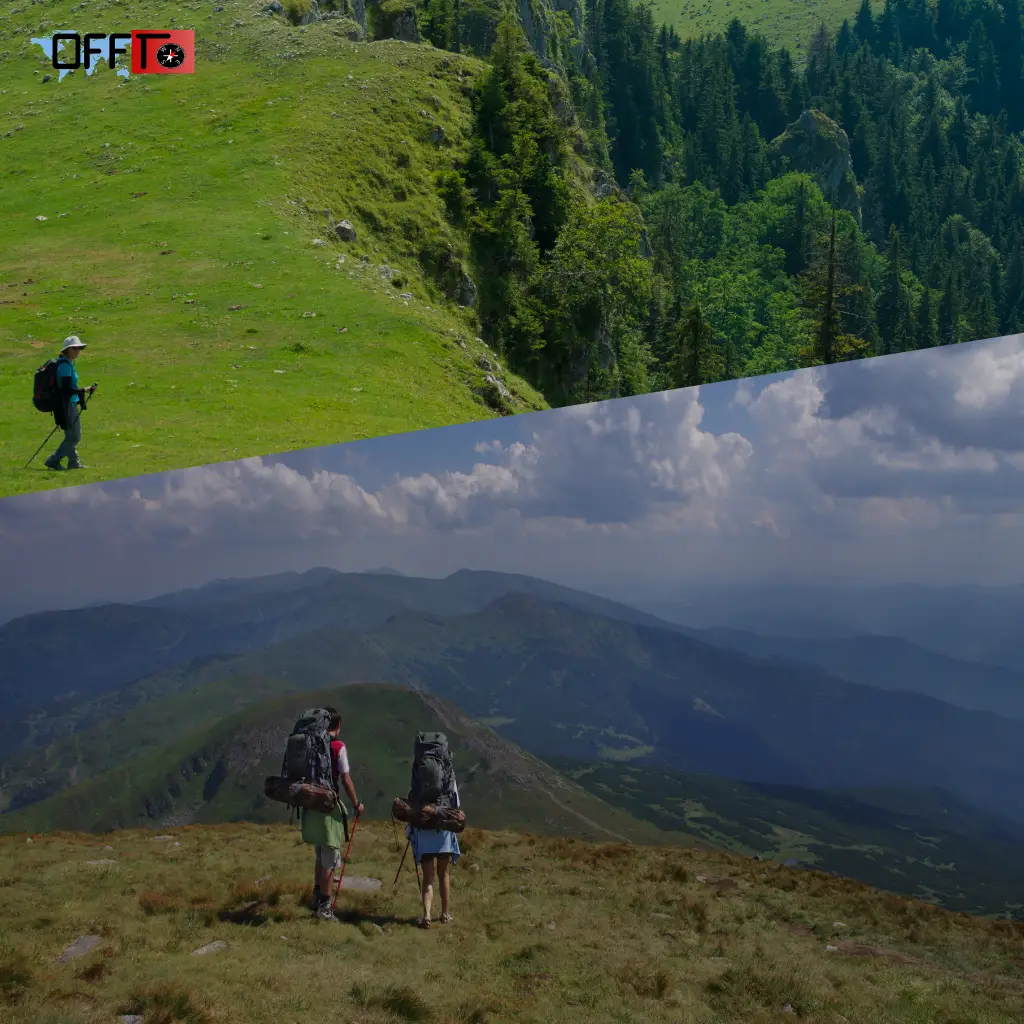
Chembra Peak is one of the most popular trekking spots in Wayanad, but like any destination, it may not be the perfect fit for everyone. Here’s an honest evaluation to help you decide whether it’s worth your time.
Who Will Enjoy It Most
- Nature Enthusiasts: If you’re someone who loves being surrounded by nature’s raw beauty, Chembra Peak will be a treat. The trail takes you through lush forests, serene grasslands, and a stunning Heart Lake. The views from the summit and along the way will delight any nature lover.
- Adventure Seekers: The trek offers a moderate challenge, making it ideal for those looking for a satisfying adventure. It’s perfect for trekkers who enjoy a physical challenge but aren’t looking for a highly technical climb.
- Photography Buffs: With panoramic views and stunning natural landscapes, Chembra Peak is a dream location for photographers. Whether it’s the Heart Lake, the grassy fields, or the views from the summit, there’s plenty to capture.
Who May Find It Underwhelming
- Experienced Trekkers: For those who have trekked extensively in the Himalayas or other high-altitude treks, Chembra Peak may not offer the level of difficulty or adventure they seek. It’s considered a moderate trek, so experienced trekkers may find it less challenging than other options.
- Those Seeking Solitude: While Chembra Peak is beautiful, it can get crowded during peak seasons. If you’re looking for solitude or an off-the-beaten-path experience, you may want to consider other lesser-known treks in Wayanad.
Comparison with Other Wayanad Treks
Wayanad has many trekking spots, and Chembra Peak competes with a few others, such as:
- Edakkal Caves: A shorter, more accessible trek, famous for its ancient rock art and panoramic views. The trek is easier than Chembra Peak but still offers an intriguing experience.
- Banasura Hill: A more challenging trek with stunning views and less crowded trails. It’s a good alternative for those looking for a more offbeat experience.
While Chembra Peak offers a stunning trek with Heart Lake and fantastic views, other treks like Banasura Hill may offer more seclusion and a slightly more challenging climb. That being said, the scenic beauty and moderate difficulty of Chembra Peak make it a solid choice for those new to trekking or looking for a balanced outdoor experience.
FAQs
Is Chembra Peak trek difficult?
The Chembra Peak trek is of moderate difficulty. While it’s suitable for beginners with a reasonable level of fitness, the steep ascents, especially near the summit, make it a bit challenging. It requires stamina, proper footwear, and physical preparation to complete.
How many km is Chembra Peak trek?
The Chembra Peak trek is approximately 14 km round-trip. The trek to Heart Lake is about 6 km one way, while continuing to the summit adds more distance, making it a moderate but rewarding hike for nature enthusiasts.
What is Chembra Peak famous for?
Chembra Peak is famous for its heart-shaped lake, known as Heart Lake (Hridaya Saras). The trek offers scenic views of the Wayanad district, making it one of Kerala’s most picturesque trekking destinations. It is also known for its challenging yet manageable trail.
Can you reach the summit of Chembra Peak?
Access to the summit of Chembra Peak is often restricted due to safety and conservation concerns. However, trekkers can reach Heart Lake, which offers beautiful views, and enjoy a scenic experience without summiting the peak. The restrictions vary, so check with authorities before your trek.
Do you need permission for the trek?
Yes, trekkers must obtain a permit from the Kerala Forest Development Corporation (KFDC) to access Chembra Peak. The permit office is located at the base of the trek, where trekkers must register before beginning the hike.
What is the best time to visit Chembra Peak?
The best time to visit Chembra Peak is from October to February (post-monsoon and winter months). During this time, the weather is cool and dry, offering clear skies and lush green landscapes, making it ideal for trekking.
How long does it take to complete the Chembra Peak trek?
The Chembra Peak trek usually takes between 4 to 7 hours, depending on your pace and whether you reach Heart Lake or the summit. A half-day trek to the lake is typically around 4-5 hours, while a full-day trek to the summit takes about 7 hours.
What are the facilities at Chembra Peak base?
At the Chembra Peak base, you’ll find basic amenities like permit registration counters, resting areas, and sometimes local vendors selling snacks and water. There are no major facilities beyond the base, so trekkers should come prepared with essentials.
Is Chembra Peak trek suitable for beginners?
Yes, Chembra Peak is suitable for beginners with a moderate fitness level. The first half of the trek, which leads to Heart Lake, is not overly strenuous. However, those attempting the summit should be prepared for steeper inclines and challenging terrain.
Can I go to Chembra Peak during the monsoon season?
It’s not advisable to trek Chembra Peak during the monsoon season (June to September) due to slippery and muddy trails. The heavy rainfall makes the trek risky, and visibility is often poor. It’s best to visit after the rains, during the post-monsoon or winter months.
Read more >>>
Bandaje Falls Trek Guide – Route, Distance, Difficulty & Travel Tips
Neora Valley Travel Guide — Trek, Stay, Wildlife & Complete Planning
The Quiet Climb to Heart Lake
The Chembra Peak trek offers a meditative experience, allowing you to escape the noise of daily life and immerse yourself in nature. As you begin the climb, the air feels fresher with each step, and the surrounding lush greenery fills your senses. The rhythm of the trek is steady yet soothing, a slow progression through the dense forest to the open grasslands.
Landscape Feel
The landscape around Chembra Peak is nothing short of magical. The dense forest gives way to an expansive grassland, where the breeze gently whispers through the tall grass. Each view presents a new layer of beauty, whether it’s the rolling hills, the distant valleys, or the serenity of Heart Lake. You’ll often find yourself pausing to take in the surroundings, appreciating the tranquility that surrounds you.
Trek Rhythm
The pace of the trek is deliberate, with the path winding its way through varying terrain. You begin in the shade of towering trees, the soft crunch of leaves beneath your feet, then transition into the open grasslands, where the sky above feels vast and endless. The sound of your footsteps, combined with the occasional rustle of leaves or bird calls, creates a peaceful rhythm. It’s a perfect journey for those who seek quiet reflection or a moment to disconnect from the world.
Calm, Grounded Tone
The heart-shaped lake at the halfway point is where the trek truly becomes a serene experience. The sight of the water, still and crystal-clear, reflects the surrounding hills like a perfect mirror. This pause feels like an invitation to take a deep breath, to absorb the natural beauty, and to embrace the peacefulness of the moment. It’s more than a trek—it’s a chance to reconnect with nature in a meaningful, personal way.
Plan Your Chembra peak Trip with Offto Travellers
After conquering the Chembra Peak trek, there’s so much more to explore in Wayanad—a region filled with natural wonders, historical sites, and cultural richness. Whether you’re planning to stay a little longer to experience more of this beautiful district or want to continue your adventure across Kerala, Offto travellers is here to help you plan the perfect trip.
Discover Stays, Experiences, & Nearby Trips
- Stay in comfort: Choose from a variety of accommodation options, from cozy homestays surrounded by nature to luxurious resorts with all the amenities you need.
- Explore more: After your trek, why not discover the Pookode Lake, visit the Edakkal Caves, or explore the Wayanad Wildlife Sanctuary? The possibilities for exploration are endless.
- Book Experiences: Whether it’s a cultural tour, a relaxing tea estate visit, or an exciting nature walk, Offto offers curated experiences to help you make the most of your Wayanad visit.
Start your Wayanad adventure with Offto and make your trek to Chembra Peak just the beginning of your unforgettable journey. Let us guide you in discovering hidden gems, planning seamless trips, and booking stays that match your travel style.
Play StoreApp Store
Leave a Reply