
The best time to visit Rishikesh is from October to April when the weather is pleasant and ideal for river rafting, sightseeing, yoga retreats, and Ganga Aarti. Summer is perfect for adventure lovers, while monsoon (July–September) brings lush greenery but rafting may pause due to strong river currents.
Rishikesh in a Nutshell (Why Timing Matters)
Where is Rishikesh Located?
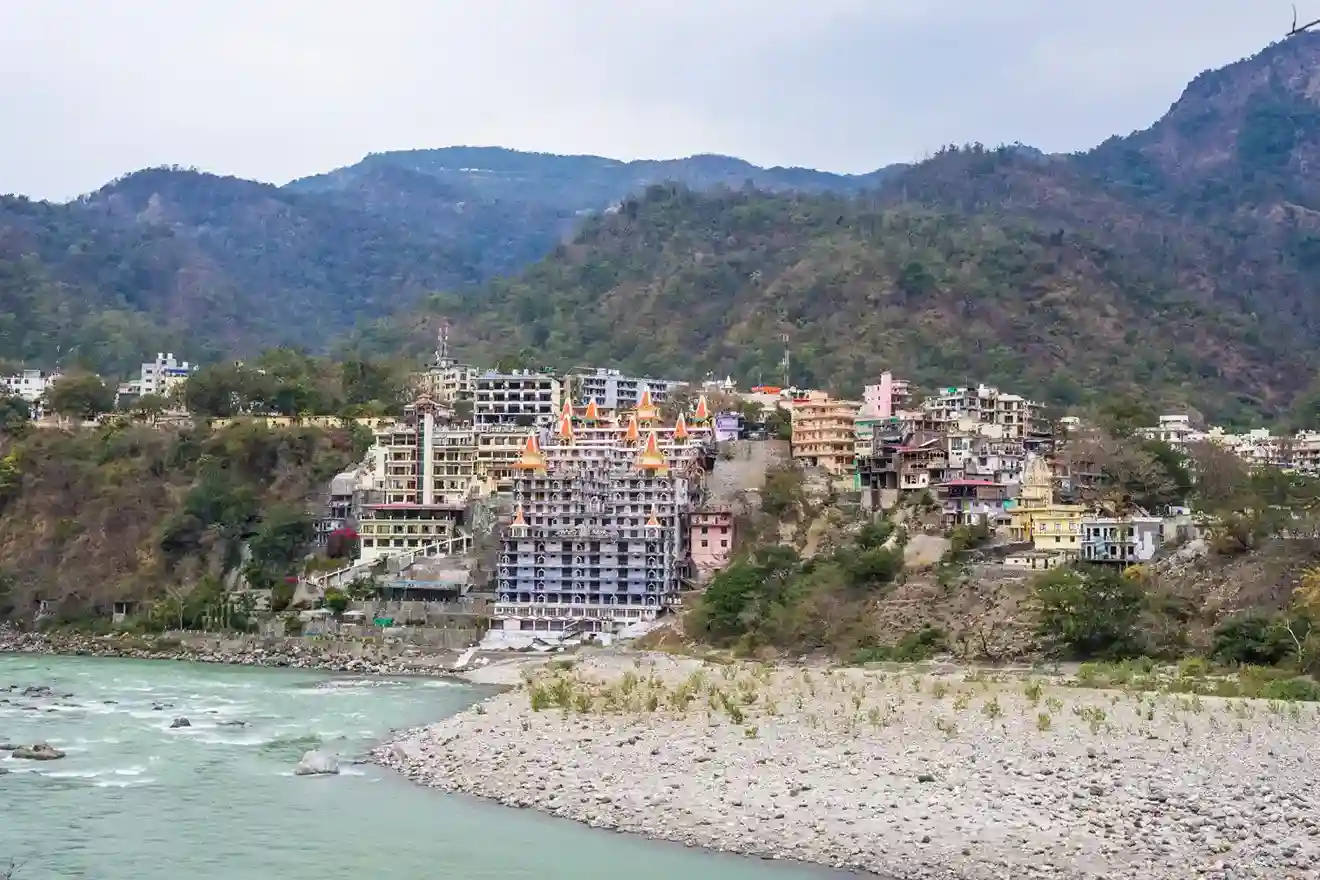
Rishikesh is a beautiful town situated in the northern part of India, specifically in the state of Uttarakhand. Positioned at the foothills of the Himalayas, it sits along the banks of the sacred Ganges River, approximately 25 km from Haridwar and 240 km from Delhi. Its location makes it an easily accessible destination for travelers from various parts of India and abroad.
Rishikesh’s proximity to the Himalayas and the Ganges gives it a unique charm and offers travelers a perfect blend of spirituality and nature. It is part of a larger tourist circuit that includes nearby towns like Haridwar, Dehradun, and Mussoorie, which are all renowned for their natural beauty, cultural importance, and religious significance.
Being located at an altitude of around 1,200 feet (365 meters) above sea level, Rishikesh enjoys a moderate climate, making it an ideal year-round destination. It is often referred to as the gateway to the Himalayas for its easy access to treks, river activities, and spiritual retreats in the surrounding mountainous regions.
Which River Flows in Rishikesh?
The Ganges River is the lifeblood of Rishikesh. Known as the Ganga, this river is one of the most revered in India, both spiritually and practically. It flows from the Himalayan glaciers and reaches the plains of India, passing through Rishikesh and continuing its journey southward.
In Rishikesh, the Ganges is central to the town’s spiritual life. The Ganga Aarti, held at Triveni Ghat, is a deeply moving and sacred ceremony that draws thousands of devotees and visitors. The town’s serene riverbanks provide the perfect backdrop for yoga and meditation retreats, with the sacred river offering both peace and a sense of connection to the divine.
In addition to its spiritual significance, the Ganges River in Rishikesh offers some of the best opportunities for river rafting. The river’s powerful rapids attract thrill-seekers from around the world who come to test their skills and experience the rush of rafting through the Ganges Gorge.
The river’s dual nature makes Rishikesh unique: the upstream areas near the town are known for their gentle, serene waters, perfect for spiritual reflection, while downstream areas offer challenging rapids for adventure lovers. The changes in the river’s behavior throughout the year are one of the key factors influencing the best time to visit Rishikesh for rafting and sightseeing.
Why Rishikesh is Called the Yoga Capital of the World
Rishikesh holds the prestigious title of the Yoga Capital of the World, a name it earned through centuries of spiritual practice and yoga tradition. This town has been a spiritual center for centuries, attracting practitioners, gurus, and spiritual seekers from around the world. The ancient practice of yoga has been an integral part of Rishikesh’s cultural fabric, with many renowned ashrams and spiritual centers located throughout the town.
The most famous aspect of Rishikesh’s yoga culture is its internationally recognized yoga retreats and teacher training programs. These retreats focus on everything from meditation and pranayama (breathing exercises) to advanced asana practice and spiritual teachings. With its tranquil surroundings, Rishikesh offers the perfect environment for deepening one’s yoga practice, learning from spiritual masters, and achieving inner peace.
Rishikesh became even more globally renowned when The Beatles visited the town in 1968. Their stay at the now-famous Beatles Ashram (also known as Chaurasi Kutia) helped draw worldwide attention to the town as a spiritual haven. Since then, Rishikesh has continued to grow as a hub for spirituality, yoga, and wellness tourism.
The presence of ancient temples, meditation caves, and hermitages further solidify Rishikesh’s position as the global leader in yoga and spiritual teachings. Whether you are looking for a yoga retreat, a meditation course, or simply wish to experience the spiritual atmosphere, Rishikesh offers something for every kind of seeker.
How Weather Influences Rafting, Temples, and Sightseeing
Rishikesh’s weather plays a significant role in shaping the experiences you’ll have during your trip. Whether you’re interested in rafting, exploring temples, or taking in the scenic beauty, understanding the seasonal weather conditions will help you make the most of your visit.
Rafting
The Ganges River offers different rafting experiences depending on the season. During the winter months (October to February), the river’s water levels are moderate, creating the ideal conditions for rafting. However, in monsoon season (June to September), the river experiences high water levels and strong currents, making rafting unsafe and suspended for safety reasons. The best time for rafting is during summer (March to June) and early autumn (September to October), when water levels are perfect for adventure seekers.
Temples and Spiritual Visits
Winter is the best time to explore Rishikesh’s many temples and spiritual sites. The cooler temperatures make it comfortable to walk and explore sacred places such as the Triveni Ghat, Ram Jhula, and Laxman Jhula. The cool weather is ideal for attending Ganga Aarti at Triveni Ghat, where you can witness the mesmerising evening ritual. During summer, the heat may make sightseeing a bit more uncomfortable, but the evenings remain pleasant. Monsoon brings a lot of greenery, but heavy rain can disrupt sightseeing and make temple visits less enjoyable due to slippery paths.
Sightseeing and Adventure
Winter is also the best time for sightseeing in Rishikesh. The clear skies and crisp air make it ideal for exploring the hills, nature walks, and visiting local attractions. Summer can be warm, but the Himalayan breeze helps keep temperatures manageable, making it a good time for outdoor activities like trekking and camping. Monsoon brings a beautiful lush landscape, but the increased rainfall can make outdoor adventures like trekking and river activities a bit tricky, especially on slippery trails.
Understanding Rishikesh Climate Before You Plan
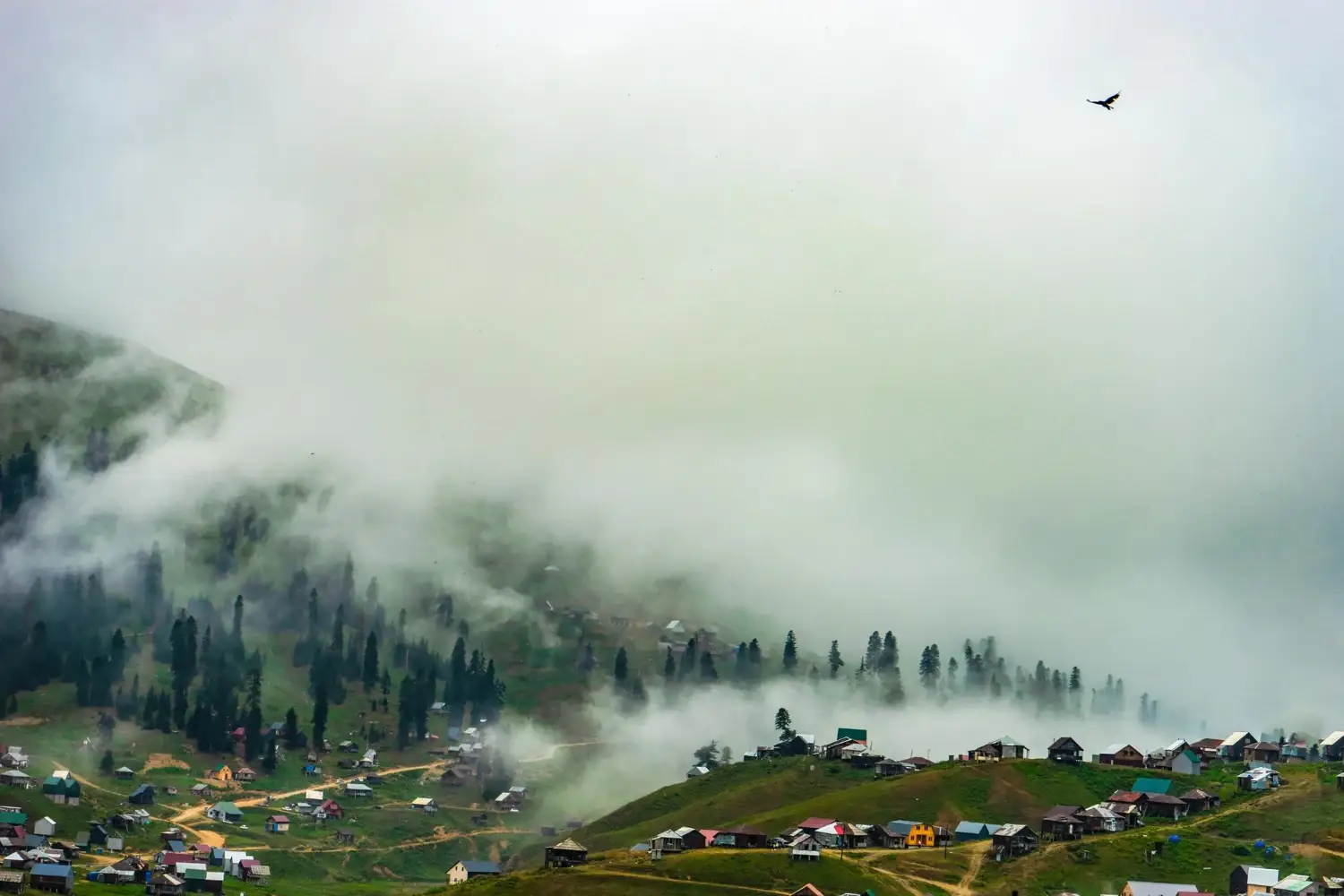
The climate of Rishikesh plays a vital role in determining the best time to visit based on your travel preferences. Whether you’re drawn to the town for spiritual retreats, river rafting, or sightseeing, understanding how the climate varies throughout the year is essential to planning your trip.
Year-Round Temperature Patterns
Rishikesh experiences a temperate climate, thanks to its location at the foothills of the Himalayas. The town has three primary seasons: summer, monsoon, and winter. The temperatures fluctuate significantly depending on the season, which impacts the types of activities you can do.
- Summer (March to June): Temperatures during the summer months typically range from 25°C to 38°C (77°F to 100°F), with the hottest days reaching above 40°C (104°F). However, Rishikesh’s location in the foothills of the Himalayas means that evenings and mornings are generally cooler, and the Himalayan breeze offers some relief.
- Monsoon (July to September): Rishikesh receives moderate to heavy rainfall during the monsoon season, with temperatures ranging between 24°C to 34°C (75°F to 93°F). The heavy rains can lead to increased humidity, creating a warm and sticky atmosphere, but they also enhance the town’s lush greenery.
- Winter (October to February): Winters in Rishikesh are cool and crisp, with temperatures varying between 8°C to 22°C (46°F to 72°F). Early mornings and evenings can be chilly, and the misty conditions that settle over the town create a magical atmosphere. This season is ideal for sightseeing, yoga retreats, and Ganga Aarti.
Summer Heat vs Hill Breeze
While summer temperatures in Rishikesh can be warm, the town benefits from its hill station location. Unlike the scorching heat of the plains, Rishikesh experiences a hill breeze that brings a welcome coolness in the mornings and evenings. This makes outdoor activities like trekking, rafting, and sightseeing more enjoyable compared to the heat in other parts of India.
During the day, however, the temperatures can rise significantly, particularly in May and June, so be prepared to stay hydrated and wear light clothing if you visit during this period.
Monsoon Rainfall Impact
Monsoon season in Rishikesh is marked by heavy rainfall and high humidity, which has a significant impact on the town’s activities.
- Rafting and Outdoor Adventures: Due to rising water levels in the Ganges, river rafting is suspended or limited during this time. Strong currents and unpredictable rapids make rafting dangerous, so it’s essential to avoid this period if rafting is a key part of your trip.
- Trekking and Sightseeing: The monsoon rain makes trekking trails slippery and challenging, with a higher risk of mudslides. Additionally, roads can become blocked or delayed due to the rains. However, the lush green landscape and waterfalls are at their most vibrant during this season, providing stunning views for nature photographers and those seeking serenity in the rain.
- Humidity: While the rain brings coolness, it also increases humidity, which may not be ideal for those who prefer drier, more comfortable weather for outdoor activities.
Winter Chill & Mist Conditions
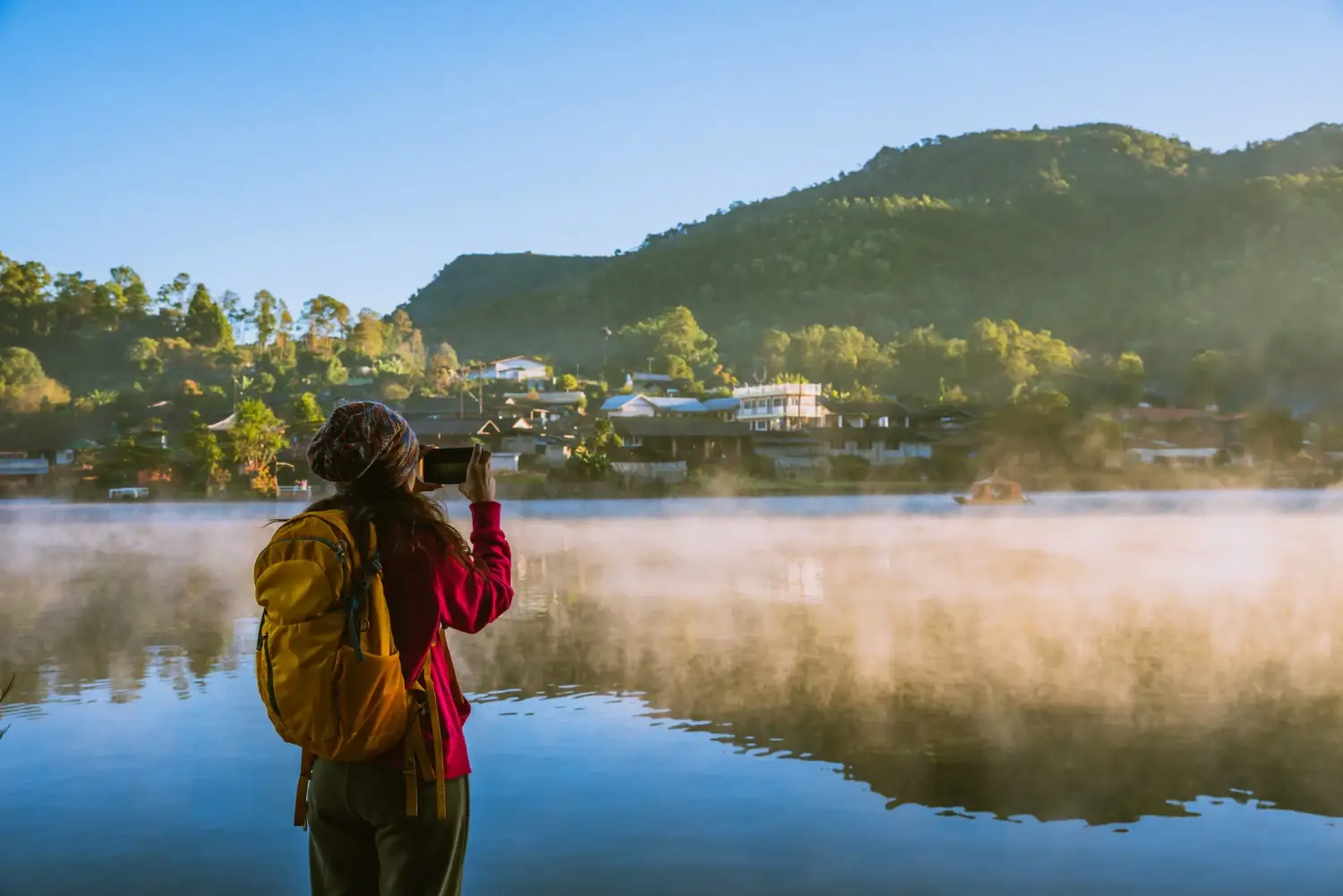
Winter is often considered the best time to visit Rishikesh, particularly for those who enjoy cool temperatures and clear skies. The chilly mornings and misty conditions over the Ganges River create a unique and serene atmosphere. The daytime temperatures are typically mild, but the early mornings and evenings can feel cold, especially in January and February.
This is the ideal season for yoga retreats, Ganga Aarti ceremonies, and spiritual exploration, as the cooler temperatures make outdoor activities more comfortable.
Seasonal Changes in the Ganges Water Level
The Ganges River behaves differently throughout the seasons, affecting activities like rafting and temple visits:
- Summer: In the summer, the water level of the Ganges is generally stable and moderate, providing ideal conditions for river rafting. The rapids are manageable, and most rafting stretches are open for tourists, making it a prime time for adventure lovers.
- Monsoon: During the monsoon, the water levels rise drastically due to continuous rainfall in the Himalayas. As a result, rafting activities are suspended for safety reasons, and heavy currents can make certain parts of the river hazardous. This change in the river’s behavior is an essential factor to consider when planning your visit if rafting is a priority for you.
- Winter: In the winter months, the Ganges flow becomes more calm, making the river ideal for peaceful temple visits and spiritual experiences. It’s a tranquil time for sitting by the river, meditating, and enjoying the serene environment, though rafting continues to be available during the cooler months with fewer crowds.
Best Time to Visit Rishikesh (Season-by-Season Guide)
Rishikesh in Winter (October to February) — Most Recommended
- Cool and Comfortable Weather
Winter is the most popular time to visit Rishikesh. The cool temperatures ranging from 8°C to 22°C make it ideal for outdoor activities and sightseeing. The clear skies and crisp air offer an excellent environment for yoga, meditation, and trekking.
- Best for Sightseeing & Ganga Aarti
Winter is the perfect season to visit the famous Ganga Aarti at Triveni Ghat. The cool evenings make the spiritual ceremony more enchanting, and you’ll have the best visibility for sightseeing around the town.
- Ideal for Families & Spiritual Trips
With pleasant weather and a peaceful atmosphere, winter is ideal for family vacations and those seeking a spiritual retreat. The mild temperatures make outdoor activities more comfortable for both children and seniors.
- Peak Tourist Season Insights
Since winter is the most favored time to visit, expect a surge in tourists, especially during holidays and festivals. It’s recommended to book accommodations and activities in advance to avoid high-season crowds.
Rishikesh in Summer (March to June) — Adventure Season
- Best Time for River Rafting
Summer is the peak season for rafting in Rishikesh. The moderate water levels and manageable rapids create the perfect conditions for both beginners and experienced rafters. If you’re planning a rafting trip, this is your best option.
- Is River Rafting Open in Rishikesh During Summer?
Yes, river rafting remains open throughout the summer months, from March to June, as the water levels are favorable for rafting. The raft stretches range from easy to challenging, and the conditions provide an exciting experience for those seeking adventure.
- Camping and Outdoor Activities
Summer is great for camping, trekking, and exploring the outdoors. The Himalayan breeze makes mornings and evenings cooler, although midday temperatures can climb. Water sports, including cliff jumping and bungee jumping, are also popular activities.
- Crowd & Hotel Pricing Trends
Summer sees a large influx of tourists, especially for adventure activities like rafting. Expect higher prices for hotels and accommodations during peak summer. If you prefer to avoid the crowds, try visiting in the early summer months (March to April).
Rishikesh in Monsoon (July to September) — Scenic but Risky
- Lush Green Landscapes
The monsoon season brings lush greenery to Rishikesh. The town transforms into a paradise of waterfalls and misty mountains, offering photographers a stunning backdrop of nature.
- Rafting Restrictions During Heavy Rain
Rafting is usually suspended or limited due to high water levels and strong currents in the Ganges. It’s essential to check the river conditions before planning a rafting adventure
- Safety Precautions
Due to the slippery trails, unpredictable river currents, and heavy rainfall, trekking and other outdoor activities can be risky during this time. It’s important to stay updated on weather alerts and follow safety guidelines.
- Who Should Visit During Monsoon?
Nature lovers, photographers, and peace seekers will enjoy the lush landscapes and tranquility of monsoon. If you’re not looking for adventure but want to experience Rishikesh’s beauty in a quiet, less-crowded atmosphere, the monsoon season can be rewarding.
Best Month to Visit Rishikesh (Month-by-Month Breakdown)
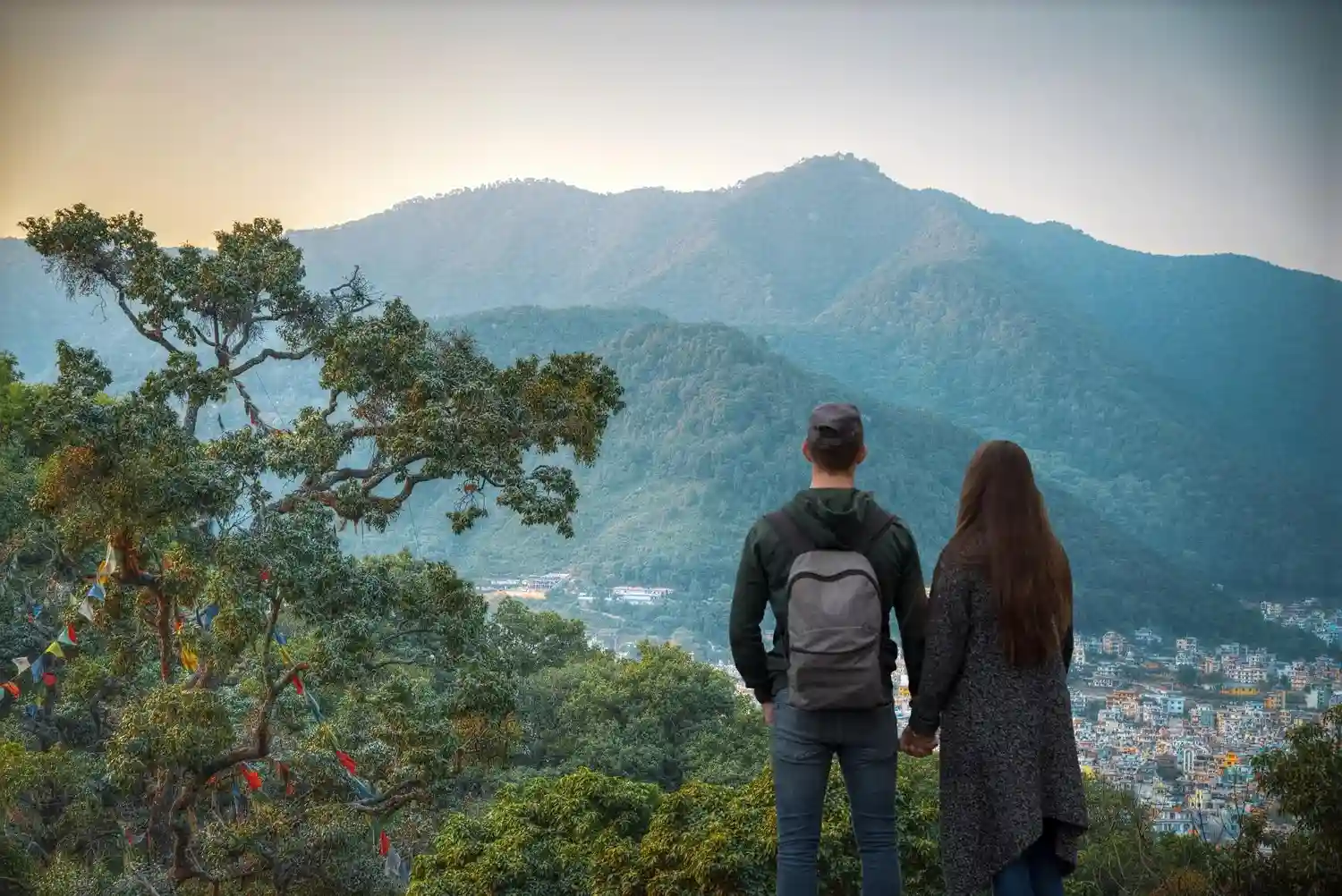
Rishikesh offers something for every type of traveler throughout the year, from adventure seekers to spiritual travelers. Understanding the monthly weather conditions and how they impact your travel experience will help you make an informed decision about when to visit.
January–February: Cold & Crisp
- Weather
Rishikesh experiences cool and crisp weather during the winter months, with temperatures ranging from 8°C to 22°C (46°F to 72°F). Early mornings and evenings can be chilly, while daytime temperatures are mild and comfortable for outdoor activities.
- Travel Experience
Winter is the most recommended time to visit Rishikesh. The weather is perfect for sightseeing, temple visits, and spiritual retreats. It’s the ideal time to attend the Ganga Aarti at Triveni Ghat and enjoy the serenity of the town. Yoga retreats and meditation courses are particularly popular during this season, as the cool air adds to the overall calming experience.
- Rafting
While the weather is perfect for exploring the town, rafting is still available, but the water levels are moderate. If you’re interested in rafting, it’s best to book your session early to avoid the crowds of tourists during New Year or festivals.
March–April: Pleasant
- Weather
These months are marked by pleasant weather, with temperatures ranging from 15°C to 30°C (59°F to 86°F). The cool Himalayan breeze keeps the evenings and mornings comfortable, while the daytime remains warm but not hot, making it a great time to explore both temples and the outdoor attractions in Rishikesh.
- Travel Experience
This is a fantastic season for sightseeing, rafting, and attending yoga retreats. The town is slightly less crowded than in winter, making it easier to access popular spots such as Ram Jhula, Laxman Jhula, and the Beatles Ashram. If you want to combine your spiritual journey with outdoor adventure, March and April offer the perfect weather conditions.
- Rafting
Rafting is in full swing, with moderate rapids and safe water levels. This is a great time to experience the thrill of rafting in the Ganges without the extreme heat of summer.
May–June: Warm
- Weather
As summer sets in, temperatures rise, ranging from 20°C to 38°C (68°F to 100°F). The daytime can get quite hot, particularly in May and early June, but the Himalayan breeze provides some relief, especially in the mornings and evenings.
- Travel Experience
Summer is the adventure season in Rishikesh. If you’re interested in rafting, trekking, or camping, this is the time for you. Rafting is at its peak during these months as water levels are manageable and the rapids are thrilling but safe for beginners and experienced rafters alike. While sightseeing is still possible, some visitors may find the heat a bit uncomfortable during midday.
- Rafting
Rafting is fully operational, and this is the best time for those looking for an adrenaline rush. The Ganges offers varying rapids from Grade I to Grade IV, making it suitable for all levels of adventure seekers.
- Accommodation
Hotels and camps can get crowded, especially on weekends, so it’s advisable to book in advance. Prices tend to rise due to the influx of adventure tourists.
July–September: Heavy Rain
- Weather
Monsoon season brings heavy rainfall to Rishikesh, with temperatures ranging from 24°C to 34°C (75°F to 93°F). The humidity rises, making the weather feel warmer than it is, and rainfall can be heavy, especially in August.
- Travel Experience
While Rishikesh transforms into a lush green paradise, the monsoon season also comes with its share of challenges. Outdoor activities like trekking, river rafting, and even sightseeing can be disrupted due to the rain. Roads may be slippery, and certain trails may be blocked or flooded, making it a riskier time for outdoor enthusiasts.
- Rafting
Rafting is typically closed during the monsoon months (July–September) due to the increased water levels and strong currents. The Ganges becomes unpredictable during this time, and safety concerns make rafting activities impossible.
- Who Should Visit During Monsoon
The monsoon season is ideal for nature photographers, slow travelers, or couples seeking a quiet, peaceful time in the hills. The scenery during this period is beautifully lush, but if you’re looking for adventure, this may not be the best time to visit.
October–December: Cool & Festive
- Weather
As the monsoon season ends, the weather starts to cool down, with temperatures ranging from 10°C to 25°C (50°F to 77°F). The cool, crisp air is ideal for outdoor activities and spiritual exploration, and the overall pleasant weather makes it one of the best times to visit.
- Travel Experience
October to December offers the best overall balance of weather, activities, and peaceful atmosphere. This is the festive season in Rishikesh, with major spiritual and cultural events happening during the Dussehra and Diwali festivals. It’s also a great time for yoga retreats, temple visits, and trekking.
- Rafting
Rafting resumes in full force, with moderate water levels making it safe for both beginners and experts. The pleasant temperatures add to the overall rafting experience.
Is River Rafting Open in Rishikesh?

Rafting in Rishikesh is one of the town’s main attractions, but it operates on a seasonal basis. The Ganges River undergoes various changes in water levels depending on the season, which directly impacts the safety of rafting.
Official Rafting Season Timeline
The official rafting season in Rishikesh runs from October to June, with rafting activities conducted on various stretches of the river, including Shivpuri, Marine Drive, and Brahmapuri. The best months for rafting are typically from March to June and September to November.
When Rafting Closes During Monsoon
Rafting operations are closed during the monsoon season (July–September) due to high water levels and unpredictable currents. The river becomes too dangerous, and safety concerns prompt authorities to halt rafting until the water levels stabilize after the rains.
Best Months for Safe Rafting
The best months for safe rafting are March to June and September to November. These months offer a good balance of water levels, safety, and weather conditions, making them the most ideal for rafting adventures in Rishikesh.
Water Level & Safety Guidelines
Before going for river rafting, always check the water levels and weather conditions. The Uttarakhand tourism department and licensed rafting operators provide daily updates on the river conditions, and safety regulations are strictly enforced. Helmets and life jackets are mandatory for all rafters, and it’s advisable to book with government-approved operators for the best experience.
Must Visit Places in Rishikesh
Rishikesh is a spiritual and adventure-filled destination that offers a blend of sacred sites, natural beauty, and thrilling outdoor activities. Whether you are visiting for spirituality, yoga, or adventure, Rishikesh has a variety of must-visit places to explore. Here are some of the top attractions that you should not miss:
Triveni Ghat Rishikesh
Triveni Ghat is one of the most sacred riverbanks in Rishikesh and a central hub for religious ceremonies. The Ganga Aarti performed at Triveni Ghat is a must-see spiritual experience, where devotees offer prayers to the holy Ganges with the lighting of diyas (oil lamps) and chanting of mantras. The evening ritual, with its mesmerizing lights and sounds, is an unforgettable experience for all visitors.
- Best for: Spiritual seekers and photographers
- Tip: Arrive early to secure a good spot for viewing the Ganga Aa
Ganga Aarti Rishikesh
Held daily at Triveni Ghat, the Ganga Aarti in Rishikesh is a divine experience. As the sun sets, the ritual begins with priests offering prayers to the Ganges River, chanting mantras, and lighting oil lamps. The atmosphere during the ceremony is filled with spirituality and devotion, making it one of the top experiences in Rishikesh. It’s a peaceful, moving event that connects visitors with the sacred power of the river.
- Best for: Spiritual experiences, photography, and cultural immersion
- Best time to visit: Evening, during sunset
Ram Jhula Rishikesh
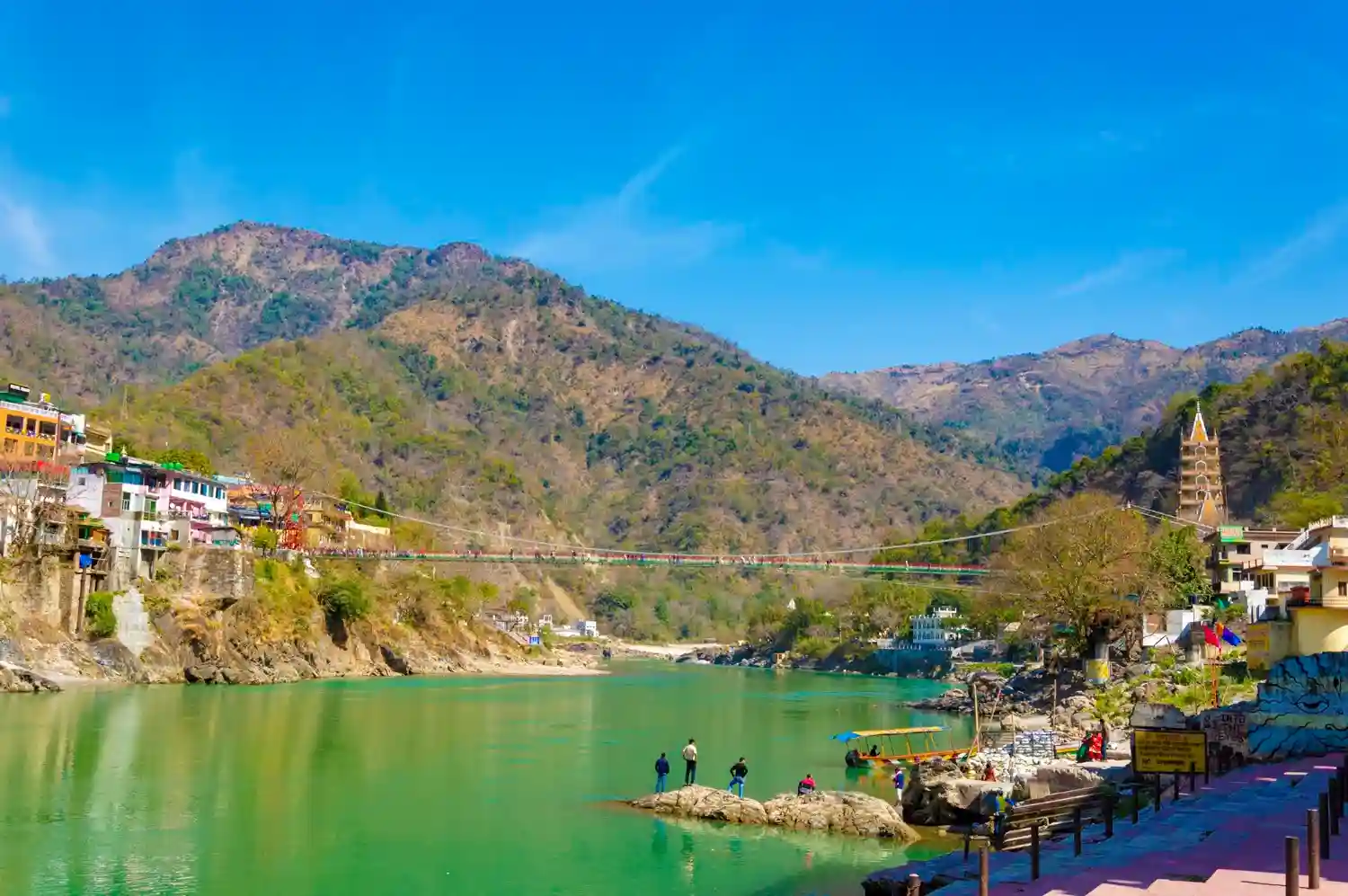
One of the most iconic landmarks in Rishikesh, Ram Jhula is a suspension bridge that connects the banks of the Ganges River. It offers breathtaking views of the river and the surrounding landscapes. The bridge leads to the famous Swarg Ashram, a hub for yoga and spiritual seekers. The walk across Ram Jhula offers a serene and spiritual experience, with beautiful temples and ashrams nearby.
- Best for: Photography, spirituality, and scenic walks
- Tip: Visit early in the morning or late in the evening to avoid crowds.
The Beatles Ashram Rishikesh
Known globally for its association with the famous band The Beatles, this ashram (officially called Chaurasi Kutia) became famous when the band stayed here in 1968 to learn meditation from Maharishi Mahesh Yogi. The ashram is now an abandoned but fascinating heritage site, with murals and graffiti left by the Beatles themselves. It’s a place for both music lovers and spiritual seekers.
- Best for: History, music lovers, and those seeking a quiet spiritual experience
- Tip: Explore the area in the morning when it’s less crowded.
Laxman Jhula
Laxman Jhula is another iconic suspension bridge that crosses the Ganges River. It holds mythological significance, as it is believed that Lord Ram’s brother, Laxman, crossed the river at this point on a jute rope. The bridge offers incredible views of the river and surrounding temples, and it’s also home to several ashrams and yoga centers. It’s one of the top spots to capture the scenic beauty of Rishikesh.
- Best for: Spiritual seekers, history lovers, and photographers
- Tip: Visit at dawn to experience the tranquil surroundings.
Tapovan Area
Tapovan is the heart of Rishikesh’s yoga scene, with many yoga centers, retreats, and spiritual ashrams. This area is known for its peaceful atmosphere and lush green surroundings. Many visitors come here to practice yoga and meditation, or simply to enjoy the natural beauty of the Himalayan foothills. Tapovan also has many cafes and shops where you can relax after a yoga session or spiritual retreat.
- Best for: Yoga practitioners, spiritual seekers, and those looking for peace
- Tip: Explore the area’s cafés and yoga centers for a relaxed atmosphere.
What to Do in Rishikesh
Rishikesh offers a wide variety of activities that cater to different interests—whether you’re looking for spiritual growth, outdoor adventures, or simply a peaceful retreat. Here are some activities you shouldn’t miss:
River Rafting
Rishikesh is known worldwide for its adventure sports, and river rafting on the Ganges is the highlight. The Ganges offers thrilling rapids ranging from Grade I to Grade IV, making it suitable for both beginners and experienced rafters. The best time for rafting is from September to June, as the water levels are ideal during this period.
- Best for: Adventure lovers and adrenaline seekers
- Tip: Book your rafting session in advance, especially during peak season.
Camping by the Ganges
Camping along the banks of the Ganges is a great way to experience the beauty of Rishikesh in a more immersive way. Many campsites are located near the river, offering bonfires, nature walks, and stargazing at night. Camping provides an opportunity to connect with nature while still being close to Rishikesh’s key attractions.
- Best for: Nature lovers, adventure seekers, and those looking for a unique stay
- Tip: Choose campsites closer to the river for a peaceful experience.
Yoga & Meditation Retreats
Rishikesh is renowned as the Yoga Capital of the World, and its numerous yoga centers and meditation retreats attract people from all over the globe. Whether you’re a beginner or an advanced practitioner, you’ll find a retreat or class that fits your needs. Many retreats offer week-long packages focused on meditation, yoga asanas, pranayama (breathing techniques), and spiritual learning.
- Best for: Spiritual seekers and wellness enthusiasts
- Tip: Choose a retreat that fits your personal yoga goals and schedule.
Café Hopping in Tapovan
Tapovan is filled with charming cafés that cater to the backpacker crowd. Here, you can enjoy a variety of international and local cuisines, from Indian curries to smoothie bowls. Many cafés offer stunning views of the Ganges and the surrounding Himalayan hills. Spend a relaxed day café hopping and enjoy the peaceful vibe of this area.
- Best for: Food lovers, digital nomads, and relaxation
- Tip: Explore the cafés that offer rooftop seating for the best views.
Waterfalls & Short Treks
Rishikesh is surrounded by natural beauty, including beautiful waterfalls and trekking routes. The Neer Garh Waterfall and Patna Waterfall are popular short treks for visitors who want to explore the outdoors and enjoy the beauty of nature. These treks offer an easy escape from the hustle and bustle of the town.
- Best for: Nature lovers and adventure seekers
- Tip: Wear comfortable shoes and bring water for the treks.
How Many Days Are Enough for Rishikesh?

Rishikesh offers a variety of experiences that can be enjoyed in different timeframes, depending on your interests and pace. Here’s how many days you should spend in Rishikesh based on your travel preferences:
Ideal Duration: 2–3 Days
- Perfect for: Weekend getaways, a combination of sightseeing and river rafting
- You can explore major attractions like Triveni Ghat, Ram Jhula, and Laxman Jhula in two days. Include river rafting or yoga classes for a more adventurous or spiritual experience.
4–5 Days for Slow Travel
- Perfect for: Relaxed visits, yoga retreats, and spiritual immersion
- This is an ideal timeframe for those who want to dive deeper into the town’s spiritual and outdoor offerings. You can join a yoga retreat, explore nearby waterfalls, and enjoy slow mornings by the Ganges.
Weekend Getaway Plan
- Duration: 2–3 days
- Best for: Weekend travelers or those on a short break from nearby cities like Delhi, Dehradun, or Haridwar
- A weekend trip allows for a quick escape to experience the top sights and activities in Rishikesh. Rafting, temple visits, and a few yoga sessions can fill up your itinerary.
Best Time to Visit Rishikesh With Family

Rishikesh is an ideal family destination, offering a blend of spiritual experiences, adventure activities, and natural beauty. Whether you’re traveling with young children, teenagers, or elderly family members, Rishikesh provides a variety of activities that can cater to all age groups. Here’s a guide to help you choose the best time for a family visit:
Safest Rafting Months
Rafting in Rishikesh is one of the top family activities, but safety is crucial, especially when traveling with children or elderly members. The safest months for rafting are during the spring and autumn months, from March to June and September to November, when the water levels are moderate, and the currents are more manageable.
- Tip: Ensure that you book with licensed rafting operators who have experience with families. The safety of your loved ones should always be a priority.
Comfortable Weather Windows
Rishikesh’s climate is generally comfortable for family visits, especially during the winter months of October to February when the weather is cool and pleasant. The temperature is ideal for sightseeing, temple visits, and outdoor activities.
- Best Time: October to February is the best window to visit with family as it avoids the extreme heat of summer and the heavy rains of monsoon. During these months, the weather remains comfortable for young kids, elderly travelers, and outdoor adventures.
- Tip: Avoid visiting during peak summer (April to June), as the temperatures can rise, making outdoor activities less comfortable.
Kid-Friendly Travel Seasons
When traveling with children, it’s essential to pick the right season to ensure a comfortable and enjoyable experience. Winter (October to February) is the most kid-friendly season, as the cooler weather is easier to manage for kids, and the outdoor activities are more enjoyable.
- Best for: Sightseeing, visiting temples, short treks, and yoga classes that are not too physically demanding for younger travelers.
- Avoid: Monsoon season (June to September) as the roads may become slippery, and some activities (like rafting) may be unavailable for safety reasons.
When to Avoid Heavy Rainfall
The monsoon season (June to September) in Rishikesh brings heavy rainfall, leading to slippery paths, closed trekking routes, and disrupted rafting schedules. The roads to remote areas may also become blocked or difficult to navigate, making this period unsuitable for family travel, especially with young children or elderly members.
- Tip: Plan your family trip for winter or spring to avoid the monsoon’s challenges and enjoy a safer, more comfortable experience.
Where to Stay in Rishikesh
Rishikesh offers a variety of accommodation options that cater to different budgets and preferences. Whether you’re looking for a riverside retreat, a budget-friendly guesthouse, or a luxury resort, you’ll find something that fits your family’s needs. Here’s a breakdown of the best areas to stay in Rishikesh:
Riverside Stays
Staying near the Ganges River is one of the most tranquil experiences Rishikesh offers. Riverside accommodations allow families to enjoy beautiful views of the river, peaceful mornings, and magical sunsets. Many properties also offer easy access to rafting spots and temples.
- Best for: Families looking for a peaceful retreat with easy access to spiritual and outdoor experiences.
- Tip: Riverside stays are ideal during winter months when the weather is perfect for spending time outdoors by the river.
Tapovan for Cafes & Yoga
Tapovan is the vibrant heart of Rishikesh’s travel scene, known for its yoga centers, cafés, and backpacker vibe. It’s a great area to stay if your family enjoys a relaxed atmosphere with options for café hopping, yoga classes, and access to the Ganges.
- Best for: Families interested in a mix of spirituality and modern comforts, with plenty of restaurants and café options.
- Tip: It’s an excellent choice for those seeking a balance of activity and relaxation.
Luxury vs Budget Options
- Luxury Stays: Rishikesh has a range of luxurious resorts, wellness retreats, and spiritual centers offering all-inclusive packages for families. These places often include yoga classes, Ayurvedic treatments, and high-end amenities. Some of the best options are Ananda in the Himalayas and Aloha on the Ganges.
- Budget Options: Rishikesh also has a wide selection of budget-friendly guesthouses, hostels, and riverside camps for families traveling on a budget. Many of these accommodations offer basic but comfortable stays with local homemade food and access to nearby attractions.
- Tip: If you’re looking for a high-end experience with your family, opt for luxury stays near the river or in the Tapovan area. For a budget-friendly visit, there are many options for guesthouses near Triveni Ghat or the Laxman Jhula area.
Best Areas Based on Season
- Winter (October to February): Ideal for staying near the Ganges River or in Tapovan for easy access to sightseeing and spiritual activities. Riverside stays are highly recommended as the weather is perfect for outdoor experiences.
- Summer (March to June): Staying near Rafting points like Marine Drive or Brahmapuri can offer better access to adventure activities like rafting. Tapovan also remains a good option for yoga retreats.
- Monsoon (June to September): Elevated stays away from the riverbanks are recommended to avoid the risks of floods and slippery paths. Choose areas like Laxman Jhula or Swarg Ashram that are higher up and less prone to flooding.
When to Visit Rishikesh Based on Travel Style
Rishikesh can be a spiritual haven, an adventurous playground, or a peaceful retreat. Your travel style will determine when is the best time for you to visit this beautiful town.
For Adventure Lovers
- Best Time: March to June & October
- What to Expect: Perfect for rafting, trekking, and camping. This is when the river levels are ideal for rafting, and the weather supports outdoor activities without the extreme heat of summer or the challenges of monsoon rains.
For Spiritual Seekers
- Best Time: October to February
- What to Expect: The cooler months offer the best yoga retreats, temple visits, and Ganga Aarti ceremonies. The spiritual atmosphere of Rishikesh is more powerful in winter, with clear skies and comfortable temperatures.
For Photographers
- Best Time: July to September (Monsoon) & October
- What to Expect: Monsoon brings lush greenery and dramatic landscapes, perfect for nature photography. October provides clear skies and stunning views of waterfalls, temples, and the Ganges River.
For Couples
- Best Time: October to March
- What to Expect: Romantic walks by the river, cozy cafés in Tapovan, and sunset views at Triveni Ghat make this the perfect time for couples to visit. Winter months offer the ideal blend of comfort and intimacy
For Peaceful Getaways
- Best Time: Late September, November, or February
- What to Expect: Shoulder months like late September or February provide fewer crowds, pleasant weather, and the perfect opportunity for peaceful reflection, yoga, and relaxation by the river.
What Rishikesh Really Feels Like
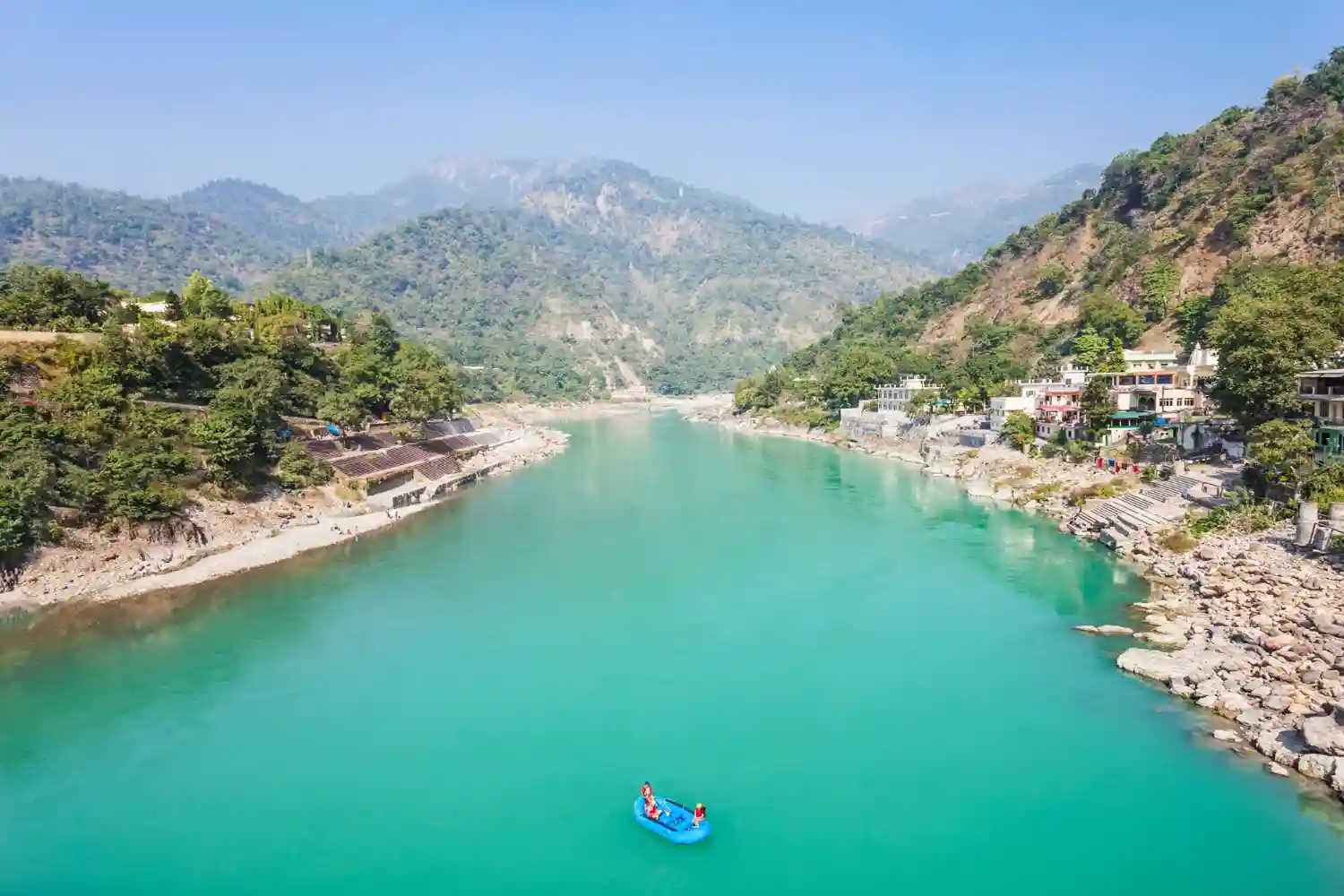
Rishikesh is not just a destination; it’s an experience that touches your soul in ways you didn’t expect. It’s a place where the peaceful hum of the Ganges, the call of temple bells, and the whispers of the Himalayas blend together into something almost magical. Here’s what it truly feels like to be in Rishikesh:
Misty Mornings by the Ganges
As the first light of day stretches across the sky, Rishikesh awakens in a quiet, almost reverent way. Misty mornings by the Ganges are serene beyond words. The river, calm and reflective, mirrors the golden hues of the rising sun, as wisps of mist rise from its surface. The air is cool and crisp, and the stillness is occasionally broken by the soft ringing of temple bells from the distant ghats. This is the perfect moment to take a quiet stroll along the banks of the river or sit by the water and just breathe. The world seems to slow down, and for a while, it feels like you are suspended in time. Rishikesh’s magic is most apparent in these still, peaceful moments.
Evening Ganga Aarti Glow
As the day draws to a close, the Ganga Aarti at Triveni Ghat fills the air with an energy that is both calming and electrifying. The sight of flames flickering in the hands of priests, the sound of devotional chants filling the air, and the sight of diyas floating down the river creates a mesmerizing glow. The Ganges, bathed in the light from the flames, seems almost sacred, with the river’s flow synchronizing with the spiritual rhythm of the ceremony. It’s an overwhelming, almost otherworldly experience that touches you deeply, making you feel both part of something greater and entirely present in the moment. The air is thick with devotion, and for a while, you forget everything else, immersed in the glow of faith.
Calm Ashram Vibes
In the quiet corners of Rishikesh, the ashrams offer a refuge from the bustle of daily life. Walking into one of these spaces, the first thing you’ll notice is the silence—a peaceful, meditative silence that feels like a warm embrace. The simple yet profound ambiance of an ashram gives you space to think, reflect, and find stillness. Whether you’re in one for a yoga retreat or simply to experience the spiritual tranquility, the atmosphere is suffused with a deep sense of calm. The calm ashram vibes envelop you, inviting you to slow down, to let go of the noise in your head, and to sink into a deeper connection with yourself and the world around you. The soft chanting of mantras, the meditative gardens, and the quiet corners for contemplation create an experience that feels like a retreat for your mind and soul.
The Rush of Himalayan Rafting
But Rishikesh isn’t all about stillness and serenity. The rush of Himalayan rafting is something completely different—a thrilling, adrenaline-pumping contrast to the town’s spiritual calm. The Ganges, known for its powerful rapids, comes alive during rafting sessions. The sound of the water crashing against rocks, the spray of cold water on your face, and the rush of excitement as you navigate through the rapids is an exhilarating experience. It’s a wild, raw encounter with the elements, and every moment in the raft feels like a dance with the force of nature itself. The rush of rafting in Rishikesh is a physical reminder of the untamed power of the river, and it leaves you feeling alive—completely immersed in the present.
Conclusion
Rishikesh feels like a place where extremes exist in harmony. It’s a place of peaceful meditative mornings, soul-stirring evenings, and adrenaline-packed adventures. Whether you’re seeking spiritual growth or an adventure, Rishikesh doesn’t just offer experiences—it offers moments that shift something deep inside you, something that stays with you long after you’ve left. It’s not a place you visit; it’s a place you feel. And once you feel it, you’ll understand why so many come back, again and again.
Read more >>>
Best Time to Visit Nandi Hills – Weather, Sunrise, Timings & Local Travel Guide
Best Time to Visit Coorg: Weather, Seasons & Travel Tips
FAQ’s
Which is the best time to visit Rishikesh?
The best time to visit Rishikesh is from October to February. During these months, the weather is cool and pleasant, ideal for sightseeing, yoga retreats, rafting, and attending Ganga Aarti. The temperature ranges from 8°C to 22°C, making outdoor activities more enjoyable. Avoid the monsoon (June to September), as heavy rainfall can disrupt outdoor activities.
Which season is best to visit Rishikesh?
Winter (October to February) is the best season to visit Rishikesh. The weather is cool and crisp, making it perfect for spiritual activities, trekking, and river rafting. The monsoon season (June to September) brings heavy rains, making it challenging for outdoor adventures. Summer (March to June) is ideal for rafting but can get quite hot.
Where is Rishikesh located?
Rishikesh is located in the northern Indian state of Uttarakhand, at the foothills of the Himalayas. It is situated about 25 km from Haridwar and around 240 km from Delhi, making it easily accessible from major cities in India. Rishikesh lies along the banks of the Ganges River, adding to its spiritual and adventure appeal.
Which river flows in Rishikesh?
The Ganges River (locally known as the Ganga) flows through Rishikesh. This sacred river originates in the Himalayas and is central to both the spiritual and adventure activities in Rishikesh, including Ganga Aarti, river rafting, and temple visits. The river’s significance is deeply embedded in the cultural and spiritual fabric of Rishikesh.
Is river rafting open in Rishikesh year-round?
No, river rafting in Rishikesh is not open year-round. The rafting season typically runs from October to June, when the water levels are manageable and safe for rafting. Rafting usually gets suspended during the monsoon (June to September) due to high water levels and dangerous currents in the Ganges River.
Is Rishikesh worth visiting?
Yes, Rishikesh is definitely worth visiting. Known as the Yoga Capital of the World, it offers a unique blend of spiritual experiences, adventure sports like rafting, and peaceful riverside retreats. Whether you’re looking for a yoga retreat, an adventure getaway, or a spiritual journey, Rishikesh provides something for every traveler.
When should you avoid visiting Rishikesh?
It’s best to avoid visiting Rishikesh during the monsoon season (June to September). The heavy rainfall during these months leads to slippery paths, closed trekking routes, and suspended rafting activities. The summer months (April to June) can also be quite hot, making it less ideal for sightseeing or outdoor activities unless you’re primarily interested in rafting.
Plan Your Rishikesh Trip Smarter with Offto Travellers
Planning a trip to Rishikesh can be overwhelming with so many activities, attractions, and options for accommodations. That’s where Offto Travellers comes in. We offer a seamless experience, helping you plan the perfect getaway, whether you’re seeking adventure, spirituality, or relaxation. Here’s how we make your trip planning smarter:
Seasonal Recommendations
At Offto Travellers, we understand that the best time to visit Rishikesh depends on your travel preferences. Whether you’re looking for spiritual retreats, adventure activities like rafting, or just a peaceful riverside retreat, we’ll help you choose the ideal season for your trip. With our personalized recommendations, you can enjoy the best of what Rishikesh has to offer, year-round.
- Winter (October–February): Perfect for sightseeing, yoga retreats, and Ganga Aarti.
- Summer (March–June): Ideal for rafting and camping in the cooler mornings and evenings.
- Monsoon (July–September): While scenic, we recommend flexibility due to heavy rains.
We’ll guide you on weather conditions, the best activities, and crowd expectations for each season to ensure a memorable experience.
Rafting & Stay Coordination
Rafting in Rishikesh is a must-try experience, and with Offto Travellers, you don’t have to worry about the logistics. We help coordinate your rafting trip, including the best rafting stretches, safety guidelines, and booking with licensed operators.
Additionally, we’ll help you find the perfect stay based on your preferences—whether it’s a riverside resort, a yoga retreat, or a budget guesthouse. No more stressing over booking multiple platforms or dealing with last-minute changes. With Offto Travellers, you get:
- Seamless rafting bookings: We ensure you’re rafting at the best times, with proper equipment and guidance.
- Coordinated stays: We match your accommodation with your travel style, from luxury resorts to eco-friendly retreats.
Simplified Booking Experience
Planning your trip to Rishikesh with Offto Travellers is a breeze. With just a few clicks, you can book everything in one place:
- Rafting & adventure activities
- Yoga and wellness retreats
- Transportation and local tours
- Accommodation suited to your style and budget
Our platform streamlines the entire process, so you can skip the stress and focus on what matters: having an incredible time in Rishikesh. No more juggling multiple websites or apps—everything is managed under one roof.
Customized Travel Planning
Every traveler is different, which is why Offto Travellers offers customized travel planning for your trip to Rishikesh. Whether you’re:
- Seeking adventure with rafting and trekking,
- Looking for peaceful yoga retreats and spiritual exploration,
- Or simply want a relaxing riverside getaway,
We tailor your itinerary to suit your specific needs and preferences. We’ll help you plan:
- Activities: Choose from a wide variety, including rafting, yoga, temple visits, and more.
- Accommodation: Stay in places that align with your comfort level—be it a luxury hotel or a back-to-nature camping experience.
- Personalized recommendations: Based on your interests, we’ll suggest the best places to visit and things to do.
Offto Travellers ensures that your trip to Rishikesh is not just a vacation, but an experience tailored to you.
Let Offto Travellers handle the logistics and give you a smooth, hassle-free travel experience to Rishikesh. Start planning your Rishikesh trip today and enjoy an unforgettable journey filled with spiritual growth, adventure, and memories to last a lifetime.
Best experienced on the Offto Travellers app
Get the Offto app to explore travel stories, share your own journeys, connect with travellers, and book trips—all in one place.
Play StoreApp Store
Leave a Reply