
South Rann of Kutch is best visited between November and February when the weather is cool and pleasant. This is also when the famous Rann Utsav takes place and the White Desert Kutch looks magical, especially during full moon nights. Avoid summer due to extreme heat and monsoon when the salt desert remains submerged.
Rann of Kutch in a Nutshell
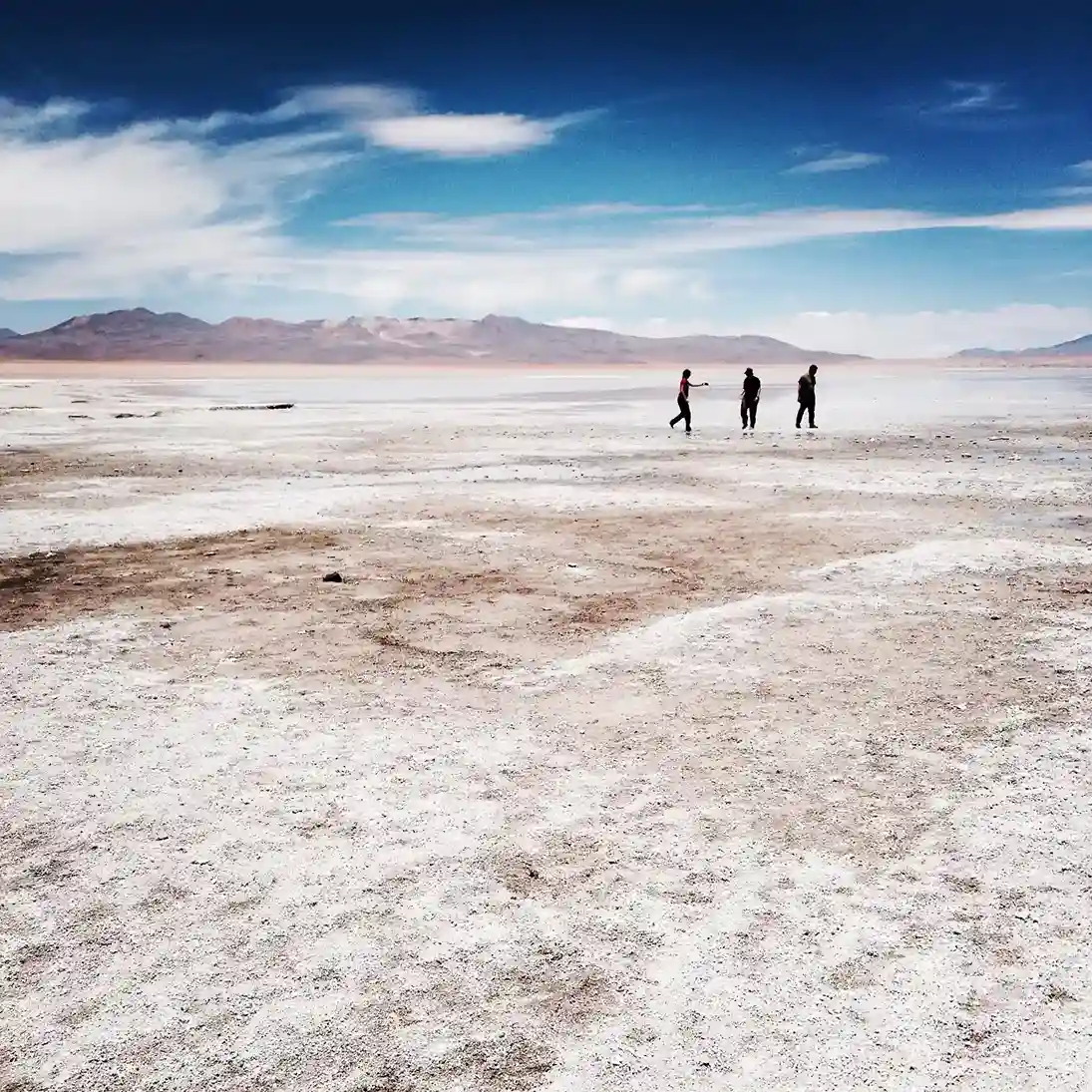
The Rann of Kutch is one of India’s most extraordinary natural landscapes — a vast seasonal salt marsh located in Gujarat near Bhuj. For most of the year, it appears barren and quiet. But during winter, it transforms into a shimmering white desert that attracts thousands of travelers.
If you’re researching the best time to visit rann of kutch, understanding its seasonal transformation is essential. The experience here is entirely dependent on weather, salt formation, and festival timing.
At the heart of this region lies the globally recognized white desert kutch, also called the White Rann. It stretches endlessly toward the horizon, creating a surreal, almost dreamlike environment. Unlike sand deserts, this one is formed from salt deposits left behind after monsoon waters evaporate.
Beyond the landscape, the Rann is culturally rich. Villages around the region are known for embroidery, handicrafts, folk music, and traditional Kutchi architecture. During the tourism season, these cultural elements blend beautifully with the stark white backdrop.
This rare combination of geography, climate, and culture is what makes timing your visit so important.
What Makes the White Desert Kutch Special
The White Desert Kutch is not made of sand dunes but crystallized salt. After the monsoon season floods the region, water slowly evaporates, leaving behind a thick, solid layer of white salt.
What makes it truly special:
- The surface glows intensely under sunlight
- It reflects moonlight dramatically during full moon nights
- The horizon looks infinite due to the flat terrain
- The texture changes slightly throughout the day
During sunrise, the desert appears pale gold. At sunset, it takes on pink and orange hues. Under moonlight, it turns silver-white, creating a magical atmosphere.
This constantly shifting visual experience is why travelers specifically search for the best time to visit rann of kutch rather than visiting randomly.
Why Winter Transforms the Rann Completely
Winter is when the Rann becomes accessible, photogenic, and safe for tourism. From November onward, floodwaters recede and the salt crust becomes firm enough for walking and vehicle movement.
The climate also shifts dramatically. The intense summer heat disappears, and the region becomes pleasantly cool during the day and chilly at night.
This is the period when:
- The white salt desert is fully formed
- Tourism infrastructure is operational
- Cultural festivals begin
- Desert camping becomes possible
Because of these factors, winter is widely considered the best time to visit rann of kutch.
The Full Moon Effect
One of the most extraordinary experiences in the White Rann is witnessing it under a full moon.
The salt crystals reflect moonlight so intensely that the desert glows without artificial lighting. The ground appears almost metallic silver, and visibility stretches far into the horizon.
This phenomenon makes full moon dates extremely popular during the tourism season. Many travelers align their trip with lunar calendars to experience this natural spectacle.
If your goal is photography, romance, or a surreal visual experience, planning around a full moon can elevate your visit dramatically.
Cultural Vibes During Festival Season
Winter is also when the region hosts the famous kutch rann utsav, a months-long cultural celebration organized near Dhordo village.
The festival showcases:
- Traditional Kutchi folk dances
- Live music performances
- Handicraft exhibitions
- Authentic Gujarati cuisine
- Camel rides and desert safari
The Rann, which feels isolated during other seasons, becomes vibrant and energetic. The cultural immersion adds depth to the natural beauty of the white desert.
For many travelers, combining climate comfort with festival energy defines the true best time to visit rann of kutch.
Best Time to Visit Rann of Kutch
Choosing the right season can completely change your experience. The Rann of Kutch has three distinct phases: winter (ideal), summer (extreme), and monsoon (submerged).
Here’s a clear seasonal breakdown to help you decide.
Winter (November – February) – Peak Season
Winter is universally regarded as the ideal season to explore the White Rann. This period coincides with pleasant weather, stable salt formations, and the active kutch rann utsav season.
Reasons winter stands out:
- Comfortable daytime temperatures
- Fully formed white desert surface
- Clear skies for photography
- Cultural events and tent accommodations
- Safe and accessible roads
If you’re targeting the iconic white desert visuals, winter is undoubtedly the best time to visit rann of kutch.
Temperature in Kutch Gujarat During Winter
The temperature in kutch gujarat during winter typically ranges:
- Daytime: 20°C to 25°C
- Nighttime: 5°C to 12°C
While days are comfortable for exploration, nights can become quite cold, especially in open desert areas. Layered clothing is recommended.
The mild climate makes walking on the salt flats enjoyable without exhaustion.
Best Time for White Desert Experience
For the most visually stunning experience:
- Visit between late December and early February
- Choose dates close to a full moon
- Plan your desert visit during sunset and moonrise
This period ensures the salt crust is strong, the weather is stable, and visibility is optimal.
If your focus is purely on witnessing the iconic white landscape, winter remains the best time to visit rann of kutch.
Ideal Season for Kutch Rann Utsav
The kutch rann utsav generally runs from November through February, sometimes extending slightly depending on weather conditions.
This season offers:
- Luxury and premium tent stays
- Organized desert excursions
- Cultural evenings with folk performances
- Craft shopping from local artisans
For travelers who want both comfort and cultural immersion, this is the perfect window to plan their trip.
Summer (March – June) – Extreme Heat
Summer in the Rann is intense and not recommended for leisure travel.
As temperatures rise sharply, the salt surface absorbs and reflects heat, making conditions uncomfortable for extended outdoor exposure.
Tourism activity drops significantly during this period.
Rann of Kutch Temperature in Peak Summer
The rann of kutch temperature in peak summer can reach:
- Daytime: 40°C to 45°C
- Nighttime: 28°C to 32°C
The reflective salt layer intensifies the heat, increasing dehydration risk and fatigue.
Such extreme conditions make sightseeing physically demanding.
Why Summer Is Not Ideal
Summer is generally avoided because:
- Extreme daytime heat limits outdoor activity
- Minimal tourism infrastructure
- No active festival season
- Limited accommodation options
- Risk of heatstroke
Unless you have a specific research or professional reason, summer is not considered the best time to visit rann of kutch.
Monsoon (July – September) – Submerged White Rann
During monsoon, the Rann undergoes a dramatic transformation.
Heavy rains and water inflow from nearby rivers flood the salt marsh, temporarily dissolving the white crust. The landscape shifts from solid white desert to shallow wetlands.
This is an ecological recovery phase.
What Happens to the Salt Desert
During monsoon:
- The salt layer dissolves into water
- The Rann becomes marshy and partially submerged
- Salt formation resets for the next winter season
- Access roads may become unstable
The iconic white desert appearance disappears during this period.
Travel Restrictions During Monsoon
Travel during monsoon can be challenging due to:
- Limited entry permissions
- Unpredictable weather conditions
- Temporary road closures
- Restricted access to certain zones
Because the white salt landscape is submerged, monsoon is not suitable for travelers seeking the classic white desert kutch experience.
Rann of Kutch Temperature Guide
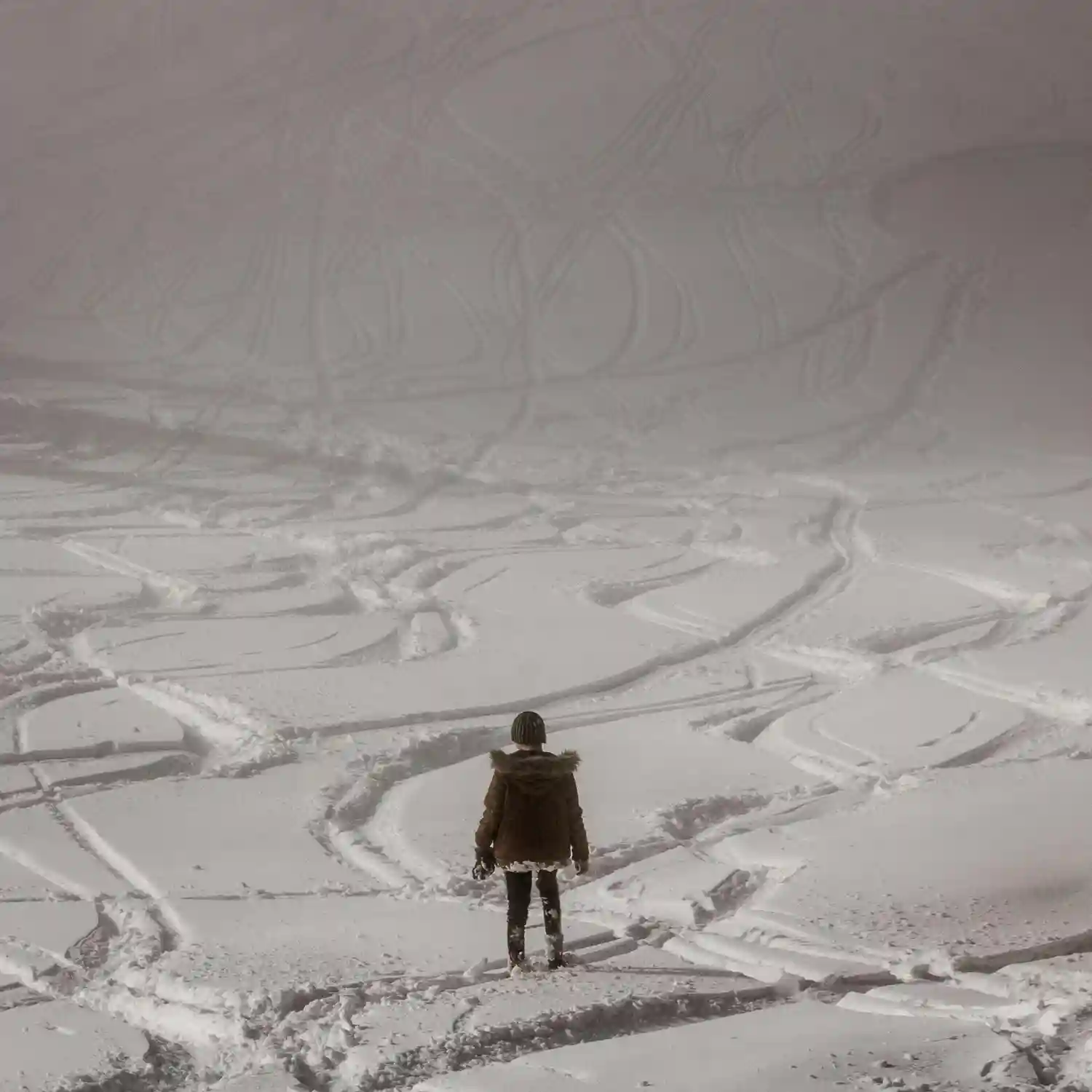
Understanding the rann of kutch temperature across the year is crucial before planning your trip. The region experiences extreme seasonal variation — from flooded wetlands during monsoon to harsh heat in summer and cool desert nights in winter.
Here’s how the climate behaves throughout the year.
Winter Temperature in Rann of Kutch
Winter (November to February) is the most comfortable and tourist-friendly season.
Typical temperature patterns:
- November: 18°C – 30°C
- December: 10°C – 25°C
- January: 5°C – 24°C
- February: 12°C – 28°C
The temperature in kutch gujarat during December and January drops significantly at night. Early mornings and post-sunset hours can feel quite cold due to open desert winds.
This cooler climate makes desert exploration enjoyable and is one of the primary reasons winter is considered the best time to visit rann of kutch.
Summer Temperature in Kutch Gujarat
Temperature trends:
- March: 22°C – 35°C
- April: 28°C – 40°C
- May: 32°C – 45°C
- June: 30°C – 42°C
The rann of kutch temperature in May often crosses 45°C during peak afternoon hours. The salt surface reflects sunlight intensely, making it feel even hotter.
Due to extreme heat and limited tourist infrastructure, summer is not ideal for sightseeing or festival experiences.
Day vs Night Temperature Difference
During winter:
- Day: Pleasant and warm
- Night: Sharp drop of 10–15°C
During summer:
- Day: Extremely hot
- Night: Slightly cooler but still warm
The open landscape allows heat to escape quickly after sunset in winter, leading to chilly nights. This fluctuation is important when packing and planning your schedule.
If you’re aiming to explore comfortably during both day and night — especially for full moon views — winter remains the best time to visit rann of kutch.
What to Pack Based on Season
Packing correctly can significantly improve your experience.
For Winter (Peak Season):
- Warm jacket or sweater
- Thermal innerwear for night
- Comfortable walking shoes
- Sunglasses and sunscreen
- Lip balm and moisturizer (dry air)
For Summer:
- Light cotton clothing
- High SPF sunscreen
- Wide-brim hat
- Electrolyte drinks
- Light scarf for sun protection
For Monsoon (Not recommended for tourism):
- Waterproof footwear
- Rain protection
- Flexible travel plans
If you’re visiting during kutch rann utsav, winter layering is essential, especially for late evening cultural programs.
White Desert Kutch – When Does It Look the Best?
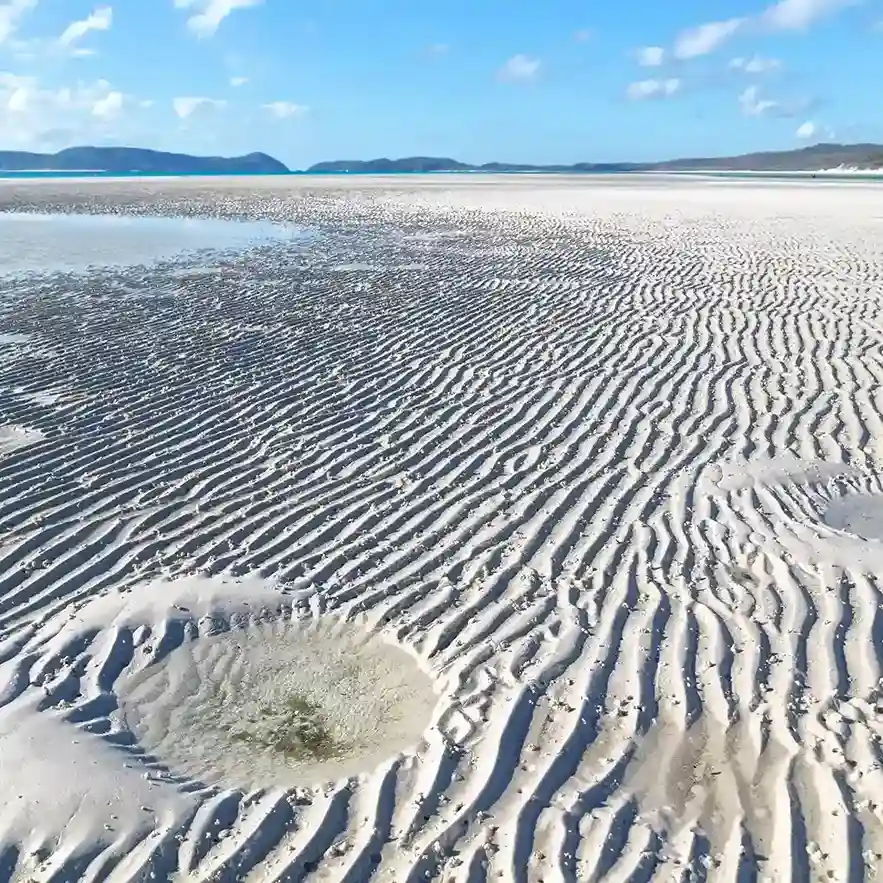
The appearance of the white desert kutch depends entirely on seasonal salt formation, light conditions, and lunar cycles.
While the desert technically exists for several months, its visual intensity varies significantly. If your goal is photography or experiencing the iconic white glow, timing matters more than anything else.
Let’s break down when it truly looks its best.
Best Months to Visit the White Desert
The white desert looks most pristine between:
- Late December
- January
- Early February
By this time:
- Monsoon water has completely evaporated
- Salt crust is fully formed and solid
- The surface appears bright and evenly white
- Weather conditions are stable
November can sometimes have slightly softer salt patches, and late February may start warming up.
For picture-perfect views, January is widely considered the peak window — making winter the clear best time to visit rann of kutch.
Best Time for Full Moon Nights
Full moon nights create the most magical white desert experience.
The salt crystals reflect moonlight intensely, turning the entire Rann into a glowing silver plain. Visibility becomes surprisingly high, even without artificial lights.
The most popular months for full moon visits are:
- December
- January
Many travelers align their bookings with lunar calendars during kutch rann utsav to witness this phenomenon.
If your priority is romance, night photography, or a surreal atmosphere, plan around full moon dates in peak winter.
Sunrise vs Sunset Views
Both sunrise and sunset offer dramatically different perspectives of the white desert.
Sunrise:
- Softer light
- Cooler temperature
- Fewer crowds
- Gentle golden tones
Sunset:
- Vibrant orange and pink hues
- Dramatic shadows
- Larger crowds
- Ideal for wide-angle photography
Sunset is more popular due to accessibility and timing, but sunrise provides a quieter, more peaceful experience.
If you prefer calm exploration over crowd energy, early morning visits may be more rewarding.
Photography Timing Tips
To capture the White Rann at its best:
- Visit during golden hour (first or last hour of sunlight)
- Shoot low angles to highlight salt texture
- Use polarizing filters during bright afternoons
- Avoid midday harsh light
- Plan full moon shots with tripod suppo
Winter skies are usually clear, reducing haze and improving visibility.
For photographers and visual storytellers, these lighting factors play a major role in choosing the best time to visit rann of kutch.
Kutch Rann Utsav Guide (Festival Explained)
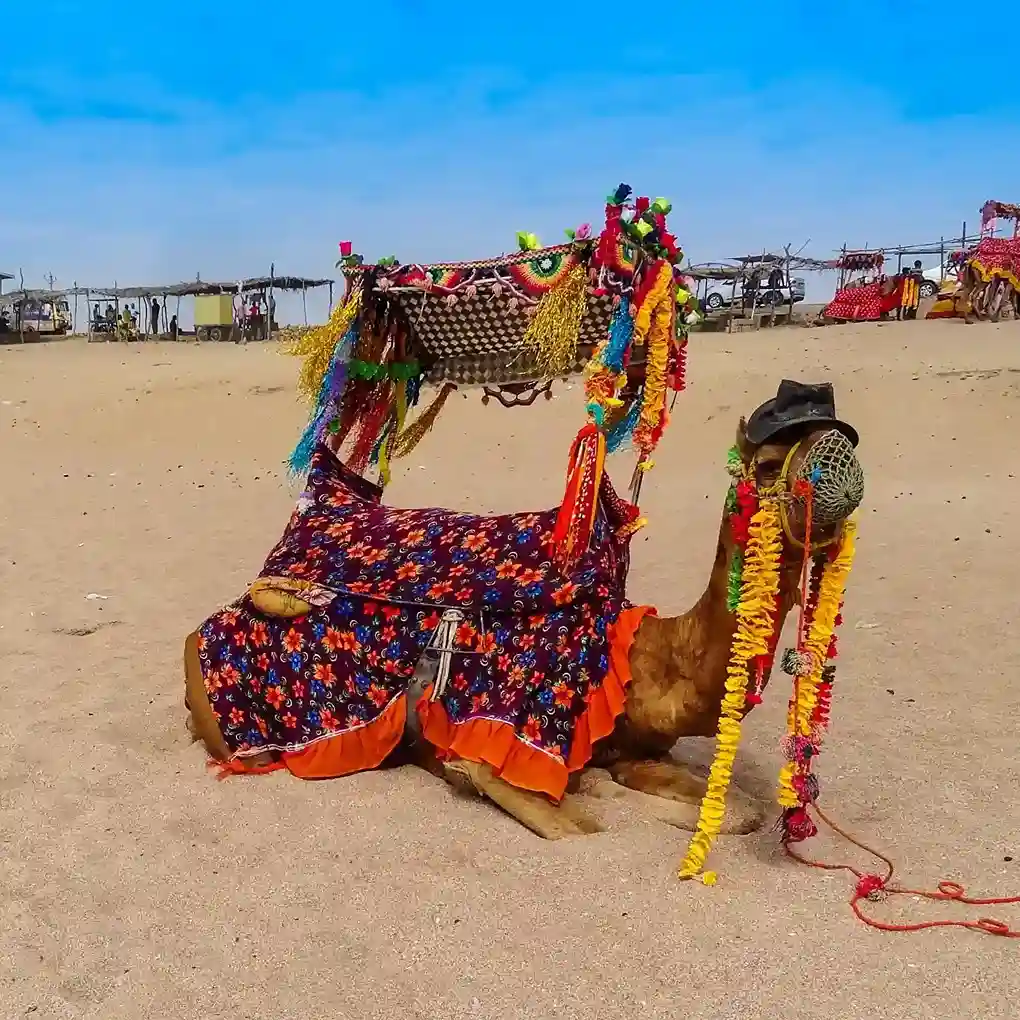
The cultural heartbeat of the White Rann comes alive during the famous kutch rann utsav. While the salt desert is stunning on its own, the festival transforms the region into a vibrant celebration of Gujarat’s art, music, cuisine, and desert lifestyle.
For many travelers, the festival period defines the best time to visit rann of kutch because it combines natural beauty with immersive cultural experiences.
Here’s everything you need to know before planning around the festival.
What Is Rann Utsav?
If you’re wondering what is rann utsav, it is a state-organized cultural festival held annually in the White Rann near Dhordo village.
The event showcases:
- Traditional Kutchi folk dances and music
- Handcrafted textiles and embroidery
- Regional cuisine
- Desert experiences like camel rides
- Local village tours
It is designed to promote tourism in the white desert kutch while preserving regional heritage.
The festival turns an otherwise silent salt marsh into a lively, colorful celebration under open desert skies.
When Does Kutch Rann Utsav Happen?
The kutch rann utsav usually begins in November and continues until February, sometimes extending into early March depending on weather conditions.
This period coincides with:
- Stable salt crust formation
- Pleasant daytime temperatures
- Clear skies
- Full moon viewing opportunities
The festival schedule aligns perfectly with winter climate patterns, which is why winter is considered the best time to visit rann of kutch for both weather and cultural immersion.
It’s advisable to book early, especially for December and January full moon dates, as demand is high.
Why Winter Is Perfect for Rann Utsav
Winter enhances every aspect of the festival experience.
Here’s why:
- The temperature in kutch gujarat remains comfortable during the day
- Nights are cool but manageable with proper layering
- The white desert is fully formed
- Outdoor performances are enjoyable without heat exhaustion
Summer heat would make open-air events uncomfortable, and monsoon flooding makes the White Rann inaccessible.
This natural alignment of climate and cultural programming is why winter dominates as the best time to visit rann of kutch.
Tent City Experience
One of the biggest highlights of the festival is the temporary Tent City set up near Dhordo.
This desert accommodation zone offers organized stays with modern amenities while keeping the rustic aesthetic intact.
It allows visitors to stay close to the White Rann and attend evening cultural programs conveniently.
Accommodation Types
Tent City typically offers multiple stay categories:
- Standard non-AC tents
- Deluxe tents with attached bathrooms
- Premium luxury tents
- Family suite tents
Most packages include meals, guided visits to the white desert, and access to cultural events.
Staying in the Tent City enhances convenience and maximizes your time during the kutch rann utsav.
Cultural Performances
Every evening during the festival season features live cultural programming.
You can expect:
- Traditional Garba and folk dances
- Live instrumental performances
- Regional storytelling sessions
- Artisan exhibitions
The performances usually begin after sunset when the desert temperature drops to comfortable levels.
These nightly events add depth to your visit beyond sightseeing and reinforce why winter is the best time to visit rann of kutch.
Adventure Activities
In addition to cultural events, the festival offers adventure experiences such as:
- ATV rides
- Paramotoring
- Hot air ballooning (select dates)
- Camel cart rides
- Desert cycling
These activities are safe and enjoyable primarily because winter weather conditions remain stable.
Adventure combined with cultural immersion makes the festival season the most dynamic time to explore the White Rann.
Best Time to Visit Rann of Kutch for Different Travellers
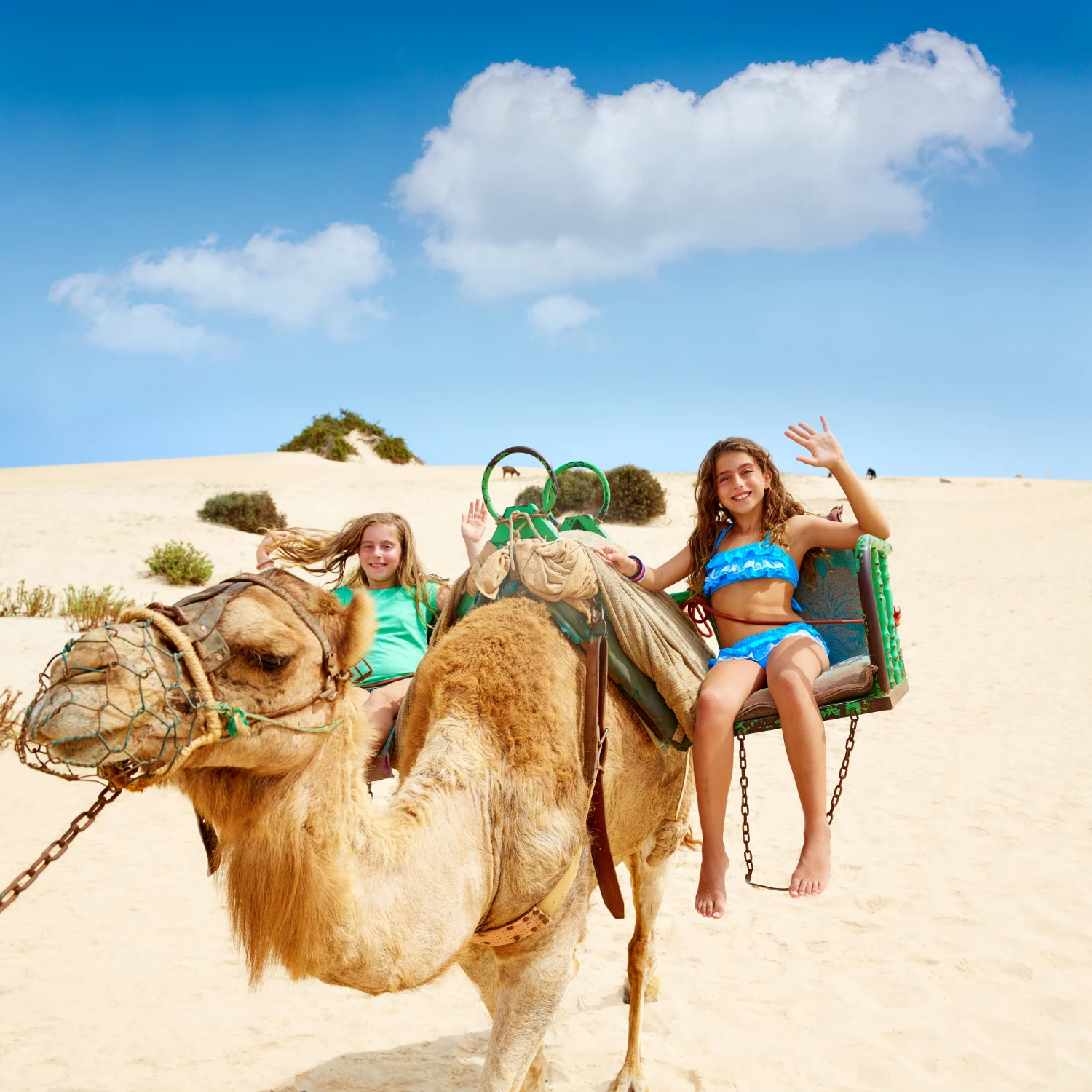
While winter is broadly considered ideal, the best time to visit rann of kutch can vary depending on your travel goals.
Here’s a breakdown based on traveler type.
Best Time for Couples
For couples seeking a romantic experience, late December to January is ideal.
Reasons include:
- Full moon glow over the white desert kutch
- Cool, cozy desert nights
- Cultural evenings with music and dance
- Luxury tent stay options
The silver-lit salt desert during full moon nights creates a surreal atmosphere perfect for romantic getaways.
Planning around a full moon during kutch rann utsav adds an unforgettable dimension to the trip.
Best Time for Families
Families should ideally visit between November and early February.
Benefits include:
- Comfortable daytime exploration
- Organized festival infrastructure
- Safe and guided desert access
- Cultural and educational experiences for children
The moderate rann of kutch temperature during winter ensures kids and elderly travelers can explore without heat-related discomfort.
Booking family tent accommodations during the festival season enhances comfort and convenience.
Best Time for Photographers
Photographers should aim for:
- January for clear skies
- Full moon dates
- Sunrise or sunset sessions
The winter season provides stable light conditions and minimal atmospheric haze.
The dramatic contrast between blue skies and white salt surfaces offers high visual impact.
If capturing the iconic White Rann is your primary objective, winter is undeniably the best time to visit rann of kutch.
Best Time for Budget Travellers
Budget travelers may consider:
- Early November
- Late February
During these shoulder periods:
- Accommodation rates are slightly lower
- Crowds are comparatively thinner
- Weather remains manageable
However, peak December and January dates tend to be more expensive due to high demand during kutch rann utsav.
If budget is your main concern, avoiding full moon peak dates can significantly reduce overall trip costs.
Places to Visit in Rann of Kutch
While the White Rann is the main highlight, the region offers several fascinating attractions nearby. If you’re planning your itinerary around the best time to visit rann of kutch, it’s worth allocating 2–3 days to explore the surrounding landmarks.
Here are the top places to visit in rann of kutch and nearby areas that complete the experience.
White Rann
The White Rann is the heart of the entire region. This vast salt desert becomes fully visible during winter when monsoon water evaporates and leaves behind a solid white crust.
It’s best visited:
- During sunset or sunrise
- Around full moon nights
- Between December and January
This is where the iconic white desert kutch experience happens. If you visit outside winter, the landscape may not appear in its signature white form.
Kala Dungar (Black Hill)
Kalo Dungar, meaning “Black Hill,” is the highest point in Kutch.
From here, you get:
- Panoramic views of the Great Rann
- Stunning sunset vistas
- Distant views of the Indo-Pak border region
The contrast between the dark hill terrain and the bright white desert below creates dramatic scenery. Visiting during winter ensures clearer skies and better visibility.
Mandvi Beach
Located about 60 km from Bhuj, Mandvi Beach offers a completely different landscape experience.
Why visit:
- Peaceful coastline
- Camel rides along the beach
- Vijay Vilas Palace nearby
- Fresh seafood options
If you’re spending 3–4 days in the region, combining the desert with a coastal escape adds variety to your trip.
Dholavira
Dholavira is one of the most significant archaeological sites of the Indus Valley Civilization.
Highlights include:
- Ancient water reservoirs
- Excavated city structures
- Museum with historical artifacts
History enthusiasts often combine Dholavira with the Rann trip. Winter makes exploration easier due to moderate rann of kutch temperature and manageable daytime heat.
India Bridge
India Bridge is the last civilian-accessible point near the Indo-Pak border in this region.
Visitors require:
- Valid ID proof
- Security clearance at checkpoints
It offers a unique perspective of the border landscape and salt marsh terrain. The drive itself is scenic, especially during winter months when visibility is high.
Handicraft Villages Near Bhuj
The villages around Bhuj are famous for traditional Kutchi craftsmanship.
You’ll find:
- Hand embroidery
- Bandhani (tie-dye) textiles
- Leatherwork
- Mirror-work fabrics
Exploring these villages adds cultural depth to your trip beyond the desert.
If you’re planning during kutch rann utsav, many artisans also display their work at the Tent City marketplace.
Bhuj to Rann of Kutch Distance & Travel Time
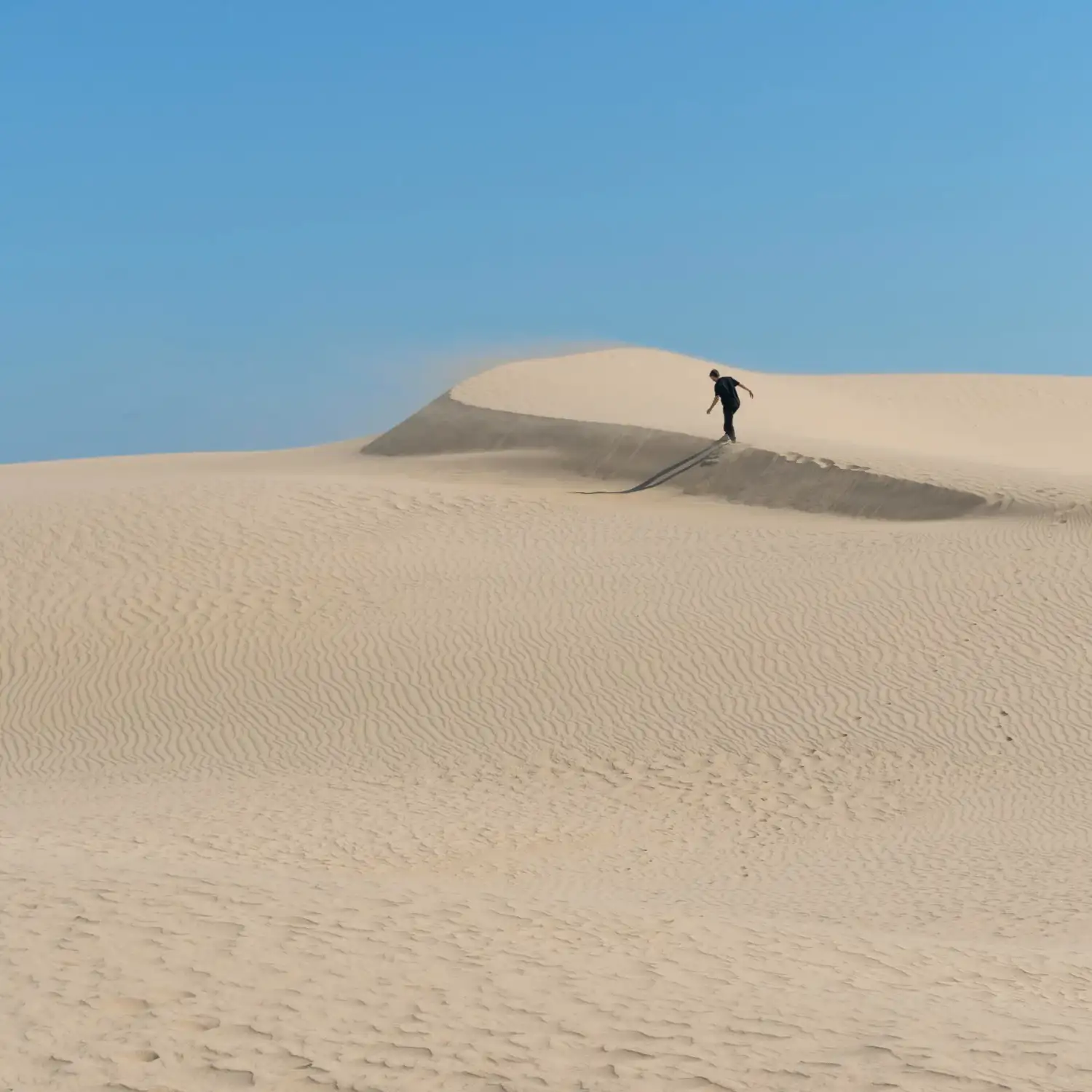
Bhuj serves as the main gateway to the White Rann. Understanding the bhuj to rann of kutch distance and travel logistics is essential for planning.
Whether you’re flying in or arriving by train, Bhuj is your starting point.
Exact Bhuj to Rann of Kutch Distance
The approximate bhuj to rann of kutch distance (Dhordo village, the main entry point to the White Rann) is:
80 kilometers
This distance may vary slightly depending on your final destination within the Rann region.
The drive connects Bhuj to Dhordo via well-maintained state highways.
Travel Time by Car
Travel time from Bhuj to the White Rann typically takes:
1.5 to 2 hours by car
From here, you get:
- Panoramic views of the Great Rann
- Stunning sunset vistas
- Distant views of the Indo-Pak border region
Factors affecting travel time:
- Road conditions
- Traffic during peak kutch rann utsav season
- Security checkpoints
Winter months may see higher vehicle movement, so planning early departures is recommended.
Road Conditions & Route
The road from Bhuj to Dhordo is generally well maintained, especially during peak tourist season.
Route overview:
Bhuj → Bhirandiyara → Hodka → Dhordo (White Rann)
During winter, roads are in good condition due to tourism demand. However, during monsoon, certain stretches may become waterlogged.
This is another reason why winter is considered the best time to visit rann of kutch — accessibility is smooth and reliable.
Taxi vs Self-Drive
You have two main options:
Taxi:
- Convenient
- No navigation stress
- Ideal for families
- Slightly more expensive
If you’re visiting during kutch rann utsav, taxis may need advance booking due to high demand.
For most travelers, winter ensures both taxi and self-drive options remain smooth and comfortable due to stable weather and good road conditions.
How to Reach Rann of Kutch
If you’re planning your trip around the best time to visit rann of kutch, understanding travel connectivity is equally important. The region is well connected, but since the White Rann is located near the India–Pakistan border, permits and planning are necessary.
Most travelers first reach Bhuj and then proceed to Dhordo, the main gateway to the white desert kutch.
Here’s a complete breakdown of how to reach rann of kutch.
By Air – Nearest Airport
The nearest airport to the Rann of Kutch is Bhuj Airport.
Bhuj Airport connects with major Indian cities like:
- Mumbai
- Ahmedabad
- Delhi (seasonal or connecting)
From Bhuj Airport, the bhuj to rann of kutch distance is approximately 80 km, which takes about 1.5–2 hours by road.
Flying is the fastest and most convenient option, especially during peak kutch rann utsav season when time efficiency matters.
By Train – Railway Connectivity
Bhuj Railway Station is the closest major railhead.
It has direct or connecting trains from:
- Ahmedabad
- Mumbai
- Delhi
Train travel is a budget-friendly option and suitable for travelers coming from Gujarat or neighboring states.
Once you reach Bhuj, you can hire a taxi or use local transport to cover the remaining distance to the White Rann.
By Road – Scenic Route Options
Road travel to Kutch is smooth and scenic, especially during winter.
Popular routes include:
- Ahmedabad to Bhuj (approx. 330 km)
- Rajkot to Bhuj
- Mumbai to Bhuj (long-distance road trip option)
Highways are well maintained, particularly during winter when tourism peaks. However, during monsoon, certain stretches may experience waterlogging.
If you’re planning a road trip, winter remains the best time to visit rann of kutch due to predictable weather and comfortable driving conditions.
Local Transport in Kutch
Once in Bhuj or Dhordo, local transport options include:
- Private taxis
- Self-drive cars
- Festival-arranged shuttle services (during kutch rann utsav)
For visiting nearby attractions like Kala Dungar or handicraft villages, hiring a taxi for the day is convenient.
Visitors also need to obtain an entry permit for the White Rann area. This can be arranged online or at designated checkpoints.
Proper planning ensures a smooth journey to the desert landscape.
How Many Days Are Enough for Rann of Kutch?
The ideal duration depends on your travel style and goals. While some travelers make it a quick stop, others spend multiple days exploring the region.
If you are visiting during the best time to visit rann of kutch (winter), staying longer allows you to experience the White Rann at different times of the day.
Here are suggested itinerary options.
1-Day Quick Visit Plan
Best for: Short trips or travelers with limited time.
Sample Plan:
- Morning arrival in Bhuj
- Drive to Dhordo
- Visit White Rann in the afternoon
- Sunset experience
- Return to Bhuj by night
This plan covers the essentials but may feel rushed. It works well if your main focus is simply seeing the white desert kutch.
However, you’ll miss cultural performances and nearby attractions.
2-Day Ideal Itinerary
Best for: Most travelers.
Day 1:
- Arrive in Bhuj
- Drive to Dhordo
- Sunset at White Rann
- Attend evening cultural performances during kutch rann utsav
- Stay overnight in Tent City
Day 2:
- Early morning White Rann visit
- Visit Kala Dungar
- Explore handicraft villages
- Return to Bhuj
This 2-day plan balances sightseeing, culture, and relaxation while enjoying comfortable rann of kutch temperature conditions in winter.
3-Day Slow Travel Pla
Best for: Explorers and photographers.
Day 1:
- Arrival in Bhuj
- Visit local museums and markets
Day 2:
- White Rann at sunrise
- Explore Kala Dungar
- Attend full moon night experience (if aligned)
Day 3:
- Visit Mandvi Beach or Dholavira
- Explore rural craft villages
- Leisure return
A 3-day trip allows you to experience the desert at multiple times of day, capture diverse photography angles, and explore surrounding places to visit in rann of kutch without rushing.
For the most immersive experience, especially during peak winter, 2–3 days is ideal.
Things to Do in Rann of Kutch
Beyond simply witnessing the landscape, there are several immersive experiences that define a memorable trip to the White Rann. If you’re visiting during the best time to visit rann of kutch, especially in winter, you’ll have access to both natural spectacles and cultural activities.
Here are the top things to do in the region.
Full Moon Night at White Desert
Experiencing the White Rann under a full moon is arguably the most iconic activity in Kutch.
On these nights:
- The salt crystals reflect moonlight intensely
- The ground glows silver-white
- Visibility stretches across the horizon
- The desert feels calm and cinematic
Many travelers plan their entire itinerary around full moon dates during kutch rann utsav.
The combination of cool winter air and glowing salt flats makes this one of the strongest reasons winter is the best time to visit rann of kutch.
Camel Cart Ride Experience
Camel cart rides offer a slow, traditional way to explore the White Rann.
These rides allow you to:
- Experience the vastness of the salt desert
- Capture panoramic photographs
- Enjoy a relaxed journey across the flat terrain
This activity is especially popular during sunset when the sky turns orange and pink.
The moderate rann of kutch temperature during winter makes the ride comfortable and enjoyable.
Cultural Shows During Rann Utsav
If you’re visiting during the festival season, attending cultural performances is a must.
During kutch rann utsav, evenings feature:
- Traditional Kutchi folk dances
- Live music performances
- Regional storytelling
- Local cuisine experiences
These shows typically take place after sunset when temperatures drop to pleasant levels.
The blend of desert backdrop and vibrant performances creates an immersive cultural atmosphere.
Shopping Kutchi Handicrafts
The villages around Bhuj are renowned for their handcrafted textiles and embroidery.
Popular items include:
- Bandhani (tie-dye) fabrics
- Mirror-work embroidery
- Leather bags
- Handmade accessories
Shopping locally supports artisan communities and adds authenticity to your trip.
Many stalls are also set up during the festival season near the white desert kutch, making it convenient to shop after sightseeing.
Desert Photography
The White Rann is a paradise for photographers.
Lorem ipsum dolor sit amet, consectetur adipiscing elit. Ut elit tellus, luctus nec ullamcorper mattis, pulvinar dapibus leo.
Best moments to capture:
- Sunrise with soft golden tones
- Sunset with dramatic silhouettes
- Full moon nights with silver reflections
- Textured salt patterns in close-up shots
The clear winter skies enhance contrast and depth.
If photography is your primary goal, aligning your visit with January’s stable climate may offer the best results — reinforcing why winter is considered the best time to visit rann of kutch.
A Quick Personal Note – What Rann of Kutch Really Feels Like

Beyond logistics, weather charts, and itineraries, the Rann of Kutch offers something emotional and deeply atmospheric.
It’s not just a destination — it’s an experience shaped by silence, light, and scale.
The Silence of the White Desert
Standing in the middle of the White Rann, you notice the silence first.
The stillness can feel overwhelming yet calming. It’s rare to find such uninterrupted quiet in today’s world.
Winter’s crisp air amplifies this sense of calm, making it the best time to visit rann of kutch if you seek solitude.
The Magic of Moonlight on Salt
When the moon rises over the salt desert, the experience becomes almost dreamlike.
The ground reflects light so evenly that shadows soften and the landscape glows gently.
The cool desert breeze, combined with the silver-white horizon, creates a moment that feels cinematic and timeless.
This is why many travelers describe full moon nights in the white desert kutch as unforgettable.
Why It Feels Surreal
The Rann feels surreal because it defies expectations.
You expect sand — but find salt.
You expect emptiness — but discover cultural vibrancy during kutch rann utsav.
You expect heat — but encounter cold desert nights.
The contrast between extreme climate shifts, endless white terrain, and colorful local traditions creates a destination unlike any other in India.
When visited in the right season — particularly winter — the region delivers its most powerful and complete experience.
Travel Tips for Visiting Rann of Kutch

Planning smartly can significantly improve your overall experience in the White Rann. Since the region has extreme seasonal variations, proper preparation is essential — especially if you’re visiting during the best time to visit rann of kutch, which is winter.
Here are practical tips to help you travel comfortably and avoid common mistakes.
What to Wear in Winter
Winter days are pleasant, but nights can become very cold.
Recommended clothing:
- Light sweater or jacket for daytime
- Heavy jacket or thermal layers for night
- Closed, comfortable walking shoes
- Woolen cap or scarf for evening desert visits
Since the rann of kutch temperature drops sharply after sunset, layering is important — particularly if you plan to attend cultural programs during kutch rann utsav.
Temperature Precautions
Even during winter, the desert climate can be dry and unpredictable.
Keep in mind:
- Carry sunscreen (sun reflection from salt is intense)
- Stay hydrated
- Use moisturizer and lip balm
- Avoid peak afternoon exposure in summer
In summer months, when the temperature in kutch gujarat crosses 40°C, heat exhaustion becomes a serious risk. This is why winter remains the safest and most comfortable season.
Permit Requirements
The White Rann area lies near the India–Pakistan border, so entry permits are mandatory.
Important details:
- Permit required for visiting Dhordo and White Rann
- Can be applied online or at Bhuj check-post
- Valid government ID required
- Small entry fee per person
Always carry printed copies or digital proof while traveling to avoid delays.
Booking Tips During Rann Utsav
If you’re visiting during kutch rann utsav, advance booking is crucial.
Key tips:
- Book tent accommodations at least 1–2 months in advance
- Align stay with full moon dates if possible
- Compare festival packages carefully
- Confirm inclusions (meals, transport, cultural access)
Peak season (December–January) sees high demand. Planning early ensures better availability and pricing.
Budget Expectations
Your budget depends on travel style and season.
Approximate cost overview (per person for 2 days):
- Budget trip: Moderate (train + basic hotel + local transport)
- Mid-range: Comfortable hotel or standard tent package
- Premium: Luxury tent city experience with full festival package
Costs rise during peak winter, especially around full moon weekends.
If budget flexibility is important, consider early November or late February — still within the broader best time to visit rann of kutch window.
FAQs
What Is the Best Time to Visit Rann of Kutch?
The best time to visit Rann of Kutch is between November and February. During winter, the white salt desert is fully formed, temperatures are pleasant, and the Kutch Rann Utsav takes place. December and January are ideal for full moon views and cultural experiences.
What Is the Temperature in Kutch Gujarat During Winter?
The temperature in Kutch Gujarat during winter ranges from 20°C to 25°C during the day and drops to 5°C to 12°C at night. Days are comfortable for sightseeing, while nights can be cold, especially in open desert areas.
When Is Rann Utsav Celebrated?
Rann Utsav is usually celebrated from November to February each year. The festival coincides with winter when the White Rann is accessible and weather conditions are comfortable. Peak months are December and January, especially during full moon dates.
What Is the Distance from Bhuj to Rann of Kutch?
The distance from Bhuj to Rann of Kutch (Dhordo village) is approximately 80 kilometers. The journey takes around 1.5 to 2 hours by road, depending on traffic and seasonal conditions, especially during peak Rann Utsav months.
How Many Days Are Enough for Rann of Kutch?
Two to three days are enough to explore Rann of Kutch comfortably. A 2-day trip covers the White Rann, Kala Dungar, and cultural shows, while a 3-day itinerary allows slower exploration, nearby beaches, and handicraft villages.
How to Reach Rann of Kutch from Ahmedabad?
To reach Rann of Kutch from Ahmedabad, you can travel by flight or train to Bhuj and then drive 80 km to Dhordo. Alternatively, you can take a direct road trip of approximately 330 km, which takes about 6–7 hours.
Is Summer a Good Time to Visit Rann of Kutch?
Summer is not a good time to visit Rann of Kutch. Temperatures often exceed 40°C, making desert exploration uncomfortable and risky. The white salt desert is also less visually appealing compared to winter months.
What Are the Best Places to Visit in Rann of Kutch?
The best places to visit in Rann of Kutch include the White Rann, Kala Dungar, Dholavira, Mandvi Beach, India Bridge, and nearby handicraft villages. These attractions offer a mix of natural beauty, history, and cultural experiences.
Read more>>>
Best Time to Visit Nandi Hills – Weather, Sunrise, Timings & Local Travel Guide
Unexplored Places in India: Discover Hidden Gems & Offbeat Destinations
Plan Your Rann of Kutch Trip Smarter with Offto Travellers
Now that you know the best time to visit rann of kutch, the seasonal temperature shifts, festival insights, and travel logistics — the next step is planning your trip strategically.
The White Rann is not a last-minute destination. Weather, permits, festival dates, and accommodation availability all influence the experience. Planning smartly ensures you don’t just visit — you experience it fully.
Rann of Kutch is not just a destination — it’s an experience of endless white landscapes, vibrant culture, and magical moonlit nights. But planning the perfect trip requires the right timing, stays, permits, and local insights. That’s where Offto Travellers helps you travel smarter.
Best experienced on the Offto Travellers app
Get the Offto app to explore travel stories, share your own journeys, connect with travellers, and book trips—all in one place.
Play StoreApp Store
Leave a Reply