
The best time to visit Meghalaya is from October to April for comfortable weather and easy travel. Monsoon (June to September) is ideal for waterfalls and lush landscapes but comes with heavy rainfall. Winter is best for sightseeing, while monsoon suits nature lovers and offbeat travellers.
Meghalaya in a Nutshell (Why Timing Matters More Here)
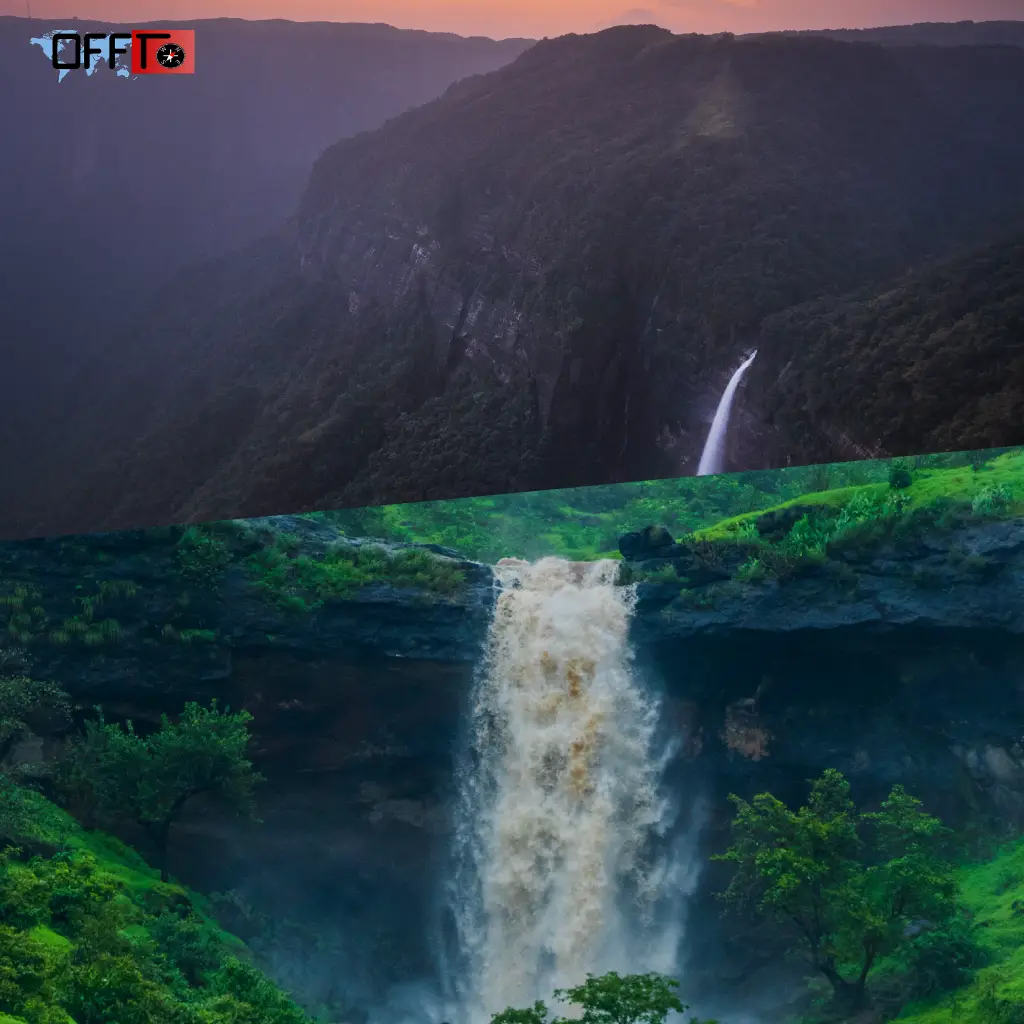
Meghalaya is not a destination you visit—it’s one you experience differently every single time of the year. Unlike most places in India where seasons slightly enhance travel, here, timing can completely redefine your trip. From mist-covered hills to roaring waterfalls and crystal-clear rivers, Meghalaya shifts its personality with the weather.
Unique Climate of Meghalaya
Perched in Northeast India, Meghalaya sits on elevated plateaus that interact directly with monsoon winds from the Bay of Bengal. This is why places like Cherrapunji and Mawsynram are among the wettest places on Earth.
What this means for travelers:
- Weather is highly dynamic, even within a single day
- Mist, rain, and sunshine often coexist
- Landscapes stay lush, green, and alive year-round
Unlike typical hill stations, Meghalaya doesn’t have a predictable “peak season” in the conventional sense. Each season highlights a completely different side of the region.
Why Seasons Completely Change the Experience
In Meghalaya, the same location can feel like three different destinations across the year.
- Winter (Oct–Feb): Clear skies, comfortable weather, and the best road conditions. Ideal for sightseeing, photography, and first-time visitors.
- Summer (Mar–May): Pleasant and quieter. Great for slow travel, café hopping in Shillong, and exploring without crowds
- Monsoon (Jun–Sep): This is when Meghalaya is at its most dramatic. Waterfalls are at full power, forests look surreal, and clouds drift through valleys—but travel becomes slower and more unpredictable.
For example, Nohkalikai Falls in winter is serene and photogenic. In monsoon, it turns into a powerful, thunderous cascade that completely transforms the atmosphere.
That’s why choosing the best time to visit Meghalaya isn’t about weather preference—it’s about the kind of experience you’re seeking.
Who Should Plan When
Understanding your travel style makes planning much easier:
- First-time visitors & families: Winter is the safest and most comfortable time. Clear views, easy travel, and stable weather.
- Couples & slow travelers: Summer offers fewer crowds, softer landscapes, and a relaxed pace.
- Nature lovers & photographers: Early monsoon or post-monsoon is magical, with lush greenery and dramatic skies.
- Adventure seekers: Monsoon brings out Meghalaya’s raw beauty—but requires flexibility and patience.
If you’re planning a Meghalaya trip, don’t just ask “when should I go?”—ask “what version of Meghalaya do I want to experience?”
Where is Meghalaya & What is It Famous For?

Before planning your itinerary, it helps to understand where Meghalaya sits—both geographically and culturally—because that context explains why it feels so different from the rest of India.
Location & Geography
Meghalaya is located in Northeast India, bordered by Assam to the north and Bangladesh to the south. The state is made up of rolling hills, deep valleys, dense forests, and high rainfall zones.
Key geographical highlights:
- Part of the Shillong Plateau
- Elevated terrain with dramatic drops into plains
- Interconnected valleys, caves, and river systems
Shillong, the capital, serves as the main entry point and base for exploring nearby regions like Cherrapunji (Sohra), Dawki, and Mawlynnong.
This unique positioning—especially its proximity to Bangladesh—creates stunning viewpoints where clouds and plains merge seamlessly.
Why Meghalaya is Called “Abode of Clouds”
The name Meghalaya literally translates to “Abode of Clouds”, and it’s not just poetic—it’s incredibly accurate.
Due to heavy moisture-laden winds from the Bay of Bengal, clouds constantly rise and settle over the hills. In many places:
- Clouds drift across roads while you’re driving
- Entire valleys disappear into mist within minutes
- Sunlight filters through fog, creating a soft, cinematic glow
This interplay of clouds and terrain gives Meghalaya its signature atmosphere—calm, moody, and immersive.
What Makes Meghalaya Truly Special
Meghalaya stands out not just for its scenery, but for experiences you won’t easily find elsewhere in India.
1. Waterfalls Everywhere
From iconic ones like Nohkalikai Falls to hidden roadside cascades, waterfalls are a defining feature—especially during monsoon when they’re at peak flow.
2. Living Root Bridges
Perhaps the most unique attraction, these are natural bridges formed by guiding tree roots over decades. Found mainly in the Cherrapunji region, they’re a blend of nature, patience, and indigenous knowledge.
3. Extensive Cave Systems
Meghalaya is home to some of India’s longest caves, with limestone formations, underground streams, and intricate passageways—making it a paradise for explorers.
4. Crystal-Clear Rivers
Places like Dawki are famous for rivers so clear that boats appear to float on air. Best experienced in winter when visibility is at its peak.
5. A Distinct Cultural Identity
With tribal communities like the Khasi, Jaintia, and Garo, Meghalaya offers a culture that feels deeply rooted, sustainable, and closely connected to nature.
Best Time to Visit Meghalaya (Month-by-Month Guide)
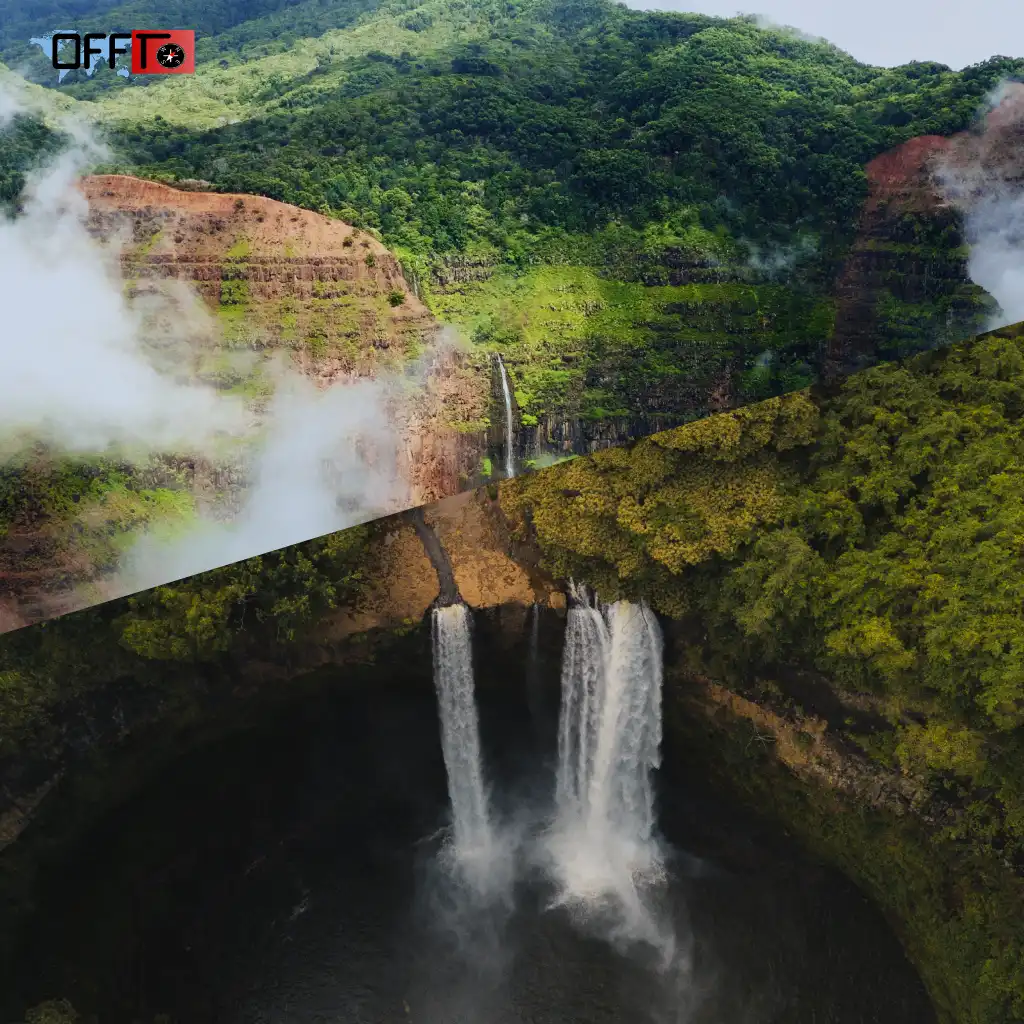
If you’re planning a Meghalaya trip, here’s the simplest truth: there is no single “perfect” time to visit Meghalaya—only the right time based on what you want to experience. Each season brings a completely different mood, pace, and visual landscape.
October to February (Winter – Best Overall Time)
This is widely considered the best time to visit Meghalaya, especially for first-time travelers.
Weather conditions
- Temperature ranges between 5°C to 20°C
- Crisp air, minimal rainfall, and clear skies
- Mornings can be misty, but days are usually bright
Ideal for sightseeing & travel comfort
Winter makes exploring effortless. Roads are in better condition, visibility is high, and you can cover key places without weather disruptions.
- Perfect for visiting Shillong, Cherrapunji, and Dawki
- Best time for clear views of valleys and rivers
- Ideal for photography, road trips, and short treks
If you’re looking for a balanced experience—comfortable weather, accessibility, and scenic beauty—winter is the safest and most rewarding choice.
March to May (Summer – Pleasant & Less Crowded)
Summer in Meghalaya doesn’t feel like typical Indian summer. Instead, it’s calm, breezy, and noticeably quieter.
Light travel season benefits
- Temperature stays between 15°C to 25°C
- Fewer tourists compared to winter
- Better availability of stays and flexible pricing
This is when Meghalaya slows down. You won’t feel rushed, and places are less crowded, allowing for a more personal experience.
Great for slow travel
- Ideal for spending time in Shillong cafés and viewpoints
- Comfortable for exploring villages and local culture
- Suitable for couples and long, relaxed stays
If your travel style leans toward unhurried exploration rather than ticking off attractions, summer is an underrated time to visit Meghalaya.
June to September (Monsoon – Waterfalls at Peak)
This is when Meghalaya transforms into its most dramatic version. It’s also the most misunderstood season.
Lush landscapes
- Heavy rainfall turns the region intensely green
- Waterfalls like Nohkalikai Falls are at full power
- Clouds move through valleys, creating surreal views
Everything feels alive—forests deepen in color, rivers swell, and the entire state feels cinematic.
Travel challenges
- Frequent rain can affect road conditions
- Landslides and delays are possible in certain areas
- Outdoor plans need flexibility
This isn’t a “checklist travel” season. It requires patience and a slower pace.
Who should visit
- Nature lovers who want to see Meghalaya at its rawest
- Photographers chasing dramatic skies and landscapes
- Travelers comfortable with unpredictable weather
If you’re okay trading convenience for unfiltered natural beauty, monsoon can be the most memorable time to visit Meghalaya.
Best Places to Visit in Meghalaya (Season-Based Picks)
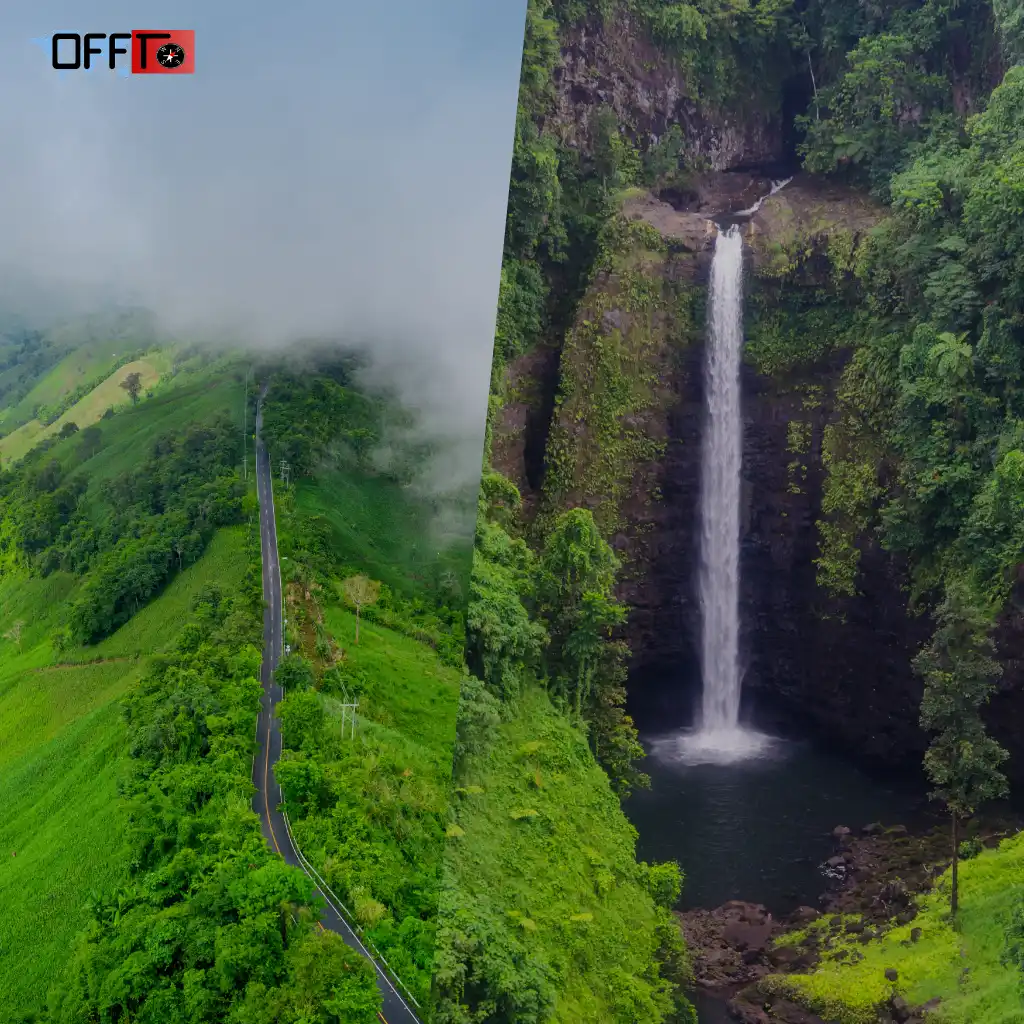
Instead of listing places generically, it’s far more useful to match destinations with the season. This ensures you experience each location at its best.
Places Best Visited in Winter
Shillong
The capital city feels most accessible in winter. Clear skies open up panoramic viewpoints, and the city’s café culture is at its most inviting.
- Ideal for: first-time visitors, short stays
- What stands out: viewpoints, local markets, relaxed pace
- Travel vibe: comfortable, urban-meets-nature
Cherrapunji (Sohra)
Known for its rainfall, Cherrapunji in winter offers something different—clarity.
- Waterfalls are calmer but still scenic
- Trekking routes, including living root bridges, are easier to navigate
- Valleys are visible without heavy mist
It’s the best time to explore without weather interruptions while still enjoying the region’s natural beauty.
Places Best During Monsoon
Mawsynram
Often cited as the wettest place on Earth, Mawsynram truly comes alive during monsoon.
- Rainfall is intense and constant
- Surroundings turn incredibly lush and immersive
- Best experienced slowly, without rigid plans
This is where you understand why Meghalaya is called the Abode of Clouds.
Nohkalikai Falls
One of the tallest waterfalls in India, Nohkalikai is at its most powerful during monsoon.
- Water volume increases dramatically
- The sound and scale feel overwhelming in the best way
- Mist and clouds add to the atmosphere
If you want to witness Meghalaya’s raw energy, this is the time.
Offbeat & Less Crowded Spots
Dawki
Famous for the Umngot River, Dawki offers a completely different visual experience.
- Best visited in winter for crystal-clear water
- Boats appear to float on air due to visibility
- Calm, scenic, and perfect for slow moments
It’s less about activities and more about soaking in the stillness.
Mawlynnong
Often called one of the cleanest villages in Asia, Mawlynnong is simple, quiet, and deeply rooted in community living.
- Ideal for cultural exploration and village walks
- Close to the India-Bangladesh border viewpoints
- Best experienced without rushing
It’s a reminder that Meghalaya isn’t just about landscapes—it’s also about how people live within them.
Best Waterfalls in Meghalaya (When to See Them at Their Best)
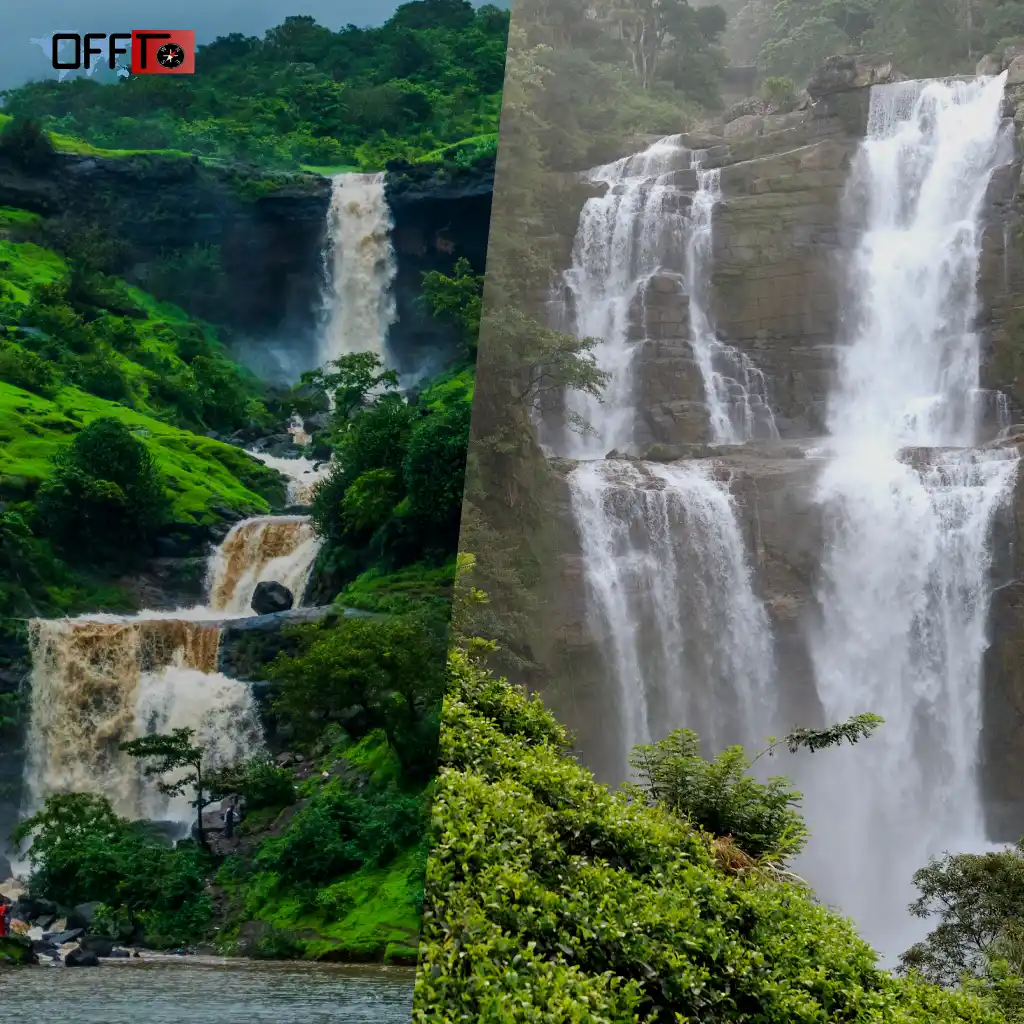
Waterfalls are at the heart of any Meghalaya travel experience. But here’s what most guides don’t tell you—the same waterfall can feel completely different depending on when you visit. Timing doesn’t just affect how they look, it shapes how you experience them.
Seasonal Waterfall Experience
In Meghalaya, waterfalls are deeply tied to rainfall patterns. Their intensity, color, and accessibility shift across seasons:
- Winter (Oct–Feb): Waterfalls are calmer, clearer, and more photogenic. You’ll get unobstructed views and easier access.
- Summer (Mar–May): Flow begins to increase slightly, with a good balance between visibility and volume.
- Monsoon (Jun–Sep): This is when waterfalls are at their most powerful—loud, misty, and dramatic.
For travelers searching for the best time to see waterfalls in Meghalaya, the answer depends on preference:
- Want postcard-perfect views? → Winter
- Want raw, thundering beauty? → Monsoon
Peak Flow vs Accessibility
There’s always a trade-off when it comes to waterfalls in Meghalaya.
During monsoon (peak flow):
- Waterfalls are at full force
- Surroundings look intensely green and alive
- But: visibility may drop due to fog, and paths can get slippery
During winter (best accessibility):
- Clear skies and safer trails
- Easier to explore viewpoints and nearby treks
- But: water volume is lower compared to monsoon
This balance is important while planning your Meghalaya itinerary. If you prefer comfort and clarity, winter works best. If you’re chasing intensity and scale, monsoon delivers an unmatched experience.
Top Waterfalls Overview
While Meghalaya is filled with countless waterfalls—many unnamed and discovered along the road—some stand out for their scale, accessibility, and overall experience:
- Nohkalikai Falls (Cherrapunji): One of India’s tallest waterfalls. Best in monsoon for power, winter for clear valley views.
- Seven Sisters Falls (Nohsngithiang): Seasonal waterfall that becomes spectacular during heavy rains, especially in monsoon.
- Wei Sawdong Falls: A multi-tiered waterfall known for its turquoise pools. Best visited in winter or early summer for safe access.
- Elephant Falls (Shillong): Easily accessible and ideal for quick visits, especially during winter and summer.
What makes Meghalaya unique is that waterfalls aren’t just “destinations”—they’re everywhere. You’ll often find yourself stopping at unexpected roadside cascades, which sometimes end up being more memorable than the famous ones.
Things to Do in Meghalaya Based on Season
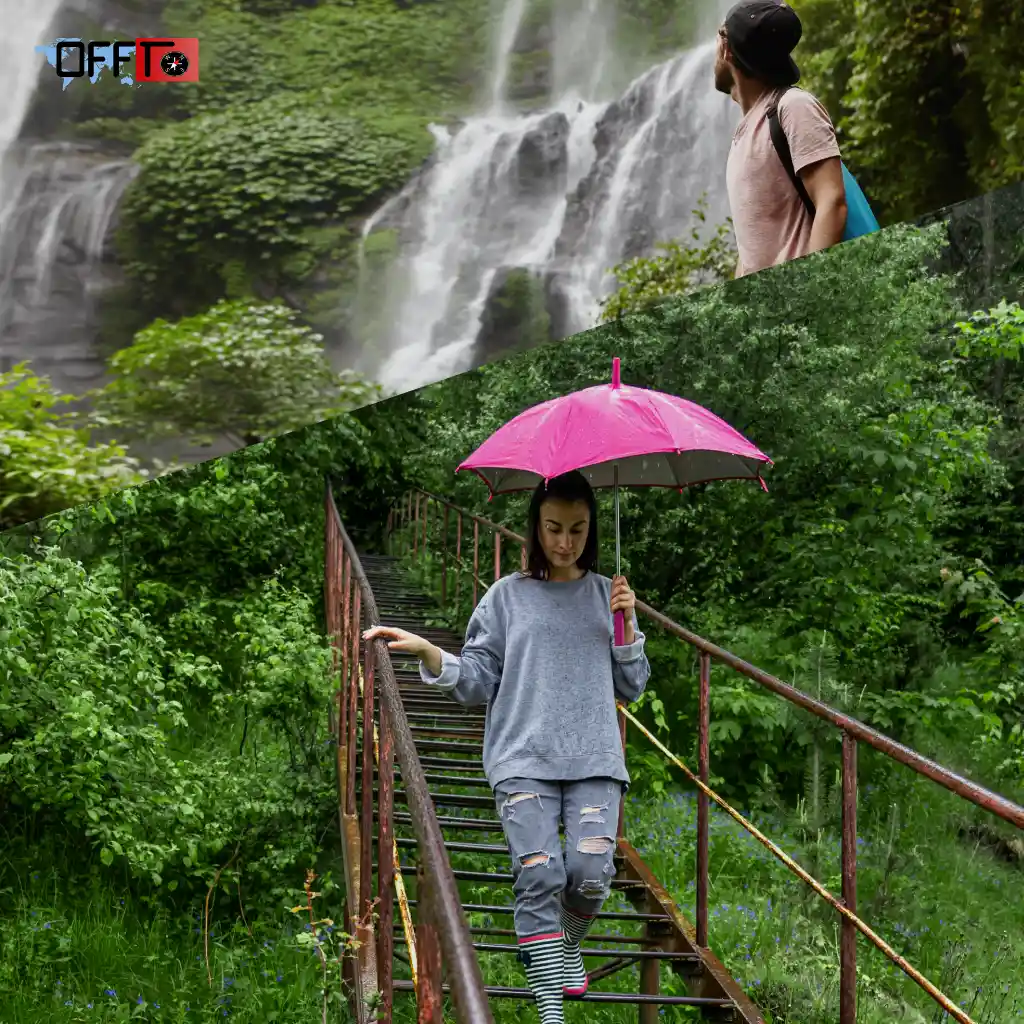
To truly make the most of your trip, it helps to align activities with the season. Meghalaya isn’t a place to follow a rigid checklist—it rewards travelers who move with its rhythm.
Monsoon Experiences
Monsoon is when Meghalaya feels the most alive. If you’re open to slowing down, this season offers some of the most immersive experiences.
- Chasing waterfalls: This is the best time to witness waterfalls in their full glory
- Cloud watching: Valleys fill with drifting clouds, creating constantly changing views
- Scenic drives: Roads between Shillong and Cherrapunji become incredibly atmospheric
This isn’t about covering many places—it’s about experiencing fewer places more deeply.
Winter Exploration
- Sightseeing without interruptions: Clear skies make viewpoints and landscapes more accessible
- Village visits: Places like Mawlynnong feel more relaxed and easier to explore
- River experiences in Dawki: Crystal-clear waters are best seen during this time
If you’re planning your first Meghalaya trip, winter allows you to experience the region comfortably and completely.
Adventure & Slow Travel
Some experiences in Meghalaya go beyond seasons, but they become more enjoyable depending on timing.
- Living root bridge treks: Best done in winter or early summer when trails are safer
- Cave exploration: Meghalaya’s caves are fascinating year-round but require caution during monsoon
- Slow travel in Shillong: Spend time in cafés, local markets, and viewpoints rather than rushing
Meghalaya stands out because it supports both adventure and stillness. You can trek through dense forests one day and spend the next simply watching clouds roll over the hills.
Best Places to Stay in Meghalaya (Homestays & Areas Guide)
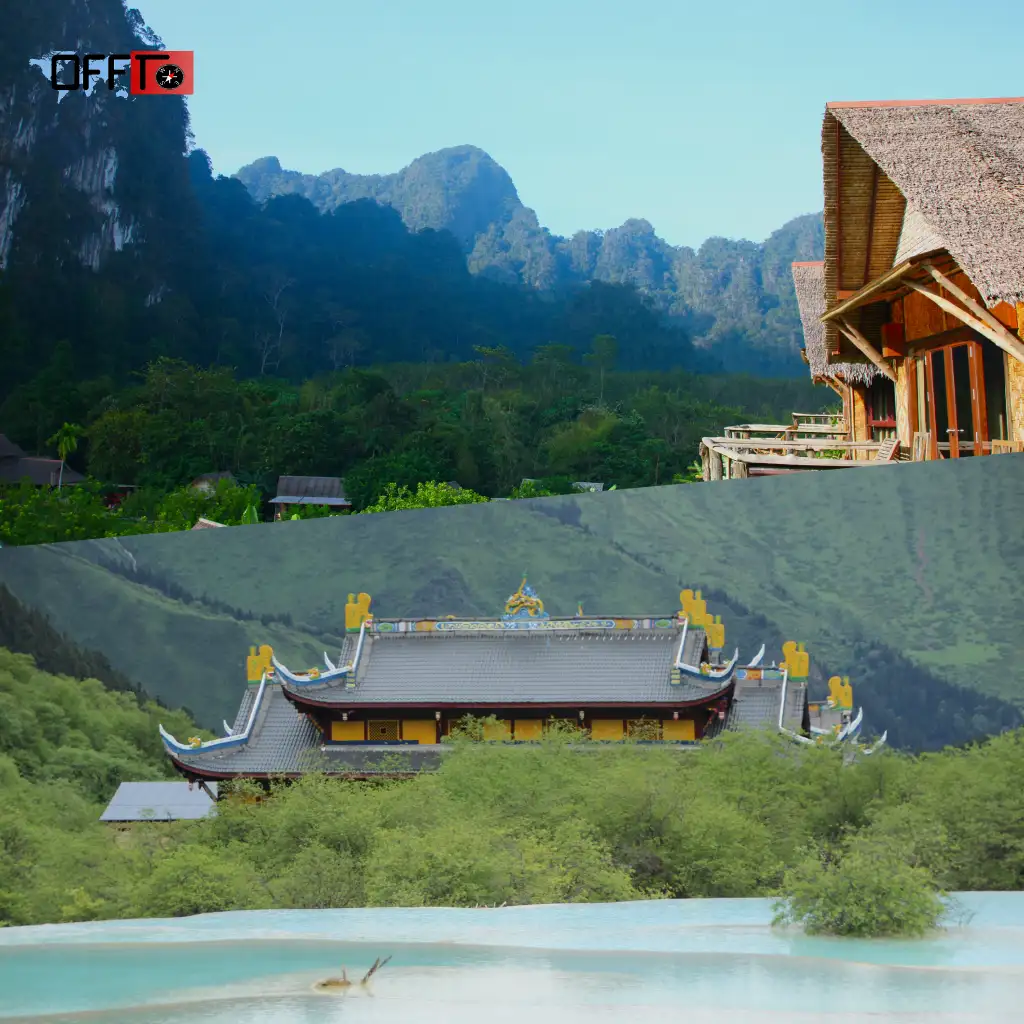
Where you stay in Meghalaya can shape your entire experience. Unlike metro cities, this is a destination where location matters more than luxury. Choosing the right base helps you reduce travel time, experience the landscape more deeply, and move at a comfortable pace.
If you’re searching for the best homestay in Meghalaya, the good news is—this is one of the few places in India where homestays often feel more authentic than hotels.
Shillong (Convenience + Cafés)
Shillong is the most practical base, especially for first-time visitors.
- Why stay here:
It offers the best mix of connectivity, food options, and accessibility to nearby attractions.
- What to expect:
Boutique homestays, cozy guesthouses, and a growing café culture
Easy access to places like Elephant Falls, Laitlum Canyon, and local markets
- Best for:
Short trips, families, and travelers who prefer comfort with flexibility
Shillong works well if you want a balanced Meghalaya itinerary without constantly shifting stays.
Cherrapunji (Nature + Waterfalls)
If your trip is centered around landscapes, waterfalls, and treks, Cherrapunji (Sohra) is where you should stay.
- Why stay here:
You wake up closer to waterfalls, root bridge trails, and mist-covered valleys
- What to expect:
Scenic homestays with valley views, minimal distractions, and a slower pace
Limited nightlife, but immersive natural surroundings
- Best for:
Nature lovers, couples, and travelers looking to disconnect
Staying here reduces travel fatigue and allows you to experience Meghalaya beyond day trips.
Dawki (Scenic Stays)
Dawki is less about convenience and more about the experience.
- Why stay here:
Close to the Umngot River, known for its crystal-clear water
- What to expect:
Simple riverside homestays, quiet evenings, and fewer crowds
Limited infrastructure but high scenic value
- Best for:
Slow travelers, photographers, and offbeat explorers
If your goal is to pause and soak in Meghalaya, Dawki is one of the most peaceful places to stay.
Choosing between Shillong, Cherrapunji, and Dawki isn’t about which is “better”—it’s about how you want your trip to feel:
convenient, immersive, or completely offbeat.
Travel Tips for Meghalaya (Season, Packing & Safety)
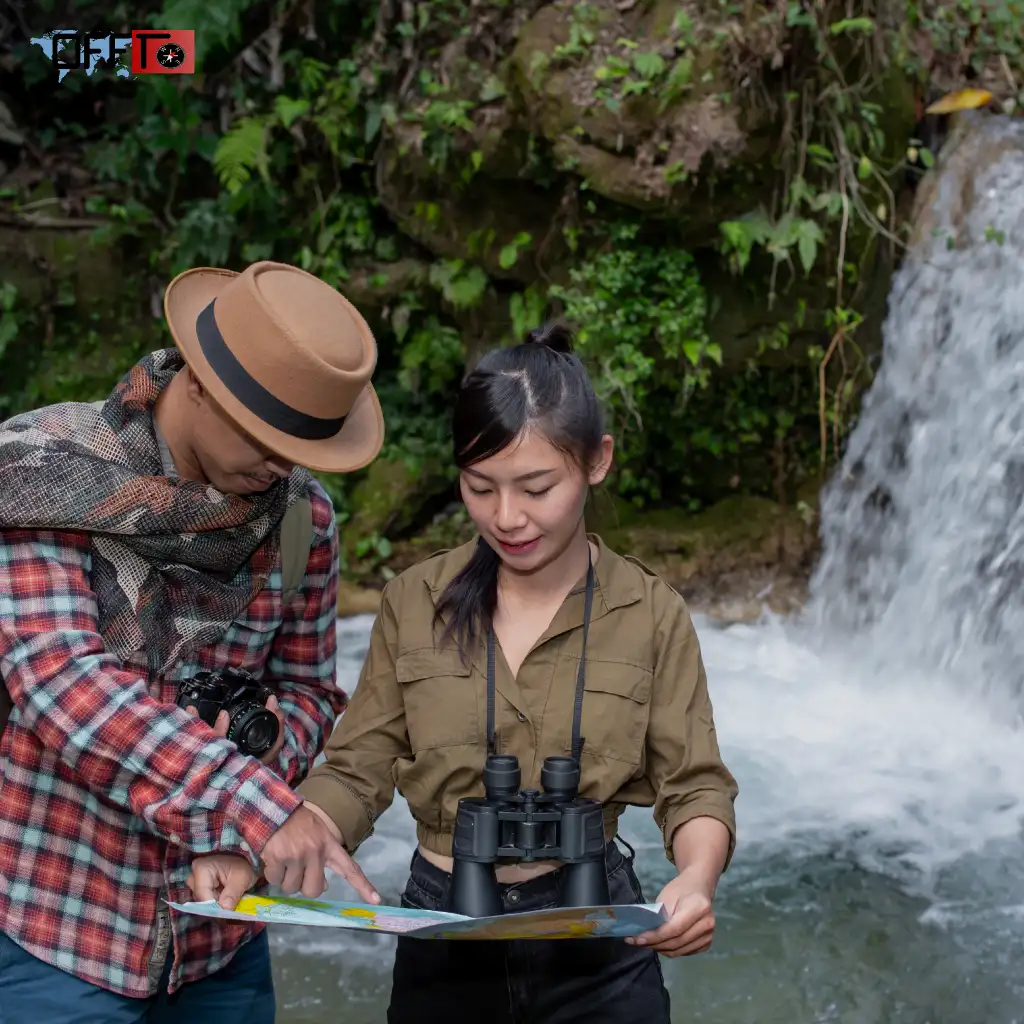
Meghalaya is incredibly rewarding, but it’s not a destination where you can rely on generic travel assumptions. A little preparation goes a long way in making your trip smooth and enjoyable.
Rain Prep
Even outside peak monsoon, rain is always a possibility.
- Carry a good-quality rain jacket or poncho
- Waterproof your essentials (phone, camera, documents)
- Quick-dry clothing works better than heavy fabrics
If you’re visiting during monsoon, this becomes non-negotiable. Weather changes quickly, often within minutes.
Transport Reality
Getting around Meghalaya requires planning.
- Public transport is limited outside Shillong
- Hiring a local cab or self-driving is the most practical option
- Distances may look short on maps, but travel time is longer due to terrain
For a comfortable Meghalaya trip, always factor in buffer time between destinations.
Road Conditions
Roads in Meghalaya are scenic but can be unpredictable.
- Main routes (Shillong to Cherrapunji, Dawki) are generally good
- Interior roads may be narrow or under maintenance
- Landslides can occur during heavy rains
Avoid tight schedules, especially in monsoon. Flexibility makes the journey smoother.
Local Travel Insights
A few on-ground realities that can improve your experience:
- Start early: Daylight is your biggest advantage for travel and exploration
- Cash availability: ATMs are limited in remote areas—carry enough cash
- Network connectivity: Can be patchy outside cities
- Respect local culture: Meghalaya has strong community values—simple courtesy goes a long way
Most importantly, don’t rush. Meghalaya is best experienced when you slow down, stay longer in fewer places, and let the landscape unfold naturally.
A Quick Personal Note: What Meghalaya Really Feels Like
Meghalaya isn’t the kind of place that overwhelms you instantly. It grows on you—quietly, almost unexpectedly.
At first, it’s the obvious things you notice. The rolling hills, the waterfalls, the way clouds sit low over the roads. But after a while, it’s the smaller moments that stay with you. A silent morning in Cherrapunji where the mist hasn’t lifted yet. A slow drive where you’re not really heading anywhere, just watching the landscape change. An afternoon in Shillong that stretches longer than planned because you decided not to rush.
What stands out most is the pace. Meghalaya doesn’t push you to do more—it subtly encourages you to do less, but experience it better.
There’s also a certain calmness here that’s hard to explain. It’s in the way villages are built around nature, not over it. It’s in how conversations feel unhurried. Even the weather—with all its unpredictability—adds to that feeling rather than taking away from it.
If you come here expecting a checklist of places, you might miss the point. But if you allow a bit of flexibility, if you’re okay with changing plans because the clouds look better somewhere else—that’s when Meghalaya starts to make sense.
And maybe that’s what stays with you long after the trip ends. Not just where you went, but how it made you slow down without even realizing it.
FAQs
What is the best time to visit Meghalaya?
The best time to visit Meghalaya is from October to April when the weather is pleasant, rainfall is low, and travel conditions are comfortable. This period is ideal for sightseeing, exploring waterfalls, and visiting places like Shillong, Cherrapunji, and Dawki without weather disruptions.
Which is the best month to visit Meghalaya?
February and November are considered the best months to visit Meghalaya. These months offer clear skies, pleasant temperatures, and fewer crowds, making them perfect for couples, photographers, and first-time travelers.
Is monsoon a good time to visit Meghalaya?
Yes, monsoon (June to September) is a great time if you want to experience Meghalaya at its greenest. Waterfalls are at their peak, and landscapes look stunning. However, heavy rainfall can affect travel plans, so it’s better suited for flexible travelers.
What is Meghalaya famous for?
Meghalaya is famous for its living root bridges, dramatic waterfalls, lush green hills, caves, and heavy rainfall. It’s also known for places like Shillong, Cherrapunji, Dawki River, and Mawlynnong village.
How many days are enough for Meghalaya?
A minimum of 3 to 5 days is ideal to explore Meghalaya. A 3-day trip covers major highlights like Shillong and Cherrapunji, while a 5-day itinerary allows you to explore Dawki, Mawlynnong, waterfalls, and offbeat locations at a relaxed pace.
What are the best places to visit in Meghalaya?
The best places to visit in Meghalaya include Shillong, Cherrapunji, Dawki, Mawlynnong, Nohkalikai Falls, and Mawsynram. These destinations offer a mix of scenic landscapes, waterfalls, cultural experiences, and peaceful travel.
Is Meghalaya safe for couples and families?
Yes, Meghalaya is considered safe for couples and families. The region is known for its friendly locals, peaceful environment, and low crime rates. Basic precautions like avoiding isolated areas at night are recommended.
What are the best waterfalls in Meghalaya?
Some of the best waterfalls in Meghalaya include Nohkalikai Falls, Seven Sisters Falls, Elephant Falls, and Wei Sawdong Falls. These waterfalls are most impressive during the monsoon season when water flow is at its highest.
What are the best things to do in Meghalaya?
The best things to do in Meghalaya include exploring waterfalls, visiting living root bridges, boating in Dawki River, cave exploration, café hopping in Shillong, and enjoying scenic drives through the hills.
How to reach Meghalaya easily?
The easiest way to reach Meghalaya is via Guwahati Airport in Assam, followed by a 3–4 hour road journey to Shillong. Meghalaya does not have a major railway station, so road travel is the most convenient option.
Read more >>>
Best Time to Visit Nandi Hills – Weather, Sunrise, Timings & Local Travel Guide
Best Time to Visit Coorg: Weather, Seasons & Travel Tips
Plan Your Meghalaya Trip Smarter with Offto Travellers
Meghalaya isn’t just a destination — it’s an experience that changes with every season.
With Offto Travellers, you can explore real travel stories, discover the best time to visit based on your travel style, and save places that match your vibe.
And when you're ready, you can book hotels, holidays, and experiences — all in one place.
Offto Travellers is built for modern explorers who want to travel smarter, plan better, and experience more.
Play StoreApp store
Leave a Reply