
When Is the Best Time to Visit Kedarnath?
The best time to visit Kedarnath is between May and June and again in September to October. May–June offers stable weather and full temple access during peak yatra season. September–October brings clearer skies, fewer crowds, and better mountain views after the monsoon. The temple remains closed from November to April due to heavy snowfall.
Kedarnath at a Glance
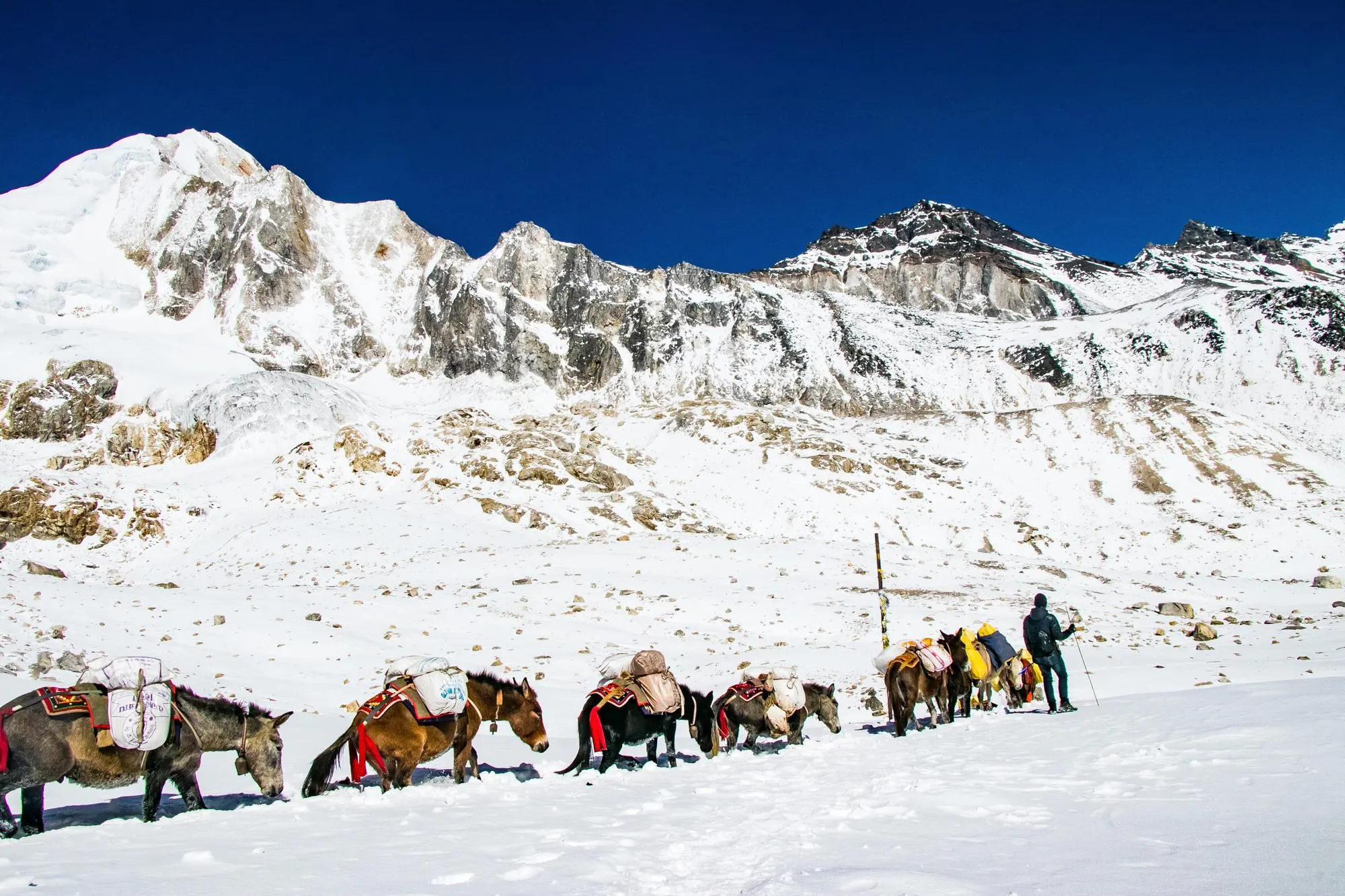
Temple height (altitude)
Kedarnath Temple is located at an altitude of approximately 3,583 meters (11,755 feet) above sea level. The high elevation means cooler temperatures throughout the year and limited accessibility during winter.
Location in Uttarakhand
Kedarnath is situated in the Rudraprayag district of Uttarakhand, nestled in the Garhwal Himalayas. It lies near the Mandakini River and is surrounded by snow-capped peaks.
Kedarnath river name
The temple stands near the Mandakini River, which originates from the Chorabari Glacier close to Kedarnath.
Yatra opening months
The Kedarnath Yatra typically begins in late April or early May (dates announced annually around Akshaya Tritiya) and continues until October or early November, depending on weather conditions.
Ideal trip duration
A well-planned Kedarnath trip generally requires 3 to 4 days, including travel to Gaurikund, the trek to the temple, darshan, and return.
Overall recommended season
For most travelers, the most balanced time to visit Kedarnath is May–June for comfortable access and September–October for clearer views and manageable crowds.
Kedarnath Weather Guide (Month-by-Month Breakdown)
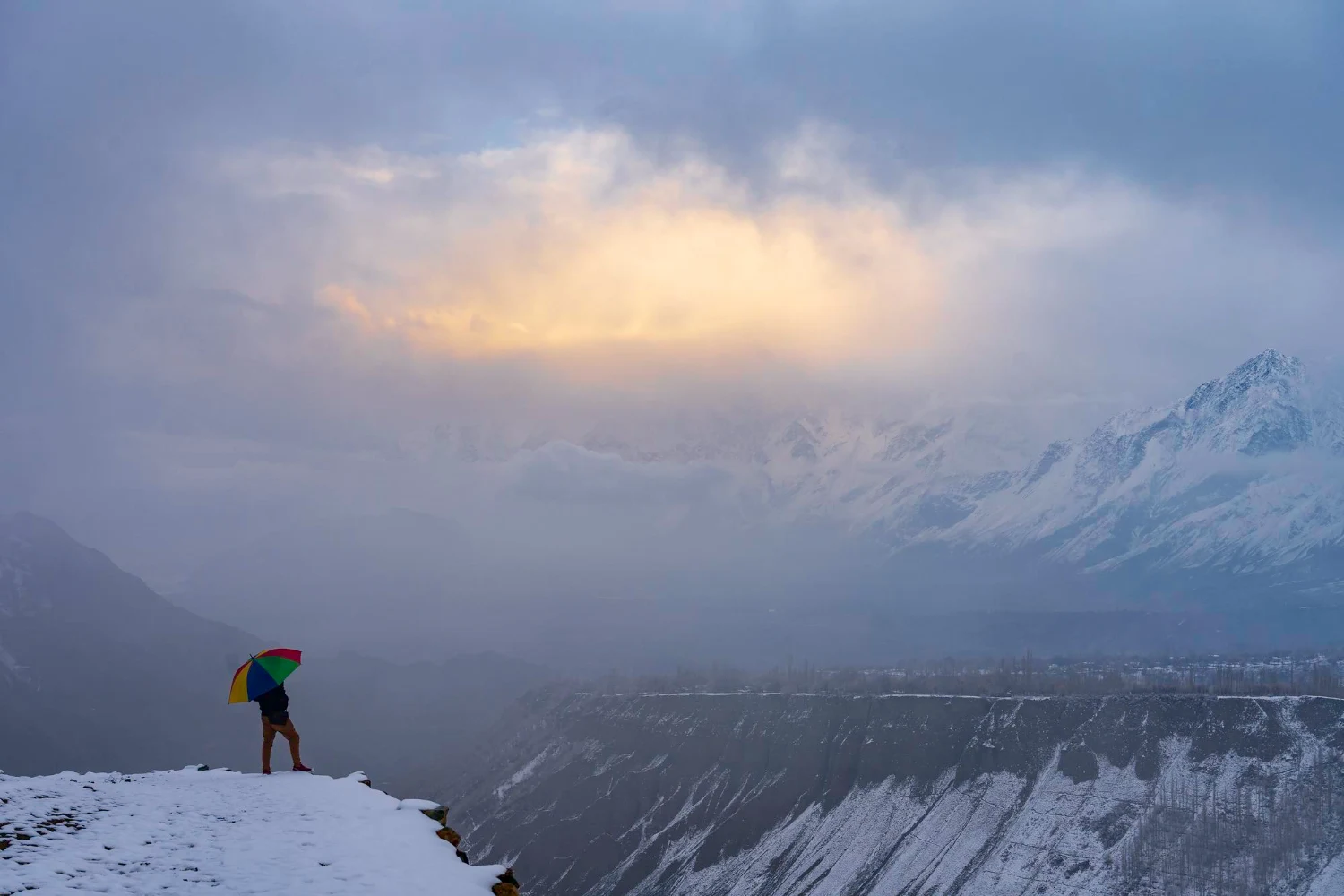
Kedarnath’s weather plays a major role in planning your trip. Due to its high altitude, the climate changes quickly, and accessibility depends heavily on seasonal conditions.
May to June – Peak Yatra Season
Temperature range
Daytime temperatures usually range between 8°C and 18°C, while nights can drop close to 0°C to 5°C. Despite being summer in most parts of India, Kedarnath remains cool due to its elevation.
Crowd level
This is the busiest period of the year. Pilgrims from across the country visit during these months, especially in May and during school vacations.
Darshan wait time
During peak days, darshan queues can extend to 2–5 hours, depending on footfall. Early morning visits are usually more manageable.
Who should visit
- First-time pilgrims
- Families traveling with proper planning
- Senior citizens opting for helicopter services
- Travelers wanting the safest weather window for trekking
- If you prefer reliable access and operational facilities, this is the most practical season.
July to September – Monsoon Season
Is it safe to travel?
Travel is possible but requires caution. Monsoon brings heavy rainfall in the Uttarakhand region, which can affect road and trek conditions.
Landslide risk
The risk of landslides increases on mountain routes, especially between Rishikesh and Gaurikund. Delays are common during heavy rainfall.
Reduced crowd advantage
The number of pilgrims drops significantly compared to May–June. Darshan becomes quicker and accommodation availability improves.
Travel precautions
- Monitor weather updates regularly
- Avoid late-night road travel
- Keep buffer days in your itinerary
- Carry rain protection and waterproof footwear
Monsoon travel suits experienced mountain travelers comfortable with flexible plans.
October – Clear but Cold
Why October is underrated
October offers clearer skies after the monsoon, and the rush of peak yatra season reduces significantly. The Himalayan backdrop appears sharper and more visible during this time.
Weather conditions
Day temperatures typically range between 5°C and 15°C, while nights can drop below freezing toward the end of the month.
Trek accessibility
The trek from Gaurikund remains accessible, and trails are generally stable due to reduced rainfall. However, mornings and evenings can feel very cold.
For those who prefer fewer crowds and clearer views, October is one of the best months to visit Kedarnath.
November to April – Temple Closed Season
Why Kedarnath closes in winter
Heavy snowfall and extreme cold make the region inaccessible. Temperatures fall well below freezing, and snow accumulation blocks trekking routes.
Where the deity is worshipped during closure
During winter, the idol of Lord Kedarnath is ceremonially moved to Ukhimath, where it is worshipped until the temple reopens in spring.
Can tourists visit during winter?
General pilgrimage access is not available during this period. Some adventure travelers visit nearby regions for snow trekking, but the Kedarnath Temple itself remains closed to devotees.
When Is the Best Time to Go Kedarnath Based on Your Travel Style?
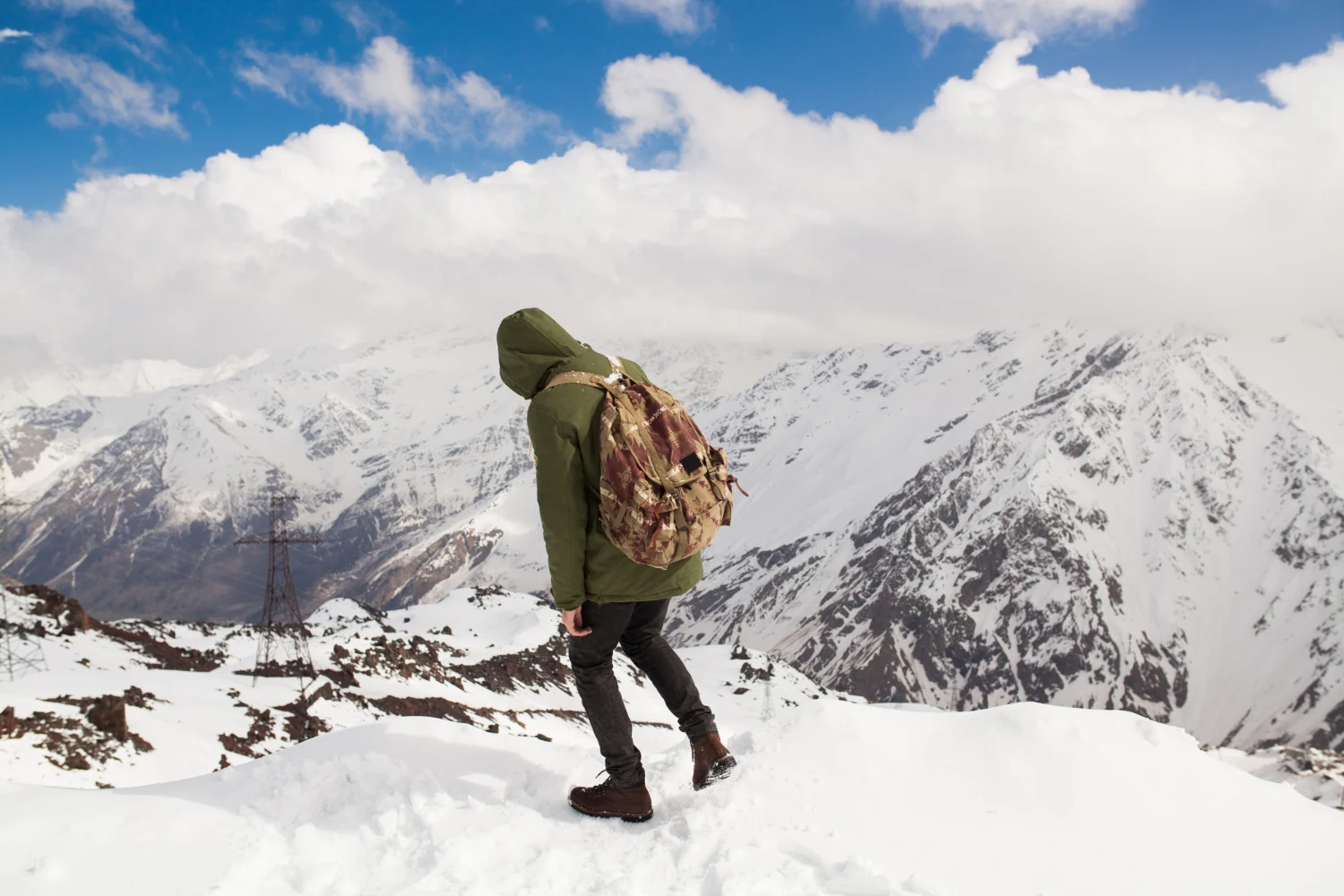
Choosing the right time depends on what kind of yatra experience you prefer — spiritual focus, scenic views, fewer crowds, or physical comfort.
Best Time for Comfortable Darshan
The most comfortable period for darshan is May to mid-June and again in September. During these months, temple operations run smoothly, facilities are fully functional, and weather conditions are relatively stable compared to monsoon or late October cold.
Best Time for Fewer Crowds
If you want shorter queues and a quieter atmosphere, visit in September or early October. The post-monsoon period sees significantly fewer pilgrims compared to peak May–June rush.
Best Time for Photography
For clear Himalayan backdrops and sharp mountain visibility, October is ideal. Skies are cleaner after monsoon rains, and the Mandakini valley looks more defined. Early mornings during this month offer the best natural light.
Best Time for Budget Travel
Accommodation and helicopter fares can be slightly more competitive during late September and early October, once peak yatra traffic reduces. Avoid long weekends and festival dates for better pricing.
Best Time for Senior Citizens
Senior citizens should ideally travel during May or early June, when weather conditions are more predictable and support services operate at full capacity. Helicopter services are also widely available during this time.
Kedarnath Yatra Planning Guide
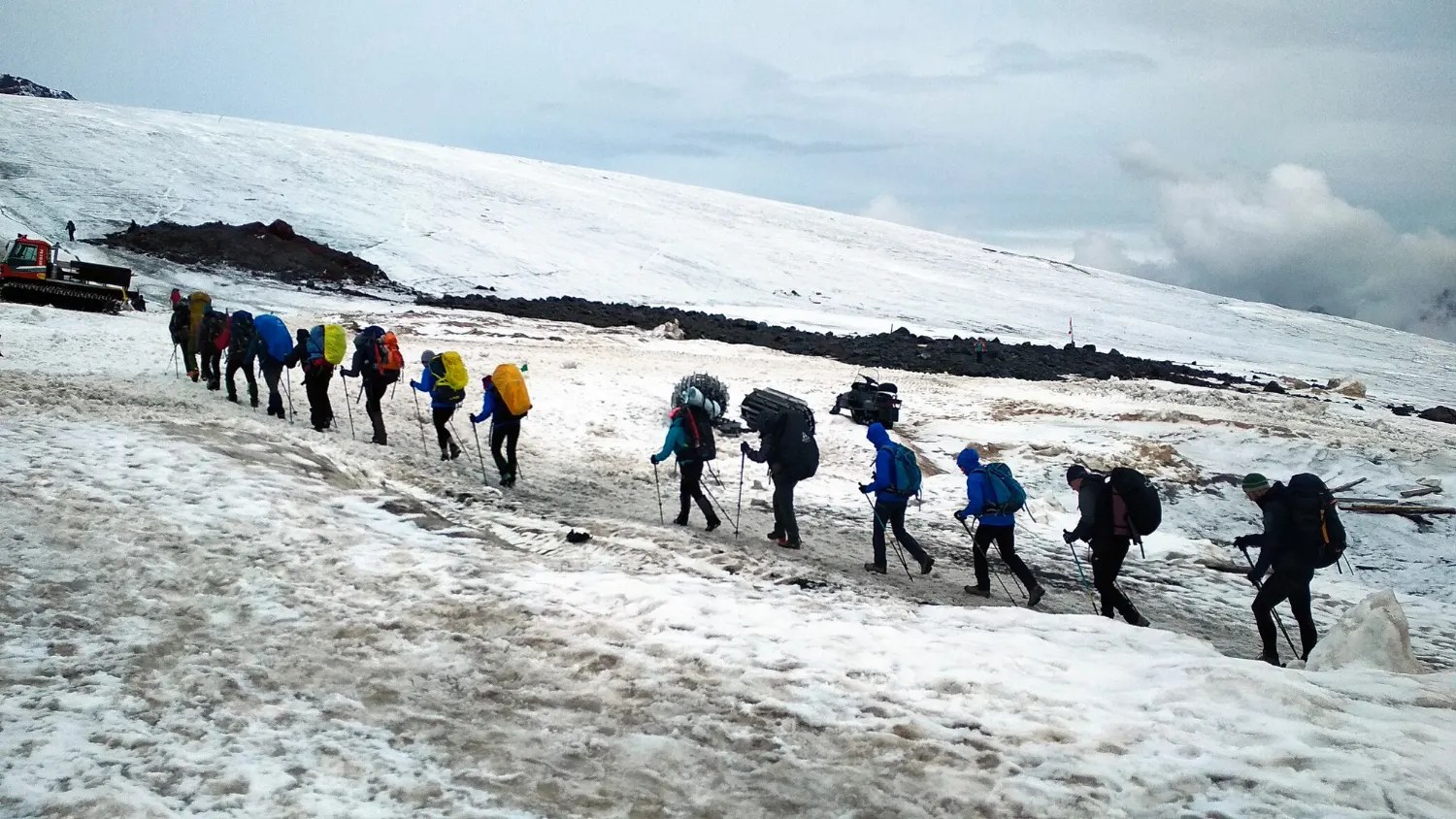
Planning ahead is essential for a smooth Kedarnath Yatra. Accessibility depends on weather, registration rules, and physical preparedness.
How to Reach Kedarnath
Nearest Airport
The closest airport is Jolly Grant Airport (Dehradun), approximately 230–250 kilometers from Gaurikund. From the airport, travelers continue by road to reach the trek starting point.
Nearest Railway Station
Major railway stations include Haridwar and Rishikesh. From there, buses or taxis are available to reach Sonprayag and then Gaurikund.
Route via Haridwar / Rishikesh
The common road route is:
Haridwar / Rishikesh → Rudraprayag → Guptkashi → Sonprayag → Gaurikund
Road travel can take 8–10 hours depending on traffic and weather conditions.
Trek Distance from Gaurikund
The trek from Gaurikund to Kedarnath Temple is approximately 16–18 kilometers. The route is well-maintained but steep in sections. Most pilgrims complete it within 6–8 hours depending on fitness level.
Helicopter Option
Helicopter services operate from locations such as Phata, Guptkashi, and Sirsi during yatra season. This option is suitable for senior citizens and those unable to complete the trek. Advance booking is strongly recommended during peak months.
How to Go Kedarnath Step-by-Step
Registration Process
All pilgrims must complete mandatory online or on-ground registration before undertaking the yatra. Registration is typically available through the Uttarakhand government portal or designated counters along the route.
Carrying valid identification is essential.
Trek Details
The trek is paved and supported by rest stops, medical facilities, and food stalls during peak season. It involves gradual ascent, with some steep segments closer to the temple.
Starting early in the morning helps manage both fatigue and crowd levels.
Pony and Palki Options
For those unable to walk the full distance, pony (horse) and palki (palanquin) services are available from Gaurikund. Rates are regulated during the yatra season.
These services are particularly useful for elderly pilgrims or those with limited physical endurance.
Physical Preparation Tips
- Begin light cardio and walking practice at least 3–4 weeks before travel.
- Carry warm layers even in summer.
- Stay hydrated during the trek.
- Acclimatize properly and avoid rushing at high altitude.
Kedarnath’s elevation requires steady pacing rather than speed.
Kedarnath Temple Information
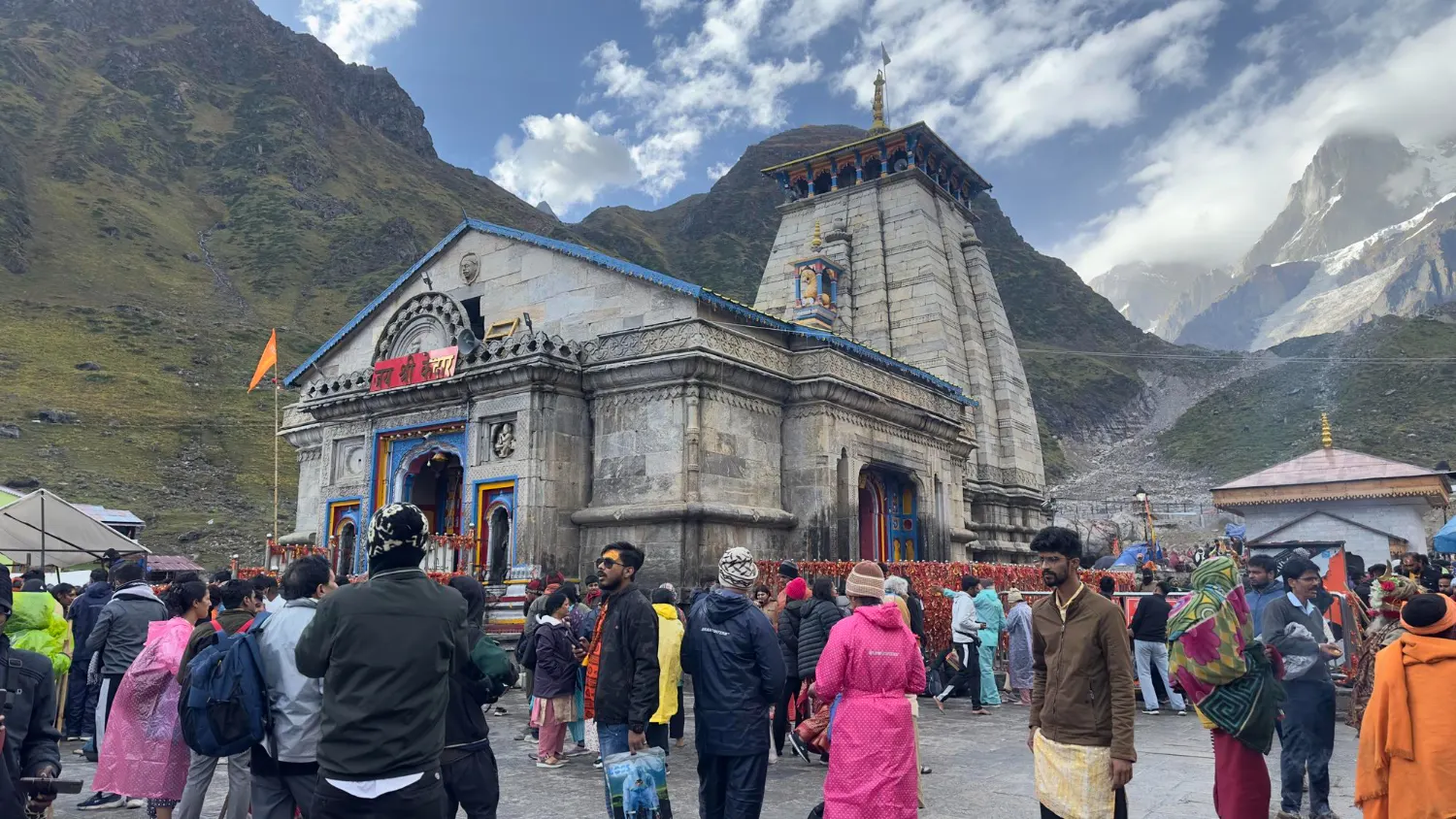
Kedarnath Temple is not only one of the most visited pilgrimage sites in India but also one of the most geographically dramatic. Its location, altitude, and religious importance make it distinct among Himalayan shrines.
Where Is Kedarnath Temple Located?
Kedarnath Temple is located in the Rudraprayag district of Uttarakhand, in the Garhwal Himalayas. It lies near the head of the Mandakini River, surrounded by snow-covered peaks including the Kedarnath range.
The temple is accessible only by trekking from Gaurikund, which is the last motorable point. Its remote mountain setting is one of the reasons it remains open only during specific months each year.
Kedarnath Temple Height and Geographic Setting
Kedarnath Temple stands at an altitude of approximately 3,583 meters (11,755 feet) above sea level.
The high elevation results in:
- Cold weather even during summer
- Heavy snowfall in winter
- Limited accessibility from November to April
The temple is set against the backdrop of the Kedarnath peak, creating a dramatic and spiritually significant Himalayan landscape.
Kedarnath River Name and Surroundings
The river flowing near Kedarnath is the Mandakini River, which originates from the Chorabari Glacier above the temple area.
The surroundings include:
- Glacial valleys
- Steep mountain ridges
- Alpine meadows
- Snow-covered slopes during winter
This combination of river and mountains enhances the sacred atmosphere of the temple.
Registration Process
Carrying valid identification is essential.
Kedarnath Temple History and Significance
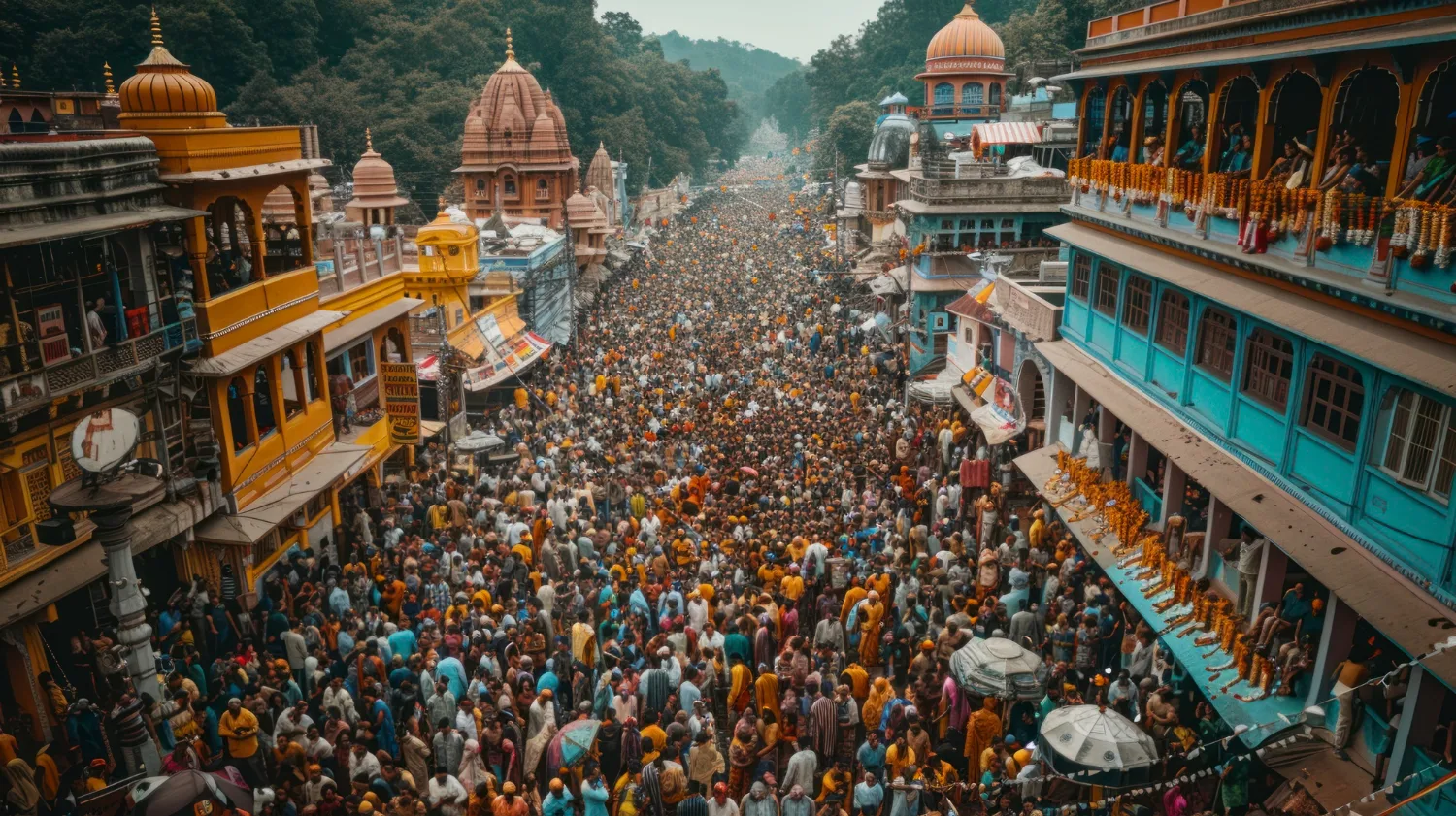
Kedarnath Temple is considered one of the most ancient and spiritually powerful shrines dedicated to Lord Shiva.
How Old Is Kedarnath Temple?
Kedarnath Temple is believed to be over 1,200 years old in its present stone structure. Some historical references suggest its origins trace back even further in ancient Hindu texts.
The current temple structure is often associated with reconstruction during the early medieval period.
Who Built Kedarnath Temple?
The temple is traditionally believed to have been revived or rebuilt by Adi Shankaracharya in the 8th century. According to legend, the original shrine dates back to the era of the Pandavas, who are said to have built it to seek Lord Shiva’s blessings after the Mahabharata war.
While mythology attributes its origin to the Pandavas, historical documentation links its current form to Adi Shankaracharya.
What Is the Real Name of Kedarnath Temple?
The temple is formally known as Shri Kedarnath Temple, dedicated to Lord Shiva in his form as “Kedarnath,” meaning “The Lord of the Field” or “Lord of Kedar.”
It is part of both the Char Dham Yatra of Uttarakhand and the Panch Kedar pilgrimage circuit.
Kedarnath Jyotirlinga Significance
Kedarnath is one of the 12 Jyotirlingas of Lord Shiva, making it one of the most sacred Shiva temples in India.
In Jyotirlinga tradition, Shiva is worshipped in the form of a radiant light (jyoti). The Kedarnath Jyotirlinga is unique because the lingam here is irregularly shaped, representing Shiva’s hump form, as described in Hindu mythology.
This makes it spiritually distinct from other Jyotirlinga shrines.
Kedarnath Shiva Temple Spiritual Importance
The temple holds deep significance in Hindu belief. It is associated with:
- The Pandavas’ quest for redemption
- Adi Shankaracharya’s spiritual revival movement
- The Char Dham Yatra
- High-altitude pilgrimage as an act of devotion
Beyond mythology, many devotees describe Kedarnath not just as a temple, but as a spiritual experience shaped by both faith and the Himalayan setting.
Inside Kedarnath Temple: What to Expect
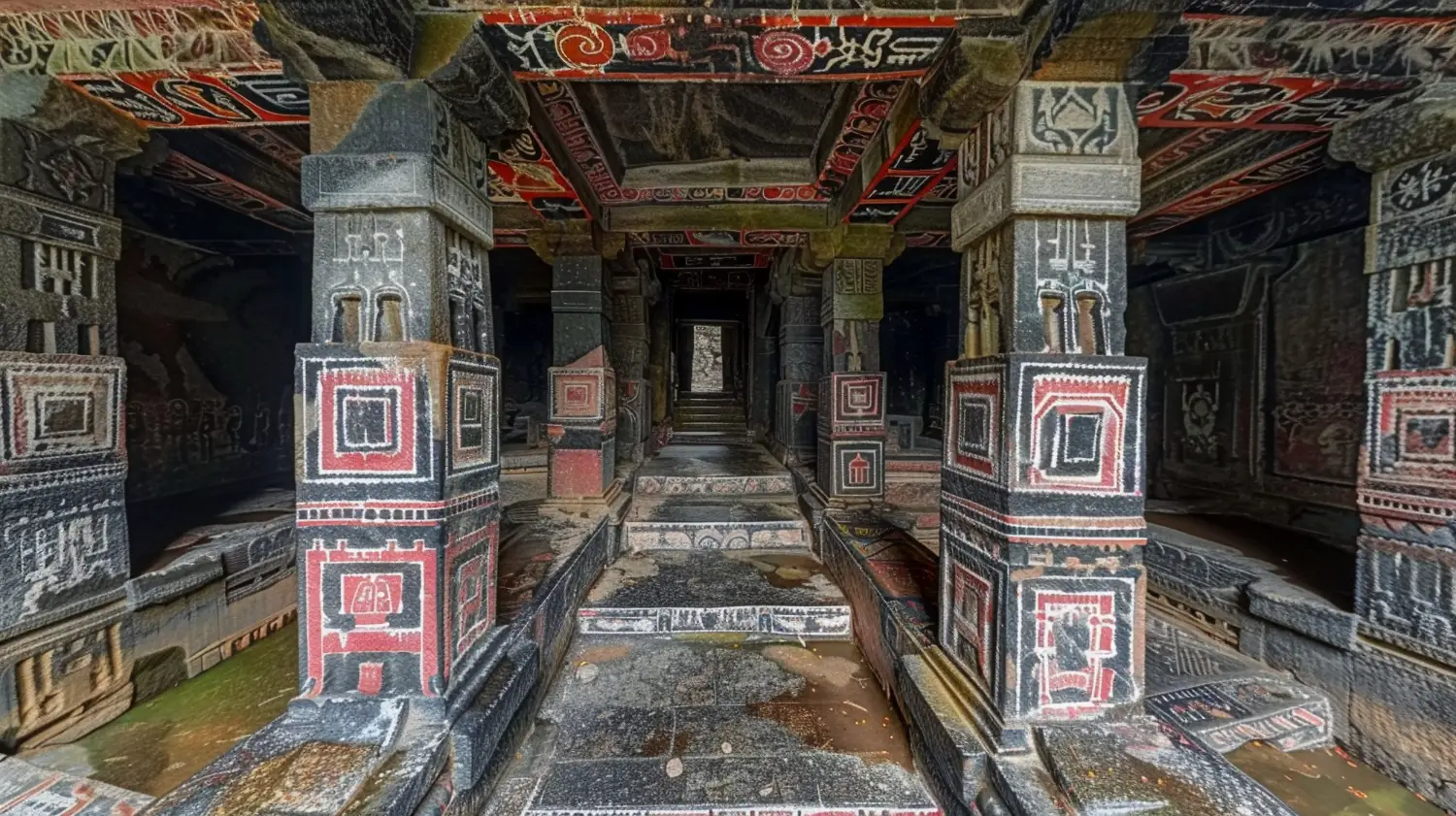
For many pilgrims, the experience inside Kedarnath Temple is quieter and more powerful than its dramatic exterior. The structure is simple, stone-built, and deeply rooted in traditional Himalayan temple architecture.
Temple Structure
Kedarnath Temple is constructed from large, interlocking grey stone slabs. The architecture follows the traditional North Indian temple style, with a rectangular mandap (assembly hall) leading into the sanctum.
Despite its high-altitude location and harsh winters, the temple has withstood centuries of weather, including the 2013 floods. The solid stone construction and elevated plinth contribute to its resilience.
Garbhagriha Details
The garbhagriha (sanctum sanctorum) houses the sacred Shiva lingam. Unlike typical smooth lingams, the one at Kedarnath is irregular and naturally shaped, believed to represent the hump of Lord Shiva.
The sanctum is dimly lit and compact. Devotees enter in small groups for darshan. The atmosphere inside is calm and devotional, with minimal decoration and focus entirely on the lingam.
Darshan Experience
Darshan at Kedarnath can feel deeply personal despite the crowd outside. During peak yatra season, queues may extend for hours, but the moment inside the sanctum is brief and structured.
Early morning visits typically offer a more peaceful experience. During non-peak days, the temple surroundings feel less rushed and more reflective.
Ritual Timings
Temple timings may vary slightly each season, but generally:
- Morning opening: Around 4:00–6:00 AM
- Evening closing: Around 8:00 PM
Morning rituals include special aarti and abhishek ceremonies. Devotees can also book certain rituals in advance during the yatra season.
Is Kedarnath Worth Visiting in 2026?
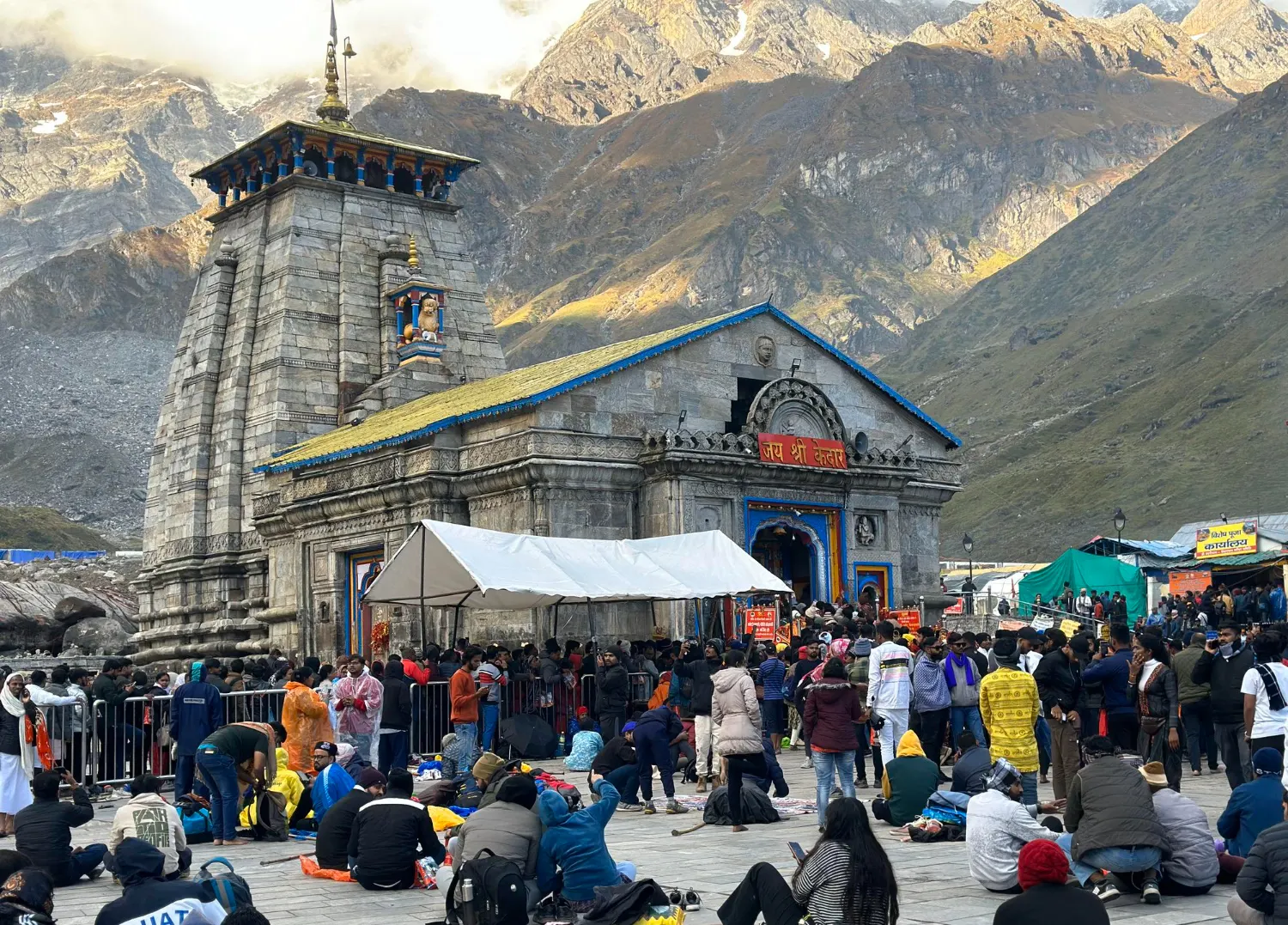
Kedarnath remains one of the most significant pilgrimage destinations in India, but visiting requires both spiritual intent and physical readiness.
Spiritual Importance
As one of the 12 Jyotirlingas and part of the Char Dham Yatra, Kedarnath holds deep religious significance. For many devotees, visiting the temple is considered a once-in-a-lifetime spiritual journey.
The high-altitude setting adds to the sense of devotion and effort associated with the pilgrimage.
Scenic Himalayan Setting
Beyond its religious importance, Kedarnath offers one of the most striking Himalayan backdrops. Snow-covered peaks, glacial valleys, and the Mandakini River create a landscape that feels remote and powerful.
Even for non-religious travelers, the setting itself is memorable.
Who Should Consider Visiting
Kedarnath is ideal for:
- Devotees undertaking the Char Dham Yatra
- Travelers interested in high-altitude spiritual destinations
- Those comfortable with moderate trekking
- Pilgrims seeking a structured yet meaningful journey
Physical Challenges to Consider
The 16–18 km trek from Gaurikund requires preparation. The high altitude may cause fatigue, breathlessness, or mild altitude discomfort.
Travelers should consider:
- Basic fitness preparation
- Gradual pacing during the trek
- Weather fluctuations
- Oxygen levels at elevation
While helicopter and pony services are available, the journey still involves cold temperatures and mountain terrain.
Kedarnath is worth visiting if you are prepared both physically and mentally for a high-altitude pilgrimage.
Kedarnath Trip Cost and Budget Guide
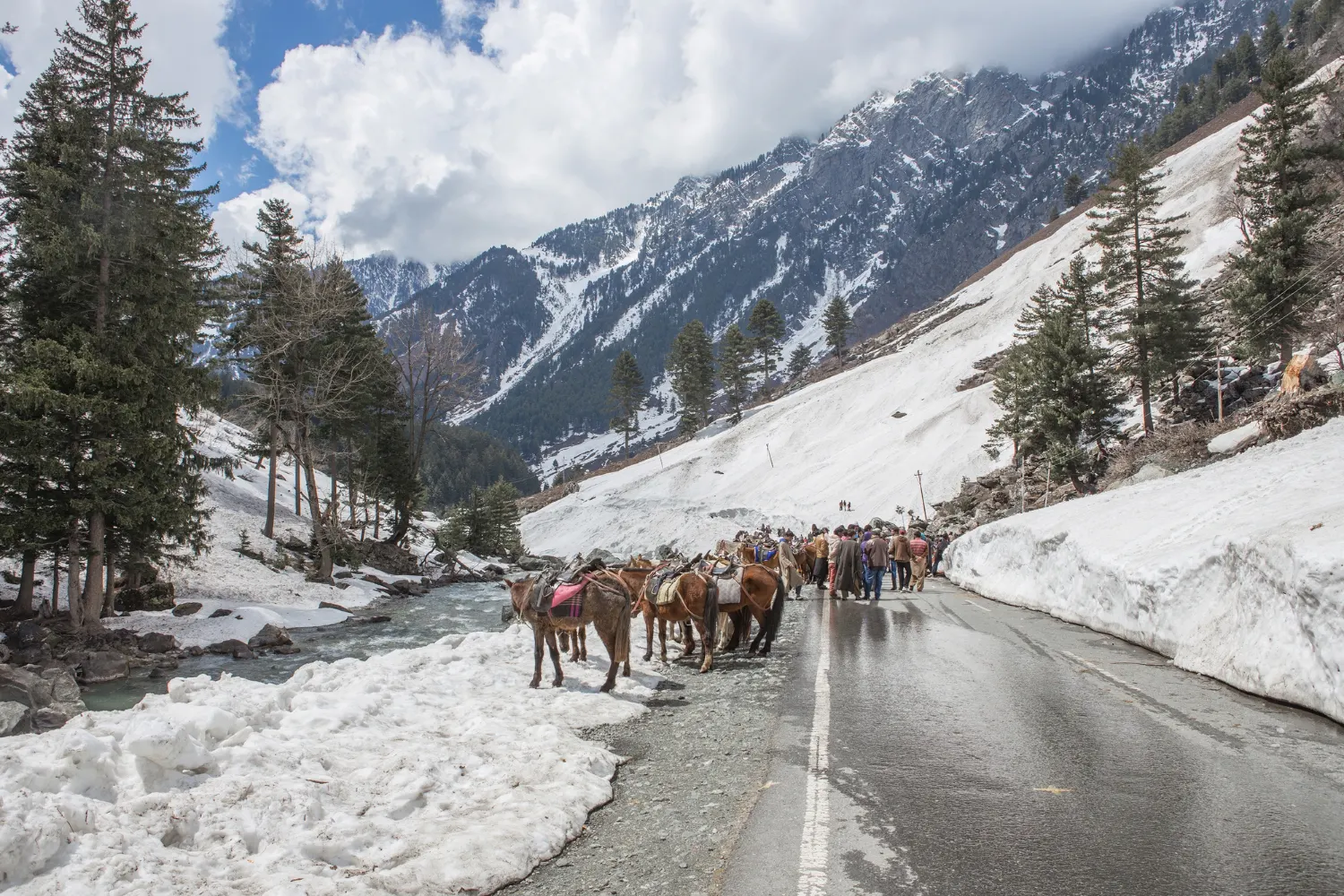
Kedarnath is not an expensive pilgrimage compared to many tourist destinations, but costs can vary depending on travel style, season, and mode of ascent. Planning ahead helps manage expenses and avoid peak-season price surges.
Registration Cost
Registration for the Kedarnath Yatra is mandatory but generally free or nominal. Pilgrims must complete online or on-ground registration through the Uttarakhand government portal or designated counters. Carrying valid ID is required.
Some additional costs may apply if opting for special darshan or pre-booked services.
Trek Cost
The trek from Gaurikund to Kedarnath does not have a walking fee. However, you may incur expenses for:
- Food and refreshments along the route
- Rain gear or walking sticks
- Emergency medical assistance if required
Most pilgrims budget around ₹500–₹1,500 for trek-day miscellaneous expenses.
Helicopter Cost
Helicopter services operate from Phata, Sirsi, and Guptkashi during the yatra season.
- Approximate round-trip fare: ₹6,000 to ₹9,000 per person, depending on departure point and yearly government rates.
Prices may vary slightly each season. Advance booking is strongly recommended during May and June.
Stay Cost in Kedarnath and Gaurikund
Accommodation is basic and designed primarily for pilgrims.
Gaurikund / Sonprayag
- Budget lodges: ₹800 to ₹2,000 per night
- Mid-range options: ₹2,000 to ₹4,000 per night
Kedarnath near temple
- Dormitory-style stays: ₹500 to ₹1,000 per person
- Private rooms (limited availability): ₹2,000 to ₹5,000 per night
Facilities are simple due to the remote high-altitude setting.
Seasonal Price Differences
- Peak pricing: May, early June, and festival dates
- Moderate pricing: September and early October
- Limited availability: Late October (before closure)
Helicopter fares and accommodation prices rise significantly during peak yatra rush.
Travel Tips Before Visiting Kedarnath

Kedarnath is a high-altitude pilgrimage. Preparation matters more than spontaneity here.
Fitness Preparation
The 16–18 km trek involves gradual ascent and can be physically demanding. Begin light walking or cardio exercises at least 3–4 weeks before your trip. Building stamina helps prevent fatigue during the climb.
Oxygen Considerations
At 3,583 meters, oxygen levels are lower than plains. Some visitors may experience mild breathlessness or fatigue. To reduce risk:
- Walk at a steady pace
- Avoid rushing uphill
- Stay hydrated
- Rest if you feel dizzy
Those with respiratory or heart conditions should consult a doctor before travel.
Packing Checklist
Even in summer, temperatures remain cold.
Essential items include:
- Thermal layers
- Insulated jacket
- Woolen cap and gloves
- Waterproof outerwear
- Sturdy trekking shoes
- Personal medicines
- ID proof and registration copy
Packing light but warm is ideal.
Weather Unpredictability
Mountain weather can change quickly. Clear mornings may turn into cloudy afternoons. Always check weather forecasts before departure and keep buffer days in your plan in case of road delays.
Temple Etiquette
Kedarnath is a sacred pilgrimage site. Respectful behavior is important.
- Dress modestly
- Maintain silence inside the temple
- Follow queue discipline
- Avoid photography inside the sanctum
- Do not litter along the trek
Responsible travel helps preserve both the spiritual and natural environment of Kedarnath.
FAQs
What is the best time to visit Kedarnath?
The best time to visit Kedarnath is between May–June and September–October. May and June offer stable weather and full yatra operations, while September and October provide clearer skies and fewer crowds after monsoon. The temple remains closed from November to April due to heavy snowfall.
When does Kedarnath Temple open in 2026?
Kedarnath Temple typically opens in late April or early May, around the auspicious occasion of Akshaya Tritiya. The exact opening date for 2026 will be officially announced by the temple committee a few weeks in advance. The temple usually closes in October or early November.
How difficult is the Kedarnath trek?
The Kedarnath trek is approximately 16–18 kilometers from Gaurikund and is considered moderate in difficulty. While the path is well-maintained, the high altitude and gradual ascent can be physically demanding. Basic fitness preparation is recommended before undertaking the yatra.
Is helicopter service available to Kedarnath?
Yes, helicopter services operate during the yatra season from locations like Phata, Sirsi, and Guptkashi. This option is especially suitable for senior citizens and those unable to complete the trek. Advance booking is advisable during peak months.
How old is Kedarnath Temple?
Kedarnath Temple is believed to be over 1,200 years old in its present structure. According to tradition, the site dates back to the Mahabharata era, while historical accounts attribute its reconstruction to Adi Shankaracharya in the 8th century.
Who built Kedarnath Temple?
Mythology credits the Pandavas with establishing the original shrine. Historically, the temple in its current form is believed to have been revived or rebuilt by Adi Shankaracharya during the 8th century.
What is the height of Kedarnath Temple?
Kedarnath Temple is located at an altitude of approximately 3,583 meters (11,755 feet) above sea level in the Garhwal Himalayas of Uttarakhand.
Is Kedarnath one of the 12 Jyotirlingas?
Yes, Kedarnath is one of the 12 Jyotirlingas dedicated to Lord Shiva. It holds immense religious significance and is also part of the Char Dham Yatra and the Panch Kedar pilgrimage circuit.
Can we visit Kedarnath in winter?
No, Kedarnath Temple remains closed from November to April due to heavy snowfall and extreme weather conditions. During winter, the deity is worshipped at Ukhimath until the temple reopens in spring.
How many days are enough for Kedarnath Yatra?
A minimum of 3 to 4 days is recommended for the Kedarnath Yatra. This includes travel to Gaurikund, the trek to the temple, darshan, and return. Adding a buffer day is advisable in case of weather delays.
Know more >>>
Best Places to Visit in Sikkim for Nature, Adventure & Culture
Best Time to Visit Gulmarg – Seasons, Snow, Trekking & Gondola
Plan Your Kedarnath Trip with Offto Travellers
Planning a high-altitude pilgrimage requires clarity and preparation. With Offto Travellers, you can:
- Explore detailed Kedarnath itineraries
- Plan your yatra route efficiently
- Save important travel routes and stops
- Discover accommodation options along the way
- Book experiences and services in advance
Thoughtful planning ensures your Kedarnath journey remains focused on both faith and safe travel.
Best experienced on the Offto Travellers app
Get the Offto app to explore travel stories, share your own journeys, connect with travellers, and book trips—all in one place.
Play StoreApp Store
Leave a Reply