
When Is the Best Time to Visit Jibhi?
The best time to visit Jibhi is from March to June for pleasant weather, lush greenery, and easy accessibility. If you prefer fewer crowds and clear mountain views, October and November are ideal. For snowfall lovers, late December to February offers a chance to experience Jibhi under a blanket of snow, though road conditions may vary.
Jibhi at a Glance
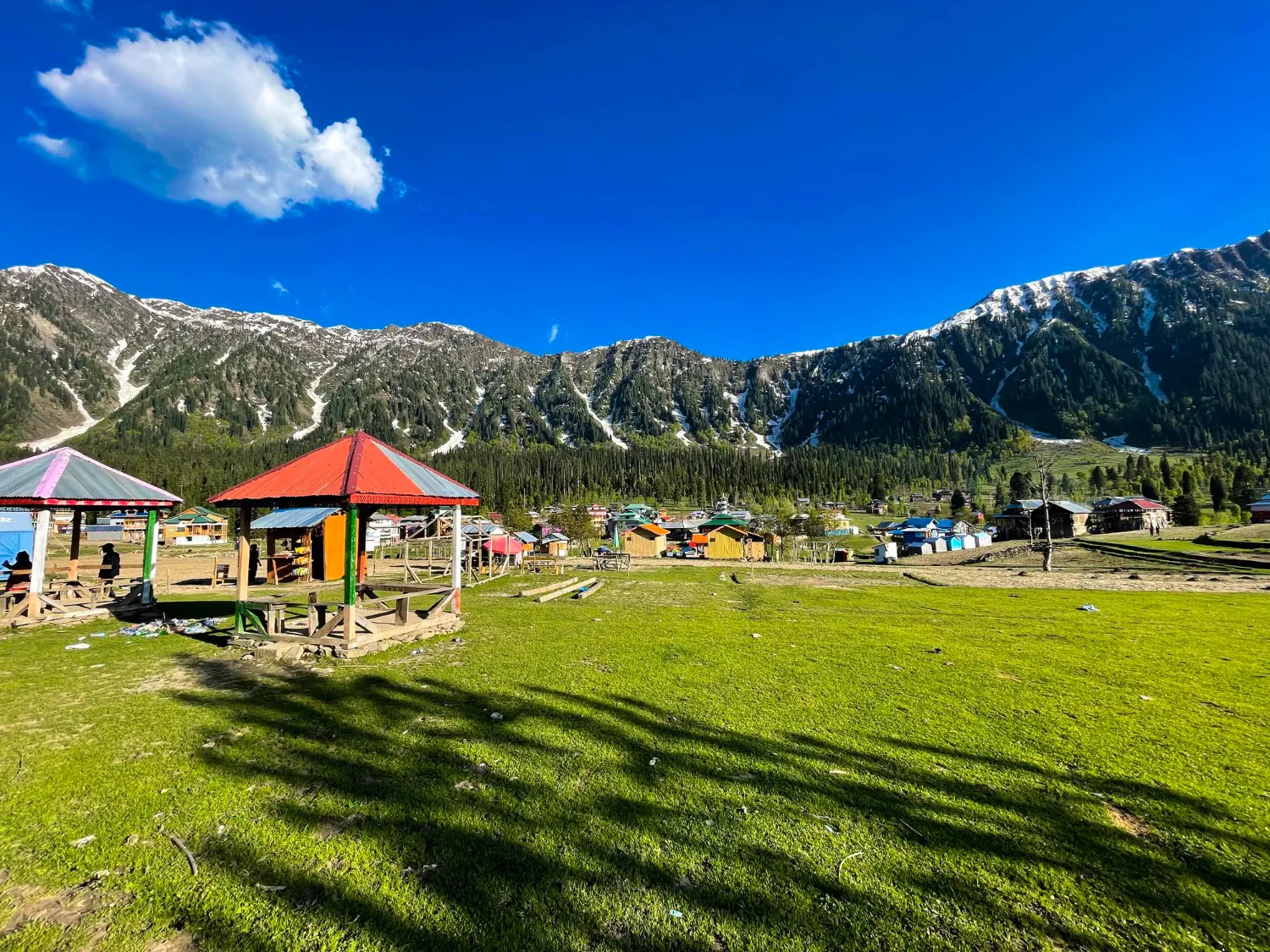
- Altitude: Approx. 1,600 meters above sea level
- Ideal trip duration: 2 to 3 days
- Best for: Slow travel, forest stays, treks, couples, remote work
- Nearest airport: Bhuntar Airport (around 50 km)
- Nearest railway station: Chandigarh Railway Station (around 270 km)
- Snowfall months: Late December to February (variable each year)
Overall recommended season: March to June and October to November
Jibhi Weather Guide (Month-by-Month Breakdown)
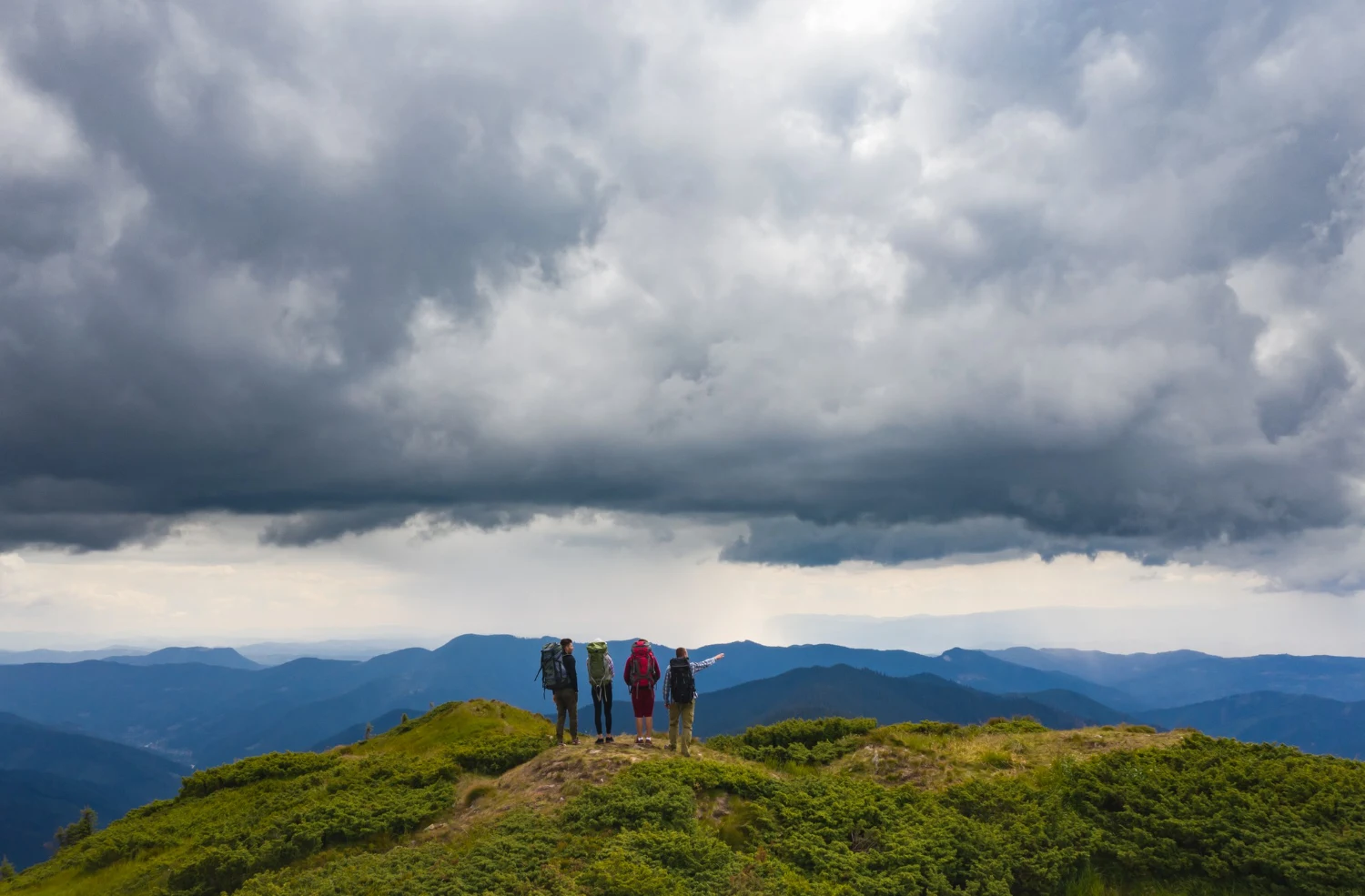
March to June – Spring and Summer
Temperature range: 10°C to 25°C
This is the most comfortable time to explore Jibhi. Days are mild, evenings are cool, and the forests are at their greenest. The weather allows you to explore without extreme heat or cold.
Crowd level: Moderate to high, especially May and June
Best activities: Waterfall visits, forest walks, Jalori Pass drives, short treks
Who should visit: First-time visitors, families, couples, and those seeking relaxed mountain weather without snowfall complications
If you want a smooth, accessible, and scenic experience, this is the safest window.
July to September – Monsoon Season
Temperature range: 12°C to 22°C
Monsoon transforms Jibhi into a deeply green landscape. Streams flow stronger, and the forests feel denser. However, rainfall can be unpredictable.
Is it safe to visit? Generally yes, but travel plans should remain flexible.
Landslide risk: Possible on mountain roads, especially during heavy rain.
Scenic advantages: Misty valleys, dramatic clouds, vibrant greenery.
Budget advantages: Lower accommodation prices and fewer tourists.
This season suits travelers who enjoy solitude and do not mind occasional travel disruptions.
October and November – Clear Skies and Fewer Crowds
Temperature range: 8°C to 20°C
This is often considered Jibhi’s most underrated season. The monsoon has cleared the dust, leaving crisp air and unobstructed mountain views.
Why this is a hidden sweet spot:
The weather is stable, crowds are lower than summer, and landscapes remain green. Roads are typically safer compared to peak monsoon.
Ideal for: Photography, trekking, slow travel, and peaceful stays in wooden cottages.
If you prefer quiet mountain mornings and clear skies, this is one of the best times to visit.
December to February – Winter and Snowfall Season
Temperature range: 0°C to 10°C
Winter brings cold mornings and the possibility of snowfall, especially between late December and January. Snowfall is not guaranteed every week, but it does occur depending on weather patterns.
Chances of snowfall: Highest in late December and January
Road accessibility: May be temporarily affected during heavy snow; always check conditions before traveling
Ideal travelers: Snow lovers, couples, photographers, and those comfortable with cold weather
Winter packing essentials: Heavy woolens, thermal layers, waterproof shoes, gloves, and power backups in case of electricity fluctuations
Winter in Jibhi feels slower and quieter. If you enjoy crisp air, fireplaces, and snow-covered rooftops, this season offers a very different mountain experience.
When Is the Best Time to Visit Jibhi Based on Your Travel Style?
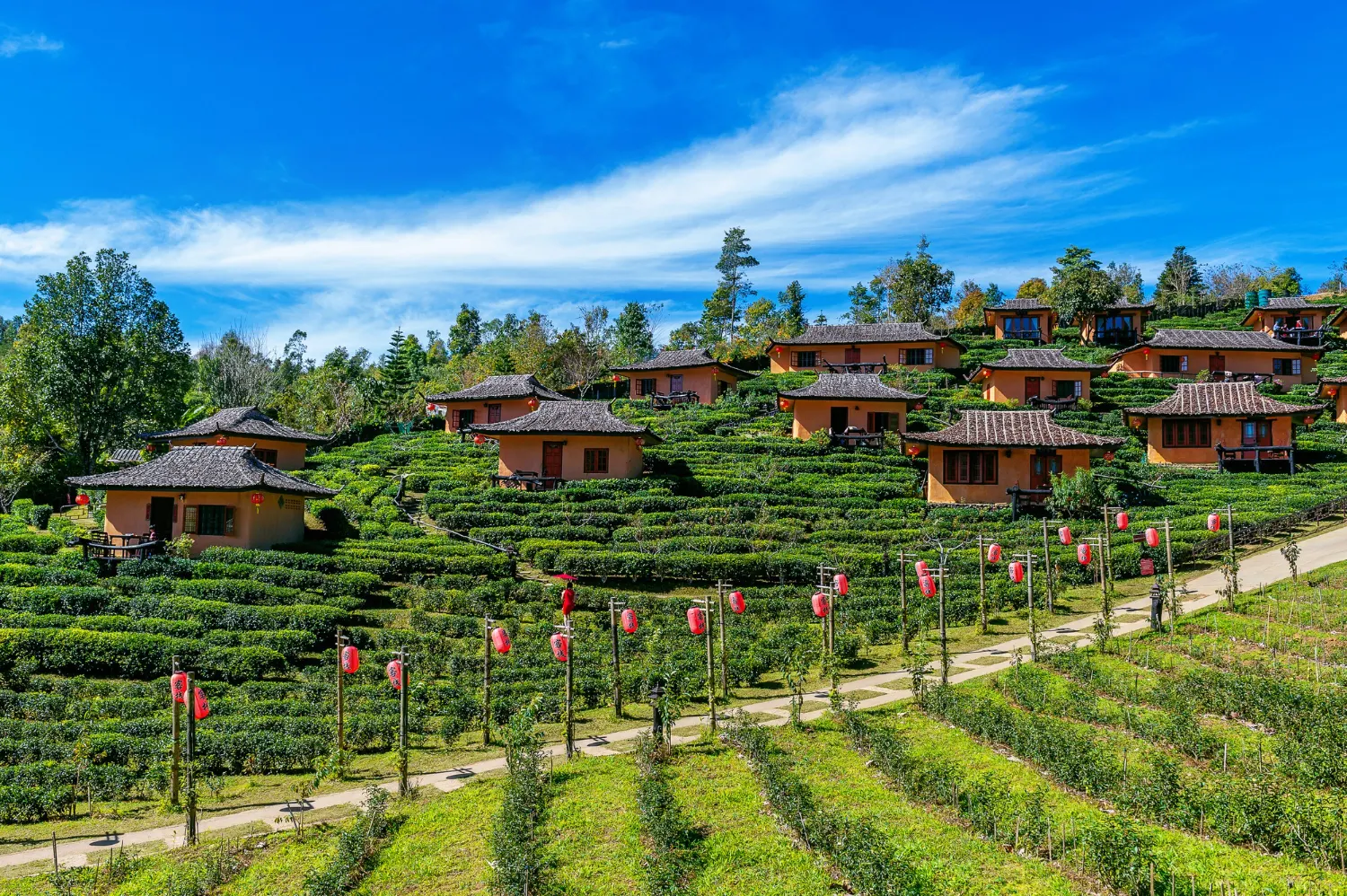
Choosing the right season depends less on the calendar and more on how you want to experience Jibhi.
Best Time for Snowfall
If snowfall is your priority, plan your visit between late December and January. This is when Jibhi occasionally turns white, especially after fresh winter showers. Keep in mind that snowfall is weather-dependent and road access may be temporarily affected. Always check local forecasts before departure.
Best Time for Budget Travel
For lower accommodation rates and fewer crowds, consider visiting during the monsoon months (July to September) or early winter before heavy snowfall. Many homestays and cottages offer better deals during these periods, making it ideal for travelers looking to explore on a tighter budget.
Best Time for Trekking
The most comfortable trekking conditions are found between March to June and October to early November. Clear skies, stable weather, and accessible trails make this period perfect for exploring nearby routes like Jalori Pass and Serolsar Lake.
Best Time for Couples
Couples looking for peaceful mountain escapes often prefer October and November for quiet stays and clear views. For those seeking a cozy snow experience, late December to January offers a romantic winter atmosphere with wooden cottages and fireplaces.
Best Time for Remote Work
If you are planning a longer stay or a work-from-mountains setup, March to June and October are the most practical. The weather is stable, road connectivity is reliable, and internet availability in most stays remains consistent compared to peak winter or heavy monsoon days.
Where Is Jibhi in Himachal Pradesh?
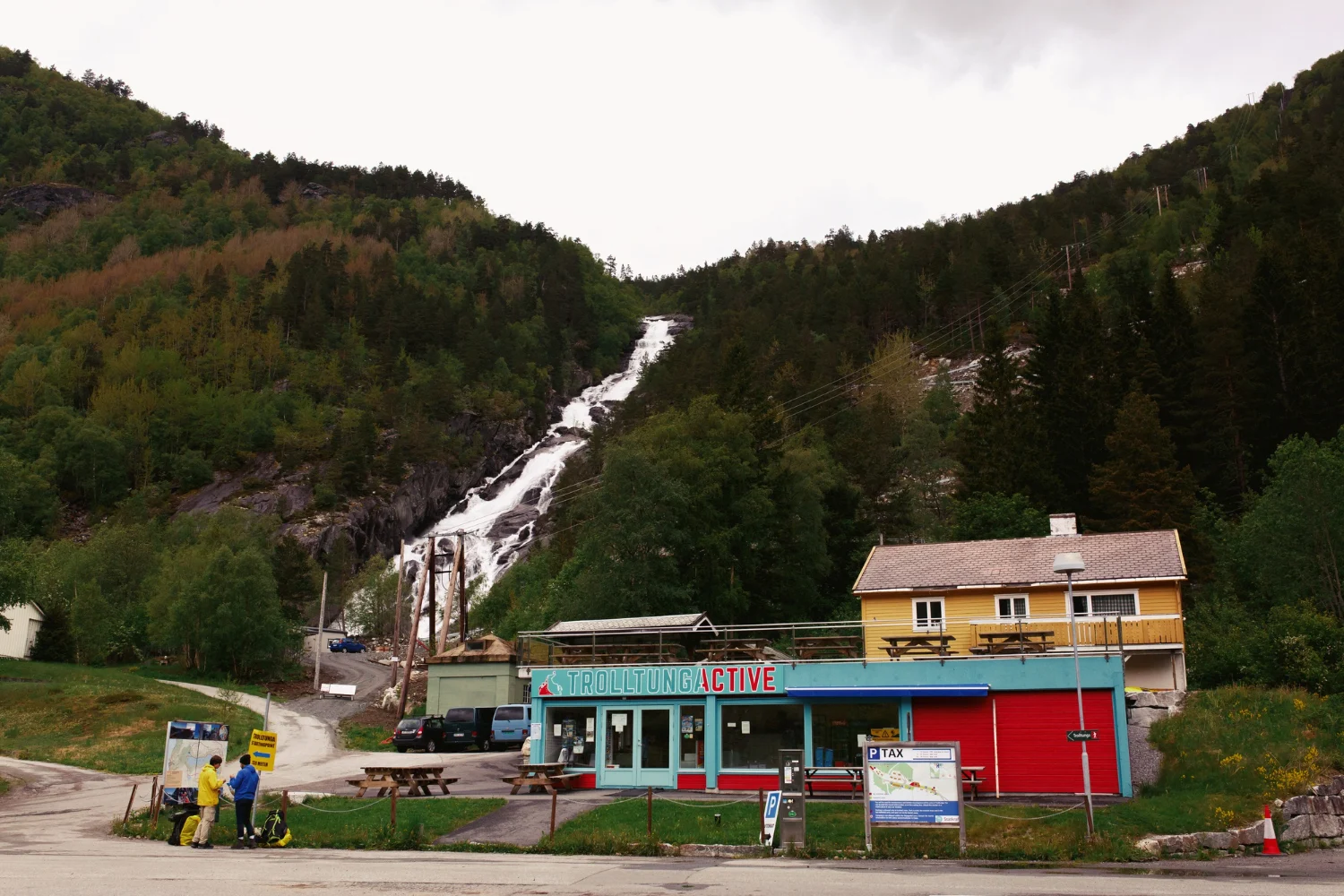
Location Overview
Jibhi is a small mountain village located in the Kullu district of Himachal Pradesh, surrounded by dense pine forests and traditional wooden homes. It sits at an altitude of around 1,600 meters, offering a cool climate and a quieter alternative to more commercial hill towns.
Jibhi in Tirthan Valley Explained
Jibhi lies within the broader Tirthan Valley region, known for its rivers, forests, and proximity to the Great Himalayan National Park. While Tirthan Valley includes multiple villages and settlements, Jibhi has emerged as one of its most popular stay bases due to its compact layout and cottage-style accommodations.
Distance from Delhi, Chandigarh and Manali
- Delhi to Jibhi: Approx. 500 km (10–12 hours by road)
- Chandigarh to Jibhi: Approx. 270 km (7–8 hours by road)
- Manali to Jibhi: Approx. 90 km (3–4 hours via Jalori Pass or Aut route)
Road travel remains the most convenient way to reach Jibhi, especially for weekend visitors from North India.
Is Jibhi Part of Tirthan Valley?
Yes, Jibhi is considered part of the Tirthan Valley region. However, while Tirthan Valley is known for riverside villages and national park access, Jibhi is recognized for its forest cottages, waterfalls, and slower, more secluded mountain setting.
What Is Jibhi Famous For?
Jibhi is known for offering a quieter, less commercial mountain experience compared to popular Himachal towns
Wooden Cottages and Tree Houses
Traditional wooden architecture defines Jibhi’s charm. Many stays are built in cottage or tree house style, blending into the surrounding forests and offering peaceful, nature-focused accommodation.
Mini Thailand Jibhi
Mini Thailand is a naturally formed rock formation beside a flowing stream that resembles tropical landscapes. It has become one of Jibhi’s most photographed spots and is easily accessible from the village.
Hidden Waterfalls
Small forest trails around Jibhi lead to secluded waterfalls, including the well-known Jibhi Waterfall near the main village. These spots are easy to access and add to the area’s relaxed, exploratory appeal.
Slow Mountain Lifestyle
Jibhi attracts travelers who prefer unhurried mornings, quiet cafés, and riverside walks over crowded marketplaces and busy tourist circuits.
Less Commercial Himachal Vibe
Unlike destinations such as Manali or Shimla, Jibhi remains relatively low-key. There are no large hotels or loud commercial centers, which makes it appealing for travelers seeking a more intimate mountain setting.
Is Jibhi Worth Visiting in 2026?
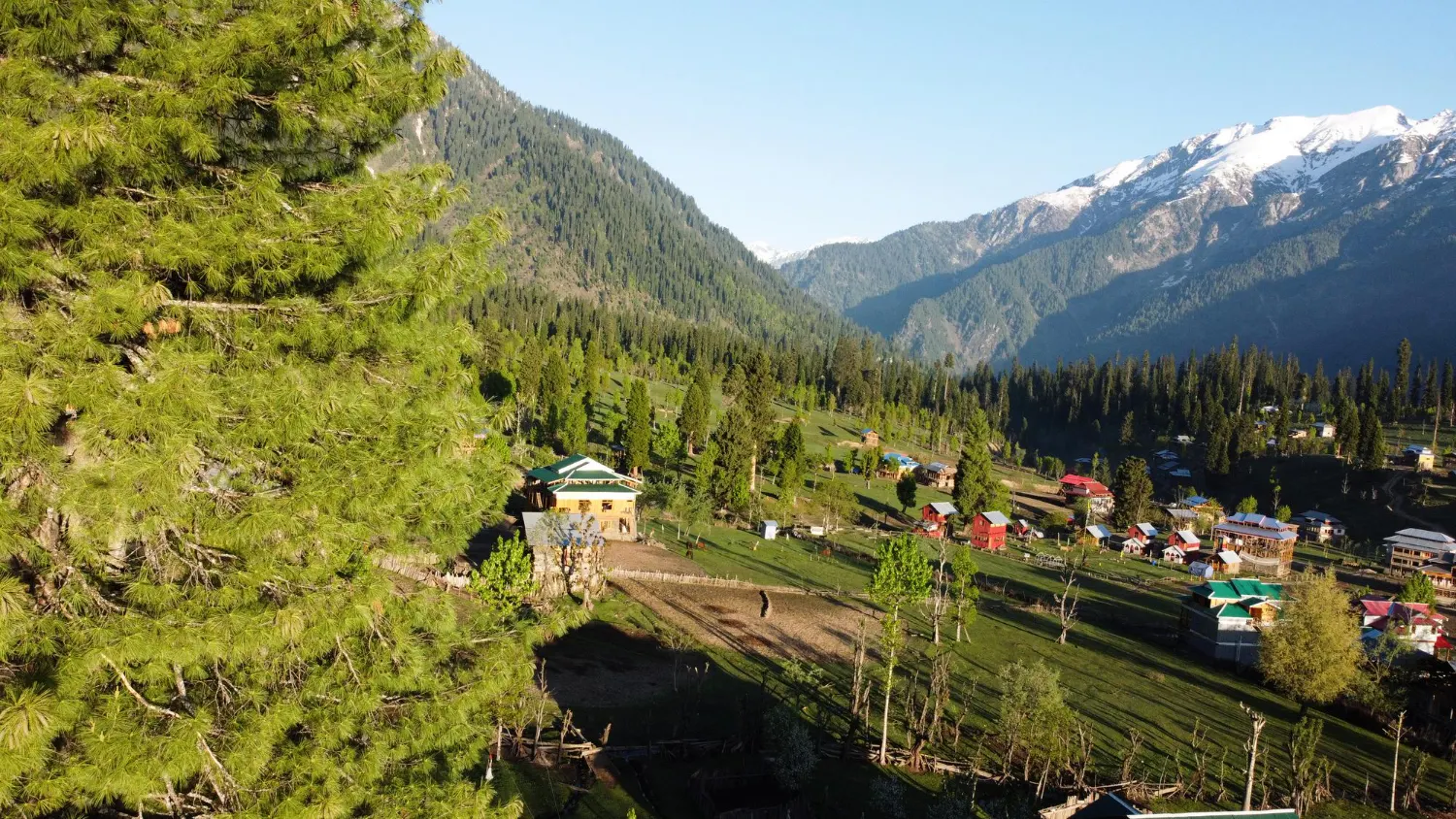
Yes, Jibhi is worth visiting in 2026 if you are looking for a quieter alternative to crowded Himachal hill stations. It is not a place of large attractions or busy marketplaces. Instead, Jibhi offers forest stays, short scenic treks, wooden cottages, and a slower rhythm of travel.
If your idea of a mountain trip includes riverside cafés, morning walks through pine forests, and simple days without rigid schedules, Jibhi fits well. However, if you prefer nightlife, shopping streets, or adventure-heavy itineraries, larger towns like Manali may suit you better.
Jibhi works best for 2–3 day escapes focused on rest, nature, and light exploration.
Jibhi Itinerary for 2 and 3 Days
Jibhi is compact, so it’s important not to overpack your schedule. The idea here is to keep travel time logical and avoid rushing between spots.
2-Day Slow Travel Itinerary for Jibhi
This plan focuses entirely on Jibhi village and nearby attractions, keeping distances short and manageable.
Day 1: Village Exploration and Waterfall Walk
- Arrive in Jibhi by afternoon and check into your cottage or homestay.
- Take an easy walk to Jibhi Waterfall, which is located close to the main village.
- Spend the evening café hopping or sitting by the riverside.
The first day should feel light and relaxed. There is no need to drive long distances after arrival.
Day 2: Jalori Pass and Serolsar Lake (Optional Short Trek)
- Start early and drive to Jalori Pass (around 12 km).
- From Jalori Pass, you can attempt the Serolsar Lake trek if weather permits.
- Return to Jibhi by evening and keep the night free for a quiet dinner.
This itinerary is suitable for couples and families because travel distances are short, and activities are flexible depending on energy levels.
3-Day Jibhi and Tirthan Valley Itinerary
With an extra day, you can explore beyond the immediate village and include parts of the Tirthan Valley region.
Day 1: Jibhi Village and Mini Thailand
- Check in and settle into your stay.
- Visit Mini Thailand Jibhi, a naturally formed rock and stream formation that is easy to access.
- Explore nearby cafés and take an evening forest walk.
Day 2: Jalori Pass and Trek Day
- Drive to Jalori Pass early in the morning.
- Attempt the Serolsar Lake trek or explore nearby viewpoints depending on fitness and weather.
- Return by sunset and rest.
This day is best scheduled during clear weather months between March–June or October–November.
Day 3: Tirthan Valley Exploration
- Drive toward the Tirthan Valley riverside areas.
- Spend time by the river, visit small local villages, or explore entry points near the Great Himalayan National Park.
- Head back by evening or continue onward travel.
This 3-day version balances light trekking, village exploration, and scenic drives without making the trip feel rushed.
Places to Visit in Jibhi
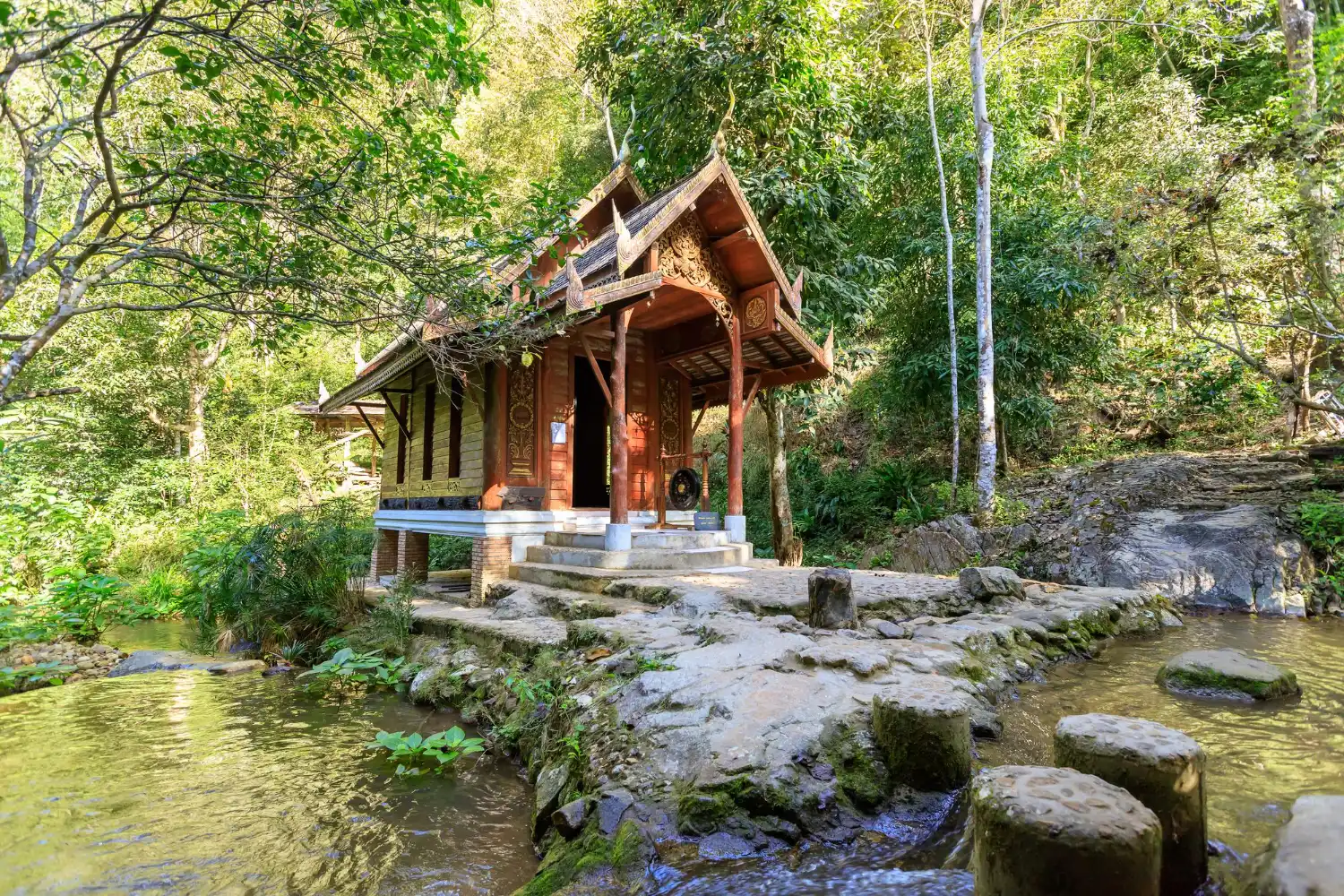
Jibhi is not about ticking off large attractions. Most places here are nature-based, easy to access, and best experienced without rushing. The charm lies in short walks, quiet viewpoints, and forest trails.
Jibhi Waterfall (Tandi Waterfall)
What makes it unique
Jibhi Waterfall, also referred to as Tandi Waterfall, is one of the easiest natural spots to visit near the main village. Surrounded by dense greenery, the waterfall flows through a narrow forest clearing, making it feel tucked away despite being close to town. It is not massive in scale, but the setting is peaceful and accessible.
Best time to visit
The waterfall looks its best between March and June and during early monsoon months, when water flow is steady. In peak winter, the flow reduces, but the surroundings remain scenic.
Entry and walking details
There is no long trek required. A short, clearly marked forest path leads to the waterfall from the main road. The walk is manageable for families and does not require special trekking gear.
Mini Thailand Jibhi
Why it is called Mini Thailand
Mini Thailand is a natural rock formation beside a flowing stream that resembles tropical river landscapes. The layered rocks and turquoise-tinted water give it a visual resemblance to Southeast Asian scenery, which led to the name. It has become one of the most photographed spots around Jibhi.
Best time for photography
Visit during morning hours for softer light and fewer people. Post-monsoon months (October and November) offer clearer skies and vibrant greenery, making it ideal for landscape photography.
Chehni Kothi
Historical importance
Chehni Kothi is an ancient tower-style structure built using traditional Kath-Kuni architecture, a technique native to Himachal Pradesh. The multi-storey wooden and stone tower dates back centuries and reflects the region’s heritage craftsmanship.
Trek information
Reaching Chehni Kothi requires a moderate uphill walk from the base village near Shringa Rishi Temple. The trail is not overly difficult but involves steady elevation gain. Comfortable walking shoes are recommended, especially during warmer months.
Jalori Pass
Viewpoint details
Located around 12 kilometers from Jibhi, Jalori Pass sits at an altitude of approximately 3,100 meters. It offers expansive mountain views and serves as the starting point for several treks, including the Serolsar Lake trail. The drive itself is scenic, with winding mountain roads and forest stretches.
Snow season charm
During winter, Jalori Pass often receives snowfall before Jibhi village does. Snow-covered slopes and white landscapes make it particularly attractive between late December and January, though road conditions should always be checked in advance.
Serolsar Lake Trek
Trek difficulty
The Serolsar Lake trek begins from Jalori Pass and is considered an easy to moderate trail. The path is well-marked and relatively gradual, making it suitable for beginners with basic fitness levels. The round-trip distance is manageable within half a day.
Best season to visit
The ideal time for this trek is between March and June and again during October and early November, when trails are dry and views are clear. During heavy snowfall or monsoon rains, conditions can become slippery.
Jibhi Treks and Outdoor Experiences
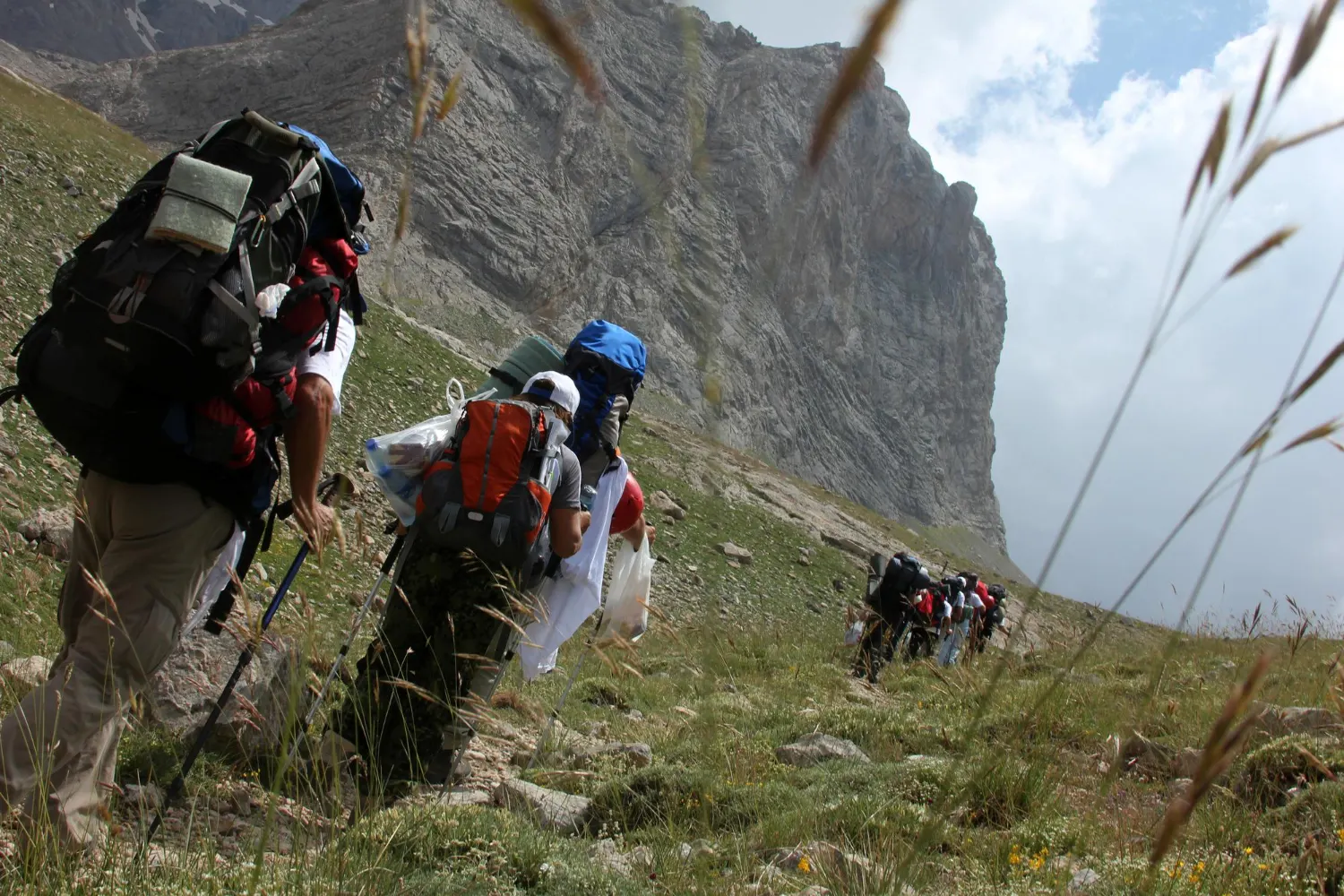
Jibhi is ideal for travelers who prefer light to moderate outdoor activity rather than high-altitude expeditions. Most experiences here revolve around short treks, scenic drives, and quiet forest exploration.
Jalori Pass Trek
Although Jalori Pass is accessible by road, many visitors explore the surrounding trails on foot. The area offers open mountain views, alpine meadows, and connecting forest paths that feel remote without being extreme.
The altitude adds cooler air and expansive valley views. It works well as a half-day outdoor plan, especially during clear weather between March and June or October.
Serolsar Lake Trek
The Serolsar Lake trek begins from Jalori Pass and is one of the most popular trails near Jibhi. The route is gradual and mostly through forested paths, making it suitable for beginners and casual trekkers.
The lake itself is calm and surrounded by dense trees, offering a quiet resting point before returning the same way. The full hike can be completed within half a day at a steady pace.
Forest Walks
Not every outdoor experience in Jibhi requires a formal trek. The village is surrounded by pine forests, narrow trails, and small streams. Short, unplanned walks often become the most memorable part of the trip.
Early mornings are particularly peaceful, with mist between trees and minimal human activity. These walks require no special preparation and are ideal for slow travelers.
Best Months for Trekking
The most comfortable months for trekking in Jibhi are:
- March to June – Pleasant weather and accessible trails
- October to early November – Clear skies and stable conditions
Avoid peak monsoon due to slippery paths and limited visibility. Winter treks are possible but may involve snow-covered sections depending on altitude.
Things to Do in Jibhi
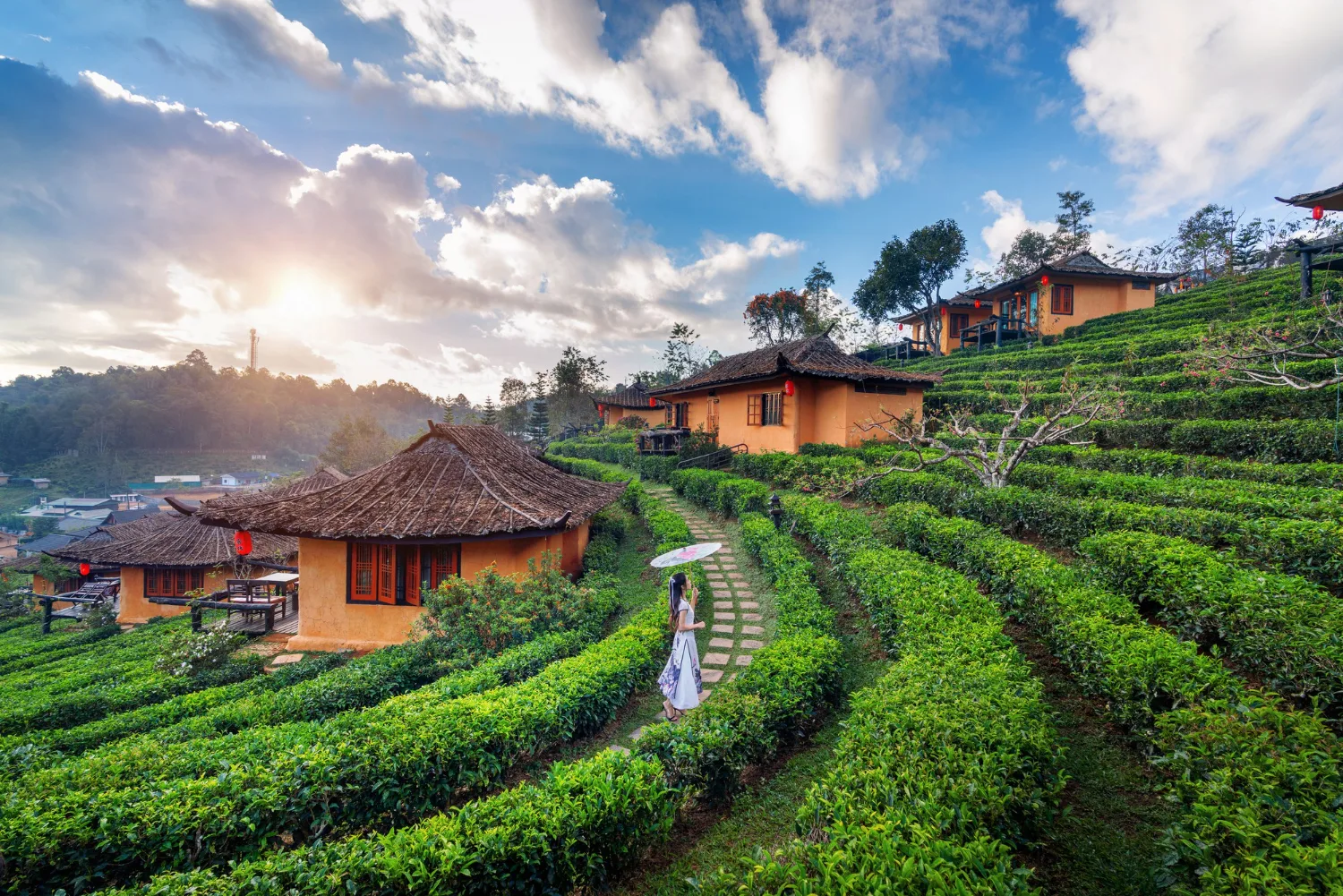
Jibhi is less about attractions and more about how you spend your time. The experiences here are simple but consistent.
Café Hopping
Small cafés line parts of the village, offering mountain views and relaxed seating. Many serve simple North Indian and café-style food. Evenings here are unhurried, and it’s common to spend hours over tea without a fixed plan.
Riverside Relaxation
Streams and rivers run close to the village. Sitting by the water with minimal distractions is one of the easiest ways to experience Jibhi’s slower rhythm. This works particularly well during summer and post-monsoon months when the water flow is steady.
Photography
Jibhi’s wooden cottages, misty forests, and layered mountain backdrops make it visually appealing without needing dramatic viewpoints. Early mornings and late afternoons provide the best natural light.
Stargazing
On clear nights, especially outside peak monsoon, Jibhi offers minimal light pollution compared to major hill stations. Simple stargazing from your cottage balcony can be a quiet highlight of the trip.
Work-from-Mountains Experience
Many stays in Jibhi now offer reliable internet, making it suitable for short remote work stays. The best months for a work-from-mountains setup are March to June and October, when weather conditions are stable and power disruptions are minimal.
Best Places to Stay in Jibhi
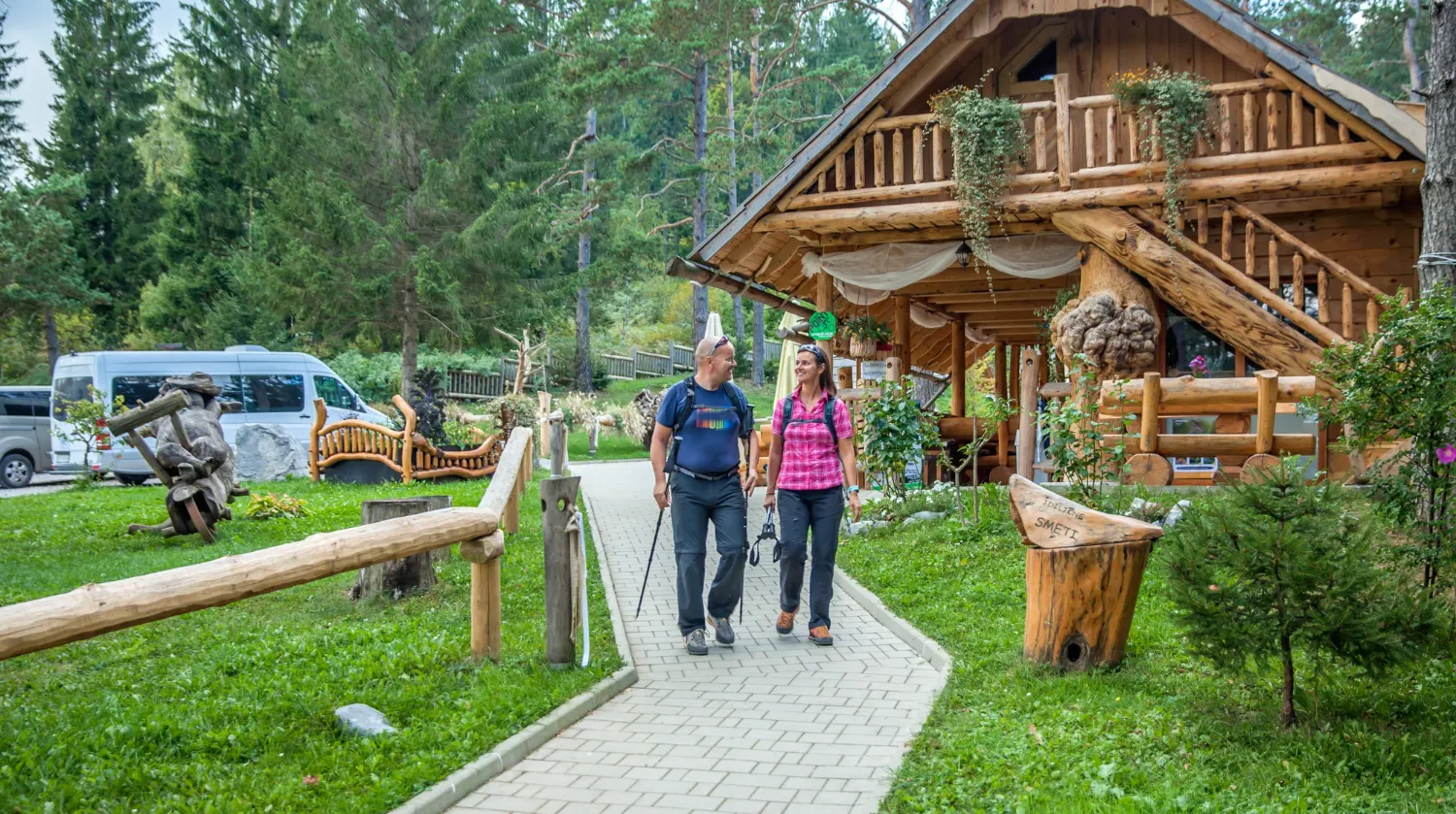
Accommodation is one of the main reasons people choose Jibhi. Unlike larger hill stations with multi-storey hotels, Jibhi is known for wooden cottages, homestays, and small-scale forest properties. Most stays are spread out across the village and nearby slopes, offering privacy and mountain views rather than centralized commercial zones.
Choosing where to stay depends on the kind of experience you’re looking for.
Tree House Stays in Jibhi
Tree house stays have become one of Jibhi’s most sought-after accommodation styles. Built using traditional woodwork and elevated above ground level, these stays blend into the forest landscape and offer a quiet, nature-focused setting.
Who it is best for
- Couples looking for privacy
- Travelers seeking a unique mountain stay
- Those wanting scenic balconies and forest views
- Short romantic or weekend getaways
These properties are less about luxury and more about atmosphere.
Approximate pricing
Tree house stays generally range between ₹3,000 to ₹7,000 per night, depending on season, amenities, and view. Premium properties during peak months can go higher.
When to book
Advance booking is recommended during:
- April to June (summer peak)
- Long weekends
- Late December and January (snow season)
During monsoon and shoulder months, availability is easier and prices may be slightly lower.
Riverside Cottages
Riverside cottages are another popular option, especially for travelers who want to stay close to flowing streams and open valley views. These stays typically offer wooden interiors, balconies, and outdoor seating areas.
Budget range
- Budget homestays: ₹1,500 to ₹2,500 per night
- Mid-range cottages: ₹2,500 to ₹5,000 per night
Prices depend on proximity to the main village and the view offered.
Seasonal price variation
Rates increase noticeably during:
- May and June
- Long weekends
- New Year and snowfall periods
Monsoon months and early winter usually offer more competitive pricing.
Remote Work Friendly Stays
Jibhi has gradually become popular among travelers looking to combine work and travel. Several homestays now advertise stable Wi-Fi connections and comfortable work setups.
Internet availability
Most mid-range and premium stays offer Wi-Fi, but speeds can vary depending on weather and network conditions. It’s advisable to confirm internet reliability directly with the host before booking, especially if work commitments are strict.
Best months for long stays
March to June and October are the most practical months for extended stays. Weather is stable, road connectivity is reliable, and power supply disruptions are less frequent compared to heavy monsoon or peak winter snow.
Jibhi Trip Cost and Budget Guide

Jibhi is generally more affordable than larger Himachal destinations like Manali or Shimla. Since it is a small village with limited commercial infrastructure, your overall trip cost depends mainly on accommodation choice and travel mode.
Here’s a realistic breakdown for planning.
Budget per Day Estimate
For a simple 2–3 day trip:
- Budget traveler: ₹2,000 to ₹3,500 per person per day
- Mid-range traveler: ₹3,500 to ₹6,000 per person per day
- Comfort stay (tree house or premium cottage): ₹6,000+ per day (for two people)
These estimates include stay, food, and local exploration but exclude long-distance travel.
Mid-Range Stay Cost
Most good-quality wooden cottages and boutique homestays fall in the ₹2,500 to ₹5,000 per night range for two people. These usually include attached bathrooms, heating arrangements in winter, and scenic balconies.
During peak summer and snow season, prices can rise slightly depending on demand.
Tree House Pricing
Tree house stays are priced higher due to limited availability and unique structure.
- Average range: ₹3,000 to ₹7,000 per night
- Premium properties: ₹7,000+ during peak season
Rates vary based on view, amenities, heating availability, and proximity to the main village.
Food Cost
Food in Jibhi is reasonably priced.
- Café meals: ₹300 to ₹600 per person
- Simple homestay meals: ₹200 to ₹400 per meal
- Full-day food budget: ₹600 to ₹1,200 per person
Dining options are limited but sufficient for a short stay.
Transport Cost
From Delhi (self-drive or taxi):
Fuel cost for a round trip can range between ₹4,000 to ₹6,000 depending on vehicle type.
Volvo to Aut + local taxi:
- Bus fare: ₹1,200 to ₹2,000 one way
- Local taxi from Aut to Jibhi: ₹1,500 to ₹2,500 approx.
Local exploration around Jibhi usually requires either a personal vehicle or hired cab for Jalori Pass and nearby villages.
Seasonal Price Differences
- Peak pricing: May–June, long weekends, late December–January
- Moderate pricing: March–April, October–November
- Lower pricing: July–September (monsoon) and early winter before snowfall
Planning during shoulder months can significantly reduce accommodation expenses
How to Reach Jibhi
Jibhi is accessible primarily by road. Public transport connectivity is available but may require transfers.
Nearest Airport
The closest airport is Bhuntar Airport (Kullu-Manali Airport), located approximately 50 kilometers from Jibhi. From Bhuntar, you can hire a taxi to reach the village.
Flight availability may vary depending on weather and season.
Nearest Railway Station
The nearest major railway station is Chandigarh Railway Station, around 270 kilometers away. From Chandigarh, travelers typically continue by bus, self-drive, or hired taxi.
Self-Drive Tips
Self-driving is one of the most convenient ways to reach Jibhi.
- Start early to avoid city traffic.
- Keep fuel filled before entering remote stretches.
- Drive cautiously on mountain roads, especially near Jalori Pass.
A hatchback or sedan can manage the route in most seasons, though SUVs provide extra comfort on uneven patches.
Road Conditions in Winter
During heavy snowfall, especially near Jalori Pass, road closures can occur temporarily. The main approach via Aut is usually accessible, but checking local updates before travel is important.
Carrying snow chains or hiring local drivers during peak winter may be advisable.
Safety During Monsoon
Monsoon travel requires flexibility.
- Landslides are possible in Himachal during heavy rainfall.
- Keep buffer time in your schedule.
- Avoid late-night mountain driving during intense rain.
While travel is still manageable, it’s important to monitor weather forecasts closely.
Travel Tips Before Visiting Jibhi
Jibhi is peaceful and relatively undeveloped compared to larger hill stations. Planning a few basics in advance can make your trip smoother and more comfortable.
ATM Availability
Jibhi has limited ATM facilities, and machines may occasionally run out of cash. It is advisable to withdraw sufficient cash from larger towns like Aut, Banjar, or Chandigarh before arriving. While many stays accept digital payments, small cafés and local vendors may prefer cash.
Network Connectivity
Mobile network coverage is available but can be inconsistent depending on your provider and the exact location of your stay. BSNL and Jio generally perform better in remote areas of Himachal. If you are planning to work remotely, confirm Wi-Fi reliability directly with your host before booking.
Internet speeds may fluctuate during heavy rain or snowfall
Winter Packing Checklist
If you are visiting between December and February, pack appropriately for cold mountain conditions:
- Thermal inner layers
- Heavy sweaters or insulated jackets
- Waterproof outerwear
- Woolen cap, gloves, and socks
- Sturdy shoes with good grip
Temperatures can drop close to freezing at night, so proper layering is essential.
Monsoon Travel Safety
During July to September, rainfall can be unpredictable.
- Keep your travel schedule flexible.
- Avoid driving late at night in heavy rain.
- Check road conditions before departing for Jalori Pass or remote routes.
- Carry waterproof footwear and rain protection.
Landslides are possible in Himachal during intense rain, so staying updated on weather advisories is important.
Local Etiquette
Jibhi remains a small village community. Respecting the local environment and culture helps preserve its quiet charm.
- Avoid loud music, especially late at night.
- Do not litter in forest areas or near streams.
- Dress modestly in village spaces.
- Be mindful when photographing local homes or residents.
Responsible travel ensures Jibhi retains its less commercial and peaceful character.
A Quick Personal Note: What Jibhi Really Feels Like
Jibhi does not overwhelm you with grand attractions. It grows on you quietly. Mornings feel slow, with mist settling between pine trees and the sound of water flowing somewhere nearby. Evenings are usually spent without urgency — a short walk, a warm meal, and early rest.
It’s not a destination you rush through. It’s the kind of place where doing less feels natural. If your idea of a mountain escape is calm, unstructured, and rooted in nature rather than activity, Jibhi tends to stay with you longer than expected.
FAQ'S
What is the best time to visit Jibhi for snowfall?
The best time to visit Jibhi for snowfall is between late December and January. Snowfall depends on yearly weather patterns, so it is not guaranteed daily. Jalori Pass usually receives snow earlier than the main village. Always check weather updates before planning a winter trip.
What is Jibhi famous for?
Jibhi is famous for its wooden cottages, tree house stays, Mini Thailand rock formation, nearby waterfalls, and peaceful mountain atmosphere. It is known as a quieter alternative to more commercial Himachal destinations like Manali.
How many days are enough for Jibhi?
Two to three days are sufficient for Jibhi. This allows time to explore Mini Thailand, Jibhi Waterfall, Jalori Pass, and possibly the Serolsar Lake trek without feeling rushed.
Is Jibhi safe for couples?
Yes, Jibhi is generally considered safe for couples. It is a small and peaceful village with a steady flow of travelers. As with any destination, basic precautions and respectful behavior are recommended.
Can we visit Jibhi during monsoon?
Yes, Jibhi can be visited during monsoon (July to September), but rainfall may affect road conditions. The landscape becomes greener and less crowded, though flexibility in travel plans is important due to possible landslides.
Does Jibhi receive heavy snowfall?
Jibhi does receive snowfall during winter, particularly between late December and January. However, snowfall intensity varies each year. Jalori Pass typically sees heavier snow compared to the main village area.
Are tree houses in Jibhi worth staying in?
Tree house stays in Jibhi are popular for their unique wooden design and forest setting. They are especially appealing for couples and short weekend trips, offering privacy and scenic views.
Is Jibhi part of Tirthan Valley?
Yes, Jibhi is located within the broader Tirthan Valley region in Himachal Pradesh. It is one of the more well-known stay bases in the valley due to its cottage-style accommodations and easy access to nearby attractions.
What is the temperature in Jibhi in winter?
During winter (December to February), temperatures in Jibhi typically range between 0°C and 10°C. Nights can feel colder, especially during snowfall periods.
Where exactly is Jibhi located?
Jibhi is located in the Kullu district of Himachal Pradesh, India. It lies within the Tirthan Valley region and is approximately 50 kilometers from Bhuntar Airport.
Read more >>>
Best Time to Visit Rann of Kutch – Weather, Rann Utsav & White Desert Guide
Best Places to Visit in July in India – Monsoon Escapes & Eco-Tourism Destinations
Plan Your Jibhi Trip with Offto Travellers
If you are planning a trip to Jibhi, you can explore itineraries, stay options, and travel ideas through Offto Travellers. The platform allows you to discover destinations, save trip plans, and explore unique stays — including tree houses and forest cottages — across Himachal and beyond.
Whether you prefer a quiet weekend in Jibhi or a longer Tirthan Valley circuit, thoughtful planning makes the experience smoother and more enjoyable.
Best experienced on the Offto Travellers app
Get the Offto app to explore travel stories, share your own journeys, connect with travellers, and book trips—all in one place.
Play StoreApp Store
Leave a Reply