
What Is the Best Time to Visit Darjeeling?
The best time to visit Darjeeling is from March to May for pleasant weather and clear Himalayan views, and from October to December for crisp skies and stunning sunrise views of Kanchenjunga. Snowfall is rare but possible in peak winter. Each season offers a different charm depending on what you’re looking for.
Where Is Darjeeling Located?
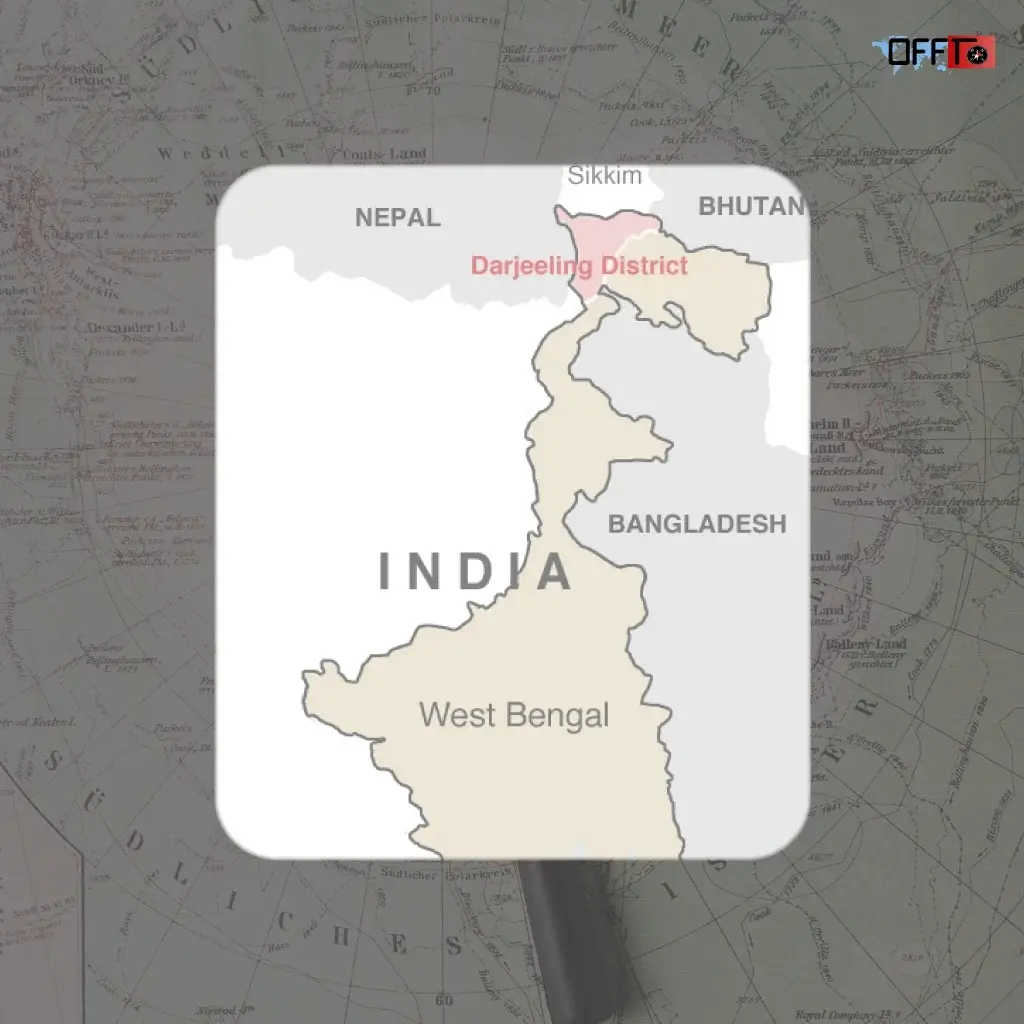
Nestled in the foothills of the Himalayas, Darjeeling is located in the northern part of West Bengal, India, at an altitude of approximately 2,050 meters (6,700 feet). It is known as the “Queen of the Hills” for its breathtaking views, colonial charm, and tea gardens. Darjeeling sits between the mighty Himalayas and the lush plains of Bengal, offering a unique combination of mountain beauty and cultural richness.
Altitude, Geography, and Climate Overview
Darjeeling’s elevation gives it a cool climate year-round, making it a popular hill station for escaping the heat in the summer months. The altitude influences the weather patterns, meaning it can be considerably cooler than the plains below, and the hill station experiences distinct seasonal changes. The higher elevations lead to clear views of the snow-capped Kanchenjunga, the world’s third-highest mountain, making the weather and timing of your visit critical for the best experience.
- Summer (March to May) brings mild weather, ideal for sightseeing and outdoor activities.
- Monsoon (June to September) is marked by heavy rainfall, leading to lush greenery but possible travel disruptions.
- Autumn (October to November) offers clear skies, making it the perfect time for photography and mountain views.
- Winter (December to February) is cold, with a rare chance of snowfall.
The geography of Darjeeling contributes significantly to its beauty. It is surrounded by lush forests, tea estates, and sprawling valleys. The slopes of the Himalayas ensure that the weather remains relatively cool, with foggy mornings in the winter and clear, crisp air in the autumn and spring.
Why Elevation Impacts Travel Seasons
The elevation of Darjeeling plays a key role in determining the best time to visit. At 2,050 meters, the region experiences mild summers but colder winters, particularly at higher altitudes.
- Spring and Autumn: The transition from winter to spring and from summer to autumn offers the best of both worlds — clear skies and moderate temperatures. The days are warm enough for sightseeing, but the evenings are cool, perfect for cozying up at a local tea house.
- Winter: Higher altitudes in Darjeeling may receive snow, but snow is more of a rarity. The chill during these months makes it ideal for those who prefer quiet, peaceful settings and romantic winter landscapes. However, snowfall can affect road conditions and make traveling slightly challenging, so it’s best for those who love cold weather and are prepared for it.
The geography of Darjeeling offers varied climates within a short distance, allowing travelers to enjoy both warmer and cooler environments within the same trip. Depending on the seasonal shift, you’ll find yourself in either cool, misty conditions or experiencing the crisp, fresh air that comes with the higher altitudes.
Why Do People Go to Darjeeling?
Darjeeling is not just about the weather; it’s a place that holds historical and natural significance, drawing people for various reasons:
Kanchenjunga Views
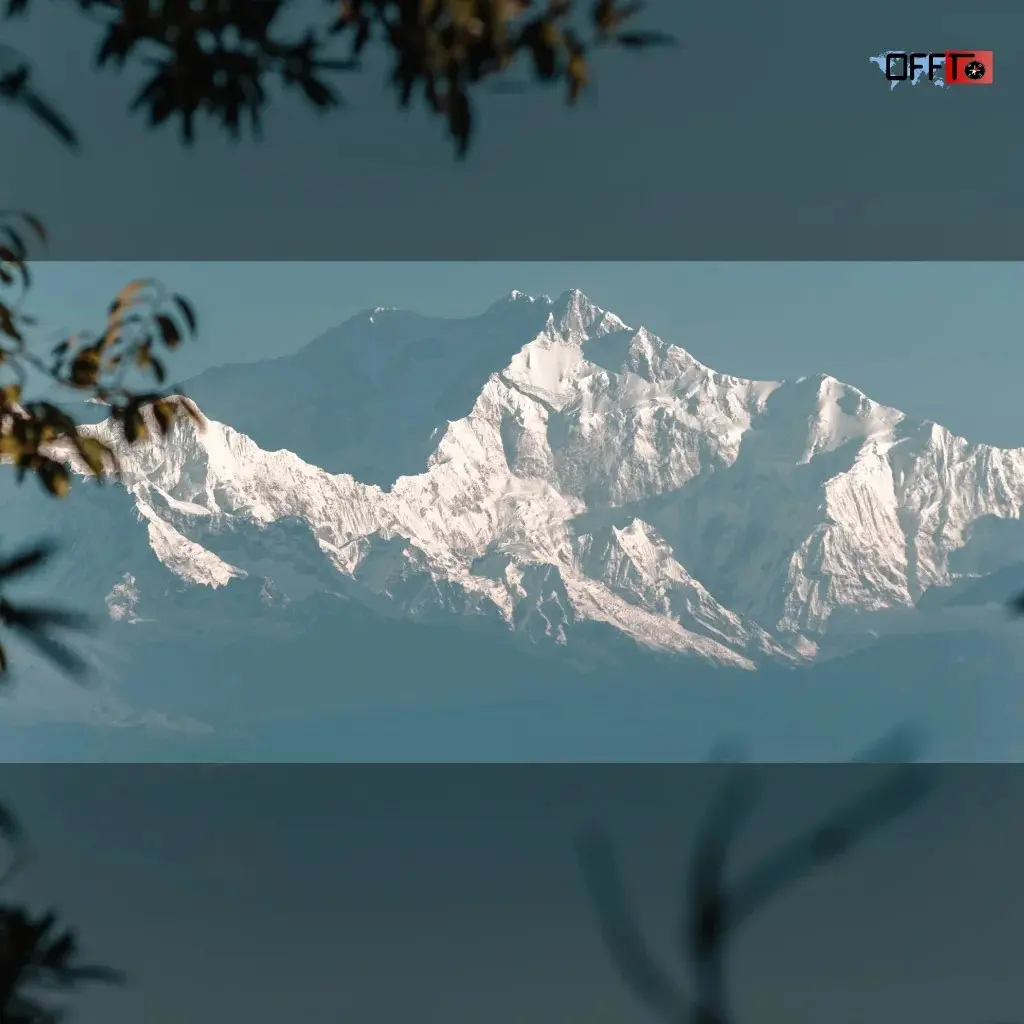
One of the primary reasons travelers visit Darjeeling is for the spectacular views of Kanchenjunga. The third-highest mountain in the world, Kanchenjunga towers above the town and offers breathtaking sunrise and sunset views. Many visitors wake up early to witness the sunrise at Tiger Hill, which is famous for offering a golden view of Kanchenjunga, and occasionally, the far-reaching view of Mount Everest.
Colonial Charm
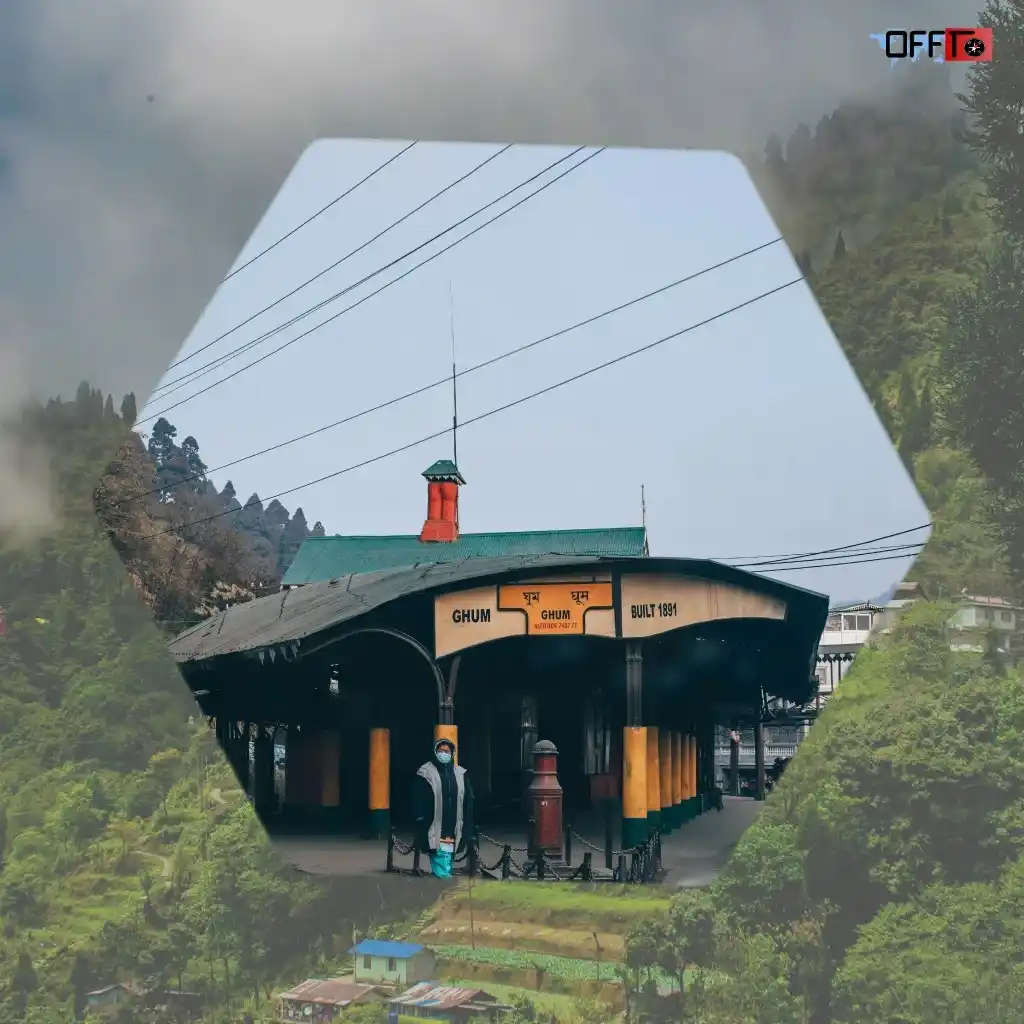
Darjeeling holds significant colonial heritage. The Darjeeling Himalayan Railway, also known as the Toy Train, was constructed during British rule and is now a UNESCO World Heritage Site. The town itself maintains colonial-era buildings, old churches, and schools that reflect its rich British legacy. Walking through the Toy Train tracks, you’re not only surrounded by beautiful landscapes but also immersed in the historical charm of the region.
- Must-see spots: Batasia Loop, Mall Road, and the Darjeeling Himalayan Railway station.
Tea Gardens
Darjeeling’s tea gardens are world-renowned for producing some of the finest Darjeeling Tea. The lush, rolling hills dotted with tea estates make the region a unique blend of beauty and industry. Visitors can tour the tea estates, sample local teas, and learn about the tea-making process. The tea gardens of Darjeeling are one of the major highlights of the hill station, and they attract tea enthusiasts from all over the world.
- Must-see tea estates: Happy Valley Tea Estate, Glenburn Tea Estate, and Jorthang Tea Estate.
Toy Train Experience
The Darjeeling Toy Train is an experience in itself. Winding through the hills, the toy train takes you on a scenic journey across the mountains, providing a historical and picturesque route that offers views of tea gardens, villages, and valleys. The train ride itself is an iconic experience, especially popular among honeymooners and families.
- Experience: Ride from Darjeeling to Ghum, the highest railway station in India, and explore the beauty of the Himalayan foothills while traveling.
Romantic Hill Vibe
For honeymooners and couples, Darjeeling is a magical place to escape to. The hill station offers romantic spots such as the Toy Train, Batasia Loop, and Tiger Hill, all providing intimate moments with scenic views. The cool climate and misty mornings set the perfect mood for a romantic getaway.
- Perfect for: Couples who want a mix of adventure and relaxation, while enjoying the serene landscape and colonial charm.
Darjeeling Weather Guide — Season by Season
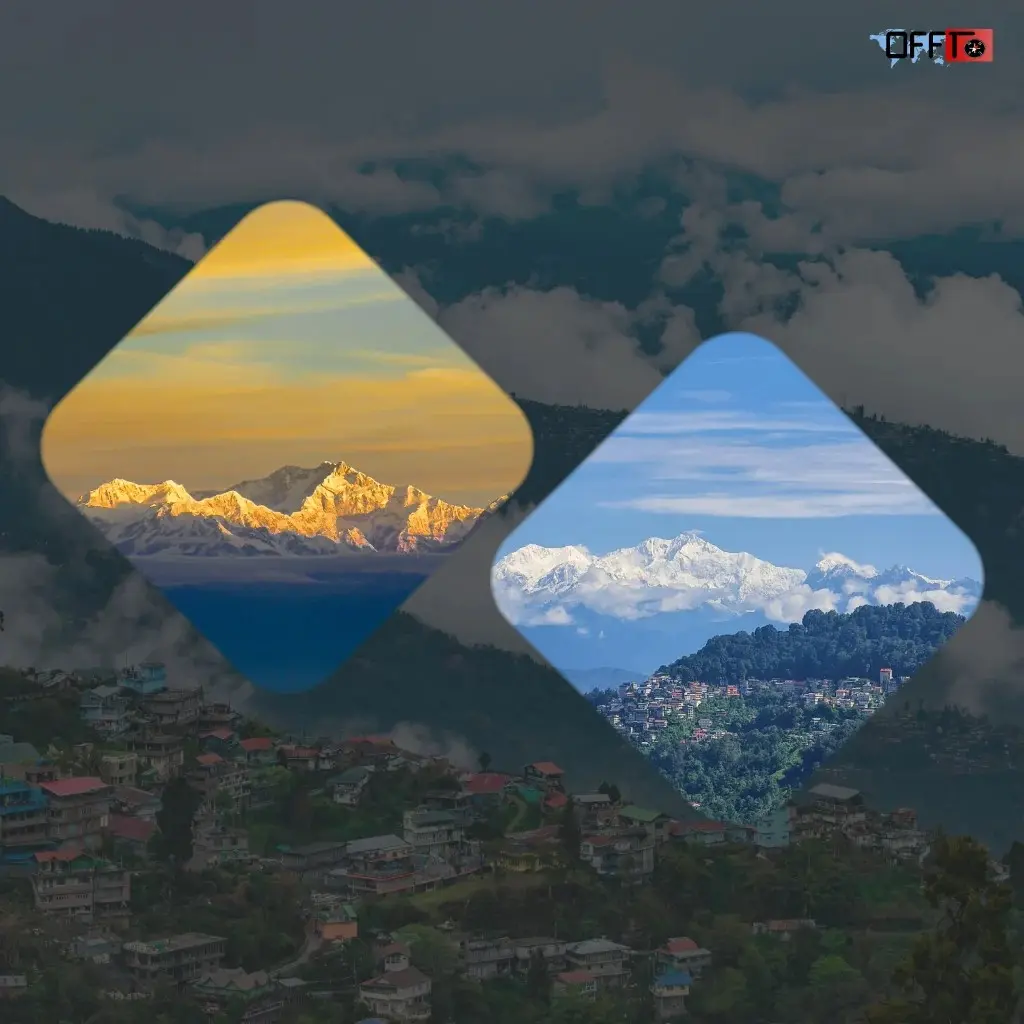
Darjeeling offers a diverse climate throughout the year, making it an ideal destination for travelers seeking different experiences based on the season. From the clear mountain views of spring to the romantic winter charm, each season in Darjeeling brings something unique. Here’s a detailed breakdown of Darjeeling’s weather by season, helping you decide the best time to plan your visit.
Spring (March to May) — The Most Popular Season
Why This Is the Best Season to Visit Darjeeling
Spring in Darjeeling is widely considered the best season to visit. The weather is pleasant, with clear skies and moderate temperatures that make outdoor activities like sightseeing and photography a joy. As the town shakes off the winter chill, nature awakens, and the tea gardens start to bloom, adding vibrant greenery to the landscape.
Temperature Range
During spring, temperatures in Darjeeling range from 10°C to 20°C. The weather is cool enough for comfortable sightseeing but not too cold, making it an ideal time for exploring the town and surrounding areas.
Clear Mountain Views
Spring is perfect for capturing stunning views of the Himalayas. The air is clear, and the skies are often free of clouds, making it the best time for panoramic views of Kanchenjunga. Early mornings are particularly beautiful for watching the sunrise from Tiger Hill or other popular viewpoints.
Blooming Tea Gardens
Spring is the season when Darjeeling’s tea gardens come alive with new growth. The tea plants are in full bloom, creating an incredibly lush green landscape that’s perfect for a leisurely stroll or a tea tour. The aroma of fresh tea leaves and the surrounding lush greenery add to the charm of Darjeeling.
Ideal for Sightseeing & Photography
This is undoubtedly the best time for sightseeing and photography in Darjeeling. With mild temperatures, clear skies, and vibrant greenery, spring offers ideal conditions for enjoying the town’s iconic attractions such as Batasia Loop, Peace Pagoda, and the famous Toy Train.
Summer (May to June) — Escape the Heat
Pleasant Temperatures
Summer in Darjeeling offers a refreshing escape from the scorching heat in other parts of India. The temperatures range from 15°C to 25°C, making it a pleasant destination for those looking to unwind in cool surroundings. While it’s warmer than spring, the climate is still ideal for outdoor activities and exploration.
Peak Tourist Time
Summer is the peak tourist season in Darjeeling. Visitors flock to the hill station to enjoy the cool weather and scenic beauty. As the temperatures soar in the plains, Darjeeling becomes a popular retreat for families, honeymooners, and tourists looking to escape the heat. Expect larger crowds at popular tourist spots.
Best for Families
If you’re planning a family vacation, summer is the best time to visit Darjeeling. The weather is warm enough for children to enjoy outdoor activities like boating on Ooty Lake, walking around the Botanical Gardens, and visiting the Himalayan Mountaineering Institute. It’s also perfect for a Toy Train ride with kids.
Darjeeling Tour Package Demand
Since summer is the peak travel season, tour packages for Darjeeling are in high demand. Whether it’s a family tour package or a honeymoon package, you’ll find various travel packages that offer guided tours to all of Darjeeling’s top attractions. Booking in advance is recommended, as hotels and tour packages tend to sell out quickly during this time.
Monsoon (July to September) — Mist & Greenery
Heavy Rainfall Insights
Monsoon season in Darjeeling brings heavy rainfall, transforming the region into a lush green paradise. The temperatures during this season range from 12°C to 18°C, and while the weather is cool, the constant rain may cause difficulty in outdoor activities and sightseeing. Roads can become slippery, and landslides are a common concern during this period.
Fewer Crowds
If you prefer to avoid large crowds, monsoon is a great time to visit Darjeeling. Since this is the off-season, you’ll find fewer tourists and more peaceful surroundings. It’s a great opportunity to relax and enjoy the beauty of Darjeeling without the hustle and bustle of the peak season.
Pros & Cons
- Pros:
- Lush green landscapes, waterfalls, and tea gardens at their most vibrant.
- Tranquil environment with fewer tourists, allowing for a peaceful getaway.
- Lower hotel rates compared to the peak season.
- Lush green landscapes, waterfalls, and tea gardens at their most vibrant.
- Cons:
- Heavy rainfall can limit outdoor activities and sightseeing.
- Possible travel disruptions due to landslides and road conditions.
- Less visibility of Kanchenjunga due to the monsoon clouds.
- Heavy rainfall can limit outdoor activities and sightseeing.
Is It Safe to Travel?
While monsoon does bring challenges like heavy rainfall and landslides, it is still possible to travel safely with caution. If you plan to visit during this time, make sure to check weather forecasts and avoid trekking or traveling on dangerous roads during heavy rains. A peaceful retreat in the rain, with a hot cup of Darjeeling tea, can be a charming experience for those who love the misty weather.
Autumn (October to November) — Clearest Views of Kanchenjunga
Post-Monsoon Clarity
After the monsoon rains subside, Darjeeling experiences crystal-clear skies and pleasant temperatures, making autumn the best time for panoramic mountain views. With the lush greenery still present from the rains, this season is perfect for photography and sightseeing.
Best for Photography
For photographers, autumn in Darjeeling offers the most stunning visuals. The clear skies provide a perfect backdrop for capturing the beauty of Kanchenjunga, the charming Toy Train, and the green valleys surrounding the hill station. The bright skies and lush landscapes create an idyllic atmosphere for those looking to capture Darjeeling in all its glory.
Ideal Honeymoon Period
Autumn is considered one of the most romantic times to visit Darjeeling. The cool weather, quiet streets, and breathtaking views of the mountains make it an ideal honeymoon destination. Whether it’s a cozy tea house by the hill or a private tour through the hills, autumn is perfect for creating lasting memories with your loved one.
Winter (December to February) — Cold & Quiet
Does It Snow in Darjeeling?
Winter in Darjeeling is characterized by cold temperatures, ranging from 5°C to 12°C during the day, and below 0°C at night. Snowfall is rare but possible during the months of December to February. For those seeking a true winter wonderland, the higher altitudes in Darjeeling may experience light snowfall, adding to the charm of the town.
Best Time to Visit Darjeeling for Snowfall
The best time to witness snowfall in Darjeeling is typically December to January. Though snow is not guaranteed every year, if you’re lucky, you’ll get to experience a magical snowfall against the backdrop of Kanchenjunga. The winter months offer a serene, quiet atmosphere, perfect for those seeking solitude and romantic winter charm.
Snow Expectations vs Reality
While Darjeeling is famous for its snowfall, it is important to manage expectations. Snowfall in Darjeeling tends to be light, and heavy snow accumulation is rare. However, the occasional dusting of snow covering the tea gardens and the mountains can be a beautiful sight.
Romantic Winter Charm
Winter is the most peaceful time to visit Darjeeling. With fewer tourists around and the misty winter mornings, it provides a cozy and intimate atmosphere. Whether it’s walking along Mall Road in the chilly air, sipping tea in a cozy café, or enjoying a quiet evening by the fireplace, Darjeeling in winter has a magical charm.
Best Time to Visit Darjeeling for Snowfall
Does It Snow in Darjeeling?
Yes, Darjeeling does receive snowfall, but it is relatively rare and generally light compared to other Himalayan regions. The town experiences snow during the winter months, primarily from December to February. However, snow is usually confined to the higher altitudes of Darjeeling, such as Tiger Hill and Doddabetta Peak, and is often not heavy enough to disrupt daily activities. For those visiting specifically for snow, it’s important to manage expectations as snowfall can vary from year to year.
When Snowfall Is Most Likely
Snowfall in Darjeeling is most likely to occur in December, January, and sometimes February. These are the coldest months, with temperatures dropping below 0°C at night. January is usually the month when you have the highest chance of experiencing snowfall, especially at the higher altitudes such as Tiger Hill and Ghum, which are famous for their snow-covered landscapes during this time.
- Peak Snowfall Months: December to January
- Best Time for Snow: If you’re specifically visiting for the snowfall experience, try to plan your trip during the last week of December or the first week of January for the highest chance of snow. Early January tends to bring the coldest temperatures and the most consistent snowfall.
Nearby Snowfall Alternatives (If Snow Is a Priority)
If your primary goal is to experience snow and you’re unsure about the possibility in Darjeeling, you can consider nearby destinations that are known for heavier snowfall during the winter months:
- Kalimpong (West Bengal): Just a short drive from Darjeeling, Kalimpong, located at a higher altitude, may receive more consistent snowfall in winter.
- Leh-Ladakh (Jammu & Kashmir): For a guaranteed snow experience, Leh is the ultimate destination. This high-altitude region offers heavy snow during the winter months, along with dramatic landscapes and winter adventure activities like snow trekking and ice climbing.
- Manali (Himachal Pradesh): Manali offers heavy snowfall and ski resorts during the winter months, making it a great alternative for snow enthusiasts. It’s accessible from Delhi and has a larger array of snow-based activities.
- Shimla (Himachal Pradesh): If you’re looking for snow and a more traditional hill station vibe, Shimla is a reliable choice. The snow here is more predictable than in Darjeeling, with the Kufri region offering ample snow during the winter.
Winter Travel Tips
If you plan to visit Darjeeling for the snowfall experience, it’s important to be prepared for the cold weather and potential travel disruptions:
- Pack Warm Clothing: Ensure you pack heavy woolens, thermal wear, gloves, and winter jackets as temperatures can dip well below freezing in January.
- Check Weather Forecasts: As snowfall can be unpredictable, it’s essential to monitor the weather forecasts regularly before your trip to make sure snow conditions are favorable.
- Road Conditions: Snow can affect roads, making some of the higher-altitude areas harder to reach. Always check for road conditions in advance if you plan to visit Tiger Hill or Doddabetta Peak.
- Stay Flexible: Given that snowfall can impact visibility, roads, and weather conditions, keep your plans flexible and avoid trekking in higher-altitude regions unless you’re experienced and well-prepared for snow.
Best Time to Visit Darjeeling for Honeymoon

Romantic Seasons Explained
Darjeeling, with its misty mornings, scenic viewpoints, and colonial charm, makes for a perfect honeymoon destination. The best time to visit depends on the type of experience you want. For honeymooners, it’s not just about the weather—it’s about creating romantic memories amidst the stunning backdrop of the Himalayas. Whether it’s cozying up in a hilltop café, taking a Toy Train ride, or enjoying a quiet sunset at Tiger Hill, Darjeeling offers a unique romantic atmosphere.
Best Months for Couples
- October to December: This is considered the ideal time for honeymooners in Darjeeling. The weather is crisp and clear, perfect for enjoying a romantic getaway. The autumn months offer clear skies, making it easier to capture panoramic views of Kanchenjunga and enjoy Darjeeling’s serene beauty. Additionally, the fewer crowds during this period allow for more intimate experiences.
- March to May: For couples looking for a comfortable climate and the chance to explore the hill station without the chill of winter, spring (March to May) is a great option. The weather is mild and pleasant, and the hill station starts to come alive with blooming flowers and tea gardens, adding a romantic touch to your stay.
Darjeeling Honeymoon Package Insights
Several tour operators offer honeymoon packages for Darjeeling, making it easier for couples to plan their romantic getaway. These packages often include:
- Romantic stays in cozy boutique hotels, luxury resorts, or heritage cottages.
- Guided tours to popular spots like Tiger Hill, Batasia Loop, and Tea Gardens.
- Toy Train rides, offering a quaint and nostalgic way to explore the hills.
- Special honeymoon experiences, including candle-lit dinners, spa treatments, and sunrise viewings.
When booking your honeymoon package, it’s advisable to look for those that cater specifically to couples, offering the right balance of relaxation, sightseeing, and privacy.
Quiet vs Peak Months Comparison
- Quiet Months (October to November): The months from October to November are quieter, with fewer tourists, making it ideal for couples looking for peace and intimacy. The clear weather and stunning Kanchenjunga views offer the perfect romantic backdrop for your trip.
- Peak Months (March to May): These months are more popular and can be crowded due to the pleasant weather, but they also offer the opportunity to experience Darjeeling at its liveliest. If you prefer a more active honeymoon with other tourists around, this is a good time to visit, though expect more crowds at popular tourist spots.
- Monsoon (June to September): The monsoon season is not ideal for a honeymoon. While the lush greenery may be appealing, the heavy rainfall can disrupt travel plans and cause delays. However, if you enjoy the misty, romantic atmosphere and don’t mind getting wet, it can still be a peaceful time to visit, but with more limited activities.
Best Time to Visit Darjeeling for Sightseeing

Darjeeling, with its colonial charm, breathtaking views, and rich cultural heritage, is a sightseer’s paradise. The hill station offers a variety of attractions, from sunrise views at Tiger Hill to the historic Himalayan Mountaineering Institute. The best time to explore these attractions depends on what you wish to experience—whether it’s the clear skies of autumn, the greenery of spring, or the quiet charm of winter. Here’s a guide to help you make the most of your sightseeing trip to Darjeeling.
Top Places to Visit in Darjeeling
Tiger Hill (Sunrise Timing by Season)
Tiger Hill is one of the most iconic spots in Darjeeling, famous for its stunning sunrise views. Watching the first rays of sunlight hit Kanchenjunga, the third-highest mountain in the world, is a must-do experience for every traveler. Tiger Hill offers a panoramic view of the entire mountain range, and it’s one of the best spots to witness the changing hues of the sky as the sun rises.
- Best Time to Visit: The best time to visit Tiger Hill for sunrise is from March to May and October to December. The weather during these months is clear, offering unobstructed views of Kanchenjunga and other peaks in the region.
- Sunrise Timing:
- Spring (March to May): Sunrise at 5:00 AM
- Autumn (October to November): Sunrise at 6:00 AM
- Winter (December to February): Sunrise at 6:30 AM
- Summer (May to June): Sunrise at 5:30 AM
- Spring (March to May): Sunrise at 5:00 AM
Tip: Arriving early at Tiger Hill is essential as the area gets crowded quickly, especially during peak tourist seasons.
Batasia Loop
The Batasia Loop is another must-visit spot for travelers to Darjeeling. It’s a unique railway loop that allows the Toy Train to circle back while offering spectacular views of the Darjeeling valley and Kanchenjunga. The Batasia Loop is a perfect place to take in the fresh mountain air, enjoy scenic views, and take a ride on the Darjeeling Himalayan Railway
- Best Time to Visit: Visit during March to May and October to November to enjoy the clear skies and breathtaking views.
- Guided tours to popular spots like Tiger Hill, Batasia Loop, and Tea Gardens.
- Highlights: The Batasia Loop War Memorial is also located here, paying tribute to soldiers who fought in the Indian Army during the British rule.
Peace Pagoda
The Peace Pagoda is located on Darjeeling’s Jalapahar Hill, offering an ideal escape for those looking for serenity and spirituality. Built by the Japanese Buddhist monk Fujii Guruji, the pagoda is one of the seven Peace Pagodas in the world. It has four large statues of Buddha, symbolizing different stages of his life.
- Best Time to Visit: The best time to visit the Peace Pagoda is during spring and autumn when the weather is clear and ideal for walking around and exploring the area.
- Activities: Explore the serene grounds and meditate by the Buddha statues, or take a quiet walk up to the pagoda for beautiful views of the town and mountains.
Himalayan Mountaineering Institute
The Himalayan Mountaineering Institute (HMI) is dedicated to preserving the history of mountaineering in India, particularly the famous ascent of Mount Everest. The institute offers visitors a glimpse into the world of mountaineering, featuring an Everest Museum, equipment exhibits, and more. The museum is filled with photographs, diaries, and artifacts from the expeditions.
- Best Time to Visit: It’s ideal to visit the HMI in spring and autumn when the weather is clear and pleasant, making it perfect for walking around the institute.
- Highlights: The Mount Everest Memorial and the opportunity to learn about Darjeeling’s legacy in mountaineering.
Tea Estates
Darjeeling’s tea estates are world-renowned for producing the finest Darjeeling Tea, often called the “Champagne of Teas.” A visit to these estates provides an opportunity to see the tea-making process and sample some of the finest varieties of tea. Popular estates such as Happy Valley Tea Estate and Glenburn Tea Estate are must-visit spots for tea lovers.
- Best Time to Visit: The best time to visit Darjeeling’s tea estates is during spring (March to May) and autumn (October to November) when the tea gardens are in full bloom, and you can enjoy a walk through the lush greenery.
- Activities: Tea tasting, tea plantation tours, and learning about the local tea culture.
Best Places to Visit in Darjeeling by Season
Darjeeling is one of those rare hill stations where each season offers unique experiences. Here’s a breakdown of the best places to visit and the activities to enjoy by season:
Seasonal Activity Mapping
- Spring (March to May):
- Top Activities: Sightseeing at Tiger Hill, exploring the Batasia Loop, tea plantation tours, and Peace Pagoda visit.
- Best Places to Visit: Glenburn Tea Estate, Himalayan Mountaineering Institute, and the Toy Train ride.
- Summer (May to June):
- Top Activities: Trekking, outdoor photography, boating at Mirik Lake, and visiting Lloyd’s Botanical Garden.
- Best Places to Visit: Peace Pagoda, Tenzing Rock, and Mahakal Temple.
- Monsoon (July to September):
- Top Activities: Scenic walks through lush tea estates, photography in the mist, and enjoying the tranquility.
- Best Places to Visit: Batasia Loop, Tiger Hill (if you don’t mind the fog), and the Toy Train.
- Autumn (October to November):
- Top Activities: Photography at Tiger Hill, exploring Ghoom Monastery, and trekking around Lava and Loleygaon.
- Best Places to Visit: Kanchenjunga viewpoint, Batasia Loop, and Himalayan Mountaineering Institute.
- Winter (December to February):
- Top Activities: Enjoying the snowy landscapes, photography, and cozy indoor activities.
- Best Places to Visit: Snowfall spots at Tiger Hill, Tea Estates, and the Himalayan Mountaineering Institute.
Crowd Level Comparison
- High Season (March to May): The town is the busiest during these months, especially April and May. This is the peak season for tourism, so expect crowded spots, particularly at popular viewpoints.
- Low Season (June to September): This is the monsoon season, so expect fewer crowds. However, the rainfall can be intense, making it harder to explore. Perfect for those looking for a peaceful, off-the-beaten-path experience.
- Shoulder Season (October to November): The crowds are moderate, with the weather being perfect for sightseeing. This is the ideal time for photographers, as the visibility of Kanchenjunga is at its best.
Photography Recommendations
- Best Time for Clear Views: October to November is ideal for capturing stunning views of Kanchenjunga and the surrounding valleys, as the weather is clear and crisp.
- Best Photography Locations:
- Tiger Hill for sunrise shots.
- Batasia Loop for panoramic valley views.
- Tea estates for lush greenery and scenic landscapes.
- Darjeeling Himalayan Railway for vintage train shots.
- Tiger Hill for sunrise shots.
Darjeeling Toy Train Experience
What Makes Darjeeling Toy Train Special
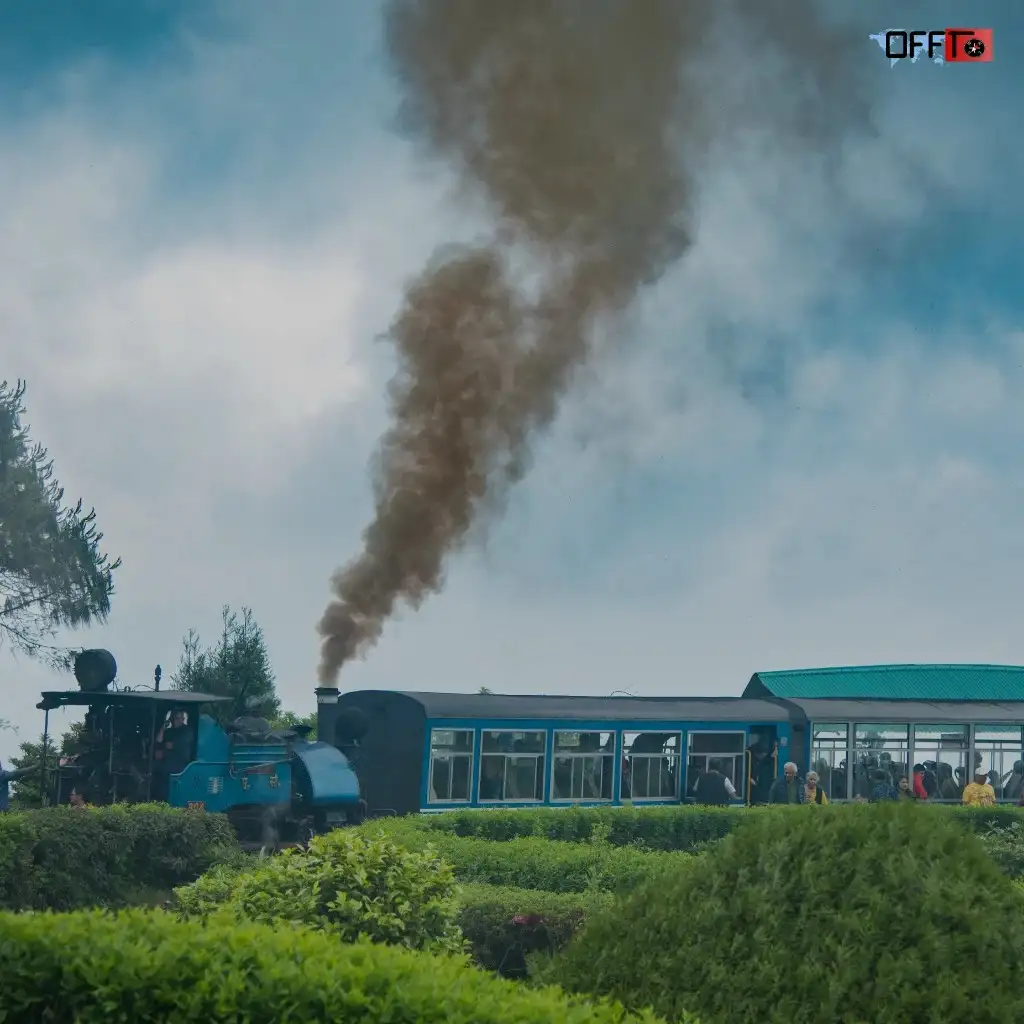
The Darjeeling Toy Train is not just a mode of transportation—it’s a historic journey that takes you through some of the most scenic landscapes in India. The train, officially known as the Darjeeling Himalayan Railway, is a UNESCO World Heritage Site and one of the oldest narrow-gauge railways in India. It travels through steep slopes, tea estates, and charming villages, offering a nostalgic ride that allows you to experience Darjeeling’s landscape in a way no other vehicle can.
- Iconic Route: The route stretches from New Jalpaiguri (NJP) to Darjeeling, passing through Batasia Loop, where the train spirals around a hill and offers panoramic views of Kanchenjunga. The ride also includes stops at quaint stations such as Ghoom, where the train climbs to one of the highest points of its journey.
- Unique Experience: The toy train is known for its steam-powered engines (though some trains use diesel now) and charming vintage carriages, making it an iconic experience that combines nostalgia with breathtaking views.
Best Season to Ride
The best time to ride the Darjeeling Toy Train is during the spring (March to May) and autumn (October to November) months, when the weather is clear, and the views are unobstructed. These seasons offer the perfect conditions for enjoying the scenic beauty of the region without the hindrance of heavy rain or fog.
- Spring (March to May): The weather is pleasant, and the views are clear, making it perfect for photography and sightseeing.
- Autumn (October to November): The air is crisp, and the skies are generally clear, providing the best visibility of the Himalayan range, including Kanchenjunga.
Winter (December to February) can be magical, but be prepared for the cold, as Darjeeling can get quite chilly, with temperatures dropping below 0°C at night. The monsoon season (June to September) is less ideal due to heavy rainfall, which can disrupt the journey and make the roads slippery.
How to Book Darjeeling Toy Train
Booking a Darjeeling Toy Train ride is relatively simple, and there are various options to choose from depending on your preferences:
1. Online Booking: You can book tickets online through the official Indian Railways website or other travel platforms that offer Toy Train services. It’s advisable to book tickets in advance, especially during the peak tourist seasons (summer and autumn).
2. Ticket Counters: If you are already in Darjeeling, you can visit the Darjeeling Himalayan Railway Station to book tickets directly. The ticket counter is located at Batasia Loop or at the Darjeeling Railway Station.
3. Tour Packages: Many travel agencies offer guided Toy Train packages that include the train ride as part of a larger sightseeing tour in Darjeeling. These packages often provide a convenient way to experience the best of Darjeeling without the hassle of planning the trip yourself.
- Cost: The cost varies depending on the type of carriage you choose—first-class, second-class, or deluxe.
How to Reach Darjeeling by Train
The nearest major railway station to Darjeeling is New Jalpaiguri (NJP), located about 70 km from Darjeeling. From NJP, you can catch the Darjeeling Toy Train to reach the hill station.
- NJP to Darjeeling: The toy train ride from NJP to Darjeeling takes about 7 to 8 hours, and it’s a slow but picturesque journey.
- Train Schedules: The toy train operates on fixed schedules, so it’s essential to check train timings and availability in advance.
Alternatively, you can take a regular train to NJP and then board the Toy Train from NJP to Darjeeling. For more flexibility and faster travel, you can also take a taxi or bus from NJP to Darjeeling, which takes about 3 hours.
UNESCO Heritage Insight
The Darjeeling Himalayan Railway, commonly known as the Toy Train, was declared a UNESCO World Heritage Site in 1999 due to its historical significance and unique construction. The railway was built during British rule in the 19th century, and its narrow-gauge design is a remarkable example of engineering that adapted to the steep and challenging terrain of Darjeeling.
- Historical Significance: The railway was initially constructed to transport goods and passengers from the plains to the hill station of Darjeeling, which was a popular retreat for British colonialists. The journey is now a heritage experience, with vintage trains, historical stations, and steam-powered engines offering a glimpse into Darjeeling’s past.
- Preservation Efforts: Efforts have been made to preserve the Toy Train as a vital piece of Darjeeling’s cultural heritage. Regular maintenance and upgrades are carried out to keep the train operating, ensuring that it remains an important aspect of the hill station’s identity.
How to Reach Darjeeling
Getting to Darjeeling is relatively straightforward, thanks to its well-connected transportation network. Whether you’re coming by air, train, or road, reaching this iconic hill station is simple and convenient.
Nearest Airport (Bagdogra)
The nearest airport to Darjeeling is Bagdogra Airport, located about 70 km away in the town of Siliguri. Bagdogra is well-connected to major cities like Kolkata, Delhi, and Mumbai via regular flights.
- From Bagdogra to Darjeeling: After landing at Bagdogra, you can hire a taxi or take a shared jeep to reach Darjeeling. The journey takes around 3 to 4 hours by road. The route passes through scenic tea gardens and small villages, offering a glimpse of the picturesque surroundings.
Nearest Railway Station (NJP)
The nearest railway station to Darjeeling is New Jalpaiguri (NJP), situated about 70 km from the hill station. NJP is well-connected to major cities in India, including Kolkata, Delhi, and Mumbai.
- From NJP to Darjeeling: After arriving at NJP, you can take a toy train, taxi, or shared jeep to reach Darjeeling. The journey from NJP to Darjeeling by car takes about 3 hours, and the scenic ride offers plenty of photo opportunities.
How to Reach Darjeeling by Train
As mentioned earlier, Darjeeling’s toy train departs from New Jalpaiguri and takes about 7-8 hours to reach Darjeeling. The Darjeeling Himalayan Railway (Toy Train) is a slow but scenic journey, providing passengers with stunning views of the surrounding mountains and valleys.
Alternatively, you can take a regular train from any major station to New Jalpaiguri, then board the Toy Train from there.
Road Route Insights
- From Bagdogra to Darjeeling: The road journey from Bagdogra to Darjeeling takes around 3-4 hours, and taxis or shared jeeps are easily available at the airport.
- From Kolkata: The road trip from Kolkata to Darjeeling takes approximately 16 hours, covering a distance of around 600 km. It’s best to hire a taxi or use a private vehicle for convenience.
Travel Time by Season
- Winter (December to February): During winter, the roads may be foggy and icy, which can slow down travel time. It’s recommended to check weather forecasts and road conditions before heading out.
- Monsoon (June to September): During the monsoon season, the roads may be slippery, and landslides are a risk. Travel times can increase due to frequent delays.
- Summer (March to May) and Autumn (October to November): These months are ideal for traveling to Darjeeling. The weather is clear and the roads are in good condition, ensuring smooth travel.
What Is Special About Darjeeling?
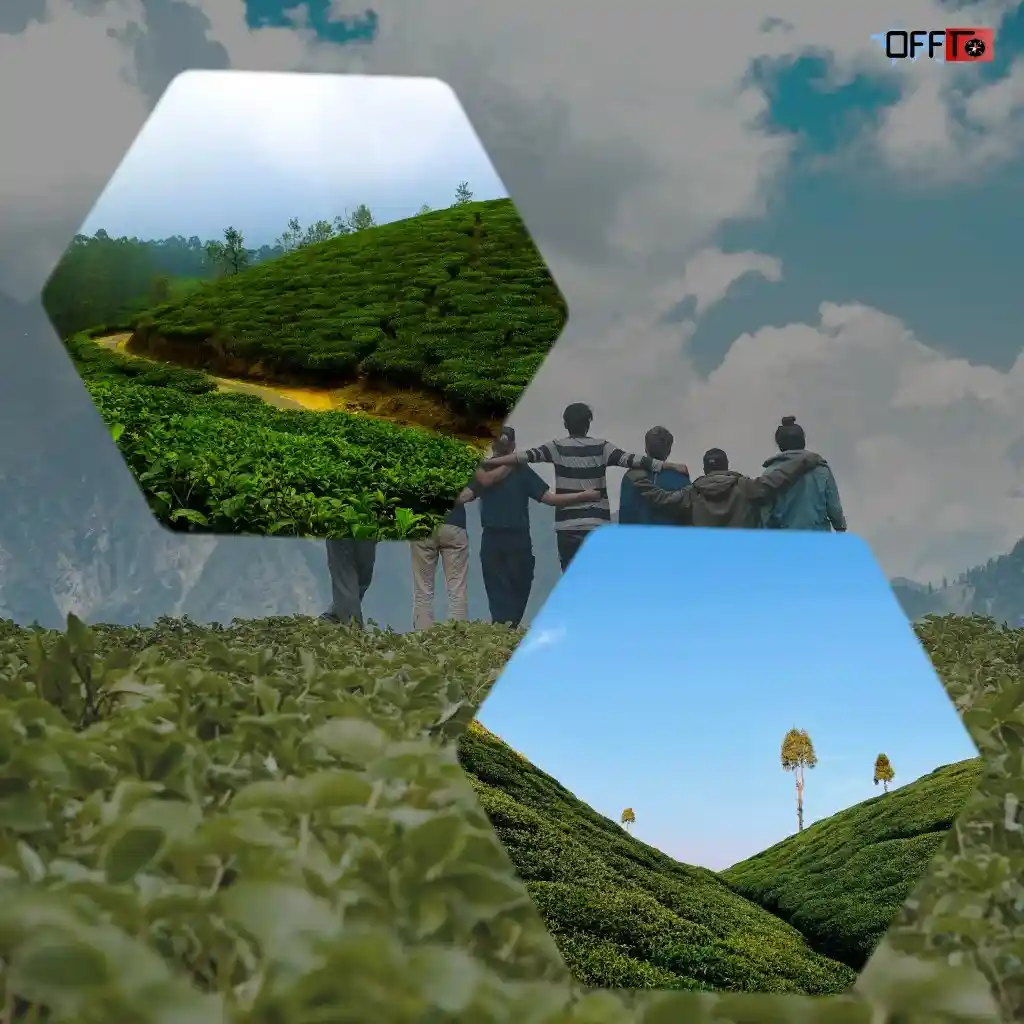
Darjeeling is a unique hill station that offers much more than just its scenic beauty. From its world-famous tea to its colonial charm, Tibetan culture, and the awe-inspiring Kanchenjunga views, the town has something special for everyone. Here’s what makes Darjeeling stand out:
Tea Heritage
Darjeeling is often called the “Champagne of teas” because of its famous Darjeeling Tea, which is produced in the surrounding tea estates. The cool climate and fertile soil of the Himalayan foothills create the perfect conditions for growing this exceptional tea, which is prized worldwide for its delicate flavor and aroma. A visit to one of Darjeeling’s tea estates like Happy Valley Tea Estate or Glenburn Tea Estate is a must for tea lovers, where you can learn about the tea production process, sample different varieties, and even purchase fresh Darjeeling Tea directly from the source.
Kanchenjunga Sunrise
One of the most special experiences in Darjeeling is witnessing the sunrise over Kanchenjunga. The third-highest mountain in the world, Kanchenjunga, towers above Darjeeling, and the view of the sun rising over this majestic peak is nothing short of magical. The best spot for this experience is Tiger Hill, where you can watch the mountain bathed in golden light as the first rays of the sun hit its snow-capped peaks. The sight is unforgettable and is one of the primary reasons many people visit Darjeeling.
Colonial Architecture
Darjeeling retains its colonial-era charm in its architecture, with British-era buildings and old churches dotted throughout the town. The Darjeeling Himalayan Railway, known as the Toy Train, is one of the most famous historical remnants from the British era and is a UNESCO World Heritage site. Strolling along Mall Road or visiting the Batasia Loop and Ghoom Monastery will give you a glimpse of Darjeeling’s colonial past, with buildings that have an old-world charm and a sense of nostalgia.
Tibetan & Nepali Culture
Darjeeling is a melting pot of cultures, especially Tibetan and Nepali. The town is home to a significant Tibetan community, which has influenced its culture, food, and architecture. You’ll find Buddhist monasteries such as the Yiga Choeling Monastery, where you can experience Tibetan rituals and prayer flags fluttering in the wind. Darjeeling’s vibrant Nepali culture is also seen in its festivals, markets, and cuisine, offering a unique cultural blend that’s distinct from other hill stations in India.
- Must-See Cultural Spots: Tibetan Refugee Self-Help Centre, Mahakal Temple, and St. Andrew’s Church.
Unique Himalayan Atmosphere
Darjeeling is one of the most picturesque hill stations in India, offering a distinct Himalayan atmosphere. The town’s location at an altitude of 2,050 meters ensures cool, crisp air year-round, along with breathtaking views of the Himalayan mountain range. The misty mornings, tea gardens, rolling hills, and lush forests add to the tranquility, creating an atmosphere that is both peaceful and awe-inspiring. The cool weather and fresh mountain air make Darjeeling a rejuvenating destination.
What Is Famous to Buy in Darjeeling?

Darjeeling is not just a visual treat but also a shopper’s paradise. The local markets are filled with unique, handcrafted items that represent the region’s rich cultural heritage. Here’s what you must buy when visiting Darjeeling:
Darjeeling Tea
The most famous product to buy in Darjeeling is, of course, Darjeeling Tea. The loose-leaf tea produced here is renowned worldwide for its distinct, delicate flavor. You can visit one of the local tea estates and purchase freshly packed tea or pick up a few packs from the local markets or specialty shops. Whether it’s black tea, green tea, or white tea, Darjeeling’s tea is a must-have souvenir for tea enthusiasts.
- Where to Buy: Happy Valley Tea Estate, Glenburn Tea Estate, and Mall Road.
Handcrafted Woolens
Darjeeling’s chilly weather makes it the perfect place to buy handcrafted woolens. From scarves and shawls to sweaters and gloves, the woolens here are made from local wool and are available in various styles and colors. These products are not only functional but also make for great souvenirs that reflect the town’s craftsmanship.
- Where to Buy: Local markets like Chowrasta, Mall Road, and Lal Bazar offer a wide variety of handcrafted woolens.
Tibetan Artifacts
Tibetan influence is prevalent in Darjeeling, and one of the best things to buy is Tibetan artifacts. From hand-painted prayer wheels and Tibetan statues to thangkas (traditional Tibetan scroll paintings), these items make for unique cultural keepsakes. These artifacts represent Darjeeling’s deep connection with Tibetan culture and Buddhism.
- Where to Buy: Visit the Tibetan Refugee Self-Help Centre or markets around Mahakal Temple and Chowrasta for high-quality Tibetan items.
Local Souvenirs
Darjeeling is also known for its unique local souvenirs, such as handmade paper, wooden carvings, Tibetan jewelry, and Nepali handicrafts. These small keepsakes make for great gifts or mementos of your time in the hill station. Additionally, you can find local handicrafts like ceramics, paintings, and wooden masks, which reflect the rich local culture.
- Where to Buy: The Chowrasta market, Mall Road, and Lal Bazar are perfect for finding local souvenirs.
Ideal Darjeeling Tour Package Duration
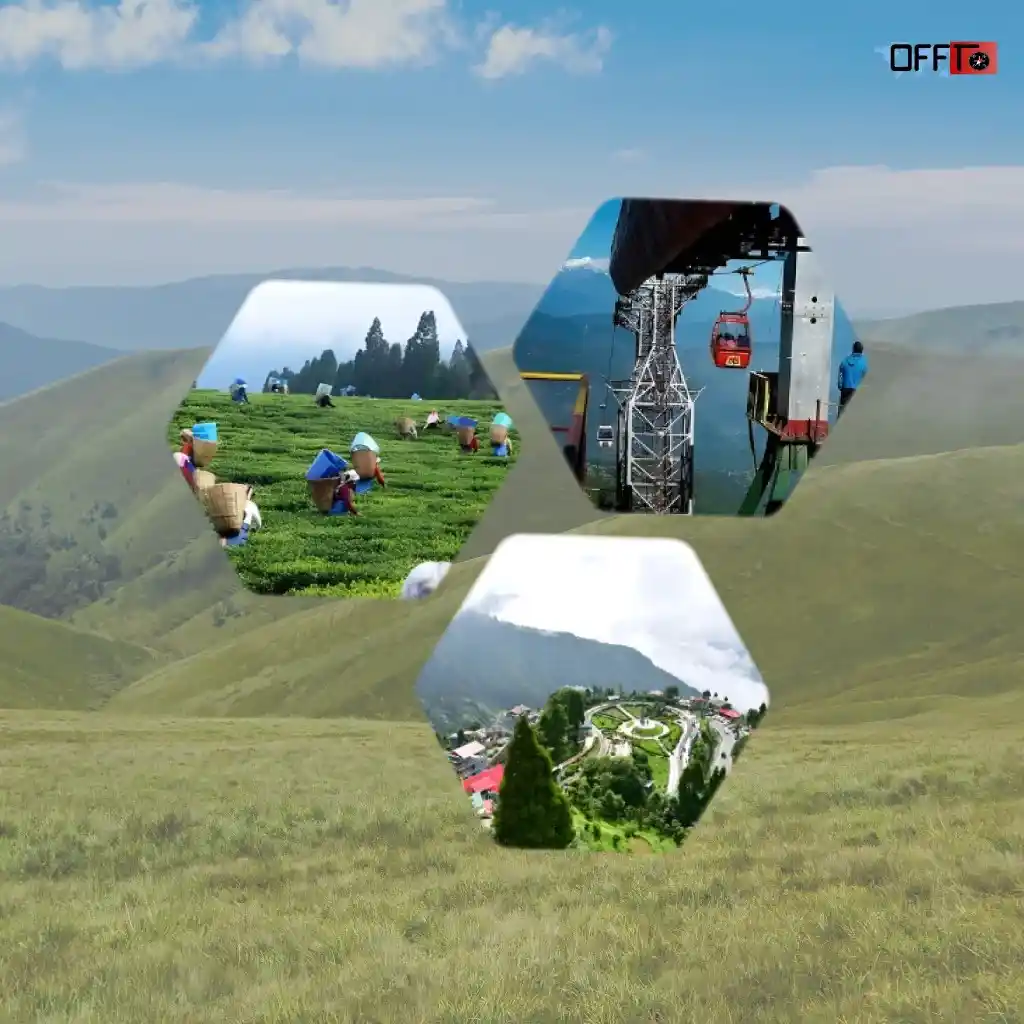
Darjeeling offers a variety of attractions, and depending on the time you have available, you can customize your stay. Here’s a breakdown of ideal tour durations to help you plan your trip.
2-Day Itinerary
- Day 1: Arrival in Darjeeling, Toy Train ride, visit Batasia Loop and War Memorial, explore Mall Road, visit Peace Pagoda.
- Day 2: Sunrise at Tiger Hill, visit Himalayan Mountaineering Institute, stroll through Lloyd’s Botanical Garden, and relax at the tea estates.
This quick itinerary covers the highlights of Darjeeling and is ideal for those on a short trip.
3-Day Relaxed Itinerary
- Day 1: Arrive in Darjeeling, visit Batasia Loop, explore Mall Road, Tibetan Refugee Self-Help Centre, and Peace Pagoda.
- Day 2: Visit Tiger Hill for sunrise, visit Darjeeling Himalayan Railway (Toy Train), and relax at Lloyd’s Botanical Garden.
- Day 3: Explore Kanchenjunga Viewpoint, visit Tibetan monasteries, and shop at Chowrasta and Lal Bazar.
This itinerary offers a balanced mix of sightseeing and relaxation, with plenty of time for shopping and leisure.
4-Day Immersive Plan
- Day 1: Arrive in Darjeeling, enjoy the Toy Train ride, visit Batasia Loop and War Memorial, and shop at Mall Road.
- Day 2: Sunrise at Tiger Hill, visit Himalayan Mountaineering Institute, and take a leisurely walk through Lloyd’s Botanical Garden.
- Day 3: Explore Tea Estates, visit Tibetan monasteries, and spend the evening relaxing at Peace Pagoda.
- Day 4: Visit Kanchenjunga Viewpoint, take a sunset stroll around Chowrasta, and explore local markets for souvenirs.
This immersive itinerary gives you ample time to enjoy the cultural and natural beauty of Darjeeling while experiencing everything the hill station has to offer.
Seasonal Adjustment Tips
- Winter (December to February): If visiting in winter, plan for shorter days due to early sunsets. Be prepared for cold weather, especially at higher altitudes.
- Monsoon (June to September): Avoid long trekking routes due to rainfall and slippery paths. Short sightseeing trips are ideal, and you can enjoy Darjeeling’s lush greenery.
- Summer (March to May): Ideal for longer trips with plenty of outdoor activities, such as trekking and tea estate tours.
Season | Weather | Crowd Level | Best For |
Spring (March to May) | Pleasant, mild temperatures | High | Sightseeing, exploring tea gardens, photography, and outdoor activities. Ideal for clear views of Kanchenjunga and mild temperatures. |
Summer (May to June) | Cool and comfortable | Peak | Family trips and leisure travel. Perfect for enjoying Darjeeling’s pleasant climate away from the heat of the plains. |
Monsoon (June to September) | Heavy rainfall, lush greenery | Low | Green landscapes, photography, and tranquility. Fewer crowds, but travel can be tricky due to rain. Ideal for nature lovers who appreciate the misty, monsoon atmosphere. |
Autumn (October to November) | Clear skies, crisp weather | Moderate | Photography and clear views of Kanchenjunga. This season is perfect for capturing the vibrant fall foliage and the breathtaking views of the Himalayas. |
Winter (December to February) | Cold with potential snowfall | Low | Honeymoon and quiet travel. Ideal for couples and those seeking solitude in a winter wonderland. Snow is a rare but magical treat, especially around Tiger Hill and Ghum. |
Darjeeling offers something special every season, but spring and autumn are particularly popular due to their pleasant weather and clear views of Kanchenjunga. If you prefer fewer crowds, monsoon provides lush landscapes, while winter offers a romantic retreat with the potential for snowfall. Summer is perfect for family trips seeking a cool escape from the heat.
FAQs
What is the best month to visit Darjeeling?
The best months to visit Darjeeling are March to May and October to December. These months offer pleasant weather, clear skies, and spectacular views of Kanchenjunga. Spring and autumn bring mild temperatures, making it ideal for sightseeing, outdoor activities, and photography.
Does it snow in Darjeeling every year?
Snowfall in Darjeeling is rare but possible, typically occurring in December and January. The snowfall is usually light and confined to higher altitudes like Tiger Hill and Ghum. While it’s not guaranteed, you can occasionally experience a light dusting of snow, especially during cold spells.
Is Darjeeling crowded in summer?
Yes, summer (March to June) is the peak tourist season in Darjeeling, and the town gets relatively crowded. Families, honeymooners, and tourists from across India visit during this time to escape the heat. Expect busy tourist spots, especially in popular locations like Mall Road and Tiger Hill.
When can you see Kanchenjunga clearly?
The best time to see Kanchenjunga clearly is in autumn (October to November), when the skies are crisp and free of clouds. Spring (March to May) also offers clear views of the majestic mountain. For the clearest visibility, visit early in the morning during these seasons for stunning sunrise views.
How many days are enough for Darjeeling?
A 2 to 3-day itinerary is sufficient to explore the major attractions in Darjeeling, including Tiger Hill, Batasia Loop, Toy Train rides, and tea estates. If you wish to explore nearby spots like Kalimpong or Mirik Lake, consider extending your stay to 4 days for a more relaxed experience.
Is Darjeeling good in monsoon?
While Darjeeling is beautiful during the monsoon (June to September), it can be challenging due to heavy rainfall, slippery roads, and occasional landslides. If you prefer lush greenery and fewer crowds, it can still be a good time for a peaceful retreat, but be prepared for wet weather and potential travel disruptions.
What is the coldest month in Darjeeling?
The coldest month in Darjeeling is typically January, with temperatures often dropping below 0°C at night. This is when Darjeeling experiences its coldest temperatures and occasional snowfall. Daytime temperatures are also chilly, making it ideal for those seeking a winter experience
Is Darjeeling good for honeymoon?
Yes, Darjeeling is a fantastic honeymoon destination, offering a romantic and serene atmosphere with picturesque views of Kanchenjunga, misty mornings, and charming colonial architecture. Autumn and spring are the best seasons for a honeymoon, offering pleasant weather and fewer crowds.
How to book Darjeeling Toy Train?
You can book the Darjeeling Toy Train tickets online via the Indian Railways website or visit the Darjeeling Himalayan Railway Station in person. The toy train operates on fixed schedules, and it’s advisable to book in advance, especially during peak tourist seasons.
What is Darjeeling famous for?
Darjeeling is famous for its tea estates, producing the world-renowned Darjeeling Tea. The town is also known for its Toy Train ride, stunning views of Kanchenjunga, colonial architecture, and rich Tibetan and Nepali culture. It’s a perfect blend of natural beauty, history, and culture.
Know more >>>
Tirthan Valley Travel Guide – Treks, Stay & Best Time to Visit
Best Hill Station in India – Highest & Most Beautiful Places
A Quick Personal Note — What Darjeeling Really Feels Like
Visiting Darjeeling feels like stepping into a timeless world, where the fresh mountain air fills your lungs, and the misty mornings make everything feel calm and still. The cool breeze from the Himalayas brushes against your face as you stroll through its winding streets, lined with colonial-era buildings and vibrant markets. The sound of the Toy Train clinking along the tracks in the distance is almost like a lullaby, drawing you further into the town’s charm. As you reach Tiger Hill to witness the sunrise, the world feels like it’s standing still — the first light of day illuminating the towering Kanchenjunga, the third-highest mountain in the world, is an experience that stays with you long after you leave.
Darjeeling is not just a destination; it’s an emotion—a feeling of peace and nostalgia, of cool mornings spent sipping fresh tea from the estates that dot the landscape. It’s the perfect blend of serene Himalayan beauty, the warmth of Tibetan and Nepali culture, and the hum of a town steeped in history. Every corner of Darjeeling has a story to tell, and every visit is a new chapter in that unfolding story. It’s a place where you can truly disconnect from the hustle of life, letting nature and the calm rhythm of the town take over your senses.
Plan Your Darjeeling Trip with Offto Travellers
Planning your Darjeeling getaway is made easy with Offto Travellers, offering you everything you need to make the most of your trip. We go beyond simply booking your stay; we ensure that your experience is personalized, stress-free, and filled with unforgettable memories.
Discover Real Traveler Stories
Get inspired by the experiences of other travelers who have ventured to Darjeeling. Through authentic reviews and shared itineraries, you can explore real stories from those who have immersed themselves in the beauty and culture of this hill station. Let their journeys guide you as you plan your own.
Save Darjeeling Itineraries
With Offto Travellers, you can save your favorite Darjeeling itineraries. Whether you’re looking for a short weekend getaway or an immersive week-long trip, you can access curated itineraries tailored to your interests, helping you plan your perfect trip without missing any essential experiences.
Compare Stays & Tour Packages
Not sure where to stay? Offto helps you compare the best stays and tour packages in Darjeeling, ensuring that you find the accommodation and experience that best suits your budget and preferences. Whether you prefer a luxurious hilltop resort, a charming heritage homestay, or a cozy tea estate bungalow, Offto has options to meet every need.
Connect with Fellow Travelers
One of the joys of traveling is meeting like-minded people. With Offto, you can connect with fellow travelers—share tips, discover new experiences, and even plan group activities. Whether you’re traveling solo or with a group, our community is here to enhance your journey.
Book Hotels, Activities & Curated Trips
Take the hassle out of travel planning. Offto allows you to book your stay, activities, and curated trips with ease. From treks in the Himalayas to a sunrise visit at Tiger Hill, we offer an array of experiences that cater to all types of travelers. Customize your trip to include the must-see attractions and hidden gems, all seamlessly integrated with your accommodation.
Planning your Darjeeling trip with Offto Travellers ensures that you get the best out of your time in this magical hill station, with personalized recommendations, convenient bookings, and a wealth of resources at your fingertips. Your dream trip is just a click away—book today and let Offto handle the rest.
Best experienced on the Offto Travellers app
Get the Offto app to explore travel stories, share your own journeys, connect with travellers, and book trips—all in one place.
Play StoreApp Store
Leave a Reply