
The best time to visit Coorg is from October to March, when the weather is cool, scenic, and ideal for sightseeing, coffee plantation visits, and outdoor experiences. Monsoon (June–September) transforms Coorg into a lush green paradise but may limit travel plans due to heavy rain. Summer is pleasant and less crowded, making it suitable for relaxed trips.
Coorg in a Nutshell (Why Timing Matters)
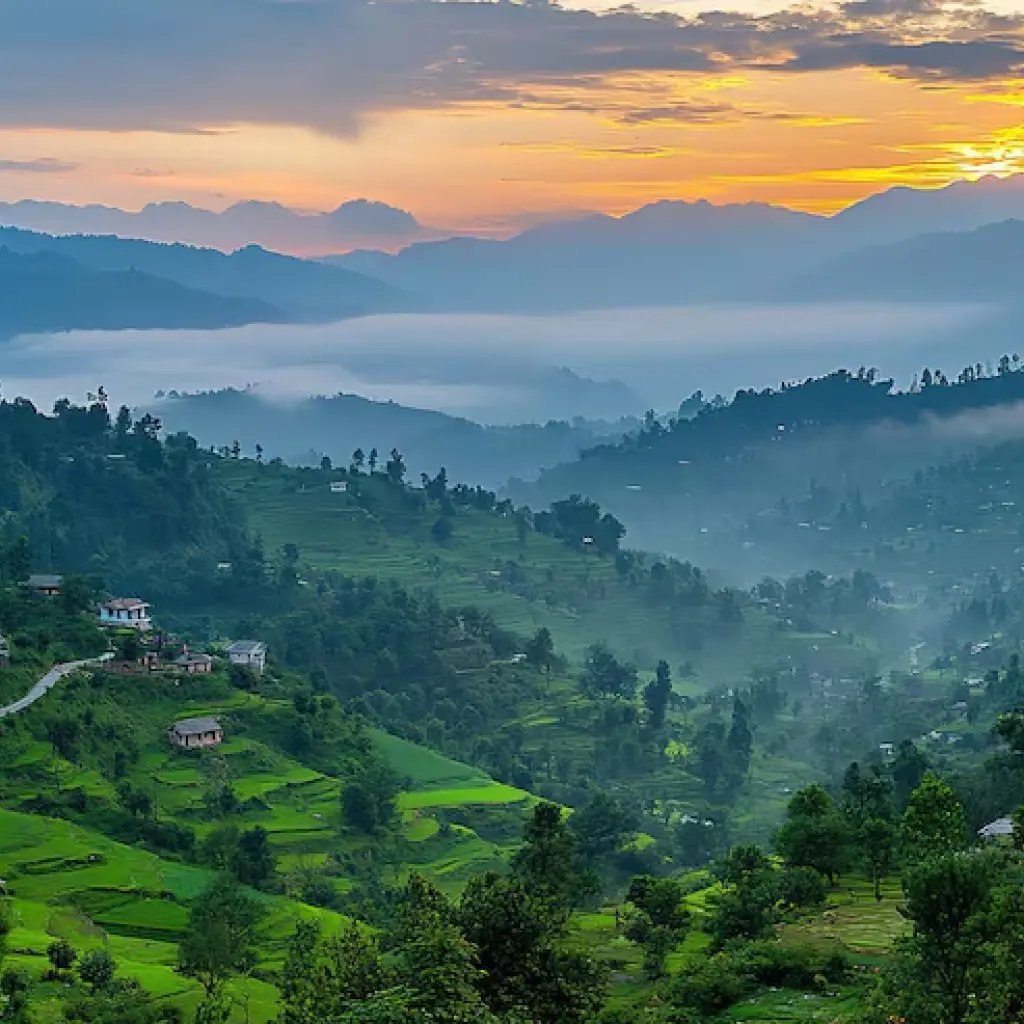
Coorg—also known as Kodagu—is one of those rare hill destinations that feels different depending on when you arrive. Tucked into the Western Ghats of Karnataka, it’s loved for its rolling coffee plantations, forested hills, misty mornings, and an unhurried pace that contrasts sharply with city life. But unlike many hill stations that feel predictable year-round, Coorg’s personality shifts noticeably with the seasons.
What makes Coorg so popular is not just its scenery, but the way nature sets the rhythm of travel here. A winter trip might feel crisp, calm, and scenic—perfect for sightseeing and long walks through plantations. Visit during the monsoon, and the same landscape turns dramatic and deeply immersive, with waterfalls roaring to life and clouds sitting low over the hills. Even summer, often overlooked, offers a quieter and more relaxed version of Coorg, especially for those escaping city heat.
This is why timing matters more in Coorg than people often realize. The weather doesn’t just influence what you see—it shapes how you experience the destination. Road conditions, visibility, outdoor activities, crowd levels, and even where you choose to stay can vary significantly based on the season. A traveler visiting for photography, for example, may fall in love with the monsoon mist, while families often prefer the predictability and comfort of winter.
Choosing the right season can completely change your trip. The same itinerary may feel rushed in heavy rain or effortlessly smooth under clear skies. Cafés, viewpoints, treks, and plantation walks all feel different depending on humidity, rainfall, and temperature. Understanding this upfront helps you plan smarter—aligning your expectations with what Coorg actually offers at that time of year.
In short, Coorg isn’t a destination you visit “anytime.” It’s a place best enjoyed when your travel style, comfort level, and interests match the season you choose.
Understanding Coorg Climate Before You Plan
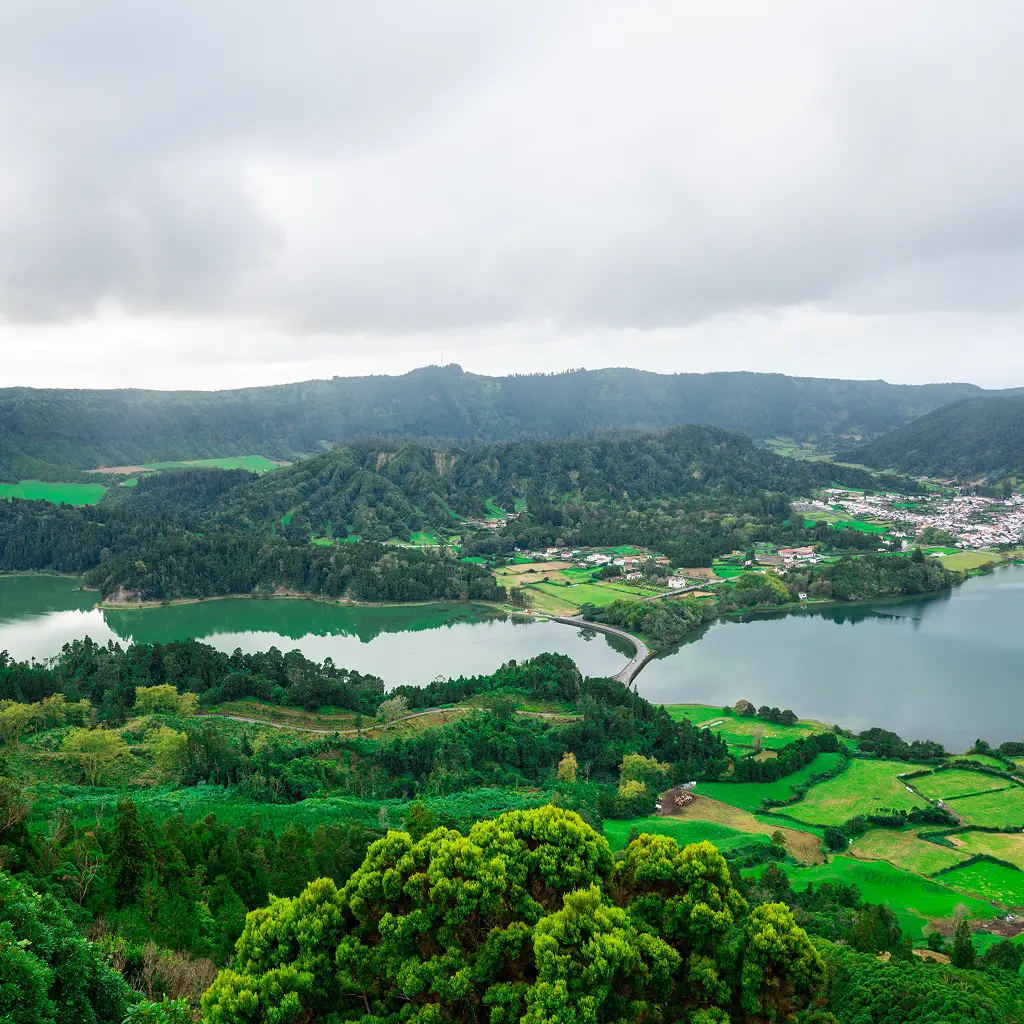
Before deciding the best time to visit Coorg, it helps to understand its overall climate. Situated at an average altitude of around 900–1,200 meters above sea level, Coorg enjoys a milder climate compared to much of South India. However, its location in the Western Ghats also means it receives substantial rainfall and experiences frequent mist, especially during certain months.
Year-Round Temperature Patterns
The temperature in Coorg remains relatively moderate throughout the year. Summers are warm but rarely extreme, winters are cool and pleasant, and even during peak daylight hours, the hill climate offers relief compared to nearby cities like Bengaluru or Mysuru.
- Summer (March to May): Daytime temperatures generally range between 20°C and 30°C. Evenings are cooler, making outdoor activities comfortable.
- Winter (October to February): Temperatures can drop to 10–15°C at night, especially in higher areas. Days remain sunny and cool, ideal for sightseeing.
- Monsoon (June to September): Temperatures stay mild, but cloud cover and rain dominate the experience rather than heat.
This consistency in temperature is one reason Coorg works well for slow travel, regardless of season—provided you’re comfortable with rain when it arrives.
Rainfall Expectations
Rainfall is the most defining factor of the Coorg climate. The region receives heavy monsoon showers, primarily between June and September, transforming the landscape into a lush green expanse.
Monsoon rain brings life to Coorg’s rivers, waterfalls, and forests, but it can also affect travel plans. Landslides, slippery roads, and limited visibility are not uncommon during peak rainfall weeks. While the rain enhances natural beauty, it may restrict sightseeing and outdoor movement on certain days.
For travelers who enjoy dramatic landscapes and don’t mind slower days indoors, the monsoon can be deeply rewarding. For others, especially those on short trips, rainfall can feel limiting.
Humidity and Mist Conditions
Humidity levels in Coorg rise during the monsoon and linger into early autumn. Combined with frequent mist, this creates the signature “foggy hill station” atmosphere Coorg is known for.
Misty mornings are common from June through October, especially in higher-altitude areas and plantation zones. While this reduces visibility at viewpoints early in the day, it also adds to Coorg’s charm—softening landscapes and creating a calm, almost cinematic feel.
During winter, humidity drops noticeably, and mist usually clears by mid-morning, making it a favorite season for photographers and first-time visitors.
How Altitude Influences Weather
Altitude plays a subtle but important role in Coorg’s weather patterns. Areas at higher elevations tend to be cooler, receive more mist, and feel fresher throughout the day. Lower regions are slightly warmer and clearer, especially outside the monsoon months.
This variation is why accommodation choice matters. A hilltop stay might feel magical in winter but isolating during heavy rains. Plantation stays at mid-altitude often offer a balanced experience across seasons, combining comfort with scenic views.
Understanding the Coorg climate before you plan helps set realistic expectations. Once you know how temperature, rainfall, humidity, and altitude interact, choosing the best time to visit Coorg becomes far easier—and your trip becomes far more rewarding.
Best Time to Visit Coorg (Season-by-Season Guide)
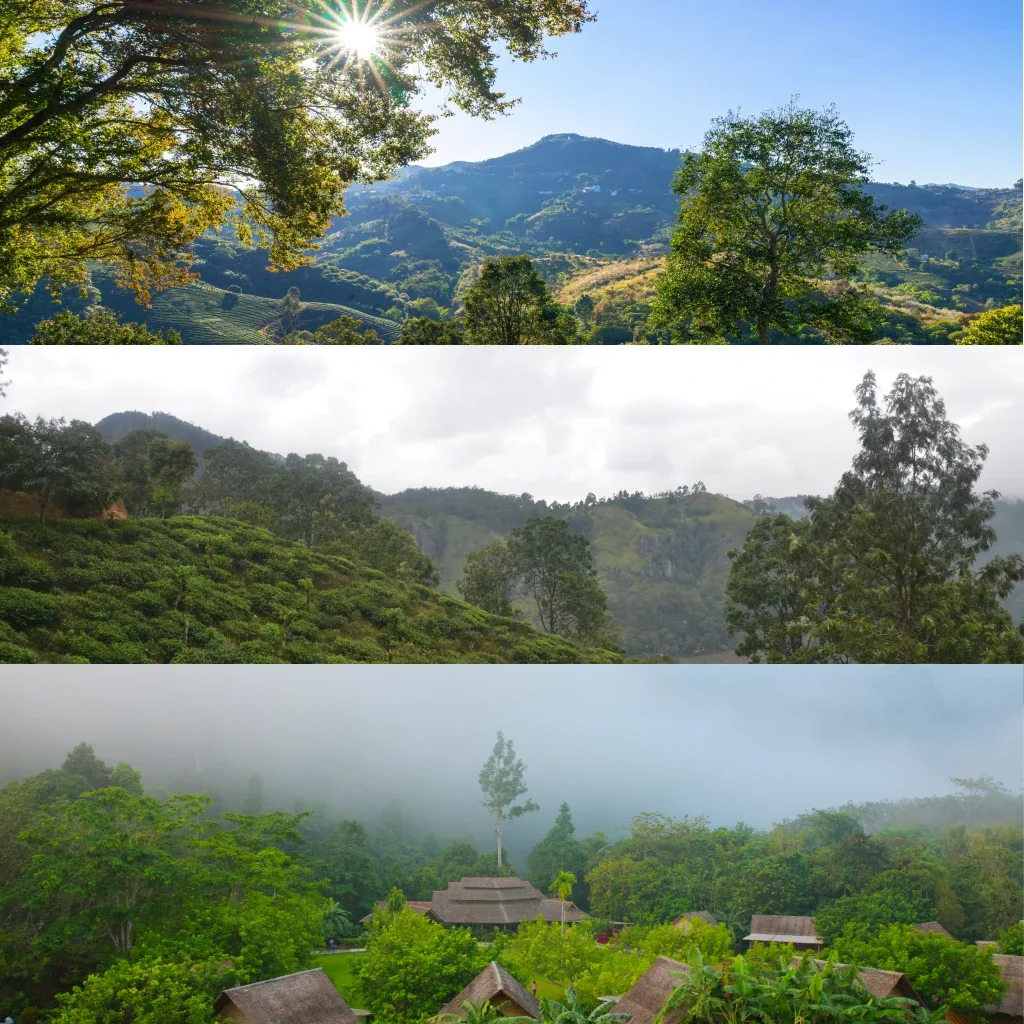
The best time to visit Coorg depends largely on how you like to travel. Each season offers a distinct version of the region—shaped by weather, crowd levels, and the overall pace of life. Understanding these seasonal differences helps you align your expectations with the experience you want, whether that’s scenic sightseeing, quiet downtime, or immersive nature.
Coorg in Winter (October to March) — Peak Travel Season
Winter is widely considered the best season to visit Coorg, and for good reason. The monsoon rains have washed the landscape clean, the skies are clearer, and the air feels fresh and crisp. This period brings Coorg to its most balanced and accessible state.
Why winter stands out
- Comfortable daytime temperatures with cool evenings
- Clearer views at viewpoints and coffee plantations
- Smooth road conditions and easy inter-district travel
This is the season when Coorg feels effortlessly scenic. Mornings often begin with light mist that lifts by mid-day, revealing green hills and orderly plantations. Outdoor plans are easier to execute, making winter ideal for first-time visitors.
Ideal for sightseeing and nature walks
Most popular attractions—waterfalls, temples, viewpoints, and forest areas—are easily accessible during winter. Nature walks through coffee estates are particularly enjoyable, as humidity is low and trails are dry.
Perfect weather for couples & families
Winter offers predictability, which families appreciate, and a calm, romantic atmosphere that couples gravitate toward. Cafés, homestays, and resorts are fully operational, and evenings are perfect for relaxed conversations, bonfires, or quiet walks.
The only trade-off is crowd density. Being peak season, popular weekends and holidays can feel busy, especially from December to early January.
Coorg in Summer (March to May) — Pleasant & Crowd-Free
Summer in Coorg is often underestimated. While many assume hill destinations lose charm during warmer months, Coorg remains surprisingly pleasant due to its elevation and forest cover.
Mild temperatures compared to cities
While nearby cities experience intense heat, Coorg stays relatively comfortable. Daytime temperatures are warm but manageable, and evenings bring natural cooling—especially in plantation and hill-facing stays.
Great for relaxed travel
This season suits travelers who prefer slower days and fewer crowds. Cafés are quieter, roads are clearer, and popular spots feel less rushed. It’s an excellent time for long stays, workcations, or simply unwinding in nature without a packed itinerary.
Better hotel pricing
One of summer’s biggest advantages is value. Many resorts and homestays offer better pricing compared to winter. Availability is higher, and upgrades are more likely, making it ideal for budget-conscious travelers who still want quality experiences.
Summer may not deliver dramatic scenery, but it offers comfort, space, and calm—qualities many travelers actively seek.
Coorg in Monsoon (June to September) — Lush but Moody
Monsoon is the most visually striking yet unpredictable season in Coorg. Heavy rainfall transforms the region into a deep green landscape, but it also demands flexibility and patience.
Waterfalls at full strength
This is when Coorg’s waterfalls are at their most powerful. Rivers swell, forests thicken, and the region feels alive. For nature lovers, this is Coorg at its rawest.
Dramatic landscapes
Low clouds, persistent mist, and rain-soaked hills create a moody, immersive atmosphere. Visibility may be limited, but the sensory experience—sound of rain, smell of wet earth, quiet surroundings—is unmatched.
Travel precautions
Monsoon travel requires planning. Landslides, slippery roads, and sudden showers can disrupt plans. Sightseeing may need to be flexible, and driving requires caution, especially in remote areas.
Who should visit during monsoon
This season is best suited for:
- Slow travelers
- Photographers drawn to mist and texture
- Couples seeking privacy and introspection
- Travelers comfortable with changing plans
Monsoon isn’t ideal for rushed itineraries, but for the right traveler, it offers a deeply rewarding experience.
Best Month to Visit Coorg (Month-by-Month Breakdown)
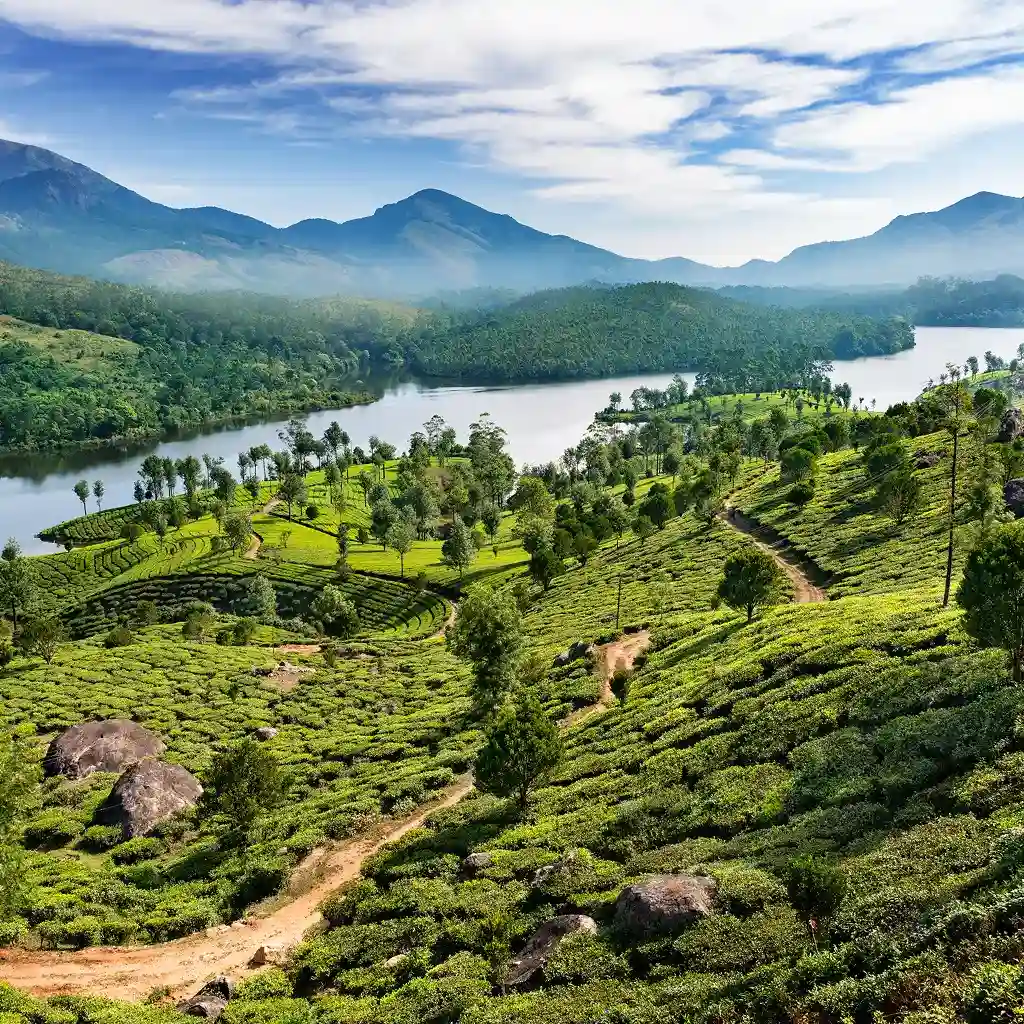
For travelers looking for a quick, decision-friendly answer, this breakdown highlights how each period feels on the ground. This helps identify the best month to visit Coorg based on comfort, scenery, and travel goals.
Month Range | Weather | Travel Experience |
January – February | Cool & crisp | Ideal for sightseeing, plantation walks, and outdoor exploration |
March – May | Pleasant & warm | Great for short trips, relaxed stays, and budget-friendly travel |
June – September | Heavy rains | Best for lush greenery, waterfalls, and slow, immersive travel |
October – December | Fresh & scenic | Perfect balance of greenery, clear weather, and comfortable temperatures |
If you’re visiting for the first time, October to February offers the safest and most versatile experience. If you’re returning or prefer quiet, introspective travel, summer and monsoon months can be just as fulfilling—when planned with the season in mind.
How Many Days Are Enough for Coorg?
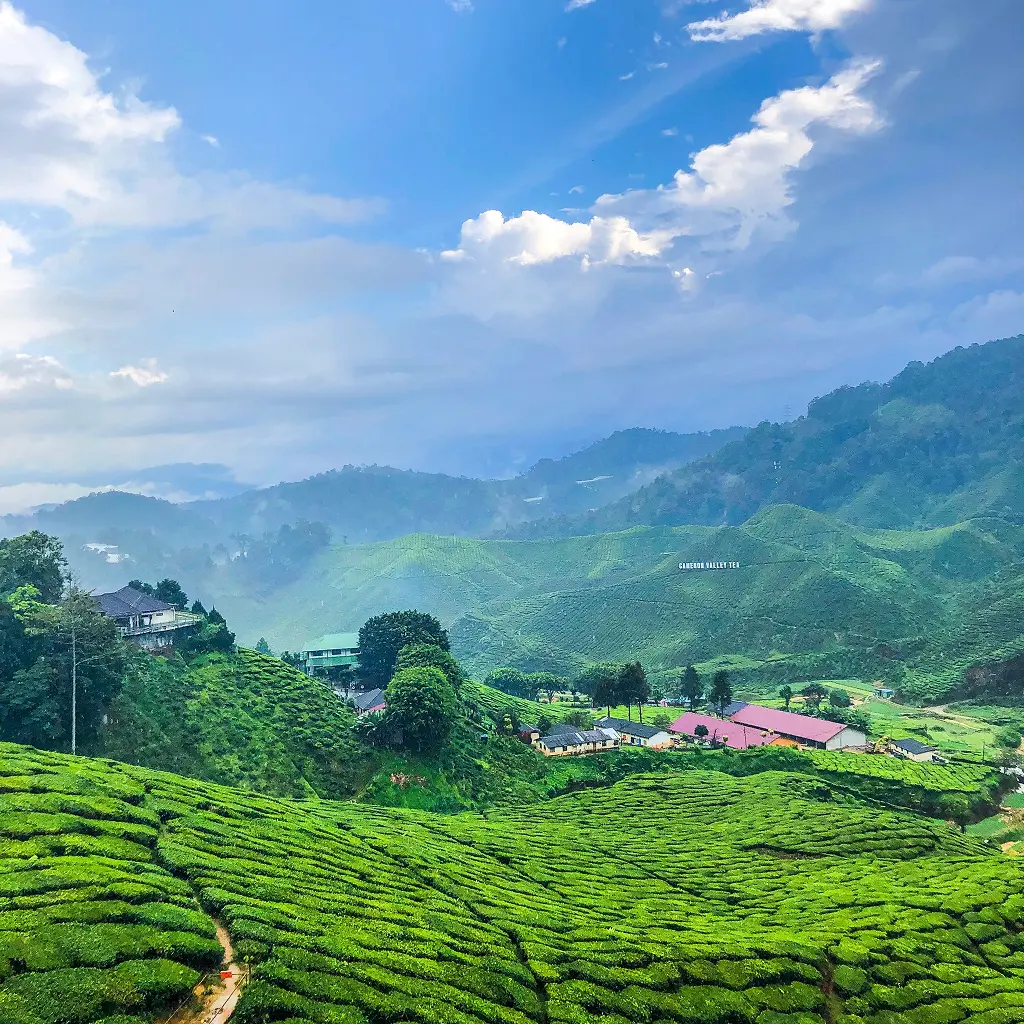
The ideal number of days in Coorg depends less on how many attractions you want to “cover” and more on how you want the destination to feel. Coorg is not a checklist-driven hill station. It’s a place where the pace slows naturally—and your itinerary should reflect that.
Ideal Duration: 2–3 Days
For most travelers, 2 to 3 days are enough for Coorg to experience its highlights without feeling rushed.
A short trip allows you to:
- Explore coffee plantations and viewpoints
- Visit a few key attractions comfortably
- Enjoy relaxed evenings at your stay
- Absorb the region’s calm without overplanning
This duration works especially well for weekend travelers from Bengaluru, Mysuru, or nearby cities. With smart pacing, Coorg feels refreshing rather than exhausting.
Who May Prefer Longer Stays
Some travelers benefit from staying longer—4 to 6 days or more—especially if the goal is rest rather than sightseeing.
Longer stays make sense if you:
- Want a slow, nature-first experience
- Are traveling during the monsoon when movement is limited
- Prefer staying at a plantation resort or homestay
- Are on a workcation or creative break
Coorg rewards unstructured time. Many visitors find that the longer they stay, the less they feel the need to “do” anything—and that’s often the point.
Sample Pacing Guidance
Instead of planning day-by-day attractions, think in terms of energy.
- Day 1: Arrival, short exploration, café visit, relaxed evening
- Day 2: One or two key outings (plantations, viewpoints, waterfalls), rest in between
- Day 3: Slow morning, local shopping, scenic drive, departure
This pacing keeps the trip balanced. Overloading days often leads to spending more time on roads than enjoying the surroundings—something Coorg doesn’t lend itself well to.
In short, Coorg feels best when you give it breathing room. Even a short stay can be deeply satisfying if the days are left intentionally open.
Best Time to Visit Coorg With Family

When traveling with family, timing becomes especially important. Comfort, safety, and ease of movement matter more than dramatic scenery. Choosing the best time to visit Coorg with family ensures the trip feels smooth, enjoyable, and stress-free for everyone.
Safest Seasons for Family Travel
October to March is the safest and most family-friendly period to visit Coorg. Weather conditions are stable, roads are in good shape, and most attractions are easily accessible.
This season reduces the risk of:
- Travel delays due to rain
- Slippery pathways and poor visibility
- Sudden itinerary changes
Families traveling with elderly members or young children benefit from this predictability.
Weather Comfort for All Age Groups
Winter in Coorg offers a comfortable climate across generations. Days are cool but sunny, and nights are pleasantly chilly without being harsh. This makes outdoor activities manageable for children and seniors alike.
Even summer months (March to May) remain tolerable, especially compared to urban heat. Staying in shaded plantation areas or hill-facing accommodations keeps temperatures comfortable.
Kid-Friendly Travel Months
Families with children usually enjoy Coorg most during:
- October to February for outdoor exploration
- March to April for quieter stays and better accommodation availability
During these months, kids can enjoy open spaces, short walks, and relaxed schedules without being affected by weather extremes.
When to Avoid Heavy Rain
While Coorg in monsoon is beautiful, June to September is generally not ideal for family trips—especially with young children or elderly travelers.
Heavy rainfall can:
- Disrupt road travel
- Limit sightseeing options
- Increase safety concerns near waterfalls and forest areas
If monsoon is the only option, choosing a high-quality resort with indoor activities and minimal travel requirements becomes essential.
For most families, Coorg is at its best when the weather stays cooperative. Choosing the right season ensures the focus stays on togetherness and relaxation—not logistics and adjustments.
When to Visit Coorg Based on Travel Style
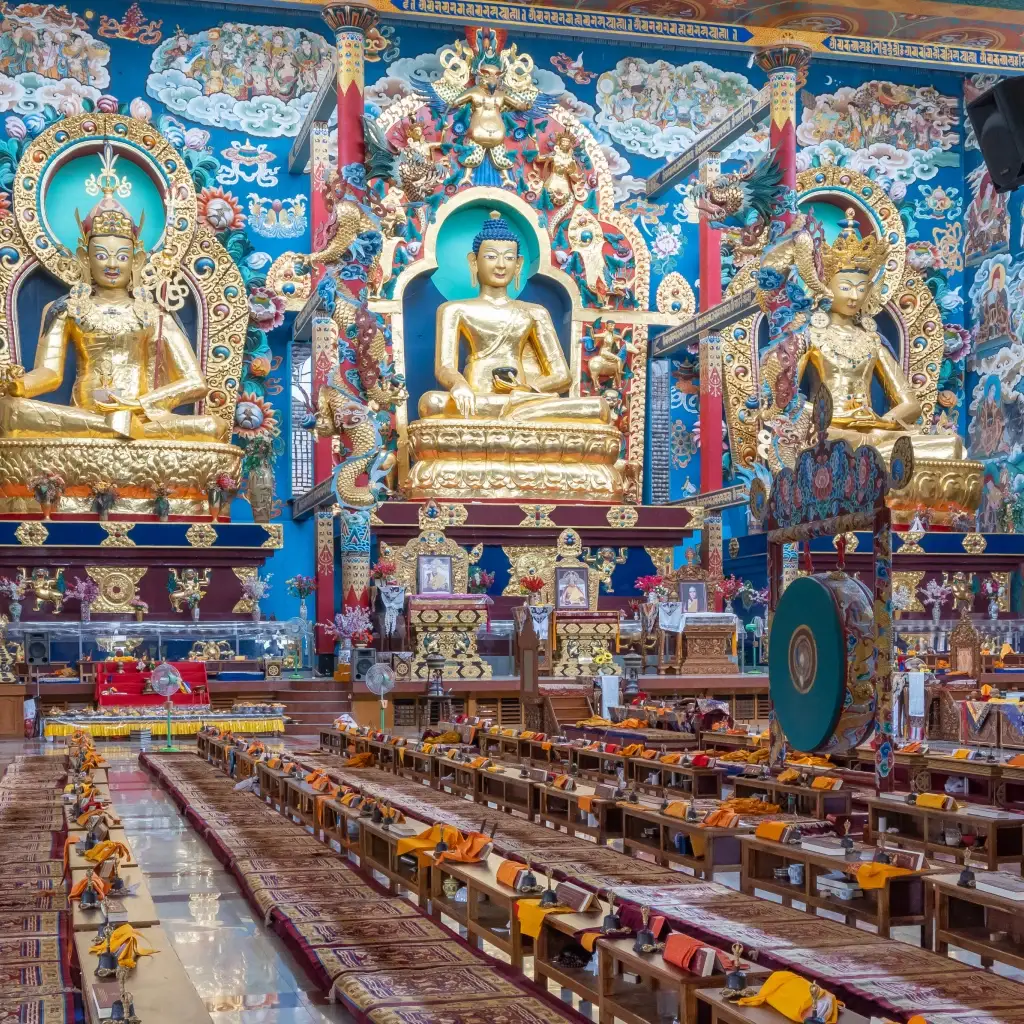
There’s no single “perfect” time that works for everyone in Coorg. The destination adapts beautifully to different travel styles—if you choose the season that aligns with what you’re seeking. Below is a practical breakdown to help you decide when Coorg fits your travel mood best.
For Couples
The best time for couples to visit Coorg is between October and March. The weather is cool, evenings are cozy, and the landscape feels calm and romantic without being overwhelming.
Winter allows couples to:
- Enjoy quiet plantation walks
- Stay in scenic resorts with valley or forest views
- Spend unrushed evenings at cafés and homestays
For couples who prefer privacy over sightseeing, early summer (March–April) also works well, thanks to fewer crowds and better accommodation availability.
For Nature Lovers
Nature lovers can enjoy Coorg almost year-round, but the experience varies sharply by season.
- October to February: Balanced greenery with clear skies
- June to September: Dense forests, flowing rivers, and peak natural beauty
If your idea of nature includes accessibility and comfort, post-monsoon and winter months are ideal. If you’re drawn to raw landscapes and immersive greenery, Coorg in monsoon offers an unmatched connection to nature—just at a slower pace.
For Trekkers
Trekking conditions in Coorg depend heavily on rainfall and trail safety.
- Best months: October to February
- Avoid: Peak monsoon (July–August)
Winter offers dry trails, clearer views, and safer forest conditions. Monsoon treks may look appealing visually, but slippery terrain, leeches, and restricted forest access can limit options. Serious trekkers should always check local advisories before planning routes.
For Photographers
Photographers often debate the best time to visit Coorg—and the answer depends on the kind of images you want.
- Monsoon (June–September): Mist, rain-soaked forests, dramatic skies
- Winter (November–January): Clear landscapes, soft light, crisp mornings
Monsoon delivers mood and texture, while winter offers structure and clarity. Early mornings during both seasons are especially rewarding, with fog lifting slowly to reveal layered hills and plantations.
For Peaceful Getaways
If your goal is silence, space, and stillness, timing matters more than attractions.
- March to early May: Quiet, unrushed, less tourist activity
- Mid-monsoon weekdays: Extremely calm, best for long stays
These periods suit solo travelers, writers, and anyone looking to disconnect. While scenery may be subtler in summer, the absence of crowds often makes the experience more restorative.
Coorg Travel Restrictions & Entry Tips
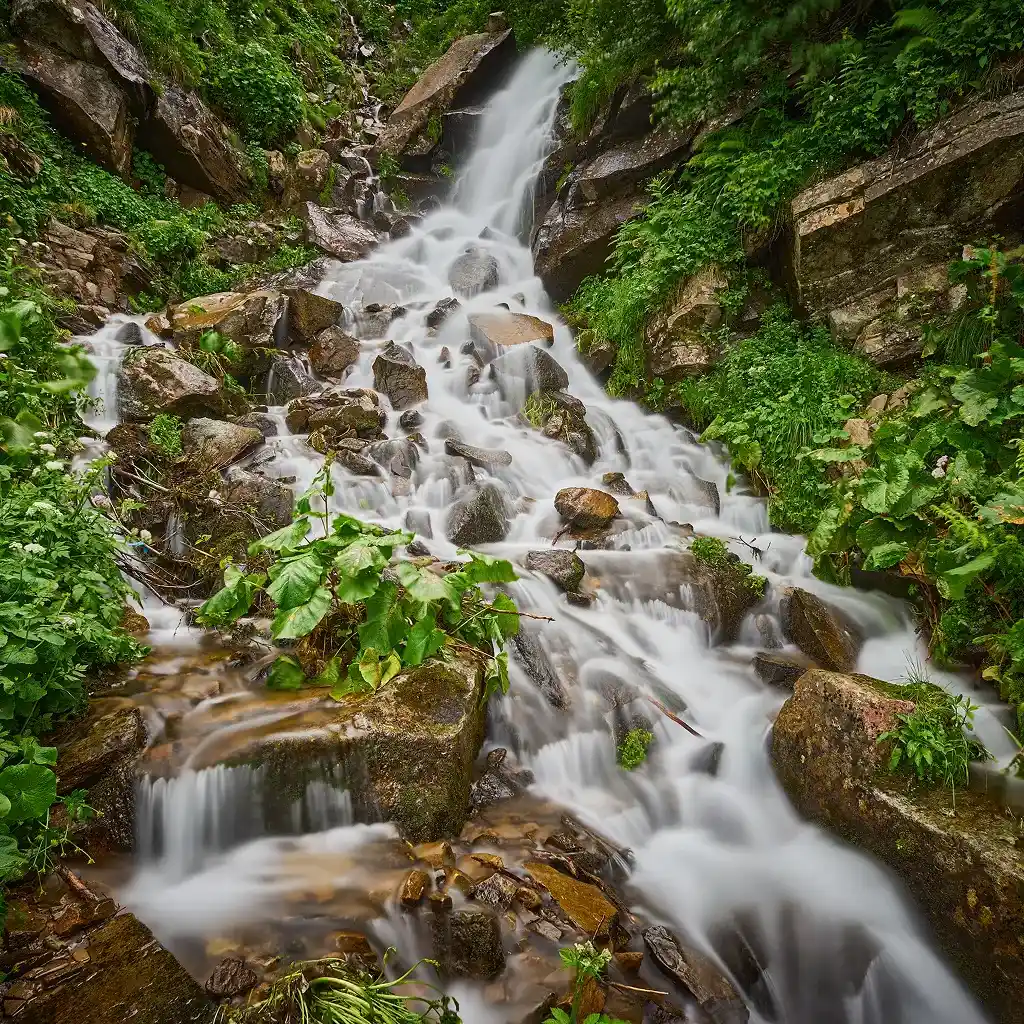
Before finalizing travel plans, it’s important to be aware of local regulations and seasonal considerations. While Coorg does not usually require special permits for entry, certain factors can affect movement and access—especially during the monsoon.
Permit Updates (If Any)
As of recent years, no general entry permits are required to visit Coorg for domestic travelers. However, rules can change temporarily due to environmental concerns, forest conservation measures, or extreme weather conditions.
Travelers are advised to:
- Check local district updates before travel
- Stay informed during peak monsoon months
- Follow guidelines issued by forest authorities
Foreign travelers should carry valid identification, as checks may occur near forest zones.
Forest Access Rules
Many attractions in Coorg fall within or near protected forest areas. Access to these regions may be regulated based on season and weather conditions.
- Entry timings may be restricted
- Certain trails or waterfalls may close temporarily
- Group sizes can be limited in eco-sensitive zones
These rules are primarily enforced during monsoon and post-monsoon months to ensure visitor safety and reduce environmental impact.
Seasonal Road Conditions
Road conditions in Coorg vary significantly by season.
- Winter & summer: Roads are generally safe and well-maintained
- Monsoon: Slippery surfaces, potholes, and occasional landslides
Hill roads, especially those leading to viewpoints and remote stays, require cautious driving during heavy rain. If you’re not comfortable with steep or narrow roads, choosing centrally located accommodations helps reduce risk.
Monsoon Advisories
Travel advisories are most common between June and September. During periods of intense rainfall:
- Waterfall access may be restricted
- Forest roads may close temporarily
- Night driving is discouraged
If visiting during monsoon, flexible plans and buffer days are essential. Staying informed locally—through hosts or hotel staff—goes a long way in ensuring a safe and enjoyable trip.
Suggested Itinerary Based on Season
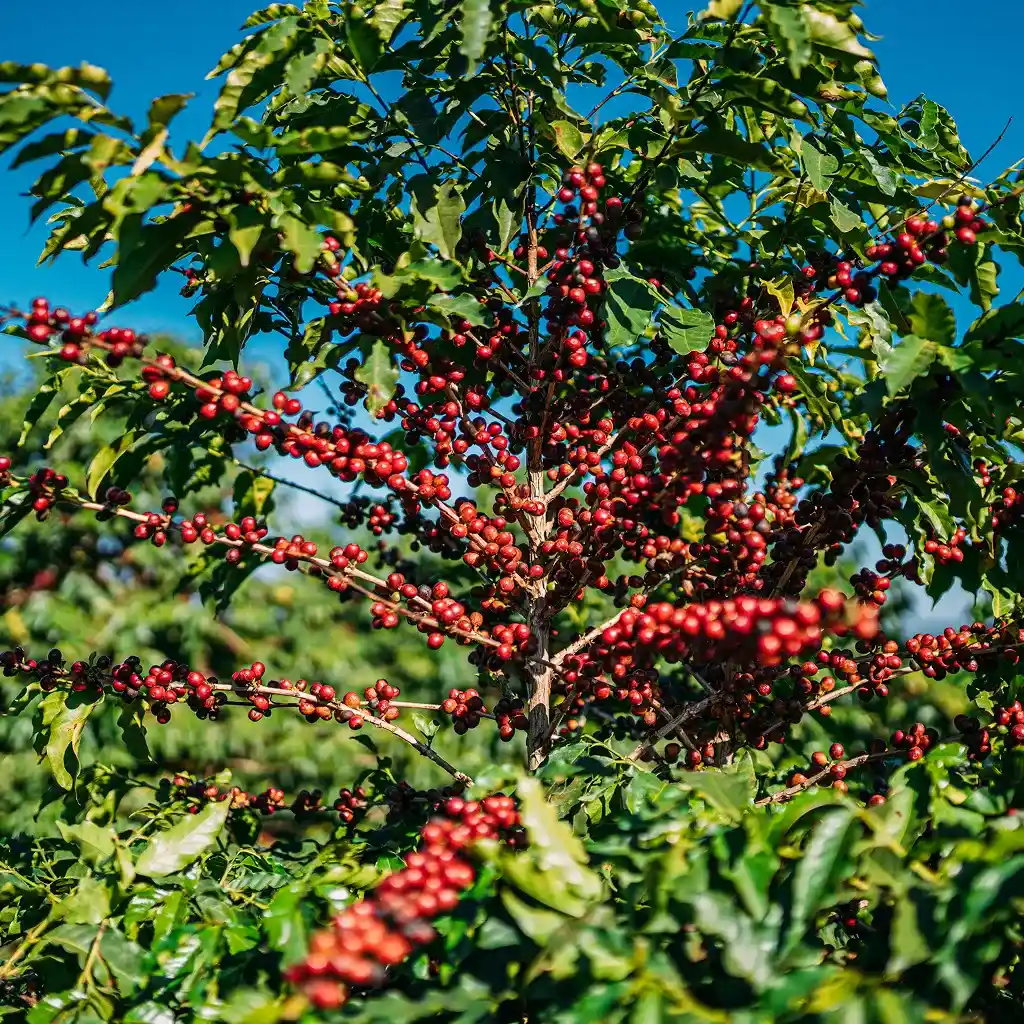
Coorg itineraries work best when they follow the rhythm of the season rather than forcing year-round sightseeing plans. Below are realistic, season-aware itineraries designed to feel unhurried, geographically sensible, and suitable for couples and families alike.
2-Day Winter Itinerary (October to March)
Winter is ideal for short, well-paced trips where you can explore without weather interruptions.
Day 1: Easy Exploration & Plantations
Arrive by late morning and head to your stay—preferably a plantation resort or homestay. After lunch, take a guided coffee estate walk to understand Coorg’s agricultural roots. Visit a nearby viewpoint in the late afternoon when visibility is best. End the day with a relaxed dinner and early night.
Day 2: Nature & Local Experiences
Start early for a waterfall or forest-edge attraction before crowds build up. Follow this with a leisurely café stop or local market visit. Keep the afternoon light—perhaps a short drive through scenic roads—before heading back.
This itinerary balances sightseeing with downtime, making it perfect for a refreshing winter escape.
Monsoon Slow Travel Plan (June to September)
Monsoon travel in Coorg is less about movement and more about immersion. The goal is to experience the landscape, not rush through it.
Day 1: Settle In & Observe
Arrive early, check in, and spend the day mostly at your accommodation. Enjoy rain views, plantation surroundings, and unstructured time. Short walks within the property are ideal when rain eases.
Day 2: Selective Exploration
Choose one nearby attraction—preferably a waterfall or scenic drive—based on weather conditions. Avoid long distances. Return early and spend the rest of the day indoors, reading, journaling, or simply watching the mist roll in.
This plan suits couples, solo travelers, and anyone comfortable with flexibility and slower days.
Summer Relaxed Trip (March to May)
Summer in Coorg allows for comfortable travel without the crowds, making it ideal for a calm, spacious experience.
Day 1: Arrival & Local Cafés
Arrive by midday, settle in, and explore nearby cafés or quiet plantation roads in the late afternoon. Evenings are pleasant and perfect for outdoor seating.
Day 2: Scenic Drives & Short Walks
Plan a scenic drive through coffee estates or hill roads in the morning. Choose shaded spots and avoid peak afternoon heat. Keep sightseeing minimal and prioritize rest.
This itinerary works well for workcations, families, and travelers seeking a gentle reset.
Where to Stay in Coorg for the Best Seasonal Experience
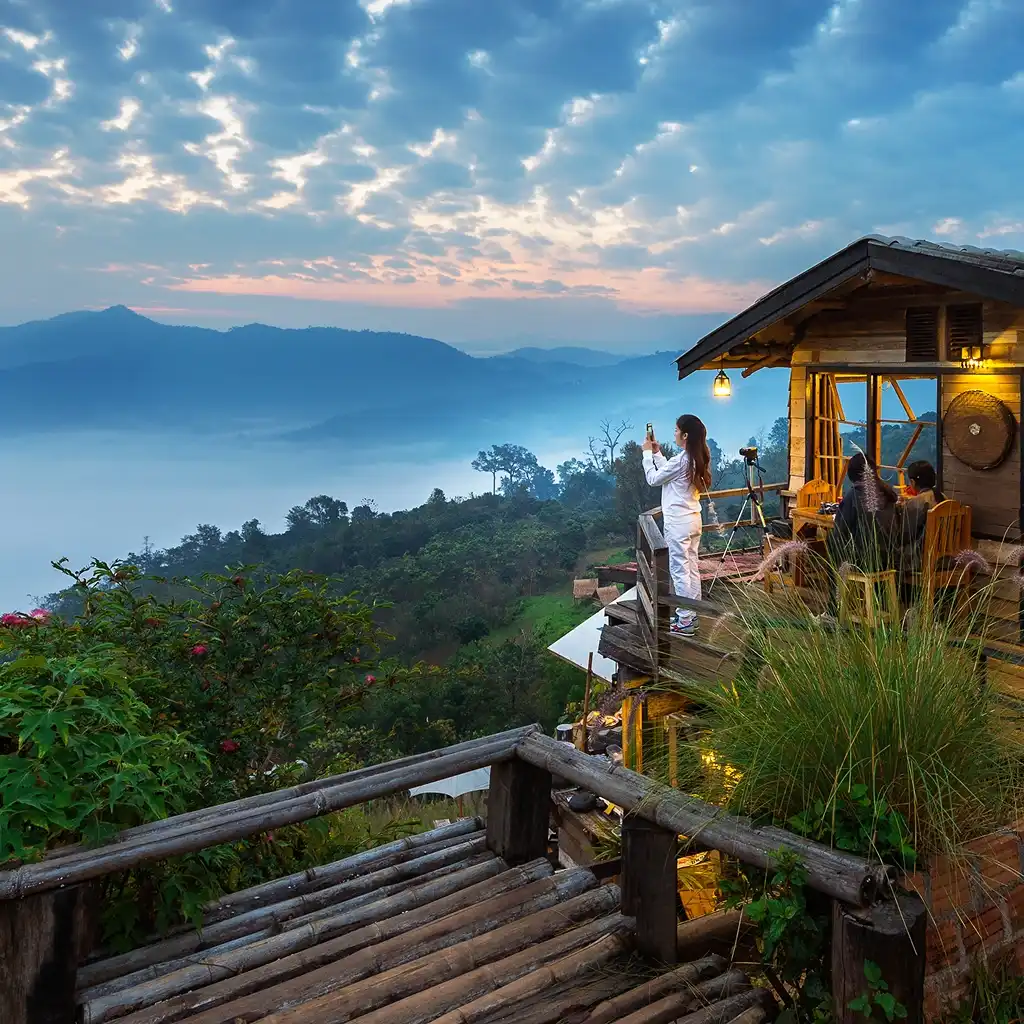
Accommodation choice in Coorg directly affects how much you enjoy the season. Different areas shine at different times of the year, and aligning your stay with the season makes a noticeable difference.
Best Areas to Stay in Winter
During winter, visibility is clear and road conditions are reliable, making it easier to stay in scenic, slightly elevated areas.
- Central Coorg for easy access to attractions
- Hill-facing properties with open views
- Stays close to viewpoints and plantations
Winter is the best time to choose locations that require short drives, as travel conditions are stable throughout the day.
Scenic Plantation Stays During Monsoon
Monsoon calls for comfort, safety, and immersive surroundings.
- Coffee plantation homestays at mid-altitude
- Properties with in-house dining and indoor spaces
- Locations away from steep, isolated hill roads
Plantation stays feel especially magical during rain, offering privacy, greenery, and protection from harsh weather. The key is minimizing daily travel.
Valley-View Stays for Summer
In summer, ventilation and openness matter more than mist or views.
- Valley-facing resorts with airflow
- Shaded properties surrounded by trees
- Locations slightly away from crowded town centers
These stays remain cooler during the day and allow you to enjoy evenings outdoors. Summer is also a good time to opt for longer stays, as availability is higher and pricing is often more flexible.
Travel Tips for Visiting Coorg
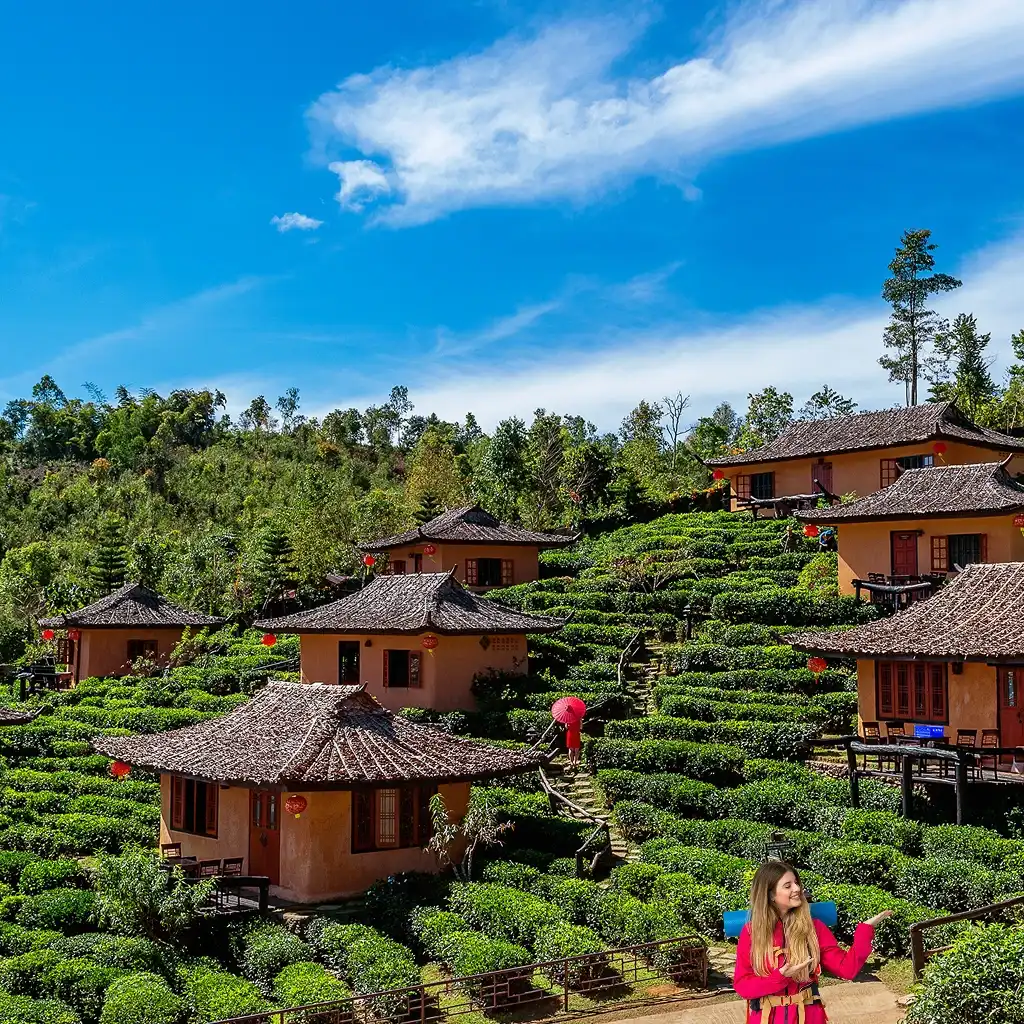
A well-timed trip to Coorg becomes even more enjoyable when a few practical details are handled right. These travel tips focus on comfort, safety, and smarter planning—especially useful if you’re visiting for the first time or traveling across seasons.
Packing Tips by Season
What you pack for Coorg should change with the season.
- Winter (October–February): Light layers work best. Carry a light jacket or sweater for evenings, comfortable walking shoes, and breathable daytime clothing.
- Summer (March–May): Pack cotton clothes, sunscreen, sunglasses, and a hat. Even though temperatures are mild, afternoons can feel warm during outdoor activities.
- Monsoon (June–September): Waterproof footwear, quick-dry clothing, a rain jacket, and an umbrella are essential. Avoid packing heavy luggage, as movement can be limited during rains.
Regardless of season, insect repellent and basic medication are always useful due to Coorg’s forested environment.
Road Safety During Monsoon
Monsoon driving in Coorg requires extra caution. Heavy rain can reduce visibility and affect road conditions, especially on hill routes.
- Avoid night driving during heavy rainfall
- Stick to main roads rather than shortcuts
- Drive slowly on curves and steep inclines
- Check with locals or hosts about road conditions
If you’re not confident driving in the rain, hiring a local cab for short distances is often a safer option.
Booking Advice
Coorg experiences clear demand cycles, and booking smartly can improve both comfort and cost.
- Peak season (Oct–Dec): Book accommodations well in advance, especially during long weekends and holidays.
- Off-season (Mar–May): Look for better pricing and flexible cancellation options.
- Monsoon stays: Prioritize properties with good reviews for hospitality, food, and accessibility rather than location alone.
Reading recent guest reviews helps you understand how a property performs during your chosen season.
Crowd Avoidance Tips
If you prefer a quieter experience:
- Travel on weekdays rather than weekends
- Visit popular spots early in the morning
- Stay slightly outside town centers
- Choose shoulder months like early March or late September
Coorg rewards early risers. Many viewpoints and plantation areas feel peaceful before mid-morning crowds arrive.
A Quick Personal Note: What Coorg Really Feels Like
Coorg isn’t a destination that announces itself loudly. It reveals itself slowly—often when you’re not actively looking for it.
Mornings begin with mist hanging low over coffee plants, softening everything it touches. The air carries a quiet aroma of roasted beans and damp earth, especially after rain. Time feels less urgent here. Roads curve gently, conversations slow down, and even meals seem to last longer than expected.
What stays with you isn’t a single attraction, but a feeling—of space, of breathing room. Long stretches of green, interrupted only by the sound of birds or distant water. Afternoons drift by without pressure. Evenings arrive gently, with cooler air and a sense of calm that’s hard to replicate elsewhere.
Coorg doesn’t ask to be rushed. It feels best when you allow the landscape to set the pace. And often, that’s exactly what travelers remember long after they’ve left.
Read more>>>
Best Places to Visit in South Goa (Beaches, Forts & Hidden Gems)
Best Places to Visit in Wayanad – Attractions, Treks & Itineraries
FAQs
Which is the best time to visit Coorg?
The best time to visit Coorg is from October to March, when the weather is cool, clear, and comfortable for sightseeing. This period offers the best balance of greenery, road accessibility, and outdoor-friendly conditions, making it ideal for first-time visitors, families, and couples.
Which season is the best to visit Coorg?
Winter is considered the best season to visit Coorg. From October to February, temperatures remain pleasant, rainfall is minimal, and visibility is good. This season allows you to explore plantations, viewpoints, and waterfalls without weather-related disruptions or travel discomfort.
Coorg is in which district?
Coorg is located in the Kodagu district of Karnataka. Officially known as Kodagu, the region is part of the Western Ghats and is famous for its coffee plantations, forest landscapes, and distinct cultural identity within the state.
Is Coorg worth visiting?
Yes, Coorg is worth visiting if you enjoy nature, slow travel, and scenic landscapes. It offers a peaceful alternative to crowded hill stations, with coffee estates, misty mornings, and a relaxed pace that appeals to couples, families, and solo travelers alike.
When should you avoid visiting Coorg?
You may want to avoid visiting Coorg during peak monsoon months, especially July and August, if heavy rain affects your comfort. Intense rainfall can limit sightseeing, impact road conditions, and disrupt short, tightly planned trips.
Plan Your Coorg Trip Smarter with Offto Travellers
If Coorg is calling, Offto Travellers helps you move from inspiration to planning—without juggling multiple apps or tabs. Explore thoughtfully written travel guides, save trip ideas, connect with fellow travelers, and book hotels, holidays, and experiences in one place. Travel planning, made calmer and more intentional—just like Coorg itself.
Best experienced on the Offto Travellers app
Get the Offto app to explore travel stories, share your own journeys, connect with travellers, and book trips—all in one place.
Play StoreApp Store
Leave a Reply