
Wayanad is one of Kerala’s most scenic hill districts, known for its mist-covered mountains, dense forests, waterfalls, and trekking trails. Some of the best places to visit in Wayanad include Edakkal Caves, Banasura Sagar Dam, Chembra Peak, Soochipara Waterfalls, Pookode Lake, and Wayanad Wildlife Sanctuary. Ideal for nature lovers, couples, families, and adventure seekers, Wayanad offers a calm alternative to crowded hill stations while still providing plenty of experiences.
Wayanad in a Nutshell (Why It’s Worth Visiting)

Wayanad is the kind of destination that doesn’t try too hard to impress — and that’s exactly its charm. Tucked away in the Western Ghats, this hill district is defined by rolling tea estates, rainforest patches, quiet villages, and winding mountain roads that make the journey just as memorable as the destination.
Unlike commercial hill stations that often feel crowded and fast-paced, Wayanad encourages you to slow down. Mornings arrive with mist drifting over the hills, afternoons are best spent exploring waterfalls or forest trails, and evenings tend to wind down early — usually with cooler air and quieter surroundings.
What makes Wayanad truly stand out is its balance. You’ll find adventure without chaos, nature without heavy commercialization, and scenic beauty that still feels relatively untouched.
For travellers looking to step away from city noise and reset in a greener environment, Wayanad delivers an experience that feels both refreshing and grounding.
What makes Wayanad different from other hill destinations
Many hill stations focus heavily on viewpoints and crowded marketplaces. Wayanad, on the other hand, is more experience-driven.
Many hill stations focus heavily on viewpoints and crowded marketplaces. Wayanad, on the other hand, is more experience-driven.
- Forest roads replace traffic-heavy town centers
- Waterfalls and trekking trails feel closer to nature
- Plantations create wide, open landscapes instead of dense tourist zones
- Resorts and stays are often surrounded by greenery rather than commercial strips
Because the region is spread out, it rarely feels overwhelming — even during busier travel months.
Another key difference is the variety of experiences packed into one destination. Within a short driving distance, you can explore prehistoric caves, trek to mountain peaks, visit India’s largest earthen dam, or simply spend a quiet afternoon by a lake.
This diversity is what makes Wayanad tourism appealing to both first-time visitors and repeat travellers.
Who Wayanad is perfect for
One of Wayanad’s biggest strengths is its versatility. The destination adapts easily to different travel styles without losing its laid-back character.
Nature lovers
If greenery, fresh air, and scenic drives are high on your travel checklist, Wayanad offers them in abundance. The region is rich in biodiversity, and even the journey between attractions often becomes a highlight.
Couples
Wayanad works especially well for couples who prefer privacy over crowded tourist hubs. Quiet stays, misty mornings, and sunset viewpoints create a setting that feels relaxed rather than rushed.
Trekkers and adventure seekers
With trails like Chembra Peak and Brahmagiri, Wayanad has steadily become a favourite among travellers who enjoy active experiences. The terrain ranges from beginner-friendly hikes to more challenging routes, making it accessible yet exciting.
Families
Clean air, slower traffic zones, and nature-focused attractions make Wayanad suitable for family trips as well. Many stays cater to comfort while still keeping you close to natural surroundings.
Weekend travellers
Well connected to cities like Bangalore and Kozhikode, Wayanad is also ideal for short getaways. Even a two-day trip can feel surprisingly restorative.
If your idea of a holiday involves cooler weather, greener landscapes, and travel that doesn’t feel rushed, Wayanad fits naturally into that plan.
Best Time to Visit Wayanad (Weather + Crowd Guide)
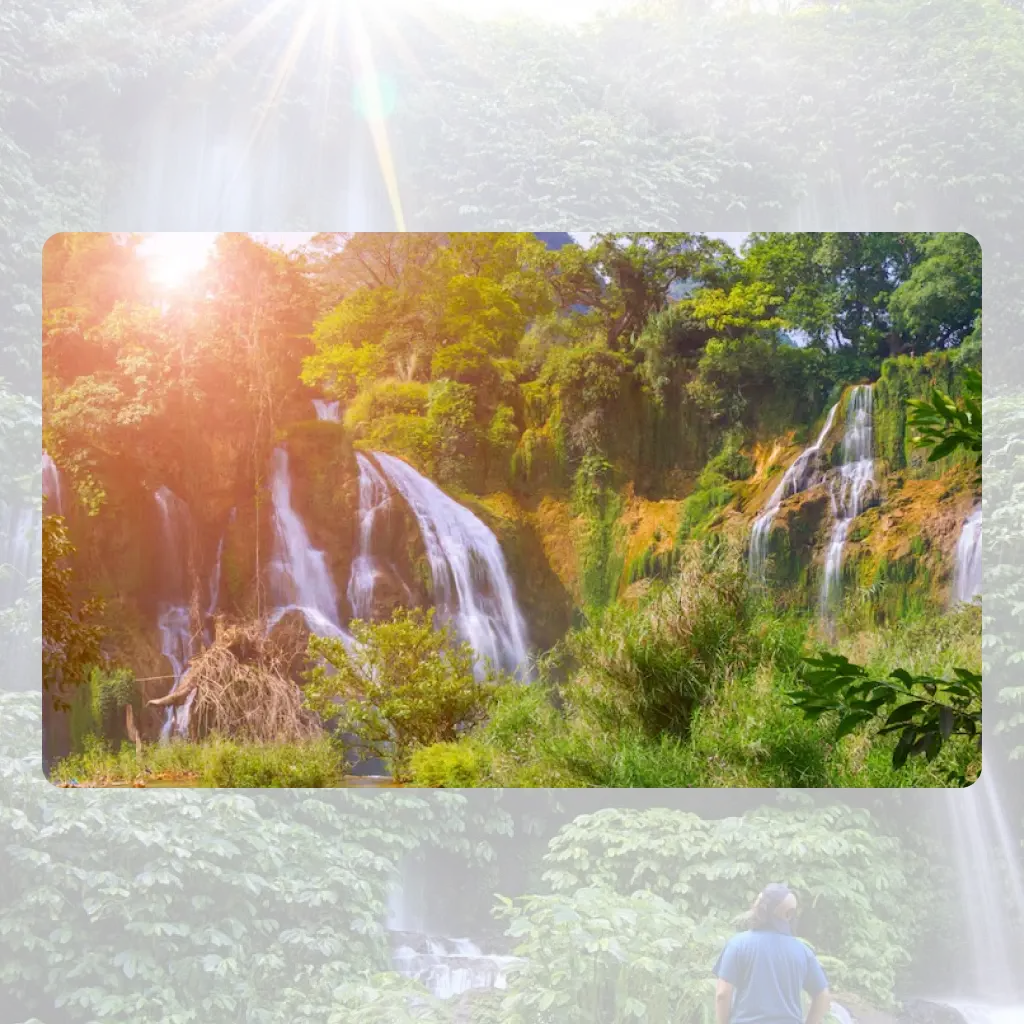
The best time to visit Wayanad depends on the kind of experience you’re looking for — whether that’s clear skies for sightseeing, ideal conditions for trekking, or a quieter escape with fewer tourists.
Thanks to its elevation, Wayanad enjoys a milder climate compared to many parts of South India. Still, seasonal changes can shape your trip significantly, so choosing the right window makes a noticeable difference.
Best months for sightseeing
For most travellers, October to May is considered the best period to explore Wayanad comfortably.
- October to February: Cooler temperatures, lush scenery after the monsoon, and excellent visibility for viewpoints. This is when Wayanad feels at its most vibrant.
- December and January: Popular months due to holiday travel, so expect slightly higher crowd levels — especially at major attractions.
- March to May: Warmer than winter but still manageable compared to the plains. Early mornings and evenings remain pleasant for exploration.
If your focus is waterfalls, scenic drives, wildlife areas, and relaxed sightseeing, these months offer the most reliable conditions.
Best season for trekking in Wayanad
The ideal trekking window typically falls between October and March.
Post-monsoon landscapes bring fresh greenery, clearer trails, and more comfortable temperatures — all of which improve the trekking experience.
Popular routes like Chembra Peak are best attempted during this period when:
- Humidity is lower
- Daytime heat is manageable
- Trails are safer compared to peak monsoon months
While Wayanad looks incredibly dramatic during the rains, heavy monsoon showers (June–September) often lead to slippery paths and restricted access to certain trekking zones.
For safety and better views, the post-monsoon to winter stretch is usually the smartest choice.
Best time for couples and family travel
For couples and families, the sweet spot tends to be November through February.
During these months:
- Weather stays comfortably cool
- Outdoor plans are easier to manage
- Scenic areas are at their photogenic best
- Travel fatigue is lower thanks to milder temperatures
Couples often prefer this season for the misty mornings and relaxed atmosphere, while families benefit from safer road conditions and easier mobility.
If you want a quieter experience, consider travelling in late February or early March, just after the peak holiday rush begins to ease.
A quick seasonal tip
- Love greenery? Visit soon after the monsoon.
- Prefer clear views and stable weather? Choose winter months.
- Want fewer crowds? Avoid long weekends and major holidays.
Timing your visit well ensures you experience Wayanad the way it’s meant to be — calm, scenic, and comfortably unhurried.
Best Places to Visit in Wayanad (Top Attractions)
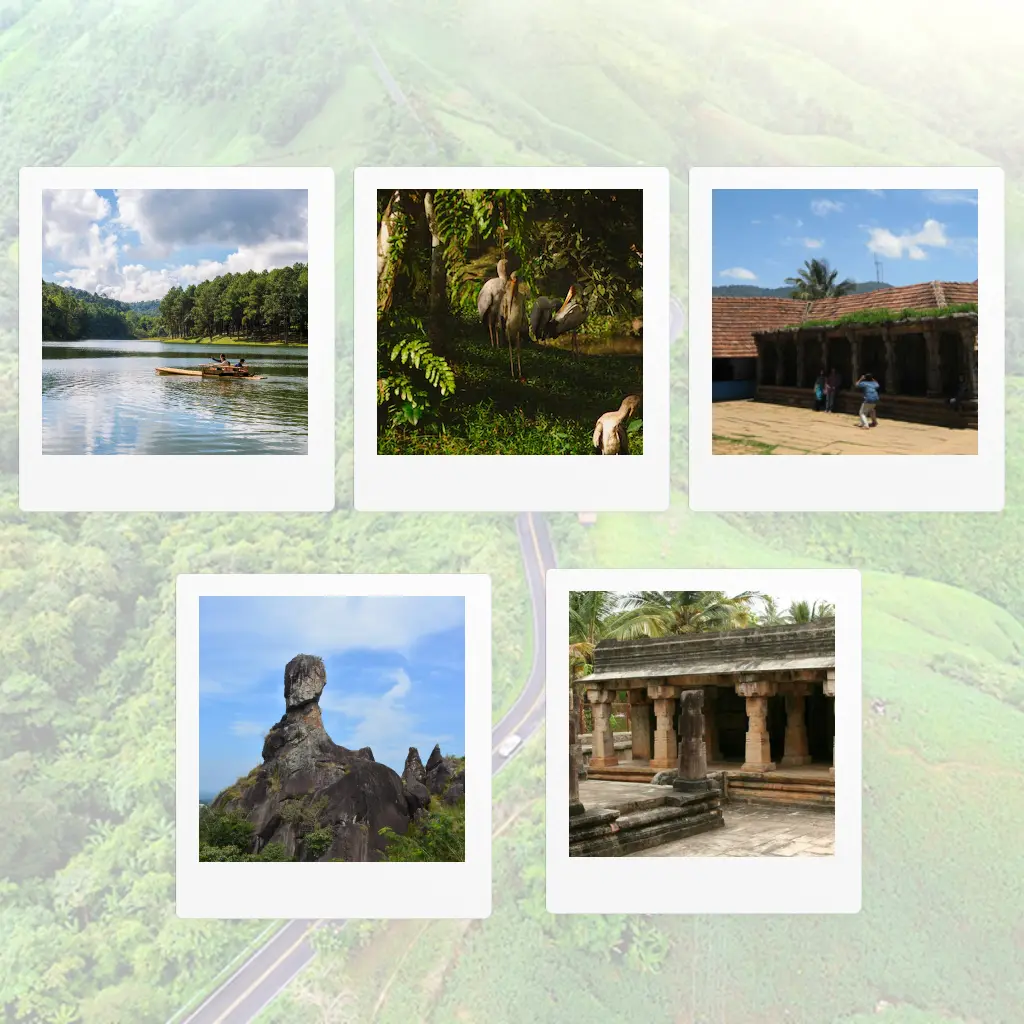
Wayanad is packed with natural beauty, historic landmarks, and outdoor experiences that appeal to every kind of traveller. From prehistoric caves and massive dams to rainforest-backed waterfalls, the region offers far more variety than most hill destinations.
If you’re planning your itinerary, the following are widely considered the best places to visit in Wayanad — not just for their popularity, but for the experience they deliver. These attractions also represent some of the most famous tourist places in Wayanad, making them ideal for both first-time visitors and repeat travellers.
Edakkal Caves
Best for: History lovers, trekkers, curious explorers
Edakkal Caves are easily among the most fascinating attractions in Wayanad. Rather than traditional caves, they are natural rock formations etched with prehistoric carvings believed to date back thousands of years. The hike to the caves is moderately challenging, involving an uphill walk and a short climb, but the reward is well worth the effort.
Inside, you’ll find ancient petroglyphs — symbols and human figures that offer a rare glimpse into early human settlements. Even if history isn’t your primary interest, the panoramic views from the top make the trek memorable.
Travel tip: Start early in the morning to avoid heat and crowds. Comfortable footwear is essential, especially during humid months.
Banasura Sagar Dam
Best for: Scenic views, relaxed outings, photography
Banasura Sagar Dam is the largest earthen dam in India and one of the most visually striking places in Wayanad. Surrounded by misty hills and small islands formed by the reservoir, the landscape here feels expansive and calm.
It’s an excellent stop if you want a break from trekking-heavy plans. You can enjoy boating, take long walks along the viewpoints, or simply pause to appreciate the scale of the scenery.
The dam is especially beautiful after the monsoon when water levels are higher and the surrounding hills appear lush.
Travel tip: Visit in the late afternoon for softer light and better photos.
Pookode Lake
Best for: Families, couples, relaxed mornings
Pookode Lake offers a quieter change of pace compared to Wayanad’s more adventure-driven attractions. Set against a forested backdrop, this freshwater lake is ideal for travellers who prefer gentle experiences over physically demanding ones.
Boating is the main activity here, but many visitors simply enjoy walking around the perimeter or spending time in the cool, shaded surroundings. Because the area is well maintained and easily accessible, it’s particularly popular with families.
Travel tip: Arrive early to enjoy the calm before larger tour groups arrive.
Soochipara Waterfalls
Best for: Nature lovers, light adventure, scenic photography
Also known as Sentinel Rock Waterfalls, Soochipara is a three-tiered cascade that becomes especially dramatic after the rains. Reaching the falls involves a short forest walk, adding a sense of immersion to the experience.
Once there, you’ll find a wide viewing area and, depending on conditions, sections where visitors can step closer to the water. The surrounding greenery makes it a refreshing escape from warmer lowland temperatures.
Travel tip: Avoid visiting immediately after heavy rainfall, as access may be restricted for safety reasons.
Meenmutty Waterfalls
Best for: Adventure seekers, experienced hikers
Meenmutty is one of the tallest waterfalls in Kerala and offers a more rugged experience compared to Soochipara. The trek to reach it is longer and requires careful footing, but the sight of water plunging through layered rock formations is unforgettable.
Because of the effort involved, Meenmutty tends to feel less crowded — making it a good choice for travellers who enjoy quieter, more adventurous settings.
Travel tip: Check local conditions before visiting. Trails may close during intense monsoon periods.
Wayanad Wildlife Sanctuary
Best for: Wildlife enthusiasts, slow travellers, nature photography
Part of the Nilgiri Biosphere Reserve, Wayanad Wildlife Sanctuary protects a diverse ecosystem that includes elephants, deer, langurs, and numerous bird species. While sightings can never be guaranteed, guided safaris offer a chance to experience the region’s forest landscapes up close.
The sanctuary is less about chasing dramatic encounters and more about appreciating the rhythm of nature — dense woods, filtered sunlight, and the quiet unpredictability of the wild.
Travel tip: Early morning safaris typically provide the best opportunity for animal movement.
Exploring these attractions gives you a well-rounded introduction to Wayanad — blending history, nature, light adventure, and scenic relaxation. If you’re deciding where to begin, these landmarks form the backbone of most well-planned itineraries.
Top 10 Places to Visit in Wayanad (Quick List)
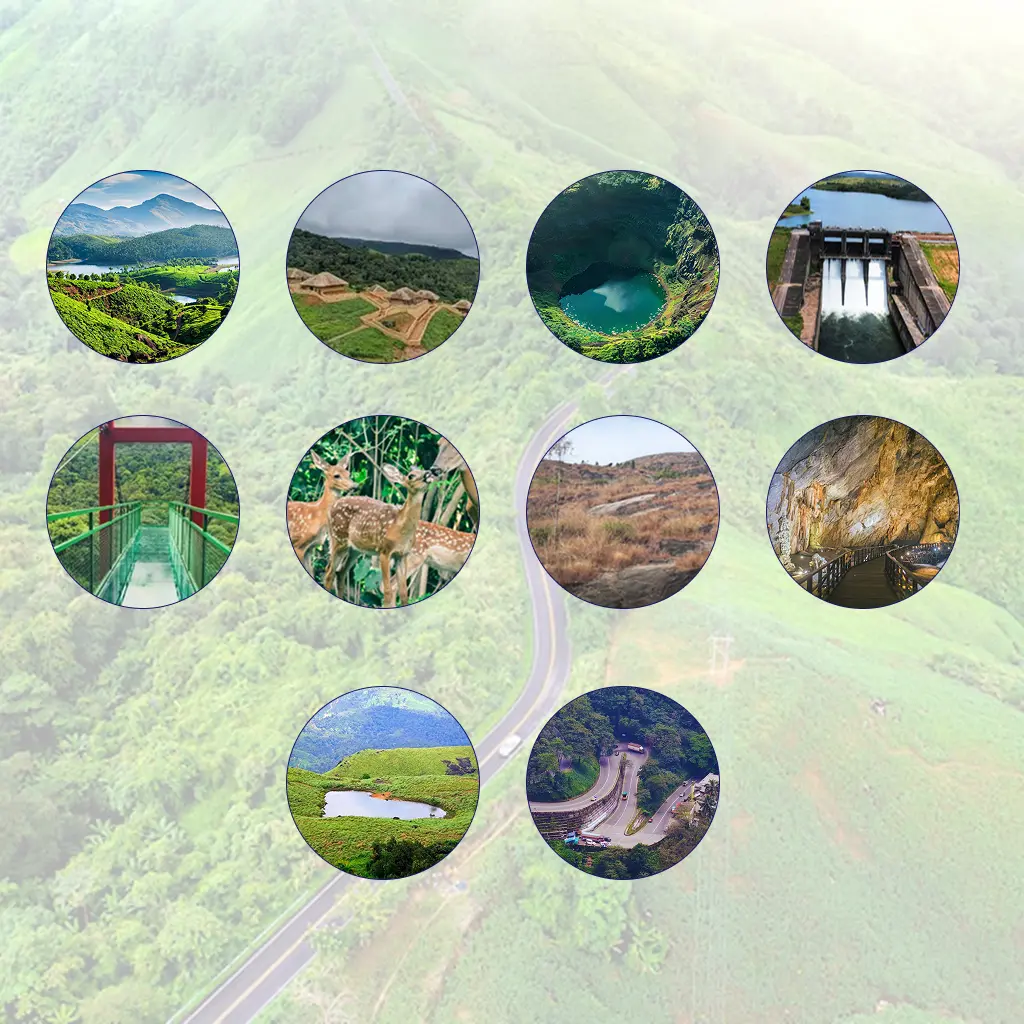
If you’re short on time or simply want a snapshot of the region, this quick list covers the top 10 places to visit in Wayanad. It’s designed to help travellers — and search engines — quickly identify the must-see spots.
Top 10 places to visit in Wayanad:
- Edakkal Caves – Ancient carvings and rewarding hilltop views
- Banasura Sagar Dam – India’s largest earthen dam with stunning landscapes
- Chembra Peak – A favourite trekking destination with sweeping vistas
- Soochipara Waterfalls – Multi-tiered falls surrounded by forest
- Meenmutty Waterfalls – Tall, powerful, and ideal for adventure lovers
- Pookode Lake – Calm freshwater lake perfect for families
- Wayanad Wildlife Sanctuary – Rich biodiversity within protected forests
- Lakkidi View Point – One of the most scenic mountain passes in Kerala
- Neelimala View Point – Known for expansive valley views
- Kuruva Island – A peaceful river delta with unique vegetation
Pro tip: If this is your first visit, prioritize a mix of waterfalls, viewpoints, and one trekking experience. That combination captures the essence of Wayanad without making your itinerary feel rushed.
This list works well as a planning shortcut while still leaving room for slower, more spontaneous travel — something Wayanad naturally encourages.
Scenic Viewpoints in Wayanad (Best Views & Photo Spots)
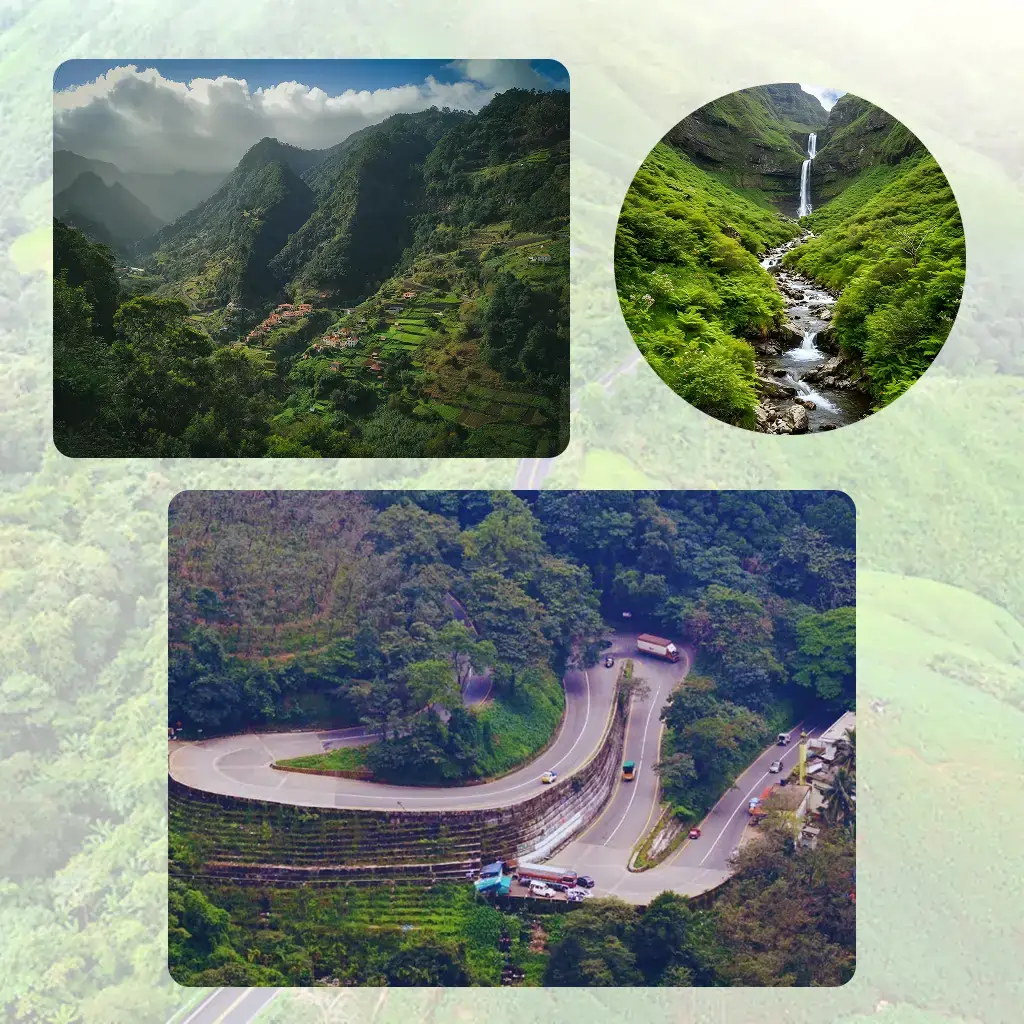
Wayanad’s landscape is defined by rolling hills, deep valleys, and forest-covered slopes — which means some of the most memorable moments here happen when you simply stop and take in the view. Whether you enjoy photography, sunrise drives, or quiet mountain air, visiting at least one Wayanad view point should be part of your itinerary.
These elevated spots offer perspective — not just of the terrain, but of how untouched and expansive the region still feels.
Lakkidi View Point
Best for: Sunrise views, road-trip stops, first impressions of Wayanad
Often called the gateway to Wayanad, Lakkidi View Point sits along the winding Thamarassery Ghat Pass. The approach itself is dramatic, with sharp hairpin bends and mist drifting across the road — making the journey just as rewarding as the destination.
From the viewpoint, you can see layers of hills fading into the distance, especially beautiful in the early morning when fog moves slowly through the valley.
When to visit:
Early morning offers the clearest views, while monsoon months bring atmospheric mist — though visibility may vary.
Travel tip: Pause briefly rather than lingering too long, as roadside viewpoints can get busy during peak travel hours
Neelimala View Point
Best for: Valley views, nature lovers, quieter experiences
Neelimala View Point rewards travellers with sweeping views of the Western Ghats and nearby waterfalls. Compared to more accessible viewpoints, getting here involves a short hike — but that extra effort helps keep crowds manageable.
Once at the top, you’ll notice how expansive the landscape feels. On clear days, the layered ridges create a striking sense of depth that photographers especially appreciate.
It pairs well with a visit to Meenmutty Waterfalls, making it a smart addition to a day focused on nature.
When to visit:
Late morning to early afternoon typically provides better visibility once the mist lifts.
Travel tip: Wear shoes with good grip, as trails can be uneven after rain.
Chembra Peak View Point
Best for: High-altitude views, trekkers, dramatic scenery
Chembra Peak is not just one of the highest points in Wayanad — it’s also one of the most rewarding. The viewpoint here is earned through a trek, and that effort makes the panorama feel even more satisfying.
Rolling grasslands stretch outward, clouds drift close enough to feel within reach, and on clear days you can see vast sections of the surrounding district.
Many travellers stop at the famous heart-shaped lake along the route, but continuing toward the higher viewpoints adds another layer to the experience.
When to visit:
Post-monsoon and winter months offer greener landscapes and more comfortable trekking weather.
Travel tip: Entry is regulated, so check daily visitor limits before heading out.
Visiting even one of these viewpoints can reshape how you experience Wayanad. They remind you that this is a destination best appreciated slowly — where the goal isn’t just to arrive, but to pause, observe, and take it all in.
Wayanad Trekking Guide (Best Treks & Trails)
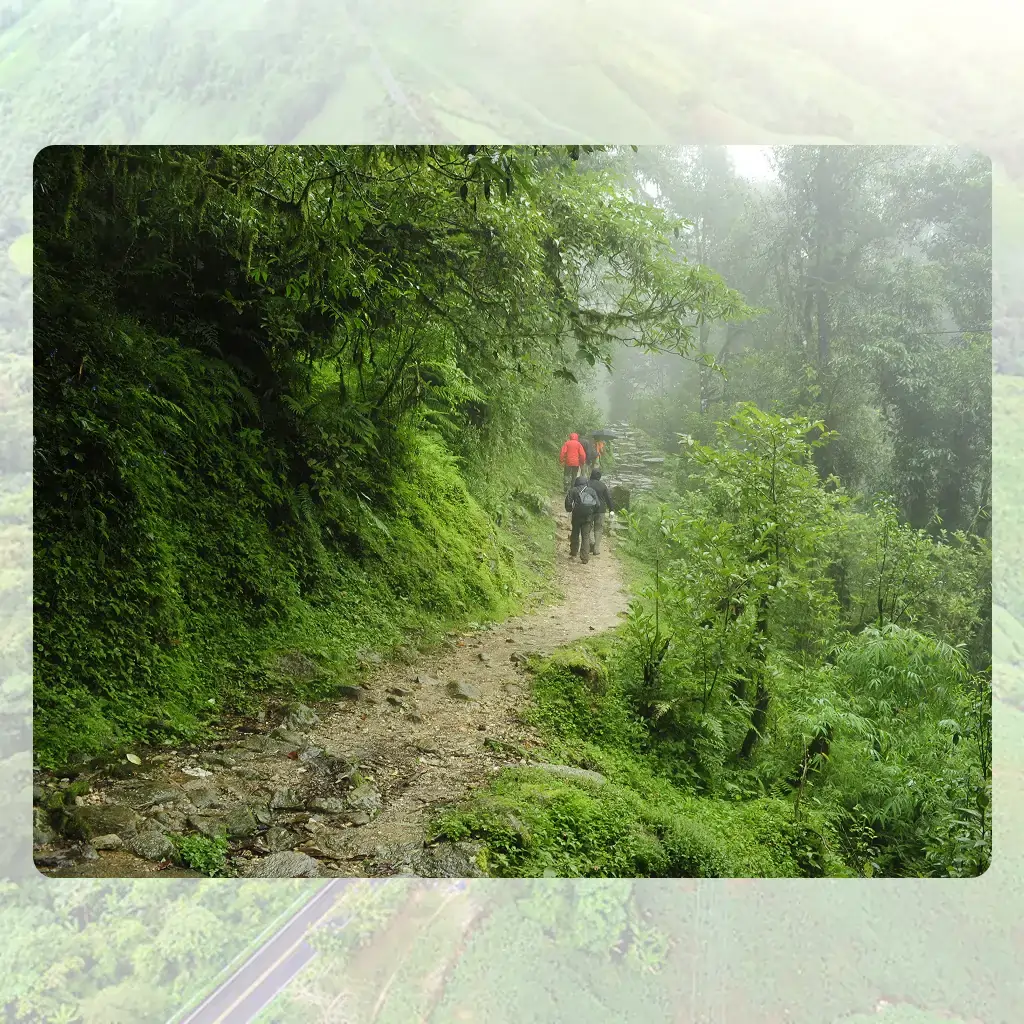
If you enjoy active travel, Wayanad quietly ranks among South India’s most rewarding trekking regions. The terrain ranges from beginner-friendly climbs to challenging forest routes, making it accessible for both first-time hikers and seasoned trekkers.
Choosing the right trail — and timing it well — can easily become the highlight of your trip.
Below are some of the most popular Wayanad trekking spots, each offering a slightly different experience.
Chembra Peak Trek
Difficulty: Moderate
Best for: First-time trekkers with decent fitness, scenic landscapes
Chembra Peak is often the first trek travellers consider — and for good reason. The trail gradually opens into wide grasslands with uninterrupted mountain views, making the climb feel visually rewarding throughout.
The heart-shaped lake halfway up has become iconic, but the broader appeal lies in how expansive the surroundings feel as you ascend.
While the path is manageable, it still requires stamina, especially under humid conditions.
Permit tip: Entry permits are mandatory and issued in limited numbers each day by the forest department.
Best season: October to February for cooler weather and clearer skies.
Brahmagiri Trek
Difficulty: Moderate to challenging
Best for: Experienced hikers, wildlife enthusiasts
Located near the Kerala–Karnataka border, the Brahmagiri trek offers a more rugged and immersive experience. Dense forests, shifting terrain, and the possibility of spotting wildlife make this route feel closer to true wilderness.
The climb is steeper in sections, so it suits travellers who are comfortable with longer hikes.
The payoff is a dramatic summit view that stretches across forested hills — often with far fewer people around compared to more popular trails.
Permit tip: Guides may be required depending on the route, so confirm regulations before planning.
Best season: Post-monsoon through early summer, when trails are safer and visibility improves.
Pakshipathalam Trek
Difficulty: Challenging
Best for: Serious trekkers, adventure seekers
Pakshipathalam is among the most demanding treks in Wayanad and is best attempted by those with prior trekking experience. The trail cuts through thick forest and uneven terrain, creating a sense of isolation that many adventure travellers actively seek.
Rock formations and hidden cave structures add a distinctive element to the journey.
Permit tip: Forest permissions and guides are typically required. Always verify access in advance.
Best season: Winter months are safest; avoid peak monsoon due to slippery paths.
Difficulty levels at a glance
Beginner-friendly:
Short sections of Chembra (with preparation)
Moderate:
- Chembra Peak
- Brahmagiri (for reasonably fit travellers)
Challenging:
- Pakshipathalam
Choosing a trail that matches your fitness level ensures the experience stays enjoyable rather than exhausting.
Permit tips every trekker should know
- Many trekking routes fall within protected forest zones
- Daily visitor limits are common
- Some trails require certified guides
- Early arrival improves your chances of securing entry
Planning ahead prevents last-minute disappointment.
Best season for trekking in Wayanad
During this period:
- Temperatures are more comfortable
- Trails are less slippery
- Visibility improves
- Landscapes remain lush after the monsoon
While the rainy season transforms Wayanad into a vivid green paradise, heavy showers often make trekking unsafe.
Trekking in Wayanad isn’t just about reaching a summit — it’s about moving through landscapes that feel refreshingly untamed. For many travellers, these trails become the most memorable part of the journey, offering both challenge and quiet moments you rarely find in busier destinations.
Things to Do in Wayanad (Beyond Sightseeing)

While Wayanad is known for its viewpoints and waterfalls, what truly defines the destination is how it invites you to experience nature rather than just observe it. The pace here is slower, the landscapes feel immersive, and many of the best memories come from simple, unhurried activities.
If you’re planning your itinerary, these are some of the most rewarding things to do in Wayanad — especially if you want your trip to feel experiential rather than checklist-driven.
Trekking & Nature Walks
Few places in South India offer trekking routes as scenic and varied as Wayanad. From grassy hill climbs to shaded forest trails, the region caters to both beginners and experienced hikers.
Treks like Chembra Peak reward you with sweeping mountain views, while shorter nature walks allow you to explore dense greenery without committing to a full-day hike.
Even if you’re not an avid trekker, consider setting aside at least one morning for a guided walk. Early hours are cooler, quieter, and often filled with birdsong — making the experience feel grounding rather than physically demanding.
Tip: Always check permit requirements and weather conditions before heading out.
Waterfall Visits
Wayanad’s waterfalls are at their most impressive after the monsoon, when water flow is strong and the surrounding forests appear especially vibrant. Visiting a waterfall here isn’t just about the final view — the forest approach, the sound of cascading water, and the cooler air all add to the experience.
Soochipara and Meenmutty are among the most popular choices, but timing matters.
- Visit earlier in the day for fewer crowds
- Wear footwear with good grip
- Follow local safety advisories, especially during high-flow periods
A well-planned waterfall stop can easily become one of the most refreshing moments of your trip.
Wildlife Spotting
For travellers who enjoy quieter, observation-led experiences, wildlife zones in Wayanad provide a chance to step into a more natural rhythm. Guided safaris through protected forest areas occasionally reveal elephants, deer, langurs, and a wide variety of birdlife.
Sightings can never be guaranteed — but that unpredictability is part of what makes the experience authentic.
Instead of rushing through, treat the safari as an opportunity to slow down and appreciate the ecosystem around you.
Best time: Early mornings tend to offer better chances of animal movement.
Plantation Walks & Local Experiences
One of Wayanad’s understated pleasures is walking through plantation landscapes — coffee, tea, pepper, and spice farms shape much of the region’s identity.
Many stays organize guided plantation walks where you can:
- Learn how spices are grown
- Understand local farming practices
- Experience the quieter side of rural life
- Enjoy fresh, earthy air away from tourist clusters
These walks are typically gentle and suitable for most age groups, making them ideal for families and couples alike.
Slow Travel Moments (Don’t Skip These)
- Watching mist lift off the hills in the morning
- Taking an unplanned scenic drive
- Sitting by your balcony during light rain
- Ending the day with a quiet sunset
Wayanad rewards travellers who don’t rush. Leave space in your schedule — the destination tends to fill it naturally.
Best Places to Stay in Wayanad (Area & Stay Guide)

Choosing where to stay in Wayanad can shape your entire travel experience. Because the district is spread out, your location affects travel time, accessibility, and even the kind of atmosphere you wake up to each morning.
Whether you prioritize convenience or complete seclusion, understanding the region’s layout helps you pick the right base.
Below is a practical guide to the best places to stay in Wayanad, especially useful for first-time visitors.
Best areas for first-time visitors
If this is your first trip, staying somewhere central can make sightseeing significantly easier.
Kalpetta is often considered the most convenient base because:
- It connects well to major attractions
- Offers plenty of dining options
- Provides a range of stay choices across budgets
- Reduces long daily travel times
It’s a smart pick if you want balance — accessibility without losing the hill-destination feel.
Best locations for nature stays
If waking up to mountain views or plantation landscapes is high on your list, consider areas slightly removed from town centers.
Vythiri is particularly popular for nature-focused stays. Surrounded by forest patches and elevated terrain, it offers cooler temperatures and a more immersive environment.
You’ll find:
- Treehouse-style accommodations
- Forest resorts
- Private cottages
- Boutique retreats
These stays work especially well for couples and slow travellers who value atmosphere over proximity.
Easy-access zones vs offbeat zones
Understanding this difference can prevent travel fatigue.
Easy-access zones
Ideal for travellers who want smoother logistics
- Kalpetta
- Sulthan Bathery
Best for: Families, short trips, travellers covering multiple attractions.
Offbeat zones
Better suited for travellers seeking privacy and deeper immersion in nature.
- Vythiri outskirts
- Meppadi
- Smaller plantation regions
Best for: Couples, remote workers, long-stay travellers, and anyone looking to disconnect.
Keep in mind that offbeat stays may involve narrower roads and longer drives — but many travellers find the trade-off worthwhile.
A quick tip before booking
- Check distance from the places you plan to visit
- Confirm road accessibility, especially during monsoon
- Choose stays with scenic surroundings — you’ll likely spend more time there than expected
Selecting the right area ensures your trip feels relaxed instead of rushed, which is exactly how Wayanad is meant to be experienced.
Wayanad Itinerary for 2 Days (Quick Trip Plan)
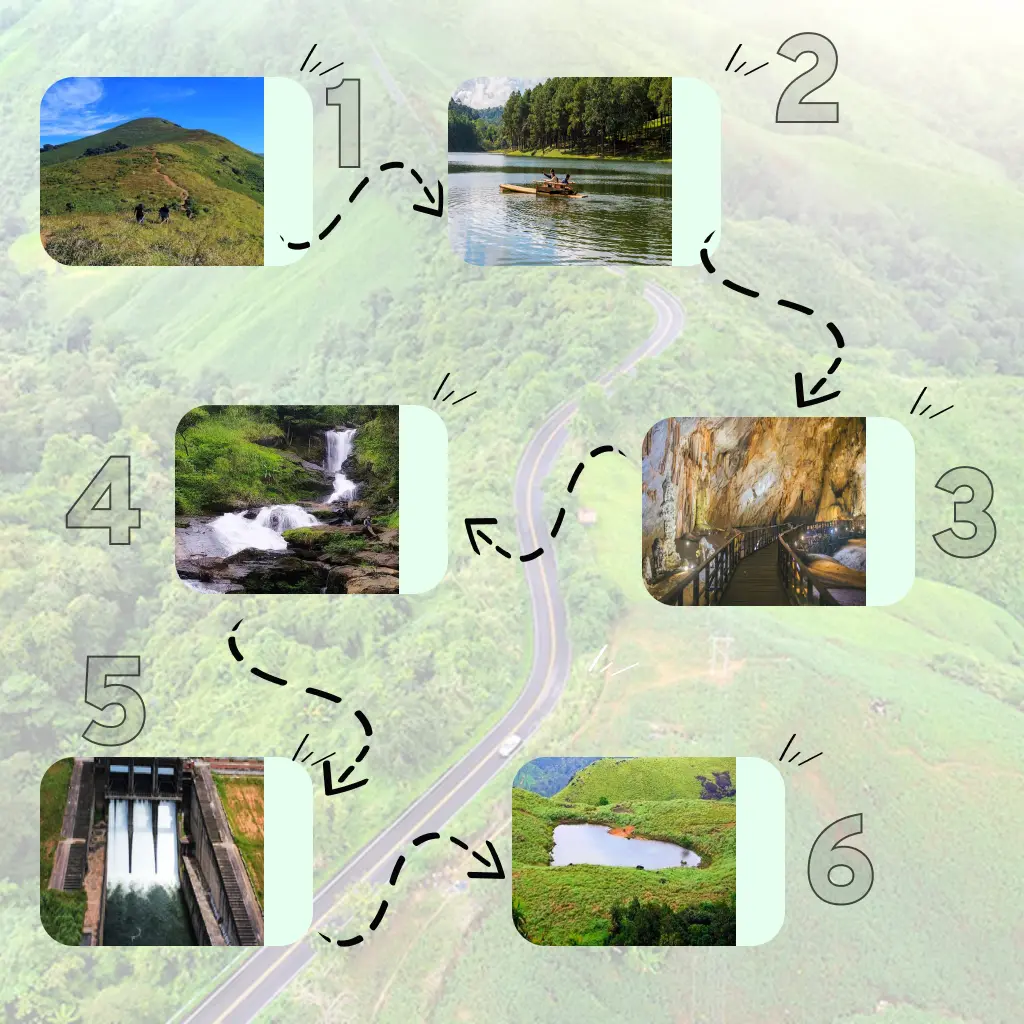
If you’re planning a short escape, a well-paced 2 days itinerary for Wayanad is enough to experience its scenic landscapes, waterfalls, and elevated viewpoints without turning the trip into a rushed checklist. The key is to focus on a few high-impact experiences while leaving room for slower moments — something Wayanad naturally encourages.
This plan works especially well for weekend travellers coming from nearby cities like Bangalore or Kozhikode.
Day 1: Sightseeing + Viewpoints
Start early so you can maximize daylight and avoid travel fatigue.
Morning — Arrive and ease into the hills
If you’re driving in, pause at Lakkidi View Point while entering Wayanad. The layered mountain views set the tone for the trip and provide a refreshing first break after the ghat roads.
From there, head toward Pookode Lake for a relaxed start. A short walk around the lake or a quick boat ride helps you settle into Wayanad’s slower rhythm.
Afternoon — Explore one iconic attraction
Plan a visit to Edakkal Caves, one of the most historically significant places in the region. The uphill trek is moderately challenging but manageable if you pace yourself. Try to begin the climb before mid-afternoon heat.
After descending, stop for lunch nearby and take some downtime — overpacking Day 1 often leads to exhaustion.
Evening — Sunset without the crowds
Drive toward a scenic stretch near your stay or revisit a viewpoint for sunset. Many travellers underestimate how beautiful Wayanad evenings can be once the air cools and mist begins to settle.
Focus of Day 1: Gentle exploration, scenic views, and avoiding travel burnout.
Day 2: Trek + Waterfalls
Keep this day slightly more active but still realistic.
Early Morning — Trekking experience
Start early for the Chembra Peak trek (permits required). Morning hours offer cooler weather and clearer views, making the climb far more enjoyable.
If trekking feels too demanding, consider a shorter guided nature walk instead.
Late Morning to Afternoon — Waterfall visit
After freshening up, head to Soochipara Waterfalls for a refreshing change of scenery. The short forest approach adds to the experience without being overly strenuous.
If you prefer something more adventurous and conditions allow, Meenmutty Waterfalls can be an alternative — but factor in extra trekking time.
Best for: Couples, remote workers, long-stay travellers, and anyone looking to disconnect.
Late Afternoon — Slow down before departure
Use the final hours for a relaxed lunch, a plantation drive, or simply unwinding at your stay before heading back.
Focus of Day 2: One active experience balanced with nature and recovery time.
Is 2 days enough for Wayanad?
Yes — if planned thoughtfully. While you won’t see everything, two days can deliver a meaningful introduction to the region without feeling rushed. Prioritize quality over quantity, and let the destination set the pace.
Places to Visit in Wayanad in 3 Days (Relaxed Itinerary)
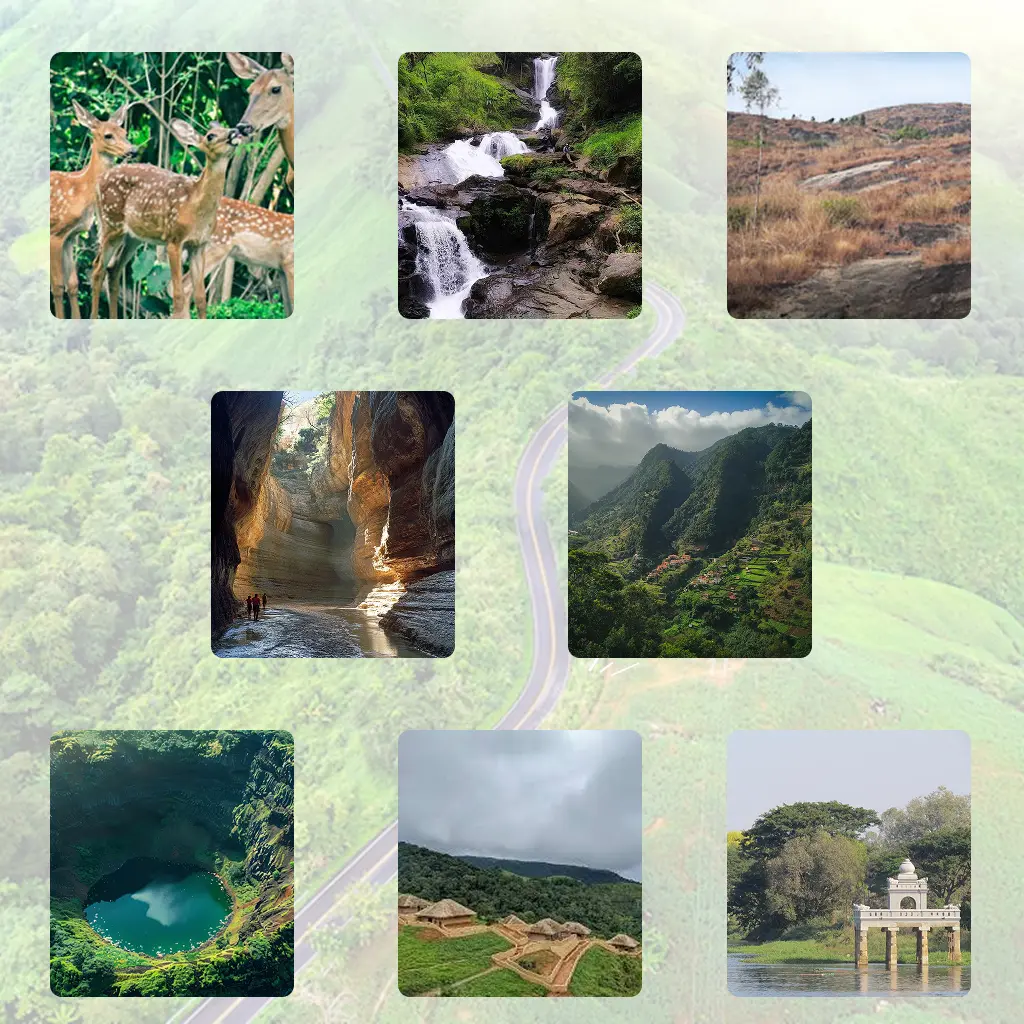
A Wayanad 3 day itinerary allows you to experience the destination the way it’s meant to be enjoyed — slowly, comfortably, and without constantly watching the clock. This version is ideal for couples, families, and travellers who prefer deeper exploration over rapid sightseeing.
Instead of squeezing attractions together, the goal here is balanced pacing.
Day 1: Arrival + Gentle Exploration
Plan your arrival by late morning or early afternoon.
- Stop at Lakkidi View Point for your first panoramic look at the hills.
- Visit Pookode Lake for an easy, low-effort activity after travel.
- Check into your stay and take time to unwind — many travellers realize their accommodation becomes part of the experience in Wayanad.
Evening:
Enjoy a quiet dinner or simply relax. Avoid scheduling heavy plans on arrival day.
Pacing goal:
Let your body adjust to the hills.
Day 2: Signature Wayanad Experiences
Dedicate your second day to the region’s most memorable attractions.
Morning:
Trek to Chembra Peak or choose a guided nature trail depending on your comfort level.
Afternoon:
Visit Edakkal Caves if you didn’t cover them earlier, or explore Banasura Sagar Dam for expansive reservoir views.
Evening:
Drive through plantation roads or head to a nearby viewpoint for sunset.
Pacing goal: One physically active plan + one relaxed attraction.
Day 3: Nature + Flexible Travel
Keep your final day adaptable.
Option 1 — Waterfalls:
Visit Soochipara or Meenmutty Waterfalls, depending on weather and energy levels.
Option 2 — Wildlife or plantation experience:
A morning safari or plantation walk offers a quieter, more immersive end to the trip.
Option 3 — Slow morning:
If your stay overlooks greenery, consider doing less. Many travellers find their most memorable moments happen when nothing is scheduled.
Plan departure for the afternoon so the morning doesn’t feel hurried.
Pacing goal: Close the trip calmly rather than rushing through one last attraction.
Ideal pacing for couples & families
A three-day trip works particularly well because it allows:
- Later wake-ups without missing key sights
- Breaks between physically demanding plans
- Flexibility for weather changes
- Time to enjoy your stay, not just the itinerary
Families benefit from reduced travel fatigue, while couples often appreciate the unstructured time.
Is 3 days enough for Wayanad?
For most travellers, yes. Three days strike the right balance between exploration and relaxation. You’ll cover major attractions, experience the landscape, and still return feeling refreshed rather than exhausted.
Wayanad isn’t a destination that rewards rushing — and this itinerary ensures you don’t.
Places Near Wayanad Worth Exploring
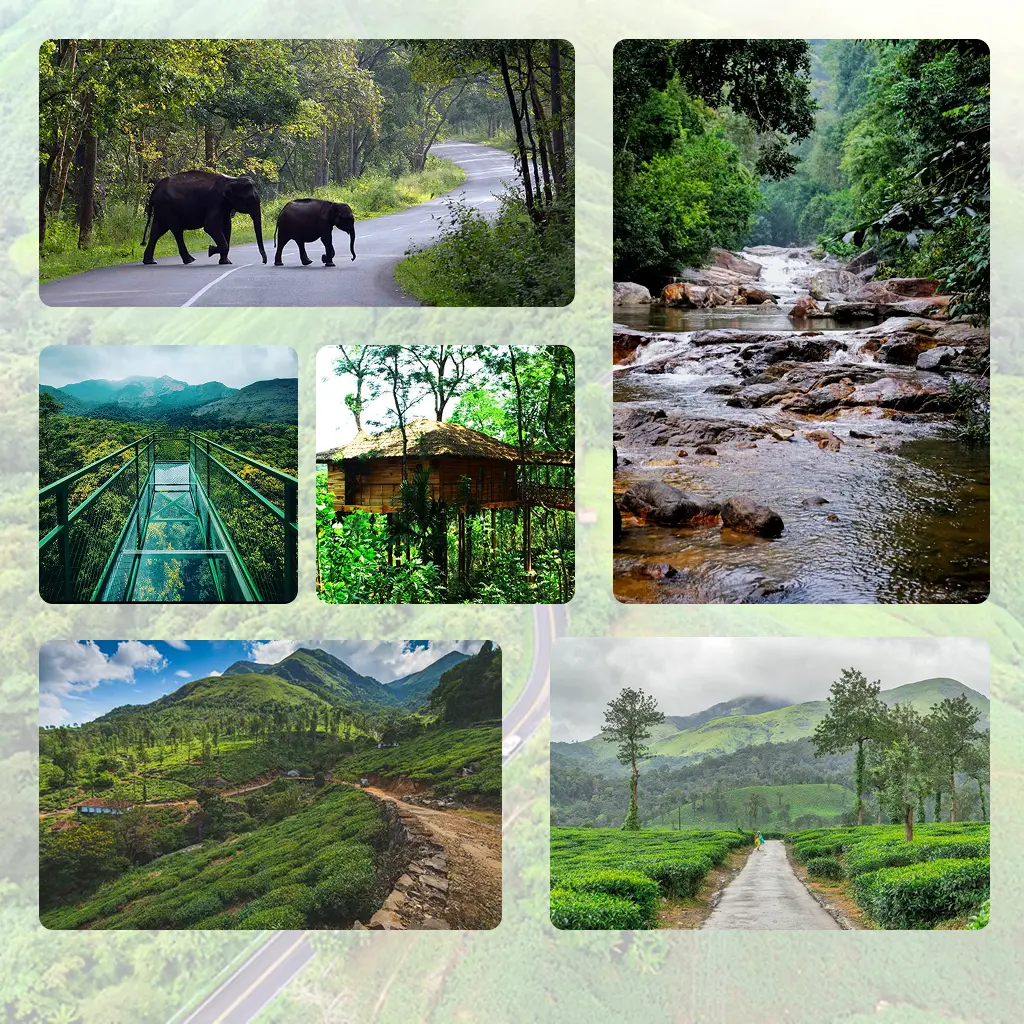
While Wayanad itself offers plenty to see, its location along the Western Ghats makes it a great base for exploring nearby hill regions, forest zones, and scenic drives. If you have extra time — or simply enjoy discovering lesser-known routes — adding one of these destinations can bring welcome variety to your trip.
These places near Wayanad are ideal for travellers who prefer nature-focused experiences over crowded tourist circuits.
Nearby hill stations
Ooty (Approx. 110 km)
Best for: Classic hill scenery, cooler temperatures, relaxed sightseeing
Ooty remains one of South India’s most recognizable hill stations, known for botanical gardens, tea estates, and panoramic viewpoints. Compared to Wayanad, it feels more structured and developed — which some travellers appreciate for its accessibility and range of activities.
If you’re planning to extend your journey, the drive itself is rewarding, with winding roads and changing landscapes along the way.
Who should consider it: First-time hill travellers or families looking for familiar infrastructure.
Coorg (Approx. 115 km)
Best for: Plantation stays, scenic drives, peaceful retreats
Often called the “Scotland of India,” Coorg shares some similarities with Wayanad — rolling hills, coffee plantations, and misty mornings — but offers its own distinct rhythm.
Travellers who enjoy plantation walks, river-side viewpoints, and slower itineraries often find Coorg complements a Wayanad trip well.
Who should consider it: Couples and slow travellers planning a longer hill vacation.
Nature escapes close to Wayanad
Trek to Chembra Peak or choose a guided nature trail depending on your comfort level.
Nagarhole National Park (Approx. 90 km)
Best for: Wildlife safaris, forest landscapes, photography
Part of the Nilgiri Biosphere Reserve, Nagarhole is known for its protected forests and diverse wildlife. Jeep and boat safaris offer opportunities to observe elephants, deer, and birdlife in their natural habitat.
If your Wayanad itinerary leans heavily toward waterfalls and viewpoints, adding a wildlife-focused destination creates a more balanced travel experience.
Travel tip: Morning safaris typically offer better visibility and animal activity.
Bandipur National Park (Approx. 100 km)
Drive through plantation roads or head to a nearby viewpoint for sunset.
Best for: Scenic forest drives, extended wildlife circuits
Located along a well-known wildlife corridor, Bandipur pairs easily with routes connecting Karnataka and Kerala. Even the drive through the region can feel immersive, with stretches of protected forest on either side.
Because vehicle movement is regulated at night, planning your timing is important.
Who should consider it: Road trippers and wildlife enthusiasts extending their journey.
Should you add nearby destinations to your itinerary?
If your trip is limited to 2–3 days, focusing only on Wayanad usually makes more sense — rushing between destinations can take away from the relaxed experience the region is known for.
However, travellers planning 4–6 days often benefit from combining Wayanad with one nearby hill or forest destination to create a richer itinerary.
The key is pacing: choose depth over distance whenever possible.
Travel Tips for Wayanad (Budget, Transport & Safety)

A well-planned trip to Wayanad is rarely complicated — but a few practical decisions can significantly improve your experience. Because the region is spread across hills and forest zones, understanding transport, budgeting realistically, and preparing for outdoor activities will help your journey feel smoother and more relaxed.
Here are some essential travel tips to keep in mind before you go.
Getting around Wayanad
One of the most important things travellers underestimate is travel time within Wayanad. Distances may look short on maps, but winding ghat roads and forest routes naturally slow you down.
Best ways to get around:
- Self-drive car: The most convenient option for families and couples. It offers flexibility and reduces dependency on local transport.
- Bike or scooter: Suitable for experienced riders comfortable with hill roads.
- Private taxis: Widely available but can become expensive if used frequently.
Public transport exists but isn’t ideal for sightseeing due to limited connectivity between attractions.
Pro tip: Choose your stay strategically so you’re not driving long hours every day.
Budget expectations
Wayanad caters to a wide range of travellers — from budget explorers to luxury seekers. Your daily spend largely depends on accommodation style and transport choices.
Budget travellers:
Homestays, local eateries, and shared transport can keep costs manageable.
Mid-range travellers:
Boutique stays, private vehicles, and guided experiences typically fall into this bracket
Luxury travellers:
Private villas, premium forest resorts, and curated experiences elevate comfort while increasing overall spend.
Regardless of budget, booking stays early — especially during long weekends and peak winter months — helps avoid price surges.
Trek safety tips
- Always check weather conditions before planning a trek
- Respect forest department rules and permit requirements
- Wear proper trekking shoes with strong grip
- Carry water and avoid starting late in the day
- Consider hiring a guide for unfamiliar trails
Most importantly, know your limits. Choosing a trail that matches your fitness level ensures the experience stays enjoyable rather than exhausting.
A small tip that makes a big difference
Plan fewer activities than you think you can manage. Wayanad is best experienced at a slower pace, and leaving room in your itinerary allows you to adapt to weather changes, traffic delays, or spontaneous discoveries.
Travel here feels better when it isn’t rushed.
FAQs
What are the best places to visit in Wayanad?
The best places to visit in Wayanad include Edakkal Caves, Banasura Sagar Dam, Chembra Peak, Soochipara Waterfalls, Pookode Lake, and Wayanad Wildlife Sanctuary. These attractions offer a mix of history, scenic landscapes, trekking opportunities, and wildlife experiences, making them ideal for both first-time visitors and repeat travellers looking to explore Kerala’s hill regions.
How many days are enough for Wayanad?
Ideally, 2 to 3 days are enough to explore Wayanad comfortably. A two-day trip covers major attractions like viewpoints, waterfalls, and one trekking experience, while three days allow for a more relaxed pace with time for nature walks, plantation visits, and quieter moments. Travellers who prefer slow travel often find three days more enjoyable.
What is Wayanad famous for?
Wayanad is famous for its lush greenery, mist-covered hills, waterfalls, wildlife reserves, and trekking trails. The region is also known for prehistoric sites like Edakkal Caves and expansive landscapes shaped by plantations and forests. Its cooler climate and relatively uncrowded environment make it a popular escape for travellers seeking nature and relaxation.
Is Wayanad good for trekking?
Yes, Wayanad is considered one of the best trekking destinations in South India. Trails such as Chembra Peak, Brahmagiri, and Pakshipathalam offer routes ranging from moderate to challenging. The combination of mountain views, forest paths, and fresh air makes trekking here both scenic and rewarding, especially during the post-monsoon and winter months.
What is the best time to visit Wayanad?
The best time to visit Wayanad is typically between October and May, when the weather is pleasant and suitable for sightseeing and outdoor activities. Winter months offer cooler temperatures and clearer views, while the post-monsoon period brings vibrant greenery. Travellers often avoid peak monsoon season due to heavy rainfall and restricted access to certain trails.
Can Wayanad be covered in 2 days?
Yes, Wayanad can be covered in 2 days if you focus on a few key attractions rather than trying to see everything. A well-planned itinerary can include a viewpoint, a waterfall, one trekking experience, and a scenic drive. While the trip will feel shorter, it still provides a meaningful introduction to the region.
Which are the best viewpoints in Wayanad?
Some of the best viewpoints in Wayanad include Lakkidi View Point, Neelimala View Point, and Chembra Peak. Each offers expansive views of the surrounding hills and valleys, making them popular for photography and sunrise visits. These spots are especially rewarding during clear weather when visibility stretches across layered mountain landscapes.
Plan Your Wayanad Trip Smarter with Offto Travellers
Wayanad is the kind of destination that inspires ideas long before the trip actually begins — a viewpoint you want to remember, a trek you don’t want to miss, a stay that feels perfect for slowing down. But turning inspiration into a well-planned journey often takes time.
Offto Travellers makes that process simpler.
Instead of jumping between multiple apps, screenshots, and browser tabs, Offto brings discovery, planning, connection, and booking into one seamless travel flow.
Explore real travel stories from Wayanad
Before you decide where to go, see how other travellers experienced it.
Discover authentic travel stories, real itineraries, hidden spots, and practical insights shared by people who’ve already explored Wayanad. It’s a more personal way to plan — driven by experiences rather than generic lists.
Save places and itineraries for later
Found a waterfall worth visiting or a trek you want to attempt? Save it instantly so nothing gets lost while planning.
Create your own travel collection, revisit it anytime, and organize your trip without the usual back-and-forth searching.
Because great trips often start with ideas — and those ideas deserve a place to stay.
Save places and itineraries for later
Found a waterfall worth visiting or a trek you want to attempt? Save it instantly so nothing gets lost while planning.
Create your own travel collection, revisit it anytime, and organize your trip without the usual back-and-forth searching.
Because great trips often start with ideas — and those ideas deserve a place to stay.
Book stays and experiences without switching apps
When a place feels right, you shouldn’t have to start your search all over again.
With Offto Travellers, you can:
- Book hotels and nature stays
- Discover curated holidays
- Reserve activities and experiences
All directly inside the app — smoothly moving from inspiration to confirmation.
Connect with travellers who share your travel style
Travel is often better when it’s shared. Follow fellow travellers, exchange tips, learn from real journeys, and build connections around destinations you love.
Whether you’re planning your first trip to Wayanad or returning to explore deeper, the community helps you travel more confidently.
Why travellers are moving to smarter travel platforms
Most platforms help you either discover or book.
Offto is built to help you do both — while keeping your travel memories in one place.
It’s a new-age travel platform designed for travellers who want to:
- Explore smarter
- Plan faster
- Connect better
- Book seamlessly
Plan Your Wayanad Trip Smarter with Offto Travellers
Wayanad is the kind of destination that inspires ideas long before the trip actually begins — a viewpoint you want to remember, a trek you don’t want to miss, a stay that feels perfect for slowing down. But turning inspiration into a well-planned journey often takes time.
Offto Travellers makes that process simpler.
Instead of jumping between multiple apps, screenshots, and browser tabs, Offto brings discovery, planning, connection, and booking into one seamless travel flow.
Explore real travel stories from Wayanad
Before you decide where to go, see how other travellers experienced it.
Discover authentic travel stories, real itineraries, hidden spots, and practical insights shared by people who’ve already explored Wayanad. It’s a more personal way to plan — driven by experiences rather than generic lists.
Save places and itineraries for later
Found a waterfall worth visiting or a trek you want to attempt? Save it instantly so nothing gets lost while planning.
Create your own travel collection, revisit it anytime, and organize your trip without the usual back-and-forth searching.
Because great trips often start with ideas — and those ideas deserve a place to stay.
Book stays and experiences without switching apps
When a place feels right, you shouldn’t have to start your search all over again.
With Offto Travellers, you can:
- Book hotels and nature stays
- Discover curated holidays
- Reserve activities and experiences
All directly inside the app — smoothly moving from inspiration to confirmation.
Connect with travellers who share your travel style
Travel is often better when it’s shared. Follow fellow travellers, exchange tips, learn from real journeys, and build connections around destinations you love.
Whether you’re planning your first trip to Wayanad or returning to explore deeper, the community helps you travel more confidently.
Best experienced on the Offto Travellers app
Get the Offto app to explore travel stories, share your own journeys, connect with travellers, and book trips—all in one place.
Play StoreApp Store
Leave a Reply