
Sikkim, located in the northeastern part of India, is a stunning Himalayan state known for its breathtaking landscapes, rich cultural heritage, and diverse tourist attractions. From the vibrant city of Gangtok to the peaceful Pelling and the picturesque Yumthang Valley, Sikkim offers something for every traveler. Explore its monasteries, trek through its scenic valleys, and visit historical sites like Gurudongmar Lake and Nathula Pass to experience the best of this beautiful region.
Introduction to Sikkim
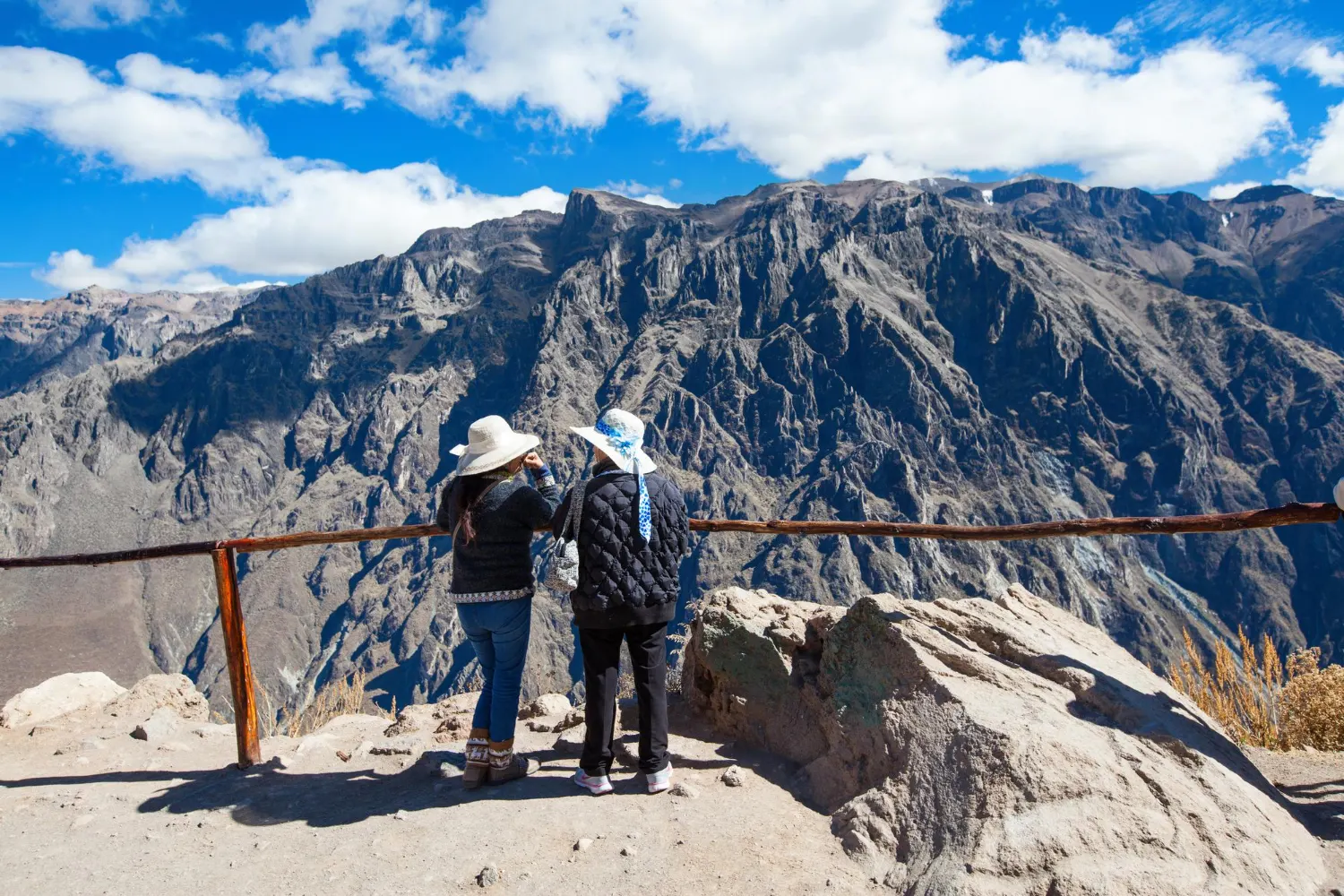
Sikkim, one of India’s smallest states, is nestled in the eastern Himalayas, bordered by Tibet (China), Nepal, and Bhutan. Despite its size, it’s a place of immense beauty, with towering snow-capped peaks, lush valleys, and vibrant culture. The state is home to Mount Kanchenjunga, the third-highest mountain in the world, which stands as a symbol of Sikkim’s natural grandeur.
Beyond its stunning landscapes, Sikkim is a hub of spiritualism, with numerous Buddhist monasteries and temples that are integral to the state’s cultural fabric. Gangtok, the capital city, serves as a perfect base for exploring the region. Its vibrant markets, monasteries, and cafes offer a unique blend of modernity and tradition, while its proximity to key tourist destinations makes it an essential part of any Sikkim itinerary.
Sikkim is also known for its adventure activities like trekking, river rafting, and paragliding, as well as its rich biodiversity. It’s one of the most peaceful and tourist-friendly states in India, offering a perfect combination of nature, culture, and adventure.
Where is Sikkim?
Sikkim is located in the northeastern part of India, nestled in the eastern Himalayas. It is bordered by Tibet (China) to the north, Nepal to the west, and Bhutan to the east. To the south, it shares a border with the Indian state of West Bengal.
The state is easily accessible from major cities like Kolkata, New Jalpaiguri, and Bagdogra, which are well-connected by rail, road, and air. Gangtok, the capital city of Sikkim, is situated at an altitude of 1,650 meters (5,410 feet) and is the gateway to the rest of the state’s popular tourist destinations, such as Pelling, Yumthang Valley, and Nathula Pass.
Geographically, Sikkim is a small but diverse state, with landscapes ranging from subtropical forests to alpine meadows and towering peaks, all contributing to its immense charm and popularity as a tourist destination.
Best Places to Visit in Sikkim
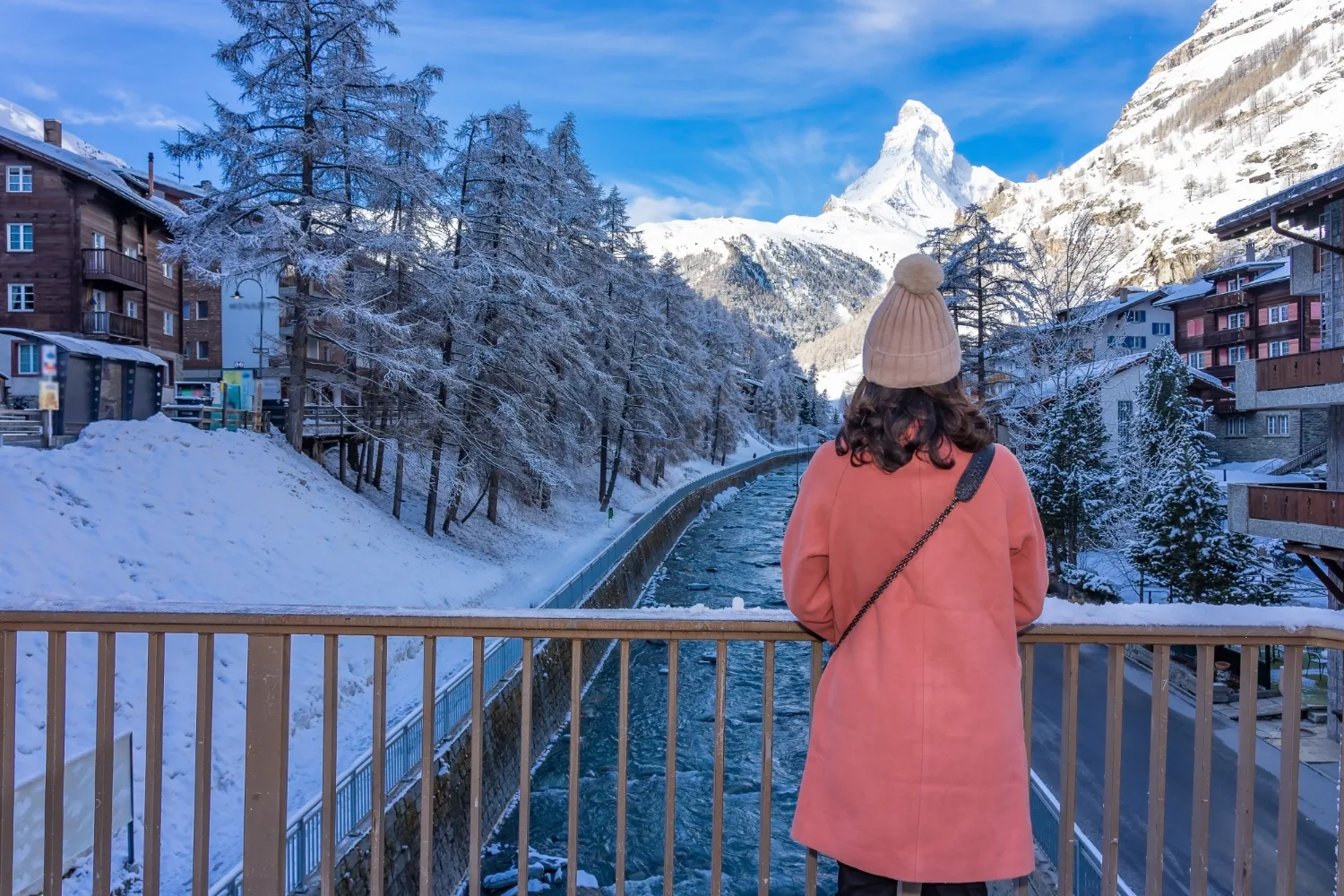
Sikkim is a treasure trove of natural beauty, cultural heritage, and adventure. From bustling cities to serene valleys, the state is home to some of the most stunning destinations in India. Here’s a look at some of the must-visit places in Sikkim:
Gangtok
As the capital city of Sikkim, Gangtok is the gateway to the state and offers a blend of modernity and tradition. Located at an altitude of 1,650 meters (5,410 feet), the city offers breathtaking views of the Himalayas. Highlights include:
- MG Road: The heart of Gangtok, lined with shops, cafes, and restaurants, offering a lively atmosphere.
- Rumtek Monastery: A significant Buddhist monastery offering a glimpse into Sikkim’s spiritual heritage.
- Tsongmo Lake: A glacial lake located just outside Gangtok, known for its beauty and spiritual significance.
Pelling
Located at an altitude of 2,150 meters (7,050 feet), Pelling is a peaceful town offering panoramic views of Mount Kanchenjunga. Pelling is also known for its scenic landscapes and monasteries:
- Pemayangtse Monastery: One of the oldest and most important monasteries in Sikkim, offering serene views and an insight into Tibetan Buddhism.
- Khecheopalri Lake: A sacred lake, believed to be a wish-fulfilling place by the locals, surrounded by lush forests.
- Kanchenjunga Falls: A beautiful waterfall with stunning views of the surrounding mountains.
Yumthang Valley
Known as the “Valley of Flowers,” Yumthang Valley is a paradise for nature lovers. Located at an altitude of 3,564 meters (11,693 feet), it’s best known for its vibrant meadows filled with alpine flowers:
- Yumthang Hot Springs: Natural hot springs surrounded by snow-capped peaks, perfect for relaxation after a day of trekking.
- Shingba Rhododendron Sanctuary: A sanctuary that comes alive with colorful rhododendron blooms in spring.
Gurudongmar Lake
One of the highest lakes in the world, Gurudongmar Lake is located at an altitude of 5,430 meters (17,800 feet). The lake is a sacred site for both Buddhists and Sikhs and is known for its stunning beauty and spiritual significance. The crystal-clear blue water set against the backdrop of snow-capped peaks makes it a must-visit destination.
Nathula Pass
Located at an altitude of 4,310 meters (14,140 feet), Nathula Pass is a key trade route between India and China. It is known for its breathtaking views and historical significance. Visitors can also experience the Indo-China border and witness the flag-lowering ceremony that takes place at the pass. Tsongmo Lake is also nearby, adding to the attraction of this high-altitude destination.
Things to Do in Sikkim
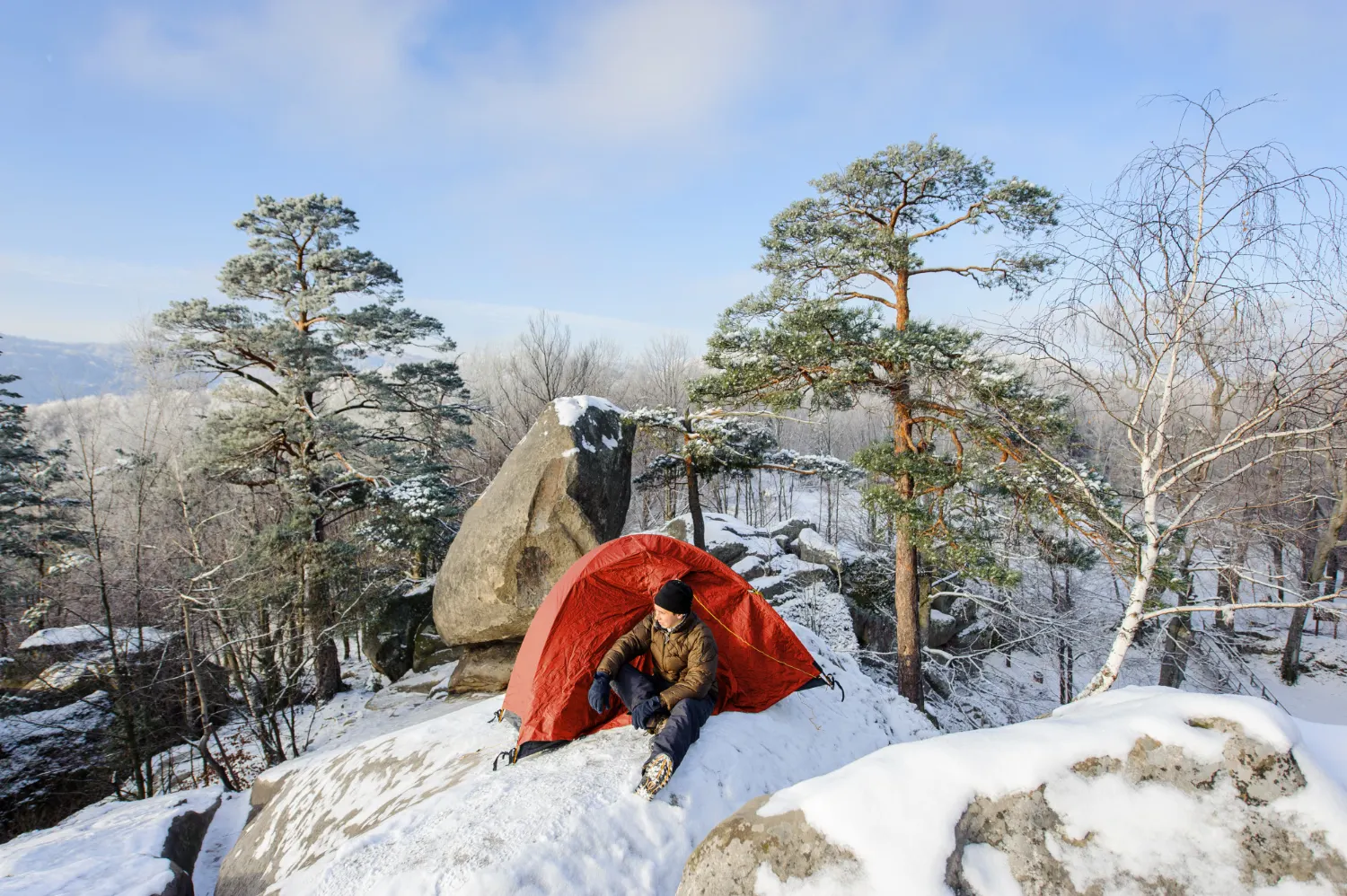
Sikkim offers a variety of activities that cater to adventure seekers, nature lovers, and those interested in spiritual and cultural experiences. Here’s a guide to some of the best things to do in Sikkim:
Trekking
Sikkim is a trekker’s paradise, with numerous trekking routes ranging from easy to challenging. Some popular treks include:
- Goechala Trek: A challenging trek that offers the best views of Mount Kanchenjunga, passing through forests, lakes, and high-altitude meadows.
- Yumthang Valley Trek: A relatively easier trek that takes you through the beautiful Yumthang Valley, perfect for first-time trekkers.
River Rafting
Sikkim’s rivers offer an exciting opportunity for river rafting. The Teesta River is the most popular for rafting, providing thrilling rapids and scenic views of the Himalayan foothills. Rafting in Sikkim is ideal during the summer months, offering a perfect mix of adventure and natural beauty.
Yoga Retreats
Sikkim is an ideal destination for those seeking peace and spiritual rejuvenation. Many retreats, especially in Gangtok and Pelling, offer yoga and meditation sessions, often set against the backdrop of the majestic mountains. These retreats offer a chance to relax, de-stress, and connect with nature.
Exploring Monasteries
Sikkim is home to numerous Buddhist monasteries that are both cultural and spiritual landmarks. Some of the most notable monasteries to visit include:
- Rumtek Monastery (Gangtok): A famous Tibetan Buddhist monastery known for its architecture and religious importance.
- Pemayangtse Monastery (Pelling): Offers a peaceful ambiance and views of Kanchenjunga.
- Tashiding Monastery: Located on a hilltop, it offers panoramic views and holds great religious significance.
Visiting Historical Monuments
Sikkim is rich in history, and visitors can explore historical monuments that reflect the region’s culture:
- Norbugang Chorten: A historical monument located in Yuksom, it marks the site where the first Chogyal (king) of Sikkim was consecrated.
- Buddhist Stupas and Chortens: Scattered throughout Sikkim, these offer insight into the region’s spiritual practices.
Experiencing Sikkimese Culture
Sikkim is known for its unique culture, influenced by Tibetan Buddhism, Nepalese traditions, and indigenous Sikkimese customs. Visitors can explore traditional Sikkimese dance forms, visit local markets for handcrafted goods, and taste authentic Sikkimese cuisine, which blends Tibetan and Nepalese influences.
Famous Tourist Places in Sikkim
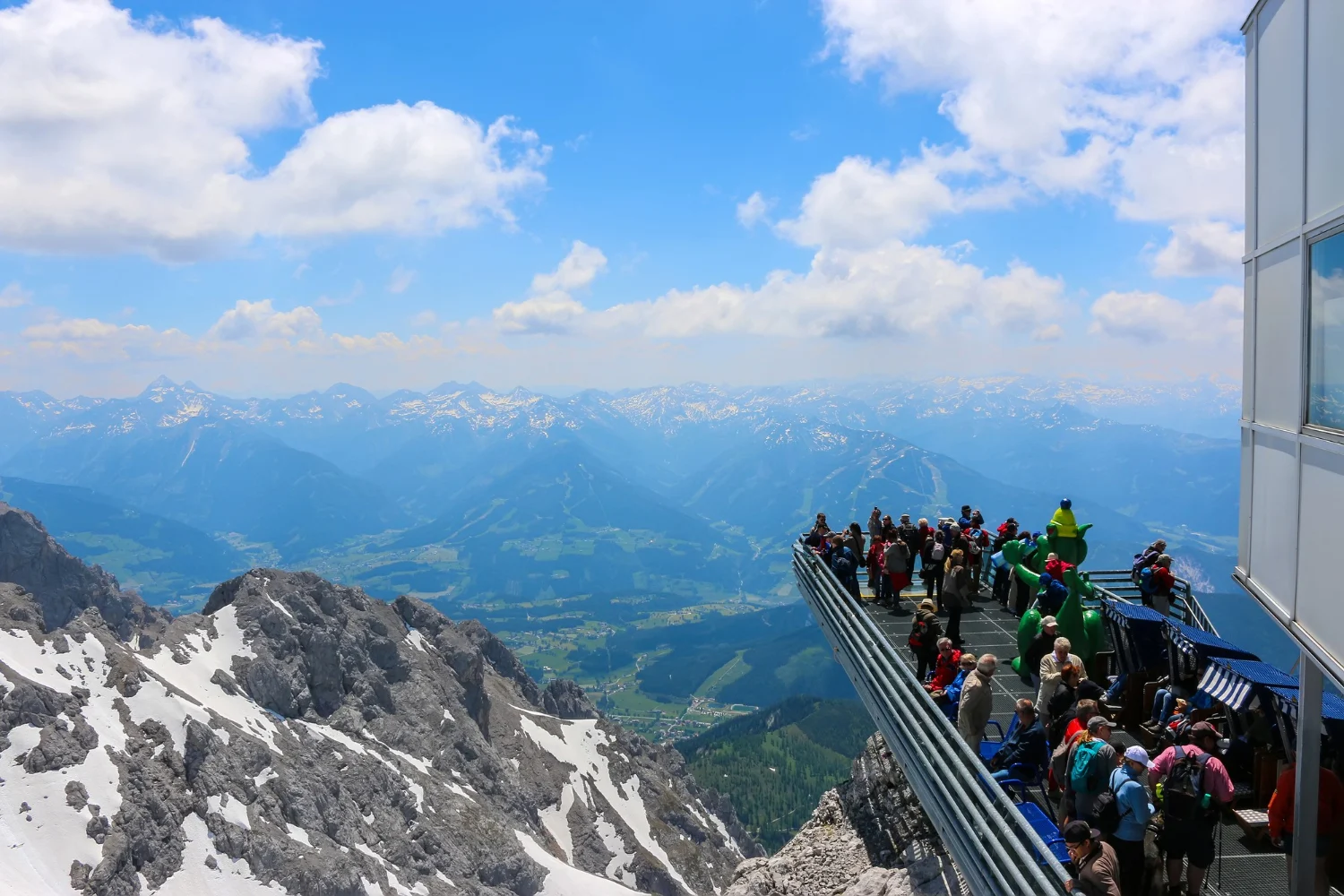
Sikkim is renowned for its stunning landscapes, rich cultural heritage, and historical significance. Whether you’re exploring high-altitude passes, serene lakes, or ancient monasteries, Sikkim offers some of the most remarkable tourist destinations in India. Here are some of the most famous places to visit:
Nathula Pass
Located at an altitude of 4,310 meters (14,140 feet), Nathula Pass is one of the highest motorable roads in the world and a crucial part of the India-China border. It is a place of great historical and strategic importance and offers mesmerizing views of the surrounding mountains and valleys.
- Natural Beauty: The pass is surrounded by lush landscapes and snow-capped peaks, making it a scenic destination, especially during the winter months when the area is covered in snow.
- Historical Importance: Nathula Pass has been a critical trade route between India and Tibet for centuries, and it is one of the most iconic landmarks of Sikkim. The flag-lowering ceremony at the pass is a must-see, showcasing the cordial relationship between the Indian and Chinese soldiers.
- Tourist Tip: The road to Nathula Pass can be treacherous, so it is important to travel with a guide. The pass is closed during the monsoon season, so winter and spring are the best times to visit.
Tsongmo Lake (Changu Lake)
Tsongmo Lake, also known as Changu Lake, is a sacred glacial lake located at an altitude of 3,753 meters (12,313 feet). The lake is surrounded by snow-capped peaks and is a popular stop for travelers heading towards Nathula Pass.
- Natural Beauty: Tsongmo Lake’s changing colors make it an incredible sight throughout the year. In winter, it freezes over, creating a serene, snow-covered scene, while in spring and summer, it is surrounded by blooming rhododendrons and alpine flowers.
- Religious Significance: The lake is considered sacred by the locals and is an important religious site for the people of Sikkim. There is a small Baba Mandir near the lake dedicated to a revered Indian soldier.
- Tourist Tip: Tsongmo Lake is accessible only to Indian tourists, and permits are required to visit. The lake is best visited during spring or early summer to fully appreciate the vibrant surroundings.
Rumtek Monastery
Rumtek Monastery is one of the most famous and important Buddhist monasteries in Sikkim, located near Gangtok. It is the seat of the Karmapa, the head of the Kagyu school of Tibetan Buddhism.
- Cultural and Spiritual Significance: Rumtek Monastery is known for its vibrant religious ceremonies and its stunning architecture, which closely resembles the traditional Tibetan monastic style. The monastery houses a large collection of Buddhist scriptures and artifacts.
- Natural Beauty: The monastery is situated on a hilltop, offering breathtaking views of the surrounding valleys and forests. The peaceful atmosphere makes it a perfect spot for meditation and spiritual reflection.
- Tourist Tip: Visitors are encouraged to dress modestly when visiting the monastery. The monastery is also a great place for those interested in learning about Tibetan Buddhism and its practices.
Pelling
Located at an altitude of 2,150 meters (7,050 feet), Pelling is a picturesque town in West Sikkim that offers some of the best views of Mount Kanchenjunga, the third-highest mountain in the world. Pelling is known for its serene atmosphere and natural beauty.
- Natural Beauty: Pelling is surrounded by dense forests, waterfalls, and alpine meadows. The town offers panoramic views of the Kanchenjunga range, which is particularly stunning during sunrise.
- Historical and Religious Sites: Pelling is home to several important monasteries, including the Pemayangtse Monastery, one of the oldest and most important in the region. It is also home to Khecheopalri Lake, a sacred lake believed to fulfill wishes.
- Tourist Tip: Pelling is a great base for trekking and exploring other nearby attractions like the Kanchenjunga Falls and Rabdentse Ruins, the remnants of the former capital of Sikkim.
Sikkim is home to a diverse range of tourist destinations that cater to all kinds of travelers, from history buffs and spiritual seekers to nature enthusiasts and adventure lovers. Nathula Pass offers a glimpse into the region’s historical significance, while Tsongmo Lake and Pelling provide unmatched natural beauty. Meanwhile, the Rumtek Monastery offers spiritual tranquility, and historical landmarks like Pemayangtse Monastery and Khecheopalri Lake add a deeper layer to the state’s rich cultural heritage.
No matter which of these famous tourist destinations you visit, Sikkim promises a memorable experience steeped in natural beauty, spirituality, and adventure.
Gurudongmar Lake Sikkim
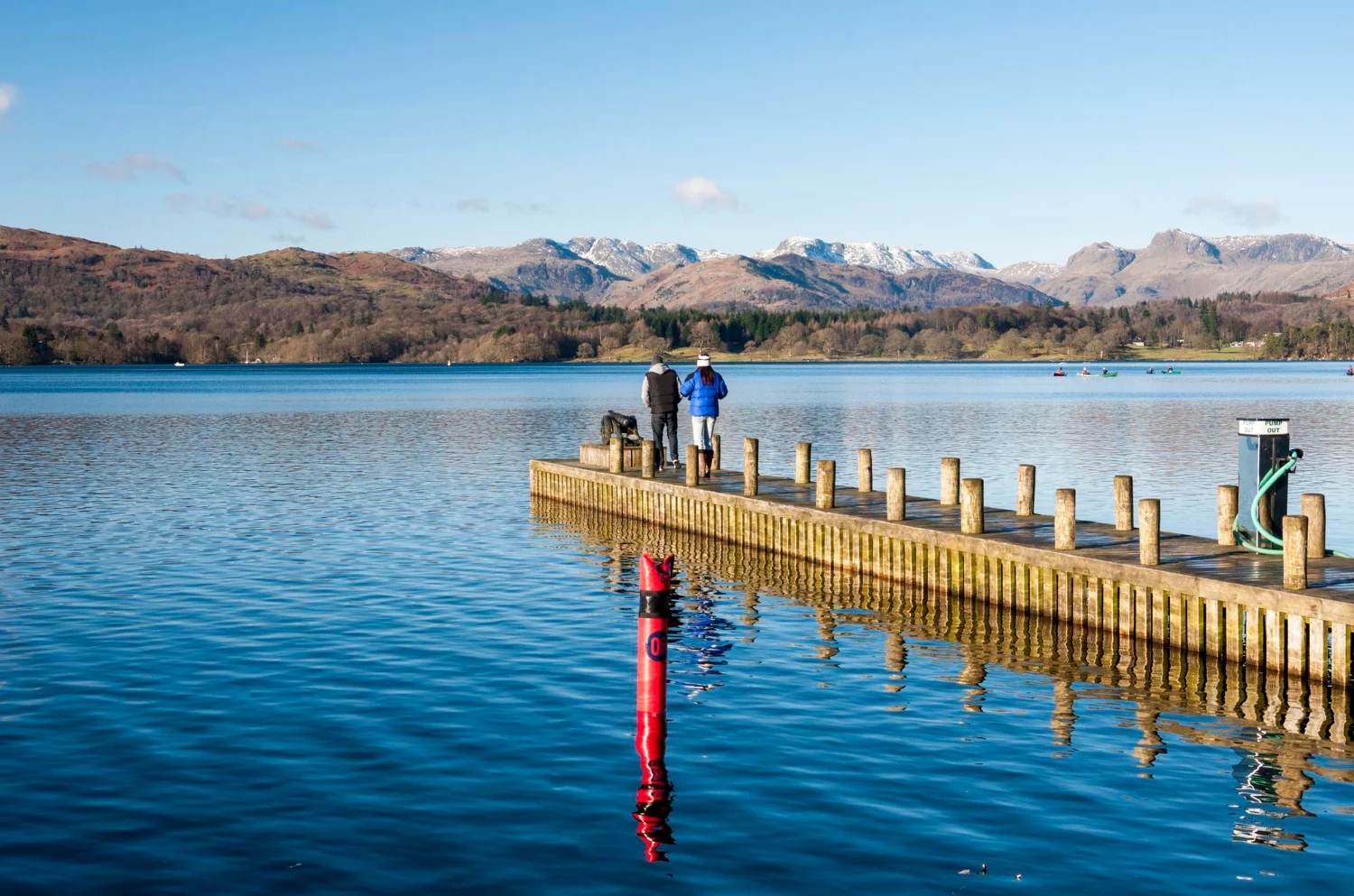
Gurudongmar Lake is one of the highest-altitude lakes in the world, situated at 5,430 meters (17,800 feet) in the northern part of Sikkim. It is considered one of the most sacred lakes in India, both for Buddhists and Sikhs, and is a must-visit destination for travelers seeking both natural beauty and spiritual significance.
How to Visit Gurudongmar Lake
Reaching Gurudongmar Lake requires proper planning, as it is located in a remote region close to the Indo-China border. Here’s how you can visit:
- Permit: Due to its proximity to the international border, travelers need special permits to visit Gurudongmar Lake. These permits are available through the Sikkim Tourism Department or a registered travel agent in Gangtok.
- Road Access: The lake can be accessed from Lachen, a small town in North Sikkim, located about 108 kilometers from Gangtok. From Lachen, it takes around 4-5 hours to reach the lake by jeep, as the road is quite rugged and winding.
- Best Time for the Visit: The roads to Gurudongmar Lake are open from April to mid-November, as the region experiences heavy snowfall in winter, which makes access difficult.
Spiritual Significance
Gurudongmar Lake holds immense spiritual importance for both Buddhists and Sikhs:
- Buddhist Significance: According to local legends, Guru Padmasambhava (a revered Buddhist master) blessed the lake, making it sacred for Buddhists. It is believed that the lake has healing properties
- Sikh Significance: Gurudongmar Lake is also sacred to Sikhs, as Guru Nanak is said to have visited the lake during his travels. A small Gurudwara (Sikh temple) located near the lake is a place of worship for Sikh pilgrims.
Stunning Landscape
The landscape surrounding Gurudongmar Lake is nothing short of breathtaking. The crystal-clear waters of the lake are surrounded by towering snow-capped peaks, which reflect in the lake’s surface, creating a picture-perfect scene. The stark, barren terrain adds to the serene and otherworldly atmosphere of the location. The lake remains frozen for most of the year, except during the summer months, making it even more mesmerizing when the ice starts to thaw.
Best Time to Visit Sikkim (Gangtok, Darjeeling, and Pelling)
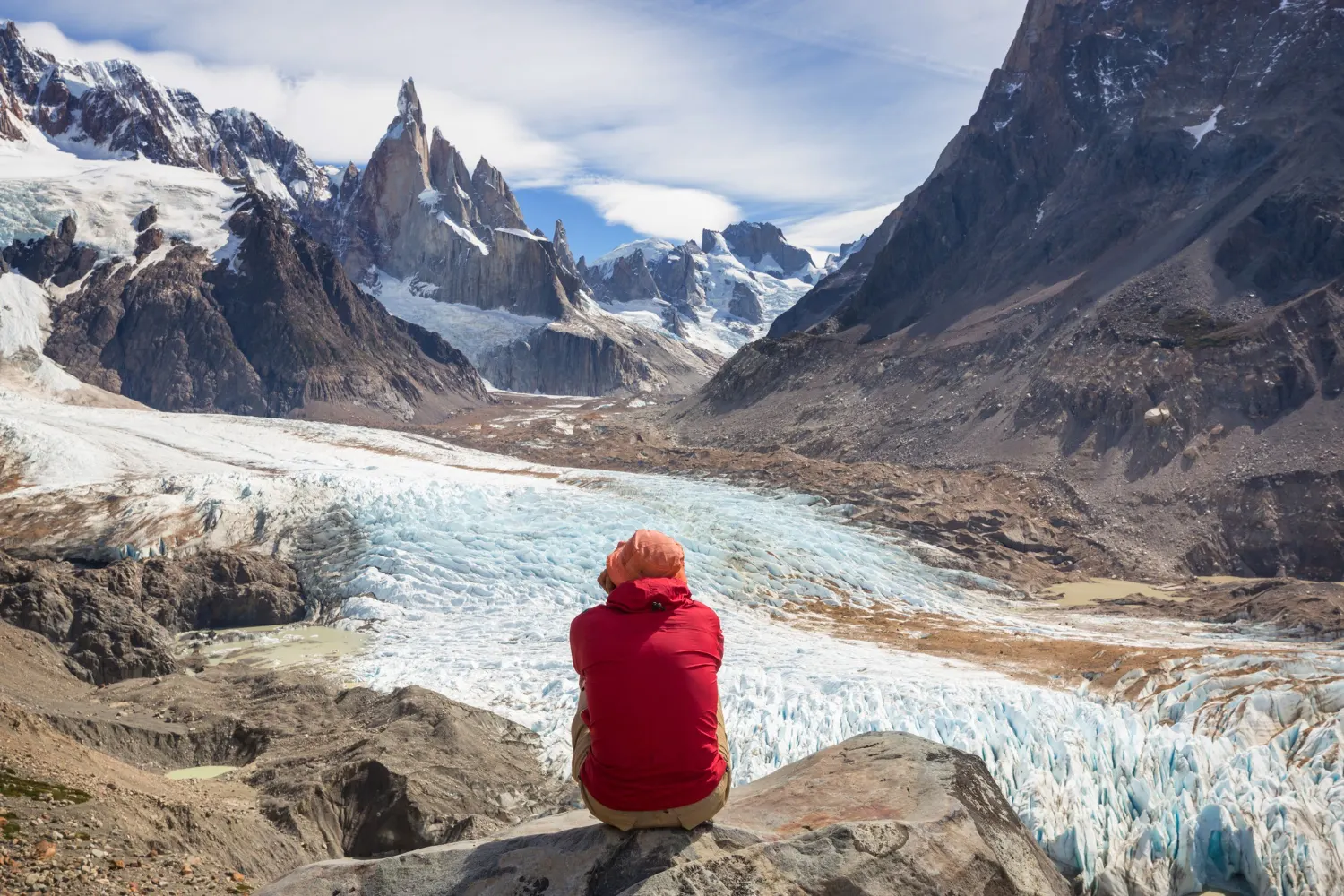
Sikkim, Gangtok, Darjeeling, and Pelling offer unique experiences throughout the year. Here’s a season-by-season guide to help you plan the best time for trekking, sightseeing, and snow activities.
Summer (March to June)
- Weather: Temperatures range from 10°C to 25°C, making it an ideal time for sightseeing and outdoor activities. The days are warm and sunny, while the evenings remain cool.
- What to Do: Summer is perfect for trekking, sightseeing, and exploring the landscapes. Popular trekking routes like the Goechala Trek or visits to Yumthang Valley are best during this period. The vibrant rhododendron blooms in the valleys add to the beauty.
- Best For: Trekking, sightseeing, and cultural exploration.
Monsoon (July to September)
- Weather: The monsoon season brings heavy rains, with temperatures ranging from 15°C to 25°C. It’s also the period of high humidity and possible landslides.
- What to Do: While the landscapes are lush and green, outdoor activities like trekking and sightseeing may be affected due to slippery trails and low visibility. It’s best to avoid visiting high-altitude areas like Gurudongmar Lake during the monsoon.
- Best For: Avoid trekking and snow activities, but ideal for enjoying the peaceful atmosphere if you prefer solitude and green landscapes.
Autumn (October to November)
Weather: Autumn offers crisp air with temperatures ranging from 5°C to 20°C. The skies are clear, and the weather is perfect for outdoor exploration.
What to Do: This is one of the best times to visit Sikkim. The landscapes are clear, and the trails are accessible. It’s a great time for trekking, as well as visiting places like Gangtok, Darjeeling, and Pelling. The Kanchendzonga Mountain Range is also clearly visible during this period.
Best For: Trekking, sightseeing, and enjoying the fall foliage.
Winter (December to February)
- Weather: Winter in Sikkim can be quite cold, with temperatures ranging from -10°C to 7°C. The region experiences heavy snowfall, especially in high-altitude areas like Gurudongmar Lake and Nathula Pass.
- What to Do: Winter is perfect for snow sports, including skiing and snowboarding in Gulmarg. For sightseeing, places like Nathula Pass, Tsongmo Lake, and Pelling provide a serene winter wonderland. However, be prepared for freezing temperatures and potentially closed roads due to heavy snow in some areas.
- Best For: Snow activities, sightseeing in the snow, and enjoying the winter landscapes.
Summary
- For Trekking and Outdoor Activities: Summer (March to June) and Autumn (October to November) are the best times to visit Sikkim, offering perfect weather for hiking and sightseeing.
- For Snow Activities: Winter (December to February) is the best time for snow sports, though it comes with colder temperatures and possible road closures.
- For Solitude and Greenery: If you enjoy peaceful, green landscapes and don’t mind the rain, Monsoon (July to September) is perfect for experiencing lush valleys, although outdoor activities may be limited.
Sikkim offers a unique experience throughout the year, making it a great destination for every season, depending on your interests.
Sikkim, Darjeeling, Gangtok – The Perfect Triangle
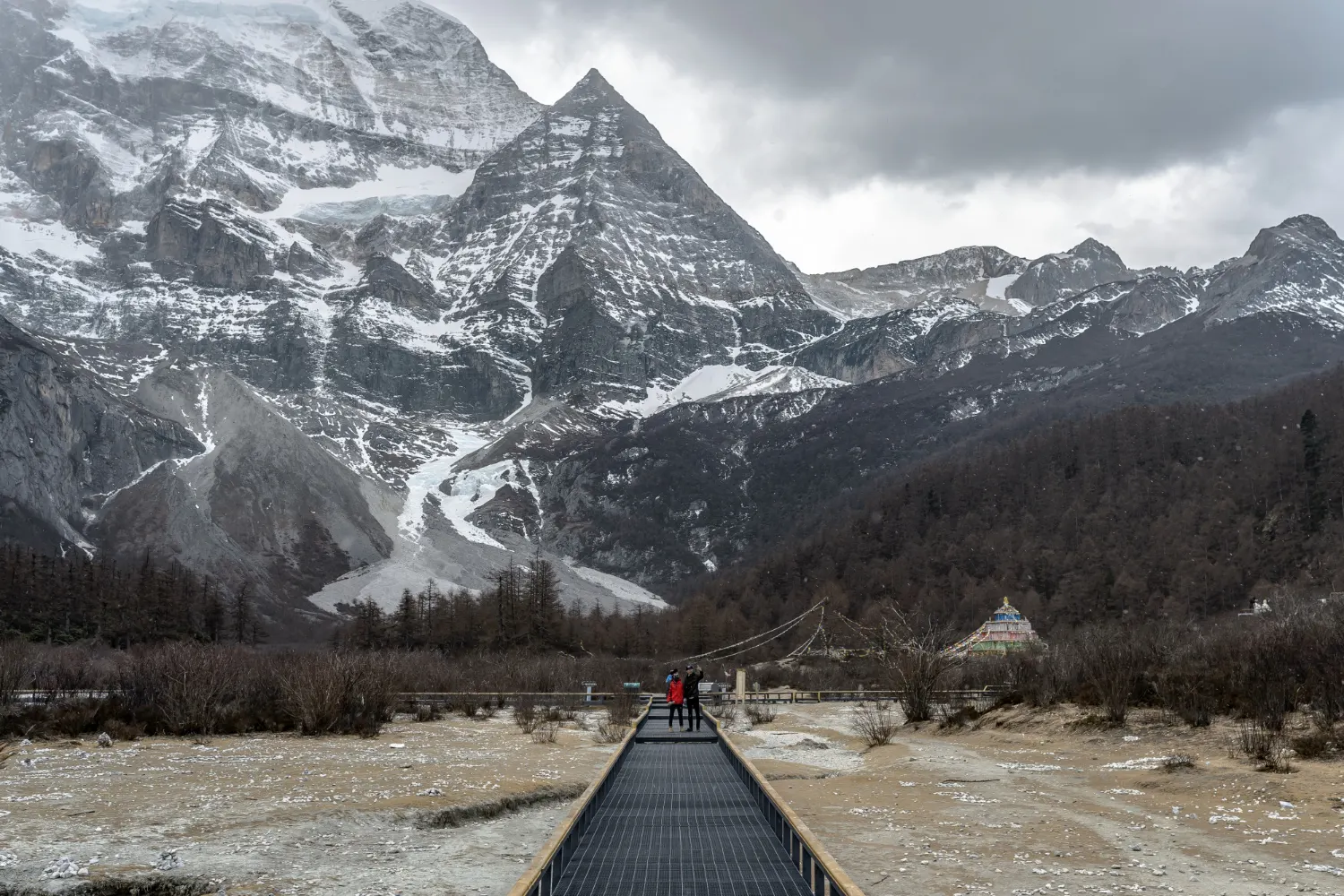
A trip combining Sikkim, Gangtok, and Darjeeling forms an iconic tourist circuit often referred to as the “Perfect Triangle.” These three destinations offer a blend of breathtaking landscapes, rich cultural heritage, and unique experiences, making it a must-do for any traveler exploring northeastern India.
Why is it a Must-Do?
- Sikkim: Known for its stunning Himalayan views, vibrant culture, and spiritual significance, Sikkim offers an escape into nature. With destinations like Yumthang Valley, Gurudongmar Lake, and Nathula Pass, Sikkim is perfect for those seeking adventure, spirituality, and natural beauty.
- Gangtok: As the capital city of Sikkim, Gangtok blends modernity with tradition. It’s the perfect base for exploring the surrounding natural wonders and monasteries. Attractions like Rumtek Monastery, Tsongmo Lake, and MG Road are key highlights.
- Darjeeling: Known as the “Queen of the Hills,” Darjeeling offers a colonial charm with breathtaking views of Mount Kanchenjunga. Famous for its tea gardens, Toy Train, and serene landscapes, Darjeeling combines adventure, history, and relaxation.
Together, these three destinations form a unique triangle offering a variety of experiences — from high-altitude treks in Sikkim to tea estates and colonial heritage in Darjeeling, along with the cultural richness of Gangtok.
Travel Recommendations & Transportation Options
- By Road: The best way to explore this triangle is by road, as the cities are well-connected by scenic highways. A road trip allows you to take in the beauty of the mountains and valleys as you travel from Gangtok to Sikkim and then onward to Darjeeling.
- By Train: If you’re starting your journey from Kolkata, taking a train to New Jalpaiguri is a good option. From there, you can hire a taxi or take a shared vehicle to reach Darjeeling and Gangtok.
- By Air: The nearest airport to all three destinations is Bagdogra Airport near Siliguri. You can fly in and then take a cab or bus to Gangtok (about 4 hours) or Darjeeling (around 3 hours).
Highlight Destinations in the Circuit
Gangtok: Explore Rumtek Monastery, Tsongmo Lake, and enjoy shopping and dining at MG Road.
Sikkim: Visit the serene Yumthang Valley, the high-altitude Gurudongmar Lake, and the historic Nathula Pass.
Darjeeling: Don’t miss the famous Toy Train Ride, visit Tiger Hill for the sunrise view, and explore the lush tea gardens at Mirik.
Historical Places in Sikkim
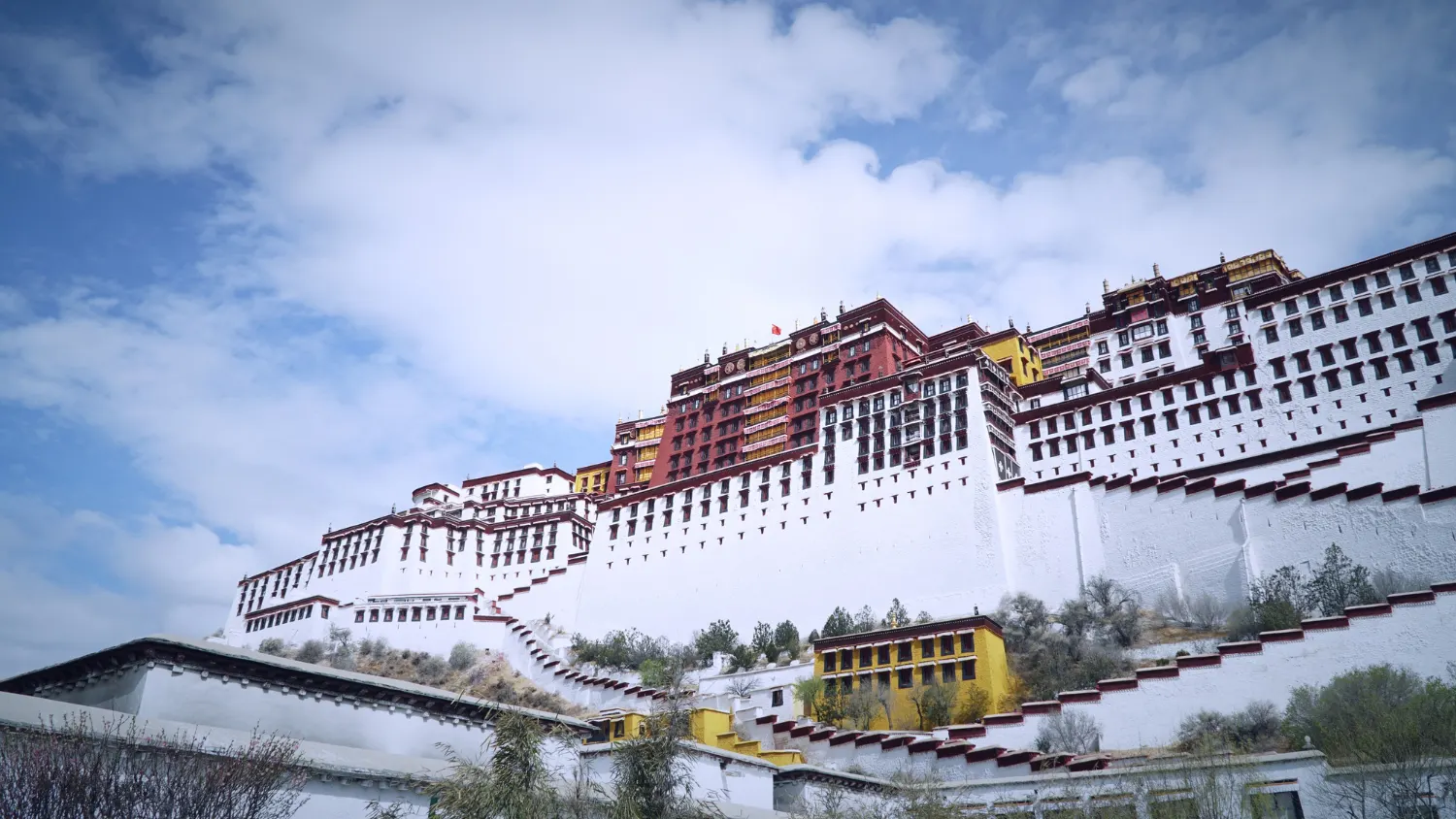
Sikkim has a rich historical and cultural heritage that is reflected in its many monasteries, monuments, and sacred sites. Here are some of the most significant historical places to visit:
Rumtek Monastery
- Location: Near Gangtok
- Significance: Rumtek Monastery is one of the most important monasteries in Sikkim and serves as the seat of the Karmapa. It is renowned for its stunning Tibetan architecture and rich collection of Buddhist scriptures and art. The monastery offers spiritual teachings and is a peaceful retreat for both locals and visitors.
- Cultural Importance: It is an active center for Tibetan Buddhism, where monks perform religious rituals and teachings. The monastery also plays an important role in preserving the teachings of the Kagyu lineage of Buddhism.
Pemayangtse Monastery
- Location: Pelling, West Sikkim
- Significance: Pemayangtse Monastery is one of the oldest and most important monasteries in Sikkim. It is a prominent center of Tibetan Buddhism and a key site for the Nyingma school of Tibetan Buddhism. The monastery offers stunning views of Mount Kanchenjunga and is an important pilgrimage site for Buddhists.
- Cultural Importance: The monastery houses ancient religious artifacts, including statues and thangkas (paintings on cloth). It is also known for its peaceful ambiance and beautiful architecture.
Norbugang Chorten
- Location: Yuksom, West Sikkim
- Significance: Norbugang Chorten is a historical monument where the first Chogyal (King) of Sikkim was crowned in 1642. The chorten (stupa) is an important symbol of Sikkim’s royal history and holds great cultural significance. It is located in Yuksom, which was the first capital of Sikkim.
- Cultural Importance: Visiting Norbugang Chorten provides an insight into the traditional practices of the Chogyal system and the kingdom’s early governance. The site is surrounded by a beautiful, tranquil environment, making it a spiritual as well as historical experience.
Summary
Sikkim, Darjeeling, and Gangtok together offer an unforgettable experience that combines history, culture, and natural beauty. Whether you’re exploring the spiritual landmarks in Gangtok, the high-altitude landscapes in Sikkim, or the colonial charm of Darjeeling, this “Perfect Triangle” of destinations is a must-visit for anyone interested in the unique heritage and stunning vistas of northeastern India.
Sikkim’s historical sites, such as Rumtek Monastery, Pemayangtse Monastery, and Norbugang Chorten, provide a deep dive into the rich cultural and spiritual history of the region, making it an essential part of your journey through this captivating part of India.
Yumthang Valley Sikkim
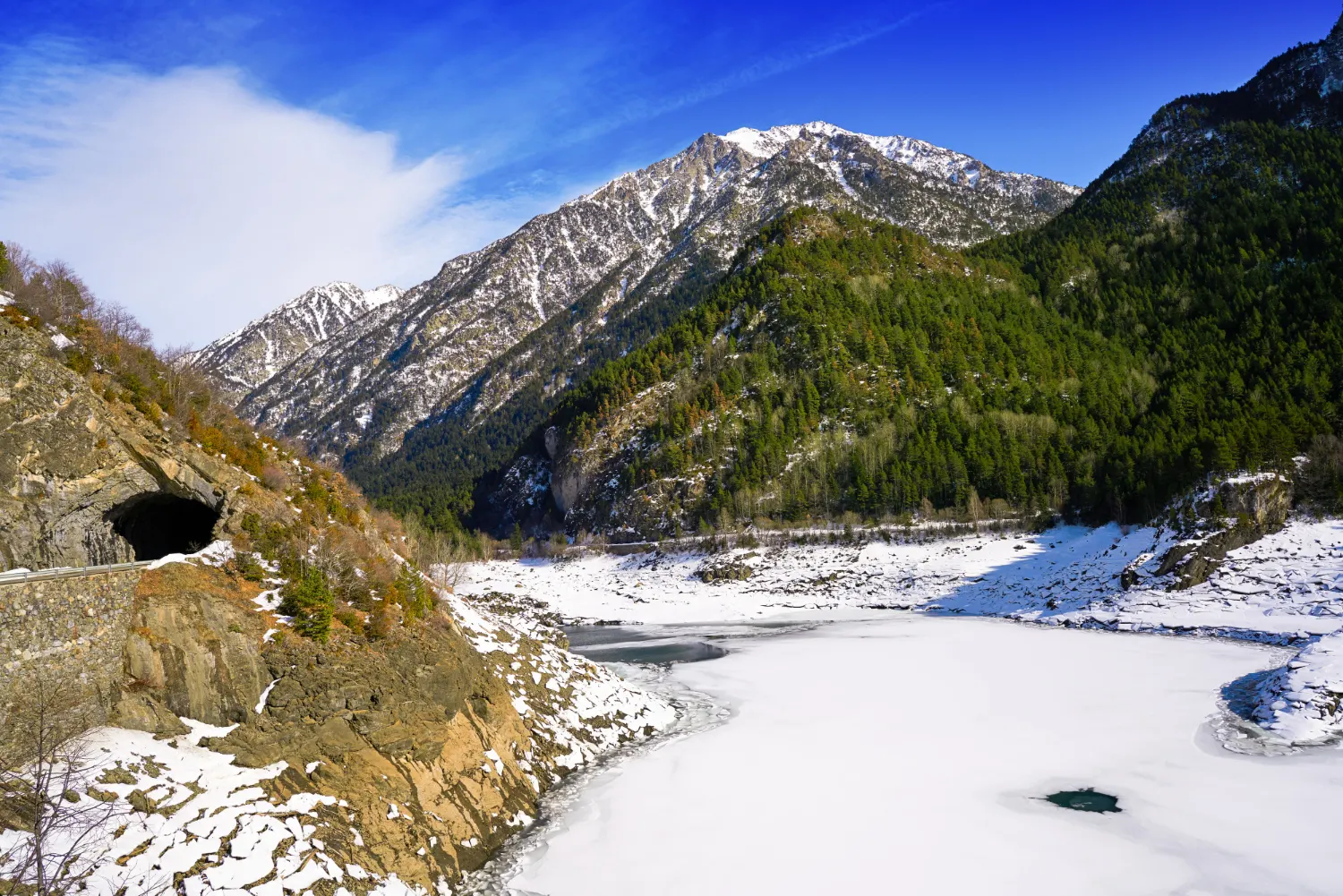
Yumthang Valley, also known as the “Valley of Flowers,” is one of the most picturesque destinations in Sikkim, nestled at an altitude of 3,564 meters (11,693 feet). Known for its stunning landscapes, vibrant wildflowers, and natural hot springs, Yumthang Valley is a paradise for nature lovers and adventure enthusiasts alike.
Why Visit Yumthang Valley?
- Beautiful Landscapes: The valley is a breathtaking sight, with meadows dotted with colorful wildflowers, pristine rivers, and towering snow-capped peaks. During spring, the valley is covered in a blanket of rhododendron blooms, creating a vibrant landscape.
- Hot Springs: The Yumthang Hot Springs are a popular attraction, located near the valley’s entrance. These natural hot springs are believed to have medicinal properties and offer a relaxing experience after a day of trekking or exploring.
- Biodiversity: The valley is home to several rare species of flora and fauna, including the red panda and snow leopard. It is part of the Shingba Rhododendron Sanctuary, a conservation area known for its diverse range of rhododendron species.
Best Time to Visit Yumthang Valley
- Spring (March to June): This is the best time to visit Yumthang Valley. The weather is pleasant, with temperatures ranging from 10°C to 20°C, and the valley is covered in blooming rhododendrons and other alpine flowers.
- Autumn (September to November): Autumn offers crisp weather and clear skies, making it another great time to visit. The views of the valley, with the backdrop of the snow-capped mountains, are particularly stunning.
- Winter (December to February): If you want to experience a snow-covered Yumthang, winter is the time to visit. However, temperatures can drop significantly, and some routes may be closed due to heavy snowfall.
Trekking Routes in Yumthang
- Yumthang Valley to Chopta Valley: This moderate trek takes you through forests, across rivers, and offers panoramic views of the valley. The trek is ideal during spring and summer when the valley is at its most colorful.
- Yumthang to Yume Samdong: A high-altitude trek, this route takes you to the Yume Samdong area, known for its high-altitude meadows and the stunning views of the surrounding peaks.
Nathula Pass Sikkim
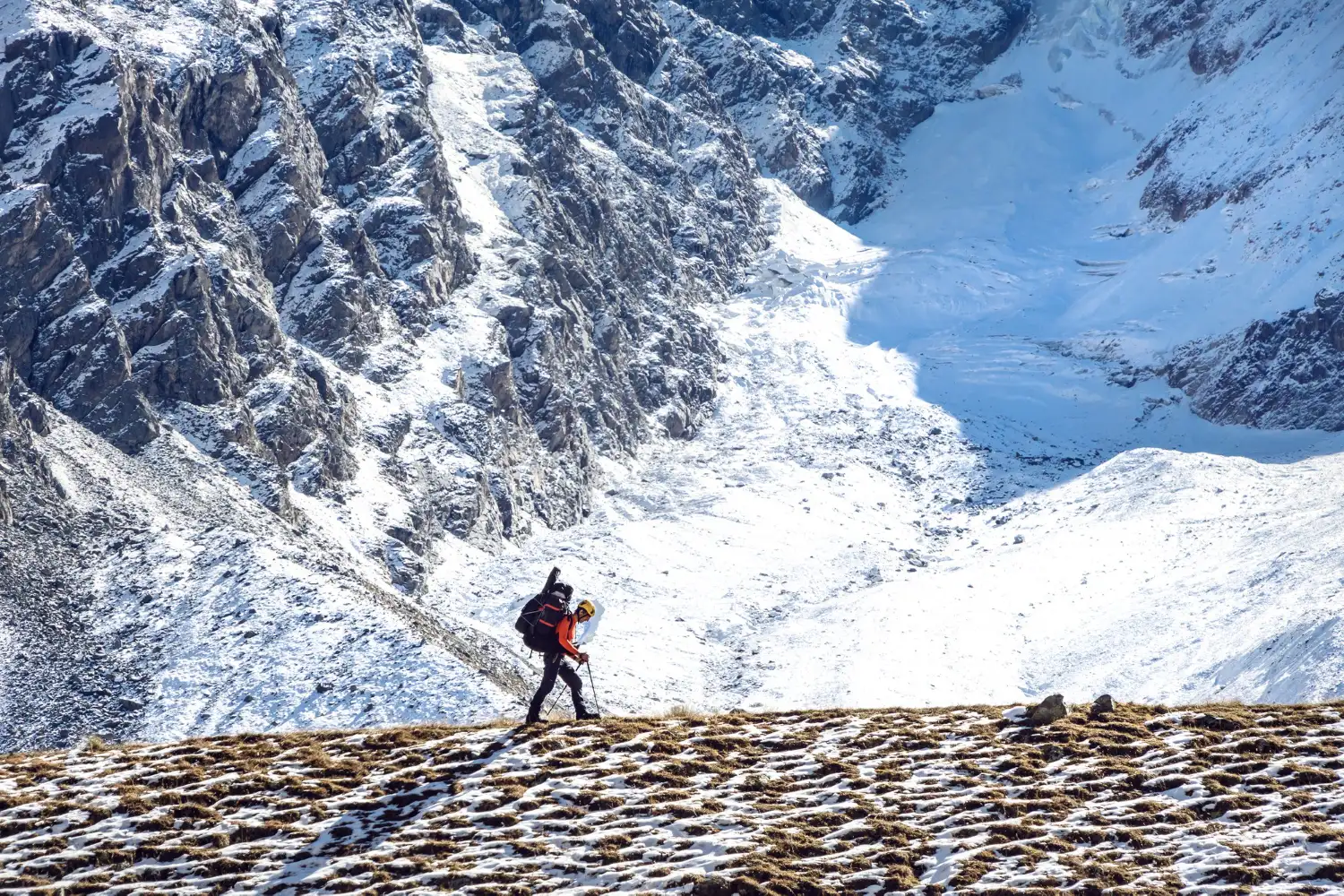
Nathula Pass is one of the most significant landmarks in Sikkim, located at an altitude of 4,310 meters (14,140 feet). It forms an important link between India and China, acting as a key trading route. Nathula Pass is not only a historically significant site but also offers stunning views and thrilling experiences for visitors.
What You Need to Know About Visiting Nathula Pass
- Strategic Location: Nathula Pass serves as the India-China border and is one of the highest motorable roads in the world. It holds both historical and military significance, as it was a vital trade route between India and Tibet.
- Scenic Views: The pass offers panoramic views of the surrounding Himalayan ranges, and on clear days, visitors can get a glimpse of Mount Kanchenjunga. The landscape is rugged and dramatic, making it an exceptional spot for photography.
- Indo-China Border: Nathula is one of the few places in India where you can visit the Indo-China border. The Indian Army maintains a post at the pass, and visitors can interact with soldiers and witness the daily flag-lowering ceremony, which is a symbol of the cooperation between the two nations.
Adventure Activities at Nathula Pass
- Indo-China Border Visit: One of the key attractions is visiting the border and witnessing the flag-lowering ceremony. The experience gives a unique insight into the relationship between India and China.
- Trekking: The area around Nathula offers several trekking routes, including the Nathula to Kupup Trek and Nathula to Tsongmo Lake Trek, both of which offer stunning views of the valley and surrounding peaks.
- Snow Activities: During winter, Nathula becomes a snow-capped wonderland, making it a great place for snow activities like snowball fights and snowman building.
Safety Precautions for Visiting Nathula Pass
- Permit: Nathula Pass is located near the India-China border, so visitors need a special permit to visit. The permit can be arranged through the Sikkim Tourism Department or a registered travel agent.
- Altitude Sickness: Due to its high altitude, visitors may experience symptoms of altitude sickness. It’s important to take it easy, stay hydrated, and allow your body time to acclimatize.
- Cold Weather: Nathula is extremely cold, especially during the winter months, so visitors should wear warm clothing, including thermals, jackets, gloves, and hats. Be prepared for strong winds and sub-zero temperatures.
- Travel Advisory: Check with local authorities regarding road conditions, as the weather can impact accessibility, especially during the monsoon or winter.
Pelling Sikkim Tourist Places
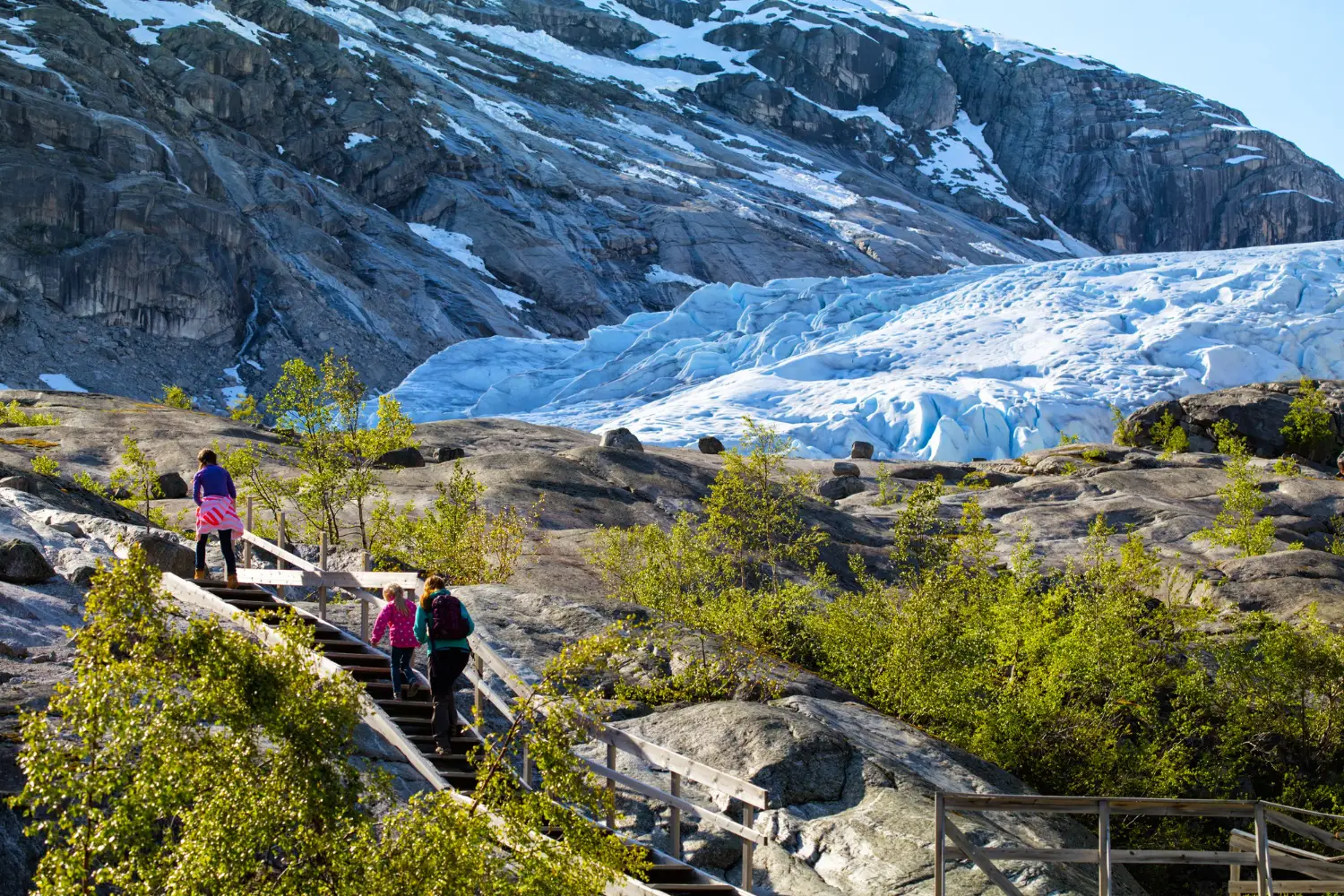
Pelling is a charming town in West Sikkim, renowned for its serene landscapes, panoramic views of Mount Kanchenjunga, and cultural landmarks. Located at an altitude of 2,150 meters (7,050 feet), Pelling is a peaceful getaway offering a mix of nature, adventure, and spirituality. Here are some of the top tourist attractions you shouldn’t miss when visiting Pelling:
Pemayangtse Monastery
One of the oldest and most important monasteries in Sikkim, Pemayangtse Monastery is located near Pelling and is a significant religious site for Tibetan Buddhists. The monastery features intricate architecture, stunning murals, and ancient Buddhist scriptures. The serene surroundings and panoramic views of the Kanchenjunga range make it a must-visit spot for both spiritual seekers and nature lovers.
- Cultural Significance: The monastery houses beautiful Buddhist relics and is dedicated to the Nyingma sect of Tibetan Buddhism.
- Best Time to Visit: The best time to visit is during the summer months (March to June), when the weather is pleasant, and the views of the mountains are clear.
Khecheopalri Lake
Khecheopalri Lake, located about 30 kilometers from Pelling, is a sacred lake for both Buddhists and Hindus. Surrounded by lush forests and towering peaks, the lake is believed to be a wish-fulfilling lake, and locals often offer prayers by the lake.
- Natural Beauty: The lake is nestled in a picturesque setting, offering a peaceful ambiance for visitors. The area is also home to a variety of birds and wildlife.
- Hiking Opportunity: A small trek takes you through forests and gives you the opportunity to witness the beauty of the lake from different vantage points.
- Cultural Importance: The lake is revered as one of the most sacred spots in Sikkim and attracts pilgrims from different parts of India.
Kanchenjunga Falls
Kanchenjunga Falls is one of the most stunning waterfalls in Sikkim, located around 28 kilometers from Pelling. The waterfall is named after the mighty Kanchenjunga mountain and offers breathtaking views of the surrounding lush green landscapes.
- Best Time to Visit: The waterfall is particularly spectacular during the monsoon season (July to September) when the water flow is at its peak.
- Adventure and Nature: The area around the waterfall offers a perfect spot for nature walks and photography.
Rabdentse Ruins
Rabdentse was the former capital of Sikkim and holds historical significance. The ruins are located near Pemayangtse Monastery, offering scenic views of the surrounding valleys and mountains. The site is peaceful and provides a glimpse into the rich cultural history of Sikkim.
- Historical Significance: The ruins date back to the 17th century and include the remains of a palace and royal gardens, providing insight into the history of Sikkim’s royal family.
Sikkim's Weather – A Year-Round Guide
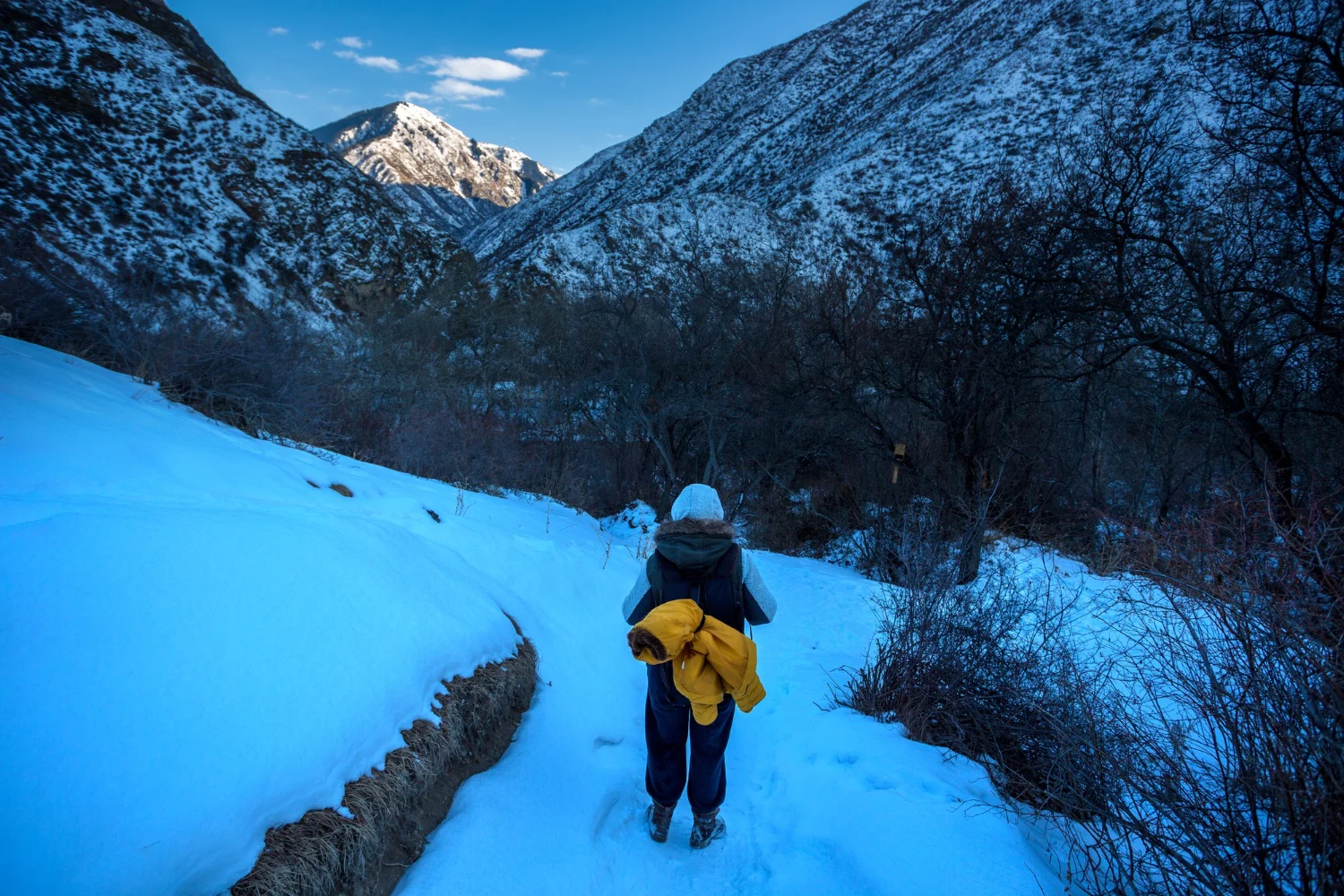
Sikkim experiences a wide range of weather conditions throughout the year, with its diverse landscape and varied altitudes. The best time to visit depends on what kind of experience you’re seeking — whether it’s trekking, sightseeing, or enjoying snow activities. Here’s a season-by-season guide to help you plan your trip based on the weather:
Summer (March to June)
- Temperature: During summer, Sikkim experiences mild temperatures ranging from 10°C to 25°C. The weather is generally warm and pleasant, making it perfect for sightseeing and outdoor activities.
- What to Do: Summer is the best time for trekking, visiting monasteries, and exploring nature. Popular trekking routes, like the Goechala Trek, and scenic spots like Yumthang Valley are best explored during this period.
- Best Time to Visit: Ideal for trekking, sightseeing, and photography.
Monsoon (July to September)
- Temperature: The monsoon season brings cooler temperatures, ranging from 15°C to 25°C, but it also brings heavy rainfall and high humidity. This period is best avoided if you’re planning on outdoor activities.
- What to Do: While the rains make the landscape lush and green, trekking and sightseeing might be challenging due to slippery trails and reduced visibility. However, if you’re looking for peace and serenity, this is a quieter time to visit.
- Best Time to Avoid: The monsoon season can cause roadblocks and landslides, so it’s best to avoid traveling to high-altitude areas like Gurudongmar Lake.
Autumn (October to November)
- Temperature: Autumn offers cool weather, with temperatures ranging from 5°C to 20°C. The skies are clear, and the weather is perfect for outdoor activities and sightseeing.
- What to Do: This is one of the best times to visit Sikkim, with clear skies and favorable conditions for trekking, sightseeing, and photography. The fall foliage adds to the scenic beauty of places like Pelling and Gangtok.
- Best Time to Visit: Ideal for trekking, sightseeing, and experiencing the beauty of Sikkim.
Winter (December to February)
- Temperature: Winter brings cold weather with temperatures ranging from -10°C to 7°C, and some areas experience sub-zero temperatures, especially at higher altitudes.
- What to Do: Winter is the best time for snow activities, including skiing and snowboarding in areas like Gulmarg. However, high-altitude areas like Nathula Pass and Gurudongmar Lake can be closed due to heavy snowfall.
- Best Time for Snow Activities: Perfect for enjoying the snow-covered landscapes and winter sports.
FAQ’s
Which is the most beautiful part of Sikkim?
The Yumthang Valley, known as the “Valley of Flowers,” is often considered the most beautiful part of Sikkim, with its vibrant wildflowers, hot springs, and stunning snow-capped peaks. Pelling and Gurudongmar Lake are also popular for their scenic beauty and tranquil landscapes.
What are the must-visit places in Sikkim?
Must-visit places in Sikkim include Gangtok, for its monasteries and vibrant streets; Pelling, with views of Mount Kanchenjunga; Yumthang Valley, known for its rhododendron blooms; Nathula Pass, for its historical significance; and Gurudongmar Lake, for its serene beauty and spiritual importance.
What is the best time to visit Sikkim?
The best time to visit Sikkim is March to June for trekking and sightseeing. October to November offers clear skies and pleasant temperatures. Winter (December to February) is perfect for snow activities, while the monsoon season (July to September) is best avoided due to heavy rains.
How to reach Sikkim?
Sikkim can be reached via Bagdogra Airport (124 km from Gangtok) or New Jalpaiguri Railway Station (120 km). From there, hire a taxi or take a shared vehicle to Gangtok. Roadways are well-connected, and taxis are the most common mode of transport within the state.
What activities can I do in Sikkim?
Activities in Sikkim include trekking in places like Goechala, river rafting on the Teesta River, yoga retreats in Gangtok, and exploring Buddhist monasteries. You can also visit historical monuments like Rumtek Monastery, enjoy snow activities in winter, or experience local Sikkimese culture.
Where to stay in Sikkim?
Sikkim offers a variety of accommodations: luxury resorts like The Khyber Himalayan Resort & Spa, mid-range options like Hotel Norbu Gangtok, and budget-friendly guesthouses and homestays in places like Lachen and Yuksom. Choose your stay based on your preferences and proximity to tourist destinations.
What is the language spoken in Sikkim?
The official language of Sikkim is Nepali, but Hindi and English are widely spoken. Additionally, Sikkimese and Bhutia are spoken by local communities. Communication is generally easy for English-speaking tourists, especially in major tourist areas like Gangtok and Pelling.
Is Sikkim safe for tourists?
Yes, Sikkim is one of the safest states for tourists in India, with low crime rates. However, it’s advisable to carry proper identification, follow local customs, and check for permits if visiting restricted areas near the India-China border, such as Nathula Pass and Gurudongmar Lake.
What is the food like in Sikkim?
Sikkimese cuisine blends Tibetan, Nepali, and Bhutia influences. Popular dishes include momo (dumplings), thukpa (noodle soup), and phagshapa (pork with radish). You can also try sel roti (fried rice doughnuts) and chhang, a local fermented drink made from millet or barley.
Can I visit Sikkim year-round?
Yes, Sikkim is a year-round destination. Summer (March-June) is best for trekking and sightseeing, autumn (October-November) for clear skies, and winter (December-February) for snow activities. Monsoon (July-September) brings heavy rains, making it less ideal for outdoor adventures.
What is the altitude of Sikkim?
The altitude of Sikkim varies, with Gangtok at around 1,650 meters (5,410 feet). Other destinations like Gurudongmar Lake are located at 5,430 meters (17,800 feet). The variation in altitude makes Sikkim suitable for travelers looking for both low and high-altitude experiences.
Is it necessary to carry a guide in Sikkim?
While it’s not mandatory to have a guide, hiring one is recommended for treks and visits to remote areas like Gurudongmar Lake and Nathula Pass, which require permits. Guides also help enhance your experience by sharing insights about local culture, history, and natural beauty.
Read more >>>
Best Time to Visit Rann of Kutch – Weather, Rann Utsav & White Desert Guide
Best Time to Visit Rishikesh: Weather, Rafting & Travel Guide
Plan Your Sikkim Trip Smarter with Offto Travellers
Make your trip to Sikkim unforgettable with Offto Travellers‘ customized travel planning services. From planning your journey to coordinating your stay, we ensure a seamless travel experience.
Customized Travel Planning
Offto Travellers offers personalized itineraries based on your preferences, whether you’re looking to explore Gangtok, trek through Yumthang Valley, or experience the serenity of Pelling. We’ll tailor your trip to match your interests, whether it’s adventure, culture, or relaxation.
Seamless Trip Coordination
We take care of all the details, from flights to accommodation and local transportation, ensuring you can focus on enjoying your trip. Our services include:
- Booking luxury resorts, mid-range hotels, or homestays in the best locations.
- Activity bookings for treks, rafting, monastery tours, and cultural experiences.
- Local guide services to help you explore Sikkim’s hidden gems and historical landmarks.
Expert Tips on the Best Season and Activities
With Offto Travellers, you’ll get insider knowledge on the best times to visit Sikkim and recommendations for the best activities based on your travel style:
- Summer: Perfect for trekking, sightseeing, and enjoying the natural beauty of the valley.
- Winter: Ideal for snow sports and snow activities, especially in Gulmarg and Nathula Pass.
- Monsoon & Autumn: Enjoy lush green landscapes and fewer tourists in these quieter seasons.
Trust Offto Travellers to plan your dream Sikkim getaway, ensuring a smooth and unforgettable experience every step of the way.
Best experienced on the Offto Travellers app
Get the Offto app to explore travel stories, share your own journeys, connect with travellers, and book trips—all in one place.
Play StoreApp Store
Leave a Reply