
The best time to visit Beas Kund Trek is from May to October, when the weather is pleasant for trekking and views of the surrounding peaks are clear. The trek is moderate in difficulty.
Introduction to Beas Kund Trek
The Beas Kund Trek is one of the most popular treks in Manali, Himachal Pradesh. It’s an iconic trek that takes trekkers through lush valleys, beautiful meadows, and pristine alpine lakes, with Beas Kund being the highlight of the route. The trek offers spectacular views of the Dhauladhar and Pir Panjal ranges, making it a dream for nature lovers and adventure enthusiasts alike. Located at an altitude of 3,700 meters, Beas Kund is not only a trekking destination but also holds mythological significance as the source of the Beas River, which flows through the heart of the region.
The moderate difficulty of this trek, combined with its accessible altitude, makes it suitable for trekkers with a basic level of fitness. Whether you’re new to trekking or an experienced adventurer, this trek offers a rewarding experience with its gorgeous landscapes, rich culture, and serene environment.
Why Beas Kund Trek is a Must-Do Adventure in Manali
The Beas Kund Trek stands out among the many treks around Manali for a number of reasons:
1. Proximity to Manali: The trek starts at Solang Valley, just a short drive from Manali, making it easily accessible for trekkers. Whether you’re on a weekend trip or an extended vacation, this trek offers a great escape into the mountains without requiring a long travel time.
2. Stunning Scenery: The Beas Kund Trek is all about natural beauty. As you trek, you’ll pass through dense forests, open meadows, and rugged alpine terrain, with incredible views of the Dhauladhar and Pir Panjal ranges. The Beas Kund, situated at an elevation of 3,700 meters, offers a stunning view of the surrounding snow-capped peaks.
3. Moderate Difficulty: This trek is considered moderate in difficulty, making it accessible for trekkers who have a decent level of fitness but do not require technical climbing skills. The altitude is manageable, and the gradual ascent allows trekkers to acclimatize well.
4. Cultural Experience: The trek also provides a peek into the life of the local villagers, many of whom are engaged in agriculture and animal husbandry. The traditional wooden homes and warm hospitality make the experience culturally enriching.
5. Mythological Significance: Beas Kund is believed to be the meditation site of Vyas Rishi, who is said to have meditated here and penned the Mahabharata. The Beas River, which originates from this lake, is also an important cultural symbol for the people of the region.
Overview of Beas Kund: Significance and Scenic Beauty
Beas Kund holds both natural beauty and spiritual significance. As one of the most popular trekking destinations in the Kullu Valley, this pristine lake is believed to be the source of the Beas River. The surrounding meadows and snow-capped peaks create a mesmerizing sight, with the calm, clear waters of the lake offering a mirror-like reflection of the majestic Himalayas.
- Historical Significance: The lake is believed to have been the place where Vyas Rishi meditated and created the Mahabharata. According to mythology, he used to bathe in the lake before composing the epic. This connection to ancient mythology adds a spiritual layer to the trekking experience, making it more than just a physical adventure.
- Scenic Beauty: The Beas Kund area offers unparalleled views of snow-clad peaks, including Hanuman Tibba, Indrasen, and Ladakhi Peak. The picturesque meadows and alpine forests surrounding the lake are home to an array of wildlife and bird species, making it a paradise for nature lovers and photographers.
- Trekking Experience: The journey to Beas Kund is not just about reaching the lake; it’s about enjoying the views, the tranquility, and the sense of accomplishment you get while trekking through some of the most beautiful and unspoiled regions of Himachal Pradesh.
Best Time to Visit Beas Kund Trek

Choosing the right time to trek is crucial to ensuring a safe and enjoyable experience. The Beas Kund Trek can be undertaken at various times of the year, but some months are better suited for trekking than others.
When is the Best Time for the Kashmir Great Lakes Trek?
- Best Time: The best time to trek Beas Kund is between May and October. This period is considered the ideal trekking window as the weather is perfect, the trail is clear of snow, and the surrounding peaks are visible. The temperature remains moderate, and you’ll get the chance to enjoy the beauty of the alpine meadows and snow-clad peaks.
- Summer (May to June): The summer months of May and June offer pleasant temperatures, ranging between 12°C to 20°C during the day. The nights can be chilly, but manageable with the right gear. This is the best time to witness the wildflower blooms and lush greenery along the trek.
- Monsoon (July to August): The monsoon season brings heavy rains to the region, making the trails slippery and prone to landslides. Trekking during this period is not recommended, as it can be dangerous. The trail conditions become more challenging, and the risk of flooding or trail blockages increases.
- Autumn (September to October): September to October is another excellent time for trekking. The temperatures are cool, ranging between 10°C to 18°C, and the clear skies offer perfect conditions for photography and panoramic views of the surrounding peaks. The post-monsoon months also offer relatively dry trails, making it ideal for trekking.
Why May to October is Ideal for Clear Views and Pleasant Weather
- Clear Skies: The summer and autumn months provide the best conditions for trekking, with minimal rainfall and clear skies. This ensures that trekkers can enjoy uninterrupted views of the snow-capped peaks and the beautiful surroundings
- Wildflower Blooms: The summer months (May to June) bring lush greenery and vibrant wildflower blooms, adding beauty to the meadows and the trekking path.
- Optimal Temperatures: During these months, temperatures remain comfortable for trekking, with daytime temperatures ranging between 10°C to 20°C, and the nights cooling down to 5°C to 8°C, making it suitable for camping and trekking.
Beas Kund Trek Weather and Temperature Overview
The weather at Beas Kund varies depending on the season, so it’s important to prepare accordingly. Here’s a breakdown of the temperatures and conditions you can expect on the trek:
- Summer (May to June): As mentioned earlier, this is the ideal trekking season with moderate temperatures and clear skies. Daytime temperatures range from 12°C to 20°C, while the nights can get cooler, especially at higher altitudes.
- Autumn (September to October): Similar to summer, autumn also brings cool temperatures and clear skies. Daytime temperatures range between 10°C to 18°C, and nights can drop to 5°C to 8°C. The weather is generally dry, making it perfect for trekking.
- Winter (November to February): Winter trekking is only for those prepared for extreme cold. The temperatures at Beas Kund can drop to -10°C at night, with snow covering the trail. While the snow-covered landscape is beautiful, it poses challenges for trekkers.
Temperature Breakdown: Summer vs Winter Trekking
- Summer: Pleasant, clear skies with temperatures ranging from 12°C to 20°C during the day and 5°C to 8°C at night.
- Winter: Freezing conditions, with night temperatures dropping to -10°C and snow on the trail, making the trek more challenging.
How the Weather Impacts the Trek Experience
The weather greatly impacts the Beas Kund Trek experience. Trekking in summer or autumn provides the best views and most comfortable conditions for trekking. However, winter trekking offers a serene and snow-covered landscape, while monsoon trekking can pose risks due to slippery paths and the possibility of landslides.
Beas Kund Trek Difficulty, Distance & Duration
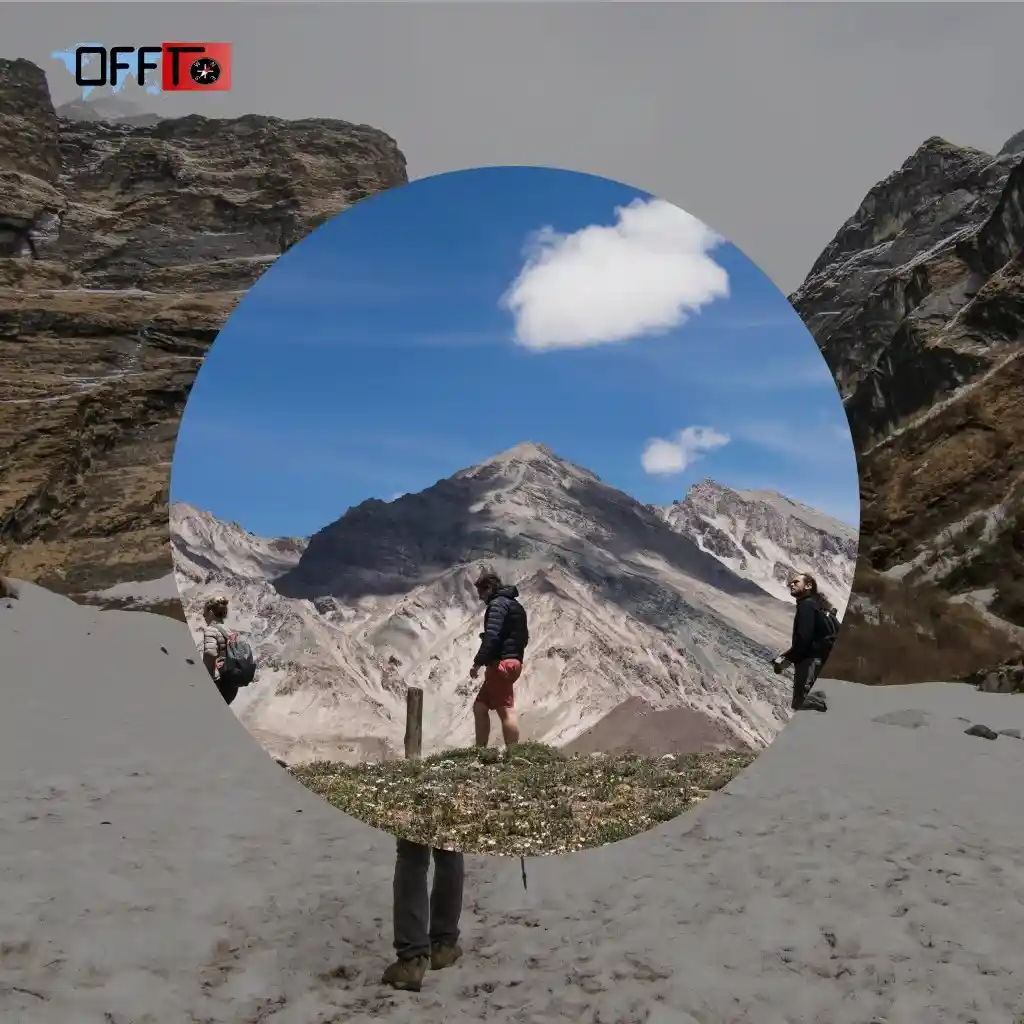
The Beas Kund Trek is a moderate trek that is ideal for trekkers with basic fitness levels and some trekking experience. However, it still presents enough of a challenge to be an enjoyable and rewarding adventure. In this section, we will discuss the distance, duration, and the difficulty level of the trek to help you better prepare for your journey.
How Long is the Beas Kund Trek?
The Beas Kund Trek is a short yet fulfilling trek that typically takes around 4 days to complete. The total distance covered during the trek is around 24 kilometers, which is manageable for trekkers of varying levels. The trek is broken into four sections, with each day involving approximately 5 to 7 hours of walking.
Here’s a quick breakdown of the trek’s duration:
- Day 1: Drive from Manali to Solang Valley (where the trek starts), followed by the initial trek to Beas Kund.
- Day 2: Continue exploring the Beas Kund area, resting and acclimatizing.
- Day 3: Return trek from Beas Kund to Solang Valley.
- Day 4: Drive back to Manali from Solang Valley.
Trek Distance and Duration
- Total Trek Distance: 24 kilometers (round trip)
- Duration: 4 days
- Day 1: Solang Valley to Beas Kund — 5-6 hours (approximately 7 km)
- Day 2: Rest day at Beas Kund or short exploration of the area.
- Day 3: Beas Kund to Solang Valley — 5-6 hours (approximately 7 km)
- Day 4: Return to Manali
The trek’s relatively short distance makes it an excellent option for trekkers looking for a quick adventure without committing to a long, arduous trek.
How Difficult is the Beas Kund Trek?
The Beas Kund Trek is considered a moderate trek. While it does not require any technical climbing skills, there are still some challenging aspects that trekkers should be prepared for. The altitude gain, the uneven terrain, and the length of the trek all contribute to its difficulty level.
Moderate Difficulty and What to Expect on the Trail
- Altitude: The highest point of the trek is Beas Kund, which sits at an altitude of 3,700 meters (12,139 feet). While this is not extremely high, trekkers may experience some altitude sickness at this elevation, especially if they ascend too quickly. Proper acclimatization and a gradual ascent are important to minimize risks.
- Terrain: The terrain on the Beas Kund Trek consists of rocky paths, slopes, snowfields (in early and late seasons), and some muddy sections. The trail is well-maintained, but it can be challenging due to the uneven and sometimes slippery surfaces. Trekkers need to be cautious, especially in monsoon or winter months when conditions can be more hazardous.
- Duration and Physical Exertion: While the Beas Kund Trek is not as demanding as longer treks, it still requires endurance and physical fitness to walk for long hours. Trekkers should be prepared for 5–7 hours of walking each day over 3–4 days, with moderate inclines and declines. The trek may also involve carrying a daypack with your essentials.
- Weather Considerations: The weather can significantly affect the difficulty level. In summer, the trek is manageable with clear skies and moderate temperatures, but in winter or monsoon, the trail can become slippery and challenging due to snow or rain.
Fitness Requirements for the Beas Kund Trek
Though the Beas Kund Trek is classified as moderate, a reasonable level of fitness is necessary to fully enjoy and complete the trek. Here’s a breakdown of the fitness requirements:
- Cardiovascular Endurance: You should be comfortable walking for 5-7 hours a day, with moderate uphill and downhill trekking. It’s important to have a good cardiovascular base to handle the exertion. Regular walking or hiking before the trek can prepare you well.
- Strength and Stamina: While the trek does not involve technical climbs, leg strength is crucial for navigating the uneven terrain. Building strength through squats, lunges, and walking on varied surfaces (like hills or rocky paths) will help you manage the trek’s physical demands.
- Acclimatization: Acclimatizing to altitude is vital. Even though Beas Kund isn’t extremely high in elevation, the trek reaches 3,700 meters. Take it easy on the first day to avoid any altitude sickness symptoms. If possible, spend a day in Manali or Solang Valley before starting the trek to adjust to the altitude.
- Mental Preparation: Mental stamina is just as important. The trek requires focus, patience, and the ability to keep going even when you feel tired. Mental preparation will help you push through challenging sections of the trek.
Beas Kund Trekking Route & Map
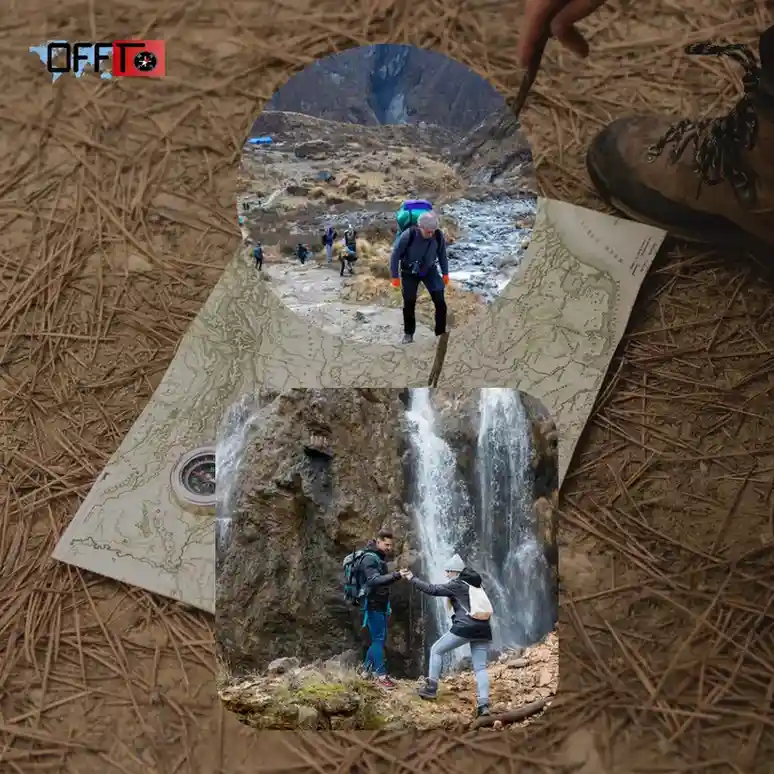
The Beas Kund Trek is a relatively short yet scenic trek that takes trekkers through some of the most beautiful landscapes in Himachal Pradesh. Starting from Solang Valley near Manali, the route takes you through meadows, alpine forests, and snowy ridgelines, eventually leading to the serene Beas Kund, the source of the Beas River. Below is an overview of the trek’s route, along with a day-by-day breakdown.
Beas Kund Trek Route: Key Stops and Itinerary
The Beas Kund Trek is a 4-day journey that covers a total distance of approximately 24 kilometers. The route offers trekkers stunning views of snow-capped peaks, alpine meadows, and dense forests. Below is an outline of the key stops on the route.
1. Solang Valley:
The trek begins at Solang Valley, located around 14 kilometers from Manali. This is the base camp for the trek, and trekkers typically drive here from Manali. Solang is famous for its paragliding, skiing, and adventure sports, but also serves as the gateway to the Beas Kund Trek.
2. Beas Kund:
The trek ends at Beas Kund, a serene lake located at an elevation of 3,700 meters. The lake is the source of the Beas River and is surrounded by stunning peaks like Hanuman Tibba and Indrasen Peak. The crystal-clear waters of the lake are a major highlight of the trek.
Base Camp to Beas Kund: Day-by-Day Trekking Breakdown
The trek can be broken down into 4 days, with a total of approximately 24 kilometers covered. Here’s a day-by-day breakdown of the trek:
Day 1: Solang Valley to Beas Kund (7 km)
- Distance: 7 km
- Duration: 5-6 hours
- Difficulty: Moderate
- Elevation: Start at 2,500 meters and reach Beas Kund at 3,700 meters
- Details: The trek starts from Solang Valley, with a gradual ascent through dense forests and meadows. As you trek, you’ll be treated to views of Hanuman Tibba and other surrounding peaks. The final stretch takes you to Beas Kund, where you’ll camp for the night and enjoy the tranquil surroundings.
Day 2: Exploring Beas Kund Area
- Distance: Light exploration, around 4-5 km
- Duration: 3-4 hours of exploration
- Details: On the second day, trekkers usually spend the day acclimatizing and exploring the area around Beas Kund. The day includes a visit to the nearby glaciers, meadows, and surrounding peaks, and trekkers can enjoy the magnificent views of Vyas Peak and Indrasen Peak.
Day 3: Beas Kund to Solang Valley (7 km)
- Distance: 7 km
- Duration: 5-6 hours
- Difficulty: Moderate
- Details: On Day 3, trekkers retrace their steps back to Solang Valley. The descent is slightly easier but still requires attention to the trail’s uneven terrain. The return journey offers a chance to enjoy the landscape from a different perspective
Day 4: Return to Manali
- Distance: N/A
- Details: After completing the trek, trekkers return to Manali via taxi or jeep from Solang Valley.
Beas Kund Trek Map: Navigating the Route
The Beas Kund Trek follows a well-defined trail, but carrying a map or using a GPS device is highly recommended, especially if you’re trekking independently.
The trek follows these key points:
1. Solang Valley (Base Camp)
- Start of the trek. Accessible via taxi or jeep from Manali.
2. Gulaba
- A small village near Solang Valley. Often, trekkers stop for a brief rest before continuing their trek to Beas Kund.
3. Beas Kund
- The final destination of the trek, this serene lake is located at the base of Hanuman Tibba and Indrasen Peak.
The trekking route is well-marked, and the trails are regularly used by trekkers. However, in case of fog, snow, or poor visibility, refer to a detailed Beas Kund trek map to ensure you stay on course.
Navigational Tips for a Smooth Trek
Here are some navigational tips to ensure you have a smooth trek:
1. Carry a Map or GPS Device: Even though the trail is generally well-marked, it’s essential to carry a map or use a GPS device in case you lose your way or encounter unclear sections.
2. Stay on the Main Trail: The Beas Kund Trek is straightforward, but there may be alternative paths or shortcuts that could lead you off track. Always follow the main trekking trail, which is usually indicated by signs or cairns (stone piles)
3. Follow the Group: If you’re trekking with a group, always stay with your group to avoid getting lost. If you’re trekking alone, ensure you have a guide or join a guided group for extra safety.
4. Prepare for Weather Changes: Weather conditions can change rapidly, especially in the higher altitudes. Carry rain gear, warm layers, and a reliable map to avoid getting disoriented in case of weather-related disruptions.
5. Regularly Check Landmarks: When walking through meadows or forests, keep an eye on visible landmarks such as specific peaks, valleys, or water bodies. This will help you stay oriented.
6. Ask Locals: Don’t hesitate to ask locals or fellow trekkers for directions. People in the region are friendly and often have good knowledge of the trekking route.
Beas Kund Height and Altitude Information
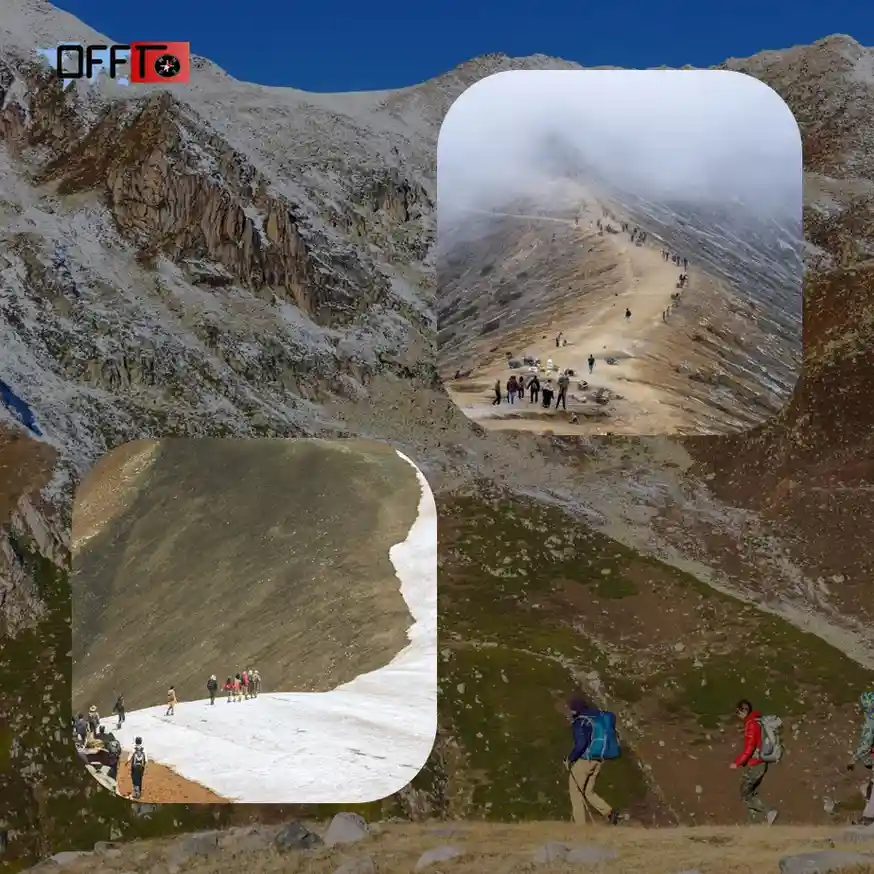
The Beas Kund Trek takes trekkers to one of the most stunning high-altitude lakes in Himachal Pradesh. Understanding the altitude of Beas Kund and its impact on the trekking experience is crucial for preparing for this adventure. This section will help you grasp the elevation details of Beas Kund and the surrounding peaks, as well as provide guidance on how to prepare for trekking at higher altitudes.
How High is Beas Kund?
Beas Kund is located at an elevation of approximately 3,700 meters (12,139 feet) above sea level. At this altitude, trekkers experience a gradual increase in elevation, but Beas Kund is considered to be moderate in terms of altitude, making it a great trek for beginners and intermediate trekkers. However, even at this height, trekkers should still be mindful of altitude sickness and take necessary precautions to acclimatize properly.
The trek to Beas Kund will involve a gradual ascent, beginning at the starting point in Solang Valley, located at around 2,500 meters. As you trek up through forests, meadows, and rugged terrain, you’ll gradually reach Beas Kund, which is surrounded by towering snow-capped peaks and high-altitude landscapes.
Beas Kund Altitude and Surrounding Peaks
- Beas Kund: At 3,700 meters (12,139 feet), Beas Kund is nestled in a high-altitude region surrounded by towering peaks. The lake is the source of the Beas River, which flows down to the Kullu Valley.
- Hanuman Tibba: Standing at 5,320 meters (17,454 feet), Hanuman Tibba is one of the most prominent peaks visible during the trek. The views of this snow-covered mountain are spectacular and offer trekkers an unparalleled view of the surrounding landscapes.
- Indrasen Peak: The Indrasen Peak, located at an altitude of 6,100 meters (20,013 feet), towers above Beas Kund and provides an awe-inspiring backdrop for the lake. Its snow-capped summit is a key highlight of the trek.
- Ladakhi Peak: Ladakhi Peak, located near Beas Kund, stands at around 5,200 meters (17,060 feet). It offers panoramic views of the surrounding mountains and valleys, making it a must-see for trekkers.
These towering peaks and the breathtaking landscape around Beas Kund make the trek a visual treat and an unforgettable adventure for nature lovers and trekkers alike.
Altitude Sickness: How to Prepare for High Altitude Trekking
While Beas Kund isn’t extremely high, it still sits at an elevation where altitude sickness can occur, especially if trekkers ascend too quickly without acclimatizing properly. Here are a few tips to help you prepare for high-altitude trekking:
1. Gradual Ascent: The Beas Kund Trek offers a gradual ascent, which helps minimize the risk of altitude sickness. However, trekkers should still pace themselves and avoid rushing through the climb. Spend adequate time at each stop to allow your body to adjust.
2. Hydration: Staying hydrated is key to preventing altitude sickness. The higher you go, the drier the air becomes, so it’s essential to drink plenty of water throughout the trek. Carry a water bottle and consider bringing a water purifier to refill your bottle with fresh water
3. Take Rest Days: Acclimatization is crucial when trekking at high altitudes. If you’re feeling fatigued or dizzy, take a rest day at Beas Kund to allow your body to adjust to the altitude. This is especially important if you’re trekking over 3,000 meters.
4. Medication: For those who are prone to altitude sickness, it’s advisable to carry medications such as Diamox, which can help prevent or reduce symptoms of altitude sickness. Always consult with a doctor before taking any medication.
5. Listen to Your Body: If you experience symptoms such as headache, nausea, or dizziness, it’s crucial to descend immediately and rest. If the symptoms persist, seek medical attention.
How to Reach Beas Kund
Reaching Beas Kund begins with getting to Manali, followed by a short drive to Solang Valley, the base camp for the trek. Here’s a guide to help you navigate the route and transportation options for reaching Beas Kund.
How to Reach Beas Kund from Manali
To reach Beas Kund, you first need to get to Manali, a popular hill station in Himachal Pradesh. Once in Manali, you will need to travel to Solang Valley, which is the starting point of the trek.
- By Air: The nearest airport to Manali is Kullu-Manali Airport (also called Bhuntar Airport), which is around 50 kilometers away. There are daily flights to Bhuntar from Delhi. From the airport, you can take a taxi to Manali (approximately 2 hours).
- By Bus: There are regular volvo buses and private buses from Delhi to Manali. The overnight bus journey takes around 12-14 hours, depending on the route.
- By Train: The nearest major railway station is Joginder Nagar or Kullu Railway Station. However, Manali does not have a railway station, so you’ll need to take a bus or taxi from the railway station to Manali.
Once you reach Manali, you can hire a taxi or take a local bus to Solang Valley. The drive to Solang Valley from Manali takes approximately 20-30 minutes.
Transportation Options to the Trek Base Camp
- Taxi: The most convenient way to reach Solang Valley from Manali is by hiring a private taxi. Taxis are available throughout Manali, and the journey to Solang Valley takes around 30 minutes.
- Shared Jeeps: For a more affordable option, shared jeeps are available from Manali to Solang Valley. This is a popular choice for trekkers and travelers heading to Solang for adventure activities.
- Local Bus: If you’re on a budget, you can take a local bus from Manali to Solang Valley. This option is cheaper but less flexible in terms of timing.
Getting to Beas Kund: Travel Tips and Routes
- Plan Ahead: Whether you’re traveling by taxi, bus, or jeep, it’s important to plan your transportation in advance, especially during peak tourist seasons (May to October). Booking your ride or taxi beforehand ensures that you don’t face any last-minute issues.
- Stay in Manali: If you’re arriving in Manali a day before the trek starts, there are plenty of accommodation options, from budget hotels to more luxurious ones. Manali has a range of options, including guesthouses, hostels, and resorts.
- Altitude Considerations: Since Beas Kund is situated at a high altitude, it’s advisable to take it slow and spend a day or two acclimatizing in Manali or Solang Valley before starting the trek.
Beas Kund River and Its Significance
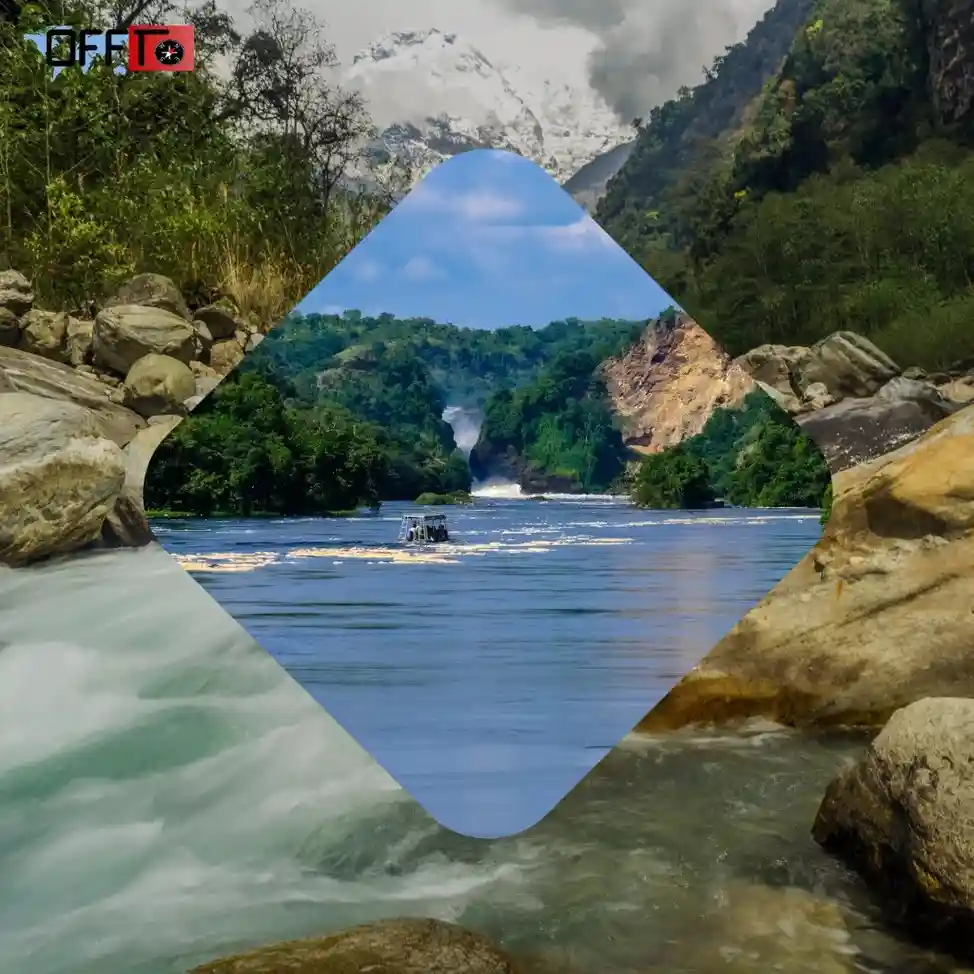
The Beas Kund is not just a scenic alpine lake but also a sacred site for many locals in Himachal Pradesh. The Beas River, which flows through the Kullu Valley, originates from this pristine lake, making it a significant place both culturally and spiritually. The river plays an essential role in the lives of people living in the surrounding areas, providing water for agricultural and daily needs.
Where Does the Beas River Originate?
The Beas River is one of the major rivers in Himachal Pradesh. It originates from Beas Kund, a high-altitude lake located at 3,700 meters in the Solang Valley. The river flows from Beas Kund, winding its way through Manali, Kullu, and ultimately merging with the Sutlej River. The origin of the river at Beas Kund is of great importance in the local culture and is a prominent feature of the Beas Kund Trek.
The Beas River is considered a sacred river by locals, who believe it has divine qualities. This makes Beas Kund not just a beautiful trekking destination but a spiritually significant place for the residents of Kullu Valley. The river is also central to the lives of people in the region, as it supports the agriculture of the area and provides water to the many villages it passes through.
Exploring Beas River: A Sacred Water Source in Himachal Pradesh
The Beas River holds deep spiritual significance for the people of Himachal Pradesh. It is believed to have been the sacred bathing place of Vyas Rishi, who meditated in the region and is said to have penned the Mahabharata. Because of this association, Beas Kund and the river are revered by both locals and spiritual seekers who visit to pay homage.
In addition to its spiritual importance, the Beas River is a vital water source for the Kullu Valley. It supports irrigation for the agricultural fields, helps sustain local ecosystems, and provides water to communities across the region. The river’s pristine waters, sourced from Beas Kund, also contribute to the natural beauty of the Kullu Valley and are a key feature of the trekking experience.
For trekkers, visiting Beas Kund provides an opportunity to see the birthplace of the river and to understand its significance to the culture and livelihood of the people in the area. The views of the river, set against the backdrop of snow-capped peaks, are some of the most stunning moments on the trek.
Where to Stay During Beas Kund Trek
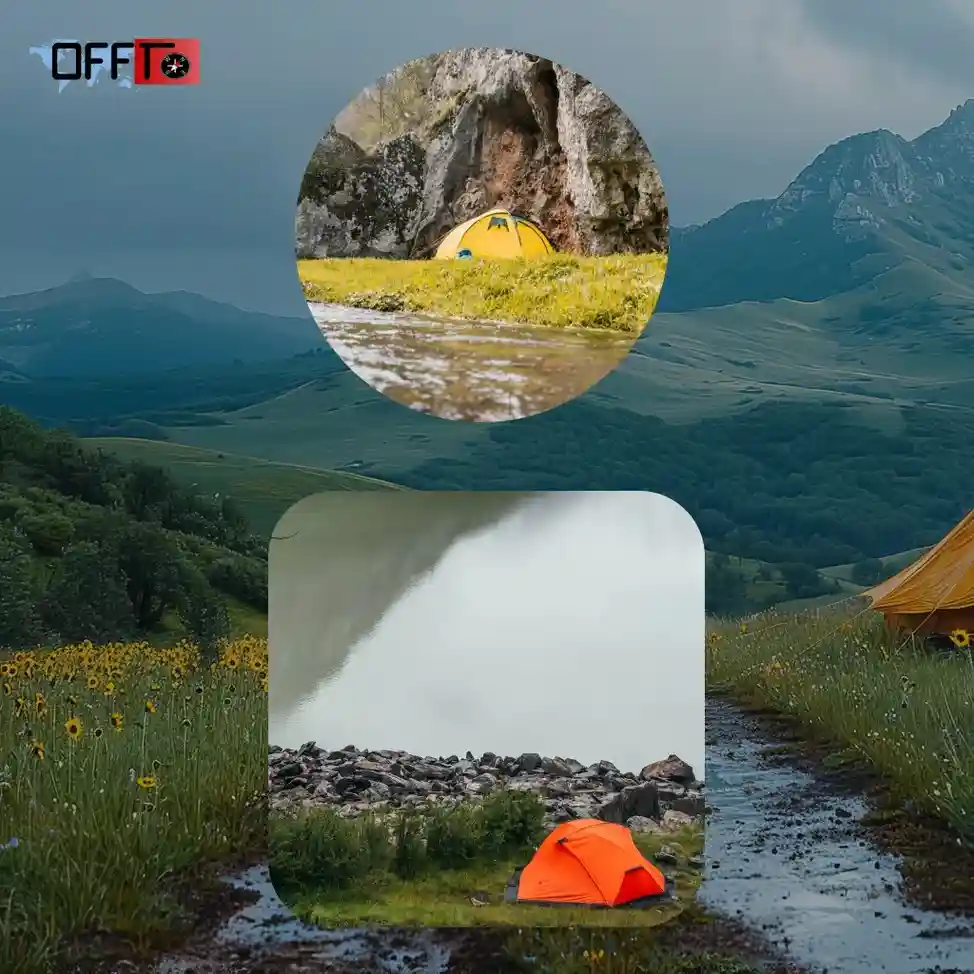
The Beas Kund Trek offers a blend of camping and homestay options, allowing trekkers to immerse themselves in the natural beauty of the region while also experiencing the warm hospitality of the local people. The accommodation options are simple but comfortable, providing a warm and inviting environment after a day of trekking.
Accommodation Options for Beas Kund Trekking
There are a few key accommodation options along the Beas Kund Trek. Since this is a high-altitude trek, the options are more rustic and basic compared to other more developed trekking regions. However, the simple, cozy stays make for a rewarding experience, with views of the Himalayan mountains and the surrounding meadows.
1. Campsites:
One of the most popular accommodation choices during the Beas Kund Trek is camping. Trekking agencies typically set up campsites near Beas Kund and along the trek route. Camping provides trekkers with the opportunity to sleep under the stars and wake up to stunning views of the surrounding mountains. Tents are generally provided by the trekking companies, and sleeping bags are included in the package.
2. Homestays:
Homestays are another option available, especially near Solang Valley and the base camp areas. Staying with local families not only gives you a comfortable resting place but also provides a chance to experience the Kashmiri and Himachali culture. Home-cooked meals and the opportunity to interact with local people make homestays an attractive option for those looking to experience the region’s authentic culture.
3. Guesthouses:
Although guesthouses are limited along the Beas Kund Trek, some trekkers prefer staying in guesthouses located in Solang Valley or Manali for the first and last nights of the trek. These provide more comfortable accommodation and are often preferred by trekkers who may want a break from camping.
Camping and Homestay Options
- Camping: Camping is the most common way to stay during the trek. Trekkers generally camp in designated campsites near Beas Kund, surrounded by beautiful landscapes. The campsites are simple, but you’ll have everything you need, including tents, sleeping bags, and cooked meals.
- Homestays: Staying with local families provides a deeper connection with the region. Homestays in Solang Valley and surrounding villages offer trekkers a chance to enjoy authentic meals and learn about the local Himachali culture.
Best Places to Stay in Manali and Nearby Areas
Before and after your trek, Manali is the best place to stay for comfort and convenience. There are numerous accommodation options in Manali, ranging from budget guesthouses to luxurious resorts. Some of the best places to stay in Manali include:
1. The Himalayan Resort & Spa: A luxurious option offering stunning views of the Himalayas.
2. Hotel Manali Residency: A budget-friendly option located in the heart of Manali with easy access to markets.
3. Old Manali Guesthouses: The Old Manali area has many cozy guesthouses and cafe-style accommodations, perfect for trekkers looking for an authentic mountain experience.
4. Solang Valley Resort: For those who prefer to stay near the base camp of the trek, Solang Valley Resort offers a relaxing stay with easy access to Solang Valley.
When choosing your accommodation in Manali, it’s a good idea to book in advance, especially during peak trekking seasons (May to October), to ensure availability.
FAQs
What is the best time to visit Beas Kund Trek?
The best time to trek Beas Kund is from May to October. During this period, the weather is pleasant, trails are mostly clear of snow, and visibility of surrounding peaks is excellent. Monsoon (July–August) can make trails slippery, and winter brings snow and colder conditions.
How difficult is the Beas Kund Trek?
The Beas Kund Trek is considered moderate in difficulty. While it doesn’t require technical climbing skills, trekkers will walk on uneven terrain, experience altitude gain up to ~3,700 m, and trek 5–7 hours a day. Basic fitness and prior short‑trek experience help.
How long is the Beas Kund Trek and how many days does it take?
The Beas Kund Trek covers around 24 km round‑trip and is usually completed over 4 days — including travel to and from Solang Valley (base camp) and exploration at Beas Kund.
What is the altitude of Beas Kund?
Beas Kund sits at approximately 3,700 meters (12,139 feet) above sea level. While not extremely high, it’s high enough that trekkers should be mindful of altitude adjustment.
Where does the Beas River originate?
The Beas River originates from the Beas Kund, a high‑altitude glacial lake in the Solang Valley region of Himachal Pradesh. The river flows down through Manali and Kullu Valley before joining the Sutlej River.
Do I need a permit for the Beas Kund Trek?
In most cases, no special trekking permits are required for the Beas Kund Trek within Himachal Pradesh. If you are trekking independently, basic ID may be checked at police/forest checkpoints. Guided treks typically handle any necessary permissions.
What kind of accommodation is available on the Beas Kund Trek?
Accommodation includes camping near Beas Kund, homestays around Solang Valley, and guesthouses in Manali. Camps are often included in trek packages, with tents, sleeping bags, and meals.
How do I reach Beas Kund from Manali?
The trek starts from Solang Valley, roughly 14 km from Manali. You can reach Solang via taxi, shared jeep, or local bus from Manali. From there, the trek begins on foot.
What should I pack for the Beas Kund Trek?
Essentials include:
- Layered clothing (base layers + fleece + waterproof jacket)
- Trekking boots
- Warm hat and gloves
- Sleeping bag
- Trekking poles
- Sunscreen and sunglasses
- Water bottle & purifier
Pack for changing weather — days are mild, nights can be cold.
Can beginners do the Beas Kund Trek?
Yes — trekkers with basic fitness and proper preparation can complete the Beas Kund Trek. Prior short treks and cardio training help, and acclimatizing in Manali/Solang before starting is recommended.
Know more >>>
Best Time to Visit Matheran – Weather, Top Places & Activities
Best Beaches in India – Blue Flag, Cleanest & Longest Coastlines
Plan Your Beas Kund Trek with Offto Travellers
Are you ready to experience the serenity of Beas Kund and trek through some of the most breathtaking landscapes of Himachal Pradesh? Offto Travellers is here to help you plan a memorable Beas Kund Trek that’s seamless, comfortable, and full of adventure. Whether you’re a seasoned trekker or a first-time adventurer, our tailored trekking packages ensure a hassle-free journey to Beas Kund, offering you everything from accommodation to transportation and guides.
Book your Beas Kund Trek with Offto Travellers for a memorable adventure!
Offto Travellers offers:
- Expert Trekking Guides: Our local, experienced guides ensure that you have a safe and enriching experience while trekking to Beas Kund. They are familiar with the route and the terrain, so you can trek with confidence and ease.
- Comfortable Accommodation: Enjoy camping and homestays along the trek route. Our selected accommodations offer basic comforts that enhance your trekking experience, allowing you to rest and rejuvenate after a day’s journey.
- All-Inclusive Trekking Packages: Our packages include transportation, accommodation, meals, guides, and permits. We take care of all the logistics so you can focus on the trek itself.
- Customizable Plans: Whether you’re looking for a group trek or a more private experience, we provide flexible options that suit your travel style and preferences.
- Safety First: At Offto Travellers, your safety is our priority. Our guides are trained in first-aid, and we ensure that all safety protocols are in place, so you can enjoy your trek worry-free.
- Cultural Immersion: Experience local Himachali culture by staying in homestays and interacting with the local communities. Our trekking packages offer an authentic experience, making it more than just a physical journey.
Leave a Reply