
The Nanda Devi Trek is one of the most iconic trekking routes in Uttarakhand, offering a mix of natural beauty and spiritual significance. It includes the challenging Nanda Devi Base Camp trek, and the nearby Valley of Flowers. This trek is a must-do for adventure seekers, featuring breathtaking landscapes, steep climbs, and the awe-inspiring Nanda Devi Mountain, the second-highest peak in India. If you’re up for a challenging yet rewarding adventure, this trek offers an experience like no other.
Introduction to the Nanda Devi Trek
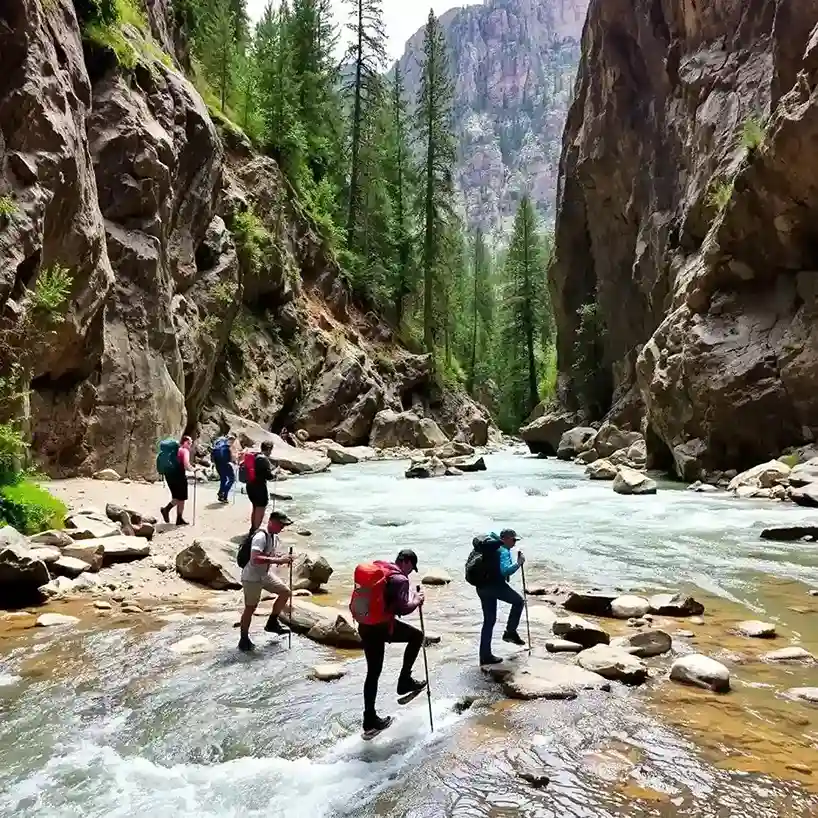
The Nanda Devi Trek is a legendary trail nestled in the heart of Uttarakhand, revered for its majestic landscapes and challenging terrain. It is an experience that attracts trekkers seeking both adventure and serenity, with the trek leading to the awe-inspiring Nanda Devi Base Camp and offering views of the towering Nanda Devi Mountain, the second-highest peak in India.
This trek is not for the faint of heart, as it presents a challenging journey across rugged terrains and high altitudes. However, the physical demands are met with equally rewarding vistas of pristine valleys, snow-capped peaks, and dense forests. The trek provides not only an adventure but also an immersion into the spiritual essence of the region, with local temples and sacred sites dotting the landscape.
A significant aspect of the Nanda Devi Trek is its proximity to Valley of Flowers National Park, a UNESCO World Heritage site renowned for its incredible biodiversity. As you hike through lush meadows, alpine flowers, and lush greenery, you will feel the region’s spiritual aura, making it not just a trek, but a soul-stirring journey.
The Nanda Devi Trek holds a special place for trekkers from across the world. Whether you’re drawn to its natural beauty, spiritual importance, or the sense of adventure that comes with summiting a peak surrounded by the pristine wilderness of Uttarakhand, the trek promises an unforgettable journey.
Stay tuned, as we explore the intricacies of this extraordinary trek in detail, from the challenges of the Nanda Devi Base Camp Trek to the grandeur of Nanda Devi Mountain itself.
Nanda Devi Base Camp Trek: A Spiritual and Adventure-filled Journey
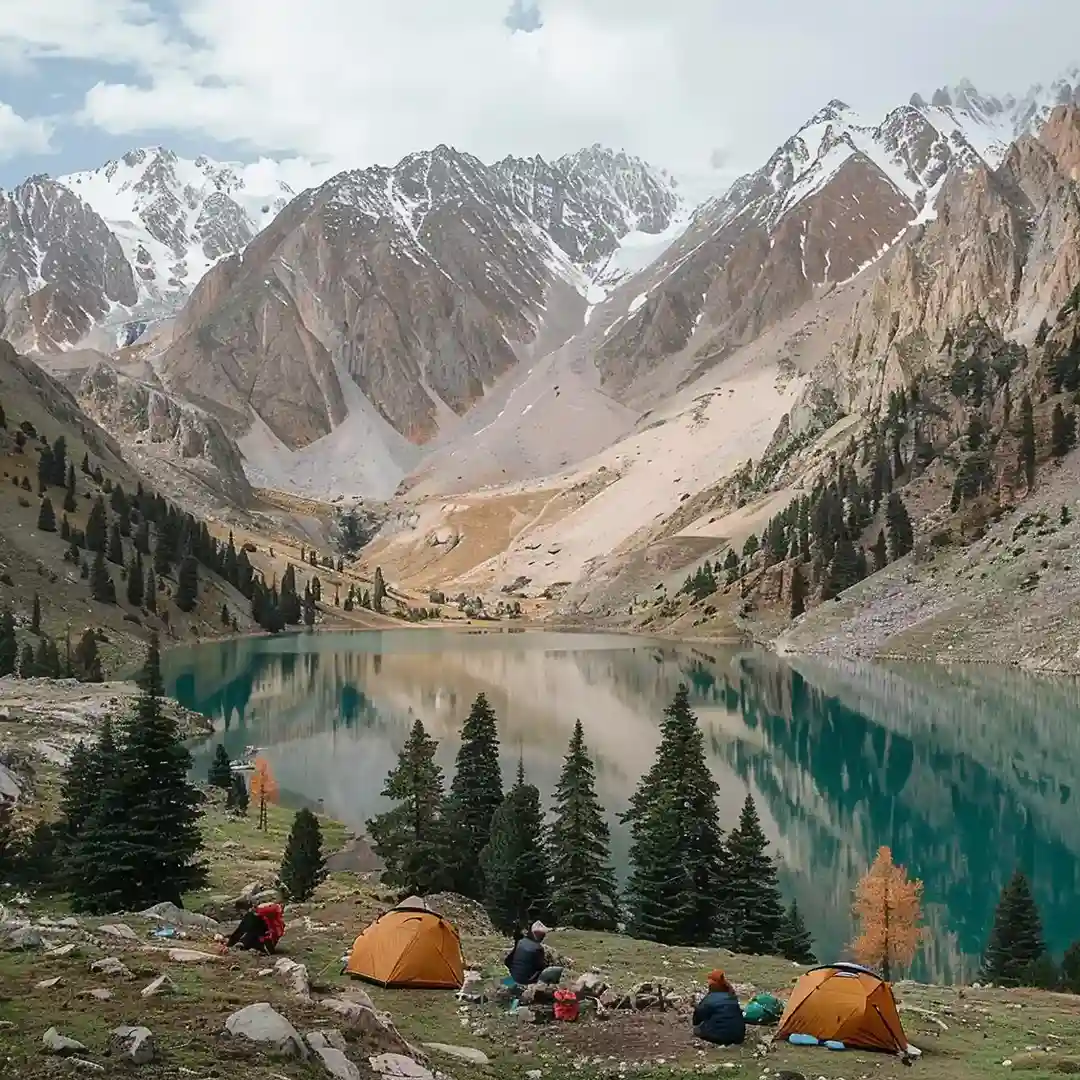
The Nanda Devi Base Camp Trek is one of Uttarakhand’s most exhilarating treks, offering trekkers a unique combination of spiritual significance and physical challenge. This trek is not just about the breathtaking views and the rugged terrain; it’s a deeply immersive experience that allows trekkers to connect with nature and the sacred geography of the region.
Spanning across dense forests, alpine meadows, and steep ridges, the Nanda Devi Base Camp Trek requires both mental and physical endurance. As trekkers make their way towards the base camp, they not only face the physical challenge of reaching the heights but also the spiritual journey that many pilgrims undertake. For centuries, this trek has been a pilgrimage for those seeking to honor the majestic Nanda Devi, believed to be the goddess who watches over the region.
While the trek itself is demanding, it is made even more magical by the surrounding natural beauty, which makes every step worthwhile. As you trek toward the base camp, you pass by panoramic views of snow-covered peaks, pristine rivers, and lush valleys, providing an incredible contrast to the challenges of the trek.
Trekking Distance and Duration to the Base Camp
The Nanda Devi Base Camp Trek typically takes 6 to 8 days to complete, depending on your pace and the route you take. The total trekking distance to the base camp is approximately 55 kilometers (34 miles) round trip, with significant altitude gain as you make your way through the challenging terrain.
Day 1: The trek begins with a drive to Joshimath, a town well-connected by road. From here, trekkers head to Lata Village or Dhak, which serves as the starting point for the trek.
- Day 2-3: The first part of the trek takes you through Gohar and Dronagiri, two villages along the route, and requires about 5 to 6 hours of trekking per day.
- Day 4-5: The terrain becomes increasingly difficult as you ascend into the higher altitudes of the Nanda Devi Sanctuary.
- Day 6-7: After 6-7 days, trekkers reach Nanda Devi Base Camp, nestled in a secluded valley surrounded by towering peaks. From here, you can enjoy the spectacular views of the Nanda Devi and other surrounding mountains.
The trek is considered moderate to difficult, and it’s essential to allow extra days for acclimatization, as the altitude can be quite taxing, particularly if you’re not used to trekking in higher altitudes.
The Route to Nanda Devi Base Camp
The route to Nanda Devi Base Camp is known for its beauty, but also its physical demands. The trek begins in Joshimath (1,890 meters), from where trekkers typically drive to Lata Village or Dhak. The route then follows several well-marked paths that wind through lush forests, picturesque villages, and streams.
Key Stops and Altitude Gain
- Lata Village (2,040 meters): The starting point, offering a peaceful, remote atmosphere to prepare for the trek ahead.
- Gohar (2,400 meters): A small hamlet nestled amidst thick pine forests and terraced fields. It’s the first major stop before heading deeper into the wilderness.
- Dronagiri (2,800 meters): A stunning village, known for its traditional stone houses, where trekkers spend a night.
- Nanda Devi Base Camp (4,500 meters): The final destination. Surrounded by the mighty peaks of Nanda Devi, Trishul, and others, this camp offers trekkers an unrivaled view of the Himalayas.
The terrain varies from dense forests and river crossings to steep ascents, with each stage of the trek providing a new challenge. While the altitude gain is gradual, it’s crucial to take regular breaks and allow for proper acclimatization.
Nanda Devi Mountain: The Majestic Second Highest Peak in India
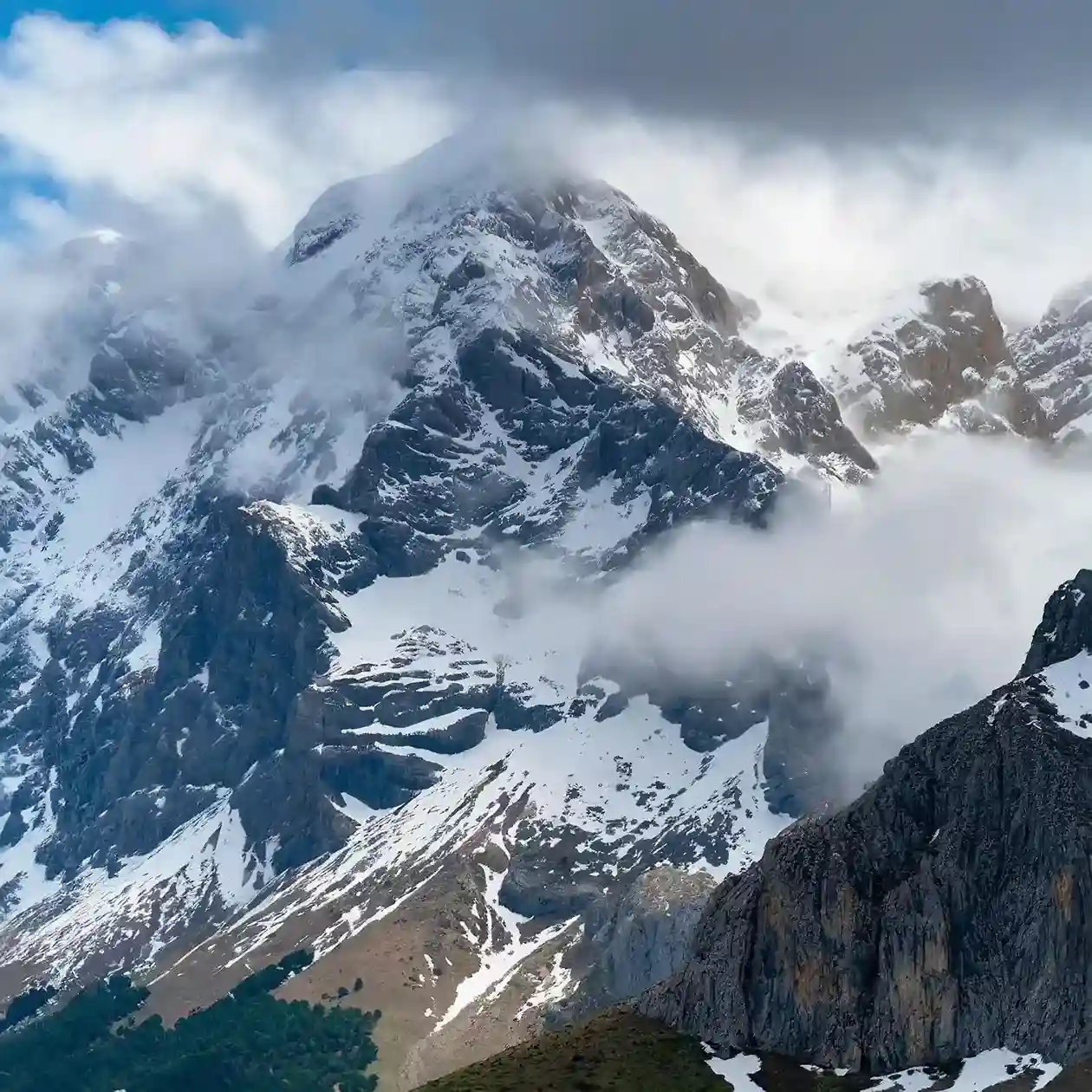
Nanda Devi is one of the most iconic and revered peaks in the Indian Himalayas, standing tall as the second-highest mountain in India at 7,816 meters (25,643 feet). Located in the Nanda Devi Sanctuary, it is a challenging and awe-inspiring peak for mountaineers. The mountain’s remote location and the rigorous terrain surrounding it add to its mystique, making it a coveted summit for advanced trekkers and climbers.
Beyond its physical grandeur, Nanda Devi holds immense cultural and spiritual significance. For centuries, it has been considered a sacred deity, worshipped by locals who regard the peak as the abode of the goddess Nanda. The trek to the Nanda Devi Base Camp provides trekkers with not just the opportunity to enjoy its beauty but also a glimpse into the spiritual importance of the region.
The mountain’s rugged terrain, challenging climbs, and unpredictable weather make it a dream for mountaineers, but also a daunting one. Despite these challenges, the stunning views and the sense of achievement upon completing the trek or summiting the peak are unparalleled.
Climbing Nanda Devi: Challenges and Preparation
Climbing Nanda Devi is no easy feat. As one of the most challenging peaks in the Indian Himalayas, it requires advanced mountaineering skills, including the ability to navigate technical climbs, ice, and rock formations. The peak has claimed the lives of many seasoned climbers due to its extreme conditions and the unpredictable weather patterns in the region.
Challenges
- Altitude: The high altitude makes acclimatization critical. The lack of oxygen at higher altitudes can cause altitude sickness, which requires trekkers to ascend slowly and take breaks.
- Terrain: The mountain’s terrain is steep, rocky, and covered with snow and glaciers. It requires expertise in ice climbing, rock climbing, and navigating glaciers.
- Weather: The weather conditions in the Nanda Devi region can change rapidly, with heavy snowfall, rain, and low temperatures making it a dangerous place for mountaineers.
Preparation
- Physical Fitness: Preparing for a climb like Nanda Devi requires months of physical conditioning. Focus on building endurance, strength, and agility through hiking, running, and weight training.
- Technical Skills: Advanced mountaineering skills are necessary. Climbers should be proficient in ice climbing, glacier navigation, and using equipment like crampons, ropes, and ice axes.
- Acclimatization: Adequate time for acclimatization is crucial. Spending a few days at higher altitudes, like in Joshimath or Lata Village, can help your body adjust before reaching the summit.
Summiting Nanda Devi is a feat few have accomplished, but for those who dare, it’s an adventure of a lifetime, combining physical exertion, mental fortitude, and the beauty of one of India’s most stunning mountain landscapes.
Nanda Devi and Valley of Flowers: A UNESCO Heritage Experience
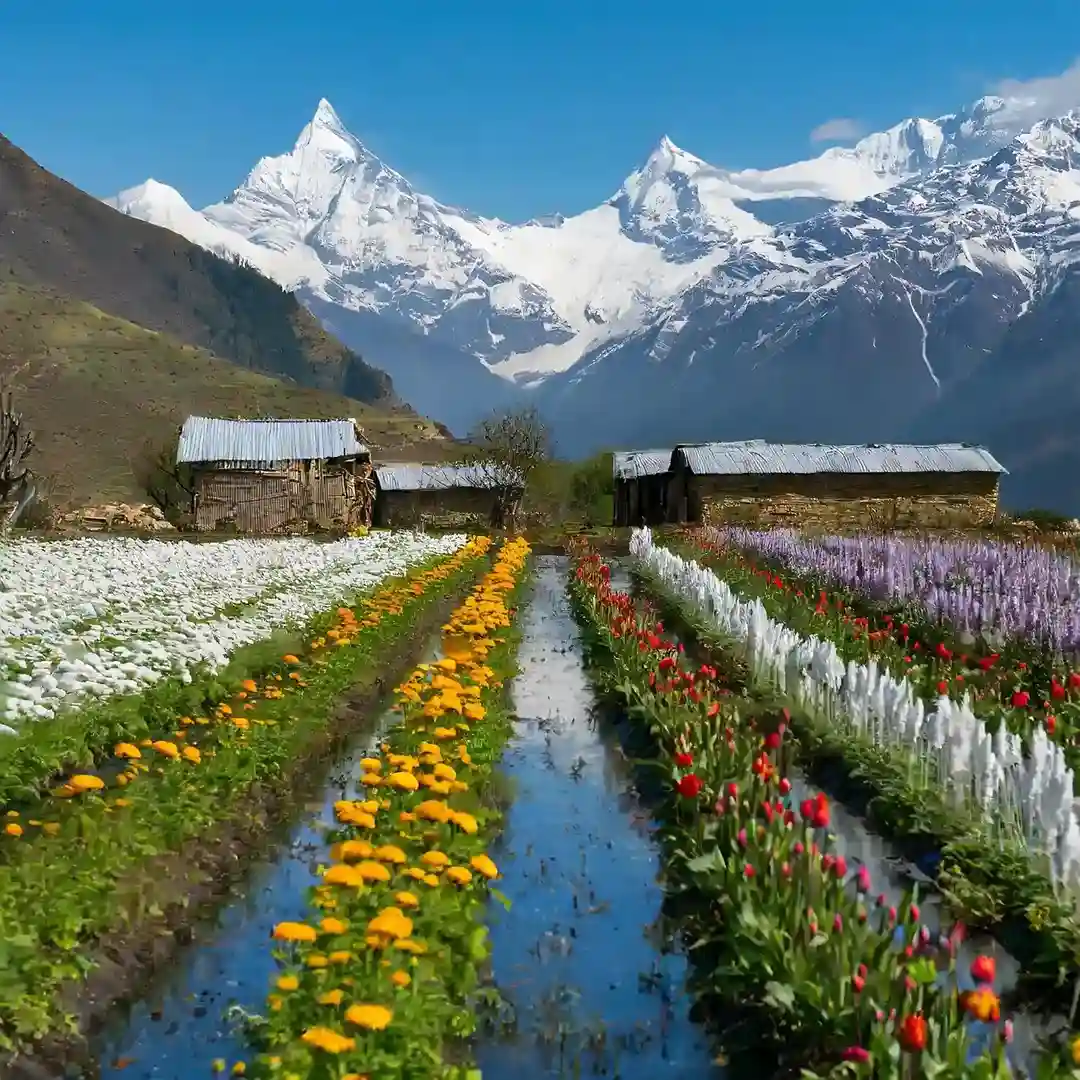
The Nanda Devi and Valley of Flowers National Parks are two of the most remarkable natural wonders in India, recognized by UNESCO as World Heritage Sites for their exceptional biodiversity and scenic beauty. These parks offer trekkers not just a journey through stunning landscapes but also an opportunity to explore sacred sites surrounded by towering peaks and lush, colorful meadows.
The Valley of Flowers is renowned for its vibrant array of alpine flowers, which bloom in a spectrum of colors during the monsoon season. As you trek through this ethereal landscape, the fragrance of wildflowers fills the air, and the sight of snow-capped peaks towering above adds to the feeling of walking through a fairytale.
On the other hand, Nanda Devi stands majestically, overseeing the entire region, giving trekkers a sense of awe and reverence. The Nanda Devi Sanctuary, nestled within these parks, is considered one of the most important conservation areas in India, and the entire region is a haven for nature lovers, photographers, and spiritual seekers alike.
The trekking experience here is not just about physical endurance but also about connecting with the natural world in its purest form, making the Nanda Devi and Valley of Flowers trek a spiritual and natural journey like no other.
Valley of Flowers Trek: A Walk Through Nature’s Wonderland
The Valley of Flowers trek is one of India’s most beautiful treks, offering an enchanting experience of walking through a valley filled with more than 500 species of flowers. Situated at an altitude of 3,300 to 3,600 meters, the valley is accessible during the summer months, from June to September, when the flowers are in full bloom.
Key Highlights
- Trekking Routes: The trek typically begins from Govindghat and progresses through Ghangaria, the base camp for trekkers heading to the Valley of Flowers. The total distance to the valley is about 5-6 kilometers one-way from Ghangaria, making it a moderate trek suitable for most trekkers.
- Best Time to Visit: The ideal time to trek the Valley of Flowers is during the monsoon season (June to September), when the valley is in full bloom. During this period, the valley is covered with a blanket of vibrant flowers like the blue poppy, Himalayan violet, and Brahmakamal.
- Scenic Beauty: As you walk through the valley, you are surrounded by stunning mountain vistas, crystal-clear streams, and the diverse flora that makes this area so unique. The fragrance of wildflowers fills the air, making it an almost surreal experience.
This trek is perfect for nature lovers and photographers who want to capture the beauty of the Himalayan flora in its full glory. It’s also a peaceful, spiritual experience, with the lush surroundings providing a sense of tranquility.
Flora and Fauna of Nanda Devi and Valley of Flowers
Both the Nanda Devi and Valley of Flowers national parks are rich in biodiversity, making them a paradise for nature enthusiasts and wildlife photographers. The region’s unique geography, combined with its elevation, has led to the development of an ecosystem with some of the most diverse plant and animal species in India.
- Flora: The Valley of Flowers, in particular, is home to over 500 species of flowering plants, including some rare and endangered species like Brahmakamal (Saussurea obvallata), Himalayan Blue Poppy, and Cobra Lily. The meadows are covered with alpine flowers, which create a beautiful and vibrant tapestry in the summer months. The Nanda Devi Sanctuary itself is filled with rhododendrons, alpine herbs, and coniferous forests.
- Fauna: The fauna of the region includes animals like the snow leopard, brown bear, Himalayan tahr, and wild boar. The Nanda Devi Sanctuary is also home to rare birds such as the Himalayan griffon vulture, monal, and pheasants, making it a haven for wildlife watchers. Additionally, the parks are known for their populations of musk deer and mountain goats, making this area a perfect spot for trekking and wildlife exploration.
Uttarakhand’s Highest Peak: Nanda Devi and Its Sacred Landscape
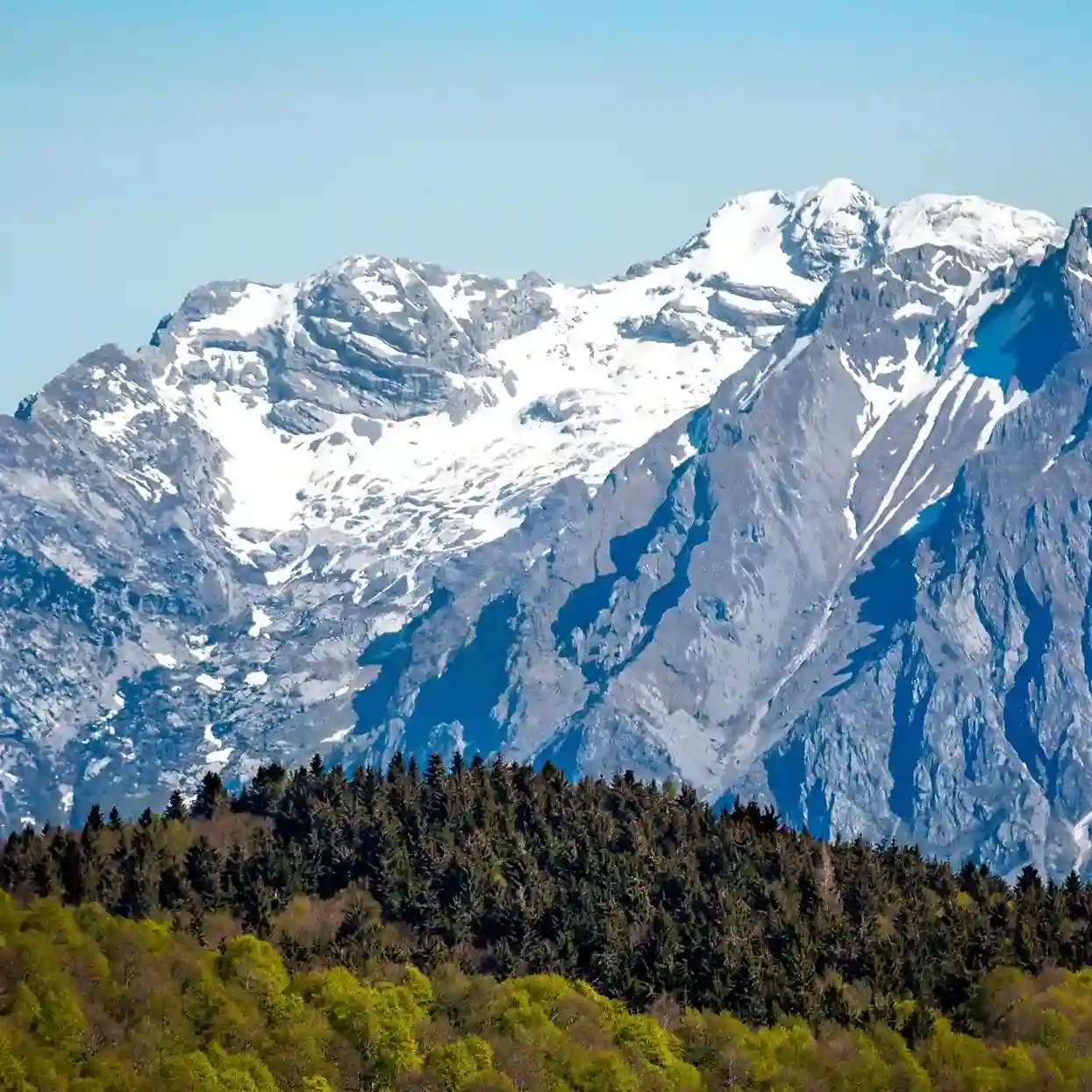
Standing as the tallest mountain in Uttarakhand, Nanda Devi is not only an imposing natural landmark but also a deeply spiritual place for the people of the region. At 7,816 meters (25,643 feet), the mountain’s towering presence over the surrounding landscape makes it one of India’s most prominent peaks, second only to Kangchenjunga in height.
The mountain is shrouded in sacred significance. For centuries, Nanda Devi has been worshipped as the goddess who watches over the land. The people living in the foothills and surrounding areas have a deep connection to the mountain, believing it to be a guardian spirit. The Nanda Devi Sanctuary, which surrounds the peak, is a protected area and remains one of the most pristine landscapes in the Himalayas.
As a trekking destination, Nanda Devi is revered not only for its beauty but also for its challenges. The trek to the Nanda Devi Base Camp provides trekkers with unparalleled views of the mountain and surrounding landscapes, making it a must-do for serious trekkers seeking both adventure and spiritual fulfillment.
Nanda Devi Summit: A Climber’s Dream
Climbing Nanda Devi is one of the most difficult and dangerous feats in the mountaineering world. The summit requires advanced skills in high-altitude climbing, ice climbing, and glacier navigation. Only a few mountaineers have succeeded in reaching the top, and it remains one of the most coveted peaks to summit in the Himalayas.
Challenges
- Altitude and Acclimatization: The climb to Nanda Devi requires trekkers to be prepared for extreme altitudes, where the lack of oxygen makes every step a challenge. Proper acclimatization is crucial to prevent altitude sickness and to ensure a successful summit.
- Technical Skills: The terrain is treacherous, with icy slopes, rocky ridges, and glaciers to cross. Mountaineers need to be skilled in using equipment like crampons, ice axes, and ropes, along with the experience needed to traverse glaciers and high-altitude rock faces.
- Weather Conditions: The weather at such high altitudes is unpredictable, with frequent snowstorms, high winds, and freezing temperatures. Climbers must be prepared for extreme cold and rapid changes in weather.
Despite these challenges, the summit of Nanda Devi offers climbers an unparalleled sense of achievement and the privilege of standing atop one of the most majestic mountains in the world.
Nanda Devi Sanctuary: Exploring the Spiritual Heart of the Region
The Nanda Devi Sanctuary is not just a natural haven for trekkers and wildlife enthusiasts; it is also a place of immense spiritual significance. Historically, the sanctuary was considered sacred by the local people, and the entire region is seen as the home of the goddess Nanda Devi, who is believed to protect the region’s people from harm.
Key Features
- Sacred Significance: The sanctuary has long been a site of pilgrimage for Hindus, who believe that the goddess Nanda Devi resides in the high altitudes of the peak. Many trekkers make the journey to Nanda Devi Base Camp not only to experience the wilderness but also to connect with the spiritual essence of the region.
- Conservation Area: The Nanda Devi Sanctuary is a protected region due to its rich biodiversity and its sacred status. It is one of India’s most important conservation areas, home to rare wildlife and unique plant species.
- Spiritual Connection: Many visitors report feeling a deep spiritual connection while trekking through the sanctuary, with its untouched beauty and serene atmosphere offering a sense of peace and solitude.
Exploring the sanctuary allows trekkers to not only engage with nature but also to immerse themselves in the deep spiritual heritage of the region, making it a meaningful journey for both adventure seekers and spiritual pilgrims alike.
Easy Treks in Uttarakhand: Alternatives for Beginners
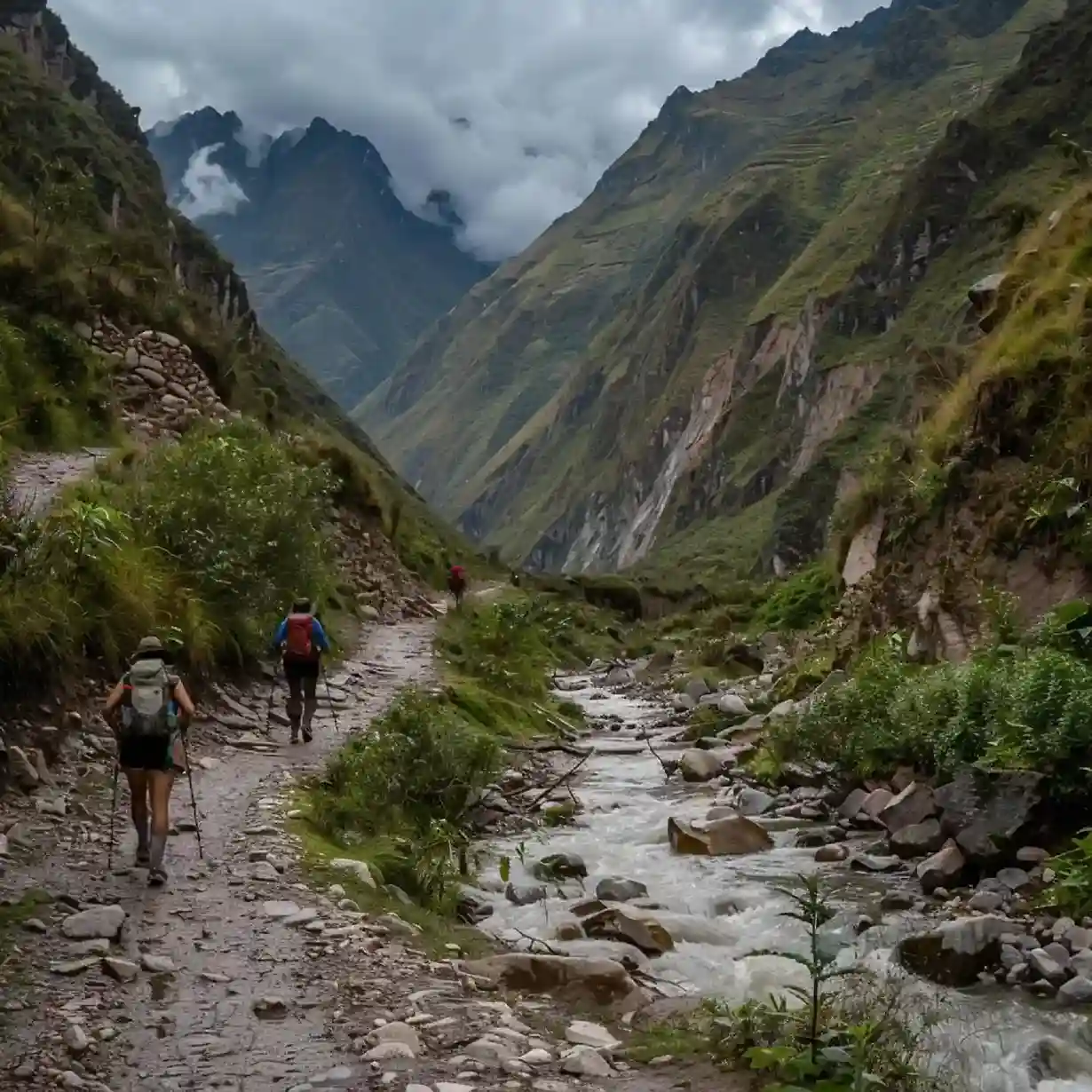
While the Nanda Devi trek is undoubtedly one of the most thrilling and challenging treks in Uttarakhand, not everyone is ready to tackle such a demanding adventure. For those new to trekking or looking for a less strenuous alternative, Uttarakhand offers a variety of easier treks that still provide stunning landscapes, a chance to experience the region’s natural beauty, and a taste of the Himalayan trekking experience.
These treks are perfect for beginners or those who wish to enjoy the mountains without the extreme physical demands of more advanced routes. The following treks are ideal for building trekking stamina and acclimatizing to the Himalayan altitude while enjoying incredible views, rich biodiversity, and serene landscapes.
Best Easy Treks in Uttarakhand for Beginners
Uttarakhand is home to several beginner-friendly treks that provide a wonderful introduction to the world of trekking. Here are a couple of the best options for those new to the mountains:
Kedarkantha Trek
The Kedarkantha Trek is one of the most popular treks for beginners in Uttarakhand, known for its manageable difficulty and spectacular views. Located in the Govind Pashu Vihar National Park, this trek offers stunning vistas of snow-covered peaks, forests of oak and pine, and lush meadows.
- Duration: 5-6 days
- Max Altitude: 3,850 meters
- Difficulty: Easy to moderate
- Highlights: The trek provides a perfect combination of scenic beauty and accessible terrain, making it ideal for first-timers. You’ll traverse through beautiful villages, dense forests, and reach the summit with panoramic views of peaks like Swargarohini, Bandarpunch, and Kalanag. The well-marked trail and relatively short duration make it suitable for beginners to get a feel of high-altitude trekking.
- Best Time to Visit: December to April for snow and scenic winter views.
Chopta Tungnath Trek
The Chopta Tungnath Trek is another fantastic option for novice trekkers. Located in the Chopta region, this trek is often referred to as the “Mini Switzerland” of India due to its lush meadows and panoramic views. The trek is relatively short and doesn’t require high-altitude experience, making it perfect for beginners.
- Duration: 3-4 days
- Max Altitude: 3,680 meters
- Difficulty: Easy
- Highlights: The trek leads you to the Tungnath Temple, the highest Shiva temple in the world, before continuing to the summit of Chandrashila Peak. Along the way, you’ll witness beautiful alpine meadows, dense forests, and mesmerizing views of the Nanda Devi, Trishul, and Chaukhamba ranges. The trek is gentle, and the difficulty is low, making it an excellent choice for first-time trekkers looking for a short yet rewarding adventure.
- Best Time to Visit: April to June and September to November.
Both of these treks are well-maintained and offer excellent opportunities to enjoy the scenic beauty of Uttarakhand’s mountains without the intense challenges posed by more demanding treks like the Nanda Devi trek.
Best Time to Visit Nanda Devi and Valley of Flowers
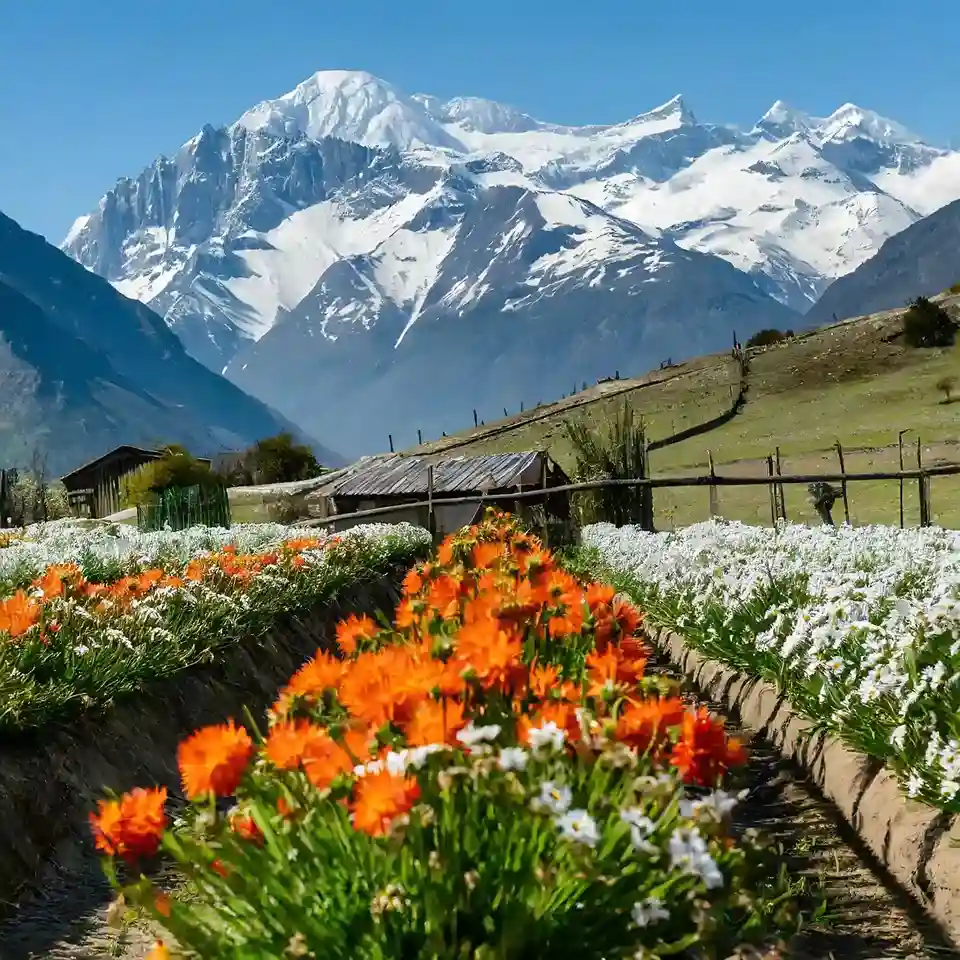
The Nanda Devi and Valley of Flowers regions are two of Uttarakhand’s most sought-after trekking destinations, attracting trekkers from all over the world. However, the best time to visit these places greatly depends on the trekking season. The region experiences drastic changes in weather conditions, and these fluctuations can significantly impact your trekking experience. Understanding when to visit Nanda Devi and the Valley of Flowers is essential for planning a successful trek.
The summer months (May to October) are the most popular for trekking in this region, thanks to the clear skies and pleasant temperatures. During this time, the valley is alive with vibrant blooms, and the higher altitudes offer a more manageable trekking experience. On the other hand, winter months (November to February) offer a completely different experience, with snow-covered landscapes and fewer crowds. However, this season also comes with harsher conditions, making it more suitable for experienced trekkers.
Summer vs. Winter: When Should You Trek Nanda Devi?
The decision to trek Nanda Devi and the Valley of Flowers during either the summer or winter comes down to the type of experience you’re seeking. Both seasons offer unique advantages and challenges, so let’s break them down:
Summer (May to October)
- Pros:
- Ideal Trekking Conditions: Summer is the best time to visit Nanda Devi and the Valley of Flowers, as the weather is generally clear and mild, with temperatures ranging from 10°C to 20°C during the day, and colder nights at higher altitudes. This makes trekking more comfortable for most visitors.
- Valley of Flowers in Full Bloom: This is when the Valley of Flowers is at its most vibrant, with alpine flowers in full bloom. You’ll witness a stunning display of over 500 species of flowers, including rare varieties like Brahmakamal, Blue Poppy, and Himalayan Poppy.
- Accessibility: The trekking trails are accessible, and the routes are clear, making the journey safer and more enjoyable for trekkers.
- Best for First-Timers: With moderate temperatures, this season is perfect for first-time trekkers or those who prefer a more relaxed and less challenging trek.
- Ideal Trekking Conditions: Summer is the best time to visit Nanda Devi and the Valley of Flowers, as the weather is generally clear and mild, with temperatures ranging from 10°C to 20°C during the day, and colder nights at higher altitudes. This makes trekking more comfortable for most visitors.
- Cons:
- Crowds: Summer, especially from June to September, is the peak trekking season, so you may encounter large crowds along the popular routes.
- Rainy Season: Though the weather is generally pleasant, there can still be occasional showers, especially in the higher altitudes, which may make the trails slippery and challenging in some areas.
Winter (November to February)
- Pros:
- Less Crowded: Winter treks are far less crowded, offering a peaceful, solitary experience. If you prefer avoiding the peak season’s hustle, this is the time to go.
- Snow-Covered Landscapes: If you’re seeking a winter wonderland, the snow-covered Nanda Devi and Valley of Flowers present an entirely different side of the region. The views of snow-capped peaks and frozen meadows are breathtaking.
- Unique Experience: Trekking in winter offers a sense of isolation and spirituality, especially for those who enjoy the serene beauty of snow-clad landscapes.
- Less Crowded: Winter treks are far less crowded, offering a peaceful, solitary experience. If you prefer avoiding the peak season’s hustle, this is the time to go.
- Cons:
- Harsh Conditions: Winter trekking is considerably more difficult due to freezing temperatures that can drop to as low as -10°C to -15°C in higher altitudes. Snowfall and icy conditions make trails more hazardous, and the cold can be harsh for trekkers not accustomed to extreme weather.
- Limited Access: Some trekking routes, especially those to the Valley of Flowers, may be closed or inaccessible due to snow and ice. This makes winter treks more suited to experienced trekkers who are well-prepared for cold and challenging conditions.
- Shorter Days: With fewer daylight hours, you’ll need to start your trek earlier and finish earlier, as the days are much shorter in winter.
- Harsh Conditions: Winter trekking is considerably more difficult due to freezing temperatures that can drop to as low as -10°C to -15°C in higher altitudes. Snowfall and icy conditions make trails more hazardous, and the cold can be harsh for trekkers not accustomed to extreme weather.
- Summer is the best time to visit for most trekkers, as the weather is pleasant, and the trails are easily accessible. This is when the Valley of Flowers is at its peak bloom, making it the ideal time for first-time trekkers or those who prefer milder conditions.
- Winter offers a quieter, more remote experience but comes with significant challenges, including harsh weather conditions and potentially difficult trails. Winter trekkers must be prepared for cold temperatures and more demanding terrain, but those seeking a more rugged, peaceful adventure may find it rewarding.
Ultimately, the best time to trek Nanda Devi and the Valley of Flowers depends on your preference for weather, crowd size, and trekking difficulty.
Nanda Devi Trek Difficulty and How to Prepare
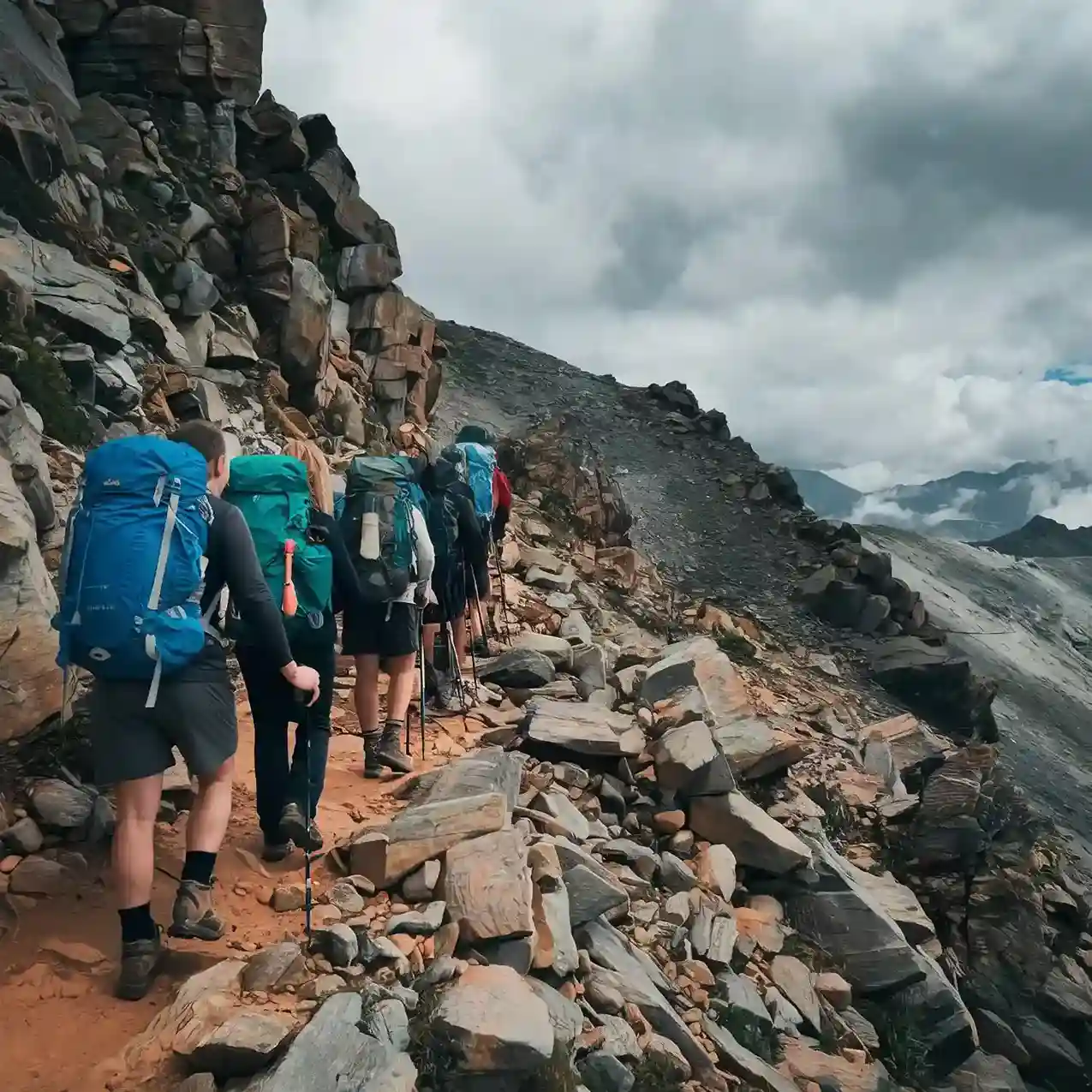
The Nanda Devi Trek is one of the most rewarding yet challenging treks in India. Situated in the pristine wilderness of Uttarakhand, it combines steep ascents, high altitudes, and rugged terrain, making it a perfect challenge for seasoned trekkers and adventure enthusiasts. While the trek offers incredible views and a sense of accomplishment, it demands proper preparation, both physically and mentally.
This section will break down the trek’s difficulty, helping trekkers understand what to expect in terms of altitude, terrain, and the physical endurance required. Additionally, we’ll provide valuable tips on how to prepare for this thrilling and demanding journey.
Nanda Devi Base Camp Trek Difficulty Level
The Nanda Devi Base Camp Trek is often categorized as moderate to difficult, primarily due to the high altitudes and rugged terrain trekkers encounter along the way. While it’s not as technical as climbing the Nanda Devi summit itself, it still presents significant challenges that should not be underestimated.
Key Difficulty Factors
- Altitude: The Nanda Devi Base Camp sits at an altitude of approximately 4,500 meters (14,763 feet). The trek involves a gradual ascent, with some areas of the route reaching even higher altitudes. As altitude increases, the air becomes thinner, and trekkers are likely to experience symptoms of altitude sickness such as headaches, dizziness, and shortness of breath. Acclimatization is critical for successfully completing this trek.
- Terrain: The terrain is varied, ranging from dense forests to rocky paths, alpine meadows, and snow-covered slopes. The trail is often steep and uneven, requiring trekkers to navigate through boulders, river crossings, and thick vegetation. Some sections can be slippery, especially during the rainy season, adding another layer of difficulty.
- Physical Endurance: The trek is long, with several days of sustained hiking. Depending on your pace and fitness level, the trek can take anywhere from 6 to 8 days. The days will involve trekking for 5-7 hours on average, covering steep ascents and descents. It’s important to be physically fit and accustomed to long hikes with substantial elevation gains.
- Weather Conditions: The weather can be unpredictable, with temperatures dropping significantly as you gain altitude. Even in summer, nights at high altitudes can be extremely cold. Rain and snow are common in certain sections, especially near the Nanda Devi Sanctuary.
What to Expect
- Expect to hike through remote and isolated areas with very limited access to rescue or medical help.
- Some river crossings may require careful navigation, particularly after rains, which can make the path more challenging.
- The trail offers stunning views but can also be physically taxing, especially on the final ascent to the base camp, where the terrain becomes increasingly rocky.
Tips for Successfully Completing the Nanda Devi Trek
Proper preparation is key to overcoming the physical challenges of the Nanda Devi Trek. Here are some essential tips to help you tackle the difficulties of this challenging journey:
Physical Preparation
- Cardio and Endurance Training: Focus on building cardiovascular endurance through activities like running, cycling, or hiking on varied terrains. Incorporate stair climbing and hill walking to simulate the steep inclines you’ll encounter.
- Strength Training: Include leg strength exercises like lunges, squats, and calf raises to help you handle the uneven terrain. Core exercises such as planks will improve balance and stability while trekking.
- Trekking with Weight: Train with a loaded backpack to simulate the weight you’ll carry during the trek. Gradually increase the weight as you progress in your training.
Acclimatization
- Spend 1-2 days at Joshimath or Lata Village before starting the trek to allow your body to adjust to the altitude. During the trek, pace yourself and take regular breaks to acclimatize to the higher altitudes.
- Climb high and sleep low. If possible, ascend to higher altitudes during the day and then return to a lower elevation for the night to help your body adjust.
Gear and Equipment
- Trekking Boots: Choose sturdy, waterproof trekking boots with good ankle support. The terrain can be rocky, and you’ll encounter mud and snow, so high-quality boots are essential for stability and comfort.
- Layered Clothing: Dress in layers to manage temperature fluctuations. Start with moisture-wicking base layers, add an insulating mid-layer, and finish with a waterproof, windproof outer layer. Be sure to pack warm gear for the nights.
- Sleeping Bag and Mat: Bring a 4-season sleeping bag suitable for freezing temperatures, along with an insulated sleeping mat to keep you comfortable on cold nights at high altitudes.
- Trekking Poles: These can help you with balance and reduce the strain on your knees during ascents and descents, especially on uneven or steep terrain.
- First Aid Kit: A basic first aid kit should include bandages, antiseptic cream, pain relievers, blister pads, and any personal medications you may need.
Mental Preparation
- Stay Positive: The Nanda Devi Trek can be mentally taxing, especially on the long, steep ascents. Stay positive, take your time, and focus on small milestones throughout the trek.
- Adapt to the Pace: It’s important not to rush the trek. Follow the pace set by your guide or group and avoid pushing yourself too hard. Long-distance trekking requires patience and resilience
Hydration and Nutrition
- Hydrate Regularly: Drink plenty of water throughout the trek. At high altitudes, dehydration can set in quickly. Carry a hydration system or water bottles and purification tablets to ensure a steady supply of clean water.
- Nutritious Snacks: Bring high-energy, lightweight snacks such as energy bars, trail mix, and dried fruit. These will help maintain energy levels on long trekking days.
Weather Preparedness
- Be prepared for all types of weather. Even in summer, temperatures at higher altitudes can drop below freezing at night. Bring enough clothing to manage both cold and warm conditions.
- Be ready for sudden changes in weather, including snowstorms or rain, especially near the sanctuary. Always check weather reports and plan accordingly.
By following these preparation tips and being mindful of the challenges ahead, you’ll be well-equipped to tackle the Nanda Devi Trek. With physical readiness, mental resilience, and the right gear, you’ll not only conquer this challenging trek but also create memories that will last a lifetime.
Conclusion
The Nanda Devi Trek is an adventure like no other—an unforgettable journey through some of the most pristine landscapes of Uttarakhand. From the rugged terrains of the Nanda Devi Base Camp to the spiritual significance of the region, this trek offers a unique combination of natural beauty, physical challenge, and cultural depth. Whether you’re standing at the base of Nanda Devi Mountain, walking through the blooming meadows of the Valley of Flowers, or experiencing the serene beauty of the Nanda Devi Sanctuary, every step along the way is a testament to the region’s untouched wilderness.
While the trek is certainly a challenging one, proper preparation, physical training, and the right gear will ensure that you have an experience that is both safe and rewarding. It’s an opportunity to connect with nature, push your limits, and create memories that will stay with you for a lifetime.
Read more >>>
Kottiyoor Temple History – A Sacred Lord Shiva Temple in Kerala
Best Time to Visit Coorg: Weather, Seasons & Travel Tips
FAQs
How long is the Nanda Devi trek?
The Nanda Devi trek is typically a 6-8 day journey, depending on the route you choose and your pace. The trek to Nanda Devi Base Camp is approximately 55 km round trip, with an altitude gain of about 1,200 meters. The trek can be completed in 1-2 days to reach the base camp, with additional days for exploration and acclimatization.
What is the difficulty level of the Nanda Devi trek?
The Nanda Devi trek is considered moderate to difficult, depending on the route and your fitness level. The trek involves steep ascents, rocky terrain, and high altitudes, making it more suitable for experienced trekkers or those with some prior trekking experience. Proper acclimatization is essential to manage altitude-related challenges.
How do I reach Nanda Devi Base Camp?
To reach Nanda Devi Base Camp, trekkers usually start from Joshimath or Rishikesh, where they take local transport (taxis or buses) to Lata Village or Dhak. From there, the trek begins to the Nanda Devi Base Camp via Gohar and Dronagiri. A guide is highly recommended for navigating this remote region.
What is the best time to visit Nanda Devi?
The best time to trek Nanda Devi is during the summer months from May to October. This period offers clear skies, moderate temperatures, and ideal trekking conditions. Winter months (November to February) bring snow and extreme cold, making the trek more challenging but offering fewer crowds.
Is Nanda Devi a difficult mountain to climb?
Yes, Nanda Devi is one of the most difficult peaks to climb in India, ranking as the second-highest peak. While summiting Nanda Devi requires technical mountaineering skills, trekkers can reach the Nanda Devi Base Camp without needing advanced climbing experience, making it accessible for adventurous trekkers.
Can beginners attempt the Nanda Devi Base Camp trek?
Yes, the Nanda Devi Base Camp trek is suitable for intermediate trekkers or those who have completed shorter treks at higher altitudes. While it’s not as technical as summiting Nanda Devi, it does require physical endurance and the ability to handle steep inclines and moderate altitude challenges.
How difficult is the Nanda Devi and Valley of Flowers trek?
The Nanda Devi and Valley of Flowers trek is a moderate trek, but it does involve high altitudes and difficult terrain in certain areas. The Valley of Flowers is less demanding than the Nanda Devi trek, and it’s a breathtaking journey, known for its scenic beauty and rich flora.
Are permits required for the Nanda Devi trek?
Yes, a protected area permit (PAP) is required for the Nanda Devi trek and Nanda Devi Base Camp as the region is a conservation zone and part of the Nanda Devi Sanctuary. These permits can be obtained from Joshimath or Dehradun. Make sure to arrange your permits well in advance.
What should I pack for the Nanda Devi trek?
When packing for the Nanda Devi trek, consider the following essentials:
- Sturdy trekking boots for rocky terrain
- Layered clothing for varying weather conditions
- Warm gear, especially for nights at high altitudes
- Sleeping bag (if camping)
- First aid kit and medications
- Hydration system (water bottles and purification tablets)
- Sun protection (hat, sunglasses, sunscreen)
How do I acclimatize for the Nanda Devi trek?
Acclimatization is crucial for treks at high altitudes like Nanda Devi. Spend 2-3 days in Joshimath or Lata Village before starting the trek to help your body adjust to the increased altitude. During the trek, make sure to take regular breaks and drink plenty of water to reduce the risk of altitude sickness.
Ready to Embark on the Nanda Devi Trek?
If you’re inspired by the allure of the Nanda Devi Trek and want to experience its beauty firsthand, Offto Travellers is here to help make your dream trek a reality. We offer seamless trip booking experiences, ensuring every aspect of your journey—from permits and accommodations to guides and gear—is taken care of.
Our team at Offto Travellers ensures that your trek is not only a thrilling adventure but also a safe and memorable experience. We specialize in curated trekking packages for Nanda Devi, tailored to suit your preferences and skill level. With our expertise, you’ll have the right support every step of the way, allowing you to focus on enjoying the breathtaking views, the challenge, and the serenity that only the Nanda Devi Trek can offer.
Don’t wait—plan your Nanda Devi trek today with Offto Travellers and let us help you discover the heart of the Himalayas with ease and comfort.
Book your trek now and get ready for the adventure of a lifetime!
Play StoreApp Store
Leave a Reply