
Best Time to Visit Ziro Valley
Ziro Valley, located in Arunachal Pradesh, is an offbeat destination that offers serene beauty, cultural richness, and unique agricultural practices. The best time to visit Ziro Valley for trekking and outdoor activities is from March to October when the weather is pleasant and ideal for exploring the lush rice fields, pine forests, and the Apatani tribal villages.
If you’re visiting to experience the vibrant Ziro Festival of Music, it is typically held in September. This annual music festival draws music lovers to the valley and offers a unique cultural experience. The Ziro Valley temperature varies throughout the year; during summer (March–June), temperatures range from 15°C to 30°C, while winter (December–February) brings cooler temperatures, ideal for those seeking snow and crisp mountain air.
For trekkers, the best time to visit Ziro Valley is from March to June and September to November, as these months offer clear skies and comfortable trekking conditions. The rainy season, from June to September, is not ideal for outdoor activities, as roads can be slippery and trails muddy.
Visiting Ziro Valley during its festival season is a great way to immerse yourself in the local culture and explore the area’s natural beauty while enjoying the vibrant festivities. Whether you’re trekking, experiencing Apatani traditions, or attending the Ziro Festival of Music, the valley offers a perfect blend of natural beauty and cultural immersion.
Why Visit Ziro Valley?
Introduction to Ziro Valley’s Charm
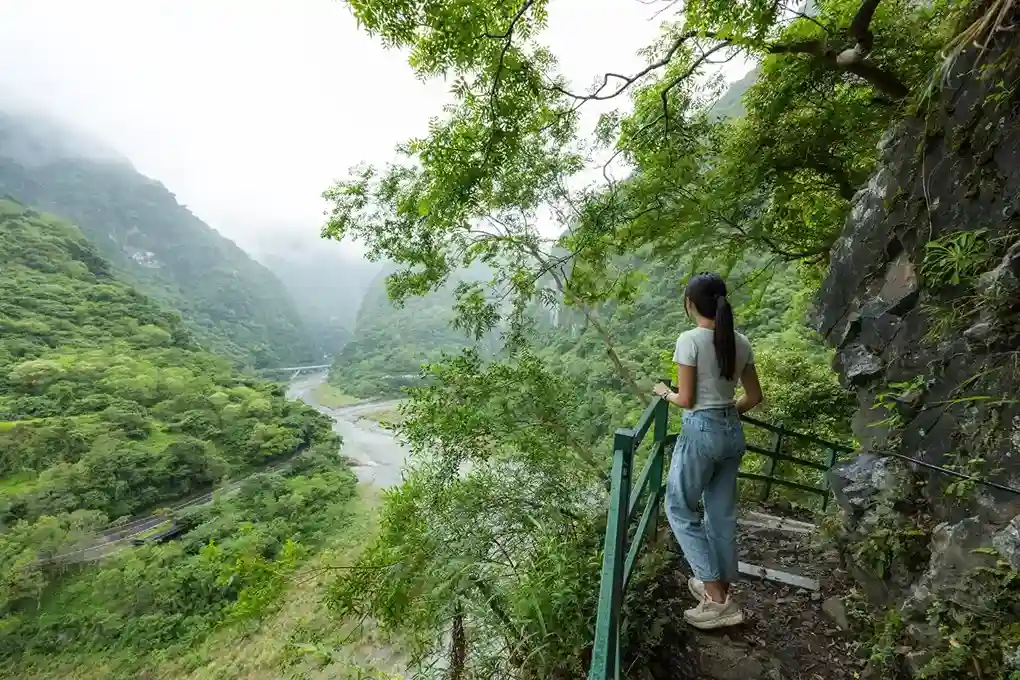
Ziro Valley, nestled in the northeastern part of India, offers a picturesque escape with its lush green fields, rolling hills, and cool, high-altitude climate. This charming valley, located in Arunachal Pradesh, is known for its serene beauty and tranquil environment, making it a perfect retreat for nature lovers and adventure enthusiasts. The landscape is dominated by vast rice fields, towering pine forests, and snow-capped mountains, creating a stunning backdrop for anyone looking to unwind and explore.
One of the valley’s highlights is the Apatani tribe, a unique community known for their sustainable practices, particularly their innovative rice-fish farming method. Ziro’s natural beauty is complemented by the rich cultural heritage of the Apatani people, whose traditions and lifestyles are largely unspoiled by modern influences. Visitors can explore the local villages, like Hong and Bulla, to experience their daily lives, customs, and vibrant traditions that have been preserved for generations.
Ziro Valley: A Cultural and Natural Paradise
Ziro Valley is a cultural and natural paradise that offers something unique for every traveler. With its lush valleys and forests, Ziro is a dream for trekkers and nature lovers. The region is also renowned for its eco-tourism initiatives, making it a perfect destination for those looking to travel responsibly. Its pristine environment, coupled with a rich cultural history, makes Ziro an ideal place for both cultural exploration and outdoor activities.
The valley’s Apatani tribe is known for their fascinating agricultural practices, which include cultivating rice and fish together in a symbiotic relationship that enhances the environment. This form of sustainable farming is unique to Ziro and offers an incredible opportunity for visitors to learn about traditional farming techniques and the importance of conservation. Whether you’re visiting for the scenic landscapes, the Apatani culture, or the chance to experience traditional farming, Ziro Arunachal Pradesh is a perfect place to discover India’s hidden beauty.
Best Time to Visit Ziro Valley

Best Seasons for Trekking and Exploration
The best time to visit Ziro Valley for trekking and outdoor exploration is from March to October. During these months, the weather is ideal for activities like trekking through the pine-clad forests, visiting the lush rice fields, and exploring the vibrant villages. Ziro Valley offers an exceptional experience for nature lovers with its vast landscapes, and the dry season ensures clear skies and comfortable trekking conditions. This period also provides a chance to experience the valley in its full beauty—lush green fields, scenic viewpoints, and peaceful surroundings.
The summer months (March to June) are particularly pleasant, with temperatures ranging from 15°C to 30°C, making it perfect for hiking and exploring local villages like Hong and Bulla. September to October is also great for those who want to enjoy the post-monsoon greenery and cooler weather. For trekking enthusiasts, this time is ideal as trails are accessible and the valley is free of heavy rains, which makes for an easier and more enjoyable trekking experience.
Ziro Valley Temperature and Climate
Ziro Valley experiences a temperate climate, with significant variations across the seasons. In summer (March to June), the temperature ranges from 15°C to 30°C, making it ideal for trekking, sightseeing, and outdoor activities. During monsoon (June to September), the valley experiences heavy rainfall, which can make some trekking routes difficult and the trails slippery. However, the lush greenery during this period adds to the valley’s charm.
In winter (December to February), temperatures drop significantly, often going as low as 5°C to 15°C, and it can get chilly, especially in the evenings. This is the best time for snow lovers, but it can be challenging for trekking, and outdoor activities may be restricted due to the cold and occasional snowfall. However, winter also offers a peaceful, serene environment, making it a great time for visitors who prefer solitude and enjoy the crisp mountain air.
Temperature variations significantly affect outdoor activities in Ziro Valley. In summer and autumn, outdoor activities like trekking, bird watching, and exploring local villages are best enjoyed, while in the winter, a slower pace, visiting monasteries, or attending cultural festivals are more suitable.
When is Ziro Valley Festival Held?
The Ziro Festival of Music is one of the most important events in Ziro Valley, held annually in September. This festival is a must-visit for music lovers, as it celebrates indie music and provides a platform for both local and international artists. The Ziro Festival of Music takes place in the scenic backdrop of the valley, with performances amidst lush landscapes and pine forests, offering a unique cultural experience. The festival attracts thousands of visitors, bringing together music enthusiasts and travelers who enjoy both music and nature.
In addition to the Ziro Festival of Music, Ziro Valley hosts several other local cultural festivals that celebrate the rich traditions of the Apatani tribe. These festivals often feature traditional dances, local crafts, and rituals that offer visitors a chance to experience the vibrant heritage of the region. The festivals, alongside the stunning landscapes, make Ziro a unique cultural destination to explore.
Culture and Heritage in Ziro Valley
The Apatani Tribe of Ziro Valley
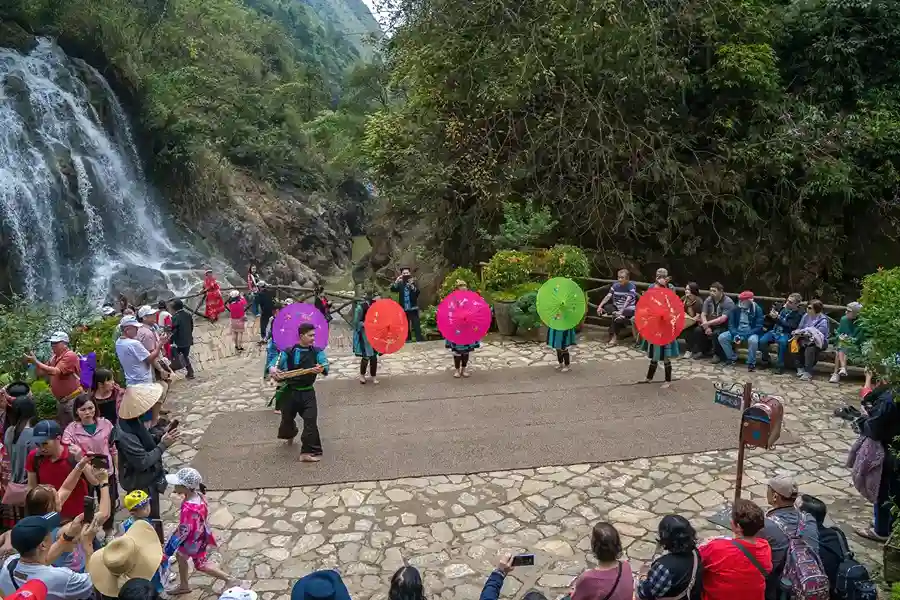
The Apatani tribe is one of the most fascinating aspects of Ziro Valley’s culture. Known for their unique customs and sustainable agricultural practices, the Apatani people have managed to preserve their traditions over centuries. One of the most notable practices is their rice-fish farming, a unique system where rice is cultivated alongside fish in flooded fields, creating a sustainable and harmonious environment. This practice is not only a marvel of eco-friendly farming but also a vital aspect of their culture that has been passed down through generations.
The tribe is also known for its distinct facial tattoos and nose plugs worn by women, a traditional beauty practice that has intrigued visitors for years. The Apatani tribe’s rich cultural heritage, coupled with their deep connection to nature, makes them a key part of Ziro Valley’s identity. To immerse yourself in the culture, you can visit the traditional villages of Hong and Bulla, where you can witness their customs firsthand, participate in community activities, and learn about their traditional farming methods.
Traditional Village Stays in Ziro Valley
One of the best ways to experience the authentic culture of Ziro Valley is by staying in local homestays. These accommodations offer an immersive experience, where visitors not only stay with Apatani families but also participate in daily life and community activities. Staying with a local family gives you an opportunity to experience the Apatani tribal culture up close, including traditional meals, cultural ceremonies, and insight into their farming practices.
Ziro Valley’s focus on eco-tourism ensures that homestays are built in harmony with the environment. Many homestays use sustainable practices and emphasize responsible tourism to maintain the region’s ecological balance. The authentic experiences provided by these homestays are a far cry from commercialized hotels, offering guests a genuine connection with the land and its people. Whether you’re learning how to weave traditional garments or assisting in rice harvesting, these stays offer a deep dive into the cultural richness of Ziro, making your trip both enriching and memorable.
Best Places to Visit in Ziro Valley
Ziro Valley’s Scenic Beauty
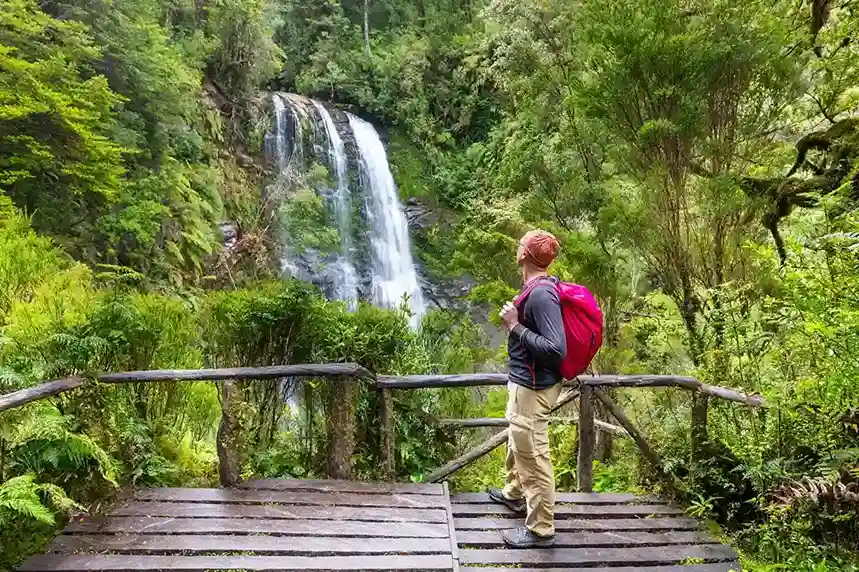
Ziro Valley is a paradise for nature lovers, with its breathtaking landscapes of lush rice fields, dense pine forests, and tranquil mountain views. The valley is surrounded by undulating hills, creating a serene environment perfect for outdoor activities and relaxation. The expansive rice fields, particularly those in the Apatani tribal villages, are visually stunning, and offer a glimpse into the traditional farming methods that have shaped the region for centuries.
Key scenic spots in Ziro Valley include Hong Village and Bulla Village, both offering picturesque views and unique cultural experiences. Hong Village is famous for its traditional Apatani architecture and sustainable farming practices, while Bulla Village offers a glimpse into the rural life of the Apatani people. Ziro Point, located on a hilltop, provides panoramic views of the valley, making it an ideal spot for photography and peaceful contemplation. Whether you’re hiking through pine forests or wandering along rice terraces, Ziro Valley’s natural beauty offers an escape from the everyday.
Monasteries and Sacred Sites in Ziro Valley
Ziro Valley is not just a natural wonder—it’s also a hub for spirituality and culture. The valley is home to several Buddhist monasteries and sacred sites that offer a peaceful, reflective atmosphere. The Gonpa Monastery in Hong Village is one of the most significant spiritual sites in the region. Its peaceful setting and Buddhist teachings make it a place of tranquility and spiritual reflection for locals and visitors alike.
The Shiva Temple in Ziro Valley is another must-visit. Situated in a picturesque location, the temple is not only important religiously but also historically significant, attracting both pilgrims and travelers interested in the region’s cultural heritage. Other temples and sacred sites in Ziro, including those near Kardo Village, offer visitors a chance to experience the valley’s serene spirituality while connecting with its rich traditions. Whether for meditation, exploration, or cultural understanding, these sacred sites are integral to the valley’s unique charm.
How to Reach Ziro Valley
How to Reach Ziro Valley from Major Cities
Reaching Ziro Valley requires a bit of effort as it is located in a remote region of Arunachal Pradesh. Here are the most common routes from major cities:
- From Itanagar: Ziro is approximately 115 km from Itanagar, the capital of Arunachal Pradesh. The best way to travel is by road via NH13. A taxi or private car from Itanagar will take you around 4-5 hours to reach Ziro Valley.
- From Naharlagun: The distance between Naharlagun and Ziro Valley is 105 km. Similar to Itanagar, the journey can be completed in around 4-5 hours by road.
- From Tezpur (Assam): Ziro Valley is about 180 km from Tezpur, which can be reached by road in approximately 6-7 hours. Tezpur is one of the major towns in Assam, and the road journey will take you through scenic landscapes and small villages.
For travelers coming from Delhi, the journey to Ziro Valley will require multiple modes of transport. Fly to Guwahati (Assam), and then travel by road (around 9-10 hours) or train to Tezpur and onwards to Ziro.
By Air: Nearest Airport to Ziro Valley
The nearest major airports to Ziro Valley are Tezpur Airport in Assam and Guwahati Airport in Assam.
- Tezpur Airport: The airport is about 170 km away from Ziro Valley and offers flights from Guwahati and other cities in India. From Tezpur, you can take a taxi or private car to reach Ziro Valley, which will take around 6-7 hours.
- Guwahati Airport: This is the busiest airport in Assam and is well-connected with major cities like Delhi, Kolkata, and Mumbai. From Guwahati, you can either take a train to Tezpur or hire a taxi for the road trip to Ziro Valley. The taxi ride will take 8-10 hours to reach the valley.
Travel Tips: When flying into Tezpur or Guwahati, it’s advisable to book your transportation to Ziro in advance, especially if you’re traveling during peak season or festival time, as taxis can be limited. Always confirm the condition of roads, especially during the monsoon months when they might be affected by landslides or rainfall.
Ziro Valley Festival: A Must-Visit Event
Ziro Festival of Music Overview
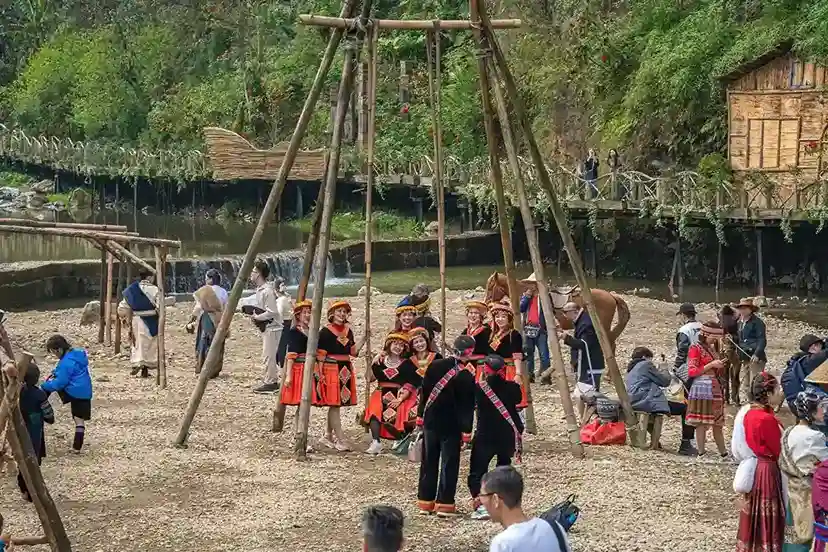
The Ziro Festival of Music is one of the most anticipated events in Ziro Valley, attracting music lovers and cultural enthusiasts from across India and the world. Held annually in September, the festival is set against the stunning backdrop of the valley’s lush green rice fields and pine forests, creating a unique blend of nature and music. Known for its indie music scene, the festival features performances by local and international artists, making it a must-visit for music lovers. The festival promotes independent music, giving emerging artists a platform to showcase their talents in a stunning outdoor setting.
Apart from the music, the festival is also a celebration of Ziro Valley’s culture and eco-tourism. It offers an immersive experience with opportunities to interact with the local Apatani tribe, sample traditional food, and learn about their unique farming practices. Tickets for the festival are usually available online, with options for single-day or full-festival passes. Accommodations in Ziro Valley during the festival can get booked quickly, so it’s best to reserve your stay in advance. You can choose from local homestays for an authentic experience or eco-friendly lodges for comfort amidst nature.
Other Cultural Events in Ziro
In addition to the Ziro Festival of Music, Ziro Valley hosts several local cultural events that provide visitors with an authentic glimpse into the traditions of the Apatani tribe. The Dree Festival, celebrated in July, is one such event that honors the tribe’s agricultural practices and is marked by prayers, dances, and feasts. During this festival, visitors can experience the rituals surrounding rice cultivation and witness traditional dances that showcase the tribe’s connection to nature.
The Mopin Festival, held in April, is another cultural highlight, featuring traditional songs, dances, and local rituals. It’s an important event for the Apatani people, symbolizing unity, prosperity, and harmony with nature. Visitors to Ziro Valley during these times can immerse themselves in the valley’s rich cultural heritage, interact with the locals, and experience the warmth of the Apatani tribe’s hospitality.
Ziro Valley Travel Tips

Best Time for Outdoor Activities
The best time for outdoor activities in Ziro Valley is from March to October, when the weather is most conducive for trekking, camping, and other outdoor adventures. March to June offers pleasant weather, with moderate temperatures ranging from 15°C to 30°C, making it ideal for trekking through the valley’s pine forests and rice fields. This is also the perfect time for fishing in the area’s clear rivers and bird watching, as the valley comes alive with migratory birds during these months.
The autumn months (September to October) also offer excellent conditions for trekking, as the weather is cool and dry, perfect for long hikes. The landscape, especially after the monsoon, is lush and vibrant, making it a great time to explore the valleys and interact with local villages. However, during the monsoon season (June to September), it’s best to avoid trekking, as the trails can be slippery and the region experiences heavy rainfall, which could impact outdoor activities.
Packing Tips for Ziro Valley
When traveling to Ziro Valley, packing appropriately is crucial to ensure a comfortable and enjoyable trip, especially given the region’s varying weather conditions. For trekking and outdoor activities, bring sturdy trekking boots, a backpack, and trekking poles for easy navigation through the valley’s rugged terrain. Layered clothing is essential, as temperatures can vary between the day and night. During the day, you may need light, breathable clothes while nights can get chilly, especially in the winter months, so pack warm layers, including jackets and thermals.
If you’re traveling during the monsoon season, it’s essential to bring waterproof clothing and trekking shoes to stay dry, as the trails can get muddy and slippery. Additionally, rain covers for your backpack, waterproof bags, and plastic zip-lock bags for keeping electronics safe from moisture are advisable. Don’t forget sun protection items like a hat, sunscreen, and sunglasses to shield yourself from the sun during the daytime.
Safety Tips for Visiting Ziro Valley
Ziro Valley, though relatively safe, is a remote region, so it’s important to take precautions, especially if you’re traveling alone or during the off-season. Always inform someone about your travel plans and expected return dates, particularly if you’re trekking to more isolated areas. Since Ziro Valley is in a high-altitude region, it’s essential to acclimatize properly to avoid altitude sickness, especially if you’re coming from lower altitudes.
For solo travelers, Ziro Valley is generally safe, but always stay in well-traveled areas or homestays and avoid venturing out into unfamiliar regions after dark. Keep your phone charged and carry a local SIM card, as connectivity might be limited in some remote areas. If traveling during the monsoon, always check weather updates and road conditions, as some routes might be affected by rainfall or landslides. Lastly, carry a first aid kit, especially if trekking in remote locations, and make sure to have extra supplies like water purification tablets for long outdoor activities.
You’re absolutely right! Google typically favors concise and meaningful content for featured snippets, especially when answering questions. The goal is to provide valuable, to-the-point answers that are easy for users to digest and Google to pick up for featured snippets, PAA, and AEO. Let me now revise the FAQ section to meet these requirements, making sure each answer is concise, informative, and optimized for SEO, while also staying within the ideal word count for snippets.
FAQs
What Is the Best Time to Visit Ziro Valley for Trekking?
The best time for trekking in Ziro Valley is from March to October. During these months, the weather is pleasant and ideal for outdoor activities like trekking and exploring the scenic rice fields. Summer and autumn offer the clearest skies and mild temperatures, perfect for trekking the valley’s lush trails.
Does It Snow in Ziro Valley?
Ziro Valley doesn’t experience heavy snowfall, but the surrounding hills do receive snow in winter (December–February). If you’re looking for snow, head to the nearby mountains. Snow trekking is popular in higher altitudes around the valley during this time.
How to Reach Ziro Valley from Itanagar?
From Itanagar, Ziro Valley is about 115 km away. You can reach by road via NH13, a 4–5 hour drive. Regular taxis or private cars are the most convenient options. Buses are available but take longer.
What is Ziro Valley Famous For?
Ziro Valley is known for its Apatani tribe, famous for their unique rice-fish farming practices. The valley is also renowned for its lush scenic beauty, local festivals, and eco-tourism. It’s a cultural and natural gem in Arunachal Pradesh.
What Are the Best Places to Visit in Ziro Valley?
Key attractions include Ziro Point, Bulla Village, Hong Village, and local temples like the Shiva Temple. These spots offer panoramic views, cultural experiences, and spiritual sites, making them essential stops during your visit.
Is Ziro Valley Safe for Solo Travelers?
Yes, Ziro Valley is generally safe for solo travelers. The locals are friendly, and the region is peaceful. However, it’s best to stay in well-populated areas and inform someone of your plans, especially when trekking in remote spots.
What is the Ziro Festival of Music?
The Ziro Festival of Music is an annual indie music festival held in September. Set in the picturesque valley, it features local and international artists, blending music with the region’s cultural beauty. It’s a must-attend for music lovers.
Can I Visit Ziro Valley in Monsoon?
While Ziro Valley can be visited during the monsoon (June–September), it’s not ideal for trekking due to heavy rainfall. Roads and trails may be slippery, but the lush, green scenery during this time is stunning for those seeking a peaceful retreat.
What to Pack for Ziro Valley Trek?
For a Ziro Valley trek, pack sturdy trekking shoes, lightweight clothing, warm layers for the evenings, and rain gear during the monsoon. Don’t forget a water bottle, sun protection, and a first aid kit for safety.
How Many Days Are Needed to Explore Ziro Valley?
3 to 4 days are ideal for exploring Ziro Valley at a relaxed pace. This allows time to visit villages like Hong and Bulla, explore rice fields, trek in the pine forests, and experience local culture and festivals.
Read more>>>
Best Places to Visit in South Goa (Beaches, Forts & Hidden Gems)
Best Time to Visit Nandi Hills – Weather, Sunrise, Timings & Local Travel Guide
Why Ziro Valley Should Be Your Next Travel Destination
Book Your Ziro Valley Adventure with Offto Travellers
Ziro Valley is an unmissable destination for those seeking a blend of natural beauty, cultural richness, and adventure. Whether you’re looking to explore the serene rice fields, trek through pine forests, or immerse yourself in the unique traditions of the Apatani tribe, Ziro offers an unforgettable experience. With Offto Travellers, you can book a personalized trip to Ziro Valley, ensuring a hassle-free journey. From eco-friendly homestays to guided treks and festival experiences, we tailor the perfect package to suit your interests. Book with us today and embark on a memorable adventure in one of India’s most beautiful and untouched destinations.
Best experienced on the Offto Travellers app
Get the Offto app to explore travel stories, share your own journeys, connect with travellers, and book trips—all in one place.
Play StoreApp Store
Leave a Reply