
Best Astro-Tourism Destinations in India
Astro-tourism in India is growing rapidly as a popular way to experience the night sky, combining stargazing with travel. With its vast rural landscapes, remote locations, and clear skies, India offers numerous destinations where astro-tourism is at its peak. The best places for astro-tourism in India include Ladakh, Rishikesh, Spiti Valley, and Jammu & Kashmir. These regions, away from the light pollution of major cities, provide perfect opportunities to observe celestial wonders, such as meteor showers, eclipses, and the Milky Way.
The ideal months for stargazing in India are typically November to February. During this period, the weather is clear, and the skies are at their most vivid, making it the best time for astro-tourism in India. In addition to stargazing, there are astrophotography workshops and night sky photography tours to enhance your experience.
2026 brings several exciting celestial events, including meteor showers and lunar eclipses, making it the perfect year for planning your astro-tourism adventure. The Zodiacal Light, supermoons, and Venus’ transit will also be visible, and many tour operators are offering specialized astro-tourism packages that include visits to the best stargazing spots, guided night sky observation sessions, and other exciting experiences for stargazing enthusiasts.
Astro-tourism in India is an unforgettable experience, blending natural beauty with the wonders of the universe, making it a must-try for those fascinated by the stars.
Introduction to Astro-Tourism in India

What is Astro-Tourism?
Astro-tourism is a rapidly growing niche in the travel industry that combines the thrill of stargazing, astronomy, and outdoor adventures. As the name suggests, it involves traveling to specific destinations that offer the best conditions for observing celestial events and the night sky. Whether you’re an experienced astronomer or simply someone who appreciates the beauty of the stars, astro-tourism gives you the opportunity to immerse yourself in the vastness of the universe.
In India, astro-tourism is becoming increasingly popular due to the country’s vast rural areas, clear skies, and remote locations far from light pollution, making it an ideal spot for stargazing. Many regions across the country offer perfect conditions for night sky observation. The absence of city lights in places like Ladakh, Spiti Valley, and Rishikesh makes them famous astro-tourism spots. In these locations, travelers can spot constellations, planets, meteors, and even participate in night sky photography workshops.
The rising interest in astrology, astronomy, and eco-tourism in India has contributed to this booming trend. With more people seeking unique travel experiences, astro-tourism provides a fascinating way to explore India’s rural landscapes while connecting with the cosmos. It’s an opportunity to witness meteor showers, lunar eclipses, and supermoons, all in regions that remain unaffected by the hustle and bustle of city life.
As India develops its dark sky parks and astronomy tourism facilities, the interest in astro-tourism is only set to rise. Whether you are a beginner or an expert in astronomy, astro-tourism is an exciting new way to connect with the universe and travel to the hidden corners of India.
Why Astro-Tourism is Gaining Popularity in India
Astro-tourism is seeing a surge in popularity across the globe, and India is no exception. The growing interest in this unique form of tourism can be attributed to several factors, including the country’s clear skies, remote and beautiful landscapes, and increasing awareness about eco-tourism and dark sky preservation.
India’s vast and diverse geography provides perfect conditions for astronomy tourism. From the Himalayas in Ladakh to the rural regions of Madhya Pradesh and Goa, there are numerous regions with minimal light pollution, making them ideal for stargazing. These areas are especially attractive to travelers who want to escape the hustle and bustle of city life and connect with nature while experiencing the magnificence of the night sky.
Astro-tourism is also aligned with eco-tourism trends, where people are increasingly seeking sustainable and conservation-driven travel experiences. As light pollution continues to grow globally, efforts to preserve dark skies have gained momentum. India has embraced these efforts by promoting dark sky parks and stargazing events, which are becoming a significant draw for eco-conscious travelers. The rise of these eco-friendly astro-tourism spots in India aligns with a global movement towards sustainable tourism and environmental awareness.
The interest in astronomy and astrophotography has also fueled the popularity of astro-tourism in India. With the growing availability of affordable telescopes and astrophotography tools, many travelers are keen on capturing the beauty of the night sky. As more people are becoming aware of astronomy, there has been a shift in how people travel and explore nature.
India’s growing presence on the astro-tourism map of the world is helping to establish it as a prime destination for star lovers, nature enthusiasts, and photography aficionados. The increasing popularity of events like the Ziro Festival of Music, Lunar Eclipses, and meteor showers also adds to the allure of astro-tourism, as visitors gather to witness these celestial events in some of the most pristine locations on earth.
In summary, astro-tourism is gaining popularity in India because it combines unique travel experiences, eco-tourism, astronomy, and nature exploration, all of which appeal to the modern traveler looking for something new, meaningful, and out of the ordinary.
Best Astro-Tourism Destinations in India
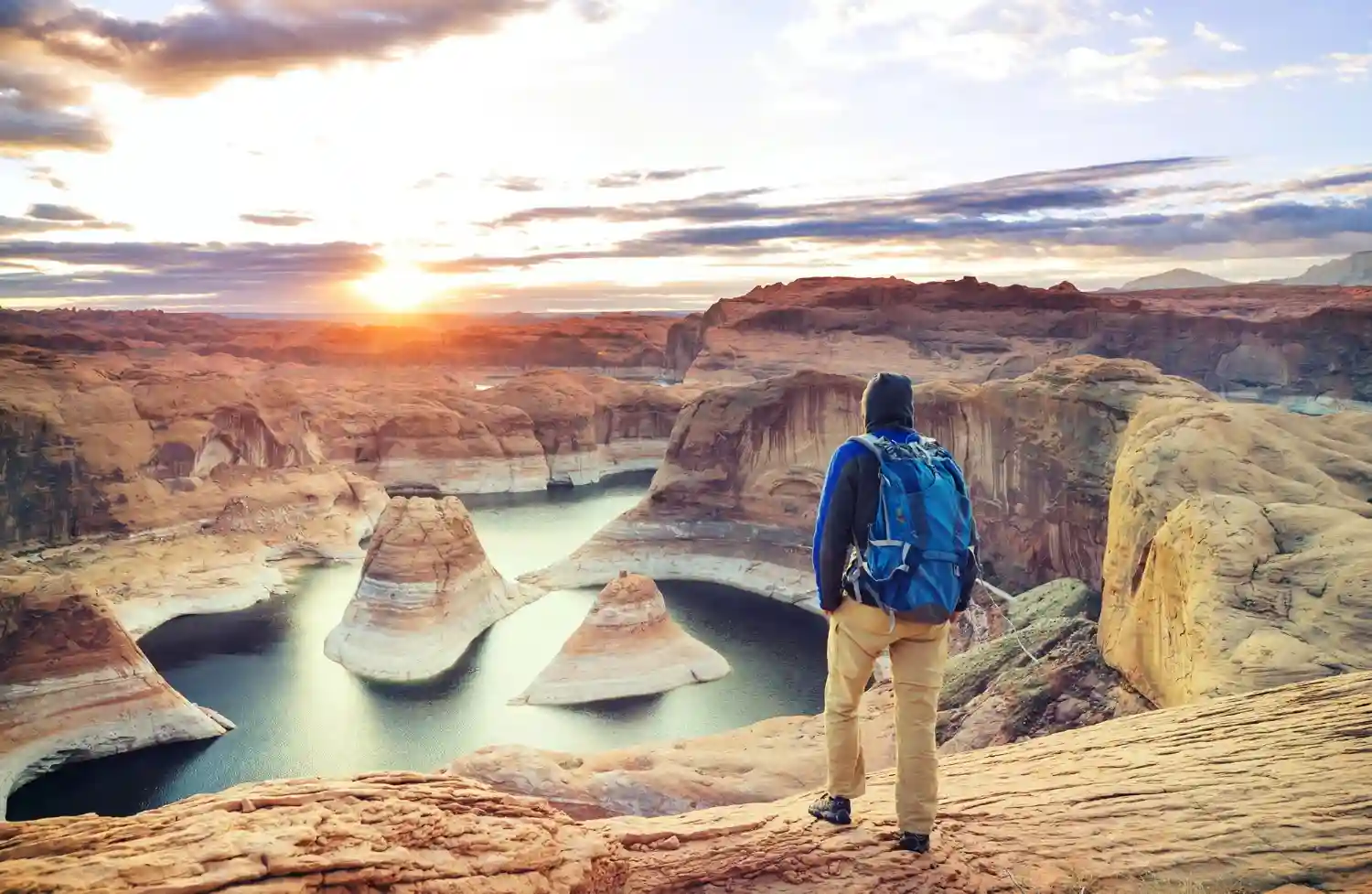
Ladakh: Stargazing in the Himalayan Desert
Ladakh is undeniably one of the most picturesque and ideal locations for astro-tourism in India. Nestled in the heart of the Himalayas, Ladakh offers clear skies, high altitude, and minimal light pollution, making it a dream destination for astrophotographers and stargazers.
Ladakh’s dry desert climate and its remote location ensure that the night skies remain crystal clear throughout the year, making it one of the best destinations for astrophotography. The region’s high-altitude location (between 9,000 to 20,000 feet) allows for breathtaking views of star clusters, the Milky Way, and constellations.
Places like Nubra Valley, Pangong Lake, and Leh are known for their vast open skies, perfect for setting up telescopes and camera gear to capture celestial events like meteor showers, supermoons, and eclipses. The Zanskar Valley also stands out as a stargazing haven due to its dark sky zones.
For anyone serious about astrophotography, Ladakh is a mecca, attracting travelers from all over the world. The combination of stunning landscapes, rugged terrain, and undisturbed skies makes Ladakh a top-tier destination for those looking to experience the cosmos up close.
Manali & Spiti Valley: Perfect for Astro-Tourism
The Himalayan regions of Manali and Spiti Valley in Himachal Pradesh are fast becoming offbeat hotspots for astro-tourism in India. Both destinations offer breathtaking dark skies, vast stretches of uninhabited terrain, and unique stargazing opportunities.
Manali, with its clear skies and mountainous backdrop, offers travelers an ideal escape from the pollution of city lights. Solang Valley, located near Manali, is a known spot for stargazing and night sky photography. The peaceful surroundings combined with low light pollution create a spectacular stargazing environment.
On the other hand, Spiti Valley is a true hidden gem. Located at a higher altitude, Spiti has clear skies, and minimal light pollution, which enhances the visibility of celestial wonders. Visitors can trek to Chandratal Lake, where the reflection of stars on the lake’s surface makes for an awe-inspiring sight.
Spiti and Manali are ideal for travelers seeking an off-the-beaten-path experience, combining culture, adventure, and astrophotography in some of the most remote locations in India.
Rishikesh: A Spiritual Stargazing Destination
Rishikesh in Uttarakhand is a unique destination where spirituality and astro-tourism meet. Known for its yoga retreats and spiritual atmosphere, Rishikesh is an excellent spot for travelers looking to blend their interest in astronomy with self-reflection.
After a day of yoga and meditation, visitors can head to the outskirts of the city to find peaceful and clear skies perfect for stargazing. The Ganges River adds an ethereal quality to the experience, especially at Triveni Ghat, where the dark skies above reflect the quiet serenity of the river below.
Rishikesh is known for hosting the Rishikesh International Yoga Festival, and for astro-tourists, it provides a rare blend of spiritual rejuvenation and stargazing under the tranquil night sky. The nearby Rajaji National Park also offers perfect stargazing locations away from the city lights.
Goa: Beachside Stargazing
Though famous for its beaches and vibrant party scenes, Goa is also an increasingly popular astro-tourism destination. Away from the crowded beaches of North Goa, the southern beaches like Palolem, Agonda, and Cabo de Rama offer some of the best stargazing spots in India.
With minimal light pollution in these quieter areas, Goa’s beaches offer the perfect vantage point for travelers to sit back and enjoy the night sky. The combination of clear skies and the vast, unbroken horizon of the Arabian Sea makes it a perfect location for night sky photography and constellation spotting. The experience of watching the stars above and listening to the gentle waves is an unforgettable one.
In addition, Goa’s beaches offer warm weather, making it a year-round destination for astro-tourists who are also looking to enjoy a tropical beach vacation along with their stargazing experience.
Jammu & Kashmir: Exploring Remote Starry Nights
For the ultimate remote astro-tourism experience, Jammu & Kashmir offers some of the most spectacular stargazing spots in India. Regions like Pahalgam and Leh are located at high altitudes with clear skies, making them perfect destinations for stargazers.
Pahalgam, in particular, is a serene hill station located on the banks of the Lidder River, surrounded by lush pine forests. This area is perfect for astro-tourists looking to escape the crowds and experience uninterrupted views of the cosmos.
The Zanskar Valley in Kashmir is another remote location that offers optimal conditions for stargazing, thanks to its elevated position and minimal light pollution. Travelers can observe the night sky in all its glory, including prominent constellations, meteor showers, and the Milky Way.
Best Times for Stargazing in India
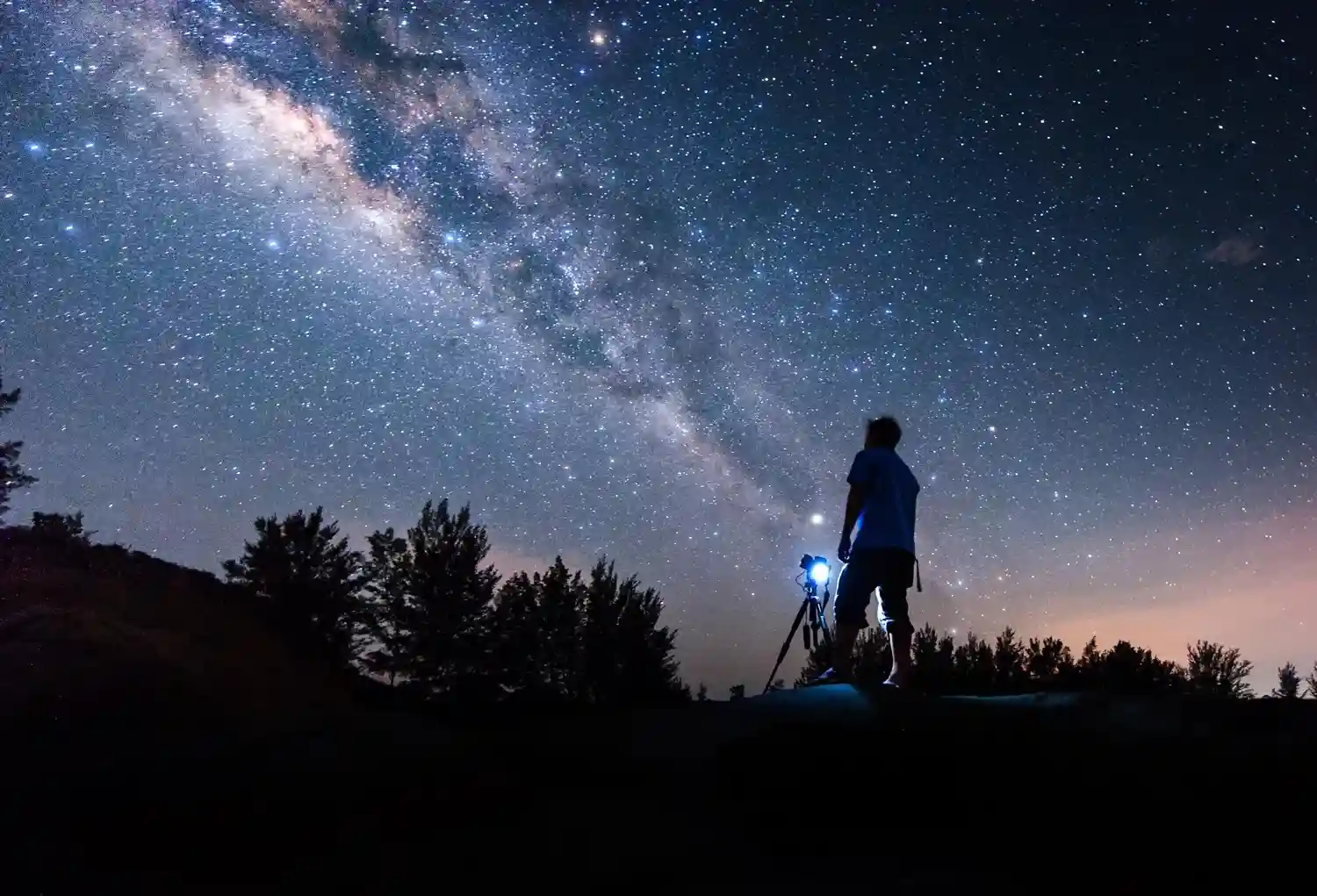
When to Visit for the Best Stargazing Experience
The best time for astro-tourism in India is from November to February. During this period, the winter season prevails, offering clear skies and minimal cloud cover, which is perfect for stargazing. Winter also offers cool, crisp air, which makes the night sky even more visible. December to January is the peak season for observing the Milky Way and star clusters.
Top Meteor Showers to Watch in India
India offers an array of meteor showers and celestial events that make for a spectacular stargazing experience. Some of the major meteor showers to look forward to in 2026 include:
- Perseid Meteor Shower (August)
- Geminid Meteor Shower (December)
- Quadrantids Meteor Shower (January)
- Lyrids Meteor Shower (April)
Other significant celestial events for 2026 include lunar eclipses and supermoons, both of which can be observed from remote astro-tourism locations across India.
How Weather Affects Stargazing in India
While India offers many great stargazing locations, weather plays a crucial role in visibility. Monsoon months (June–September) can be cloudy, making it difficult to observe the night sky. For the best experience, winter months (November–February) are ideal, especially in regions like Ladakh, Spiti Valley, and Rishikesh, where dry skies and low humidity create optimal conditions for stargazing.
The dry conditions also mean that dust and pollution levels are low, leading to better visibility of planets, constellations, and other celestial phenomena.
Unique Experiences in Astro-Tourism
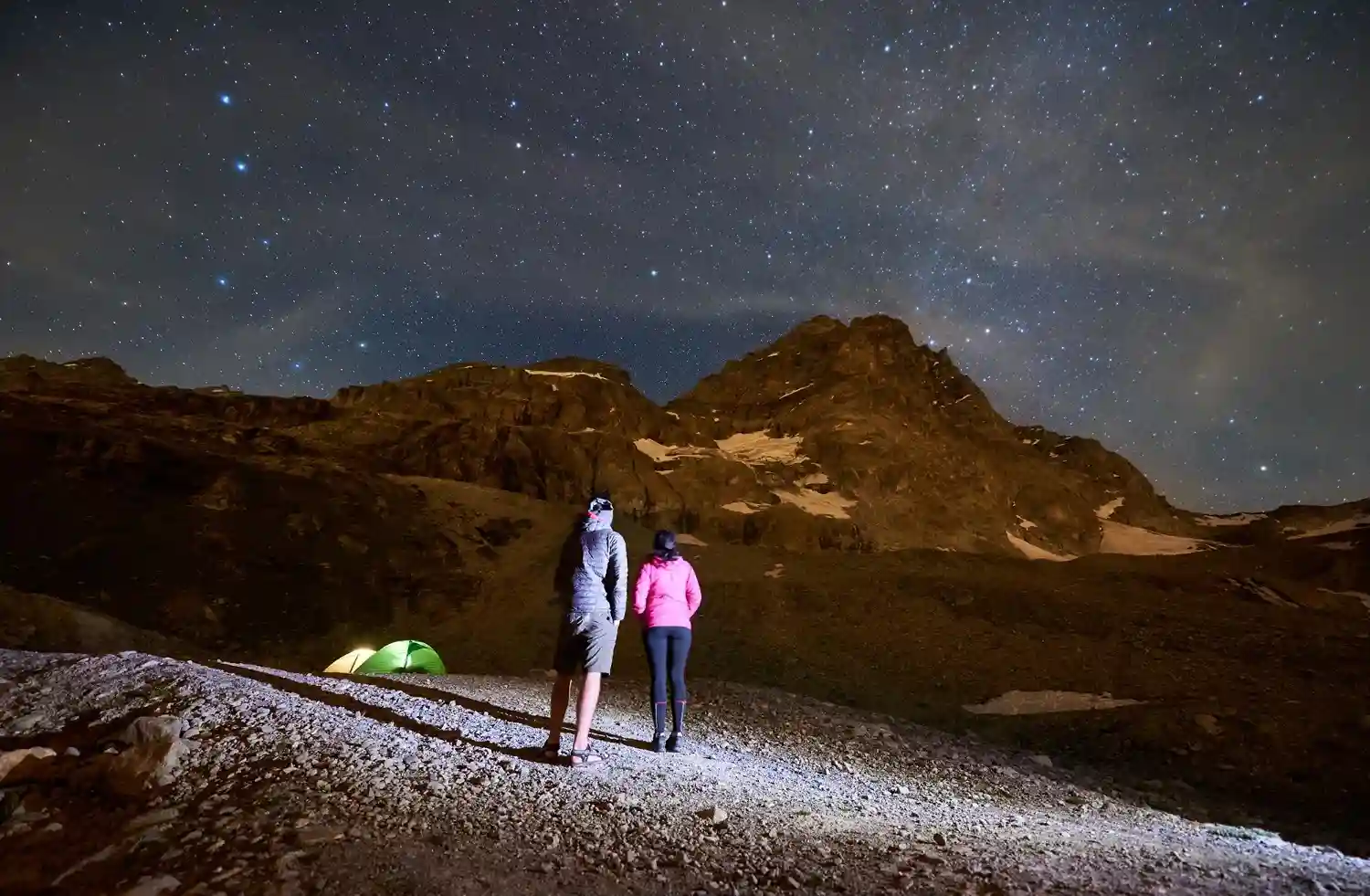
Night Sky Photography & Astrophotography Workshops
Astro-tourism is not just about stargazing; it’s an excellent opportunity for night sky photography and astrophotography enthusiasts to capture the wonders of the universe. India’s remote locations, such as Ladakh, Spiti Valley, and Rishikesh, provide the perfect settings for this unique form of photography.
If you’re a budding photographer or an experienced astrophotographer, India offers numerous workshops and night sky photography tours that teach the art of capturing stars, the Milky Way, nebulae, and even meteor showers. Many locations, including Manali, Jammu & Kashmir, and Mawlynnong, offer specialized tours with local experts who guide you through the technicalities of astrophotography.
These workshops typically include:
- Guided tours to dark skies, free from city lights.
- Expert advice on how to set up your camera gear.
- Photography tips on capturing long-exposure shots, star trails, and milky way images.
Photographers often flock to Ladakh, which is known for its high altitudes, low light pollution, and the unparalleled night skies. As India’s astro-tourism scene continues to grow, astrophotography workshops are also gaining popularity, providing travelers with unique experiences while sharpening their skills.
Dark Sky Parks
In recent years, India has seen the rise of dark sky parks, which are specifically designated areas where light pollution is minimized, making them ideal for stargazing and astro-tourism. These parks are becoming increasingly popular as they offer optimal viewing conditions for those eager to observe celestial events such as the Milky Way, constellations, and meteor showers.
Some of the most renowned dark sky parks in India include:
- Tirthan Valley in Himachal Pradesh: Known for its clear skies and remote location, this valley offers a peaceful retreat and a fantastic view of the night sky.
- Spiti Valley in Himachal Pradesh: With its isolated and desolate landscapes, Spiti is famous for its pristine skies and is a favorite among astronomy lovers.
- Ramanagaram in Karnataka: A popular stargazing spot, also known for its picturesque landscapes and adventure sports.
- Nanda Devi Biosphere Reserve in Uttarakhand: A UNESCO-recognized site, this is one of India’s finest dark sky zones, perfect for witnessing stars and constellations far from artificial lights.
Dark sky parks offer an immersive experience where travelers can truly connect with the universe, free from light pollution. These parks also provide an opportunity for astronomy enthusiasts to learn more about celestial phenomena through various programs and star parties hosted by local astronomy clubs.
Astro Events in India for 2026
India will host a variety of exciting astro-events in 2026, attracting astro-tourists from around the globe. Whether you’re an experienced astrophotographer or a star-gazing enthusiast, these events provide the perfect opportunity to witness rare celestial phenomena in some of the best stargazing spots across India.
Some of the major astro-events scheduled for 2026 include:
- Supermoon (2026): This is when the moon appears larger and brighter in the sky, making for a mesmerizing sight.
- Perseid Meteor Shower (August): This meteor shower is one of the most popular events for stargazers. The dark sky regions of Ladakh and Spiti Valley offer the perfect viewing conditions for this spectacular celestial event.
- Lunar Eclipses (2026): India will experience two lunar eclipses in 2026, which are incredible opportunities for observing the Earth’s shadow on the moon.
- Geminid Meteor Shower (December): The Geminid Meteor Shower is one of the brightest meteor showers of the year, and it will be visible across India in December.
- Zodiacal Light: An extraordinary phenomenon, where the light from the Milky Way reflects off dust particles in space, creating a soft glow just before dawn.
These events provide a perfect reason to plan your astro-tourism trip in 2026. Whether you choose to travel to Ladakh, Spiti Valley, or Rishikesh, you’re bound to witness some of the most magical celestial shows in the skies.
How to Plan Your Astro-Tourism Trip in India
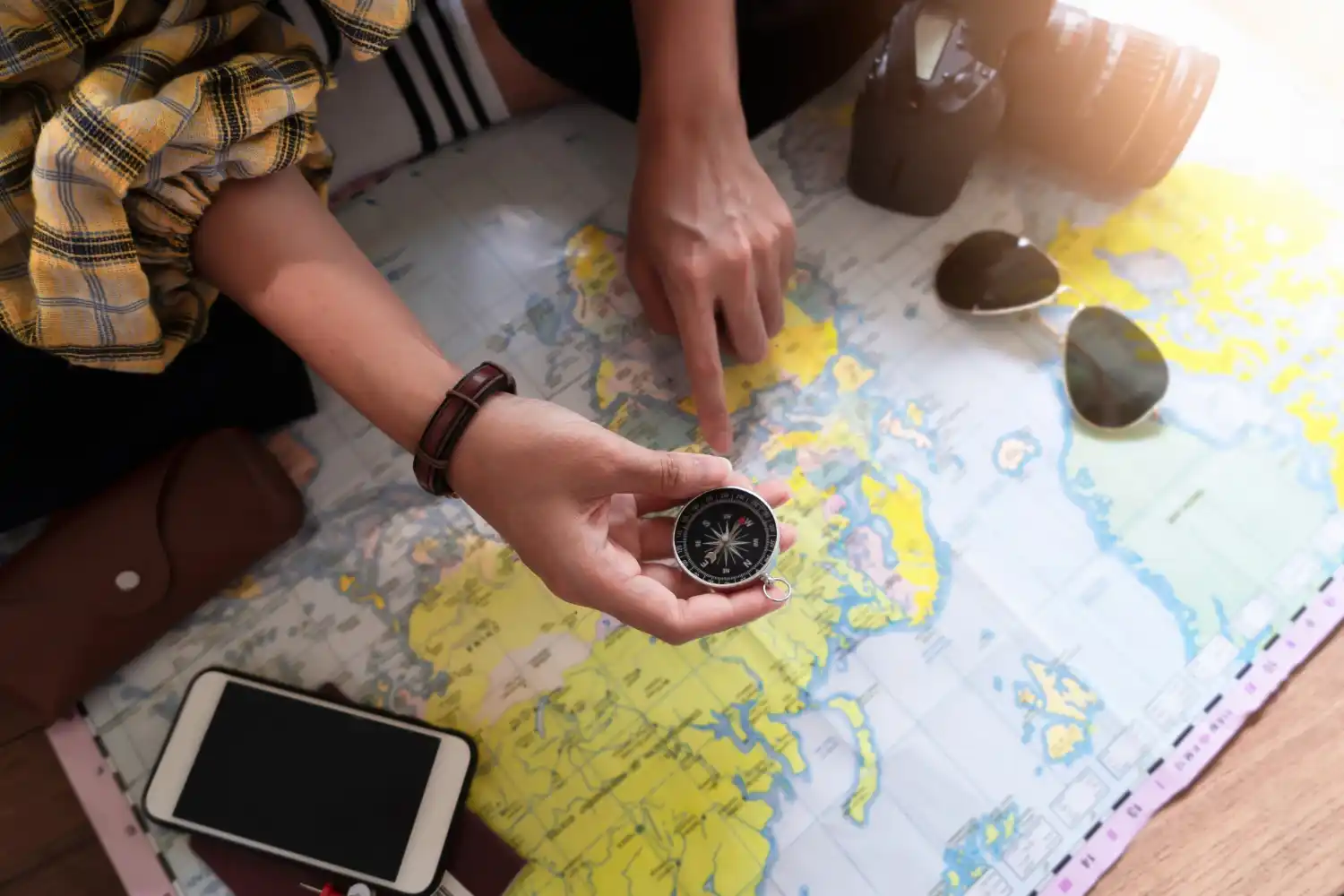
Choosing the Right Astro-Tourism Package
Choosing the right astro-tourism package is key to making the most out of your stargazing journey in India. Various travel agencies and specialized operators offer astro-tourism packages that cater to a wide range of interests, from basic stargazing tours to more specialized experiences like astrophotography workshops or meteor shower observation tours.
Here’s what to look for when selecting the best package:
- Guided stargazing tours: Ensure the package includes expert guidance from local astronomers or astrophotographers who can help you make the most of your experience.
- Accommodation options: Packages that include stays at remote and dark sky locations (like Spiti Valley or Ladakh) are ideal.
- Included equipment: Some tours offer telescopes, binoculars, and cameras to use during your stay.
- Events and workshops: Look for packages that incorporate astro-events like meteor showers, eclipses, or supermoon viewing.
These tours are available in Ladakh, Spiti Valley, Rishikesh, Goa, and other remote destinations, providing tailored experiences that cater to both amateur and professional astronomers.
Travel Tips for Astro-Tourism in India
Astro-tourism in India is an extraordinary way to witness the beauty of the cosmos. However, traveling to remote destinations to stargaze requires some preparation. Here are essential travel tips for a successful astro-tourism trip:
- Pack Warm Clothing: Many astro-tourism spots in Ladakh, Spiti Valley, and Rishikesh are located in cold regions, especially at night. Even during the summer, it can get chilly, so bring warm clothing and layers.
- Photography Gear: If you’re into astrophotography, don’t forget your camera, tripod, wide-angle lenses, and a flashlight. Consider bringing extra batteries as cold temperatures can drain them quickly.
- Booking in Advance: Remote destinations often have limited accommodation options. Booking your stay and tour in advance is crucial, especially during peak astro-tourism seasons (November–February).
- Carry Essential Supplies: Since many of these destinations are in remote locations, stock up on essentials like water, snacks, and first-aid kits before leaving for the trip.
FAQs
What Are the Best Months for Stargazing in India?
The best months for stargazing in India are from November to February. During these months, the weather is typically clear, and the air is dry, offering optimal visibility of stars and celestial events. These winter months provide the clearest skies for astrophotography and observing the Milky Way and meteor showers.
Where Can I Find Dark Sky Parks in India?
Some of the top dark sky parks in India include Tirthan Valley, Spiti Valley, and Ramanagaram. These locations are known for minimal light pollution, making them perfect for stargazing. Other notable spots include Nanda Devi Biosphere Reserve and Zanskar Valley, which provide ideal conditions for observing celestial wonders.
Is Astro-Tourism Safe in Remote Locations?
Astro-tourism in remote locations is generally safe if you take necessary precautions. Ensure you travel with a trusted guide and check for local advisories. High-altitude regions like Ladakh and Spiti require acclimatization, so travel with care. Always inform someone of your whereabouts and carry necessary supplies, including a flashlight for dark areas.
How Do I Prepare for Astrophotography?
For astrophotography, bring a DSLR or mirrorless camera, wide-angle lens, and a sturdy tripod. Use settings like ISO 1600–3200, 15-30 second exposures, and f/2.8 for clear shots. Also, pack extra batteries as cold temperatures can drain power quickly. A headlamp is essential for night photography.
What Are the Best Locations in India for Stargazing?
Some of the best stargazing spots in India include Ladakh, Spiti Valley, Manali, Tirthan Valley, and Jammu & Kashmir. These locations offer clear skies and low light pollution, making them ideal for observing constellations, meteor showers, and other celestial events like supermoons and lunar eclipses.
How Do I Choose the Best Astro-Tourism Package in India?
When choosing an astro-tourism package, look for those that offer guided stargazing tours, local astronomy experts, and photography workshops. Ensure the package includes accommodation in dark sky zones and options for observing celestial events. Packages with custom itineraries focused on astrophotography are highly recommended.
Is Astro-Tourism Expensive in India?
Astro-tourism can range from budget to premium. Budget options include group tours with basic stargazing experiences. For a more luxurious experience, look for packages with private guided tours, astrophotography lessons, and stays in remote resorts. Pricing varies based on destination, accommodation, and services offered.
Do I Need Special Gear for Stargazing?
For basic stargazing, you only need binoculars or a telescope. If you’re interested in astrophotography, bring a DSLR camera, wide-angle lens, tripod, and flashlight. You may also want to carry extra batteries and memory cards for long observation sessions. Warm clothing is recommended for cold high-altitude areas.
What Should I Expect During an Astro-Tourism Trip in India?
Expect to visit remote, dark sky locations, participate in astrophotography workshops, and witness celestial events like meteor showers and eclipses. The experience typically includes night sky observation with expert guides and stays in eco-friendly accommodations away from city lights, ensuring an immersive astro-tourism experience.
Read more>>>
Best Places to Visit in South Goa (Beaches, Forts & Hidden Gems)
Best Time to Visit Nandi Hills – Weather, Sunrise, Timings & Local Travel Guide
Why You Should Book Your Astro-Tourism Trip with Offto Travellers
Seamless Trip Planning with Offto Travellers
When it comes to planning your astro-tourism journey in India, Offto Travellers is your ultimate travel companion. Our platform makes it easy to explore stargazing destinations, plan your trip, and book everything you need—accommodation, stargazing tours, photography workshops, and more—all in one place. Whether you’re heading to Ladakh, Spiti Valley, or Rishikesh, we ensure a seamless, hassle-free experience for all astro-tourism enthusiasts.
With Offto Travellers, you can access tailored itineraries and personalized recommendations to make your astro-tourism experience truly unique. Our platform connects you with the best guides and specialized packages, ensuring that you have everything you need to enjoy an unforgettable stargazing trip in India.
Explore. Connect. Book. All in One Place
With Offto Travellers, you can do more than just book your trip. Our platform allows you to explore a range of stargazing destinations, connect with like-minded astro-tourists, and book your complete astro-tourism package with ease. No more searching through multiple websites for accommodation, tour guides, or activities—everything you need for your astro-tourism journey is right at your fingertips.
You can easily choose from a variety of astro-tourism packages that suit your preferences, whether you’re looking for remote stargazing destinations, astrophotography workshops, or tours during major celestial events. Plus, with personalized recommendations, you’ll find the perfect stargazing spot to suit your interests.
Plan Your Astro-Tourism Trip Now with Offto Travellers
Ready to experience the night sky like never before? Download the Offto Travellers app now and plan your astro-tourism trip with ease. From tailored itineraries to easy bookings of stargazing tours and related experiences, our app has everything you need to make your astro-tourism journey a reality.
Take the first step towards your astrophotography adventure, night sky photography tour, or dark sky park exploration today! Start planning your astro-tourism journey with Offto Travellers for an unforgettable, out-of-this-world experience.
Play StoreApp Store
Leave a Reply